
How agri tech innovations are changing dealer expectations
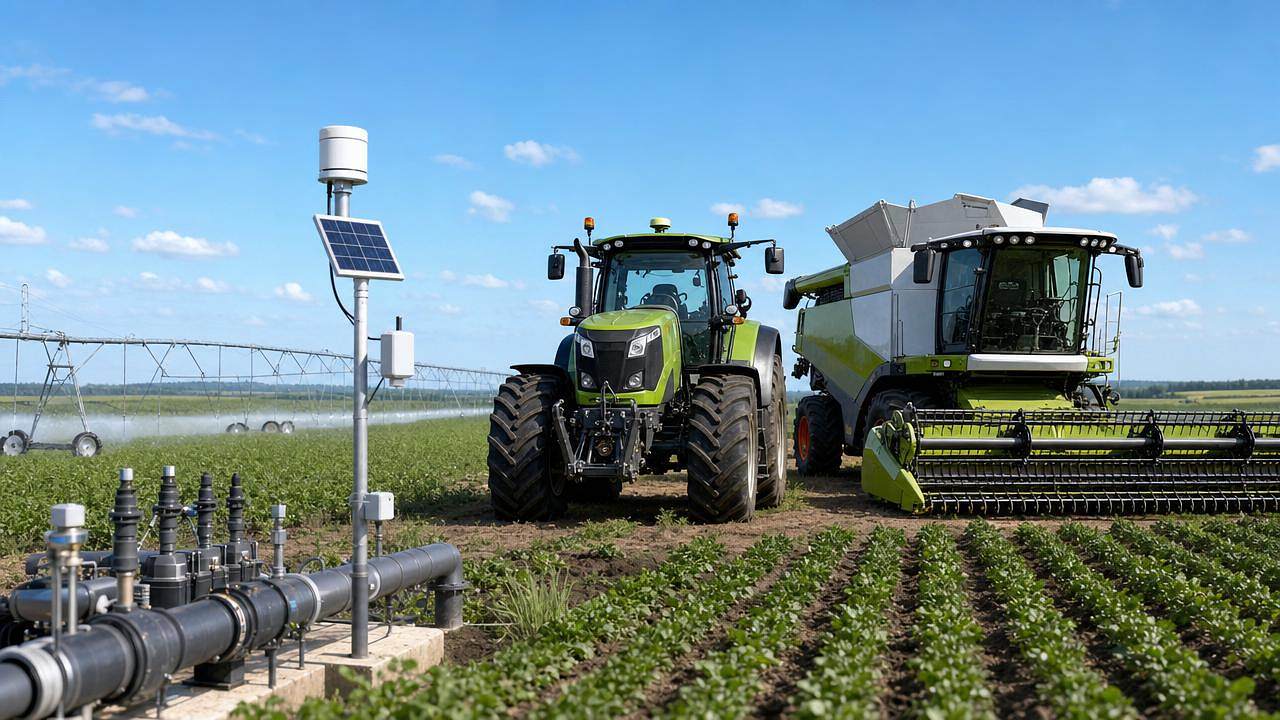




Agri-tech innovations are changing how dealers evaluate equipment lines, support systems, and future revenue opportunities. Sales performance still matters, but it is no longer the only benchmark.
Today, dealer expectations are shaped by precision farming software, connected machines, intelligent irrigation, and data-driven service models. In global agriculture, every technology choice affects uptime, margin stability, and long-term customer trust.
For platforms like AP-Strategy, this shift is especially important. The market now rewards insight that links machinery capability, field intelligence, sustainability pressure, and commercial viability into one decision framework.
What do agri-tech innovations mean for dealer expectations today?
Agri-tech innovations now mean more than adding digital features to traditional machinery. They represent a full upgrade in how value is created, delivered, and measured across the equipment lifecycle.
Dealers increasingly expect machines to work as connected platforms. A tractor, combine, or irrigation system must support diagnostics, software updates, telemetry, and precision task execution.
This change also raises expectations for brand partners. Dealers want clear technical roadmaps, reliable aftermarket support, and evidence that agri-tech innovations will stay relevant as farm practices evolve.
In practical terms, dealer expectations now focus on four linked outcomes:
- higher machine productivity in variable field conditions
- better integration with precision agriculture systems
- faster technical support and predictable maintenance
- stronger resale value in technology-sensitive markets
Because of this, agri-tech innovations are no longer viewed as optional upgrades. They are becoming baseline factors in channel confidence and market positioning.
Why are connected machinery and precision systems raising the bar?
Connected machinery changes what dealers must understand before they commit to a product line. Mechanical reliability remains essential, yet digital compatibility now carries equal weight.
A combine harvester with advanced cleaning-loss feedback offers more than efficiency. It creates a measurable performance story that can support customer decisions during difficult harvest windows.
The same applies to tractor chassis with intelligent transmission control. Dealers expect smooth integration between hardware strength and software-based optimization, especially in heavy-duty operations.
Precision systems also affect daily service expectations. If machines collect field data, users expect that data to produce visible benefits, not dashboard complexity.
That means agri-tech innovations must support:
- accurate positioning and prescription-based operations
- simple user interfaces for operators
- remote diagnostics with actionable alerts
- data portability across farm management tools
If these elements are missing, dealer expectations are often disappointed. Advanced features without operational clarity can weaken confidence instead of building it.
How are intelligent irrigation and sustainability goals influencing dealer priorities?
Water management has become a strategic factor across many agricultural regions. As climate pressure increases, dealer expectations are shifting toward systems that save resources while improving output consistency.
This is where agri-tech innovations in irrigation gain commercial importance. Smart networks, sensor feedback, and transpiration prediction models can transform irrigation from fixed scheduling to adaptive field control.
Dealers now look beyond hardware specifications alone. They want to know whether a water-saving solution can fit local infrastructure, crop patterns, and long-term policy trends.
Sustainability expectations are also becoming more practical. Instead of broad claims, the market asks for measurable reductions in water loss, fuel use, overlap error, and nutrient waste.
This trend is pushing dealer priorities toward solutions that combine:
- resource efficiency and field-level performance
- compliance readiness for emerging regulations
- serviceability in remote or large-scale operations
- clear return on technology investment
For AP-Strategy, this confirms a larger pattern. Agri-tech innovations succeed when sustainability, engineering, and market intelligence move together rather than separately.
What should be compared before trusting a new agri-tech equipment line?
Not every advanced product creates durable channel value. Dealer expectations are now more disciplined because technology adoption carries training costs, support obligations, and reputation risk.
A useful comparison starts with field performance, but it should not end there. Agri-tech innovations must also be judged by system maturity and service readiness.
Key evaluation questions include the following:
- Does the machine deliver measurable gains in fuel, yield protection, or labor efficiency?
- Can the software architecture support updates without disrupting operations?
- Are spare parts, sensors, and diagnostic tools readily available?
- Is training practical for operators and service teams?
- Will the product retain value as precision agriculture standards advance?
Many decision errors happen when one feature receives too much attention. A strong autonomous function, for example, cannot offset weak local support or unstable software integration.
The best agri-tech innovations usually show balance. They improve machine capability, simplify field execution, and protect channel economics over several seasons.
Quick comparison table for channel evaluation
Which common risks and misunderstandings are shaping dealer expectations?
One common misunderstanding is that more digital complexity always means more value. In reality, agri-tech innovations only help when they simplify decisions and improve outcomes in the field.
Another risk is underestimating service transition. Connected products need a stronger support model, including software troubleshooting, calibration knowledge, and remote assistance processes.
There is also a timing risk. Some technologies arrive before local infrastructure, financing logic, or user readiness can support them at scale.
These issues influence dealer expectations in important ways. Confidence now depends on whether a brand can reduce uncertainty, not simply promote innovation language.
The most frequent caution areas include:
- unclear ownership of machine-generated data
- weak compatibility with existing farm tools
- high training demands without clear support plans
- short product cycles that hurt residual value
Agri-tech innovations work best when brands communicate limits honestly. Transparent performance ranges often build more trust than aggressive claims about universal applicability.
How can the industry prepare for the next stage of dealer expectations?
The next phase will reward intelligence-led decisions. Dealer expectations will continue moving toward systems that unite machinery, agronomic data, water efficiency, and long-cycle economic value.
Preparation starts with better visibility. Market participants need clearer insight into grain trends, environmental policy, technology maturity, and regional adoption patterns.
This is where AP-Strategy offers practical relevance. Its focus on large-scale agri-machinery, combine harvesting, tractor chassis, intelligent farm tools, and smart irrigation supports more grounded judgments.
Useful preparation steps include:
- track which agri-tech innovations deliver real field evidence
- prioritize support ecosystems as much as product features
- compare solutions by lifecycle value, not launch novelty
- align equipment choices with water, labor, and sustainability realities
In short, agri-tech innovations are redefining dealer expectations because agriculture itself is becoming more connected, measured, and resource-sensitive. The strongest opportunities will belong to solutions that combine mechanical strength with practical intelligence.
To move forward with confidence, follow intelligence that links field performance, precision capability, and global agricultural transition. That is the path toward better decisions and more resilient market value.
Related News
GPS-Guided Farm Machinery: Where It Delivers Measurable Field Efficiency Gains
Agri-mechanization GPS guided systems deliver measurable field efficiency gains through reduced overlap, precise planting, smarter inputs, and reliable farm data.
How Sensor Feedback Enables Accurate Variable-Rate Fertilization in Field Conditions
Precision fertilization systems with sensor feedback improve variable-rate accuracy by verifying flow, managing latency, and ensuring reliable field application.
How to Select Precision Crop Protection Equipment for Variable Field Conditions
Precision crop protection equipment selection made simple: compare terrain, canopy, weather, control accuracy, and data workflows for reliable applications.

When Does Agricultural Machinery Leasing Cost Less Than Owning Equipment?
Agricultural machinery leasing can lower farm costs when use is seasonal or uncertain. Compare utilization, maintenance, cash flow, and risk to make a smarter equipment decision.
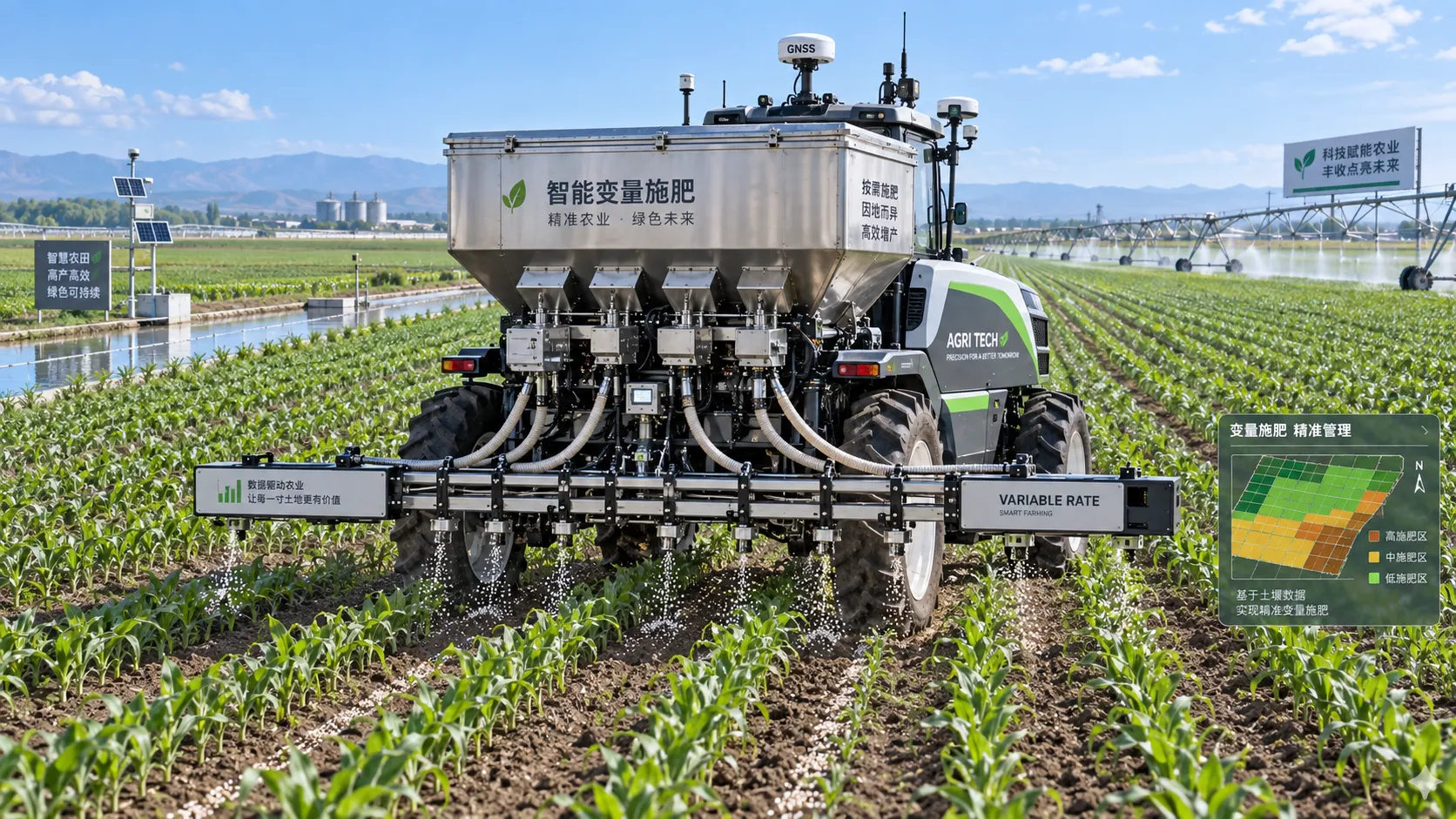
How to Evaluate Precision Fertilization System Suppliers for Farm-Scale Deployment
Precision fertilization systems suppliers: learn how to compare accuracy, integration, uptime, service, and total cost for confident farm-scale deployment.
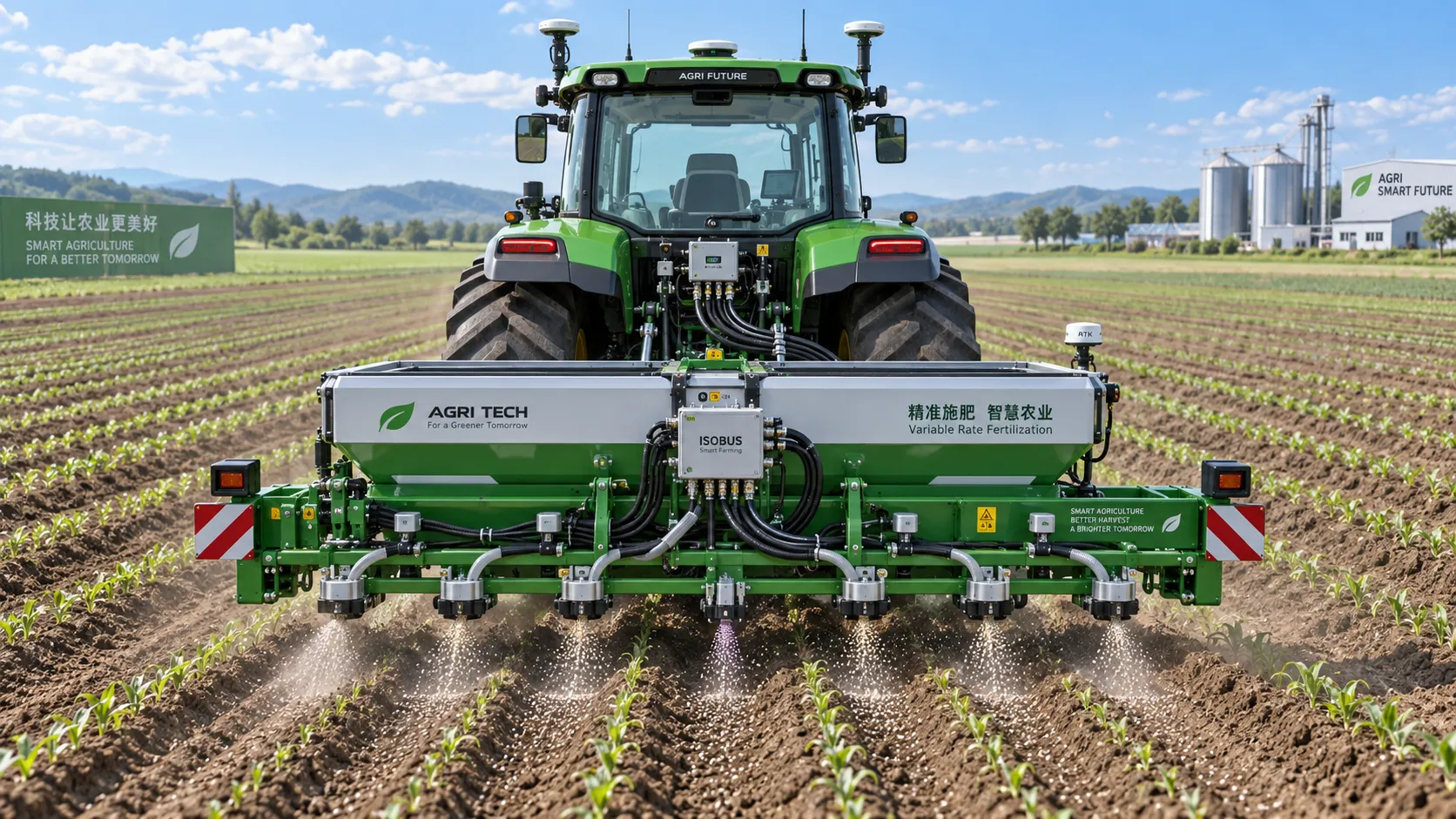
ISOBUS for Smart Agriculture: How It Connects Tractors, Implements, and Farm Data
ISOBUS for smart agriculture connects tractors, implements, terminals, and farm data—helping growers improve precision, documentation, and smarter field decisions.
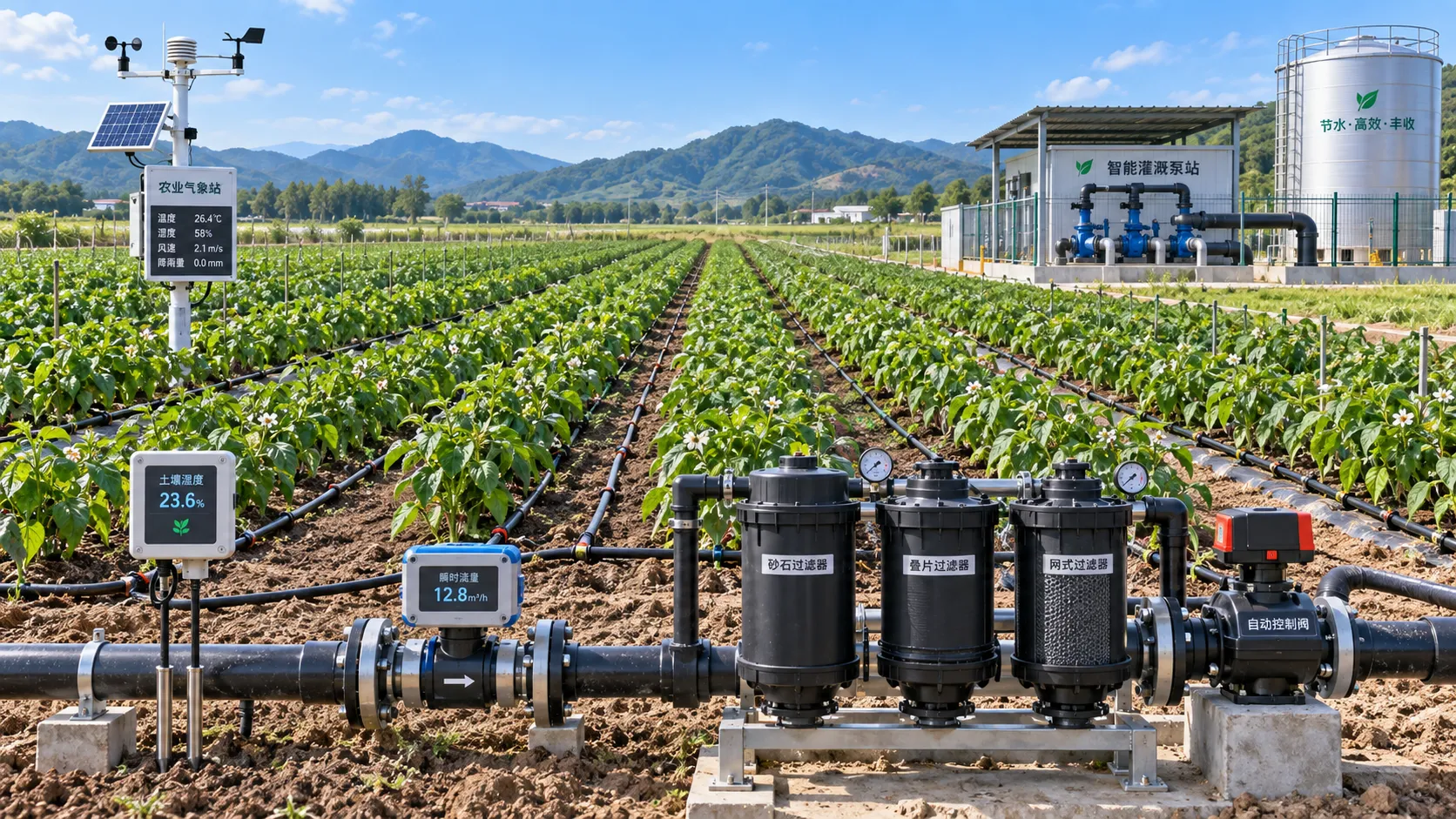
Automated Water-Saving Irrigation: How to Cut Water Use Without Reducing Crop Yields
Automated water-saving irrigation helps farms cut water use, protect crop yields, improve scheduling, and gain reliable control with sensors, flow monitoring, and smart zones.
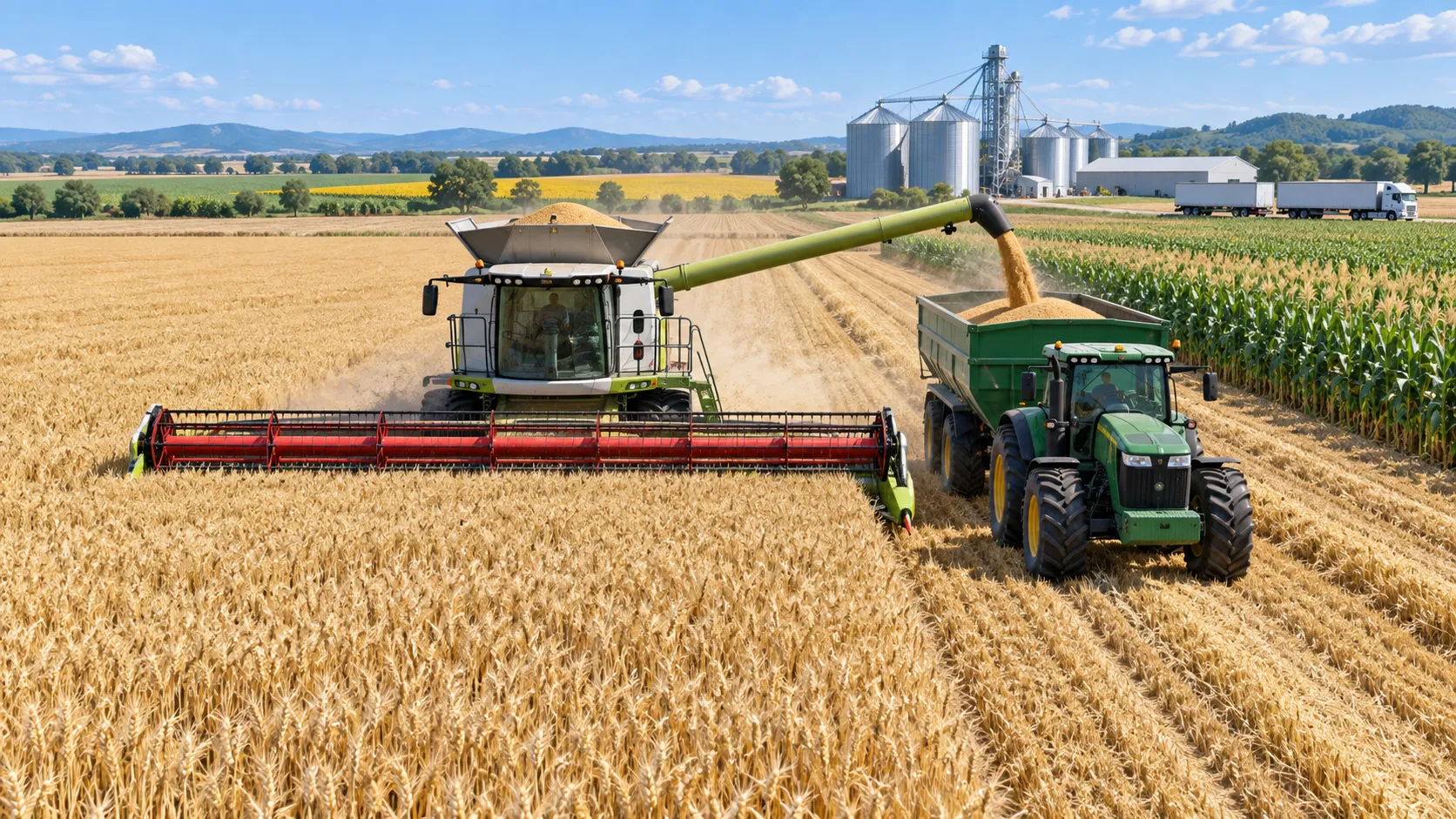
Selecting Grain Farm Equipment by Acreage, Crop Mix, and Harvest Window
Agricultural equipment selection for grain farming: match machinery to acreage, crop mix, and harvest windows to improve uptime, efficiency, and returns.
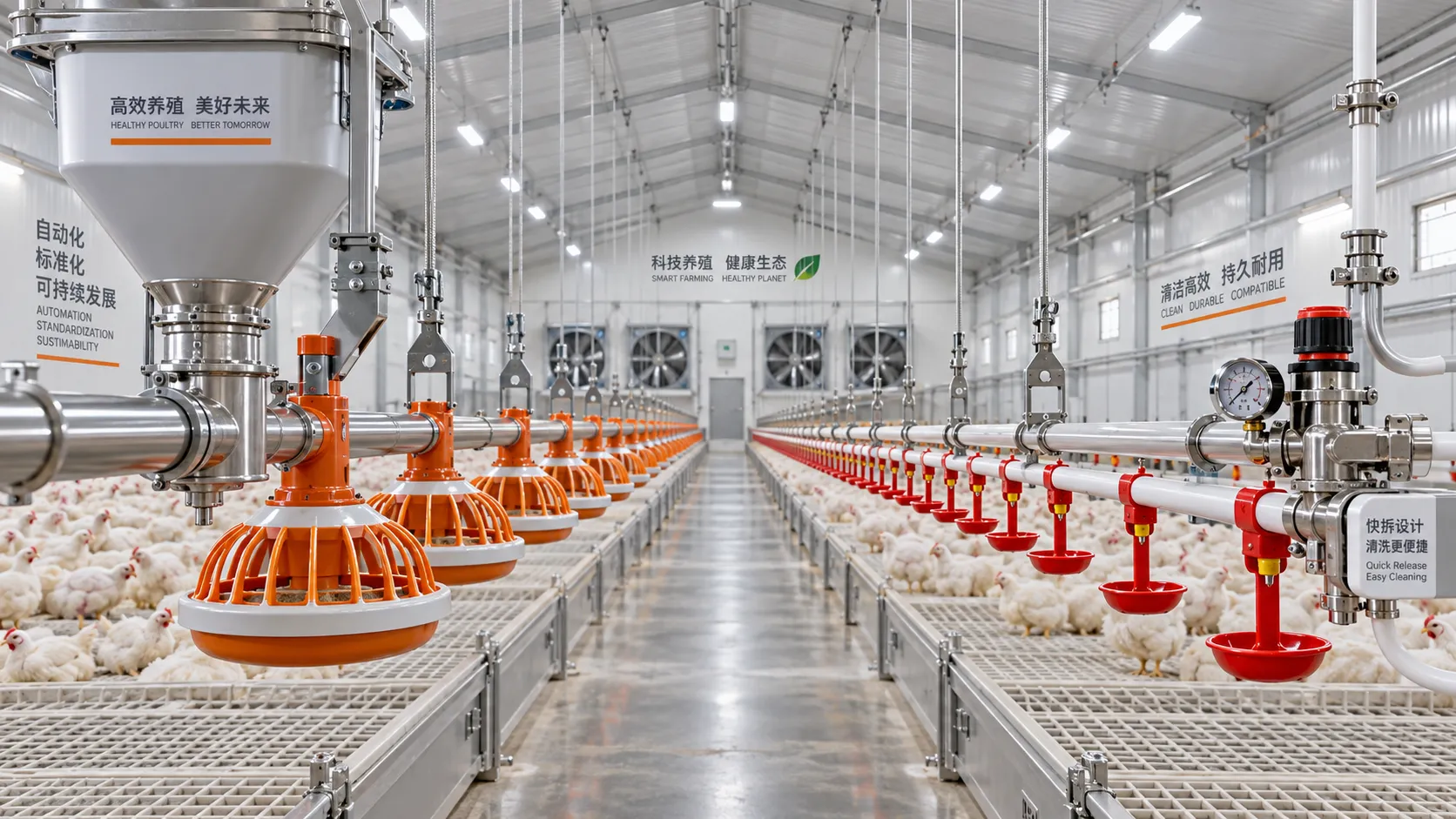
Poultry Equipment Selection: Evaluating Durability, Cleaning, and Compatibility
Poultry equipments selection guide: evaluate durability, cleaning access, and system compatibility to improve hygiene, reduce downtime, and support efficient flock management.
Related News
- 00
0000-00
Food Security Risks in Modern Supply Chains: What Businesses Should Track First - 00
0000-00
Farm Machinery Innovations Worth Tracking in 2025: ROI, Adoption Barriers, and Use Cases - 00
0000-00
What agricultural environmental policies mean for compliance - 00
0000-00
Why hybrid farm machinery is gaining serious traction - 00
0000-00
Japan's April CPI Up 1.4%: Pricing Strategy Adjustment Urged for Farm Machinery Exports
Popular Tags
Dr. Alistair Vaughn
Weekly Insights
Stay ahead with our curated technology reports delivered every Monday.