
Smart farming solutions that scale without adding complexity
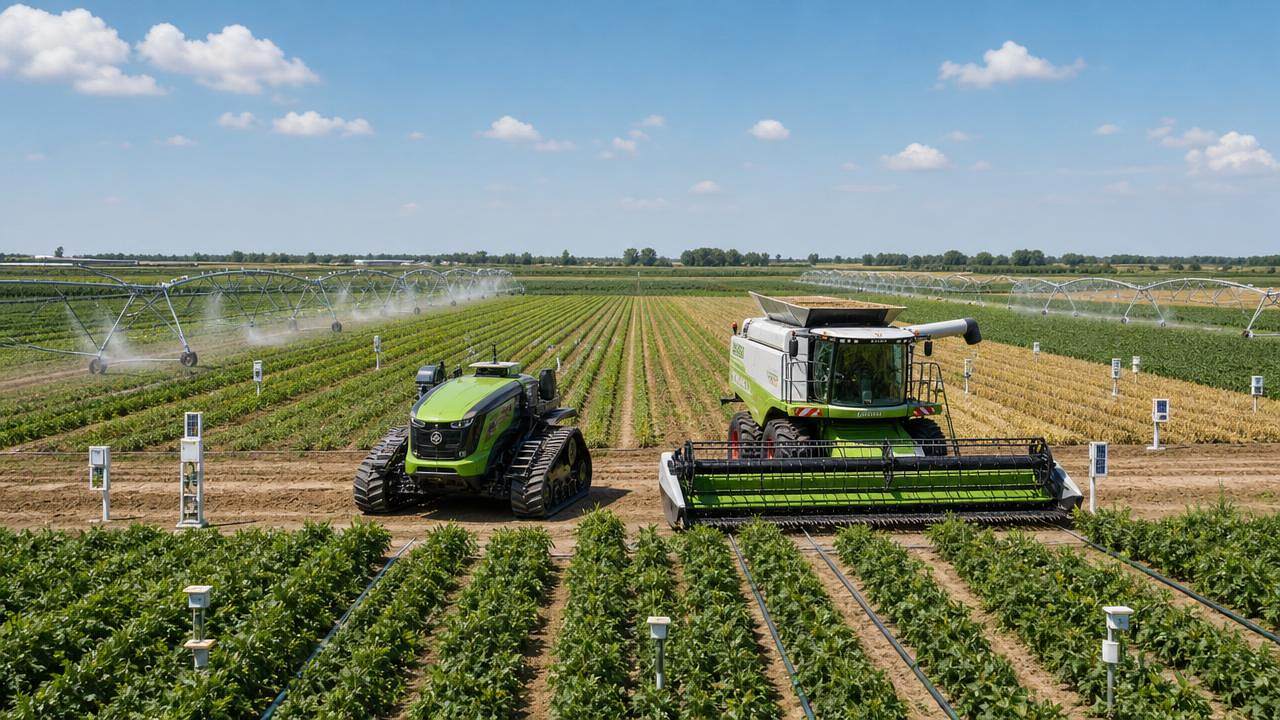




As agricultural operations expand, decision-makers need smart farming solutions that improve output without creating integration headaches.
AP-Strategy examines how scalable mechanization, precision algorithms, and intelligent irrigation can work together across mixed operating environments.
The goal is simple: increase productivity, reduce waste, and keep complexity under control as systems grow.
For technical evaluation, the best smart farming solutions are not the most complicated ones.
They are the systems that connect machinery, field data, and water management into one usable operating model.
What are smart farming solutions that truly scale?
Scalable smart farming solutions combine equipment, software, and agronomic logic without forcing a full rebuild of current operations.
They support gradual adoption across tractors, combine harvesters, implements, sensors, and irrigation networks.
In practice, scalability means more hectares, more machines, and more data can be added without multiplying manual coordination.
That matters in broadacre crops, specialty fields, and mixed production systems facing labor, fuel, and water pressure.
Core elements of a scalable model
- Machine control that supports guidance, section management, and task records.
- Data standards that allow implements and platforms to exchange clean information.
- Irrigation intelligence linked to weather, soil moisture, and crop stage.
- Maintenance visibility for uptime, loss prevention, and service scheduling.
- Decision dashboards focused on action, not data overload.
AP-Strategy tracks these components because true modernization depends on interoperability more than isolated hardware upgrades.
A bigger machine alone does not create a smarter system.
A connected workflow does.
Why do many smart farming solutions add complexity instead of reducing it?
Many deployments fail because technology is added in layers without a clear operating architecture.
One platform manages machines, another handles irrigation, and a third stores agronomic maps.
The result is duplicated work, inconsistent records, and weak decision speed.
Common causes of integration pain
- Closed ecosystems that limit cross-brand compatibility.
- Poor field connectivity assumptions in remote areas.
- Interfaces designed for specialists rather than daily operators.
- Too many alerts with no ranking by urgency or value.
- No baseline process for calibration, validation, and data hygiene.
This is why AP-Strategy emphasizes system stitching across machinery performance, precision algorithms, and sustainability targets.
The strongest smart farming solutions simplify decisions at field level.
They do not bury operations under extra dashboards and incompatible file formats.
Which applications benefit most from smart farming solutions?
The highest value usually appears where input intensity, machine utilization, and timing sensitivity are already high.
That makes large-scale grain production a natural starting point.
Yet the same logic extends to water-stressed regions and farms managing variable soil zones.
High-impact use cases
Harvest optimization: Combine telemetry and cleaning-loss feedback improve throughput while lowering grain loss in changing crop conditions.
Tractor and implement efficiency: Guidance, hydraulic control, and task automation reduce overlap, compaction risk, and fuel waste.
Precision input application: Prescription-based seeding, spraying, and fertilization align rates with field variability.
Intelligent irrigation: Sensor feedback and transpiration models support more accurate irrigation timing and water recycling.
Fleet coordination: Shared task data improves logistics between field preparation, planting, crop care, and harvesting windows.
These examples show why smart farming solutions are no longer limited to autonomous concepts.
Practical value often begins with better execution of existing operations.
How should smart farming solutions be evaluated before adoption?
A useful evaluation starts with operational bottlenecks, not feature lists.
The question is not whether a platform looks advanced.
The question is whether it solves measurable problems at scale.
Key evaluation criteria
- Interoperability: Check compatibility with existing tractors, harvesters, implements, and irrigation controllers.
- Data usability: Confirm that information becomes operational guidance, not just archived reports.
- Scalable support: Review service access, training needs, firmware policy, and remote diagnostics.
- Environmental fit: Evaluate dust, heat, uneven terrain, signal reliability, and water conditions.
- Economic return: Model savings in fuel, water, labor hours, overlap, and harvest loss.
Below is a practical comparison table for shortlisting smart farming solutions.
What risks and misconceptions should be avoided?
One common misconception is that automation instantly removes management pressure.
In reality, poor setup can move complexity from the field into data handling and troubleshooting.
Another risk is overbuying functionality before basic workflows are stable.
Critical mistakes to avoid
- Ignoring operator adoption and assuming technology explains itself.
- Skipping calibration for sensors, yield monitoring, and application systems.
- Treating irrigation as separate from field operations and crop planning.
- Measuring success only by equipment purchase, not by seasonal performance indicators.
- Relying on fragmented vendors without a unifying operating strategy.
The best smart farming solutions improve clarity.
If they make field execution harder to understand, the design is likely wrong.
How can implementation stay practical, phased, and cost-aware?
A phased rollout usually outperforms a full digital conversion.
It allows performance verification before wider commitment across fleets or irrigation blocks.
A realistic implementation path
- Map current bottlenecks in harvesting, field traffic, application overlap, and water use.
- Choose one priority workflow with strong payback potential.
- Pilot compatible smart farming solutions on limited acreage or one machinery group.
- Track baseline versus pilot metrics for yield, loss, water, fuel, and labor time.
- Scale only after data quality, training, and service routines are stable.
Cost should be viewed across lifecycle value, not hardware price alone.
Uptime, reduced rework, lower input waste, and faster decisions often determine real return.
Quick FAQ reference
Scalable smart farming solutions should make expansion easier, not more fragile.
That requires practical integration between large-scale machinery, precision task control, and intelligent irrigation systems.
AP-Strategy follows this convergence because food security, operational resilience, and sustainability now depend on connected field intelligence.
The next step is to audit one workflow, define measurable gains, and select smart farming solutions that fit real operating conditions.
When technology, machinery, and water strategy are aligned, modernization becomes manageable and performance becomes repeatable.
Related News
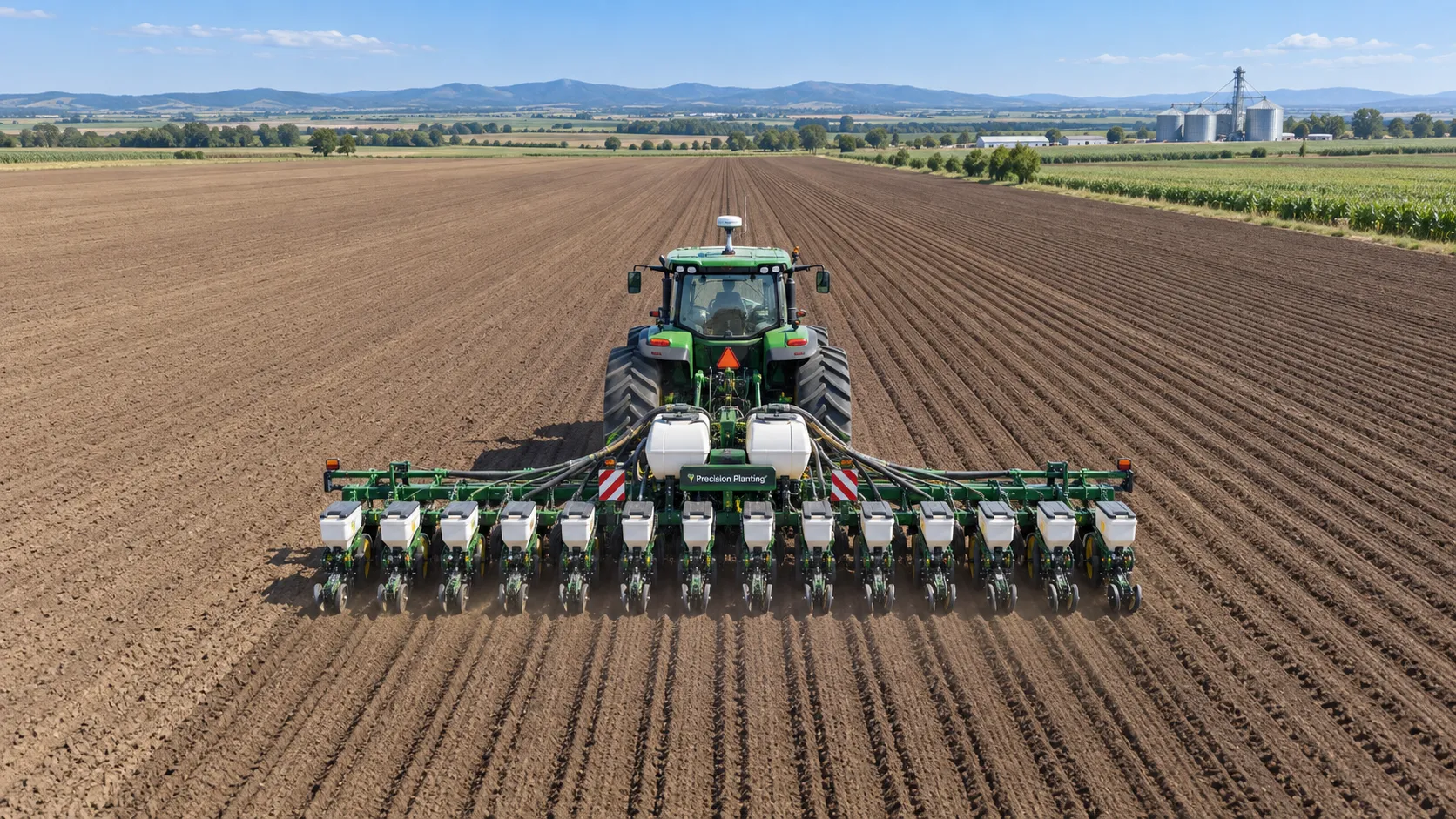
GPS-Guided Farm Machinery: Where It Delivers Measurable Field Efficiency Gains
Agri-mechanization GPS guided systems deliver measurable field efficiency gains through reduced overlap, precise planting, smarter inputs, and reliable farm data.
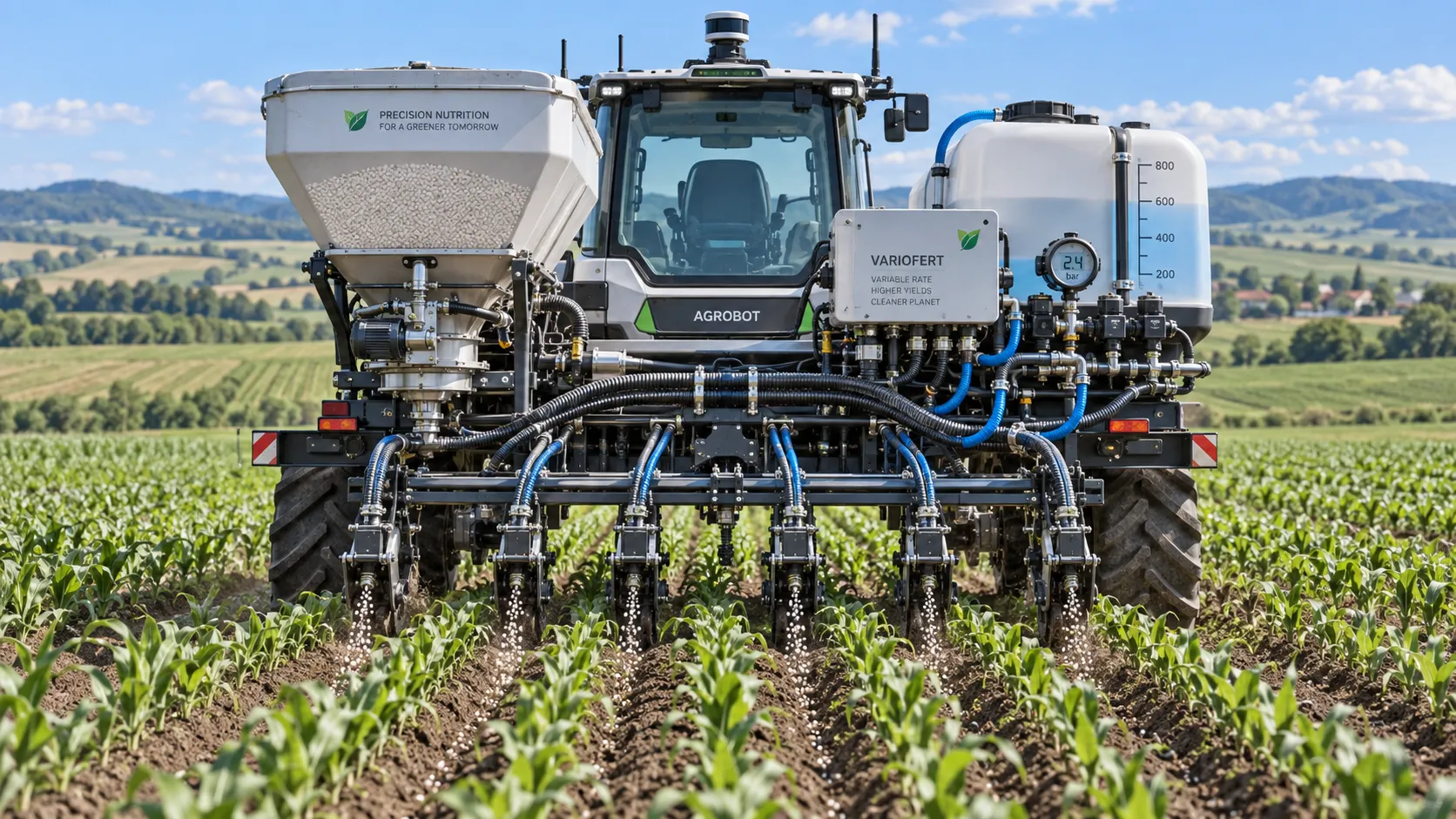
How Sensor Feedback Enables Accurate Variable-Rate Fertilization in Field Conditions
Precision fertilization systems with sensor feedback improve variable-rate accuracy by verifying flow, managing latency, and ensuring reliable field application.
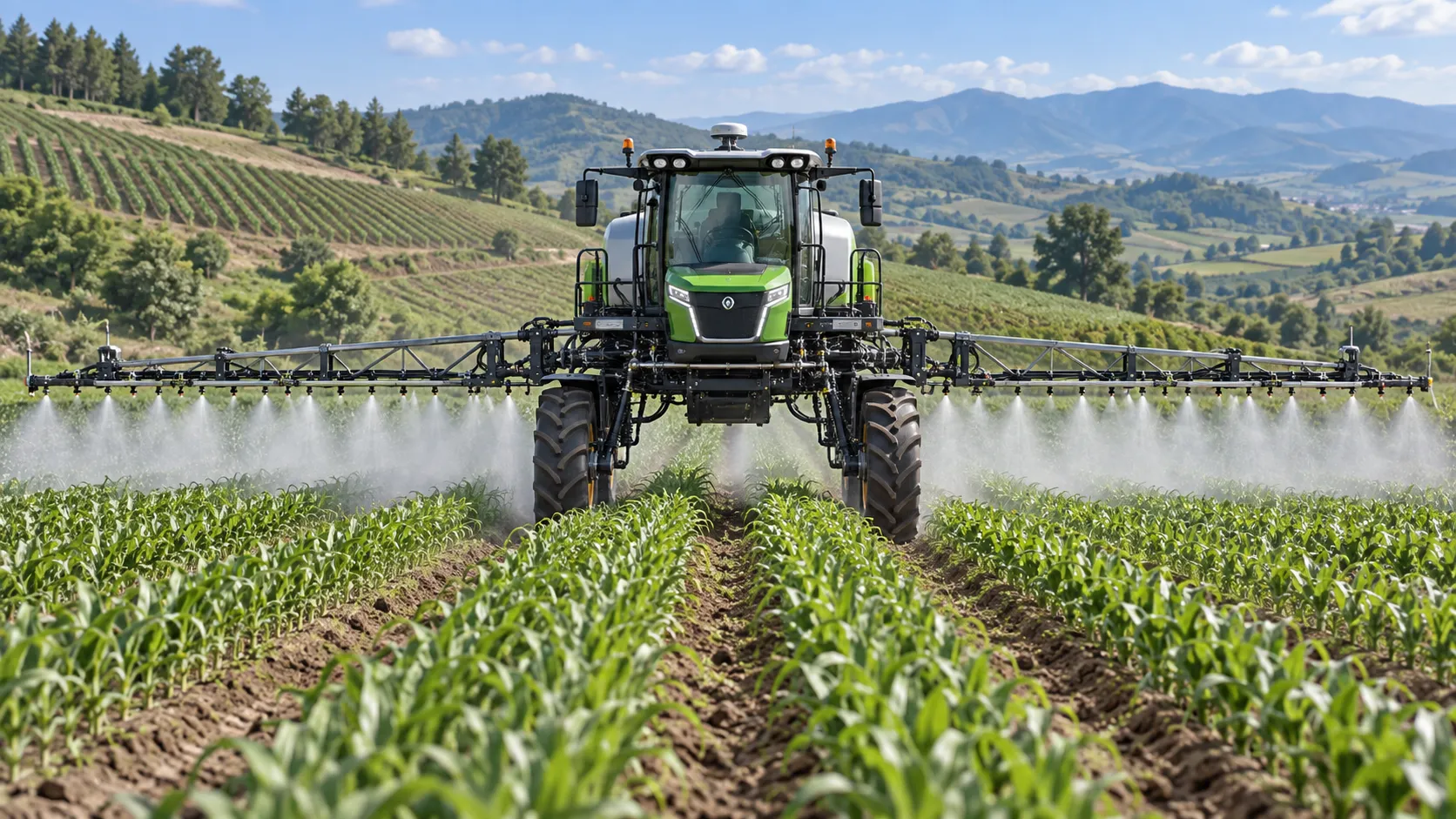
How to Select Precision Crop Protection Equipment for Variable Field Conditions
Precision crop protection equipment selection made simple: compare terrain, canopy, weather, control accuracy, and data workflows for reliable applications.
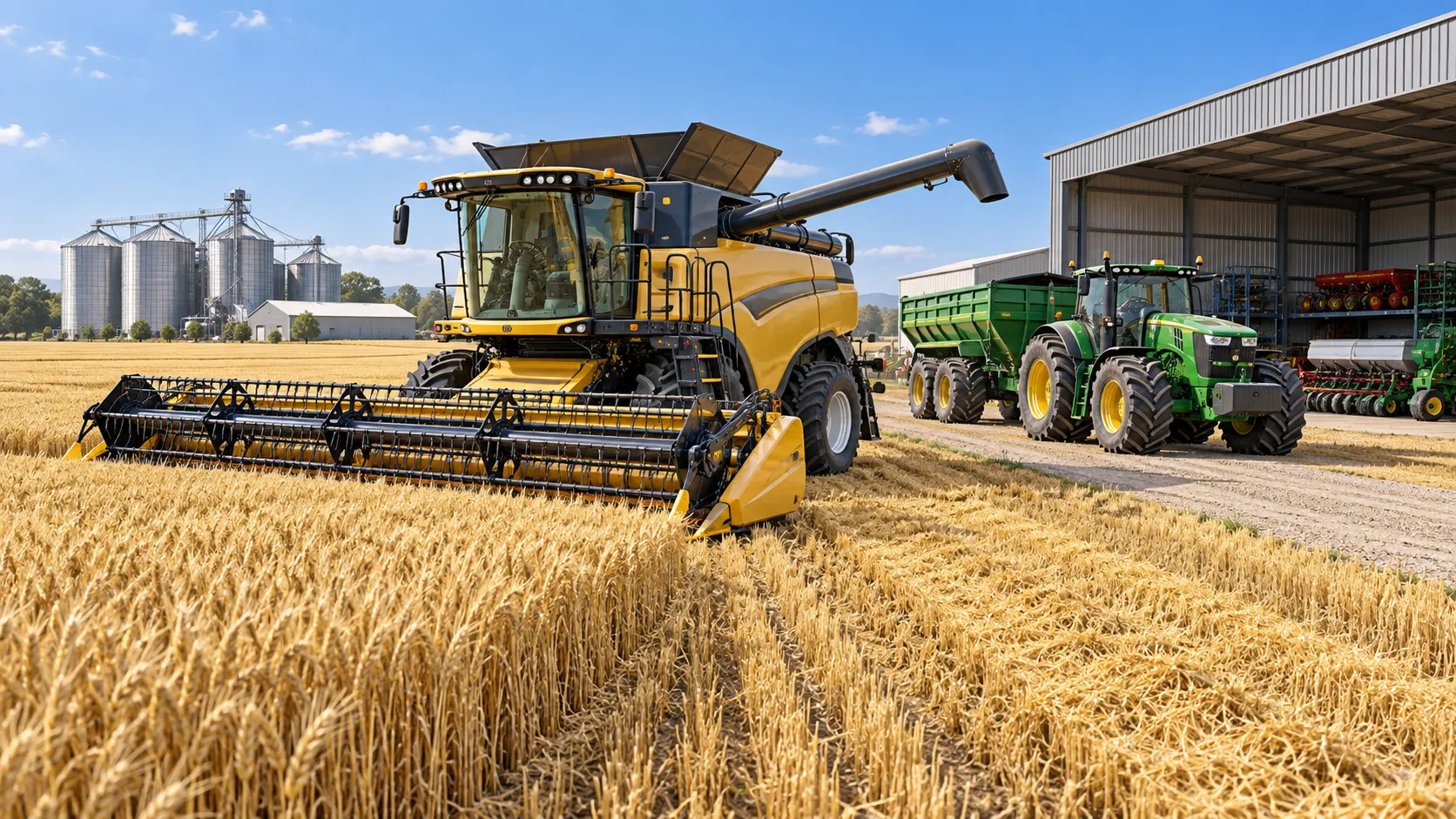
When Does Agricultural Machinery Leasing Cost Less Than Owning Equipment?
Agricultural machinery leasing can lower farm costs when use is seasonal or uncertain. Compare utilization, maintenance, cash flow, and risk to make a smarter equipment decision.
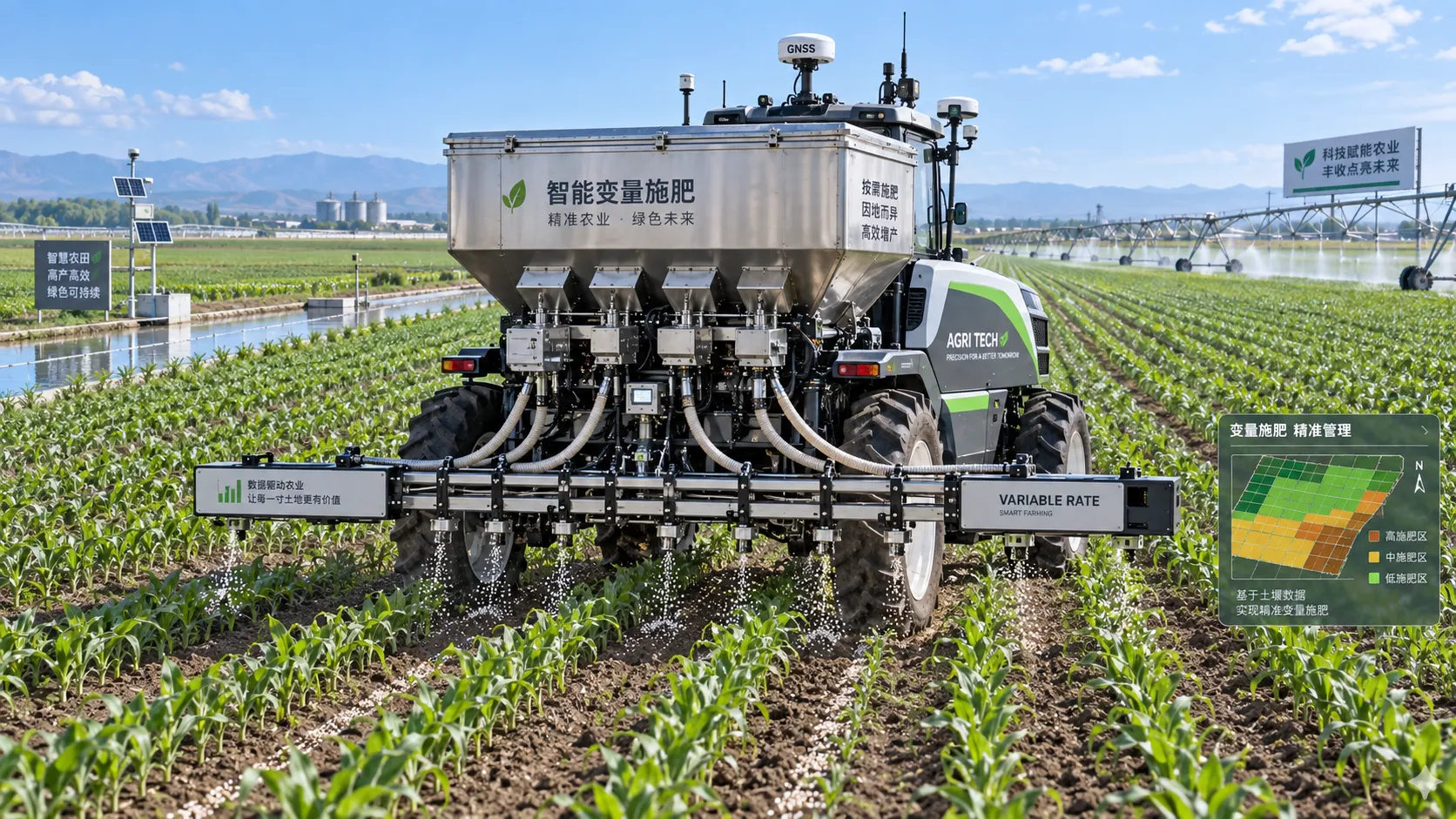
How to Evaluate Precision Fertilization System Suppliers for Farm-Scale Deployment
Precision fertilization systems suppliers: learn how to compare accuracy, integration, uptime, service, and total cost for confident farm-scale deployment.
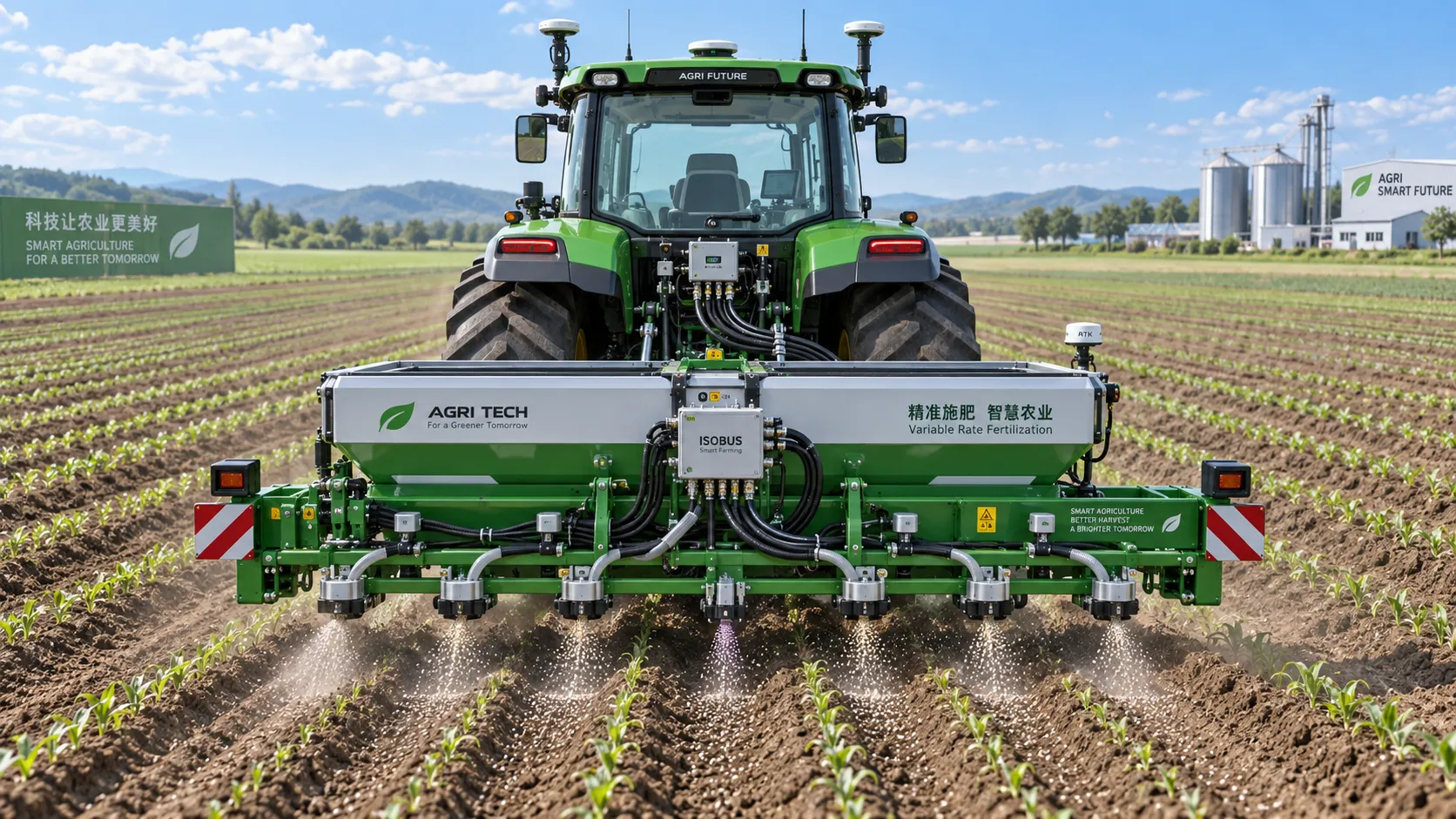
ISOBUS for Smart Agriculture: How It Connects Tractors, Implements, and Farm Data
ISOBUS for smart agriculture connects tractors, implements, terminals, and farm data—helping growers improve precision, documentation, and smarter field decisions.
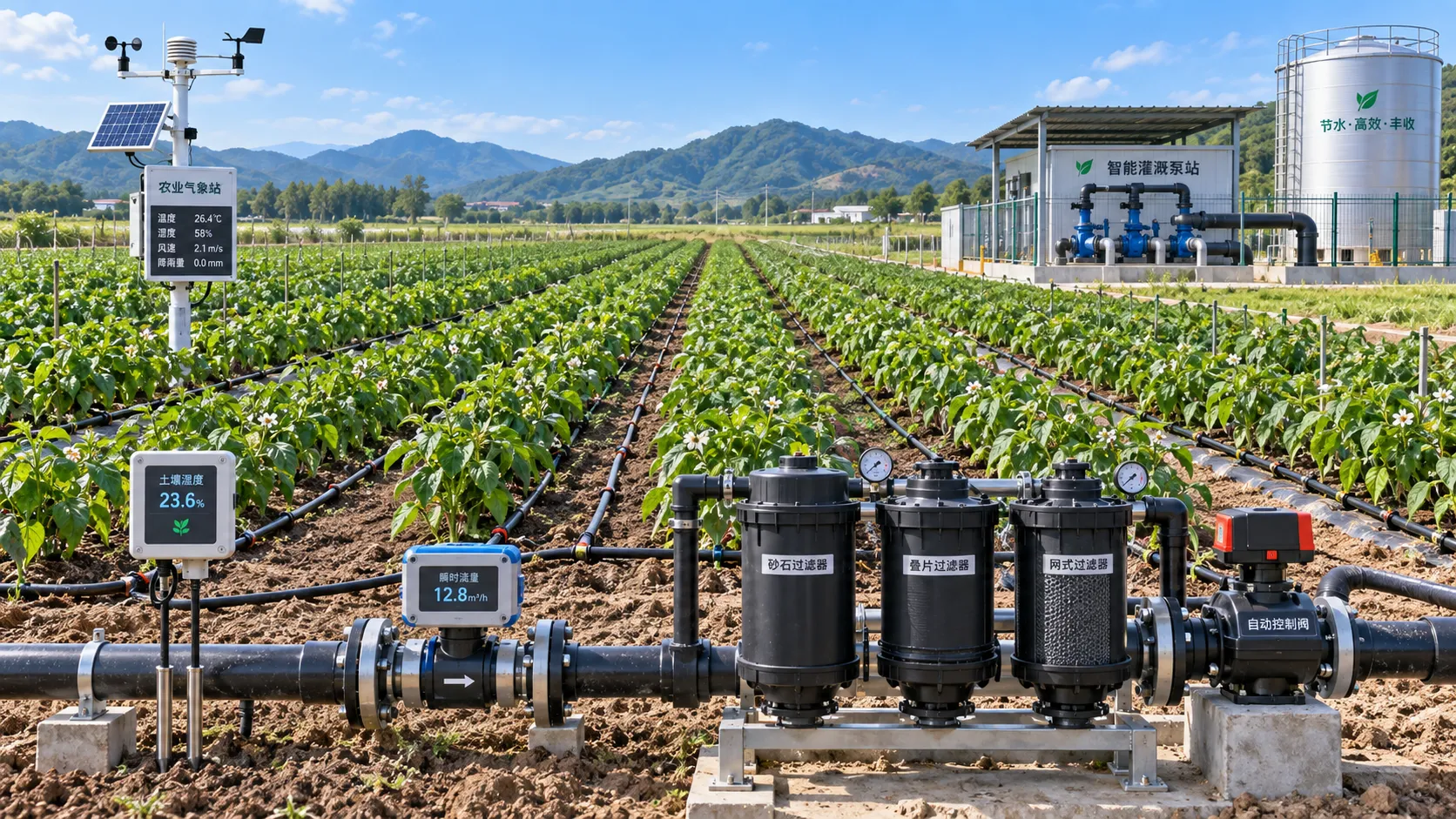
Automated Water-Saving Irrigation: How to Cut Water Use Without Reducing Crop Yields
Automated water-saving irrigation helps farms cut water use, protect crop yields, improve scheduling, and gain reliable control with sensors, flow monitoring, and smart zones.
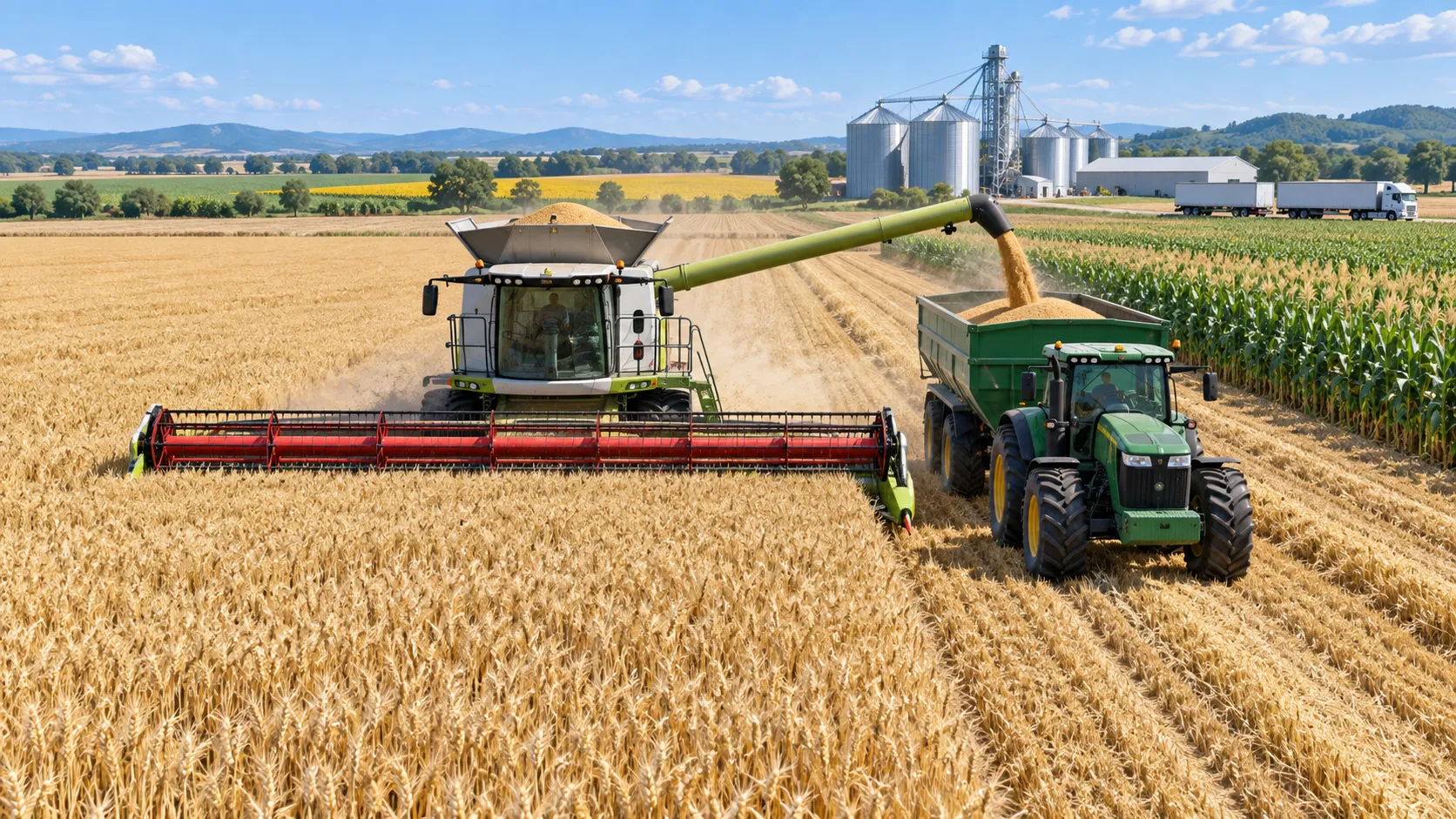
Selecting Grain Farm Equipment by Acreage, Crop Mix, and Harvest Window
Agricultural equipment selection for grain farming: match machinery to acreage, crop mix, and harvest windows to improve uptime, efficiency, and returns.
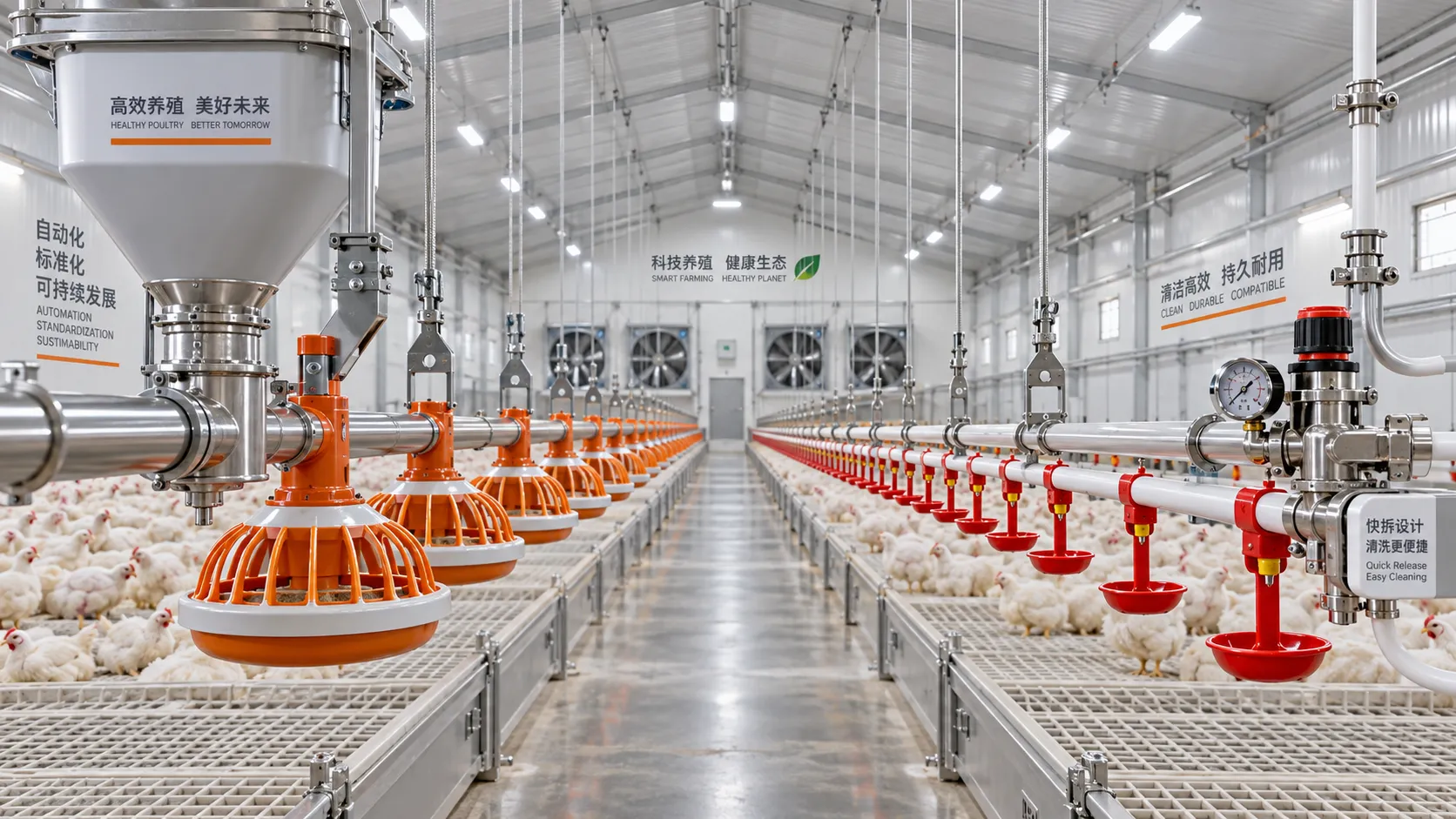
Poultry Equipment Selection: Evaluating Durability, Cleaning, and Compatibility
Poultry equipments selection guide: evaluate durability, cleaning access, and system compatibility to improve hygiene, reduce downtime, and support efficient flock management.
Related News
- 00
0000-00
How Does Farm Mechanization Affect Food Security in Developing Regions? - 00
0000-00
Agricultural Technology Insights by Region: Where Adoption Is Growing Fastest - 00
0000-00
How Climate-Smart Agriculture Technology Improves Yield, Soil Health, and Risk Resilience - 00
0000-00
Smart Farming Solutions in Latin America: Which Technologies Fit Large Farms Best? - 00
0000-00
Long-Cycle Agri-Trade Price Trends: How to Read Supply, Freight, and Currency Signals
Popular Tags
Prof. Marcus Chen
Weekly Insights
Stay ahead with our curated technology reports delivered every Monday.