
Why digital farming platforms matter for multi site operations
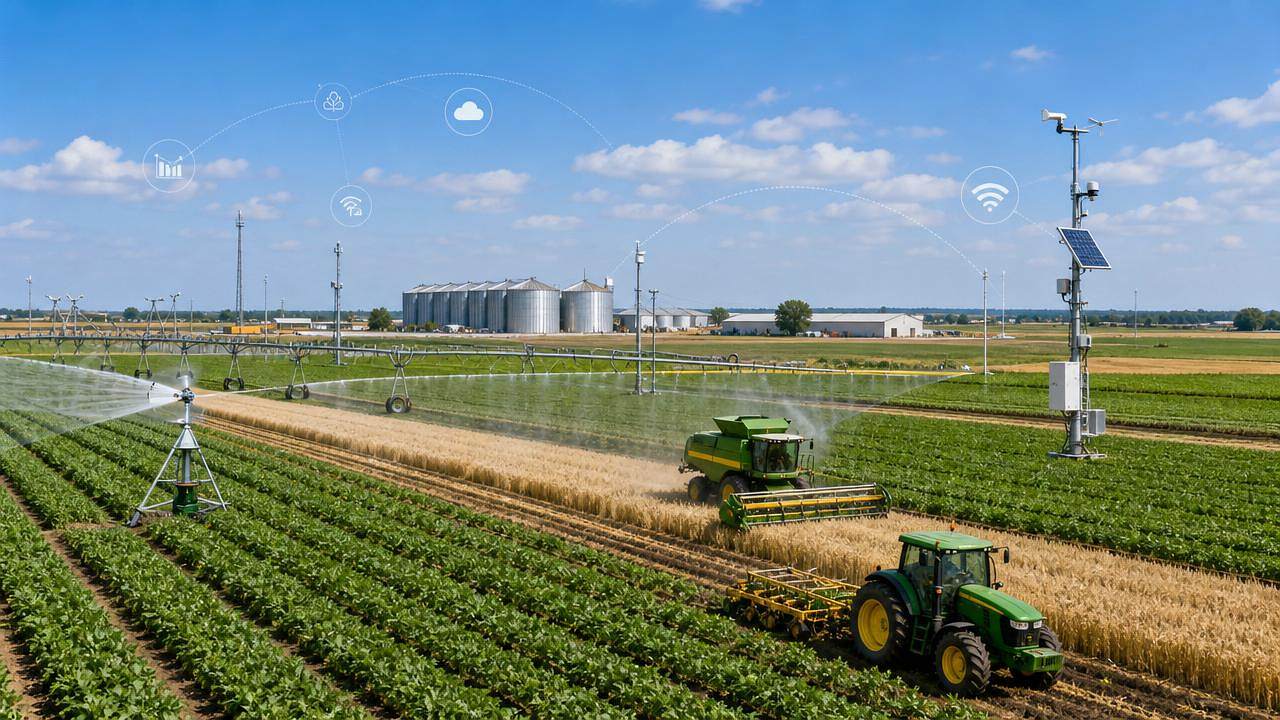




For enterprises managing farms across multiple locations, digital farming platforms are becoming essential infrastructure rather than optional tools. They connect machinery performance, irrigation data, field operations, and market intelligence into one decision layer, helping leaders reduce inefficiency, standardize execution, and respond faster to changing climate, labor, and supply pressures across every site.
In complex agricultural networks, field teams often work with separate spreadsheets, disconnected sensors, and inconsistent machine records. That fragmentation slows decisions and hides losses. Digital farming platforms solve this by creating a shared operating view across equipment fleets, harvesting schedules, water use, input planning, and compliance reporting.
Why digital farming platforms need a checklist-based approach
Multi site operations rarely fail because technology is unavailable. They fail because deployment is uneven, data standards differ, and local practices drift from central strategy. A checklist-based review makes platform decisions practical, measurable, and repeatable across regions, crop systems, and operating seasons.
For organizations following Agriculture 4.0 priorities, the right checklist also links digital farming platforms with larger goals: machinery uptime, combine harvesting efficiency, intelligent irrigation control, agronomic consistency, and sustainability reporting. That creates value beyond software adoption alone.
Core checklist for evaluating digital farming platforms
- Map every site’s data sources first, including tractors, combines, irrigation controllers, weather stations, field apps, inventory tools, and finance systems, before comparing digital farming platforms.
- Verify machine compatibility across brands and model years, especially for telematics, CAN bus exports, yield monitors, hydraulic diagnostics, and autonomous guidance records.
- Standardize field names, crop codes, operation labels, and input units so reports from different farms can be compared without manual rework or spreadsheet correction.
- Check whether the platform supports real-time visibility into harvesting progress, fuel usage, irrigation status, work orders, and weather-linked risk conditions across locations.
- Assess decision support quality, including irrigation recommendations, route optimization, maintenance alerts, yield variability analysis, and prescription-based task execution.
- Confirm offline functionality for remote areas where connectivity is weak, so operators can still record tasks, machine events, and field observations without losing traceability.
- Review permission controls carefully to separate regional oversight, local execution, contractor access, and external advisory roles inside digital farming platforms.
- Measure reporting depth for cost per hectare, water productivity, machine downtime, harvest loss, labor efficiency, and sustainability indicators needed for enterprise decisions.
- Test integration with irrigation networks and sensor layers, because water-saving performance often depends on automated triggers rather than manual interpretation alone.
- Examine vendor support quality, onboarding speed, data migration capability, and update frequency, since long-cycle agricultural operations need stable platform evolution.
- Compare total operating cost, including licenses, hardware gateways, connectivity upgrades, training hours, and custom integrations, not just headline subscription pricing.
- Define success metrics before rollout, such as reduced idle time, faster harvest coordination, lower irrigation waste, and improved compliance across all sites.
How digital farming platforms matter in different operating scenarios
Coordinating large machinery fleets
When tractors, sprayers, and combines are distributed across several farms, asset visibility becomes a strategic issue. Digital farming platforms help track location, utilization, maintenance intervals, and performance anomalies from one control layer.
This matters most during peak windows. If one site experiences weather delays, machines can be reassigned faster. If cleaning losses increase on a combine, alerts can trigger operator review before a full day of output is compromised.
Managing intelligent irrigation systems
Water management becomes difficult when each farm follows separate schedules or local judgment only. Digital farming platforms bring irrigation telemetry, soil moisture readings, evapotranspiration estimates, and pump performance into a unified decision process.
That unified view supports both savings and resilience. Sites facing heat stress can be prioritized quickly, while over-irrigation patterns become visible through trend analysis rather than after-season audits.
Standardizing field execution across regions
Multi site operations often struggle with execution drift. One location logs fertilizer rates precisely, another uses broad estimates, and a third records nothing consistently. Digital farming platforms reduce this variation by enforcing digital workflows and structured task records.
That consistency improves agronomic learning. It becomes easier to compare yield outcomes, input efficiency, and timing decisions across regions, then translate best practices into repeatable operating standards.
Strengthening commercial and sustainability intelligence
Modern farm networks are shaped by more than field conditions. Fuel prices, grain markets, environmental reporting, and labor costs influence every operational decision. Digital farming platforms connect production data with broader business intelligence.
This is where strategic intelligence becomes valuable. A platform can show whether water-saving investments, autonomous machinery, or precision application tools are delivering measurable returns across the full operating portfolio.
Commonly overlooked risks when selecting digital farming platforms
Ignoring data discipline
A strong interface cannot fix poor naming rules or inconsistent record habits. If field boundaries, crop stages, and machine events are entered differently at each site, reporting quality will decline quickly.
Overestimating automation
Not every recommendation engine produces field-ready decisions. Some digital farming platforms generate useful alerts, but still require local agronomic validation, especially during abnormal weather or mixed soil conditions.
Underplanning connectivity constraints
Remote plots, weak mobile coverage, and fragmented device networks can limit real-time performance. Without offline workflows and delayed sync logic, data capture gaps will appear during the busiest periods.
Treating rollout as software only
Successful adoption depends on operating rules, training, maintenance processes, and management follow-through. Digital farming platforms create value only when daily execution changes with them.
Practical execution steps for multi site deployment
- Start with one cross-site operating model covering machinery, irrigation, agronomy, and reporting definitions.
- Pilot digital farming platforms in two contrasting locations to test flexibility under different crops, climates, and connectivity conditions.
- Build weekly dashboards around exceptions, not raw data volume, so action follows every alert or deviation.
- Link platform outputs to seasonal reviews covering harvest loss, water use, downtime, and input performance.
- Update governance every season as equipment, agronomic plans, and sustainability requirements evolve.
Conclusion and next action
Digital farming platforms matter for multi site operations because they turn scattered field activity into coordinated, measurable performance. They support large-scale machinery planning, improve combine harvesting visibility, strengthen irrigation control, and connect field execution with enterprise intelligence.
The smartest next step is to audit current data flows, define common operating standards, and evaluate digital farming platforms against a strict checklist. In a market shaped by Agriculture 4.0, climate pressure, and resource efficiency, the organizations that manage information as carefully as machinery will move faster and operate with greater confidence.
Related News
GPS-Guided Farm Machinery: Where It Delivers Measurable Field Efficiency Gains
Agri-mechanization GPS guided systems deliver measurable field efficiency gains through reduced overlap, precise planting, smarter inputs, and reliable farm data.
How Sensor Feedback Enables Accurate Variable-Rate Fertilization in Field Conditions
Precision fertilization systems with sensor feedback improve variable-rate accuracy by verifying flow, managing latency, and ensuring reliable field application.
How to Select Precision Crop Protection Equipment for Variable Field Conditions
Precision crop protection equipment selection made simple: compare terrain, canopy, weather, control accuracy, and data workflows for reliable applications.
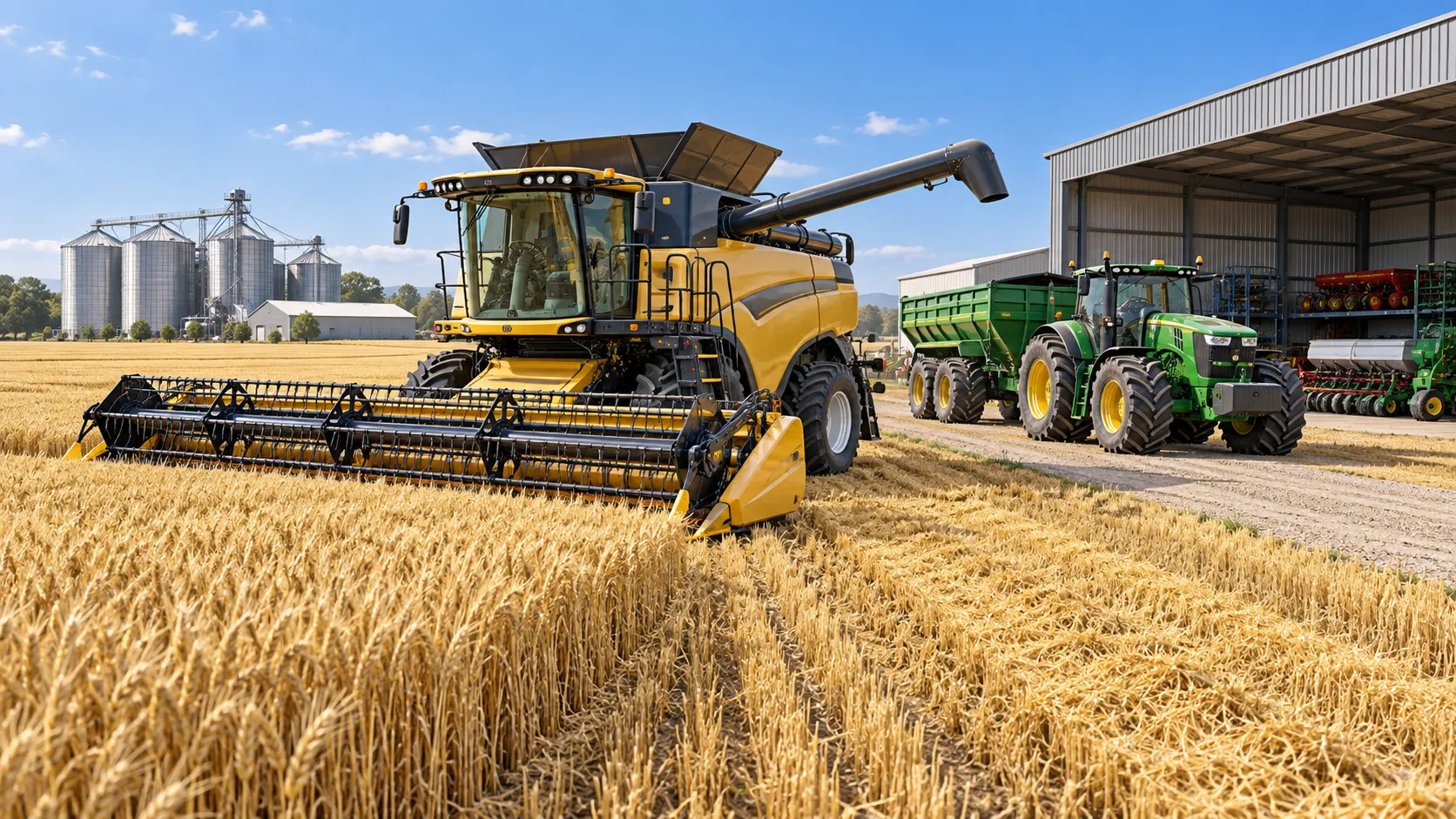
When Does Agricultural Machinery Leasing Cost Less Than Owning Equipment?
Agricultural machinery leasing can lower farm costs when use is seasonal or uncertain. Compare utilization, maintenance, cash flow, and risk to make a smarter equipment decision.
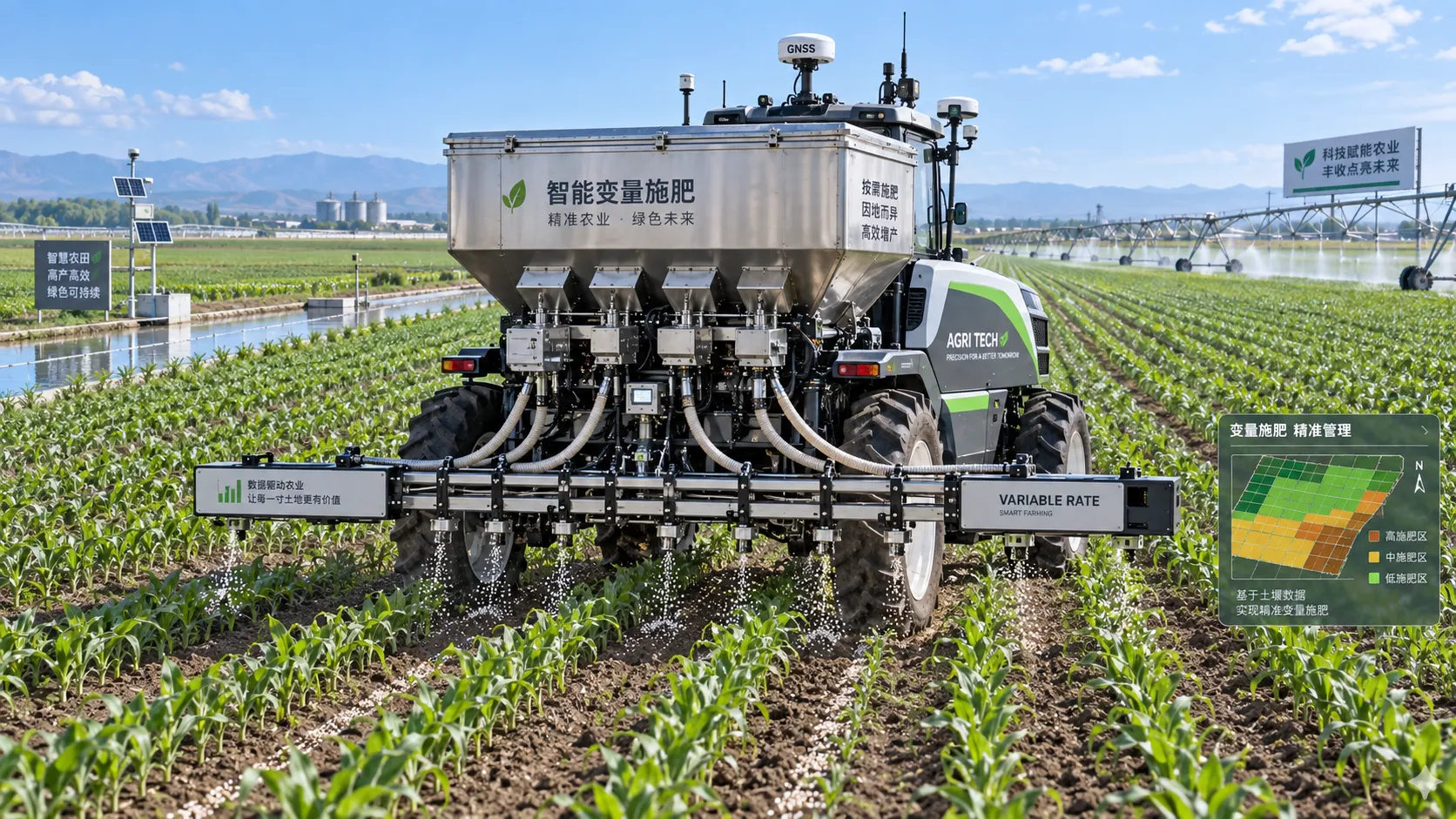
How to Evaluate Precision Fertilization System Suppliers for Farm-Scale Deployment
Precision fertilization systems suppliers: learn how to compare accuracy, integration, uptime, service, and total cost for confident farm-scale deployment.
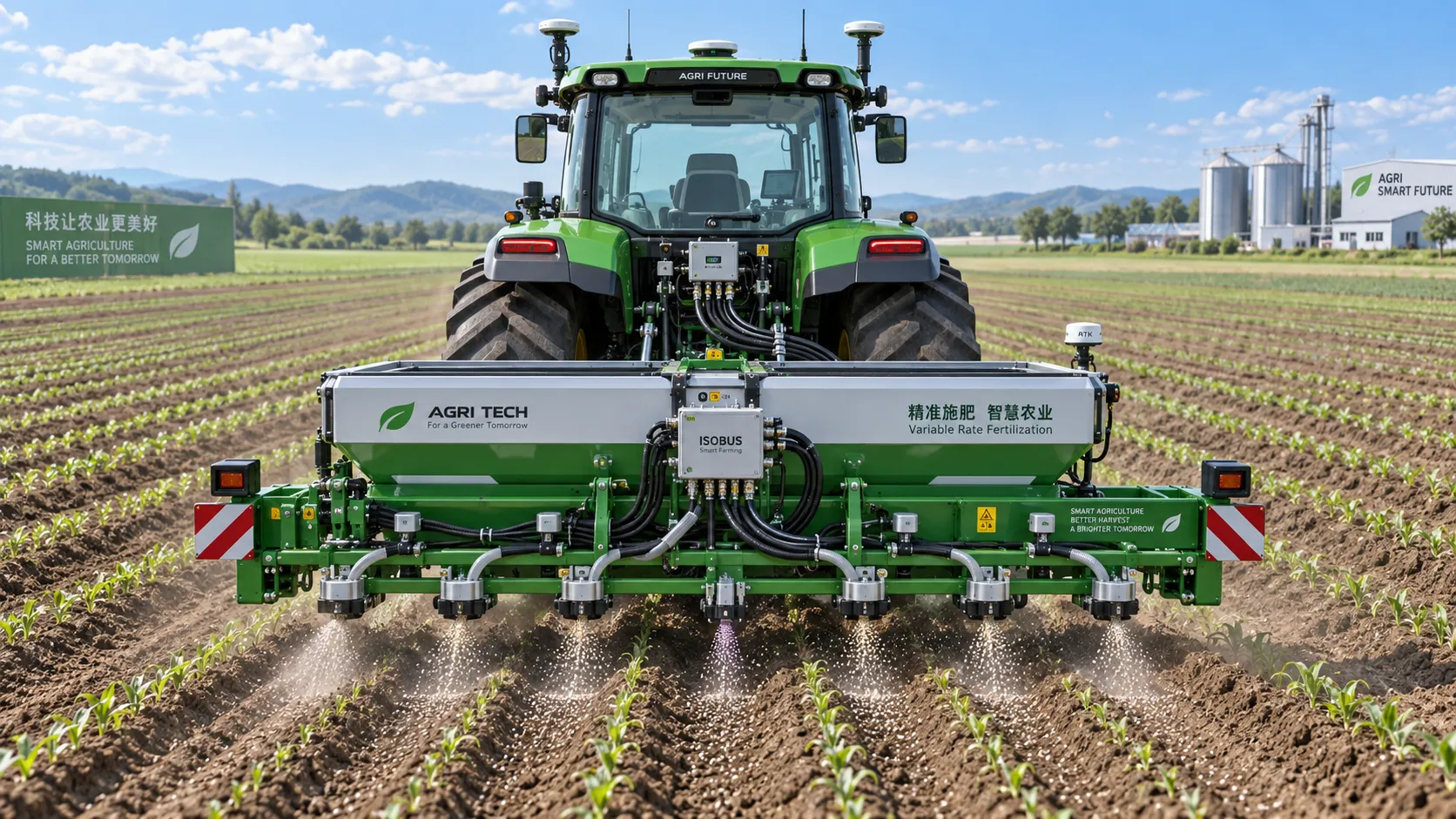
ISOBUS for Smart Agriculture: How It Connects Tractors, Implements, and Farm Data
ISOBUS for smart agriculture connects tractors, implements, terminals, and farm data—helping growers improve precision, documentation, and smarter field decisions.
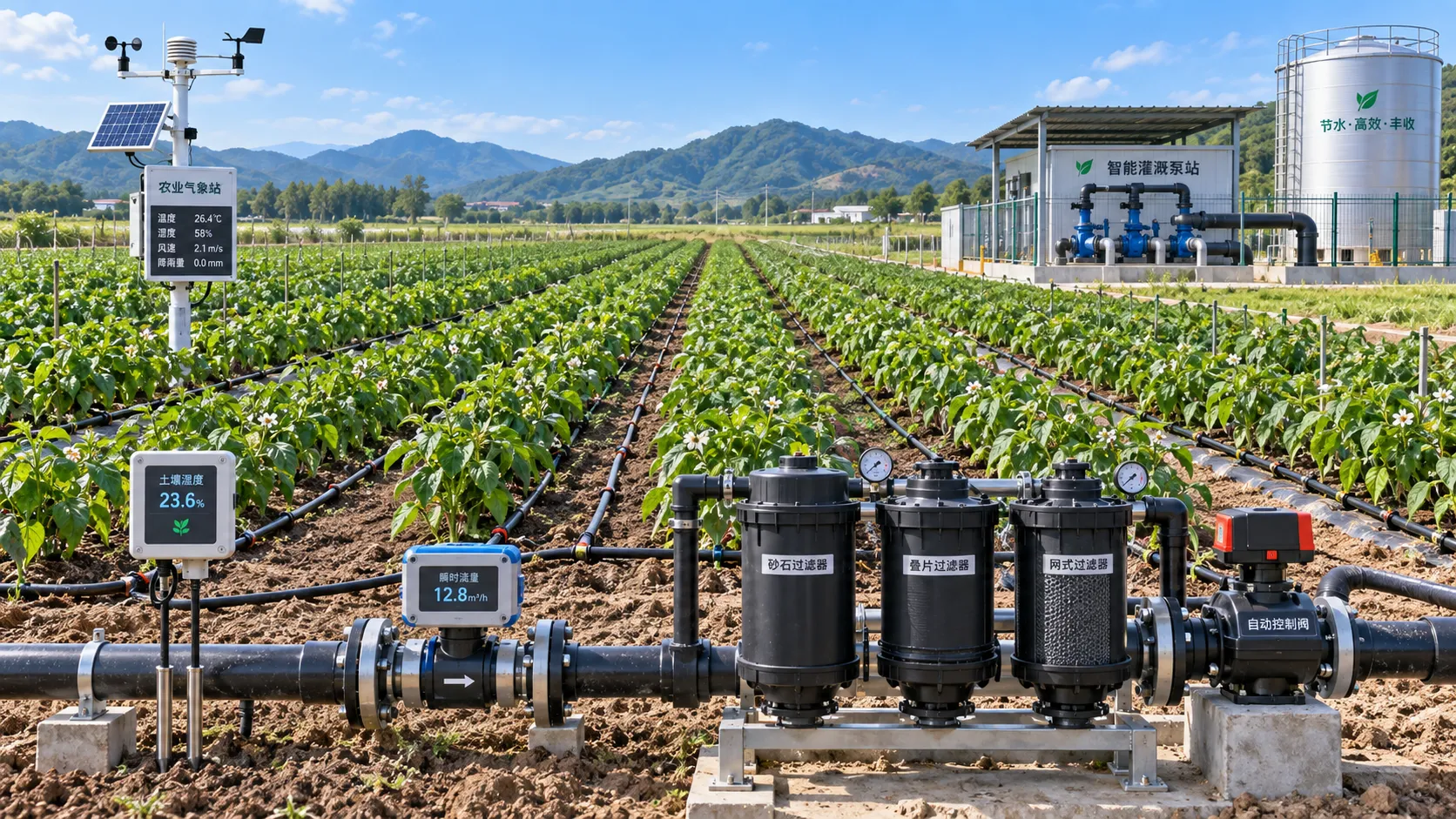
Automated Water-Saving Irrigation: How to Cut Water Use Without Reducing Crop Yields
Automated water-saving irrigation helps farms cut water use, protect crop yields, improve scheduling, and gain reliable control with sensors, flow monitoring, and smart zones.
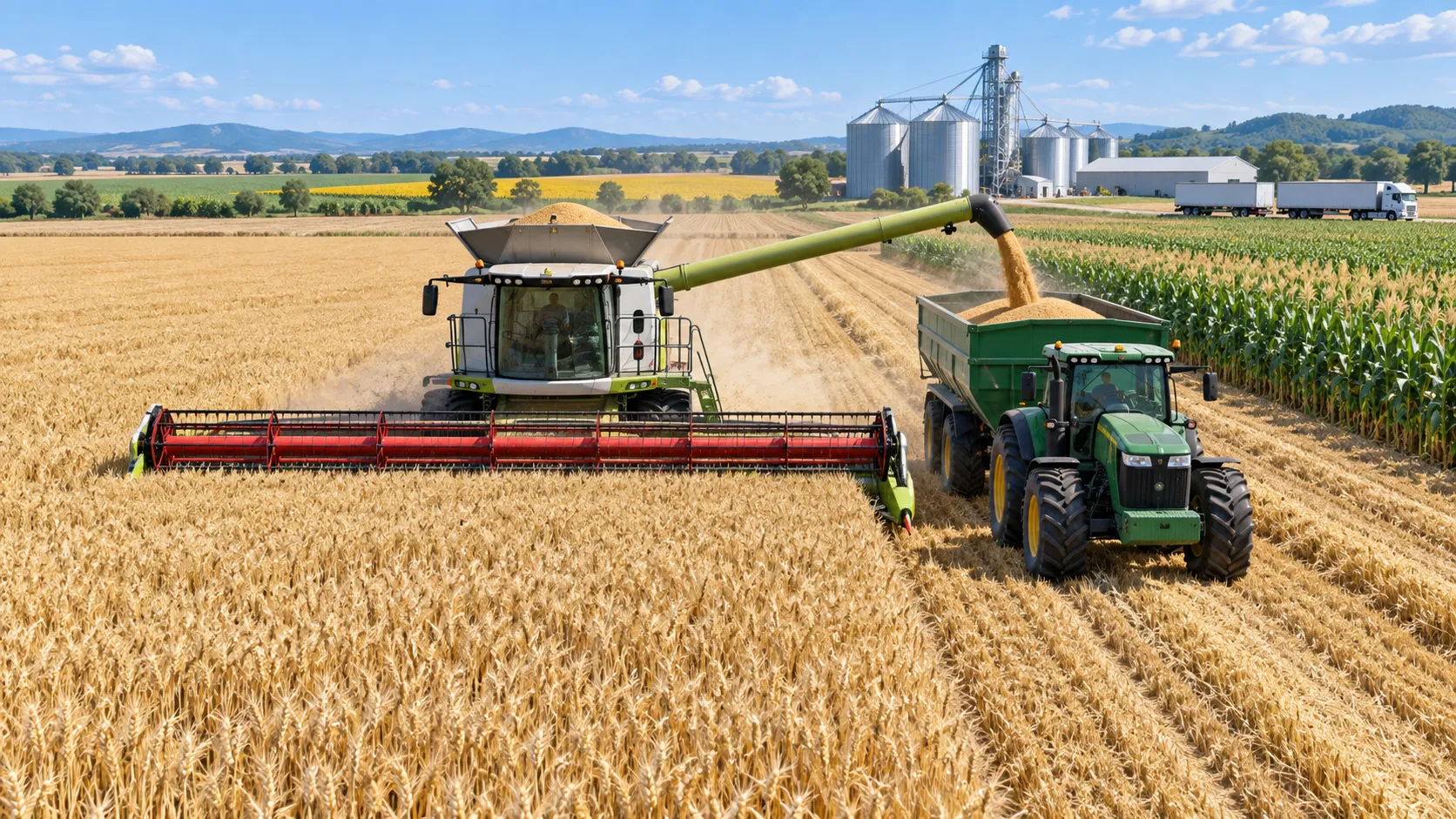
Selecting Grain Farm Equipment by Acreage, Crop Mix, and Harvest Window
Agricultural equipment selection for grain farming: match machinery to acreage, crop mix, and harvest windows to improve uptime, efficiency, and returns.
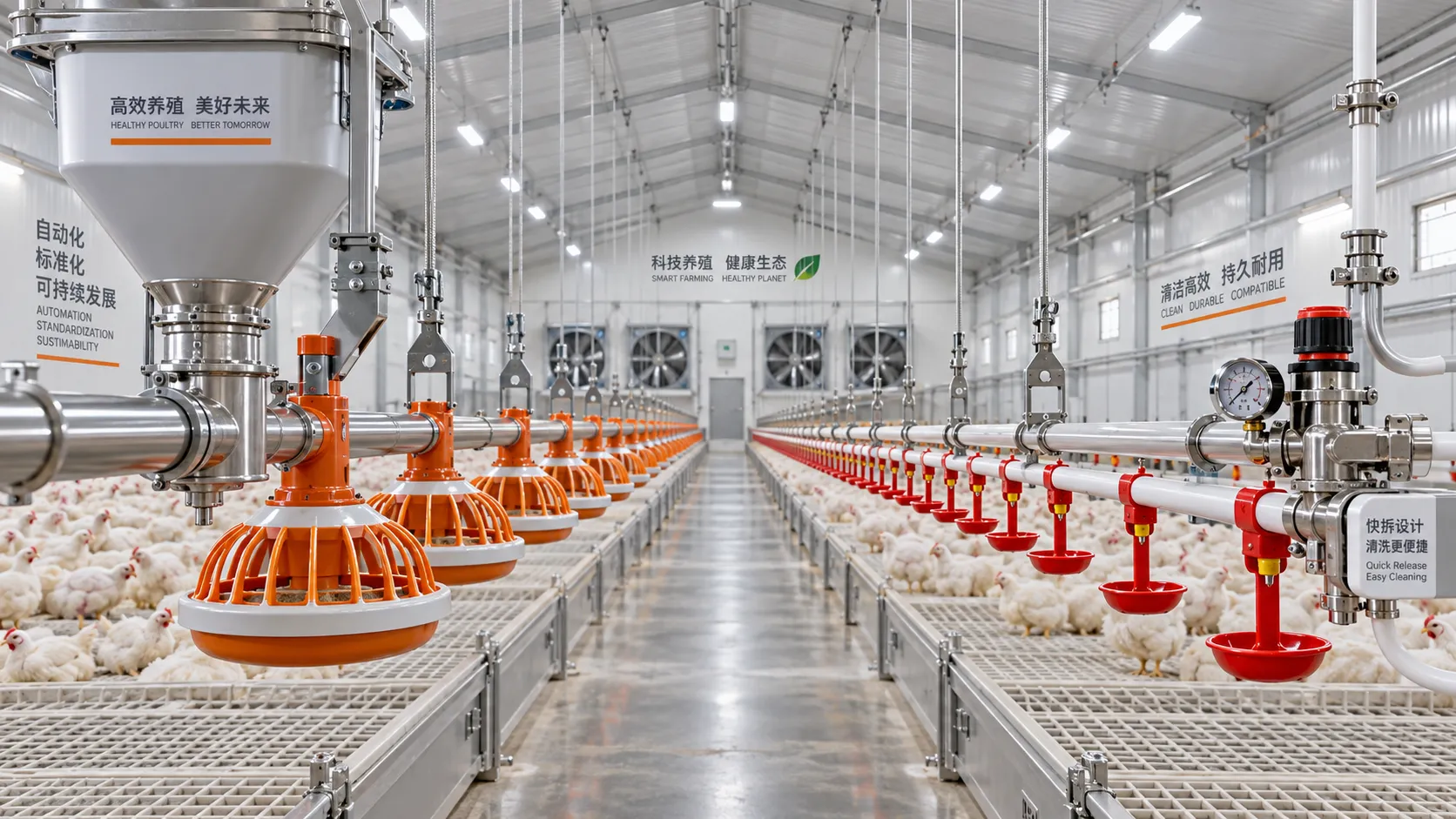
Poultry Equipment Selection: Evaluating Durability, Cleaning, and Compatibility
Poultry equipments selection guide: evaluate durability, cleaning access, and system compatibility to improve hygiene, reduce downtime, and support efficient flock management.
Related News
- 00
0000-00
GPS-Guided Farm Machinery: Where It Delivers Measurable Field Efficiency Gains - 00
0000-00
How Sensor Feedback Enables Accurate Variable-Rate Fertilization in Field Conditions - 00
0000-00
How to Select Precision Crop Protection Equipment for Variable Field Conditions - 00
0000-00
When Does Agricultural Machinery Leasing Cost Less Than Owning Equipment? - 00
0000-00
How to Evaluate Precision Fertilization System Suppliers for Farm-Scale Deployment
Popular Tags
Industry Global
Weekly Insights
Stay ahead with our curated technology reports delivered every Monday.