
Heavy duty agricultural machinery buying mistakes to avoid
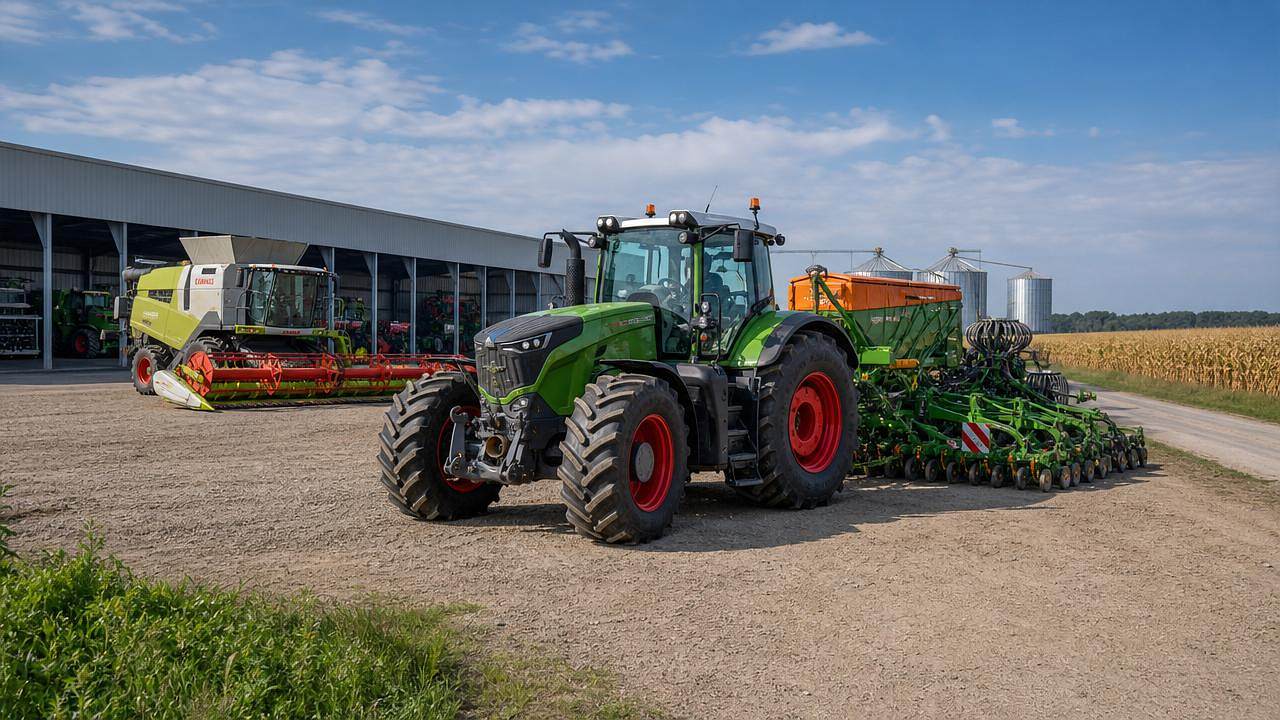




Buying heavy-duty agricultural machinery is a high-stakes decision for procurement teams balancing uptime, total cost, and long-term field performance. Yet many buyers still overlook critical factors such as equipment compatibility, service support, fuel efficiency, and precision farming readiness. This guide highlights the most common purchasing mistakes to avoid, helping decision-makers secure smarter investments in a rapidly evolving agricultural landscape.
Why Procurement Teams Make Expensive Machinery Mistakes
The core search intent behind heavy-duty agricultural machinery buying mistakes to avoid is practical risk reduction. Buyers are not looking for generic equipment descriptions. They want to prevent costly procurement errors before signing contracts.
For procurement professionals, the biggest concerns are usually uptime, operating cost, dealer support, field suitability, and the equipment’s ability to deliver value over many seasons. A wrong purchase can reduce productivity for years.
That means the most useful content is not brand hype or basic machinery definitions. What helps most is a decision framework: which mistakes are common, why they happen, and how to avoid them during evaluation.
In this context, the smartest buying approach is not to ask, “Which machine is the most powerful?” It is to ask, “Which machine best fits our crops, operators, terrain, workload, service network, and precision farming plans?”
Mistake 1: Buying for Peak Power Instead of Real Farm Requirements
One of the most common mistakes in heavy-duty agricultural machinery procurement is overemphasizing engine power while underanalyzing actual operating conditions. More horsepower does not automatically mean better performance or better returns.
Procurement teams sometimes choose larger machinery based on future growth assumptions, competitive pressure, or sales messaging. However, oversized equipment can create problems with fuel burn, soil compaction, transport logistics, and underutilization.
A better method is to define the equipment’s real workload. Review field size, annual operating hours, crop type, soil conditions, haul distances, implement width, and seasonal time windows before comparing machine classes.
In many cases, the right machine is the one that consistently completes tasks within agronomic deadlines with acceptable fuel use and manageable wear. Performance should be measured against operational targets, not just technical maximums.
Mistake 2: Ignoring Total Cost of Ownership
Purchase price still dominates too many buying decisions. That is understandable in budget-driven environments, but it is a poor standalone metric for heavy-duty agricultural machinery, where lifetime operating costs often exceed the initial invoice.
Total cost of ownership should include fuel consumption, preventive maintenance, wear parts, tire or track replacement, hydraulic component reliability, labor efficiency, software subscriptions, and likely resale value. These factors materially affect long-term economics.
Two machines with similar purchase prices can produce very different five-year costs. One may require more downtime, consume more fuel, or depend on expensive proprietary components. A cheaper quote can become the more expensive asset.
Procurement teams should request cost-per-hour estimates, maintenance schedules, warranty details, and parts pricing before final approval. If a supplier cannot transparently discuss lifecycle cost, that is an important warning signal.
Mistake 3: Underestimating After-Sales Service and Parts Availability
Even a technically strong machine becomes a weak investment if service support is slow or parts are hard to obtain during critical planting or harvesting windows. In agriculture, downtime often has a seasonal cost, not just a repair cost.
Many buyers evaluate specifications in detail but spend too little time vetting the local dealer or service partner. Yet field support quality often determines whether the machinery actually delivers the promised productivity.
Ask practical questions: How many trained technicians are in the region? What is the average response time in peak season? Which parts are stocked locally? Are mobile service units available? How are software issues handled?
It is also wise to speak with existing customers operating similar machines under similar conditions. Procurement teams often learn more from service history and parts lead times than from polished product brochures.
Mistake 4: Failing to Check Implement and System Compatibility
Heavy-duty agricultural machinery rarely works in isolation. Tractors, harvesters, tillage tools, seeders, sprayers, trailers, and digital systems must function as an integrated operating environment. Compatibility errors can undermine productivity immediately.
Common issues include insufficient hydraulic flow, mismatched hitch categories, inadequate lift capacity, poor PTO matching, incompatible guidance platforms, and data transfer limitations between machine brands or software ecosystems.
These problems may not stop a purchase, but they can reduce field efficiency, increase operator frustration, and force additional spending on adapters, upgrades, or replacement implements that were not included in the original business case.
Before purchase, create a compatibility checklist covering mechanical interface, hydraulic requirements, electrical systems, ISOBUS functionality, auto-steering integration, and farm management software connectivity. This step protects both uptime and future scalability.
Mistake 5: Overlooking Fuel Efficiency and Powertrain Design
Fuel costs remain a major operating expense, especially in large-scale field operations with high annual machine hours. Yet buyers sometimes treat fuel efficiency as secondary if the machine seems powerful enough for demanding work.
That approach can be expensive. Differences in transmission design, torque delivery, engine calibration, and hydraulic efficiency can significantly affect fuel use per hectare or per ton processed, even among similarly rated machines.
Procurement teams should compare performance under realistic loads, not just showroom specifications. Request data from independent tests, field demonstrations, or customer references operating in comparable crops and terrain.
Also consider whether the machine’s powertrain is suited to your actual duty cycle. A machine optimized for transport-heavy applications may not be the best option for draft-intensive field work, and vice versa.
Mistake 6: Neglecting Precision Farming Readiness
A major strategic mistake is buying heavy-duty agricultural machinery that fits today’s mechanical workload but is poorly prepared for tomorrow’s data-driven workflows. Precision agriculture is no longer optional in many competitive operations.
Procurement buyers should evaluate GNSS guidance compatibility, section control, variable-rate application capability, telematics, remote diagnostics, machine data ownership, and integration with agronomic planning platforms.
If the machinery cannot support future automation, prescription-based operations, or performance tracking, the business may face expensive retrofits later. In some cases, the equipment will become operationally outdated faster than expected.
The right question is not whether you need all digital functions on day one. The better question is whether the platform can grow with your precision farming roadmap without major replacement costs.
Mistake 7: Focusing on Brochure Specifications Instead of Field Conditions
Specifications matter, but real-world operating conditions matter more. Machines perform differently across wet soils, slopes, fragmented field layouts, residue-heavy environments, and variable crop densities. Procurement must reflect those realities.
For example, a harvester that performs well in ideal demo conditions may experience higher losses in difficult crops. A tractor with strong rated output may still struggle with traction, balance, or cooling under local conditions.
This is why field demonstrations are so valuable. Whenever possible, evaluate machinery in operating environments that resemble your actual use cases, rather than relying only on controlled presentations or standardized spec sheets.
Buyers should involve farm managers, operators, and maintenance staff in evaluations. Their experience often reveals practical concerns that procurement documents miss, such as visibility, accessibility for daily service, or setup complexity.
Mistake 8: Underestimating Operator Skill, Training, and Ergonomics
Even advanced heavy-duty agricultural machinery cannot deliver expected productivity if operators are not properly trained. Modern machines often combine hydraulic, electronic, and digital systems that require more than basic mechanical familiarity.
Some buyers assume intuitive controls will shorten the learning curve, but in practice, poor setup and inconsistent use can increase fuel consumption, reduce output quality, and accelerate wear on critical components.
Training should cover machine settings, preventive checks, telematics use, calibration procedures, and safe operation under local conditions. The supplier’s training commitment should be part of the procurement evaluation, not an afterthought.
Cab ergonomics also matter more than many procurement teams expect. Visibility, control layout, noise levels, suspension quality, and display usability affect operator fatigue, which directly influences accuracy, safety, and daily productivity.
Mistake 9: Ignoring Maintenance Accessibility and Reliability History
Not all maintenance costs come from parts. Some come from design choices that make routine service slow, difficult, or dependent on specialized support. Over time, poor serviceability reduces machine availability and raises labor burden.
During evaluation, inspect access to filters, belts, lubrication points, radiators, hydraulic connections, and diagnostic interfaces. A machine that is difficult to service will often experience delayed maintenance and more frequent breakdowns.
Reliability history is equally important. Ask for evidence on common failure points, expected component life, and updates made to earlier product issues. Mature platforms with known service patterns are often safer than newly launched designs.
This does not mean avoiding innovation. It means separating proven engineering improvements from unverified promises. Procurement decisions should reward reliability that can be demonstrated, not just claimed.
Mistake 10: Forgetting Resale Value and Fleet Standardization
Procurement decisions should not end at delivery. Resale value affects lifecycle economics, especially for fleets that refresh equipment on planned intervals. A machine with weak secondary-market demand can reduce long-term return on investment.
Fleet standardization is another overlooked factor. Mixing too many platforms can increase parts inventory complexity, training requirements, software fragmentation, and maintenance inefficiency. Diversity sometimes helps, but unnecessary complexity usually costs more.
When comparing options, assess brand reputation in the used market, dealer trade-in practices, installed base size, and model popularity. These factors influence residual value and disposal flexibility several years later.
A disciplined buyer looks at machinery as part of a fleet strategy, not as a one-time transaction. Standardization, data continuity, and service efficiency often create hidden value across the organization.
How Procurement Teams Can Make Better Heavy-Duty Agricultural Machinery Decisions
The best way to avoid mistakes is to use a structured evaluation process. Start with agronomic and operational requirements, then translate them into technical, financial, service, and digital criteria that suppliers must address.
Build a weighted scorecard covering capacity fit, fuel efficiency, compatibility, precision agriculture readiness, service response, maintenance access, total cost of ownership, and projected resale value. This improves buying discipline.
Cross-functional input is essential. Procurement should work with operations, maintenance, agronomy, finance, and key machine operators. Each group sees different risks, and good machinery decisions depend on combining those perspectives.
Finally, document assumptions clearly. If a machine is justified based on expected utilization, labor savings, or reduced field losses, those assumptions should be measurable after purchase. That is how procurement becomes more strategic over time.
Final Takeaway
The biggest buying mistakes in heavy-duty agricultural machinery usually come from narrowing the decision too early. When procurement focuses only on price, horsepower, or brand familiarity, it can miss the factors that truly drive field performance.
For professional buyers, the better path is clear: match machinery to real workloads, evaluate lifecycle cost, verify service support, protect compatibility, and ensure readiness for precision agriculture and future fleet strategy.
In a market shaped by Agriculture 4.0, tighter operating margins, and rising expectations for efficiency, smart procurement is not about buying the biggest machine. It is about securing the most reliable long-term value.
If buyers approach heavy-duty agricultural machinery with that mindset, they will avoid the most expensive mistakes and make decisions that strengthen productivity, resilience, and return on investment across the entire operation.
Related News
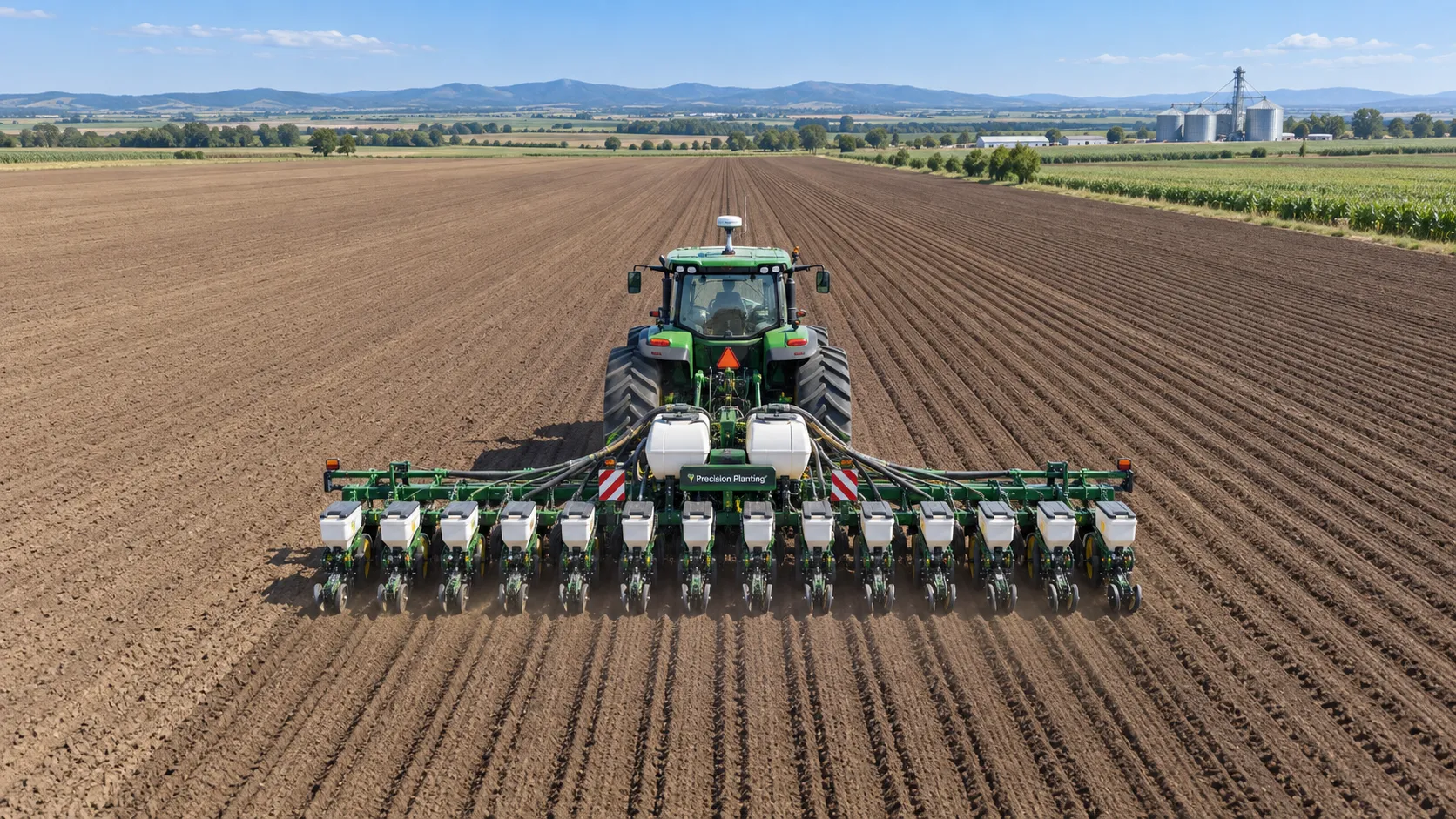
GPS-Guided Farm Machinery: Where It Delivers Measurable Field Efficiency Gains
Agri-mechanization GPS guided systems deliver measurable field efficiency gains through reduced overlap, precise planting, smarter inputs, and reliable farm data.
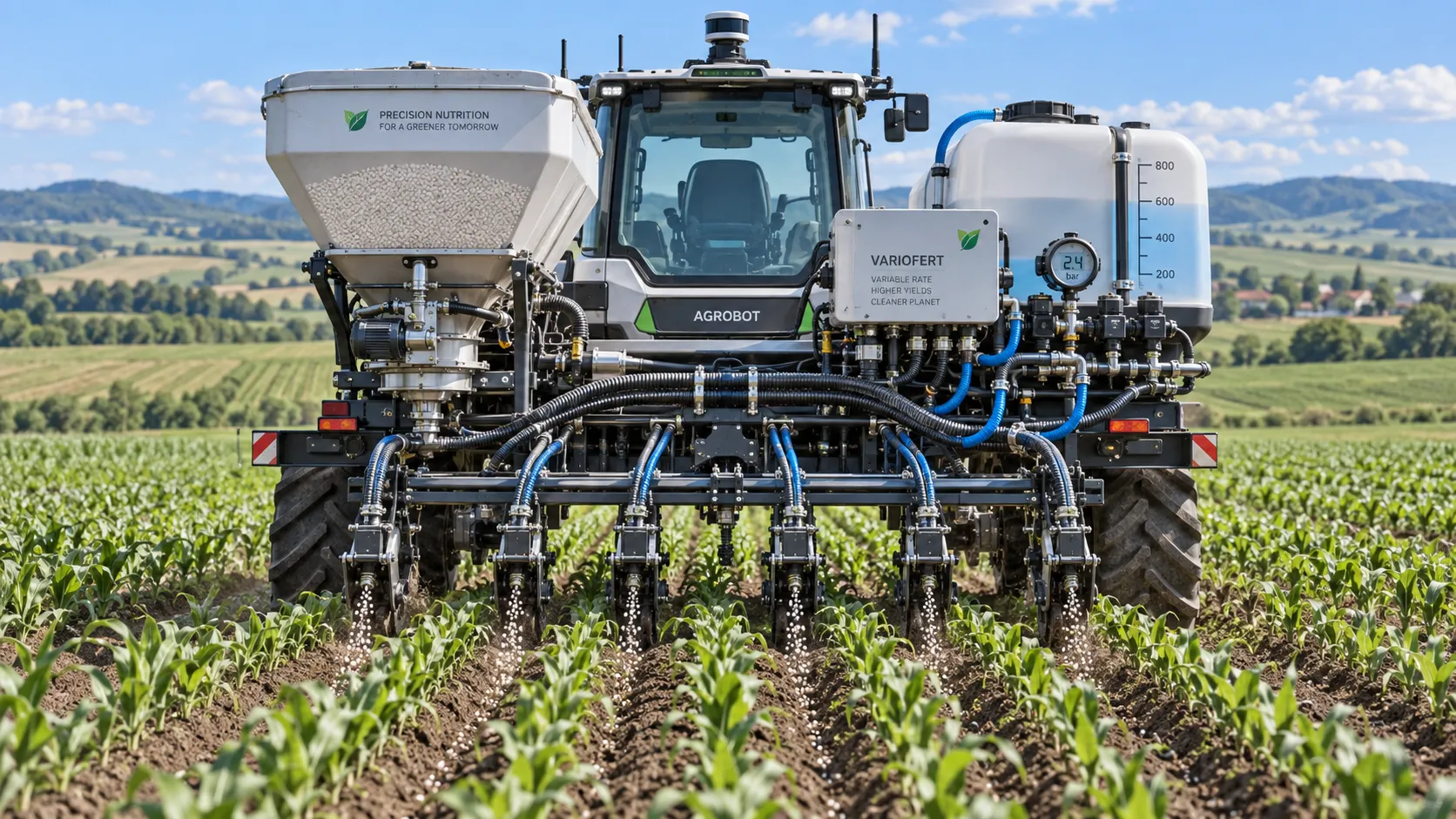
How Sensor Feedback Enables Accurate Variable-Rate Fertilization in Field Conditions
Precision fertilization systems with sensor feedback improve variable-rate accuracy by verifying flow, managing latency, and ensuring reliable field application.
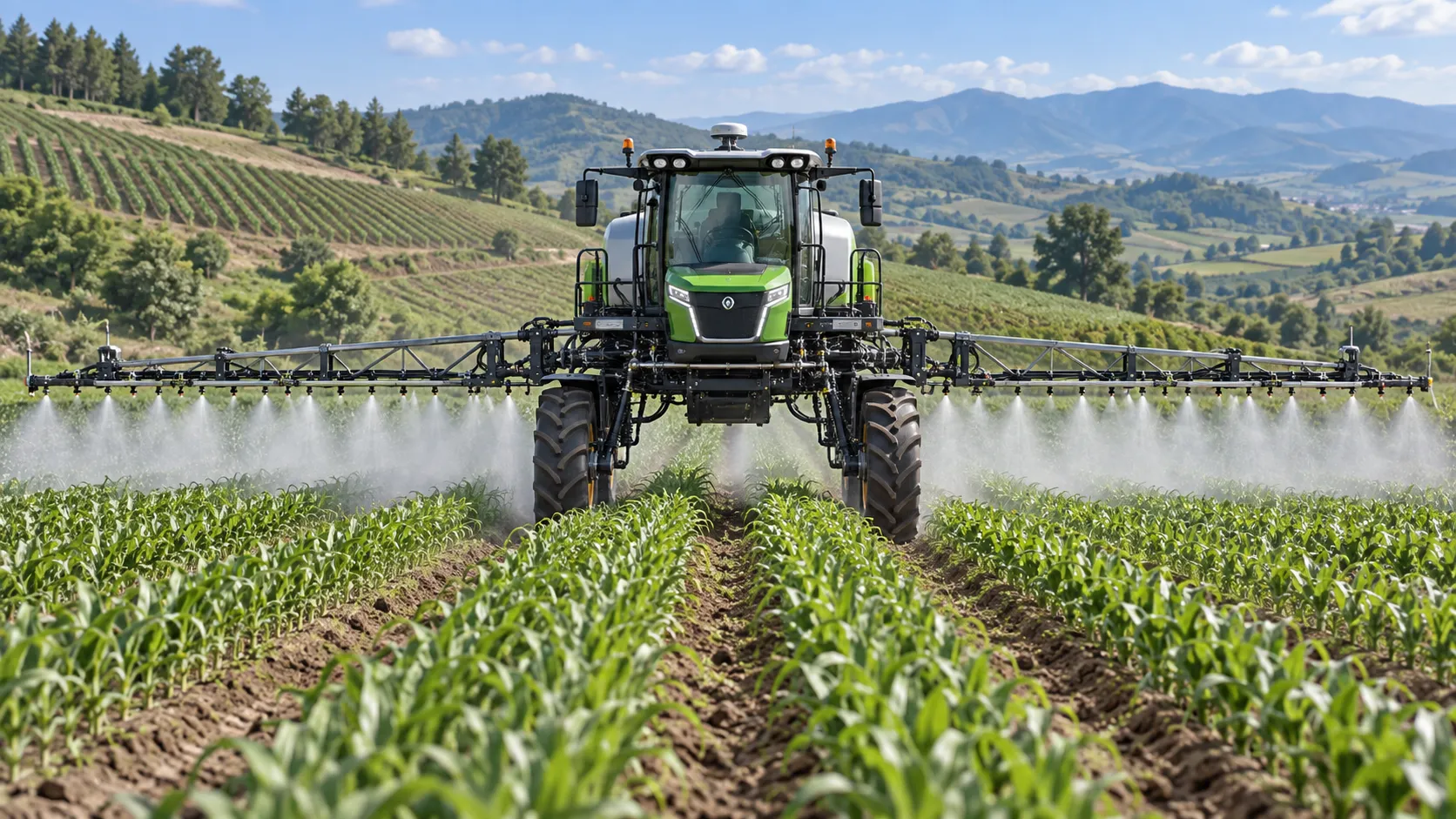
How to Select Precision Crop Protection Equipment for Variable Field Conditions
Precision crop protection equipment selection made simple: compare terrain, canopy, weather, control accuracy, and data workflows for reliable applications.
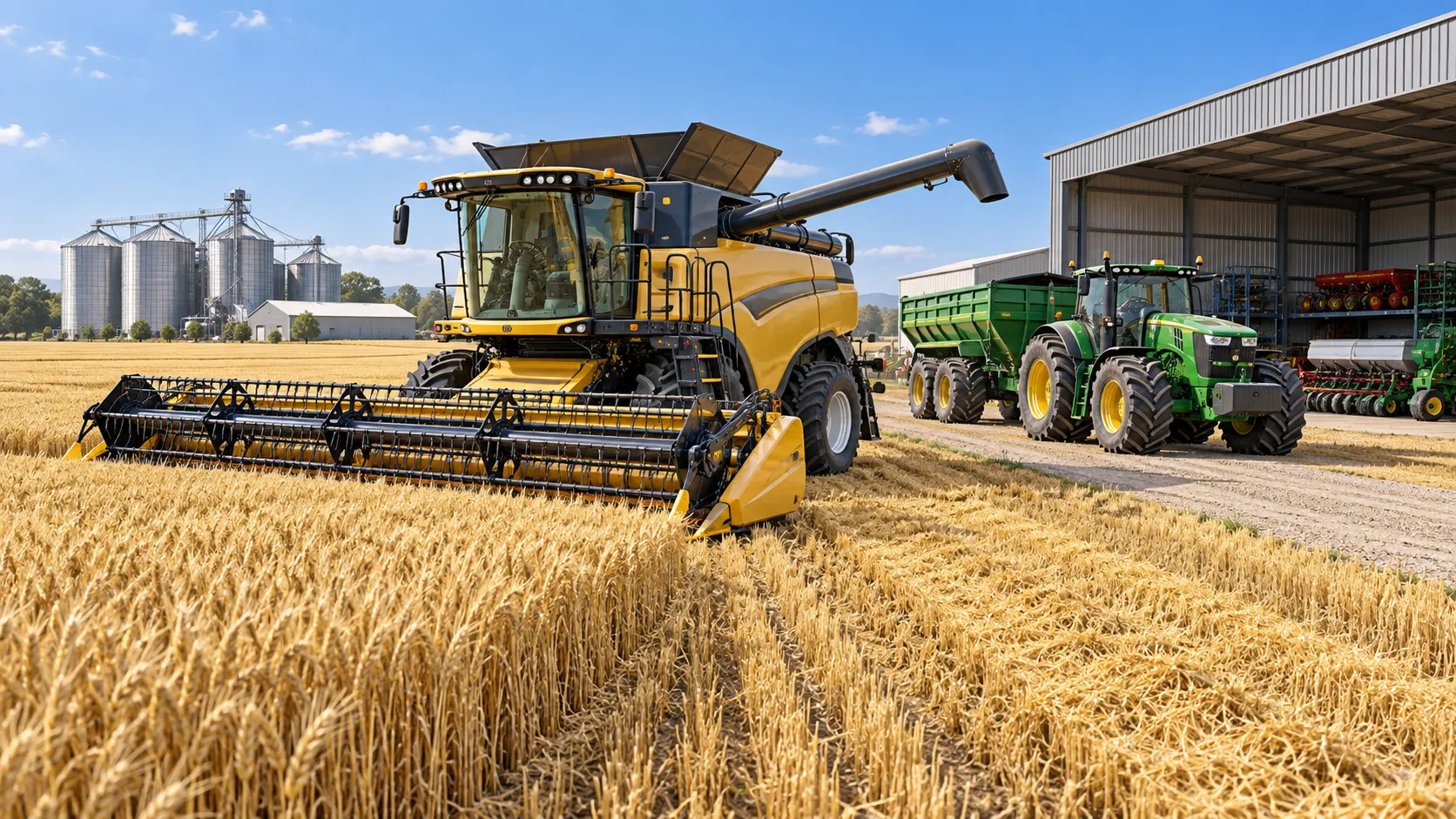
When Does Agricultural Machinery Leasing Cost Less Than Owning Equipment?
Agricultural machinery leasing can lower farm costs when use is seasonal or uncertain. Compare utilization, maintenance, cash flow, and risk to make a smarter equipment decision.
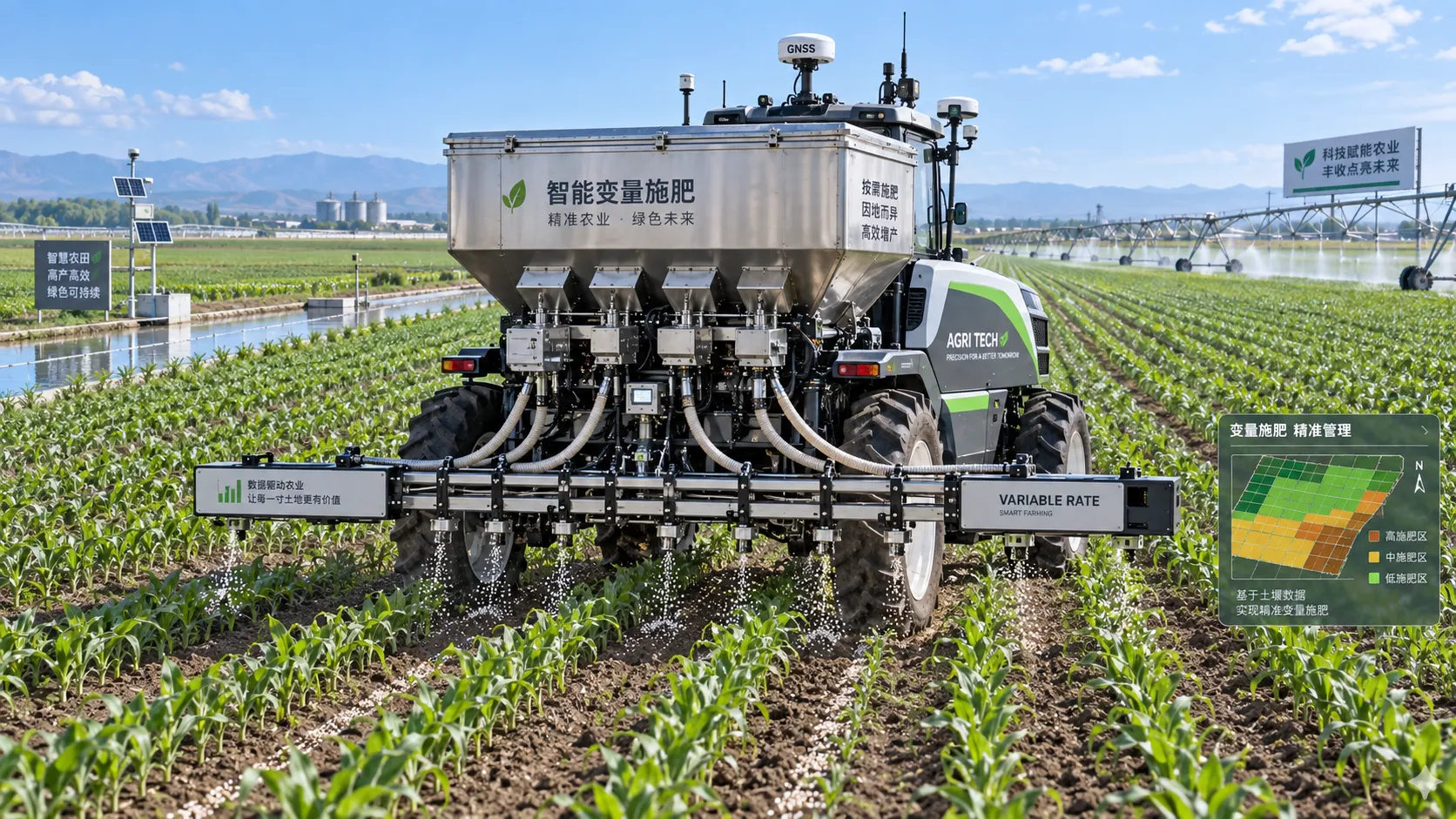
How to Evaluate Precision Fertilization System Suppliers for Farm-Scale Deployment
Precision fertilization systems suppliers: learn how to compare accuracy, integration, uptime, service, and total cost for confident farm-scale deployment.
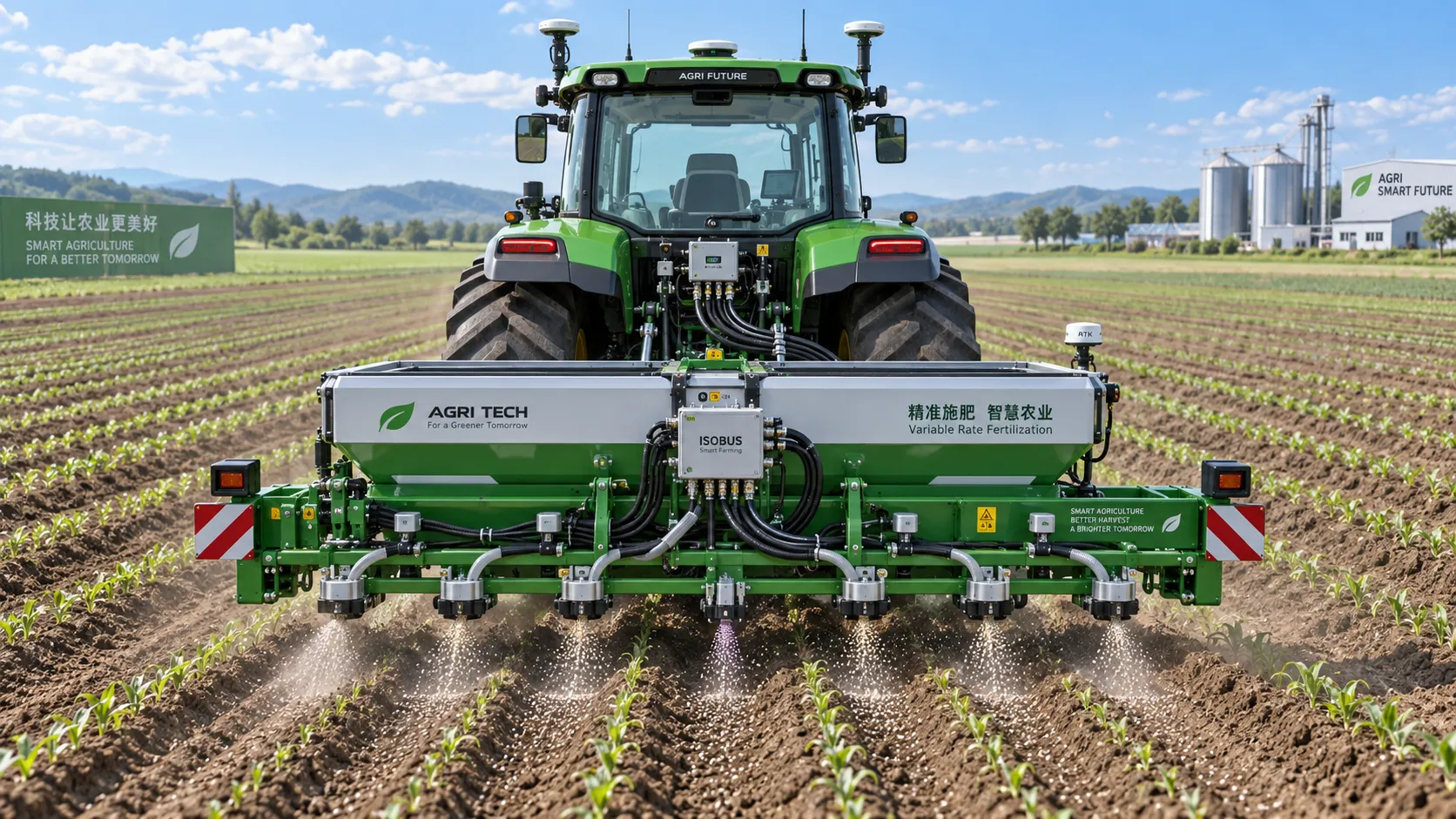
ISOBUS for Smart Agriculture: How It Connects Tractors, Implements, and Farm Data
ISOBUS for smart agriculture connects tractors, implements, terminals, and farm data—helping growers improve precision, documentation, and smarter field decisions.
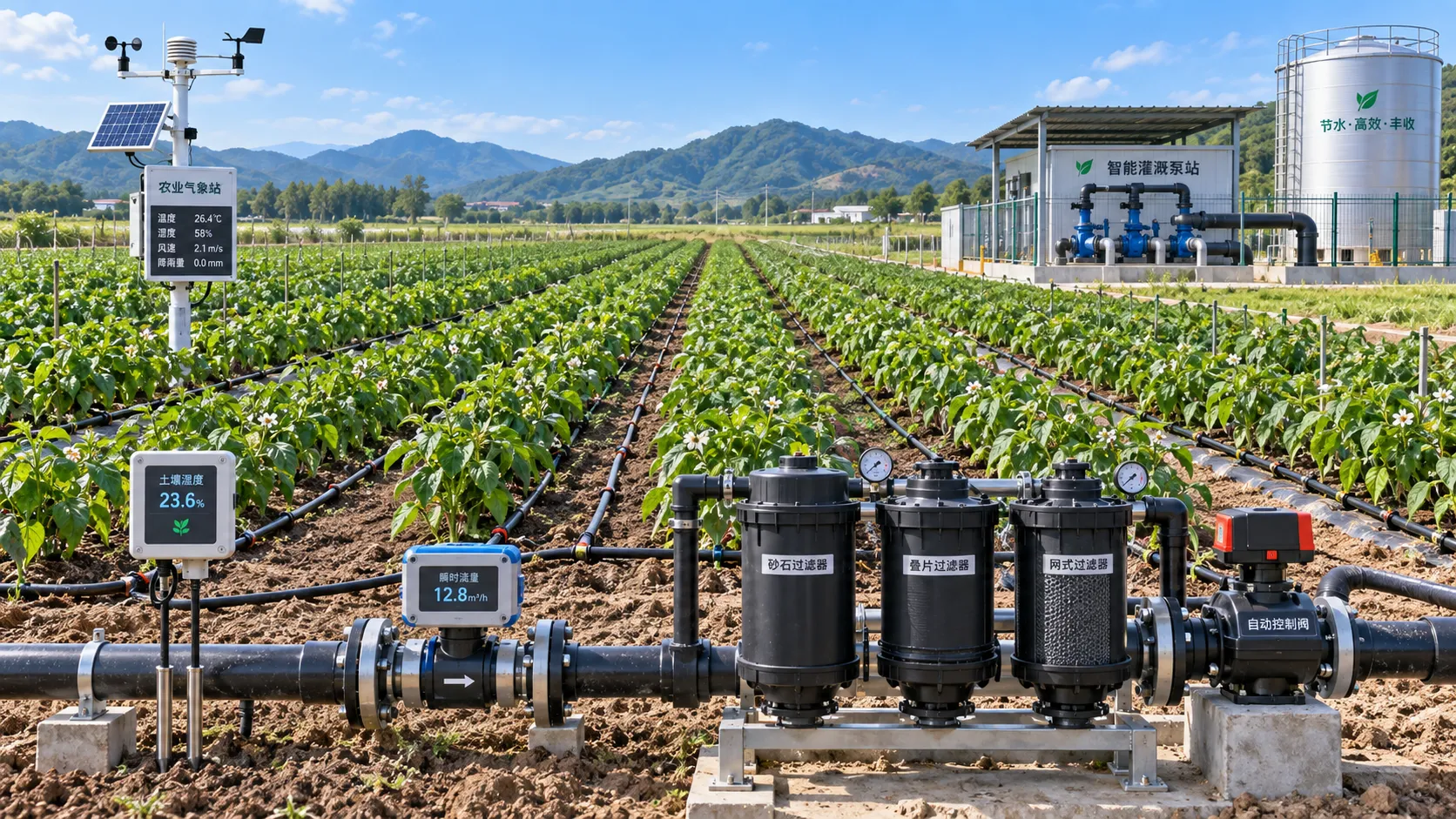
Automated Water-Saving Irrigation: How to Cut Water Use Without Reducing Crop Yields
Automated water-saving irrigation helps farms cut water use, protect crop yields, improve scheduling, and gain reliable control with sensors, flow monitoring, and smart zones.
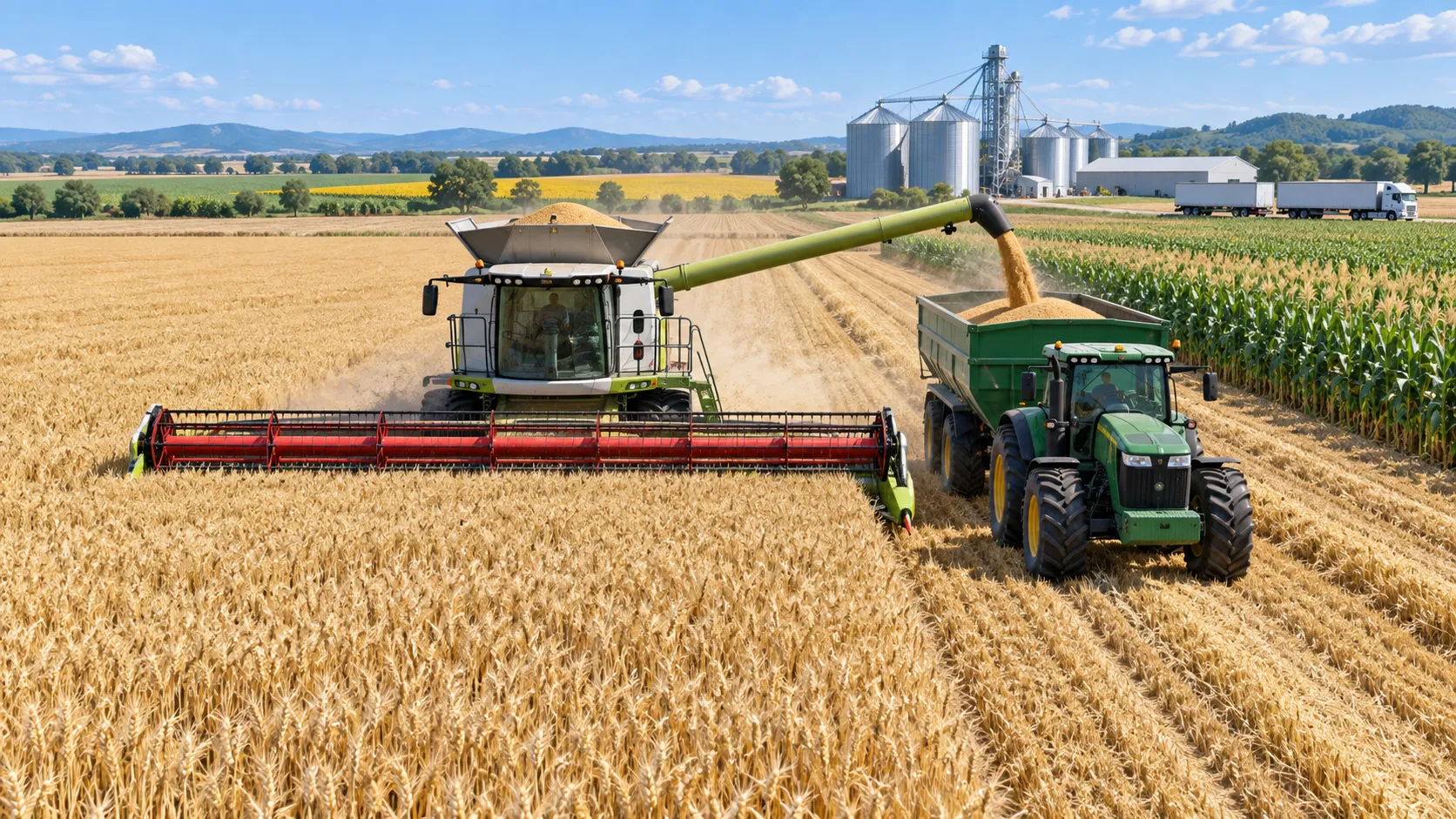
Selecting Grain Farm Equipment by Acreage, Crop Mix, and Harvest Window
Agricultural equipment selection for grain farming: match machinery to acreage, crop mix, and harvest windows to improve uptime, efficiency, and returns.
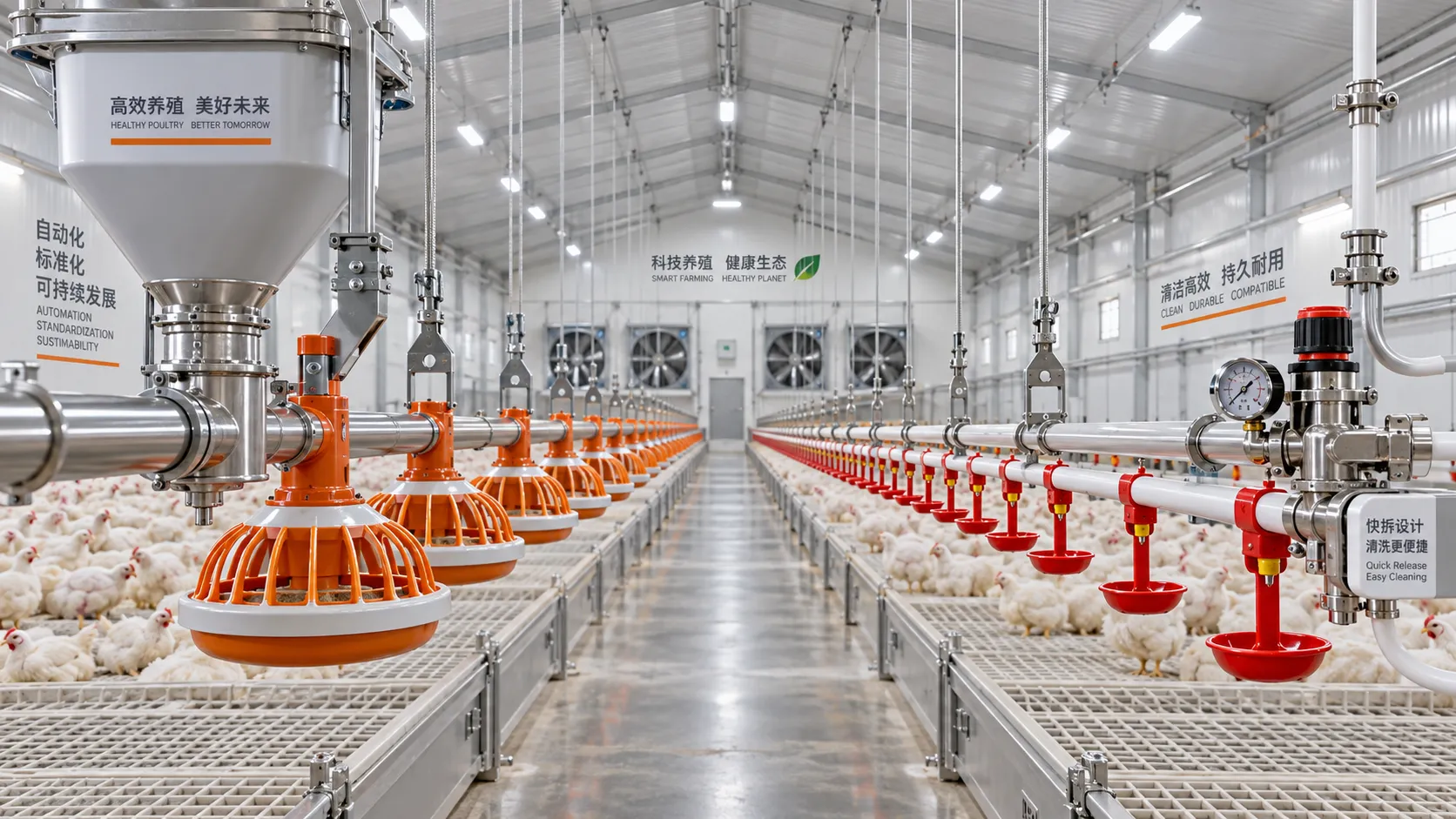
Poultry Equipment Selection: Evaluating Durability, Cleaning, and Compatibility
Poultry equipments selection guide: evaluate durability, cleaning access, and system compatibility to improve hygiene, reduce downtime, and support efficient flock management.
Related News
- 00
0000-00
When Does Agricultural Machinery Leasing Cost Less Than Owning Equipment? - 00
0000-00
Selecting Grain Farm Equipment by Acreage, Crop Mix, and Harvest Window - 00
0000-00
Poultry Equipment Selection: Evaluating Durability, Cleaning, and Compatibility - 00
0000-00
How to Select Heavy-Duty Farm Implements for High-Acreage, High-Horsepower Operations - 00
0000-00
Smart Farming Technology for Dairy Farms: Where Automation Delivers Measurable ROI
Popular Tags
Ms. Elena Rodriguez
Weekly Insights
Stay ahead with our curated technology reports delivered every Monday.