
Is advanced irrigation technology saving water or adding cost
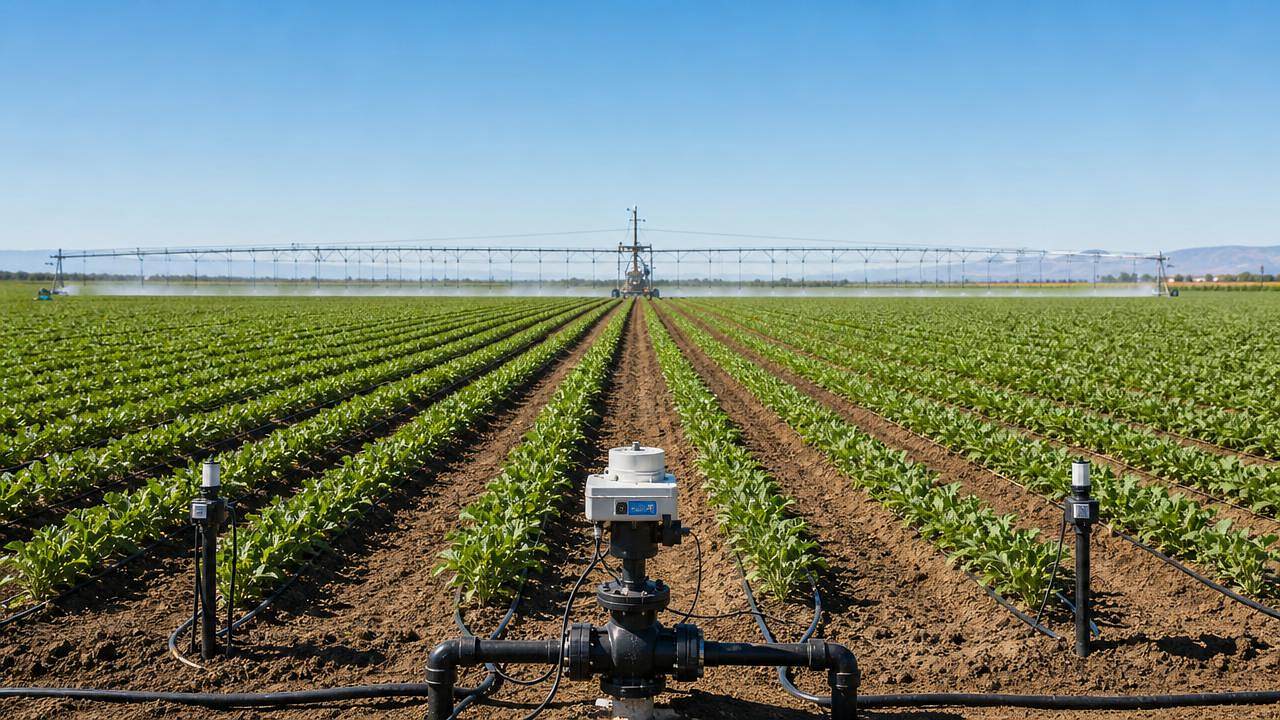




For project teams balancing water efficiency, infrastructure budgets, and long-term ROI, advanced irrigation technology is rarely a simple yes-or-no investment. Smart valves, soil moisture probes, telemetry, variable-rate control, and automated scheduling can reduce water waste. Yet they also introduce software fees, maintenance routines, training demands, and replacement cycles. The real answer depends on whether the system cuts total applied water, protects yield, lowers labor drag, and fits field conditions without creating hidden operating cost.
In practice, advanced irrigation technology saves water when data quality, hydraulic design, crop strategy, and operational discipline work together. It adds cost when farms buy features they cannot calibrate, maintain, or integrate into daily field decisions. This guide offers a practical checklist to evaluate both sides clearly.
Why a checklist is necessary before judging advanced irrigation technology
Water-saving claims often focus on equipment specifications, not full-field performance. A smart system may show excellent lab precision but still over-irrigate if pressure varies, sensors drift, or agronomic thresholds are poorly set.
A checklist helps compare capital expense with measurable outcomes. It also prevents common decision errors, such as confusing automation with optimization or assuming all crops respond equally to intelligent control.
Core checklist: how to verify whether advanced irrigation technology saves water or adds cost
- Measure the baseline first. Record current water use, pumping hours, labor input, pressure stability, and yield results before installing any advanced irrigation technology.
- Define the target metric. Decide whether the goal is lower water volume, better uniformity, reduced energy use, improved crop quality, or stronger seasonal irrigation timing.
- Check hydraulic compatibility. Confirm that filters, pumps, pipe sizes, emitter flow rates, and pressure regulation support sensor-driven control without creating uneven distribution.
- Audit field variability. Map soil texture, slope, infiltration rate, and rooting depth so the irrigation algorithm reflects actual zones rather than average assumptions.
- Validate sensor placement. Install soil moisture probes at representative depths and locations, not only near easy-access points or unusually productive sections.
- Review data reliability. Verify calibration intervals, transmission uptime, battery life, and alert thresholds before trusting automated irrigation recommendations.
- Compare labor tradeoffs. Smart control can cut manual valve changes, but it may increase time spent on dashboards, troubleshooting, firmware updates, and report review.
- Include maintenance cost. Budget for clogged emitters, damaged cables, probe replacement, controller servicing, software subscriptions, and seasonal commissioning.
- Test agronomic fit. High-value crops often justify precision irrigation faster than broad-acre crops with lower margin tolerance for complex system payback.
- Examine energy interaction. Water savings may be offset if variable pumping schedules increase peak electricity charges or require higher pressure compensation.
- Review integration needs. The best advanced irrigation technology connects with weather data, satellite imagery, fertigation plans, and field operations rather than acting alone.
- Calculate payback by season. Use water savings, yield protection, labor reduction, and quality premiums together, instead of judging investment only by equipment price.
Where advanced irrigation technology usually delivers clear value
High-value horticulture and specialty crops
In orchards, vineyards, vegetables, and greenhouse-linked production, advanced irrigation technology often creates visible returns. Water timing affects fruit size, sugar balance, disease pressure, and marketable quality. A few mismanaged irrigation events can cause losses much larger than the annual software fee.
Here, sensor-based scheduling and zone control help maintain tighter moisture bands. That precision reduces overwatering, limits nutrient leaching, and supports fertigation consistency. The added cost is easier to justify because crop value per hectare is high.
Water-stressed regions and regulated basins
Where water rights are restricted or pumping allocations are shrinking, advanced irrigation technology becomes a strategic asset rather than a convenience. Saving water is not only about lower cost. It can preserve production continuity under regulatory pressure.
In these areas, accurate scheduling, leak detection, and remote shutoff reduce non-productive water loss. The strongest benefit comes from avoiding excess application during short allocation windows or heat-driven panic irrigation.
Large-scale mechanized farms with dispersed fields
For operations managing many irrigation blocks across long distances, automation can reduce travel time, night checks, and delayed responses. Remote visibility is often as valuable as the direct water reduction itself.
However, scale also magnifies technical failure. If one controller logic error affects multiple blocks, the cost of under-irrigation or over-irrigation rises quickly. Redundancy and alarm discipline matter as much as device sophistication.
Where advanced irrigation technology can add cost without enough return
Fields with poor infrastructure fundamentals
If the irrigation network already suffers from pressure instability, filtration weakness, aging pipes, or severe distribution non-uniformity, digital upgrades may only mask structural problems. Sensors cannot fix a flawed hydraulic foundation.
In these cases, spending on network rehabilitation often outperforms immediate investment in high-end control layers. Basic physical efficiency should come before advanced decision automation.
Low-margin cropping systems with limited data capacity
Some broad-acre systems can benefit from precision irrigation, but only if field variability and water cost justify the complexity. If margins are thin and staffing for calibration is weak, advanced irrigation technology may become an overhead burden.
When teams cannot consistently interpret dashboards or respond to alerts, the farm may continue irrigating by habit while still paying subscription and hardware costs. In that situation, the technology adds expense but not management change.
Commonly overlooked risk factors
Calibration drift: Soil probes and flow meters lose value when calibration is skipped. A smart platform built on inaccurate inputs can recommend the wrong irrigation event with high confidence.
Subscription creep: Initial capital cost may look acceptable, but annual platform licenses, cloud storage, SMS alerts, and support contracts can materially change total ownership cost.
Data overload: More data does not guarantee better decisions. Too many dashboards can slow action, especially during heat stress periods when irrigation timing is critical.
Single-season evaluation: One wet year can make any smart irrigation package look unnecessary. One dry year can make it look essential. Multi-season assessment gives a fairer result.
Ignoring crop response: Water savings alone can be misleading. If reduced application lowers yield, uniformity, or quality, the system may save water while still reducing total economic return.
Practical execution steps before full deployment
- Start with one representative irrigation block and compare manual scheduling against sensor-guided scheduling over a full crop cycle.
- Track five numbers weekly: applied water, pumping energy, labor hours, system downtime, and crop performance indicators.
- Set action thresholds in advance, including moisture trigger points, alarm response times, and acceptable pressure variation ranges.
- Review the total cost of ownership, including hardware replacement cycles, seasonal maintenance, communications, and software licensing.
- Scale only after proving that the pilot block delivers repeatable gains under real weather and real operating conditions.
Conclusion: advanced irrigation technology works when discipline matches the hardware
So, is advanced irrigation technology saving water or adding cost? It does both, depending on execution quality. It saves water when the system is built on sound hydraulics, reliable data, crop-specific thresholds, and active management. It adds cost when it is installed as a feature package without operational readiness.
The most effective next step is not a full-farm rollout. It is a structured pilot with baseline measurement, seasonal comparison, and a clear payback model. In an Agriculture 4.0 environment, the winning irrigation strategy is not the most complex one. It is the one that turns precision into verified field performance.
Related News
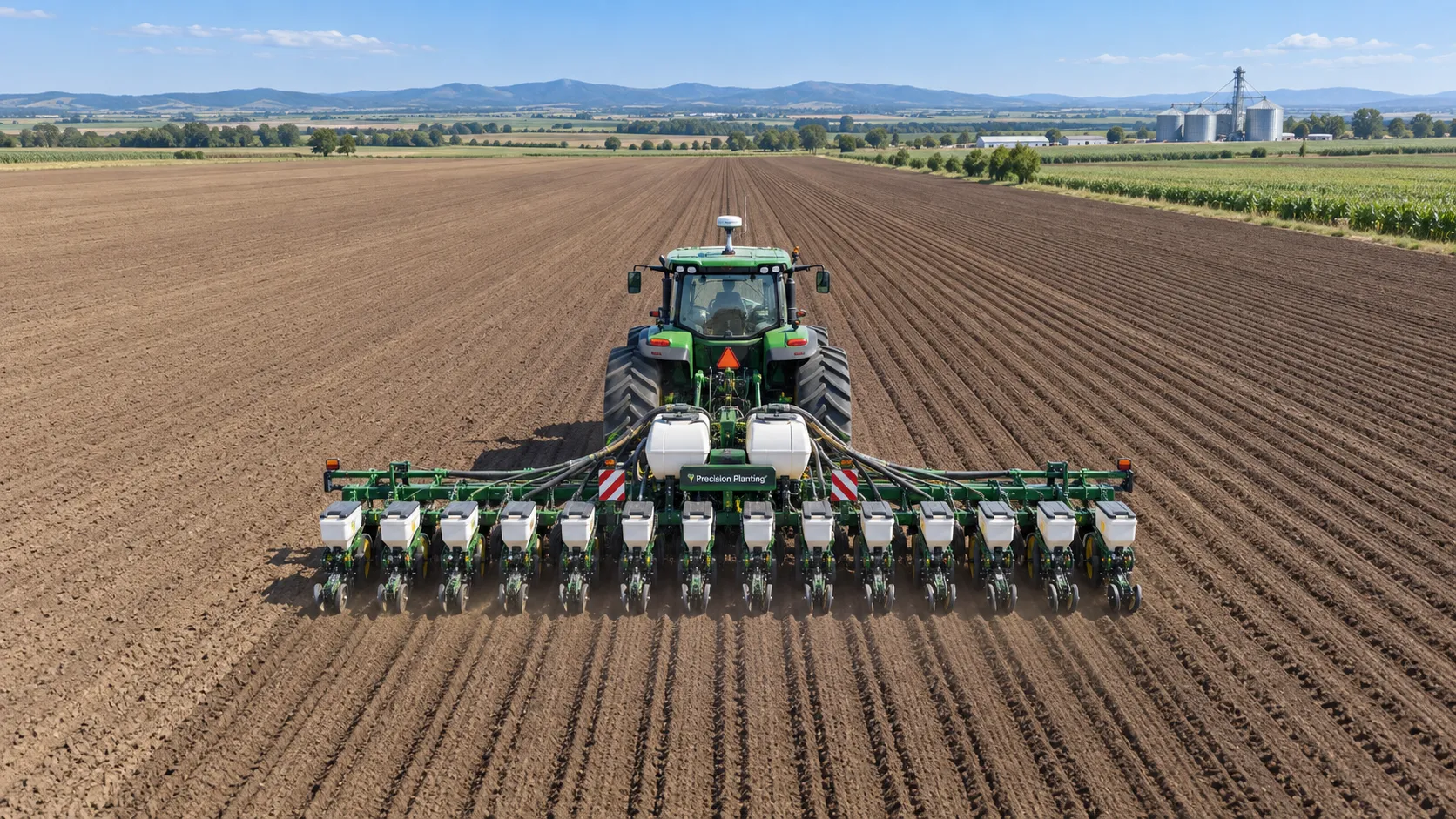
GPS-Guided Farm Machinery: Where It Delivers Measurable Field Efficiency Gains
Agri-mechanization GPS guided systems deliver measurable field efficiency gains through reduced overlap, precise planting, smarter inputs, and reliable farm data.
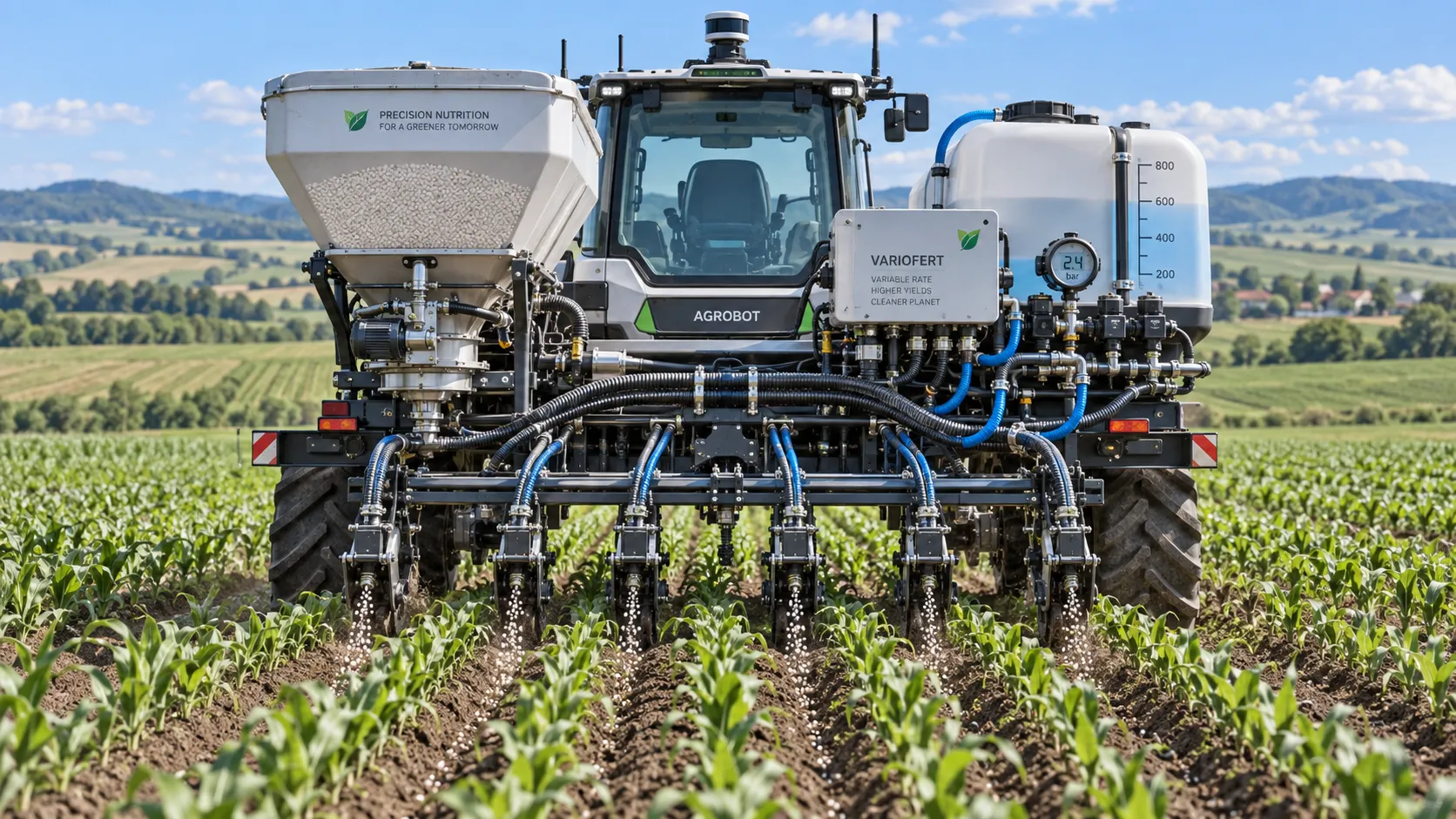
How Sensor Feedback Enables Accurate Variable-Rate Fertilization in Field Conditions
Precision fertilization systems with sensor feedback improve variable-rate accuracy by verifying flow, managing latency, and ensuring reliable field application.
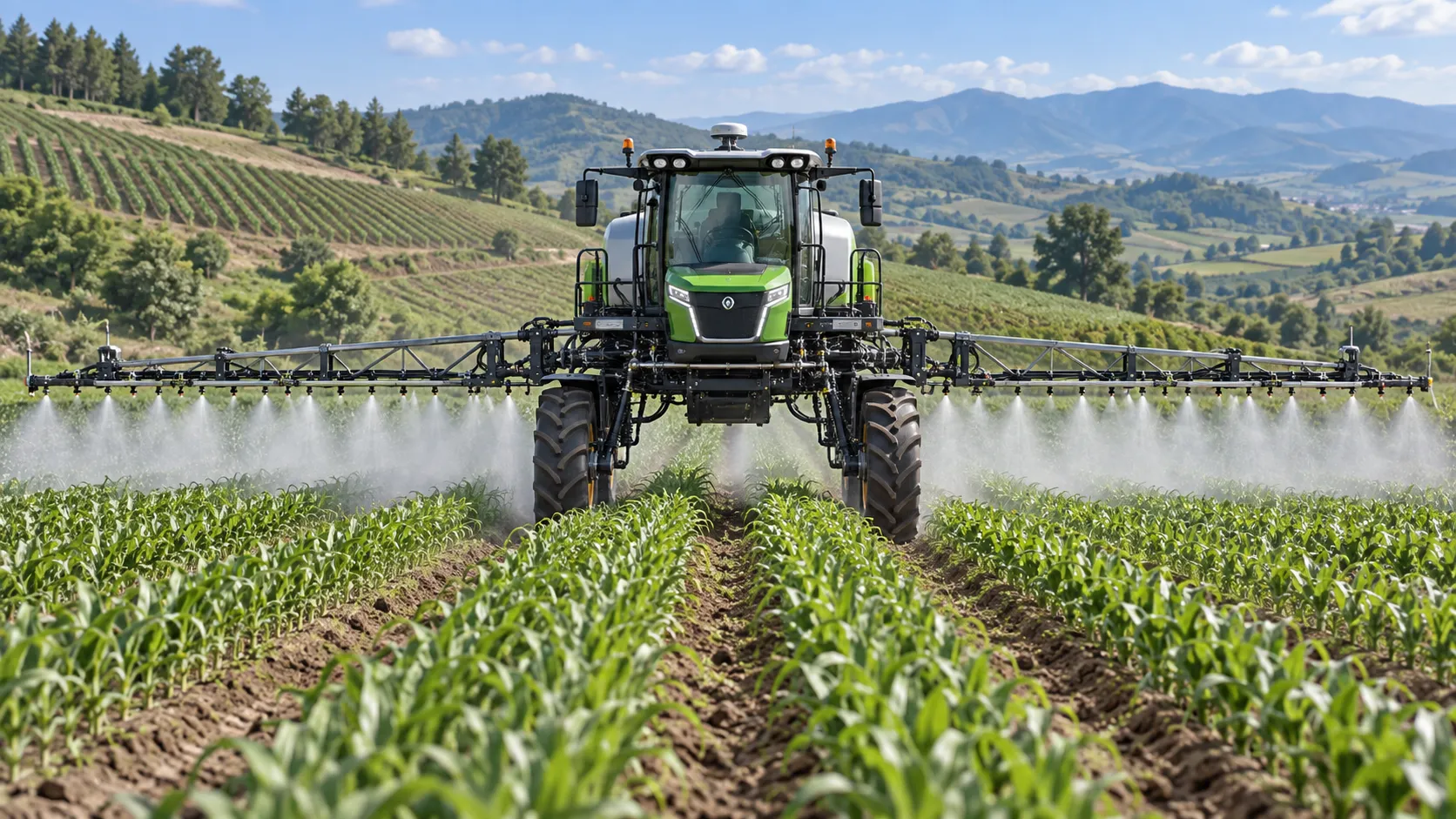
How to Select Precision Crop Protection Equipment for Variable Field Conditions
Precision crop protection equipment selection made simple: compare terrain, canopy, weather, control accuracy, and data workflows for reliable applications.

When Does Agricultural Machinery Leasing Cost Less Than Owning Equipment?
Agricultural machinery leasing can lower farm costs when use is seasonal or uncertain. Compare utilization, maintenance, cash flow, and risk to make a smarter equipment decision.

How to Evaluate Precision Fertilization System Suppliers for Farm-Scale Deployment
Precision fertilization systems suppliers: learn how to compare accuracy, integration, uptime, service, and total cost for confident farm-scale deployment.
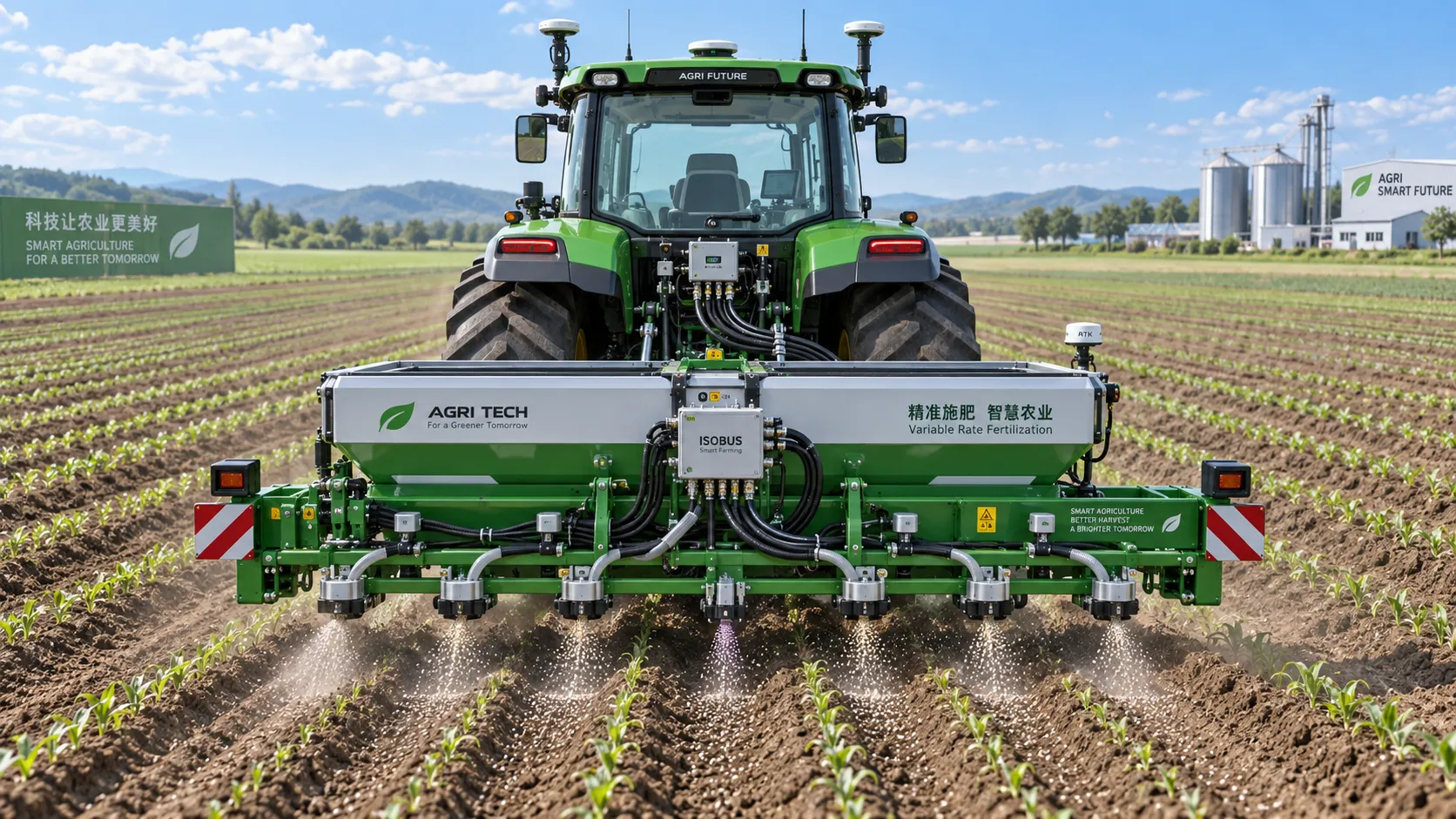
ISOBUS for Smart Agriculture: How It Connects Tractors, Implements, and Farm Data
ISOBUS for smart agriculture connects tractors, implements, terminals, and farm data—helping growers improve precision, documentation, and smarter field decisions.
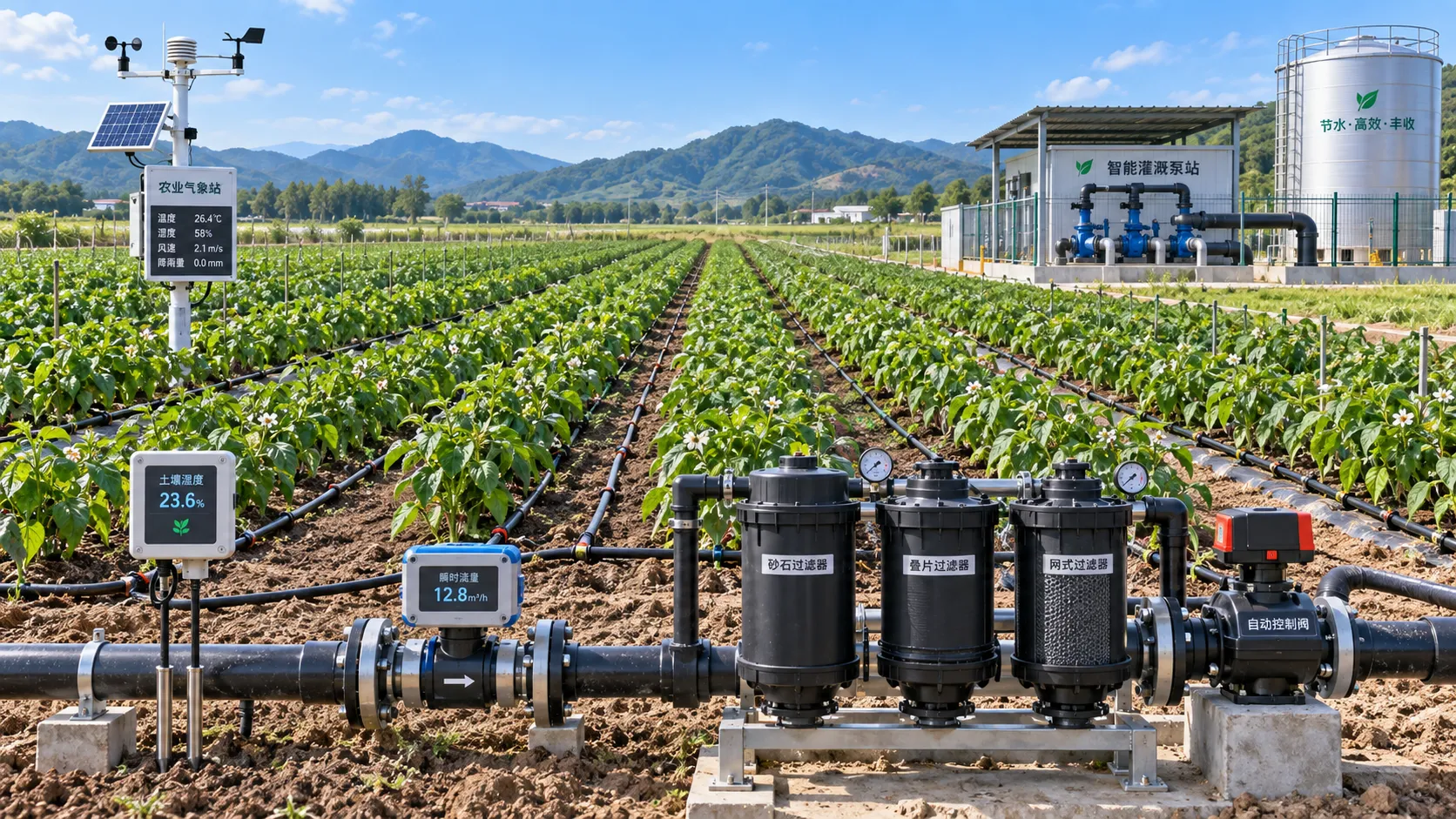
Automated Water-Saving Irrigation: How to Cut Water Use Without Reducing Crop Yields
Automated water-saving irrigation helps farms cut water use, protect crop yields, improve scheduling, and gain reliable control with sensors, flow monitoring, and smart zones.
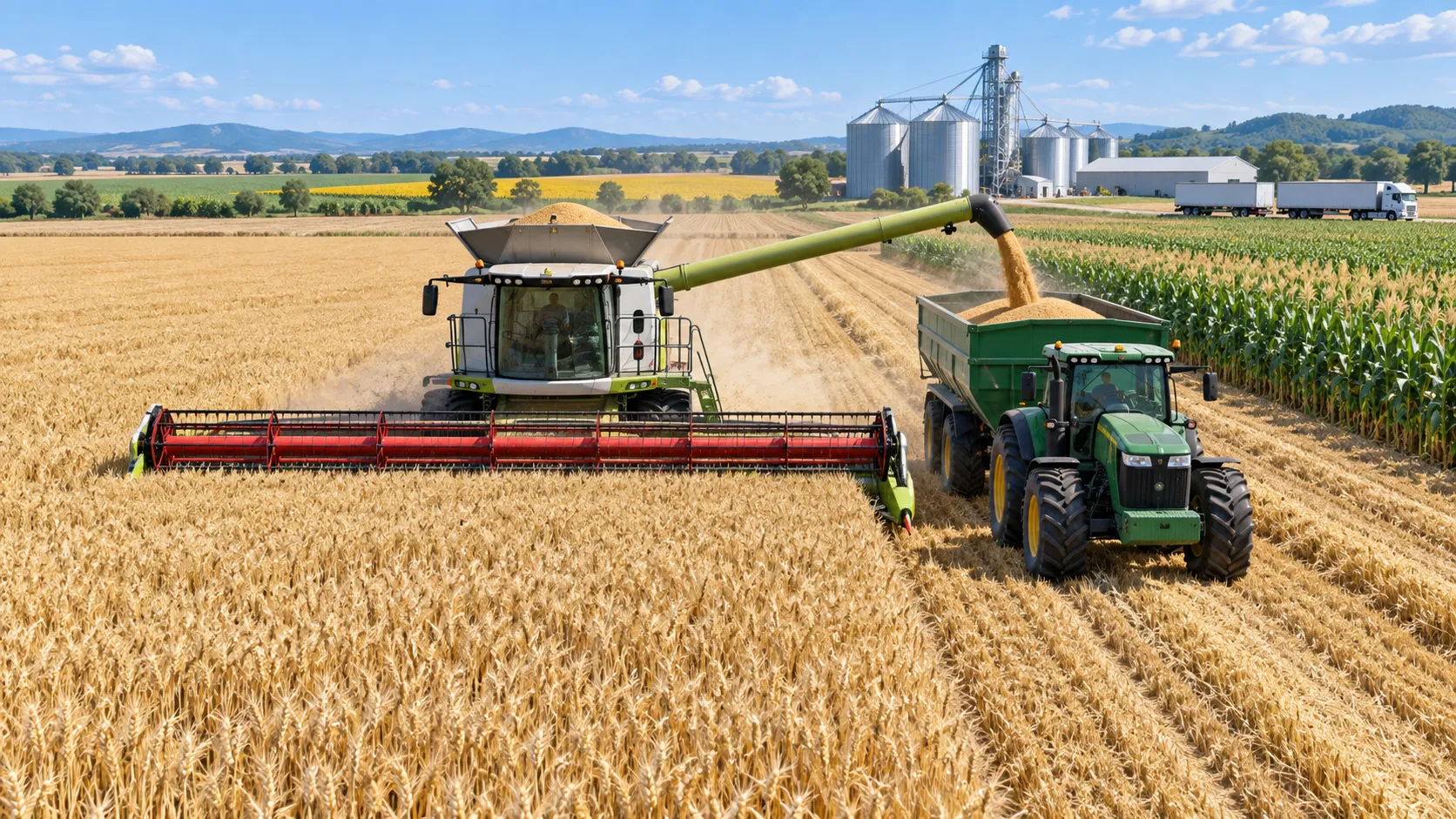
Selecting Grain Farm Equipment by Acreage, Crop Mix, and Harvest Window
Agricultural equipment selection for grain farming: match machinery to acreage, crop mix, and harvest windows to improve uptime, efficiency, and returns.
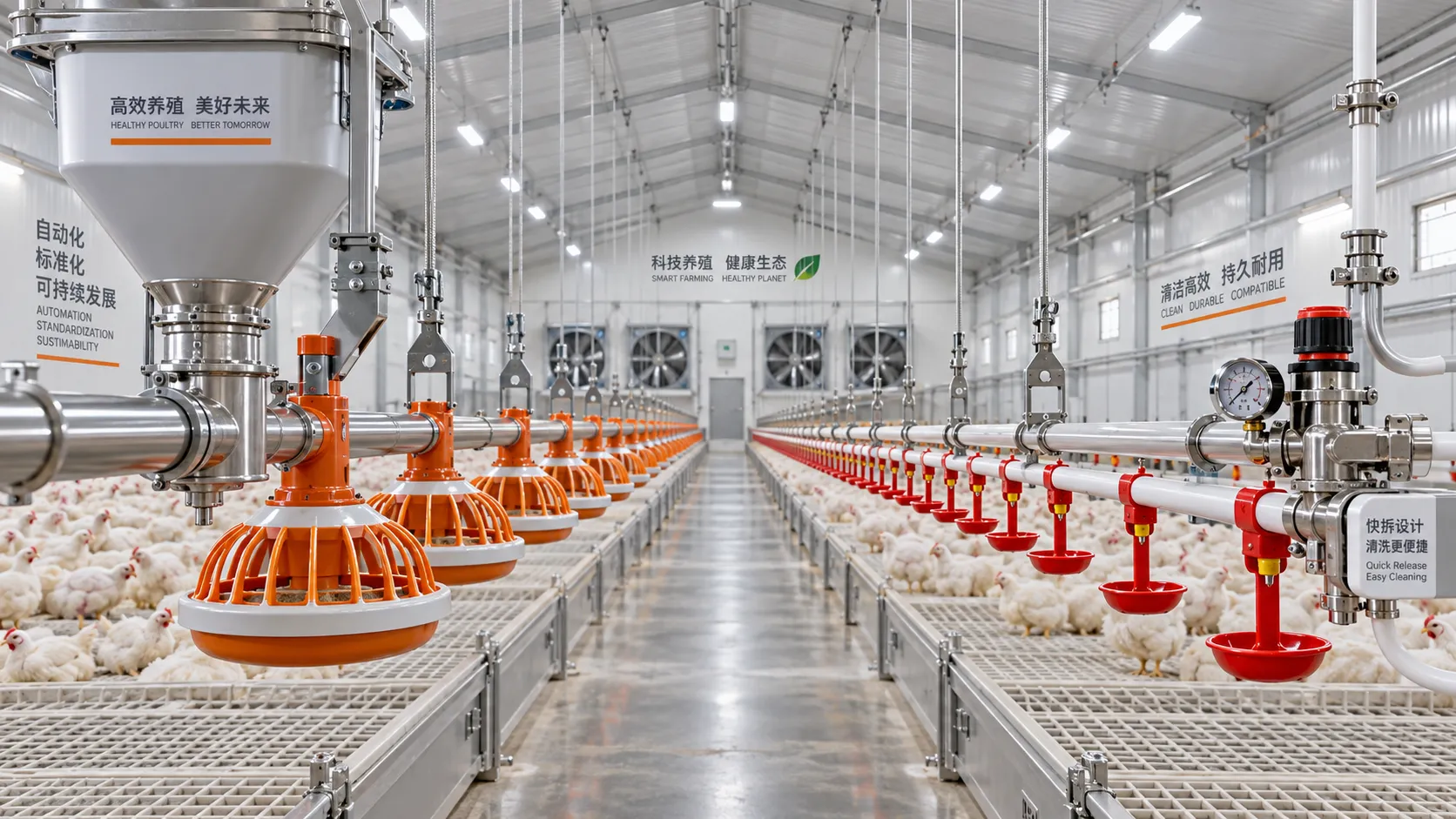
Poultry Equipment Selection: Evaluating Durability, Cleaning, and Compatibility
Poultry equipments selection guide: evaluate durability, cleaning access, and system compatibility to improve hygiene, reduce downtime, and support efficient flock management.
Related News
- 00
0000-00
Automated Water-Saving Irrigation: How to Cut Water Use Without Reducing Crop Yields - 00
0000-00
How to Evaluate Drip Irrigation System Manufacturers for Large Farm Projects - 00
0000-00
Wireless Agricultural Automation for Remote Irrigation and Field Monitoring - 00
0000-00
Designing Water-Saving Drip Irrigation Systems for High-Value Orchards - 00
0000-00
How to Choose Irrigation Solutions for Arid Regions Based on Water Source and Crop Needs
Popular Tags
Hydrological Resource Strategist
Weekly Insights
Stay ahead with our curated technology reports delivered every Monday.