
ANVISA Opens Temporary Registration for Smart Irrigation Water Monitors from China
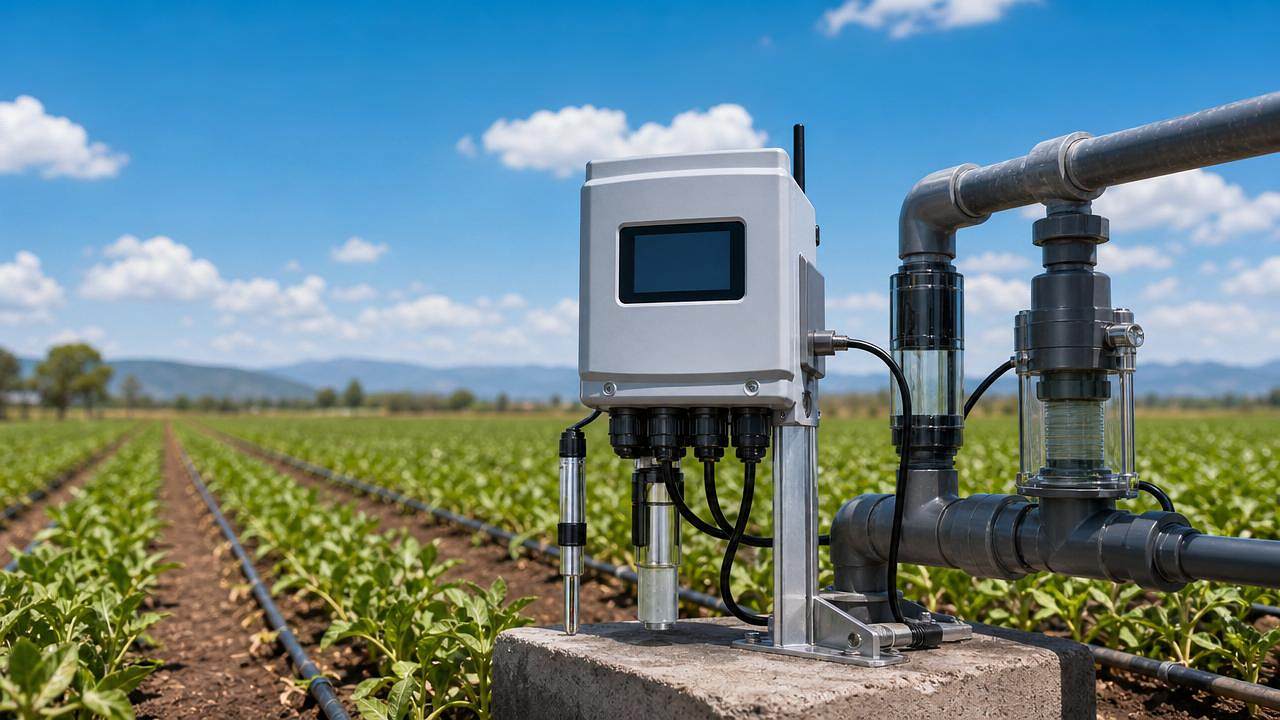




Brazil’s National Health Surveillance Agency (ANVISA) announced on May 16, 2026, a 6-month temporary registration pathway for smart irrigation water quality monitoring devices manufactured in China. This development is relevant to agricultural technology exporters, precision irrigation equipment suppliers, and regulatory compliance service providers — as it introduces a streamlined, standards-based market access route previously unavailable for this product category.
Event Overview
On May 16, 2026, ANVISA issued Resolution RDC No. 22/2026, establishing a temporary registration channel for smart irrigation water quality monitoring instruments produced in China. The resolution explicitly accepts type-test reports based on the Chinese national standard GB/T 47065-2025 (“Technical Specification for Online Monitoring Systems of Agricultural Water Safety”). Under this mechanism, registration processing time is reduced to 12 working days.
Industries Affected by This Development
Direct Exporters of Smart Irrigation Monitoring Devices
Manufacturers exporting such devices from China to Brazil face a newly available, time-bound opportunity. Because the temporary pathway is limited to six months and contingent on compliance with GB/T 47065-2025, these companies may experience accelerated market entry—but only if their products have already undergone or can promptly complete testing under that standard.
OEM/ODM Producers Serving Global Irrigation Brands
Contract manufacturers producing monitoring hardware for international irrigation system brands may see increased demand for GB/T 47065-2025-aligned validation. Their role shifts from general electronics assembly to supporting regulatory-ready outputs—particularly where end customers target Brazilian distribution during the temporary window.
Regulatory Compliance and Certification Service Providers
Third-party labs and consultants offering conformity assessment services now have a defined, short-term scope: validating devices against GB/T 47065-2025 for ANVISA’s temporary pathway. Demand may rise for rapid turnaround testing and documentation support—but only for the duration of the temporary measure.
Distributors and Importers Specializing in Agri-Tech Equipment
Importers holding ANVISA registration capabilities—or partnering with local representatives—may prioritize inventory planning around devices verified under GB/T 47065-2025. Since the pathway bypasses full long-term registration requirements, lead-time compression could reshape short-term procurement cycles and channel incentives.
What Relevant Companies or Practitioners Should Focus On Now
Monitor Official Updates on Duration and Scope Extension
As RDC No. 22/2026 specifies a fixed 6-month period, stakeholders should track ANVISA’s official communications for any notice of extension, modification, or transition to permanent regulation. No indication of renewal has been published to date.
Verify Alignment Between Product Design and GB/T 47065-2025 Requirements
Companies must confirm whether their existing device architecture—including sensor types, data transmission protocols, calibration methods, and reporting intervals—meets the technical criteria outlined in GB/T 47065-2025. Deviations may require design adjustments before submission.
Distinguish Between Temporary Pathway Eligibility and Long-Term Market Access
This measure does not replace or pre-empt ANVISA’s standard registration process for medical or health-related devices. Stakeholders should avoid conflating eligibility under RDC No. 22/2026 with broader regulatory acceptance—especially if devices overlap with other regulated categories (e.g., environmental sensors used in public health contexts).
Prepare Documentation and Local Representative Coordination in Advance
Although processing takes 12 working days, applicants must submit complete dossiers—including test reports, technical files, and appointment of a Brazilian legal representative. Delays commonly occur at the documentation or representation stage, not during ANVISA review; early coordination mitigates bottlenecks.
Editorial Perspective / Industry Observation
Observably, this initiative reflects ANVISA’s targeted effort to accelerate availability of specific agri-tech tools without compromising baseline safety expectations. It is not a broad deregulation but a time-limited, standards-referenced exception. Analysis shows the move prioritizes operational speed over structural reform—suggesting it functions more as a pilot signal than a foundational policy shift. From an industry perspective, its significance lies less in permanence and more in what it reveals about ANVISA’s increasing receptivity to internationally recognized technical standards—as long as those standards demonstrate clear alignment with functional safety outcomes for agricultural water use.
Conclusion
This announcement represents a narrow, time-bound procedural adjustment—not a systemic change in Brazil’s regulatory framework for agri-tech devices. Its primary value is tactical: enabling faster initial market access for a defined product class meeting one specific Chinese standard. Stakeholders are advised to treat it as a short-term operational opportunity requiring precise technical and documentary alignment, rather than as evidence of wider harmonization or long-term regulatory easing.
Source Attribution
Main source: ANVISA Resolution RDC No. 22/2026, published May 16, 2026.
Points requiring ongoing observation: Any official notice regarding extension, revocation, or integration of this pathway into permanent regulations.
Related News
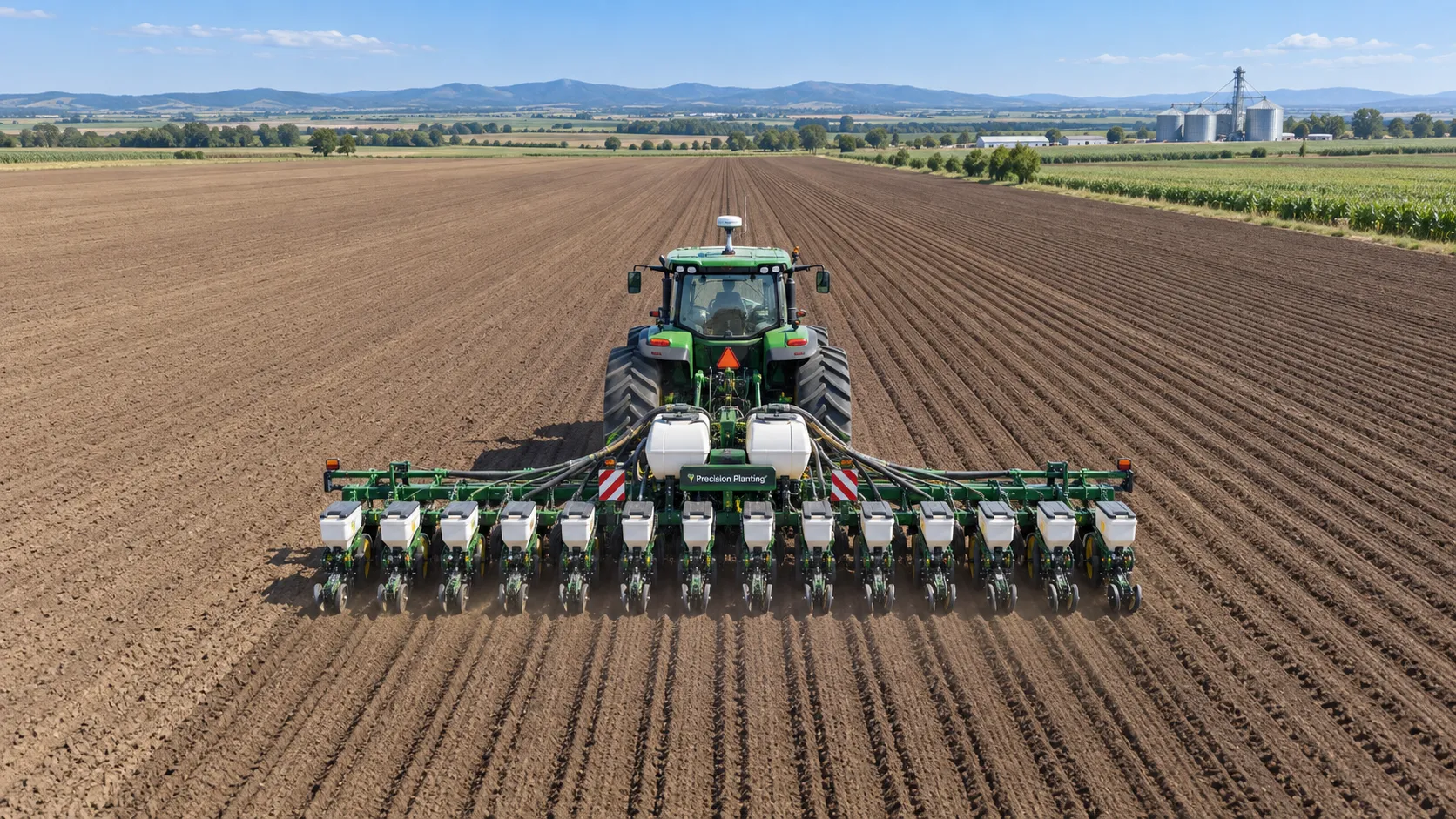
GPS-Guided Farm Machinery: Where It Delivers Measurable Field Efficiency Gains
Agri-mechanization GPS guided systems deliver measurable field efficiency gains through reduced overlap, precise planting, smarter inputs, and reliable farm data.
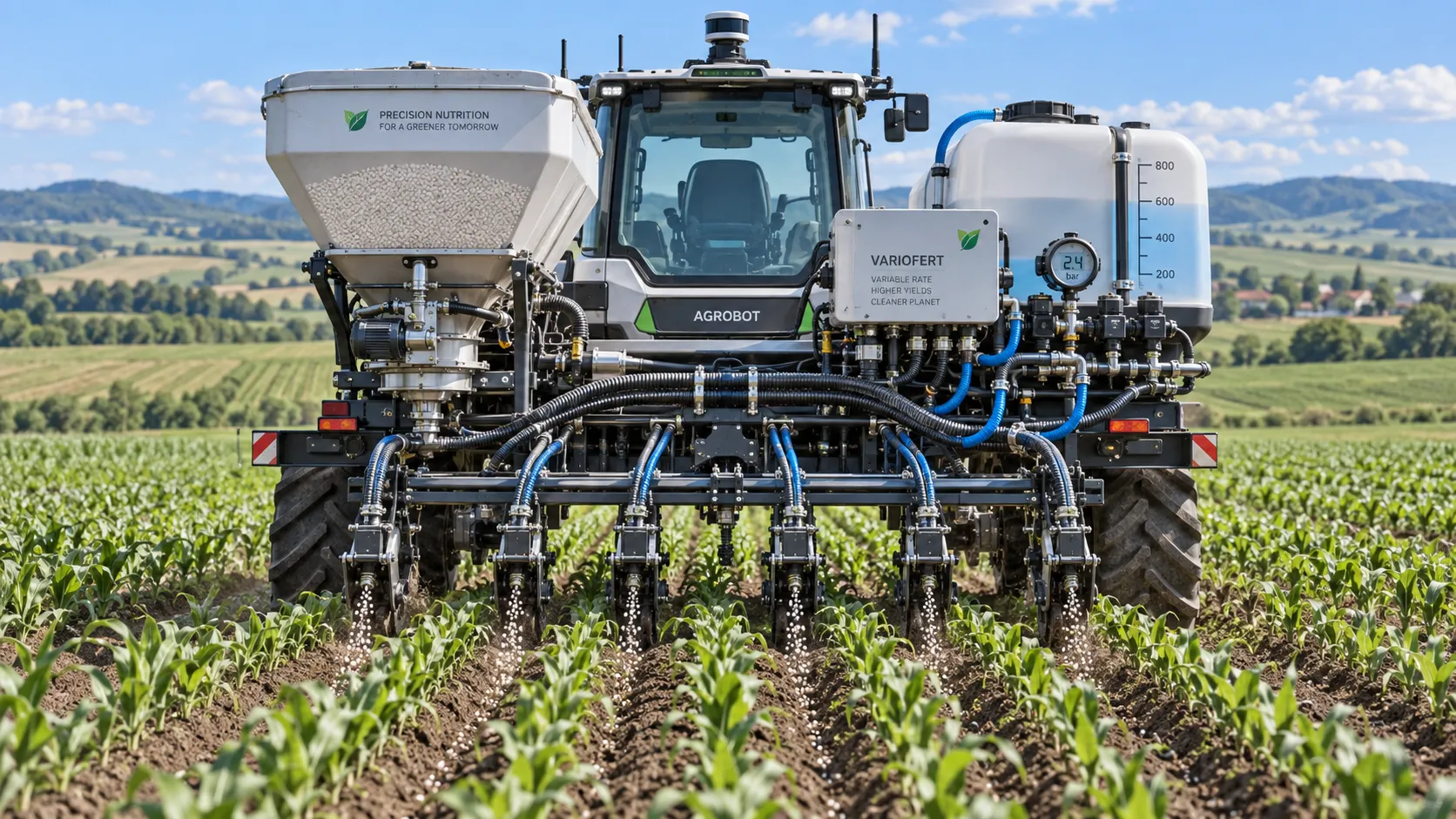
How Sensor Feedback Enables Accurate Variable-Rate Fertilization in Field Conditions
Precision fertilization systems with sensor feedback improve variable-rate accuracy by verifying flow, managing latency, and ensuring reliable field application.
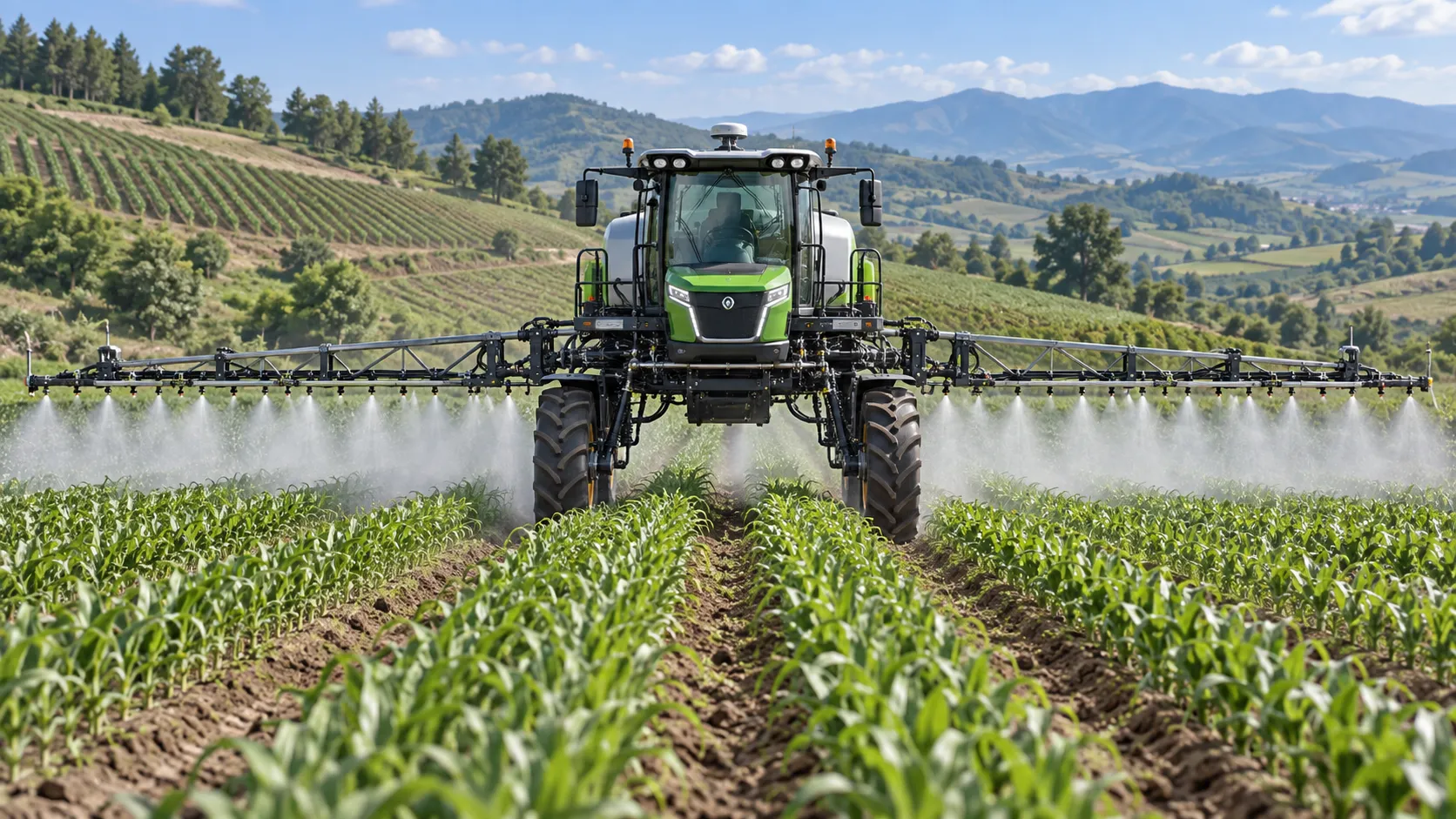
How to Select Precision Crop Protection Equipment for Variable Field Conditions
Precision crop protection equipment selection made simple: compare terrain, canopy, weather, control accuracy, and data workflows for reliable applications.
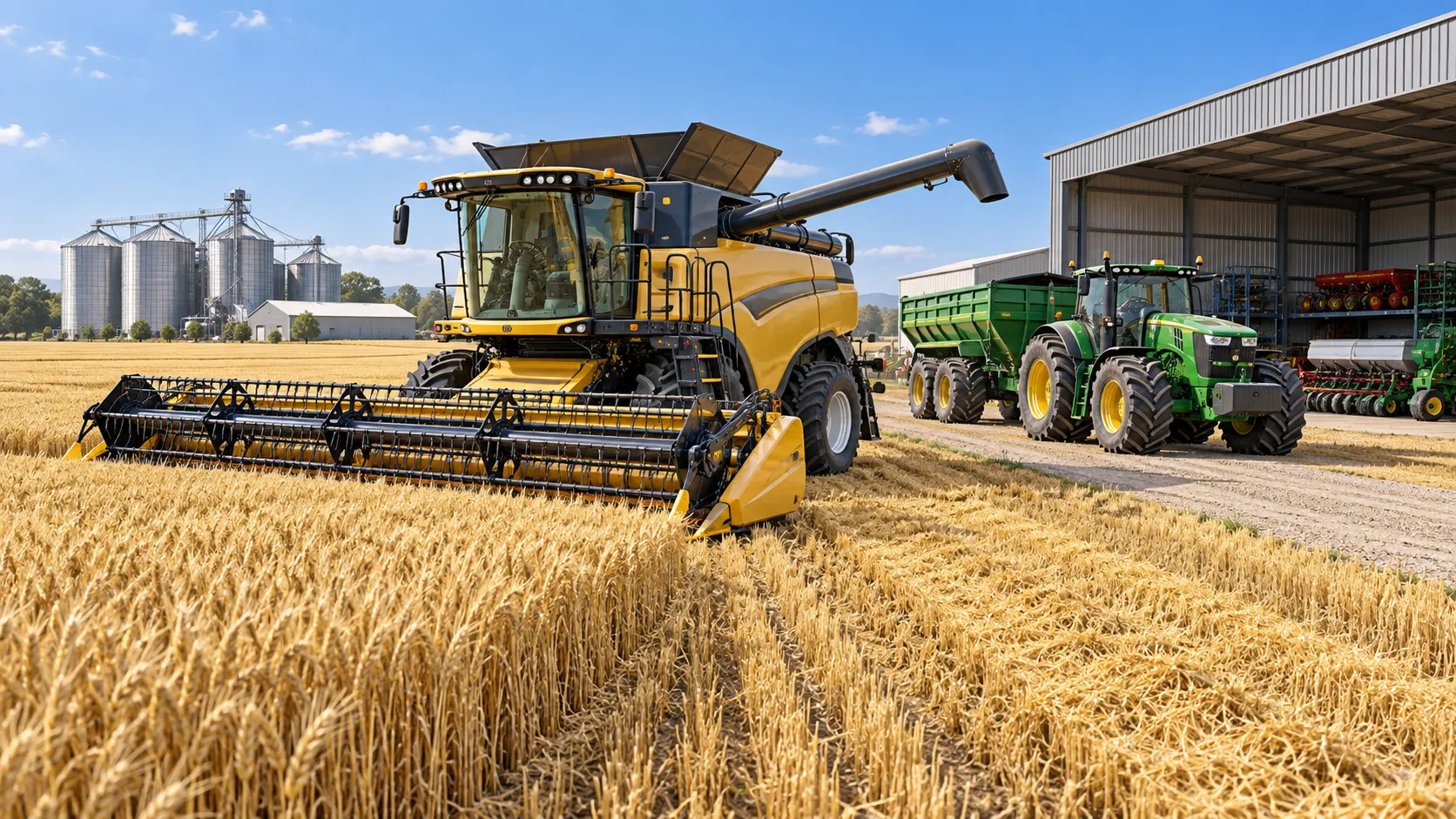
When Does Agricultural Machinery Leasing Cost Less Than Owning Equipment?
Agricultural machinery leasing can lower farm costs when use is seasonal or uncertain. Compare utilization, maintenance, cash flow, and risk to make a smarter equipment decision.
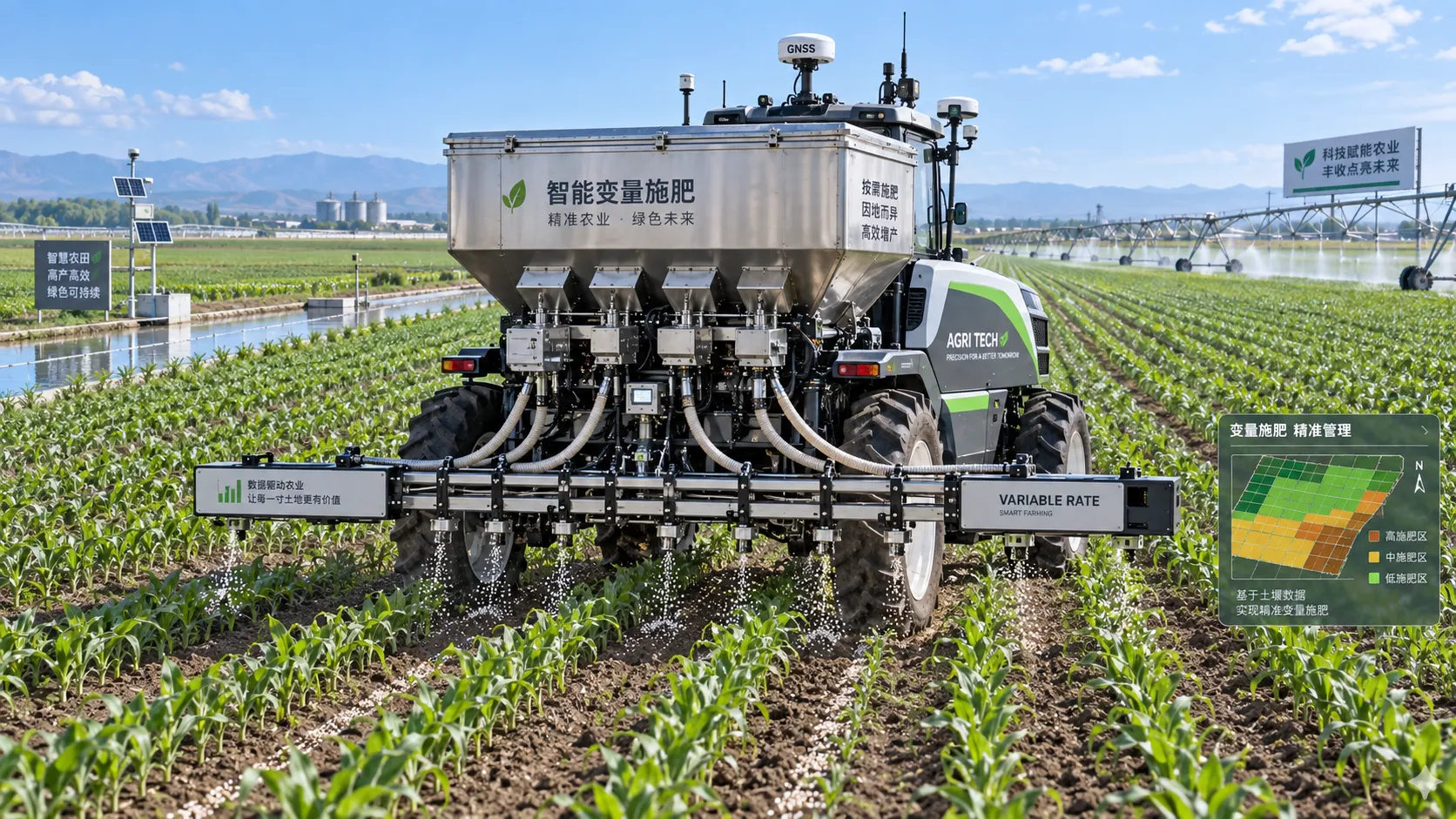
How to Evaluate Precision Fertilization System Suppliers for Farm-Scale Deployment
Precision fertilization systems suppliers: learn how to compare accuracy, integration, uptime, service, and total cost for confident farm-scale deployment.
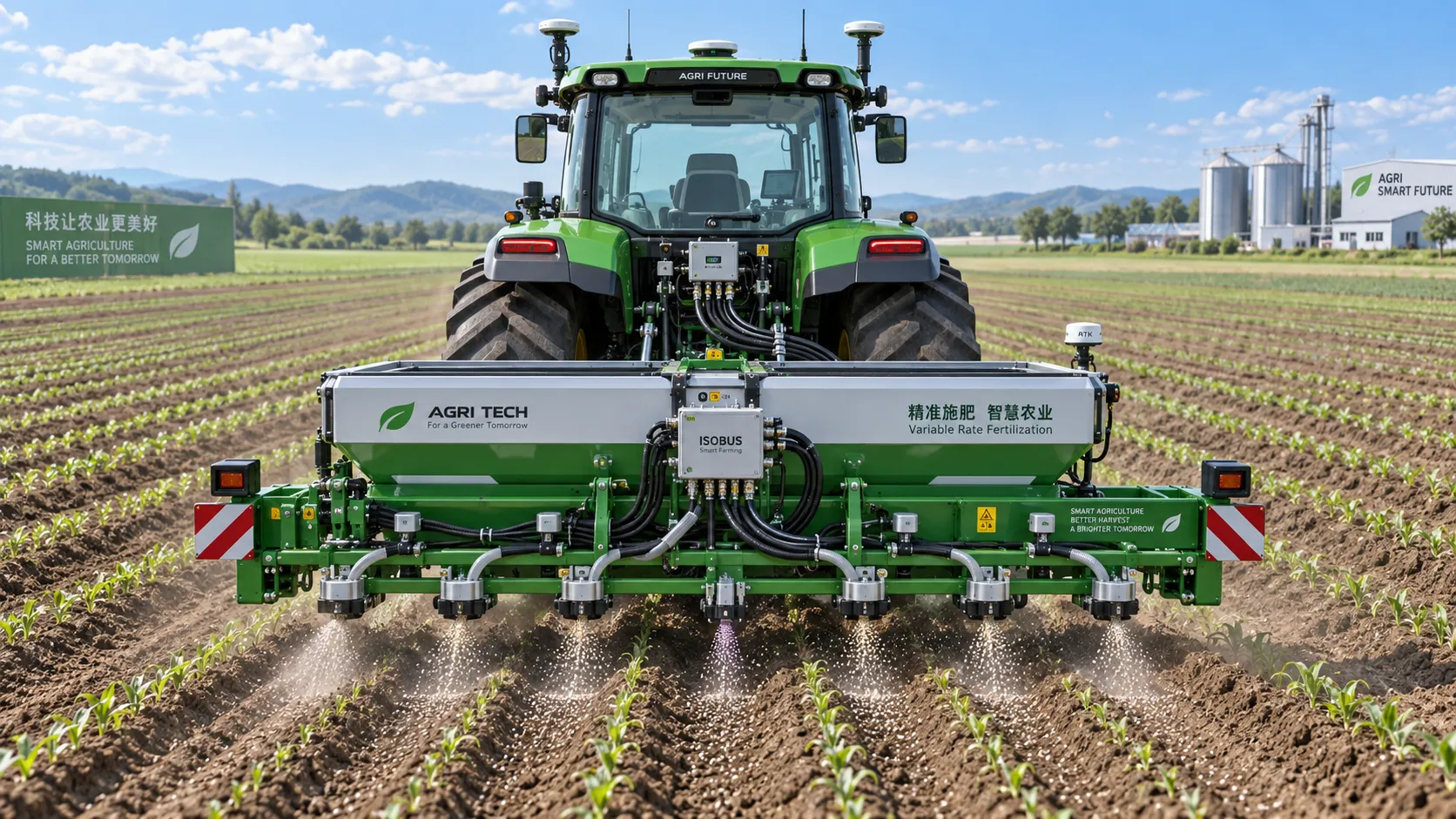
ISOBUS for Smart Agriculture: How It Connects Tractors, Implements, and Farm Data
ISOBUS for smart agriculture connects tractors, implements, terminals, and farm data—helping growers improve precision, documentation, and smarter field decisions.
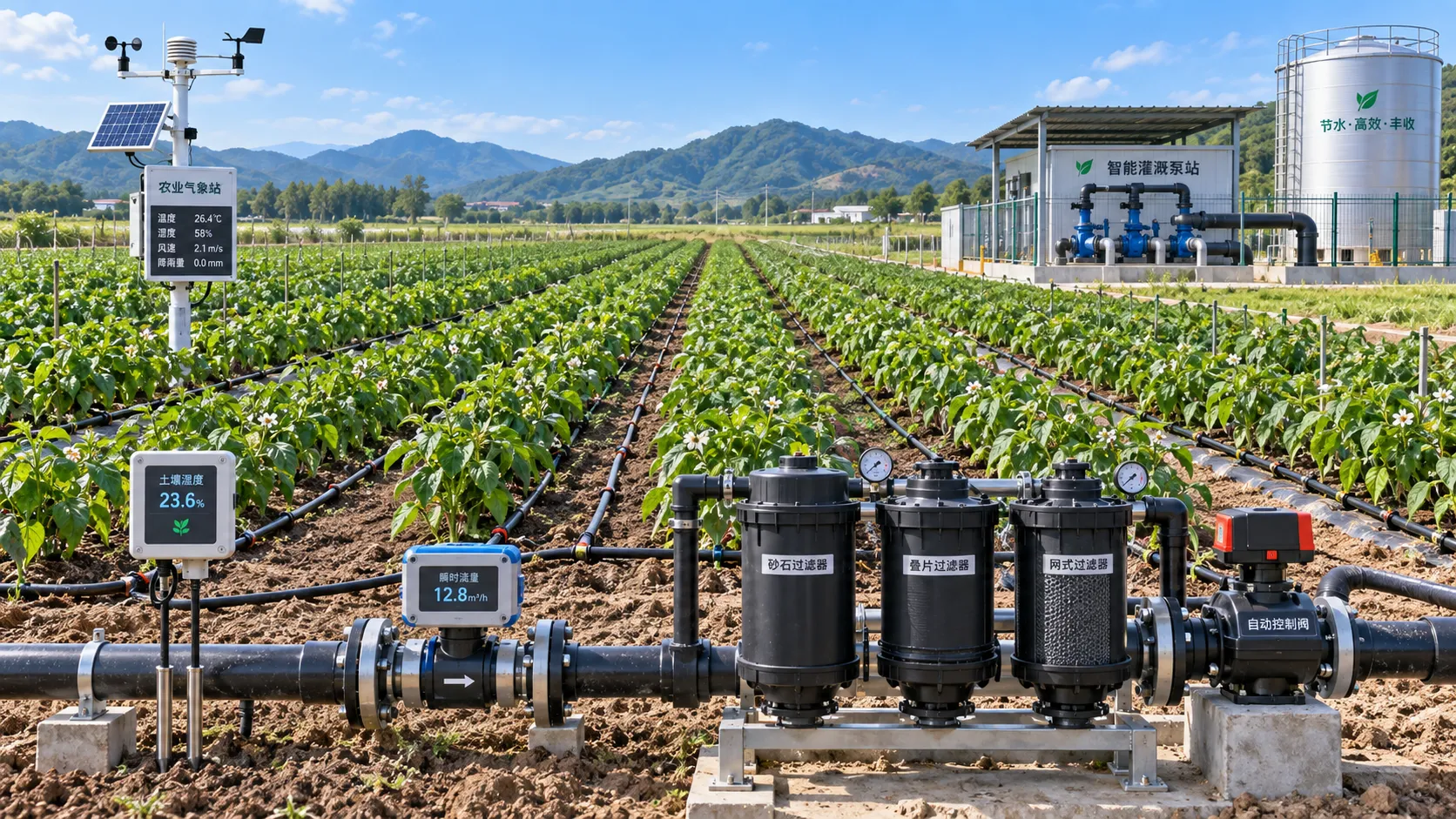
Automated Water-Saving Irrigation: How to Cut Water Use Without Reducing Crop Yields
Automated water-saving irrigation helps farms cut water use, protect crop yields, improve scheduling, and gain reliable control with sensors, flow monitoring, and smart zones.
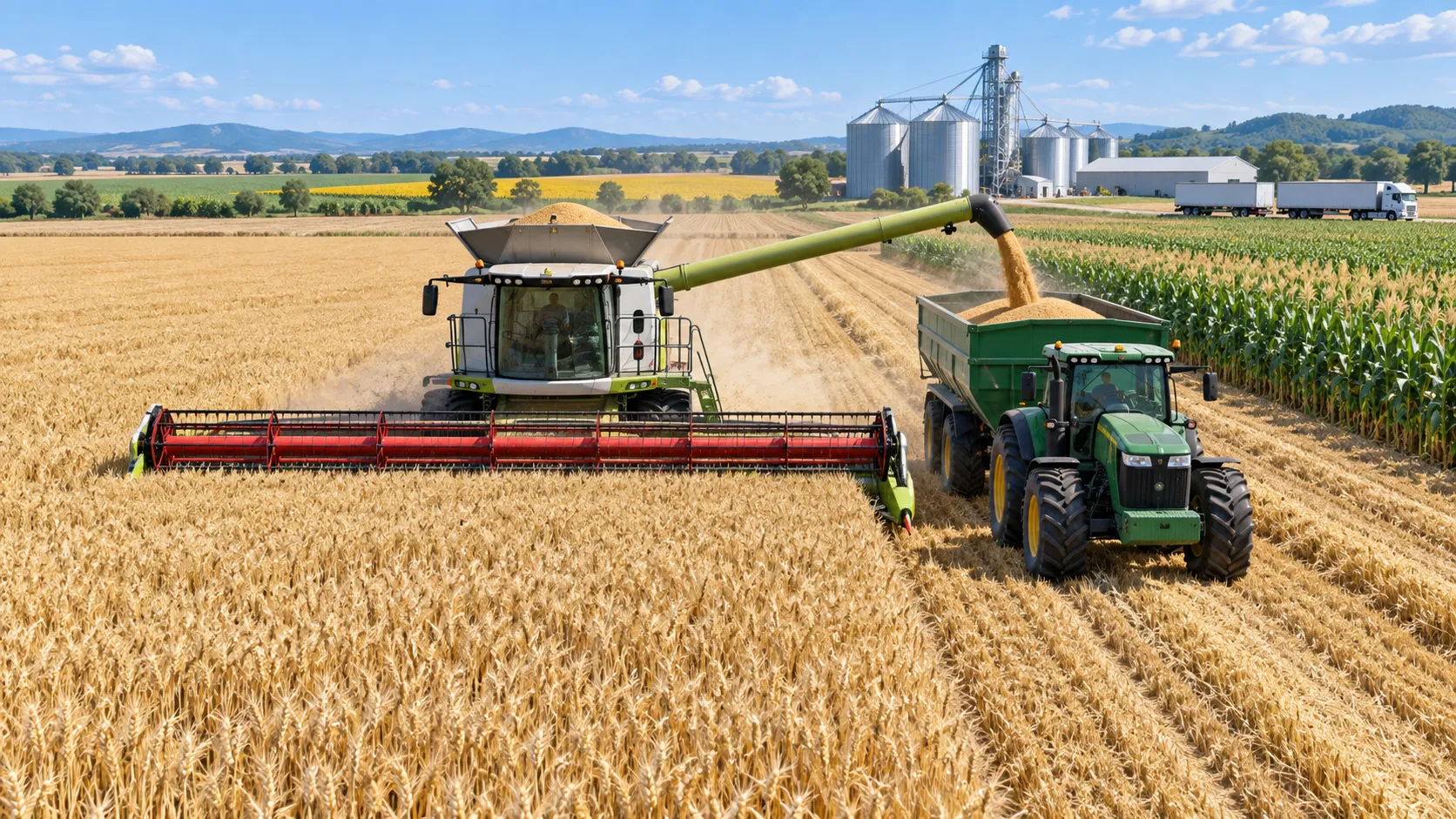
Selecting Grain Farm Equipment by Acreage, Crop Mix, and Harvest Window
Agricultural equipment selection for grain farming: match machinery to acreage, crop mix, and harvest windows to improve uptime, efficiency, and returns.
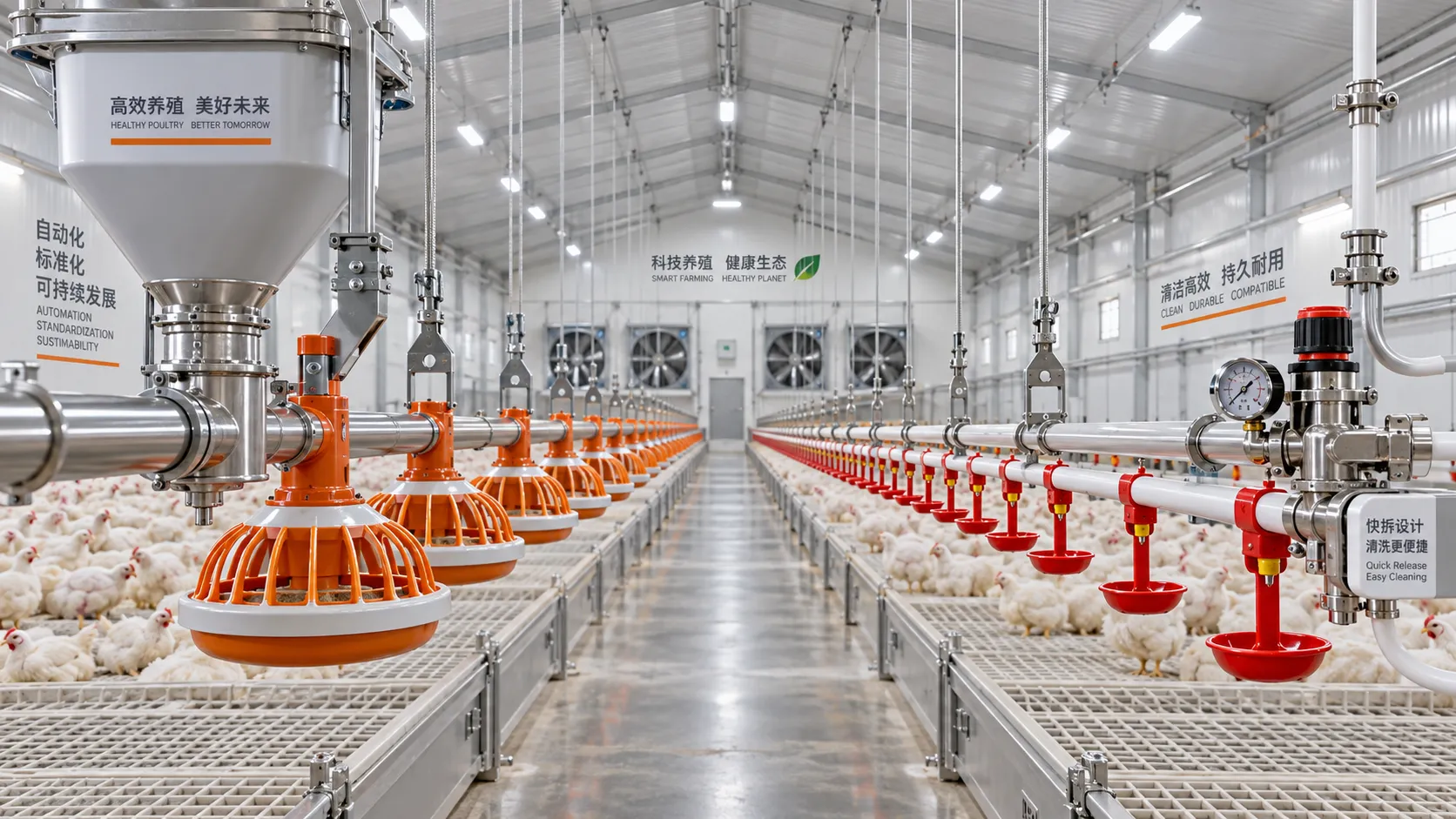
Poultry Equipment Selection: Evaluating Durability, Cleaning, and Compatibility
Poultry equipments selection guide: evaluate durability, cleaning access, and system compatibility to improve hygiene, reduce downtime, and support efficient flock management.
Related News
- 00
0000-00
Automated Water-Saving Irrigation: How to Cut Water Use Without Reducing Crop Yields - 00
0000-00
How to Evaluate Drip Irrigation System Manufacturers for Large Farm Projects - 00
0000-00
Wireless Agricultural Automation for Remote Irrigation and Field Monitoring - 00
0000-00
Designing Water-Saving Drip Irrigation Systems for High-Value Orchards - 00
0000-00
How to Choose Irrigation Solutions for Arid Regions Based on Water Source and Crop Needs
Popular Tags
Hydrological Resource Strategist
Weekly Insights
Stay ahead with our curated technology reports delivered every Monday.