
Crop harvesting solutions compared for speed and grain loss
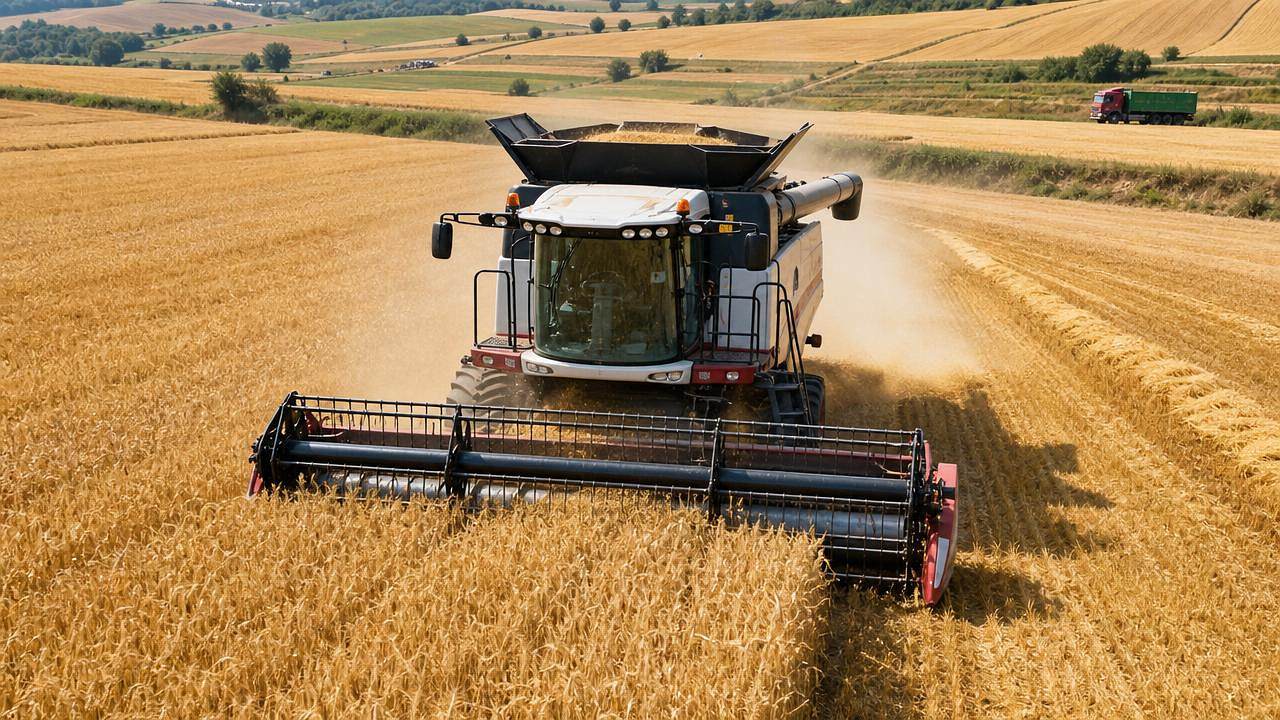




For quality control and safety managers, comparing crop harvesting solutions is no longer just about throughput—it is about protecting grain integrity, reducing field loss, and maintaining operational safety under real-world conditions.
This overview explains how major crop harvesting solutions compare in speed, grain loss, and machine stability across changing crop, moisture, and terrain conditions.
It also reflects the AP-Strategy perspective, where mechanical performance, precision algorithms, and sustainability indicators must work together during harvest windows.
What are the main types of crop harvesting solutions?
The term crop harvesting solutions covers machines, headers, threshing systems, cleaning units, and digital controls that affect harvest outcomes.
In broad practice, four solution groups dominate field comparisons.
- Conventional straw-walker combines for balanced performance and simple service access.
- Rotary combines for higher throughput in heavy crops and long working days.
- Hybrid systems combining rotor separation with walker or advanced cleaning concepts.
- Precision-enabled harvesting platforms using sensors, automation, and loss monitoring.
Each option can deliver good results, but not under the same field assumptions.
A fast machine in dry wheat may underperform in damp barley, lodged rice, or uneven soybean stands.
That is why crop harvesting solutions should be judged by crop fit, not only brochure capacity.
Which crop harvesting solutions deliver the best speed in the field?
Field speed depends on feed rate, header width, unloading strategy, roadability, and operator confidence under variable crop density.
Rotary combines usually lead on pure throughput in high-yield grain and wide-acre operations.
Their material flow is continuous, which helps maintain speed when biomass volume rises quickly.
Conventional machines often show better consistency in lighter crops and where straw quality matters after harvesting.
Hybrid crop harvesting solutions can perform well when farms need a middle path between speed and grain care.
However, speed should be measured as effective hectares per hour, not advertised peak tons per hour.
Effective speed includes turning, unloading, machine setup, weather delays, and cleaning adjustment downtime.
Key factors that influence real harvest speed
- Crop moisture and green material content
- Header match to crop height and lodging level
- Ground pressure and traction in soft soils
- Unloading-on-the-go efficiency
- Automation quality for fan, sieve, and rotor settings
When comparing crop harvesting solutions, speed gains from larger headers can disappear if loss levels rise behind the machine.
How do different crop harvesting solutions compare for grain loss?
Grain loss is the most critical balancing metric because recovered output directly affects revenue and quality assurance.
Losses typically appear at three points: header loss, threshing loss, and cleaning loss.
Header loss rises in lodged crops, uneven cutting height, and poor reel synchronization.
Threshing loss increases when speed exceeds crop conditions or settings become too aggressive.
Cleaning loss often appears under slope variation, tailwind conditions, or overloaded sieves.
Among major crop harvesting solutions, rotary systems can maintain output but may need careful tuning to avoid cracked grain or rotor overload.
Conventional systems may protect grain quality well, though they can reach loss thresholds earlier in dense crop volumes.
Sensor-guided harvesting platforms improve this balance by adjusting airflow, separation pressure, and feed rate in real time.
Warning signs of rising grain loss
- Visible kernels behind the header
- Tailings volume rising without yield improvement
- Frequent grain tank contamination
- Higher cracked grain in market samples
- Operator lowering speed repeatedly to maintain sample quality
The best crop harvesting solutions are those that hold loss within target range across a full day, not only during morning calibration.
Why does machine stability matter as much as speed?
Machine stability affects safety, cut quality, separation consistency, and fatigue during long harvest shifts.
An unstable machine may still move fast, but field outcomes often become less predictable.
Stability includes lateral balance, braking behavior, steering response, residue distribution, and cleaning performance on slopes.
Tracked undercarriages often improve flotation and traction in wet fields, reducing stoppage risk and soil damage.
Wheeled platforms remain practical where road transport, lower maintenance complexity, and seasonal flexibility are priorities.
Modern crop harvesting solutions also use slope compensation and automated cleaning correction to stabilize grain separation.
This is especially valuable in rolling terrain, where side-hill losses can remain hidden without sensors.
Stability checkpoints during evaluation
- Observe feeder smoothness in lodged patches.
- Check steering accuracy with full grain tank.
- Review cleaning performance on slopes and headlands.
- Assess visibility, dust handling, and cab fatigue control.
How should crop harvesting solutions be selected for different crops and conditions?
Selection starts with the crop mix, harvest window length, climate risk, and expected field variability.
For wheat and barley, separator efficiency and grain sample cleanliness are often top priorities.
For corn, feed capacity, residue handling, and row-unit performance become more important.
For rice, traction, moisture handling, and low ground pressure frequently define successful crop harvesting solutions.
Soybeans require careful header control because pod loss at the cutterbar can erase apparent throughput gains.
A practical selection framework should include agronomic, technical, and service dimensions.
What mistakes weaken the value of crop harvesting solutions?
The most common mistake is comparing machines only by engine power or maximum advertised capacity.
Another mistake is ignoring header performance, even though header loss may represent the largest avoidable field loss.
Some evaluations overlook cleaning behavior on slopes, moisture changes, and afternoon heat stress.
Others invest in advanced crop harvesting solutions but underuse automation because setup protocols remain unclear.
Short demos can also mislead if they occur only in ideal crop sections.
A reliable comparison should include morning dew, peak afternoon load, and at least one difficult area of the field.
FAQ comparison table
The strongest crop harvesting solutions are not simply the fastest machines.
They are the systems that maintain speed without sacrificing grain recovery, sample quality, operator stability, or service continuity.
A disciplined comparison should test field speed, header efficiency, total loss, slope behavior, and digital adjustment support together.
Using that framework makes crop harvesting solutions easier to compare across wheat, corn, rice, and soybean operations.
As AP-Strategy consistently observes, the next step is not chasing capacity alone, but aligning machinery intelligence with crop reality.
Review your harvest data, define acceptable loss thresholds, and benchmark solutions under real conditions before the next season begins.
Related News
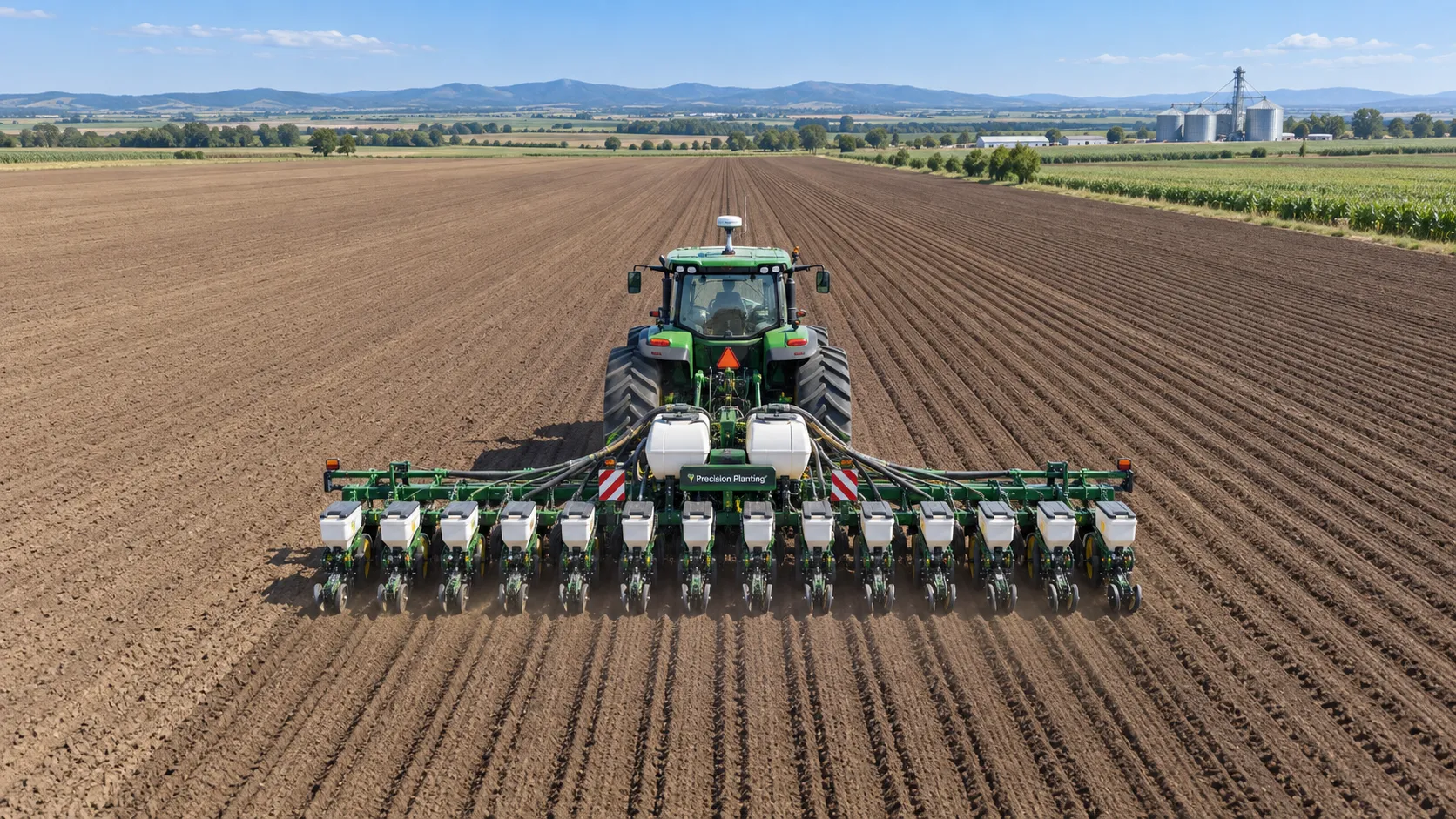
GPS-Guided Farm Machinery: Where It Delivers Measurable Field Efficiency Gains
Agri-mechanization GPS guided systems deliver measurable field efficiency gains through reduced overlap, precise planting, smarter inputs, and reliable farm data.
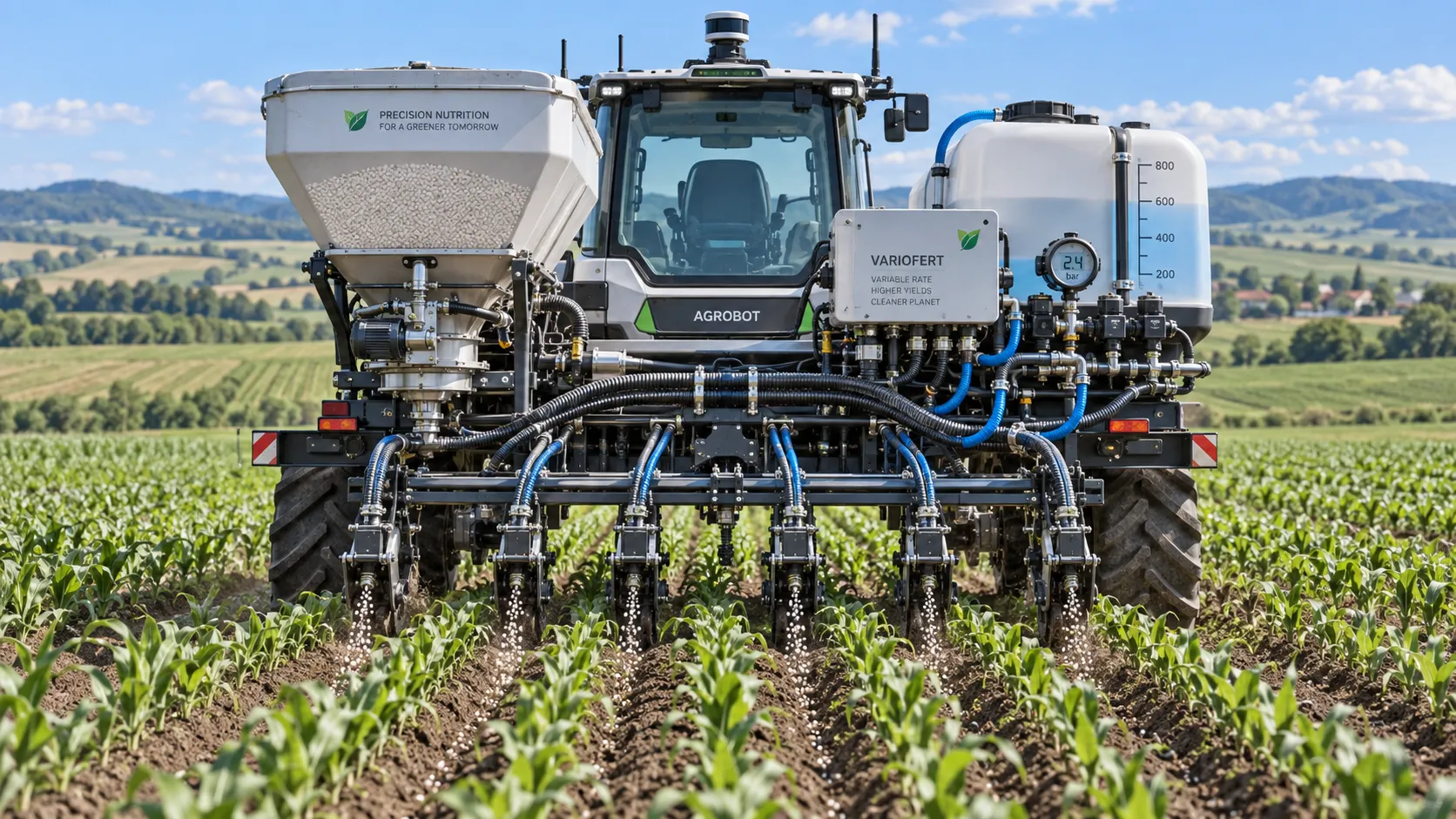
How Sensor Feedback Enables Accurate Variable-Rate Fertilization in Field Conditions
Precision fertilization systems with sensor feedback improve variable-rate accuracy by verifying flow, managing latency, and ensuring reliable field application.
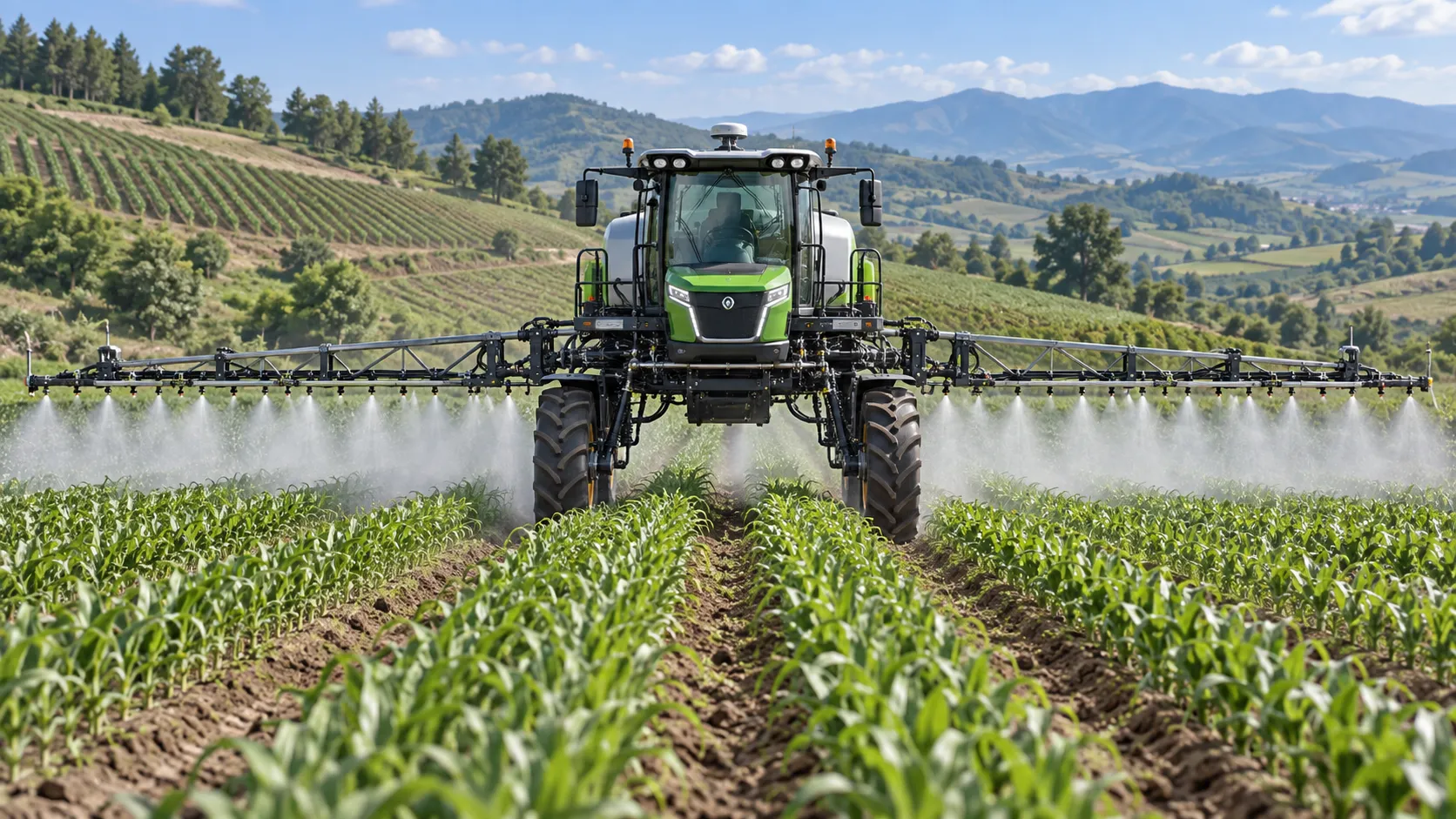
How to Select Precision Crop Protection Equipment for Variable Field Conditions
Precision crop protection equipment selection made simple: compare terrain, canopy, weather, control accuracy, and data workflows for reliable applications.
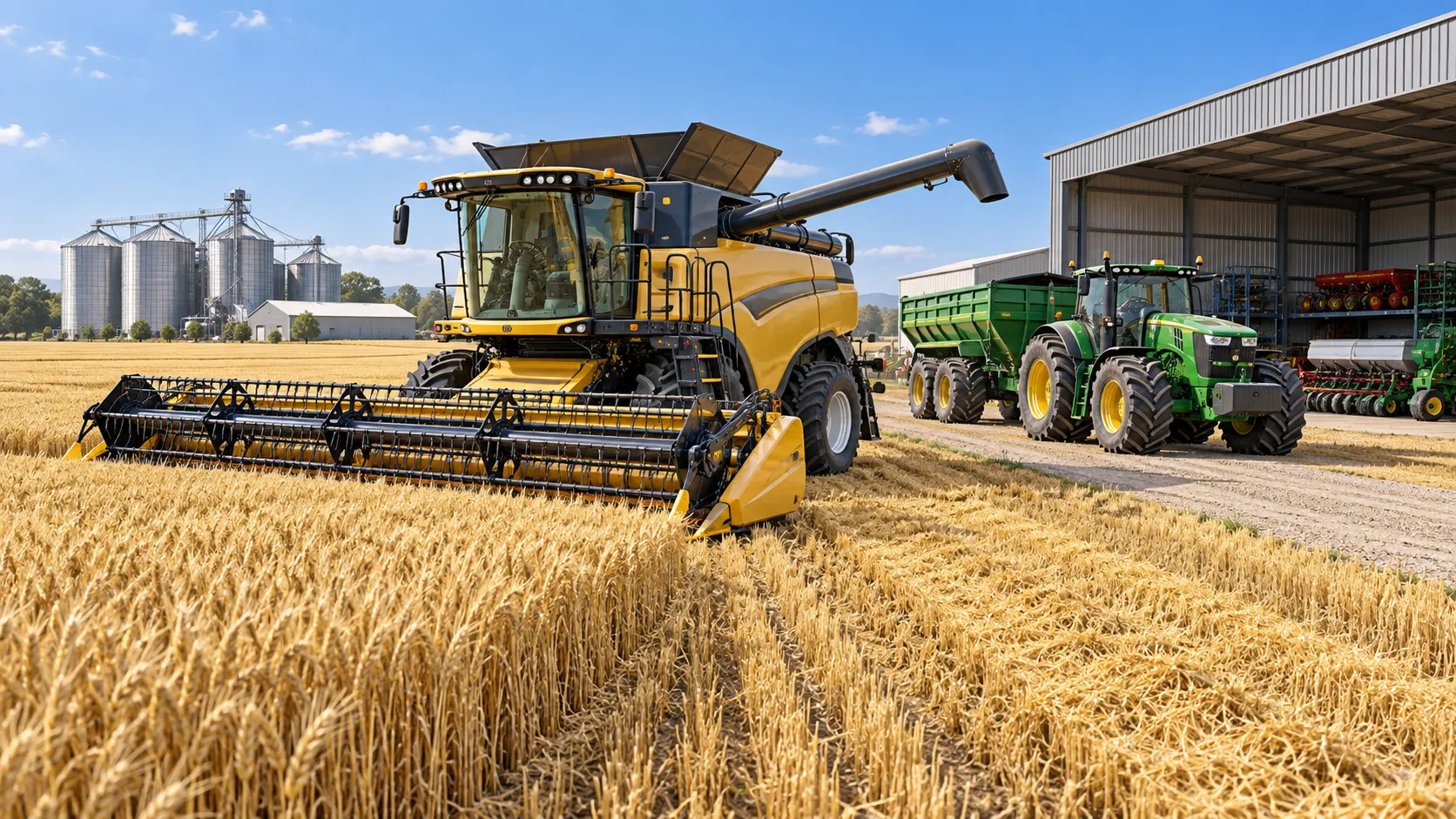
When Does Agricultural Machinery Leasing Cost Less Than Owning Equipment?
Agricultural machinery leasing can lower farm costs when use is seasonal or uncertain. Compare utilization, maintenance, cash flow, and risk to make a smarter equipment decision.
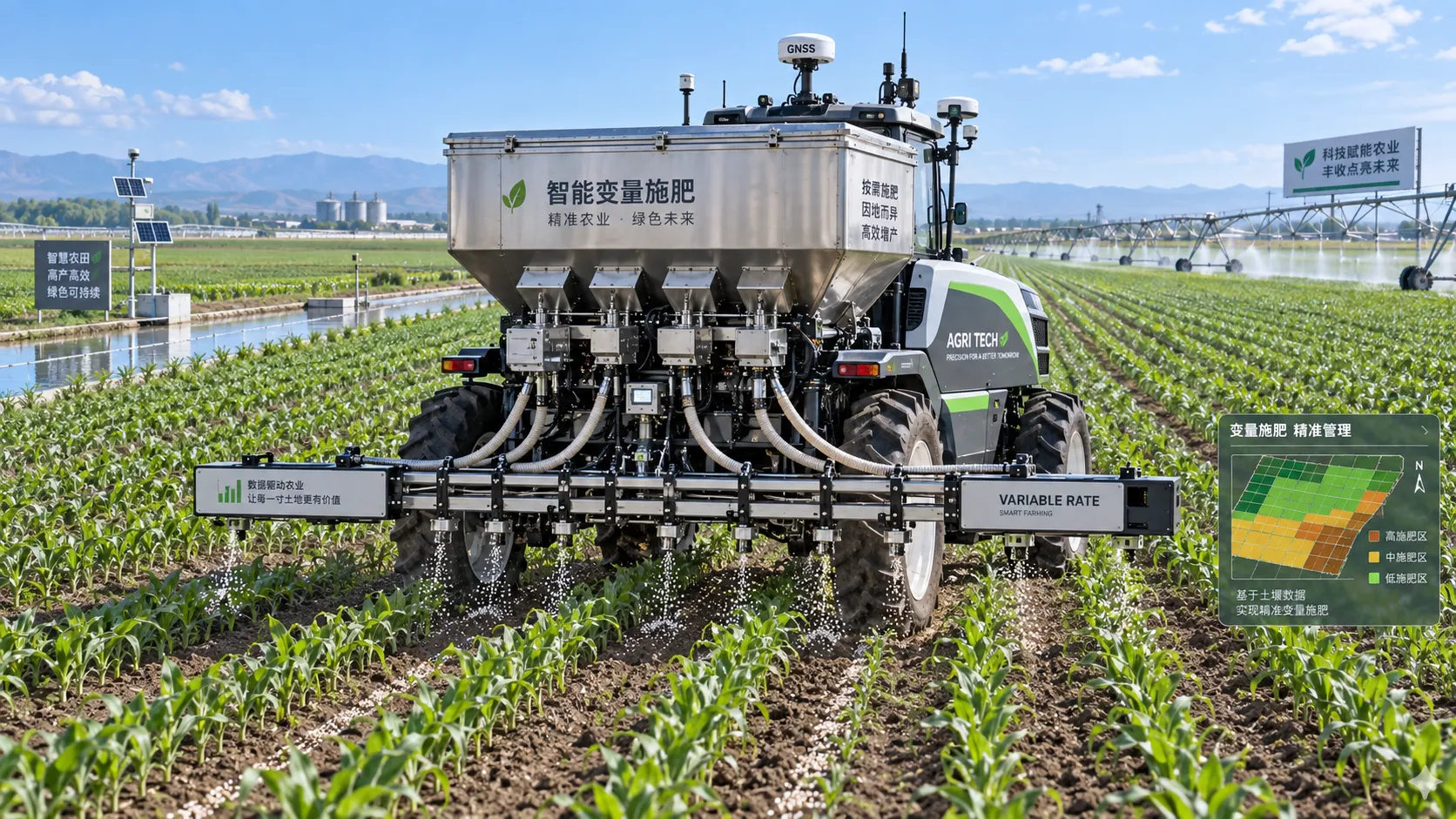
How to Evaluate Precision Fertilization System Suppliers for Farm-Scale Deployment
Precision fertilization systems suppliers: learn how to compare accuracy, integration, uptime, service, and total cost for confident farm-scale deployment.
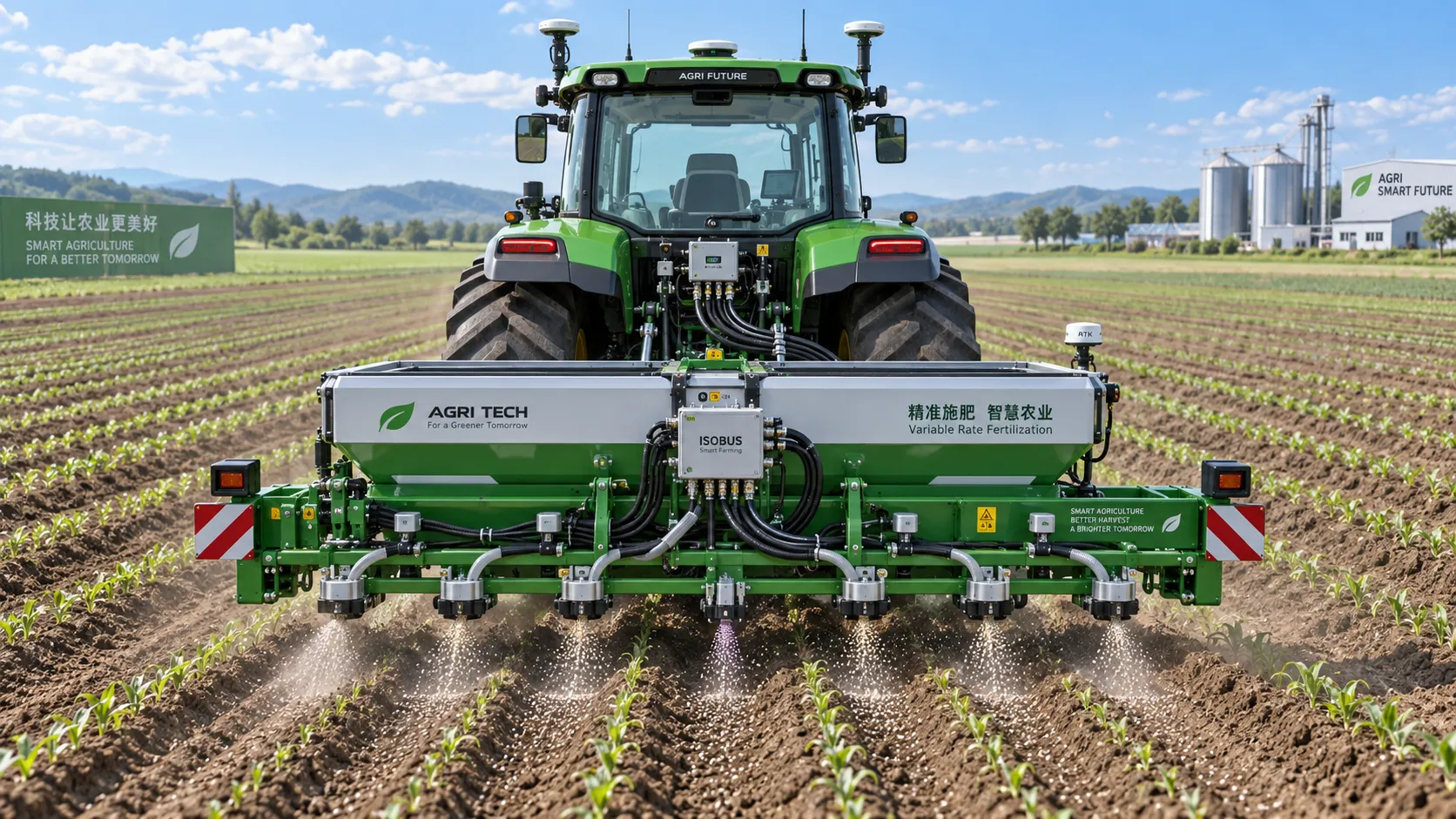
ISOBUS for Smart Agriculture: How It Connects Tractors, Implements, and Farm Data
ISOBUS for smart agriculture connects tractors, implements, terminals, and farm data—helping growers improve precision, documentation, and smarter field decisions.
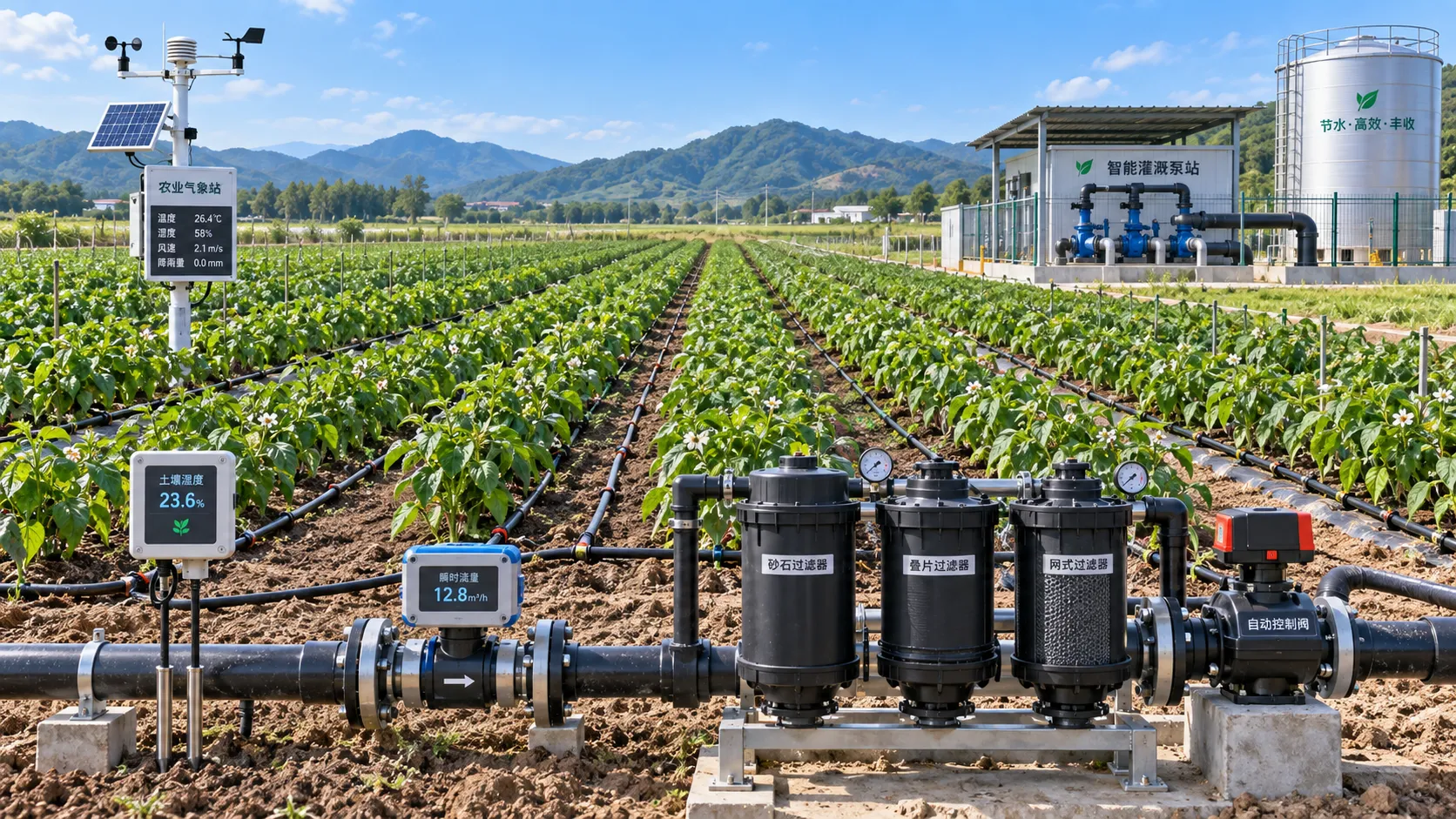
Automated Water-Saving Irrigation: How to Cut Water Use Without Reducing Crop Yields
Automated water-saving irrigation helps farms cut water use, protect crop yields, improve scheduling, and gain reliable control with sensors, flow monitoring, and smart zones.
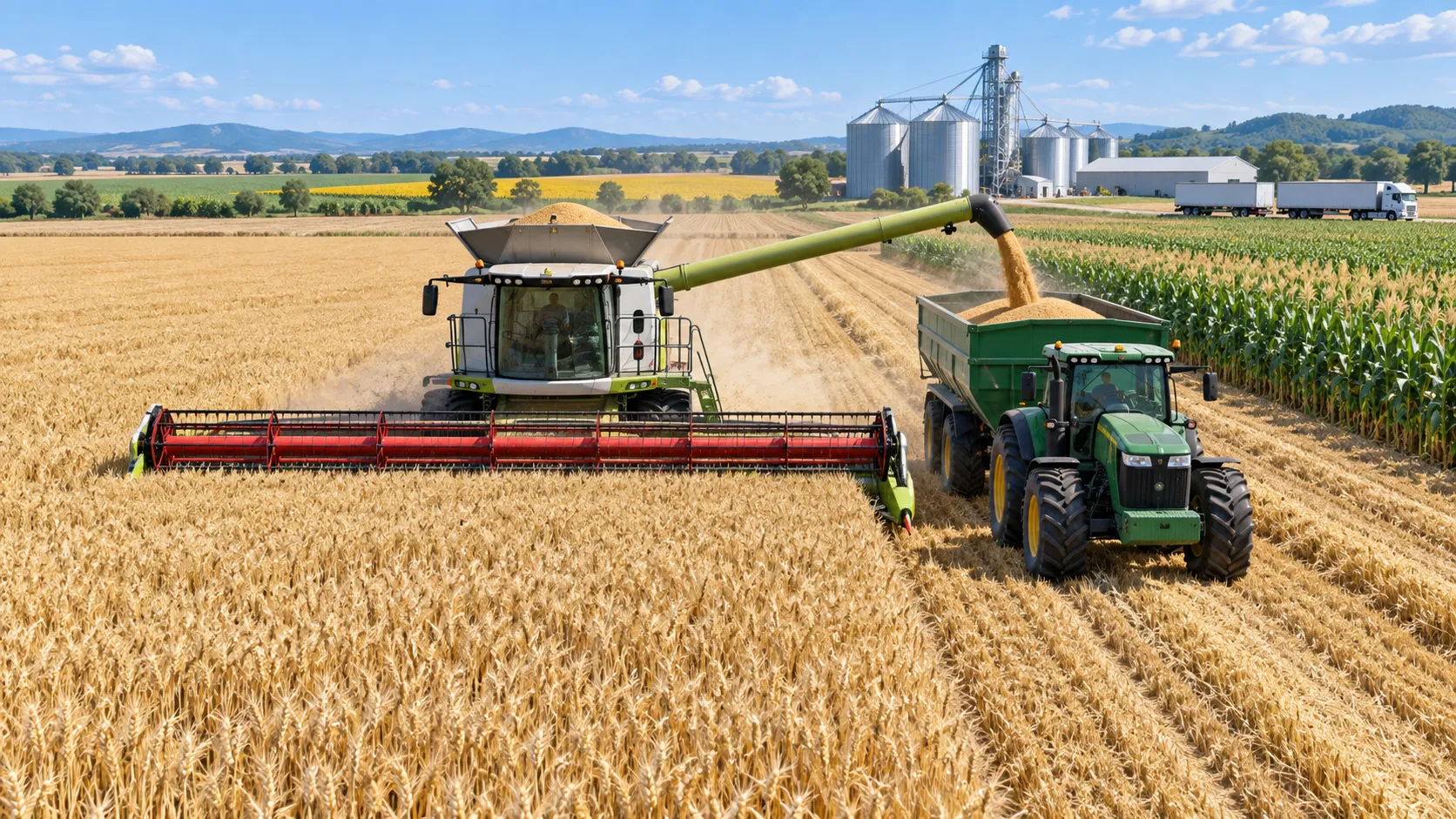
Selecting Grain Farm Equipment by Acreage, Crop Mix, and Harvest Window
Agricultural equipment selection for grain farming: match machinery to acreage, crop mix, and harvest windows to improve uptime, efficiency, and returns.
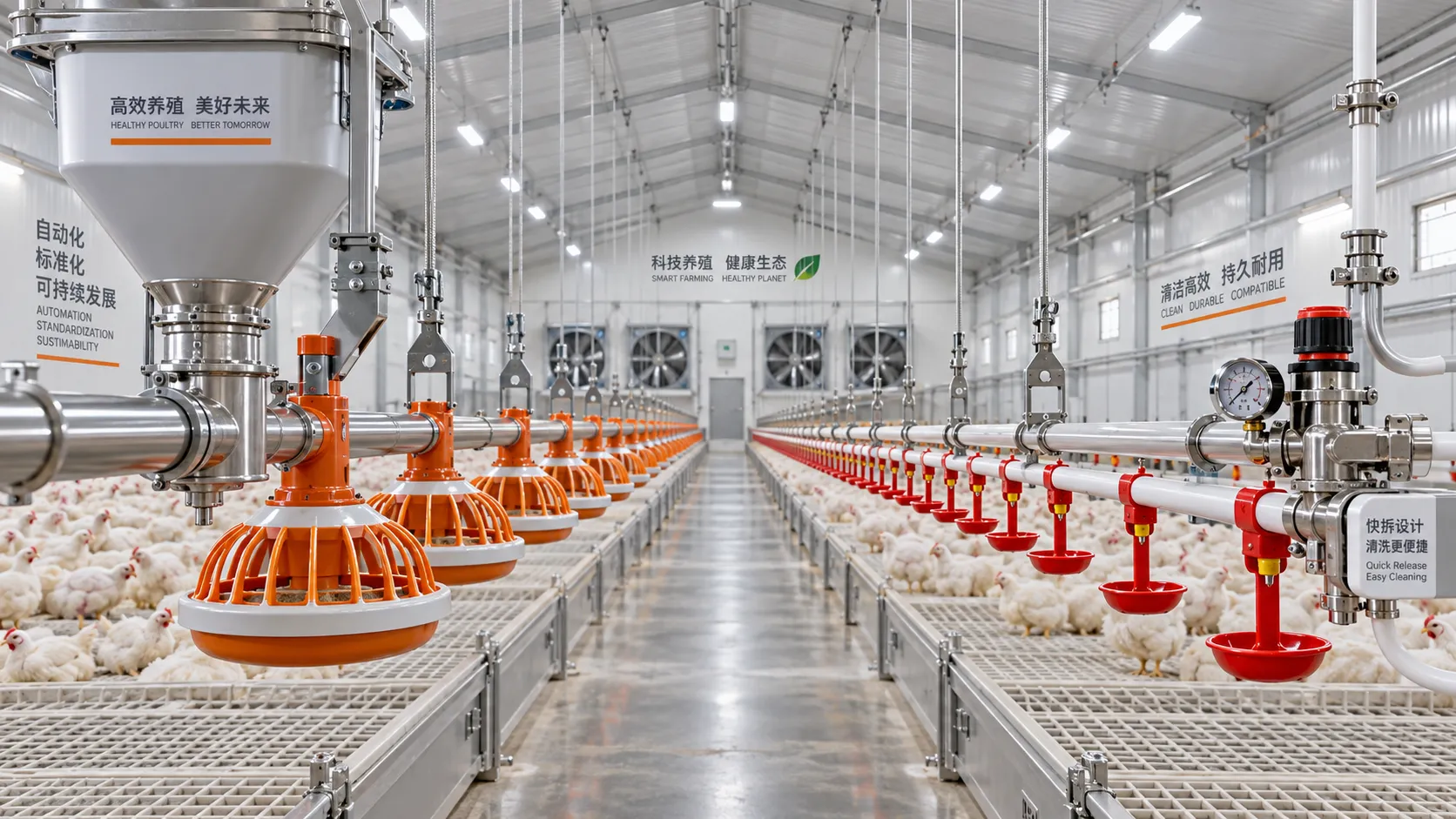
Poultry Equipment Selection: Evaluating Durability, Cleaning, and Compatibility
Poultry equipments selection guide: evaluate durability, cleaning access, and system compatibility to improve hygiene, reduce downtime, and support efficient flock management.
Related News
- 00
0000-00
What Harvesting Machinery Works Best for Small Grains on Hills? - 00
0000-00
GRIMME Tianjin Signs to Join Changchun Agricultural Machinery Expo Center - 00
0000-00
Vietnam Mandates Vietnamese Energy Labels for Imported Threshing Systems - 00
0000-00
Crop Harvesting Solutions for Wheat: Which System Fits Yield, Moisture, and Field Size? - 00
0000-00
ANVISA Extends Threshing Systems Filing Window
Popular Tags
Harvesting Efficiency Expert
Weekly Insights
Stay ahead with our curated technology reports delivered every Monday.