
What Slows Combine Harvesting Technology in Wet Fields?
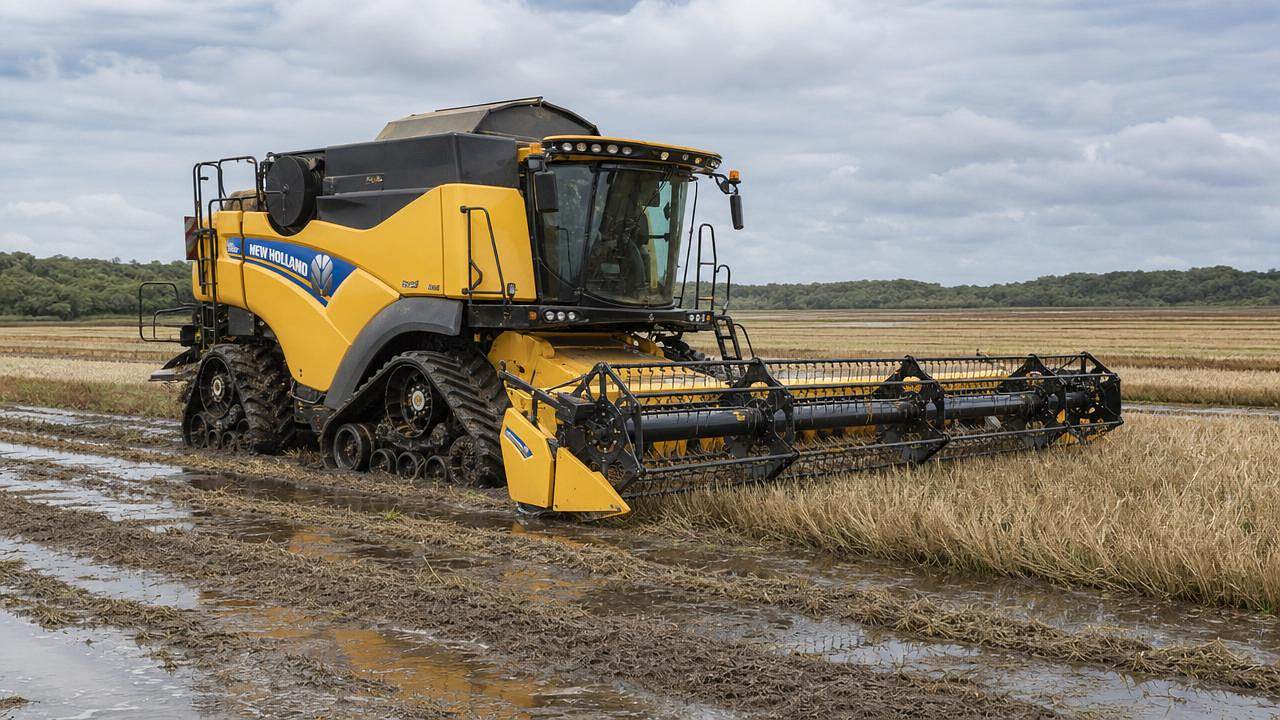




When fields turn wet, even advanced combine harvesting technology can lose speed, traction, and grain-handling efficiency. For operators, the challenge is not just getting through the crop, but doing it with minimal loss, soil damage, and downtime. Understanding what slows performance in muddy conditions is the first step toward safer decisions, better machine setup, and more consistent harvesting results.
Why does combine harvesting technology slow down so sharply in wet fields?
Wet-field harvesting is not a single problem. It is a chain reaction across traction, crop intake, threshing stability, separation quality, residue handling, and unloading logistics. A combine may still have enough engine power, but if the machine cannot transfer that power to the ground or keep crop flow stable, field speed drops fast.
For operators, the most visible symptom is reduced forward speed. The less visible cost is often higher grain loss, more fuel burned per hectare, deeper ruts, more cleaning interruptions, and increased wear on belts, chains, and drive components. In wet conditions, combine harvesting technology is limited not only by machine design, but also by soil structure, crop moisture, field traffic planning, and setup discipline.
The main wet-field slowdown factors
- Low traction and high rolling resistance, which force lower travel speed and increase slip.
- Variable crop moisture, causing uneven feeding, plugging, and unstable threshing load.
- Heavier material other than grain entering the machine, which overloads separation and cleaning systems.
- Increased risk of header loss because lodged, damp crops are harder to cut cleanly and lift evenly.
- Slower unloading and transport cycles when grain carts and trucks cannot move efficiently on wet ground.
This is why experienced operators rarely judge performance by engine output alone. In muddy harvest windows, combine harvesting technology performs well only when flotation, feeding, cleaning balance, and field traffic strategy work together.
What exactly changes inside the combine when soil and crop moisture rise?
Traction losses start at the ground-contact level
As soil moisture rises, tire lugs or tracks sink deeper and deform the soil structure more aggressively. That increases rolling resistance and reduces usable drawbar efficiency. Operators respond by reducing ground speed, adjusting travel paths, or avoiding certain parts of the field. Even if the combine remains mobile, the effective hectares per hour can fall significantly.
Crop flow becomes less predictable
Damp straw and green material are tougher, heavier, and less brittle than dry biomass. They do not separate as easily, and they may bridge or wrap around rotating parts. In practical terms, the feeder house sees more uneven slugs, the threshing section experiences fluctuating load, and the cleaning shoe receives a less uniform mat of material.
Cleaning efficiency declines faster than many operators expect
The cleaning system depends on balance: airflow, sieve opening, grain weight, and the behavior of residue in motion. In wet crops, chaff and straw fragments often carry more moisture and mass. That changes airflow response and makes it harder to keep grain in the tank while removing unwanted material. The result can be either dirty grain samples or grain blown out the rear if settings are pushed too aggressively.
AP-Strategy closely follows these system interactions because they sit at the center of practical field intelligence. In Agriculture 4.0, combine harvesting technology is no longer judged only by rated capacity. It is judged by how reliably the machine preserves throughput under unstable field moisture, mixed residue load, and soil protection constraints.
Which wet-field conditions slow harvesting the most?
Not all wet fields create the same level of risk. Operators can make better decisions when they separate surface moisture from structural field limitations. The table below highlights how different wet-field conditions affect combine harvesting technology and daily operating decisions.
The key lesson is that “wet” is too broad a word for harvest planning. Surface slipperiness, deep structural weakness, lodged crop geometry, and green contamination each affect combine harvesting technology differently. Good operators treat them as separate decisions, not one general weather issue.
How should operators adjust combine settings in muddy harvest windows?
Start with feed stability, not maximum capacity
In wet conditions, trying to maintain dry-field throughput often creates more loss than gain. A steadier crop mat usually performs better than repeated slugs. Operators should aim for consistent intake, smoother feeder loading, and fewer abrupt corrections. That often means reducing travel speed first, then refining rotor, drum, concave, and fan settings based on crop response.
Use a structured in-field adjustment sequence
- Check traction and slip before entering full crop load. If the machine is unstable on the approach, threshing settings alone will not solve the problem.
- Set header height and reel action to minimize shatter, bunching, and soil intake. Wet harvest is often lost at the front end.
- Confirm threshing aggressiveness carefully. Too mild leaves unthreshed heads; too aggressive creates extra fine material that burdens cleaning.
- Tune fan speed and sieve opening in small steps. Damp residue can fool operators into making large changes that trade one loss pattern for another.
- Inspect losses behind the machine repeatedly, especially after moving into low spots, lodged areas, or greener patches.
Many performance complaints blamed on combine harvesting technology are actually setup discipline problems. Wet fields reduce the margin for error. Small changes in crop condition can require immediate operating adjustments that would barely matter in dry weather.
Tracks, tires, headers, and unloading strategy: what matters most?
Wet-field productivity depends on the machine package, not just the core combine. Operators and fleet managers often compare traction systems, header behavior, and grain logistics when trying to preserve output in difficult conditions. The table below gives a practical comparison for combine harvesting technology in wet-field use.
The best choice depends on field scale, soil type, crop mix, and available support equipment. AP-Strategy monitors these decisions from both a technical and operational angle, because combine harvesting technology reaches its true value only when the combine, header, chassis behavior, and transport system are matched to the field reality.
What procurement and selection points should operators and managers evaluate?
Look beyond rated horsepower
When a business harvests in regions with frequent rain delays, late-season storms, heavy soils, or narrow weather windows, combine selection should emphasize field resilience. A machine that looks strong on brochure capacity may still underperform if flotation, residue handling, or cleaning adaptability are weak under moisture stress.
Practical wet-field selection checklist
- Assess available undercarriage options, including flotation-focused tires, track systems, and service support for each configuration.
- Review header adaptability for lodged grain, uneven stubble, and surface-following requirements.
- Compare cleaning system adjustability under mixed moisture conditions rather than only peak dry throughput claims.
- Check access to telemetry, sensor feedback, and loss monitoring tools that help operators react quickly in changing field zones.
- Confirm parts availability for wear components likely to face greater stress in damp biomass and muddy operation.
- Evaluate unloading logistics, including grain cart compatibility and field traffic planning, because transport bottlenecks can erase machine gains.
For distributors, contractors, and large farms, this is where strategic intelligence matters. AP-Strategy helps decision-makers compare machinery choices through a broader lens: mechanical performance, sensor-assisted management, evolving market demand, and resource-saving operation standards.
How do wet fields affect operating cost, downtime, and soil damage?
The cost of slow combine harvesting technology in wet fields is larger than the lost hectares per hour. It includes rework, post-harvest soil repair, extra fuel, delayed logistics, and quality penalties if the crop remains exposed to further weather. The following table can help operators and farm managers frame the total impact more clearly.
This broader cost view is especially important for businesses managing large acreages. Sometimes the smartest move is not to force full-capacity harvesting, but to protect soil and machine condition while prioritizing the most time-sensitive blocks first.
What standards, data points, and field checks support better decisions?
Use common agricultural performance language
Operators do not need abstract theory; they need measurable checks. In wet-field work, useful indicators include grain loss observation, grain sample cleanliness, visible header loss, wheel or track sink depth, unloading cycle delays, and repeatable notes on field sections where throughput changes sharply. These indicators help translate field conditions into machine decisions.
Keep compliance practical and general
Depending on market and region, farms and contractors may also consider machinery safety requirements, road transport rules, residue management obligations, and environmental pressure around compaction and runoff. While wet-field harvesting rarely turns on one certification alone, a disciplined record of machine settings, field entry decisions, and post-harvest outcomes creates a valuable internal benchmark for future seasons.
This is one of the strongest advantages of intelligence-led operations. AP-Strategy connects mechanical know-how with precision agriculture logic, making combine harvesting technology easier to evaluate not only by output, but also by system behavior, long-term field protection, and operational repeatability.
FAQ: what do operators ask most about combine harvesting technology in wet conditions?
Should I slow down first or change machine settings first?
Usually slow down first, because feed stability affects everything downstream. If crop flow becomes even, you can then make smaller and more accurate changes to threshing and cleaning settings. Large setting changes made under unstable feed often create confusing results.
Are tracks always better than tires in wet fields?
Not always. Tracks often improve flotation and reduce rut severity, but the decision depends on field scale, transport needs, service support, cost structure, and how often wet harvest conditions occur. For some fleets, high-flotation tire strategies combined with strict traffic planning may be sufficient.
Why does grain loss rise even when the machine is moving slowly?
Lower speed alone does not guarantee low loss. Wet material can overload the cleaning system, lodged crop can increase header loss, and over-aggressive threshing can create extra fines. Operators need to identify where the loss occurs before assuming the machine is simply going too fast.
What is the biggest mistake in wet-field combine operation?
Treating all wet conditions as the same. A slick surface, deep mud, green stem load, and lodged crop each require different tactics. Operators who separate these problems make better decisions on field order, setup, and support logistics.
Why choose us for combine harvesting technology insight and next-step planning?
AP-Strategy is built for professionals who need more than general machinery news. We connect combine harvesting technology with tractor chassis behavior, intelligent farm tools, irrigation-linked crop management, and global agricultural transition signals. That means operators, distributors, and farm managers can assess wet-field harvesting decisions from both the machine side and the wider business side.
If you are comparing wet-field harvesting options, you can consult AP-Strategy for practical support on key issues such as parameter confirmation, machine selection logic, traction-system trade-offs, header suitability, delivery-cycle planning, field-use scenario analysis, and commercial intelligence for regional demand shifts. We also help frame questions around certification expectations, customization direction, and quotation communication so decisions are based on usable information rather than assumptions.
For teams facing narrow harvest windows, difficult soils, or repeated moisture-related losses, a more structured decision process can protect both output and field condition. Connect with AP-Strategy to discuss your crop environment, operating constraints, and combine harvesting technology priorities, and turn wet-field uncertainty into a clearer equipment and operation plan.
Related News
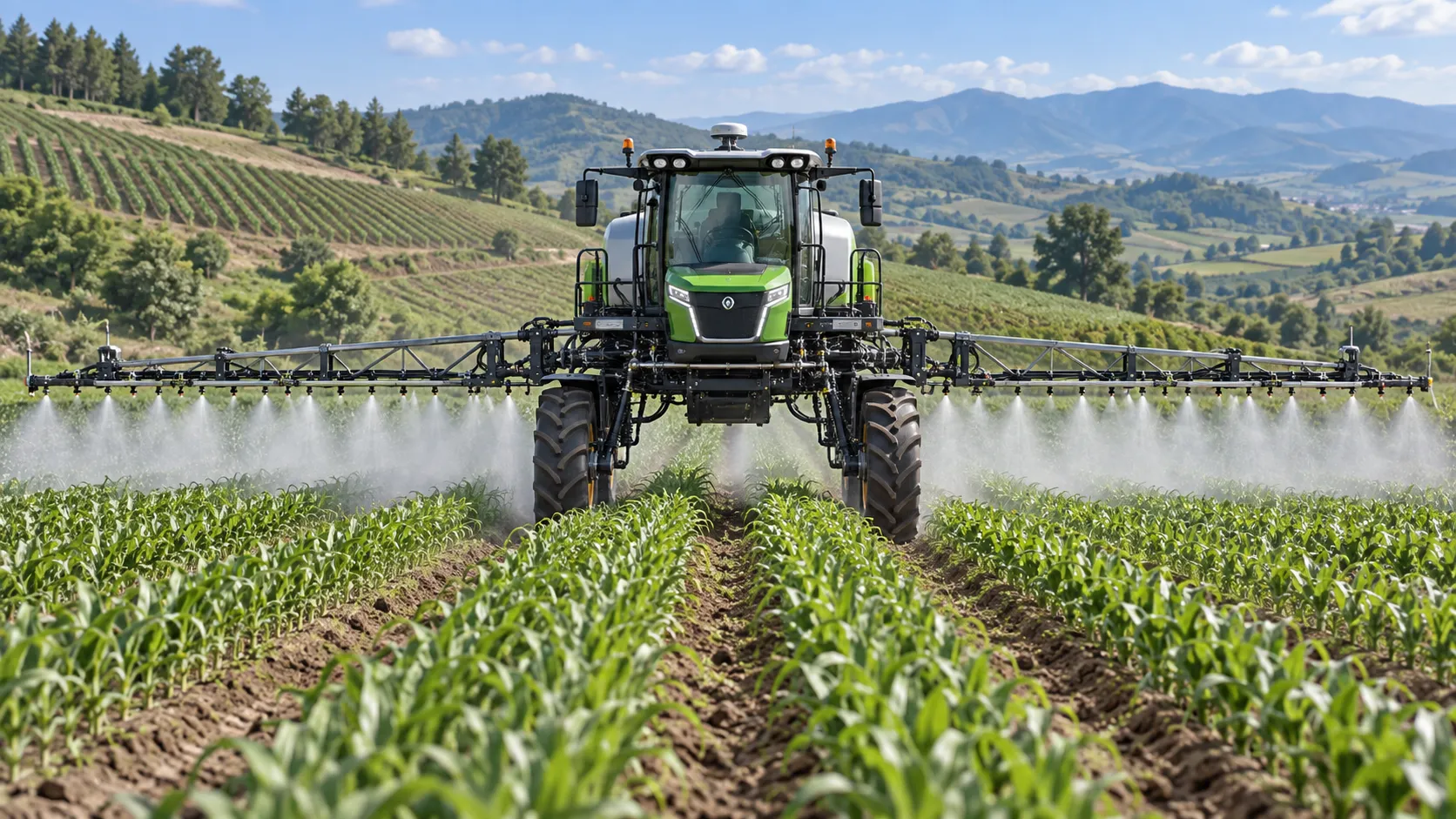
How to Select Precision Crop Protection Equipment for Variable Field Conditions
Precision crop protection equipment selection made simple: compare terrain, canopy, weather, control accuracy, and data workflows for reliable applications.

When Does Agricultural Machinery Leasing Cost Less Than Owning Equipment?
Agricultural machinery leasing can lower farm costs when use is seasonal or uncertain. Compare utilization, maintenance, cash flow, and risk to make a smarter equipment decision.

How to Evaluate Precision Fertilization System Suppliers for Farm-Scale Deployment
Precision fertilization systems suppliers: learn how to compare accuracy, integration, uptime, service, and total cost for confident farm-scale deployment.
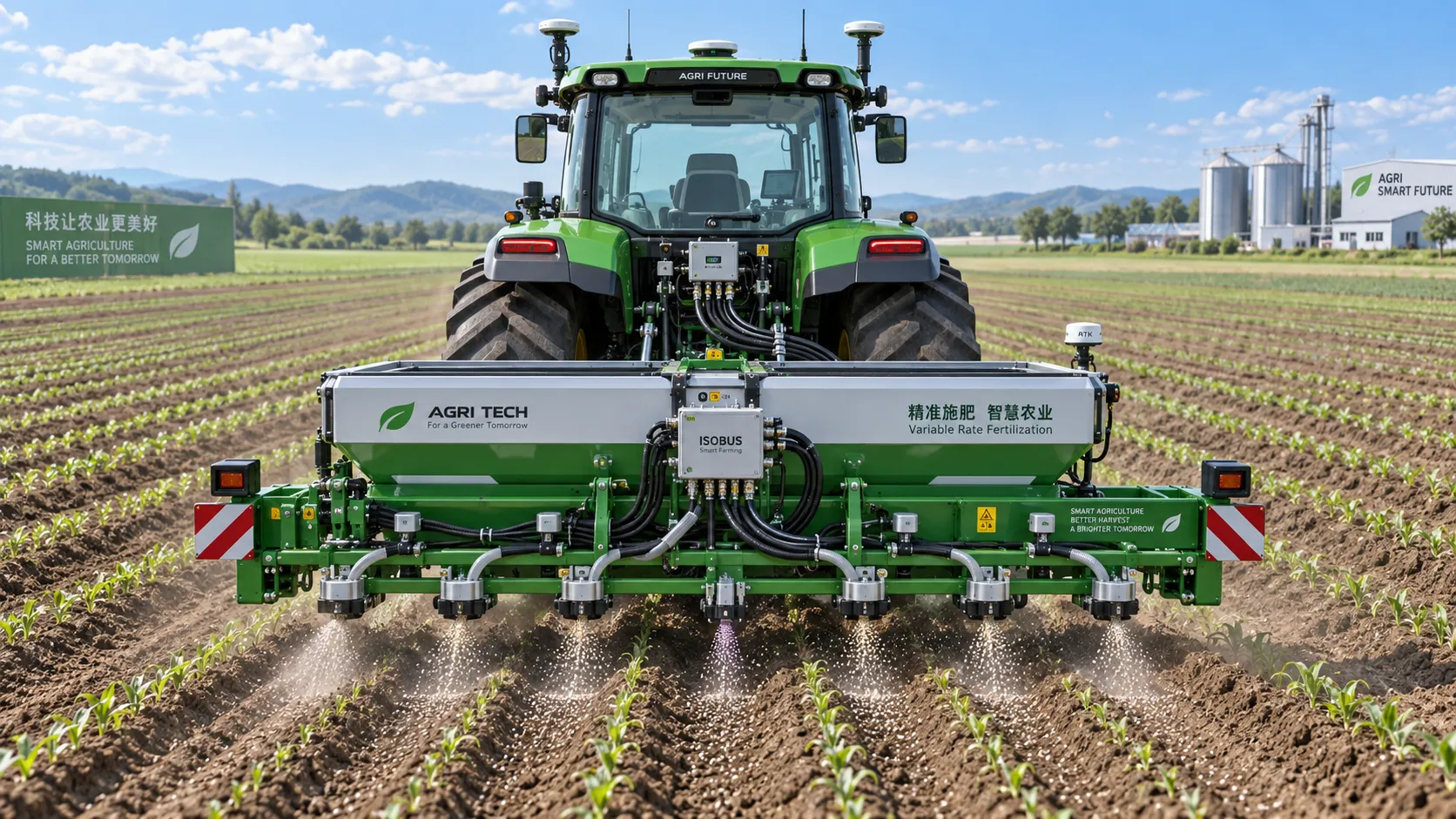
ISOBUS for Smart Agriculture: How It Connects Tractors, Implements, and Farm Data
ISOBUS for smart agriculture connects tractors, implements, terminals, and farm data—helping growers improve precision, documentation, and smarter field decisions.
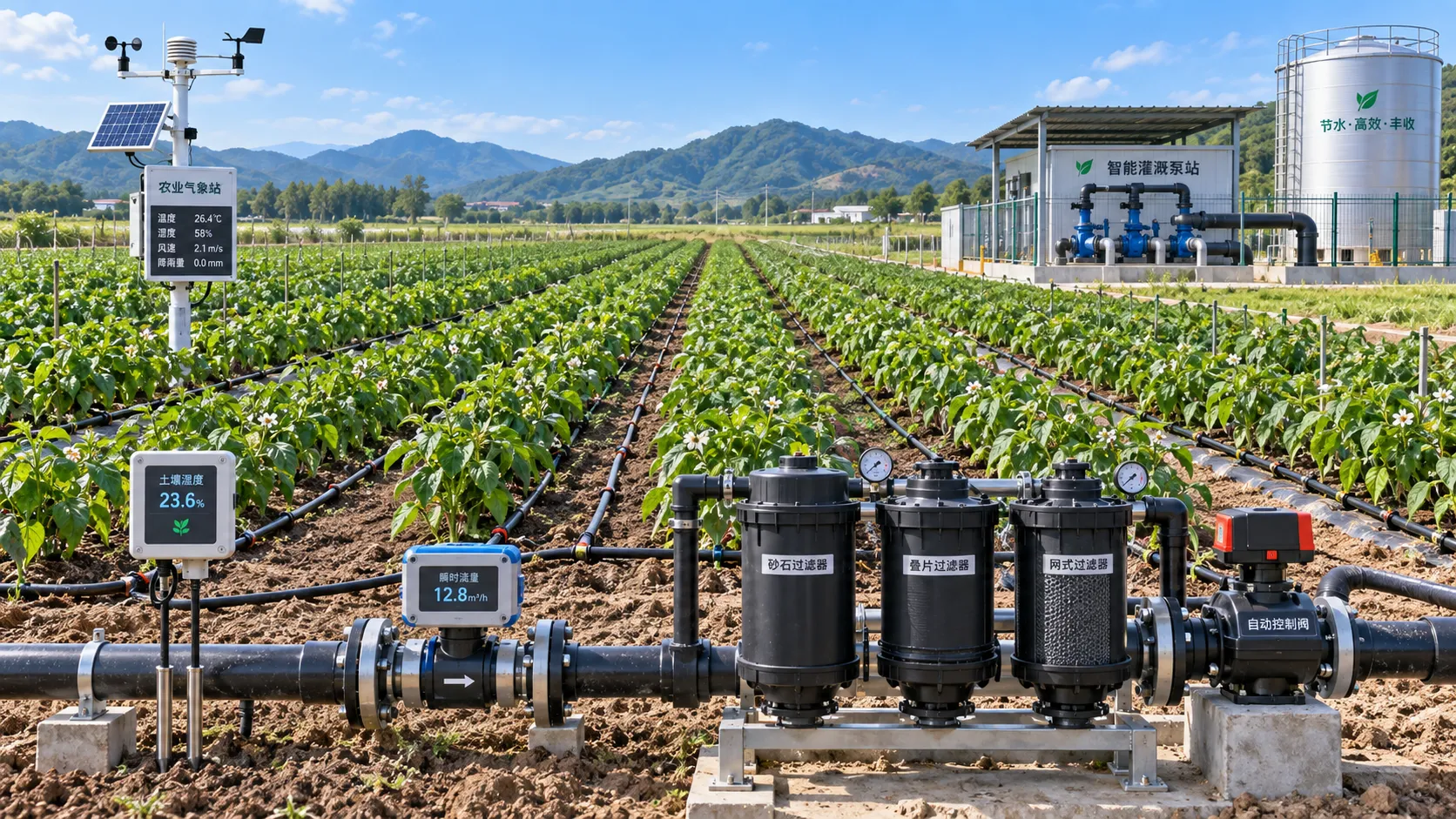
Automated Water-Saving Irrigation: How to Cut Water Use Without Reducing Crop Yields
Automated water-saving irrigation helps farms cut water use, protect crop yields, improve scheduling, and gain reliable control with sensors, flow monitoring, and smart zones.
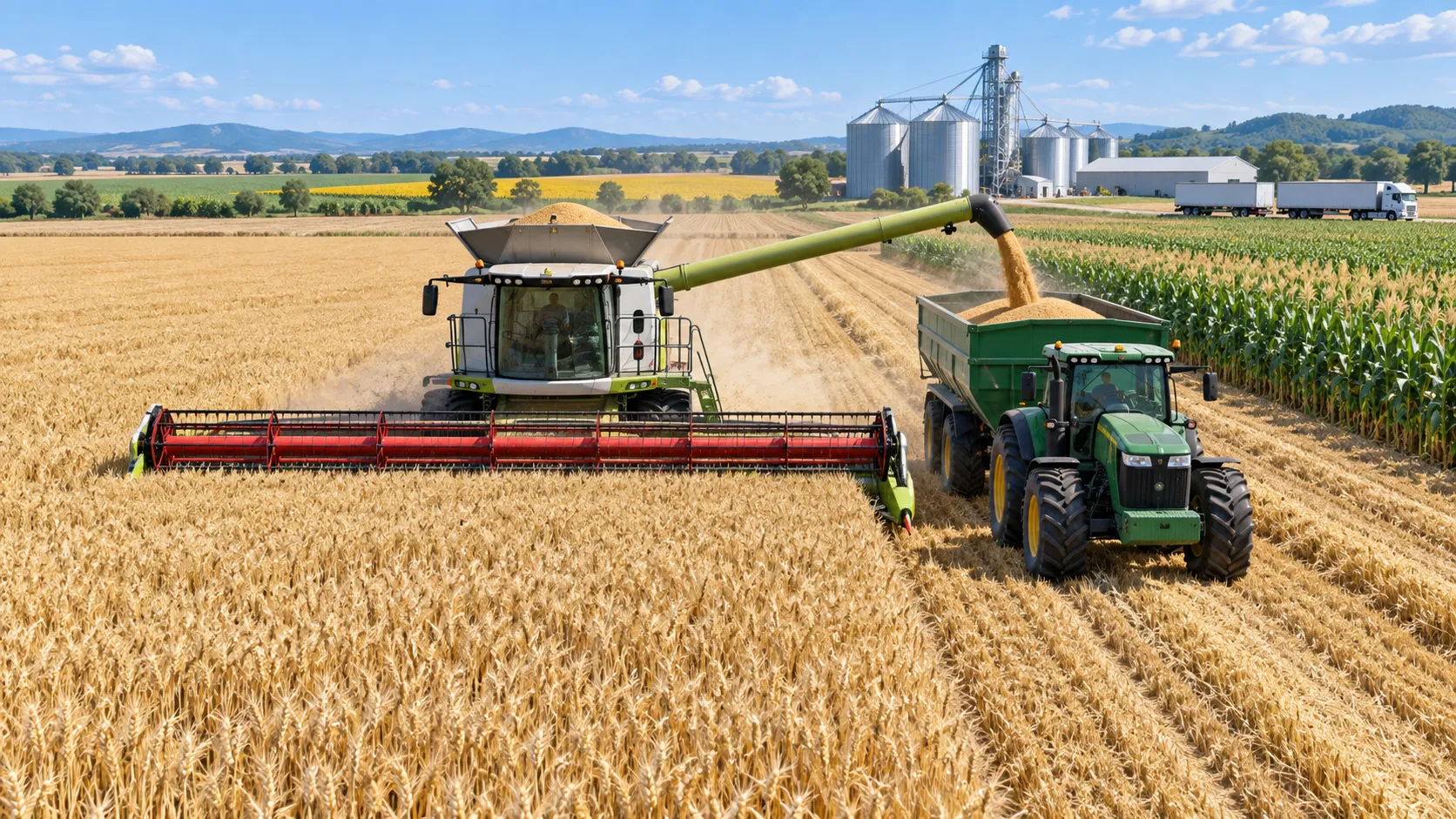
Selecting Grain Farm Equipment by Acreage, Crop Mix, and Harvest Window
Agricultural equipment selection for grain farming: match machinery to acreage, crop mix, and harvest windows to improve uptime, efficiency, and returns.
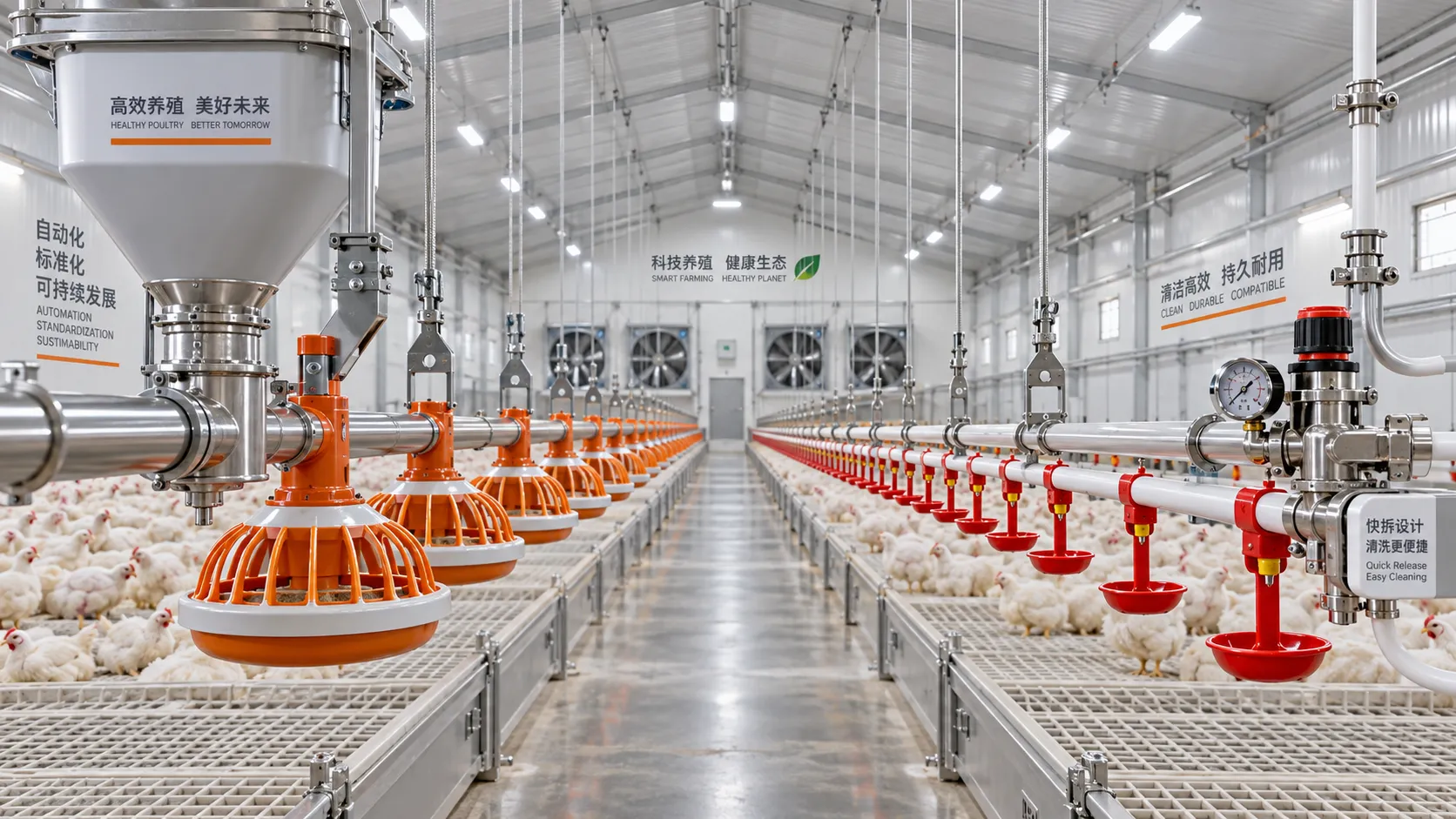
Poultry Equipment Selection: Evaluating Durability, Cleaning, and Compatibility
Poultry equipments selection guide: evaluate durability, cleaning access, and system compatibility to improve hygiene, reduce downtime, and support efficient flock management.
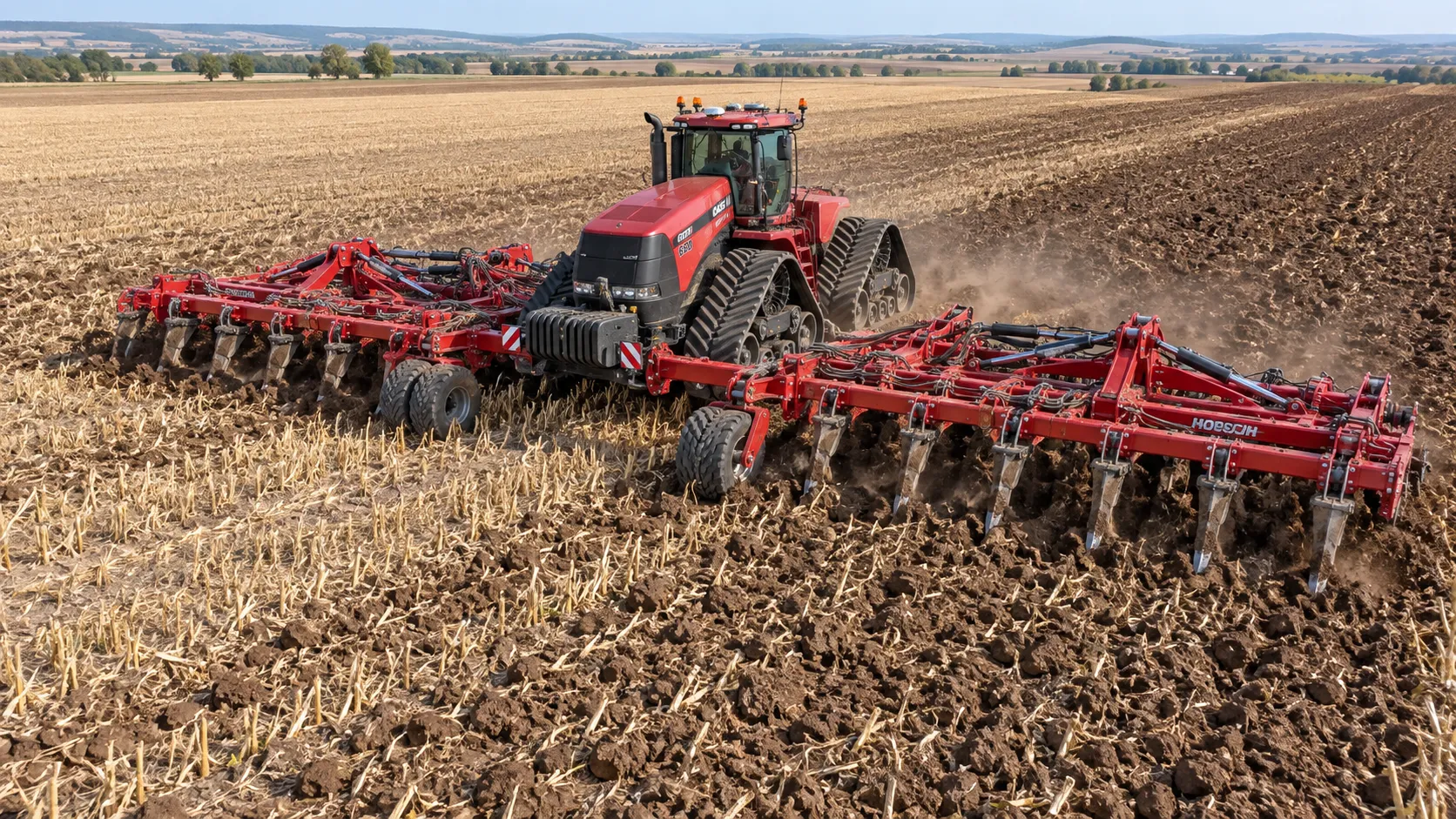
How to Select Heavy-Duty Farm Implements for High-Acreage, High-Horsepower Operations
Heavy duty farm implements: learn how to match draft, hydraulics, hitch capacity, frame strength, and field conditions for reliable high-acreage performance.
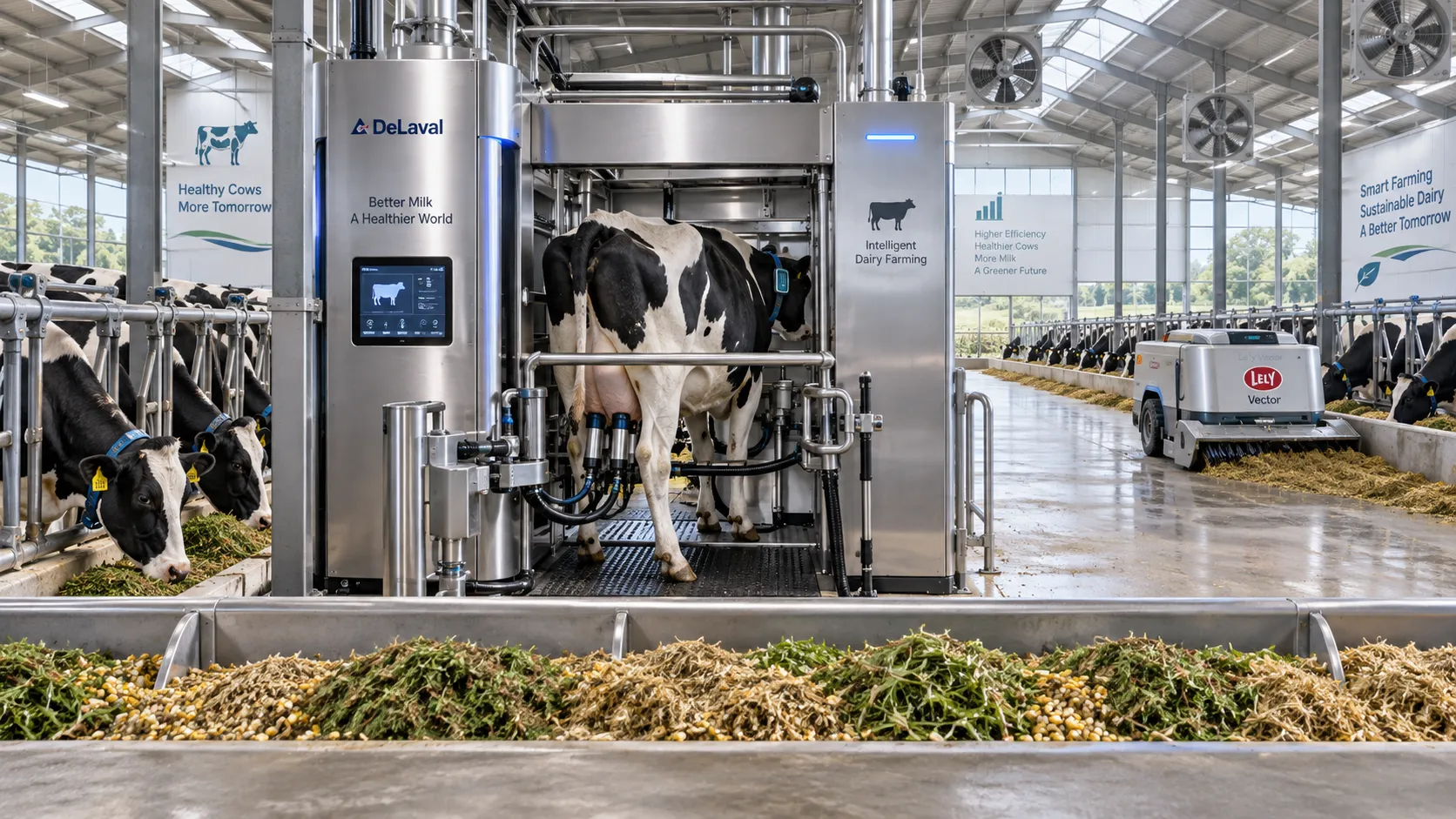
Smart Farming Technology for Dairy Farms: Where Automation Delivers Measurable ROI
Smart farming technology for dairy farms delivers measurable ROI through automation, precision feeding, health monitoring, and data-driven cost control.
Related News
- 00
0000-00
What Harvesting Machinery Works Best for Small Grains on Hills? - 00
0000-00
GRIMME Tianjin Signs to Join Changchun Agricultural Machinery Expo Center - 00
0000-00
Vietnam Mandates Vietnamese Energy Labels for Imported Threshing Systems - 00
0000-00
Crop Harvesting Solutions for Wheat: Which System Fits Yield, Moisture, and Field Size? - 00
0000-00
ANVISA Extends Threshing Systems Filing Window
Popular Tags
Harvesting Efficiency Expert
Weekly Insights
Stay ahead with our curated technology reports delivered every Monday.