
Sustainable Farming Equipment Costs More Up Front, Then What?
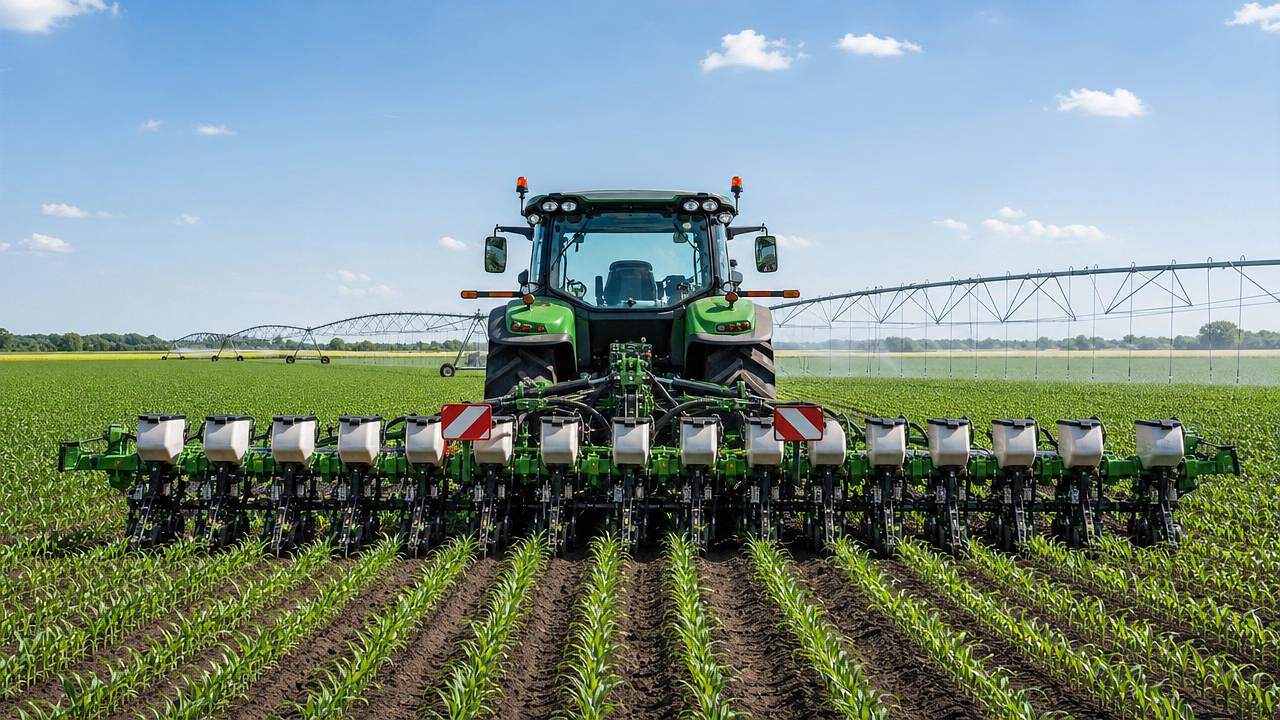




Sustainable farming equipment often costs more at the start, yet the real financial story begins after deployment. Initial pricing only shows one side of the balance sheet.
Across modern agriculture, capital decisions are shifting from sticker price to lifetime value. That change is especially visible in sustainable farming equipment.
Lower fuel consumption, tighter input control, stronger compliance, and improved resale value can change payback timelines. The result is a broader view of risk, productivity, and farm resilience.
For intelligence platforms such as AP-Strategy, this transition reflects Agriculture 4.0 in practice. Machines are no longer judged only by horsepower, but by efficiency, data quality, and resource performance.
Why sustainable farming equipment is moving from niche to financial mainstream
The market signal is clear: sustainable farming equipment is becoming a strategic asset, not a branding exercise. Farms now operate under tighter cost pressure and greater climate uncertainty.
At the same time, regulations around emissions, water use, and traceability are strengthening. Equipment choices increasingly affect compliance readiness and access to premium markets.
Technology also changes the equation. Precision guidance, variable-rate systems, telematics, and smart irrigation reduce waste that conventional machinery often leaves hidden.
This is why sustainable farming equipment now appears in conversations about operating margin, asset utilization, and long-term land productivity.
The cost gap is real, but the return drivers are measurable
The premium attached to sustainable farming equipment usually comes from advanced sensors, efficient drivetrains, improved hydraulics, software integration, and lower-impact operating systems.
However, the economic return does not depend on one benefit alone. It emerges from several small gains that compound across seasons.
Key drivers behind adoption
When these gains are modeled together, sustainable farming equipment often performs better than expected. The gap between acquisition cost and total ownership cost can narrow quickly.
What follows after purchase: five financial effects that matter
The question “then what?” is the right one. Post-purchase performance determines whether sustainable farming equipment becomes a premium burden or a margin-enhancing asset.
1. Operating costs often decline first
Efficient engines, reduced overlap, and optimized application maps lower daily costs. These savings are especially visible in fuel-intensive field operations.
2. Input waste becomes easier to control
Sustainable farming equipment supports accurate placement and timing. That means less overspray, fewer missed zones, and tighter nutrient management.
3. Downtime risk can become more predictable
Connected diagnostics and performance alerts help identify service issues before failure. In short harvest windows, this matters as much as yield itself.
4. Residual value may hold better
As environmental standards tighten, later buyers may prefer efficient, data-ready units. That can support stronger resale pricing for sustainable farming equipment.
5. Financing conversations may improve
Lenders and investors increasingly evaluate efficiency, resource security, and compliance exposure. Equipment with measurable sustainability outcomes can strengthen capital discussions.
Why the trend is accelerating across machinery, harvesting, and irrigation
The push toward sustainable farming equipment is not isolated to one machine category. It spans tractors, combine harvesters, implements, and irrigation networks.
In large-scale agri-machinery, drivetrain efficiency and soil impact are under closer review. In harvesting, grain loss control and cleaner power systems are gaining priority.
For tractor chassis, transmission response and hydraulic precision directly affect field efficiency. For intelligent farm tools, sensor feedback turns sustainability goals into executable actions.
Water-saving irrigation systems may show the clearest return. In regions facing climate stress, every avoided unit of water loss protects both cost structure and production continuity.
Acceleration signals to watch
- More equipment specifications include emissions, efficiency, and data compatibility metrics.
- Precision agriculture software is being integrated into base machine offerings.
- Water constraints are increasing demand for intelligent irrigation and pump optimization.
- Secondary markets show growing interest in machines with verified operating records.
How sustainable farming equipment changes different business functions
The impact of sustainable farming equipment extends beyond the machine shed. It changes how operating plans, maintenance cycles, and reporting systems are managed.
Field operations
Task accuracy improves with guidance systems and sensor-supported tools. That helps reduce rework, labor inefficiency, and timing losses during tight weather windows.
Asset management
Telematics makes machine utilization more visible. Underused assets can be identified earlier, improving replacement planning and fleet allocation.
Sustainability reporting
Data capture becomes easier when sustainable farming equipment is digitally connected. That supports traceability, audit preparation, and environmental performance tracking.
Commercial positioning
Some buyers and supply chains increasingly value lower-impact production methods. Efficient equipment can strengthen claims tied to resource stewardship and quality consistency.
What deserves closer attention before calculating payback
A strong decision requires more than comparing purchase prices. Sustainable farming equipment should be evaluated through a full operational lens.
- Measure fuel use per hectare, not only engine rating.
- Estimate reductions in seed, fertilizer, chemical, and water waste.
- Review software compatibility with existing precision agriculture systems.
- Assess maintenance support, spare parts access, and diagnostic capabilities.
- Model resale potential under future environmental and efficiency standards.
- Include training requirements in the first-year implementation budget.
A practical framework for deciding whether the premium is justified
This framework helps separate trend enthusiasm from operational reality. Not every machine justifies a premium, but many justify deeper analysis than standard procurement methods allow.
The next judgment: sustainable farming equipment is becoming a resilience tool
The strongest long-term argument is not only savings. Sustainable farming equipment helps operations respond to volatility in fuel, water, labor, regulation, and climate.
That matters because agriculture is entering a period where resilience carries direct economic value. Equipment that reduces waste and improves control supports that transition.
For organizations following global mechanization trends, the message is straightforward. Higher upfront cost does not end the conversation; it starts a more serious one.
Next steps for sharper equipment decisions
Build decisions around total cost of ownership, not purchase price alone. Compare sustainable farming equipment using real field conditions, multi-season scenarios, and measurable resource outcomes.
Track fuel use, input savings, downtime frequency, water efficiency, and resale assumptions in one model. That single change can reveal value hidden behind a higher invoice.
AP-Strategy continues to monitor combine harvesting technology, tractor chassis evolution, intelligent farm tools, and smart irrigation systems shaping this shift. Better intelligence leads to better equipment timing, and better timing protects long-term profitability.
Related News
How to Select Precision Crop Protection Equipment for Variable Field Conditions
Precision crop protection equipment selection made simple: compare terrain, canopy, weather, control accuracy, and data workflows for reliable applications.
When Does Agricultural Machinery Leasing Cost Less Than Owning Equipment?
Agricultural machinery leasing can lower farm costs when use is seasonal or uncertain. Compare utilization, maintenance, cash flow, and risk to make a smarter equipment decision.
How to Evaluate Precision Fertilization System Suppliers for Farm-Scale Deployment
Precision fertilization systems suppliers: learn how to compare accuracy, integration, uptime, service, and total cost for confident farm-scale deployment.
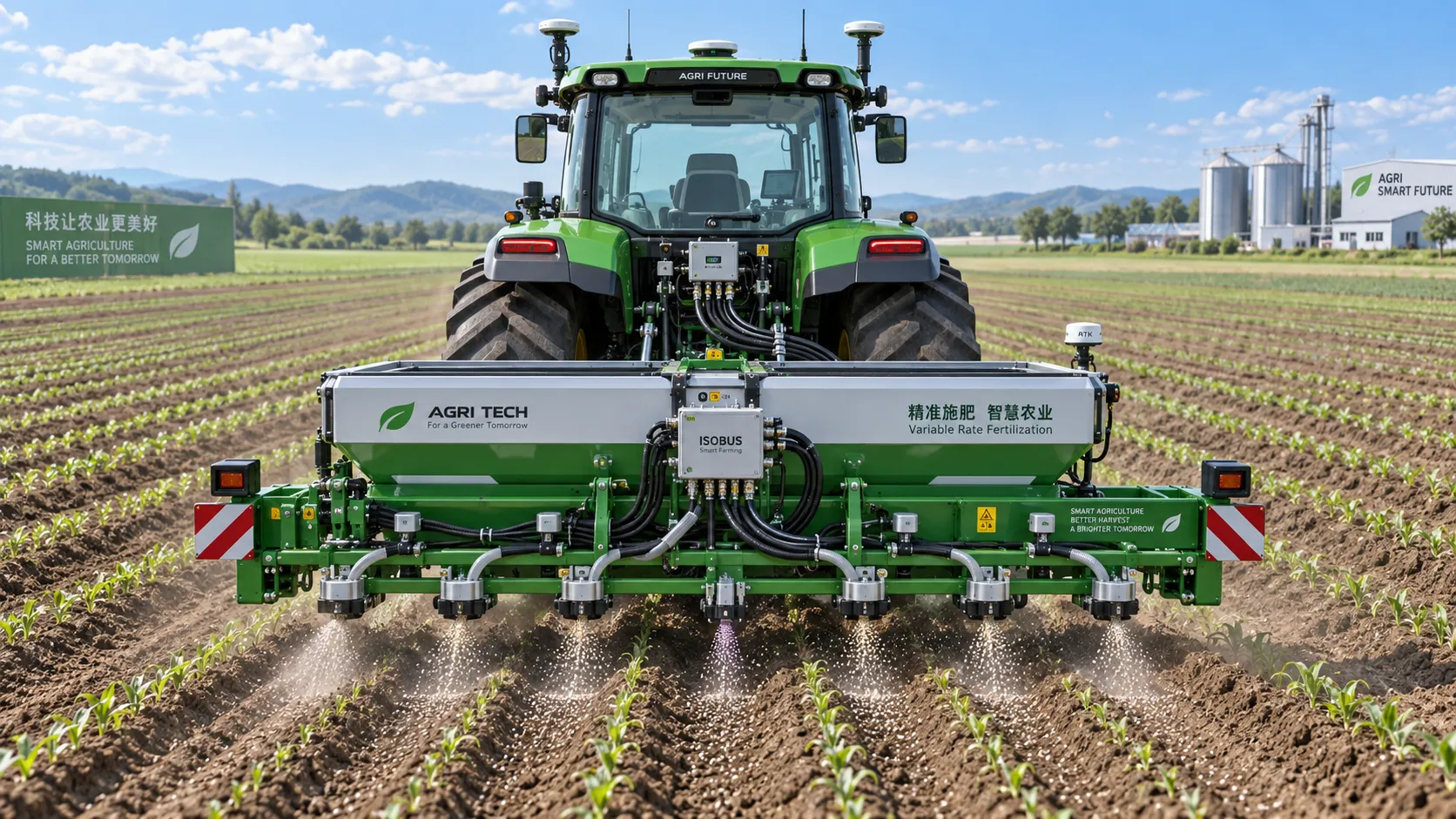
ISOBUS for Smart Agriculture: How It Connects Tractors, Implements, and Farm Data
ISOBUS for smart agriculture connects tractors, implements, terminals, and farm data—helping growers improve precision, documentation, and smarter field decisions.
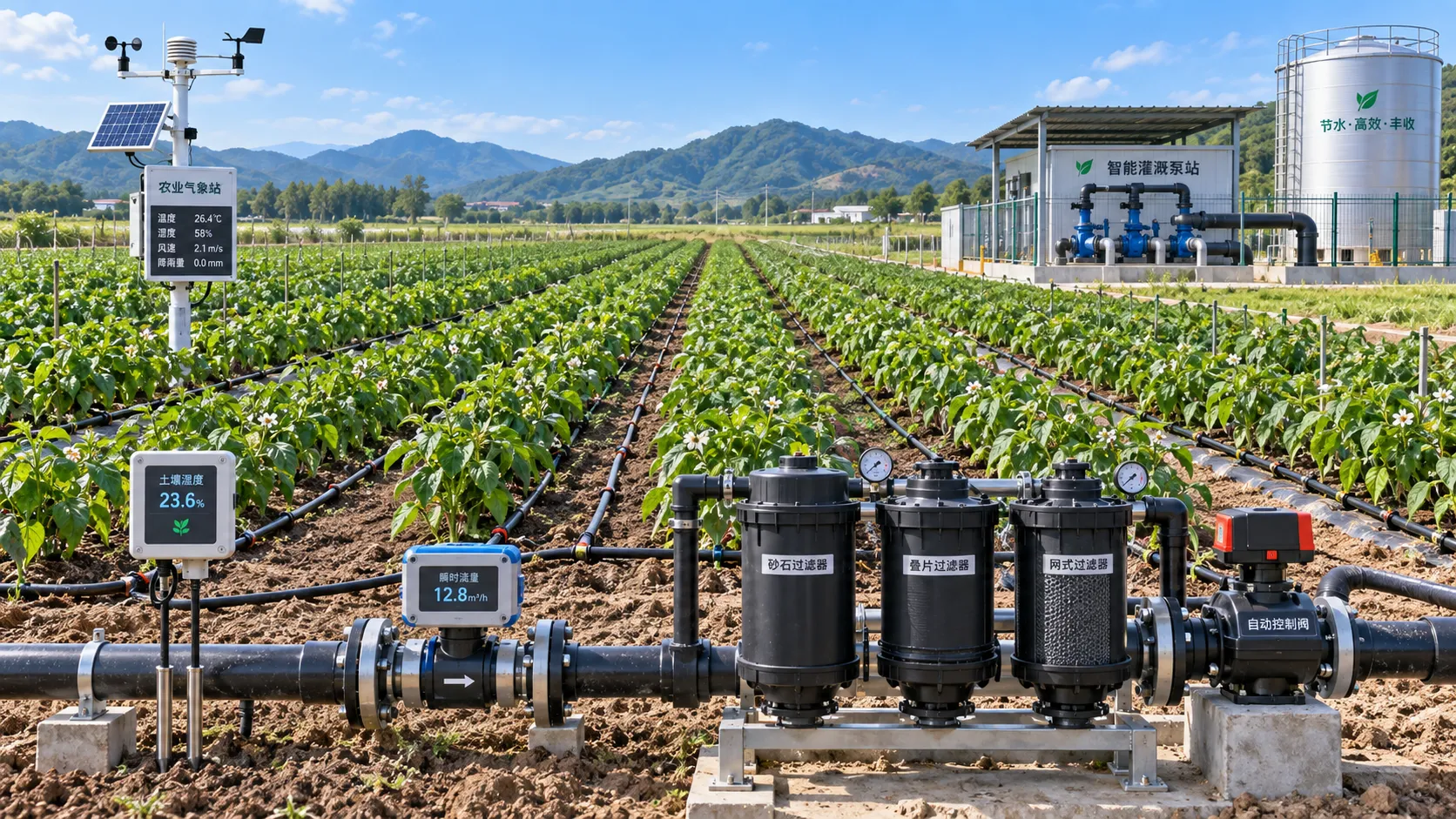
Automated Water-Saving Irrigation: How to Cut Water Use Without Reducing Crop Yields
Automated water-saving irrigation helps farms cut water use, protect crop yields, improve scheduling, and gain reliable control with sensors, flow monitoring, and smart zones.
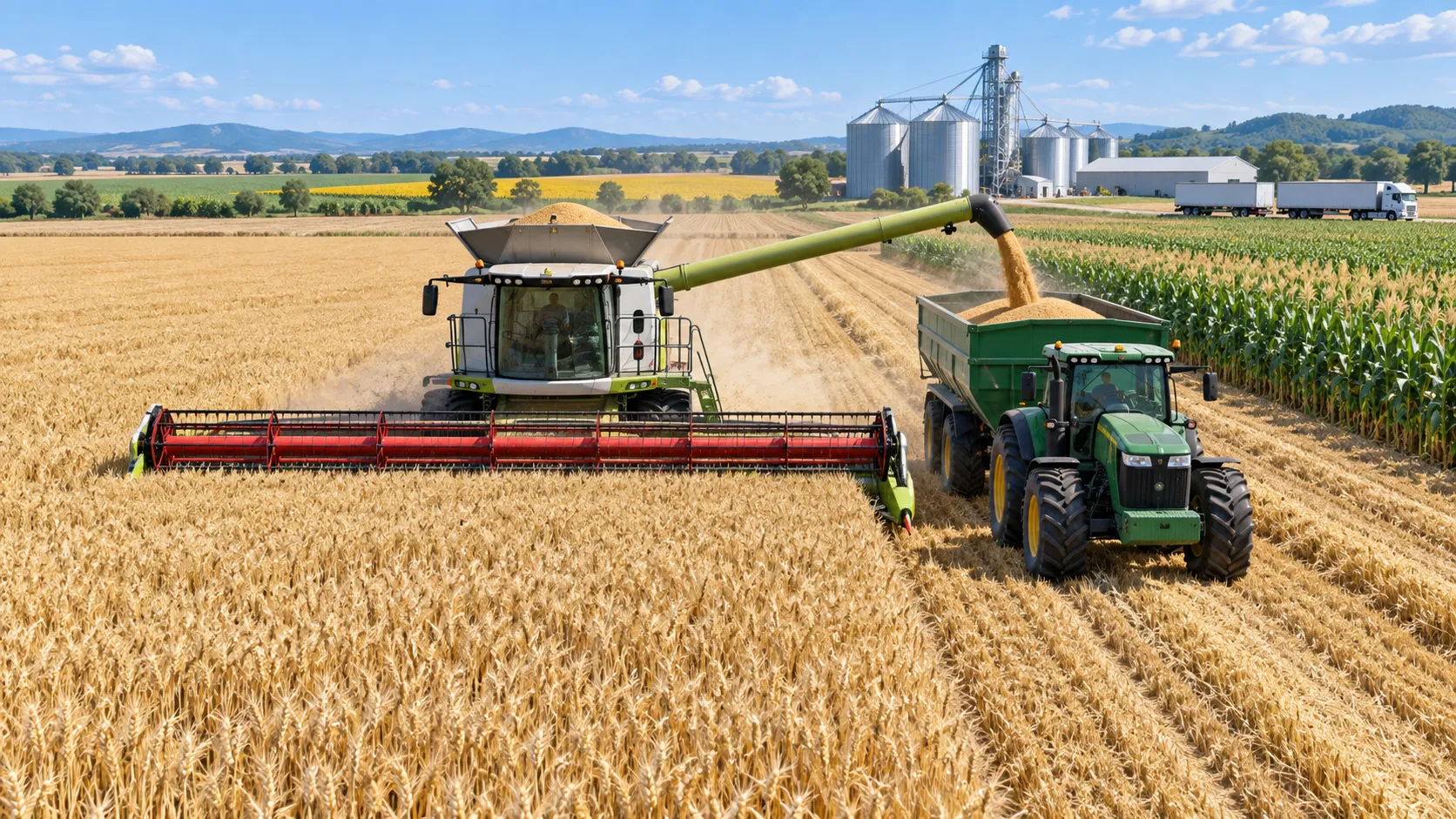
Selecting Grain Farm Equipment by Acreage, Crop Mix, and Harvest Window
Agricultural equipment selection for grain farming: match machinery to acreage, crop mix, and harvest windows to improve uptime, efficiency, and returns.
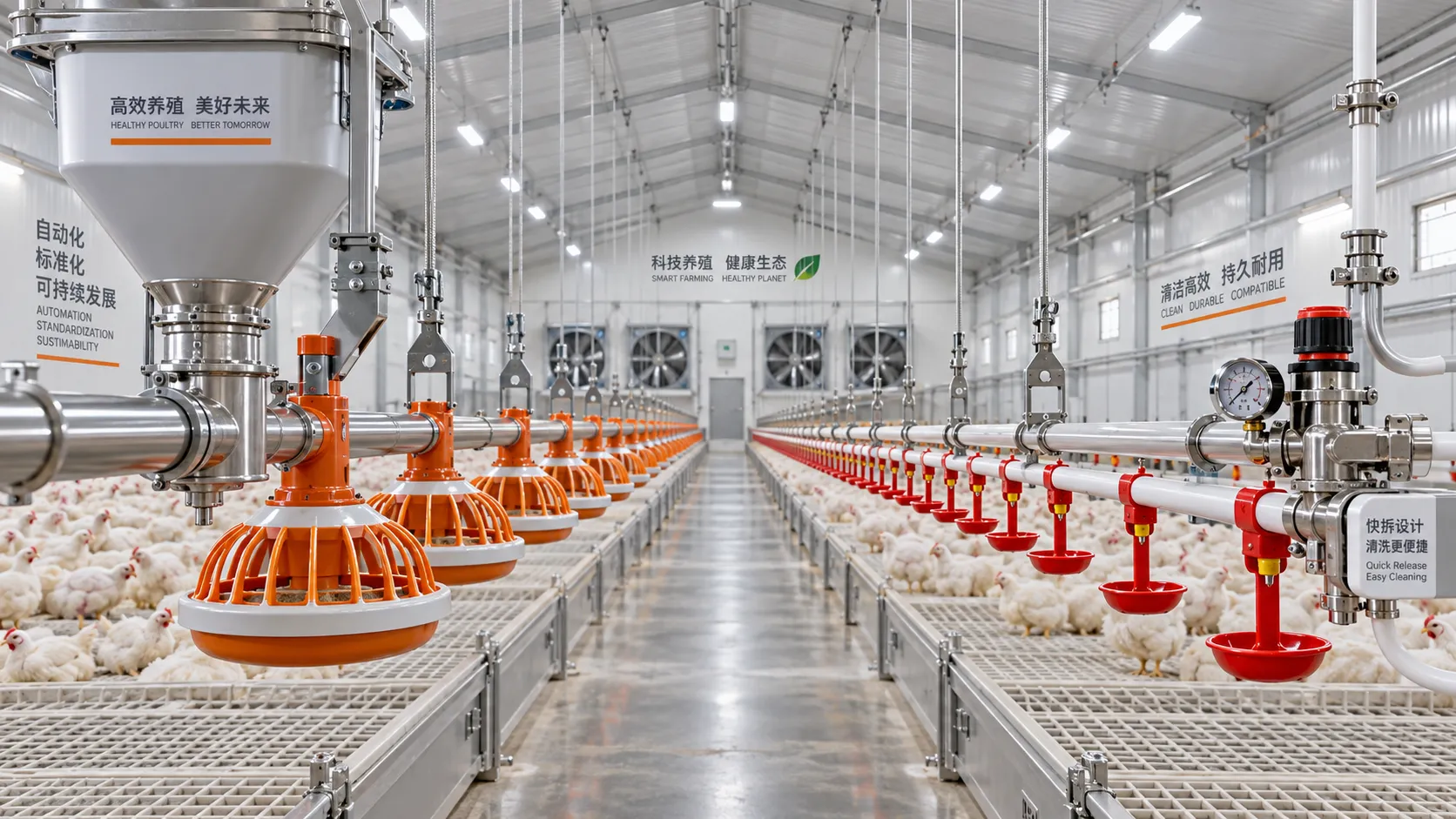
Poultry Equipment Selection: Evaluating Durability, Cleaning, and Compatibility
Poultry equipments selection guide: evaluate durability, cleaning access, and system compatibility to improve hygiene, reduce downtime, and support efficient flock management.
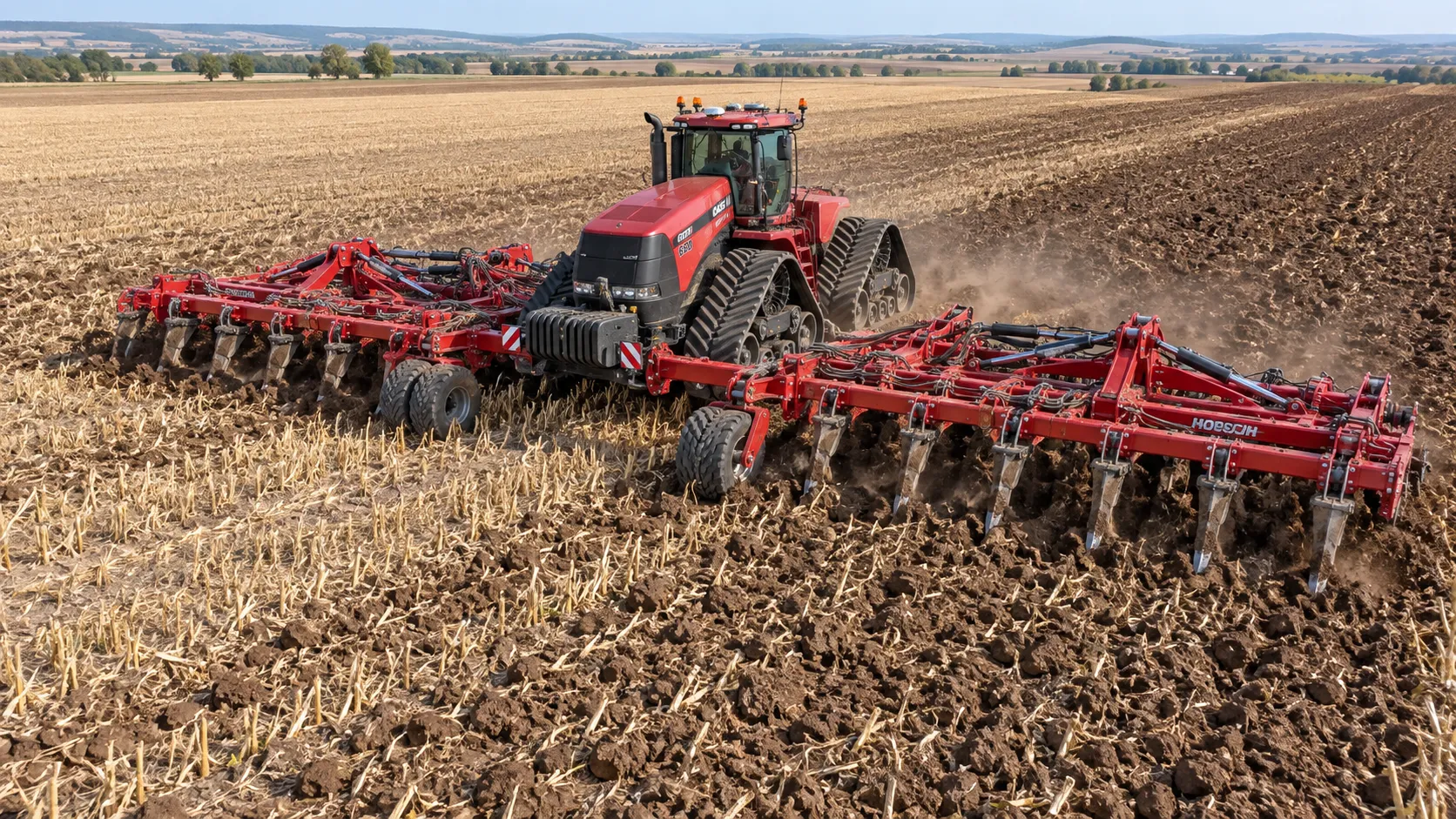
How to Select Heavy-Duty Farm Implements for High-Acreage, High-Horsepower Operations
Heavy duty farm implements: learn how to match draft, hydraulics, hitch capacity, frame strength, and field conditions for reliable high-acreage performance.
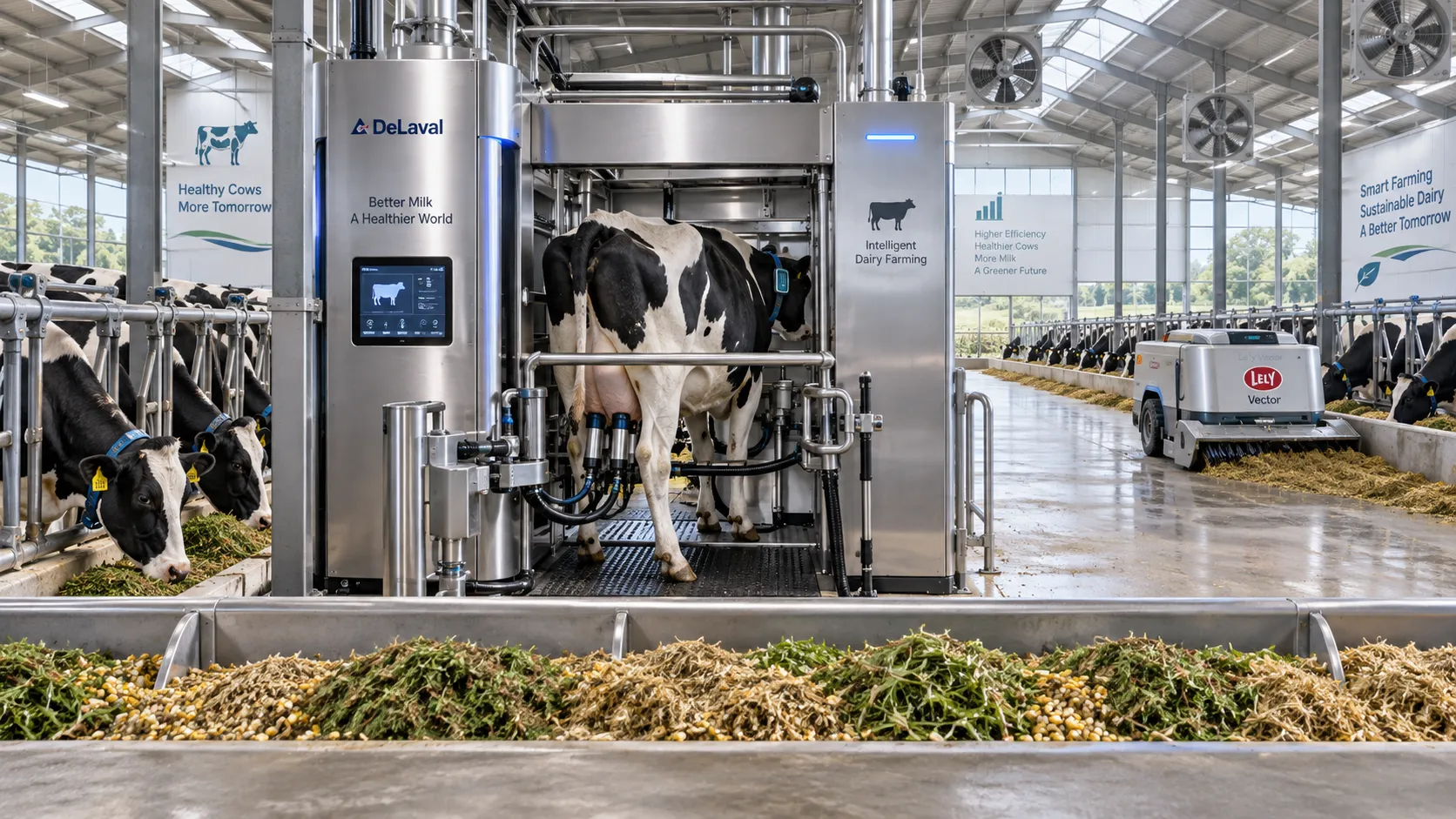
Smart Farming Technology for Dairy Farms: Where Automation Delivers Measurable ROI
Smart farming technology for dairy farms delivers measurable ROI through automation, precision feeding, health monitoring, and data-driven cost control.
Related News
- 00
0000-00
When Does Agricultural Machinery Leasing Cost Less Than Owning Equipment? - 00
0000-00
Selecting Grain Farm Equipment by Acreage, Crop Mix, and Harvest Window - 00
0000-00
Poultry Equipment Selection: Evaluating Durability, Cleaning, and Compatibility - 00
0000-00
How to Select Heavy-Duty Farm Implements for High-Acreage, High-Horsepower Operations - 00
0000-00
Smart Farming Technology for Dairy Farms: Where Automation Delivers Measurable ROI
Popular Tags
Ms. Elena Rodriguez
Weekly Insights
Stay ahead with our curated technology reports delivered every Monday.