
When Agricultural Automation Tools Add Complexity to Field Work
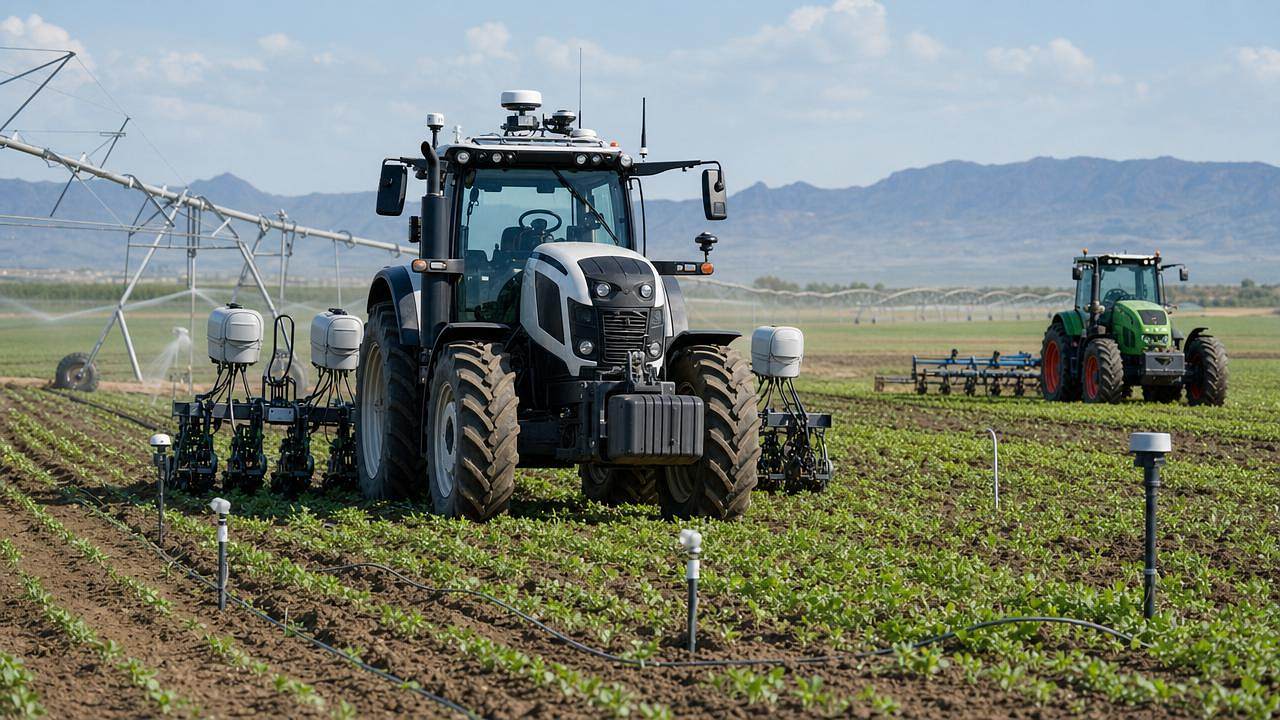




Agricultural automation tools promise accuracy, faster execution, and relief from labor shortages. Yet field reality is rarely as clean as a product demo.
Many systems improve one task while complicating another. Setup time grows, data streams multiply, and machine compatibility becomes a daily concern.
For farms operating at scale, this matters beyond convenience. Added complexity can slow planting, disrupt harvesting windows, and weaken irrigation response.
This article explains why agricultural automation tools sometimes create friction, what warning signs deserve attention, and how better evaluation protects long-term productivity.
Why do agricultural automation tools sometimes make field work harder?
The main issue is not automation itself. The real problem is mismatch between digital capability and field operating conditions.
A tool may perform well in isolated testing. In mixed fleets, varied soils, and shifting weather, that same tool can increase workload.
Common friction points include:
- Multiple screens with overlapping functions
- Inconsistent data formats across brands
- Frequent calibration before field entry
- Sensor errors caused by dust, moisture, or vibration
- Software updates arriving during busy seasons
In Agriculture 4.0, complexity often comes from connections, not components. The more systems that must communicate, the greater the operational burden.
AP-Strategy frequently tracks this pattern across large-scale agri-machinery, combine harvesters, tractor chassis controls, and intelligent irrigation networks.
Even advanced agricultural automation tools can become barriers when power systems, hydraulics, satellite guidance, and prescription maps fail to align smoothly.
Which field conditions expose the limits of agricultural automation tools?
Not every field punishes complexity equally. Some environments reveal weaknesses much faster than others.
1. Mixed terrain and irregular field boundaries
Auto-guidance and variable-rate systems prefer consistency. Irregular edges, steep slopes, and fragmented plots increase corrections and operator intervention.
2. High-dust harvesting conditions
Combine sensors, cameras, and loss monitors can struggle when residue, chaff, and vibration reduce reading stability.
3. Unstable connectivity
Cloud-linked agricultural automation tools may depend on reliable mobile coverage. Remote areas can interrupt map transfers, remote diagnostics, and software synchronization.
4. Multi-brand fleets
A tractor, implement, and irrigation controller from different suppliers may all claim compatibility. Actual interoperability can still be partial or fragile.
5. Narrow seasonal windows
If planting or harvesting must happen quickly, even small setup delays can erase the theoretical gains from automation.
These conditions matter because field work depends on timing. A technically advanced tool that slows response may reduce net value.
How can decision-makers tell whether complexity is productive or wasteful?
The key question is simple: does the system reduce total effort across the whole operation, not just improve one metric?
Useful agricultural automation tools should lower rework, reduce input waste, and support faster decisions under pressure.
Warning signs of wasteful complexity include:
- Operators rely on manual workarounds every day
- Only one trained person can run the system correctly
- Reports are generated but rarely used in decisions
- Machine downtime increases after digital upgrades
- Support requests become routine during peak operations
Productive complexity looks different. It may require training, but the learning curve creates repeatable gains after adoption.
Examples include better harvester loss control, tighter irrigation scheduling, cleaner section control, and more accurate fuel use planning.
A practical test is to compare four numbers before and after deployment:
- Setup minutes per machine per day
- Operator interventions per field task
- Unplanned downtime during critical windows
- Decision quality from generated data
If these numbers worsen, agricultural automation tools may be adding digital burden without improving field performance.
What selection criteria reduce integration risk before adoption?
Selection should begin with workflows, not features. A long feature list does not guarantee practical value.
Before choosing agricultural automation tools, evaluate the entire chain from field entry to reporting and maintenance.
This framework is especially important for large-scale agri-machinery and intelligent farm tools linked to guidance, seeding, spraying, and irrigation decisions.
AP-Strategy often emphasizes one overlooked point: test support responsiveness as seriously as hardware specifications.
Are data-heavy agricultural automation tools always better?
No. More data does not automatically produce better action.
Many agricultural automation tools collect far more information than teams can interpret during actual operations.
This creates a common trap. Dashboards look advanced, but field teams still make decisions using habit and visual judgment.
Useful data should answer immediate questions:
- Where are harvesting losses increasing?
- Which zones need less or more water?
- Is machine load causing fuel inefficiency?
- Are application rates matching prescription plans?
If the data cannot change a decision within hours or days, its operational value may be limited.
For this reason, precision farming systems should be judged by decision speed and clarity, not by sensor count alone.
What implementation mistakes make agricultural automation tools fail?
Most failures come from deployment choices, not from technology headlines.
Buying for peak innovation instead of operational fit
A highly advanced platform may outperform a simpler option on paper, yet still underperform in daily use.
Ignoring machine and implement relationships
Tractor chassis capability, hydraulic response, power delivery, and implement electronics must work as one operating system.
Underestimating training time
Even intuitive agricultural automation tools require practice. Training should happen before busy seasons, not during them.
Treating irrigation automation as a standalone upgrade
Smart irrigation depends on weather inputs, soil sensing, pump control, and maintenance discipline. Weak links quickly reduce savings.
Measuring ROI too narrowly
Return should include uptime, labor reallocation, input efficiency, crop protection quality, and scheduling confidence.
FAQ summary: how should agricultural automation tools be judged?
Agricultural automation tools are not inherently too complicated. Problems arise when digital sophistication outruns field practicality.
The strongest systems simplify execution across machinery, harvesting, irrigation, and data interpretation. They reduce friction instead of relocating it.
A smart next step is to audit one current workflow. Measure setup time, compatibility gaps, and decision usefulness before expanding automation further.
That disciplined approach helps ensure agricultural automation tools support resilient productivity, rather than adding hidden complexity to field work.
Related News

When Does Agricultural Machinery Leasing Cost Less Than Owning Equipment?
Agricultural machinery leasing can lower farm costs when use is seasonal or uncertain. Compare utilization, maintenance, cash flow, and risk to make a smarter equipment decision.
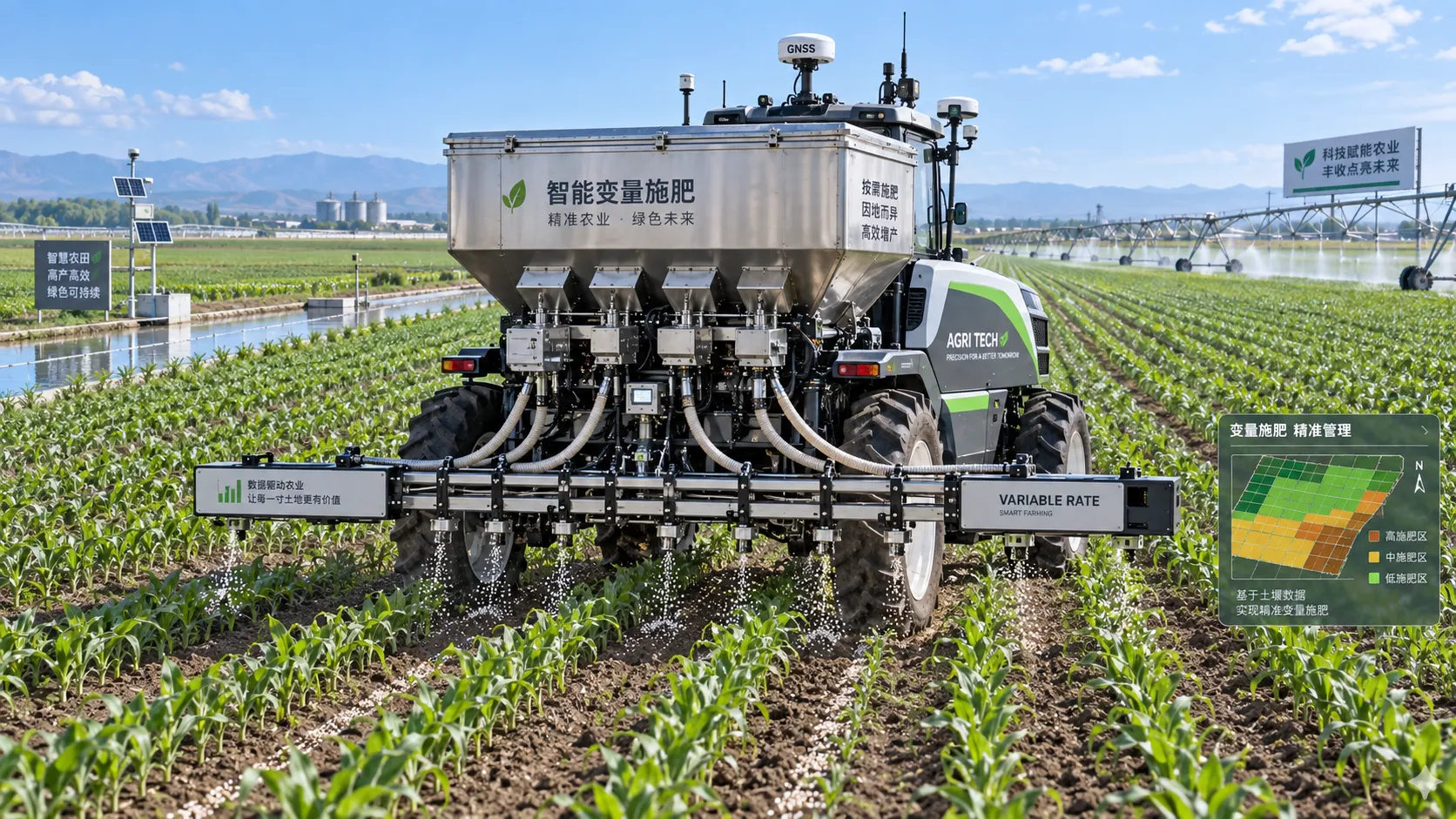
How to Evaluate Precision Fertilization System Suppliers for Farm-Scale Deployment
Precision fertilization systems suppliers: learn how to compare accuracy, integration, uptime, service, and total cost for confident farm-scale deployment.
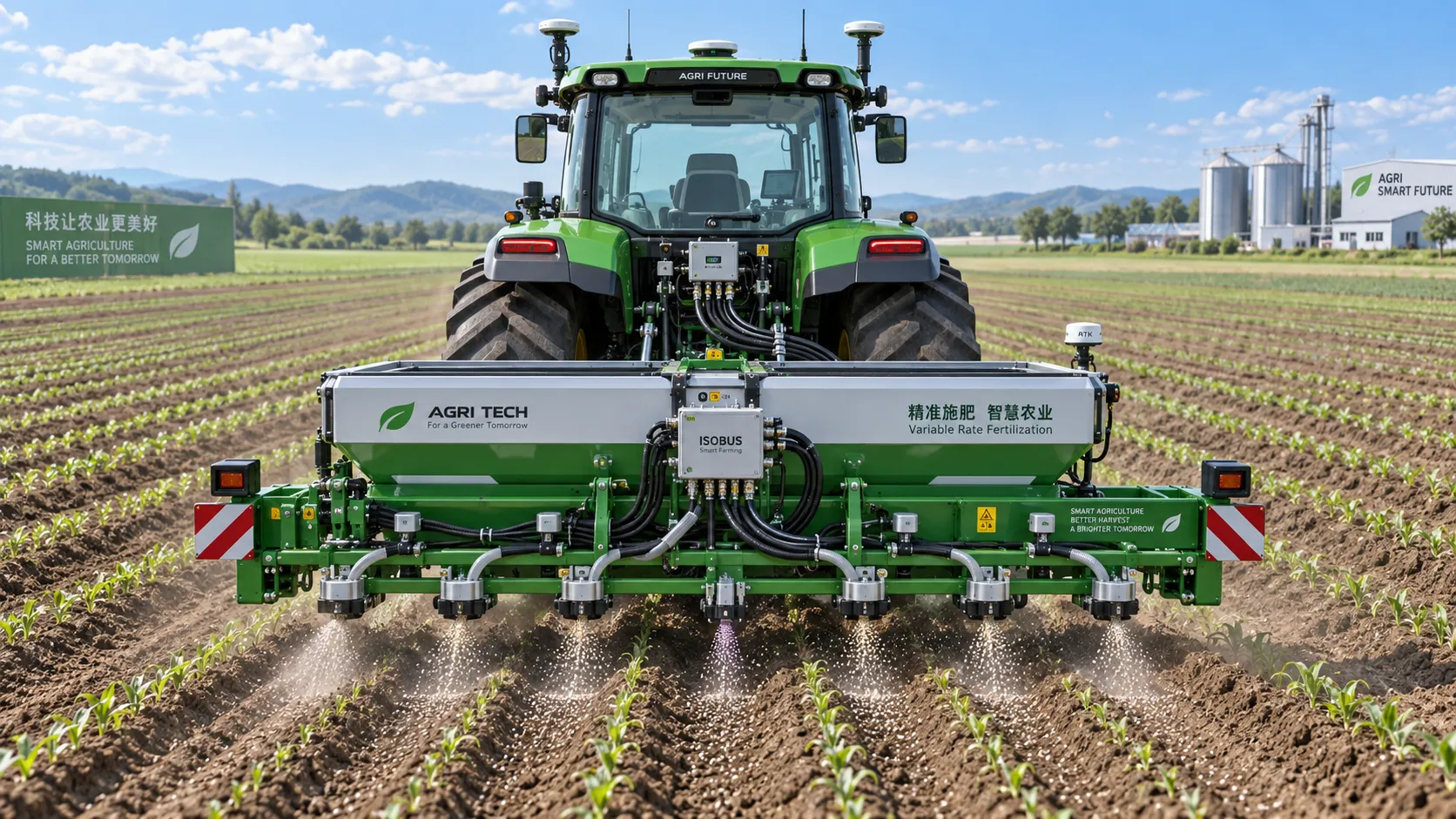
ISOBUS for Smart Agriculture: How It Connects Tractors, Implements, and Farm Data
ISOBUS for smart agriculture connects tractors, implements, terminals, and farm data—helping growers improve precision, documentation, and smarter field decisions.
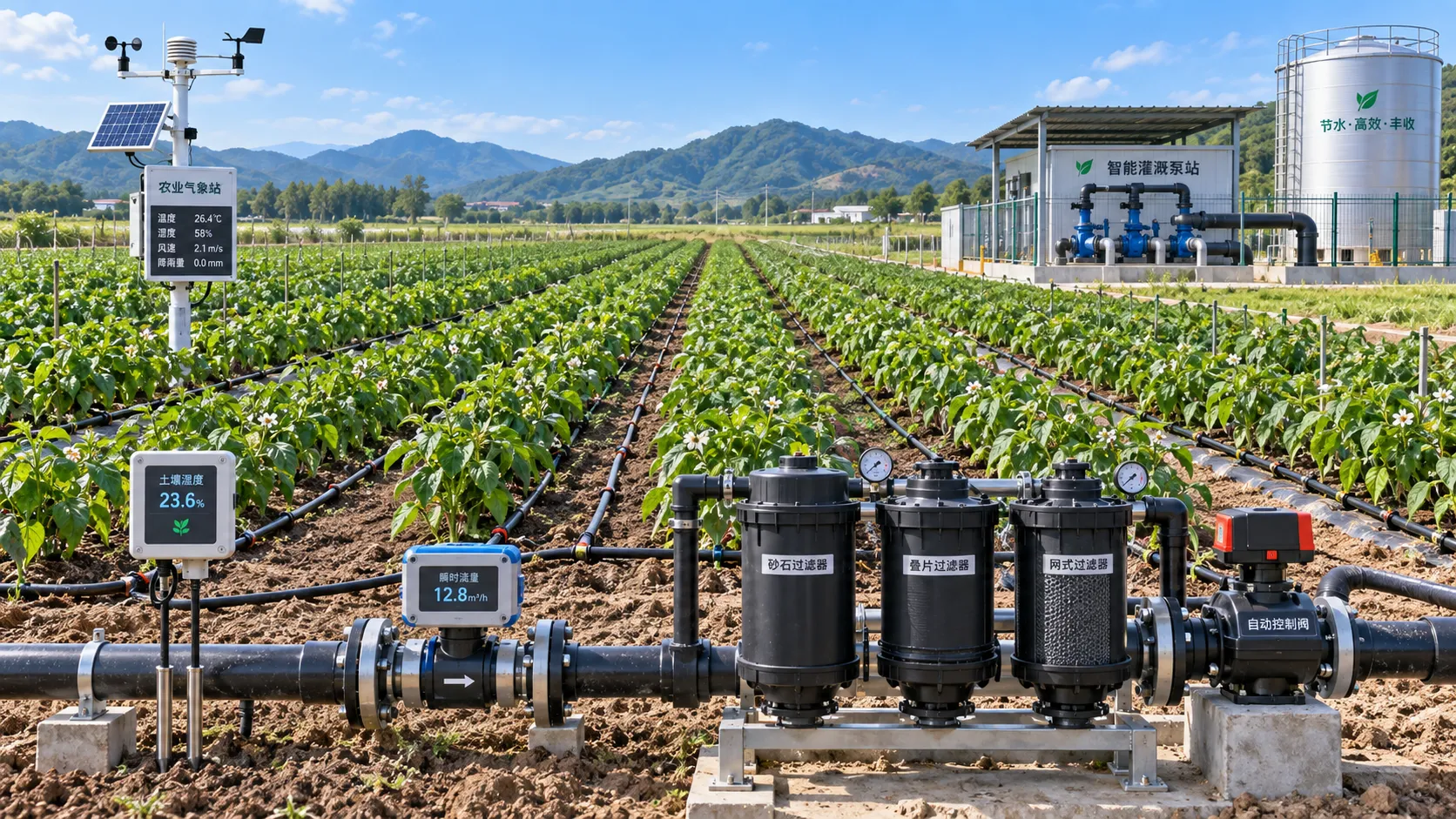
Automated Water-Saving Irrigation: How to Cut Water Use Without Reducing Crop Yields
Automated water-saving irrigation helps farms cut water use, protect crop yields, improve scheduling, and gain reliable control with sensors, flow monitoring, and smart zones.
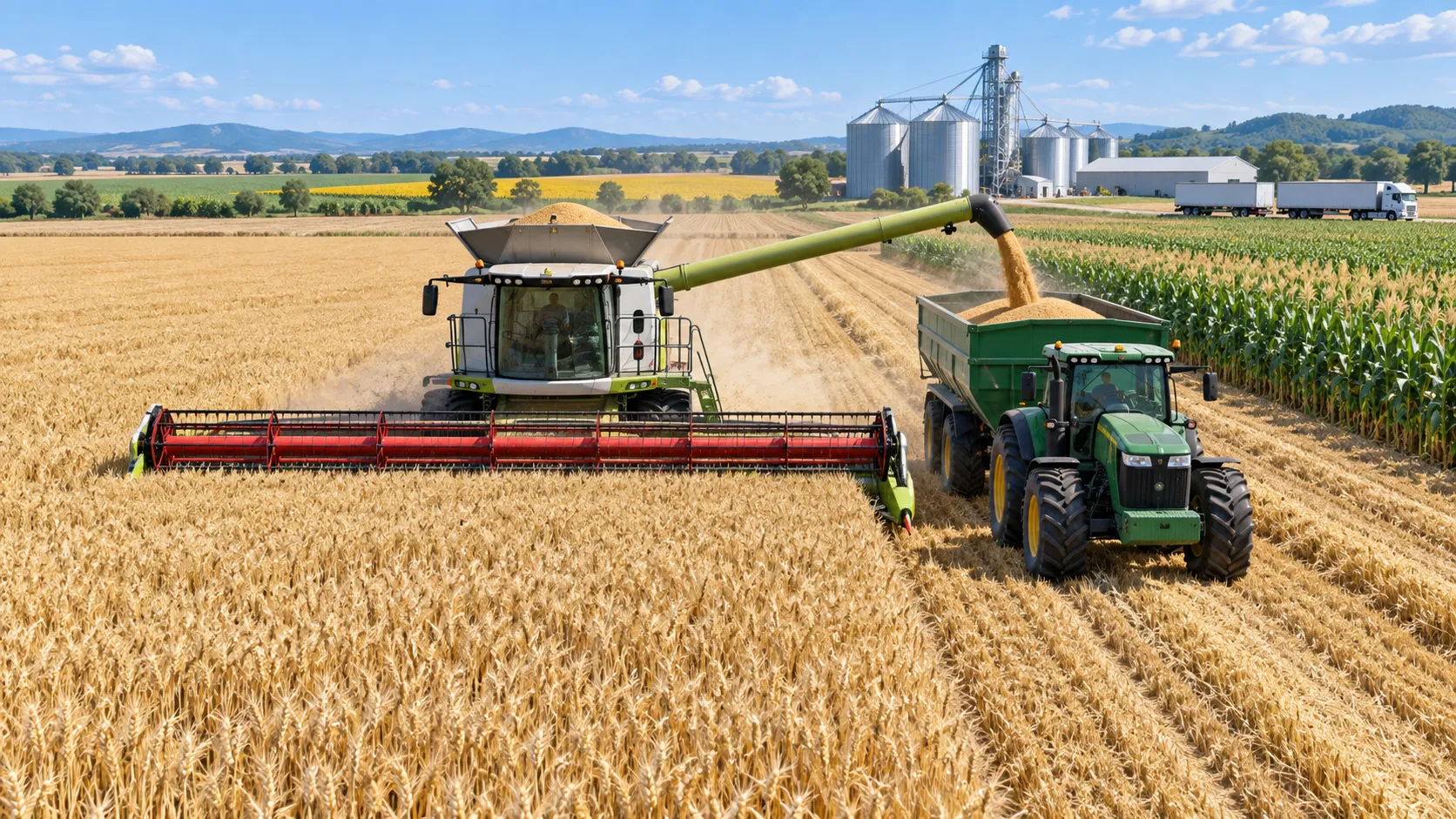
Selecting Grain Farm Equipment by Acreage, Crop Mix, and Harvest Window
Agricultural equipment selection for grain farming: match machinery to acreage, crop mix, and harvest windows to improve uptime, efficiency, and returns.
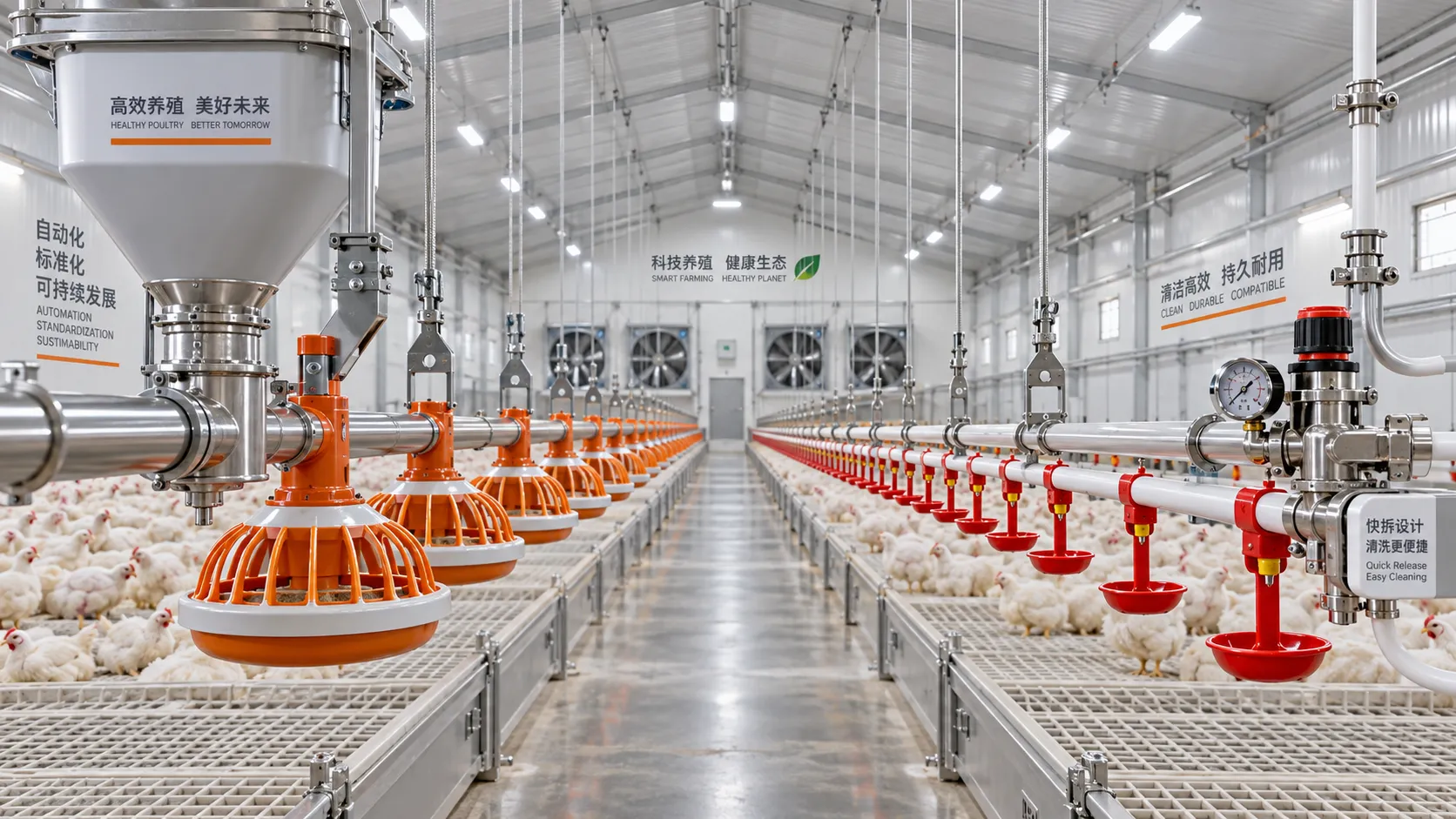
Poultry Equipment Selection: Evaluating Durability, Cleaning, and Compatibility
Poultry equipments selection guide: evaluate durability, cleaning access, and system compatibility to improve hygiene, reduce downtime, and support efficient flock management.
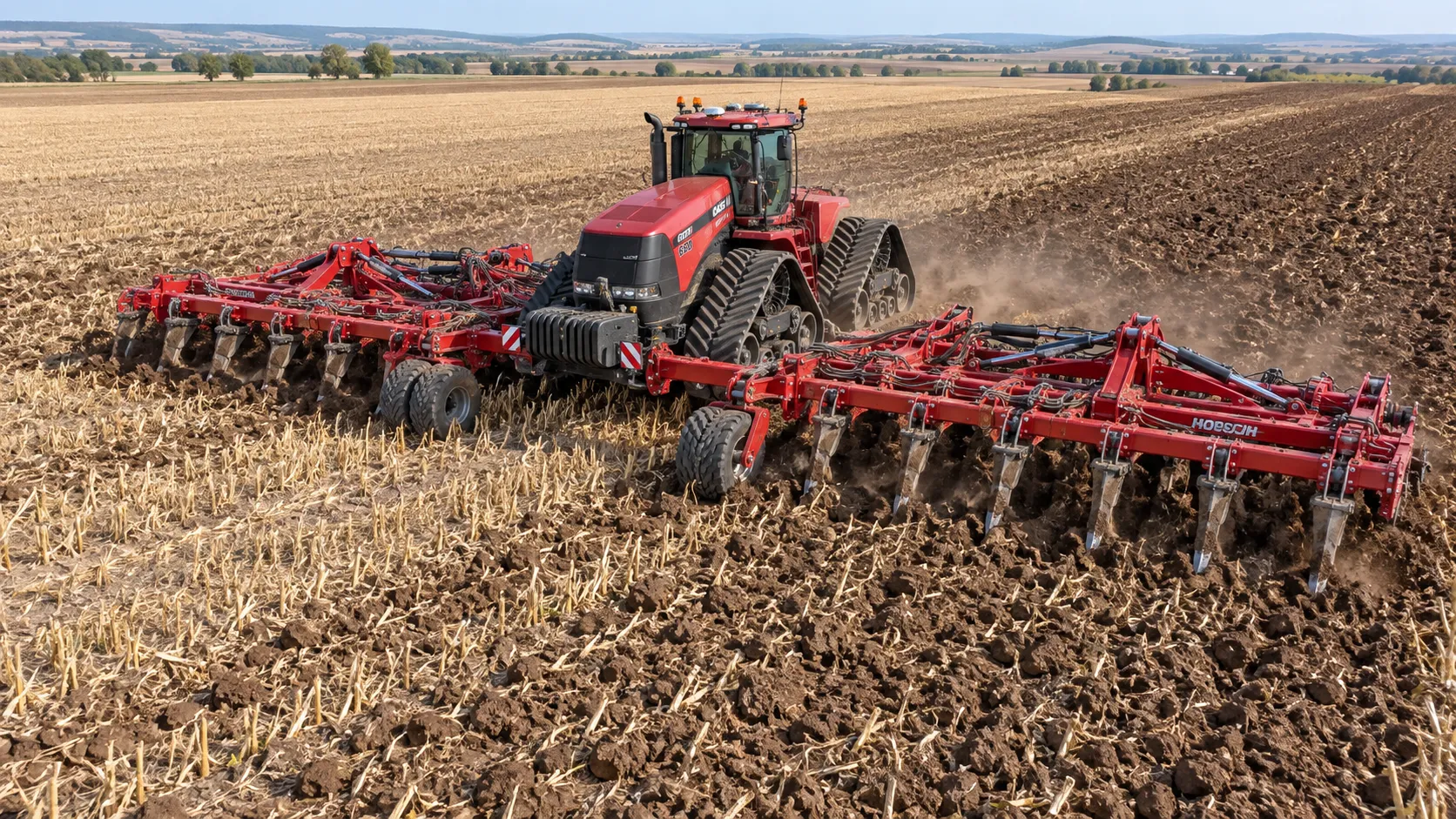
How to Select Heavy-Duty Farm Implements for High-Acreage, High-Horsepower Operations
Heavy duty farm implements: learn how to match draft, hydraulics, hitch capacity, frame strength, and field conditions for reliable high-acreage performance.
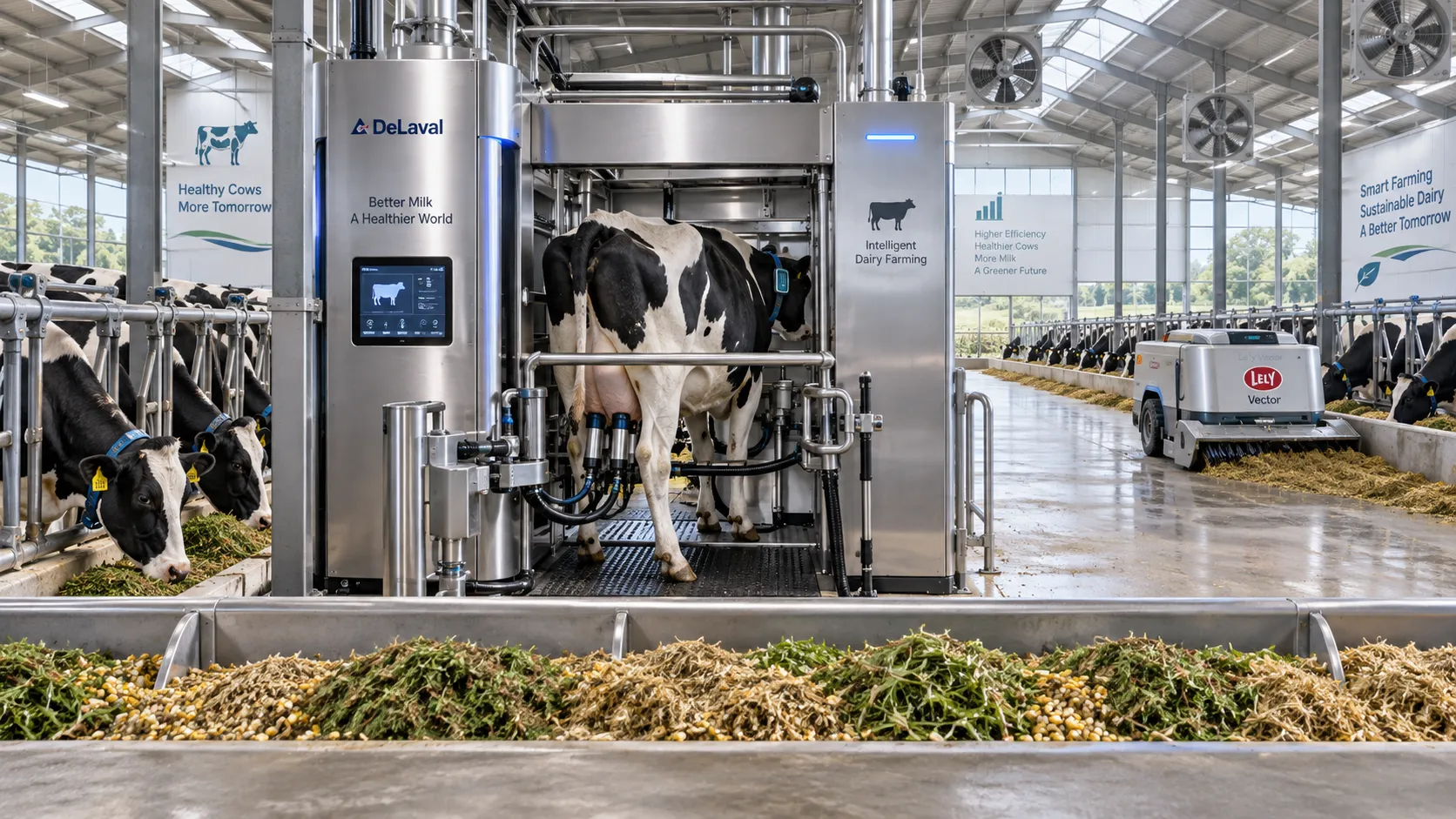
Smart Farming Technology for Dairy Farms: Where Automation Delivers Measurable ROI
Smart farming technology for dairy farms delivers measurable ROI through automation, precision feeding, health monitoring, and data-driven cost control.
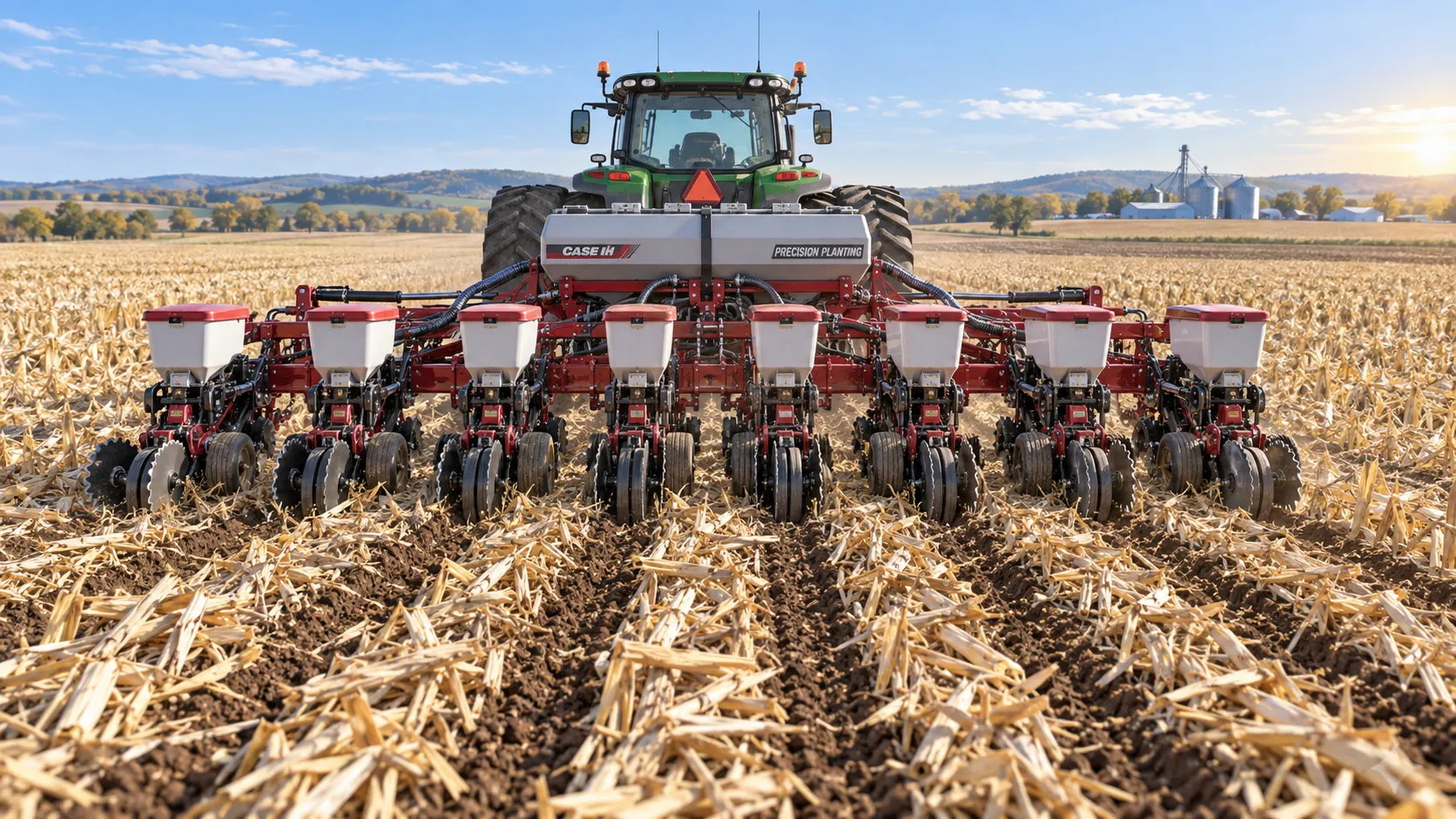
How to Select a Heavy-Duty Seeder for Large Acreage and High-Residue Fields
Heavy duty seeders for large acreage: compare residue handling, depth control, downforce, metering accuracy, and precision features to select the right model.
Related News
- 00
0000-00
What separates robotic automation providers for equipment production? - 00
0000-00
Which field data collection provider fits an agricultural robotics program? - 00
0000-00
How Autonomous Machinery for Crop Scouting Helps Growers Detect Field Issues Earlier - 00
0000-00
How to Evaluate Autonomous Machinery for Vineyards by Terrain, Tasks, and ROI - 00
0000-00
Brazil ANVISA Rule Requires Portuguese Risk Labels for Farm Robots
Popular Tags
Tractor Power Architect
Weekly Insights
Stay ahead with our curated technology reports delivered every Monday.