
PBOC, NDRC, and MOF Expand Tech Upgrade Loans to Cover Smart Irrigation and Autonomous Farm Equipment
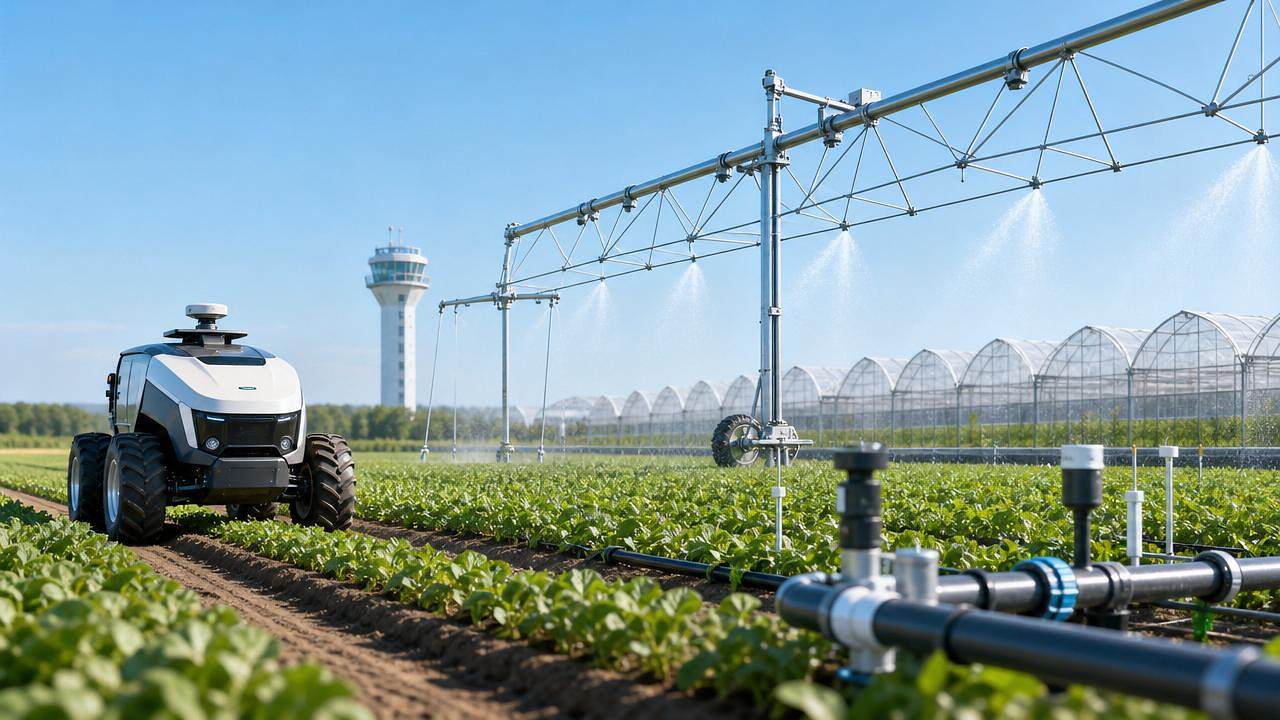




On May 6, the People’s Bank of China (PBOC), the National Development and Reform Commission (NDRC), and the Ministry of Finance (MOF) jointly issued the Notice on Expanding the Deployment of Scientific and Technological Innovation and Technical Transformation Loans to Further Support Equipment Renewal. This policy marks the first inclusion of facility agriculture and smart irrigation systems in the central bank’s targeted relending directory—and explicitly extends support to 14 export-oriented agricultural technologies, including GPS guidance systems, autonomous robots, and variable rate technology. The move is particularly relevant for manufacturers of agricultural machinery, precision farming hardware, and irrigation infrastructure providers.
Event Overview
On May 6, the PBOC, NDRC, and MOF jointly released the Notice on Expanding the Deployment of Scientific and Technological Innovation and Technical Transformation Loans to Further Support Equipment Renewal. The notice officially adds ‘facility agriculture’ and ‘smart irrigation systems’ to the list of sectors eligible for PBOC’s targeted relending facilities. It also specifies coverage for 14 categories of export-oriented equipment—including GPS guidance systems, autonomous robots, and variable rate technology. Under the scheme, private and small-to-medium agricultural machinery manufacturers may apply for subsidized-interest loans based on confirmed export orders, with loan amounts capped at up to 80% of the equipment’s appraised value.
Which Subsectors Are Affected
Manufacturers of Precision Farming Equipment
These firms—especially private SMEs producing GPS-guided tractors, autonomous field robots, or variable-rate application systems—are directly included in the newly expanded relending scope. Their eligibility for subsidized financing hinges on verified export contracts, meaning revenue visibility and order documentation become critical prerequisites for accessing funds.
Irrigation System Integrators and OEM Suppliers
Companies designing or assembling smart irrigation systems—including those embedding IoT sensors, AI-driven water scheduling, or drip/center-pivot automation—now qualify under the ‘facility agriculture’ and ‘smart irrigation systems’ categories. This opens a new channel for working capital and capex financing, contingent on alignment with the 14 specified equipment types and demonstrable export orientation.
Export-Oriented Agricultural Machinery Distributors and Trade Service Providers
While the notice targets manufacturers, distributors and trade service providers supporting export shipments of the 14 listed technologies may experience indirect impact: increased demand for logistics coordination, customs documentation, and after-sales technical support tied to financed equipment deployments abroad.
What Relevant Enterprises or Practitioners Should Watch and Do Now
Monitor official implementation guidelines and local PBOC branch announcements
The notice is a framework-level document; actual loan application procedures, qualifying documentation standards (e.g., what constitutes an acceptable ‘order contract’), and regional allocation quotas remain to be clarified by provincial PBOC branches and designated commercial banks. Firms should track updates from local financial regulatory authorities and participating lenders.
Verify alignment of current product lines with the 14 listed equipment categories
Eligibility is not automatic for all ‘smart’ or ‘agricultural’ equipment. Firms must confirm whether their specific GPS guidance modules, autonomous navigation subsystems, or variable-rate controllers match the technical definitions and export classification criteria outlined in forthcoming operational guidance—not just marketing labels.
Distinguish between policy intent and near-term disbursement capacity
Analysis shows this is a directional signal to strengthen credit support for high-potential export segments—not an immediate liquidity injection. Loan approvals will depend on bank risk assessments, collateral arrangements, and the exporter’s track record. Firms should not assume automatic or expedited funding but rather treat it as a structured financing option requiring preparation.
Prepare order documentation and cross-border compliance records in advance
Since loan access is tied to verifiable export contracts, manufacturers should ensure existing or prospective contracts include clear equipment specifications, delivery timelines, and jurisdictional terms aligned with Chinese export control and foreign exchange reporting requirements—particularly for dual-use or high-precision technologies.
Editorial Perspective / Industry Observation
Observably, this notice functions primarily as a **policy signal**—not yet an operational program with measurable lending volume. Its significance lies in formal recognition of facility agriculture and smart irrigation as strategic export-enabling sectors within China’s broader equipment renewal agenda. From an industry perspective, it reflects a deliberate shift toward linking monetary tools with tangible industrial upgrading goals in agri-tech, rather than broad-based stimulus. However, actual impact remains contingent on implementation fidelity, bank participation incentives, and global market receptivity to the supported technologies. Continued monitoring of quarterly PBOC relending reports—and disclosures from pilot banks—will be essential to assess real-world traction.
This development does not represent an immediate market expansion, but rather a calibrated step to improve financing accessibility for a narrowly defined set of export-ready agri-tech products. For stakeholders, it is more accurately understood as a procedural enabler than a demand catalyst.
Conclusion
The inclusion of smart irrigation systems and autonomous farm equipment in China’s targeted relending framework signals institutional prioritization of high-efficiency, export-capable agri-tech manufacturing. Yet its practical effect depends entirely on execution: loan uptake, bank willingness, and international buyer response. At present, it is best interpreted not as a market inflection point, but as a structured opportunity for prepared manufacturers—provided they align product definitions, documentation, and export processes with the notice’s explicit technical and contractual conditions.
Source Attribution
Main source: Joint notice issued by the People’s Bank of China, National Development and Reform Commission, and Ministry of Finance on May 6, titled Notice on Expanding the Deployment of Scientific and Technological Innovation and Technical Transformation Loans to Further Support Equipment Renewal.
Areas requiring ongoing observation: Implementation rules issued by provincial PBOC branches, list of designated participating banks, and public reporting on relending utilization rates for the newly added categories.
Related News

When Does Agricultural Machinery Leasing Cost Less Than Owning Equipment?
Agricultural machinery leasing can lower farm costs when use is seasonal or uncertain. Compare utilization, maintenance, cash flow, and risk to make a smarter equipment decision.

How to Evaluate Precision Fertilization System Suppliers for Farm-Scale Deployment
Precision fertilization systems suppliers: learn how to compare accuracy, integration, uptime, service, and total cost for confident farm-scale deployment.

ISOBUS for Smart Agriculture: How It Connects Tractors, Implements, and Farm Data
ISOBUS for smart agriculture connects tractors, implements, terminals, and farm data—helping growers improve precision, documentation, and smarter field decisions.
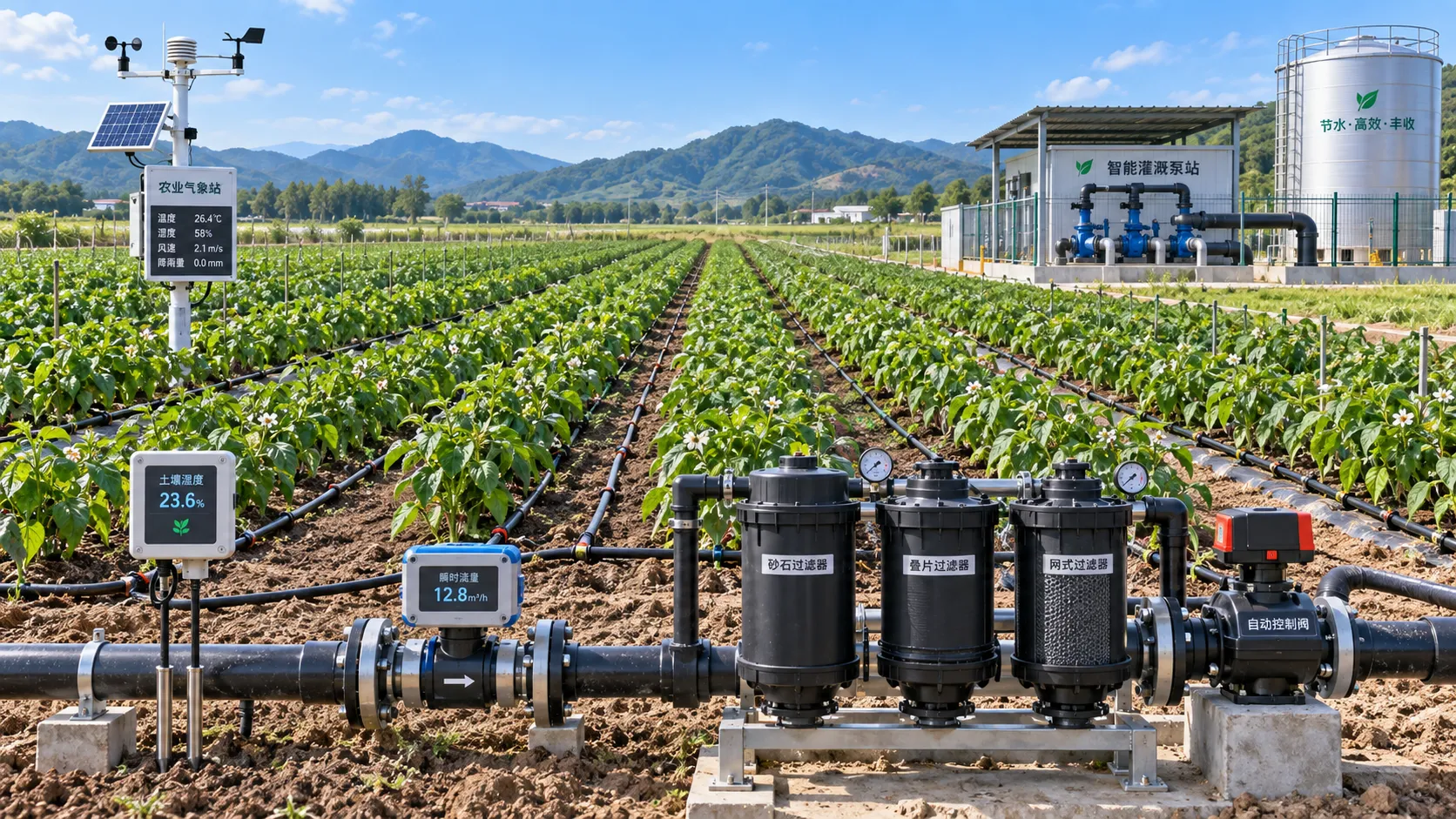
Automated Water-Saving Irrigation: How to Cut Water Use Without Reducing Crop Yields
Automated water-saving irrigation helps farms cut water use, protect crop yields, improve scheduling, and gain reliable control with sensors, flow monitoring, and smart zones.
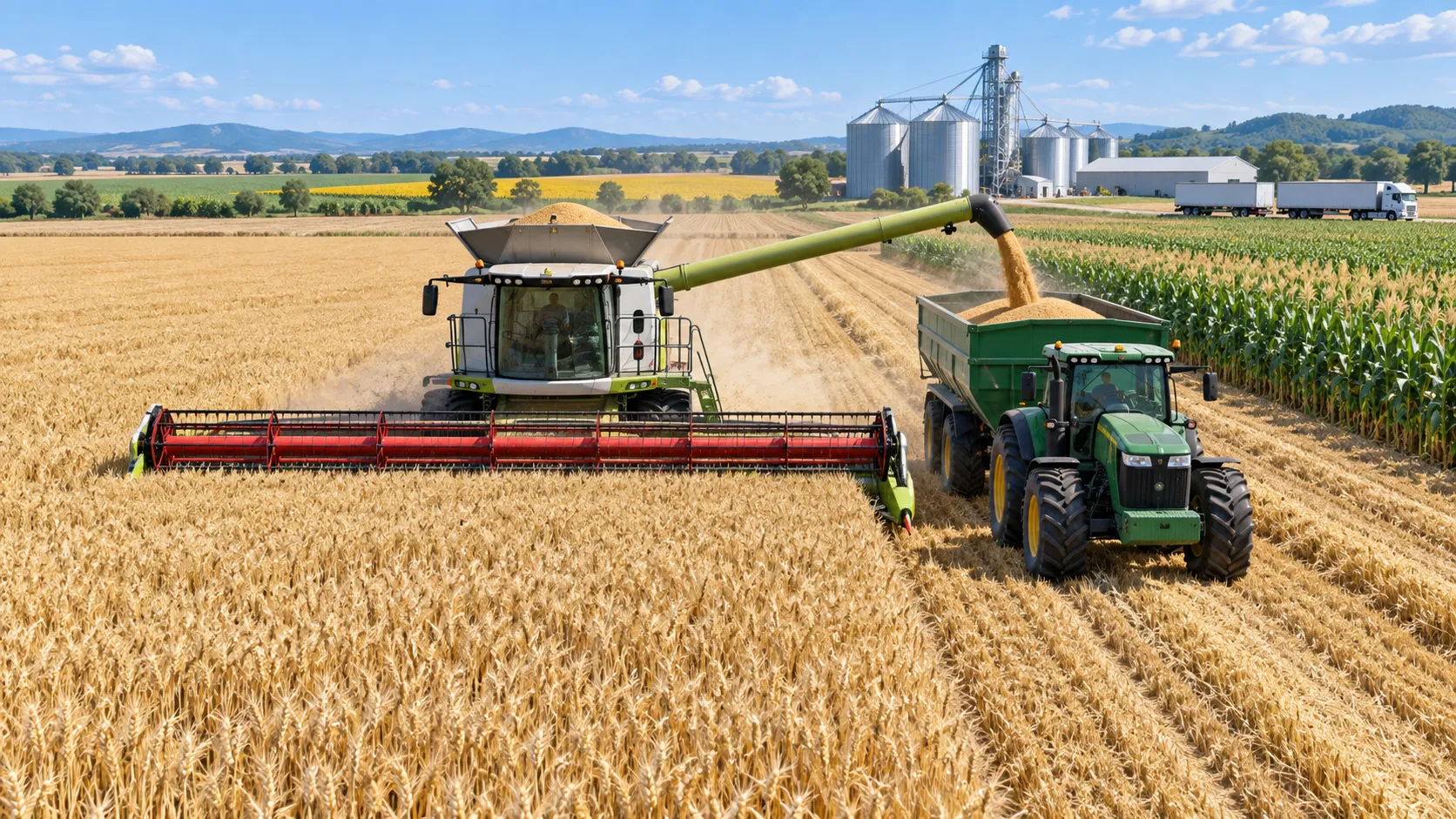
Selecting Grain Farm Equipment by Acreage, Crop Mix, and Harvest Window
Agricultural equipment selection for grain farming: match machinery to acreage, crop mix, and harvest windows to improve uptime, efficiency, and returns.
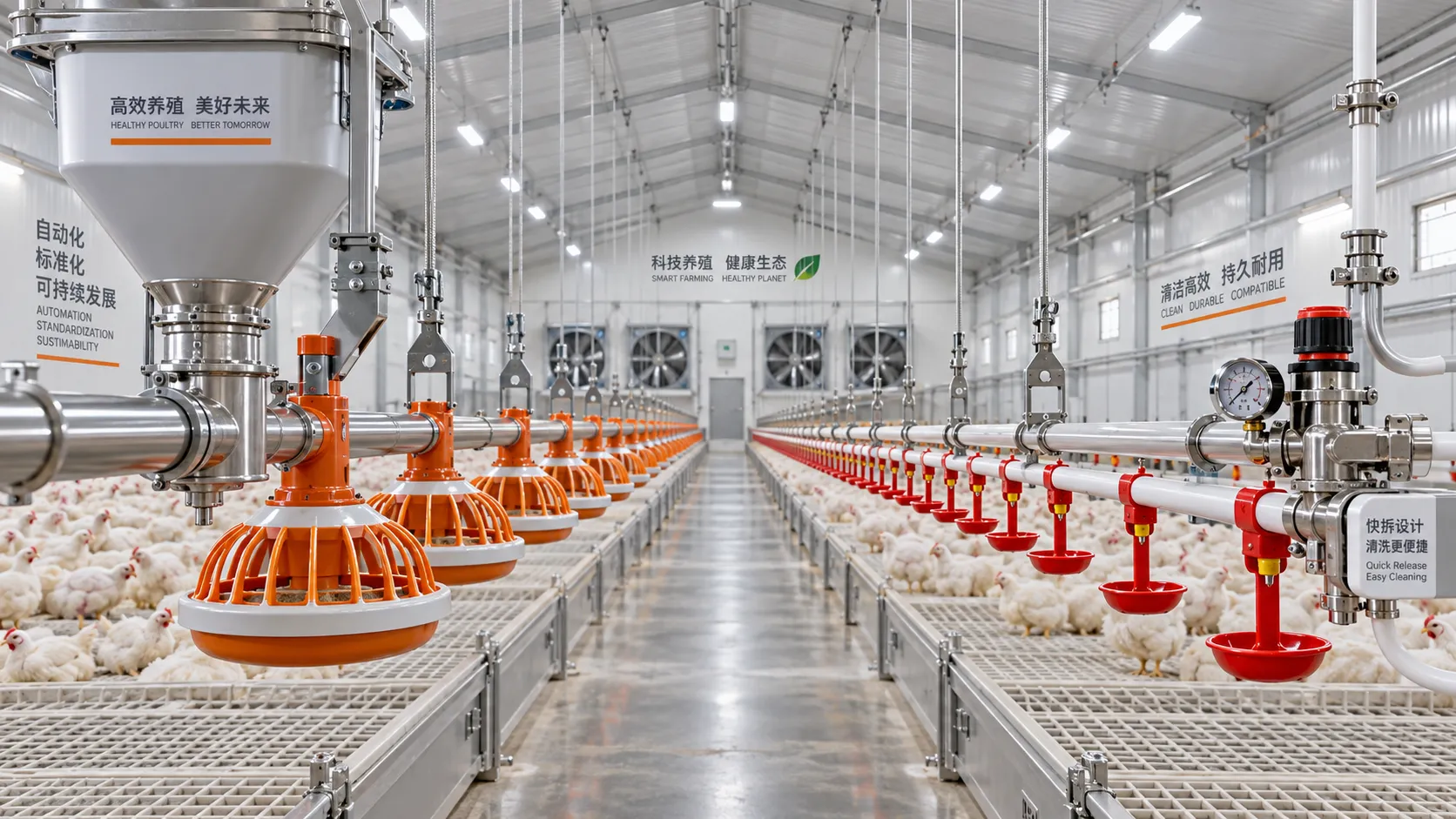
Poultry Equipment Selection: Evaluating Durability, Cleaning, and Compatibility
Poultry equipments selection guide: evaluate durability, cleaning access, and system compatibility to improve hygiene, reduce downtime, and support efficient flock management.
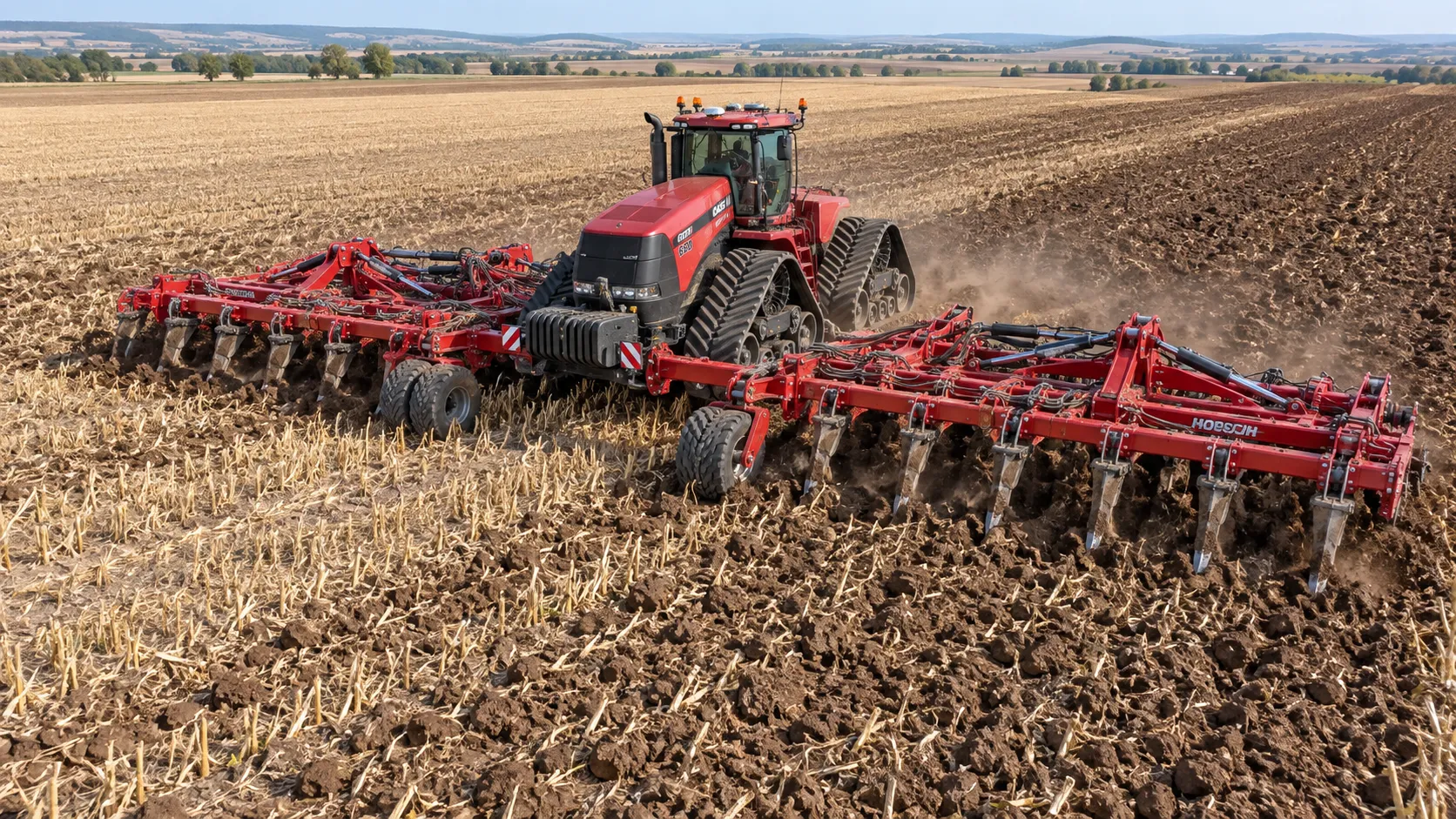
How to Select Heavy-Duty Farm Implements for High-Acreage, High-Horsepower Operations
Heavy duty farm implements: learn how to match draft, hydraulics, hitch capacity, frame strength, and field conditions for reliable high-acreage performance.
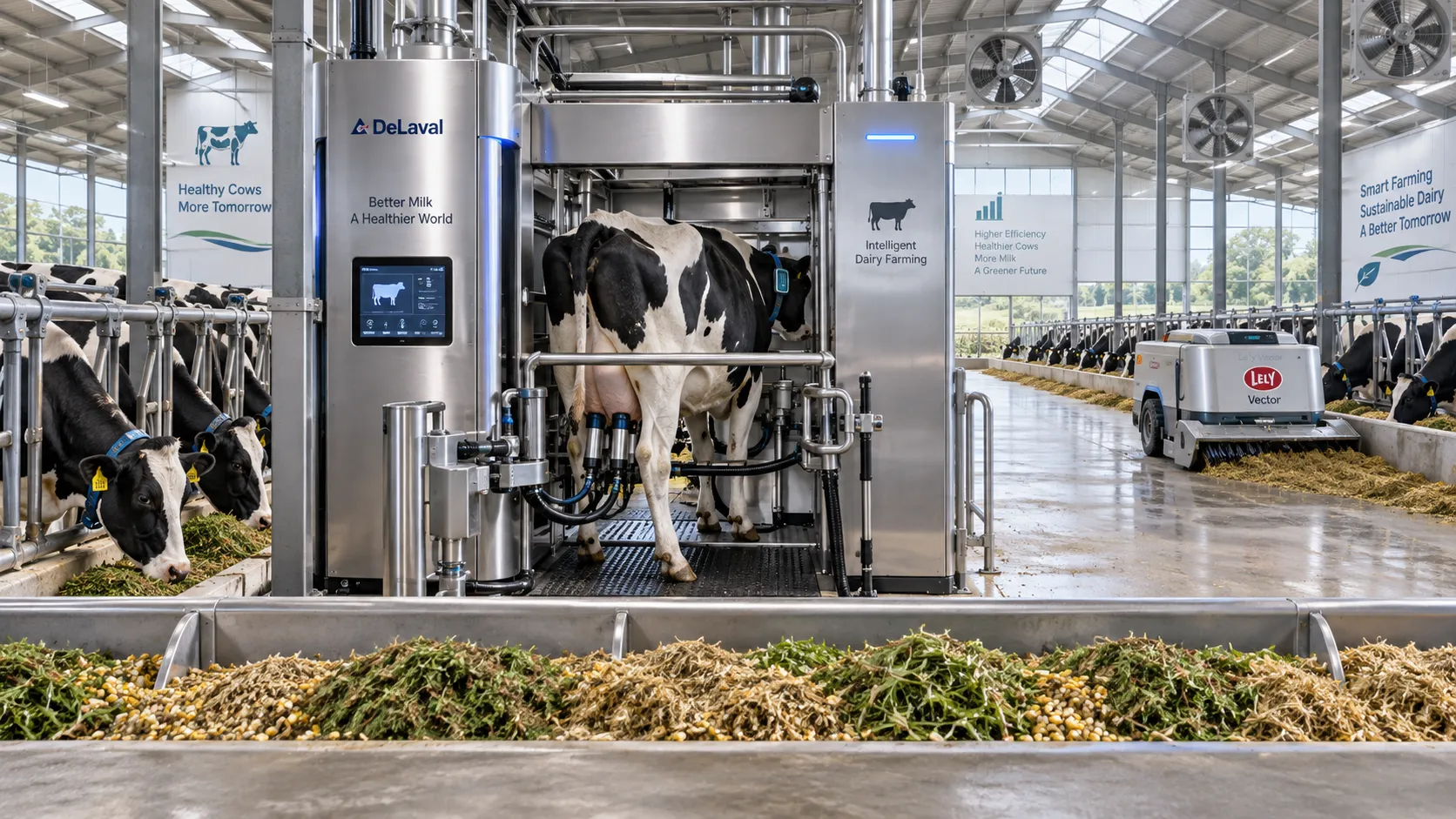
Smart Farming Technology for Dairy Farms: Where Automation Delivers Measurable ROI
Smart farming technology for dairy farms delivers measurable ROI through automation, precision feeding, health monitoring, and data-driven cost control.
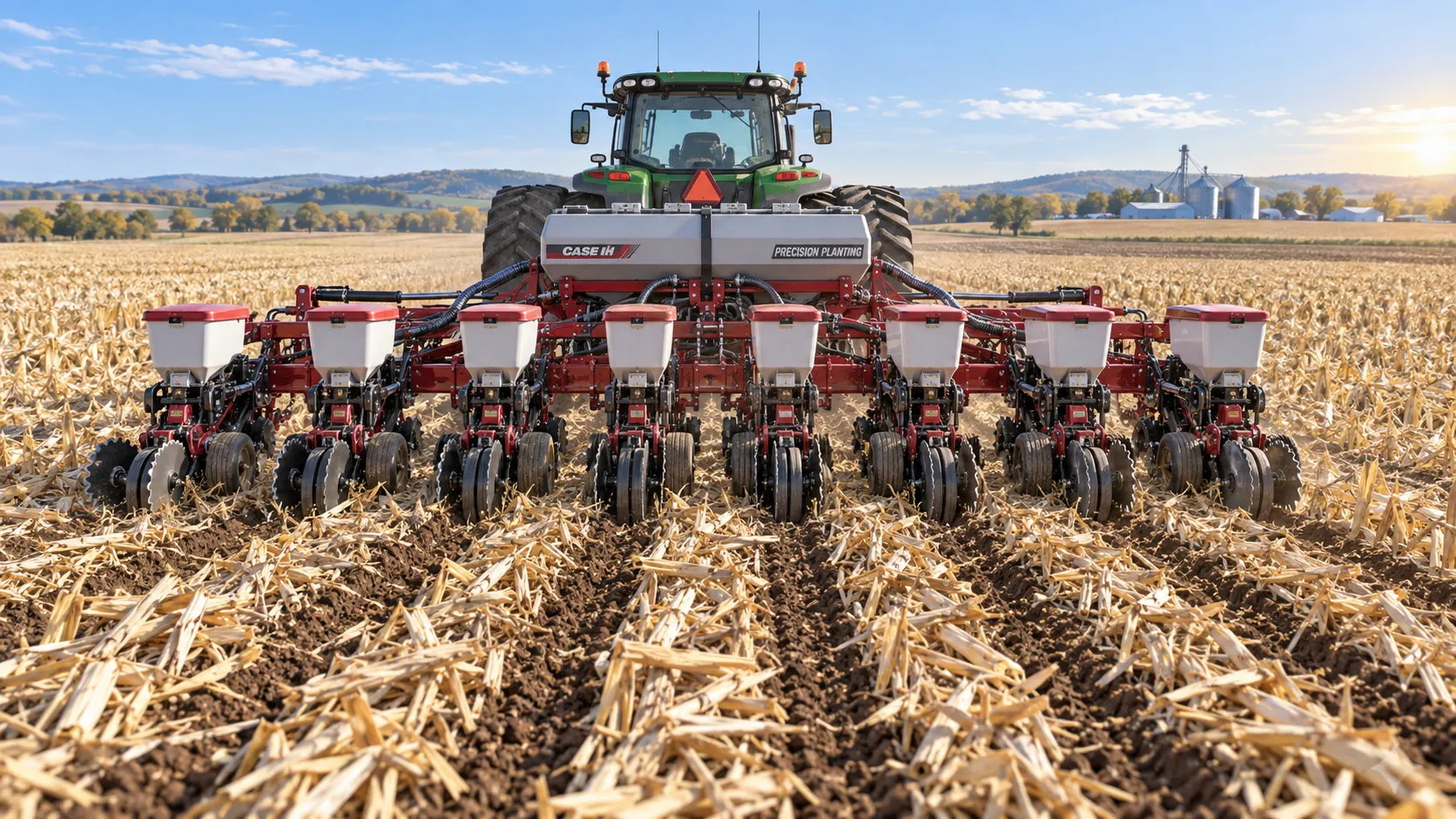
How to Select a Heavy-Duty Seeder for Large Acreage and High-Residue Fields
Heavy duty seeders for large acreage: compare residue handling, depth control, downforce, metering accuracy, and precision features to select the right model.
Related News
- 00
0000-00
What separates robotic automation providers for equipment production? - 00
0000-00
Which field data collection provider fits an agricultural robotics program? - 00
0000-00
How Autonomous Machinery for Crop Scouting Helps Growers Detect Field Issues Earlier - 00
0000-00
How to Evaluate Autonomous Machinery for Vineyards by Terrain, Tasks, and ROI - 00
0000-00
Brazil ANVISA Rule Requires Portuguese Risk Labels for Farm Robots
Popular Tags
Tractor Power Architect
Weekly Insights
Stay ahead with our curated technology reports delivered every Monday.