
Global Embodied AI Market CAGR 73%: Farm Inspection & Crop Protection Accelerate
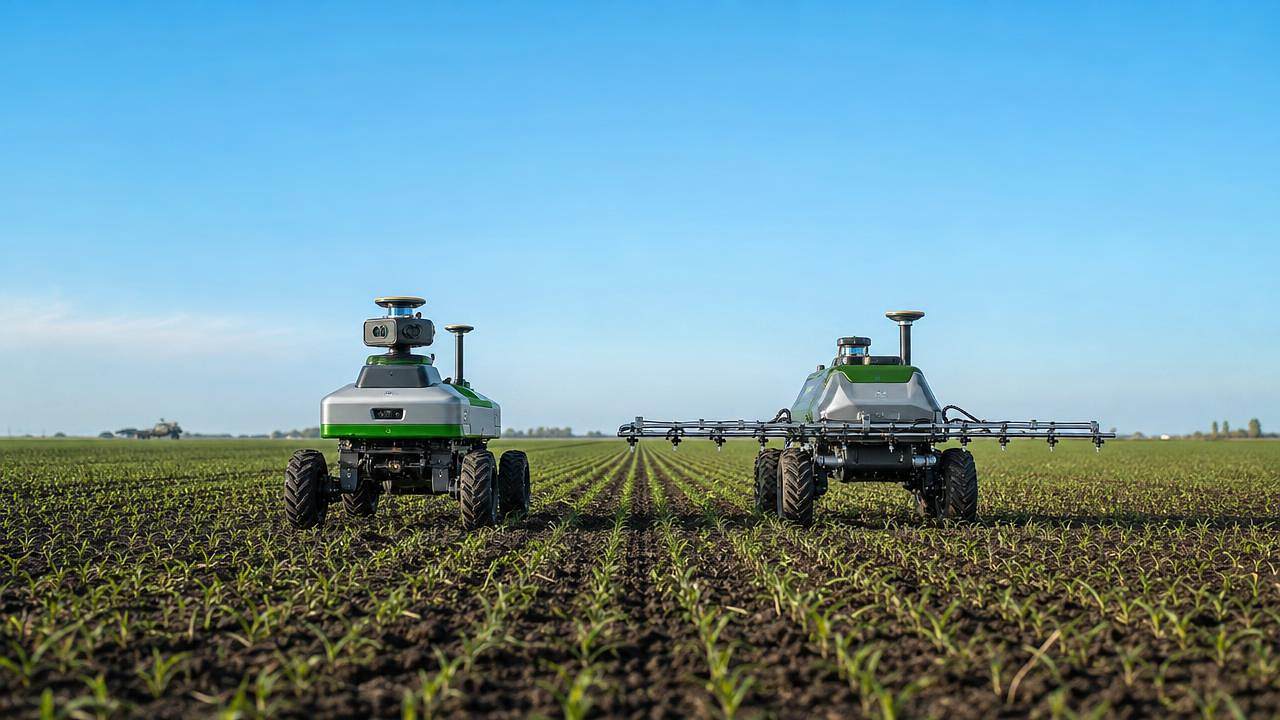




On March 27, 2026, CCID Research released its Top Ten Future Industry Tracks 2026, reporting that the global embodied AI market—including humanoid, wheeled, and tracked autonomous robots—is projected to reach RMB 238.8 billion by 2030, with a five-year compound annual growth rate (CAGR) of 73%. Industrial manufacturing and agriculture together account for over 35% of this market. Early field deployments in cotton fields in Xinjiang and farms in Heilongjiang—featuring autonomous inspection and variable-rate spraying robots—demonstrate tangible progress in agricultural integration. These systems support ISO 11783 and RTK-GNSS dual-mode positioning and interoperate with major international agricultural machinery ecosystems. Stakeholders in precision agriculture, agri-robotics supply chains, and farm automation platforms should take note.
Event Overview
On March 27, 2026, CCID Research published the Top Ten Future Industry Tracks 2026. The report states that the global embodied AI market—including humanoid, wheeled, and tracked autonomous robots—will reach RMB 238.8 billion by 2030, growing at a five-year CAGR of 73%. Within this market, industrial manufacturing and agriculture collectively represent more than 35% of total value. Chinese leading enterprises have conducted real-world testing of autonomous inspection robots and variable-rate spraying robots in Xinjiang cotton fields and Heilongjiang farms. These robots implement ISO 11783 and RTK-GNSS dual-mode positioning and are compatible with mainstream international agricultural machinery ecosystems.
Impact on Specific Subsectors
Agri-robotics hardware manufacturers: As field trials scale from pilot to pre-commercial deployment, demand is shifting toward modular, ISO 11783–compliant control interfaces and RTK-GNSS–ready navigation modules. Impact manifests in design cycles—shorter validation windows for GNSS-integrated motion controllers—and procurement planning for certified GNSS correction services.
Precision agriculture service providers: With variable-rate spraying robots entering real farms, service providers face new requirements for interoperable data pipelines—particularly between robot telemetry, farm management software (FMS), and agronomic decision engines. Impact centers on API compatibility upgrades and calibration workflows for multi-source positioning inputs (e.g., blending RTK-GNSS with onboard inertial measurement).
Agricultural machinery OEMs: Compatibility with embodied AI systems—especially adherence to ISO 11783 (ISOBUS)—is no longer optional for Tier 1 equipment vendors targeting next-generation integrations. Impact includes accelerated adoption timelines for ISOBUS-certified terminals and revised certification roadmaps for auxiliary robotic attachments.
Farm operator cooperatives & large-scale agribusinesses: Field-tested robots introduce new operational variables: uptime dependencies on GNSS correction availability, maintenance protocols for outdoor-rated autonomous systems, and data governance for farm-level robot telemetry. Impact appears first in fleet readiness assessments—not just hardware acquisition but connectivity infrastructure, edge compute capacity, and operator training for mixed human-robot workflows.
Related Enterprises or Practitioners Should Focus On
Monitor upcoming standardization updates from ISO TC 23/SC 19 and China’s National Agricultural Machinery Standardization Technical Committee
ISO 11783 revisions—including Part 14 (robotic control interface profiles) and emerging annexes on embodied AI coordination—are under active development. While not yet finalized, draft language signals mandatory support for dynamic task delegation and cross-platform status reporting—directly affecting how current robot-fleet management software must evolve.
Track deployment metrics—not just announcements—in Xinjiang and Heilongjiang pilot zones
Real-world reliability (e.g., mean time between failures under dust/moisture stress), GNSS availability rates during critical spray windows, and actual labor-hour displacement per hectare are more actionable than rollout timelines. These metrics inform ROI modeling and risk assessment for capital allocation decisions.
Distinguish between ecosystem compatibility claims and verified interoperability
“Support for ISO 11783 and RTK-GNSS” is a baseline requirement—not proof of plug-and-play integration. Practitioners should verify documented test reports covering specific combinations: e.g., Robot Model X + Tractor Brand Y + Base Station Provider Z under sub-10 cm horizontal accuracy conditions at >30 km/h travel speed.
Prepare for dual-mode positioning dependency management
RTK-GNSS requires stable correction signal delivery (via NTRIP or L-band). Enterprises deploying robots must assess local coverage gaps, backup timing strategies (e.g., dead reckoning fallback duration), and contractual SLAs with correction service providers—especially where cellular connectivity is intermittent.
Editorial Perspective / Industry Observation
Observably, this development is less about imminent mass adoption and more about validation of technical feasibility within high-value, labor-constrained agricultural contexts. The 73% CAGR reflects early-stage acceleration—not mature market saturation. Analysis shows that the reported deployments remain tightly scoped: fixed routes, bounded fields, and seasonal operation windows. From an industry perspective, this milestone signals growing confidence in core stack reliability—especially sensor fusion, safety-critical motion planning, and standards-based interoperability—but does not yet indicate broad economic viability across diverse crop types or smaller farm units. Current significance lies in infrastructure readiness signaling: when OEMs and service providers begin aligning roadmaps around ISO 11783 extensions and GNSS correction service integration, it suggests downstream commercial scaling may follow within defined verticals—not as a sudden shift, but as a staged convergence of hardware, connectivity, and agronomic workflow design.
Conclusion: This update marks a transition from conceptual validation to constrained-field verification in agricultural embodied AI. It confirms that core technologies—positioning, control interface standardization, and environmental robustness—are reaching thresholds sufficient for targeted use cases. However, it remains premature to interpret this as broad market inflection; instead, it is better understood as a signal of maturing foundational capabilities, requiring stakeholders to prioritize interoperability readiness, field-proven reliability metrics, and infrastructure dependencies—not just headline CAGR figures.
Source: CCID Research, Top Ten Future Industry Tracks 2026, released March 27, 2026. Note: Deployment scope, long-term economic models, and regulatory pathways for autonomous farm robots remain under observation and are not covered in the source report.
Related News
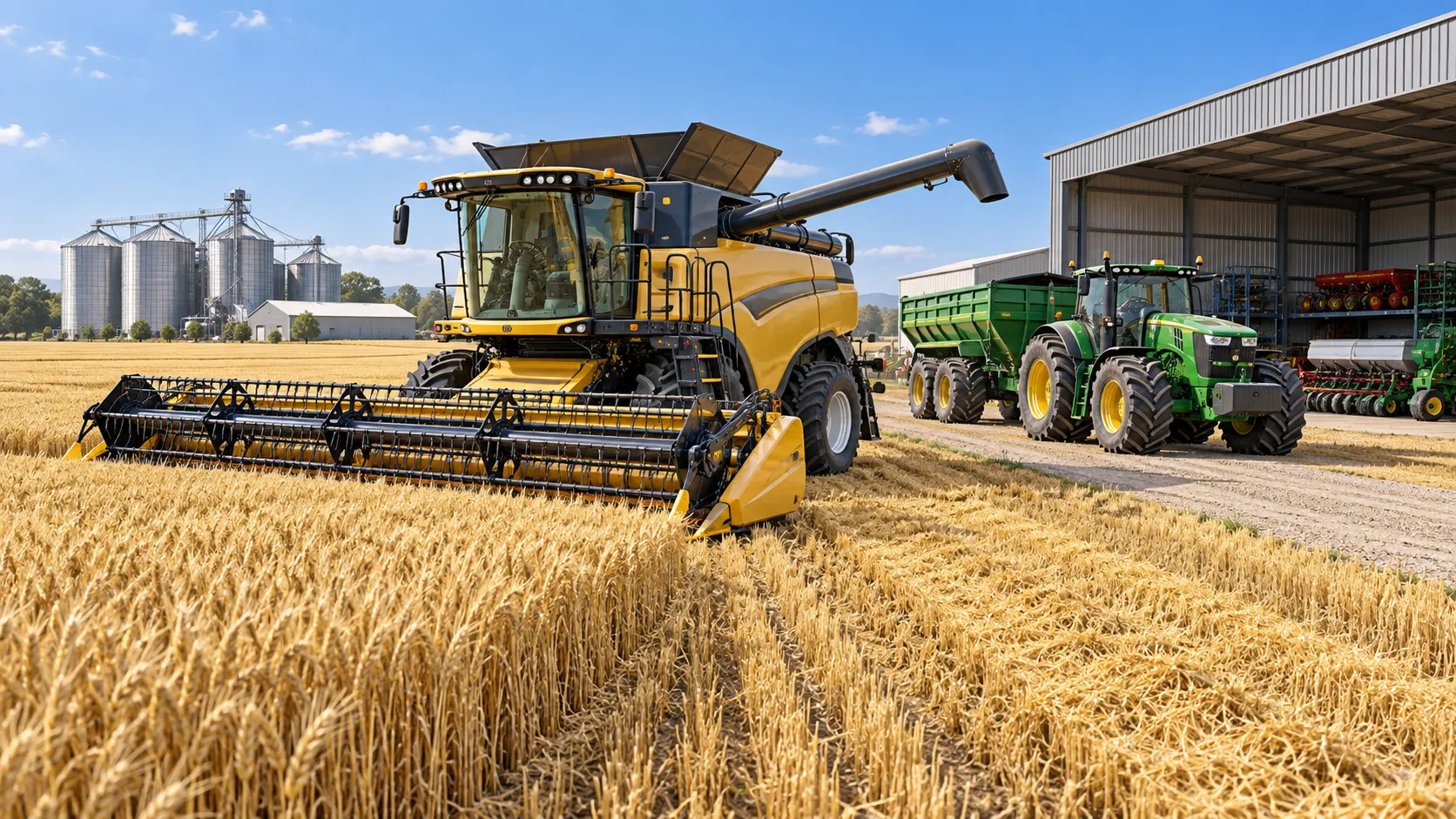
When Does Agricultural Machinery Leasing Cost Less Than Owning Equipment?
Agricultural machinery leasing can lower farm costs when use is seasonal or uncertain. Compare utilization, maintenance, cash flow, and risk to make a smarter equipment decision.
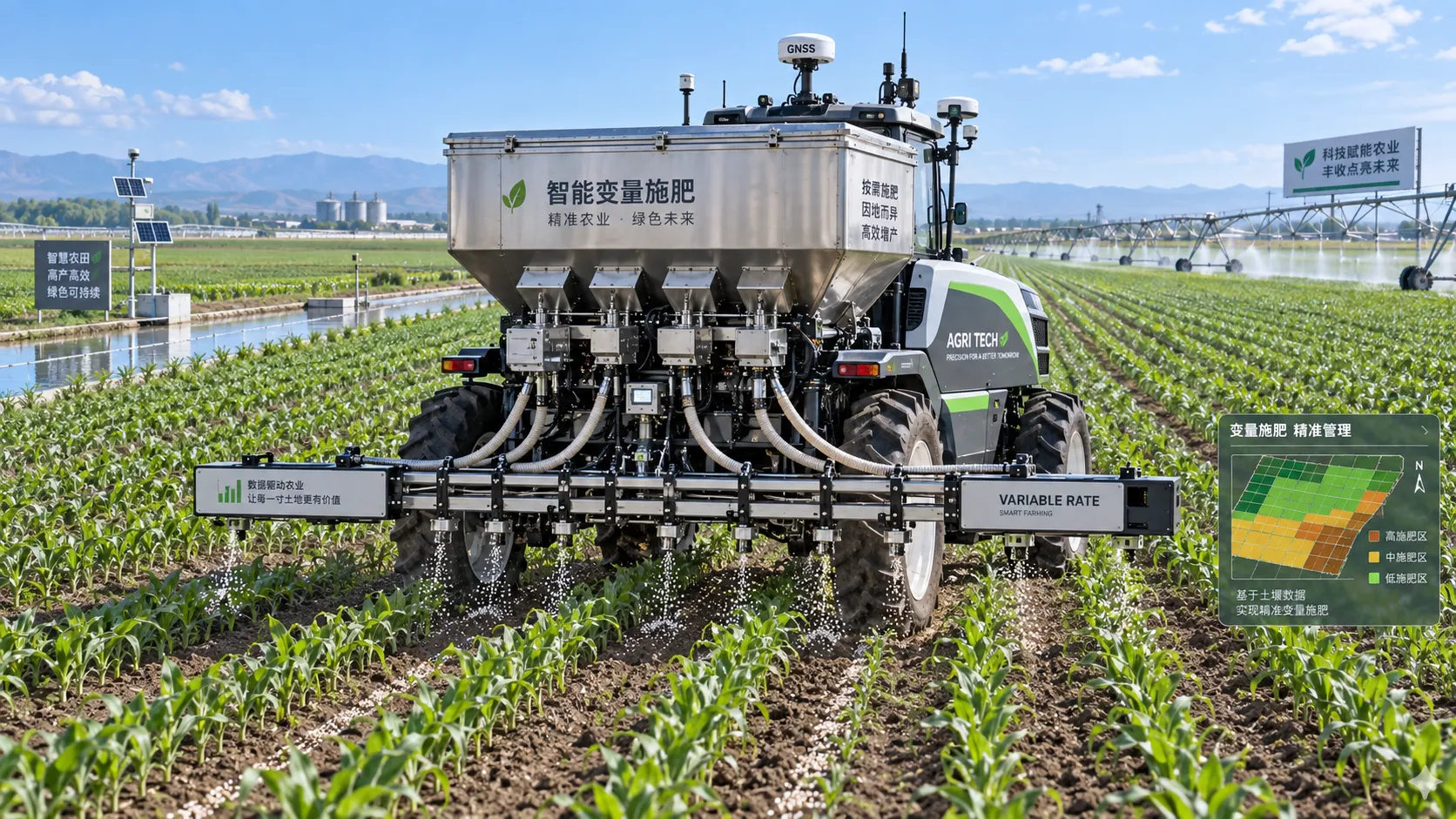
How to Evaluate Precision Fertilization System Suppliers for Farm-Scale Deployment
Precision fertilization systems suppliers: learn how to compare accuracy, integration, uptime, service, and total cost for confident farm-scale deployment.
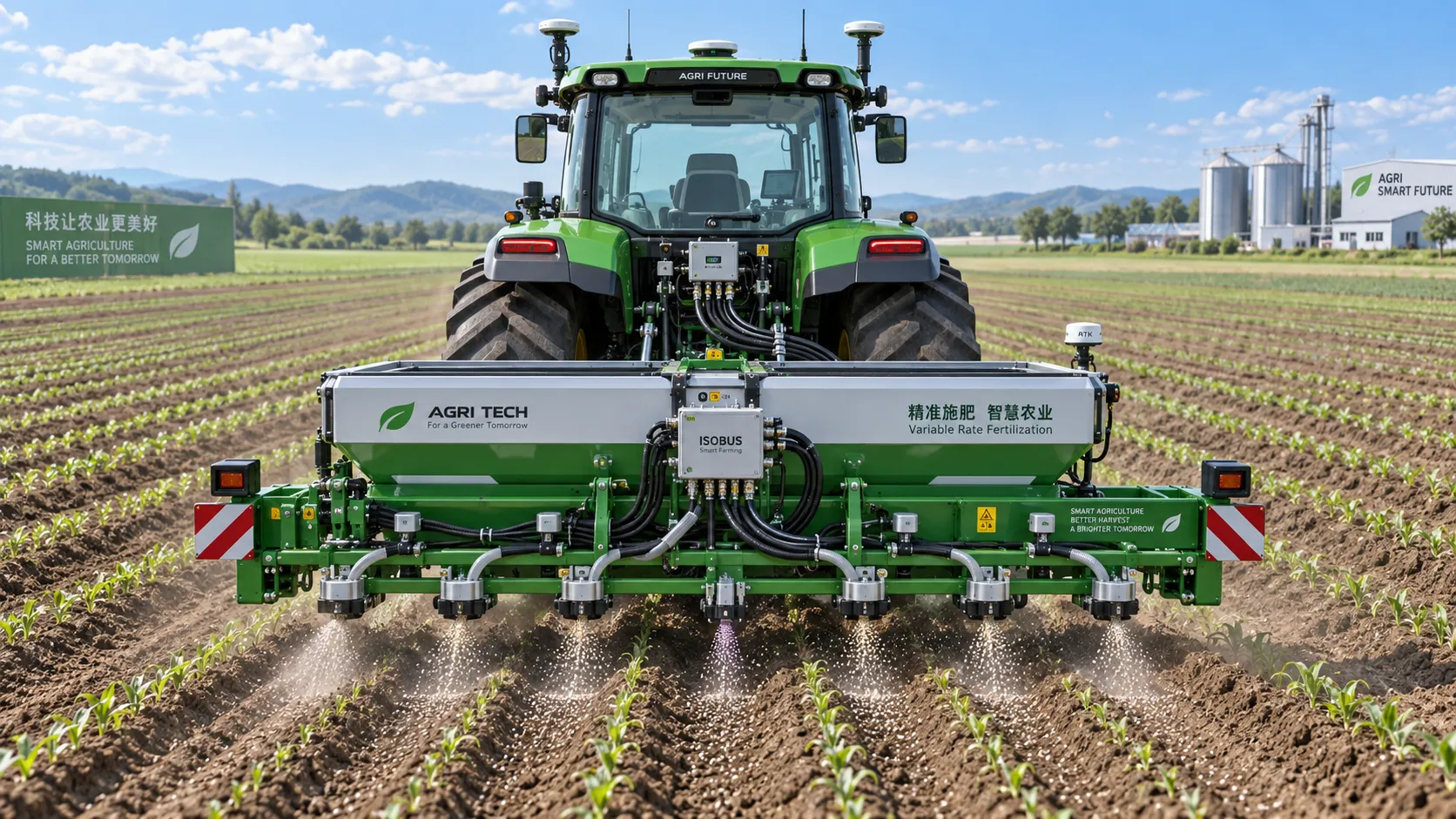
ISOBUS for Smart Agriculture: How It Connects Tractors, Implements, and Farm Data
ISOBUS for smart agriculture connects tractors, implements, terminals, and farm data—helping growers improve precision, documentation, and smarter field decisions.
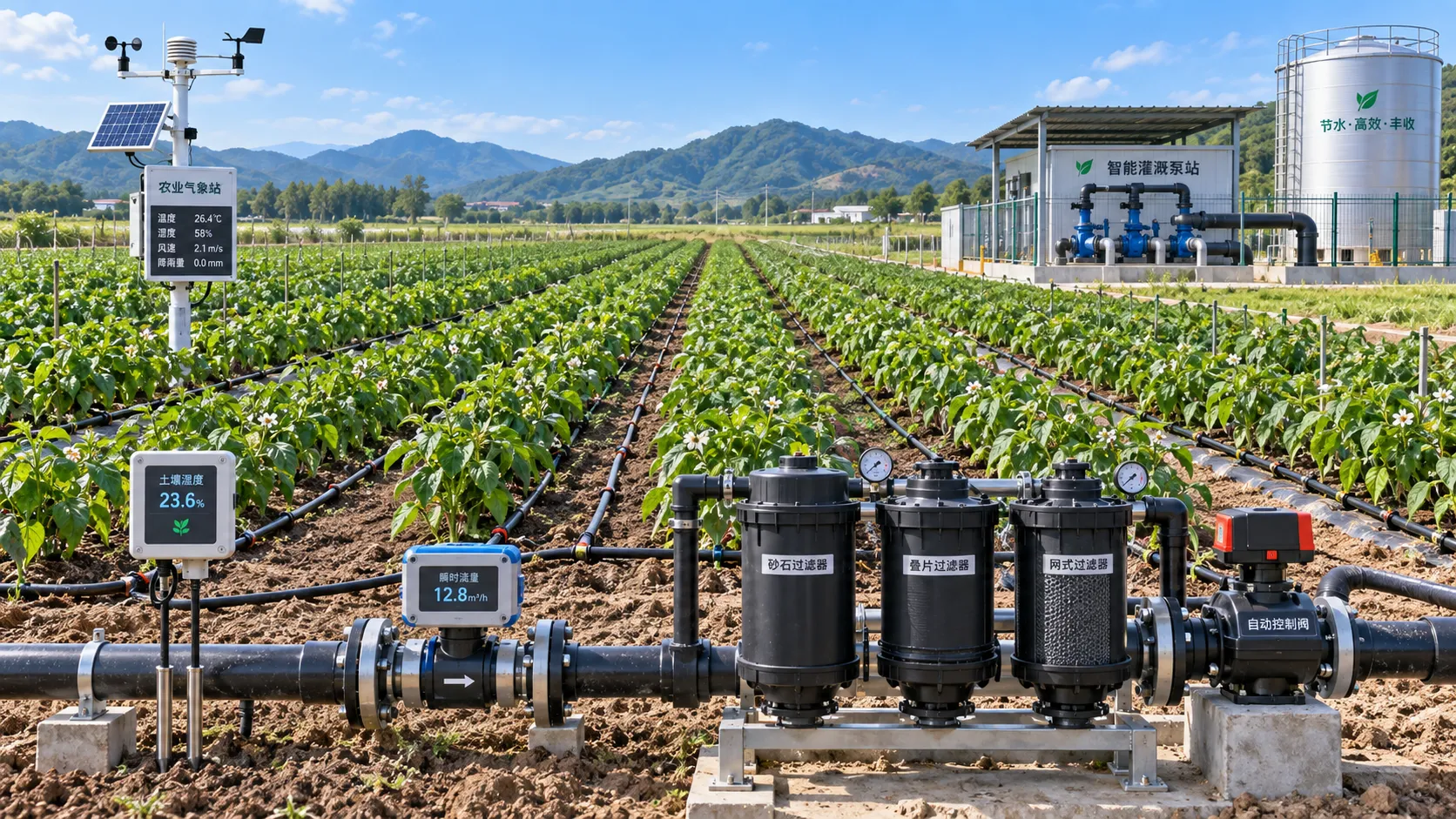
Automated Water-Saving Irrigation: How to Cut Water Use Without Reducing Crop Yields
Automated water-saving irrigation helps farms cut water use, protect crop yields, improve scheduling, and gain reliable control with sensors, flow monitoring, and smart zones.
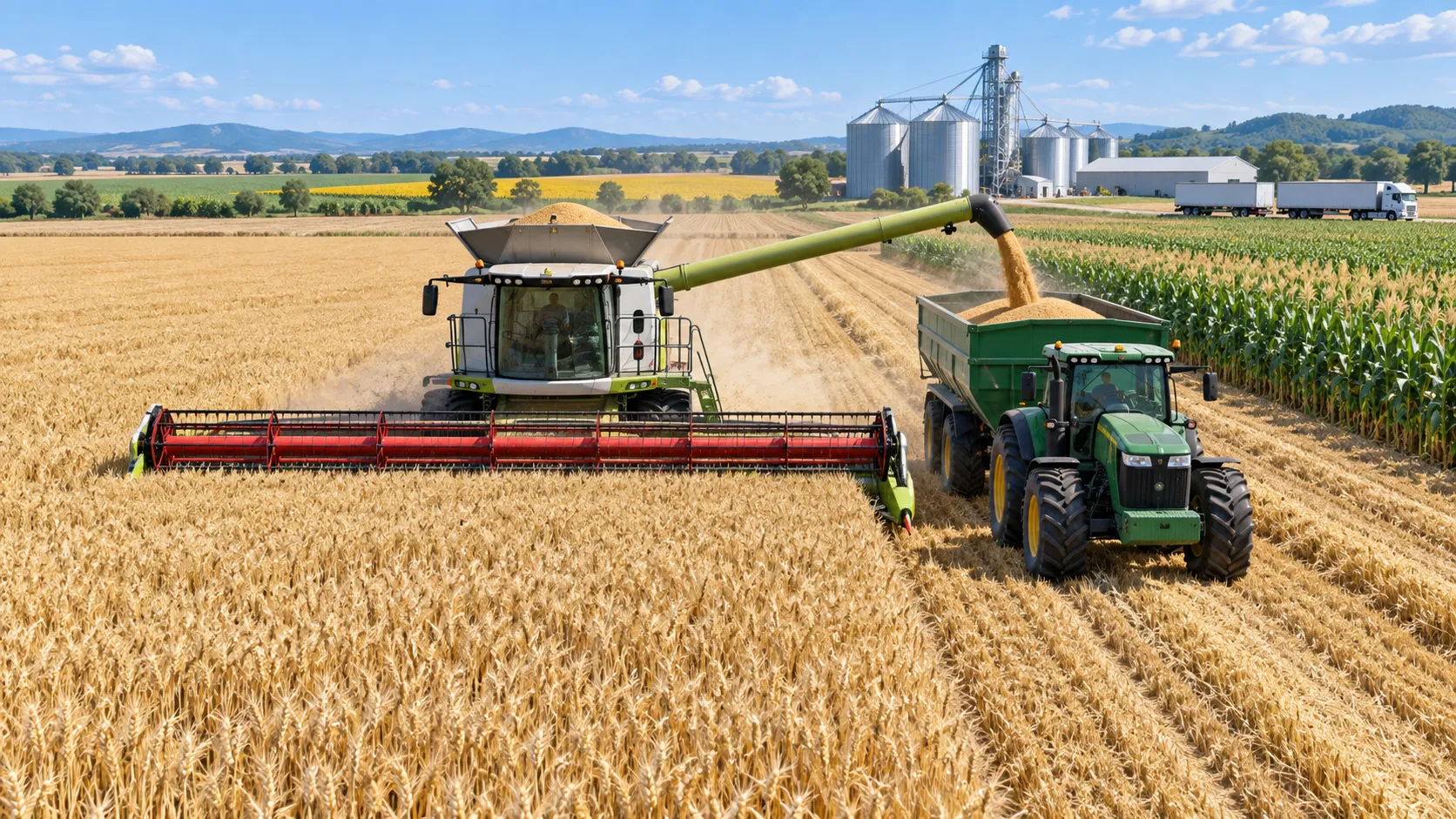
Selecting Grain Farm Equipment by Acreage, Crop Mix, and Harvest Window
Agricultural equipment selection for grain farming: match machinery to acreage, crop mix, and harvest windows to improve uptime, efficiency, and returns.
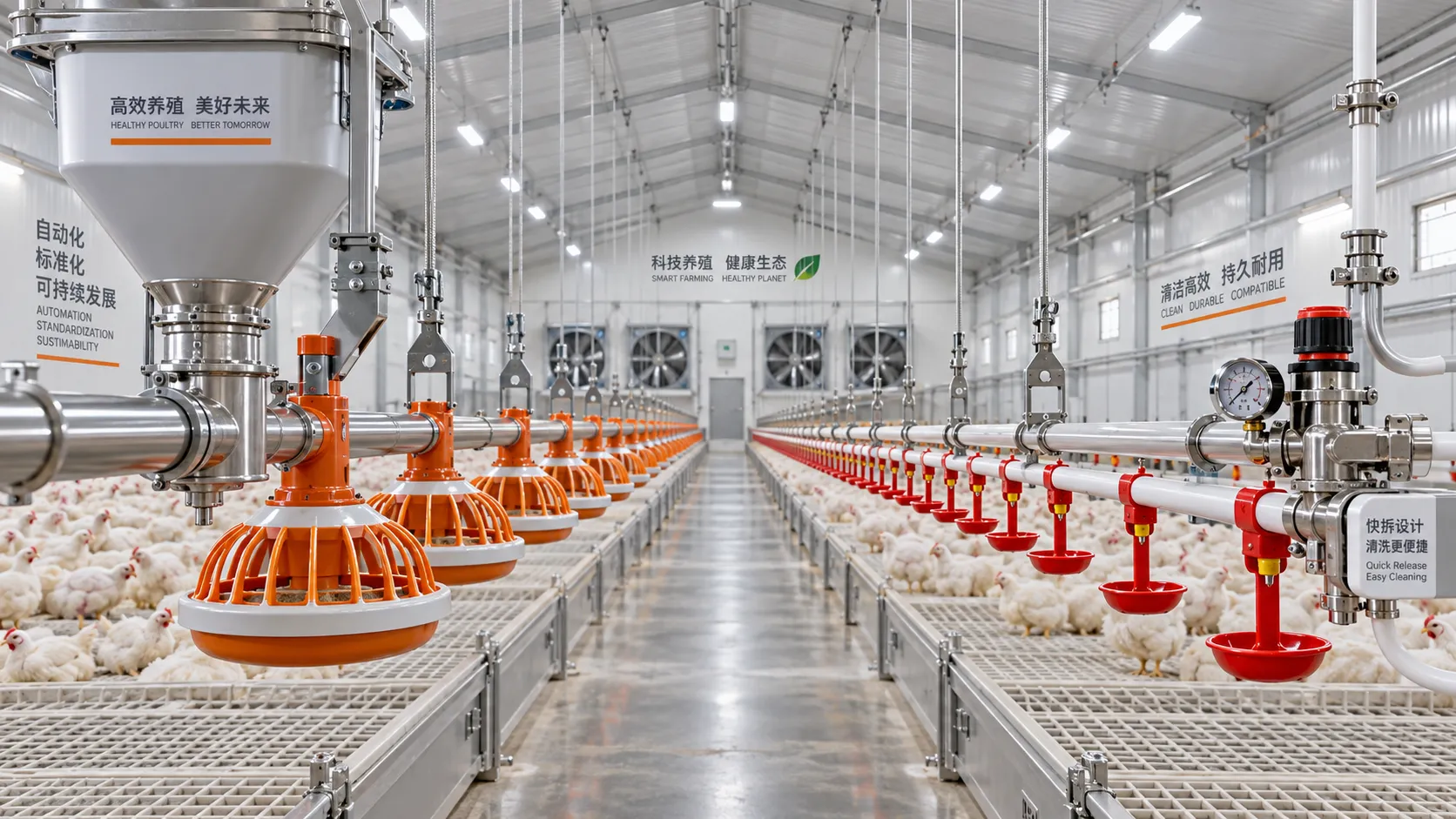
Poultry Equipment Selection: Evaluating Durability, Cleaning, and Compatibility
Poultry equipments selection guide: evaluate durability, cleaning access, and system compatibility to improve hygiene, reduce downtime, and support efficient flock management.
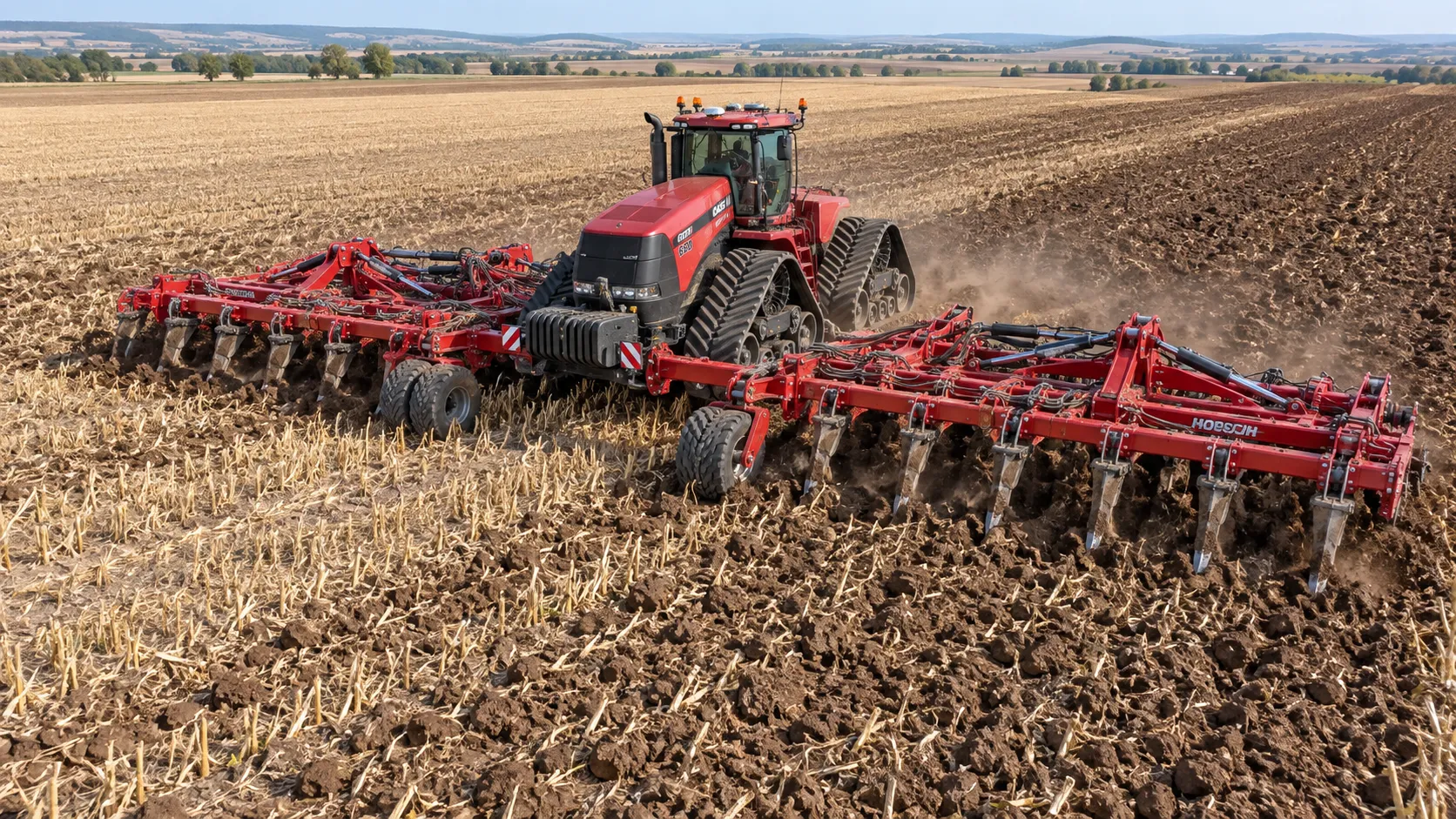
How to Select Heavy-Duty Farm Implements for High-Acreage, High-Horsepower Operations
Heavy duty farm implements: learn how to match draft, hydraulics, hitch capacity, frame strength, and field conditions for reliable high-acreage performance.
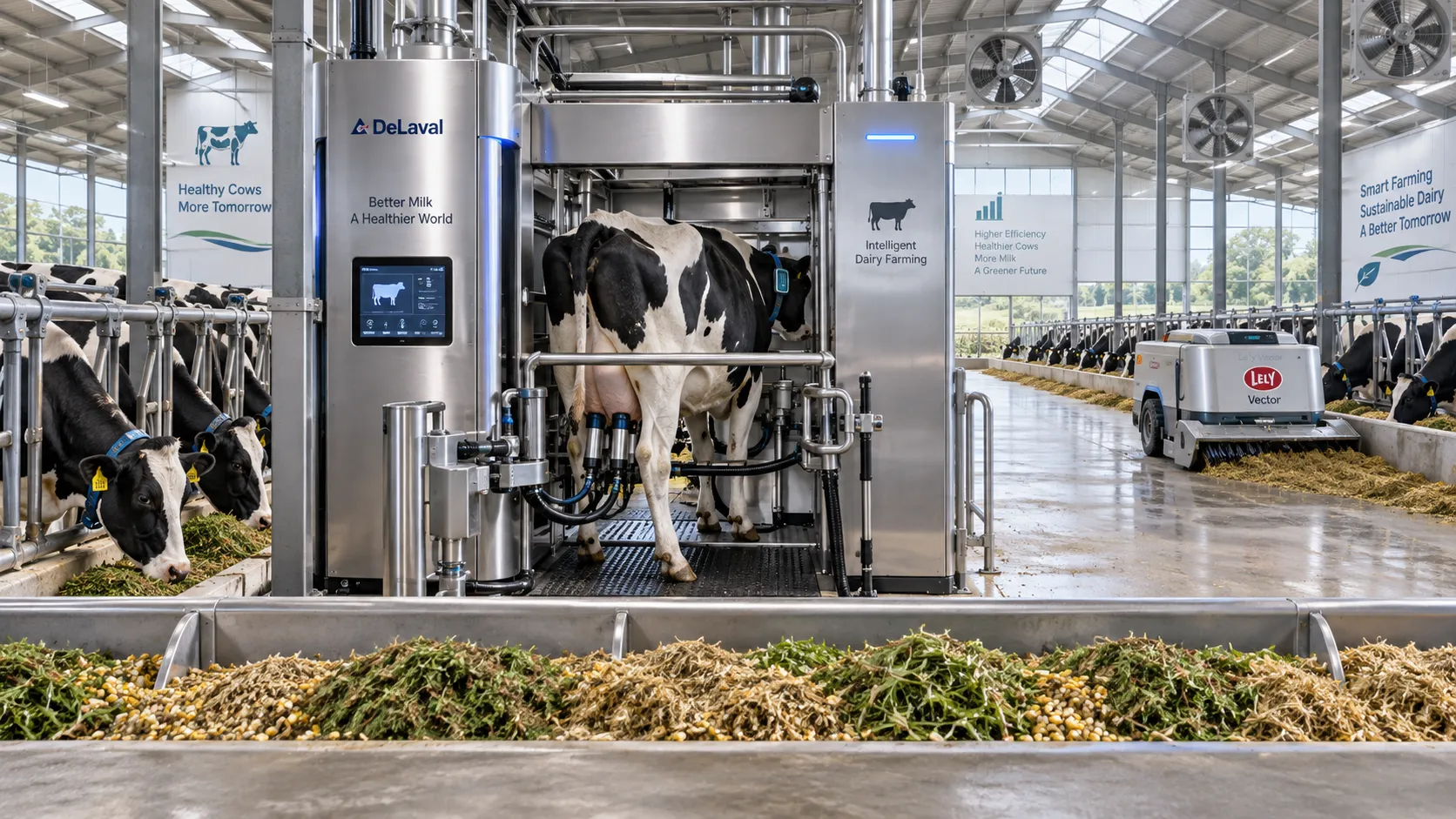
Smart Farming Technology for Dairy Farms: Where Automation Delivers Measurable ROI
Smart farming technology for dairy farms delivers measurable ROI through automation, precision feeding, health monitoring, and data-driven cost control.
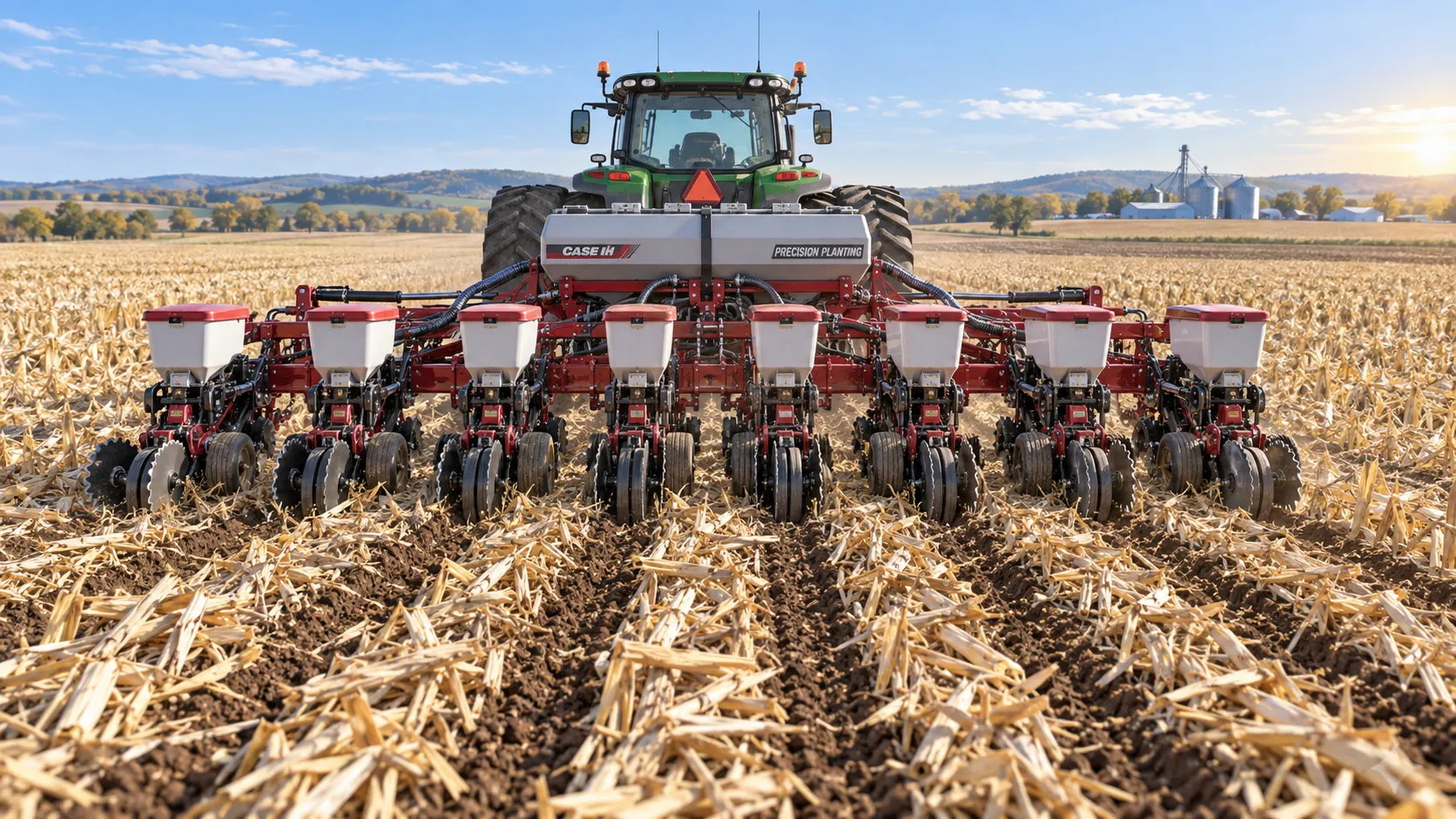
How to Select a Heavy-Duty Seeder for Large Acreage and High-Residue Fields
Heavy duty seeders for large acreage: compare residue handling, depth control, downforce, metering accuracy, and precision features to select the right model.
Related News
- 00
0000-00
What separates robotic automation providers for equipment production? - 00
0000-00
Which field data collection provider fits an agricultural robotics program? - 00
0000-00
How Autonomous Machinery for Crop Scouting Helps Growers Detect Field Issues Earlier - 00
0000-00
How to Evaluate Autonomous Machinery for Vineyards by Terrain, Tasks, and ROI - 00
0000-00
Brazil ANVISA Rule Requires Portuguese Risk Labels for Farm Robots
Popular Tags
Tractor Power Architect
Weekly Insights
Stay ahead with our curated technology reports delivered every Monday.