
Five-Ministry Joint Enforcement on EV Battery Recycling Affects Export Compliance for Electric Farm Machinery
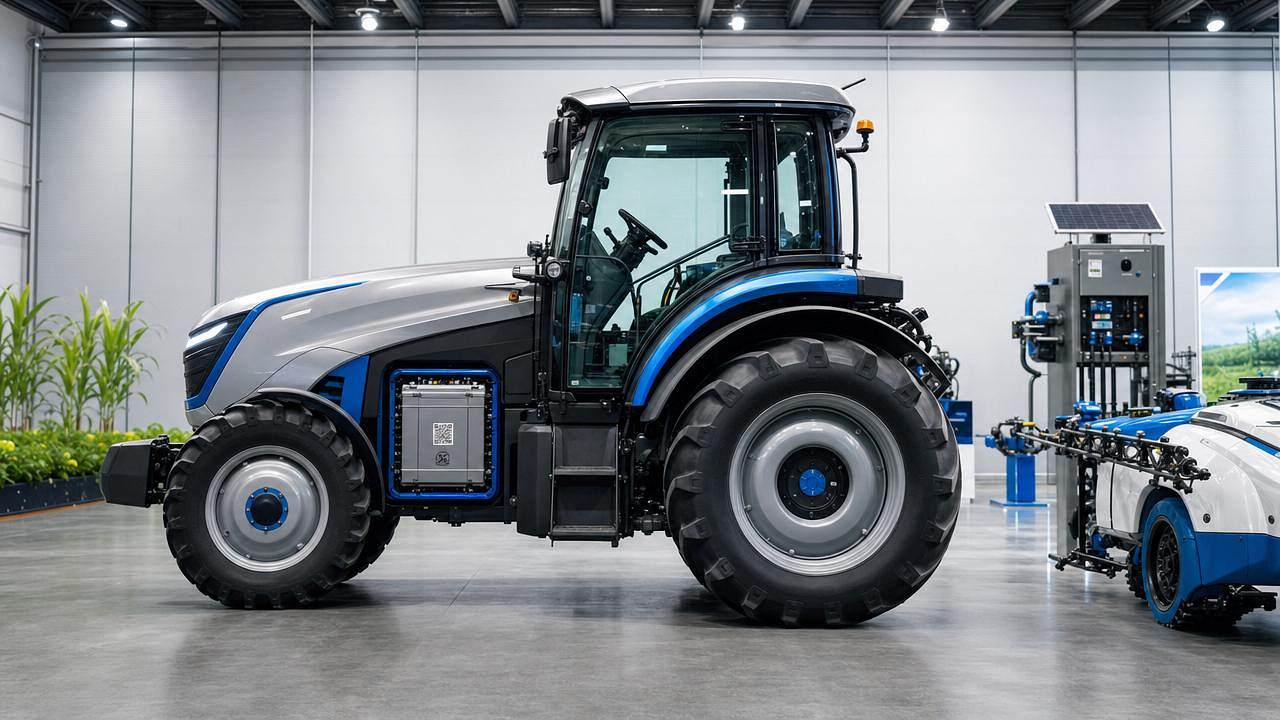




On April 30, 2026, five Chinese ministries jointly launched a coordinated enforcement action targeting the recycling and traceability of spent lithium-ion batteries in electric agricultural machinery — including electric tractors, smart irrigation power modules, and electric spray robots. This initiative directly impacts exporters, importers, and after-sales service providers operating in key overseas markets where ESG due diligence, customs clearance, and product liability frameworks are tightening.
Event Overview
On April 30, 2026, the Ministry of Industry and Information Technology (MIIT), the Ministry of Ecology and Environment, the Ministry of Transport, the Ministry of Commerce, and the State Administration for Market Regulation jointly issued the Notice on Launching a Special Joint Law Enforcement Campaign to Standardize the Recycling and Utilization of Spent Power Batteries. The notice mandates that exporters of new energy agricultural equipment must fully upload battery traceability information, standardize handover procedures during export, and submit to full-chain compliance review — covering production, logistics, cross-border transfer, and end-of-life handling stages.
Industries Affected
Direct Exporters of Electric Agricultural Machinery
These enterprises face immediate operational impact because their overseas customers now require verified battery origin, usage history, and recycling commitments as part of ESG audits and import licensing. Non-compliant documentation may delay customs clearance or trigger post-import liability assessments in destination countries.
Manufacturers Integrating Proprietary Battery Systems
Firms embedding custom battery modules into electric tractors or robotic sprayers must now ensure internal traceability systems align with national data standards (e.g., China’s Battery Traceability Management Platform). Their existing battery labeling, BOM-level recordkeeping, and firmware-based logging may require revision to meet mandatory upload formats.
Supply Chain Service Providers Handling Cross-Border Logistics & Certification
Third-party logistics operators, certification bodies, and conformity assessment agencies involved in export documentation must verify whether battery-related declarations — including material composition, state-of-charge at shipment, and planned recycling pathways — are complete and audit-ready before customs submission.
After-Sales & Warranty Service Networks Abroad
Overseas service partners responsible for battery replacement, refurbishment, or disposal must now coordinate with domestic recyclers registered under the new framework. Their ability to fulfill warranty obligations — especially in jurisdictions with extended producer responsibility (EPR) laws — depends on verifiable upstream handover records.
What Enterprises Should Focus On Now
Monitor official implementation guidelines and platform updates
The notice confirms the launch of joint enforcement but does not yet specify technical requirements for data format, API integration timelines, or penalties for partial non-compliance. Enterprises should track subsequent circulars from MIIT or the National Traceability Platform regarding system readiness deadlines and validation rules.
Prioritize high-risk export categories and markets
Electric tractors and battery-integrated irrigation controllers are explicitly named in the notice. Exporters serving the EU, South Korea, and Canada — jurisdictions with active EPR legislation and battery-specific import conditions — should treat battery traceability as a de facto pre-clearance requirement starting Q3 2026.
Distinguish between policy signal and operational mandate
Analysis shows this is currently a regulatory signal rather than an immediately enforceable standard: no penalty thresholds, inspection frequency, or third-party verification protocols have been published. However, the multi-ministry coordination indicates elevated institutional priority — suggesting formalized enforcement mechanisms will follow within 6–12 months.
Prepare documentation workflows and inter-departmental alignment
Manufacturers should map current battery data collection points (e.g., cell supplier invoices, assembly line logs, QC reports) against the minimum fields required by the national traceability platform. Internal alignment between R&D, production, quality, and export departments is needed to avoid gaps in serial number continuity or state-of-health reporting.
Editorial Observation / Industry Perspective
Observably, this action signals a structural shift — from voluntary ESG alignment toward binding supply chain accountability for energy storage components embedded in industrial equipment. It is not yet a finalized compliance regime, but rather a coordinated warning that battery lifecycle governance will be treated as integral to export eligibility, not just environmental performance. From an industry perspective, the emphasis on ‘full-chain review’ suggests future audits may extend beyond the exporter to include OEMs, tier-1 battery suppliers, and even foreign recycling partners. Continuous monitoring of inter-ministerial coordination mechanisms — particularly how enforcement responsibilities are divided among transport, commerce, and market regulation authorities — remains essential.
Conclusion: This notice marks the formal inclusion of battery traceability as a non-negotiable element in the export compliance chain for electric agricultural machinery. It does not yet prescribe final technical or procedural standards, but it clearly elevates battery data integrity from a sustainability best practice to a prerequisite for market access. Currently, it is more appropriately understood as a preparatory phase — one requiring proactive documentation hygiene, cross-functional coordination, and selective prioritization based on product type and destination market risk profiles.
Source: Official notice jointly issued by the Ministry of Industry and Information Technology, Ministry of Ecology and Environment, Ministry of Transport, Ministry of Commerce, and State Administration for Market Regulation on April 30, 2026. Implementation details, technical specifications, and enforcement timelines remain pending further publication.
Related News

When Does Agricultural Machinery Leasing Cost Less Than Owning Equipment?
Agricultural machinery leasing can lower farm costs when use is seasonal or uncertain. Compare utilization, maintenance, cash flow, and risk to make a smarter equipment decision.

How to Evaluate Precision Fertilization System Suppliers for Farm-Scale Deployment
Precision fertilization systems suppliers: learn how to compare accuracy, integration, uptime, service, and total cost for confident farm-scale deployment.
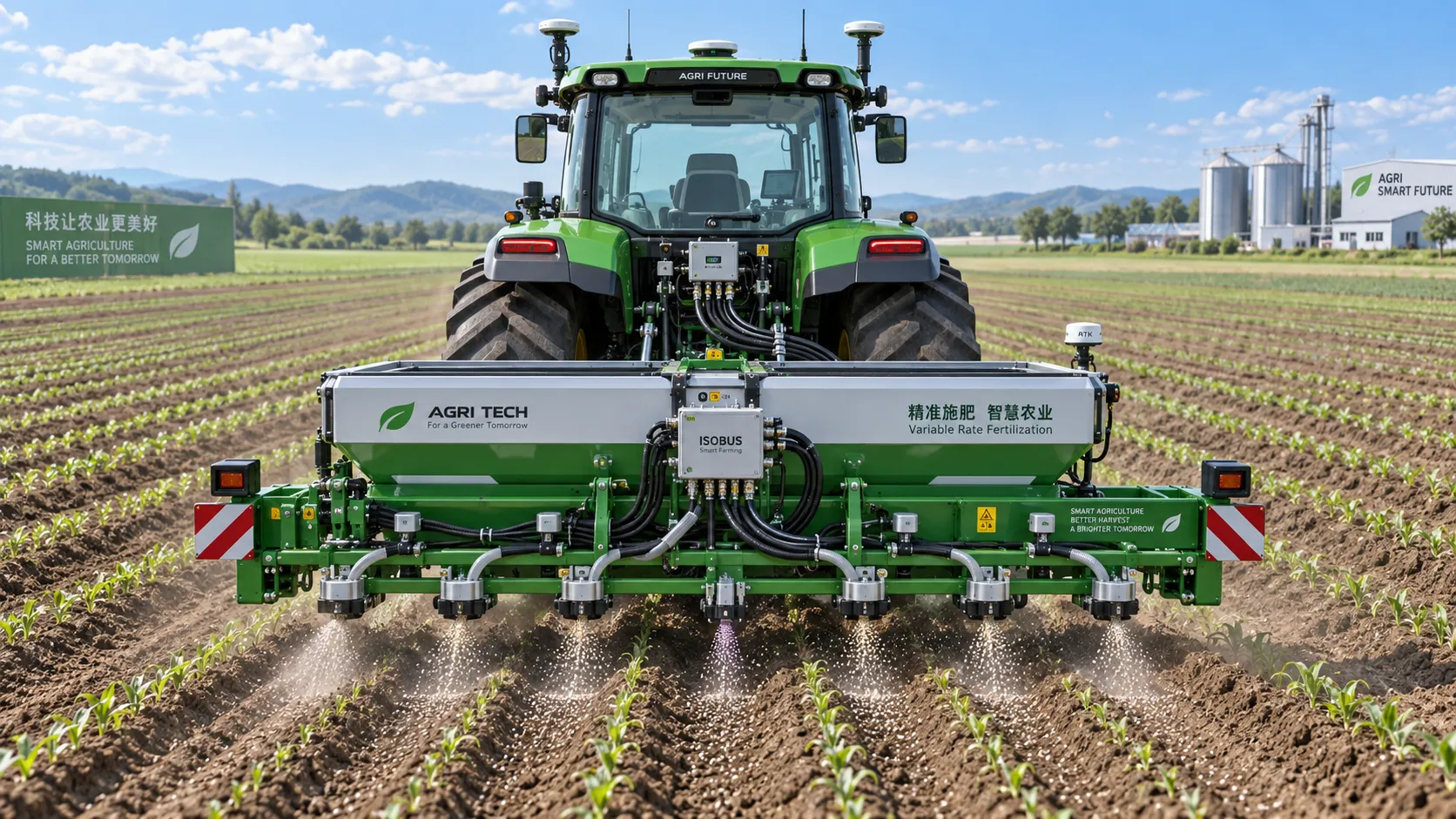
ISOBUS for Smart Agriculture: How It Connects Tractors, Implements, and Farm Data
ISOBUS for smart agriculture connects tractors, implements, terminals, and farm data—helping growers improve precision, documentation, and smarter field decisions.
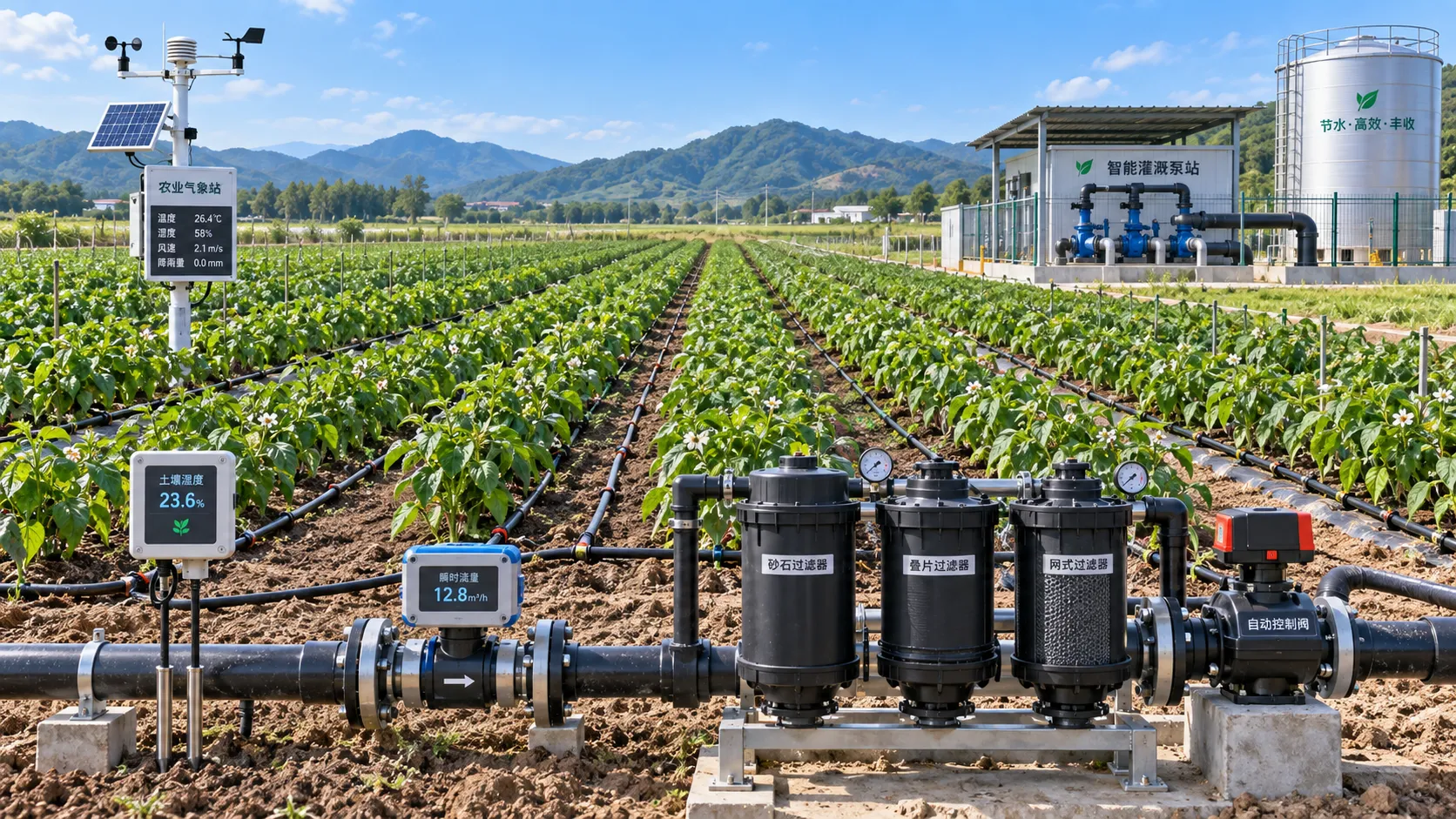
Automated Water-Saving Irrigation: How to Cut Water Use Without Reducing Crop Yields
Automated water-saving irrigation helps farms cut water use, protect crop yields, improve scheduling, and gain reliable control with sensors, flow monitoring, and smart zones.
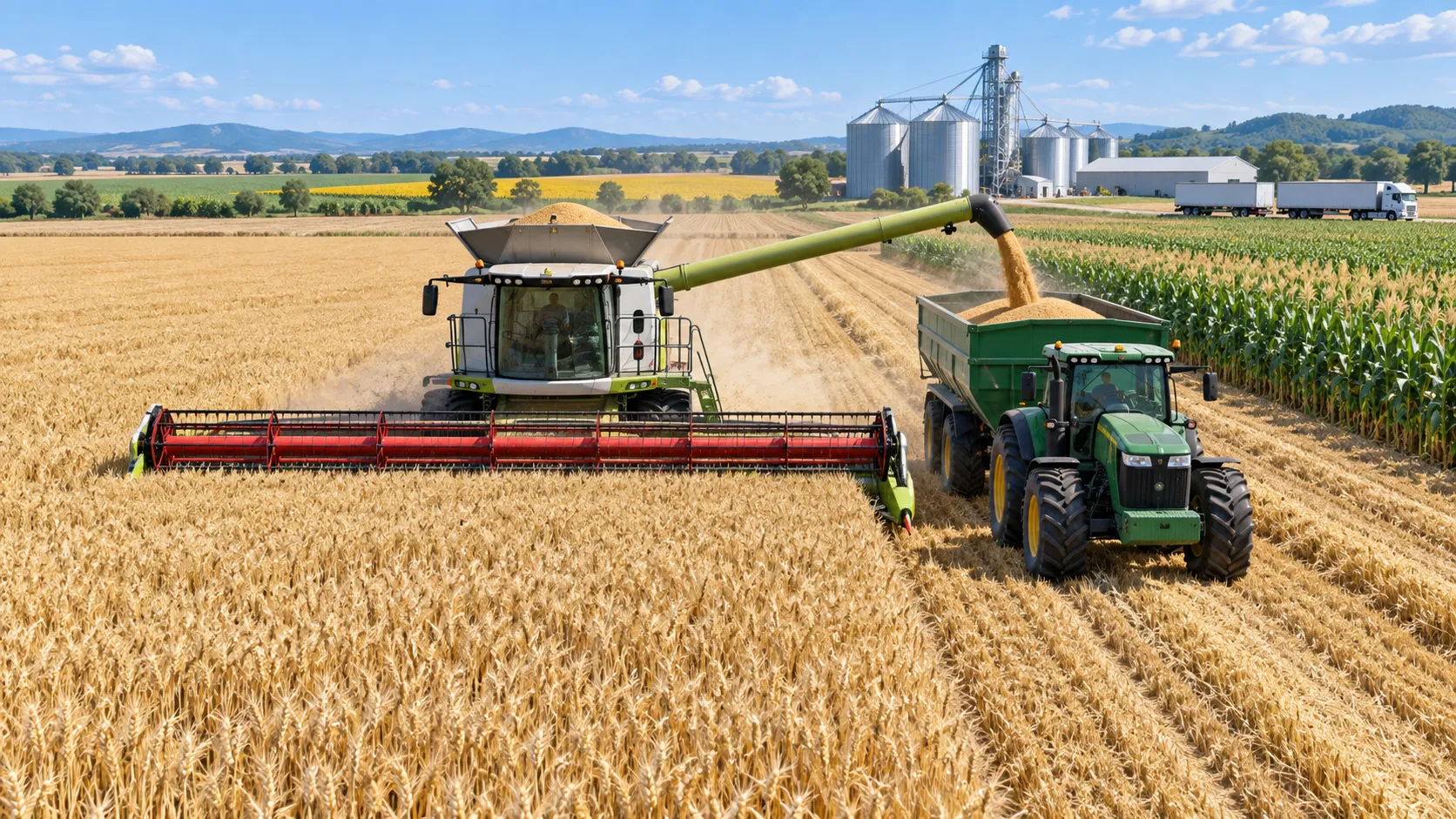
Selecting Grain Farm Equipment by Acreage, Crop Mix, and Harvest Window
Agricultural equipment selection for grain farming: match machinery to acreage, crop mix, and harvest windows to improve uptime, efficiency, and returns.
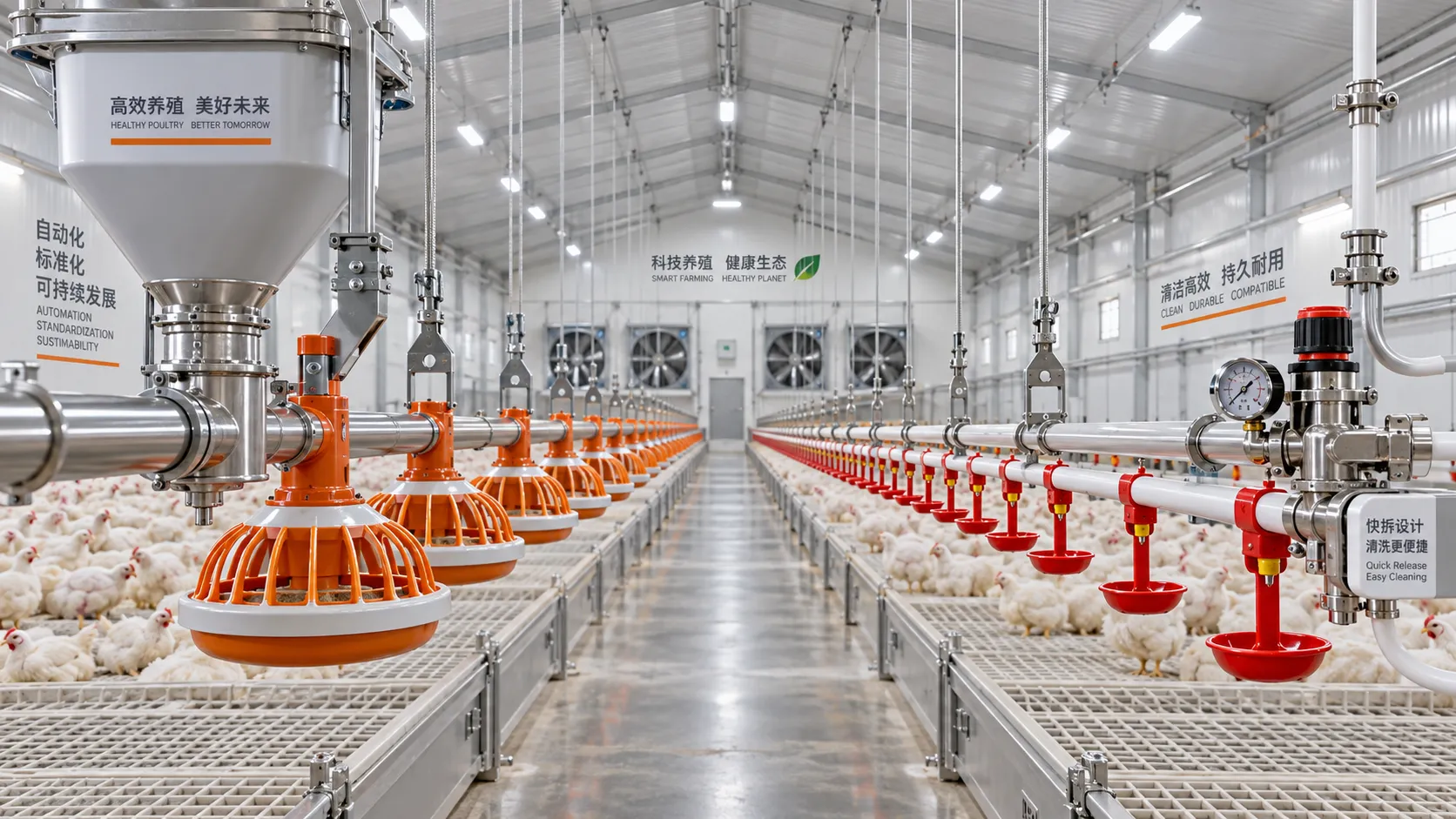
Poultry Equipment Selection: Evaluating Durability, Cleaning, and Compatibility
Poultry equipments selection guide: evaluate durability, cleaning access, and system compatibility to improve hygiene, reduce downtime, and support efficient flock management.
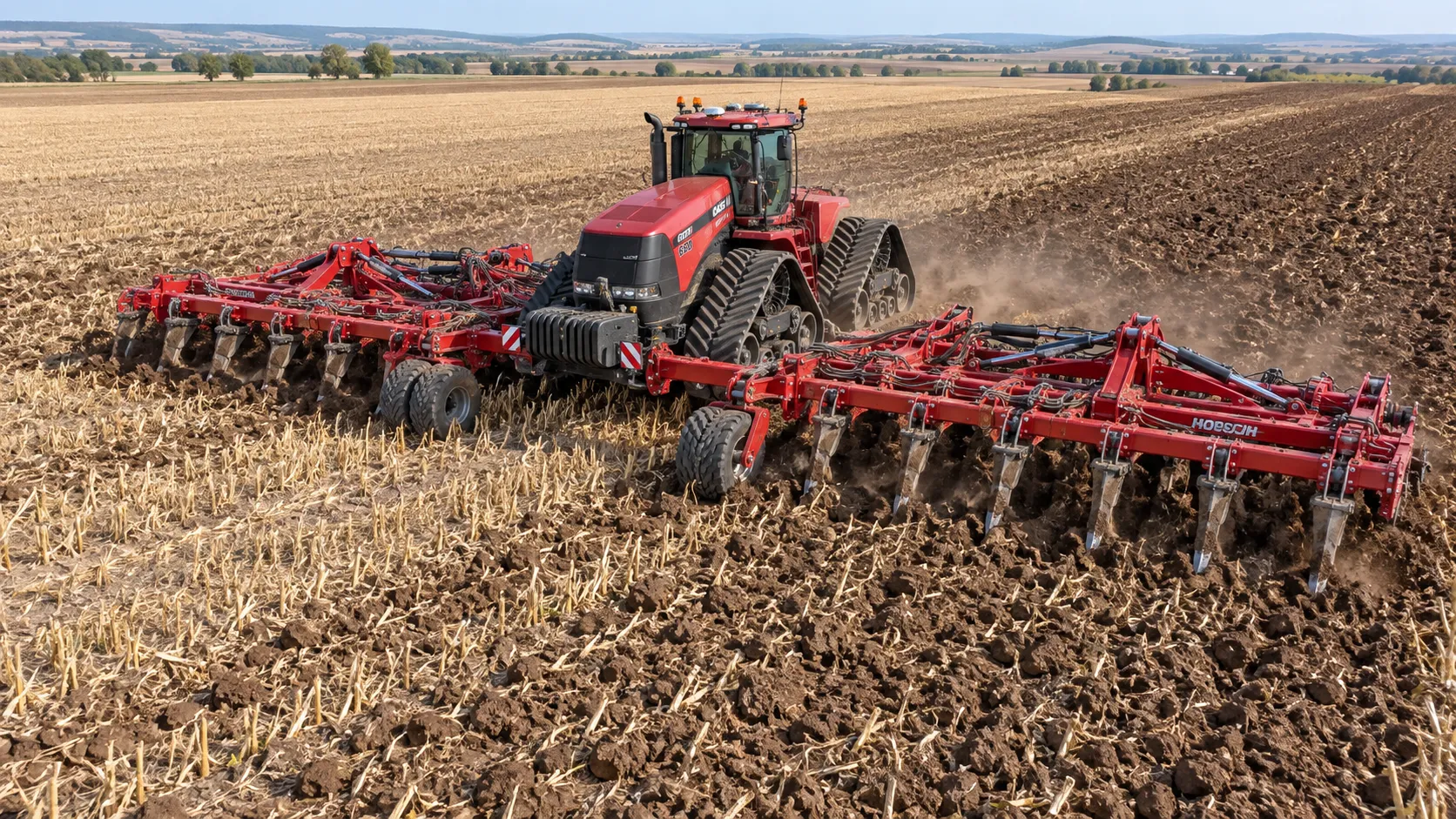
How to Select Heavy-Duty Farm Implements for High-Acreage, High-Horsepower Operations
Heavy duty farm implements: learn how to match draft, hydraulics, hitch capacity, frame strength, and field conditions for reliable high-acreage performance.
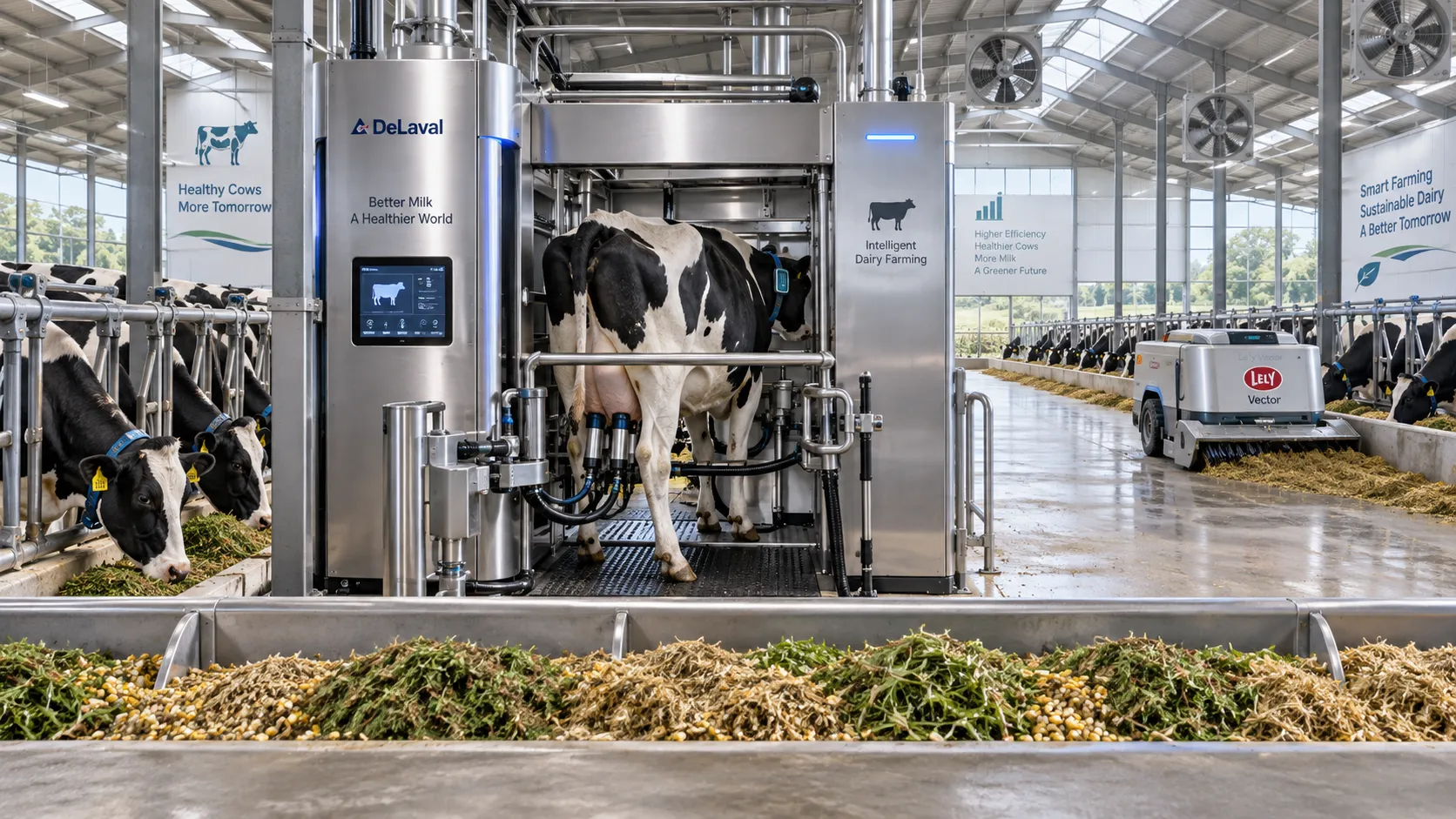
Smart Farming Technology for Dairy Farms: Where Automation Delivers Measurable ROI
Smart farming technology for dairy farms delivers measurable ROI through automation, precision feeding, health monitoring, and data-driven cost control.
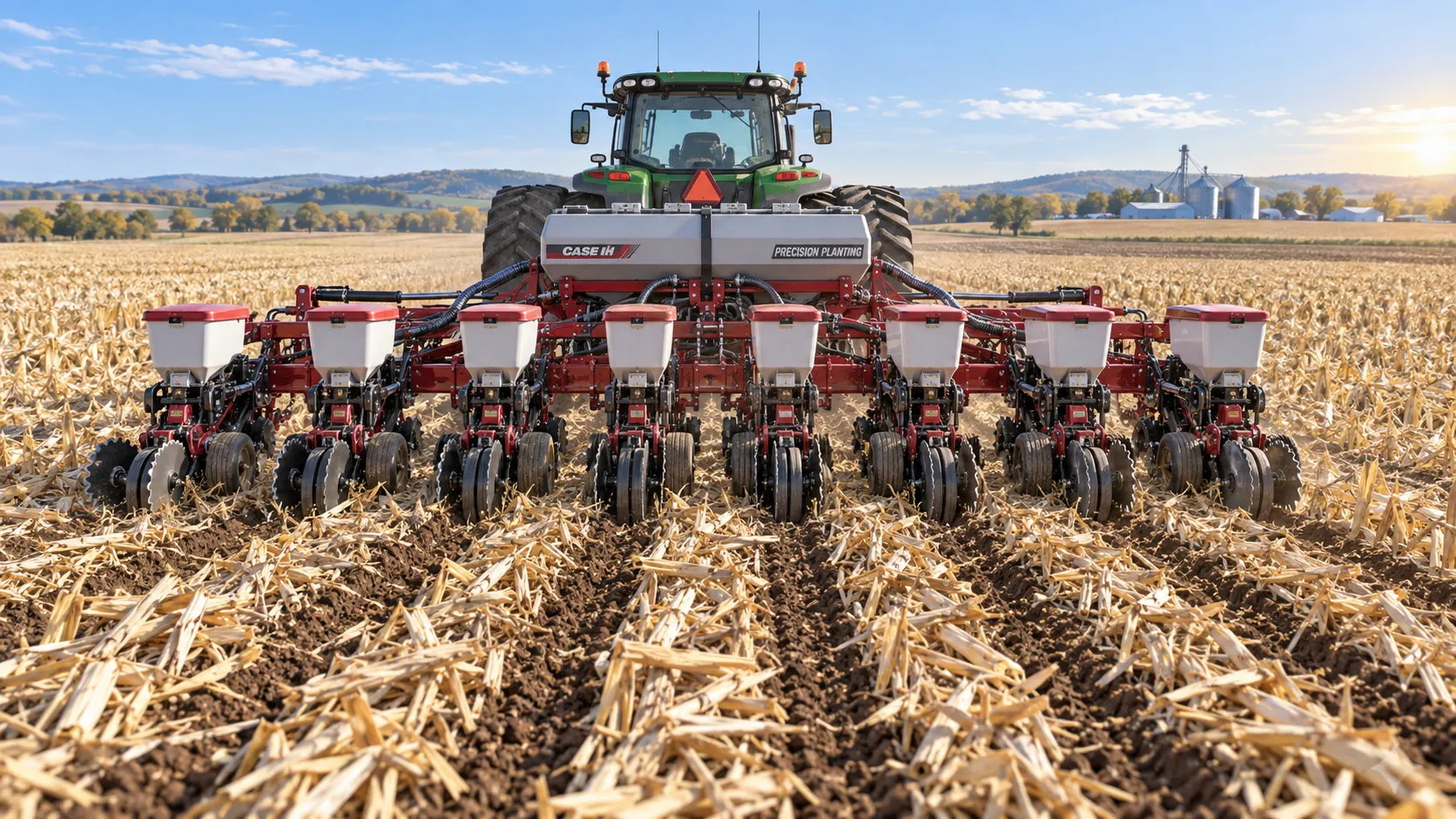
How to Select a Heavy-Duty Seeder for Large Acreage and High-Residue Fields
Heavy duty seeders for large acreage: compare residue handling, depth control, downforce, metering accuracy, and precision features to select the right model.
Related News
- 00
0000-00
What separates robotic automation providers for equipment production? - 00
0000-00
Which field data collection provider fits an agricultural robotics program? - 00
0000-00
How Autonomous Machinery for Crop Scouting Helps Growers Detect Field Issues Earlier - 00
0000-00
How to Evaluate Autonomous Machinery for Vineyards by Terrain, Tasks, and ROI - 00
0000-00
Brazil ANVISA Rule Requires Portuguese Risk Labels for Farm Robots
Popular Tags
Tractor Power Architect
Weekly Insights
Stay ahead with our curated technology reports delivered every Monday.