
Crop Monitoring Technology Can Miss Early Stress Signals
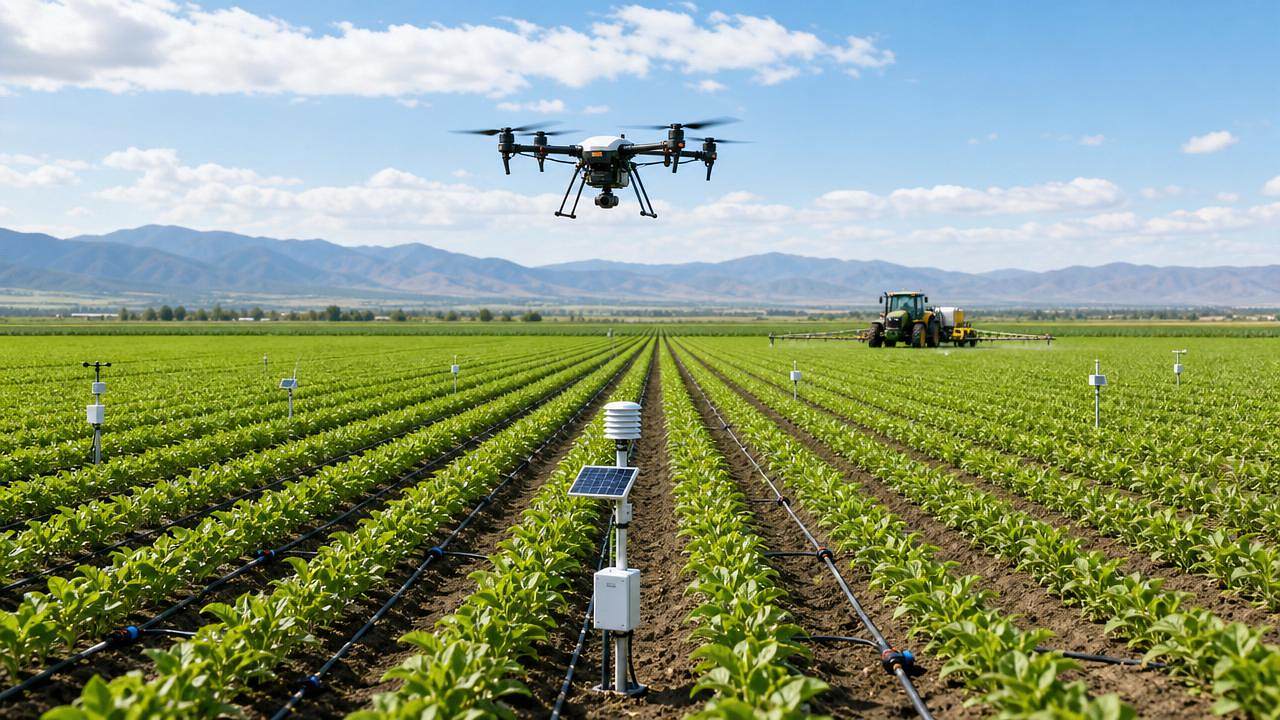




Crop monitoring technology is reshaping modern field management across grain, oilseed, forage, and specialty crop systems.
It helps track vigor, moisture patterns, pest pressure, nutrient balance, and harvest timing with growing speed and precision.
Yet even advanced crop monitoring technology can miss weak early stress signals.
Those missed signals often appear before visual damage, before canopy collapse, and before standard alerts trigger any response.
When early warnings are overlooked, farms may face yield loss, uneven maturity, quality decline, higher input waste, and avoidable operational disruption.
For intelligence-led platforms such as AP-Strategy, this gap matters because Agriculture 4.0 depends on timing, not only on data volume.
A stronger monitoring strategy must connect sensors, machinery, agronomic interpretation, irrigation logic, and field verification into one decision framework.
What Crop Monitoring Technology Usually Measures
Crop monitoring technology generally combines satellites, drones, field sensors, machine telematics, and software dashboards.
Its common outputs include vegetation indices, canopy temperature, soil moisture, stand uniformity, disease probability, and machine operation records.
These systems are valuable because they reduce blind scouting, support variable-rate actions, and improve irrigation and harvest planning.
However, most crop monitoring technology works best when stress has already crossed a measurable threshold.
The earliest signals may be too small, too localized, too temporary, or too biologically complex for standard models.
Core data sources in common use
- Satellite imagery for broad field variability and trend detection.
- Drone surveys for higher-resolution crop canopy observation.
- Soil probes for water status, salinity, and temperature.
- Weather stations for evapotranspiration and disease risk estimation.
- Machine-mounted sensors for planting, spraying, and harvesting feedback.
Why Early Stress Signals Are Commonly Missed
The limits of crop monitoring technology are not only technical.
They also come from field heterogeneity, biological timing, algorithm design, and operational routines.
A field can look stable in average maps while a small area is already under root, nutrient, or hydraulic stress.
Short stress events may also disappear before the next imaging pass.
Frequent blind spots in crop monitoring technology
Current Industry Attention Around Monitoring Gaps
Across the broader agri-equipment and digital farming sector, the focus is shifting from data collection to decision quality.
This shift matters for large-scale machinery, combine harvesters, tractor chassis systems, intelligent implements, and water-saving irrigation networks.
When crop monitoring technology misses early stress, every downstream operation becomes less efficient.
Key concern areas
- Plant protection timing becomes reactive instead of preventive.
- Irrigation scheduling may follow delayed canopy signals rather than root-zone reality.
- Harvest readiness maps can underestimate uneven maturity.
- Machine logistics may be planned on incomplete field condition intelligence.
- Sustainability metrics may look better than the true resource-use outcome.
AP-Strategy’s intelligence perspective is especially relevant here.
In Agriculture 4.0, sensor streams must be interpreted alongside machinery behavior, hydrological signals, and regional climate volatility.
A map alone cannot explain whether stress comes from compaction, clogged nozzles, weak root uptake, disease onset, or transmission-related field delays.
Business and Operational Value of Recognizing These Limits
Understanding the limits of crop monitoring technology creates practical value far beyond agronomic curiosity.
It supports better intervention timing, tighter risk control, and more realistic expectations from digital systems.
This awareness also improves capital allocation across sensors, scouting, irrigation upgrades, and machine integration.
Operational gains from a more critical monitoring approach
- Earlier field checks in high-risk zones.
- Better alignment between irrigation data and crop response.
- More accurate use of variable-rate inputs.
- Lower likelihood of hidden stress reaching harvest stage.
- Improved consistency in grain quality and storage performance.
In large-scale operations, small delays often multiply across hundreds or thousands of hectares.
That makes crop monitoring technology not just a sensing tool, but a strategic control point.
Typical Scenarios Where Early Stress Is Hardest to Detect
Some field conditions are much more likely to expose the weaknesses of crop monitoring technology.
These scenarios deserve tighter observation rules and stronger cross-checking methods.
Practical Recommendations for Stronger Monitoring Reliability
The solution is not to abandon crop monitoring technology.
The solution is to design it as part of a layered field intelligence system.
Recommended practices
- Pair remote sensing with scheduled ground truth checks in known risk zones.
- Track change rates, not only absolute values, within crop monitoring technology dashboards.
- Integrate irrigation performance data with canopy and soil measurements.
- Use machinery telemetry to identify compaction, overlap, delay, or application quality issues.
- Set crop-stage-specific alert thresholds instead of one uniform rule.
- Review missed events after harvest to improve the next season’s monitoring logic.
This is where intelligence portals like AP-Strategy add value.
Cross-domain analysis can connect harvester loss feedback, chassis traffic patterns, irrigation models, and field stress signatures into a practical learning loop.
A More Resilient Next Step for Field Intelligence
Crop monitoring technology remains essential for efficient, scalable, and data-driven agriculture.
Still, its value rises sharply when users understand what it cannot see early enough.
The most resilient strategy combines remote sensing, in-field verification, machinery insight, and water management intelligence.
That approach supports better timing, protects yield quality, and strengthens long-term resource efficiency.
To move forward, review current monitoring workflows, identify hidden weak points, and refine alert logic around the earliest likely stress pathways.
With a more critical and connected use of crop monitoring technology, farms can respond sooner, operate smarter, and reduce avoidable losses across the full production cycle.
Related News
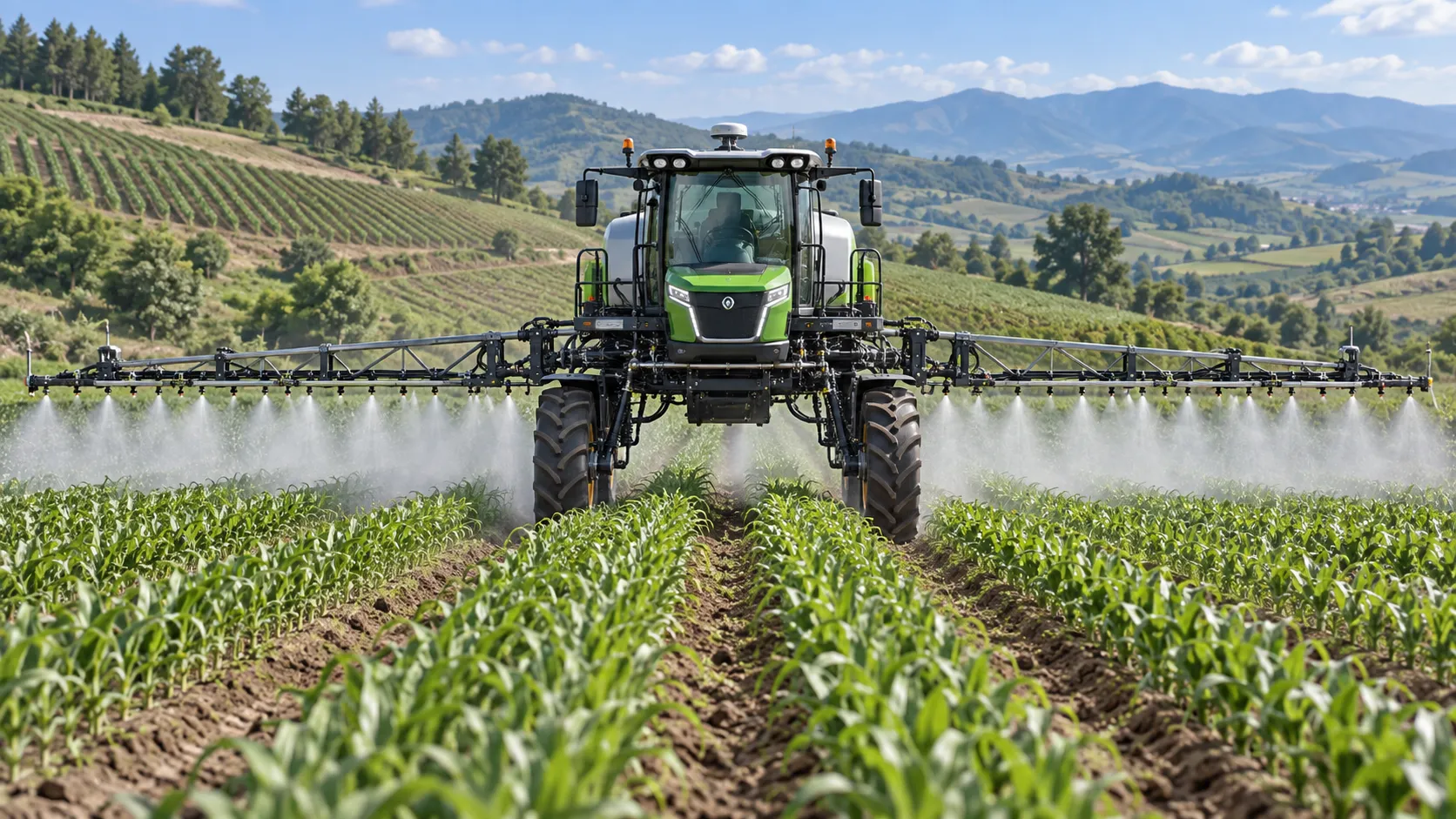
How to Select Precision Crop Protection Equipment for Variable Field Conditions
Precision crop protection equipment selection made simple: compare terrain, canopy, weather, control accuracy, and data workflows for reliable applications.
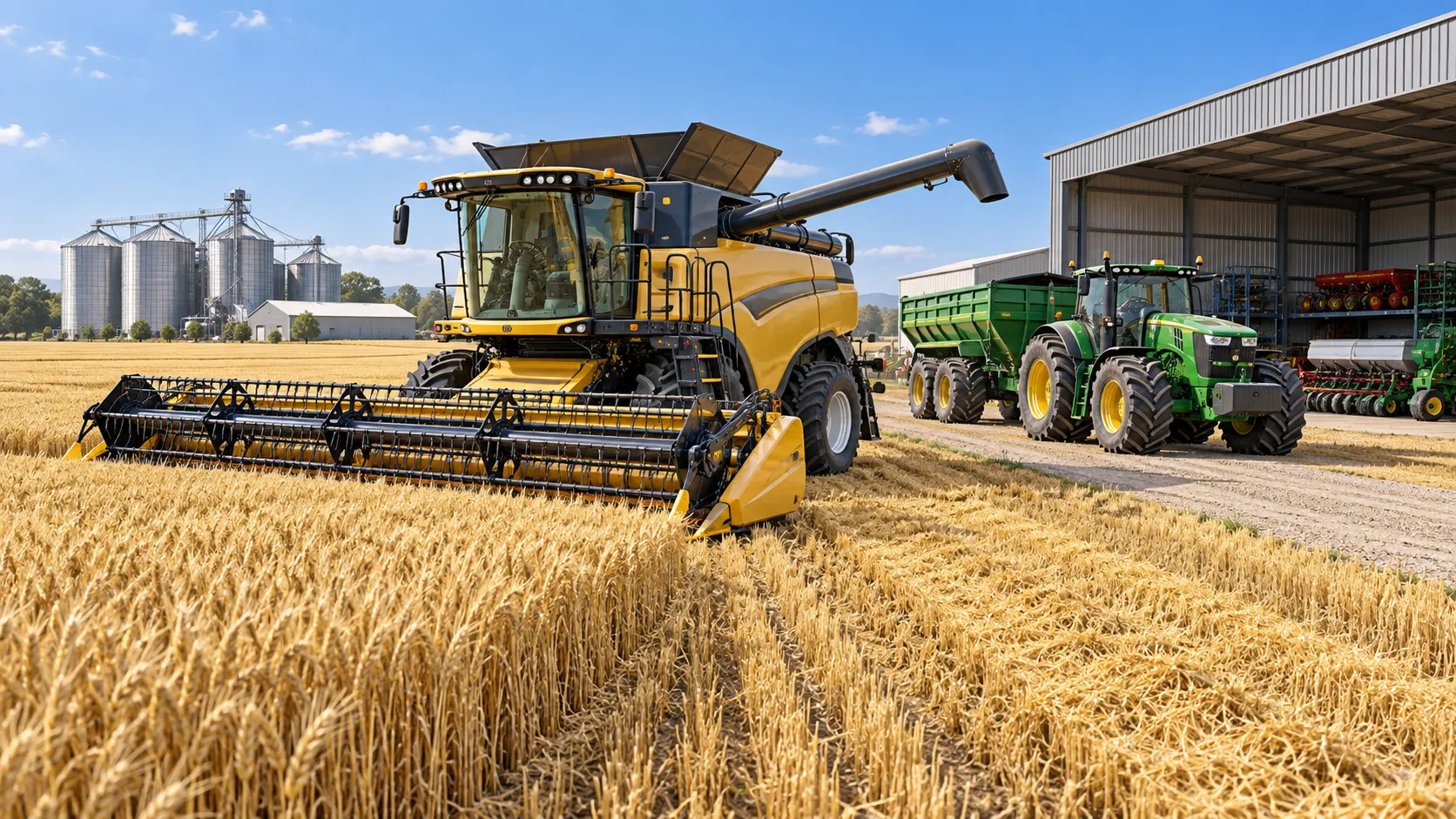
When Does Agricultural Machinery Leasing Cost Less Than Owning Equipment?
Agricultural machinery leasing can lower farm costs when use is seasonal or uncertain. Compare utilization, maintenance, cash flow, and risk to make a smarter equipment decision.
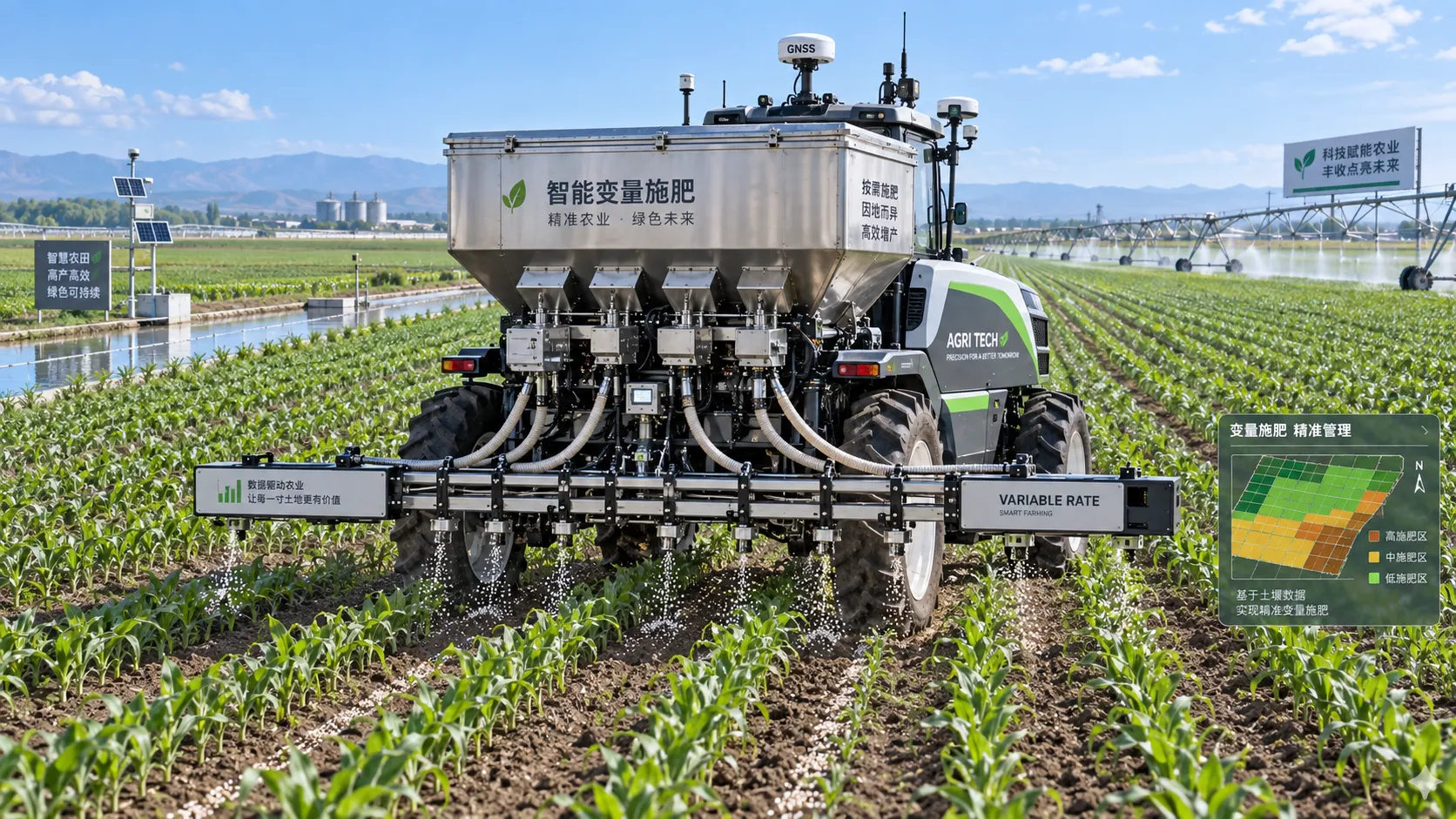
How to Evaluate Precision Fertilization System Suppliers for Farm-Scale Deployment
Precision fertilization systems suppliers: learn how to compare accuracy, integration, uptime, service, and total cost for confident farm-scale deployment.
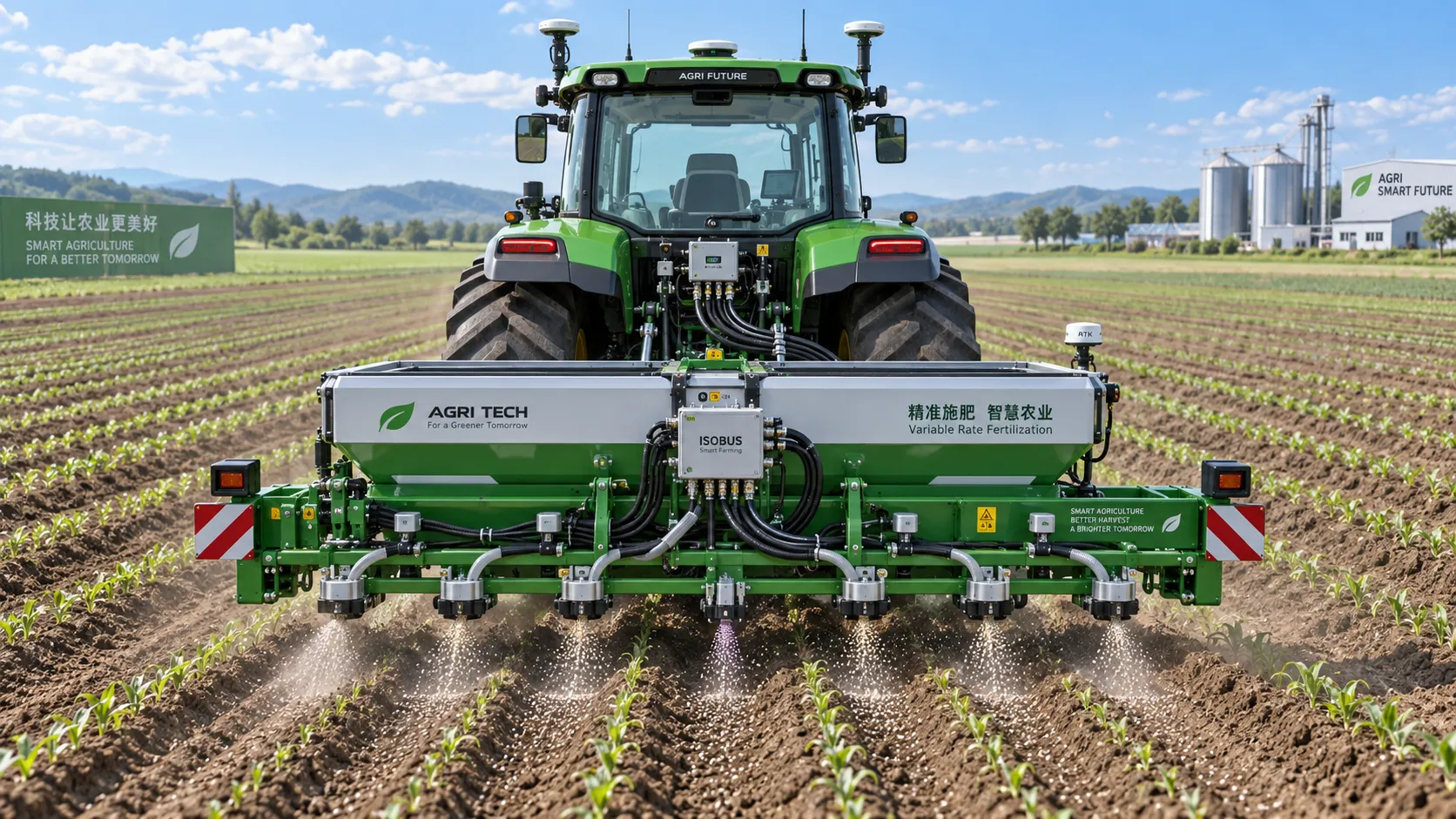
ISOBUS for Smart Agriculture: How It Connects Tractors, Implements, and Farm Data
ISOBUS for smart agriculture connects tractors, implements, terminals, and farm data—helping growers improve precision, documentation, and smarter field decisions.
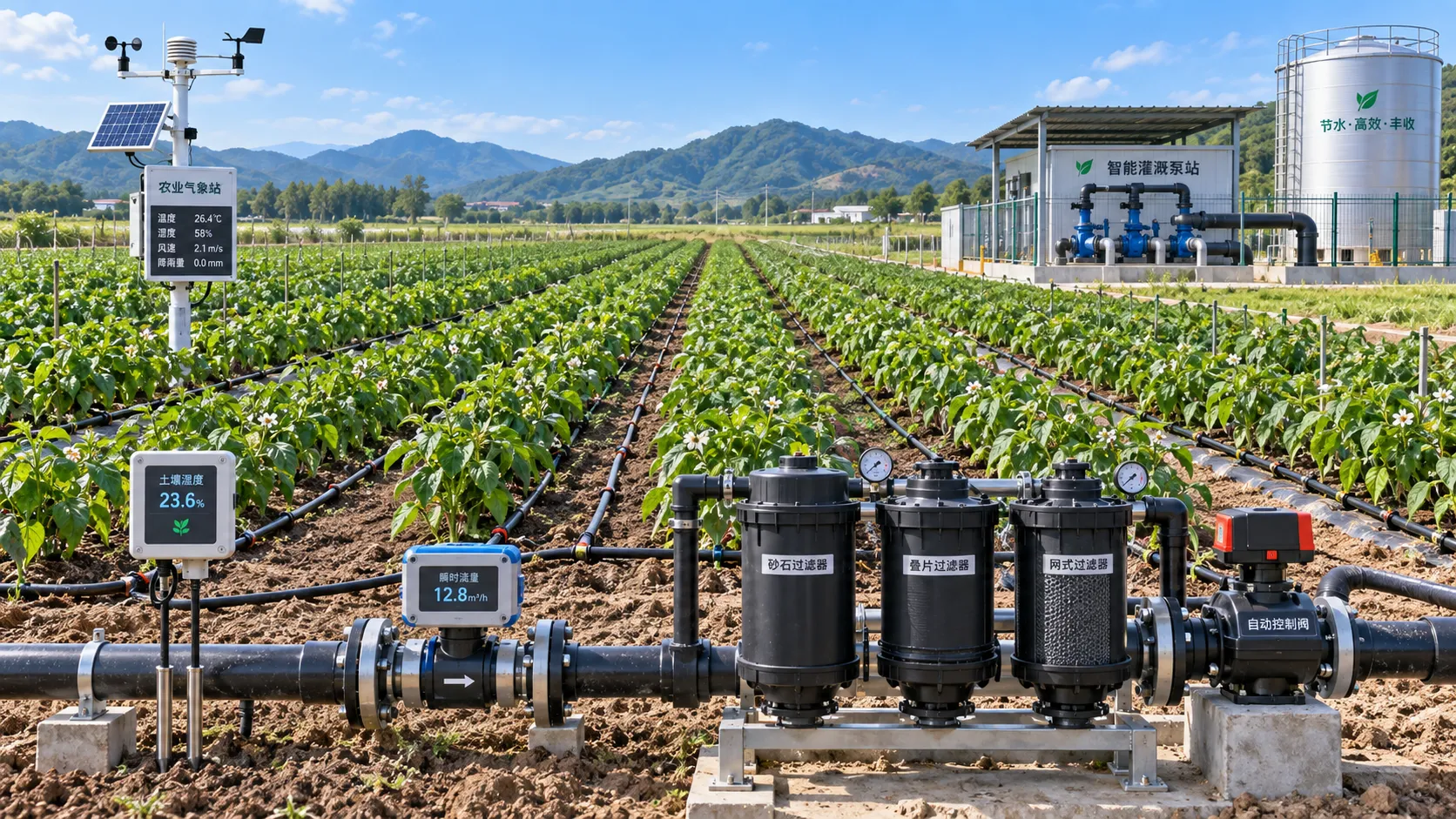
Automated Water-Saving Irrigation: How to Cut Water Use Without Reducing Crop Yields
Automated water-saving irrigation helps farms cut water use, protect crop yields, improve scheduling, and gain reliable control with sensors, flow monitoring, and smart zones.
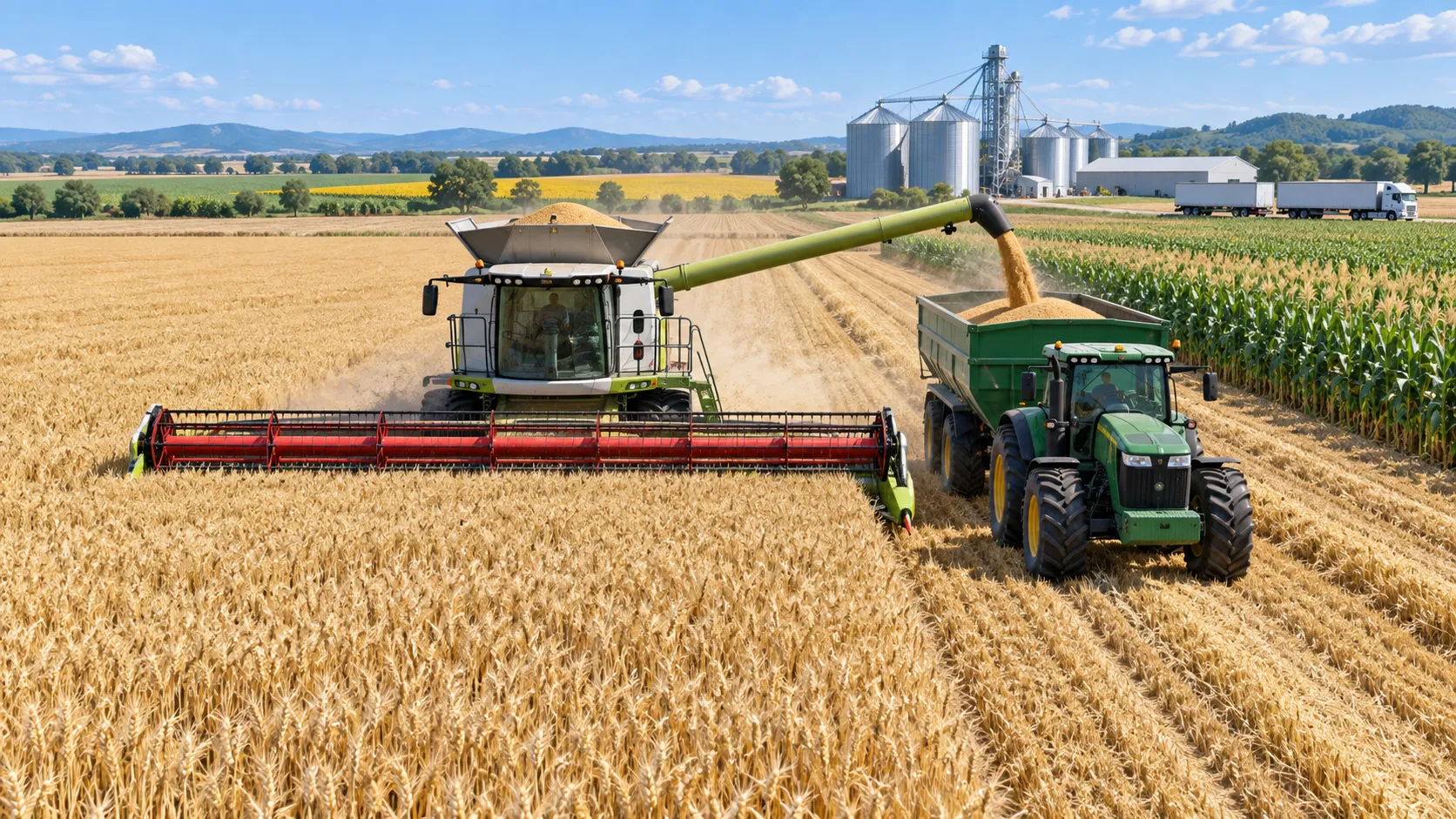
Selecting Grain Farm Equipment by Acreage, Crop Mix, and Harvest Window
Agricultural equipment selection for grain farming: match machinery to acreage, crop mix, and harvest windows to improve uptime, efficiency, and returns.
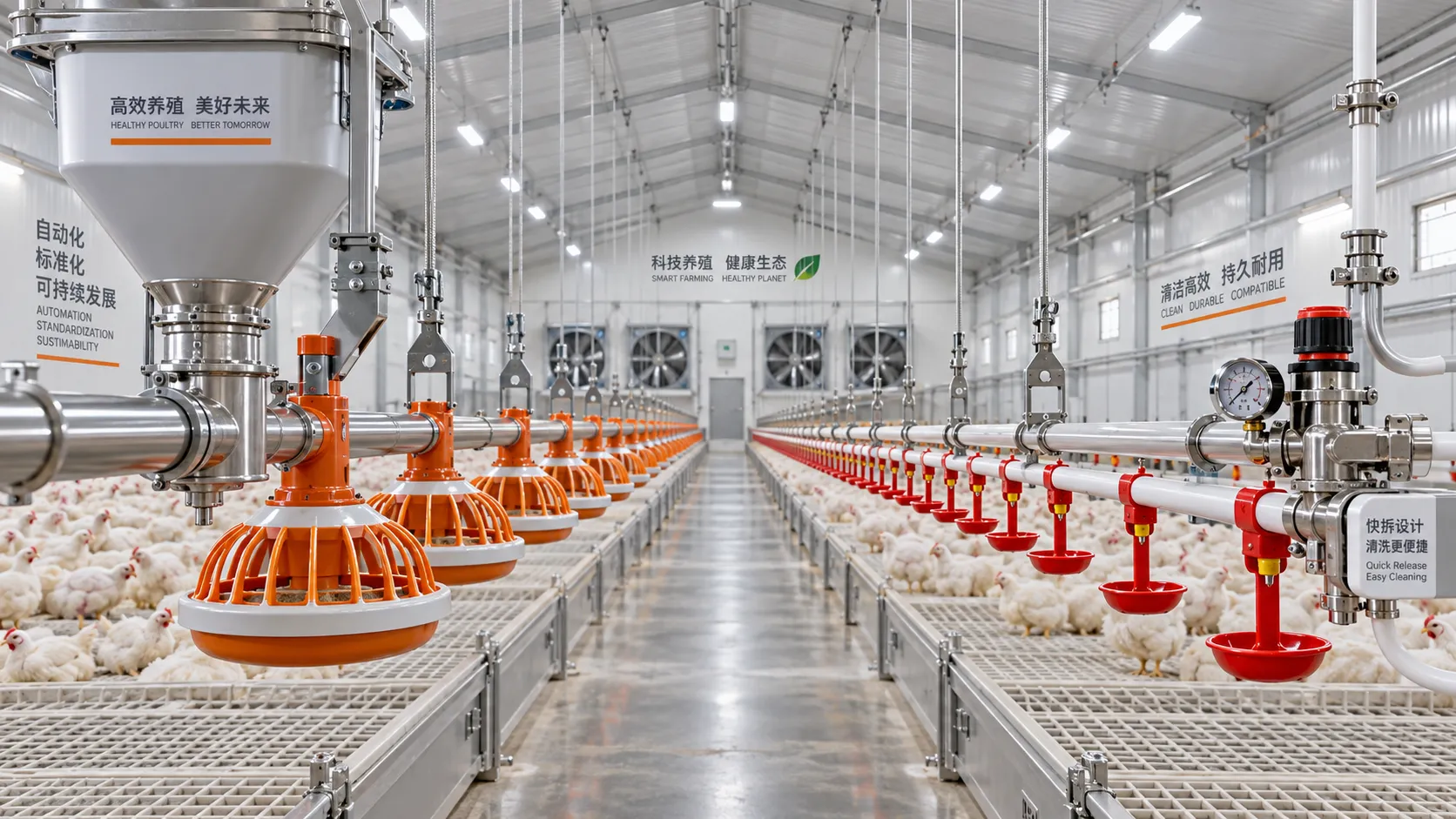
Poultry Equipment Selection: Evaluating Durability, Cleaning, and Compatibility
Poultry equipments selection guide: evaluate durability, cleaning access, and system compatibility to improve hygiene, reduce downtime, and support efficient flock management.
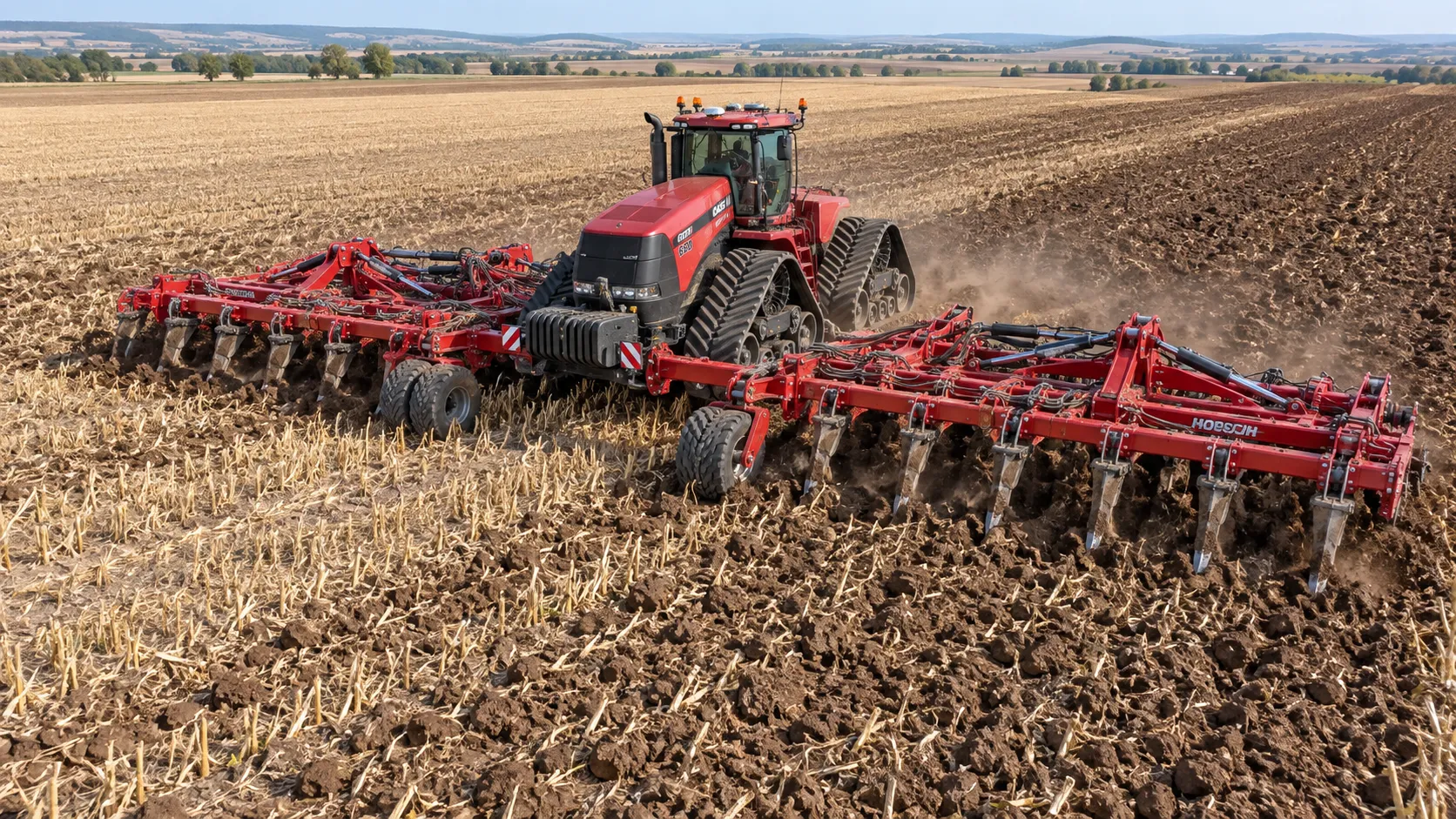
How to Select Heavy-Duty Farm Implements for High-Acreage, High-Horsepower Operations
Heavy duty farm implements: learn how to match draft, hydraulics, hitch capacity, frame strength, and field conditions for reliable high-acreage performance.
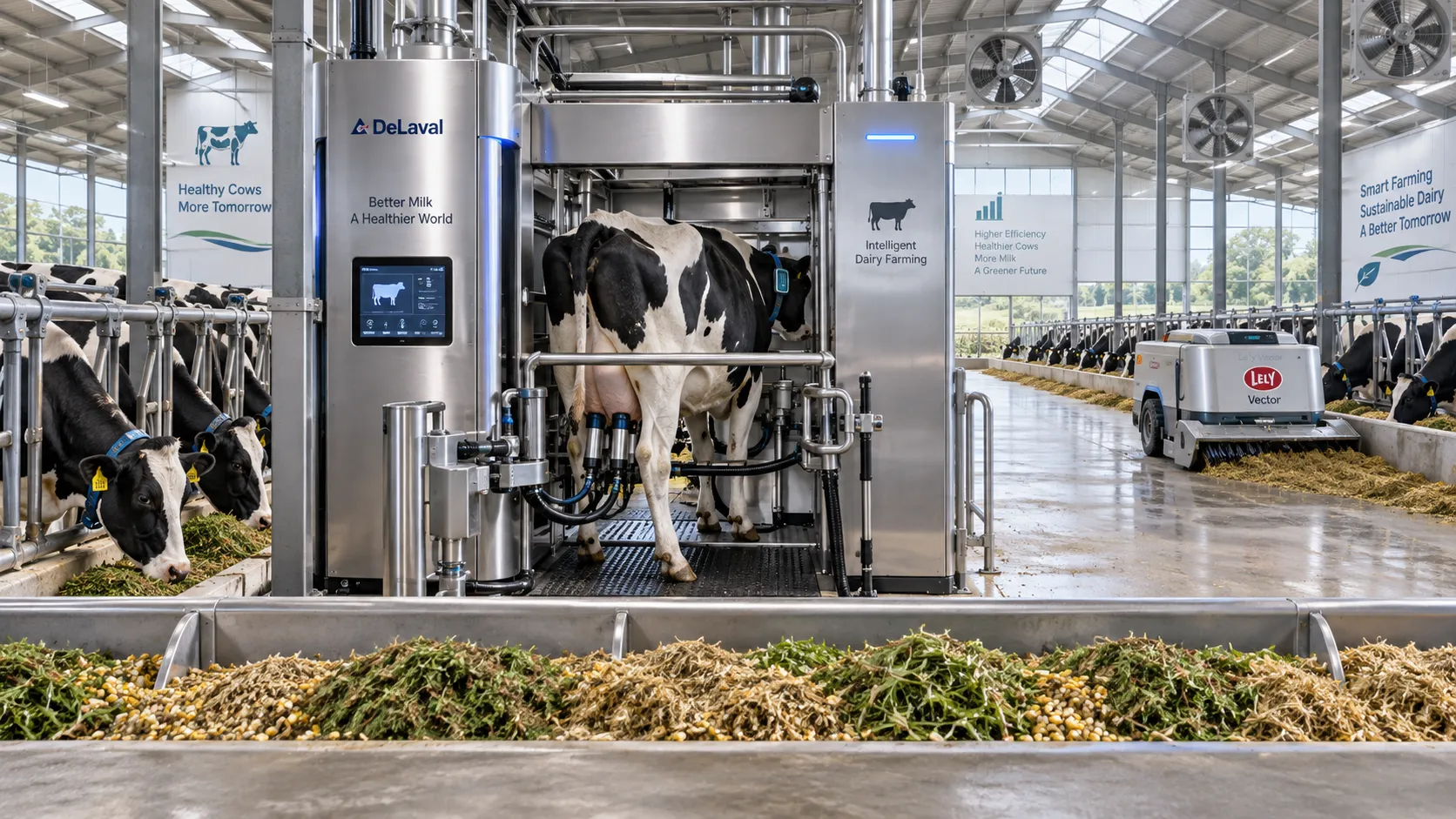
Smart Farming Technology for Dairy Farms: Where Automation Delivers Measurable ROI
Smart farming technology for dairy farms delivers measurable ROI through automation, precision feeding, health monitoring, and data-driven cost control.
Related News
- 00
0000-00
Selecting Real-Time Soil Moisture Sensors for Irrigation Zone Control - 00
0000-00
How Does Climate-Smart Farming Reduce Water Use in Semi-Arid Areas? - 00
0000-00
USDA Rule Takes Effect: Dual FCC and NRCS Approval for Soil Moisture Sensors - 00
0000-00
EU Rule Takes Effect: Soil Moisture Sensors Need Revised CE-EMC Certification - 00
0000-00
How to Choose Wireless Smart Irrigation Systems for Better Water Control
Popular Tags
Hydrological Resource Strategist
Weekly Insights
Stay ahead with our curated technology reports delivered every Monday.