
ANVISA Exempts Chinese Soil Moisture Sensors from Registration
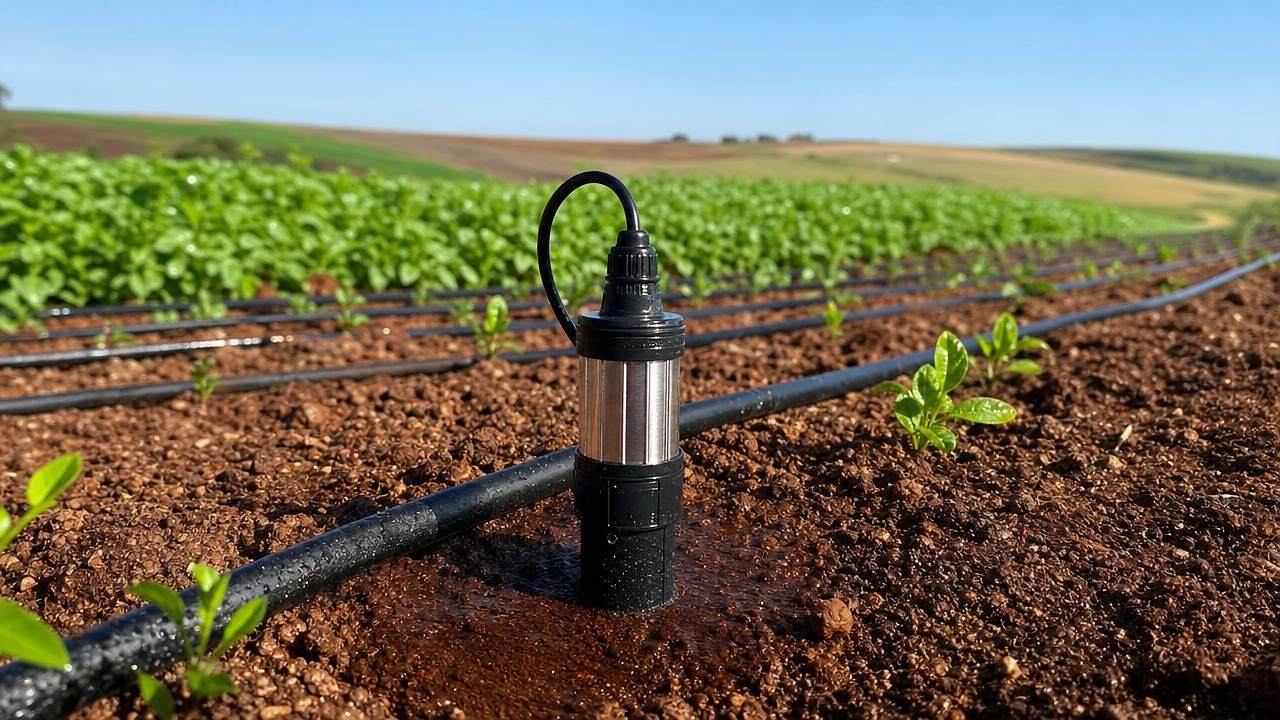




Brasília, May 8, 2026 — Brazil’s National Health Surveillance Agency (ANVISA) issued Resolution No. 112/2026 on May 8, 2026, exempting certain Chinese-made soil moisture sensors from mandatory standalone registration when imported as integrated components of drip irrigation logic systems. The move targets a key regulatory bottleneck for agricultural technology exporters and signals a pragmatic recalibration of ANVISA’s oversight scope—shifting focus from embedded sensor modules to end-use system safety and performance.
Event Overview
On May 8, 2026, ANVISA published Resolution No. 112/2026, explicitly waiving the individual product registration requirement for Chinese soil moisture sensors that comply with IEC 60529 IP68 and ISO 11277 standards. These sensors are permitted to enter Brazil solely as integral parts of certified drip irrigation logic (Drip Irrigation Logic) systems, with conformity assessed at the whole-unit level. The resolution reduces compliance-related administrative burden and is projected to shorten customs clearance time for complete drip irrigation units by 7–10 days.
Impact on Specific Industry Segments
Direct Trade Enterprises
Exporters and distributors handling China-to-Brazil agricultural hardware face immediate operational relief: no need to initiate separate ANVISA registration dossiers for qualifying sensors, eliminating associated fees (estimated at USD 8,000–12,000 per model), translation costs, and 4–6 months of review latency. However, responsibility for verifying sensor compliance—and maintaining traceable documentation linking each sensor batch to its certified host system—now rests fully with the exporter.
Raw Material Procurement Enterprises
Firms sourcing electronic components (e.g., capacitive sensing elements, signal conditioning ICs) or housing materials for soil moisture sensors are indirectly affected. While not subject to ANVISA oversight themselves, their downstream customers—sensor manufacturers—will increasingly demand certified material test reports (e.g., ingress protection validation, soil corrosion resistance per ISO 11277) to support system-level conformity claims. Procurement due diligence must now extend into functional performance specifications, not just dimensional or chemical compliance.
Manufacturing Enterprises
OEM and ODM producers assembling drip irrigation logic systems must adapt internal quality control protocols. Under the new framework, sensor integration is no longer a ‘black box’ component insertion; it requires documented verification that each sensor unit meets IP68 sealing integrity and soil-specific electrical property thresholds (per ISO 11277). Manufacturing records must now include batch-level calibration logs, environmental stress test summaries, and traceable supplier declarations—not merely CE or RoHS statements.
Supply Chain Service Providers
Third-party conformity assessment bodies, logistics coordinators, and customs brokers serving this trade lane must update service offerings. Brokers will need updated ANVISA tariff classification guidance for ‘non-registered embedded sensors’, while testing labs must verify capability to issue IP68 and ISO 11277 reports acceptable under Resolution 112/2026. Notably, ANVISA does not recognize EU Notified Bodies for these specific tests—only laboratories accredited under INMETRO’s RBC system or designated by ANVISA itself.
Key Considerations and Recommended Actions
Verify sensor model eligibility before shipment
Only sensors formally tested and certified to both IEC 60529 IP68 (dust-tight & continuous submersion) and ISO 11277 (soil-specific dielectric permittivity measurement accuracy across texture classes) qualify. Pre-shipment verification must include valid test reports bearing the accreditation mark of an ANVISA-recognized lab—not generic IP68 claims in marketing materials.
Maintain full system-level documentation
Importers must retain, for at least five years, technical files demonstrating how the sensor integrates into the final drip irrigation logic unit—including firmware version, calibration method, data transmission protocol, and failure mode analysis. ANVISA may request these during post-clearance audits, especially if field complaints arise regarding irrigation scheduling errors.
Monitor potential scope creep in future resolutions
Resolution 112/2026 applies exclusively to soil moisture sensors embedded in drip irrigation logic systems. It does not extend to standalone sensors, wireless telemetry variants, or sensors used in fertigation controllers or greenhouse automation. Stakeholders should track upcoming ANVISA consultations—particularly Draft Resolution 047/2026 on ‘Agri-Tech Conformity Pathways’—which may revise eligibility criteria or introduce periodic revalidation requirements.
Editorial Perspective / Industry Observation
Observably, ANVISA’s decision reflects a growing trend among emerging-market regulators: moving away from prescriptive, component-level certification toward risk-informed, system-based oversight—especially where products serve critical food security infrastructure. This shift lowers entry barriers but raises the bar for technical accountability. Analysis shows that while short-term cost savings are tangible, long-term competitiveness will hinge less on regulatory arbitrage and more on demonstrable interoperability, field durability, and data traceability across the irrigation value chain. From an industry standpoint, this resolution is better understood not as a ‘loosening’ of controls, but as a relocation of compliance responsibility—from agency gatekeepers to engineering-led supply chain governance.
Conclusion
This regulatory adjustment marks a calibrated step toward streamlining agri-tech trade between China and Brazil—not a broad deregulatory gesture. Its significance lies in establishing precedent: ANVISA acknowledges that certain embedded sensors, when validated within a defined system context and performance envelope, do not pose independent public health risks warranting standalone review. For the global precision agriculture sector, the takeaway is pragmatic: regulatory efficiency gains are increasingly tied to verifiable system integration rigor—not just component compliance.
Source Attribution
Official text: ANVISA Resolution No. 112/2026, published in the Diário Oficial da União, Section 1, May 8, 2026, p. 24–27.
Supplementary guidance: ANVISA Technical Note NT-ANVISA/GEIF/DIRA/2026/008 (issued May 10, 2026, clarifying scope exclusions).
Areas under ongoing observation: Possible expansion to other sensor types (e.g., EC/pH probes) under consultation process #ANVISA-AGRI-2026-09; alignment timelines with Brazil’s upcoming Inmetro Ordinance on Smart Irrigation Devices (expected Q4 2026).
Related News

How to Compare Agricultural Automation Solutions Beyond Price
Agricultural automation solutions should be compared beyond price. Learn how to assess fit, uptime, integration, hidden costs, and ROI to choose smarter, higher-performing farm technology.
When Agricultural Automation Tools Add Complexity to Field Work
Agricultural automation tools can boost precision, but they may also add hidden field complexity. Learn the warning signs, integration risks, and smarter evaluation steps to protect productivity.
Smart Farming Technology Trends That Actually Affect Yield
Smart farming technology trends that truly impact yield: explore precision guidance, variable-rate inputs, sensor monitoring, smart irrigation, and harvest analytics to boost output and cut losses.
Crop Monitoring Technology Can Miss Early Stress Signals
Crop monitoring technology can miss early stress signals that impact yield, quality, and efficiency. Learn the hidden blind spots and smarter ways to act sooner.
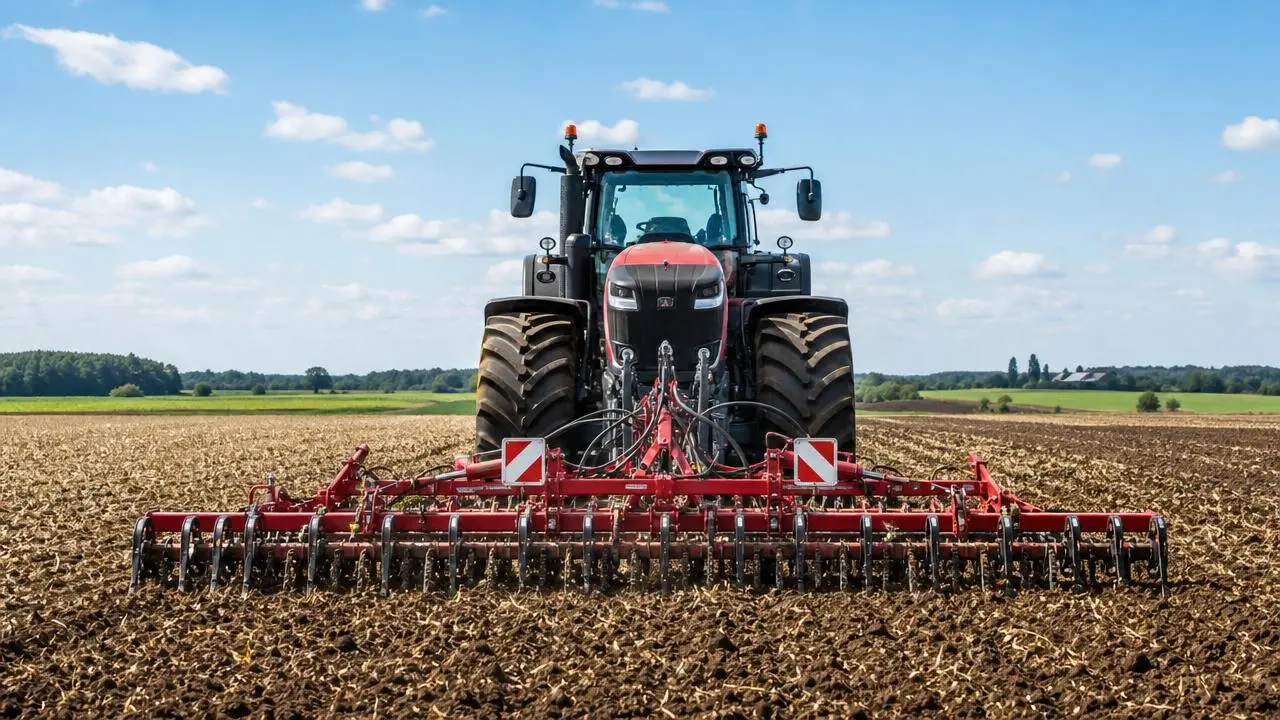
Heavy-Duty Farm Machinery: Which Specs Matter in Daily Use?
Heavy-duty farm machinery specs shape fuel efficiency, traction, hydraulics, uptime, and comfort. Learn which daily-use indicators truly matter before you invest.
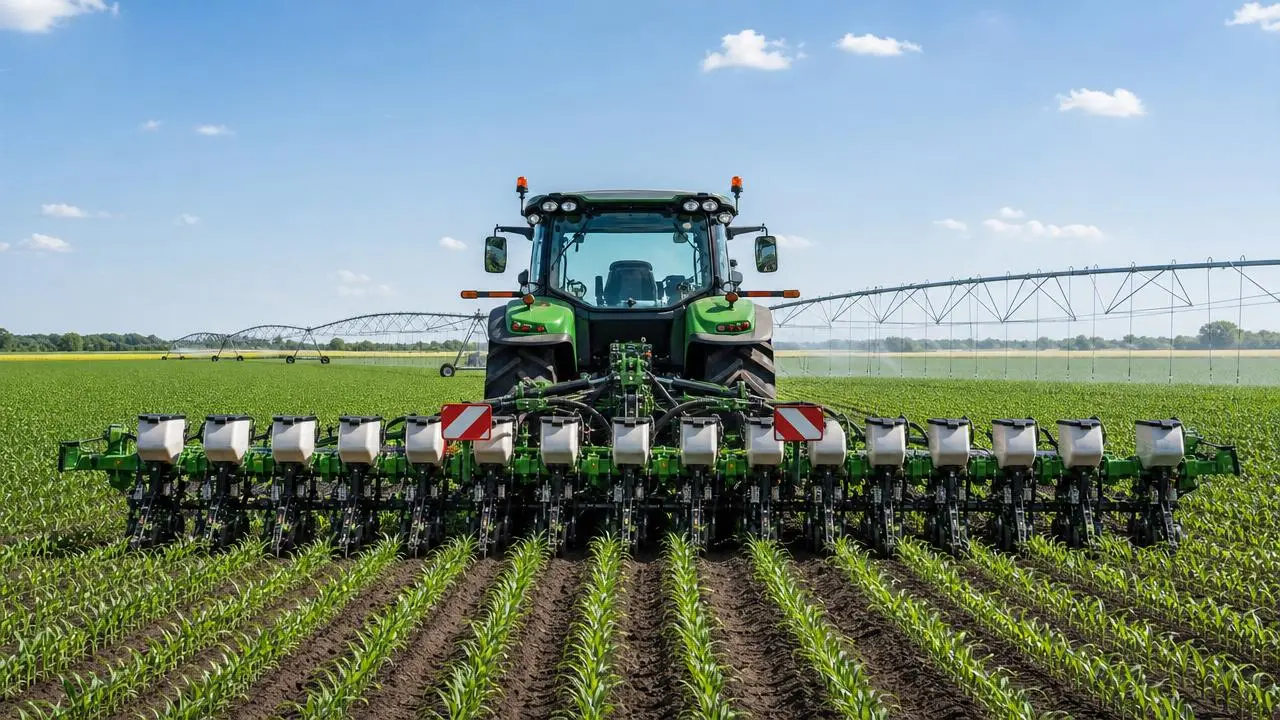
Sustainable Farming Equipment Costs More Up Front, Then What?
Sustainable farming equipment costs more upfront, but can lower fuel, inputs, downtime, and compliance risk. See how lifetime value can improve farm margins and resilience.
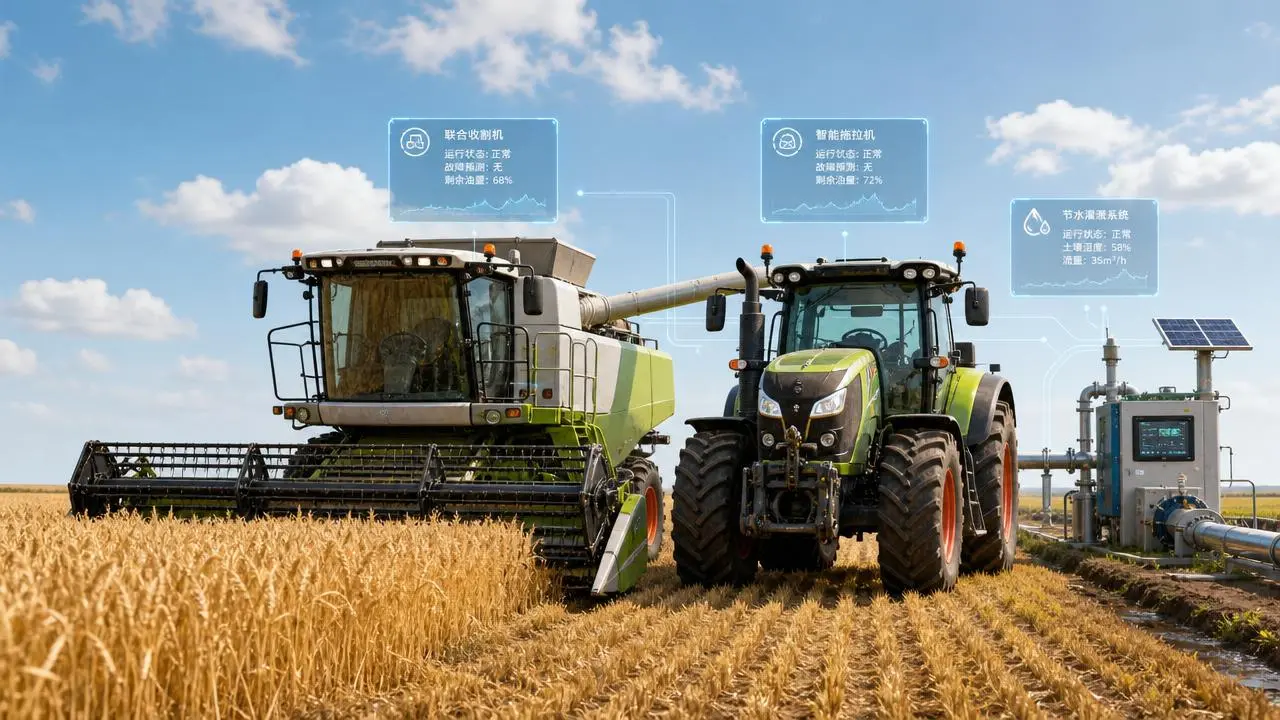
Agri-Machinery Intelligence Is Changing Maintenance Timing
Agri-machinery intelligence helps after-sales teams predict wear, schedule maintenance earlier, cut downtime, and protect uptime during critical farming seasons.
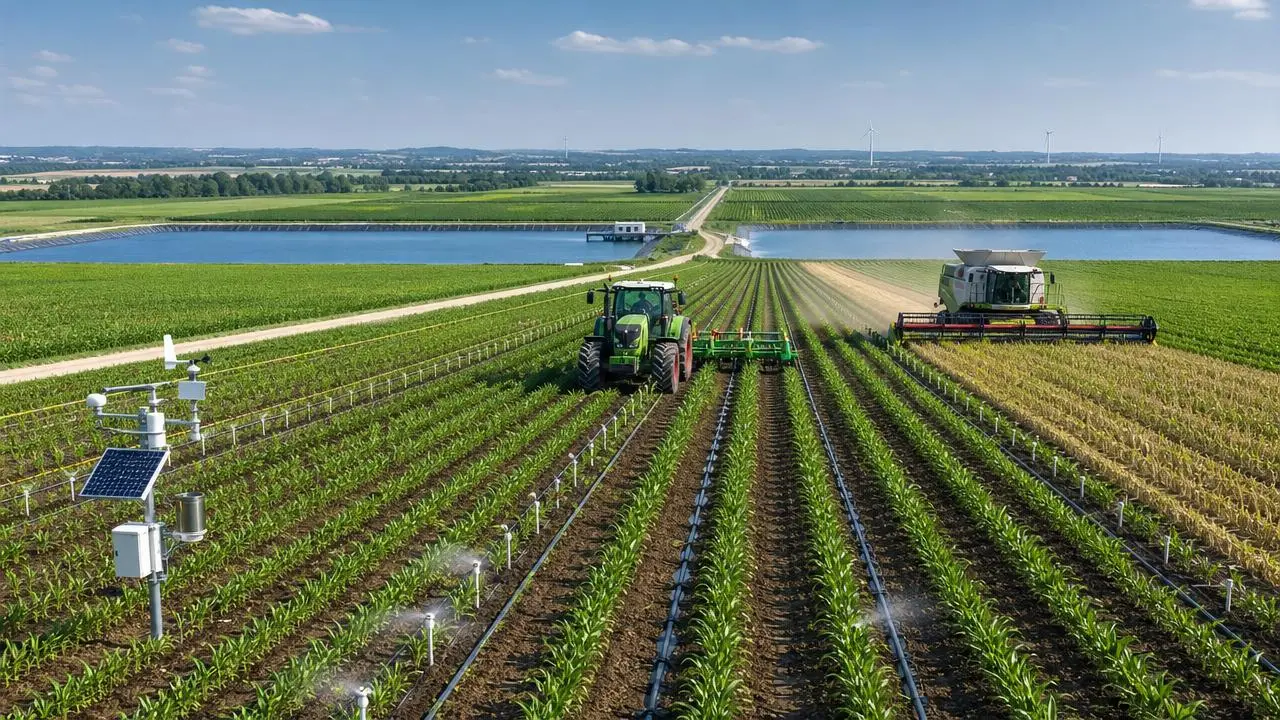
Are Food Security Solutions for Sustainable Farming Scalable?
Food security solutions for sustainable farming can scale with smart irrigation, resilient machinery, and data-driven planning. Learn what makes large-scale deployment practical and investment-ready.
Climate-Smart Farming: Where Savings End and Risk Begins
Climate-smart farming is reshaping agriculture. Discover where real savings end, hidden risks begin, and how to build resilience with smarter, lower-risk investment decisions.
Related News
- 00
0000-00
Crop Monitoring Technology Can Miss Early Stress Signals - 00
0000-00
ANVISA Exempts Chinese Soil Moisture Sensors from Registration - 00
0000-00
ANVISA Exempts Chinese Soil Moisture Sensors from Registration - 00
0000-00
Indonesia BPOM Fast-Tracks Approval of Chinese Smart Irrigation Water Quality Monitors - 00
0000-00
Indonesia BPOM Accelerates Approval of Chinese Smart Irrigation Water Quality Monitors
Popular Tags
Hydrological Resource Strategist
Weekly Insights
Stay ahead with our curated technology reports delivered every Monday.