
Indonesia BPOM Accelerates Approval of Chinese Smart Irrigation Water Quality Monitors
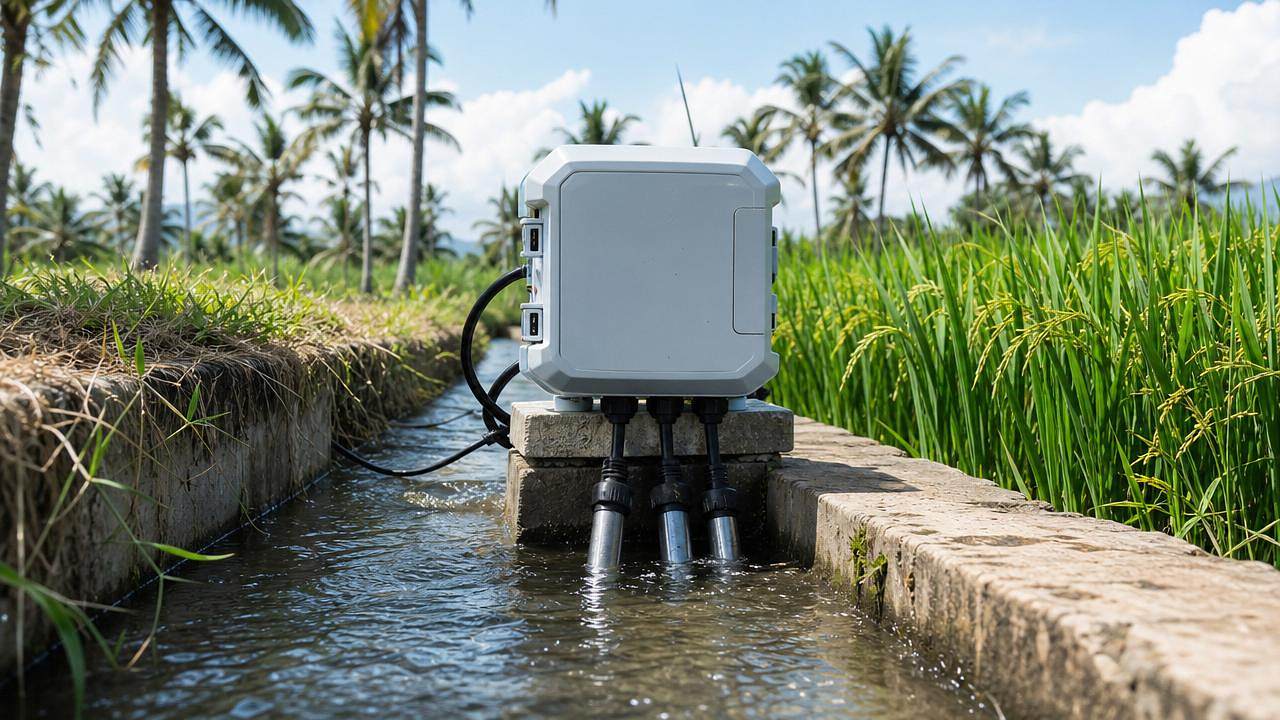




Indonesia’s National Agency of Drug and Food Control (BPOM) issued Administrative Order No. 112/2026 on May 8, 2026, activating a ‘green fast-track’ pathway for Chinese-made smart irrigation water quality monitors—specifically devices integrating pH, EC, and Cl⁻ multi-parameter sensing modules. The approval timeline has been reduced from the standard 180 days to 22 working days. This marks the first implemented case under the China–ASEAN Green Product Certification Mutual Recognition Memorandum of Understanding, which recognizes test reports issued by Chinese laboratories accredited under the China Metrology Accreditation (CMA) system. Companies active in agricultural technology exports, environmental monitoring hardware supply chains, and cross-border certification services should closely monitor this development.
Event Overview
On May 8, 2026, Indonesia’s BPOM signed Administrative Order No. 112/2026, establishing an expedited review pathway for Chinese smart irrigation water quality monitoring instruments equipped with pH/EC/Cl⁻ multi-parameter sensor modules. Under this order, the regulatory approval cycle is shortened to 22 working days—down from the conventional 180-day process. The decision explicitly acknowledges the validity of test reports issued by CMA-accredited laboratories in China, as stipulated in the China–ASEAN Green Product Certification Mutual Recognition Memorandum of Understanding. No further implementation details or scope expansions beyond this specific product category have been publicly confirmed.
Impact on Specific Industry Segments
Direct Exporters of Agricultural IoT Devices
These enterprises face revised market entry timelines and documentation requirements for Indonesia. The green fast-track applies only to devices matching the specified technical configuration (pH/EC/Cl⁻ sensing), meaning eligibility hinges on precise product classification and alignment with BPOM’s defined parameters—not general ‘smart agriculture’ labeling. Impact manifests in shorter time-to-market but also tighter scrutiny on conformity evidence, especially regarding sensor calibration traceability and report formatting per Indonesian regulatory expectations.
Manufacturers Relying on CMA-Accredited Testing Labs
Suppliers whose quality assurance workflows depend on CMA-accredited labs now hold a verified advantage for this specific Indonesia-bound product segment. However, the mutual recognition currently covers only the listed device type and its associated test parameters. It does not extend automatically to other water quality sensors (e.g., dissolved oxygen, turbidity) or broader agri-tech hardware categories. Manufacturers must verify whether their existing CMA test reports meet BPOM’s format, unit, and uncertainty reporting conventions before submission.
Supply Chain & Compliance Service Providers
Firms offering regulatory consulting, local representation, or technical file preparation for ASEAN markets encounter a precedent-setting use case for green certification reciprocity. Yet this remains a single-product, single-country application—not a framework-wide simplification. Service providers must avoid overgeneralizing this outcome; current value lies in refining localized submission packages for this exact device class, rather than assuming broad applicability across ASEAN members or product families.
What Relevant Enterprises or Practitioners Should Monitor and Do Now
Track official updates to BPOM’s green fast-track criteria
The scope, eligibility conditions, and renewal mechanism for Administrative Order No. 112/2026 remain unconfirmed. Stakeholders should subscribe to BPOM’s official notices and monitor for any amendments, extensions, or published guidance documents—particularly those clarifying whether firmware versions, housing materials, or data transmission protocols affect eligibility.
Verify alignment between product specifications and BPOM’s defined parameters
Eligibility requires strict match to the device description in the administrative order: ‘smart irrigation water quality monitors with integrated pH/EC/Cl⁻ multi-parameter sensing modules’. Companies must audit technical documentation—including datasheets, test reports, and user manuals—to ensure terminology, measurement ranges, and sensor integration claims align precisely with BPOM’s stated definition before initiating submission.
Distinguish policy signal from operational readiness
This order reflects a formal regulatory decision—not yet evidence of streamlined customs clearance, post-approval surveillance, or harmonized labeling requirements. Exporters should treat it as a targeted approval acceleration, not a de facto certification equivalence. Pre-shipment verification, local agent coordination, and post-market compliance planning remain necessary and unchanged.
Prepare localized technical files with CMA report integration
For submissions under this fast-track, BPOM accepts CMA lab reports—but only if they include required metadata: test date, instrument identification, calibration records, and measurement uncertainty statements per ISO/IEC 17025. Exporters should work with their CMA labs now to confirm report templates meet these functional requirements, avoiding delays during final dossier assembly.
Editorial Perspective / Industry Observation
Observably, this development functions primarily as a pilot signal—not a scalable regulatory shift. It confirms that bilateral green product certification reciprocity can yield tangible, time-bound procedural benefits, but only within tightly bounded technical and administrative parameters. Analysis shows the initiative’s immediate value lies in validating interoperability between China’s CMA infrastructure and Indonesia’s BPOM evaluation logic for a narrowly defined product group. From an industry perspective, it signals growing institutional willingness to align on environmental-tech assessment frameworks—but does not imply imminent expansion to other ASEAN jurisdictions or broader agri-environmental hardware categories. Continued observation is warranted for whether BPOM publishes implementation guidelines, introduces parallel pathways for related products, or initiates similar arrangements with other ASEAN members.
Conclusion: This approval acceleration represents a concrete, limited-scope implementation of green certification reciprocity—not a structural reform of Indonesia’s import regulatory regime. Its significance resides in demonstrating feasibility and building procedural familiarity between two national systems. For stakeholders, it is more appropriately understood as a targeted opportunity requiring precise technical and documentary alignment, rather than a broad-based market access improvement.
Source Disclosure:
Primary source: Indonesia BPOM Administrative Order No. 112/2026, dated May 8, 2026.
Note: Implementation details—including application procedures, fee structures, and post-approval obligations—are not publicly confirmed and remain subject to ongoing observation.
Related News

How to Select Precision Crop Protection Equipment for Variable Field Conditions
Precision crop protection equipment selection made simple: compare terrain, canopy, weather, control accuracy, and data workflows for reliable applications.

When Does Agricultural Machinery Leasing Cost Less Than Owning Equipment?
Agricultural machinery leasing can lower farm costs when use is seasonal or uncertain. Compare utilization, maintenance, cash flow, and risk to make a smarter equipment decision.
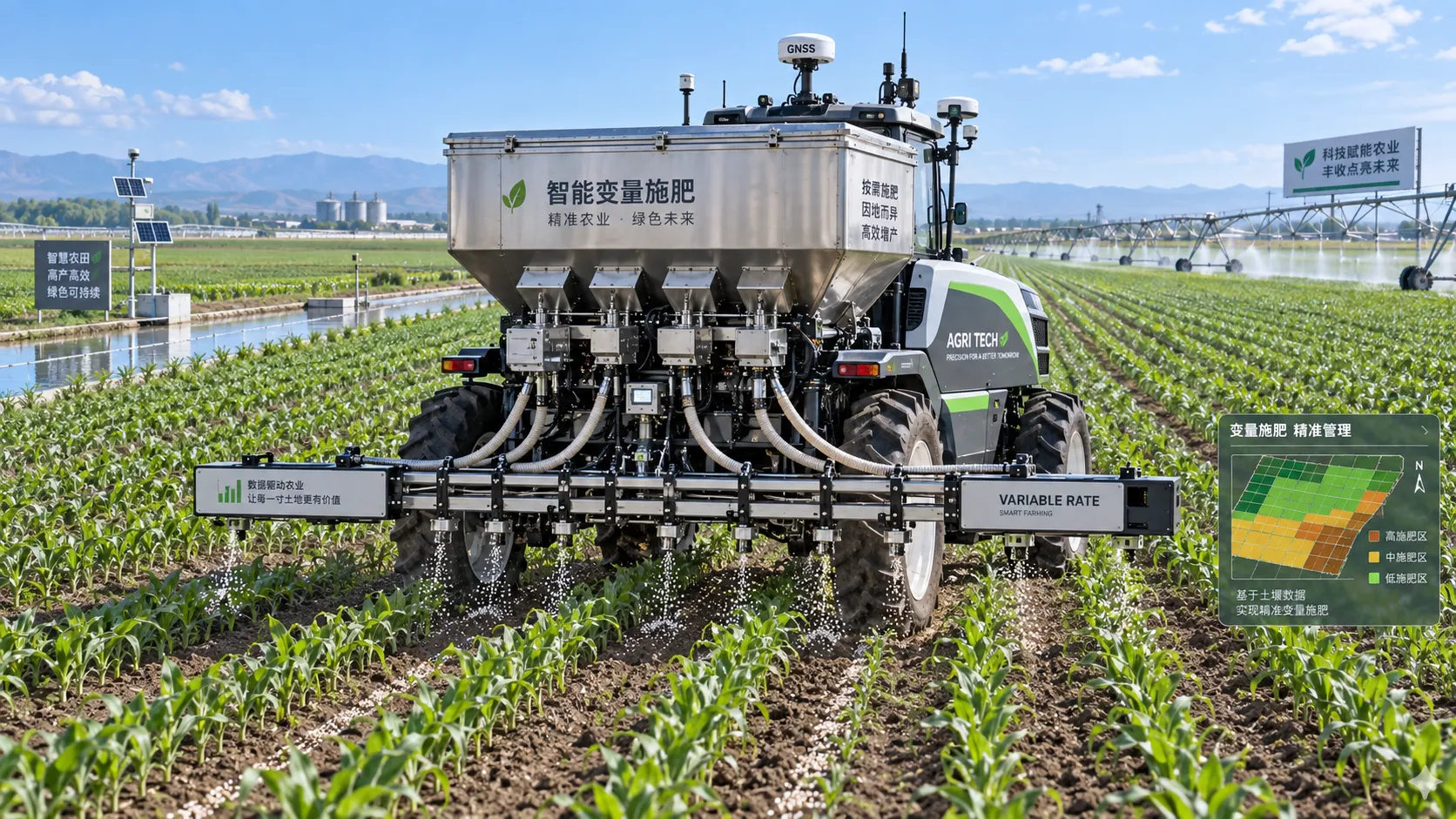
How to Evaluate Precision Fertilization System Suppliers for Farm-Scale Deployment
Precision fertilization systems suppliers: learn how to compare accuracy, integration, uptime, service, and total cost for confident farm-scale deployment.

ISOBUS for Smart Agriculture: How It Connects Tractors, Implements, and Farm Data
ISOBUS for smart agriculture connects tractors, implements, terminals, and farm data—helping growers improve precision, documentation, and smarter field decisions.
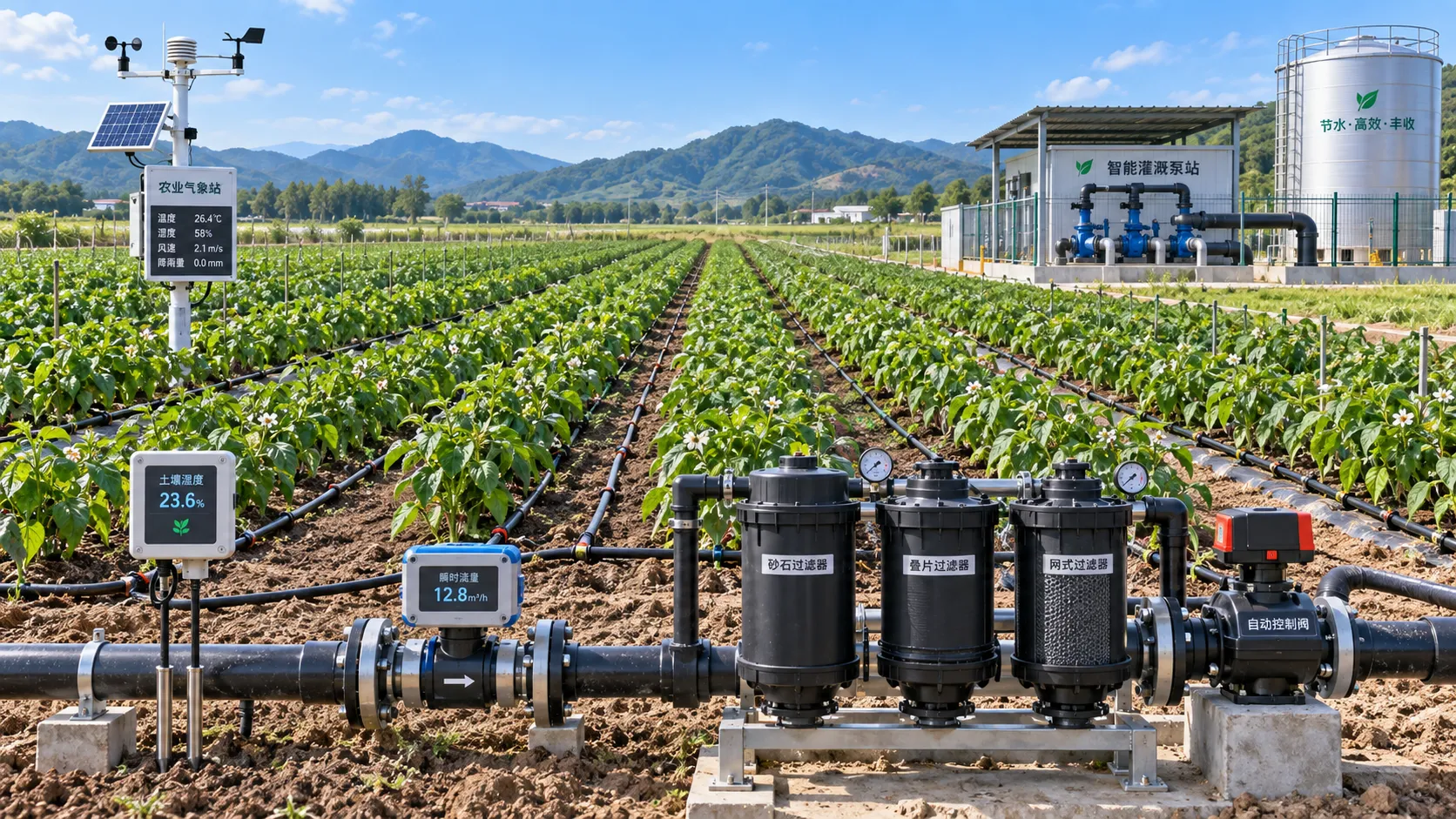
Automated Water-Saving Irrigation: How to Cut Water Use Without Reducing Crop Yields
Automated water-saving irrigation helps farms cut water use, protect crop yields, improve scheduling, and gain reliable control with sensors, flow monitoring, and smart zones.

Selecting Grain Farm Equipment by Acreage, Crop Mix, and Harvest Window
Agricultural equipment selection for grain farming: match machinery to acreage, crop mix, and harvest windows to improve uptime, efficiency, and returns.
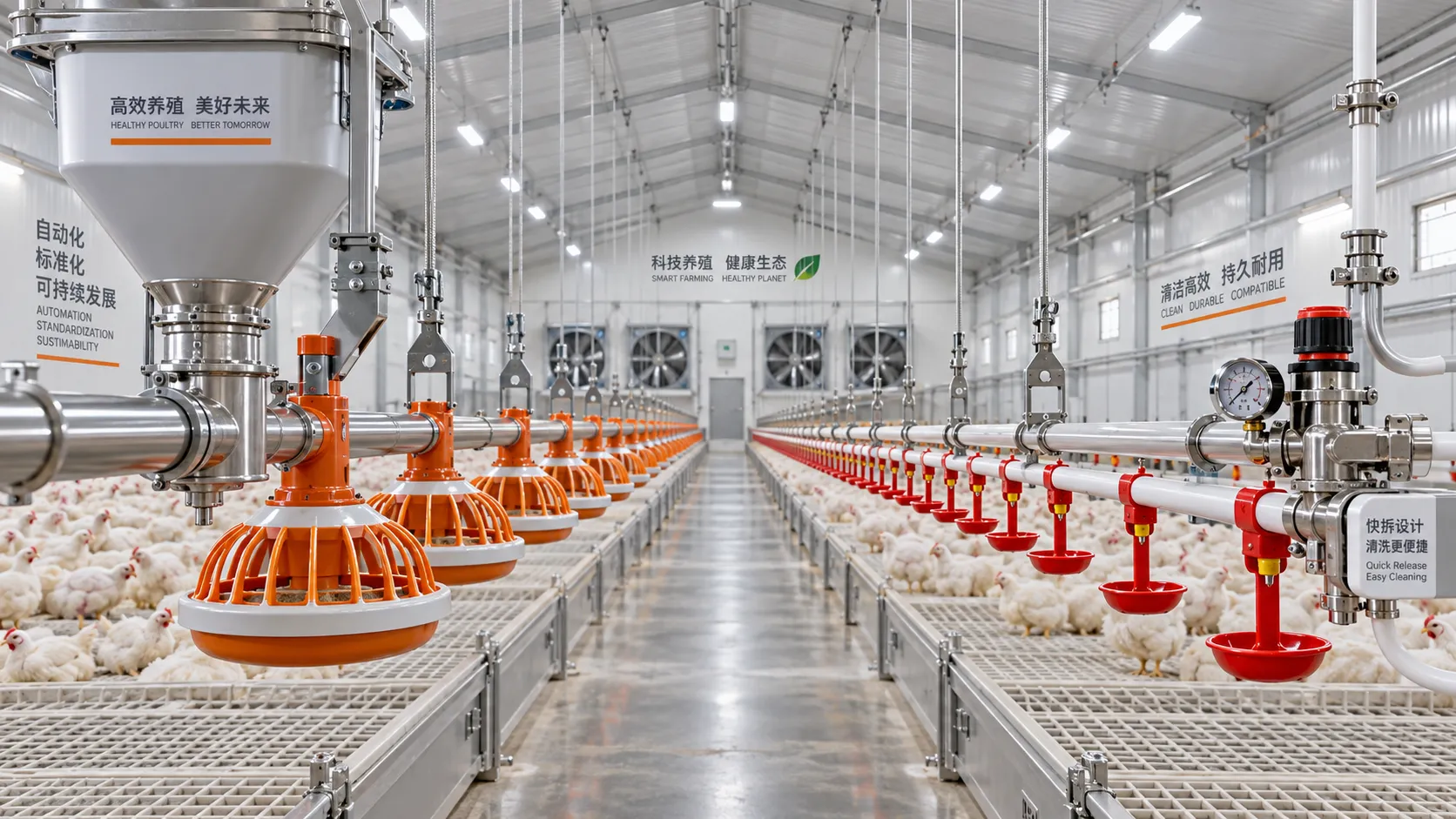
Poultry Equipment Selection: Evaluating Durability, Cleaning, and Compatibility
Poultry equipments selection guide: evaluate durability, cleaning access, and system compatibility to improve hygiene, reduce downtime, and support efficient flock management.

How to Select Heavy-Duty Farm Implements for High-Acreage, High-Horsepower Operations
Heavy duty farm implements: learn how to match draft, hydraulics, hitch capacity, frame strength, and field conditions for reliable high-acreage performance.
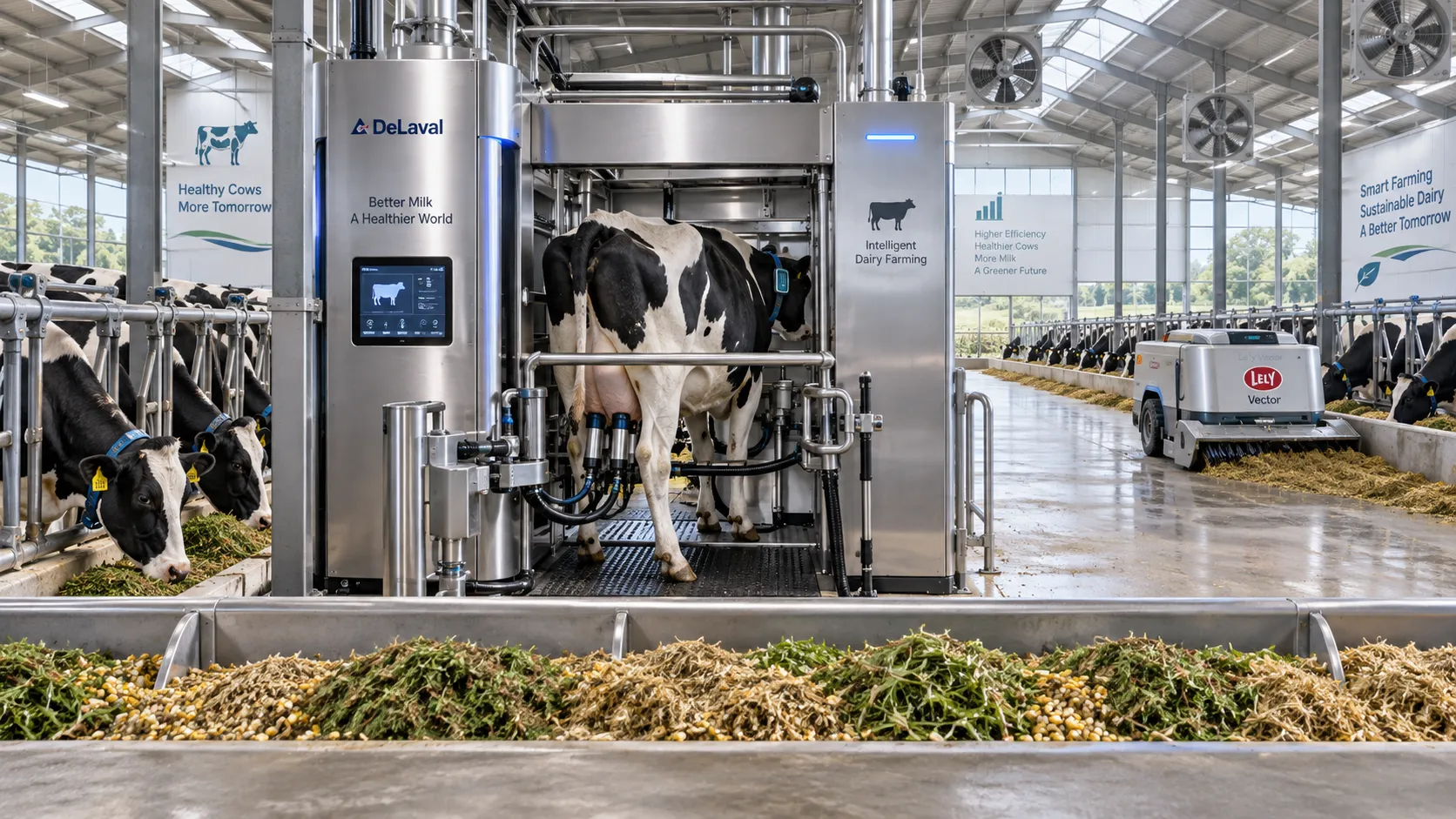
Smart Farming Technology for Dairy Farms: Where Automation Delivers Measurable ROI
Smart farming technology for dairy farms delivers measurable ROI through automation, precision feeding, health monitoring, and data-driven cost control.
Related News
- 00
0000-00
Selecting Real-Time Soil Moisture Sensors for Irrigation Zone Control - 00
0000-00
How Does Climate-Smart Farming Reduce Water Use in Semi-Arid Areas? - 00
0000-00
USDA Rule Takes Effect: Dual FCC and NRCS Approval for Soil Moisture Sensors - 00
0000-00
EU Rule Takes Effect: Soil Moisture Sensors Need Revised CE-EMC Certification - 00
0000-00
How to Choose Wireless Smart Irrigation Systems for Better Water Control
Popular Tags
Hydrological Resource Strategist
Weekly Insights
Stay ahead with our curated technology reports delivered every Monday.