
Indonesia BPOM Fast-Tracks Approval of Chinese Smart Irrigation Water Quality Monitors
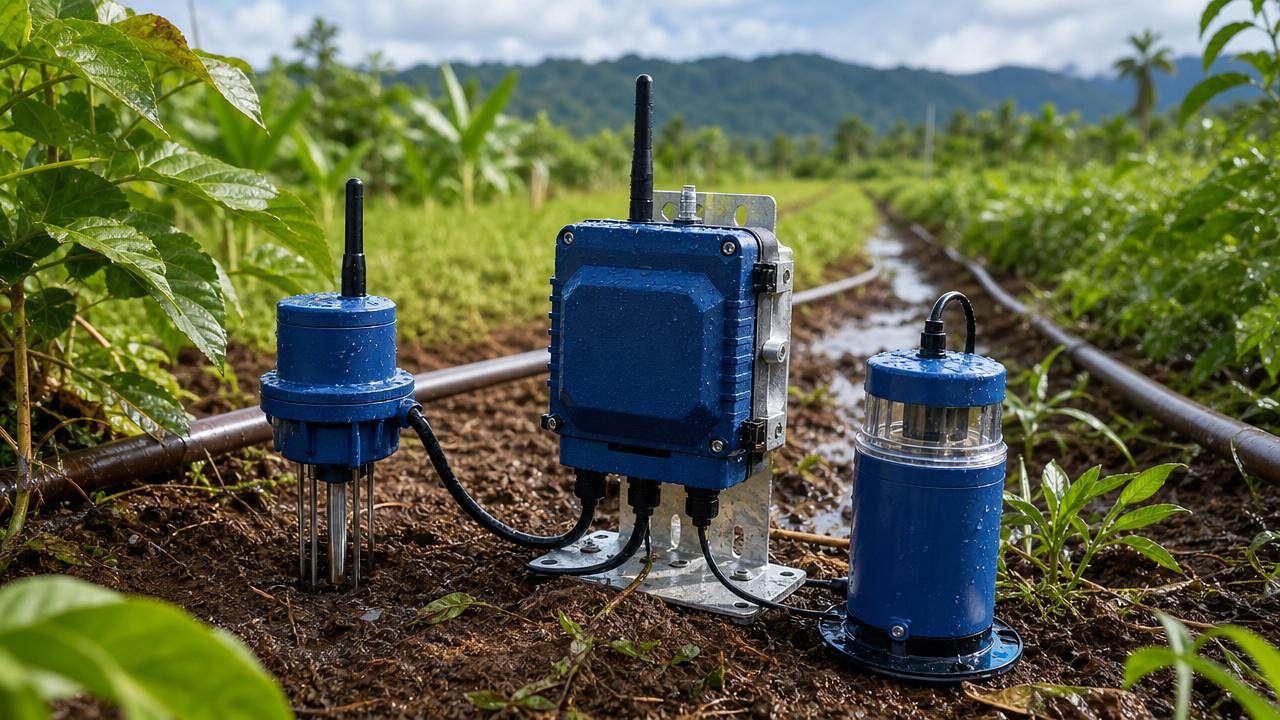




On May 9, 2026, Indonesia’s National Agency of Drug and Food Control (BPOM) granted market authorization to three models of Chinese-made smart irrigation water quality monitoring devices—including soil moisture sensors and drip irrigation logic-integrated units—reducing the approval timeline to just 11 working days. This marks the first implemented case under the China–ASEAN Green Product Certification Mutual Recognition Mechanism, with BPOM accepting Chinese CMA-accredited test reports. Agricultural sensor exporters, certification service providers, and agri-tech supply chain stakeholders operating across Southeast Asia should closely monitor implications for regulatory pathways, cross-border compliance, and market access timelines.
Event Overview
On May 9, 2026, Indonesia’s BPOM formally approved three Chinese-origin smart irrigation water quality monitoring instruments for sale in Indonesia. The approved products include soil moisture sensors and models integrated with drip irrigation logic control systems. The approval was completed in 11 working days. This decision recognizes testing reports issued by laboratories accredited under China’s China Metrology Accreditation (CMA) system, pursuant to the China–ASEAN Green Product Certification Mutual Recognition Mechanism. No further details on product specifications, manufacturers, or commercial rollout plans have been publicly disclosed.
Industries Affected
Direct Exporters of Agricultural Sensors and IoT Devices
These companies face reduced time-to-market for eligible products entering Indonesia. The shortened BPOM review cycle directly lowers pre-market regulatory costs and accelerates revenue realization. Impact is most pronounced for exporters whose products already hold CMA-accredited test reports aligned with BPOM’s technical requirements for irrigation-related environmental monitoring equipment.
Certification and Compliance Service Providers
Firms offering conformity assessment, testing coordination, or regulatory advisory services for agritech hardware may see increased demand for CMA-aligned reporting support—notably for clients targeting Indonesia under the mutual recognition framework. However, this benefit applies only to devices falling explicitly within the scope of the green product mechanism and verified against BPOM’s accepted standards.
Agri-Tech Supply Chain Integrators
Companies embedding Chinese-sourced sensors into broader irrigation control systems (e.g., automated drip platforms or farm management SaaS hardware stacks) may experience faster component qualification cycles when introducing updated or new configurations in Indonesia—provided the underlying sensor modules are among those covered by the BPOM decision and retain valid CMA documentation.
What Relevant Enterprises or Practitioners Should Monitor and Do Now
Track official updates on scope expansion and eligibility criteria
The current approval covers only three specific models and references a narrow set of device functions (soil moisture sensing + drip irrigation logic integration). Analysis shows BPOM has not yet published an updated list of recognized CMA test parameters, nor clarified whether future submissions will require additional local verification steps. Stakeholders should monitor BPOM’s official notices and China’s State Administration for Market Regulation (SAMR) communications for formal annexes or guidance documents.
Verify alignment between existing CMA reports and BPOM’s technical expectations
Not all CMA-accredited test reports automatically qualify under the mutual recognition arrangement. From industry perspective, reports must cover parameters explicitly referenced in BPOM’s acceptance notice—such as measurement accuracy under tropical humidity conditions or power supply resilience for field deployment. Exporters should audit current test documentation against publicly confirmed BPOM requirements before initiating new applications.
Distinguish policy signal from operational readiness
This is the first implementation case—not a blanket simplification of Indonesia’s medical or agricultural device regulations. Observably, BPOM’s fast-track applies solely to this certified subset of green agricultural IoT devices. It does not extend to other agri-sensors (e.g., nutrient analyzers or pest detection units) or to non-green-certified product categories. Companies should avoid assuming procedural benefits beyond the defined scope.
Prepare documentation and internal workflows for CMA report submission
For firms planning near-term submissions, current best practice involves pre-validating CMA lab credentials with BPOM’s designated contact unit, confirming report formatting (e.g., bilingual summaries, traceable calibration records), and aligning internal quality documentation with ISO/IEC 17025 requirements referenced in the mutual recognition agreement. Early engagement reduces administrative rework during review.
Editorial Perspective / Industry Observation
This development is better understood as an early-stage operational signal—not yet a scalable regulatory pathway. Analysis shows it confirms political commitment to the China–ASEAN green certification framework but reveals limited initial scope: only three models, one jurisdiction (Indonesia), and narrow functional definitions. Its significance lies less in immediate volume impact and more in validating a model where third-country accreditation can substitute for full local testing—provided alignment is precise and scope-bound. Industry should treat this as a precedent requiring close observation, not an established channel. Continued attention is warranted to assess whether BPOM publishes standardized templates, expands device categories, or invites participation from other ASEAN members.
Conclusion
This approval represents the first concrete application of the China–ASEAN Green Product Certification Mutual Recognition Mechanism—and specifically its regulatory acceptance of CMA-accredited test data for agricultural IoT devices in Indonesia. It does not constitute broad regulatory harmonization, nor does it eliminate technical or administrative due diligence for exporters. Rather, it demonstrates a targeted, conditional pathway that reduces time and cost for a narrowly defined set of compliant products. For industry, it is more appropriately interpreted as a pilot validation than a systemic shift—warranting measured attention, not strategic redirection.
Information Sources
Primary source: Official announcement issued by Indonesia’s National Agency of Drug and Food Control (BPOM), dated May 9, 2026.
Note: Further details—including exact product model numbers, issuing CMA laboratories, and BPOM’s internal evaluation criteria—are not publicly available as of publication and remain subject to ongoing official disclosure.
Related News

When Does Agricultural Machinery Leasing Cost Less Than Owning Equipment?
Agricultural machinery leasing can lower farm costs when use is seasonal or uncertain. Compare utilization, maintenance, cash flow, and risk to make a smarter equipment decision.
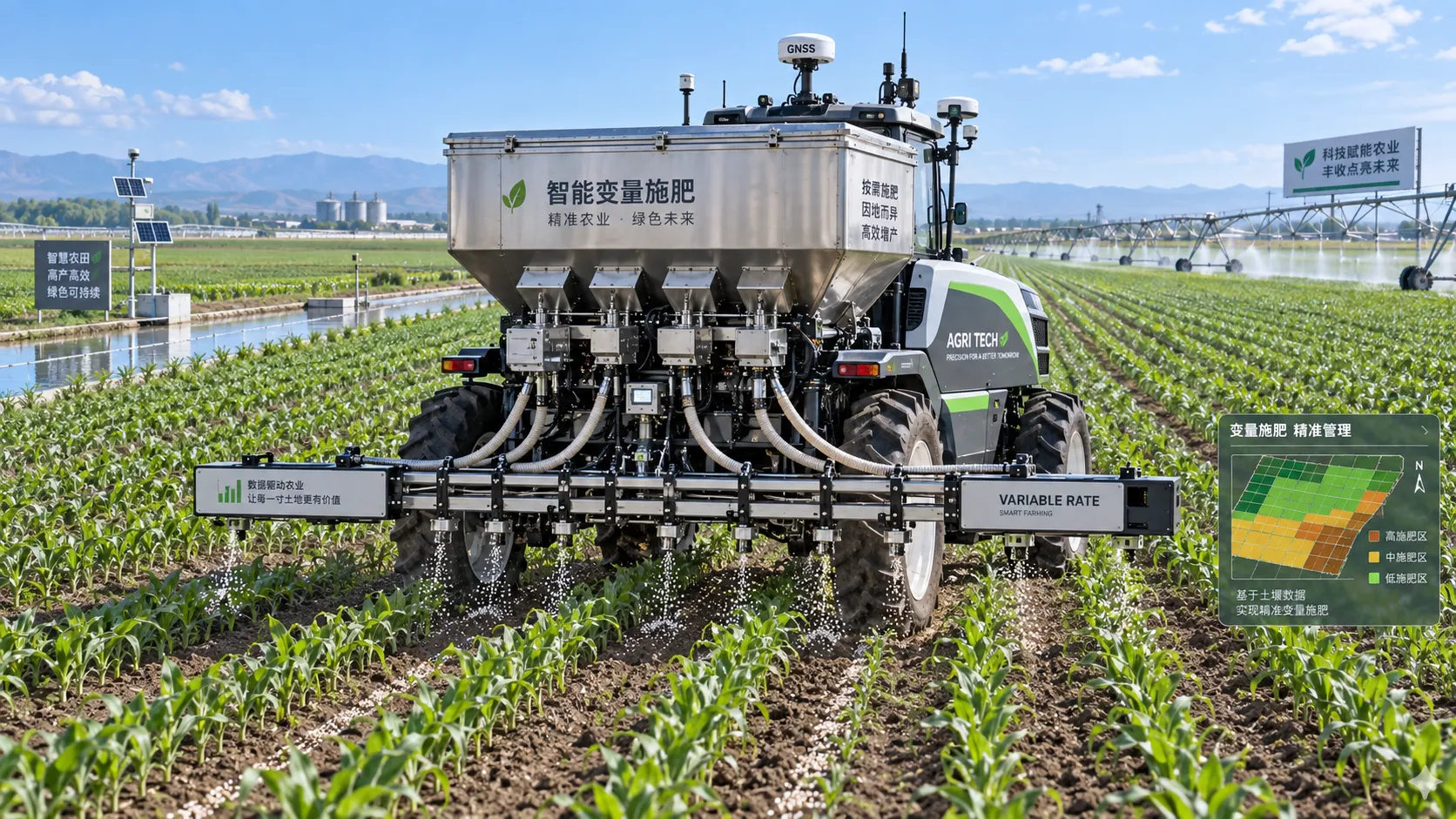
How to Evaluate Precision Fertilization System Suppliers for Farm-Scale Deployment
Precision fertilization systems suppliers: learn how to compare accuracy, integration, uptime, service, and total cost for confident farm-scale deployment.
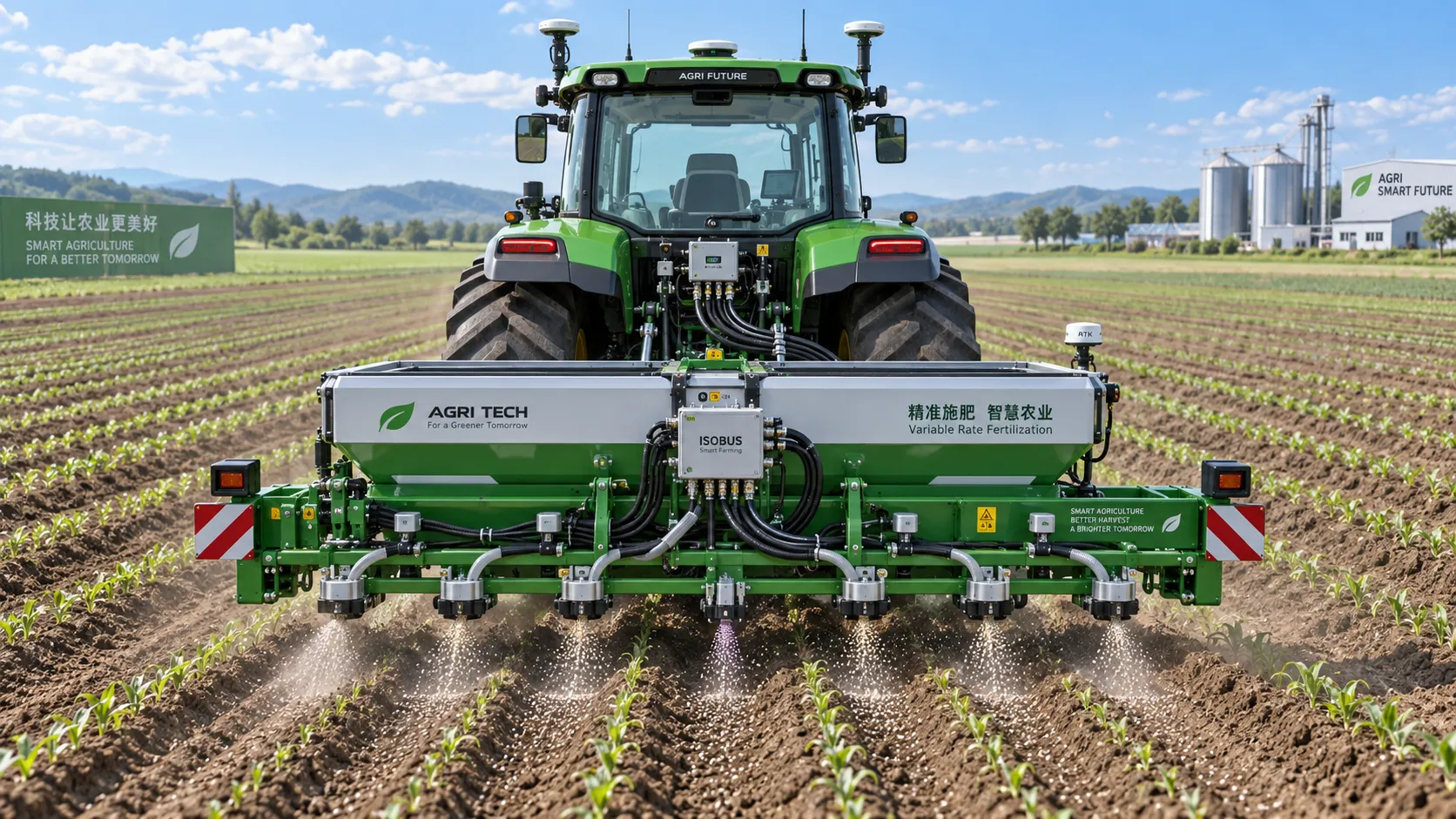
ISOBUS for Smart Agriculture: How It Connects Tractors, Implements, and Farm Data
ISOBUS for smart agriculture connects tractors, implements, terminals, and farm data—helping growers improve precision, documentation, and smarter field decisions.
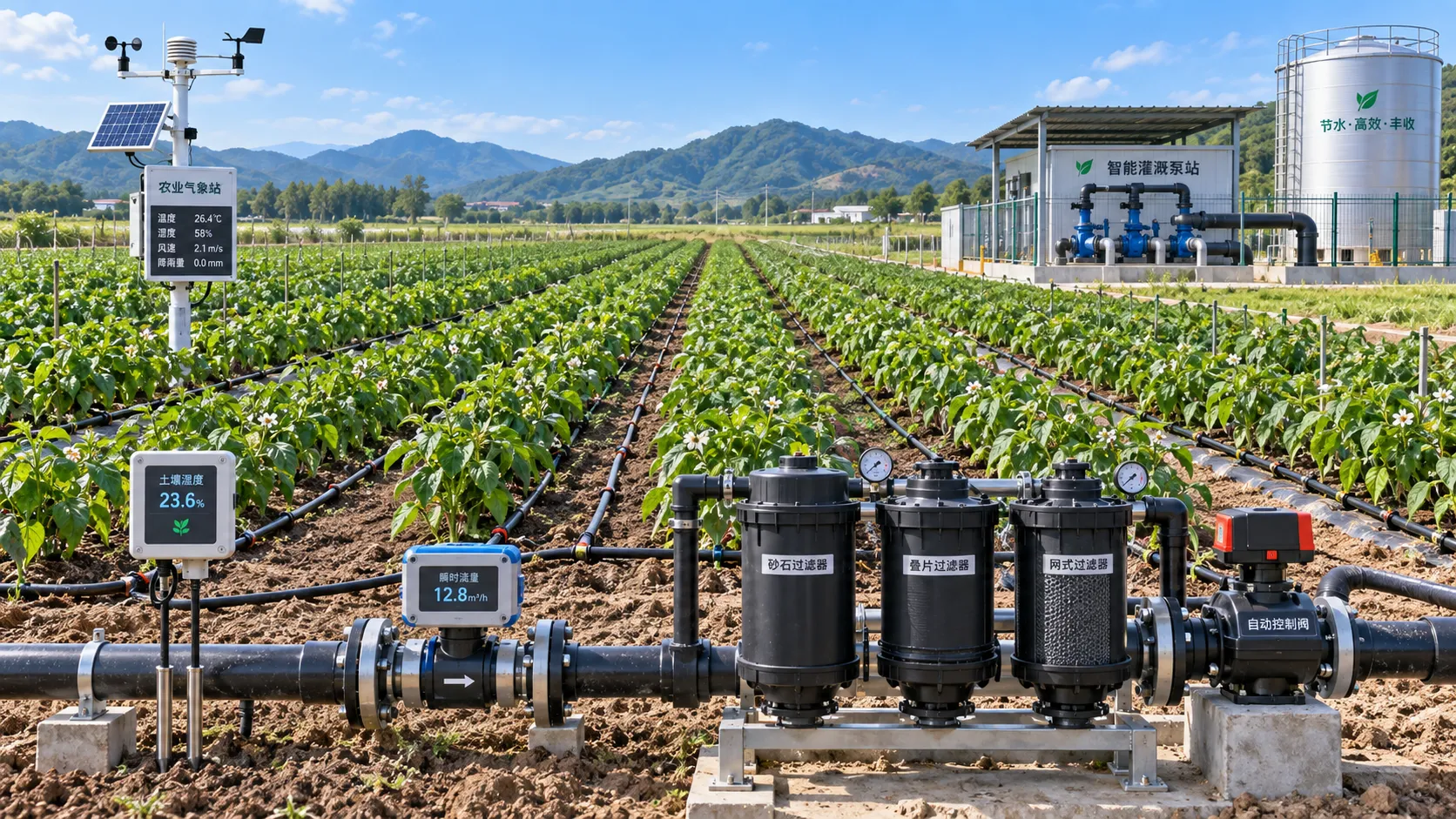
Automated Water-Saving Irrigation: How to Cut Water Use Without Reducing Crop Yields
Automated water-saving irrigation helps farms cut water use, protect crop yields, improve scheduling, and gain reliable control with sensors, flow monitoring, and smart zones.

Selecting Grain Farm Equipment by Acreage, Crop Mix, and Harvest Window
Agricultural equipment selection for grain farming: match machinery to acreage, crop mix, and harvest windows to improve uptime, efficiency, and returns.
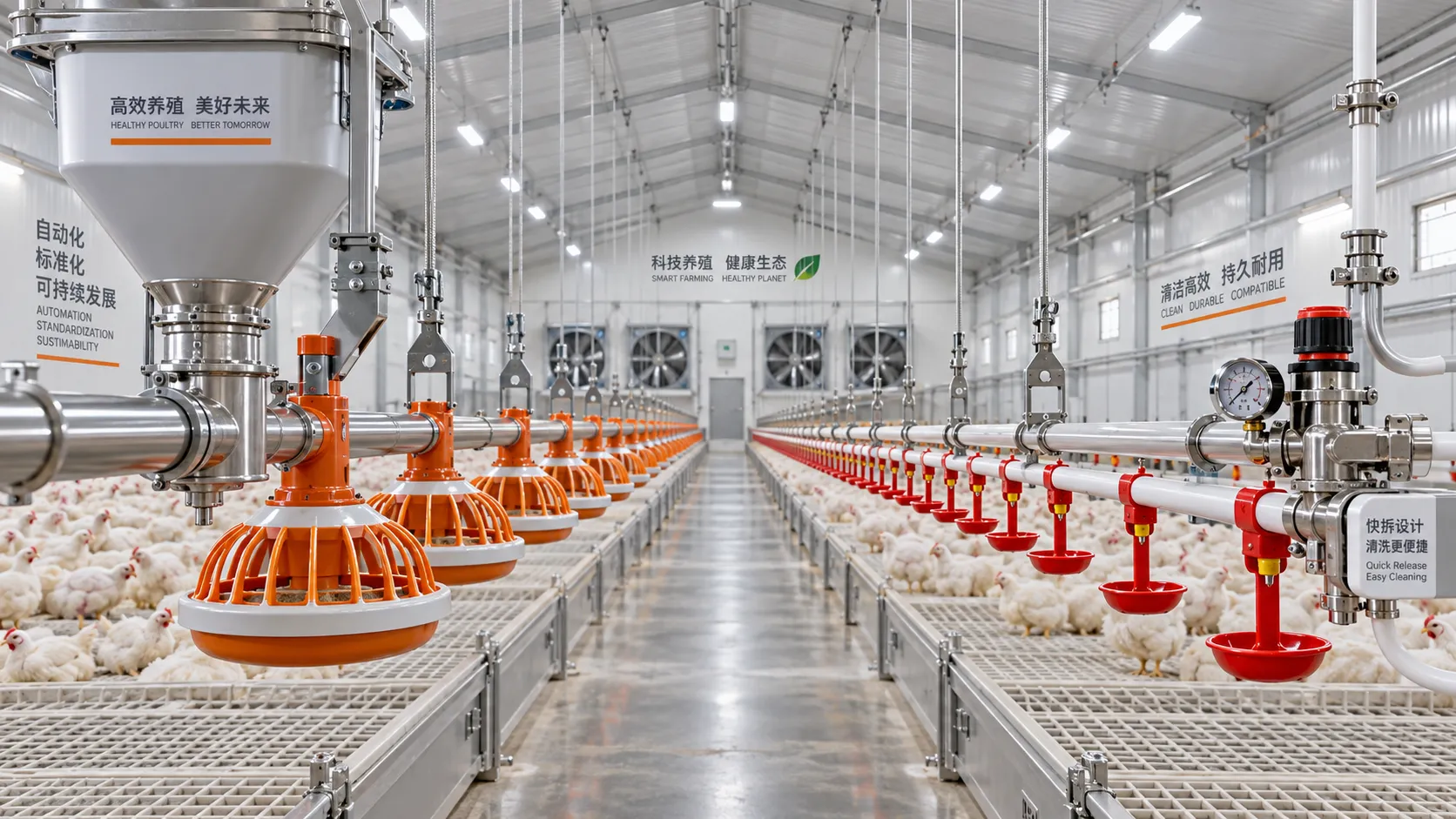
Poultry Equipment Selection: Evaluating Durability, Cleaning, and Compatibility
Poultry equipments selection guide: evaluate durability, cleaning access, and system compatibility to improve hygiene, reduce downtime, and support efficient flock management.
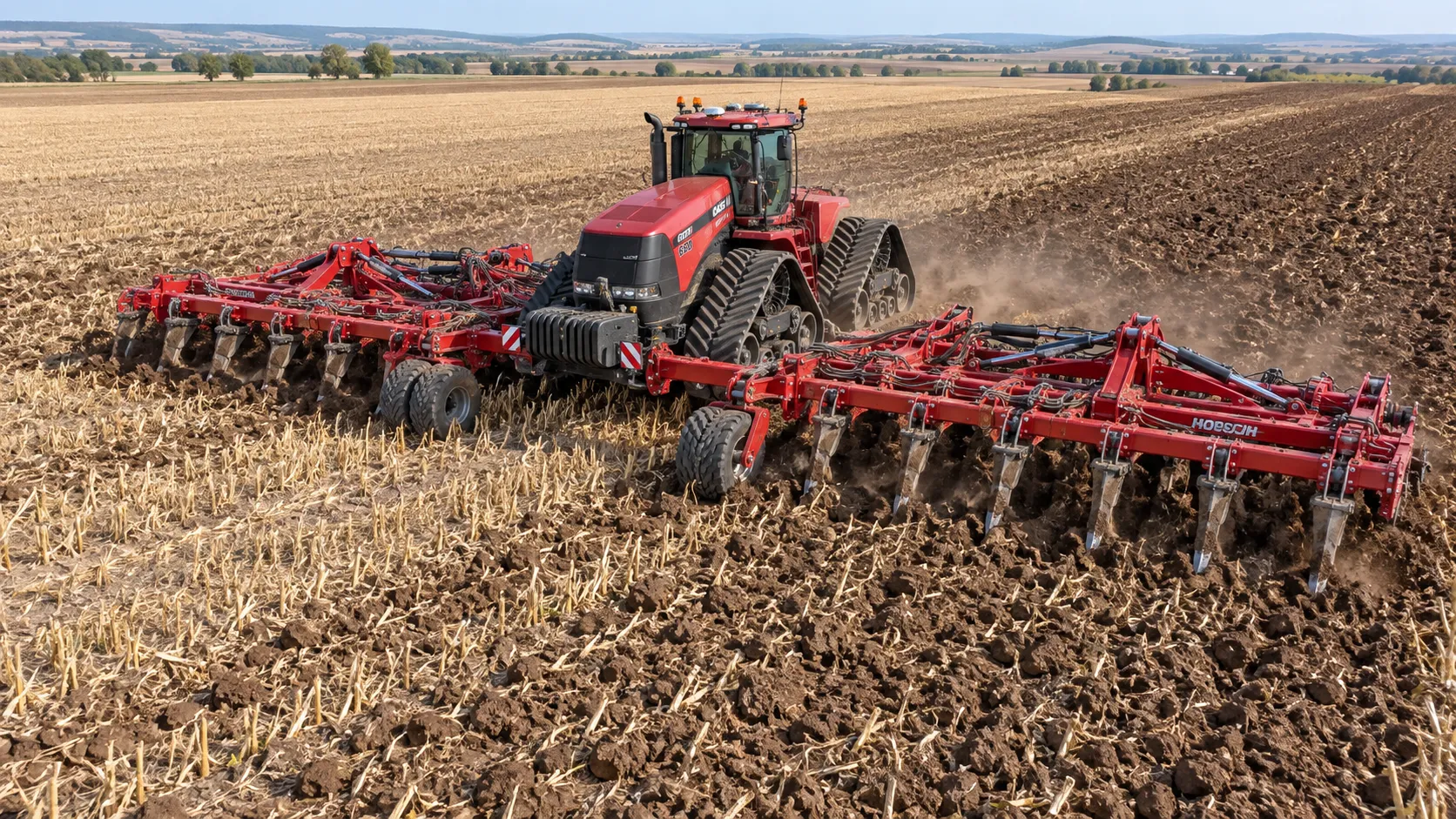
How to Select Heavy-Duty Farm Implements for High-Acreage, High-Horsepower Operations
Heavy duty farm implements: learn how to match draft, hydraulics, hitch capacity, frame strength, and field conditions for reliable high-acreage performance.
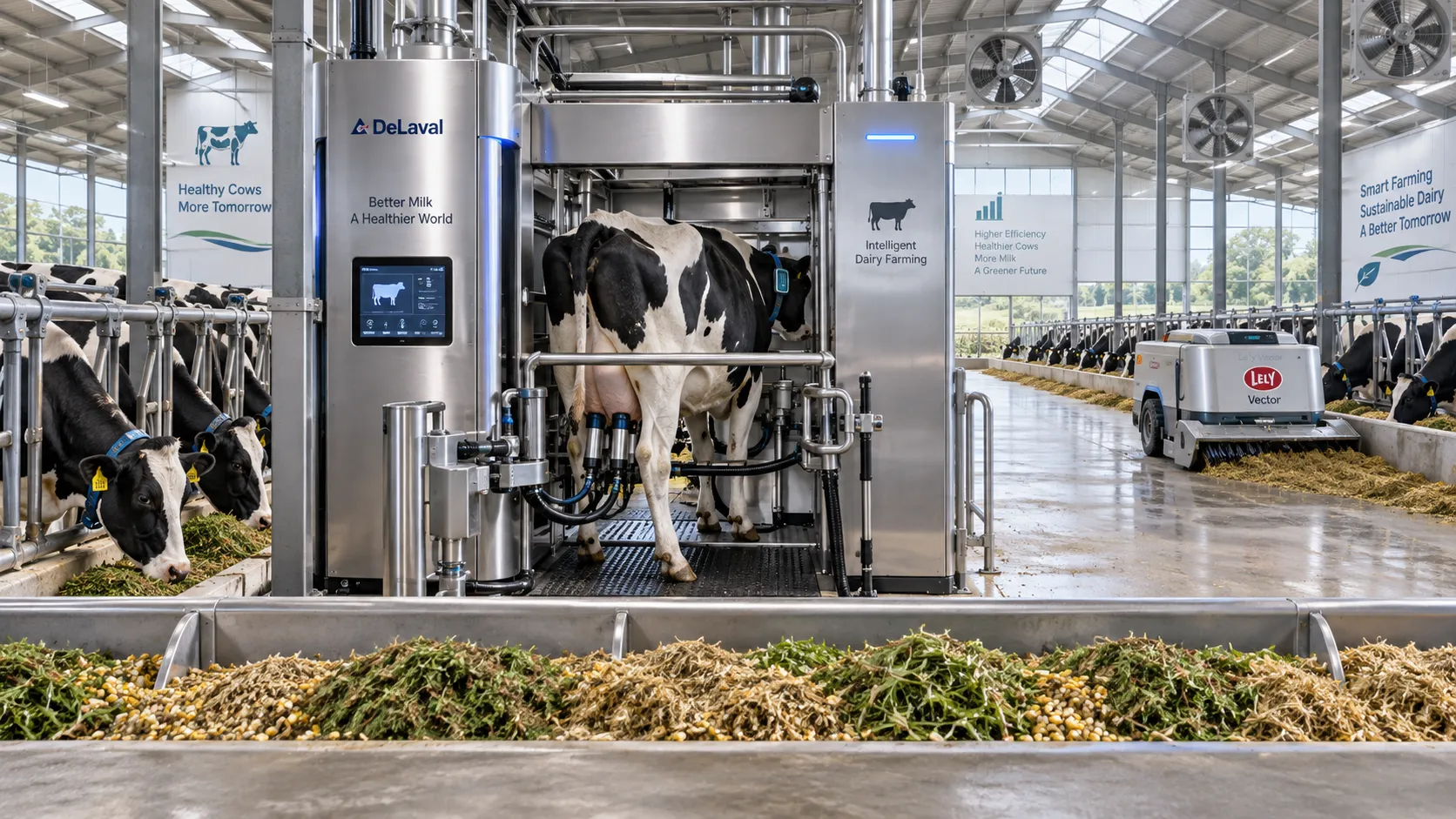
Smart Farming Technology for Dairy Farms: Where Automation Delivers Measurable ROI
Smart farming technology for dairy farms delivers measurable ROI through automation, precision feeding, health monitoring, and data-driven cost control.

How to Select a Heavy-Duty Seeder for Large Acreage and High-Residue Fields
Heavy duty seeders for large acreage: compare residue handling, depth control, downforce, metering accuracy, and precision features to select the right model.
Related News
- 00
0000-00
Selecting Real-Time Soil Moisture Sensors for Irrigation Zone Control - 00
0000-00
How Does Climate-Smart Farming Reduce Water Use in Semi-Arid Areas? - 00
0000-00
USDA Rule Takes Effect: Dual FCC and NRCS Approval for Soil Moisture Sensors - 00
0000-00
EU Rule Takes Effect: Soil Moisture Sensors Need Revised CE-EMC Certification - 00
0000-00
How to Choose Wireless Smart Irrigation Systems for Better Water Control
Popular Tags
Hydrological Resource Strategist
Weekly Insights
Stay ahead with our curated technology reports delivered every Monday.