
ANVISA Exempts Chinese Soil Moisture Sensors from Registration




Lead
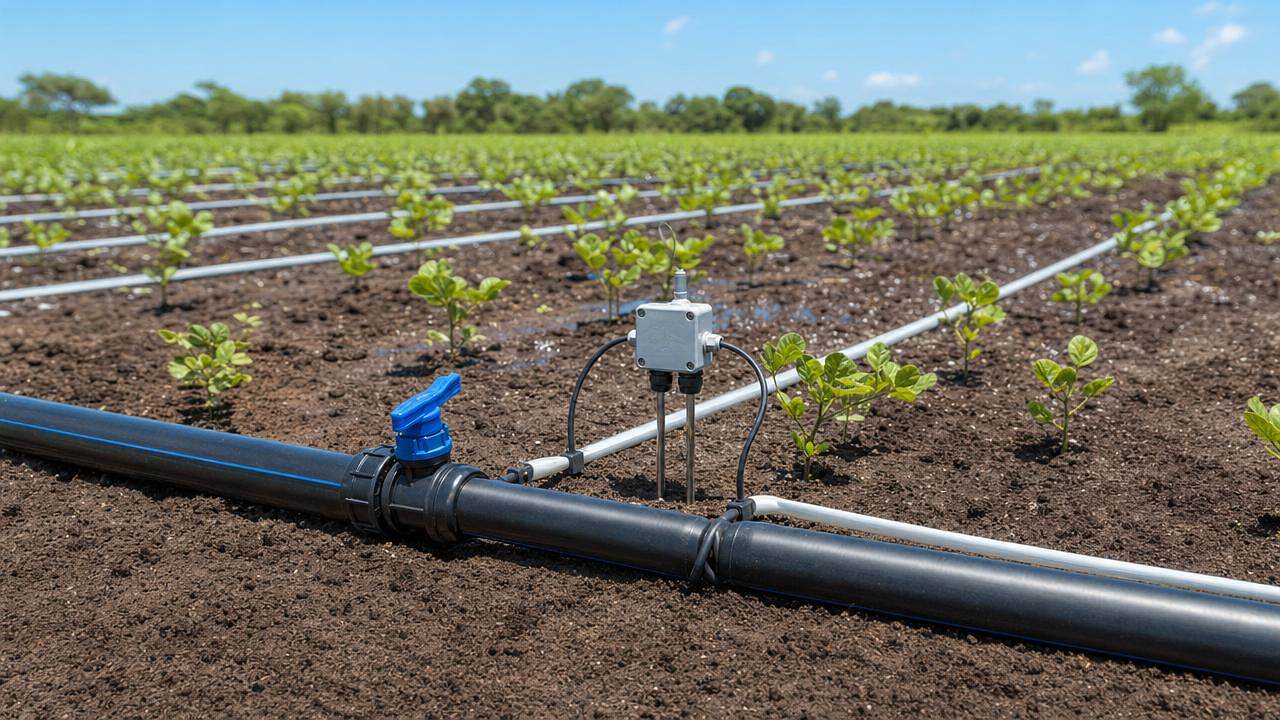
On May 11, 2026, Brazil’s National Health Surveillance Agency (ANVISA) issued Technical Notice No. 178/2026, exempting non-invasive soil moisture sensors compliant with IEC 62209-2 from mandatory registration in Brazil—when integrated into drip irrigation system units for export. This regulatory shift directly impacts China’s agricultural technology exporters targeting the Brazilian market, reducing average customs clearance time by 11 days and lowering logistics costs by approximately 7%. The change reflects a targeted alignment of ANVISA’s oversight scope with device risk classification, rather than a broad deregulatory trend.
Event Overview
On May 11, 2026, ANVISA updated Technical Notice No. 178/2026 to formally exempt non-invasive soil moisture sensors meeting IEC 62209-2 from compulsory pre-market registration in Brazil. The exemption applies exclusively to such sensors embedded within complete drip irrigation system units exported from China. Separate submission of clinical or environmental safety reports is no longer required for these integrated devices.
Industries Affected
Direct Exporters (OEM/ODM Trade Enterprises): These firms benefit most immediately—exemption eliminates a discrete regulatory bottleneck for full-system shipments. Impact manifests as faster customs release, reduced administrative overhead per shipment, and improved cash flow predictability. However, eligibility remains strictly contingent on full integration: standalone sensor exports still require registration.
Raw Material & Component Suppliers: While not directly subject to ANVISA registration, suppliers must now align quality documentation more closely with IEC 62209-2 requirements—notably electromagnetic compatibility (EMC) and non-invasiveness verification. Failure to provide traceable conformity evidence may delay downstream assembly or trigger retesting at the system level.
Manufacturing Enterprises (System Integrators): Firms assembling drip irrigation logic units—including controllers, valves, tubing, and embedded sensors—now bear primary responsibility for verifying and certifying full-system compliance. The exemption does not lower technical due diligence; it shifts accountability upstream to the integrator’s quality assurance process and technical file completeness.
Supply Chain Service Providers (Logistics, Customs Brokers, Certification Consultants): Services related to ANVISA registration filings for this sensor category will decline. Conversely, demand is rising for technical documentation review, IEC 62209-2 gap assessments, and Brazil-specific labeling/declaration support tied to integrated systems. Providers must adapt service portfolios accordingly.
Key Considerations and Recommended Actions
Verify integration status before shipment
Exporters must confirm that sensors are physically and functionally embedded—not merely packaged with—drip irrigation units. ANVISA’s exemption does not extend to co-labeled or modular configurations lacking unified control logic or shared housing.
Update technical documentation to reflect system-level compliance
Manufacturers should revise user manuals, declarations of conformity, and packaging labels to explicitly state compliance with IEC 62209-2 *as part of the integrated drip irrigation system*, not as standalone devices. Ambiguous phrasing risks customs rejection despite formal exemption.
Coordinate with Brazilian local partners on post-import responsibilities
The exemption removes pre-market registration—but does not eliminate post-market obligations. Local representatives remain liable for adverse event reporting and product traceability under ANVISA Resolution RDC No. 185/2017. Clear contractual allocation of these duties is essential.
Editorial Insight / Industry Observation
Analysis shows this move is less about broad market liberalization and more about regulatory precision: ANVISA appears to be refining its risk-based classification framework, distinguishing low-risk environmental monitoring components from higher-risk medical or diagnostic devices. Observably, similar exemptions may emerge for other IEC-standard-compliant agri-sensors (e.g., leaf wetness, canopy temperature) if bundled within certified farm management systems. From an industry perspective, this signals growing recognition of agricultural IoT as infrastructure—not instrumentation—by Latin American regulators. Current developments are better understood as procedural streamlining than policy reversal.
Conclusion
This exemption marks a pragmatic recalibration of regulatory engagement between Brazil and Chinese agri-tech exporters—not a structural opening, but a targeted efficiency gain. Its long-term significance lies not in volume growth alone, but in reinforcing the viability of integrated, standards-aligned hardware solutions in regulated emerging markets. Rational interpretation suggests sustained advantage will accrue to firms investing in cross-border technical harmonization—not just cost-driven localization.
Source Attribution
Official source: ANVISA Technical Notice No. 178/2026, published May 11, 2026, available at www.gov.br/anvisa. Note: Implementation guidance, enforcement timelines, and potential scope expansions (e.g., inclusion of other IEC standards) remain subject to official clarification and will be monitored continuously.
Related News

How to Compare Agricultural Automation Solutions Beyond Price
Agricultural automation solutions should be compared beyond price. Learn how to assess fit, uptime, integration, hidden costs, and ROI to choose smarter, higher-performing farm technology.
When Agricultural Automation Tools Add Complexity to Field Work
Agricultural automation tools can boost precision, but they may also add hidden field complexity. Learn the warning signs, integration risks, and smarter evaluation steps to protect productivity.
Smart Farming Technology Trends That Actually Affect Yield
Smart farming technology trends that truly impact yield: explore precision guidance, variable-rate inputs, sensor monitoring, smart irrigation, and harvest analytics to boost output and cut losses.
Crop Monitoring Technology Can Miss Early Stress Signals
Crop monitoring technology can miss early stress signals that impact yield, quality, and efficiency. Learn the hidden blind spots and smarter ways to act sooner.

Heavy-Duty Farm Machinery: Which Specs Matter in Daily Use?
Heavy-duty farm machinery specs shape fuel efficiency, traction, hydraulics, uptime, and comfort. Learn which daily-use indicators truly matter before you invest.
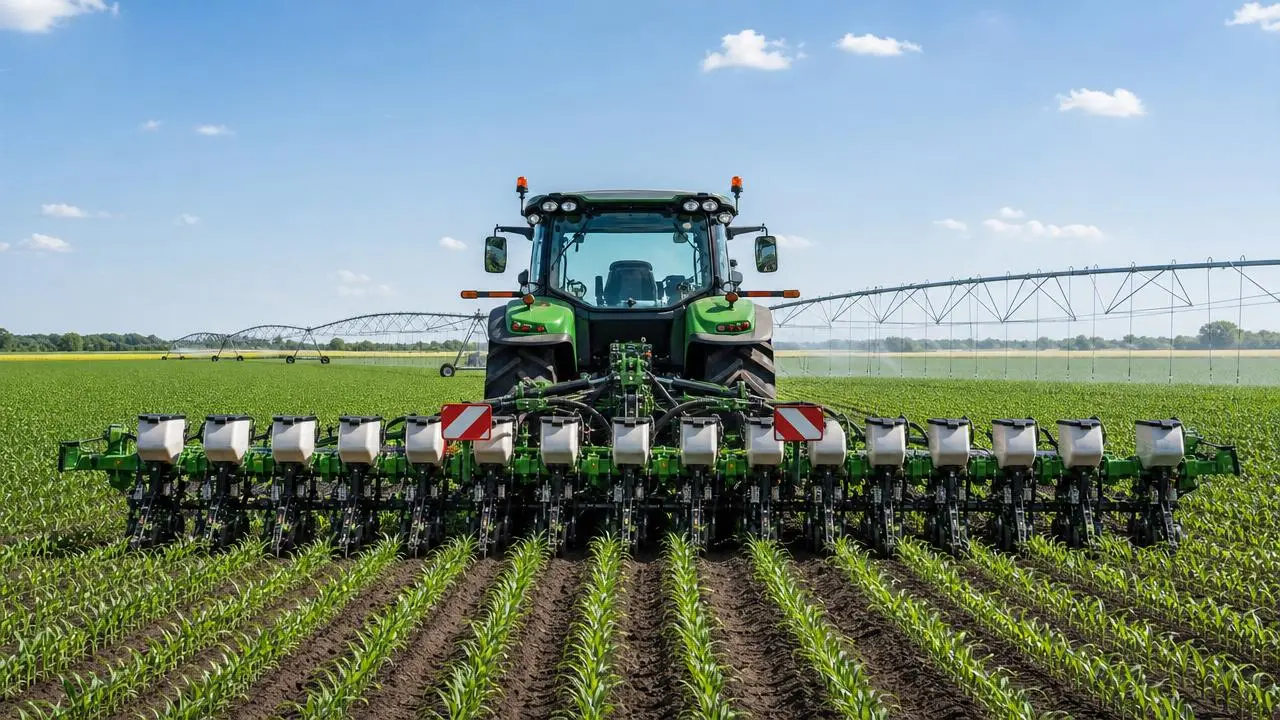
Sustainable Farming Equipment Costs More Up Front, Then What?
Sustainable farming equipment costs more upfront, but can lower fuel, inputs, downtime, and compliance risk. See how lifetime value can improve farm margins and resilience.

Agri-Machinery Intelligence Is Changing Maintenance Timing
Agri-machinery intelligence helps after-sales teams predict wear, schedule maintenance earlier, cut downtime, and protect uptime during critical farming seasons.
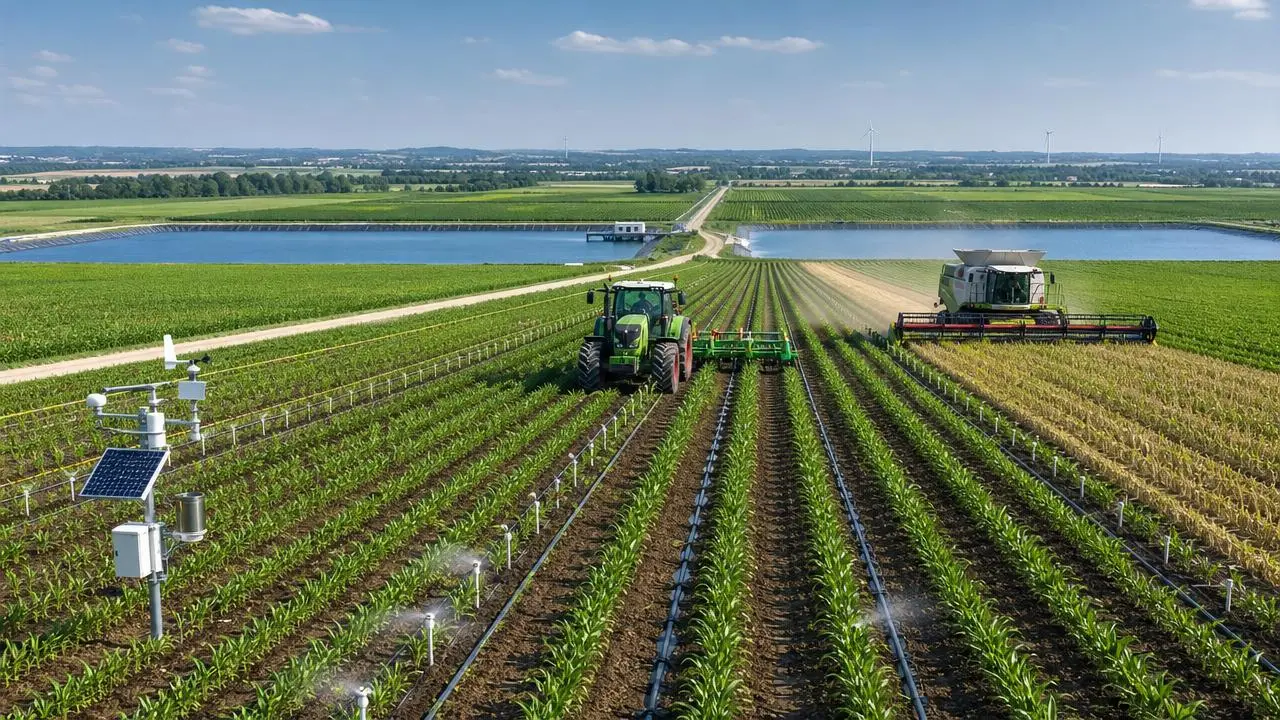
Are Food Security Solutions for Sustainable Farming Scalable?
Food security solutions for sustainable farming can scale with smart irrigation, resilient machinery, and data-driven planning. Learn what makes large-scale deployment practical and investment-ready.
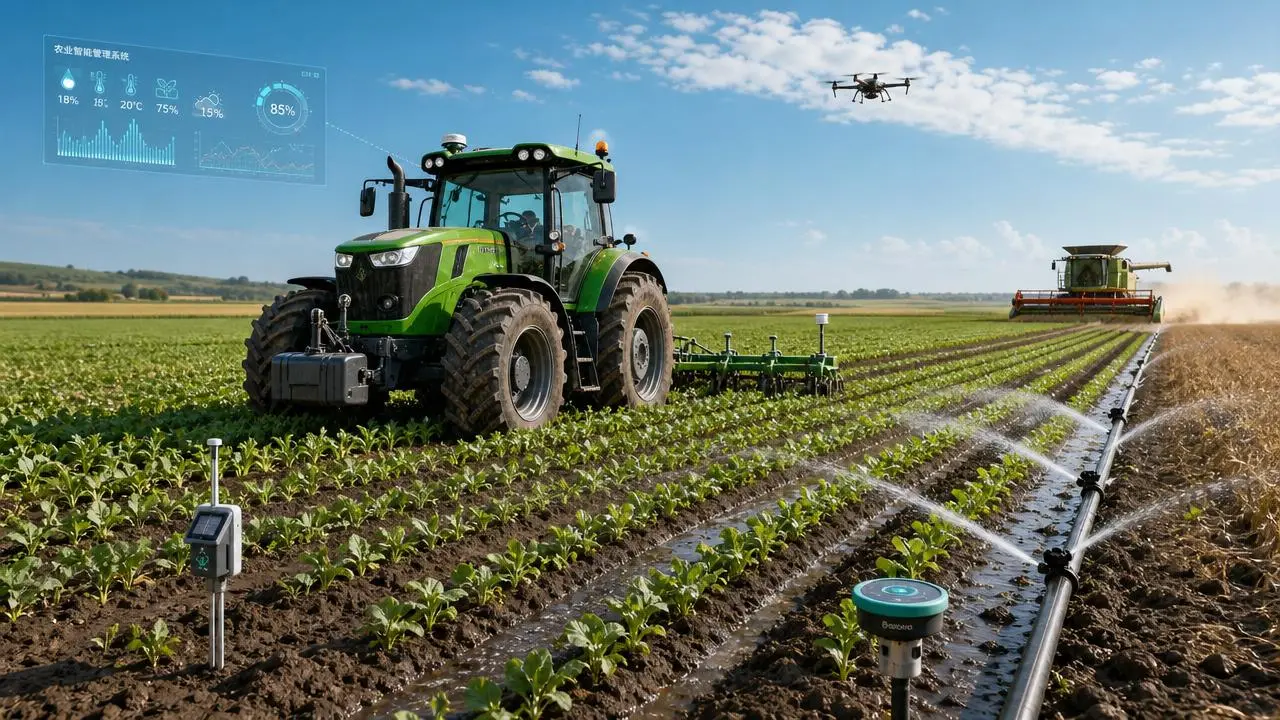
Climate-Smart Farming: Where Savings End and Risk Begins
Climate-smart farming is reshaping agriculture. Discover where real savings end, hidden risks begin, and how to build resilience with smarter, lower-risk investment decisions.
Related News
- 00
0000-00
Crop Monitoring Technology Can Miss Early Stress Signals - 00
0000-00
ANVISA Exempts Chinese Soil Moisture Sensors from Registration - 00
0000-00
ANVISA Exempts Chinese Soil Moisture Sensors from Registration - 00
0000-00
Indonesia BPOM Fast-Tracks Approval of Chinese Smart Irrigation Water Quality Monitors - 00
0000-00
Indonesia BPOM Accelerates Approval of Chinese Smart Irrigation Water Quality Monitors
Popular Tags
Hydrological Resource Strategist
Weekly Insights
Stay ahead with our curated technology reports delivered every Monday.