
Climate-Smart Farming: Where Savings End and Risk Begins
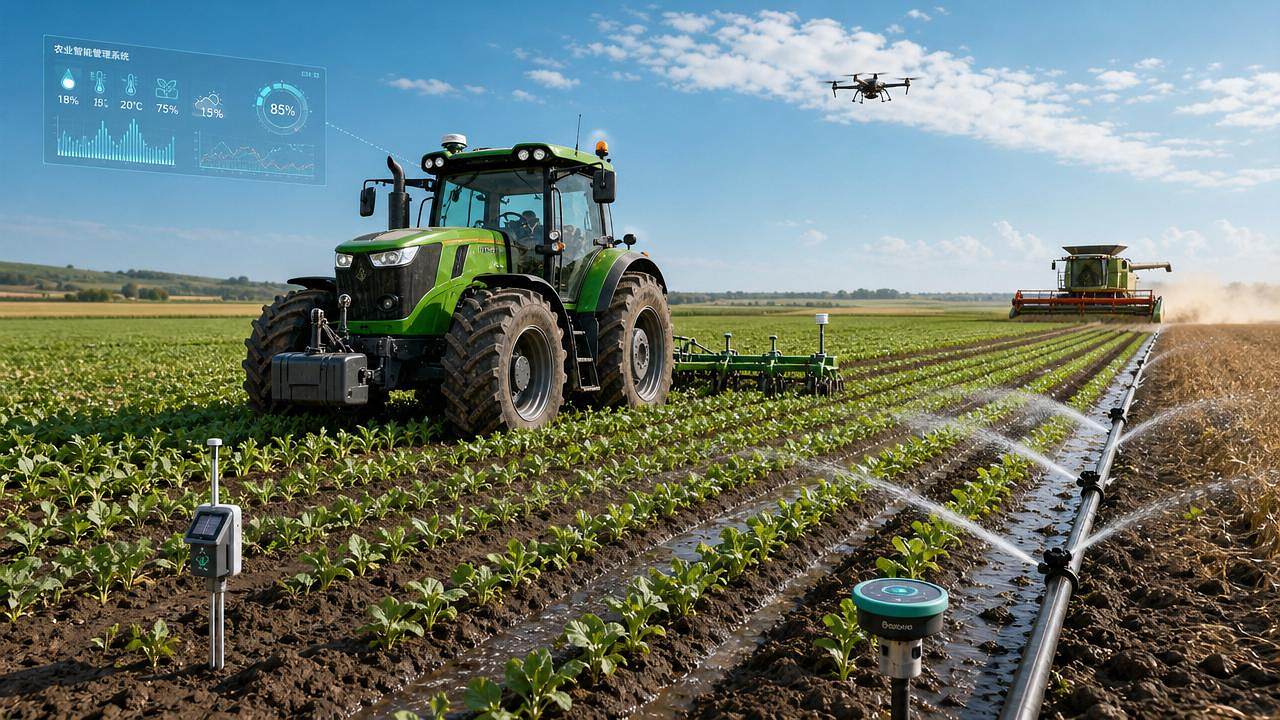




Climate-Smart Farming Is Moving From Promise to Pressure
Climate-smart farming is no longer a niche sustainability idea.
It now shapes equipment planning, water strategy, data adoption, and long-term asset decisions across the agricultural value chain.
Climate-smart farming promises lower input costs, stronger yields, and better resilience.
Yet the harder question is where those savings end and where operational risk begins.
That question matters more as weather volatility, financing pressure, and sustainability targets converge.
Across global agriculture, efficiency is being redefined through intelligent irrigation, precision application, connected machinery, and field-level analytics.
But climate-smart farming also introduces dependency on software accuracy, sensor quality, infrastructure stability, and policy interpretation.
For operations tied to large machinery, combine harvesting, chassis performance, and water-saving systems, the investment logic is no longer linear.
A lower fuel bill or reduced fertilizer rate may look attractive.
Still, hidden exposure can appear through downtime, training gaps, poor calibration, or weak integration between tools.
The real value of climate-smart farming depends on whether efficiency gains remain stable under stress, not only under ideal conditions.
The Current Shift Is About Resilience, Not Just Savings
The first wave of climate-smart farming focused on visible savings.
Less water, less overlap, lower chemical use, and better machine routes were easy to communicate.
The current wave is more demanding.
Now the market asks whether climate-smart farming can protect margins during drought, labor shortages, fuel spikes, and stricter environmental rules.
This shifts the conversation from isolated efficiency to system resilience.
A smart irrigation network, for example, does more than save water.
It becomes part of climate risk management, yield stabilization, and compliance reporting.
The same applies to precision seeding, harvest loss monitoring, and variable-rate nutrient delivery.
Climate-smart farming is becoming a platform strategy rather than a single technology purchase.
Signals that confirm the shift
- Water scarcity is turning irrigation efficiency into a strategic requirement.
- Autonomous and guided machinery is reducing overlap and raising accuracy expectations.
- Carbon and sustainability reporting is influencing equipment and input decisions.
- Crop volatility is increasing demand for adaptive, data-based field management.
- Service quality and software support now affect machinery value retention.
Why Climate-Smart Farming Keeps Gaining Momentum
Several forces are pushing climate-smart farming from optional upgrade to strategic necessity.
These forces are technical, economic, regulatory, and environmental at the same time.
This combination explains why climate-smart farming now influences both field practice and board-level capital logic.
Where Savings Are Real in Climate-Smart Farming
The value case for climate-smart farming is real when technology is matched to field conditions and operational discipline.
Savings usually appear in four areas.
1. Water use efficiency
Smart irrigation can reduce waste through timing control, soil feedback, and zone-based delivery.
In water-stressed regions, this is often the fastest visible benefit of climate-smart farming.
2. Input precision
Variable-rate systems can lower unnecessary fertilizer, chemical, and seed use.
That improves cost efficiency and reduces environmental exposure.
3. Machinery productivity
Guidance systems, optimized chassis performance, and better routing reduce overlap, fuel waste, and operating time.
Combine harvesters also benefit from loss monitoring and dynamic adjustment.
4. Yield consistency
Climate-smart farming may not always increase peak yield.
Its bigger advantage is often reducing yield variability under unstable weather conditions.
Where Risk Begins in Climate-Smart Farming Systems
The weak point of climate-smart farming is not the idea itself.
The weak point is overestimating consistency while underestimating operational friction.
Technology dependency risk
If sensor readings drift or software models misread field conditions, precision decisions become precisely wrong.
Savings can disappear through small but repeated errors.
Integration risk
A connected farm system is only as strong as its weakest interface.
Irrigation controls, telematics, implement software, and analytics platforms often struggle to align cleanly.
Operational capability risk
Climate-smart farming needs calibration, interpretation, maintenance, and disciplined execution.
Without those, high-end systems become expensive underused assets.
Financial timing risk
Some investments pay back quickly.
Others depend on multi-season performance, weather patterns, and stable commodity pricing.
That makes climate-smart farming sensitive to timing assumptions.
Compliance and reporting risk
As sustainability claims become more formal, data quality becomes critical.
Poor records can weaken both reporting credibility and financing narratives.
The Impact Spreads Across Equipment, Water, Data, and Trade
Climate-smart farming does not affect one device or one season only.
It changes how value is measured across multiple operating layers.
- Large-scale machinery faces stronger pressure to prove fuel efficiency and uptime.
- Combine harvesting systems must balance throughput with grain loss intelligence.
- Tractor chassis design gains importance through traction control and hydraulic responsiveness.
- Intelligent farm tools become more valuable when they connect prescription logic with field execution.
- Water-saving irrigation systems move from utility equipment to strategic resilience infrastructure.
This is why climate-smart farming is increasingly a cross-functional decision.
Mechanical performance, agronomic logic, digital compatibility, and environmental accountability now interact directly.
What Deserves the Closest Attention Now
- Separate short-term savings from long-term resilience benefits.
- Check whether climate-smart farming tools work across mixed brands and legacy systems.
- Measure service support, update frequency, and data ownership terms.
- Validate performance under stress, not only during demonstrations.
- Assess operator training requirements before scaling deployment.
- Review whether water, energy, and machinery strategies are aligned.
- Build risk assumptions into ROI models for climate-smart farming investments.
A Practical Way to Judge the Next Move
The best climate-smart farming decisions usually start with one linked problem, not with a full digital overhaul.
Water stress, harvest loss, fuel waste, or field inconsistency can each become a rational entry point.
The Next Step Is Smarter Evaluation, Not Faster Adoption
Climate-smart farming will continue gaining importance as Agriculture 4.0 matures.
The winners will not be defined by who adopts the most tools.
They will be defined by who connects machinery, irrigation, analytics, and resilience logic with the least hidden friction.
Use climate-smart farming as a decision framework, not a slogan.
Map savings, test failure points, compare service ecosystems, and verify performance in real field conditions.
That is where cost efficiency becomes strategic confidence.
For deeper insight into machinery trends, intelligent irrigation, and precision agriculture investment signals, continue tracking AP-Strategy’s global intelligence coverage.
Related News

When Does Agricultural Machinery Leasing Cost Less Than Owning Equipment?
Agricultural machinery leasing can lower farm costs when use is seasonal or uncertain. Compare utilization, maintenance, cash flow, and risk to make a smarter equipment decision.
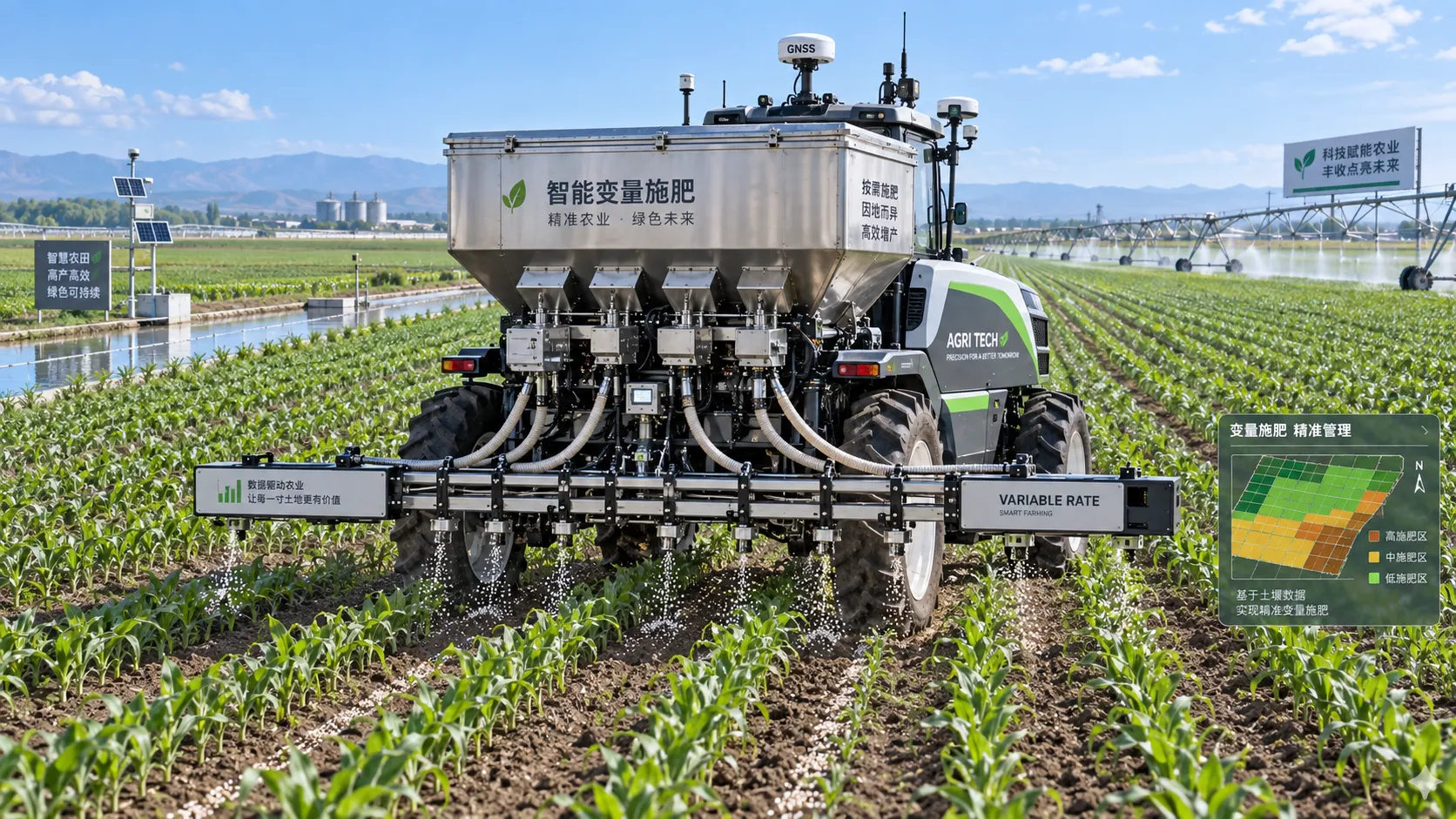
How to Evaluate Precision Fertilization System Suppliers for Farm-Scale Deployment
Precision fertilization systems suppliers: learn how to compare accuracy, integration, uptime, service, and total cost for confident farm-scale deployment.
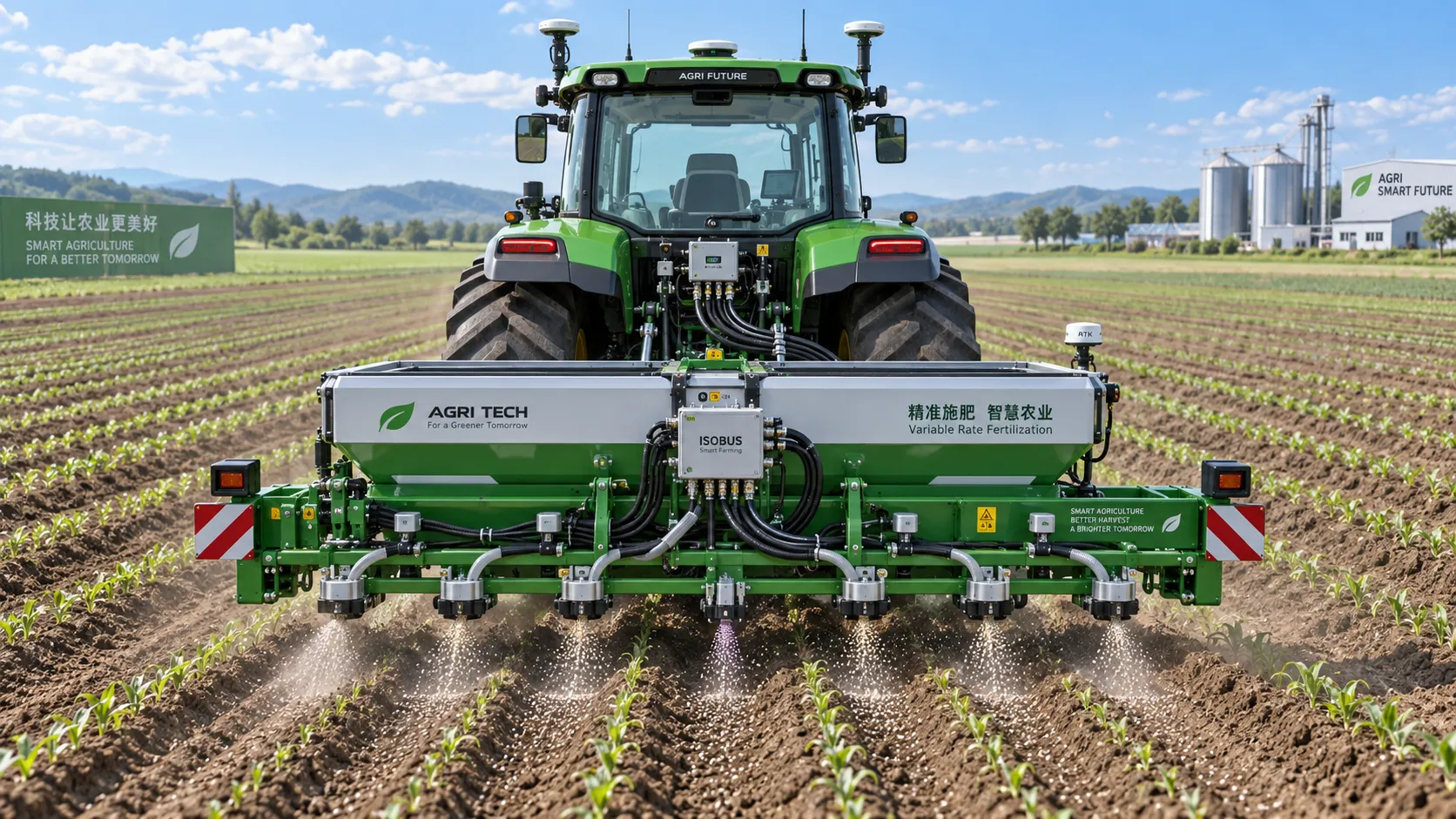
ISOBUS for Smart Agriculture: How It Connects Tractors, Implements, and Farm Data
ISOBUS for smart agriculture connects tractors, implements, terminals, and farm data—helping growers improve precision, documentation, and smarter field decisions.
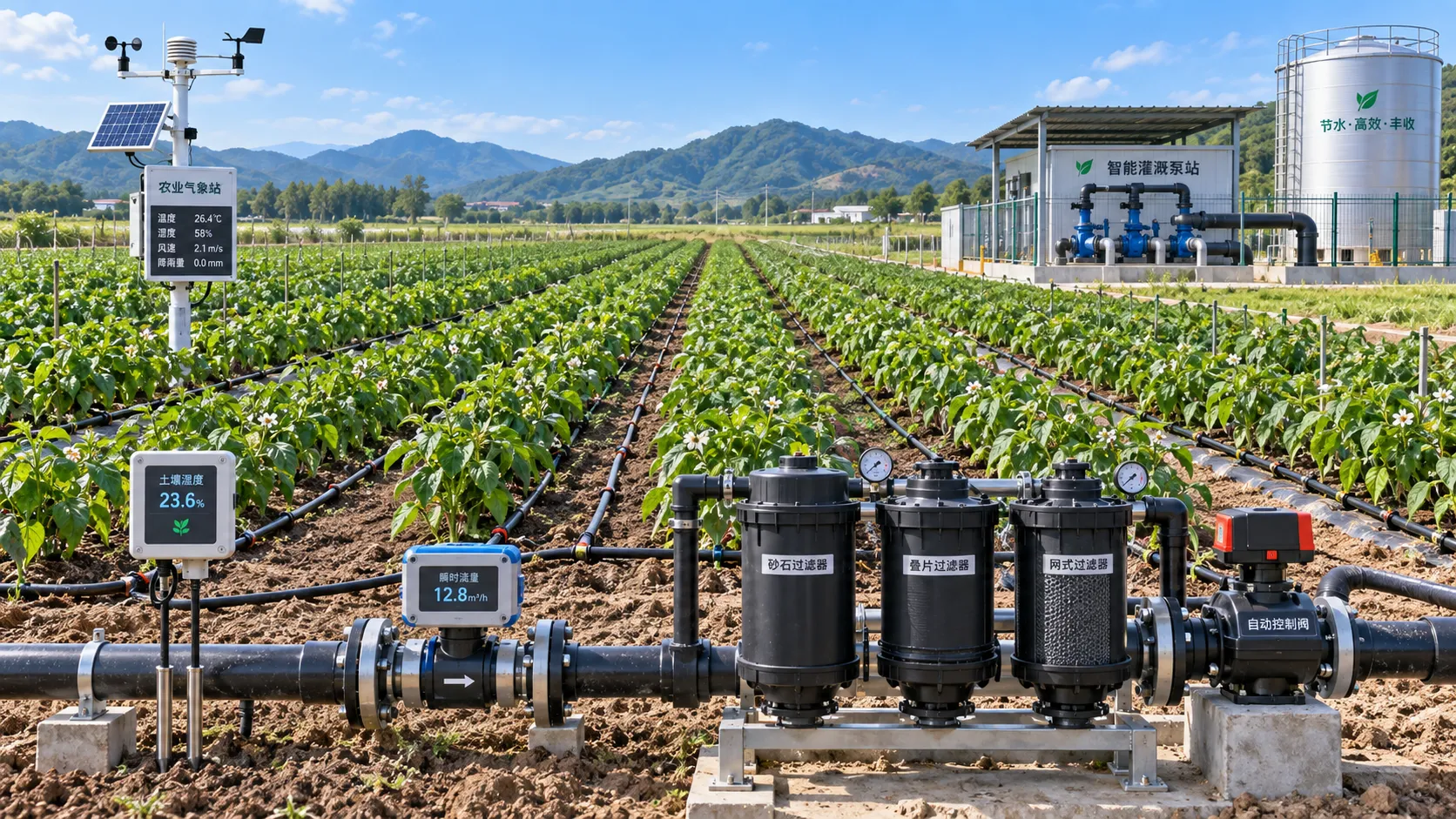
Automated Water-Saving Irrigation: How to Cut Water Use Without Reducing Crop Yields
Automated water-saving irrigation helps farms cut water use, protect crop yields, improve scheduling, and gain reliable control with sensors, flow monitoring, and smart zones.
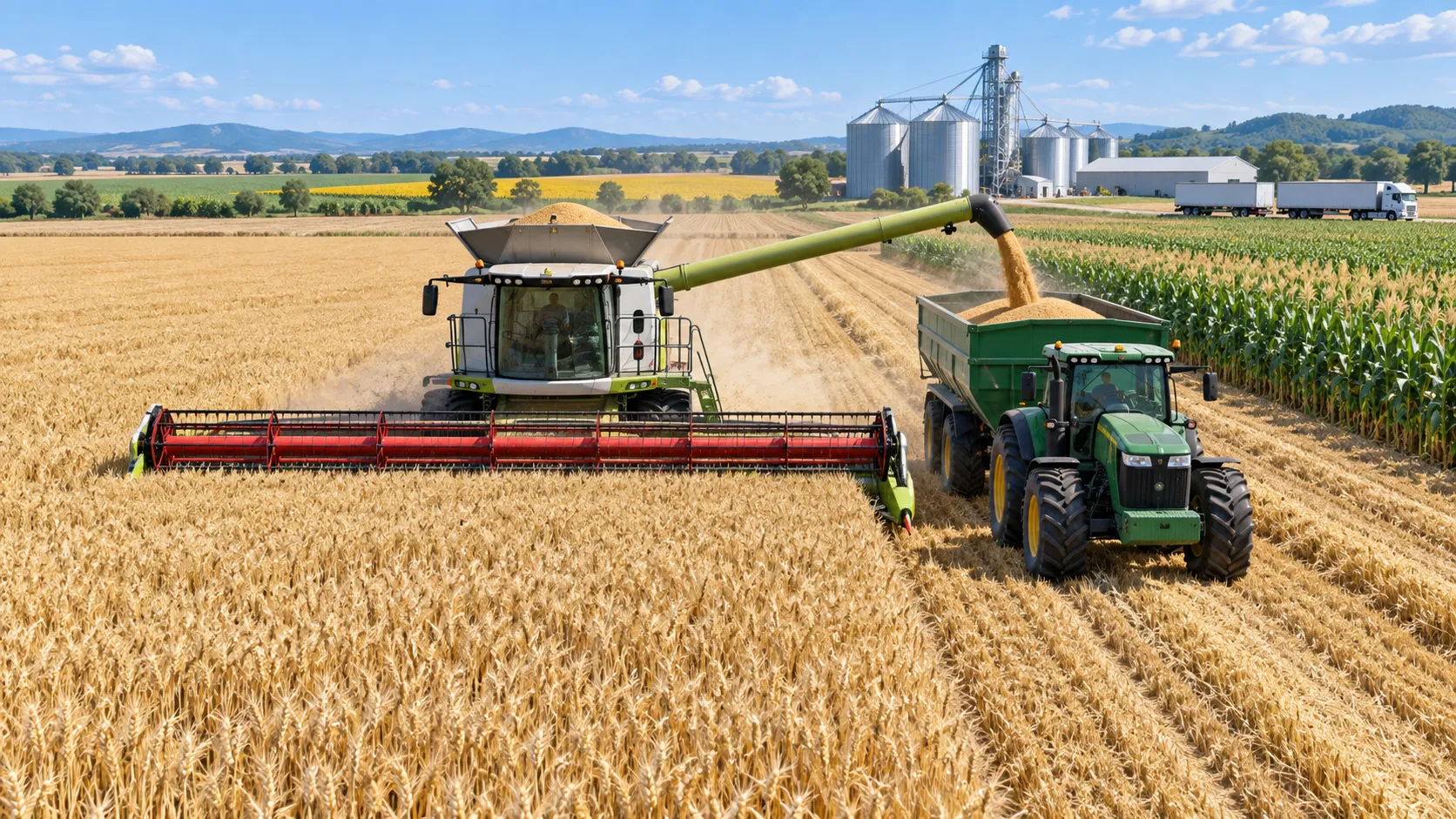
Selecting Grain Farm Equipment by Acreage, Crop Mix, and Harvest Window
Agricultural equipment selection for grain farming: match machinery to acreage, crop mix, and harvest windows to improve uptime, efficiency, and returns.
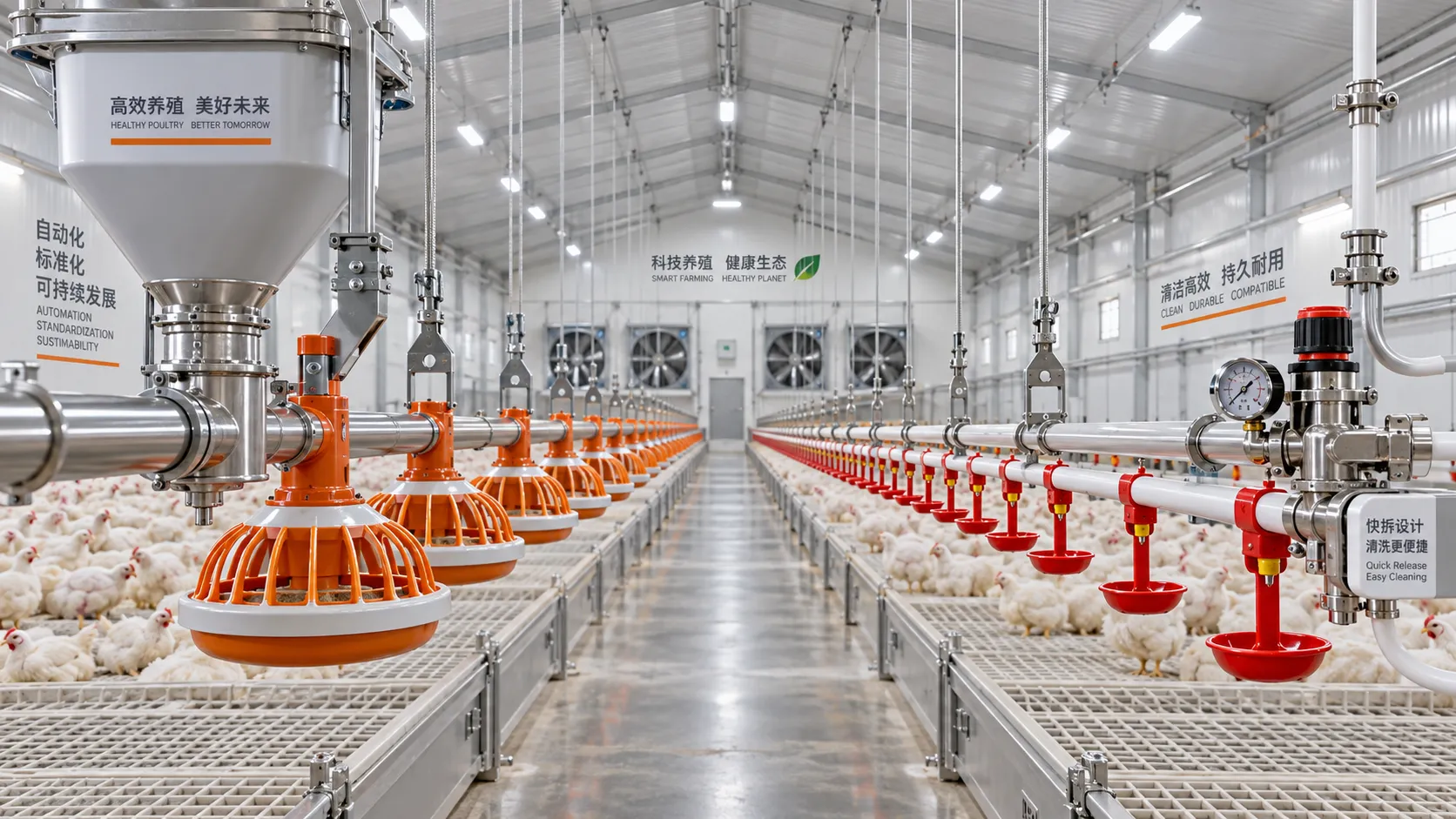
Poultry Equipment Selection: Evaluating Durability, Cleaning, and Compatibility
Poultry equipments selection guide: evaluate durability, cleaning access, and system compatibility to improve hygiene, reduce downtime, and support efficient flock management.
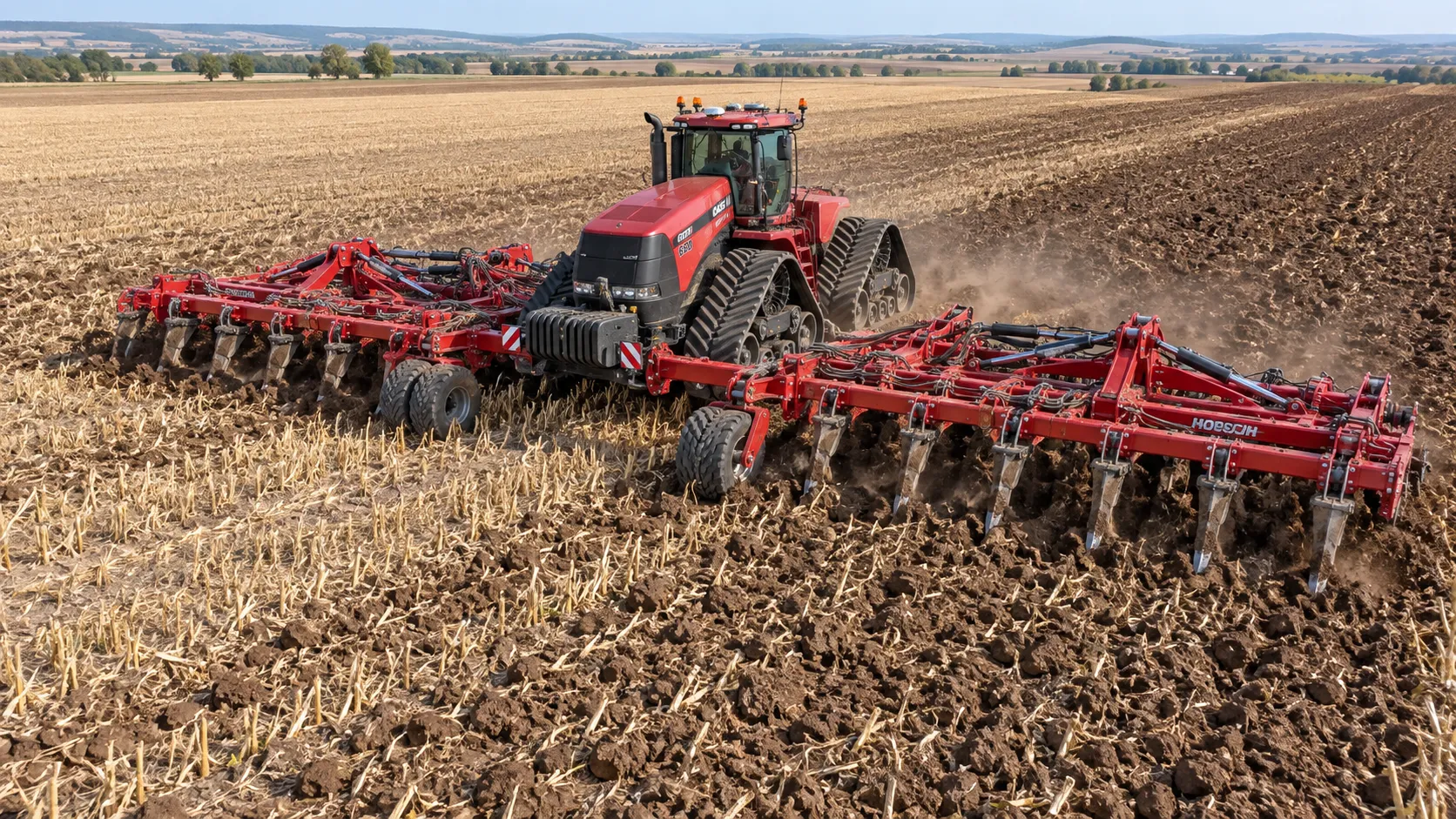
How to Select Heavy-Duty Farm Implements for High-Acreage, High-Horsepower Operations
Heavy duty farm implements: learn how to match draft, hydraulics, hitch capacity, frame strength, and field conditions for reliable high-acreage performance.
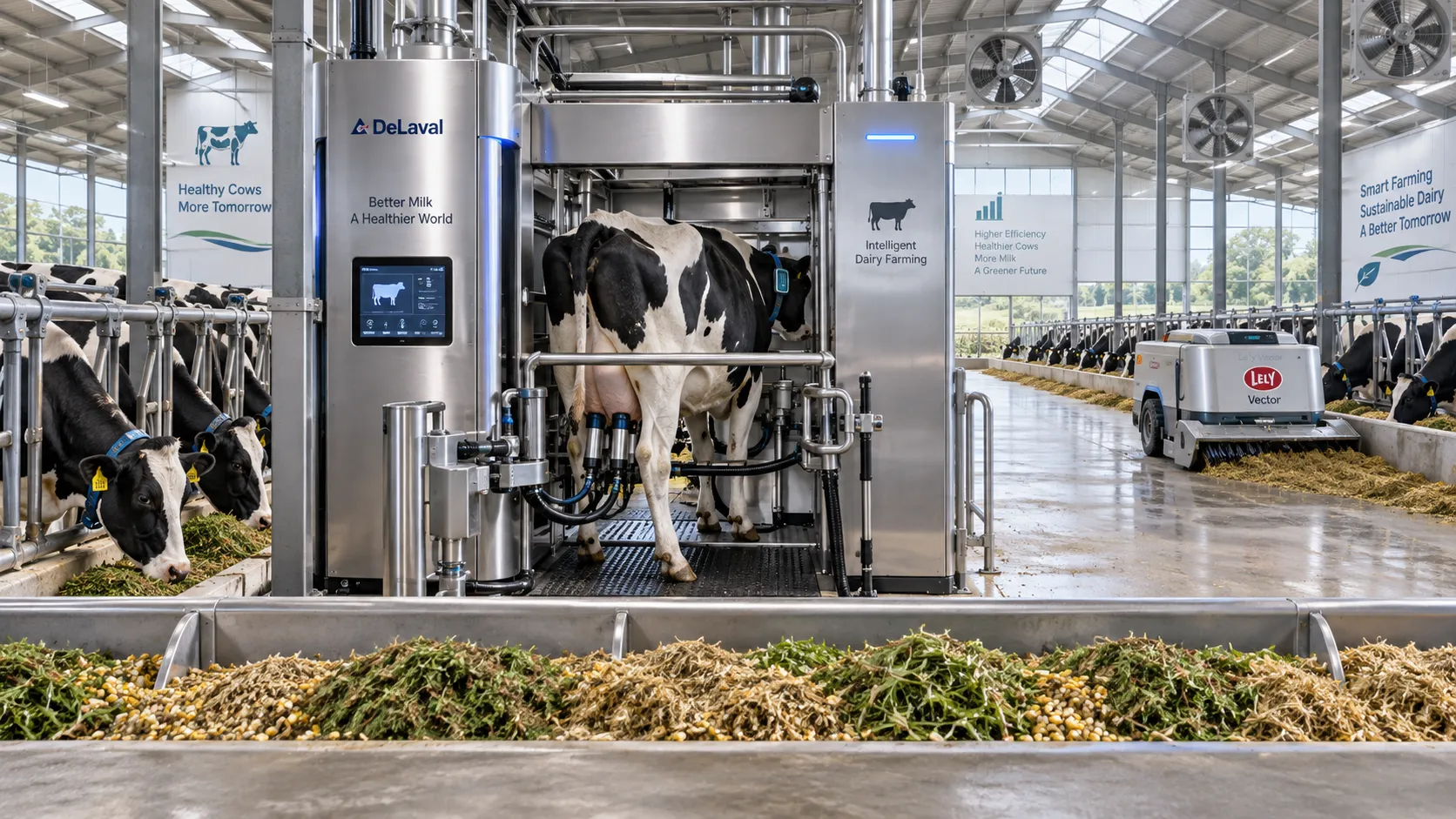
Smart Farming Technology for Dairy Farms: Where Automation Delivers Measurable ROI
Smart farming technology for dairy farms delivers measurable ROI through automation, precision feeding, health monitoring, and data-driven cost control.
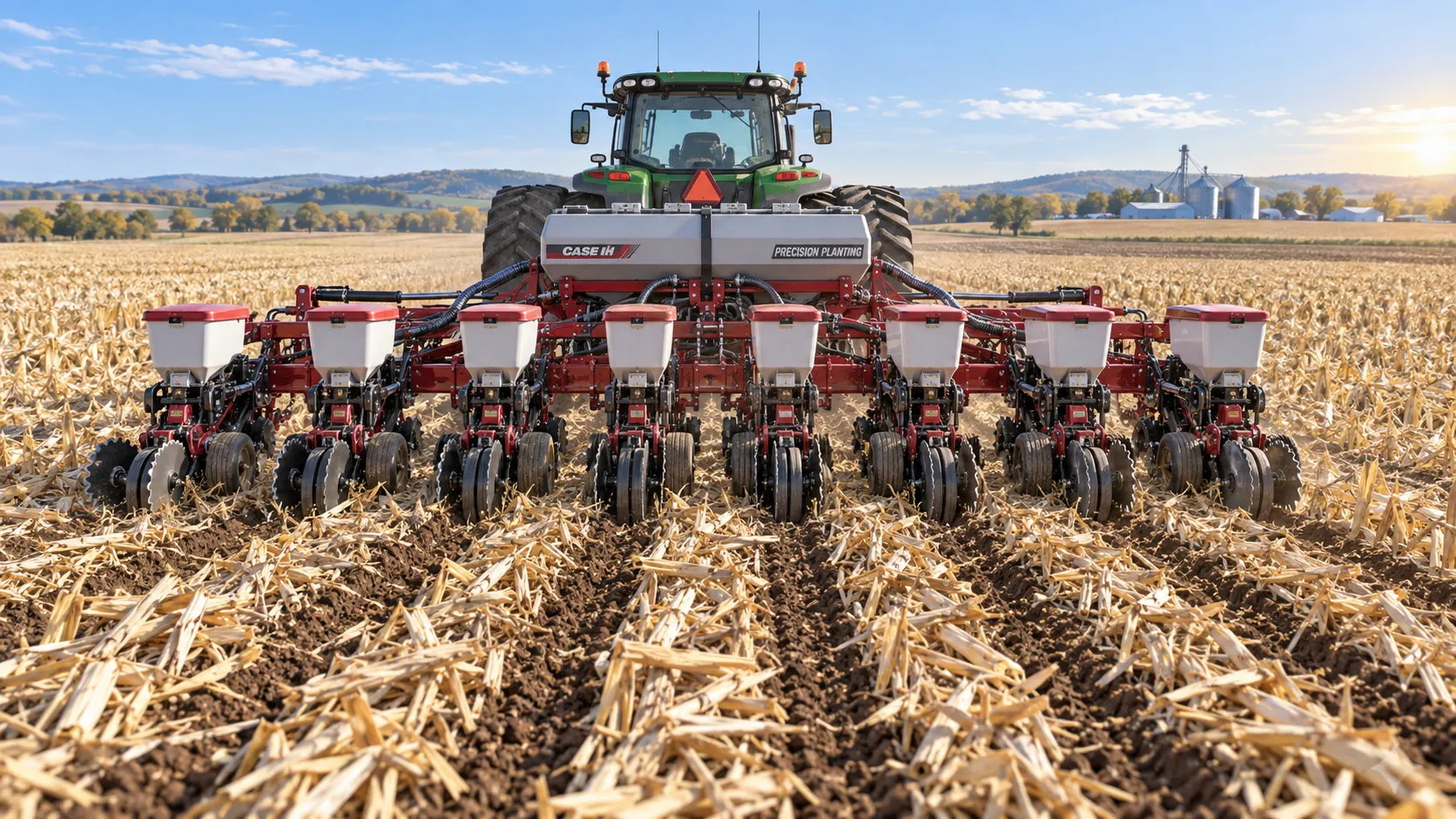
How to Select a Heavy-Duty Seeder for Large Acreage and High-Residue Fields
Heavy duty seeders for large acreage: compare residue handling, depth control, downforce, metering accuracy, and precision features to select the right model.
Related News
- 00
0000-00
How Does Farm Mechanization Affect Food Security in Developing Regions? - 00
0000-00
Agricultural Technology Insights by Region: Where Adoption Is Growing Fastest - 00
0000-00
How Climate-Smart Agriculture Technology Improves Yield, Soil Health, and Risk Resilience - 00
0000-00
Smart Farming Solutions in Latin America: Which Technologies Fit Large Farms Best? - 00
0000-00
Long-Cycle Agri-Trade Price Trends: How to Read Supply, Freight, and Currency Signals
Popular Tags
Prof. Marcus Chen
Weekly Insights
Stay ahead with our curated technology reports delivered every Monday.