
Where Agri-Mechanization Technology Pays Back Faster Than Expected
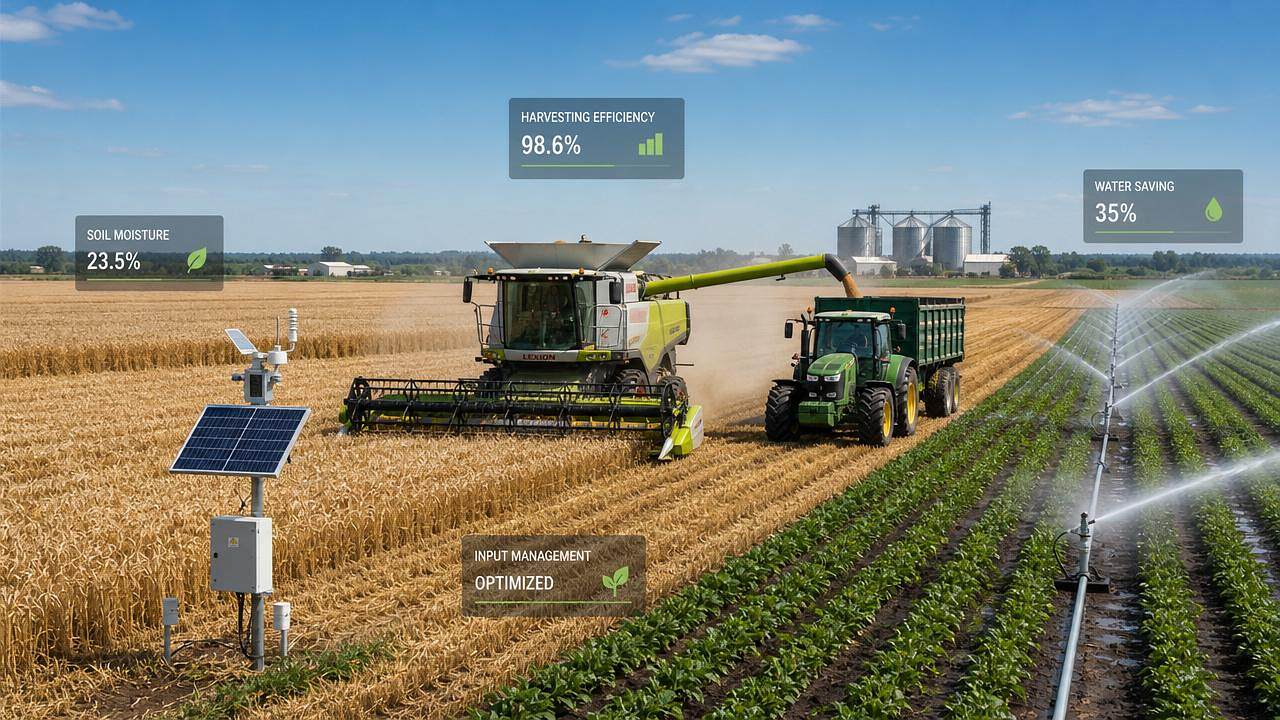




For business evaluators tracking capital efficiency in modern farming, agri-mechanization technology is proving its value faster than many forecasts suggest. From large-scale machinery and combine systems to intelligent irrigation and precision tools, the right investment mix can shorten payback cycles, reduce operational losses, and strengthen long-term competitiveness. In many operating environments, the fastest returns do not come from the biggest machine alone, but from the points where equipment performance, labor substitution, fuel efficiency, data accuracy, and seasonal timing improve at the same time.
That is why a structured evaluation matters. The commercial case for agri-mechanization technology often changes quickly when harvest loss drops by a few percentage points, when irrigation scheduling reduces water waste, or when precision tools prevent input overuse across large acreages. A checklist-based approach helps isolate where payback accelerates, which assets deliver near-term value, and which hidden factors make one mechanization project far more attractive than another.
Why Faster-Than-Expected Payback Happens in Agri-Mechanization Technology
The strongest returns usually appear where inefficiency is already expensive. In large-scale farming systems, delays in planting, spraying, harvesting, or irrigation can destroy more value than the purchase price difference between average and high-performance equipment. When agri-mechanization technology removes those delays, the return curve often sharpens sooner than budget models originally predicted.
Three dynamics drive this effect. First, labor scarcity makes mechanized operations more valuable every season. Second, field variability increases the value of precision-enabled systems that place water, seed, and nutrients more accurately. Third, climate volatility rewards machines and smart tools that improve timeliness under narrow weather windows. In other words, modern mechanization pays back faster when it protects output, not just when it cuts cost.
Core Evaluation Points for Agri-Mechanization Technology Investments
Use the following points to identify where agri-mechanization technology is most likely to generate earlier returns. The goal is not only to compare equipment specifications, but to connect machine capability with operational bottlenecks, crop sensitivity, and resource economics.
- Measure how often field operations miss ideal timing windows, because delayed planting, spraying, and harvesting usually create larger hidden losses than headline machinery cost suggests.
- Calculate current labor dependency by task and season, since agri-mechanization technology pays back quickly where skilled operators are scarce, expensive, or difficult to schedule reliably.
- Check loss points across the crop cycle, especially combine grain loss, overlap in field passes, and irrigation waste, because small percentage improvements scale rapidly on large acreage.
- Review fuel use and machine utilization together, not separately, because high-capacity equipment delivers the strongest return only when annual operating hours justify the asset profile.
- Assess whether precision steering, sensor feedback, and section control can reduce seed, fertilizer, chemical, or water over-application in measurable and repeatable ways.
- Examine crop value and yield sensitivity, since higher-value crops often justify premium mechanization faster than broad assumptions based only on machinery depreciation models.
- Compare service support, spare parts access, and uptime guarantees, because superior machine performance loses commercial value quickly if repair delays interrupt seasonal operations.
- Verify compatibility between tractors, implements, combines, and digital platforms so that agri-mechanization technology creates a connected workflow instead of isolated capital purchases.
- Estimate water and energy savings in irrigation systems using real local conditions, rather than generic vendor assumptions that may overstate efficiency gains.
- Include residual value and resale demand in the financial model, because proven equipment categories often retain value better than expected in active secondary markets.
Where Agri-Mechanization Technology Usually Pays Back First
1. Combine harvesting systems in loss-sensitive crops
Harvest is one of the clearest examples of rapid return. Upgraded combine harvesting technology can improve throughput, reduce grain loss, stabilize quality, and shorten the risk exposure created by unstable weather. When crops mature unevenly or fields vary in moisture, better threshing, separation, and cleaning performance can recover value almost immediately.
This is especially true where grain prices, acreage scale, or weather pressure make every harvesting hour count. In such cases, agri-mechanization technology is not merely an efficiency tool; it acts as income protection. A machine that reduces losses by even a small margin may outperform a cheaper alternative in one or two seasons.
2. Intelligent irrigation in water-stressed regions
Water-saving irrigation systems often deliver faster returns than expected because they affect both cost and output. Smart irrigation networks using sensor feedback, evapotranspiration modeling, or remote scheduling can cut pumping costs, reduce water waste, and improve crop consistency. In areas facing tighter water rules or energy costs, this form of agri-mechanization technology becomes strategically important very quickly.
The best payback appears when irrigation is currently managed by fixed schedules rather than field data. Once water application is matched more precisely to crop demand, the savings in water, energy, and yield stress can compress the return period well below initial expectations.
3. Precision implements for input-heavy operations
Precision farm tools frequently pay back faster than large machines because they target recurring input costs. Section control, variable-rate application, auto-guidance, and sensor-based prescription tasks can reduce overlap, limit waste, and improve placement accuracy. On broad-acre operations with significant fertilizer, crop protection, or seed budgets, these savings accumulate season after season.
This category of agri-mechanization technology becomes even more attractive when paired with existing tractors or sprayers, since the investment can upgrade performance without requiring a full fleet replacement. That lowers capital intensity while still improving operating precision.
4. Tractor chassis and powertrain upgrades in heavy-duty fieldwork
Tractor chassis improvements are often underestimated because buyers focus on horsepower rather than transmission efficiency, hydraulic responsiveness, traction, and implement compatibility. Yet these factors directly influence fuel economy, work rate, soil interaction, and the number of passes needed to complete major tasks.
In high-hour operations, advanced tractor-focused agri-mechanization technology can reduce downtime, improve pull efficiency, and support larger or smarter implements. The return is strongest where field preparation, seeding, transport, and tillage are bottleneck operations that affect the entire production calendar.
Commonly Overlooked Risks That Slow the Return
Underestimating operator capability
Even high-value agri-mechanization technology can underperform when calibration, machine setup, and digital settings are not handled correctly. A combine with advanced loss control or an irrigation system with smart scheduling needs trained use to reach its expected savings. Training should be treated as part of the capital plan, not an optional extra.
Using generic ROI assumptions across different field conditions
Payback in sandy soils, uneven terrain, fragmented fields, or highly variable rainfall conditions may differ sharply from benchmark case studies. Models should reflect local machine hours, crop mix, water pricing, downtime risk, and logistics complexity. Generalized payback tables can hide the real economics.
Ignoring interoperability across the equipment chain
One isolated machine rarely unlocks the full benefit of agri-mechanization technology. If guidance systems, implements, moisture sensors, telemetry, and farm management software do not communicate well, valuable data and field efficiency are lost. Integration planning should happen before purchase, not after delivery.
Focusing only on purchase price
A lower upfront price can produce a worse commercial result if fuel consumption is higher, losses are greater, or service delays affect key seasonal windows. Total cost of ownership should include uptime, consumables, parts access, resale value, and output protection. In many cases, premium systems pay back faster because they protect revenue better.
Practical Steps to Evaluate the Best Agri-Mechanization Technology Option
- Map the top three operational bottlenecks by financial impact, not by visibility alone. Focus first on the stage where delays or losses most directly reduce seasonal income.
- Build a simple return model using actual hectares, labor rates, fuel costs, crop values, and historical losses. Avoid using standard assumptions without local adjustment.
- Prioritize agri-mechanization technology that improves timeliness and precision together, because combined gains usually shorten the payback window more than single-factor upgrades.
- Request field-based performance evidence, including grain loss tests, water-use records, overlap reduction data, and service response history under comparable operating conditions.
- Plan implementation support in advance, including training, calibration, maintenance schedules, software setup, and spare parts availability before the peak season begins.
Strategic Takeaway for Long-Term Equipment Decisions
The most attractive agri-mechanization technology investment is rarely defined by machine size alone. It is defined by how effectively the solution removes an expensive constraint in the production system. In some cases, that means a higher-capacity combine. In others, it means precision implements, a smarter tractor platform, or an intelligent irrigation network that turns water and energy savings into a measurable advantage.
A disciplined evaluation process makes these opportunities easier to identify. When decision criteria include harvest loss, field timeliness, resource efficiency, service reliability, and interoperability, the fastest-return projects become much clearer. For organizations following the evolution of Agriculture 4.0, the central lesson is simple: agri-mechanization technology pays back faster than expected where it protects output, compresses risk, and connects mechanical performance with precision intelligence.
The next practical move is to review current operations through that lens. Identify where one season of better timing, lower loss, or smarter resource application would create the largest measurable gain. That is usually where the strongest mechanization return is already waiting.
Related News
How to Select Precision Crop Protection Equipment for Variable Field Conditions
Precision crop protection equipment selection made simple: compare terrain, canopy, weather, control accuracy, and data workflows for reliable applications.
When Does Agricultural Machinery Leasing Cost Less Than Owning Equipment?
Agricultural machinery leasing can lower farm costs when use is seasonal or uncertain. Compare utilization, maintenance, cash flow, and risk to make a smarter equipment decision.
How to Evaluate Precision Fertilization System Suppliers for Farm-Scale Deployment
Precision fertilization systems suppliers: learn how to compare accuracy, integration, uptime, service, and total cost for confident farm-scale deployment.
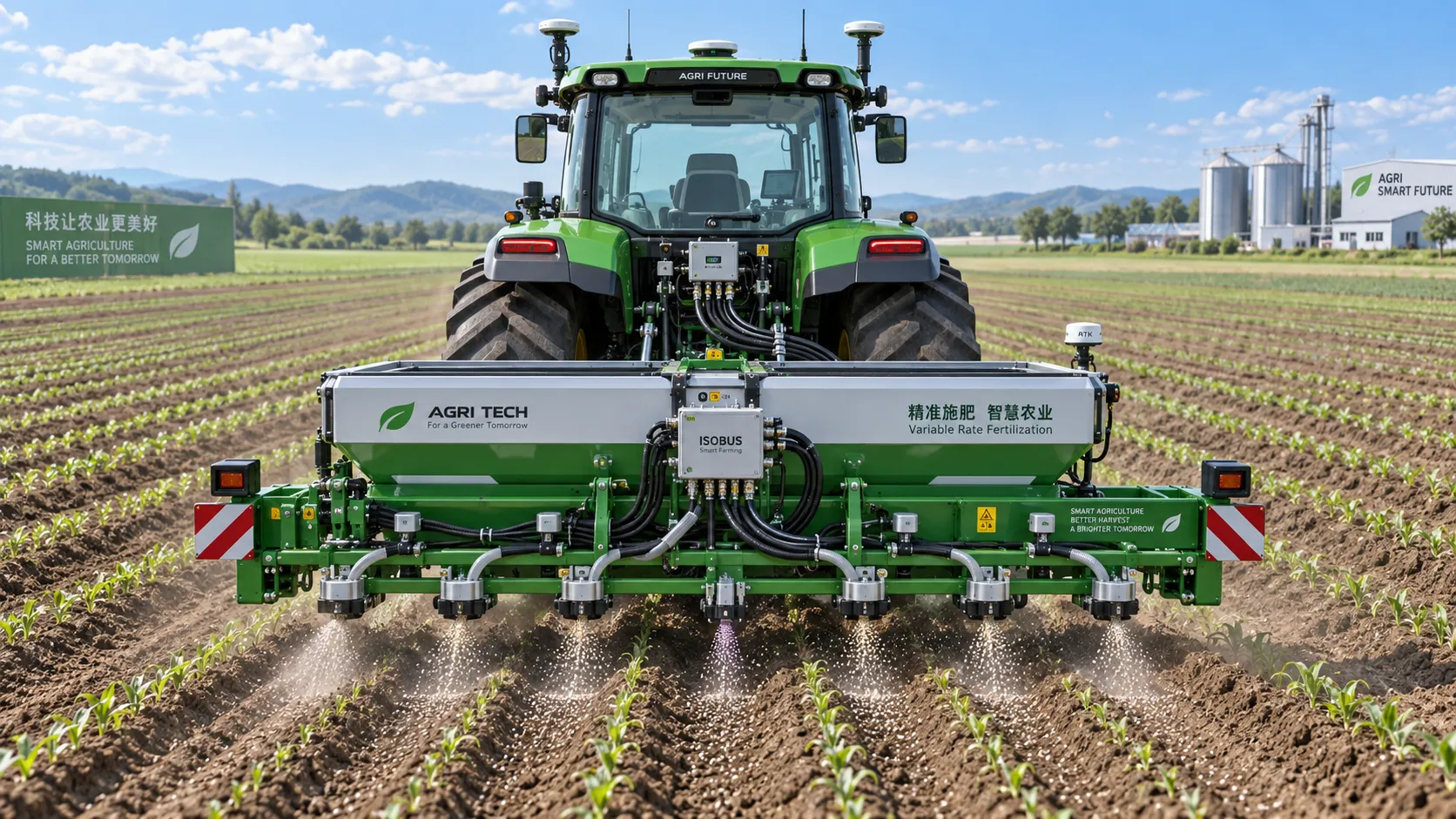
ISOBUS for Smart Agriculture: How It Connects Tractors, Implements, and Farm Data
ISOBUS for smart agriculture connects tractors, implements, terminals, and farm data—helping growers improve precision, documentation, and smarter field decisions.
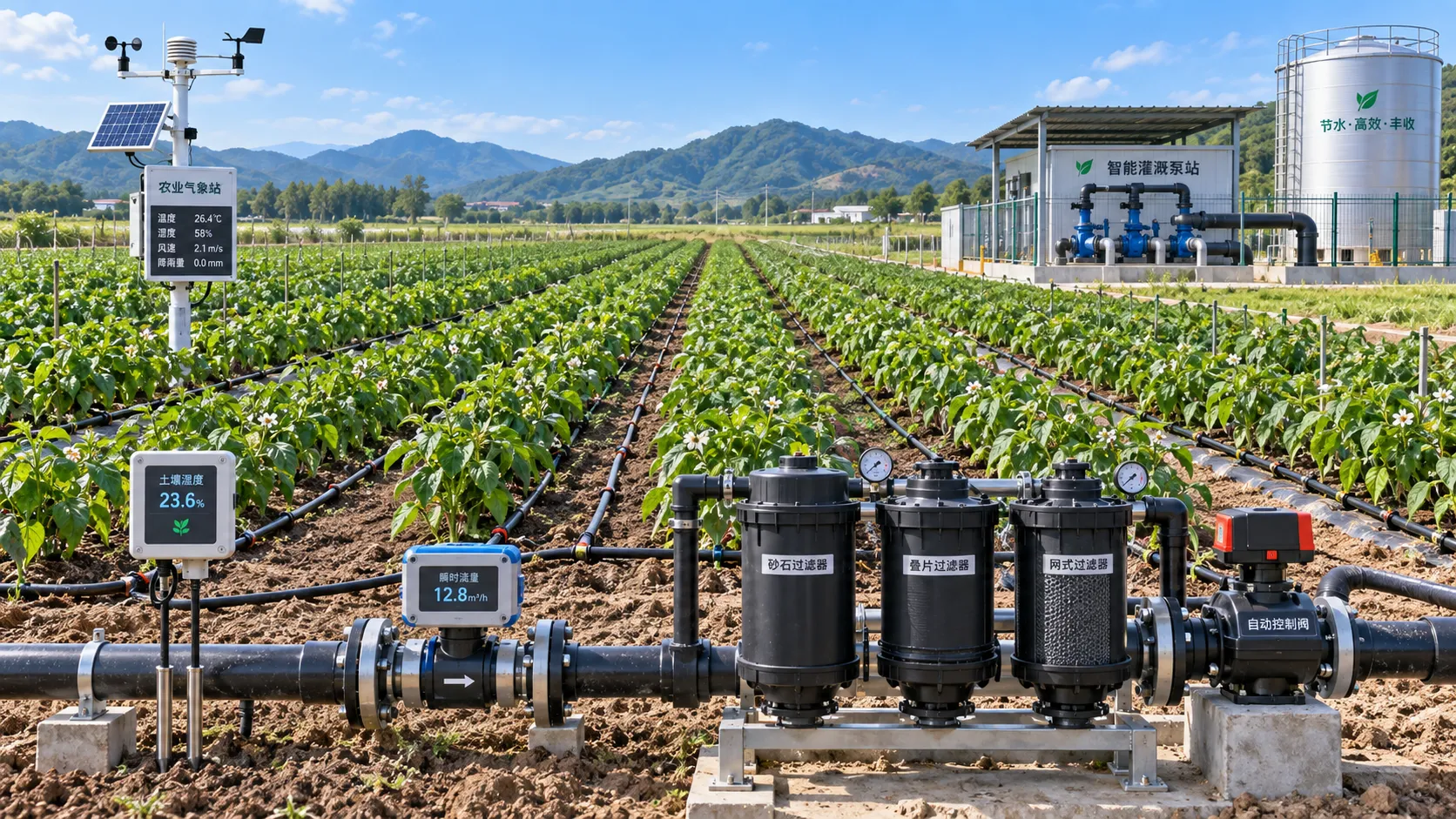
Automated Water-Saving Irrigation: How to Cut Water Use Without Reducing Crop Yields
Automated water-saving irrigation helps farms cut water use, protect crop yields, improve scheduling, and gain reliable control with sensors, flow monitoring, and smart zones.
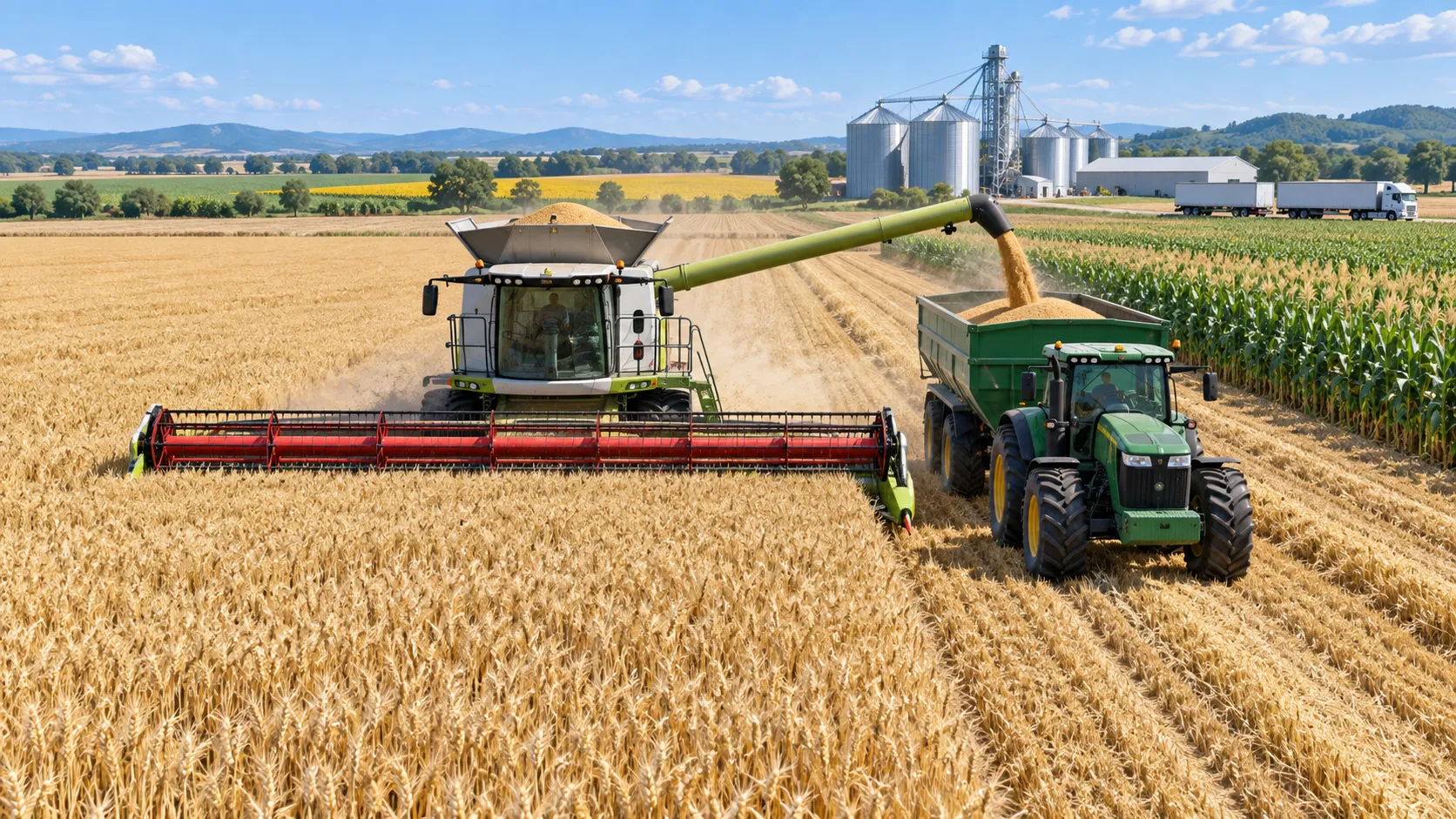
Selecting Grain Farm Equipment by Acreage, Crop Mix, and Harvest Window
Agricultural equipment selection for grain farming: match machinery to acreage, crop mix, and harvest windows to improve uptime, efficiency, and returns.
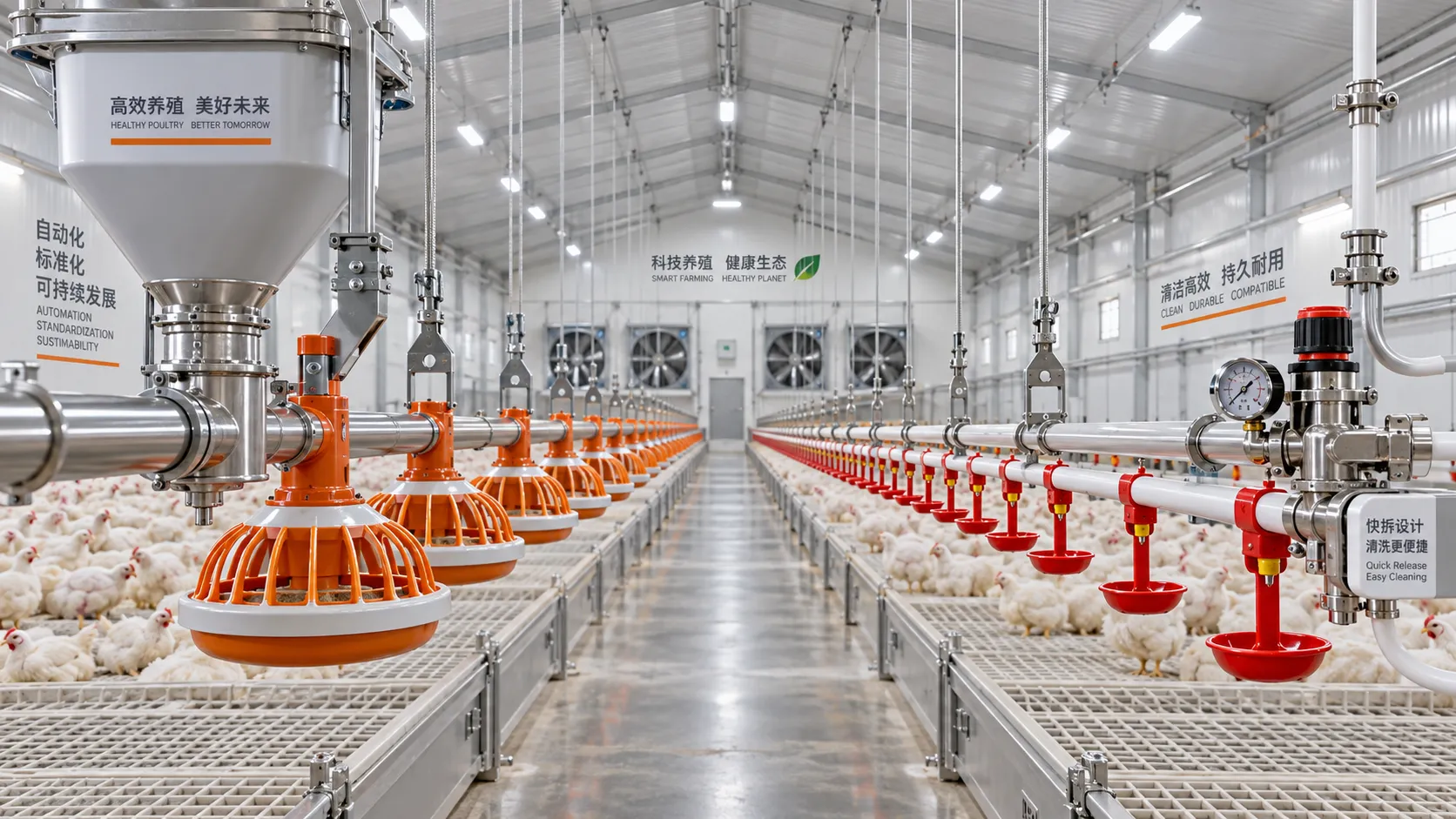
Poultry Equipment Selection: Evaluating Durability, Cleaning, and Compatibility
Poultry equipments selection guide: evaluate durability, cleaning access, and system compatibility to improve hygiene, reduce downtime, and support efficient flock management.
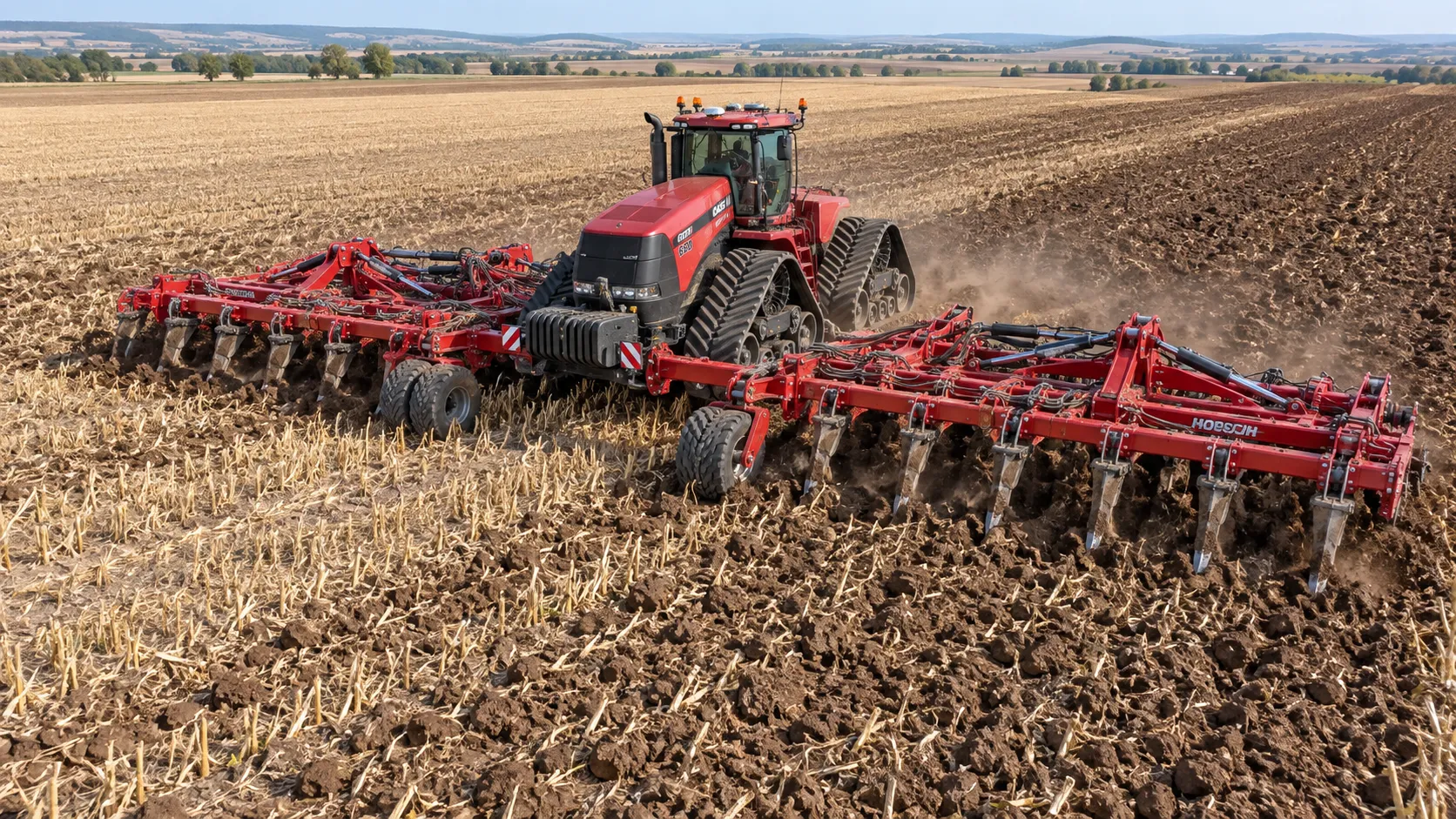
How to Select Heavy-Duty Farm Implements for High-Acreage, High-Horsepower Operations
Heavy duty farm implements: learn how to match draft, hydraulics, hitch capacity, frame strength, and field conditions for reliable high-acreage performance.
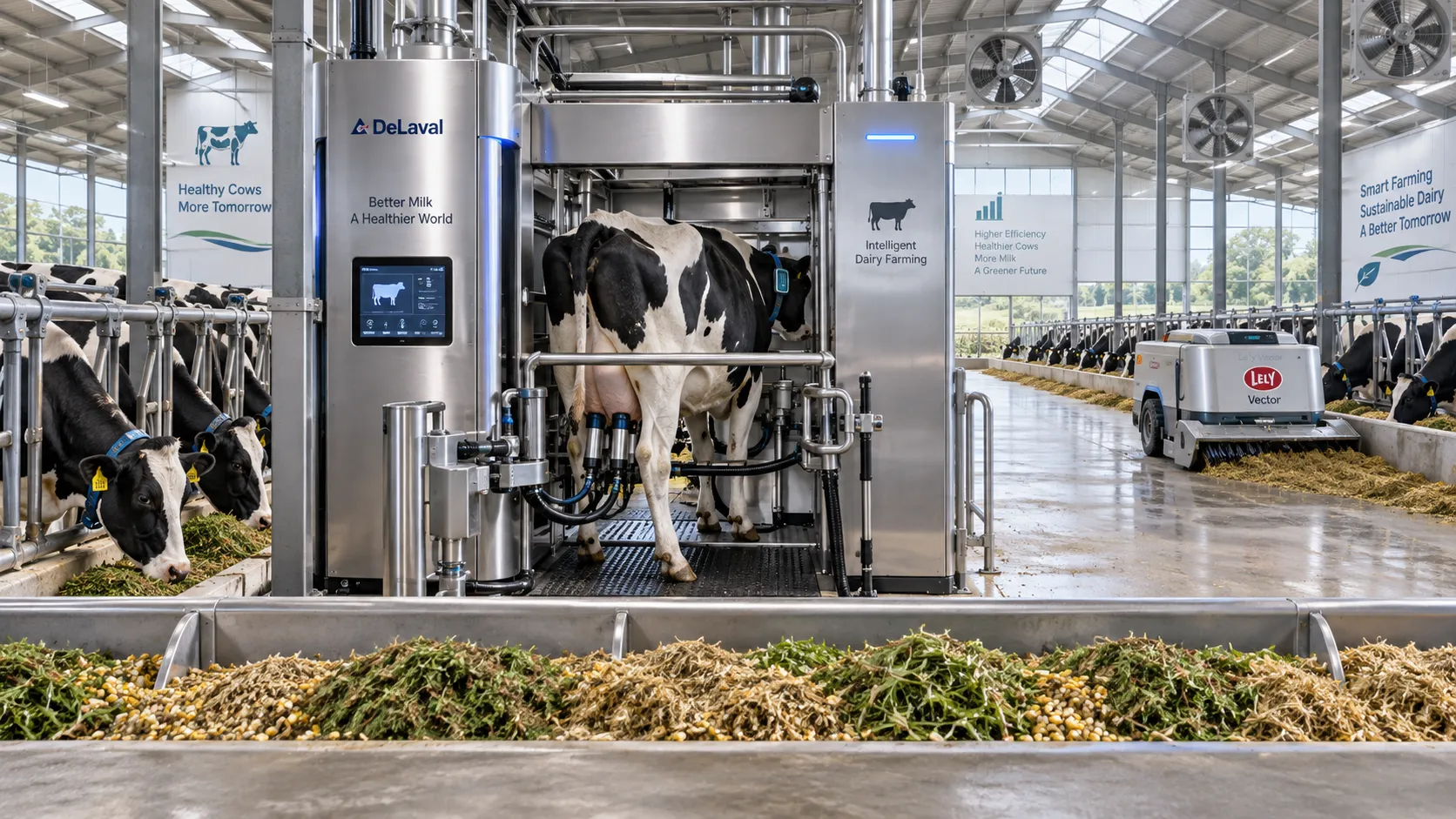
Smart Farming Technology for Dairy Farms: Where Automation Delivers Measurable ROI
Smart farming technology for dairy farms delivers measurable ROI through automation, precision feeding, health monitoring, and data-driven cost control.
Related News
- 00
0000-00
How Does Farm Mechanization Affect Food Security in Developing Regions? - 00
0000-00
Agricultural Technology Insights by Region: Where Adoption Is Growing Fastest - 00
0000-00
How Climate-Smart Agriculture Technology Improves Yield, Soil Health, and Risk Resilience - 00
0000-00
Smart Farming Solutions in Latin America: Which Technologies Fit Large Farms Best? - 00
0000-00
Long-Cycle Agri-Trade Price Trends: How to Read Supply, Freight, and Currency Signals
Popular Tags
Prof. Marcus Chen
Weekly Insights
Stay ahead with our curated technology reports delivered every Monday.