
Sustainable Farming Practices That Hold Up Under Cost Pressure
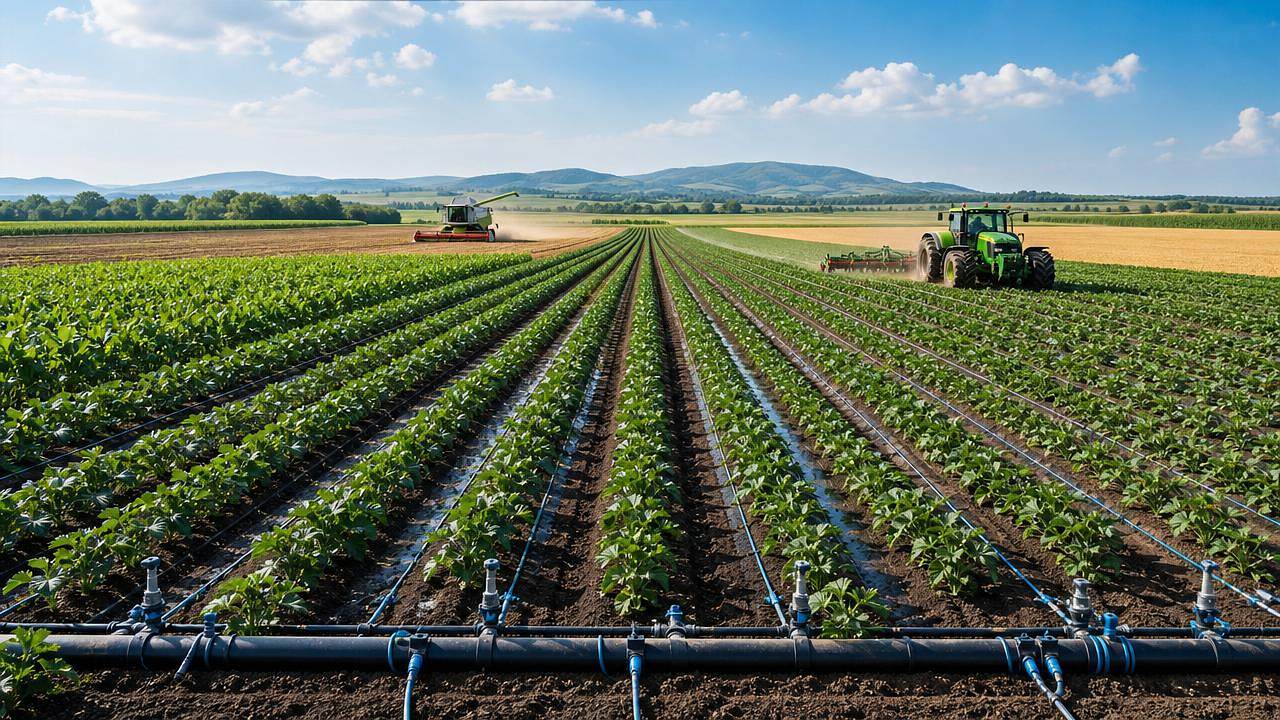




As input costs rise and sustainability targets tighten, sustainable farming practices are no longer optional for large-scale operations—they are a strategic benchmark for resilience and return on investment. For business evaluators tracking equipment efficiency, irrigation performance, and long-term asset value, understanding which practices truly hold up under cost pressure is essential to making smarter agricultural decisions.
In practical terms, the question is not whether sustainability matters, but which measures continue to perform when fertilizer prices spike, diesel remains volatile, labor availability drops, and water restrictions intensify. For procurement teams, distributors, and investment reviewers in the Agriculture 4.0 value chain, the strongest sustainable farming practices are those that reduce operating risk within 1 to 3 seasons while protecting equipment utilization over 5 to 10 years.
This matters directly to the equipment and intelligence domains covered by AP-Strategy: large-scale agri-machinery, combine harvesting systems, tractor chassis, intelligent farm tools, and water-saving irrigation networks. Across these categories, cost-resilient sustainability is measurable through fuel use per hectare, harvest loss rates, irrigation uniformity, maintenance intervals, labor hours, and total lifecycle cost rather than through broad claims alone.
Why Cost-Resilient Sustainable Farming Practices Matter in Large-Scale Agriculture
For large operations, sustainability becomes commercially relevant when it stabilizes three pressure points at once: input intensity, operational efficiency, and compliance exposure. A practice that lowers fertilizer use by 10% to 20% but increases field passes may not be cost-resilient. A practice that saves 15% of irrigation water while improving yield consistency across a 500-hectare block often is.
Business evaluators should also separate symbolic sustainability from operational sustainability. Cover crops, precision irrigation, controlled traffic, residue management, and variable-rate applications each have different payback profiles. Some deliver value within one season through lower water and fuel consumption. Others need 2 to 4 years before soil structure, infiltration, and nutrient efficiency create visible financial returns.
The 4 Cost Pressures Most Farms Face
- Fertilizer volatility, often with seasonal price swings of 15% to 40%.
- Fuel and machinery operating costs, especially in high-pass field systems.
- Water scarcity, pumping energy, and irrigation maintenance demands.
- Labor shortages that increase dependence on automation and simpler workflows.
When these four factors intensify at the same time, sustainable farming practices must be tested through field economics. The key benchmark is whether the farm can preserve output quality and machine productivity while reducing avoidable input waste per hectare.
What Business Evaluators Should Measure
A strong review framework typically includes 6 metrics: fuel per hectare, water per ton of output, nutrient use efficiency, harvest loss percentage, labor hours per 100 hectares, and maintenance downtime. These indicators create a common language between agronomy teams, machinery suppliers, irrigation contractors, and financial decision-makers.
The table below outlines how common sustainable farming practices compare under cost pressure. It is designed for commercial reviewers who need a practical screen before committing to machinery, retrofit, or digital irrigation investment.
The commercial takeaway is straightforward: practices linked to measurable input control and machine efficiency usually hold up fastest under cost pressure. Practices with slower biological returns can still be valuable, but they require stronger patience, field discipline, and financing alignment.
The Sustainable Farming Practices That Deliver Under Tight Margins
Not every sustainability initiative fits a large-scale operation with tight working capital. The most durable sustainable farming practices usually share three features: they are data-driven, compatible with existing machinery, and capable of reducing waste without adding excessive complexity. In many cases, the best returns come from integrating 3 to 5 complementary practices rather than adopting a single headline technology.
Precision Nutrient Placement and Variable-Rate Application
Among the most defensible upgrades for business evaluators is variable-rate nutrient application linked to soil zones, yield maps, and sensor feedback. This approach supports sustainable farming practices by applying inputs where they generate the highest response instead of maintaining blanket application rates across every hectare.
On large farms, even a 5% to 12% reduction in over-application can materially improve margin protection when fertilizer prices are elevated. The decision factor is not software alone; it is the quality of prescription mapping, spreader calibration, and compatibility with intelligent farm tools and tractor hydraulic control systems.
Evaluation Checklist
- Confirm whether field data resolution supports sub-zone treatment.
- Check controller compatibility with existing spreaders or sprayers.
- Review calibration intervals, ideally every season or every major crop change.
- Estimate savings against total hectares, not against a single trial plot.
Smart Irrigation and Water Recycling Logic
Water-saving irrigation systems are now among the most commercially visible sustainable farming practices because they influence yield stability, pumping cost, labor scheduling, and climate compliance at the same time. Sensor-led irrigation scheduling, drip optimization, and pressure management can reduce unnecessary runtime without sacrificing plant performance.
For evaluators, the critical point is that irrigation sustainability should be measured as a network issue rather than a hardware issue. Emitter uniformity, filtration reliability, pressure variance, and response speed to evapotranspiration changes all determine whether a system saves 8% or 25% water under real field conditions.
What to Verify in Irrigation Assets
- Uniformity performance across different topographies and block sizes.
- Maintenance cycles for filters, valves, and pressure regulation units.
- Data frequency, such as hourly, 6-hour, or daily irrigation recommendations.
- Integration with weather inputs and pump energy management.
Reduced Field Passes Through Better Machinery Coordination
Large-scale agri-machinery plays a direct role in sustainable farming practices when equipment selection reduces redundant traffic and preserves field timeliness. Matching tractor chassis capability, implement width, and task sequencing can cut fuel consumption and labor pressure while lowering compaction risk.
A farm that completes soil preparation, nutrient placement, and plant protection in fewer passes may gain more from logistics efficiency than from any single green label initiative. Under high diesel prices, shaving 0.8 to 1.5 machine hours per hectare across a broad acreage base can create a stronger annual return than many isolated sustainability projects.
Harvest Loss Control as a Sustainability Lever
Combine harvesting technology is often excluded from sustainability conversations, yet it should not be. Grain lost through poor threshing, separation, or cleaning settings represents wasted water, fertilizer, labor, and fuel embedded in the crop. In that sense, harvest loss control is one of the most immediate sustainable farming practices available to large farms.
Even a 1% to 2% reduction in harvest loss matters significantly at scale. Evaluators should prioritize combines and sensor systems that support rapid adjustment in changing moisture conditions, crop density, and residue volume, especially where harvest windows are compressed into 10 to 20 days.
How to Evaluate Sustainable Farming Practices as an Investment Decision
For business assessment teams, sustainable farming practices should be reviewed using a capital allocation lens. The goal is to avoid investing in systems that look efficient in a pilot but fail under full-scale commercial workload. A sound evaluation model usually balances agronomic gain, machinery compatibility, payback timing, and operational risk.
A 5-Point Procurement Framework
Before approving a solution, evaluators should map five dimensions: compatibility, implementation burden, measurable savings, serviceability, and data reliability. This method helps compare a smart irrigation controller, a precision applicator upgrade, or a combine sensor package using a consistent decision structure.
This framework prevents a common procurement error: selecting technology based on claimed sustainability impact while underestimating downtime, training friction, or cross-platform integration costs. Sustainable farming practices only hold up under cost pressure when the whole operating system supports them.
Lifecycle Value Versus Purchase Price
A lower upfront cost does not always create a lower total cost of ownership. In harvesting, irrigation, and precision application systems, the better commercial question is whether the asset preserves productivity over 3,000 to 6,000 operating hours, multiple crop cycles, and changing environmental demands.
For example, a lower-cost irrigation package may look attractive until filtration clogs increase maintenance visits every 7 to 10 days in peak demand periods. A stronger system with more stable pressure control and better telemetry may cost more initially but reduce labor intervention, pumping inefficiency, and crop variability over time.
Risk Signals That Merit Caution
- Vendor claims without field-level KPI definitions.
- Solutions that require manual data handling across multiple platforms.
- Equipment upgrades that increase pass count or narrow operational windows.
- Irrigation designs that do not specify maintenance frequency or pressure tolerance.
- Harvest optimization packages without loss monitoring or adjustment workflow.
These warning signs matter because they convert a sustainability initiative into an execution burden. In large operations, even small workflow failures multiply quickly across acreage, machine fleets, and labor teams.
Implementation Priorities for AP-Strategy Readers and Commercial Review Teams
For readers focused on strategic intelligence in mechanization, harvesting, and irrigation, the strongest path is phased adoption. Sustainable farming practices should be introduced in a sequence that protects seasonal continuity and creates measurable checkpoints after each stage.
A Practical 3-Stage Rollout
- Stage 1: Baseline current fuel, water, loss, and labor performance over 1 season.
- Stage 2: Deploy the highest-visibility efficiency upgrades, usually irrigation control or variable-rate application.
- Stage 3: Expand into machinery coordination, soil protection, and harvest optimization after KPI validation.
This sequence helps decision-makers compare a short-cycle savings project with a medium-cycle resilience project. It also aligns well with the AP-Strategy approach of connecting machinery performance, precision farming algorithms, and sustainability demands into one decision framework.
Where the Best Near-Term ROI Often Appears
Across many large-scale operations, the fastest commercial returns tend to come from four areas: irrigation scheduling, nutrient precision, reduced unnecessary field passes, and harvest loss management. These are not the only sustainable farming practices worth considering, but they typically generate the clearest evidence under cost pressure because the savings are visible in machine logs, water records, and output quality within 1 to 2 production cycles.
For business evaluators, that clarity is decisive. It supports better procurement timing, asset allocation, and supplier comparison without relying on broad sustainability narratives that cannot be tested operationally.
The most effective sustainable farming practices are not the most fashionable ones; they are the ones that continue to reduce waste, stabilize production, and preserve asset value when margins tighten. In large-scale agriculture, that means linking agronomy, machinery, irrigation, and data into a measurable commercial system.
For evaluators working across large-scale agri-machinery, combine harvesting, tractor chassis performance, intelligent farm tools, and water-saving irrigation systems, a disciplined assessment of compatibility, payback window, and operational risk will lead to better outcomes than headline claims alone. To explore tailored intelligence, compare equipment pathways, or review solution-fit for your market, contact AP-Strategy to get a customized plan and learn more about practical, investment-ready agricultural solutions.
Related News
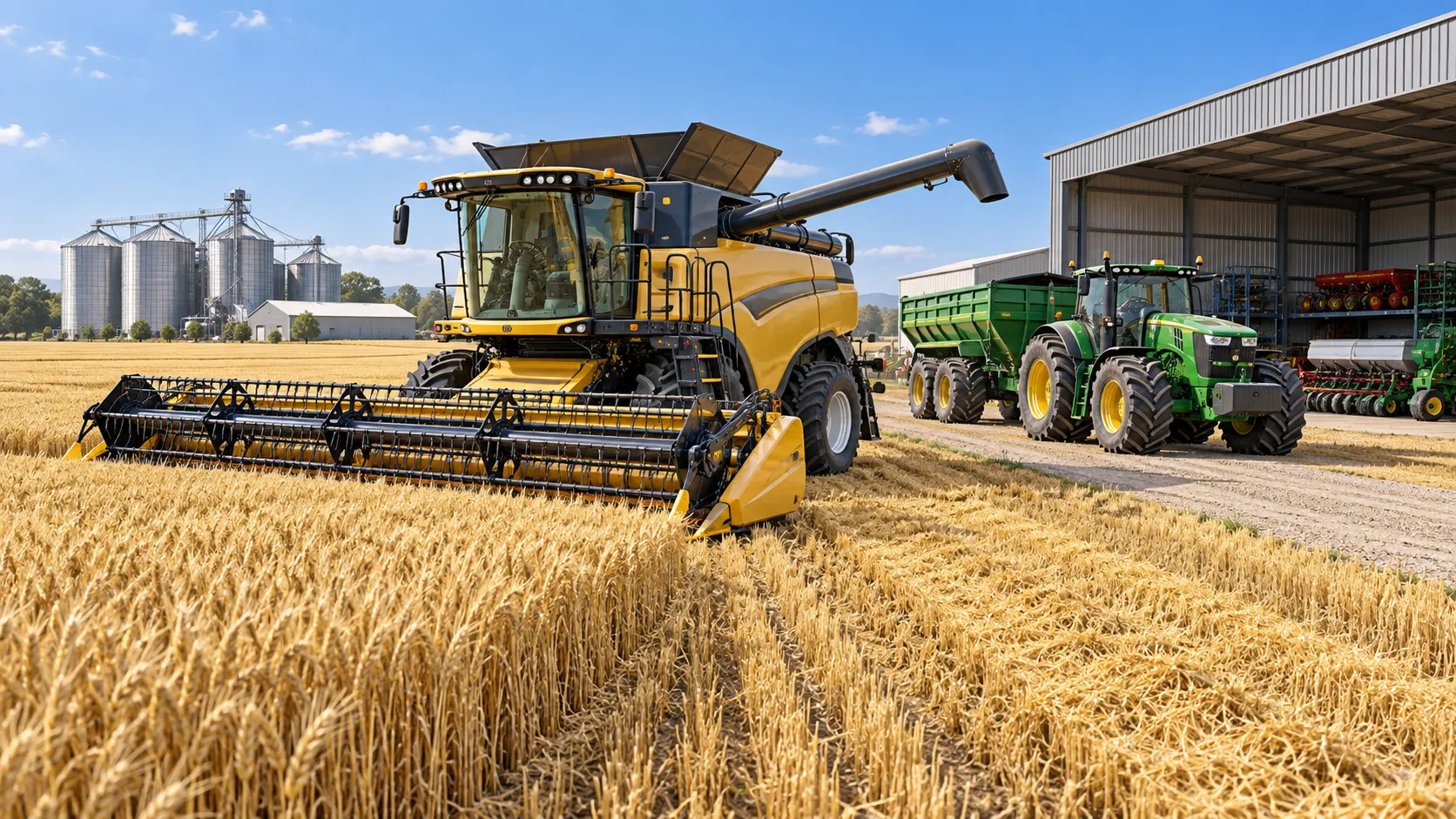
When Does Agricultural Machinery Leasing Cost Less Than Owning Equipment?
Agricultural machinery leasing can lower farm costs when use is seasonal or uncertain. Compare utilization, maintenance, cash flow, and risk to make a smarter equipment decision.
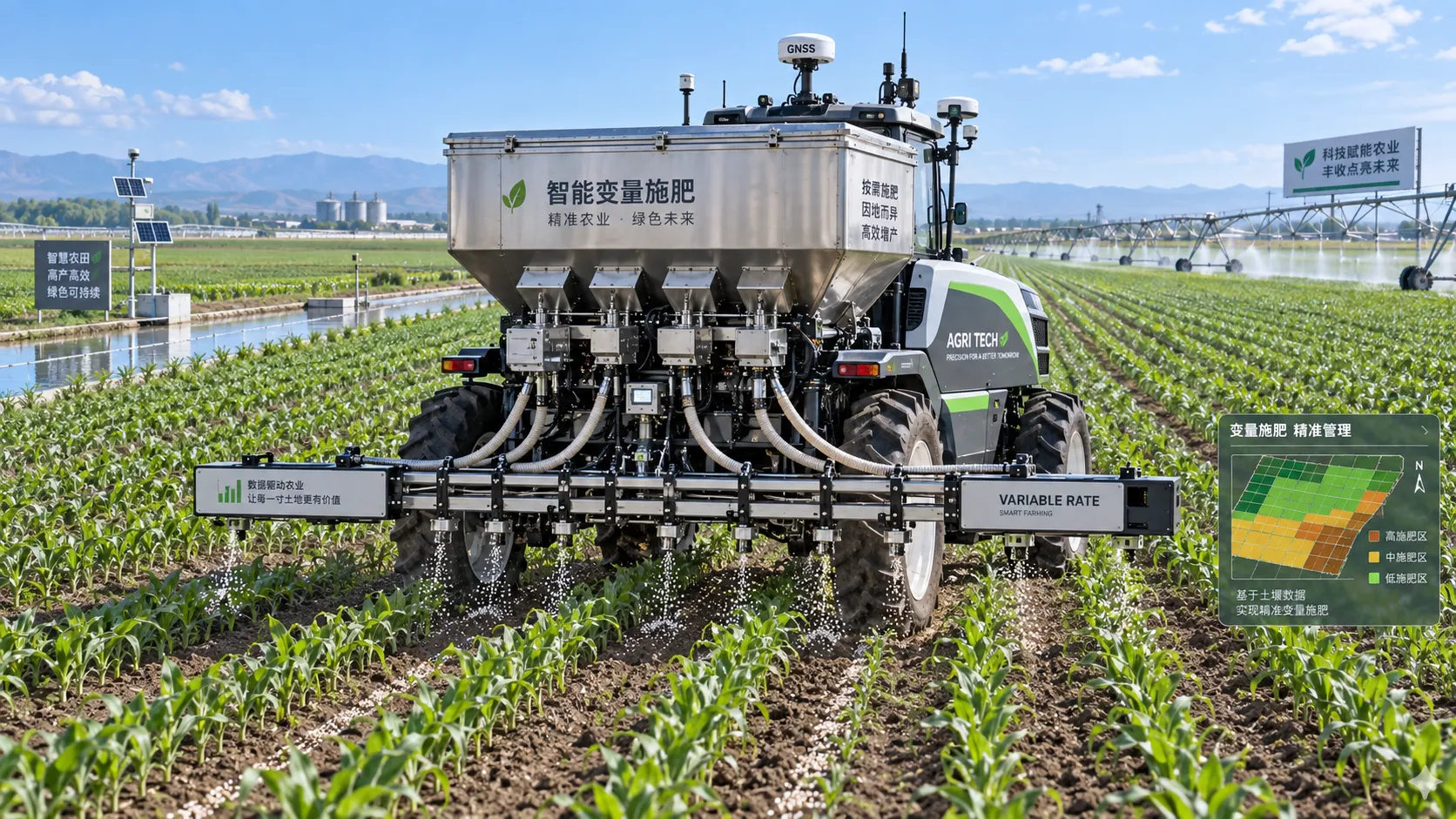
How to Evaluate Precision Fertilization System Suppliers for Farm-Scale Deployment
Precision fertilization systems suppliers: learn how to compare accuracy, integration, uptime, service, and total cost for confident farm-scale deployment.
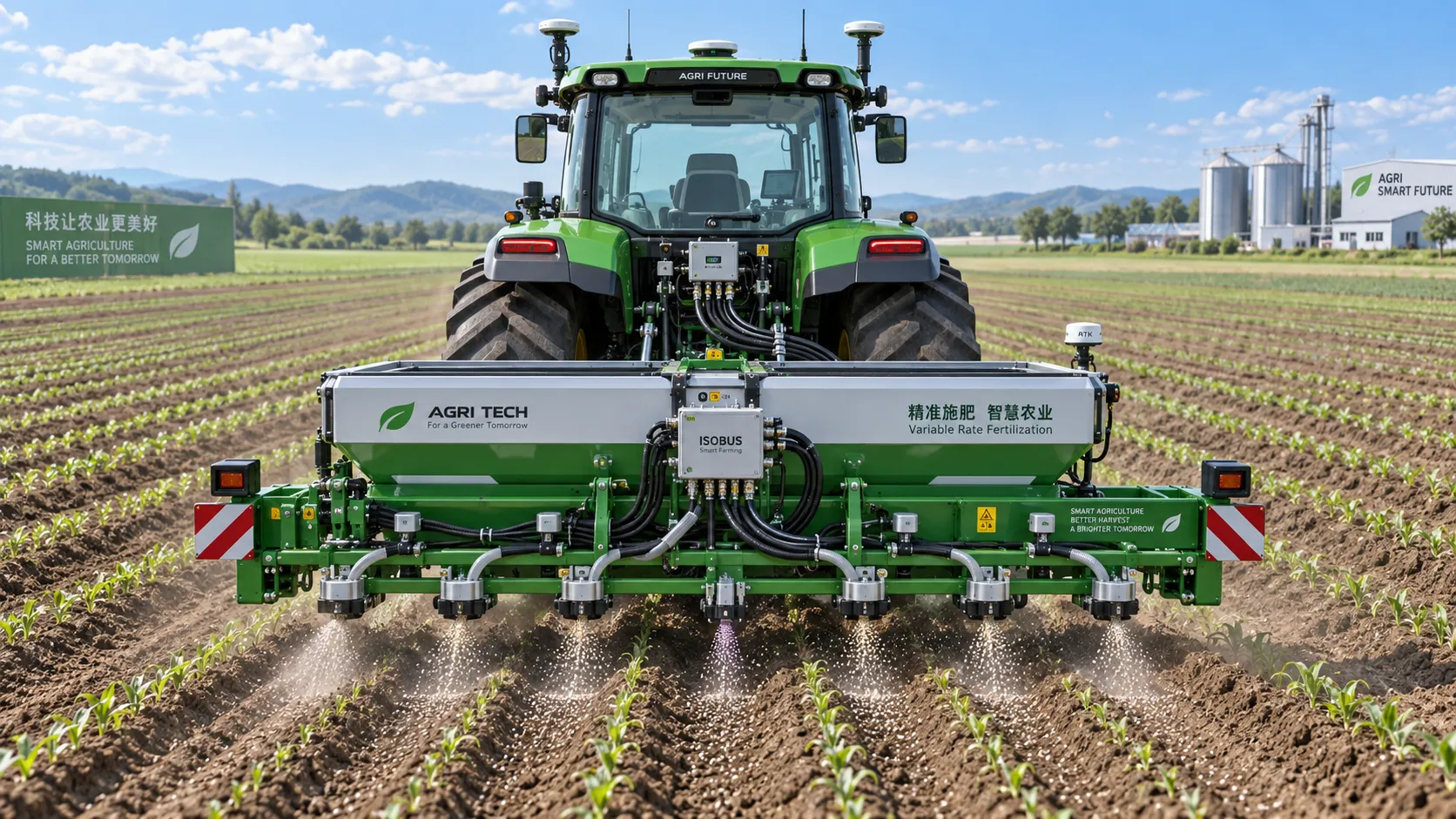
ISOBUS for Smart Agriculture: How It Connects Tractors, Implements, and Farm Data
ISOBUS for smart agriculture connects tractors, implements, terminals, and farm data—helping growers improve precision, documentation, and smarter field decisions.
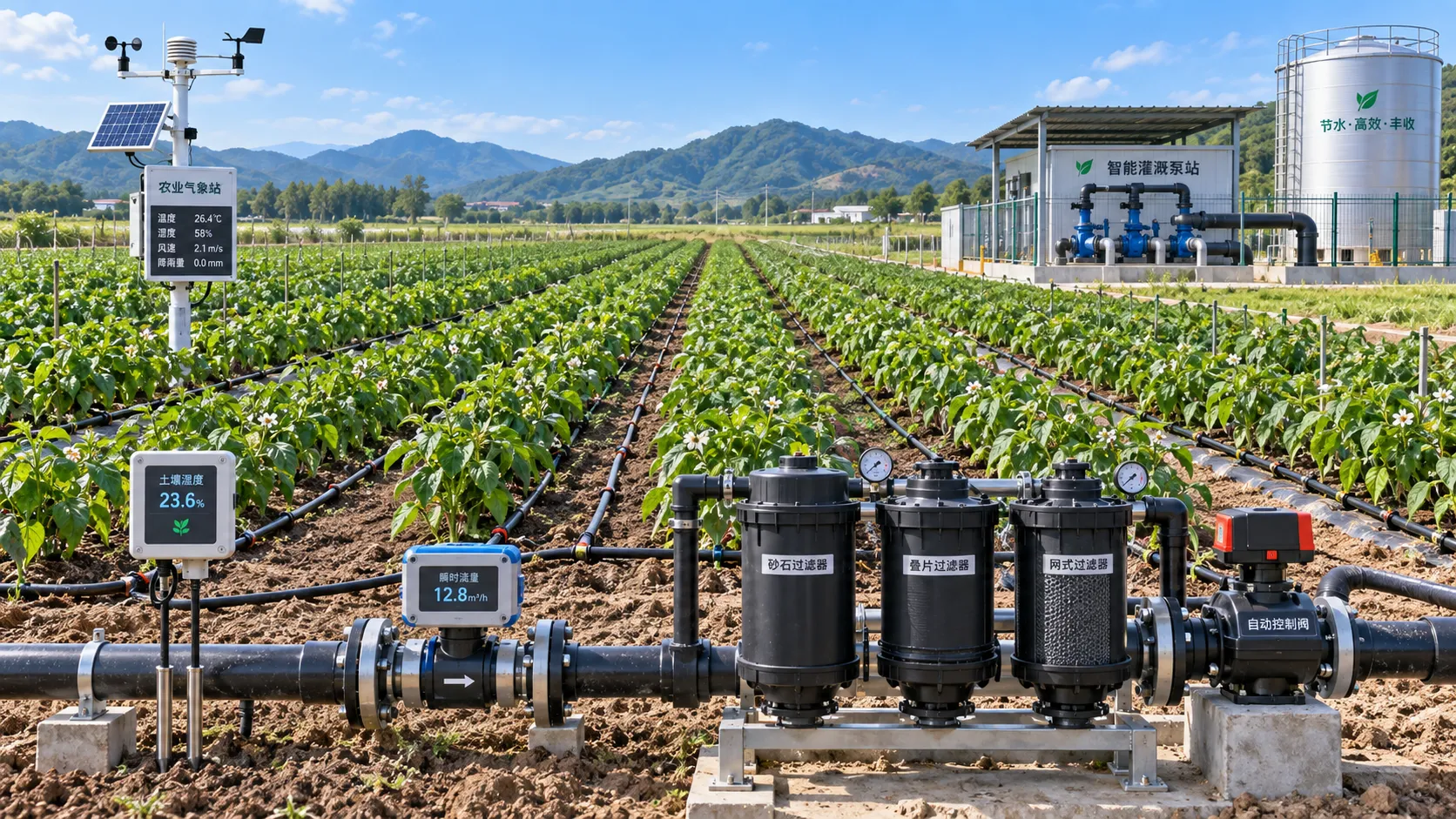
Automated Water-Saving Irrigation: How to Cut Water Use Without Reducing Crop Yields
Automated water-saving irrigation helps farms cut water use, protect crop yields, improve scheduling, and gain reliable control with sensors, flow monitoring, and smart zones.
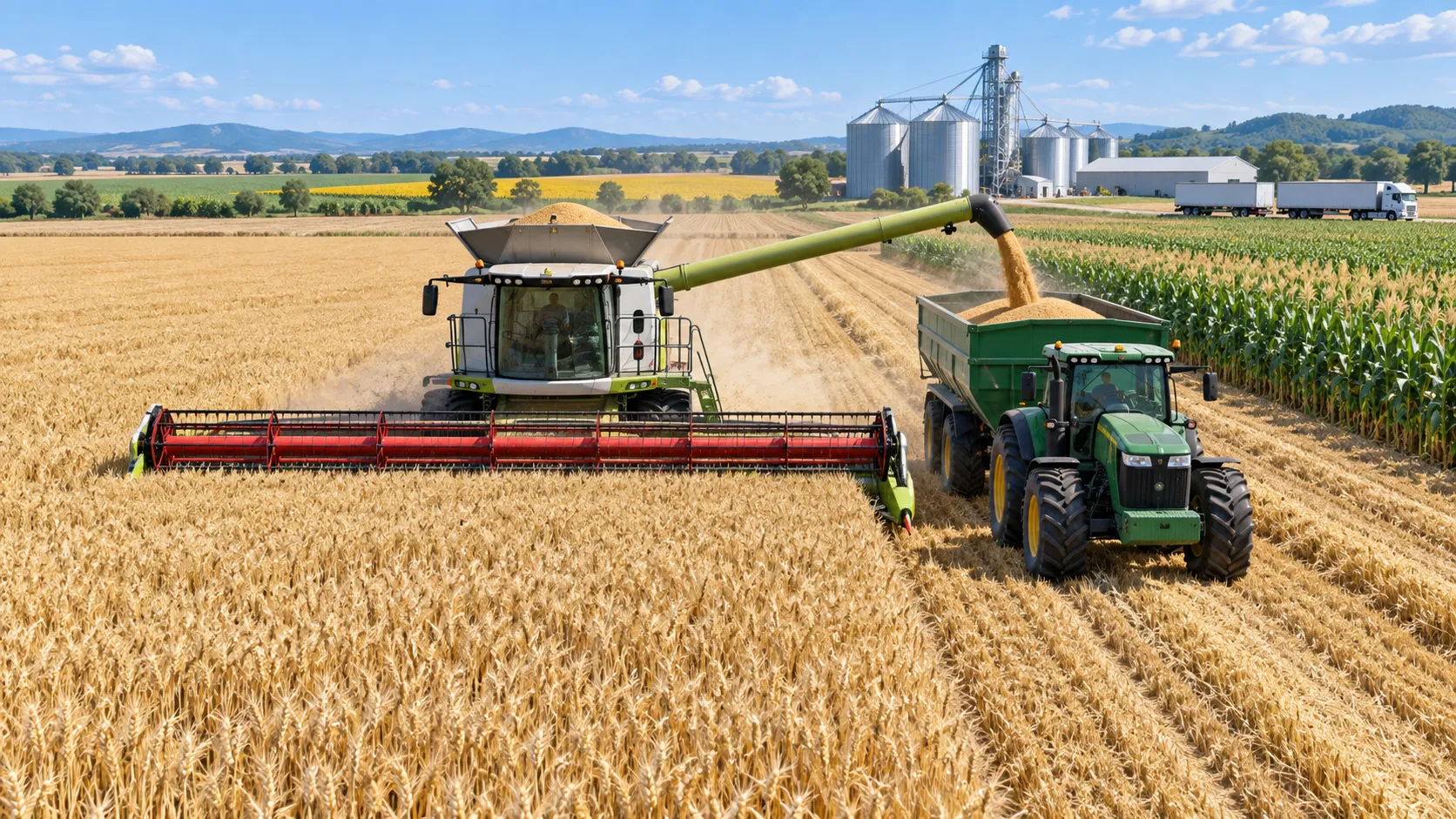
Selecting Grain Farm Equipment by Acreage, Crop Mix, and Harvest Window
Agricultural equipment selection for grain farming: match machinery to acreage, crop mix, and harvest windows to improve uptime, efficiency, and returns.
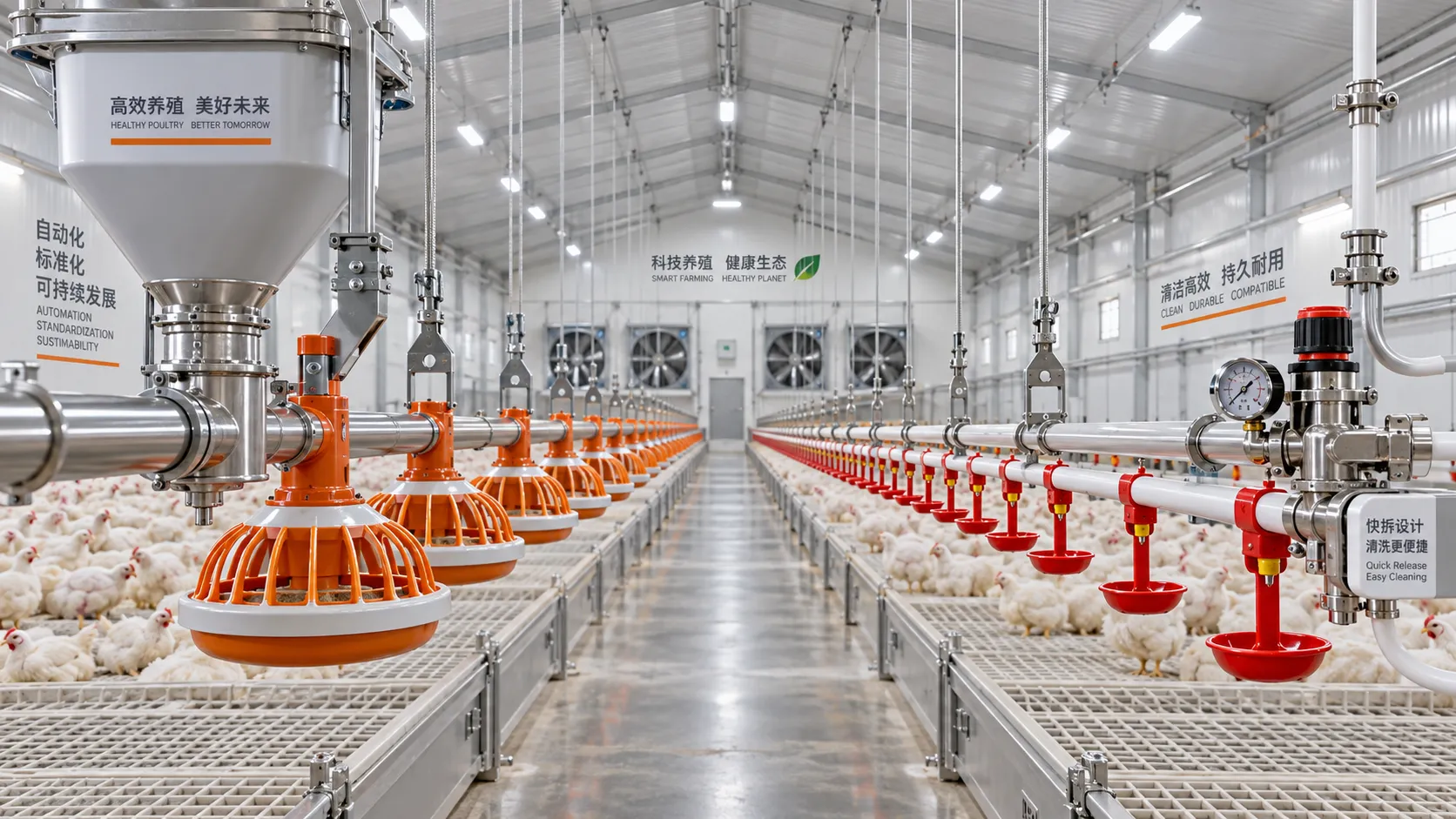
Poultry Equipment Selection: Evaluating Durability, Cleaning, and Compatibility
Poultry equipments selection guide: evaluate durability, cleaning access, and system compatibility to improve hygiene, reduce downtime, and support efficient flock management.
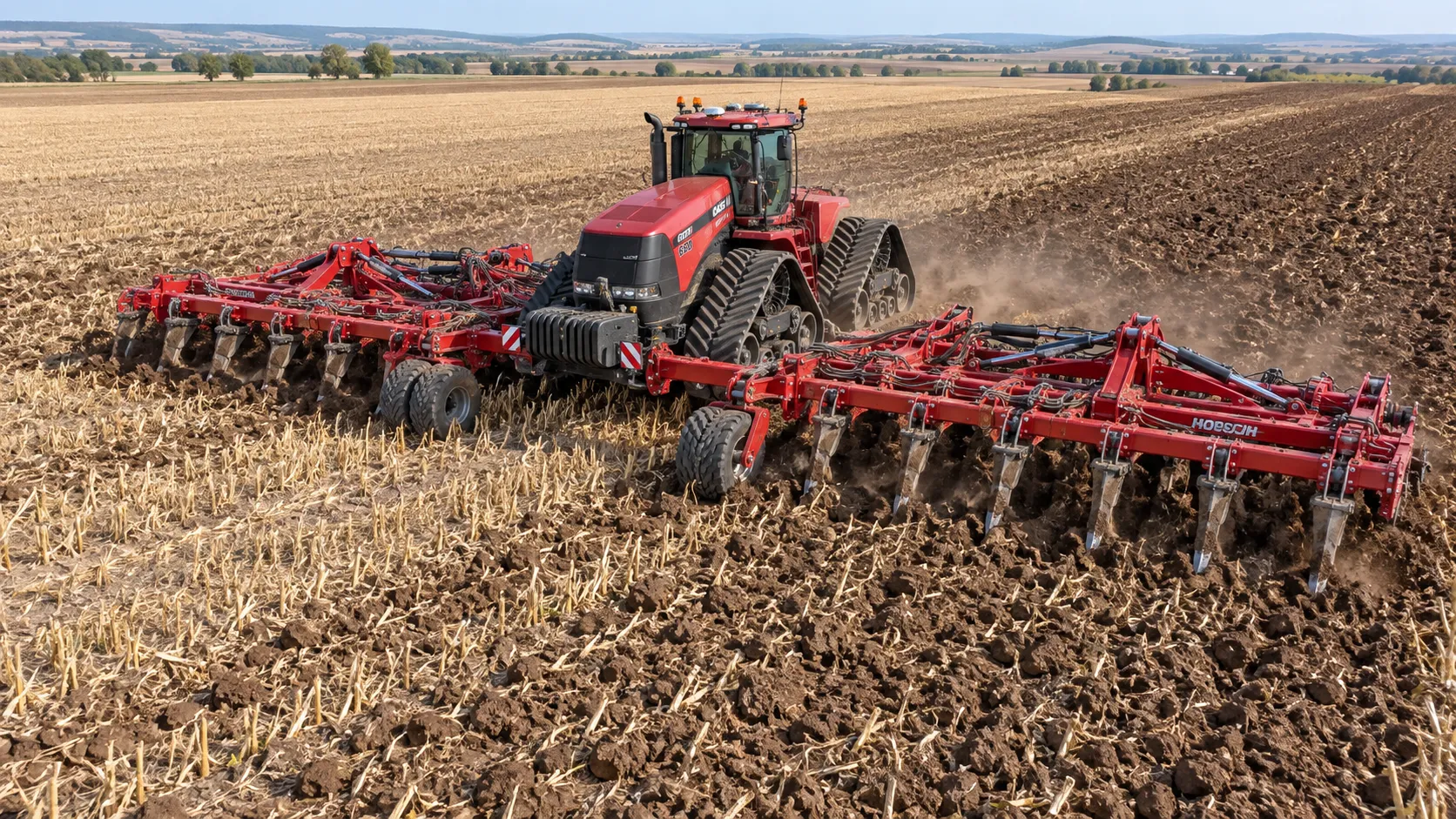
How to Select Heavy-Duty Farm Implements for High-Acreage, High-Horsepower Operations
Heavy duty farm implements: learn how to match draft, hydraulics, hitch capacity, frame strength, and field conditions for reliable high-acreage performance.
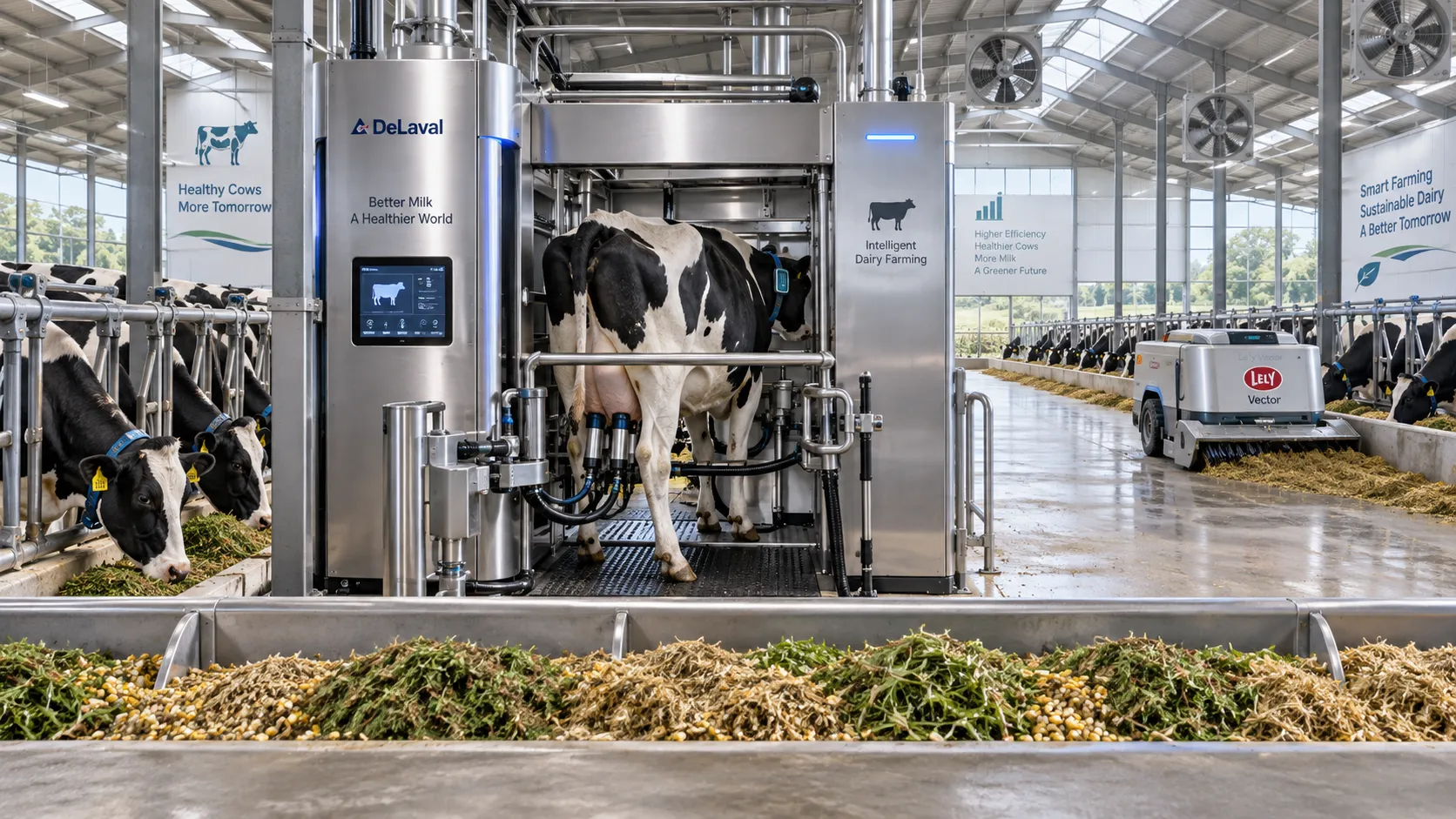
Smart Farming Technology for Dairy Farms: Where Automation Delivers Measurable ROI
Smart farming technology for dairy farms delivers measurable ROI through automation, precision feeding, health monitoring, and data-driven cost control.
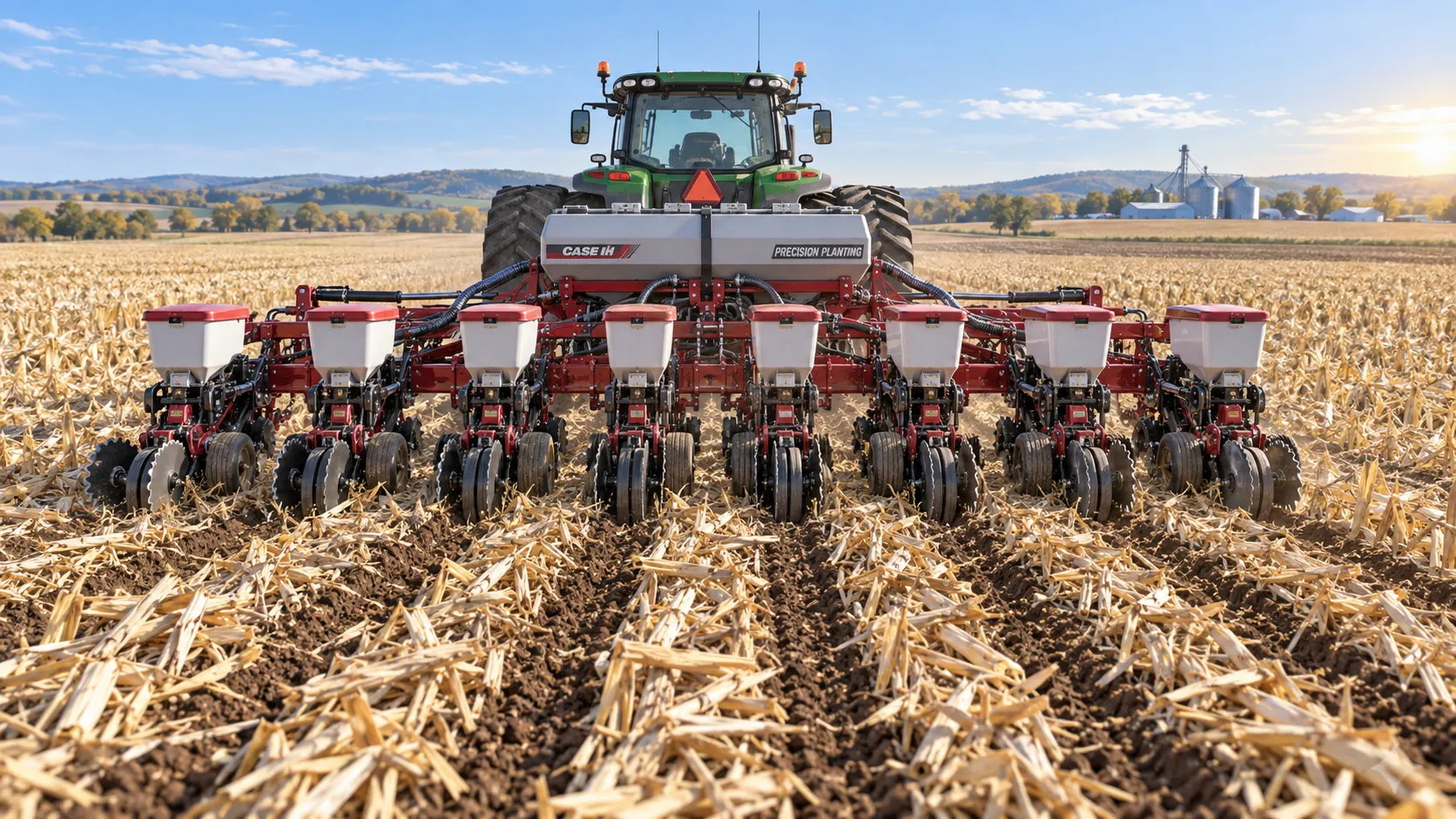
How to Select a Heavy-Duty Seeder for Large Acreage and High-Residue Fields
Heavy duty seeders for large acreage: compare residue handling, depth control, downforce, metering accuracy, and precision features to select the right model.
Related News
- 00
0000-00
How Does Farm Mechanization Affect Food Security in Developing Regions? - 00
0000-00
Agricultural Technology Insights by Region: Where Adoption Is Growing Fastest - 00
0000-00
How Climate-Smart Agriculture Technology Improves Yield, Soil Health, and Risk Resilience - 00
0000-00
Smart Farming Solutions in Latin America: Which Technologies Fit Large Farms Best? - 00
0000-00
Long-Cycle Agri-Trade Price Trends: How to Read Supply, Freight, and Currency Signals
Popular Tags
Prof. Marcus Chen
Weekly Insights
Stay ahead with our curated technology reports delivered every Monday.