
Heavy-Duty Farm Machinery: Which Specs Matter in Daily Use?
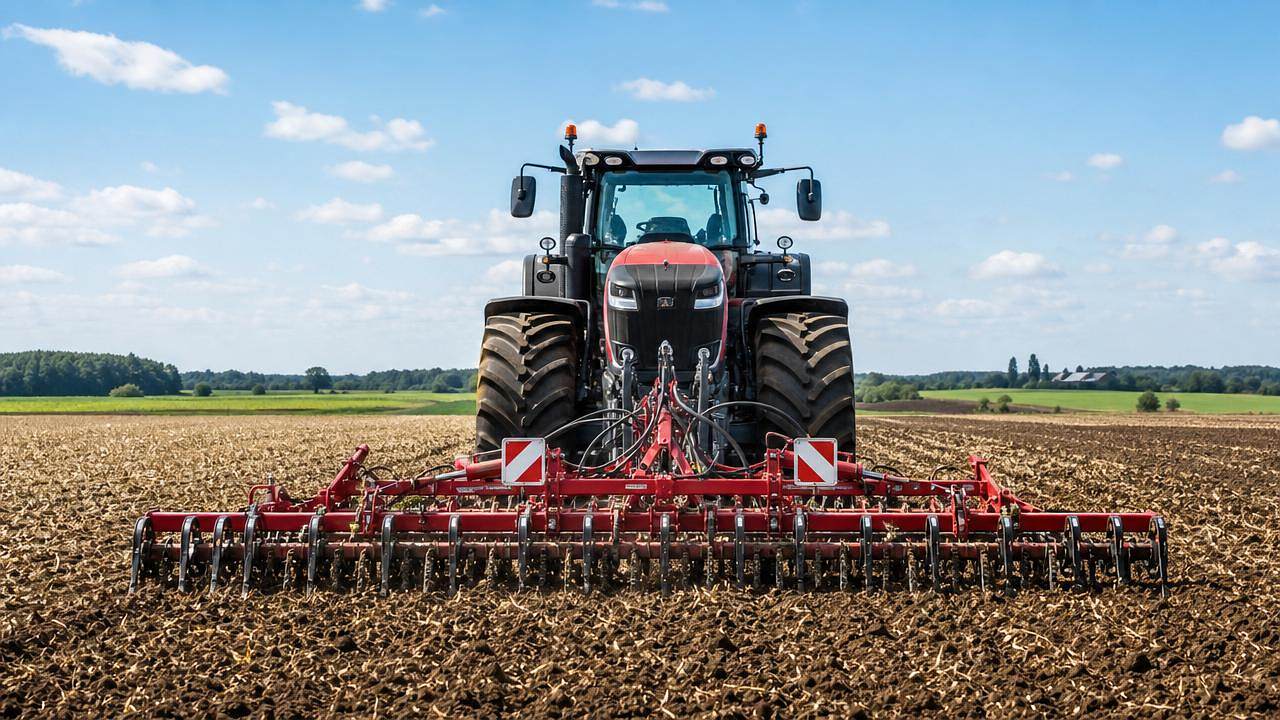




When evaluating heavy-duty farm machinery, daily performance matters more than brochure promises. Operators need clear, field-based indicators, not just headline horsepower.
The right specs affect traction, fuel efficiency, hydraulic response, lifting stability, service intervals, and comfort across long operating days. These details shape uptime and cost per hectare.
For global agriculture, heavy-duty farm machinery is no longer only about raw power. It must also support precision workflows, reduce losses, and fit changing labor and sustainability pressures.
This guide explains which specifications matter most in daily use, why they matter, and how to compare machines more realistically before any investment decision.
Practical Definition of Heavy-Duty Farm Machinery
Heavy-duty farm machinery refers to high-capacity equipment built for demanding fieldwork, transport, harvesting support, and intensive seasonal workloads under variable soil and weather conditions.
In practice, the category often includes high-horsepower tractors, self-propelled harvesting units, large sprayer platforms, and power chassis supporting advanced implements.
What separates heavy-duty farm machinery from lighter equipment is not size alone. The key difference is sustained performance under load, over long hours, with lower risk of downtime.
Daily usability depends on how engine output, transmission design, hydraulic flow, axle load, cooling efficiency, and operator controls work together in real operating cycles.
Current Industry Focus in Equipment Evaluation
Across the agricultural equipment sector, buyers and field teams are evaluating heavy-duty farm machinery with more attention to measurable efficiency and life-cycle resilience.
This shift is driven by tighter margins, larger fields, fewer available operators, and stronger expectations for data-ready, precision-compatible machinery.
Because of these pressures, heavy-duty farm machinery is judged less by maximum specification peaks and more by stable, repeatable output across uneven field conditions.
The Core Specs That Matter Most in Daily Use
Engine power and torque curve
Rated horsepower gets attention, but torque delivery under load often matters more. Heavy-duty farm machinery must hold performance when draft resistance rises suddenly.
A broad torque band helps maintain speed without constant shifting. That improves fuel use, field consistency, and operator confidence during tillage, hauling, or hill work.
Transmission type and working speed control
Transmission design directly affects field efficiency. Powershift, CVT, and advanced automatic modes support different workloads and fuel behavior.
For heavy-duty farm machinery, smooth speed control matters when pulling wide implements, operating on slopes, or working in changing soil density.
Hydraulic flow and pressure
Hydraulics power steering, lifting, folding, variable-rate functions, and remote implement control. Poor hydraulic response slows every operation.
Look beyond peak liters per minute. Daily performance depends on available flow at working rpm, spool configuration, and how multiple hydraulic demands are handled together.
Lift capacity and hitch stability
Rear and front hitch ratings should match actual implement weight, transport dynamics, and field shock loads. Paper capacity alone can mislead.
Stable lifting geometry keeps implements level, improves depth control, and reduces stress on the chassis during repeated headland turns.
Traction, weight distribution, and tires
Heavy-duty farm machinery needs usable power transfer, not only engine output. Poor ballast setup wastes fuel through slip and causes unnecessary soil compaction.
Axle load distribution, tire footprint, inflation management, and dual or track options all influence traction and field preservation.
Cooling, filtration, and endurance systems
Dust, heat, and crop residue test every machine. Cooling package design and filtration access affect uptime more than many buyers expect.
Heavy-duty farm machinery working long days must resist overheating, clogged screens, and contaminated fluids without constant interruption.
Why These Specs Create Business Value
The value of heavy-duty farm machinery appears in daily output, not only in acquisition. Correct specifications reduce hidden losses that accumulate across each season.
- Better torque management lowers fuel burn during demanding fieldwork.
- Responsive hydraulics shorten cycle times for lifting and folding tasks.
- Balanced chassis setup improves traction and reduces tire wear.
- Stable cooling systems protect productivity in peak seasonal windows.
- Comfortable cabs reduce fatigue-related inconsistency over long shifts.
In broad terms, correctly matched heavy-duty farm machinery improves timeliness. Timeliness often determines yield protection, soil condition, and labor efficiency more than top-speed marketing claims.
Typical Machinery Categories and Spec Priorities
Different agricultural tasks place different pressure on heavy-duty farm machinery. The most important specs should be matched to the actual workload profile.
This is why comparing heavy-duty farm machinery only by horsepower or price often leads to weak field fit and lower long-term returns.
Operator-Centered Factors Often Overlooked
Many field problems begin with fatigue, visibility limits, or confusing controls. Human-centered design is a performance specification, not a luxury feature.
In heavy-duty farm machinery, important comfort indicators include seat suspension, noise level, climate stability, monitor readability, and mirror or camera coverage.
Easy daily checks also matter. Ground-level service points, clear filter access, and logical lubrication layouts save time and encourage proper maintenance routines.
If the machine supports guidance, implement automation, or section control, interface quality strongly affects whether those systems are actually used well.
Practical Evaluation Checklist Before Selection
A realistic assessment of heavy-duty farm machinery should combine specification review with operating context. Daily work patterns reveal the right priorities.
- Define the heaviest implement, longest working day, and toughest soil condition.
- Check torque behavior, not only rated horsepower.
- Confirm hydraulic flow availability at normal working rpm.
- Review axle loads, tire options, and ballast recommendations.
- Inspect cooling package cleaning access and service intervals.
- Test cab visibility, control logic, and low-speed maneuvering.
- Assess compatibility with guidance, sensors, and data systems.
- Estimate total productivity impact, not just purchase price.
This process helps separate impressive marketing language from field-ready heavy-duty farm machinery that can deliver repeatable performance under pressure.
Next-Step Direction for Better Equipment Decisions
The best heavy-duty farm machinery is the machine whose specifications match real agronomic tasks, operating rhythm, and maintenance capacity.
Use specification sheets as a starting point, then compare load response, hydraulic behavior, traction setup, and service practicality against everyday field demands.
For broader market intelligence, AP-Strategy connects machinery performance, precision farming trends, and sustainability requirements into decision-ready agricultural insight.
A disciplined, field-based review of heavy-duty farm machinery leads to stronger uptime, more stable output, and better long-term value across modern farming systems.
Related News
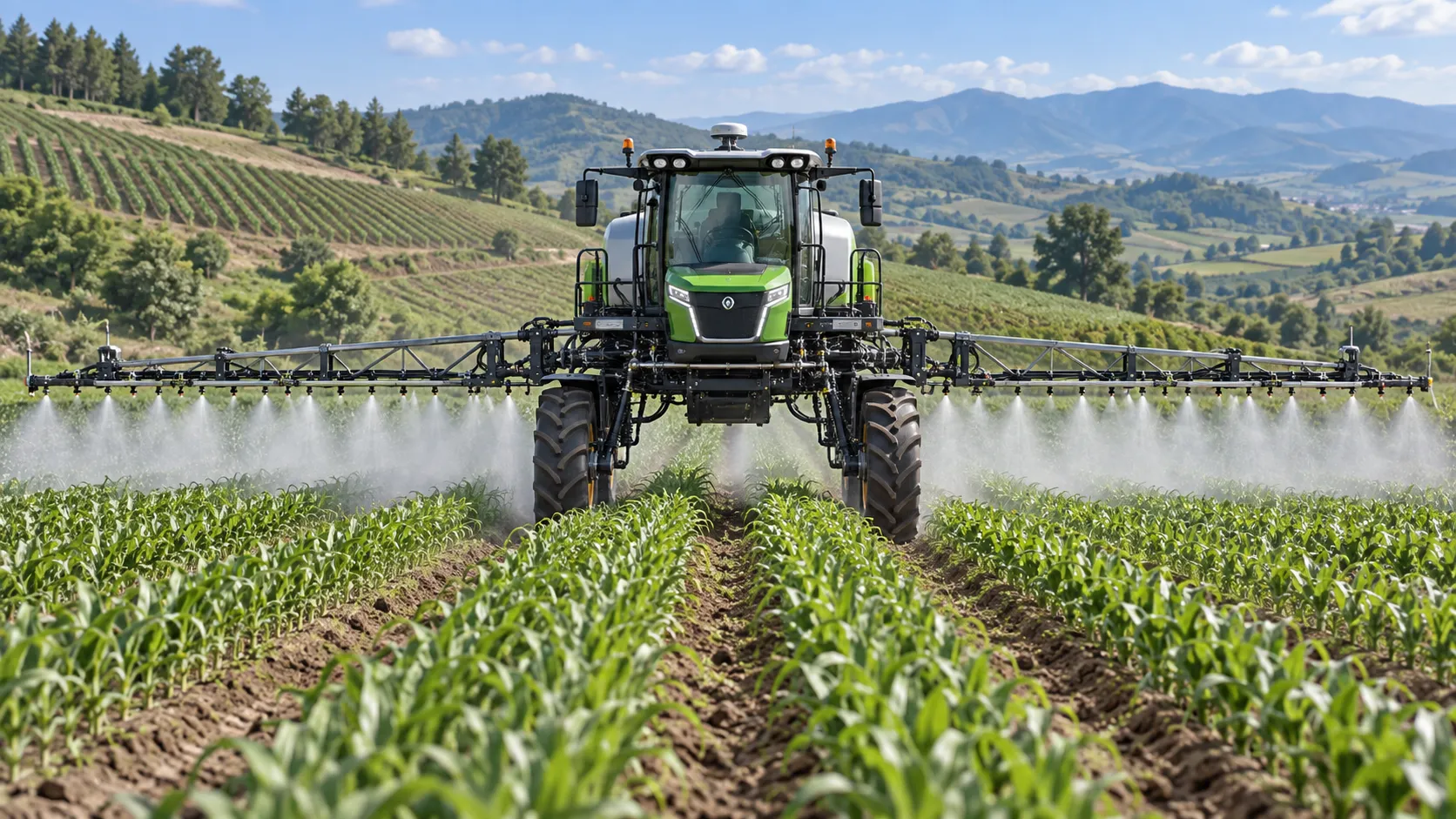
How to Select Precision Crop Protection Equipment for Variable Field Conditions
Precision crop protection equipment selection made simple: compare terrain, canopy, weather, control accuracy, and data workflows for reliable applications.
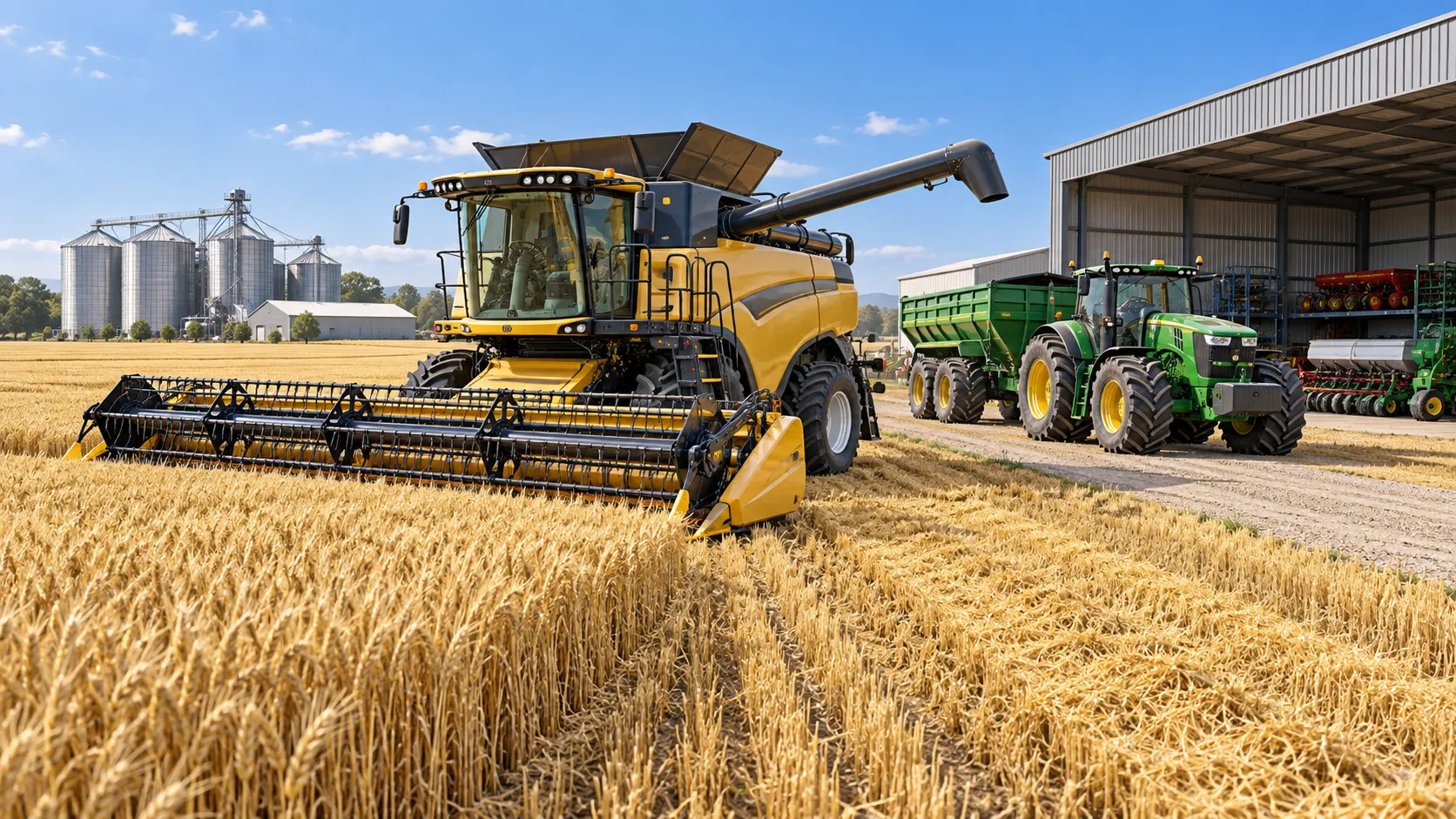
When Does Agricultural Machinery Leasing Cost Less Than Owning Equipment?
Agricultural machinery leasing can lower farm costs when use is seasonal or uncertain. Compare utilization, maintenance, cash flow, and risk to make a smarter equipment decision.
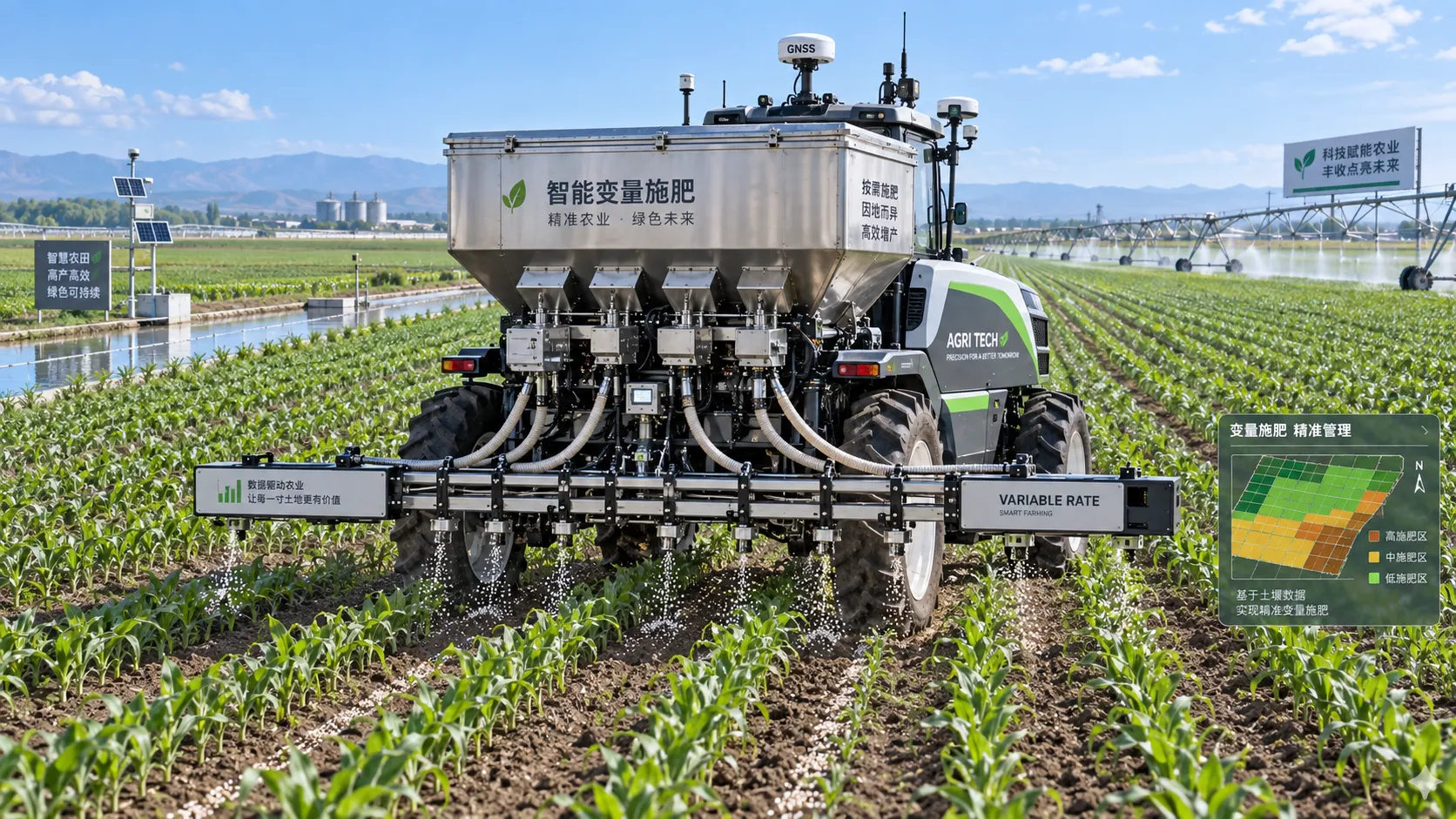
How to Evaluate Precision Fertilization System Suppliers for Farm-Scale Deployment
Precision fertilization systems suppliers: learn how to compare accuracy, integration, uptime, service, and total cost for confident farm-scale deployment.
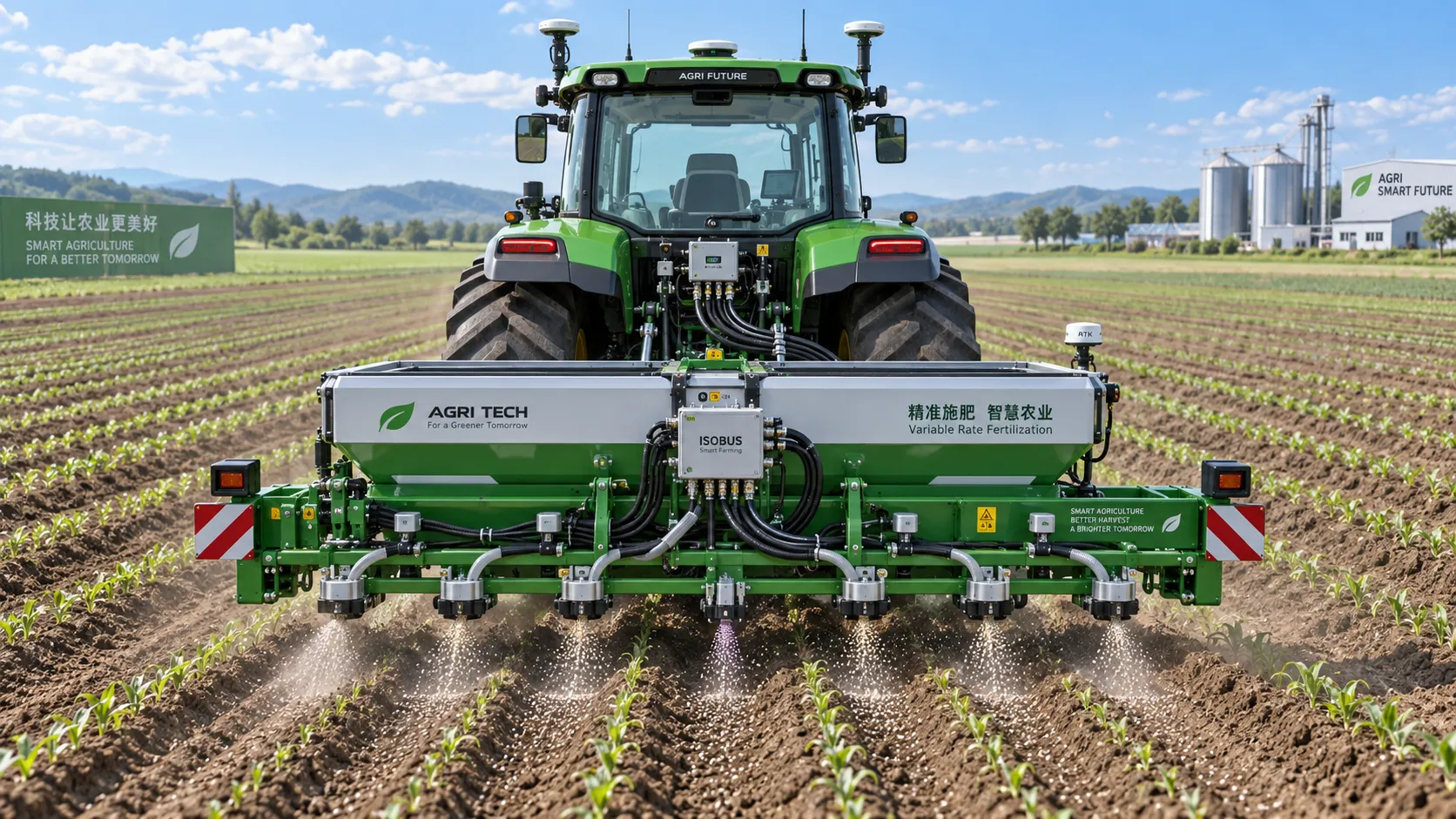
ISOBUS for Smart Agriculture: How It Connects Tractors, Implements, and Farm Data
ISOBUS for smart agriculture connects tractors, implements, terminals, and farm data—helping growers improve precision, documentation, and smarter field decisions.
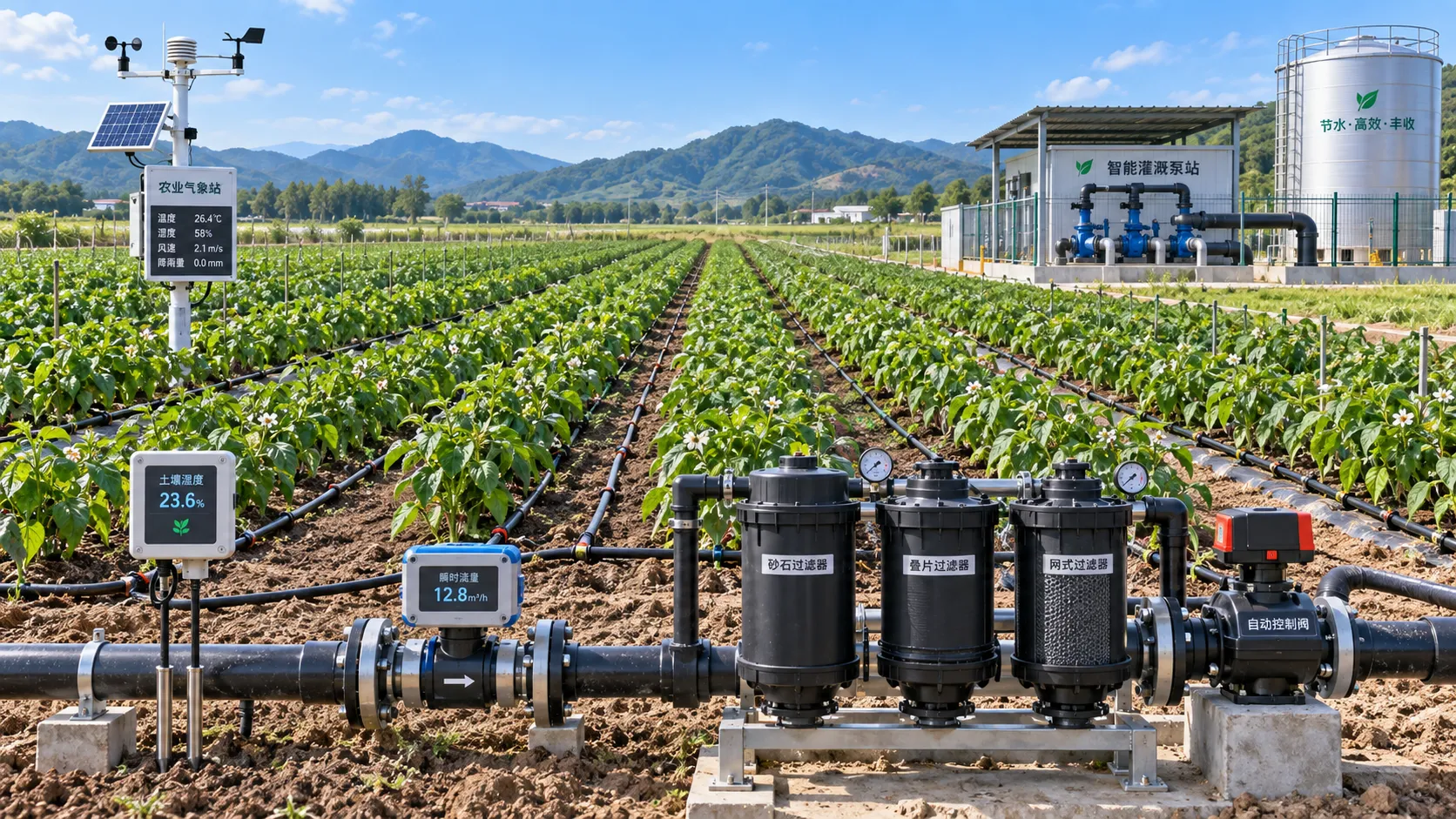
Automated Water-Saving Irrigation: How to Cut Water Use Without Reducing Crop Yields
Automated water-saving irrigation helps farms cut water use, protect crop yields, improve scheduling, and gain reliable control with sensors, flow monitoring, and smart zones.
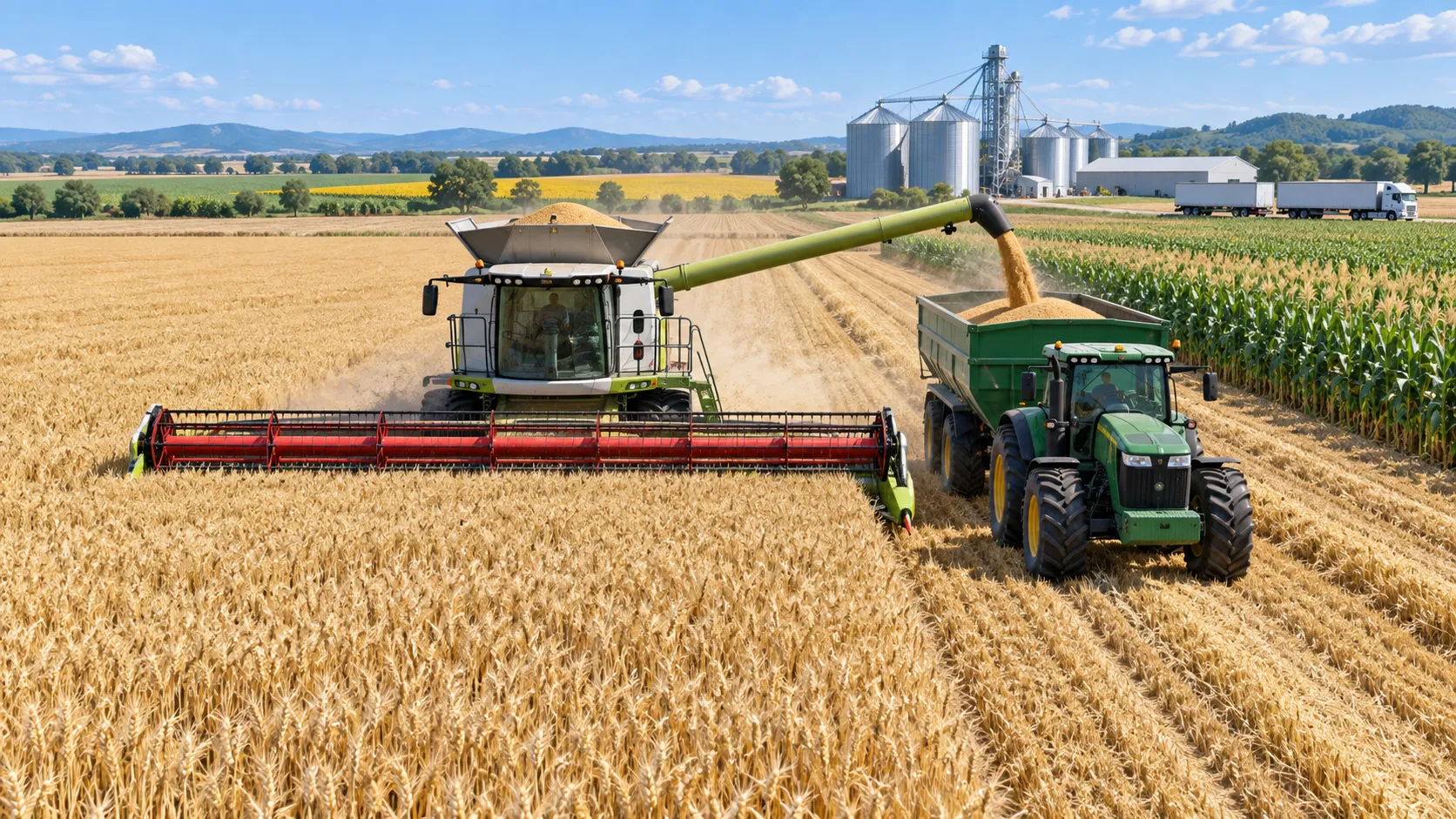
Selecting Grain Farm Equipment by Acreage, Crop Mix, and Harvest Window
Agricultural equipment selection for grain farming: match machinery to acreage, crop mix, and harvest windows to improve uptime, efficiency, and returns.
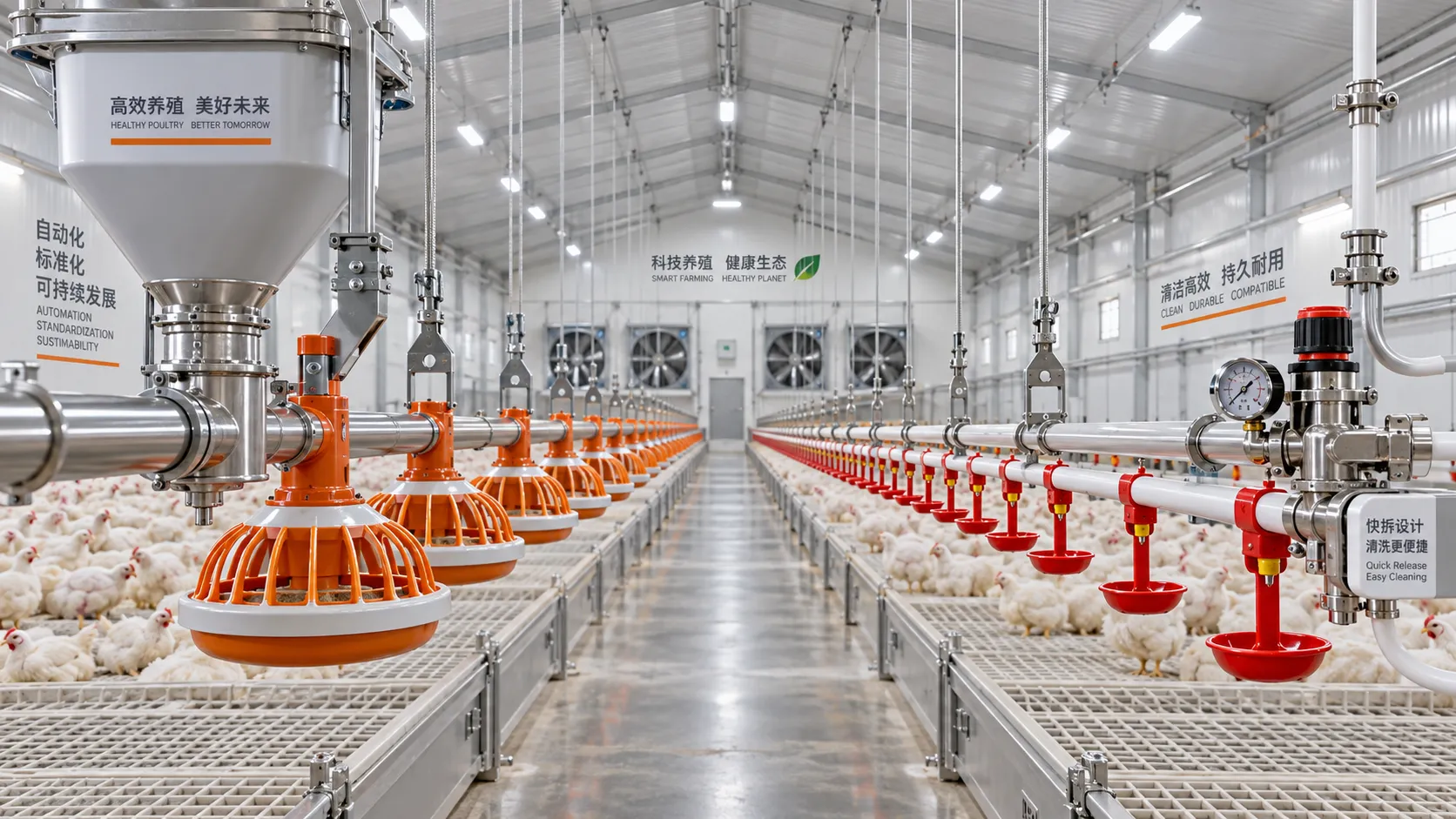
Poultry Equipment Selection: Evaluating Durability, Cleaning, and Compatibility
Poultry equipments selection guide: evaluate durability, cleaning access, and system compatibility to improve hygiene, reduce downtime, and support efficient flock management.
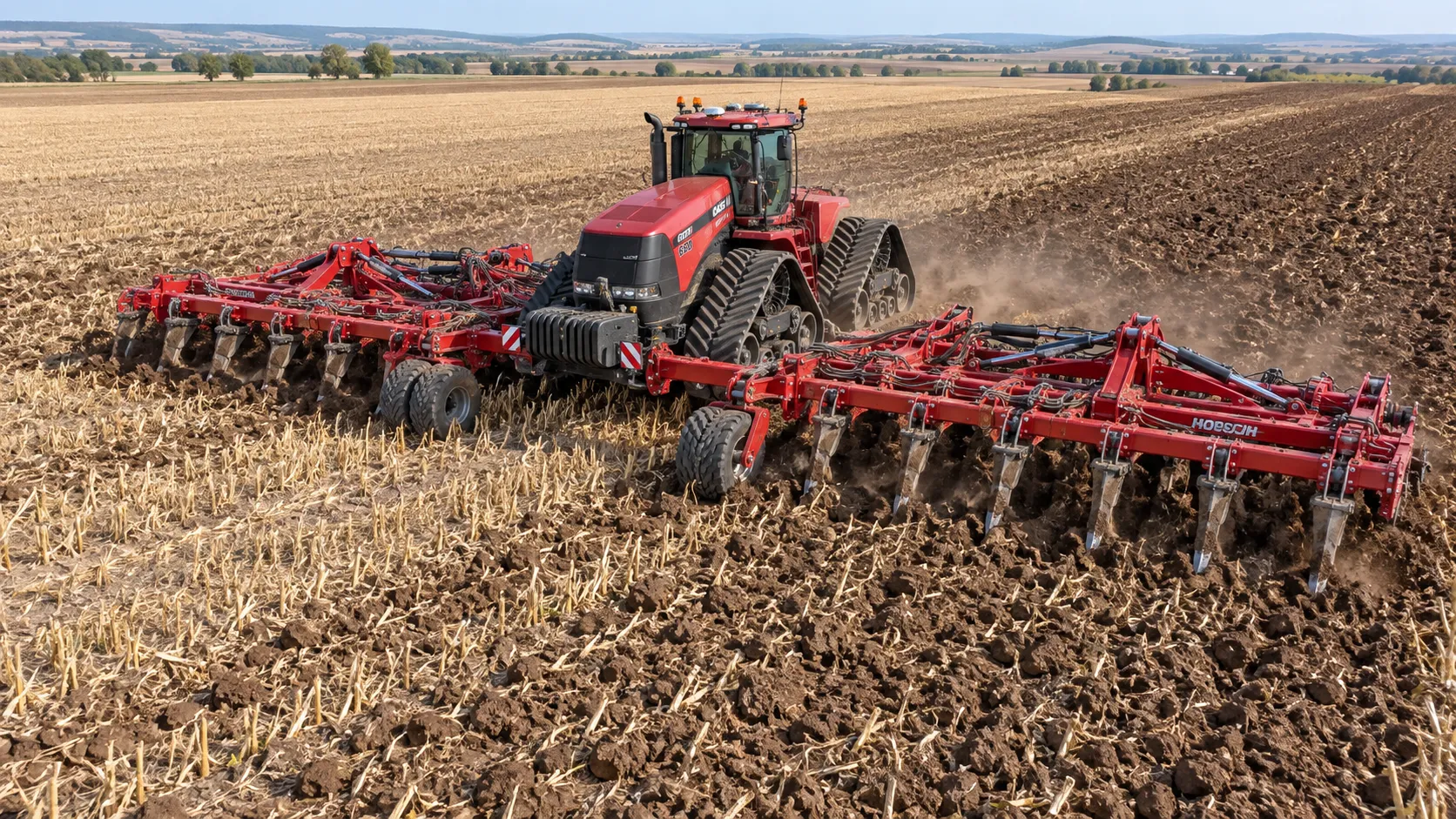
How to Select Heavy-Duty Farm Implements for High-Acreage, High-Horsepower Operations
Heavy duty farm implements: learn how to match draft, hydraulics, hitch capacity, frame strength, and field conditions for reliable high-acreage performance.
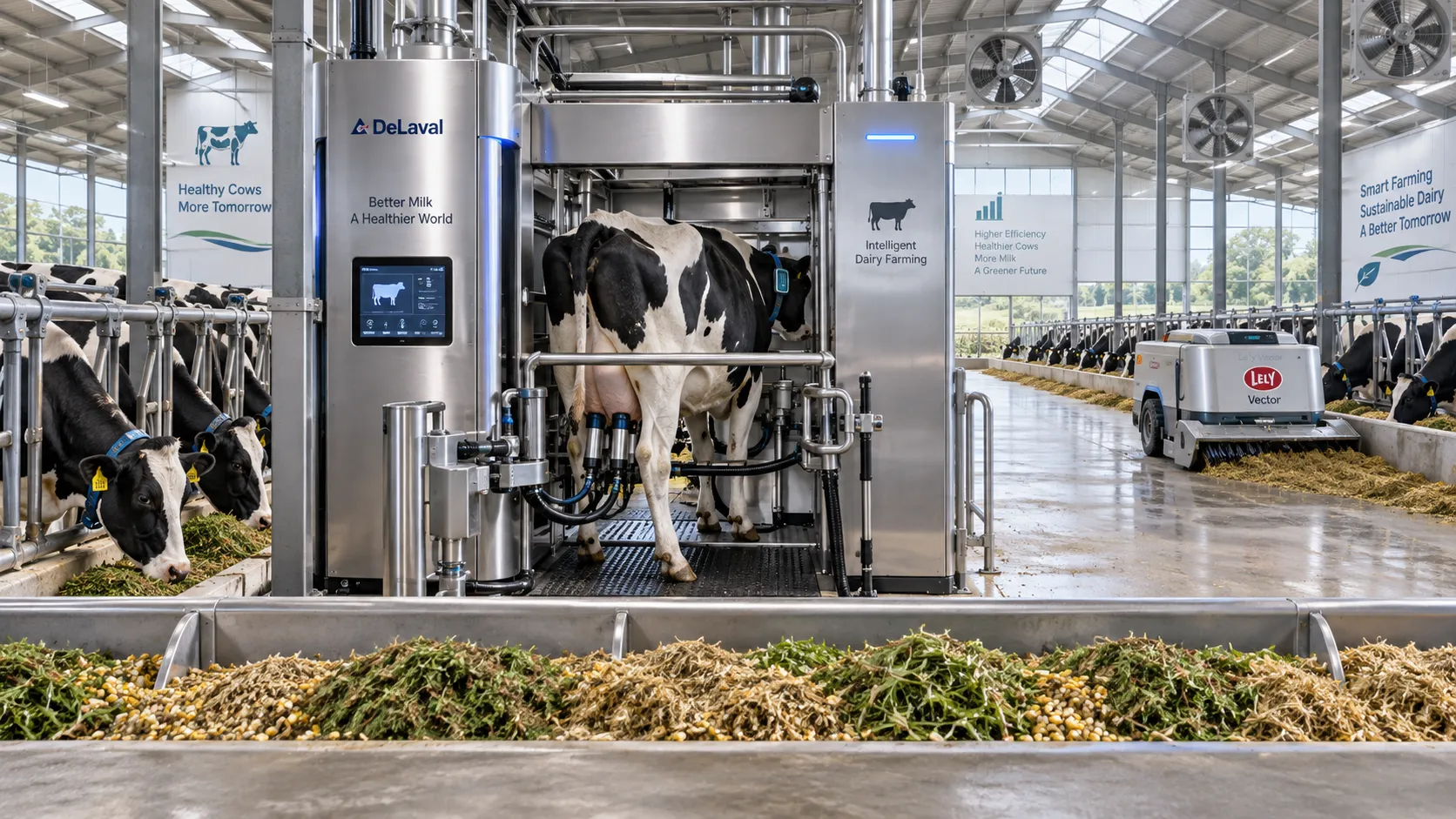
Smart Farming Technology for Dairy Farms: Where Automation Delivers Measurable ROI
Smart farming technology for dairy farms delivers measurable ROI through automation, precision feeding, health monitoring, and data-driven cost control.
Related News
- 00
0000-00
How to Choose a Tractor Chassis: Load Capacity, Ground Clearance, and Terrain Fit - 00
0000-00
Tractor Chassis Buying Guide: Key Load, Clearance, and Drivetrain Factors to Compare - 00
0000-00
Iran Conflict Drives Up Global Oil Prices, Raising AWD Tractor Shipping Costs by 18% - 00
0000-00
PSC Inspections Surge: Ust-Luga Port Requires On-Site Vibration/Noise Re-Testing for All-Wheel Drive Tractors - 00
0000-00
New Energy Hybrid Tractor Project Launched in Xinjiang
Popular Tags
Tractor Power Architect
Weekly Insights
Stay ahead with our curated technology reports delivered every Monday.