
Agri-Machinery Intelligence Is Changing Maintenance Timing
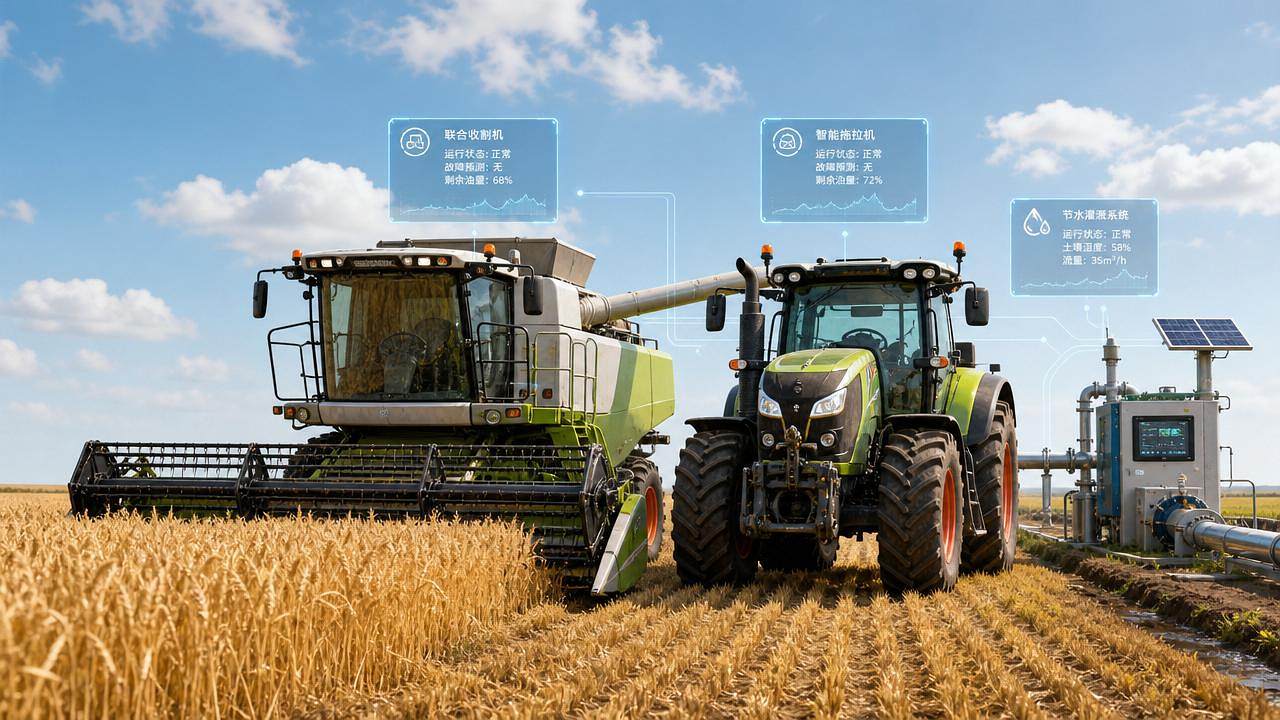




For after-sales maintenance teams, agri-machinery intelligence is changing maintenance timing from reactive service to data-led intervention. Instead of waiting for failures during peak field operations, connected diagnostics, sensor feedback, and usage-based insights now help technicians predict wear, schedule service earlier, and reduce costly downtime. This shift is reshaping how support teams protect machine uptime, customer trust, and seasonal performance.
Why maintenance timing is becoming a strategic decision
In large-scale farming, maintenance timing is no longer a workshop issue alone. It affects harvest windows, fuel efficiency, operator safety, parts stocking, and contract performance across the entire service chain.
For after-sales teams, the old model was simple but costly: wait for visible failure, send a technician, replace damaged parts, and hope the machine returns before field losses escalate.
That model breaks down in modern fleets. Combines, tractor chassis, smart implements, and intelligent irrigation systems now produce operational signals that reveal stress long before catastrophic stoppage.
What changes when service becomes intelligence-led
- Maintenance shifts from fixed calendar intervals to condition-based triggers tied to load, temperature, vibration, pressure, contamination, and duty cycles.
- Technicians can prioritize machines with the highest failure risk instead of following a first-call, first-serve pattern during busy seasons.
- Service managers gain a clearer parts forecast, reducing emergency freight, duplicate visits, and parts shortages during planting or harvest peaks.
This is where agri-machinery intelligence creates practical value. It does not replace maintenance teams. It makes their timing decisions sharper, faster, and easier to defend.
Which machine signals matter most for after-sales maintenance teams?
Not every data point deserves service action. The strongest maintenance programs focus on signals that correlate with wear progression, output loss, safety exposure, or repeat service events.
The table below shows how agri-machinery intelligence supports earlier intervention across typical agricultural equipment categories and why timing matters in field service planning.
The strongest insight here is simple: timing depends on trend quality, not isolated alarms. A single spike may be noise. A repeating pattern under similar field loads usually deserves action.
Reactive vs predictive timing: what is the real difference in the field?
Many maintenance teams still ask whether predictive service is just another dashboard. In practice, the difference appears in labor planning, first-time fix rates, and avoidable customer disruption.
When agri-machinery intelligence is used correctly, service timing is based on degradation signals, usage intensity, and seasonal criticality rather than generic hour-based intervals alone.
The comparison below helps after-sales teams evaluate where intelligence-led maintenance changes outcomes most clearly.
Predictive timing is not about servicing everything early. It is about servicing the right component before the failure cost exceeds the intervention cost.
Application scenarios where timing decisions have the highest value
During harvest peaks
Harvest equipment faces compressed schedules, unstable field conditions, and limited downtime windows. A failed rotor bearing or hydraulic issue can delay multiple plots within hours.
Here, agri-machinery intelligence helps after-sales teams rank alerts by harvest-critical impact. A moderate anomaly on a backup machine may wait. The same anomaly on a lead combine should not.
Across mixed fleets
Many service organizations support tractors, harvesters, implements, and irrigation assets at once. Fixed schedules become inefficient because wear patterns differ by crop, operator, terrain, and climate.
Connected diagnostics allow teams to separate high-load machines from low-risk units. That improves route planning and helps reserve workshop capacity for assets with escalating failure indicators.
In remote service territories
Remote farms increase travel time and make repeat visits expensive. When technicians arrive with poor fault visibility, the first visit often becomes only an inspection trip.
Intelligence-led timing reduces this waste. If data already suggests filter blockage, pressure instability, or specific actuator lag, the team can dispatch with the right kit and shorten restoration time.
How should after-sales teams evaluate an intelligence-based maintenance solution?
Not every digital platform improves timing decisions. The right solution must connect machine data with service workflow, spare parts planning, and equipment-specific maintenance logic.
Key selection criteria
- Signal relevance: Does the system monitor parameters that actually reflect wear, contamination, drift, blockage, or thermal stress?
- Actionability: Can the platform convert alerts into maintenance tasks, priority levels, and recommended inspection paths for technicians?
- Fleet compatibility: Does it support large-scale machinery, combine systems, tractor chassis, precision tools, and smart irrigation assets in one service view?
- Data continuity: Are readings stable enough to support trend analysis across seasons, operators, and changing field loads?
- Workflow integration: Can it align with service tickets, parts requests, maintenance records, and customer communication processes?
This is why AP-Strategy’s intelligence perspective matters. Its focus spans large-scale agri-machinery, combine harvesting technology, tractor chassis, intelligent farm tools, and water-saving irrigation systems.
That breadth is valuable for maintenance teams because field service rarely happens in a single-machine silo. One customer may need powertrain support, precision implement diagnostics, and irrigation reliability planning in the same season.
What implementation steps reduce risk and improve service timing?
A successful rollout does not start with buying more sensors. It starts with defining which failures hurt uptime most, which signals predict them best, and which service actions can be standardized.
- Map top seasonal failures by machine type, such as harvester bearing faults, hydraulic overheating, calibration drift, or irrigation pressure instability.
- Define threshold logic using both engineering judgment and field history. Avoid alarm overload by separating warning, action, and critical intervention levels.
- Create technician playbooks for each alert family, including inspection sequence, likely parts, test tools, and customer communication notes.
- Link priority alerts to parts staging so filters, seals, bearings, hoses, sensors, or control components are available before dispatch.
- Review outcomes after each season. Compare early intervention cost with avoided downtime, repeat repair reduction, and first-time fix improvement.
When teams skip these steps, agri-machinery intelligence can become just another alert source. When teams operationalize them, timing becomes measurable and defensible.
Cost, alternatives, and where the return usually comes from
Maintenance teams often face a budget constraint: invest in intelligence tools now, or keep relying on preventive intervals and emergency service capacity. The answer depends on failure concentration and seasonal loss exposure.
The table below outlines practical options for organizations at different digital maturity levels.
Return usually comes from avoided peak-season failures, fewer emergency trips, tighter parts planning, and better technician utilization rather than from lower maintenance spend alone.
Compliance, documentation, and operational discipline still matter
Intelligent maintenance does not remove the need for documented service procedures. It makes documentation more important because every alert should lead to a consistent inspection method and record trail.
For agricultural equipment organizations working across markets, teams should pay attention to general machine safety practices, electrical system handling, fluid management, and data record consistency.
- Keep maintenance logs tied to machine hours, load profile, fault history, and replaced components so patterns can be compared season to season.
- Use standardized terminology for faults and inspections to avoid confusion between remote analysts, workshop staff, and field technicians.
- Confirm firmware, sensor replacement, and calibration activities are documented after service, especially on intelligent farm tools and control-linked irrigation assets.
Discipline is the bridge between raw data and reliable timing decisions. Without it, the best platform still produces weak maintenance outcomes.
Common misconceptions about agri-machinery intelligence
“More alerts mean better maintenance.”
Not necessarily. Too many low-quality alerts create fatigue and cause teams to miss the few signals that truly indicate wear acceleration or failure progression.
“Predictive timing eliminates routine service.”
Routine inspections still matter. Filters, fluids, lubrication, and calibration remain foundational. Intelligence improves timing around variable wear; it does not cancel maintenance basics.
“Remote diagnostics can replace technician judgment.”
Field judgment is still essential. Soil conditions, crop type, operator behavior, and local repair history often explain why the same signal means different action on different machines.
FAQ: practical questions from maintenance teams
How do we know which machines should move to intelligence-based maintenance first?
Start with assets where downtime is seasonal, expensive, and repetitive. Combines, high-load tractors, precision application equipment, and irrigation systems with large coverage areas are strong candidates because failure impact spreads quickly.
What should we prioritize when comparing platforms?
Prioritize signal relevance, cross-equipment visibility, task conversion, service record linkage, and practical support for parts planning. A platform that displays data but does not improve dispatch decisions has limited after-sales value.
Is agri-machinery intelligence suitable for smaller service teams?
Yes, especially when travel distances are long or technician capacity is tight. Smaller teams often gain the most from better prioritization because every unnecessary visit has a higher opportunity cost.
What is the biggest implementation mistake?
Treating the system as an IT purchase instead of a service process redesign. If alert thresholds, technician actions, and parts workflows are undefined, timing improvements will remain inconsistent.
Why AP-Strategy is a practical intelligence partner for maintenance planning
AP-Strategy approaches agri-machinery intelligence through the full operating reality of Agriculture 4.0: mechanical performance, precision farming algorithms, and sustainability pressure must work together, not separately.
Its coverage of large-scale agri-machinery, combine harvesters, tractor chassis, intelligent farm tools, and water-saving irrigation systems gives after-sales teams a broader decision base for timing, diagnostics, and service prioritization.
The Strategic Intelligence Center perspective is especially useful when teams need more than news. They need interpretable trends, commercial insight, and cross-category understanding that supports real maintenance decisions in long-cycle agricultural operations.
Contact us for timing-focused maintenance intelligence
If your after-sales team is evaluating how agri-machinery intelligence can improve maintenance timing, AP-Strategy can support decision-making with focused intelligence across equipment categories and service scenarios.
- Request parameter confirmation for the machine signals most relevant to your service fleet and seasonal risk profile.
- Discuss solution selection for combines, tractor chassis, intelligent implements, or irrigation systems based on your maintenance workflow.
- Review implementation priorities, expected service process changes, and realistic rollout paths for mixed-equipment operations.
- Consult on delivery planning, documentation expectations, and cross-market operational considerations before deployment decisions are made.
- Open a direct quotation and consultation discussion around intelligence scope, support needs, and tailored maintenance planning objectives.
For maintenance teams under pressure to protect uptime, reduce surprise failures, and strengthen customer trust, better timing is not a minor optimization. It is a service advantage that compounds every season.
Related News
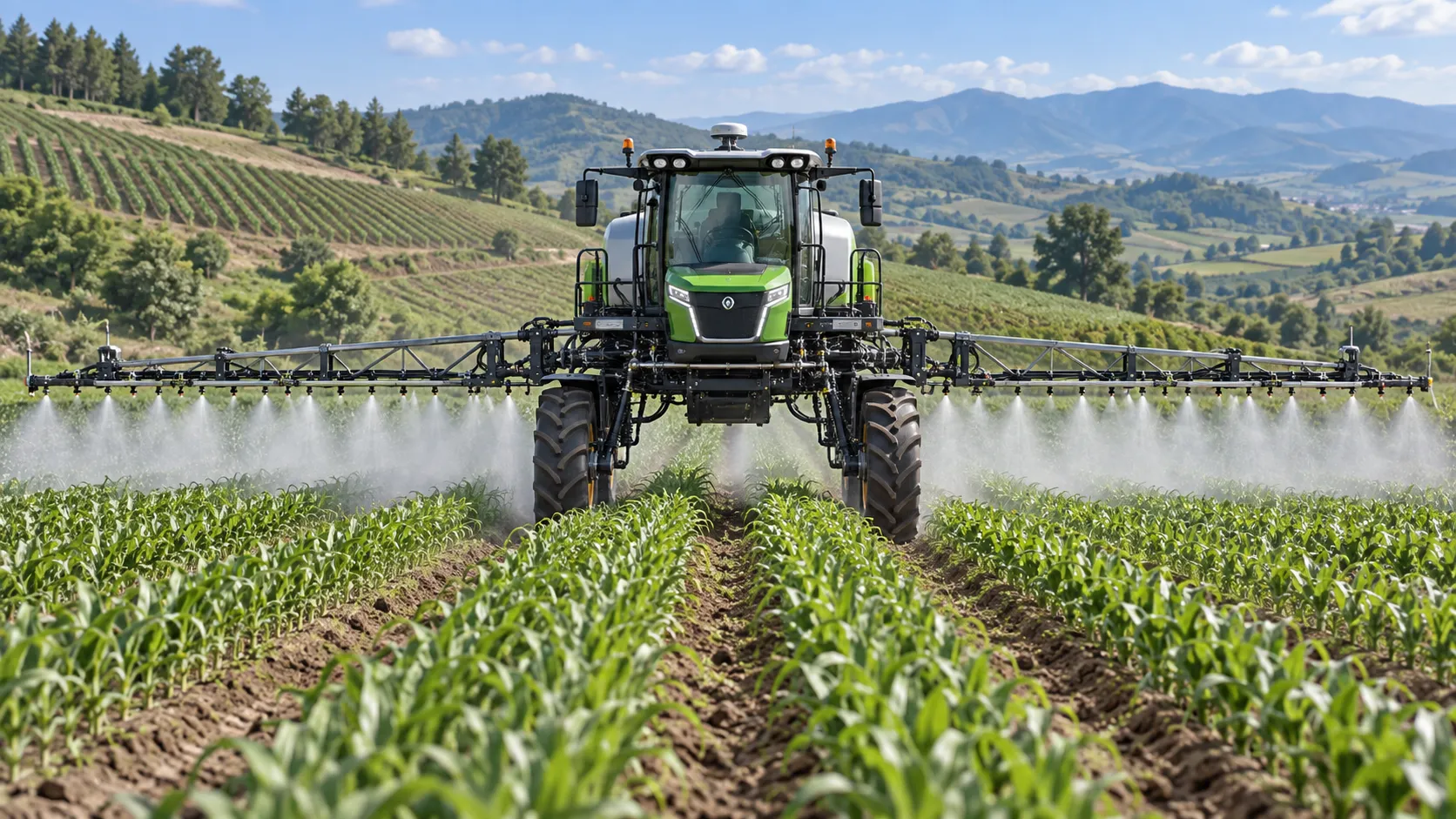
How to Select Precision Crop Protection Equipment for Variable Field Conditions
Precision crop protection equipment selection made simple: compare terrain, canopy, weather, control accuracy, and data workflows for reliable applications.
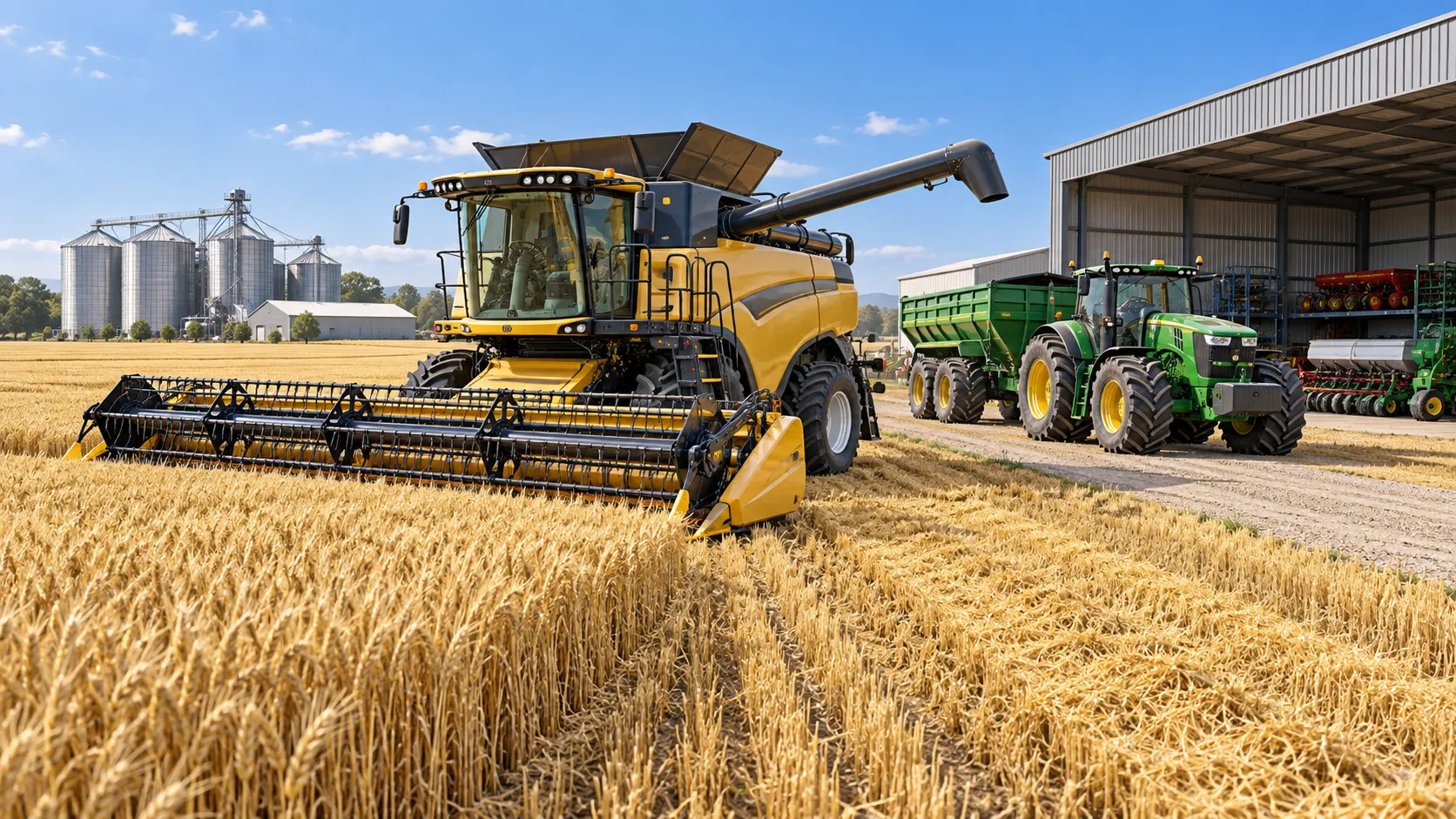
When Does Agricultural Machinery Leasing Cost Less Than Owning Equipment?
Agricultural machinery leasing can lower farm costs when use is seasonal or uncertain. Compare utilization, maintenance, cash flow, and risk to make a smarter equipment decision.
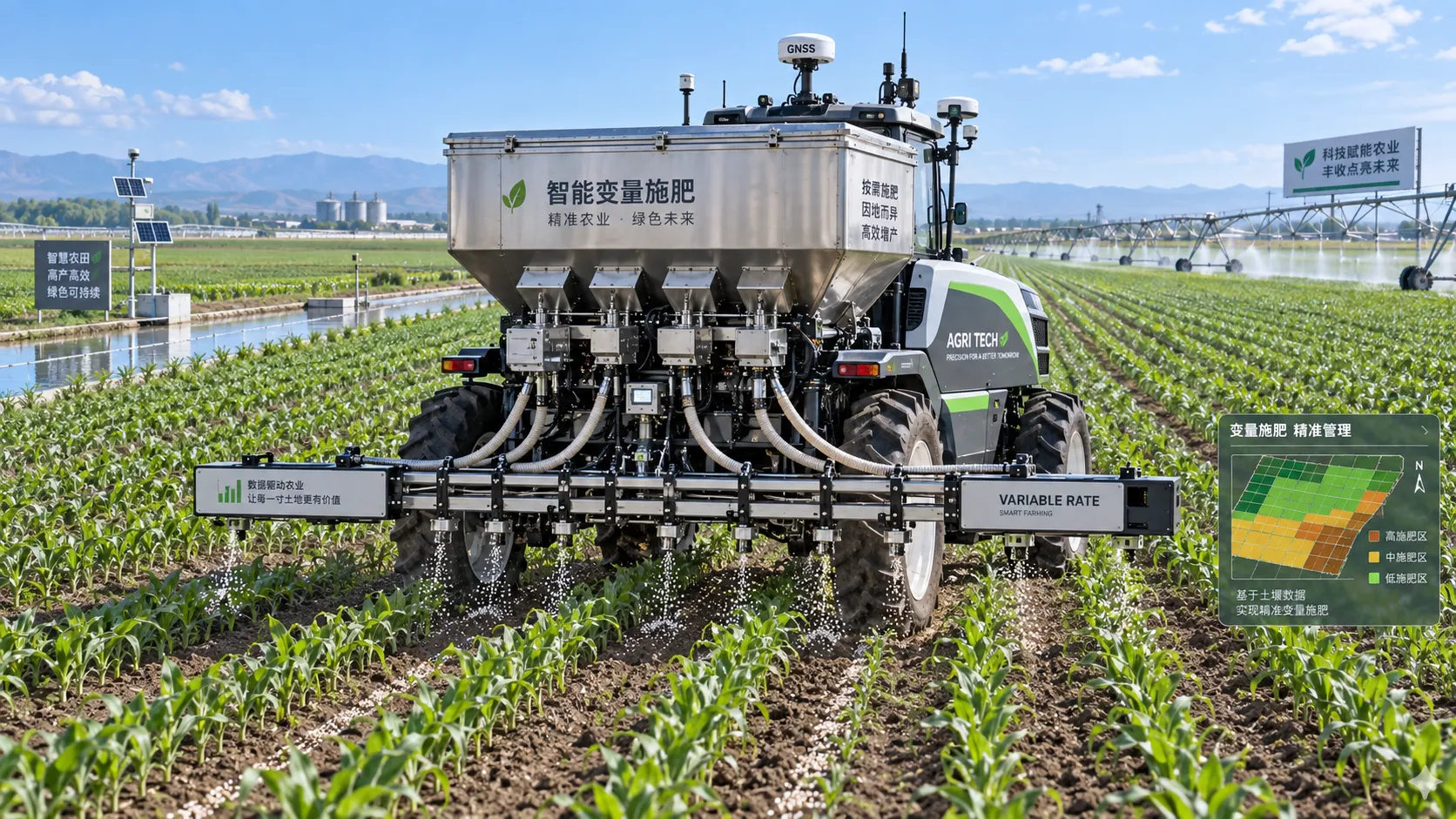
How to Evaluate Precision Fertilization System Suppliers for Farm-Scale Deployment
Precision fertilization systems suppliers: learn how to compare accuracy, integration, uptime, service, and total cost for confident farm-scale deployment.
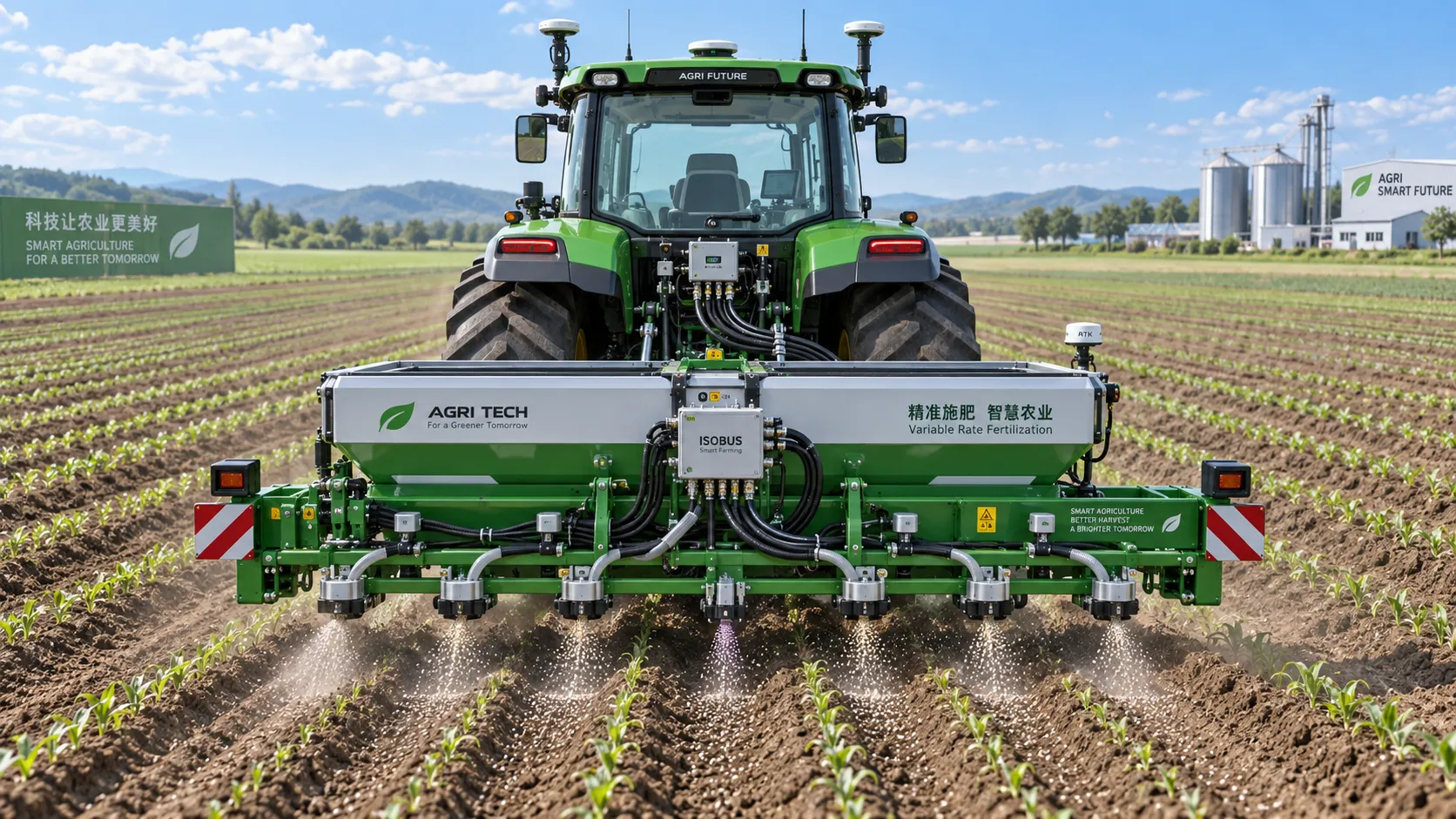
ISOBUS for Smart Agriculture: How It Connects Tractors, Implements, and Farm Data
ISOBUS for smart agriculture connects tractors, implements, terminals, and farm data—helping growers improve precision, documentation, and smarter field decisions.
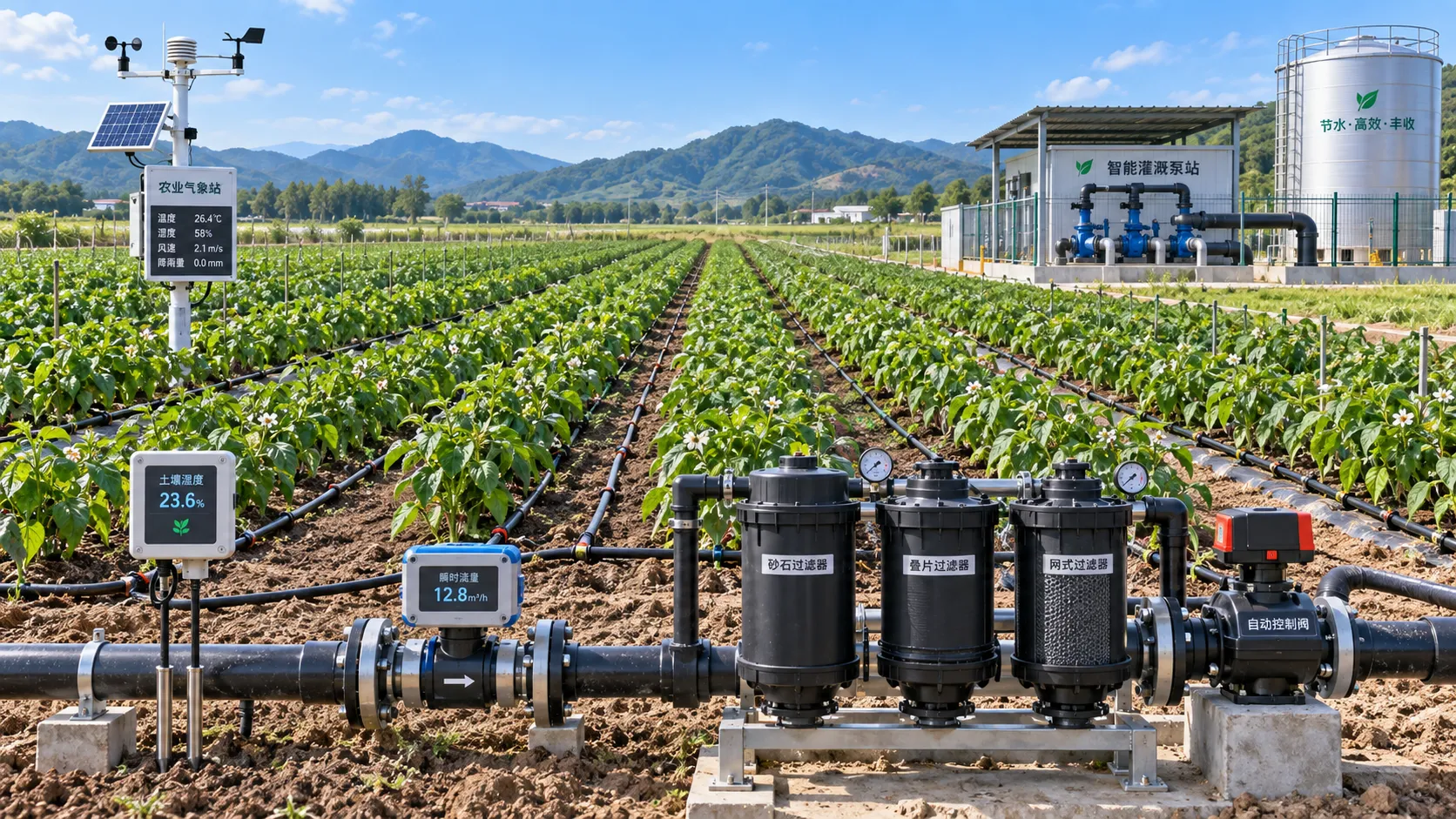
Automated Water-Saving Irrigation: How to Cut Water Use Without Reducing Crop Yields
Automated water-saving irrigation helps farms cut water use, protect crop yields, improve scheduling, and gain reliable control with sensors, flow monitoring, and smart zones.
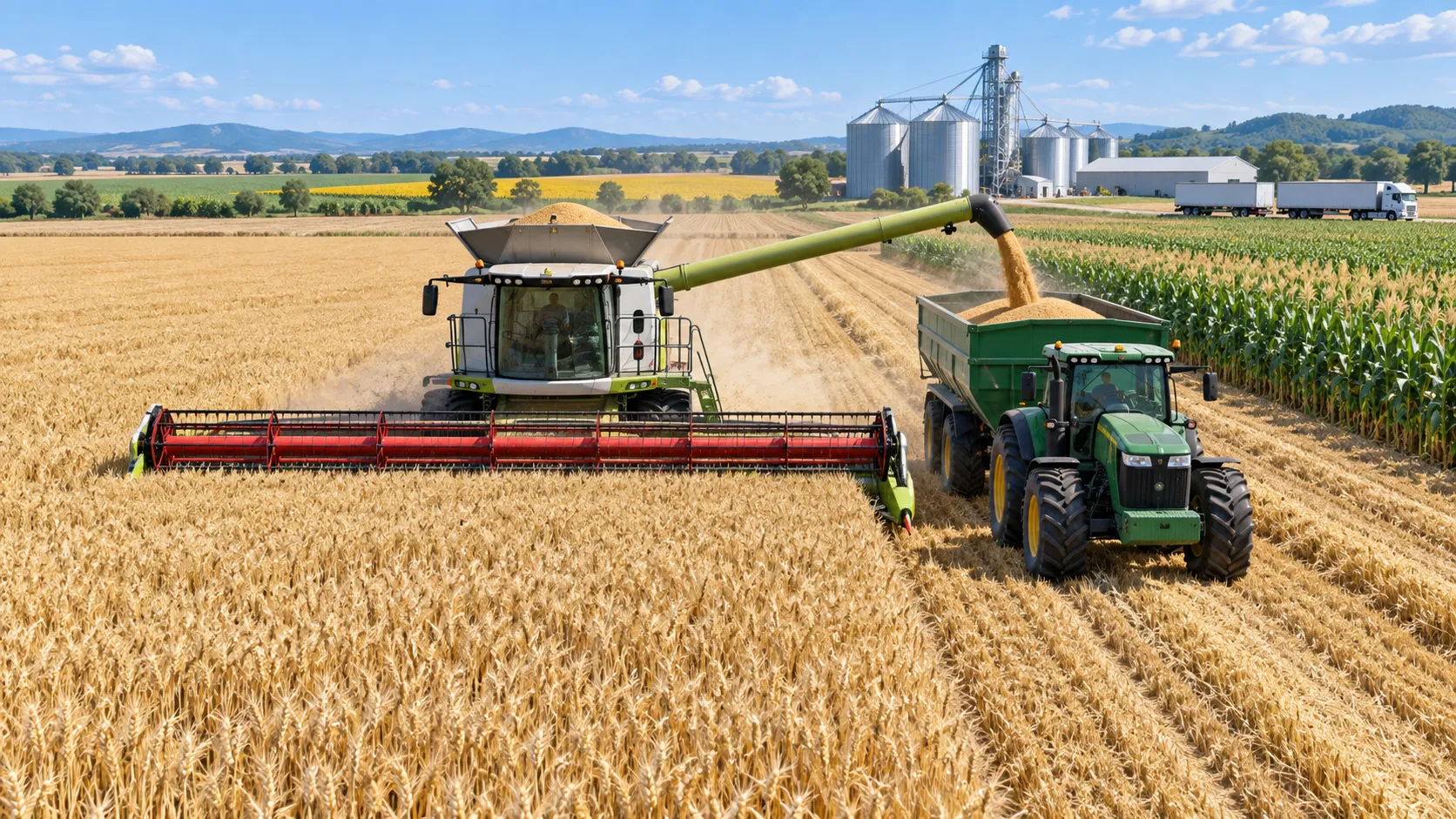
Selecting Grain Farm Equipment by Acreage, Crop Mix, and Harvest Window
Agricultural equipment selection for grain farming: match machinery to acreage, crop mix, and harvest windows to improve uptime, efficiency, and returns.
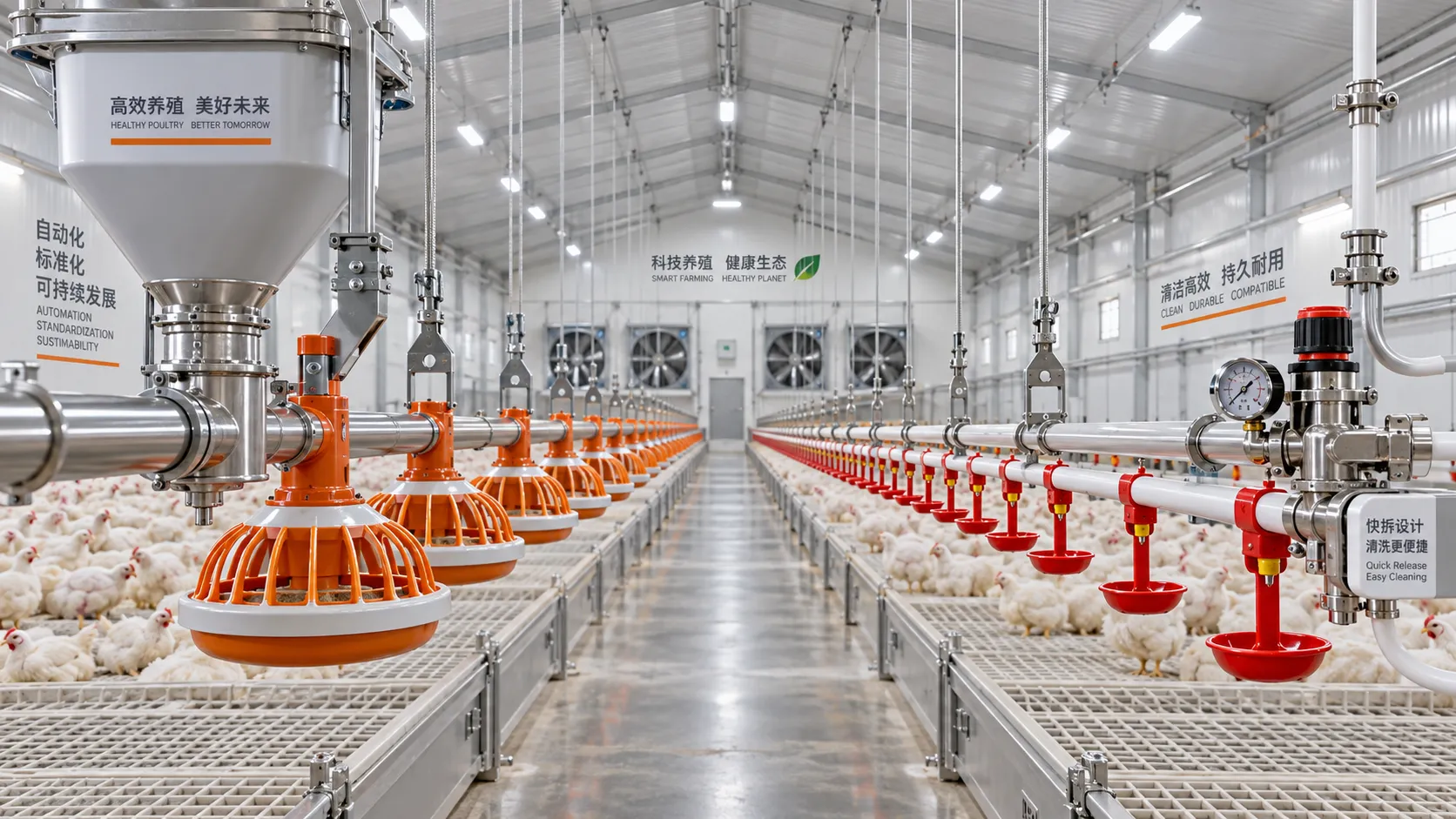
Poultry Equipment Selection: Evaluating Durability, Cleaning, and Compatibility
Poultry equipments selection guide: evaluate durability, cleaning access, and system compatibility to improve hygiene, reduce downtime, and support efficient flock management.
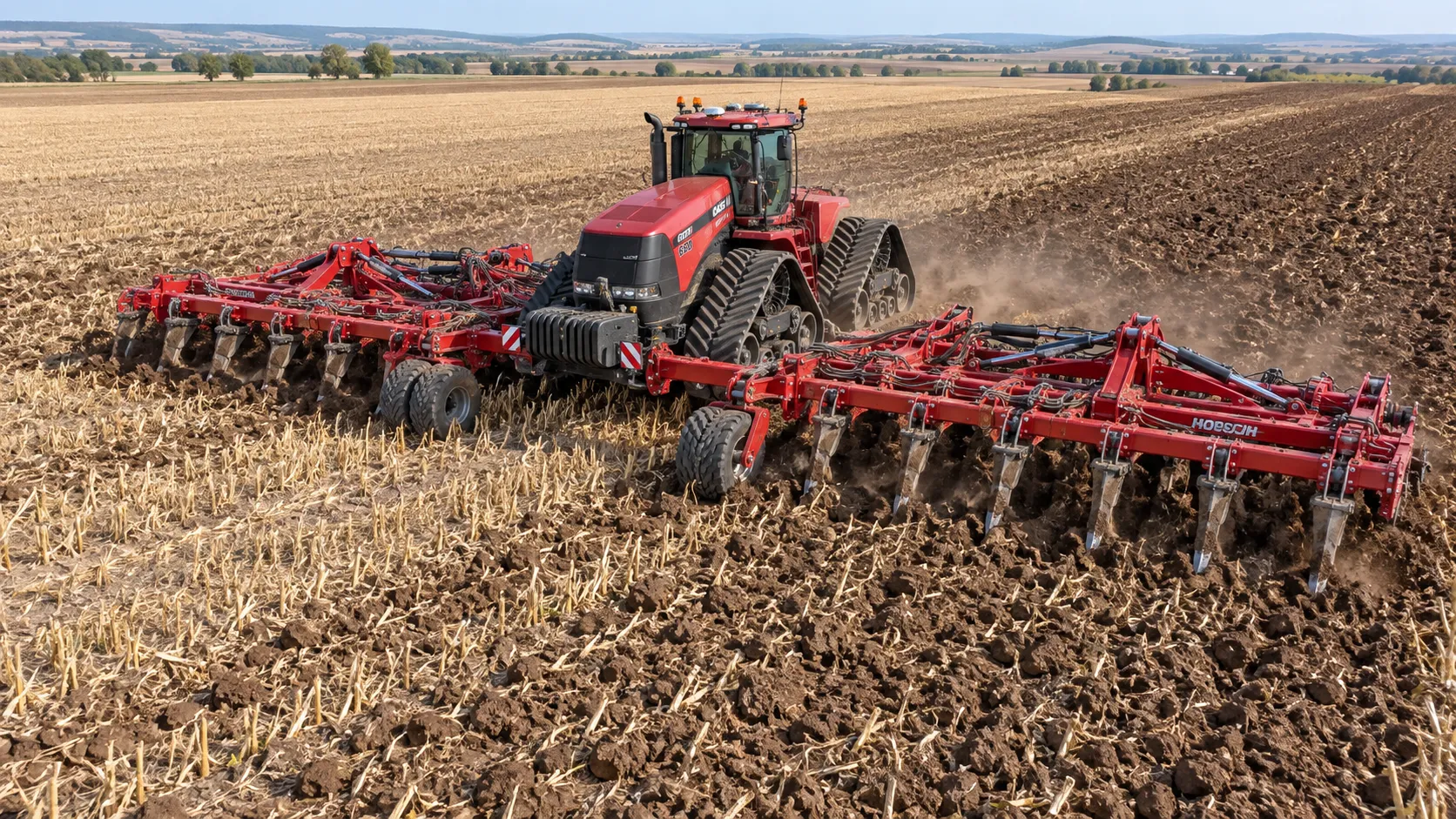
How to Select Heavy-Duty Farm Implements for High-Acreage, High-Horsepower Operations
Heavy duty farm implements: learn how to match draft, hydraulics, hitch capacity, frame strength, and field conditions for reliable high-acreage performance.
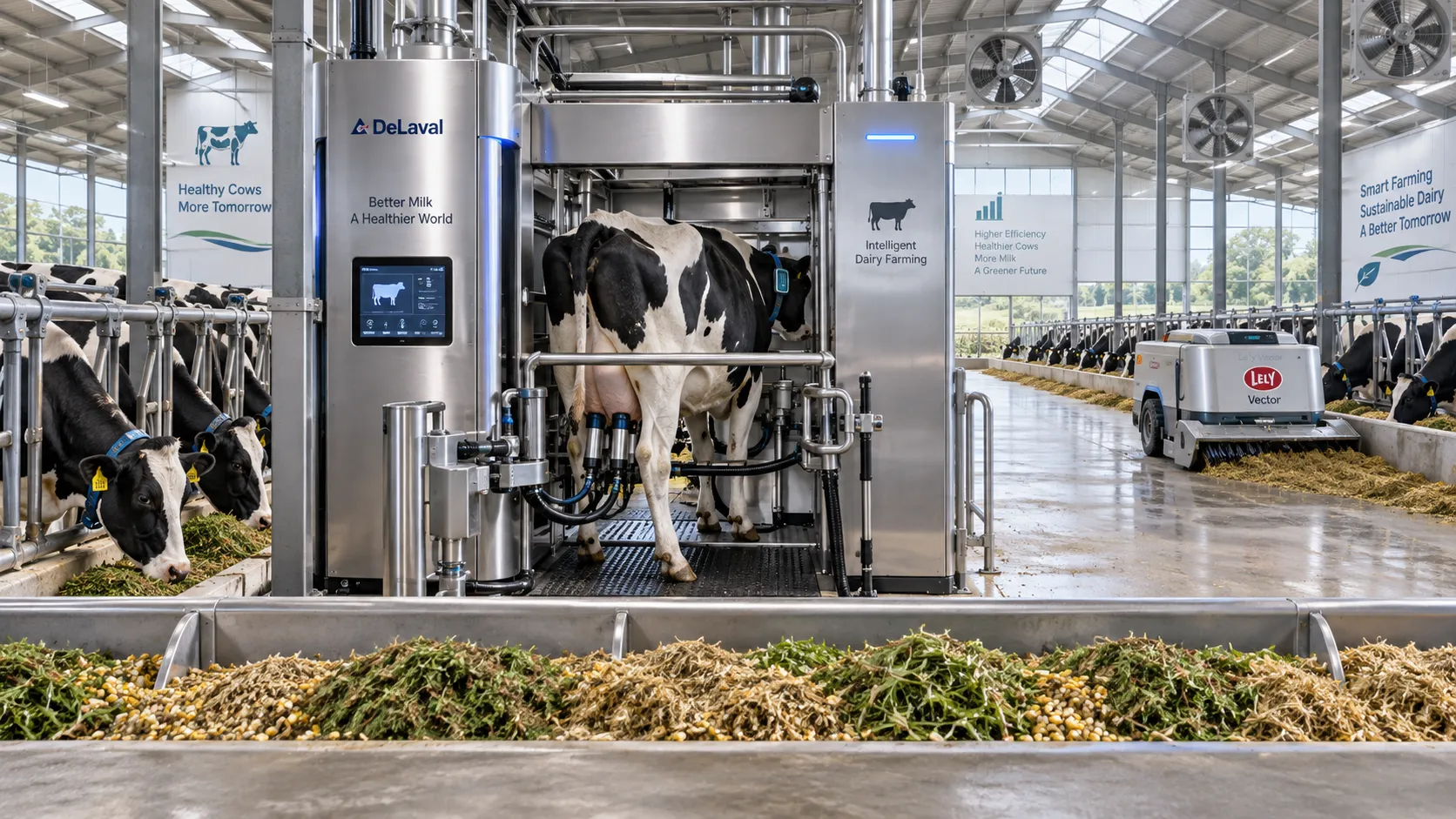
Smart Farming Technology for Dairy Farms: Where Automation Delivers Measurable ROI
Smart farming technology for dairy farms delivers measurable ROI through automation, precision feeding, health monitoring, and data-driven cost control.
Related News
- 00
0000-00
Food Security Risks in Modern Supply Chains: What Businesses Should Track First - 00
0000-00
Farm Machinery Innovations Worth Tracking in 2025: ROI, Adoption Barriers, and Use Cases - 00
0000-00
What agricultural environmental policies mean for compliance - 00
0000-00
Why hybrid farm machinery is gaining serious traction - 00
0000-00
Japan's April CPI Up 1.4%: Pricing Strategy Adjustment Urged for Farm Machinery Exports
Popular Tags
Dr. Alistair Vaughn
Weekly Insights
Stay ahead with our curated technology reports delivered every Monday.