
Farm Machinery Intelligence Is Improving Fast, but Can It Last?
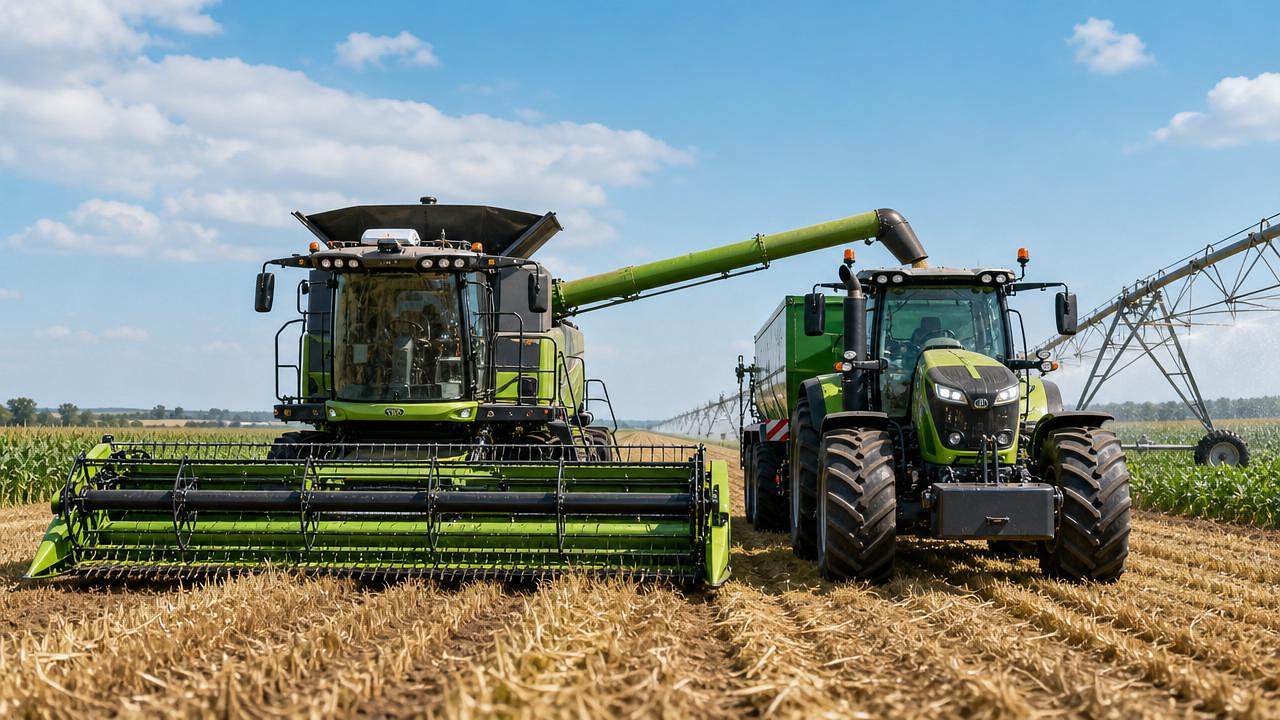




Farm machinery intelligence is advancing at remarkable speed, giving service and maintenance teams new tools to diagnose faults, optimize uptime, and support precision operations. But as machines become more connected, software-dependent, and sensor-driven, a critical question emerges: can this progress remain reliable, serviceable, and cost-effective in real-world field conditions? This article explores what rapid intelligence gains mean for long-term maintenance performance.
What does farm machinery intelligence really mean for after-sales maintenance?
For after-sales teams, farm machinery intelligence is not just about autonomous driving or digital dashboards. It is the full stack of sensors, controllers, software logic, connectivity modules, and data feedback systems that shape how a tractor, combine, planter, sprayer, or irrigation unit behaves in the field. In practical service work, intelligence changes fault detection, preventive maintenance, parts planning, technician training, and even customer communication.
The opportunity is obvious. A machine that reports hydraulic pressure drift, cleaning loss trends, GNSS signal interruption, or irrigation valve response errors can reduce guesswork and shorten troubleshooting time. Yet the same machine may become harder to repair when faults cross mechanical, electrical, and software boundaries. For maintenance personnel, the value of farm machinery intelligence depends less on marketing claims and more on whether the system stays diagnosable under dust, vibration, heat, moisture, unstable networks, and seasonal service pressure.
- Mechanical visibility: sensors can reveal load, temperature, vibration, slip, flow, and pressure trends before breakdown becomes obvious.
- Service acceleration: digital fault codes and remote logs can reduce unnecessary field visits and improve first-time fix rates.
- New risk exposure: software bugs, calibration drift, connector corrosion, and communication faults can create failures that are difficult to isolate.
- Lifecycle pressure: intelligent systems require updates, compatibility management, and stronger documentation over many harvest seasons.
This is why AP-Strategy treats intelligence as a serviceability question, not only a technology trend. Its coverage of large-scale agri-machinery, combine harvesting technology, tractor chassis systems, intelligent farm tools, and water-saving irrigation helps maintenance teams assess whether a machine is advanced in a way that remains workable after the sale.
Why maintenance teams are under more pressure than ever
Modern fleets combine diesel powertrains, hydraulic circuits, CAN communication, display terminals, telematics, camera systems, electric actuators, and prescription-based field functions. A service technician is no longer solving only a bearing failure or hose leak. They may be tracing an interaction between firmware version mismatch, unstable voltage supply, blocked airflow, and incorrect sensor calibration. When harvest windows are short, that complexity directly affects uptime, labor cost, and customer trust.
Why is farm machinery intelligence improving so fast?
The speed of change is driven by multiple forces at once: labor shortages, rising farm scale, pressure for input efficiency, tighter sustainability demands, and stronger expectations for machine data visibility. Manufacturers and distributors are also competing on precision performance rather than raw horsepower alone. As a result, intelligence is moving from premium option to core operating architecture in many segments.
In combines, intelligent control now targets grain loss, throughput balancing, and cleaning adjustment. In tractors, electronic transmission and hydraulic management support more stable heavy-duty work. In irrigation systems, sensor-linked control and prediction models improve water allocation. For service organizations, this means the maintenance task expands from repair execution to system interpretation.
The table below shows why farm machinery intelligence has accelerated and what each driver means for maintenance operations.
The key lesson is that fast progress in farm machinery intelligence is not random. It is tied to measurable operating pressures. Maintenance teams therefore need service strategies that match this structural shift, not temporary repair habits built for older equipment generations.
Which intelligent systems create the biggest service gains and risks?
Combine harvesters and crop-sensitive control
Combines are among the clearest examples of useful farm machinery intelligence. Operators benefit from dynamic adjustment of threshing, separation, and cleaning functions in changing crop conditions. Maintenance teams benefit when onboard systems expose trends in grain loss, rotor load, sieve behavior, or fan response. However, combines also operate in one of the harshest environments for electronics: heavy dust, vibration, debris, and compressed seasonal workload. A smart function that works well in theory may fail early if connectors, housings, or cooling paths are not robust.
Tractor chassis, transmission, and hydraulic integration
Intelligent tractor systems increasingly coordinate transmission behavior, traction response, hydraulic flow, and implement interaction. This improves productivity, but it also creates interdependence. A voltage anomaly or software parameter issue may appear as poor pulling performance or unstable hydraulic response. After-sales personnel need diagnostic paths that distinguish true mechanical wear from control-related symptoms.
Intelligent tools and irrigation networks
Smart implements and irrigation systems often promise precision through positioning data, flow sensing, prescription execution, and feedback loops. These systems can deliver real value, especially where water and inputs are tightly managed. But in service terms, network continuity, sensor fouling, power quality, and firmware compatibility become major concerns. An irrigation controller that loses communication during peak demand can create economic losses quickly even if the mechanical hardware remains intact.
- High-value gains usually come from better fault visibility, machine setting accuracy, and reduced downtime caused by late detection.
- High-risk failures often come from connectors, calibration drift, software updates, thermal stress, and weak field-level documentation.
- The best service outcome appears when intelligent features are paired with accessible diagnostics, clear logs, and realistic spare parts planning.
Can rapid intelligence gains actually last in field conditions?
They can last, but not automatically. Long-term durability in farm machinery intelligence depends on whether the system is engineered for agricultural reality rather than showroom performance. Field conditions are punishing: electrical noise, mud, chemical exposure, washdown practices, summer heat, cold starts, rodent damage, and inconsistent operator behavior. These factors do not only wear parts. They test software stability, sensor confidence, and communication resilience.
For after-sales teams, the question is not whether intelligence is valuable. It is whether the machine remains serviceable after three seasons, multiple updates, and mixed operator habits. AP-Strategy’s cross-category intelligence is useful here because it follows how mechanical performance, precision algorithms, and sustainability requirements interact over time, not only at launch.
The next table gives a practical durability lens for evaluating farm machinery intelligence from a maintenance perspective.
If a machine scores poorly on these four points, rapid intelligence gains may look impressive at sale but create recurring after-sales cost later. In other words, sustainable farm machinery intelligence is measured by field maintainability as much as by automation capability.
How should maintenance teams evaluate intelligent equipment before it becomes a service burden?
A practical procurement and handover checklist
After-sales personnel are often involved too late, after equipment selection has already locked in the service model. That is risky. Service teams should be part of pre-purchase reviews, distributor negotiations, and customer handover planning. Their goal is to test whether intelligence is maintainable at scale, not only innovative on paper.
- Confirm fault architecture: ask which failures are code-based, which require physical inspection, and which need manufacturer-level access.
- Review sensor criticality: identify which sensors stop operation, which degrade accuracy only, and which can be temporarily bypassed under controlled service rules.
- Check update workflow: understand who authorizes updates, how compatibility is verified, and what recovery path exists if an update fails.
- Audit support tools: verify availability of service software, cables, calibration tools, manuals, and response channels during peak season.
- Plan parts inventory: stock not only filters and belts, but also common smart-system failure items such as sensors, modules, connectors, and display harnesses.
This is where AP-Strategy adds value beyond news monitoring. By connecting machinery evolution, precision ag science, irrigation intelligence, and commercial insights, it supports maintenance leaders in turning scattered technical signals into practical service planning.
What costs are easy to underestimate in farm machinery intelligence?
The purchase price of an intelligent machine is only part of the financial story. Maintenance teams often see the hidden costs first. These include diagnostic subscriptions, software support, firmware-related downtime, sensor replacement cycles, calibration labor, additional technician training, and customer expectation management. A machine can lower fuel use or improve harvest efficiency while still raising service cost if the support structure is weak.
A balanced cost review should compare three scenarios: low-intelligence equipment with simpler repair, medium-intelligence equipment with strong diagnostics, and high-intelligence equipment with complex dependencies. The middle option is frequently the most service-efficient when field support capability is limited.
- Do not assume that more data always lowers maintenance cost; unfiltered alerts can overload service teams.
- Do not ignore retraining cost; the smartest equipment is underused if technicians cannot interpret live parameters correctly.
- Do not separate uptime cost from parts cost; delayed diagnostics during planting or harvest can be more expensive than the replacement component itself.
What standards and compliance points matter in intelligent agricultural systems?
Even when exact certification needs vary by market, maintenance personnel should understand the general compliance framework around electrical safety, electromagnetic compatibility, communication stability, environmental protection of electronic components, and functional safety in assisted control systems. Intelligent irrigation may also involve local water management and control requirements. Machines used across borders may face different expectations for documentation, software traceability, and component replacement records.
For service organizations, compliance is not a paperwork issue alone. It affects what replacement parts are acceptable, how updates are documented, and whether field modifications introduce downstream liability. A disciplined service record helps both customer support and operational risk control.
FAQ: common questions maintenance teams ask about farm machinery intelligence
How do I know whether intelligent features are actually helping uptime?
Track practical indicators, not just feature count. Useful measures include mean time to diagnose, repeat failure rate, first-time fix rate, downtime during peak operations, and the share of alerts that lead to actionable service. If farm machinery intelligence generates many warnings but few targeted repairs, the system may need better thresholds, training, or integration.
Which machines benefit most from higher intelligence?
Machines with high seasonal pressure and variable field conditions often benefit most, especially combines, large tractors with advanced hydraulics, precision implements, and smart irrigation systems. These categories gain value from dynamic adjustment and early fault visibility. However, they also require stronger service readiness than simpler machines.
What is the biggest mistake in servicing intelligent farm equipment?
Treating every problem as either purely mechanical or purely electronic. Many failures sit between the two. For example, a contaminated connector can create unstable signals that look like software malfunction, while incorrect calibration may resemble hydraulic weakness. Effective service starts with system thinking and disciplined diagnostic sequence.
Should maintenance teams push for lower complexity when budgets are tight?
Not always. The right question is whether the level of intelligence matches field conditions, labor skill, and support infrastructure. In some fleets, moderate intelligence with transparent diagnostics is more economical than either basic equipment or highly complex systems. Budget decisions should consider total support capability, not only acquisition cost.
What trends will shape the next stage of farm machinery intelligence?
The next stage will likely focus less on adding isolated features and more on making intelligent systems durable, interoperable, and easier to service. Expect stronger emphasis on predictive maintenance logic, better controller coordination, improved remote support, and greater integration between machine performance and resource-efficiency goals. Electric and hybrid subsystems may also increase diagnostic complexity while opening new efficiency gains.
For after-sales teams, success will depend on three capabilities: reading data in context, standardizing service workflow, and influencing equipment decisions earlier. Farm machinery intelligence will last where the service chain is designed to support it. It will struggle where maintenance is treated as a late-stage reaction.
Why consult AP-Strategy before making service or equipment decisions?
AP-Strategy is positioned for decision support across large-scale agri-machinery, combine harvesting technology, tractor chassis systems, intelligent tools, and water-saving irrigation. For maintenance leaders, that means access to connected intelligence rather than fragmented product talk. The platform’s strength lies in linking mechanical performance, precision algorithms, field sustainability demands, and long-cycle commercial realities into one usable view.
You can consult AP-Strategy when you need to compare intelligent equipment architectures, review serviceability risks, confirm parameter priorities, understand likely maintenance bottlenecks, assess support readiness for seasonal peaks, or discuss solution direction for smarter and more maintainable agricultural systems. Typical discussion points include diagnostic accessibility, spare parts planning, delivery-cycle implications, upgrade pathways, irrigation control reliability, and practical selection guidance for mixed fleet conditions.
If your team is deciding whether current farm machinery intelligence will hold up in real operations, a focused technical and commercial review can save time later. It is especially valuable before procurement, before peak harvest deployment, or when recurring smart-system faults start affecting uptime across the fleet.
Related News
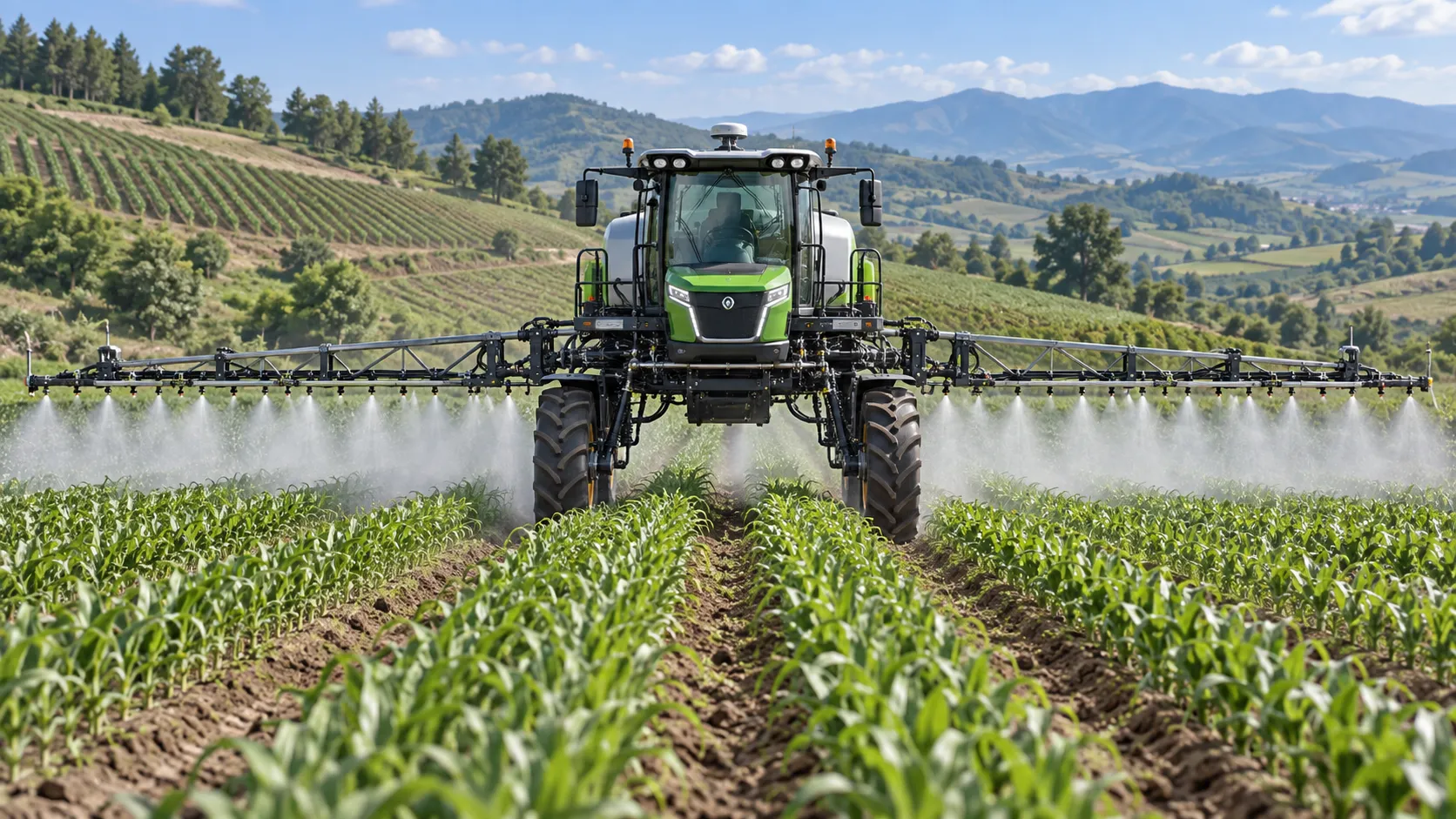
How to Select Precision Crop Protection Equipment for Variable Field Conditions
Precision crop protection equipment selection made simple: compare terrain, canopy, weather, control accuracy, and data workflows for reliable applications.
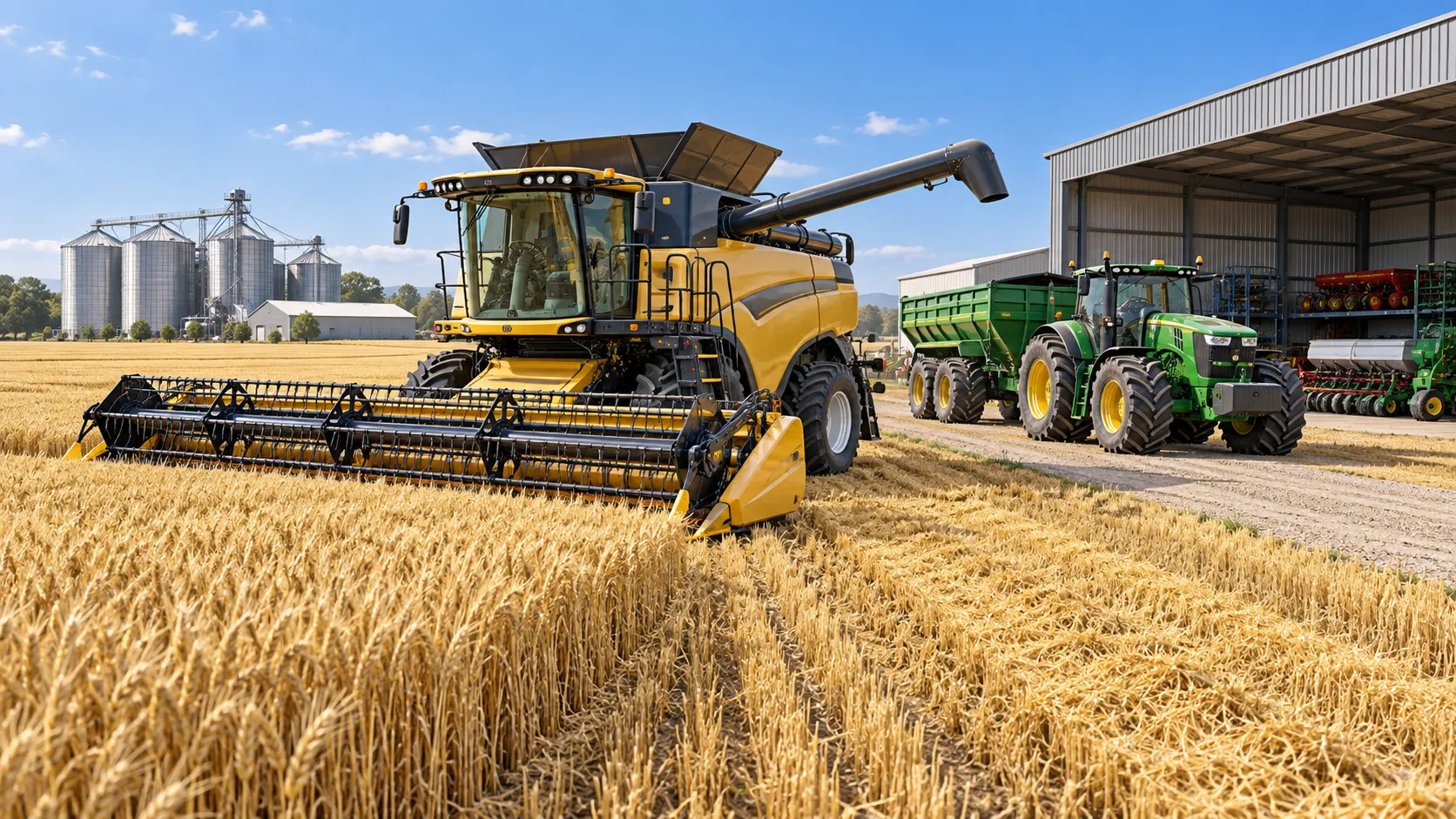
When Does Agricultural Machinery Leasing Cost Less Than Owning Equipment?
Agricultural machinery leasing can lower farm costs when use is seasonal or uncertain. Compare utilization, maintenance, cash flow, and risk to make a smarter equipment decision.
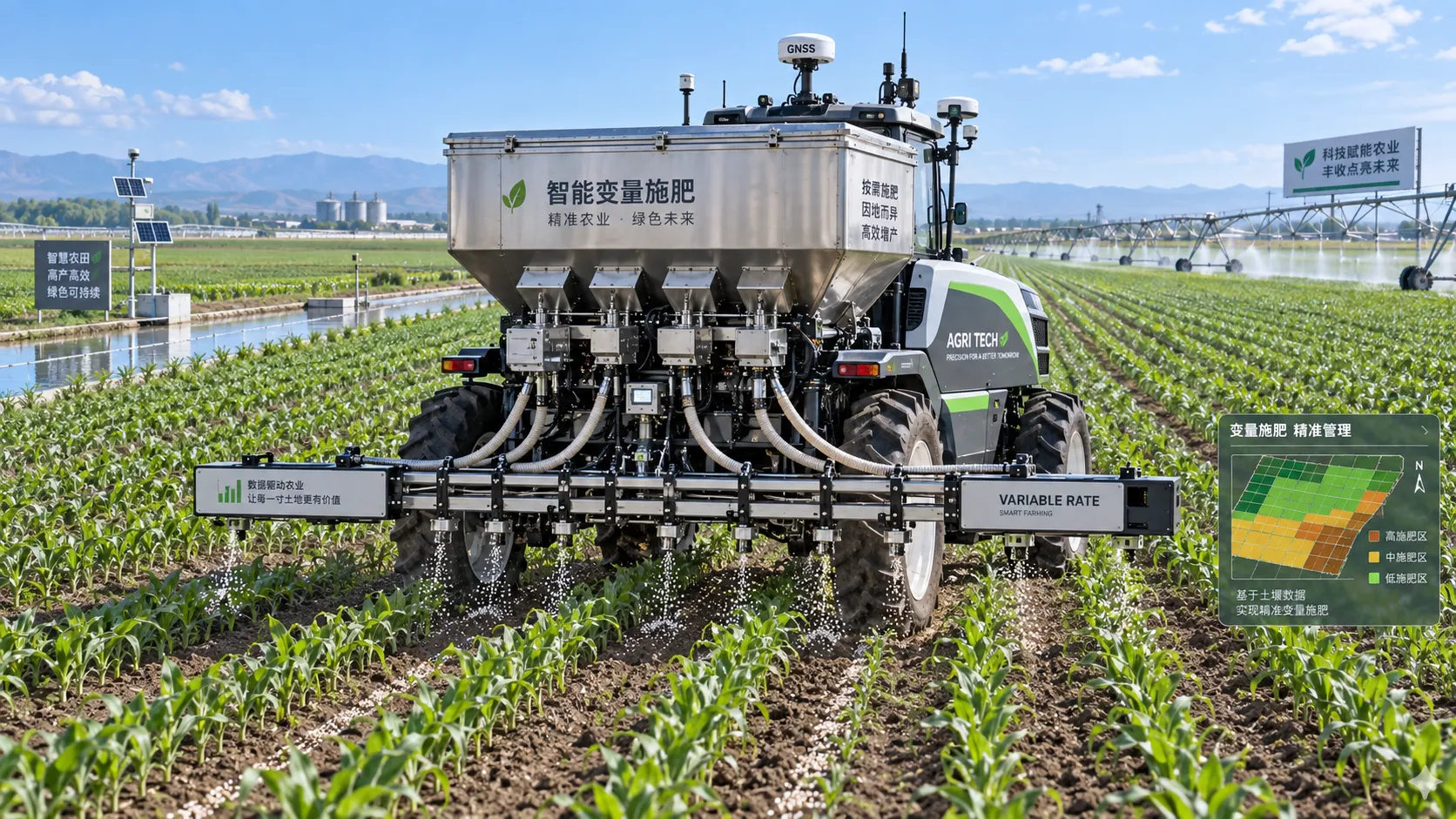
How to Evaluate Precision Fertilization System Suppliers for Farm-Scale Deployment
Precision fertilization systems suppliers: learn how to compare accuracy, integration, uptime, service, and total cost for confident farm-scale deployment.
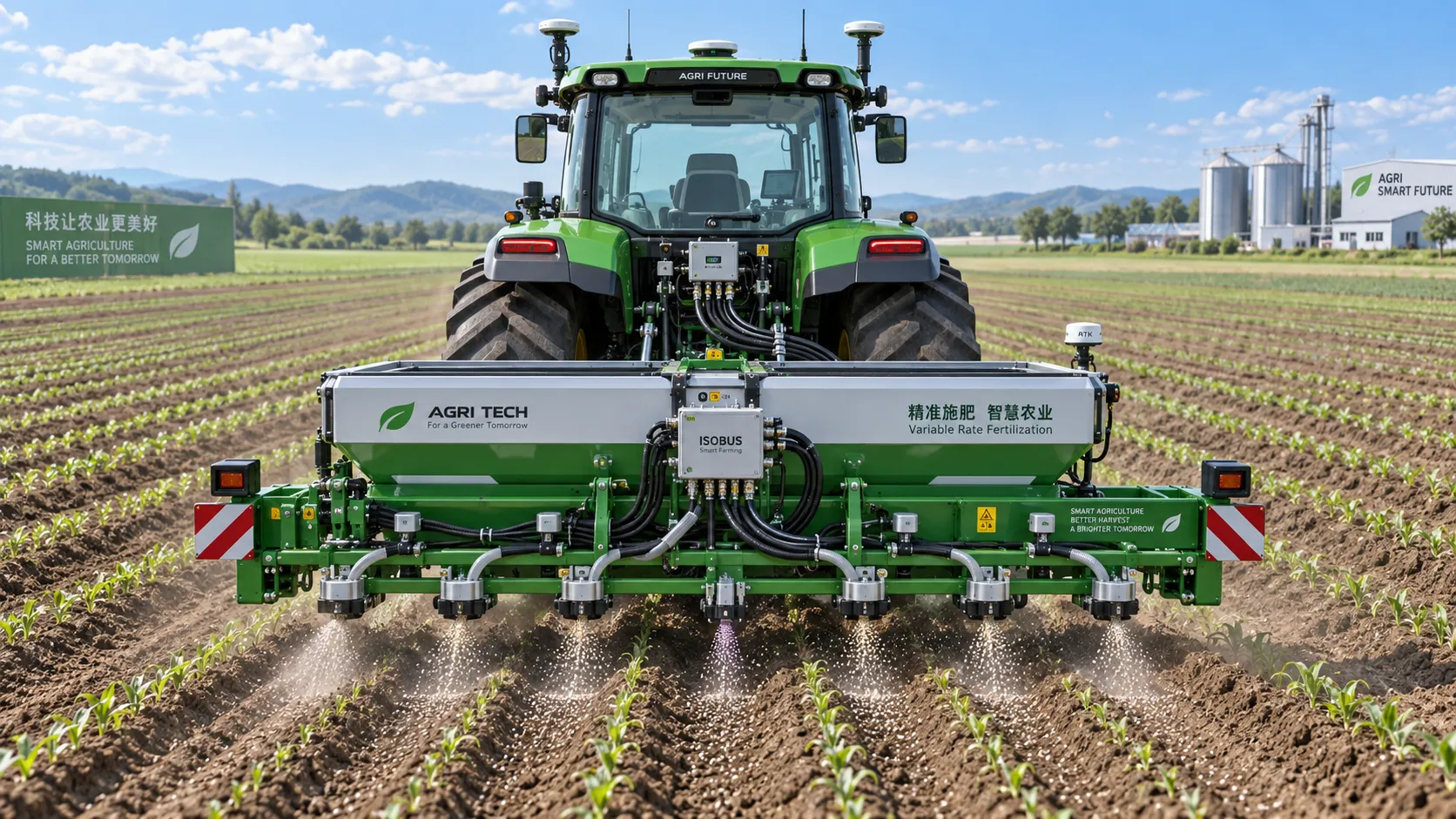
ISOBUS for Smart Agriculture: How It Connects Tractors, Implements, and Farm Data
ISOBUS for smart agriculture connects tractors, implements, terminals, and farm data—helping growers improve precision, documentation, and smarter field decisions.
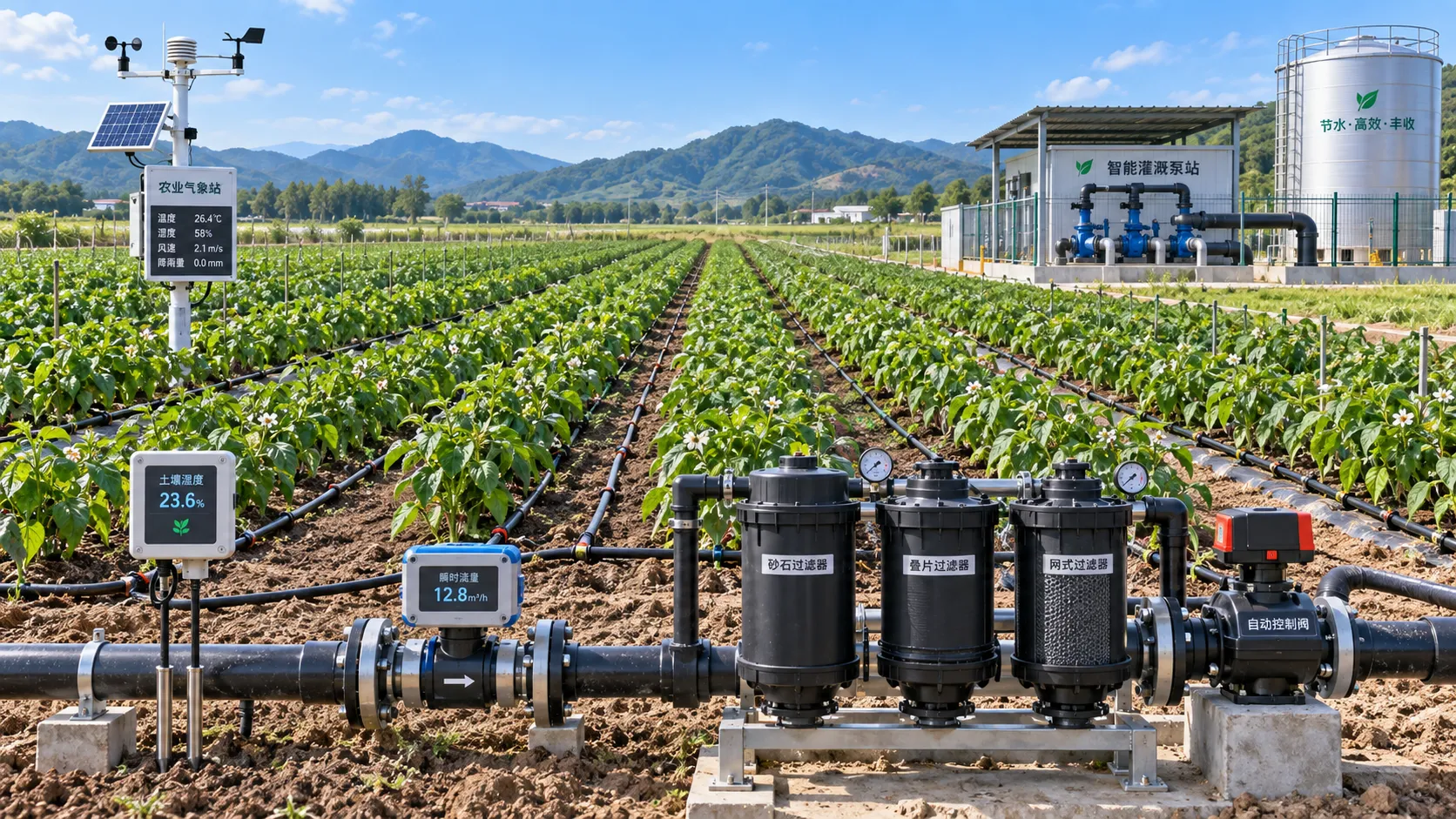
Automated Water-Saving Irrigation: How to Cut Water Use Without Reducing Crop Yields
Automated water-saving irrigation helps farms cut water use, protect crop yields, improve scheduling, and gain reliable control with sensors, flow monitoring, and smart zones.
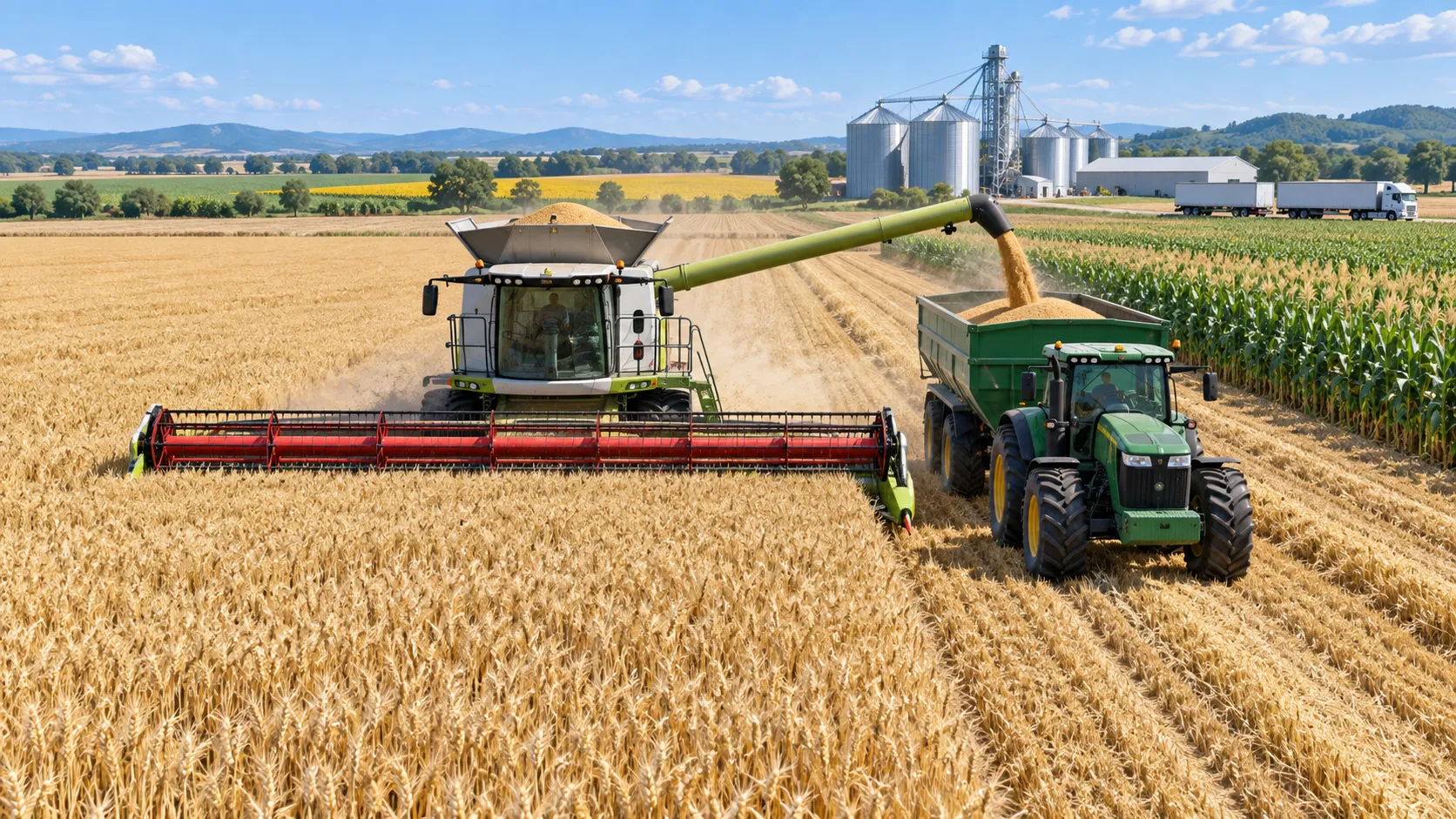
Selecting Grain Farm Equipment by Acreage, Crop Mix, and Harvest Window
Agricultural equipment selection for grain farming: match machinery to acreage, crop mix, and harvest windows to improve uptime, efficiency, and returns.
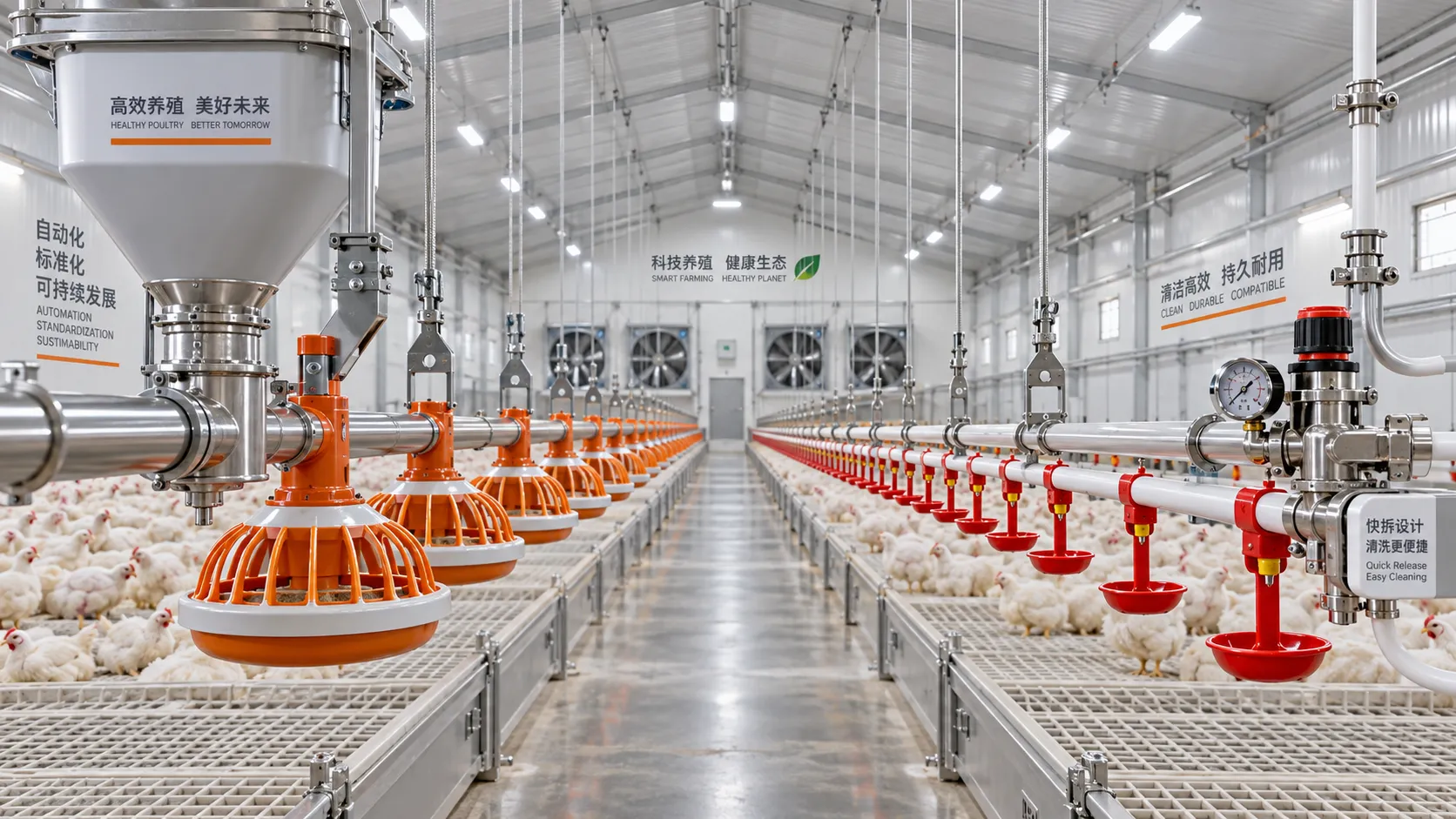
Poultry Equipment Selection: Evaluating Durability, Cleaning, and Compatibility
Poultry equipments selection guide: evaluate durability, cleaning access, and system compatibility to improve hygiene, reduce downtime, and support efficient flock management.
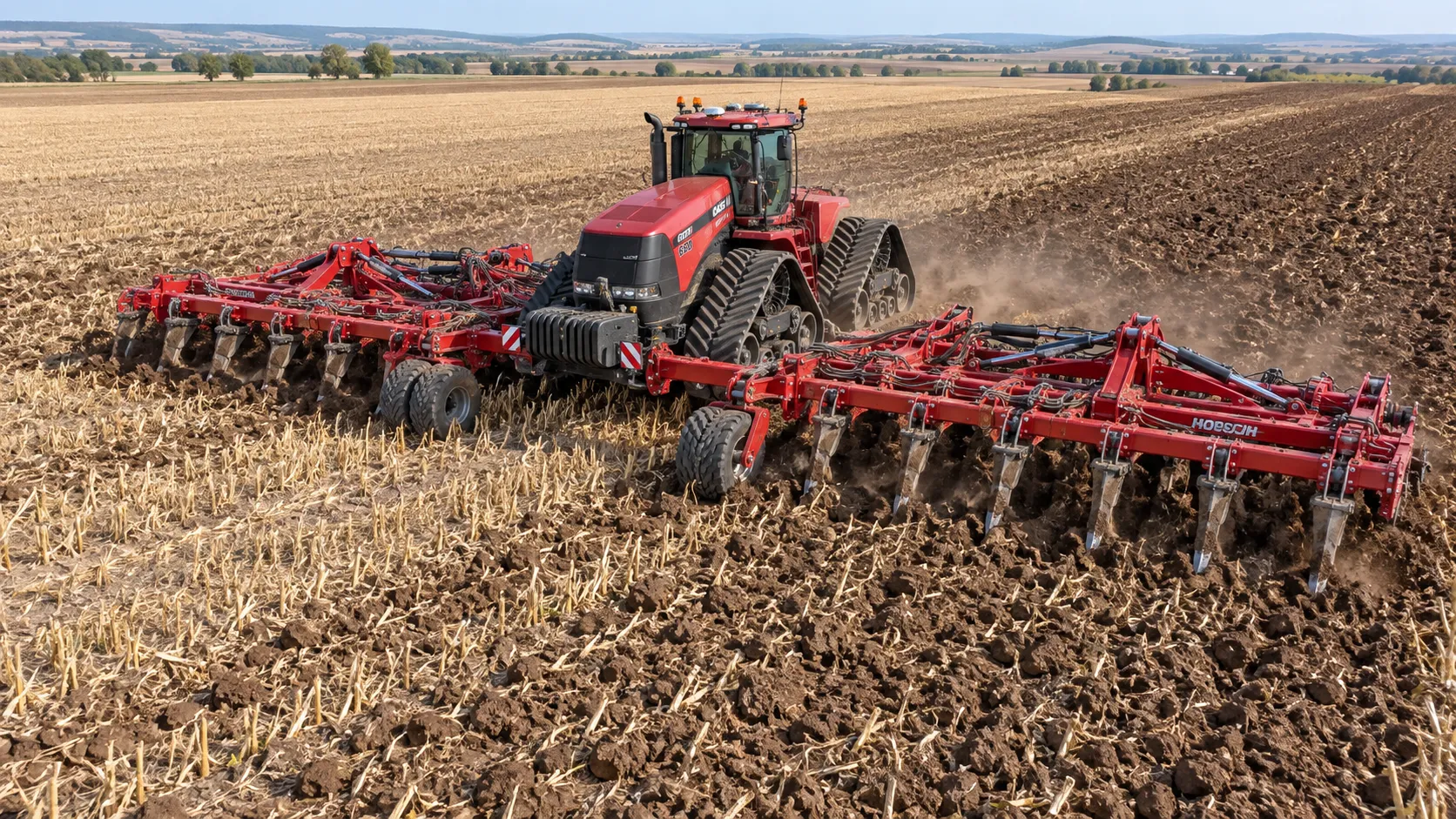
How to Select Heavy-Duty Farm Implements for High-Acreage, High-Horsepower Operations
Heavy duty farm implements: learn how to match draft, hydraulics, hitch capacity, frame strength, and field conditions for reliable high-acreage performance.
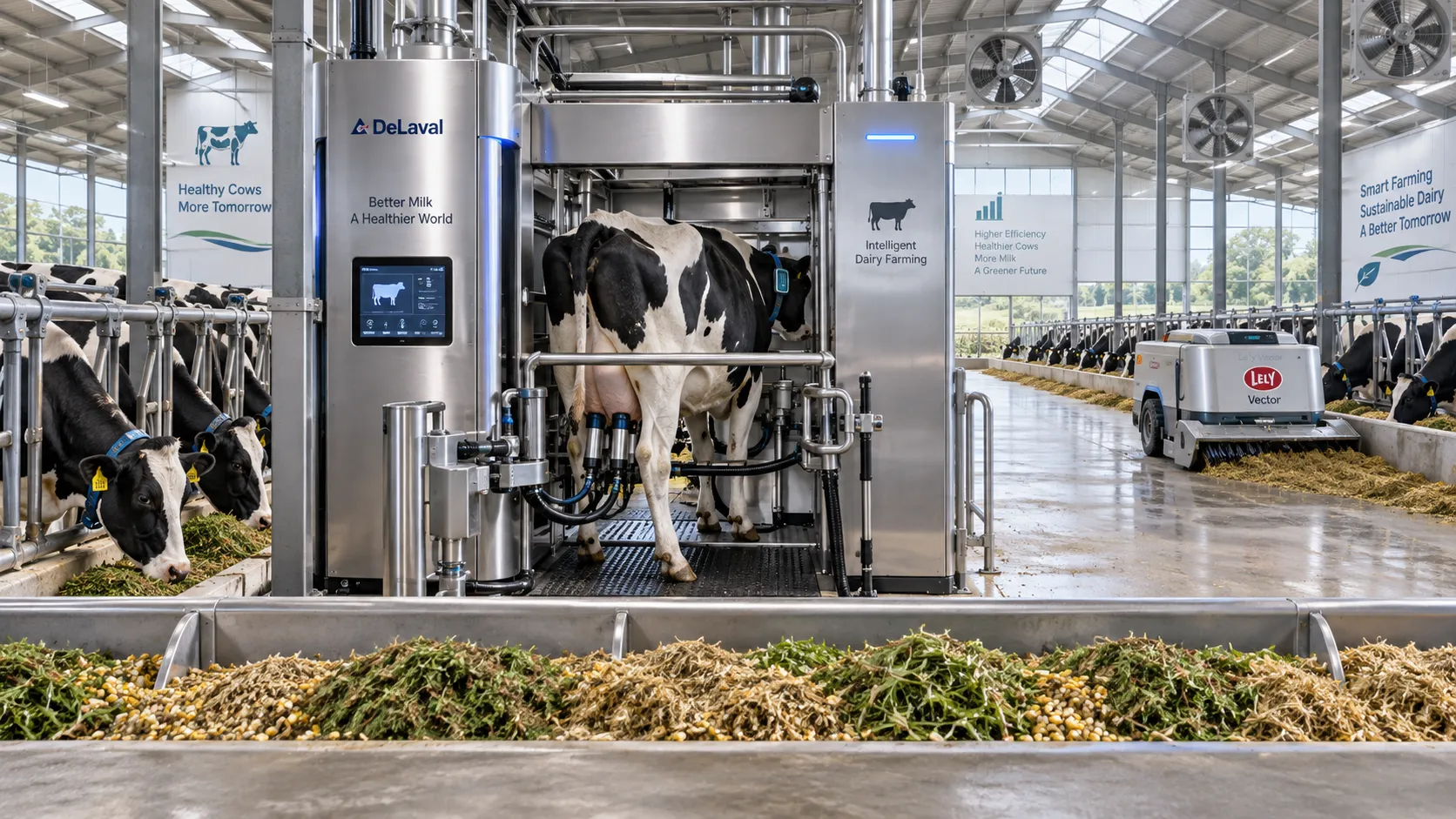
Smart Farming Technology for Dairy Farms: Where Automation Delivers Measurable ROI
Smart farming technology for dairy farms delivers measurable ROI through automation, precision feeding, health monitoring, and data-driven cost control.
Related News
- 00
0000-00
Food Security Risks in Modern Supply Chains: What Businesses Should Track First - 00
0000-00
Farm Machinery Innovations Worth Tracking in 2025: ROI, Adoption Barriers, and Use Cases - 00
0000-00
What agricultural environmental policies mean for compliance - 00
0000-00
Why hybrid farm machinery is gaining serious traction - 00
0000-00
Japan's April CPI Up 1.4%: Pricing Strategy Adjustment Urged for Farm Machinery Exports
Popular Tags
Dr. Alistair Vaughn
Weekly Insights
Stay ahead with our curated technology reports delivered every Monday.