
Global Sustainability Demands Are Raising the Bar for Exports
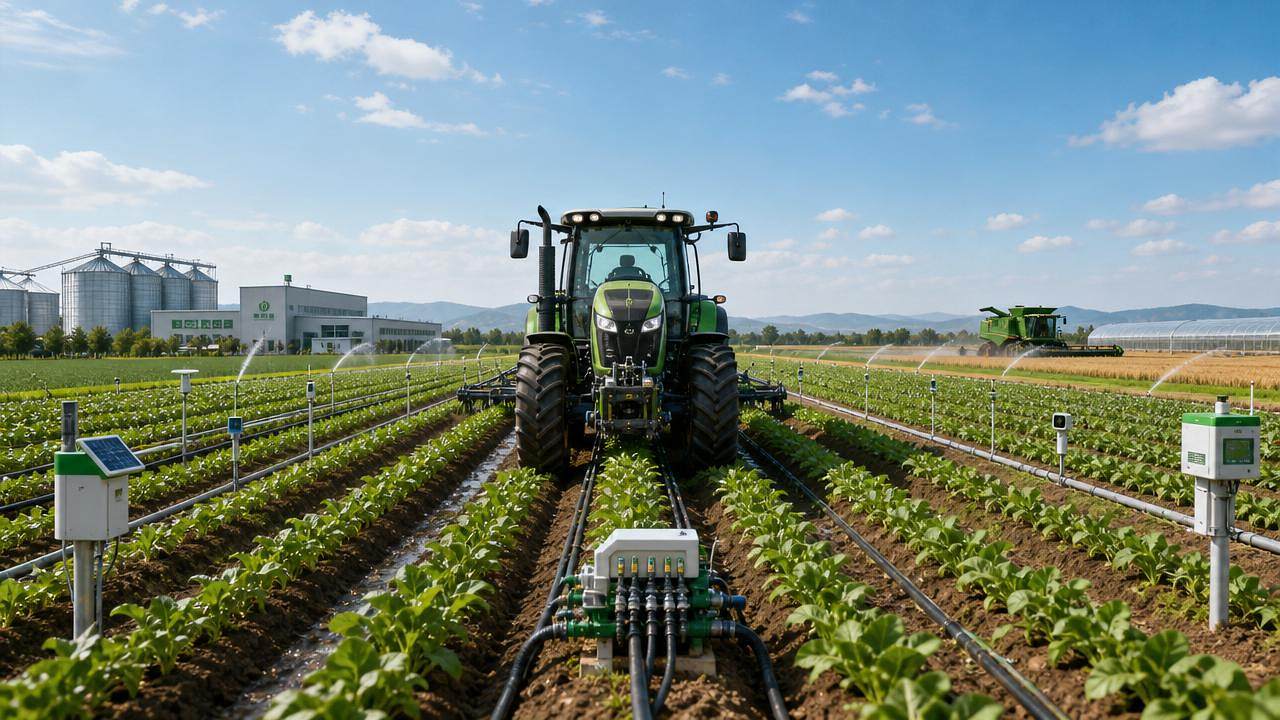




As global sustainability demands reshape trade expectations, exporters in agriculture and heavy equipment face higher standards in compliance, efficiency, and long-term value. For business evaluators, understanding how advanced farm machinery, intelligent irrigation, and precision technologies align with evolving market and policy benchmarks is now essential to assessing competitiveness, risk exposure, and export growth potential.
Why a checklist approach is now the fastest way to judge export readiness
For business assessment teams, the challenge is no longer simply deciding whether a supplier can ship machinery overseas. The more urgent task is determining whether that supplier can continue selling into stricter markets as global sustainability demands become embedded in procurement rules, financing standards, distributor expectations, and end-user buying decisions. In agriculture and equipment trade, this is especially important because large-scale machinery, combine harvesters, tractor chassis, smart farm tools, and water-saving irrigation systems all sit at the intersection of productivity, emissions, resource use, and food security.
A checklist method helps evaluators avoid two common mistakes. First, it prevents overreliance on product brochures that emphasize power and price while ignoring lifecycle efficiency and compliance exposure. Second, it creates a repeatable framework for comparing exporters across markets, especially when global sustainability demands vary by region, crop type, regulatory maturity, and buyer sophistication.
For firms tracking Agriculture 4.0, this means looking beyond standalone machines. The export proposition increasingly depends on how well equipment integrates data, reduces waste, improves water efficiency, and supports measurable field outcomes. That is why a structured review is now more useful than a broad market narrative.
Start with these five priority checks before reviewing any exporter
Before diving into technical details, evaluators should first confirm whether the exporter has a credible response to the main signals created by global sustainability demands. The following checklist works well as a first-pass filter:
- Compliance visibility: Can the company clearly document emissions standards, material safety, water-use performance, and market-specific certifications?
- Efficiency proof: Are fuel savings, harvest-loss reduction, hydraulic efficiency, irrigation precision, or input-use optimization supported by test data rather than marketing claims?
- Digital capability: Does the equipment support telemetry, sensor integration, satellite positioning, or decision support functions that help buyers meet operational sustainability targets?
- Lifecycle service model: Is there a maintenance, spare parts, calibration, and training system that protects efficiency performance after export delivery?
- Strategic market fit: Is the exporter aligned with destination-market priorities such as water stress, labor shortages, carbon pressure, or traceable food production?
If an exporter performs weakly on any of these five checks, deeper due diligence may reveal structural limitations that make long-term export expansion difficult under rising global sustainability demands.
Core evaluation checklist: what business evaluators should verify in detail
1. Product efficiency metrics that matter in real trade decisions
In agri-equipment exports, sustainability is often judged through operating efficiency. For tractors and chassis systems, verify transmission efficiency, fuel consumption under load, hydraulic control precision, and compatibility with precision implements. For combine harvesters, review grain loss rates, cleaning efficiency, adaptability in variable crop conditions, and power-to-output balance. For irrigation systems, prioritize water distribution uniformity, leak control, pressure stability, and compatibility with smart scheduling models.
Business evaluators should ask a simple question: does the machine improve productive output while reducing resource waste? That is one of the most practical ways to translate global sustainability demands into measurable export value.
2. Documentation strength and audit readiness
Many exporters underestimate the importance of documentation quality. Buyers and channel partners increasingly want auditable records, not only performance claims. Review whether the supplier can provide test reports, origin records, technical files, maintenance guidance, and evidence of environmental compliance. In many markets, weak documentation can delay customs clearance, reduce financing options, or disqualify suppliers from institutional procurement lists.
Under global sustainability demands, the exporter that can explain, document, and defend product impact often wins over the exporter with slightly lower pricing but weaker substantiation.
3. Intelligence integration and precision farming compatibility
Modern buyers are not only purchasing metal and power; they are investing in field intelligence. For this reason, AP-Strategy’s focus areas are highly relevant to export assessment. Precision farming algorithms, sensor feedback, GPS-guided operations, dynamic harvester optimization, and irrigation prediction tools all improve the sustainability profile of equipment by making each pass, application, or watering cycle more targeted.
Evaluators should verify whether the exporter’s technology can connect with farm management systems, whether data outputs are usable by operators, and whether precision features are reliable in real-world conditions. This is where global sustainability demands increasingly connect with digital agriculture strategy.
4. Service ecosystem and after-sales resilience
A machine that performs well in laboratory tests but lacks field support can quickly become a sustainability liability. Poor maintenance, delayed spare parts, and weak calibration support often lead to fuel waste, water waste, unnecessary downtime, and operator workarounds. Assess distributor training, technical response speed, remote diagnostics, spare parts forecasting, and operator education resources.
For business evaluators, after-sales capability is not just a service issue. It is a durability and efficiency issue directly tied to global sustainability demands and customer retention in export markets.
Use this decision table to compare export sustainability readiness
When screening multiple suppliers, a simple comparison table can help standardize judgment and reduce bias.
Different scenarios require different emphasis
For large-scale machinery exports
Prioritize energy efficiency, implement compatibility, field durability, and maintenance economics. Large machines are capital-intensive assets, so global sustainability demands often show up through total cost of ownership and machine utilization rates rather than through one isolated technical metric.
For combine harvester exports
Focus on grain-loss control, adaptive performance across crop conditions, residue handling, and data-assisted adjustments. Harvest efficiency directly affects food security outcomes, which makes this category especially sensitive to sustainability-linked procurement criteria.
For intelligent irrigation systems
Put water productivity at the center of evaluation. In many markets, global sustainability demands are now closely tied to drought resilience, water reuse, sensor-based scheduling, and predictive control. Exporters that can demonstrate measurable water savings and system intelligence will typically hold stronger long-term market value.
Common blind spots that weaken export assessments
Even experienced evaluators can miss factors that later affect channel performance or project economics. Watch for these recurring blind spots:
- Assuming compliance in one market transfers to another. Global sustainability demands are not uniform. A machine suitable for one region may need technical or documentary adaptation elsewhere.
- Overlooking operator capability. Smart equipment creates value only when users can calibrate, interpret, and maintain it correctly.
- Focusing only on purchase price. Buyers increasingly evaluate lifecycle efficiency, downtime risk, and measurable resource savings.
- Ignoring data credibility. If performance claims lack testing context, seasonal references, or field conditions, decision quality falls quickly.
- Missing policy momentum. Sustainability rules often tighten gradually, but procurement expectations can change faster than legislation.
Practical execution steps for business evaluators
To translate analysis into action, evaluators should build a short review workflow. First, classify the target market by its sustainability maturity: emerging, transitioning, or advanced. Second, match the exporter’s offer to the market’s top pressure point, such as emissions, water scarcity, labor efficiency, or digital traceability. Third, request evidence packages early, including technical data, certification records, and after-sales capability maps. Fourth, score the exporter using weighted criteria rather than relying on a single commercial indicator.
For organizations tracking global sustainability demands across multiple agricultural segments, it is useful to maintain a rolling watchlist of policy updates, distributor feedback, cost-of-operation benchmarks, and field performance reports. This turns one-time due diligence into an ongoing export intelligence function.
FAQ for quick evaluation
What is the first signal that an exporter is aligned with global sustainability demands?
The clearest first signal is the ability to provide measurable performance data linked to efficiency, resource savings, and compliance, supported by credible documentation.
How should evaluators compare traditional machinery and smart equipment?
Compare them on total operational value, not just acquisition price. Smart equipment may create stronger export resilience if it reduces inputs, supports better decisions, and aligns more closely with global sustainability demands.
Why is irrigation technology receiving more attention in export reviews?
Because water stress is rising globally, and intelligent irrigation systems offer one of the most visible ways to meet sustainability expectations while protecting farm productivity.
Next-step guidance for stronger export decisions
As global sustainability demands continue raising the bar, exporters in agricultural machinery and intelligent farm systems will be judged less by broad claims and more by evidence, adaptability, and long-term field value. For business evaluators, the most effective approach is to review each supplier through a structured checklist: confirm compliance readiness, verify efficiency outcomes, assess digital integration, test service resilience, and match the offer to market-specific sustainability pressure points.
If further assessment is needed, the priority discussion points should include technical parameters, local adaptation needs, data validation methods, certification timelines, maintenance support, budget impact, and cooperation structure. Those questions will reveal whether the exporter is merely participating in the market or is truly positioned to grow under the next wave of global sustainability demands.
Related News
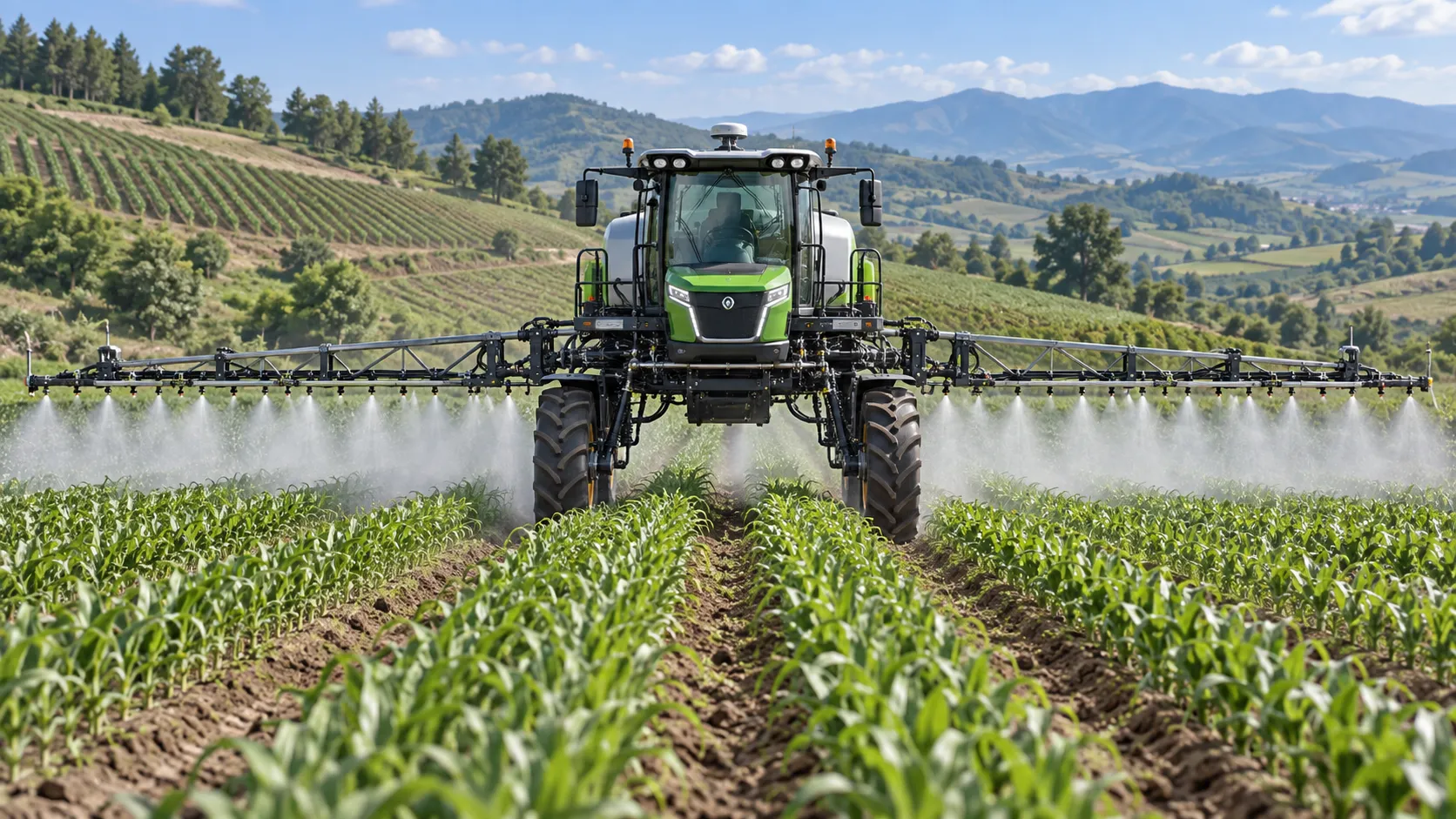
How to Select Precision Crop Protection Equipment for Variable Field Conditions
Precision crop protection equipment selection made simple: compare terrain, canopy, weather, control accuracy, and data workflows for reliable applications.
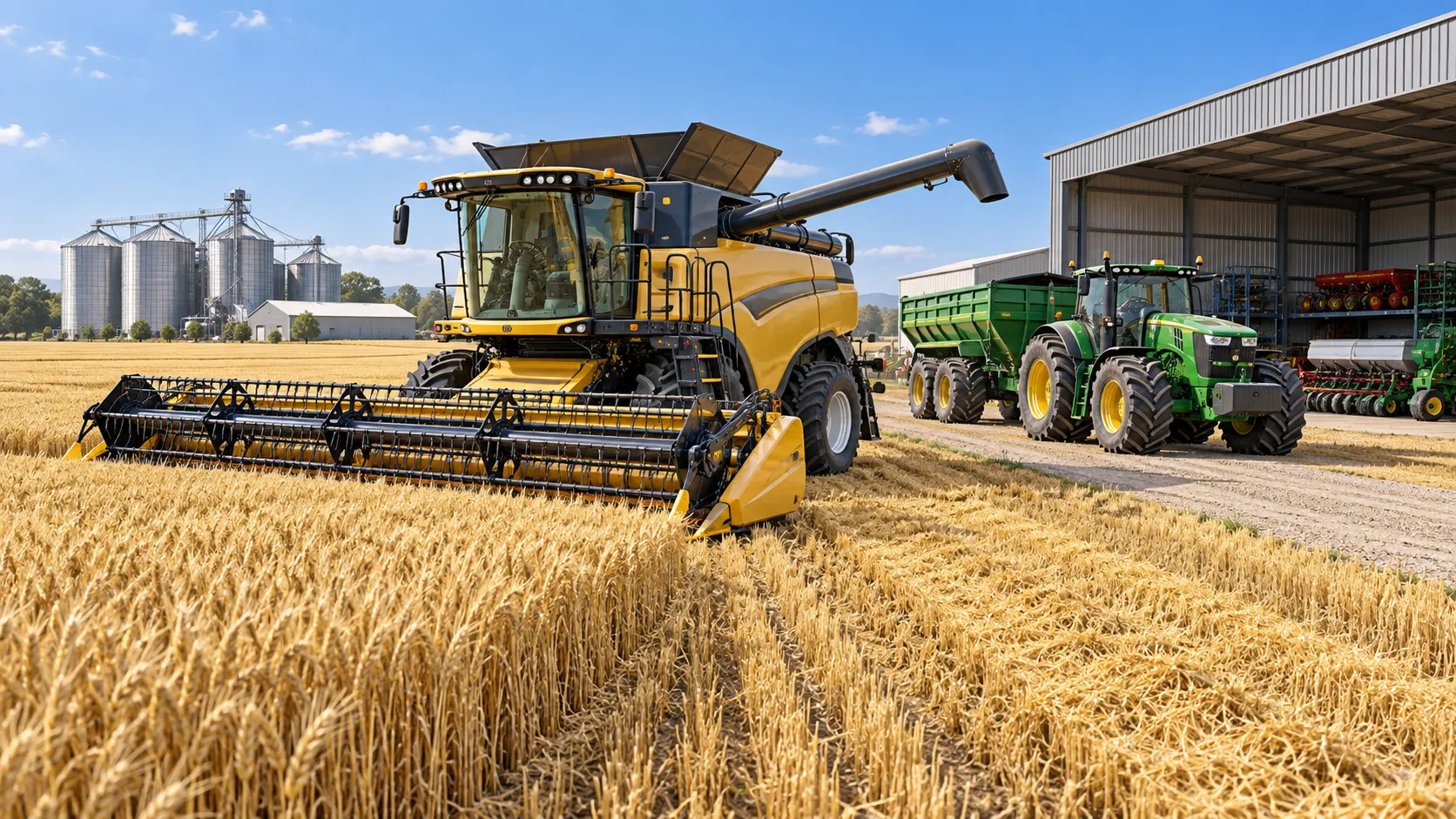
When Does Agricultural Machinery Leasing Cost Less Than Owning Equipment?
Agricultural machinery leasing can lower farm costs when use is seasonal or uncertain. Compare utilization, maintenance, cash flow, and risk to make a smarter equipment decision.
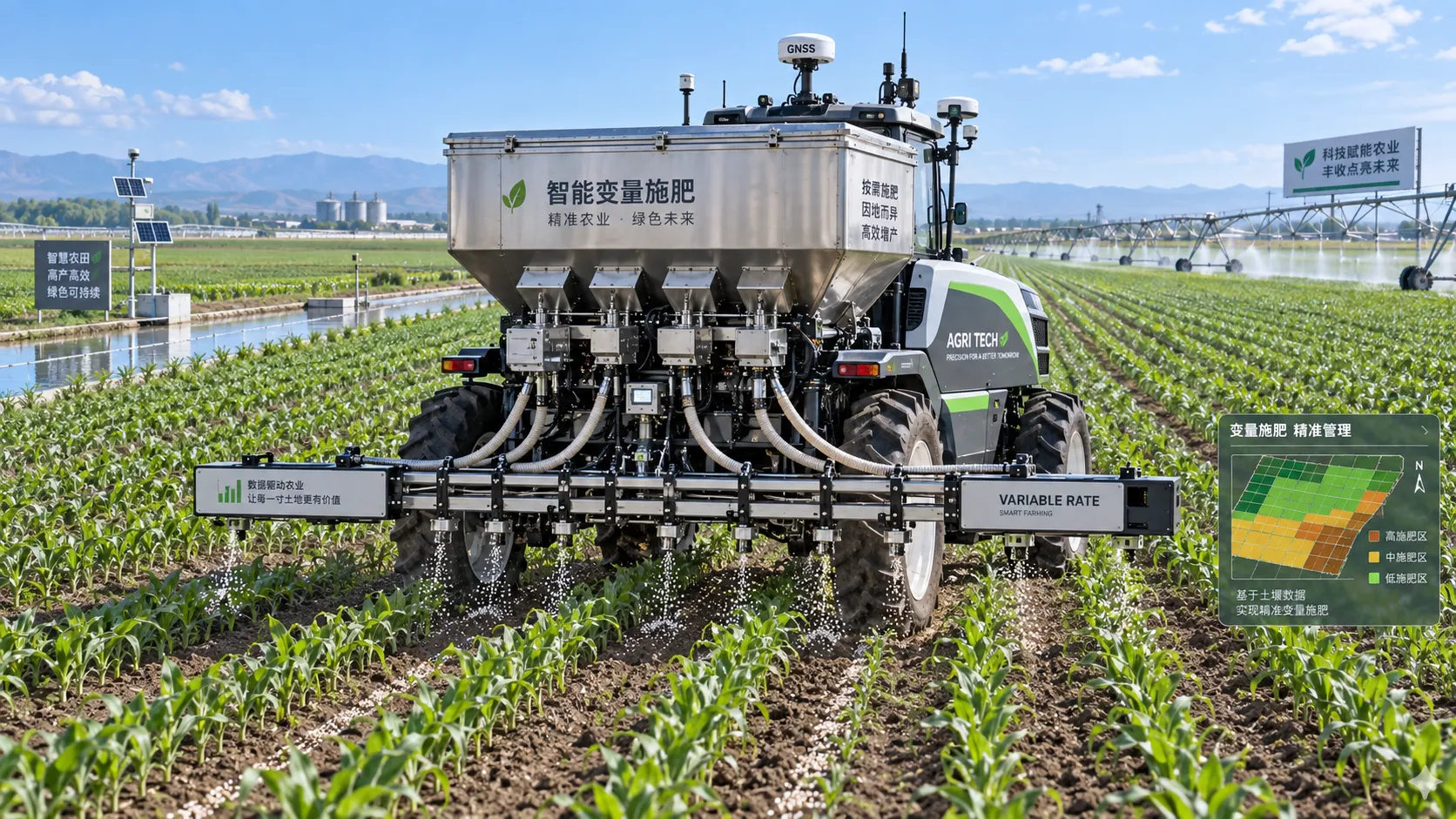
How to Evaluate Precision Fertilization System Suppliers for Farm-Scale Deployment
Precision fertilization systems suppliers: learn how to compare accuracy, integration, uptime, service, and total cost for confident farm-scale deployment.
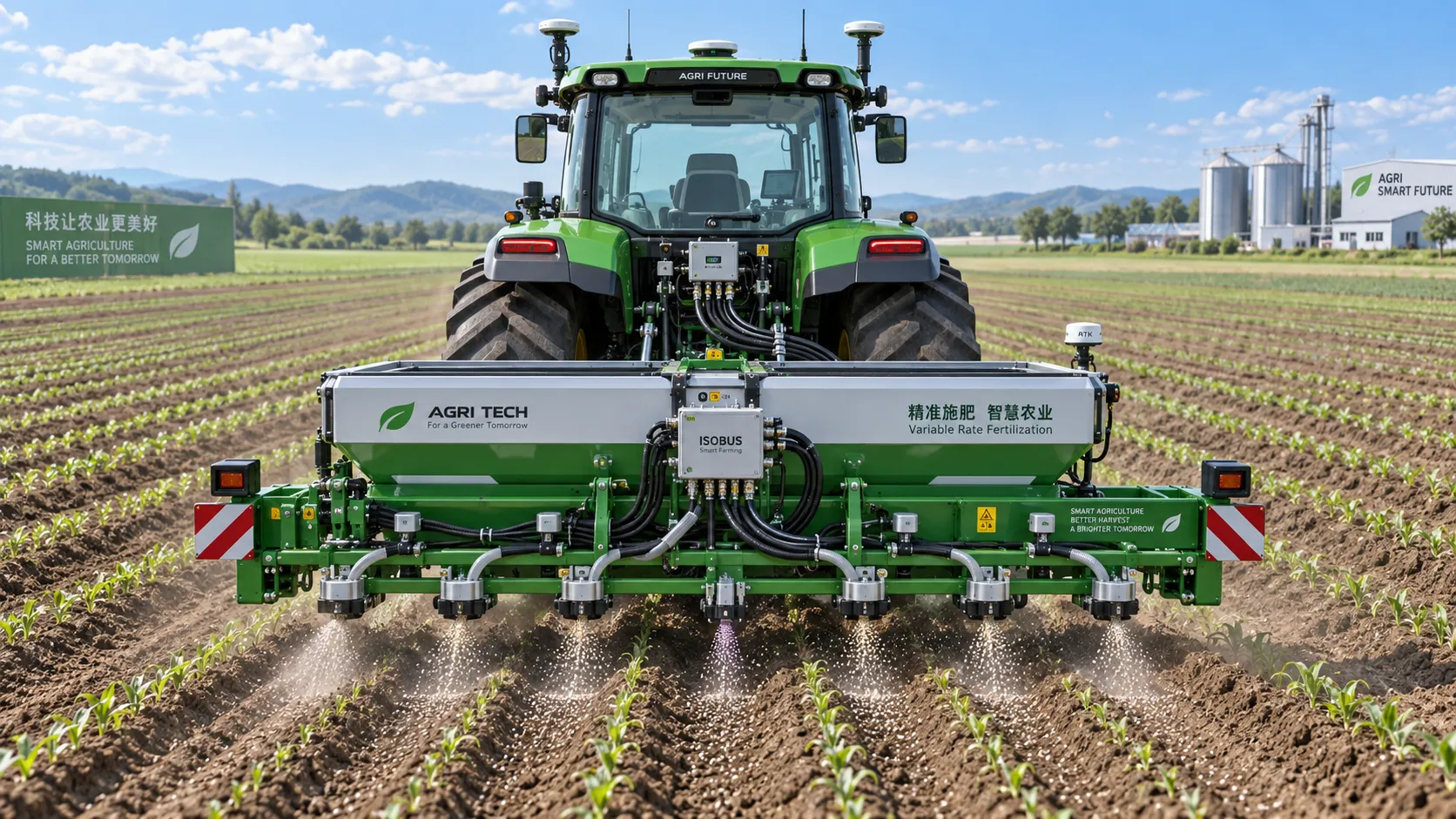
ISOBUS for Smart Agriculture: How It Connects Tractors, Implements, and Farm Data
ISOBUS for smart agriculture connects tractors, implements, terminals, and farm data—helping growers improve precision, documentation, and smarter field decisions.
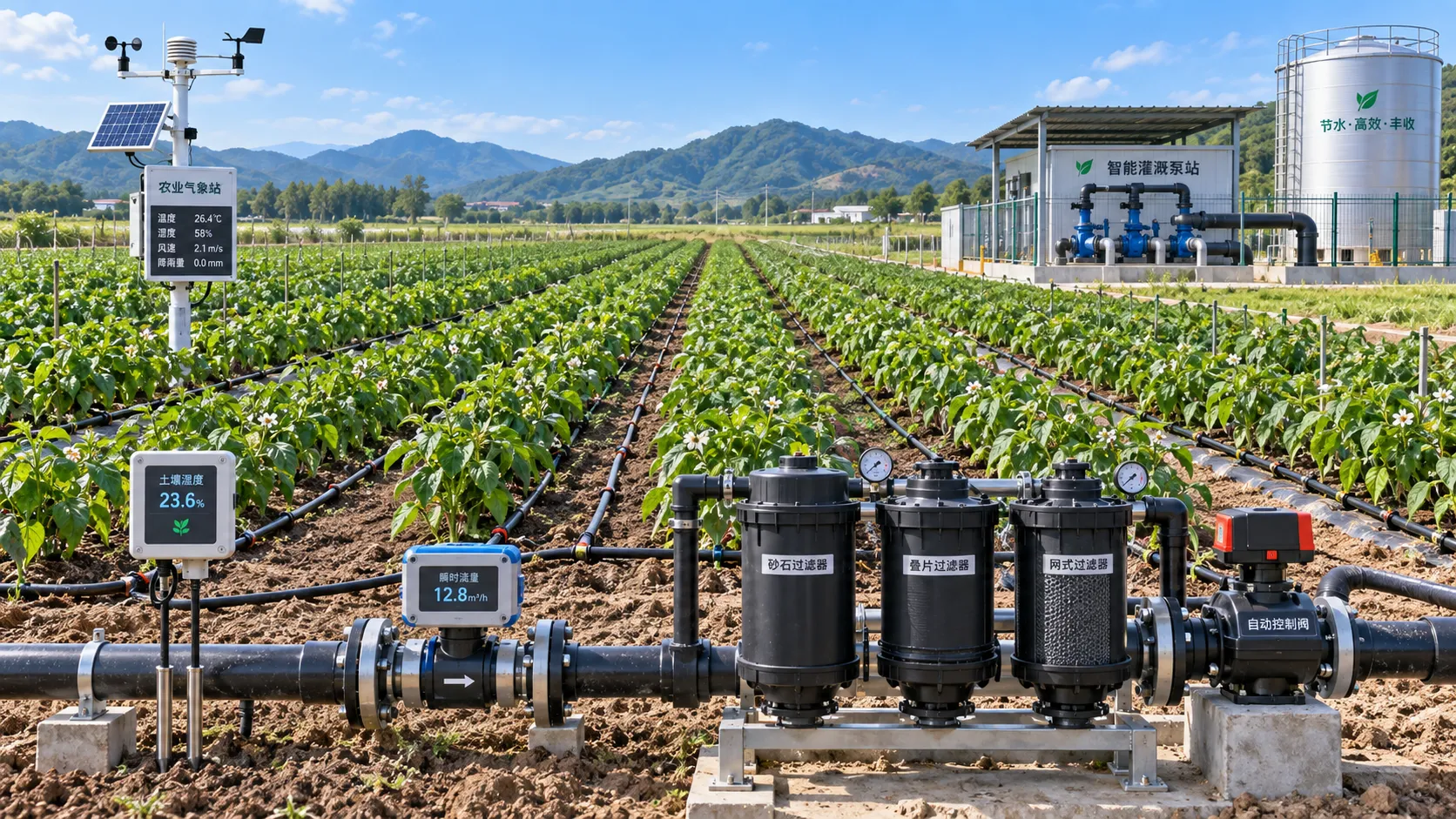
Automated Water-Saving Irrigation: How to Cut Water Use Without Reducing Crop Yields
Automated water-saving irrigation helps farms cut water use, protect crop yields, improve scheduling, and gain reliable control with sensors, flow monitoring, and smart zones.
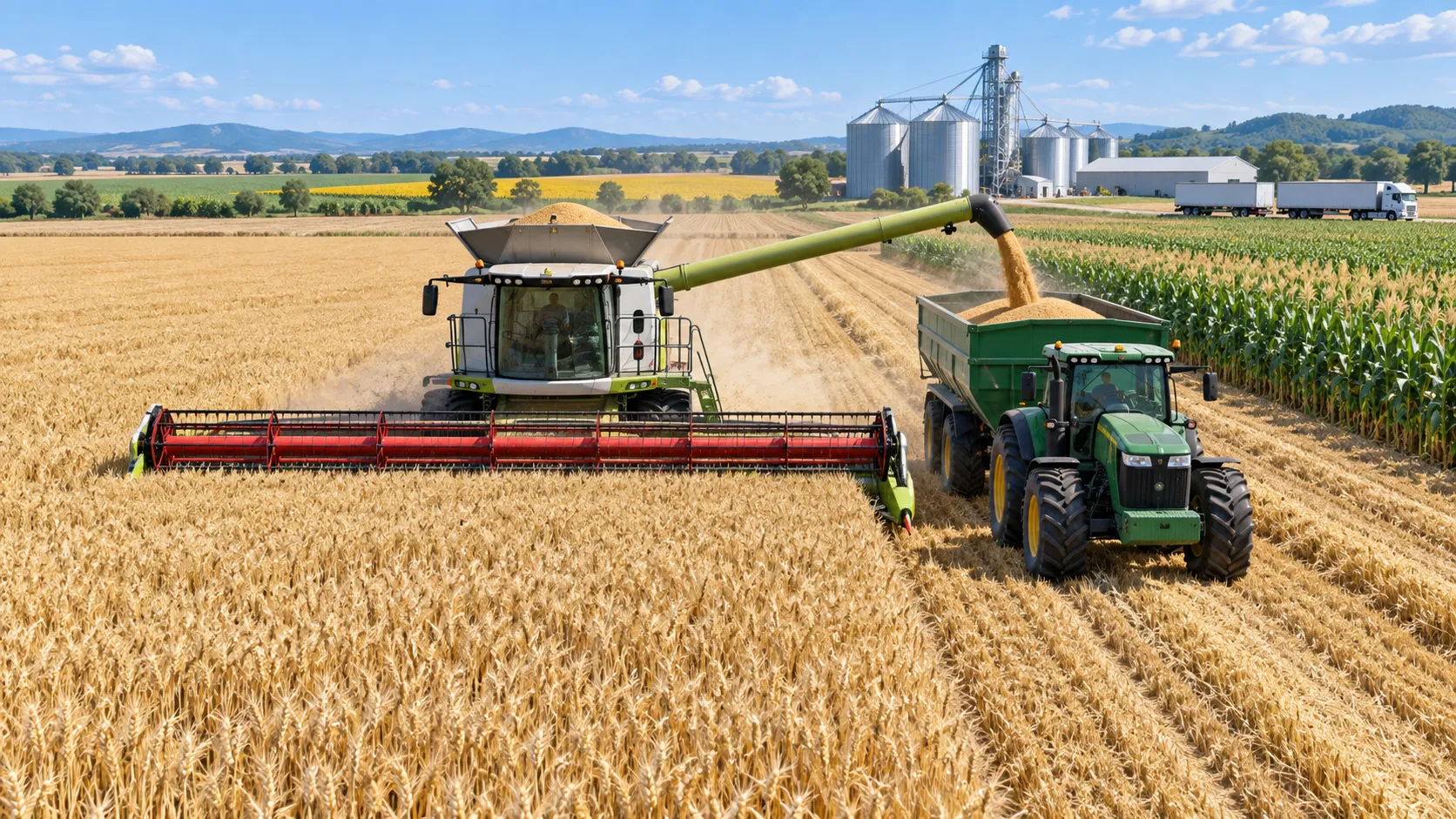
Selecting Grain Farm Equipment by Acreage, Crop Mix, and Harvest Window
Agricultural equipment selection for grain farming: match machinery to acreage, crop mix, and harvest windows to improve uptime, efficiency, and returns.
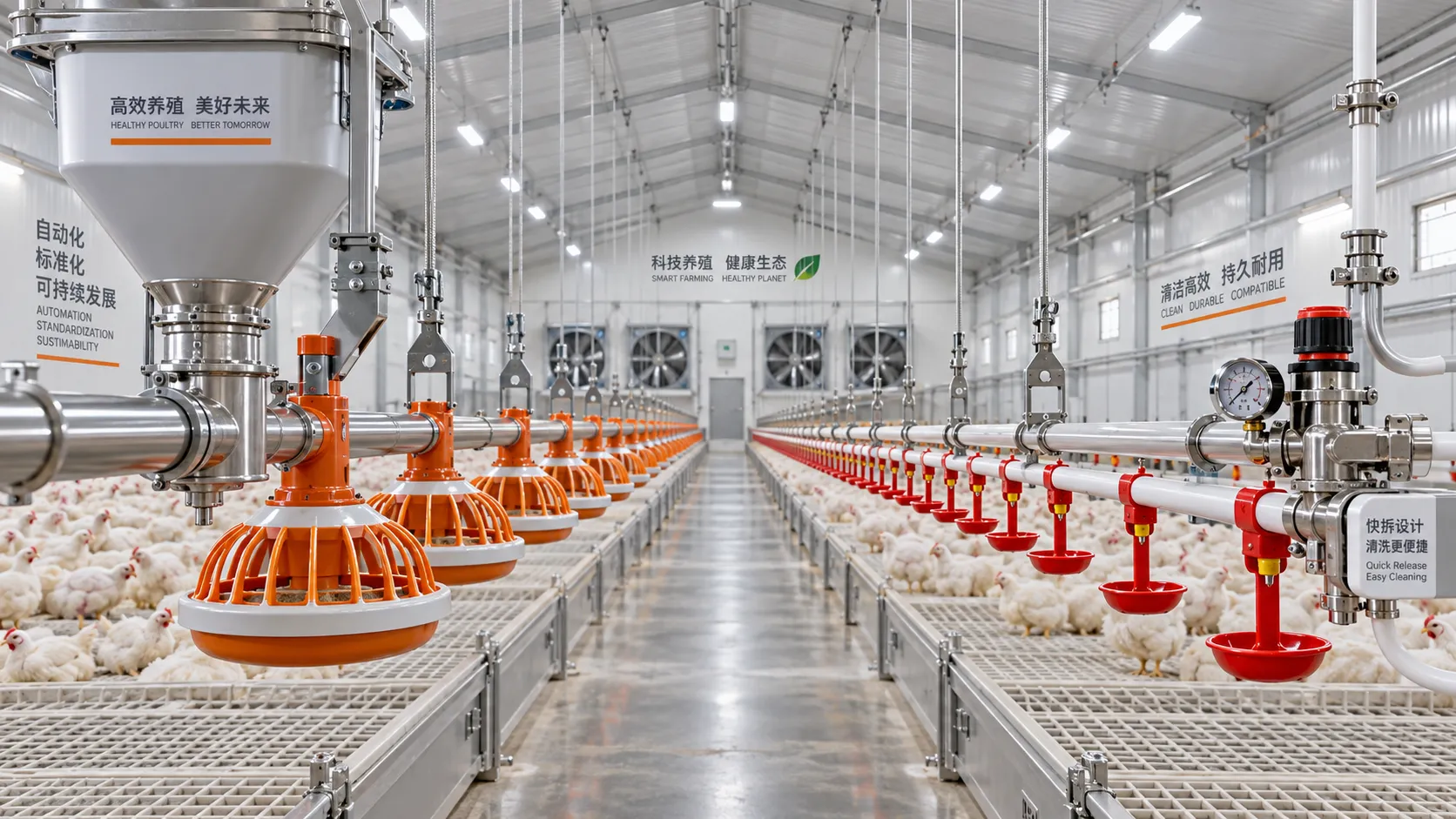
Poultry Equipment Selection: Evaluating Durability, Cleaning, and Compatibility
Poultry equipments selection guide: evaluate durability, cleaning access, and system compatibility to improve hygiene, reduce downtime, and support efficient flock management.
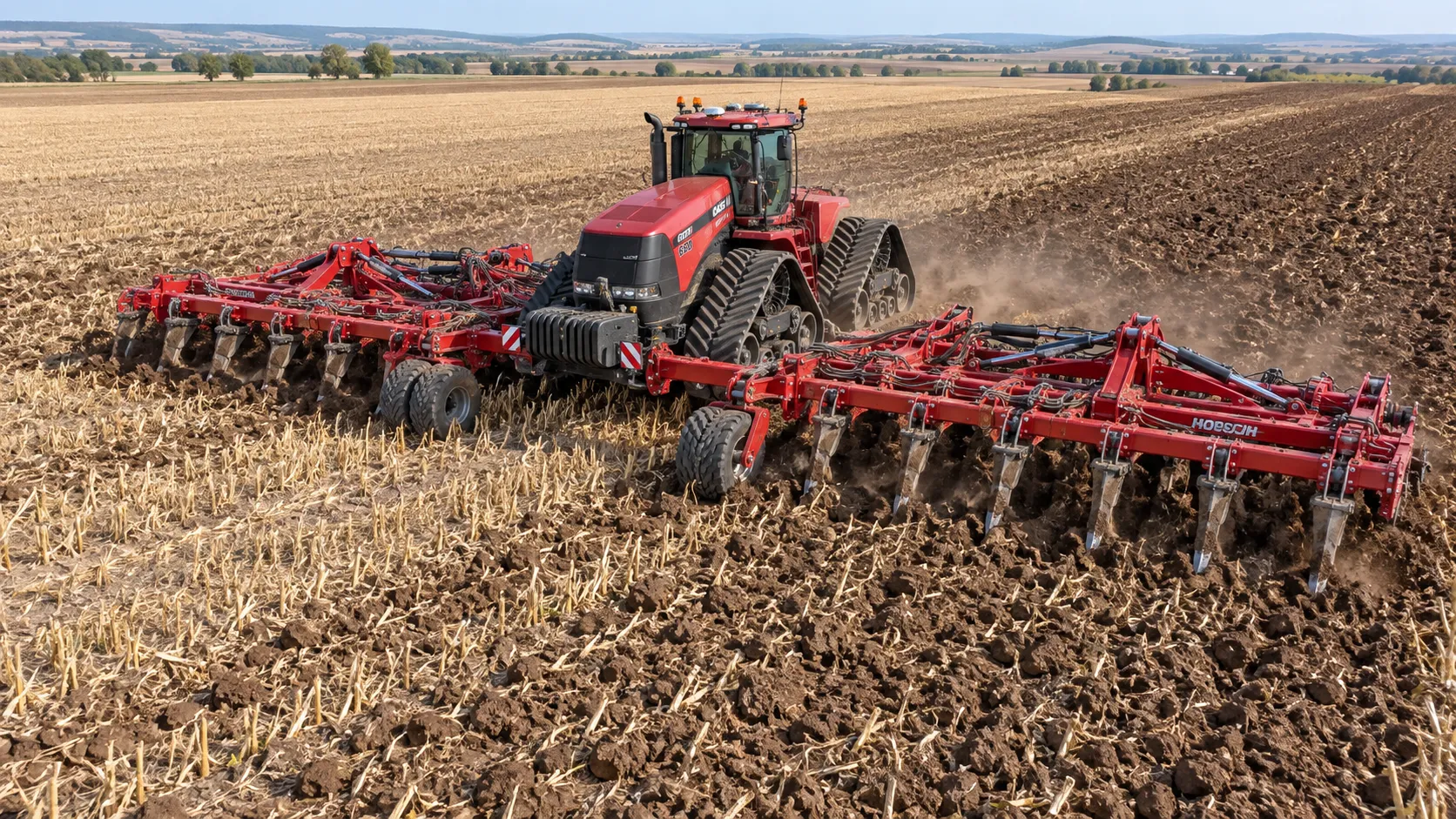
How to Select Heavy-Duty Farm Implements for High-Acreage, High-Horsepower Operations
Heavy duty farm implements: learn how to match draft, hydraulics, hitch capacity, frame strength, and field conditions for reliable high-acreage performance.
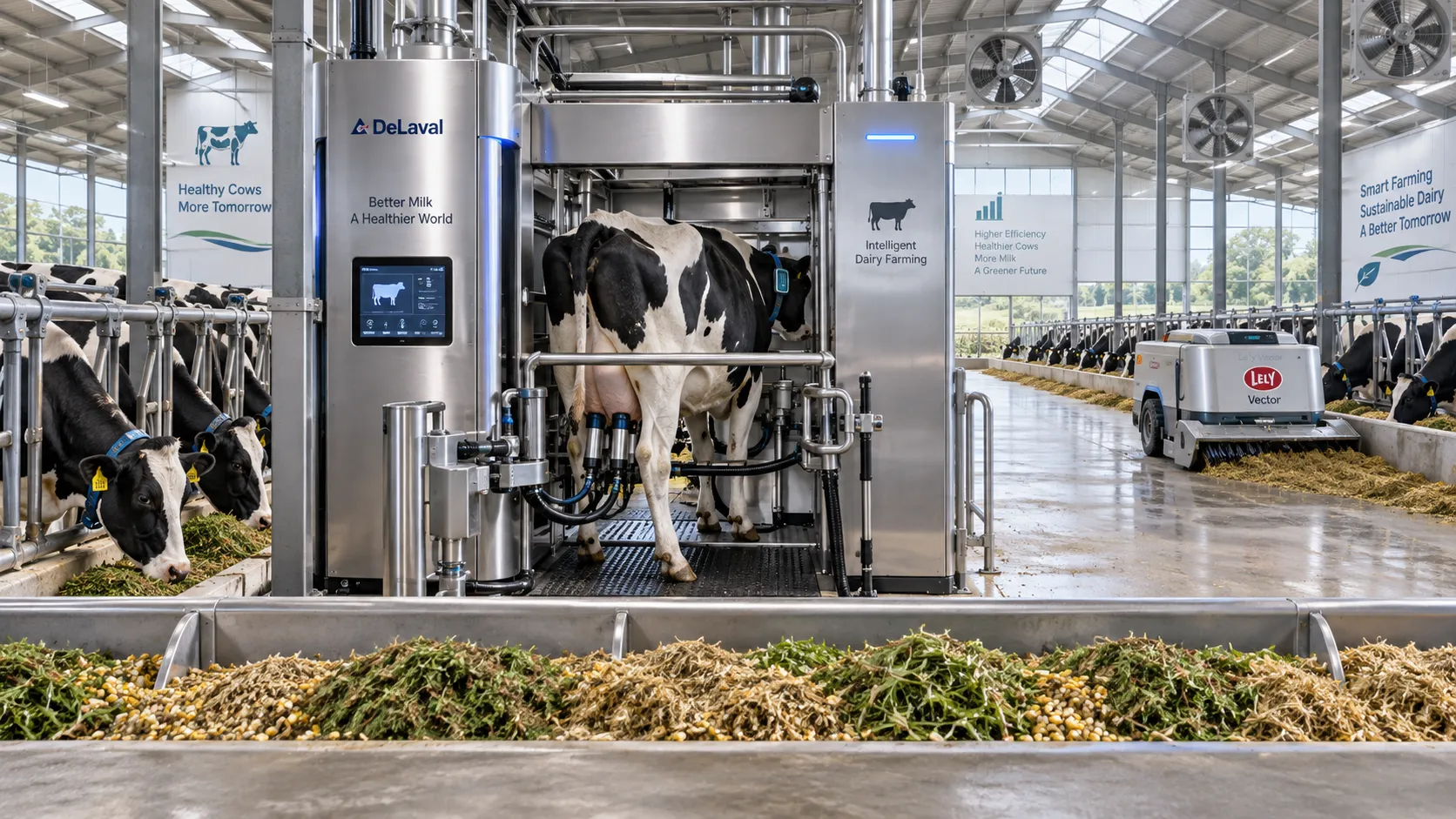
Smart Farming Technology for Dairy Farms: Where Automation Delivers Measurable ROI
Smart farming technology for dairy farms delivers measurable ROI through automation, precision feeding, health monitoring, and data-driven cost control.
Related News
- 00
0000-00
Food Security Risks in Modern Supply Chains: What Businesses Should Track First - 00
0000-00
Farm Machinery Innovations Worth Tracking in 2025: ROI, Adoption Barriers, and Use Cases - 00
0000-00
What agricultural environmental policies mean for compliance - 00
0000-00
Why hybrid farm machinery is gaining serious traction - 00
0000-00
Japan's April CPI Up 1.4%: Pricing Strategy Adjustment Urged for Farm Machinery Exports
Popular Tags
Dr. Alistair Vaughn
Weekly Insights
Stay ahead with our curated technology reports delivered every Monday.