
Which Agri-Tech Advancements Are Worth Watching in 2026?
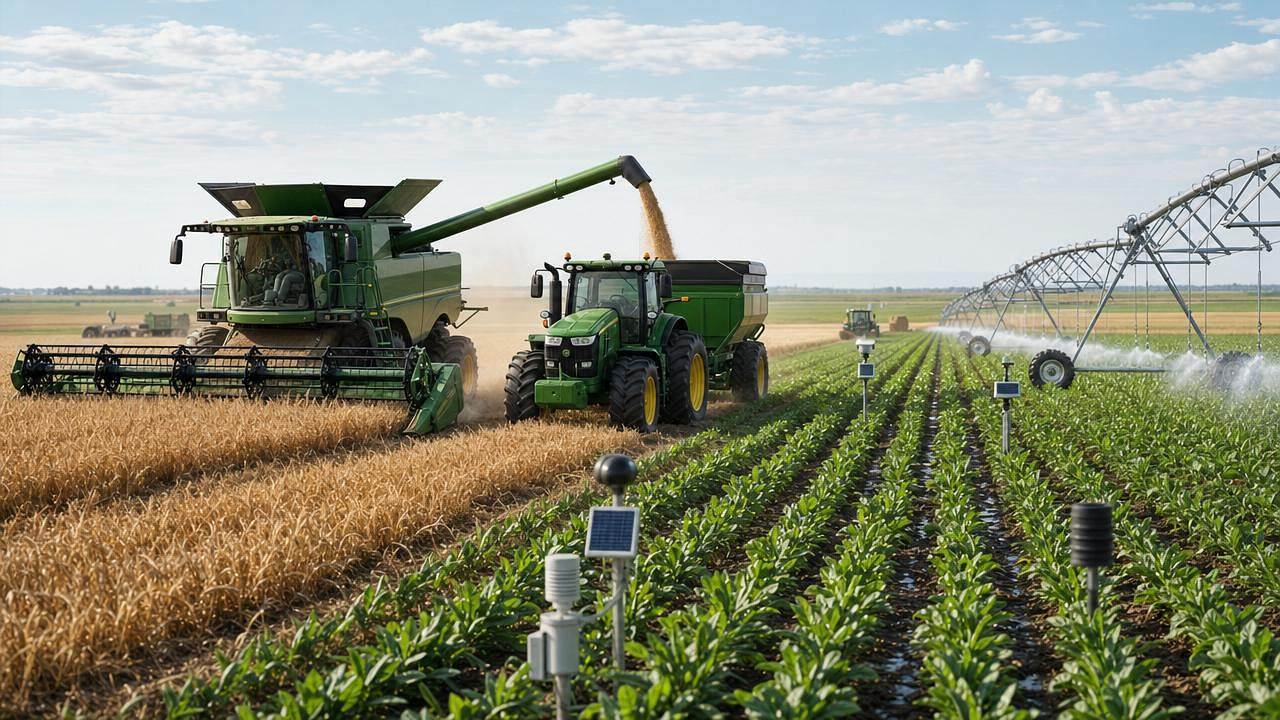




As global farming enters a new phase of automation, data intelligence, and resource efficiency, the agri-tech advancements shaping 2026 deserve close attention.
From autonomous machinery to smart irrigation, each innovation affects field performance differently. The real value lies in matching technology with operating conditions, crop systems, and investment priorities.
For AP-Strategy, tracking agri-tech advancements means linking machinery capability, algorithmic precision, and sustainability pressure into actionable field intelligence.
Why 2026 Looks Different for Agri-Tech Advancements
The 2026 outlook is not defined by one breakthrough. It is shaped by convergence across power systems, sensing networks, autonomous control, and water management.
This matters because farms no longer evaluate equipment only by horsepower or capacity. They now compare uptime, data accuracy, input efficiency, and adaptability.
The most important agri-tech advancements are those that solve operational friction. They reduce waste, improve timing, and support resilient output under climate variability.
In Large-Scale Grain Operations, Which Agri-Tech Advancements Matter Most?
Large grain farms need technologies that improve speed without losing agronomic control. In this setting, autonomous guidance and machine coordination are worth watching.
Fleet orchestration platforms are emerging as a major step forward. They allow tractors, grain carts, and combines to exchange task and location data in real time.
Another key area is predictive maintenance. Sensor-based diagnostics can identify hydraulic, drivetrain, and engine issues before they interrupt narrow harvest windows.
For broadacre systems, agri-tech advancements are most valuable when they increase machine utilization, lower overlap, and stabilize labor availability.
Core judgment points in this scenario
- Can machines coordinate across long operating hours?
- Does the platform support mixed fleets and legacy assets?
- Will data improve real decisions, not just dashboard visibility?
- Can automation still perform in dust, slope, and patchy connectivity?
In High-Pressure Harvest Windows, Which Combine Innovations Deserve Attention?
Combine harvesting remains one of the clearest tests of practical innovation. Small improvements in loss control or cleaning can translate into large commercial gains.
In 2026, attention should focus on adaptive threshing and cleaning systems. These systems respond to crop moisture, yield density, and terrain changes automatically.
Machine vision is also moving from monitoring to control. Cameras and onboard analytics increasingly guide header height, residue spread, and grain loss optimization.
These agri-tech advancements matter most where harvest windows are short, labor is constrained, and crop variability is high across the same field.
What to verify before prioritizing a system
- Loss reduction under variable crop conditions
- Operator intervention frequency during long shifts
- Calibration stability across crop types
- Integration with yield mapping and post-harvest analysis
In Water-Stressed Regions, Which Irrigation Agri-Tech Advancements Are Most Relevant?
Where water availability is tightening, irrigation intelligence becomes a strategic asset. The strongest innovations are not only mechanical. They are predictive and connected.
Transpiration modeling, soil moisture sensing, and weather-linked scheduling are becoming more practical. They help shift irrigation from fixed routines to dynamic water application.
Leak detection and pressure optimization are also advancing. These tools matter because distribution inefficiency can erase the benefits of modern emitters or pivots.
Among agri-tech advancements, irrigation technologies often deliver the fastest sustainability impact where regulation, drought cycles, or energy costs are rising.
Signals that a smarter irrigation upgrade is justified
- High variation in soil texture across one production block
- Frequent overwatering or stress-related yield instability
- Rising pumping and water compliance costs
- Need for remote visibility across distributed sites
In Precision Input Management, How Are Smart Farm Tools Changing the Field?
Precision input management is becoming more granular. Smart implements now combine GPS guidance, section control, sensors, and variable-rate logic in one workflow.
This shift is especially relevant for seeding, fertilization, and plant protection. The goal is not digital complexity. The goal is better placement and lower waste.
Sensor-driven sprayers and prescription-capable spreaders are key agri-tech advancements because they support both cost discipline and environmental performance.
The most useful systems are those that keep agronomic logic transparent. If teams cannot trust the recommendation, adoption will stall.
How Scenario Needs Differ Across Major Agri-Tech Advancements
Not every innovation fits every operation. The table below shows how scenario conditions change the value of agri-tech advancements in 2026.
Scenario-Based Recommendations for Watching Agri-Tech Advancements in 2026
A useful technology watchlist should be organized by operational pressure point. This approach prevents trend chasing and improves investment timing.
- Track automation where labor timing creates the biggest risk.
- Prioritize combine intelligence where harvest loss is hard to monitor manually.
- Elevate irrigation analytics where water or energy use drives margin pressure.
- Adopt smart implements where input costs are high and field variability is measurable.
- Favor systems with open data pathways over isolated digital tools.
For AP-Strategy’s intelligence framework, the strongest agri-tech advancements are those that connect machine action with measurable agronomic and commercial outcomes.
Common Misjudgments When Evaluating Agri-Tech Advancements
One common mistake is judging innovation by novelty alone. A feature may be advanced, yet still fail under weak connectivity or inconsistent field data.
Another mistake is ignoring system fit. High-end automation may underperform if tractors, harvesters, implements, and irrigation controls cannot share usable information.
It is also risky to separate sustainability from productivity. In 2026, many agri-tech advancements deliver value precisely because they improve both together.
Finally, field service and calibration support are often underestimated. Without practical support, even strong technology can lose credibility during critical operations.
What to Do Next if You Are Tracking Agri-Tech Advancements for 2026
Start with a scenario map. Identify where timing loss, water risk, input waste, or machine downtime creates the biggest operational drag.
Then compare agri-tech advancements against three filters: field performance, data usability, and return under real local conditions.
Use pilot areas, harvest metrics, and irrigation records to test whether a system changes outcomes, not just reporting quality.
The technologies worth watching in 2026 are not simply the most visible. They are the ones that fit the field, scale with complexity, and strengthen resilience.
That is where AP-Strategy continues to focus: reading agri-tech advancements through the combined lens of machinery intelligence, precision cultivation, and sustainable food security.
Related News

When Does Agricultural Machinery Leasing Cost Less Than Owning Equipment?
Agricultural machinery leasing can lower farm costs when use is seasonal or uncertain. Compare utilization, maintenance, cash flow, and risk to make a smarter equipment decision.

How to Evaluate Precision Fertilization System Suppliers for Farm-Scale Deployment
Precision fertilization systems suppliers: learn how to compare accuracy, integration, uptime, service, and total cost for confident farm-scale deployment.

ISOBUS for Smart Agriculture: How It Connects Tractors, Implements, and Farm Data
ISOBUS for smart agriculture connects tractors, implements, terminals, and farm data—helping growers improve precision, documentation, and smarter field decisions.
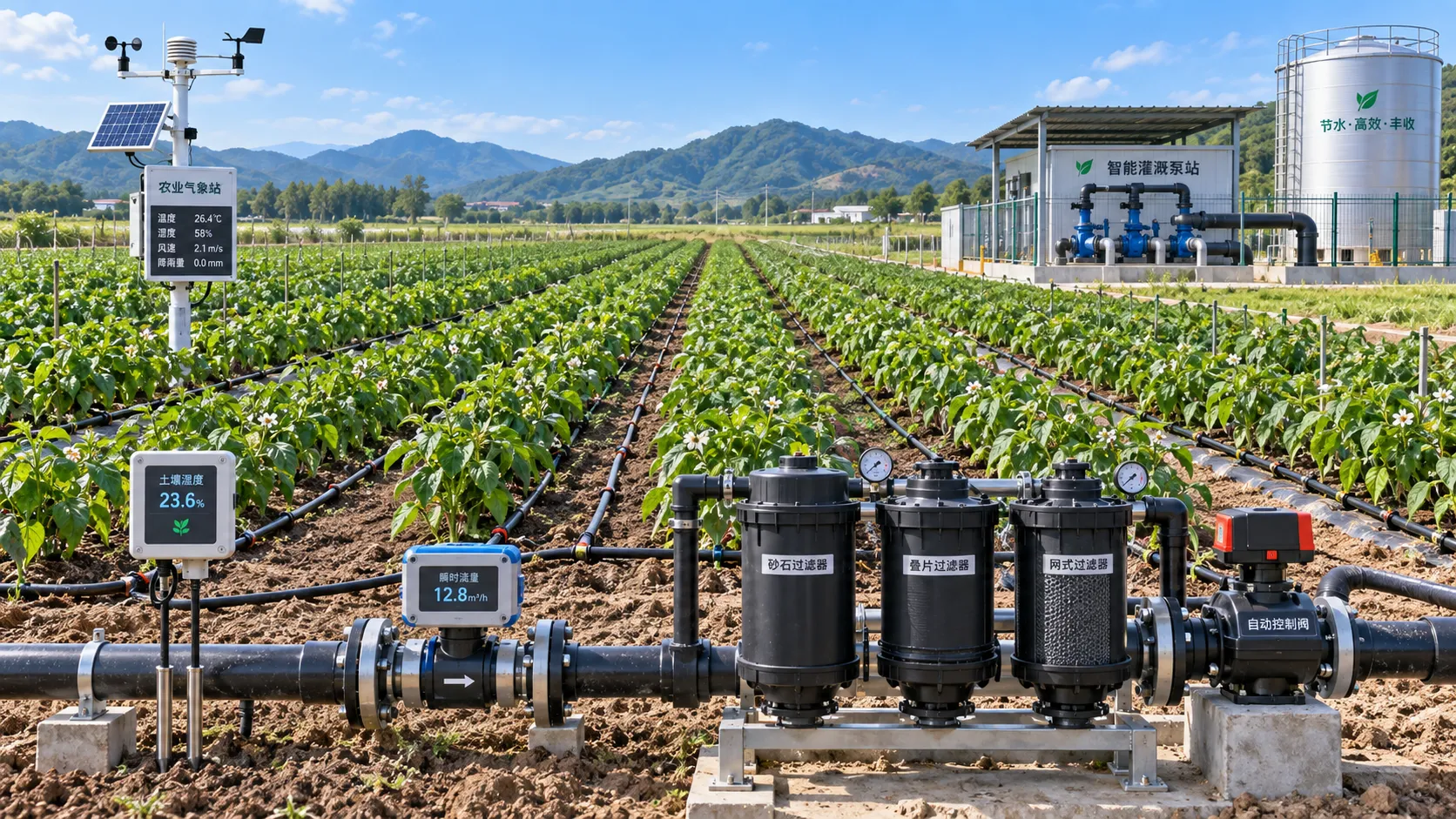
Automated Water-Saving Irrigation: How to Cut Water Use Without Reducing Crop Yields
Automated water-saving irrigation helps farms cut water use, protect crop yields, improve scheduling, and gain reliable control with sensors, flow monitoring, and smart zones.
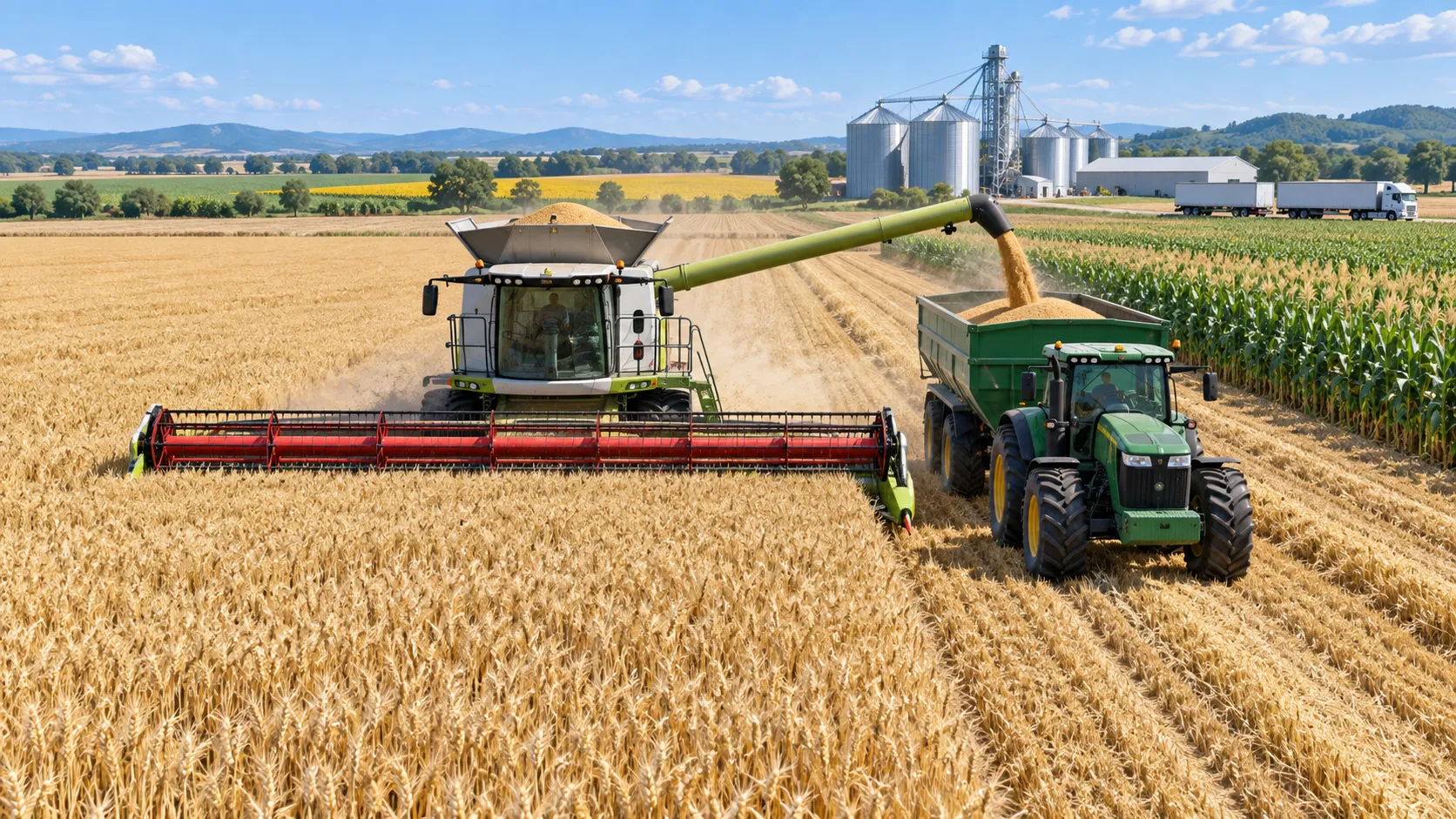
Selecting Grain Farm Equipment by Acreage, Crop Mix, and Harvest Window
Agricultural equipment selection for grain farming: match machinery to acreage, crop mix, and harvest windows to improve uptime, efficiency, and returns.
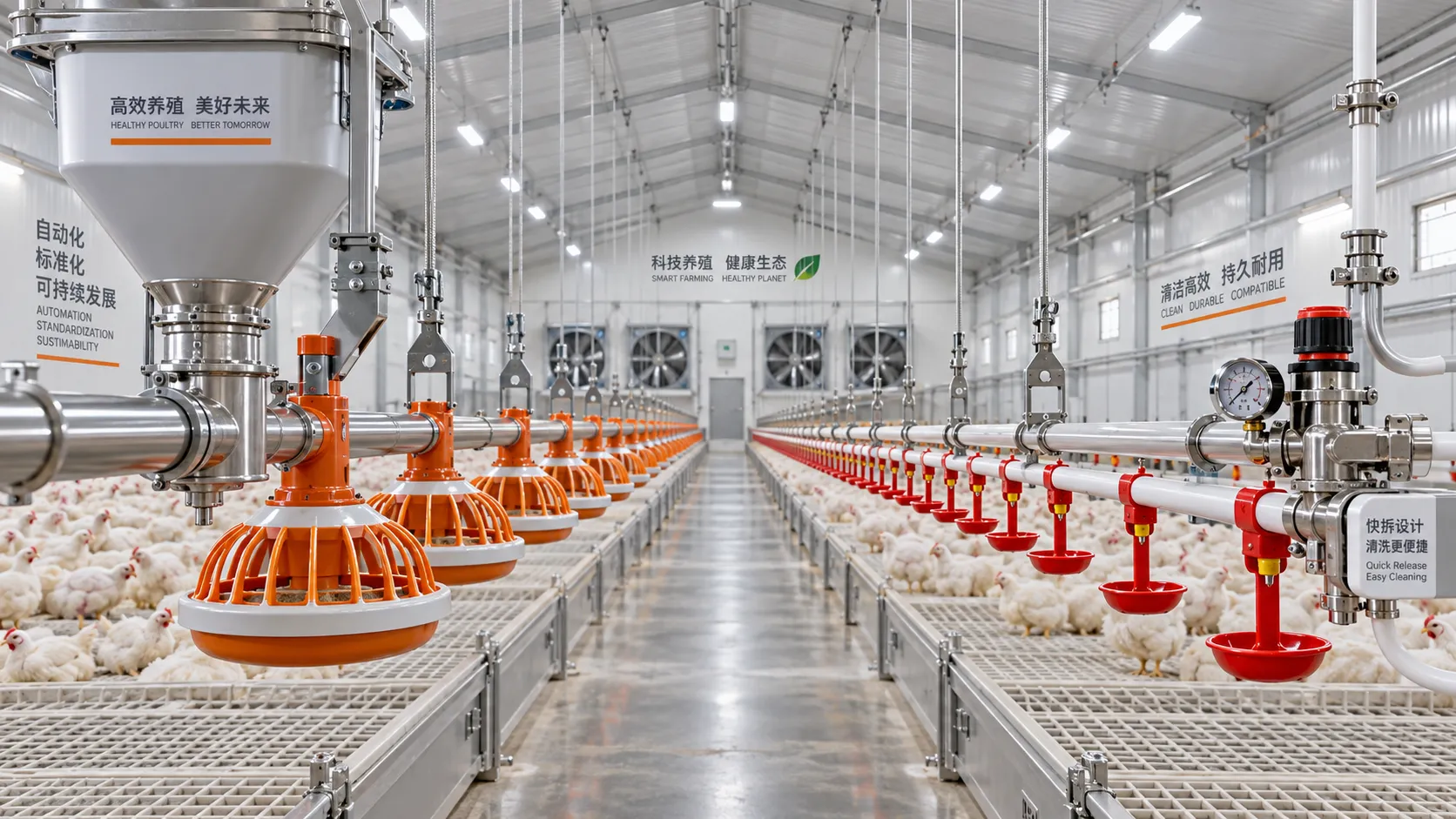
Poultry Equipment Selection: Evaluating Durability, Cleaning, and Compatibility
Poultry equipments selection guide: evaluate durability, cleaning access, and system compatibility to improve hygiene, reduce downtime, and support efficient flock management.
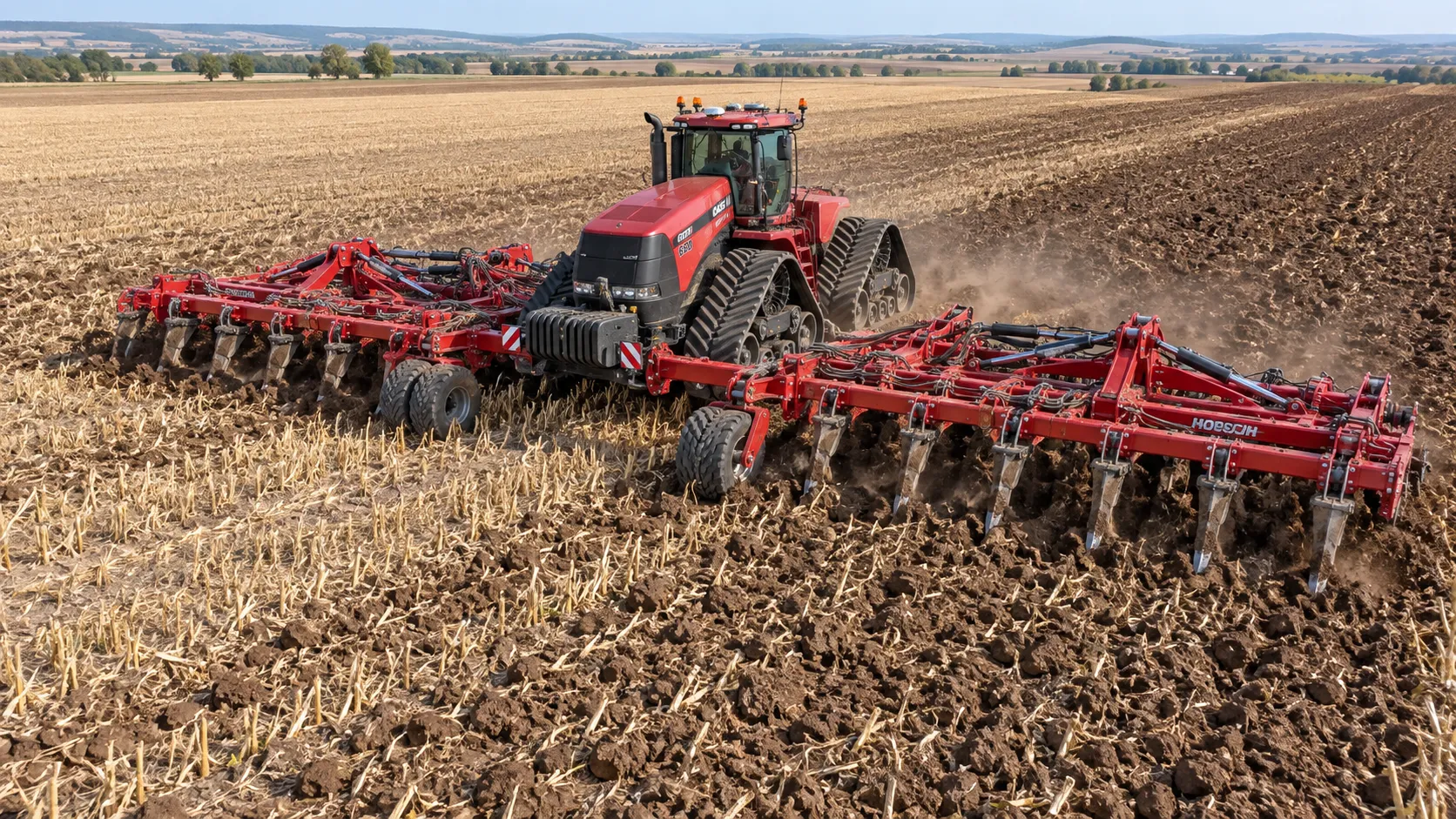
How to Select Heavy-Duty Farm Implements for High-Acreage, High-Horsepower Operations
Heavy duty farm implements: learn how to match draft, hydraulics, hitch capacity, frame strength, and field conditions for reliable high-acreage performance.
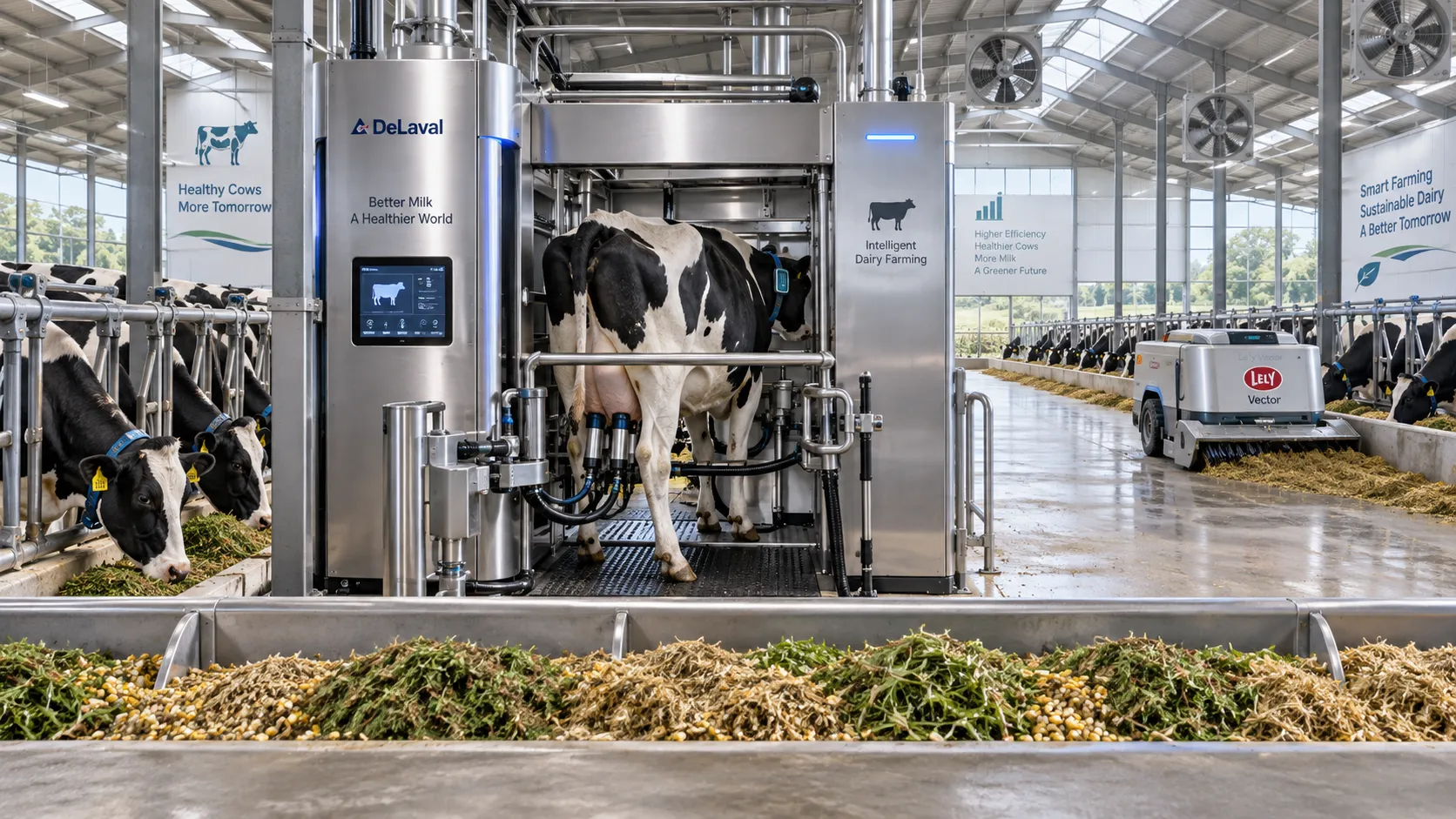
Smart Farming Technology for Dairy Farms: Where Automation Delivers Measurable ROI
Smart farming technology for dairy farms delivers measurable ROI through automation, precision feeding, health monitoring, and data-driven cost control.
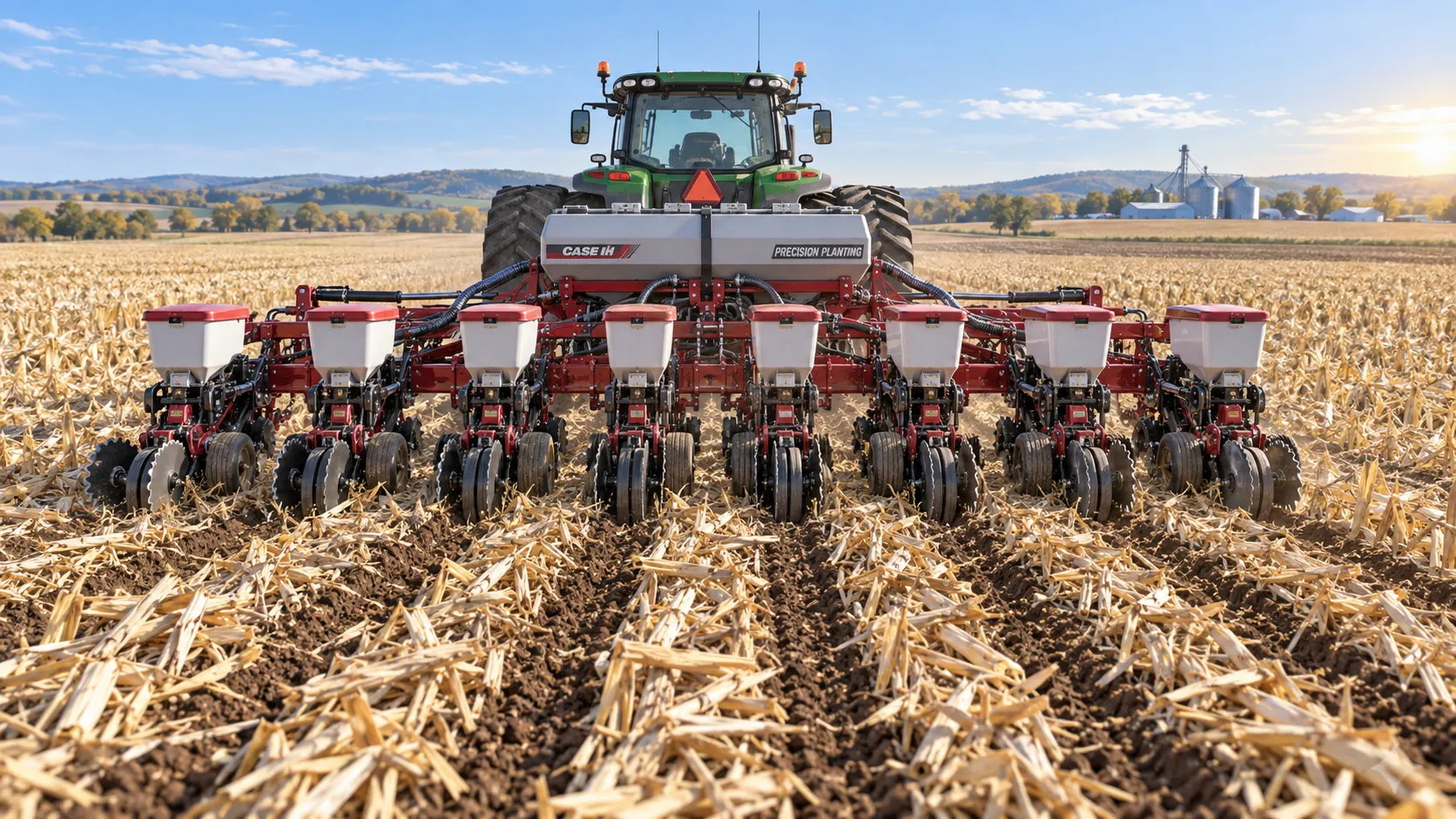
How to Select a Heavy-Duty Seeder for Large Acreage and High-Residue Fields
Heavy duty seeders for large acreage: compare residue handling, depth control, downforce, metering accuracy, and precision features to select the right model.
Related News
- 00
0000-00
Food Security Risks in Modern Supply Chains: What Businesses Should Track First - 00
0000-00
Farm Machinery Innovations Worth Tracking in 2025: ROI, Adoption Barriers, and Use Cases - 00
0000-00
What agricultural environmental policies mean for compliance - 00
0000-00
Why hybrid farm machinery is gaining serious traction - 00
0000-00
Japan's April CPI Up 1.4%: Pricing Strategy Adjustment Urged for Farm Machinery Exports
Popular Tags
Dr. Alistair Vaughn
Weekly Insights
Stay ahead with our curated technology reports delivered every Monday.