
What changes in agricultural environmental policies are shaping farm investment?
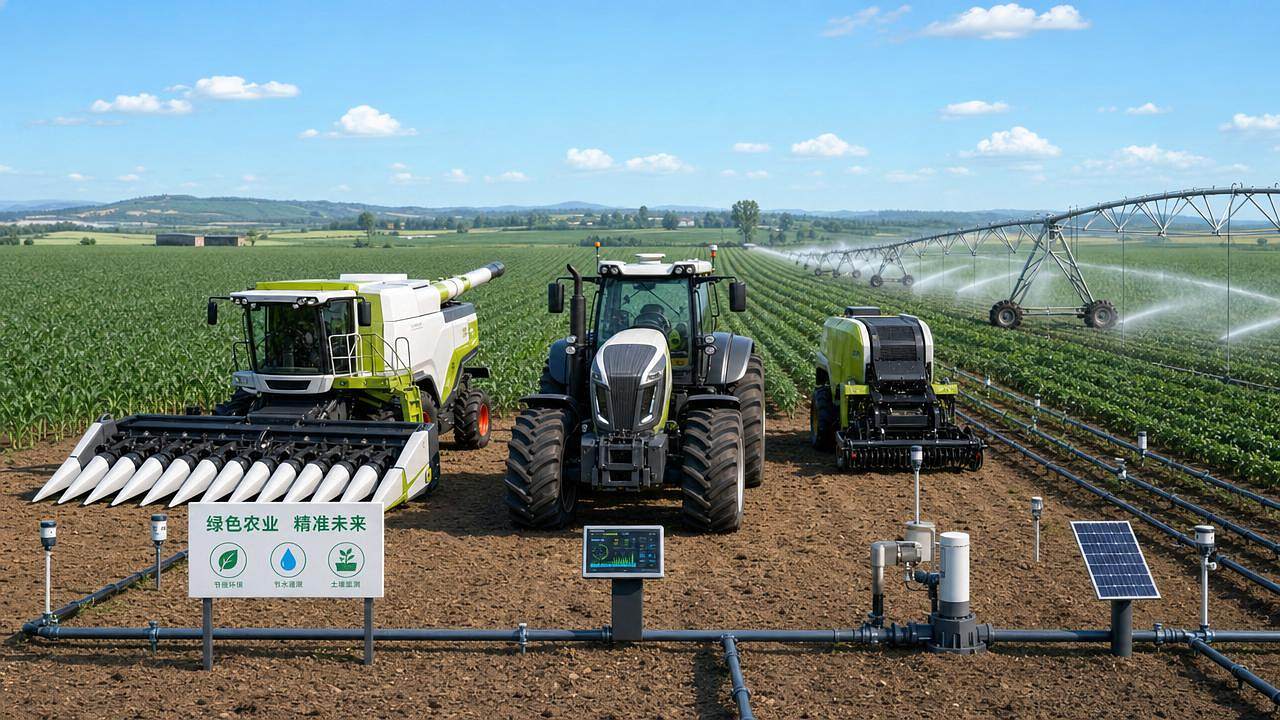




As agricultural environmental policies tighten across major farming markets, business evaluators are reassessing how compliance costs, subsidy shifts, emissions rules, and water-use standards influence capital allocation. For investors and equipment decision-makers, understanding these policy changes is now essential to judging the long-term value of machinery, irrigation systems, and precision agriculture technologies in an increasingly sustainability-driven farm economy.
Understanding the policy shift behind farm investment decisions
Agricultural environmental policies are no longer a side issue for farm operators or agribusiness analysts. They now shape the economics of land use, machinery replacement cycles, irrigation upgrades, fertilizer strategies, and even the residual value of heavy equipment. For business evaluators, the key question is not simply whether regulation is becoming stricter, but how these changes alter investment timing, asset productivity, and long-term competitive positioning.
In practical terms, agricultural environmental policies include rules, incentives, standards, and reporting requirements related to emissions, soil health, water conservation, biodiversity, chemical inputs, energy use, and climate resilience. These policies affect both direct farm operations and the wider supply chain that supports modern agriculture. Large-scale machinery, combine harvesters, tractor chassis systems, intelligent farm tools, and water-saving irrigation networks are all increasingly evaluated through an environmental-performance lens.
This matters because farm investment is capital intensive and long cycle. A tractor platform, a harvesting system, or a precision irrigation installation may remain in use for years. If agricultural environmental policies shift faster than expected, assets that once looked efficient can become expensive to operate, difficult to finance, or less attractive in resale markets. By contrast, equipment and systems aligned with future compliance standards may gain strategic value beyond their immediate operational return.
Why the industry is paying closer attention now
Several forces are driving the current intensity around agricultural environmental policies. First, climate volatility has made water scarcity, flood risk, and soil degradation more visible in farm economics. Second, governments are tying support programs more closely to measurable environmental outcomes. Third, lenders, insurers, grain buyers, and multinational food companies are increasingly requiring evidence of sustainable production practices. As a result, environmental policy is moving from a compliance topic to a core financial variable.
Major farming markets are approaching the issue differently, but the direction is broadly similar. Europe tends to lead with stricter emissions, nutrient, and biodiversity frameworks. North America often combines regulation with incentive-driven technology adoption. Water-stressed regions in Asia, the Middle East, and parts of Latin America are emphasizing efficient irrigation and resource monitoring. Across these markets, agricultural environmental policies are pushing investment away from purely horsepower-based decisions and toward integrated performance metrics such as fuel efficiency, application precision, water productivity, and traceable field outcomes.
For an intelligence-focused platform like AP-Strategy, this shift is especially relevant because the value of agricultural equipment is now tied to a larger operating ecosystem. A combine harvester is no longer assessed only by throughput and grain loss. A tractor chassis is no longer judged only by traction and hydraulic power. Intelligent farm tools and irrigation systems increasingly derive value from how well they help farms meet emerging environmental standards while protecting yield and labor efficiency.
The main policy changes influencing farm capital allocation
Although the wording varies by country, four categories of agricultural environmental policies are shaping investment most directly.
1. Emissions and energy-efficiency standards
Rules affecting engine emissions, fuel use, and carbon reporting are raising the importance of cleaner powertrains and smarter machine control. This does not mean every farm will immediately switch to electric or hybrid platforms, but it does increase the attractiveness of equipment with lower fuel burn, optimized transmissions, and digital performance monitoring. Evaluators should watch whether policy changes create future restrictions on older diesel fleets or improve financing conditions for lower-emission equipment.
2. Water-use controls and irrigation efficiency requirements
Water policy has become one of the most powerful investment signals in agriculture. Caps on groundwater extraction, pricing reforms, irrigation permits, and water-efficiency targets can quickly change the payback profile of irrigation systems. In this environment, intelligent irrigation with sensor feedback, predictive scheduling, and leak detection becomes more than a technical upgrade. It becomes a policy-aligned asset that may preserve production rights and reduce long-term operating risk.
3. Nutrient, pesticide, and soil-protection measures
Limits on fertilizer runoff, stricter crop-protection compliance, and soil conservation rules are supporting investment in precision application tools. Guidance systems, variable-rate technologies, and prescription-based implement control help operators apply inputs more selectively. For business evaluators, the significance is clear: agricultural environmental policies are increasing the revenue protection value of precision agriculture, not just its input-saving value.
4. Subsidy redesign and sustainability-linked incentives
In many markets, public support is moving away from broad untargeted aid toward measurable outcomes such as water savings, reduced emissions, habitat protection, and digital traceability. This can make investment more attractive for farms that adopt qualifying technologies, but it also creates policy dependency risk. A project that looks highly profitable under one subsidy framework may weaken if eligibility rules change.
Industry overview: how different policy areas affect equipment priorities
For a clearer business assessment, the following overview shows how agricultural environmental policies connect to core investment categories in modern farming operations.
Where the business value is strongest for evaluators
For business assessment professionals, the real value of tracking agricultural environmental policies lies in understanding second-order effects. Direct compliance costs are important, but they are only one part of the picture. Policies also reshape financing terms, insurance assumptions, buyer requirements, depreciation risk, and technology adoption curves.
A large-scale farm that invests early in efficient equipment and water-saving systems may gain access to lower-risk contracts, stronger lender confidence, or public support tied to sustainability outcomes. In contrast, farms that delay adaptation may face rising maintenance costs on legacy assets, weaker market access, or reduced competitiveness in regions where environmental standards become embedded in commercial purchasing decisions.
This is especially relevant in machinery-heavy segments. Combine harvesting technology, for example, is being judged increasingly by how it supports lower-loss recovery, fuel efficiency, and data capture for performance verification. Tractor chassis design matters not only for power transfer but also for operating efficiency, hydraulic optimization, and integration with precision tool systems. In irrigation, the gap between conventional and intelligent systems is widening as agricultural environmental policies make every unit of water more economically significant.
Typical investment scenarios shaped by agricultural environmental policies
Not all farms experience policy pressure in the same way. The impact depends on crop type, climate risk, scale, market orientation, and existing equipment maturity. Still, several recurring scenarios help evaluators build more structured judgments.
Practical assessment points before approving capital expenditure
When agricultural environmental policies are changing, evaluators should avoid judging an asset only on purchase price and immediate productivity. A stronger review framework includes at least five practical filters.
First, test the policy durability of the investment. Ask whether the equipment or system is likely to remain compliant under tighter standards over the next five to ten years. Second, quantify efficiency in policy-relevant terms such as liters of water saved, emissions reduced per hectare, or application accuracy improvements. Third, separate returns created by core operational performance from returns dependent on subsidies or tax benefits. Fourth, assess integration value. Assets that connect well with sensors, telematics, and field data systems are often better positioned for future compliance reporting. Fifth, model downside risk if environmental rules tighten faster than expected.
These steps are particularly useful in the Agriculture 4.0 context, where machine intelligence, precision farming algorithms, and sustainability metrics are converging. AP-Strategy’s perspective is relevant here because strategic intelligence now depends on linking mechanical performance with policy direction. A machine that performs well in isolation may underperform as an investment if it cannot support reporting, precision control, or resource-efficiency requirements shaped by agricultural environmental policies.
Common interpretation mistakes to avoid
One common mistake is treating all agricultural environmental policies as pure cost burdens. In reality, some rules do increase compliance expenses, but others create strong incentives for modernization, reduce resource waste, and improve long-term operational resilience. Another mistake is assuming that high technology automatically means high value. The best investment is not always the most advanced system, but the one that best matches local policy pressure, crop economics, and available management capability.
A third mistake is underestimating policy spillover from buyers and financiers. Even where direct regulation is moderate, export-oriented supply chains, banks, and insurers may impose environmental expectations that function like market-based policy filters. This is why business evaluators should read agricultural environmental policies not only as legal texts, but as signals that shape future access to capital and commercial relationships.
A balanced path forward for investors and equipment decision-makers
The farm economy is entering a period in which environmental regulation, digital capability, and mechanical performance can no longer be assessed separately. Agricultural environmental policies are influencing how farms rank equipment priorities, how distributors position product portfolios, and how analysts measure risk-adjusted returns. The most resilient investments are likely to be those that combine productivity gains with measurable improvements in emissions efficiency, water management, input precision, and adaptability to future reporting standards.
For business evaluators, the practical response is clear: build policy sensitivity into every major farm investment review. Compare scenarios across subsidy changes, emissions pathways, and water constraints. Look closely at whether machinery and irrigation systems support compliance-ready data capture. Favor assets that can serve both immediate operational goals and longer-term sustainability expectations. In a market increasingly shaped by agricultural environmental policies, better intelligence is not optional. It is the foundation for protecting value, improving allocation decisions, and identifying which technologies will remain strategically relevant as agriculture continues its transition toward smarter and more resource-efficient production.
Related News
How to Select Precision Crop Protection Equipment for Variable Field Conditions
Precision crop protection equipment selection made simple: compare terrain, canopy, weather, control accuracy, and data workflows for reliable applications.
When Does Agricultural Machinery Leasing Cost Less Than Owning Equipment?
Agricultural machinery leasing can lower farm costs when use is seasonal or uncertain. Compare utilization, maintenance, cash flow, and risk to make a smarter equipment decision.
How to Evaluate Precision Fertilization System Suppliers for Farm-Scale Deployment
Precision fertilization systems suppliers: learn how to compare accuracy, integration, uptime, service, and total cost for confident farm-scale deployment.
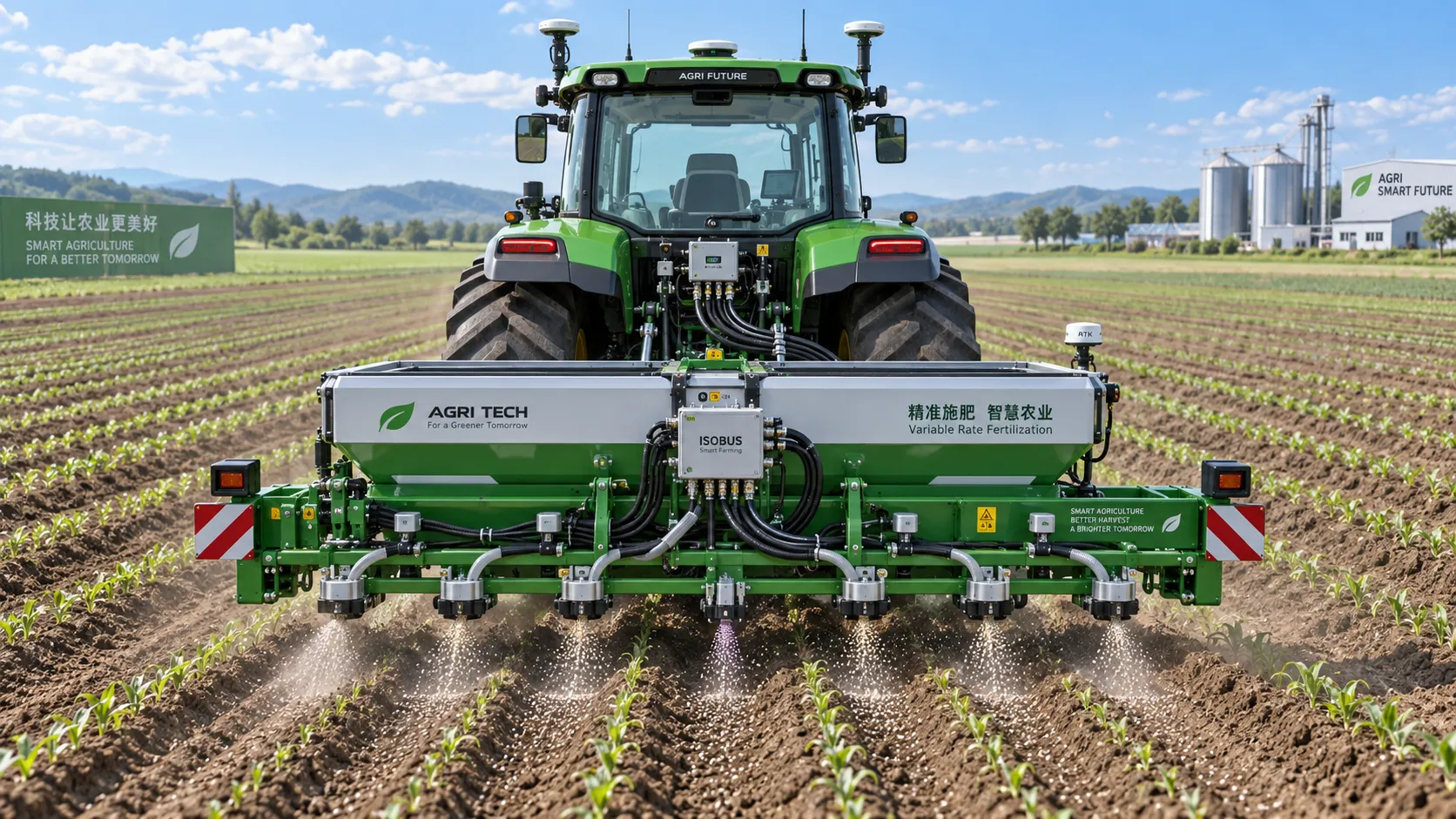
ISOBUS for Smart Agriculture: How It Connects Tractors, Implements, and Farm Data
ISOBUS for smart agriculture connects tractors, implements, terminals, and farm data—helping growers improve precision, documentation, and smarter field decisions.
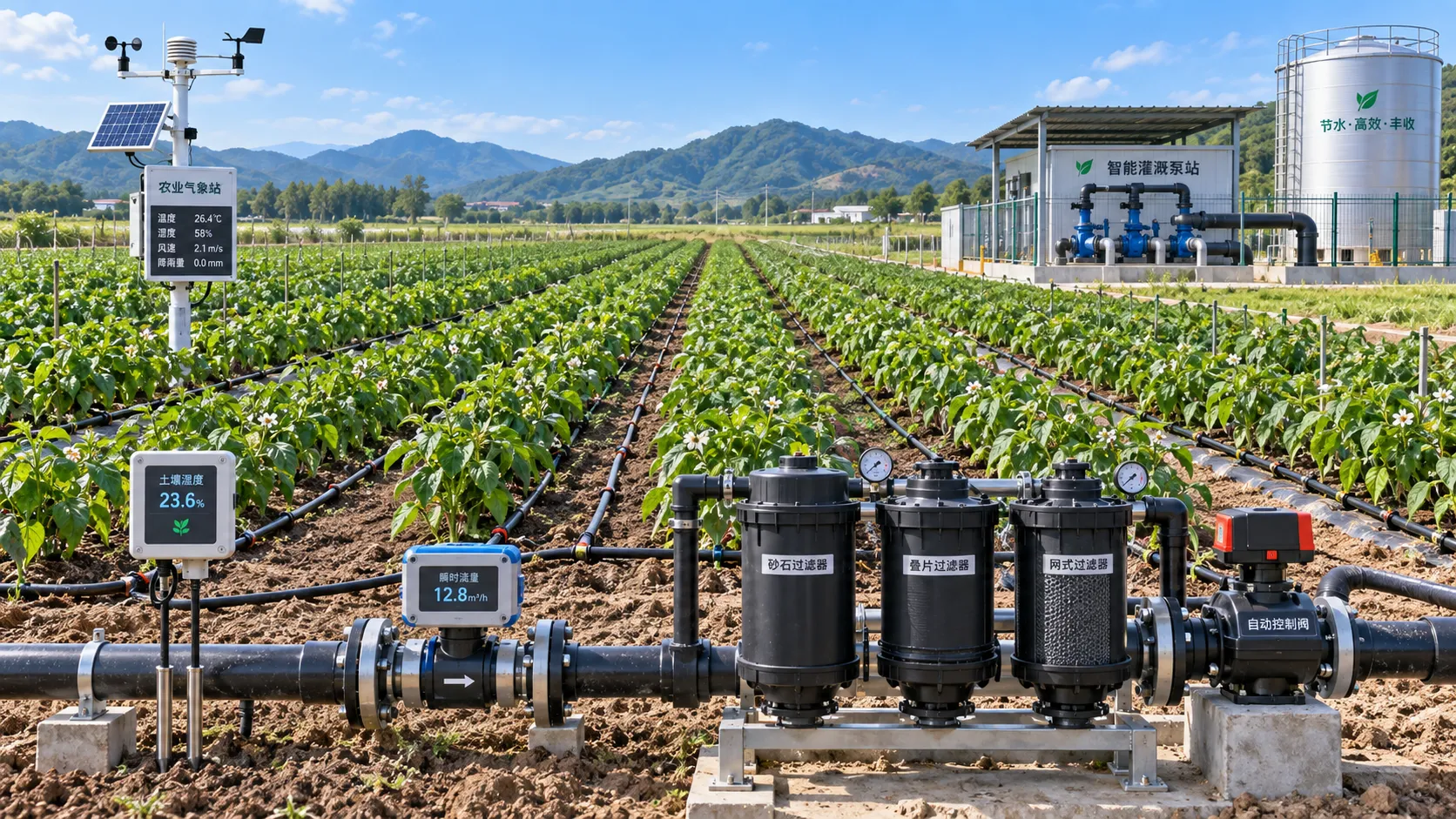
Automated Water-Saving Irrigation: How to Cut Water Use Without Reducing Crop Yields
Automated water-saving irrigation helps farms cut water use, protect crop yields, improve scheduling, and gain reliable control with sensors, flow monitoring, and smart zones.
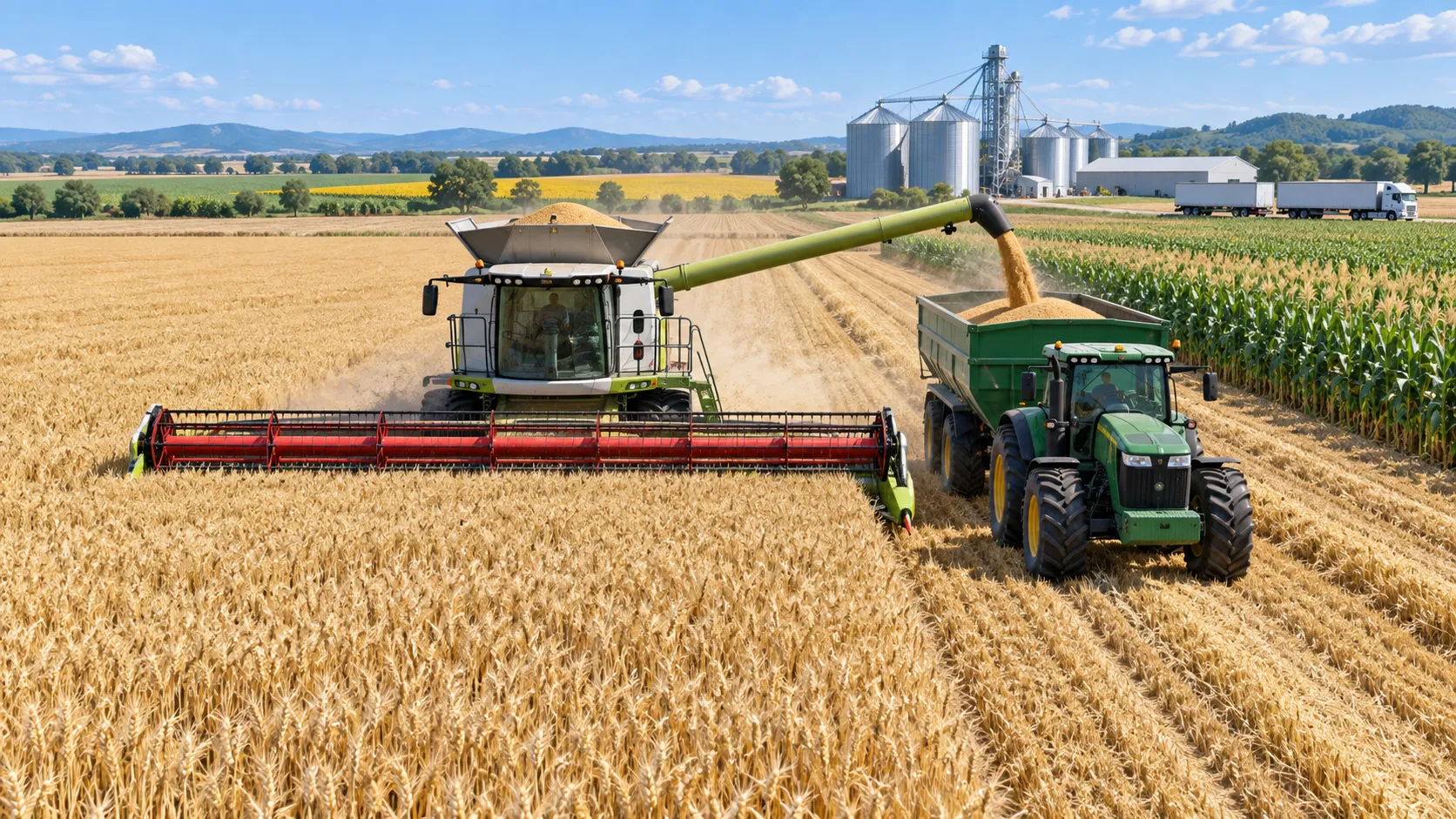
Selecting Grain Farm Equipment by Acreage, Crop Mix, and Harvest Window
Agricultural equipment selection for grain farming: match machinery to acreage, crop mix, and harvest windows to improve uptime, efficiency, and returns.
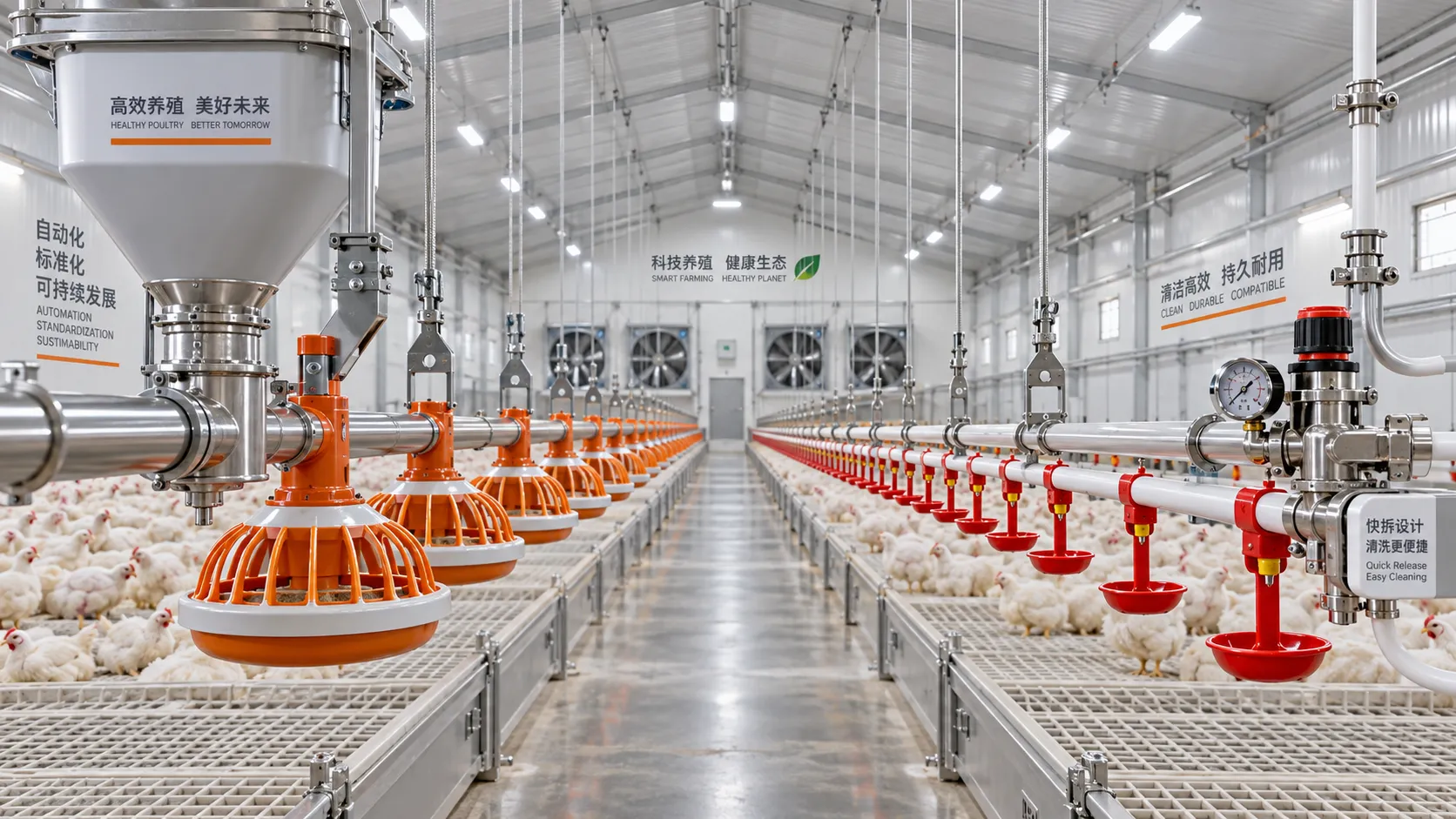
Poultry Equipment Selection: Evaluating Durability, Cleaning, and Compatibility
Poultry equipments selection guide: evaluate durability, cleaning access, and system compatibility to improve hygiene, reduce downtime, and support efficient flock management.
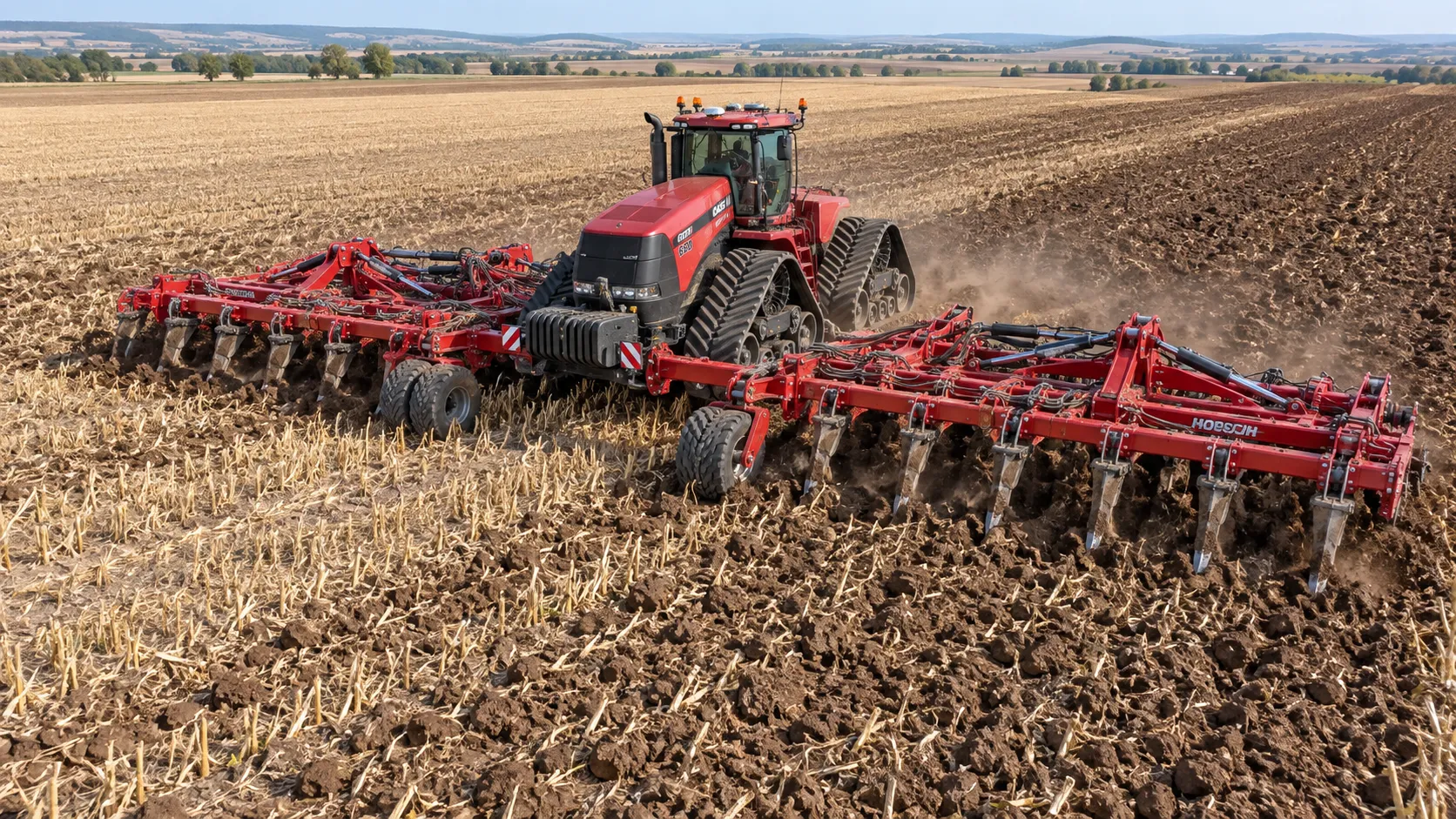
How to Select Heavy-Duty Farm Implements for High-Acreage, High-Horsepower Operations
Heavy duty farm implements: learn how to match draft, hydraulics, hitch capacity, frame strength, and field conditions for reliable high-acreage performance.
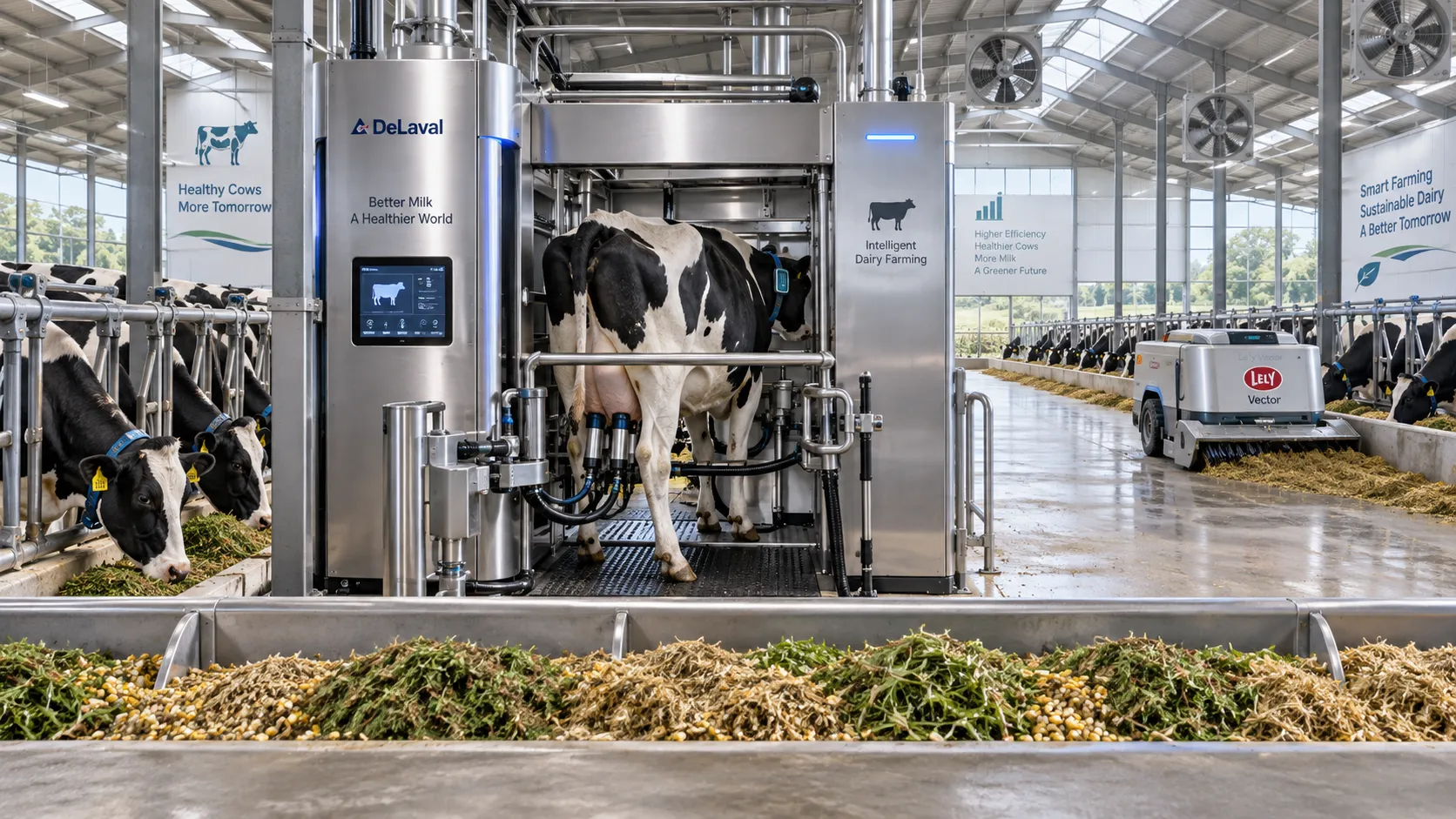
Smart Farming Technology for Dairy Farms: Where Automation Delivers Measurable ROI
Smart farming technology for dairy farms delivers measurable ROI through automation, precision feeding, health monitoring, and data-driven cost control.
Related News
- 00
0000-00
Food Security Risks in Modern Supply Chains: What Businesses Should Track First - 00
0000-00
Farm Machinery Innovations Worth Tracking in 2025: ROI, Adoption Barriers, and Use Cases - 00
0000-00
What agricultural environmental policies mean for compliance - 00
0000-00
Why hybrid farm machinery is gaining serious traction - 00
0000-00
Japan's April CPI Up 1.4%: Pricing Strategy Adjustment Urged for Farm Machinery Exports
Popular Tags
Dr. Alistair Vaughn
Weekly Insights
Stay ahead with our curated technology reports delivered every Monday.