
How Global Sustainability Demands Are Reshaping Farm Tech
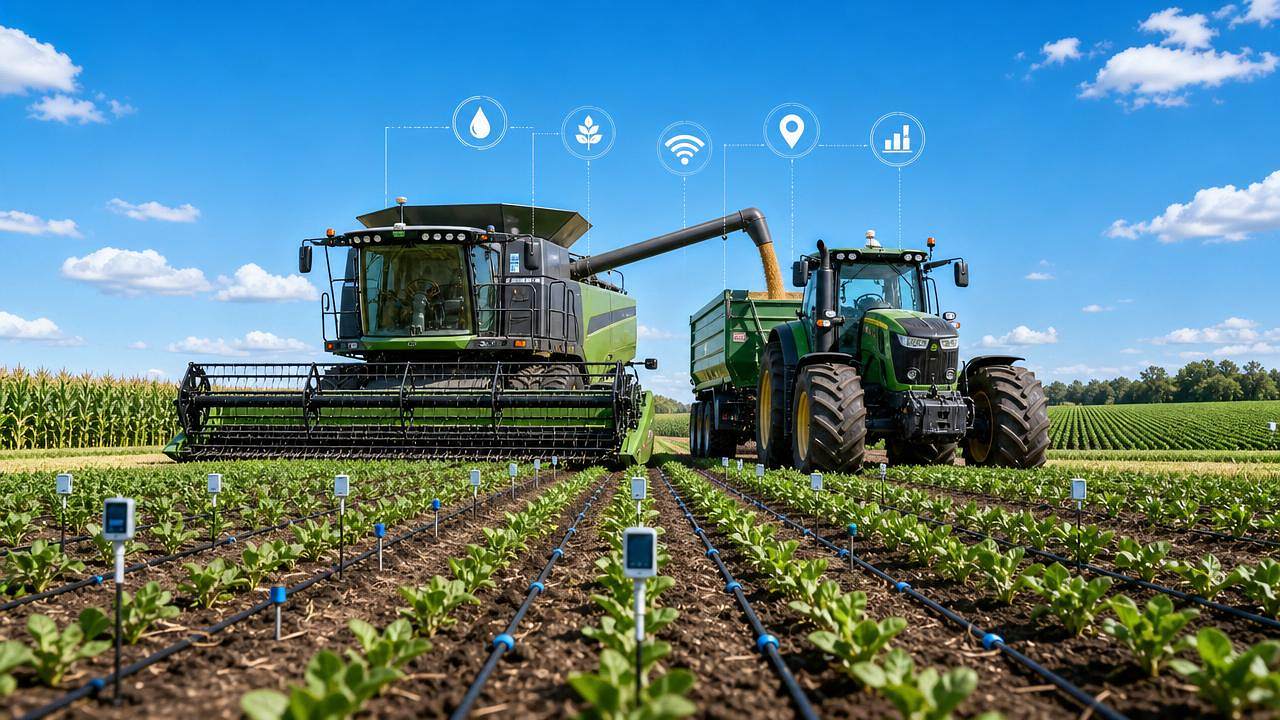




Global sustainability demands are no longer a side consideration in farm equipment decisions—they are redefining investment priorities, technology standards, and long-term competitiveness. For business evaluators, understanding how these pressures reshape combine harvesters, tractor systems, intelligent tools, and water-saving irrigation is essential to identifying resilient opportunities. This article explores how farm tech is evolving at the intersection of performance, precision, and sustainability.
Why scenario differences now matter more than broad technology claims
For business assessment teams, the biggest mistake is treating sustainability as a universal checklist rather than a scenario-driven decision variable. Global sustainability demands affect a grain farm in a drought-prone region differently from a contractor managing multi-crop harvesting routes, or a distributor comparing irrigation portfolios across export markets. The same machine can look efficient on paper yet underperform when fuel volatility, water restrictions, emissions standards, labor shortages, and reporting obligations all intersect.
This is why farm tech evaluation has shifted from asking, “Is this machine advanced?” to asking, “In which operating scenario does this solution produce lower resource intensity, better compliance readiness, and stronger lifecycle returns?” For platforms like AP-Strategy, which track large-scale agri-machinery, combine harvesting technology, tractor chassis innovation, intelligent farm tools, and water-saving irrigation systems, the key is not only identifying innovation but matching that innovation to use conditions.
In practical terms, global sustainability demands now shape purchasing criteria in four ways: they influence what regulators allow, what buyers prefer, what operating environments require, and what long-cycle capital planning can justify. That makes scenario comparison essential for any evaluator responsible for risk, ROI, market fit, or strategic procurement.
Where global sustainability demands are showing up in real farm technology decisions
The pressure is not abstract. It appears in actual field decisions, dealer negotiations, financing reviews, and technology deployment plans. Below is a practical view of how different business scenarios are being reshaped.
Scenario 1: Large-scale mechanized farming needs sustainability at throughput level
In broadacre operations, global sustainability demands rarely replace the need for power and speed; instead, they redefine what “productive” means. A tractor chassis is no longer judged only by horsepower. Evaluators now examine transmission efficiency, hydraulic responsiveness, compaction impact, fuel burn per hectare, and compatibility with precision implements. The best-fit solution is often the one that maintains high throughput while reducing hidden losses from overlap, idle time, and excessive soil disturbance.
For combine harvesters, this scenario places strong emphasis on low-loss harvesting under variable crop moisture, density, and terrain conditions. Sustainability here is practical: grain saved is resource saved. Advanced cleaning systems, onboard loss monitoring, adaptive threshing control, and route-connected telematics help operators reduce waste while sustaining output windows. Business evaluators should not isolate the harvester from the rest of the operation. Its sustainability value improves when integrated with fleet coordination, field mapping, and post-harvest logistics.
This scenario suits equipment platforms that can document field-level efficiency gains over multiple seasons. If the supplier cannot show measurable reductions in fuel intensity, downtime, or input waste, the sustainability claim may be too marketing-driven for serious capital review.
What to verify in this scenario
- Fuel consumption under actual load, not ideal test conditions
- Compatibility with GPS guidance, section control, and variable-rate tools
- Evidence of reduced harvest losses in mixed field conditions
- Maintenance intervals and parts support for peak-season uptime
Scenario 2: Water-stressed regions prioritize intelligent irrigation over raw machine scale
In regions affected by groundwater depletion, rainfall uncertainty, or tighter water governance, global sustainability demands turn irrigation from a support system into a strategic asset class. The central question becomes whether the technology can turn limited water into predictable crop outcomes without driving energy and maintenance costs too high.
This is where intelligent irrigation systems become especially relevant. Soil moisture sensing, evapotranspiration modeling, automated valve control, and leak detection help transform irrigation scheduling from routine habit into data-led resource management. For evaluators, the strongest solutions are not always the most complex. In many scenarios, a moderately sophisticated system with stable sensor reliability, local service support, and operator-friendly dashboards delivers better value than a feature-heavy network that is hard to maintain.
Water-saving irrigation also connects directly to wider business metrics. It can improve climate resilience, reduce pumping costs, support environmental compliance, and strengthen access to markets where sustainability reporting matters. AP-Strategy’s focus on hydrological strategy is highly relevant here because irrigation value should be judged not only by hardware quality, but by decision intelligence, water recycling potential, and adaptation under seasonal stress.
Best-fit use cases for this scenario
The strongest fit includes high-value crop zones, regions with strict allocation rules, and operations where field variability makes uniform irrigation economically wasteful. Caution is needed when connectivity is weak, technicians are scarce, or local teams are not yet ready to act on sensor feedback consistently.
Scenario 3: Contracting and multi-field operations need adaptive efficiency, not single-field optimization
Contractors and fleet operators face a different reality. They move across farms, crop types, soil conditions, and client expectations. Here, global sustainability demands influence competitiveness through responsiveness. A contractor that can demonstrate lower harvesting loss, optimized travel routes, better fuel management, and documented machine utilization will often win more trust than one offering only larger equipment.
For combine harvesting technology, flexibility is critical. Automated setting adjustments, crop-recognition features, remote diagnostics, and cleaning-loss feedback systems help maintain performance without requiring excessive operator trial and error. The sustainability value lies in preserving grain quality and reducing waste under changing conditions. Similarly, tractors in contractor fleets need durable chassis platforms, efficient drivetrains, and hydraulic systems that support multiple attachments without constant reconfiguration losses.
This scenario is highly attractive for technologies that shorten setup time, improve fleet visibility, and standardize performance across operators. Evaluators should ask whether the platform can deliver benefits at scale across diverse jobs, not just in controlled demonstrations.
Scenario 4: Distributors and strategic buyers must align products with policy-driven demand
For distributors, importers, and business evaluators reviewing market entry opportunities, global sustainability demands are reshaping which product categories will remain commercially attractive over the next five to ten years. The issue is not only technical capability but policy compatibility. Equipment that performs well today may face limited growth if it cannot adapt to emissions rules, water-use reporting, electrification trends, or digital traceability expectations.
This scenario requires portfolio thinking. Large-scale machinery may remain essential, but demand is increasingly stronger for solutions that combine mechanical reliability with data capability. Intelligent farm tools that support precision fertilization, section control, and sensor-guided application are becoming more relevant because they help farms cut waste at source. In many markets, the strongest growth may come from equipment that reduces inputs rather than simply increasing engine size.
A distributor assessing opportunities through the AP-Strategy lens should compare not just present sales volumes, but strategic fit with food security priorities, climate adaptation programs, and resource-efficiency investment cycles.
How demand priorities differ by scenario
Common misjudgments when evaluating sustainability-led farm tech
One common mistake is overvaluing headline innovation while undervaluing operational fit. A highly advanced autonomous feature may add little if the farm lacks data discipline or if service access is weak. Another frequent error is focusing on acquisition price while ignoring resource-intensity savings over the machine lifecycle. In an era shaped by global sustainability demands, lower input use, lower losses, and better compliance readiness often create the real economic upside.
A third misjudgment is treating sustainability as separate from performance. In modern farm tech, they increasingly reinforce each other. Precision guidance reduces overlap. Better threshing control reduces grain loss. Smarter irrigation reduces both water waste and crop stress. Efficient tractor hydraulics improve implement response while lowering unnecessary energy draw. Evaluators who isolate sustainability from productivity risk missing the technologies with the strongest long-term business case.
A practical evaluation framework for business assessors
When reviewing opportunities influenced by global sustainability demands, a useful framework is to score each solution across five questions. First, which operating scenario is it truly optimized for? Second, what measurable resource-saving mechanism does it offer? Third, how dependent is value creation on data quality, operator skill, or local support? Fourth, does it align with expected regulatory or market changes? Fifth, can the supplier provide evidence from comparable use environments?
This framework helps separate strategic solutions from generic claims. It also aligns well with AP-Strategy’s intelligence-driven view of Agriculture 4.0, where mechanical strength, algorithmic precision, and sustainability pressures must be assessed together rather than in isolation.
Conclusion: match the technology to the sustainability scenario
The core lesson is clear: global sustainability demands are not creating one uniform farm technology market. They are creating multiple decision environments with different priorities, constraints, and success metrics. Large farms need throughput with lower resource intensity. Water-stressed regions need intelligent irrigation discipline. Contractors need adaptive efficiency across variable jobs. Distributors need portfolios aligned with future policy and buyer expectations.
For business evaluators, the smartest next step is not to ask which technology is most advanced in general, but which solution best fits the real operating scenario, compliance trajectory, and commercial horizon under review. That is where resilient opportunity becomes visible. And that is where intelligence platforms such as AP-Strategy can add the most value: turning fragmented signals across machinery, harvesting, chassis systems, smart tools, and irrigation into clearer strategic judgment.
Related News
When Does Agricultural Machinery Leasing Cost Less Than Owning Equipment?
Agricultural machinery leasing can lower farm costs when use is seasonal or uncertain. Compare utilization, maintenance, cash flow, and risk to make a smarter equipment decision.
How to Evaluate Precision Fertilization System Suppliers for Farm-Scale Deployment
Precision fertilization systems suppliers: learn how to compare accuracy, integration, uptime, service, and total cost for confident farm-scale deployment.
ISOBUS for Smart Agriculture: How It Connects Tractors, Implements, and Farm Data
ISOBUS for smart agriculture connects tractors, implements, terminals, and farm data—helping growers improve precision, documentation, and smarter field decisions.
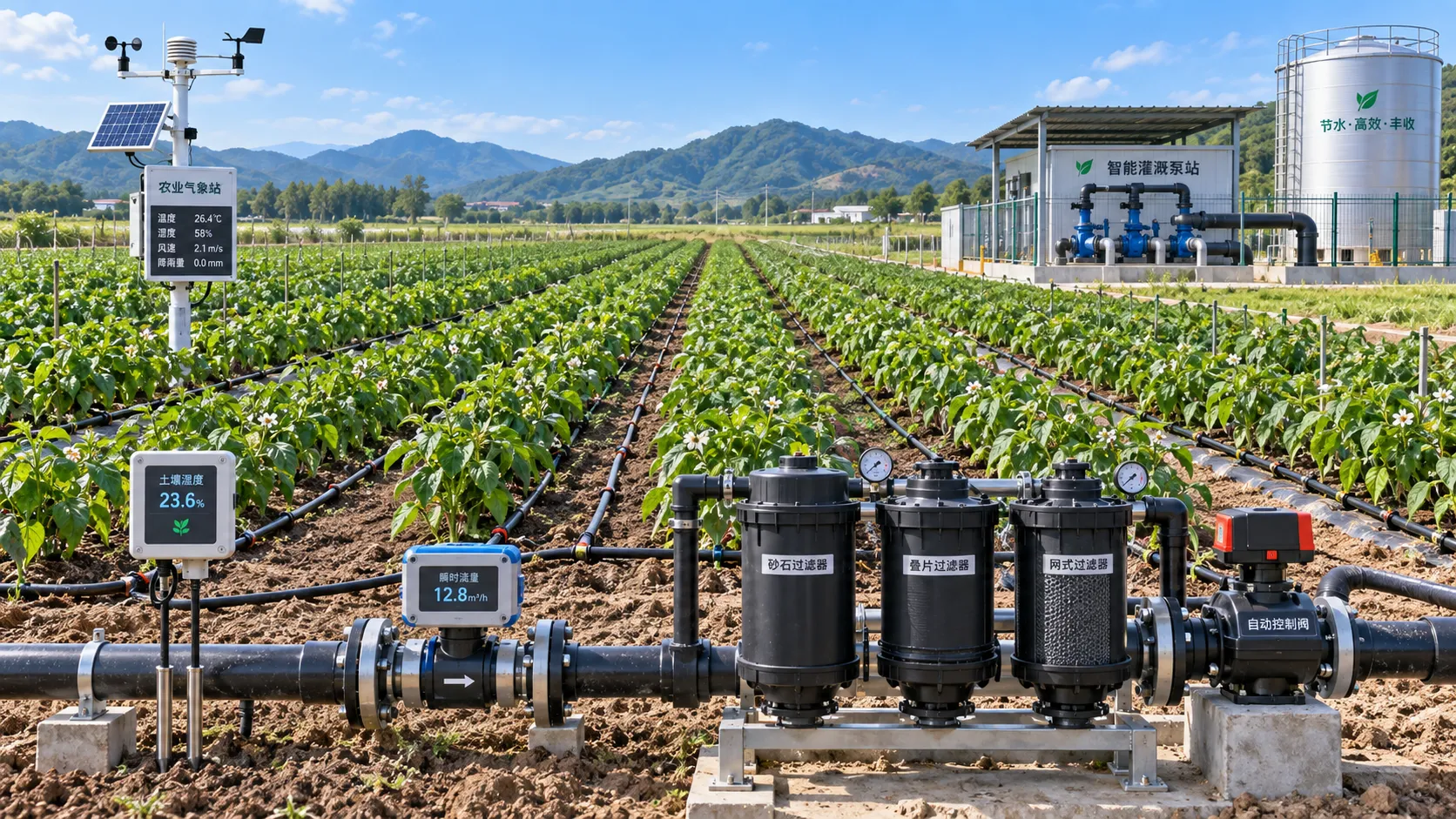
Automated Water-Saving Irrigation: How to Cut Water Use Without Reducing Crop Yields
Automated water-saving irrigation helps farms cut water use, protect crop yields, improve scheduling, and gain reliable control with sensors, flow monitoring, and smart zones.
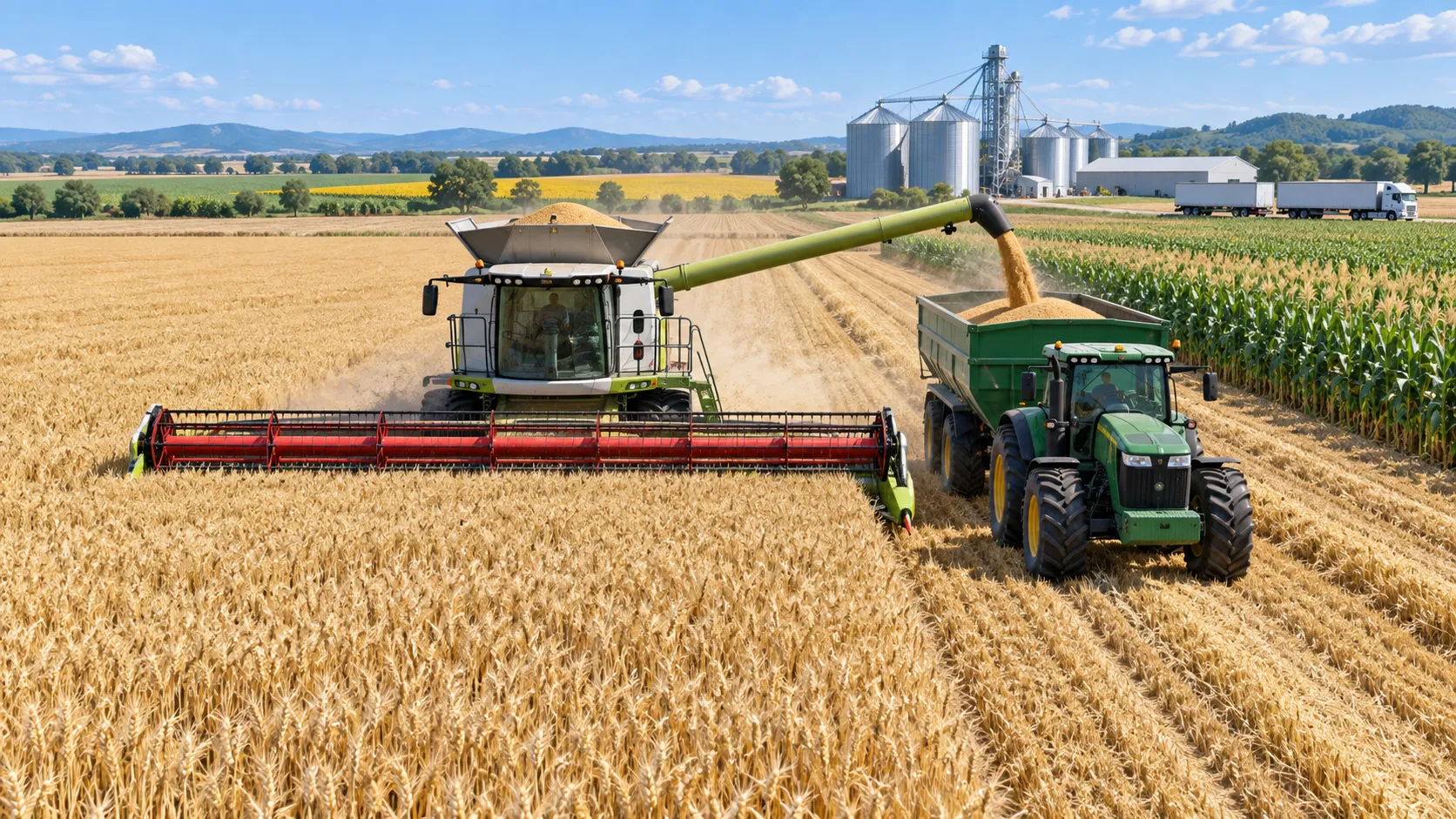
Selecting Grain Farm Equipment by Acreage, Crop Mix, and Harvest Window
Agricultural equipment selection for grain farming: match machinery to acreage, crop mix, and harvest windows to improve uptime, efficiency, and returns.
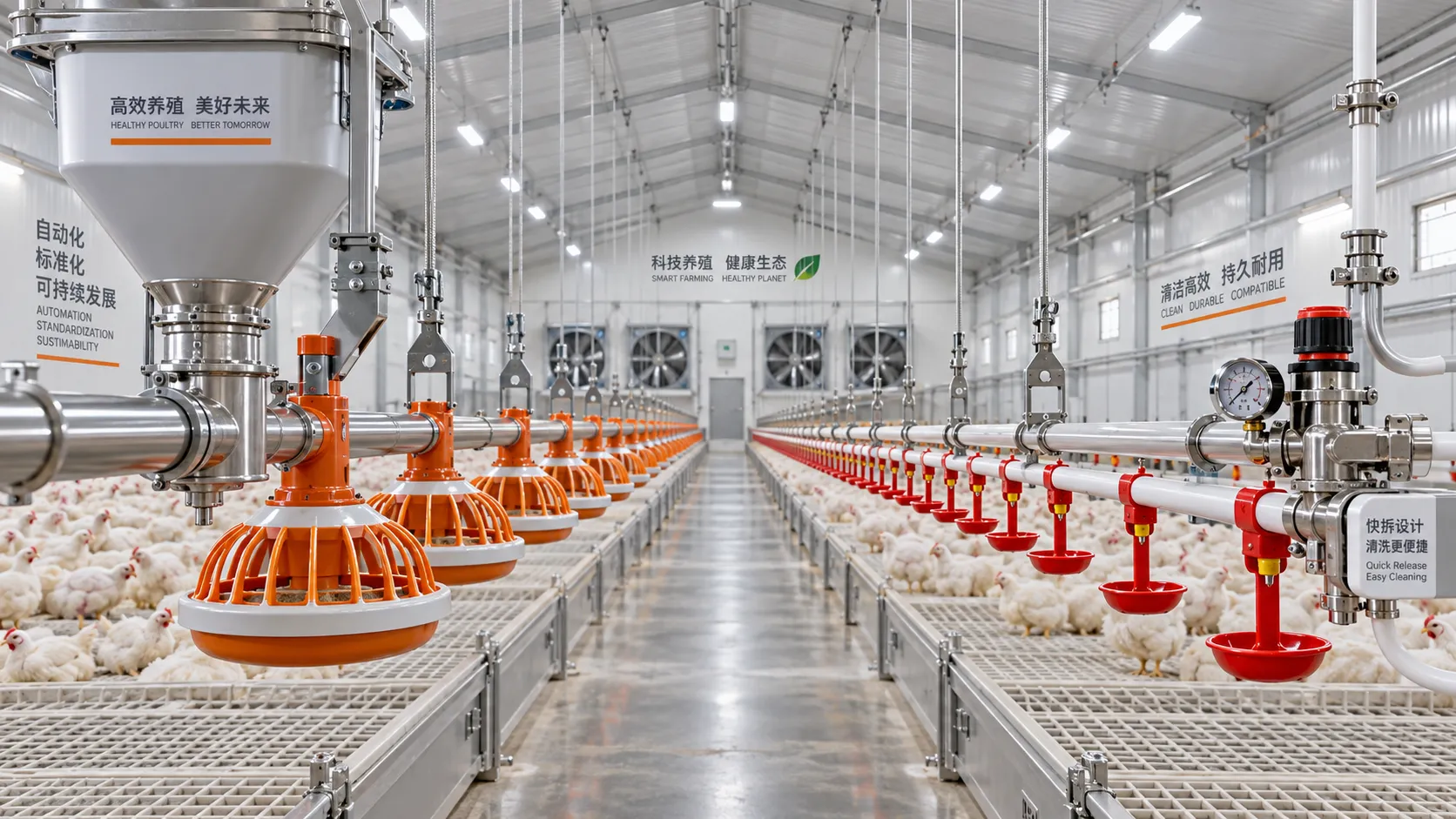
Poultry Equipment Selection: Evaluating Durability, Cleaning, and Compatibility
Poultry equipments selection guide: evaluate durability, cleaning access, and system compatibility to improve hygiene, reduce downtime, and support efficient flock management.
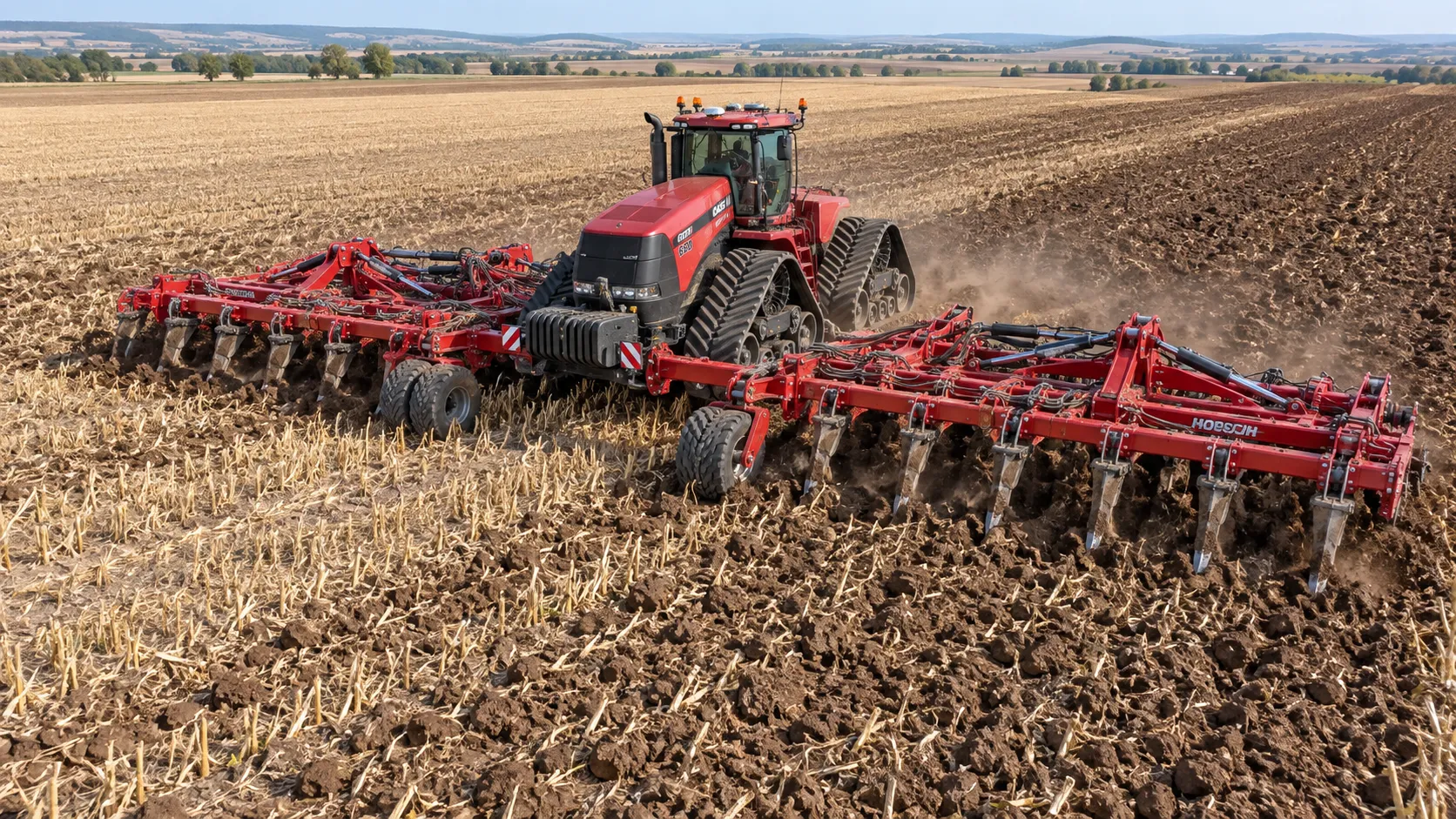
How to Select Heavy-Duty Farm Implements for High-Acreage, High-Horsepower Operations
Heavy duty farm implements: learn how to match draft, hydraulics, hitch capacity, frame strength, and field conditions for reliable high-acreage performance.
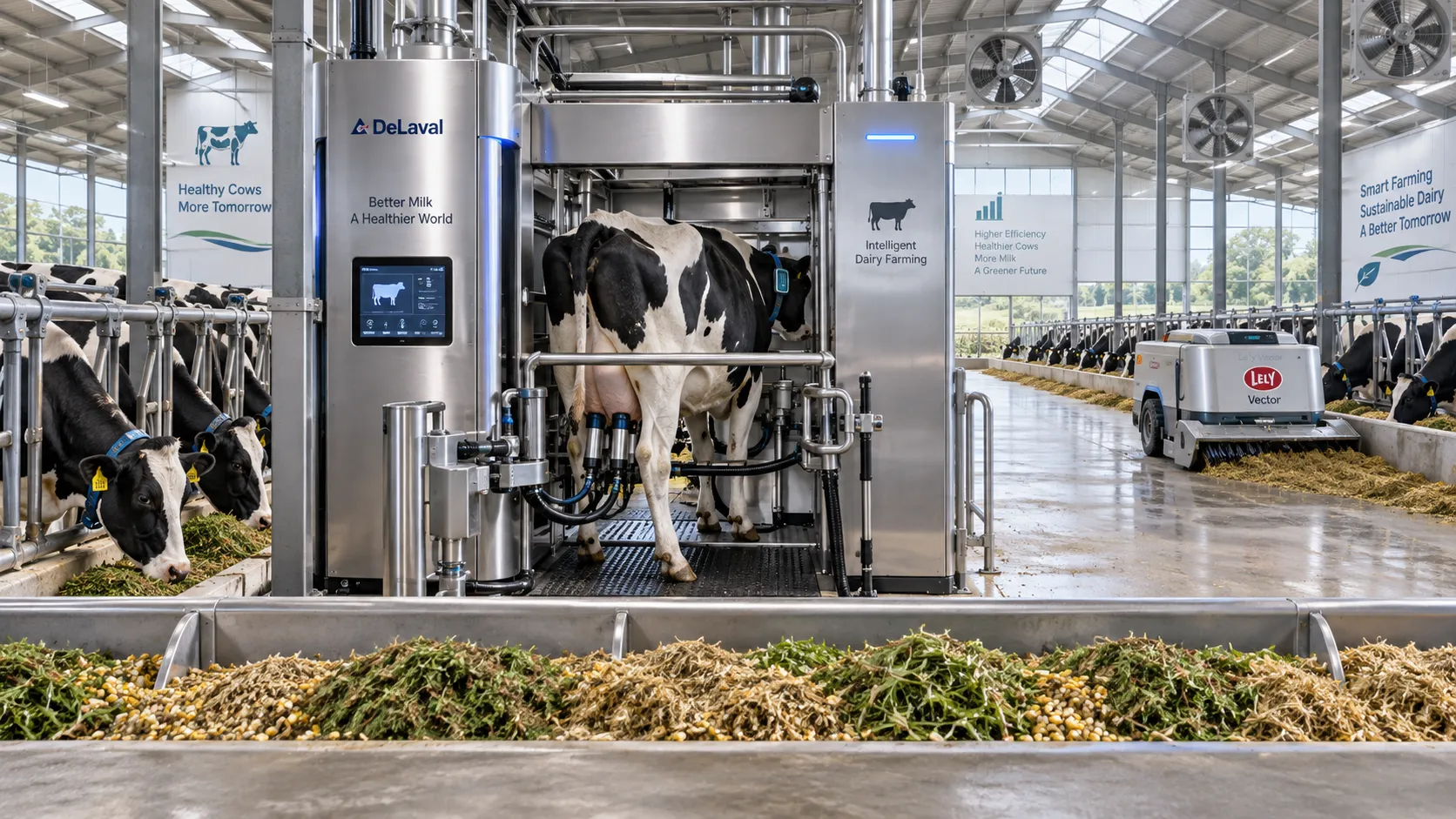
Smart Farming Technology for Dairy Farms: Where Automation Delivers Measurable ROI
Smart farming technology for dairy farms delivers measurable ROI through automation, precision feeding, health monitoring, and data-driven cost control.
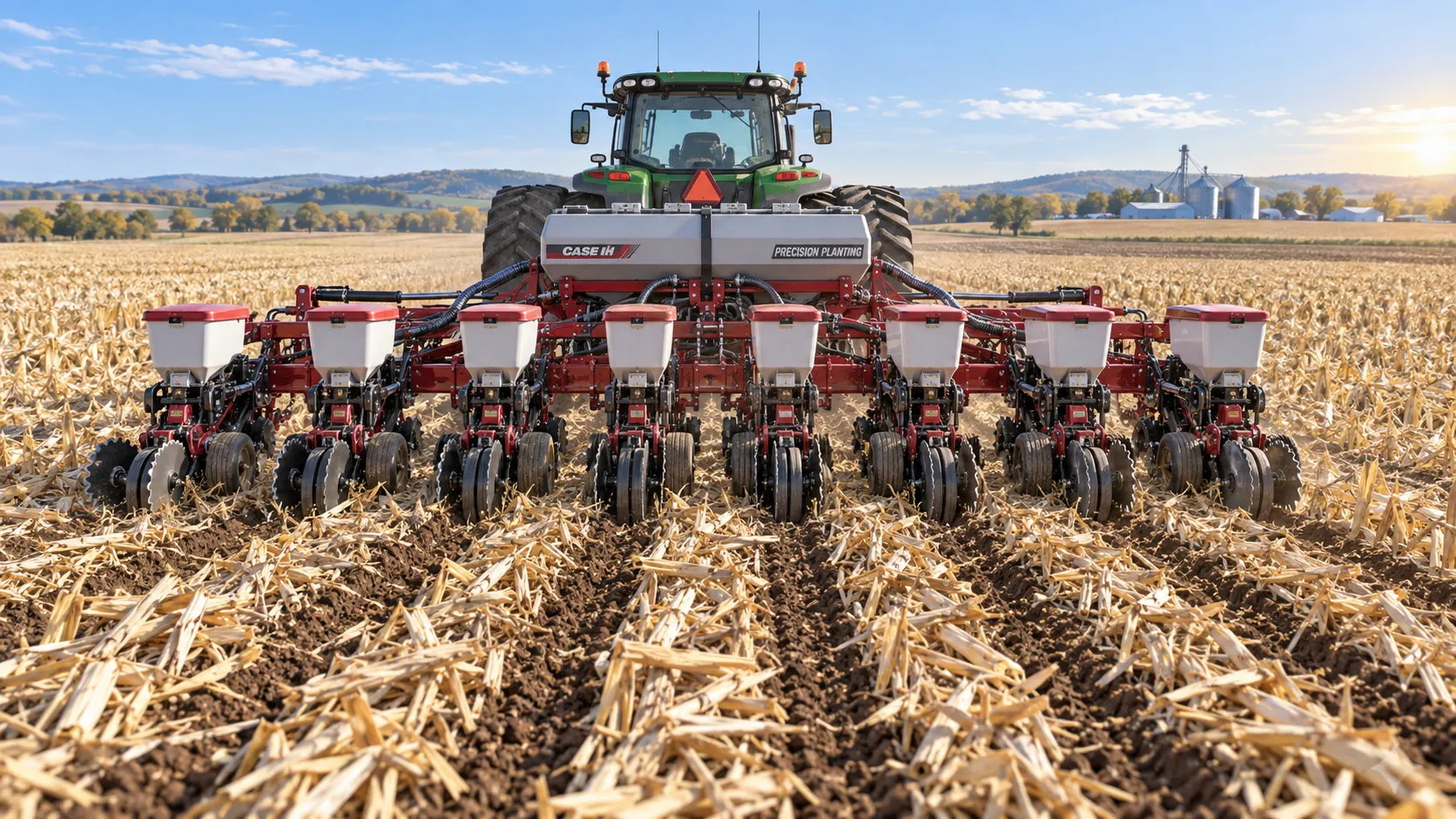
How to Select a Heavy-Duty Seeder for Large Acreage and High-Residue Fields
Heavy duty seeders for large acreage: compare residue handling, depth control, downforce, metering accuracy, and precision features to select the right model.
Related News
- 00
0000-00
Food Security Risks in Modern Supply Chains: What Businesses Should Track First - 00
0000-00
Farm Machinery Innovations Worth Tracking in 2025: ROI, Adoption Barriers, and Use Cases - 00
0000-00
What agricultural environmental policies mean for compliance - 00
0000-00
Why hybrid farm machinery is gaining serious traction - 00
0000-00
Japan's April CPI Up 1.4%: Pricing Strategy Adjustment Urged for Farm Machinery Exports
Popular Tags
Dr. Alistair Vaughn
Weekly Insights
Stay ahead with our curated technology reports delivered every Monday.