
Food Security Pressure Is Reshaping Input and Equipment Demand
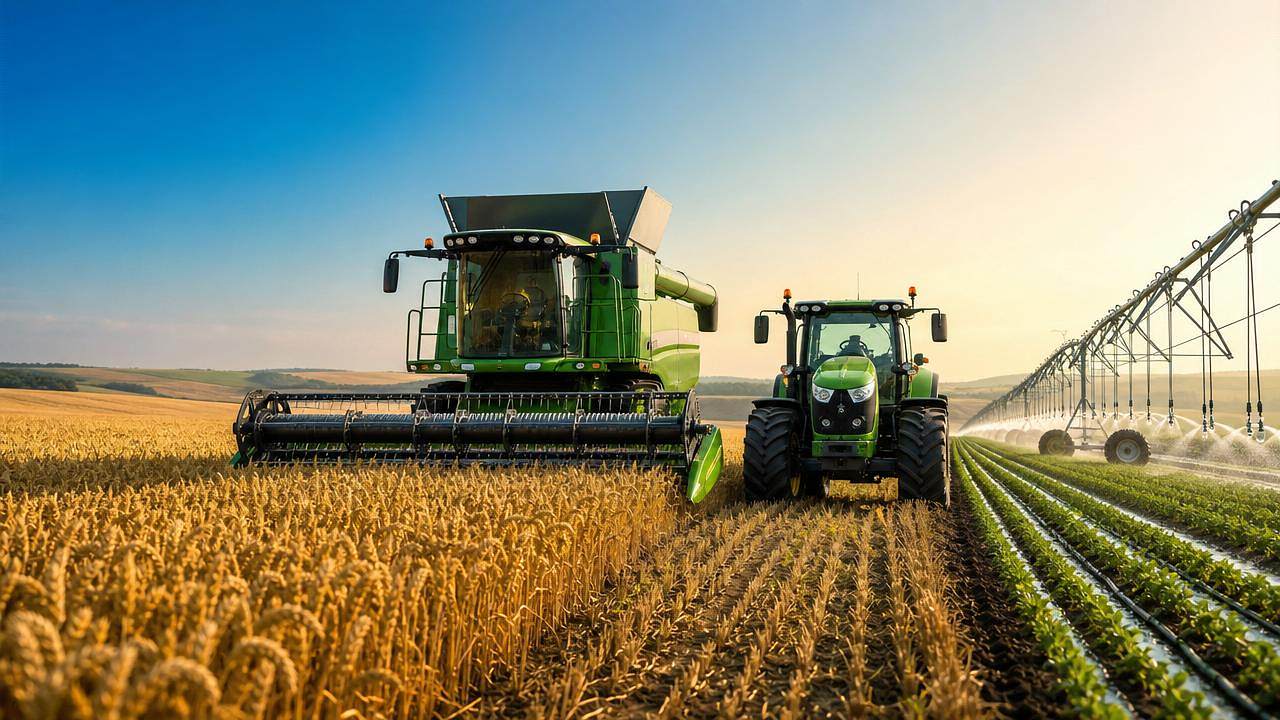




Food security is no longer just a policy issue—it is rapidly reshaping global demand for farm inputs, mechanized equipment, and precision irrigation systems. For distributors, agents, and channel partners, understanding how supply risks, yield pressure, and sustainability targets influence purchasing decisions is essential to capturing the next wave of agricultural investment and market opportunity.
Why a checklist approach matters now
For channel partners, food security is not a single trend to watch from a distance. It is a practical demand driver that changes what growers buy, when they buy, how they finance equipment, and which technologies they prioritize first. In periods of yield volatility, export restrictions, climate stress, and input inflation, distributors cannot rely only on historical sales patterns. A checklist-based method helps identify which signals are urgent, which product lines are likely to accelerate, and where inventory or service strategy needs adjustment.
This matters especially in large-scale agriculture, where machinery utilization rates, irrigation reliability, fuel efficiency, crop timing, and labor shortages all feed into the broader food security equation. AP-Strategy follows these shifts across combine harvesting technology, tractor chassis performance, intelligent farm tools, and water-saving irrigation systems because each category is becoming more tightly linked to national and commercial resilience.
First checks: the five signals distributors should confirm before planning demand
Before expanding stock, renegotiating supply terms, or changing channel priorities, start with these core checks. They provide a fast way to judge whether local demand is being pushed by short-term disruption or by a durable food security transition.
- Crop pressure and yield risk: Confirm whether local growers are facing declining yields, irregular rainfall, soil stress, pest pressure, or delayed harvest windows. These factors often trigger investment in higher-efficiency harvesters, precision tools, and irrigation upgrades.
- Input cost volatility: Track fertilizer, seed, fuel, and water costs. When inputs become expensive, demand often shifts toward precision application systems, guidance-enabled implements, and machines that reduce field losses.
- Labor availability: Food security concerns are intensified when farms cannot secure operators or seasonal workers. This usually increases interest in automation-ready tractors, high-capacity combines, and smarter control systems.
- Policy and financing support: Check subsidy programs, irrigation incentives, mechanization grants, import rules, and sustainability-linked financing. Many purchases are now justified through food security and climate adaptation frameworks.
- Post-harvest and water constraints: If local bottlenecks include harvest losses, weak water delivery, or inconsistent pumping performance, then equipment demand may concentrate in very specific product categories rather than across the full machinery portfolio.
When three or more of these signals appear at the same time, food security usually stops being an abstract discussion and becomes a real sales driver across inputs and equipment.
Core demand checklist: which categories are gaining from food security pressure
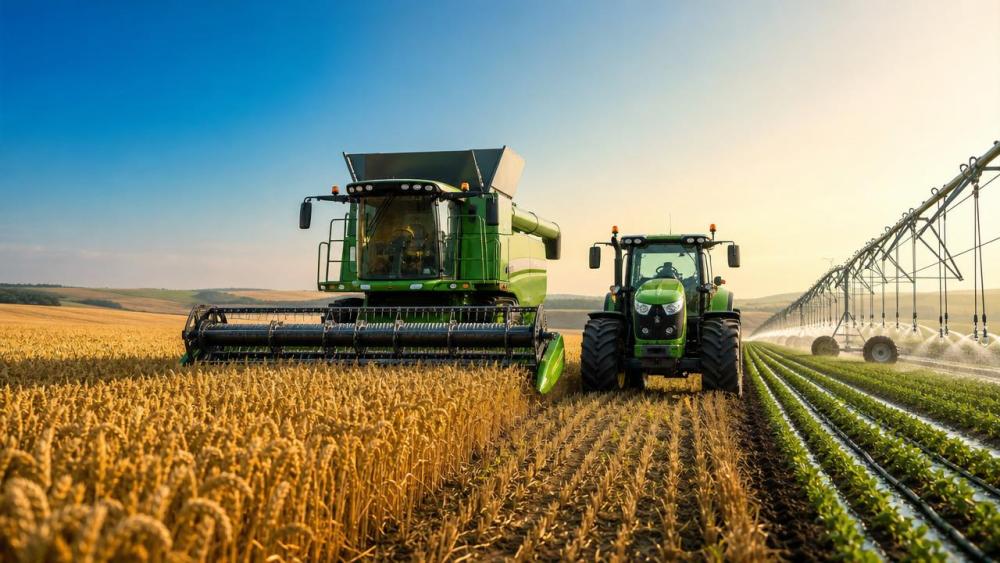
Distributors should not treat all agricultural products equally. Food security pressure tends to strengthen demand in categories that improve output reliability, reduce losses, and support faster field decisions. The checklist below helps identify where demand is becoming structurally stronger.
1. Large-scale agri-machinery
- Check whether growers need to cover more hectares with fewer labor hours.
- Prioritize machines with lower downtime, stronger parts support, and fuel-efficient performance.
- Evaluate whether customers are shifting from basic horsepower comparisons to total seasonal productivity.
2. Combine harvesters
- Confirm if harvest windows are narrowing due to climate irregularity.
- Look for demand tied to lower grain loss, faster throughput, and adaptability to uneven crop conditions.
- Position advanced cleaning systems, sensing modules, and operator-assist functions as food security tools, not luxury add-ons.
3. Tractor chassis and power systems
- Check transmission durability, hydraulic responsiveness, and compatibility with precision implements.
- Food security pressure often increases the value of versatile platforms that can support tillage, seeding, spraying, and transport across changing field conditions.
- Promote lifecycle reliability and uptime guarantees, especially in regions with limited service windows.
4. Intelligent farm tools
- Verify whether growers want section control, satellite positioning, variable-rate application, or sensor-based field decisions.
- These products gain traction when fertilizer, chemicals, and seed costs rise, because food security is increasingly linked to input efficiency.
- Demonstrate measurable savings and field-level prescription value, not just digital features.
5. Water-saving irrigation systems
- Check local water stress, pumping costs, and irrigation scheduling gaps.
- Food security investment increasingly favors drip systems, intelligent control valves, moisture monitoring, and networked irrigation management.
- Focus on water productivity per hectare, not simply installation scale.
Fast evaluation table: how to prioritize product focus
Use the following decision guide when reviewing your current channel mix. It helps connect food security signals to practical stocking and sales priorities.
Scenario checks: what different channel players should focus on
Although food security affects the whole supply chain, the right response differs by business role.
For distributors managing multi-brand portfolios
Prioritize category balance. Review whether your portfolio is overexposed to conventional machinery while underweight in precision systems, retrofit kits, irrigation controls, or data-enabled implements. Food security-driven demand often moves first toward practical efficiency upgrades before it fully shifts into premium equipment cycles.
For regional agents in water-stressed markets
Put irrigation intelligence near the front of your offering. Farms under water pressure increasingly judge suppliers by their ability to improve uniformity, reduce pumping waste, and support scheduling decisions. In these regions, food security is strongly tied to water management credibility.
For dealers serving large mechanized farms
Emphasize uptime, service intervals, parts availability, and field capacity. Large operations rarely buy on machine price alone when food security concerns are high. They buy according to operating continuity during narrow planting and harvesting windows.
Common blind spots that weaken food security positioning
Many channel partners recognize the trend but miss the operational details that convert it into profitable demand. Watch for these frequent errors.
- Over-focusing on unit price: Buyers under food security pressure often care more about loss reduction, field speed, water savings, and seasonal reliability.
- Ignoring retrofit demand: Not every farm will replace a full machine fleet. Many will first adopt sensors, guidance modules, smart valves, or control upgrades.
- Underestimating service as a sales driver: Parts, diagnostics, and technician response time can determine whether a distributor wins the account.
- Using generic sustainability messaging: Food security discussions work better when tied to concrete farm outcomes such as lower harvest loss, more uniform irrigation, or reduced over-application.
- Missing policy timing: Incentives and procurement windows often shape demand more than broad market sentiment.
Execution guide: how to respond in the next 90 days
If food security is becoming a stronger buying trigger in your market, a short execution cycle is more useful than a long strategy deck. The following actions can be implemented quickly.
- Re-segment customers by risk profile. Group accounts by water stress, labor pressure, crop sensitivity, and mechanization level.
- Build a priority matrix. Match each customer segment to the most relevant products: harvest efficiency, tractor versatility, precision application, or irrigation optimization.
- Update sales language. Train teams to explain equipment in terms of yield protection, resource efficiency, and food security resilience.
- Audit service readiness. Review parts turnover, field technician coverage, and remote support capability.
- Monitor demand signals monthly. Watch rainfall anomalies, policy changes, commodity swings, and farm cash flow conditions.
FAQ for distributors and agents
Is food security only relevant in developing markets?
No. Food security affects mature and emerging agricultural markets alike. In advanced markets, the pressure may appear through labor shortages, environmental compliance, and precision efficiency. In developing markets, it may be more visible through irrigation gaps, mechanization needs, or post-harvest losses.
Which product category usually moves first?
That depends on the local constraint. If water is the main issue, irrigation upgrades lead. If harvest loss is rising, combines and service support become urgent. If input inflation is severe, intelligent farm tools and precision application systems often move first.
How should a distributor talk about food security without sounding too political?
Keep the conversation operational. Focus on yield stability, lower losses, uptime, input efficiency, and resilience under uncertain weather. These are business issues that directly connect food security to investment decisions.
What to prepare before your next supplier or customer conversation
To move from trend awareness to real opportunity, gather a short but high-value information pack. Include target crop types, irrigation method, average field size, labor availability, current machine fleet age, seasonal bottlenecks, service response expectations, and budget or financing constraints. Also confirm whether the buyer is aiming for full replacement, phased upgrades, or precision retrofits. These details will improve product fit and shorten the sales cycle.
For channel partners tracking food security as a market signal, the winning approach is not broad speculation. It is disciplined screening, practical positioning, and sharper alignment between local farm risk and equipment value. If you need to assess model suitability, irrigation system matching, parts support, upgrade paths, procurement timing, or cooperation structure, start by clarifying field conditions, operating goals, service requirements, and return expectations before discussing final pricing.
Related News
When Does Agricultural Machinery Leasing Cost Less Than Owning Equipment?
Agricultural machinery leasing can lower farm costs when use is seasonal or uncertain. Compare utilization, maintenance, cash flow, and risk to make a smarter equipment decision.
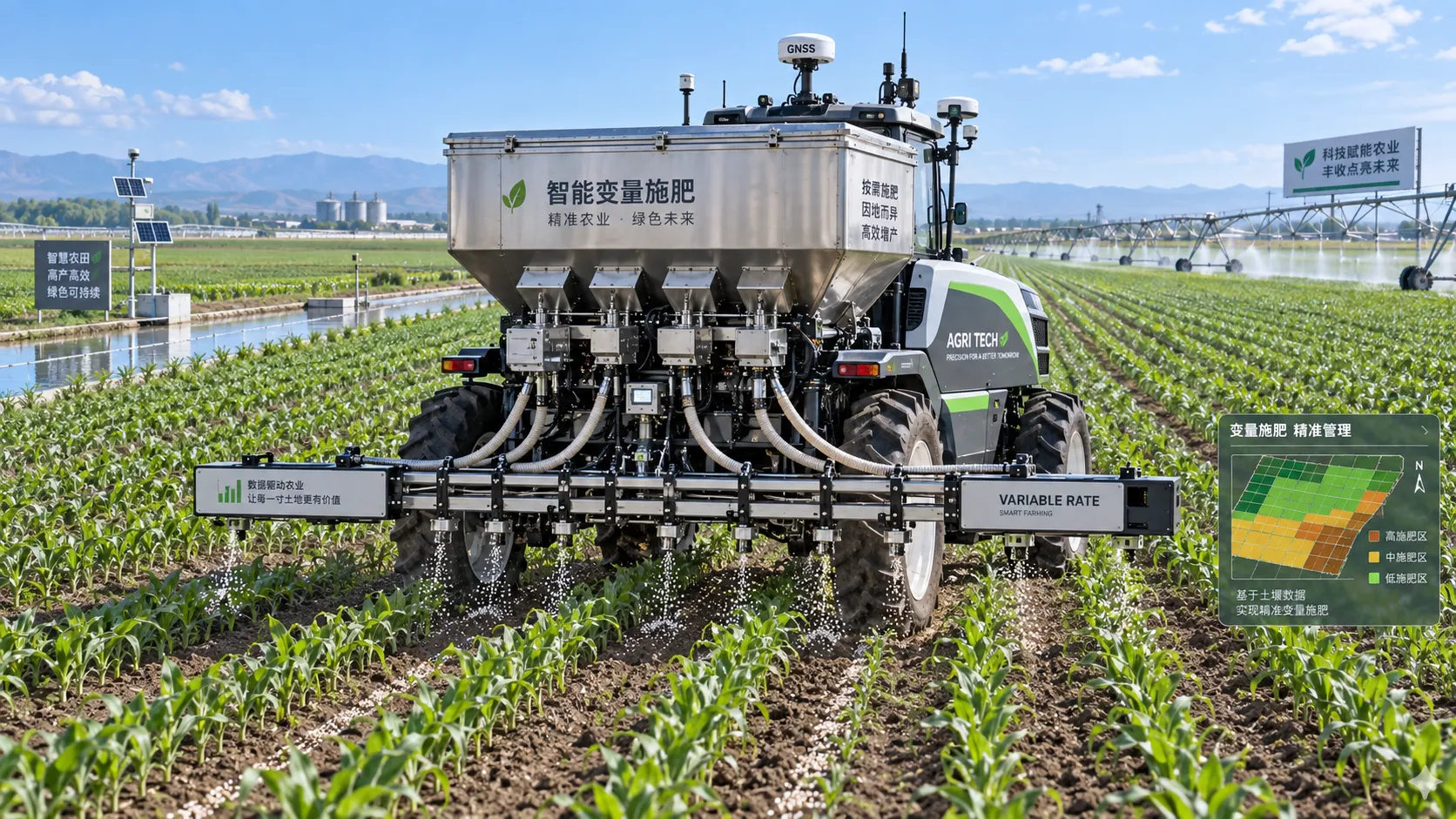
How to Evaluate Precision Fertilization System Suppliers for Farm-Scale Deployment
Precision fertilization systems suppliers: learn how to compare accuracy, integration, uptime, service, and total cost for confident farm-scale deployment.
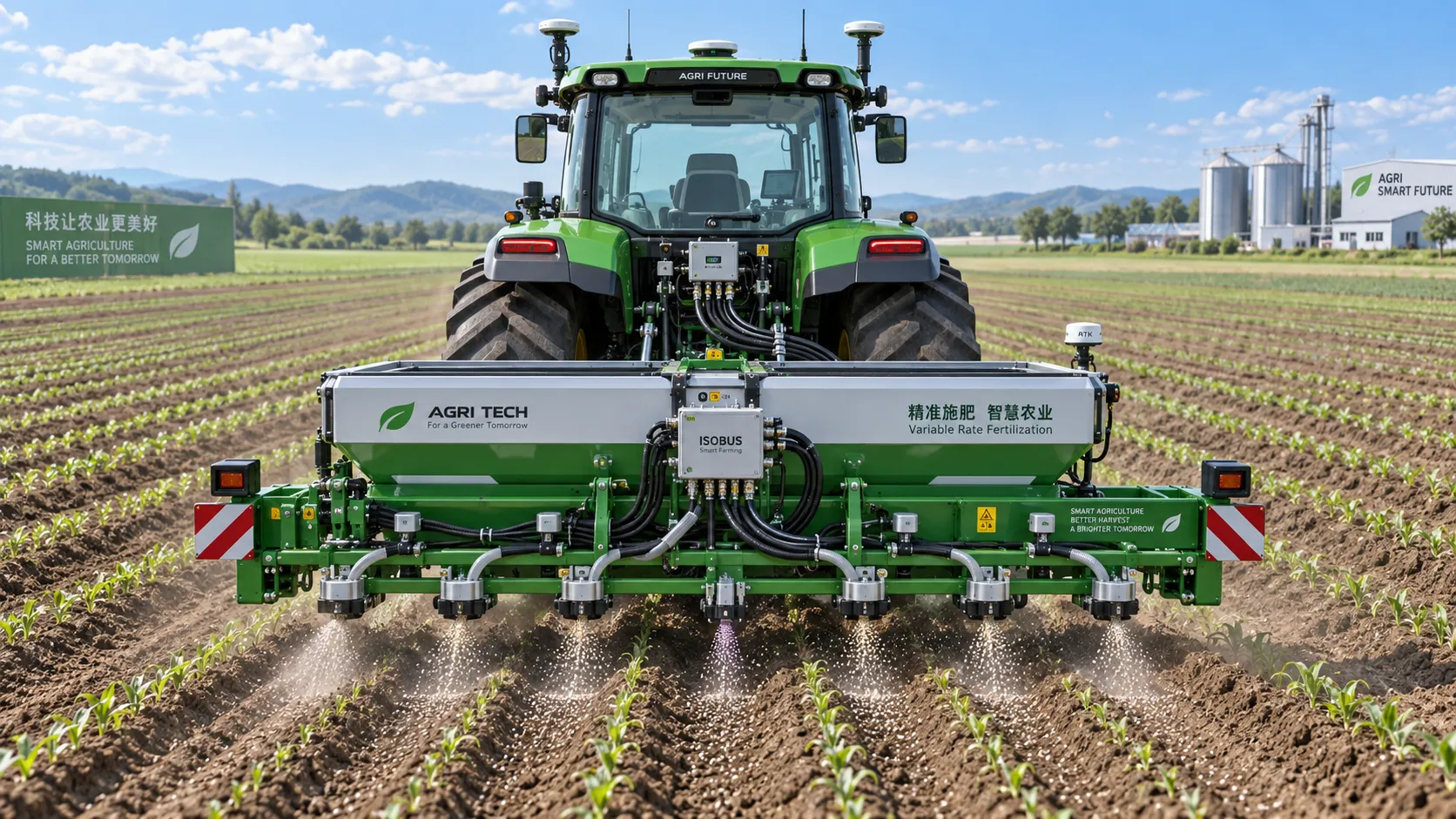
ISOBUS for Smart Agriculture: How It Connects Tractors, Implements, and Farm Data
ISOBUS for smart agriculture connects tractors, implements, terminals, and farm data—helping growers improve precision, documentation, and smarter field decisions.
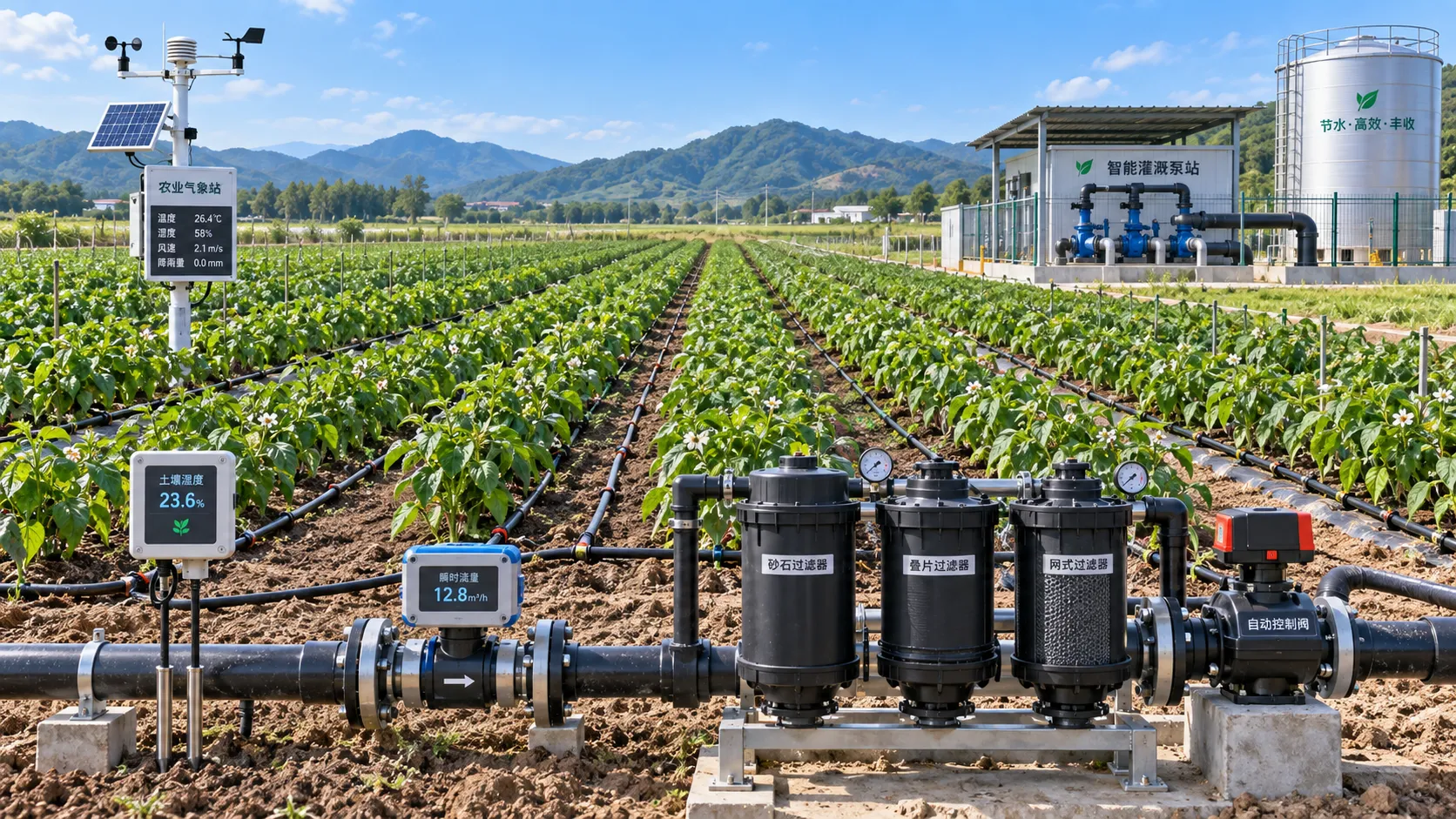
Automated Water-Saving Irrigation: How to Cut Water Use Without Reducing Crop Yields
Automated water-saving irrigation helps farms cut water use, protect crop yields, improve scheduling, and gain reliable control with sensors, flow monitoring, and smart zones.
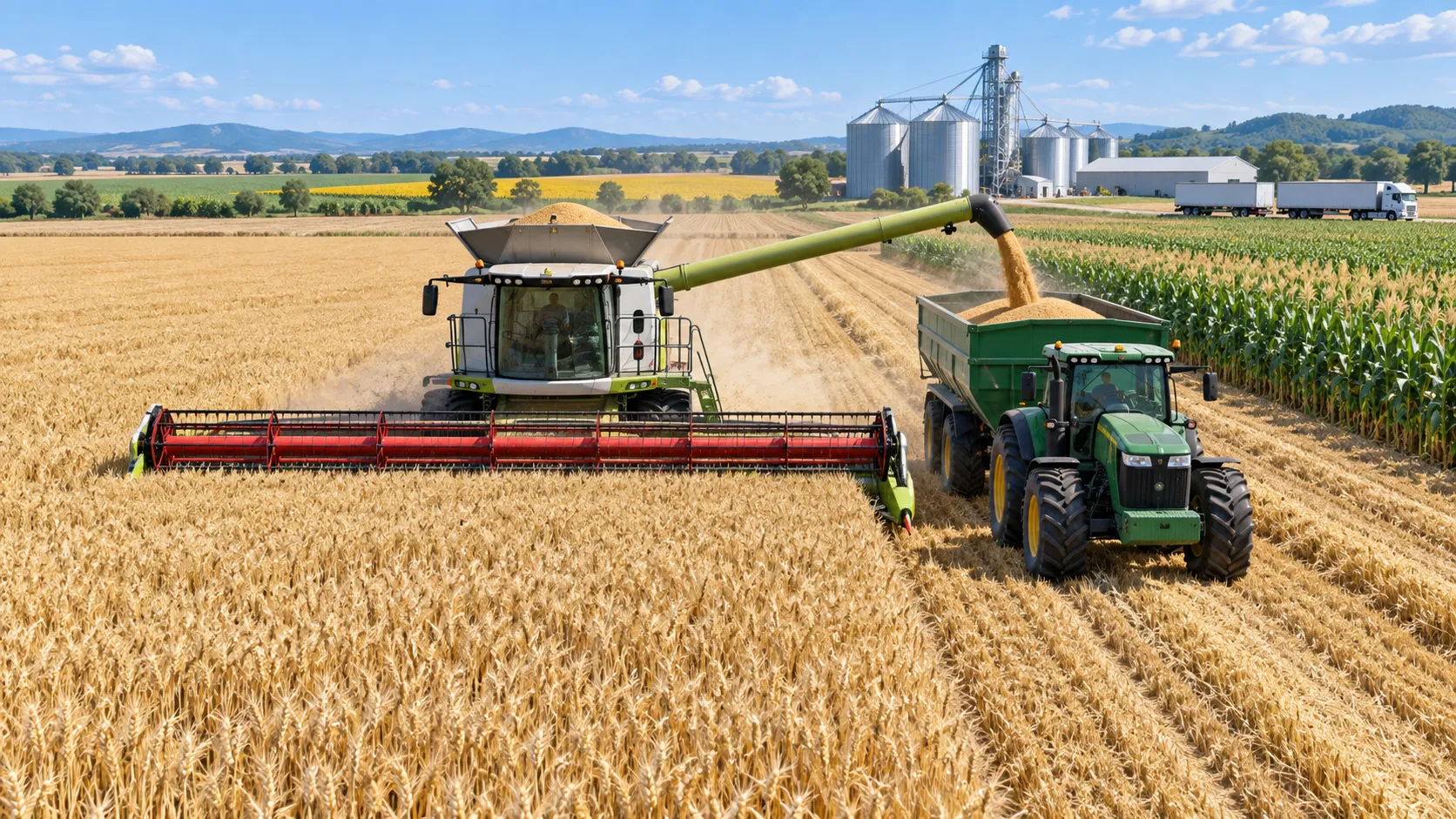
Selecting Grain Farm Equipment by Acreage, Crop Mix, and Harvest Window
Agricultural equipment selection for grain farming: match machinery to acreage, crop mix, and harvest windows to improve uptime, efficiency, and returns.
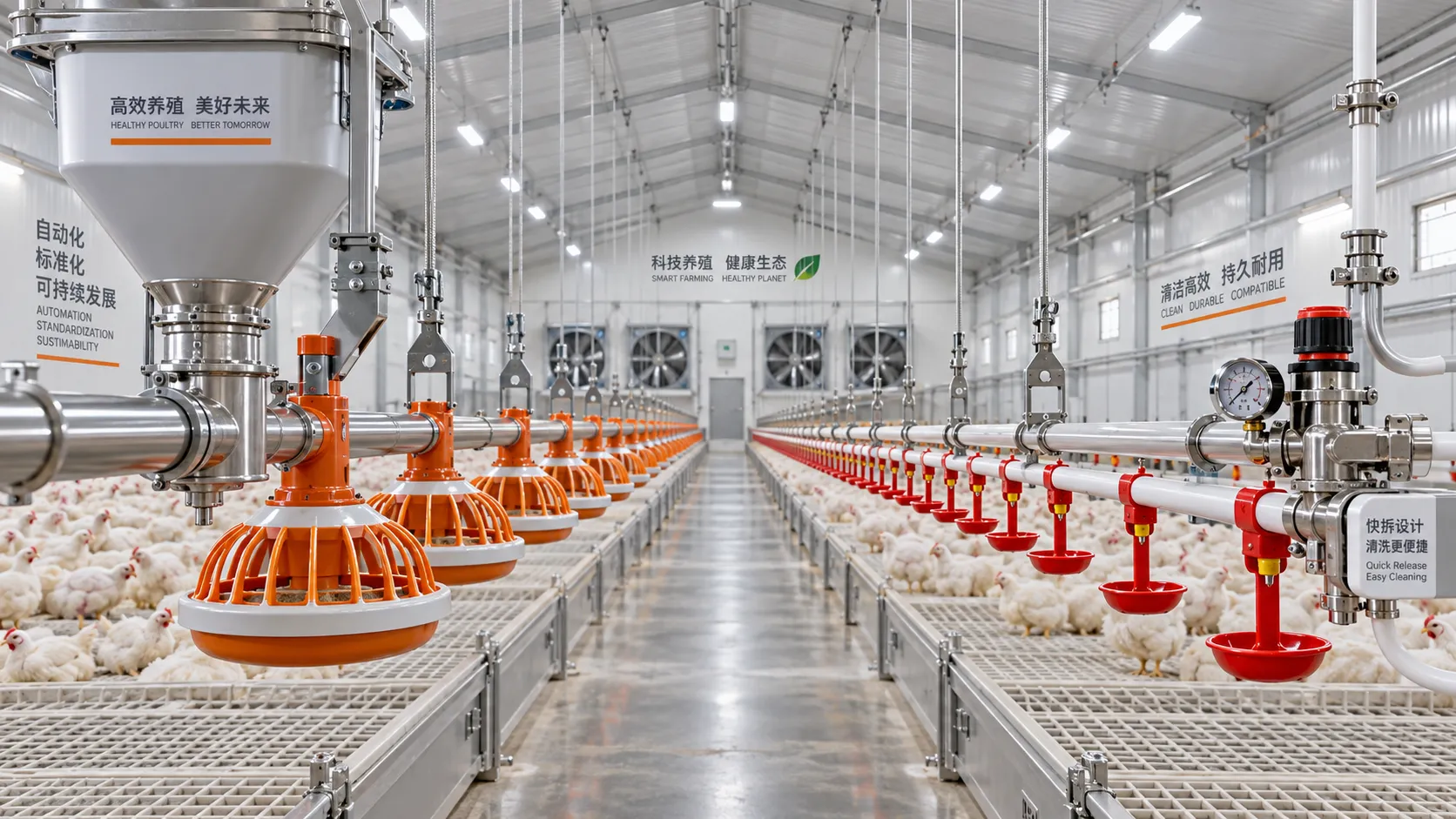
Poultry Equipment Selection: Evaluating Durability, Cleaning, and Compatibility
Poultry equipments selection guide: evaluate durability, cleaning access, and system compatibility to improve hygiene, reduce downtime, and support efficient flock management.
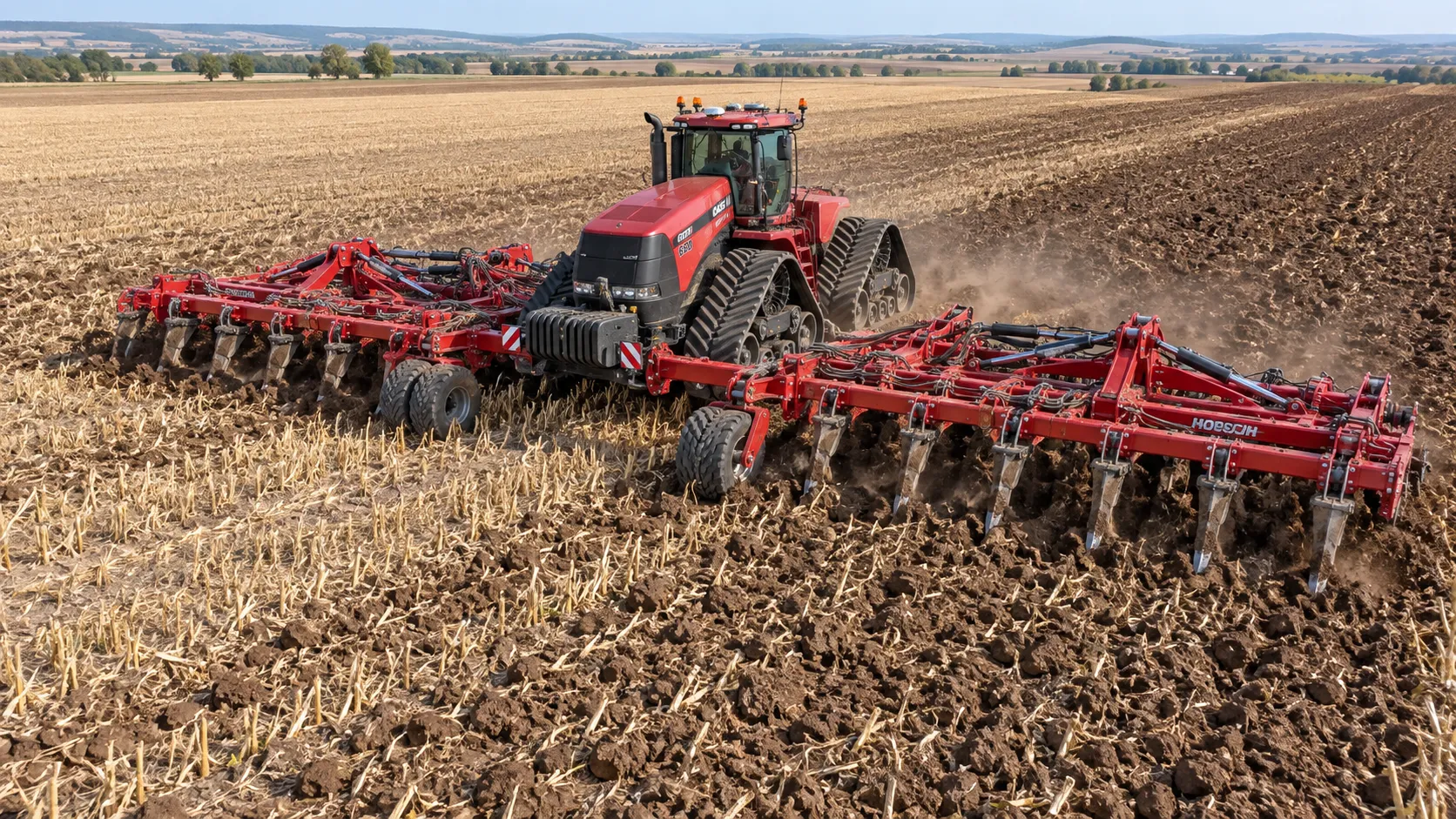
How to Select Heavy-Duty Farm Implements for High-Acreage, High-Horsepower Operations
Heavy duty farm implements: learn how to match draft, hydraulics, hitch capacity, frame strength, and field conditions for reliable high-acreage performance.
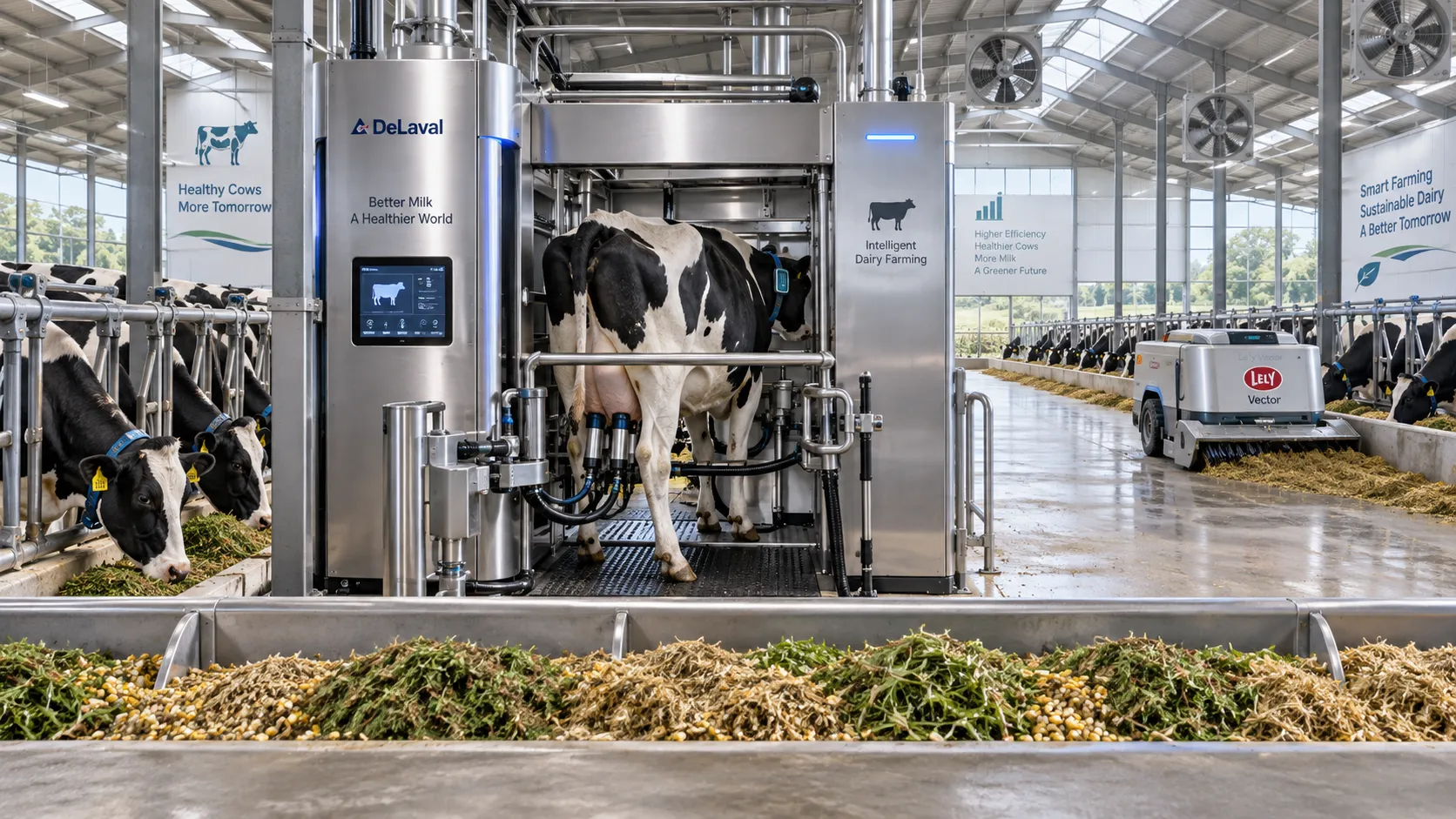
Smart Farming Technology for Dairy Farms: Where Automation Delivers Measurable ROI
Smart farming technology for dairy farms delivers measurable ROI through automation, precision feeding, health monitoring, and data-driven cost control.
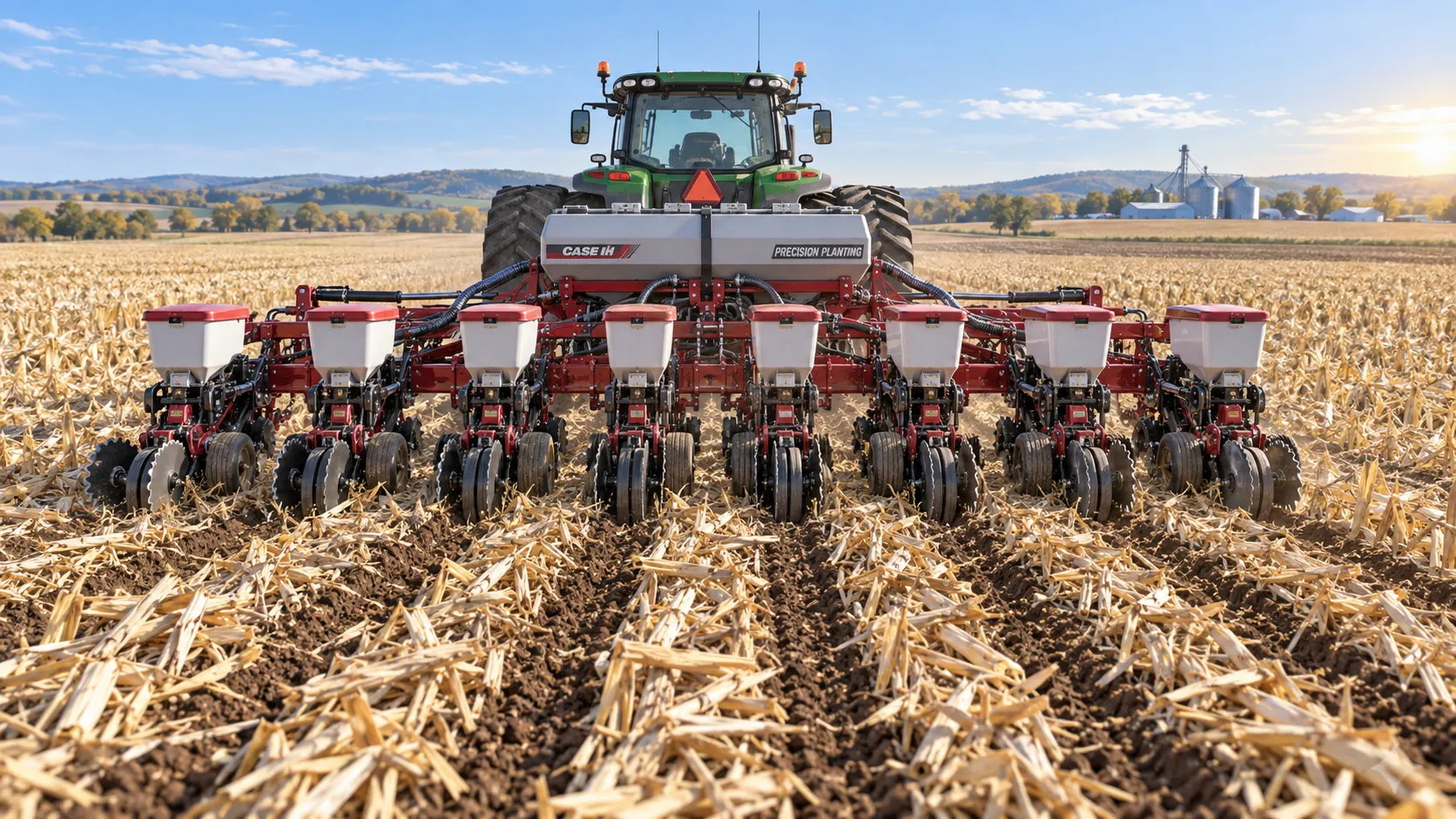
How to Select a Heavy-Duty Seeder for Large Acreage and High-Residue Fields
Heavy duty seeders for large acreage: compare residue handling, depth control, downforce, metering accuracy, and precision features to select the right model.
Related News
- 00
0000-00
Food Security Risks in Modern Supply Chains: What Businesses Should Track First - 00
0000-00
Farm Machinery Innovations Worth Tracking in 2025: ROI, Adoption Barriers, and Use Cases - 00
0000-00
What agricultural environmental policies mean for compliance - 00
0000-00
Why hybrid farm machinery is gaining serious traction - 00
0000-00
Japan's April CPI Up 1.4%: Pricing Strategy Adjustment Urged for Farm Machinery Exports
Popular Tags
Dr. Alistair Vaughn
Weekly Insights
Stay ahead with our curated technology reports delivered every Monday.