
How to Compare Agricultural Automation Solutions Beyond Price
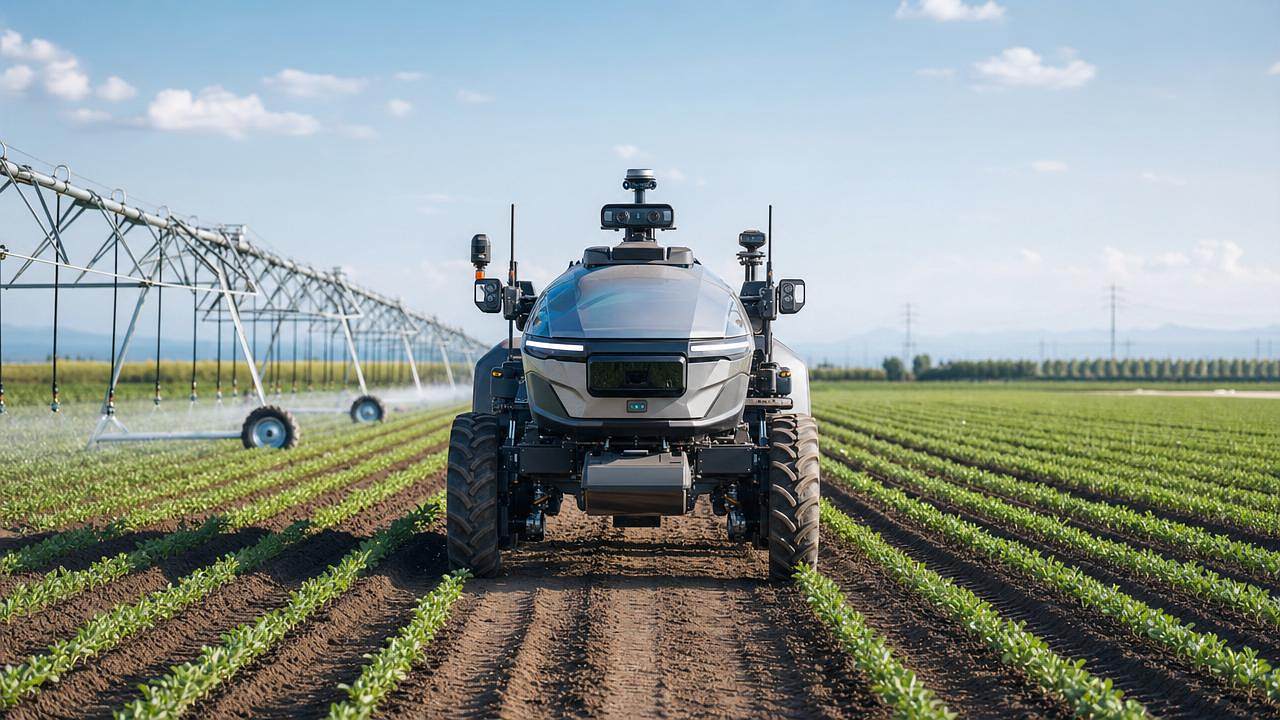




When evaluating agricultural automation solutions, price should never be the only benchmark. Real value appears in uptime, field accuracy, compatibility, serviceability, and measurable gains across seasons. A lower quote can hide higher fuel use, software limits, or poor data flow. This guide explains how to compare agricultural automation solutions with a practical, decision-focused framework for durable farm performance.
What should agricultural automation solutions be compared on first?
Start with operational fit, not brochure features. The best agricultural automation solutions match crop type, field size, terrain, labor structure, and seasonal workload.
A smart irrigation controller may perform well in orchards but offer limited value in rain-fed grain systems. An autonomous tractor package may excel on large, regular fields yet struggle on fragmented land.
Compare each option against five baseline questions:
- Does it solve a specific field bottleneck?
- Can it perform reliably under local conditions?
- Will it integrate with current machines and software?
- Can teams maintain and operate it confidently?
- Will it generate measurable savings or yield benefits?
This first screen prevents overbuying. It also reduces the risk of paying for advanced features that remain unused during daily operations.
Why use-case clarity matters
Agricultural automation solutions often combine hardware, sensors, connectivity, and analytics. Their value depends on how these parts support planting, spraying, harvesting, irrigation, or logistics.
For example, guidance systems, machine vision, section control, and variable-rate tools deliver different returns. Comparing them as generic automation products leads to weak decisions.
How do field performance and reliability change the real cost?
Field performance determines whether agricultural automation solutions create value beyond purchase price. Reliability, precision, and response speed directly affect output quality and operating cost.
Look beyond lab claims. Ask for field data from similar crops, climate zones, soil conditions, and working widths. Wet fields, dust, vibration, and heat often expose hidden weaknesses.
Key performance indicators should include:
- Pass-to-pass accuracy
- Input savings per hectare
- Fuel efficiency changes
- Harvest loss reduction
- Water-use efficiency
- Downtime frequency and duration
A cheaper system with frequent sensor drift or poor connectivity can create missed windows. In agriculture, delayed action can cost more than the machine itself.
How to verify reliability claims
Request maintenance records, update history, and failure rates. Review warranty scope carefully. Some contracts cover parts but not travel, calibration, or software recovery.
Pilot testing is ideal. Even a short, structured trial reveals startup time, user errors, signal stability, and actual gains under pressure.
How important are compatibility and data integration?
Compatibility is one of the most overlooked factors when comparing agricultural automation solutions. A strong product can become inefficient if it cannot connect to existing tractors, implements, or platforms.
Check physical, electrical, and digital compatibility. Confirm whether the solution supports common protocols, retrofit kits, API access, and data export formats.
Important integration questions include:
- Can it work with mixed-brand fleets?
- Does it support GPS correction services already used?
- Will agronomic data transfer into current management software?
- Who owns the data generated by the system?
- Can reports be used for compliance or sustainability tracking?
This matters because modern agricultural automation solutions are not only machines. They are information systems supporting decisions on seeding, irrigation, nutrient timing, and machine utilization.
Why open data matters
Closed ecosystems can raise long-term dependency. Open integration gives flexibility for future upgrades, benchmarking, and cross-platform analysis.
For intelligence-driven organizations like AP-Strategy, data continuity is critical. It supports evidence-based evaluation across irrigation systems, combine technology, chassis performance, and precision field tools.
What hidden costs should be included beyond the quoted price?
The quoted number rarely reflects the total cost of agricultural automation solutions. A complete comparison should include implementation, training, subscriptions, support, updates, and end-of-life replacement risk.
Consider the full cost stack:
- Installation and calibration
- Connectivity fees and cloud licenses
- Seasonal software subscriptions
- Replacement sensors and wear parts
- Operator training time
- Technical support response delays
- Retrofit changes for current equipment
Some agricultural automation solutions look inexpensive at purchase but require expensive annual licenses. Others are hardware-heavy but cheaper to run over five years.
How can return on investment be measured realistically?
ROI for agricultural automation solutions should combine direct and indirect outcomes. Direct gains include labor savings, input reduction, and lower losses. Indirect gains include better timing and stronger data visibility.
A realistic ROI model often includes:
- Baseline current cost per hectare or per ton.
- Estimated improvement from the new system.
- Annual fixed and variable support costs.
- Expected service life and upgrade cycle.
- Risk adjustment for weather, adoption, and downtime.
For example, precision irrigation automation may not only save water. It can also stabilize crop quality, reduce pumping hours, and support sustainability reporting.
Likewise, combine automation features may cut grain loss, improve throughput, and reduce fatigue-related inconsistency. These results should be valued across multiple seasons, not one campaign.
What timeframe makes sense?
Most agricultural automation solutions should be judged over three to seven years. Shorter views often favor cheaper systems, while longer views reveal durability and operating efficiency.
What common mistakes weaken the comparison process?
Many evaluations fail because they compare features rather than outcomes. Agricultural automation solutions should be judged by impact on productivity, resilience, and management quality.
Common mistakes include:
- Choosing based on purchase price alone
- Ignoring seasonal service availability
- Assuming all data platforms are compatible
- Underestimating training requirements
- Skipping field validation in real conditions
- Failing to define success metrics before purchase
Another mistake is separating machine choice from strategic goals. If the aim is water efficiency, labor resilience, traceability, or lower emissions, the solution must support those targets clearly.
A practical decision checklist
Use this quick screen when comparing agricultural automation solutions:
- Define the operational problem first.
- Compare similar solutions in similar field conditions.
- Calculate total cost of ownership.
- Verify integration and data ownership terms.
- Estimate ROI across several seasons.
- Test support quality before final commitment.
FAQ summary table: how to compare agricultural automation solutions
The smartest way to compare agricultural automation solutions is to treat them as long-term operating systems, not isolated purchases. Performance, interoperability, support, and measurable agronomic value often matter more than the initial invoice.
Use a structured scorecard, request real field evidence, and model total ownership cost before choosing. A disciplined comparison process reduces risk and strengthens productivity, sustainability, and future-ready agricultural investment.
Related News

When Does Agricultural Machinery Leasing Cost Less Than Owning Equipment?
Agricultural machinery leasing can lower farm costs when use is seasonal or uncertain. Compare utilization, maintenance, cash flow, and risk to make a smarter equipment decision.
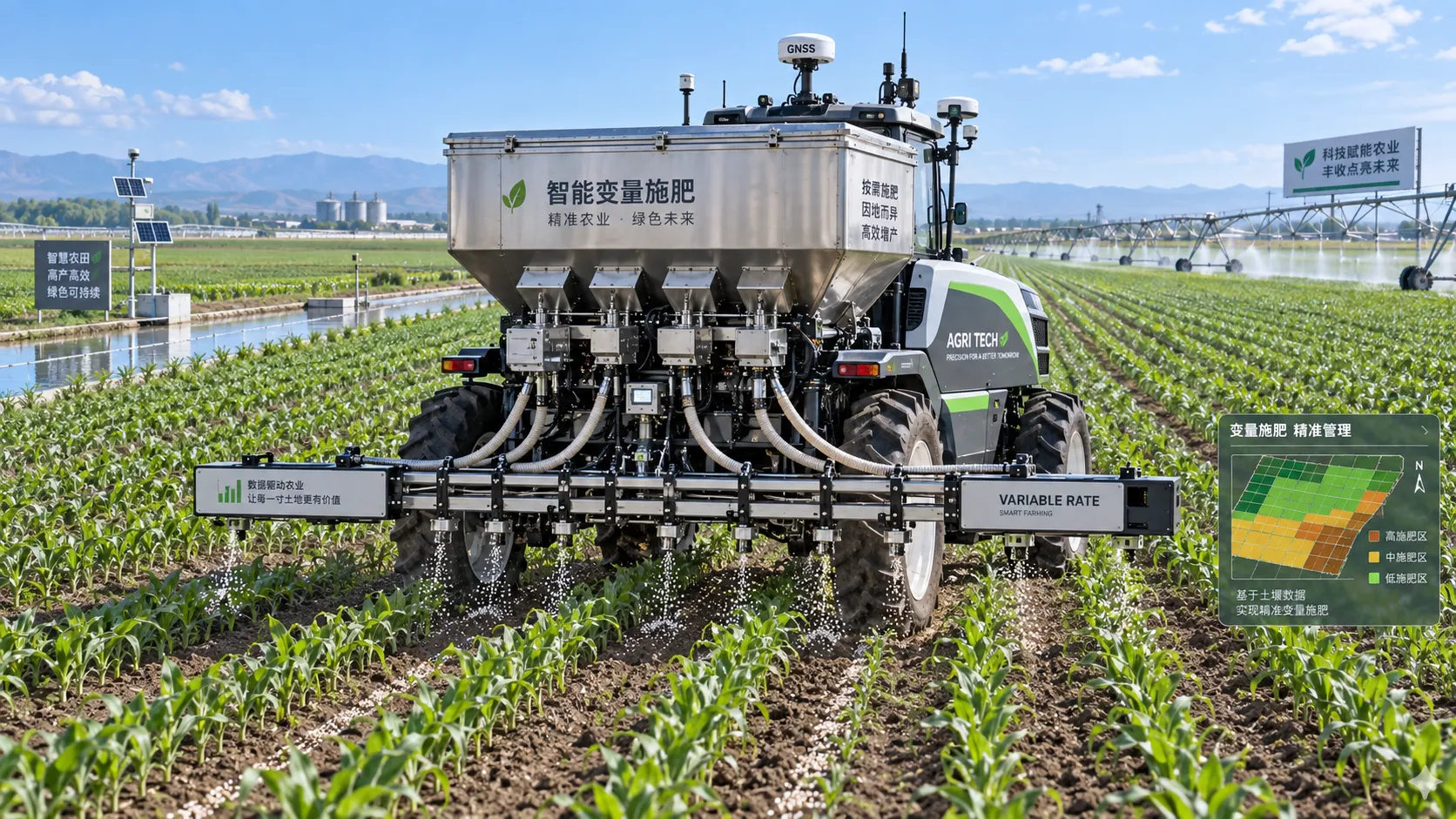
How to Evaluate Precision Fertilization System Suppliers for Farm-Scale Deployment
Precision fertilization systems suppliers: learn how to compare accuracy, integration, uptime, service, and total cost for confident farm-scale deployment.
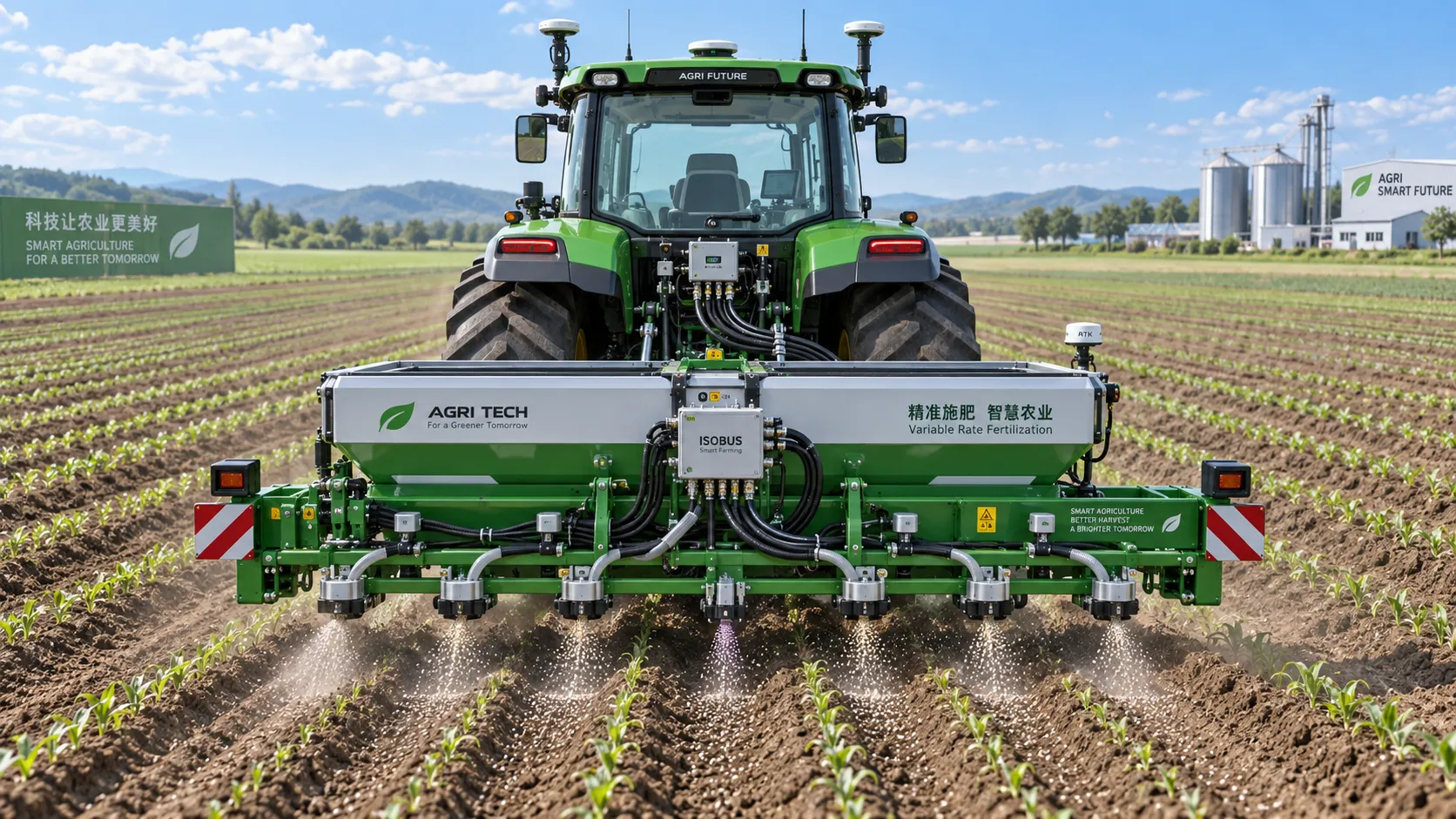
ISOBUS for Smart Agriculture: How It Connects Tractors, Implements, and Farm Data
ISOBUS for smart agriculture connects tractors, implements, terminals, and farm data—helping growers improve precision, documentation, and smarter field decisions.
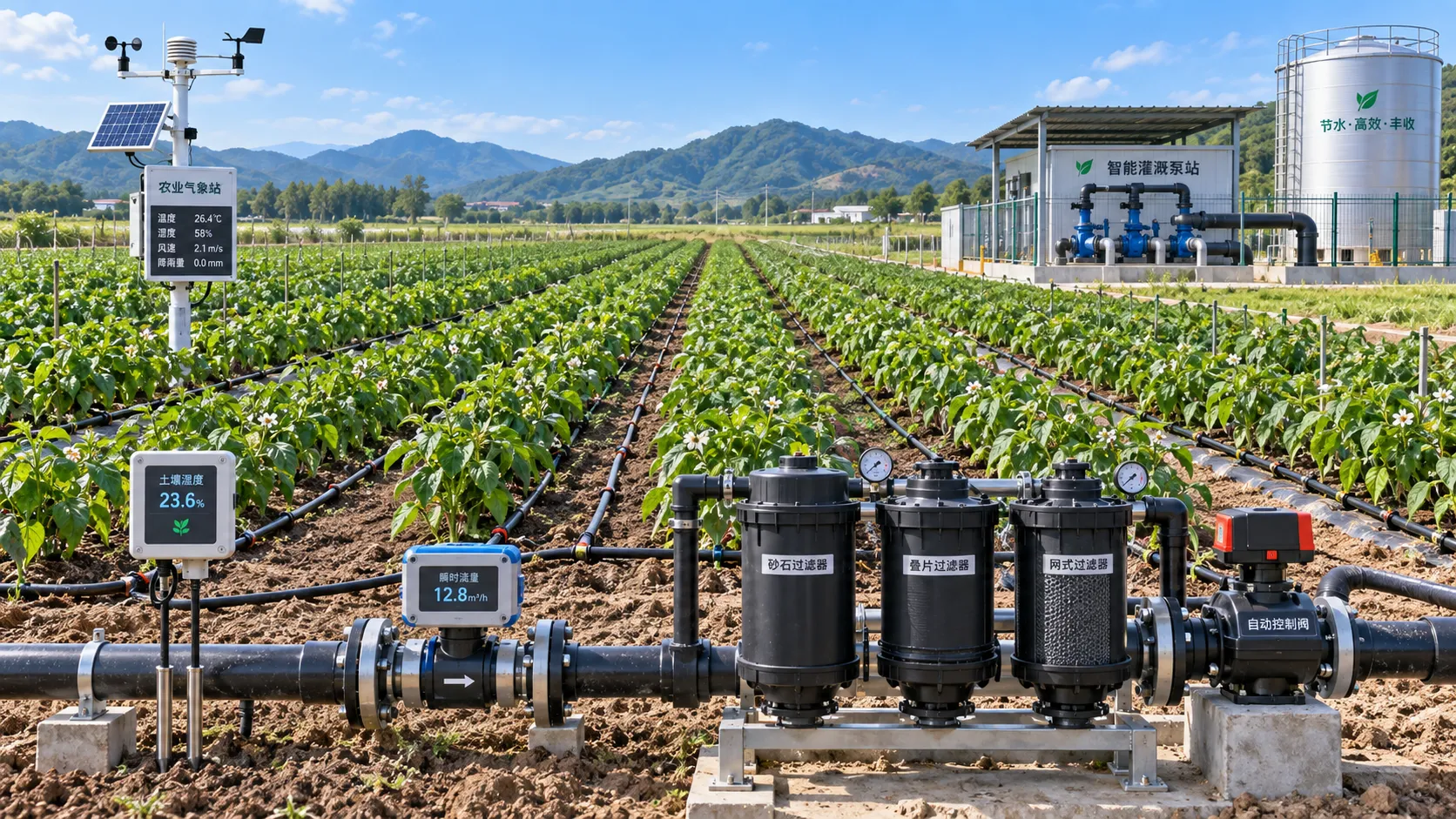
Automated Water-Saving Irrigation: How to Cut Water Use Without Reducing Crop Yields
Automated water-saving irrigation helps farms cut water use, protect crop yields, improve scheduling, and gain reliable control with sensors, flow monitoring, and smart zones.
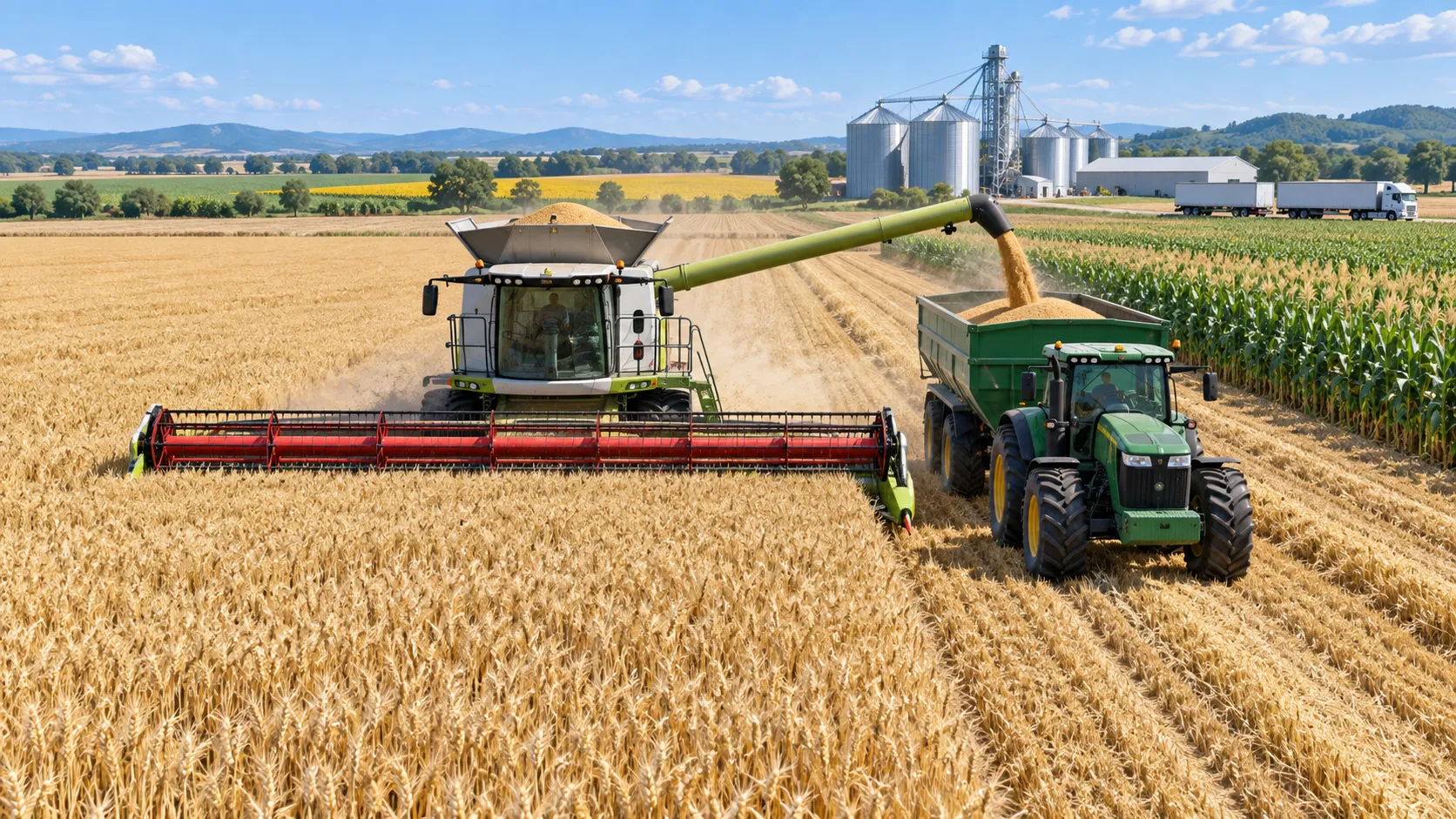
Selecting Grain Farm Equipment by Acreage, Crop Mix, and Harvest Window
Agricultural equipment selection for grain farming: match machinery to acreage, crop mix, and harvest windows to improve uptime, efficiency, and returns.
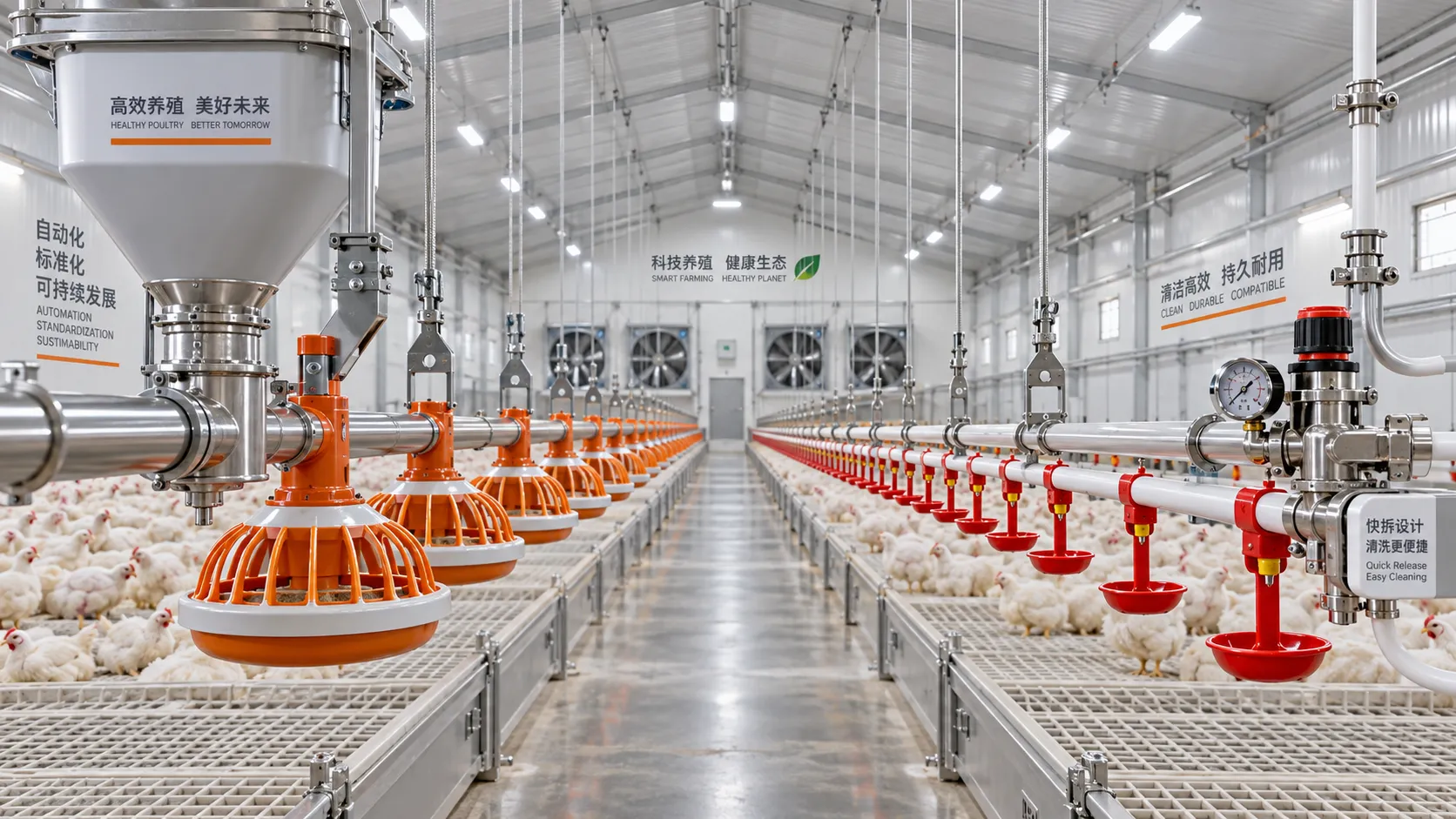
Poultry Equipment Selection: Evaluating Durability, Cleaning, and Compatibility
Poultry equipments selection guide: evaluate durability, cleaning access, and system compatibility to improve hygiene, reduce downtime, and support efficient flock management.
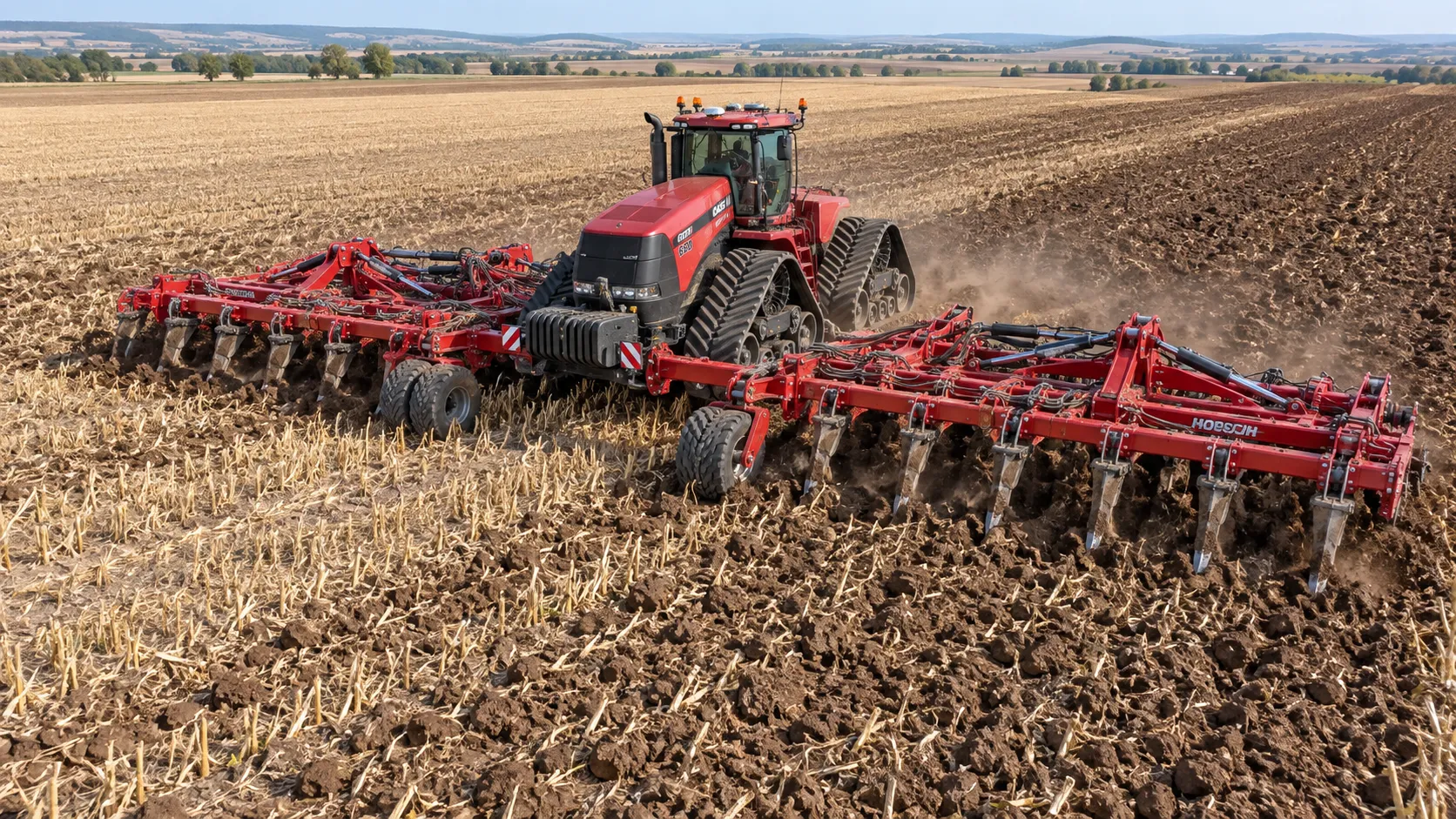
How to Select Heavy-Duty Farm Implements for High-Acreage, High-Horsepower Operations
Heavy duty farm implements: learn how to match draft, hydraulics, hitch capacity, frame strength, and field conditions for reliable high-acreage performance.
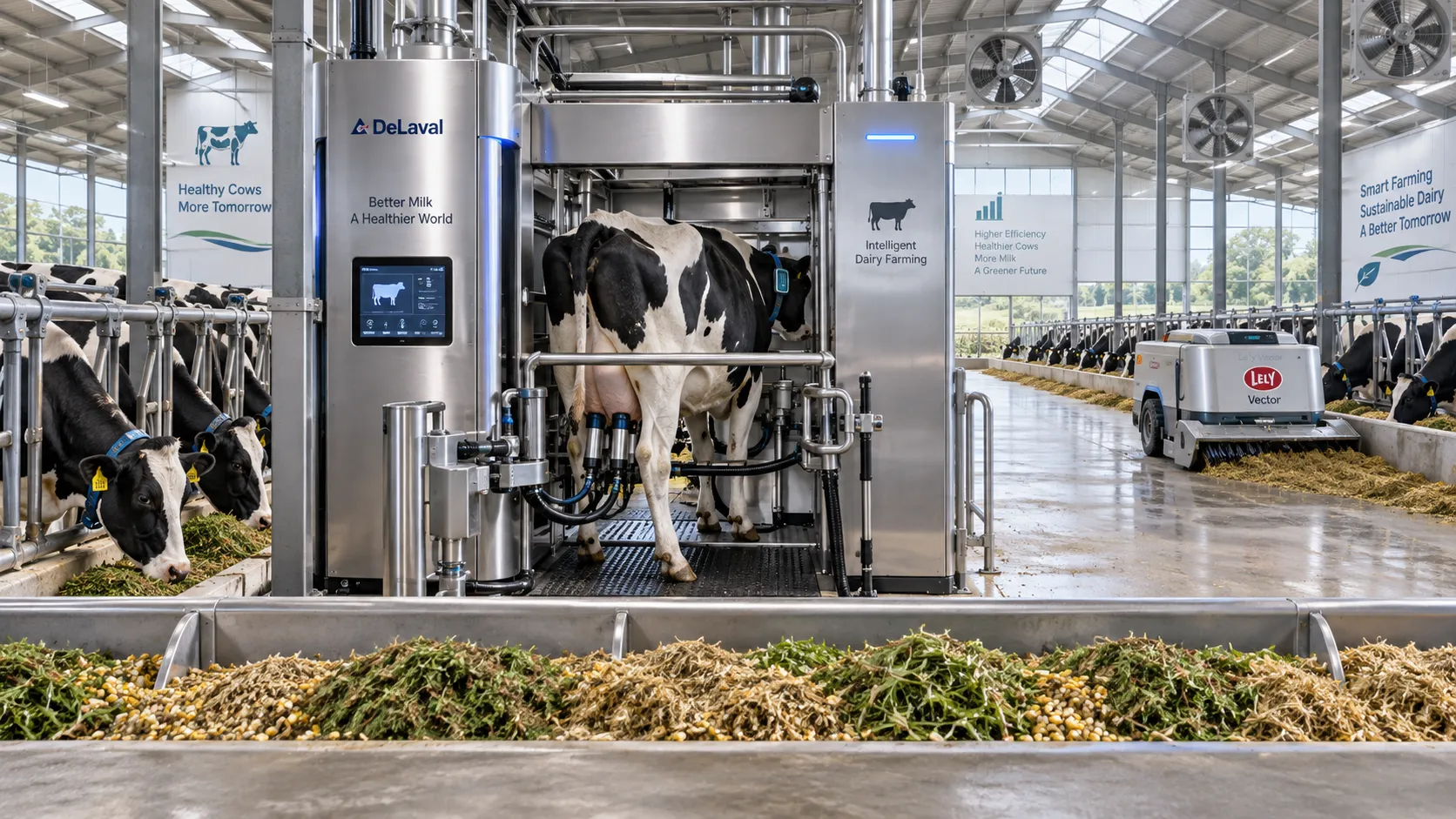
Smart Farming Technology for Dairy Farms: Where Automation Delivers Measurable ROI
Smart farming technology for dairy farms delivers measurable ROI through automation, precision feeding, health monitoring, and data-driven cost control.
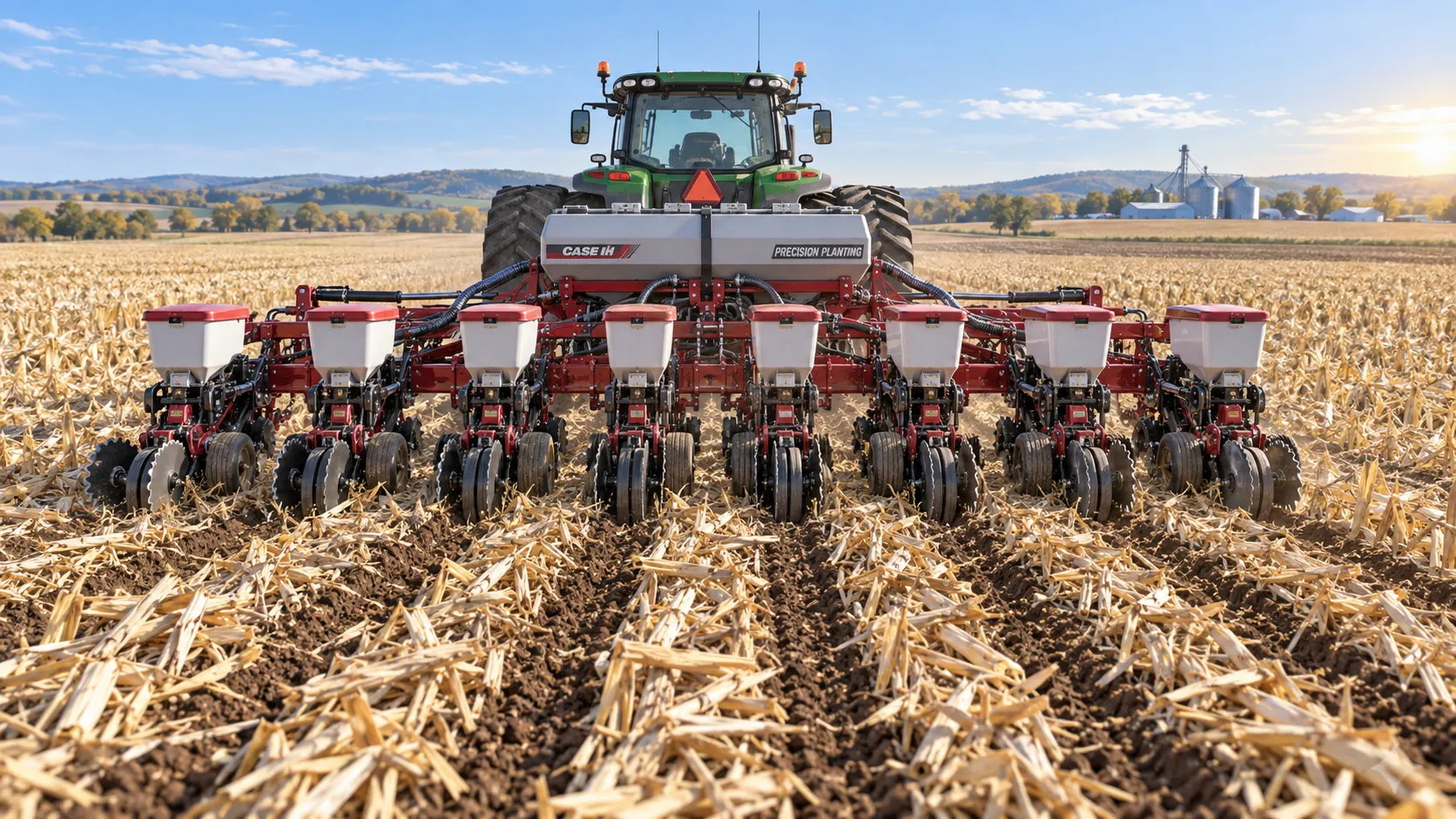
How to Select a Heavy-Duty Seeder for Large Acreage and High-Residue Fields
Heavy duty seeders for large acreage: compare residue handling, depth control, downforce, metering accuracy, and precision features to select the right model.
Related News
- 00
0000-00
When Does Agricultural Machinery Leasing Cost Less Than Owning Equipment? - 00
0000-00
Selecting Grain Farm Equipment by Acreage, Crop Mix, and Harvest Window - 00
0000-00
Poultry Equipment Selection: Evaluating Durability, Cleaning, and Compatibility - 00
0000-00
How to Select Heavy-Duty Farm Implements for High-Acreage, High-Horsepower Operations - 00
0000-00
Smart Farming Technology for Dairy Farms: Where Automation Delivers Measurable ROI
Popular Tags
Ms. Elena Rodriguez
Weekly Insights
Stay ahead with our curated technology reports delivered every Monday.