
Why Digital Agriculture Platforms Fail After Pilot Projects
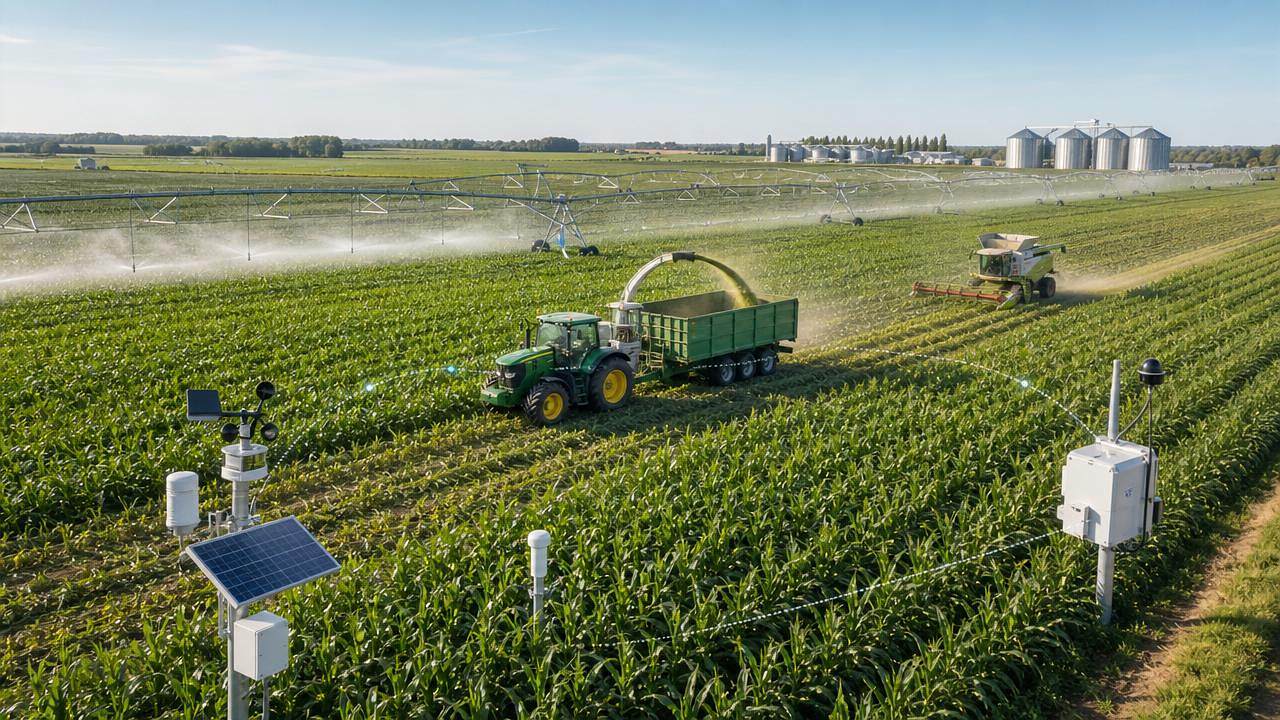




Why Digital Agriculture Platforms Fail After Pilot Projects
Many digital agriculture platforms perform well in pilots but struggle in full deployment across fields, machines, and seasons.
The problem is rarely software quality alone. Failure usually comes from weak process design, poor integration, fragmented ownership, and low operational trust.
For organizations working with machinery, irrigation, agronomic data, and field intelligence, knowing why digital agriculture platforms fail after pilots helps prevent expensive false starts.
This matters across the broader agri-equipment ecosystem highlighted by AP-Strategy, where tractors, combine harvesters, intelligent tools, and irrigation systems must work inside one usable decision framework.
Why a Structured Review Is Necessary Before Scaling
Pilot projects often run under protected conditions. They receive focused support, clean data, limited geography, and short evaluation cycles.
Real operations are different. Fields vary, weather changes, labor habits resist change, and legacy equipment produces inconsistent data.
A structured review helps test whether digital agriculture platforms can survive scale, not just impress during demonstrations.
It also reveals whether the platform supports measurable outcomes such as lower harvest loss, better irrigation scheduling, improved machine uptime, and more reliable agronomic decisions.
Core Points to Check Before Expanding Digital Agriculture Platforms
Use the following points to evaluate why digital agriculture platforms fail after pilots and what must be fixed before scaling.
- Confirm whether the pilot solved a real operational bottleneck, not just produced dashboards, alerts, or map layers that looked innovative during short-term testing.
- Check data sources from tractors, combines, irrigation controllers, sensors, and satellites for consistency, ownership, update frequency, and long-term maintenance responsibility.
- Verify that platform outputs connect directly to field actions, such as route adjustment, irrigation timing, fertilization rates, maintenance scheduling, or harvest settings.
- Measure whether users trust recommendations enough to act on them under time pressure, weather uncertainty, labor shortages, and variable field conditions.
- Review integration with ERP, telematics, inventory, service systems, and agronomy tools because isolated digital agriculture platforms rarely survive beyond pilot funding.
- Define one accountable owner for adoption, data quality, workflow governance, and commercial results instead of splitting responsibility across disconnected teams.
- Test whether the platform performs across multiple crop cycles, machine brands, farm sizes, and network conditions rather than one controlled demonstration environment.
- Calculate total operating cost, including training, connectivity, device replacement, support labor, calibration work, and field troubleshooting after deployment.
- Set business metrics before scale-up, including yield impact, water savings, machine utilization, downtime reduction, and decision speed instead of feature adoption alone.
- Evaluate whether local teams can operate the system without external experts, because dependence on pilot specialists often hides weak platform readiness.
What Usually Breaks After the Pilot Ends
1. The pilot goal was too narrow
Many digital agriculture platforms are tested against one visible issue, such as irrigation optimization or machine tracking.
But field operations are linked. If labor planning, machine maintenance, and agronomic timing stay disconnected, the platform cannot create system-wide value.
2. Data quality collapses at scale
Pilot data is often cleaned manually. Once scaled, missing sensor records, inconsistent machine logs, and location errors reduce confidence fast.
This is especially true when combines, tractor chassis systems, and irrigation devices come from different vendors using incompatible formats.
3. Workflows never changed
If teams still rely on calls, spreadsheets, and manual judgments, digital agriculture platforms become an extra screen rather than the operating center.
Technology adoption fails when workflows are not redesigned around action, timing, escalation, and accountability.
4. Ownership stayed unclear
Projects often begin with innovation budgets, vendor enthusiasm, or policy support. After the pilot, no single owner drives daily use.
Without operational ownership, digital agriculture platforms lose budget priority and become side projects.
5. Value was not proven in economic terms
Field teams may appreciate visibility, but scale decisions require measurable returns.
If reduced cleaning loss, fuel savings, water efficiency, or uptime improvements are not quantified, expansion slows or stops.
How Failure Patterns Change Across Agricultural Scenarios
Large-scale machinery operations
In heavy mechanized environments, digital agriculture platforms often fail because machine telematics are available, but maintenance and scheduling workflows remain separate.
Check whether machine health alerts lead to actual service action before breakdowns disrupt planting or harvest windows.
Combine harvesting systems
During harvest, decisions happen fast. Platforms that analyze grain loss or throughput too slowly are ignored.
The key check is whether analytics can support in-field adjustments to settings, route flow, moisture handling, and operator behavior.
Intelligent irrigation networks
Water platforms often show promise in pilots with limited zones and stable connectivity.
At scale, failures appear when valve control, evapotranspiration models, and field sensor reliability drift apart.
Precision farm tools and agronomy layers
Prescription maps are useful only when implements can execute them accurately and crews understand timing limits.
Review whether field recommendations match machine capability, local agronomy, and operator readiness.
Commonly Ignored Risks That Cause Digital Agriculture Platforms to Stall
Connectivity assumptions
Many deployments assume stable field connectivity. Seasonal dead zones break synchronization, reporting, and command execution.
Weak device lifecycle planning
Sensors, controllers, and edge devices need calibration, replacement, and firmware support. Pilot budgets rarely cover this reality well.
Vendor dependency
If only one external team understands system logic, internal resilience remains low and scaling risk grows.
No seasonal learning loop
Agriculture changes by crop cycle. Digital agriculture platforms fail when lessons from one season are not converted into better models and workflows.
Misaligned incentives
If success is measured by software usage while operations are judged by speed and output, adoption friction remains unresolved.
Practical Steps to Improve Scale Success
- Start with one operational outcome, such as lowering combine loss or reducing irrigation overuse, then map every required data and action step.
- Create a field-ready data governance model covering source standards, error handling, refresh timing, and ownership across all connected systems.
- Redesign daily workflows so recommendations trigger assignments, approvals, and measurable actions instead of passive notifications.
- Run scale simulations across multiple sites, machine types, and connectivity conditions before committing to wider rollout.
- Build internal operating capability through training, simple dashboards, support scripts, and clear seasonal review routines.
FAQ About Why Digital Agriculture Platforms Fail After Pilot Projects
Are digital agriculture platforms failing because the technology is immature?
Sometimes, but more often the issue is weak integration, unclear process ownership, and poor fit with real operational behavior.
What is the first sign that a pilot will not scale?
A common sign is that users review data but do not consistently change field actions based on platform recommendations.
How can value be measured more effectively?
Track business outcomes linked to operations, including downtime, harvest loss, water use, labor efficiency, and timing accuracy.
Conclusion and Next Action
Why digital agriculture platforms fail after pilot projects is not a mystery. In most cases, the platform did not become part of real operations.
The strongest systems connect machinery, agronomy, irrigation, and intelligence into repeatable field decisions.
Use the checks above to test readiness before expansion. Focus on workflow integration, data trust, accountable ownership, and measurable economic value.
When digital agriculture platforms are designed around operational realities, they can move beyond pilots and deliver durable results across the agriculture value chain.
Related News
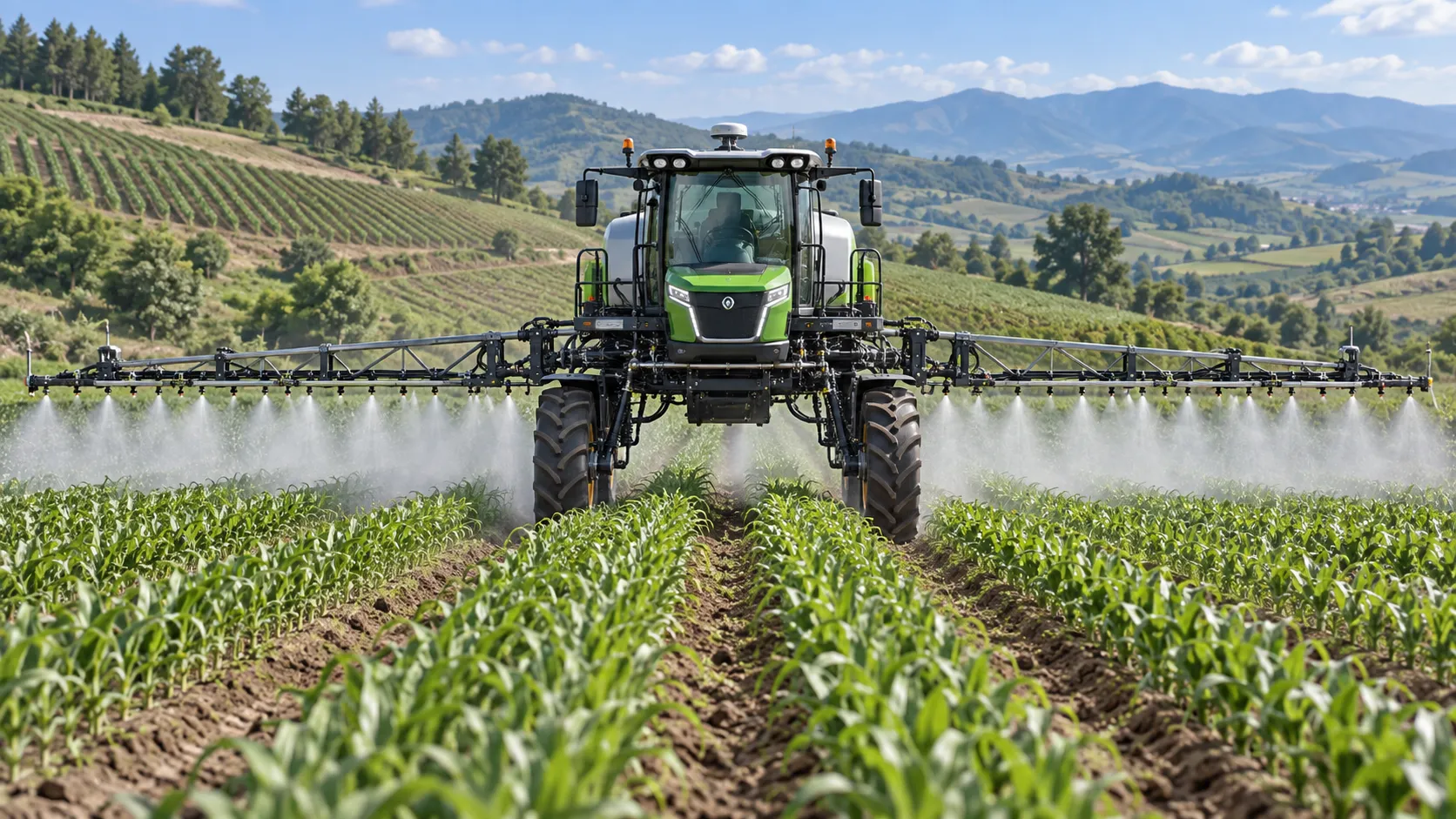
How to Select Precision Crop Protection Equipment for Variable Field Conditions
Precision crop protection equipment selection made simple: compare terrain, canopy, weather, control accuracy, and data workflows for reliable applications.

When Does Agricultural Machinery Leasing Cost Less Than Owning Equipment?
Agricultural machinery leasing can lower farm costs when use is seasonal or uncertain. Compare utilization, maintenance, cash flow, and risk to make a smarter equipment decision.
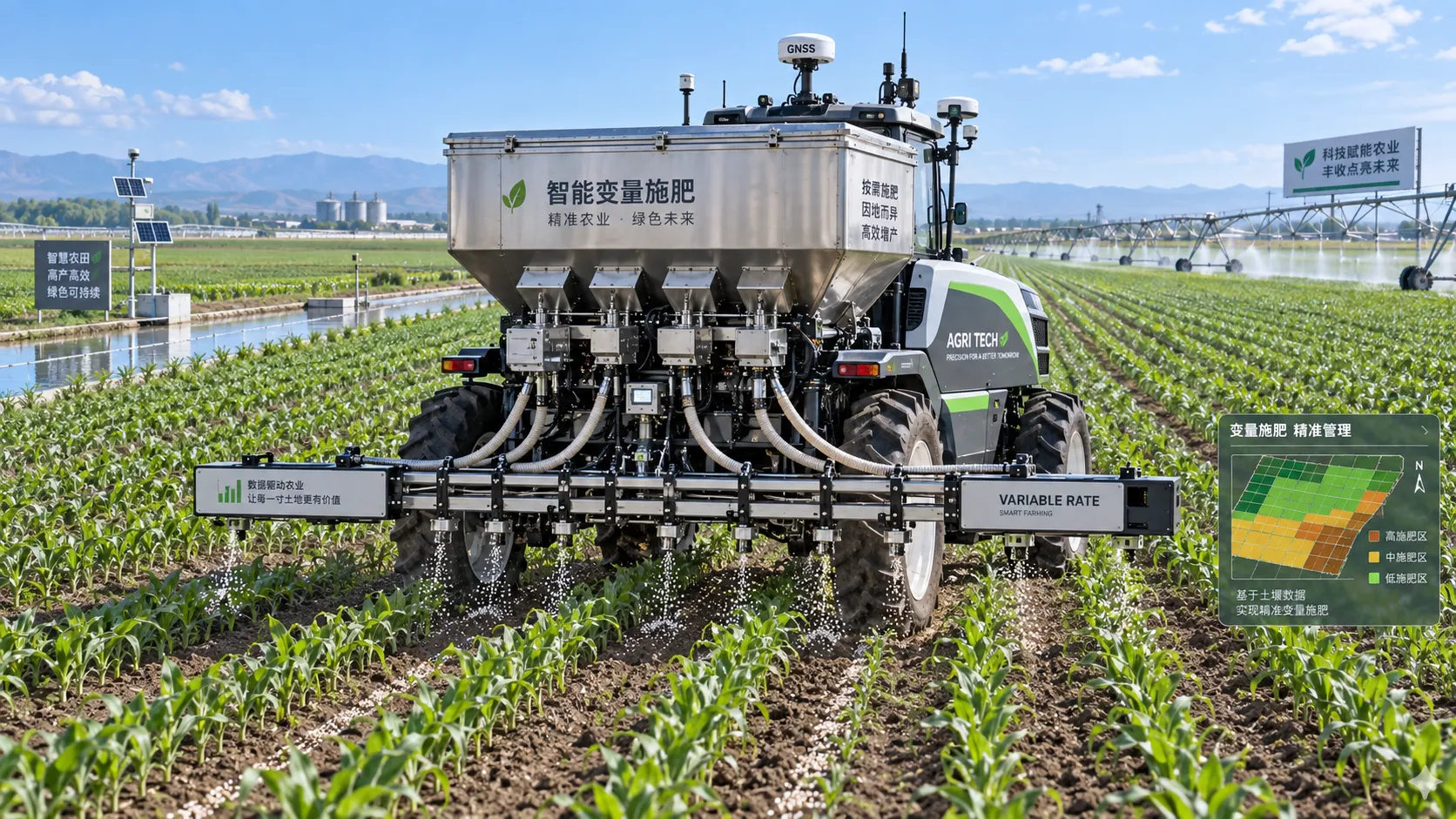
How to Evaluate Precision Fertilization System Suppliers for Farm-Scale Deployment
Precision fertilization systems suppliers: learn how to compare accuracy, integration, uptime, service, and total cost for confident farm-scale deployment.
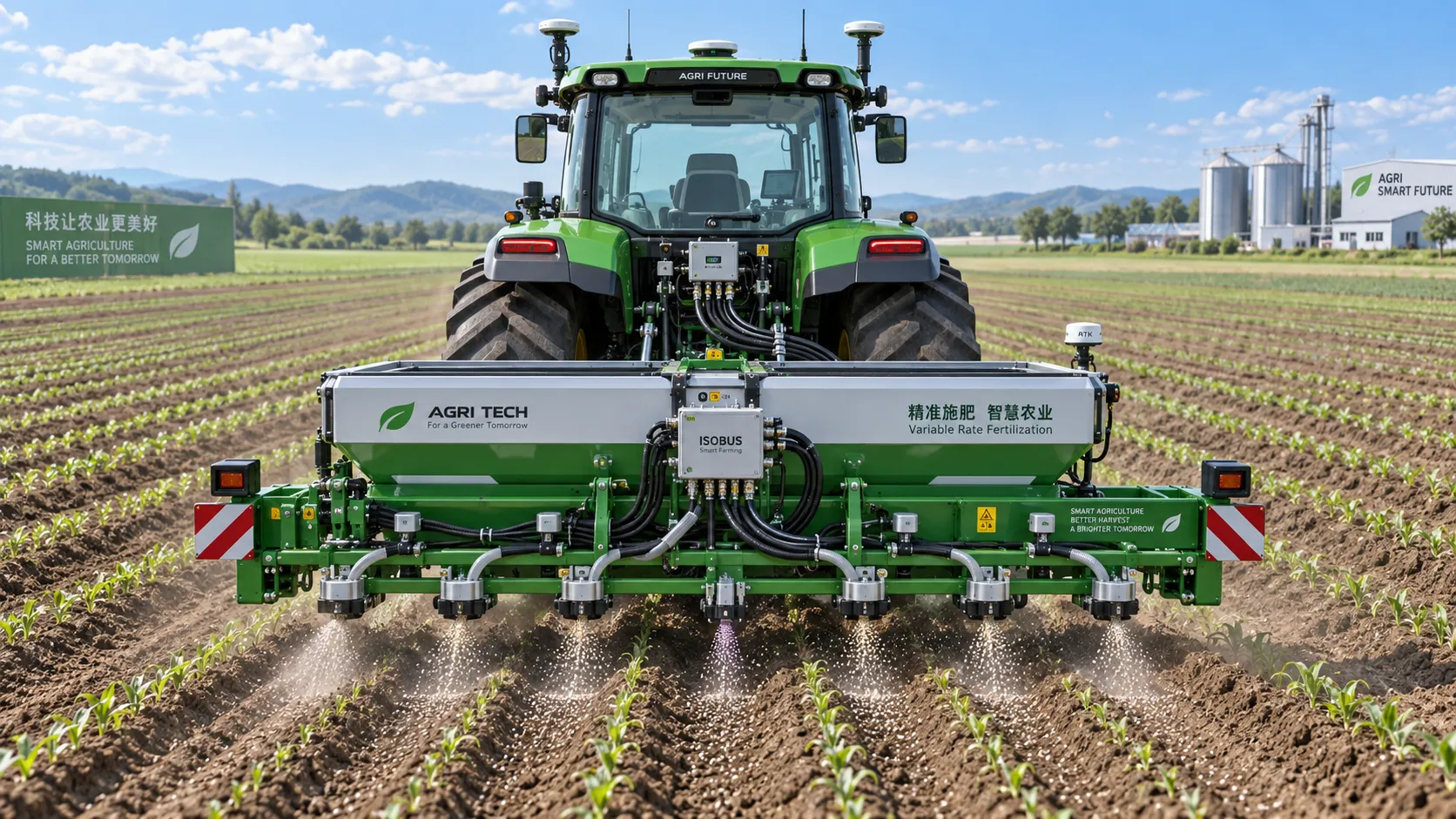
ISOBUS for Smart Agriculture: How It Connects Tractors, Implements, and Farm Data
ISOBUS for smart agriculture connects tractors, implements, terminals, and farm data—helping growers improve precision, documentation, and smarter field decisions.
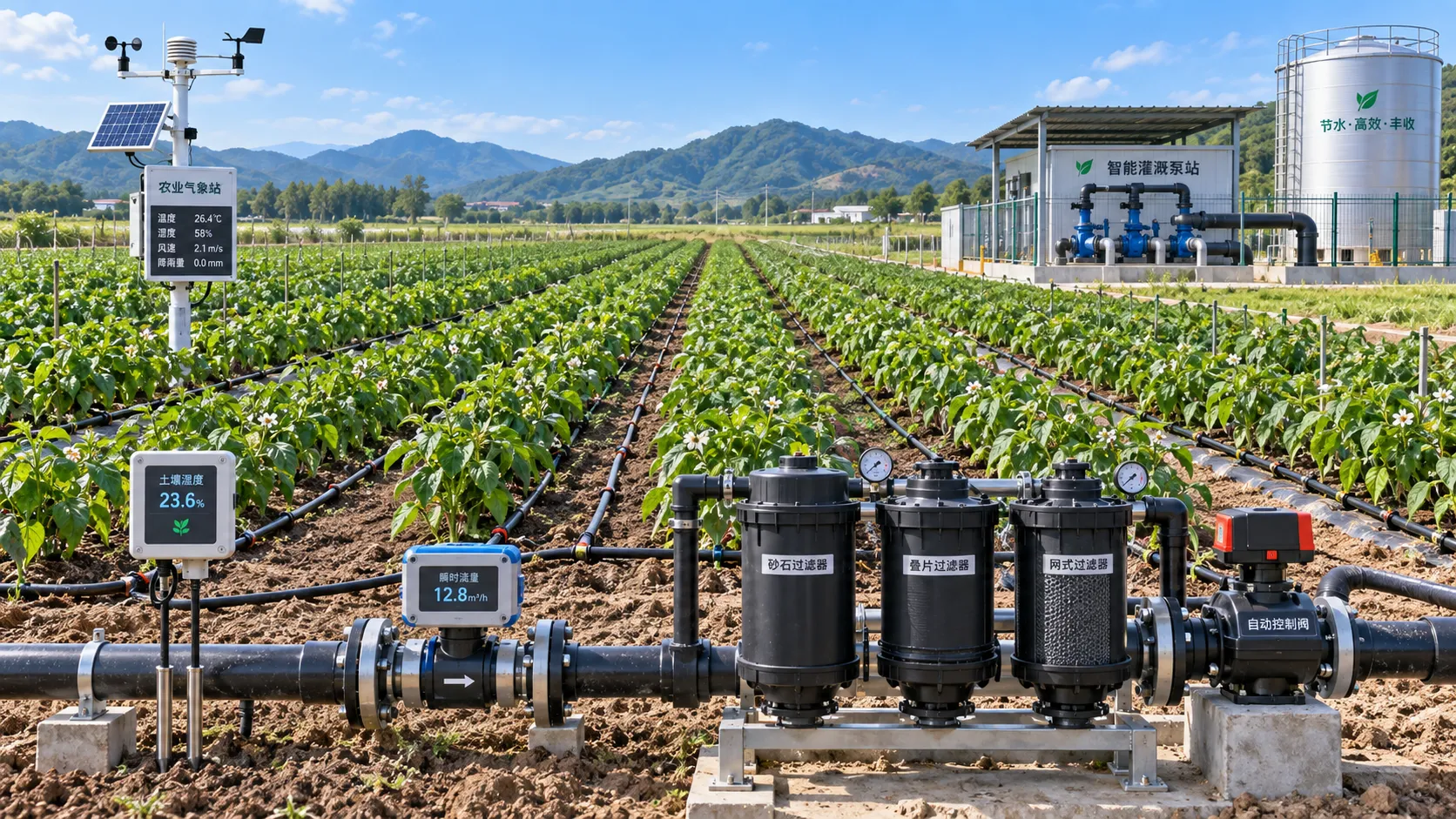
Automated Water-Saving Irrigation: How to Cut Water Use Without Reducing Crop Yields
Automated water-saving irrigation helps farms cut water use, protect crop yields, improve scheduling, and gain reliable control with sensors, flow monitoring, and smart zones.
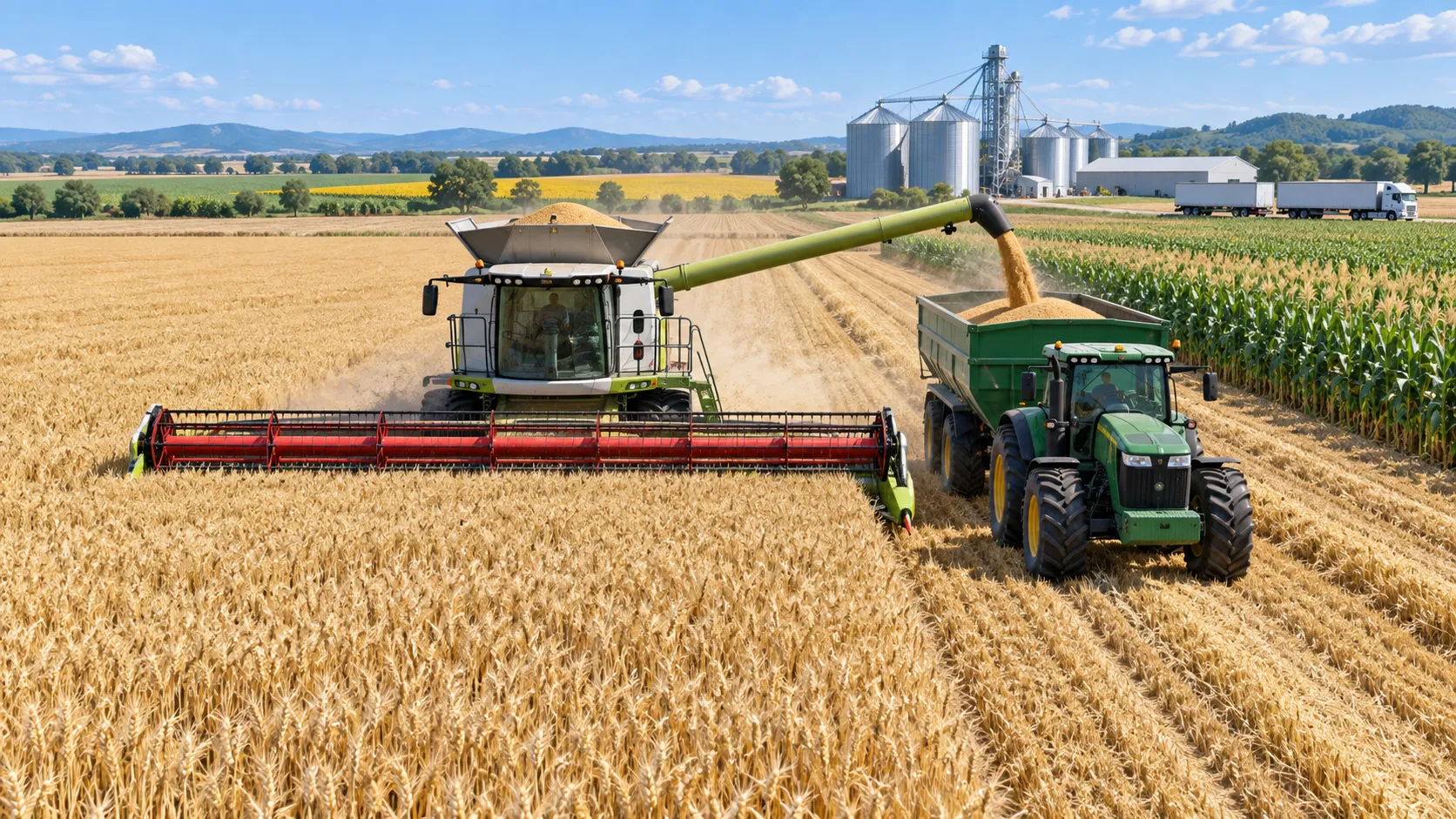
Selecting Grain Farm Equipment by Acreage, Crop Mix, and Harvest Window
Agricultural equipment selection for grain farming: match machinery to acreage, crop mix, and harvest windows to improve uptime, efficiency, and returns.
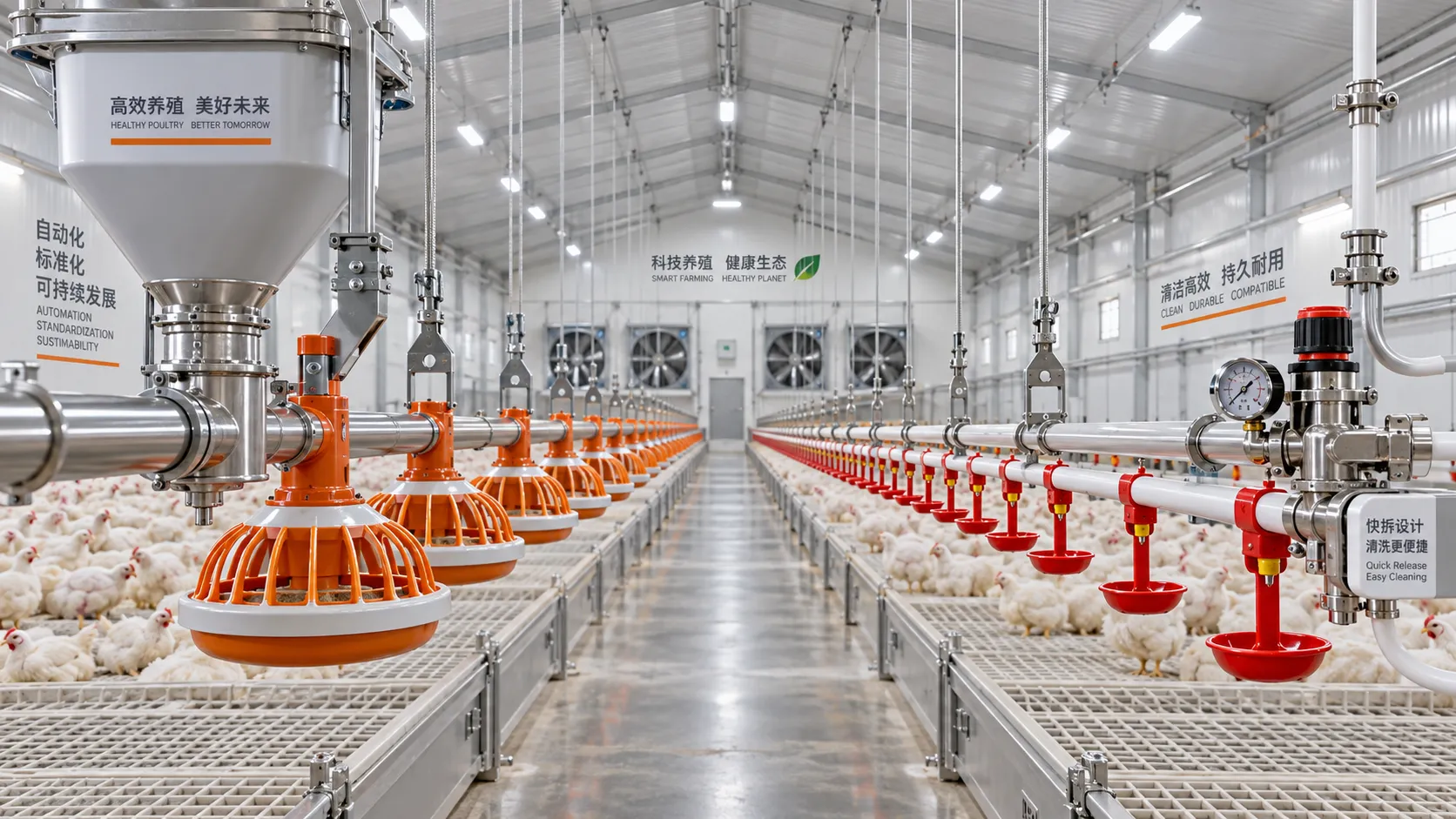
Poultry Equipment Selection: Evaluating Durability, Cleaning, and Compatibility
Poultry equipments selection guide: evaluate durability, cleaning access, and system compatibility to improve hygiene, reduce downtime, and support efficient flock management.
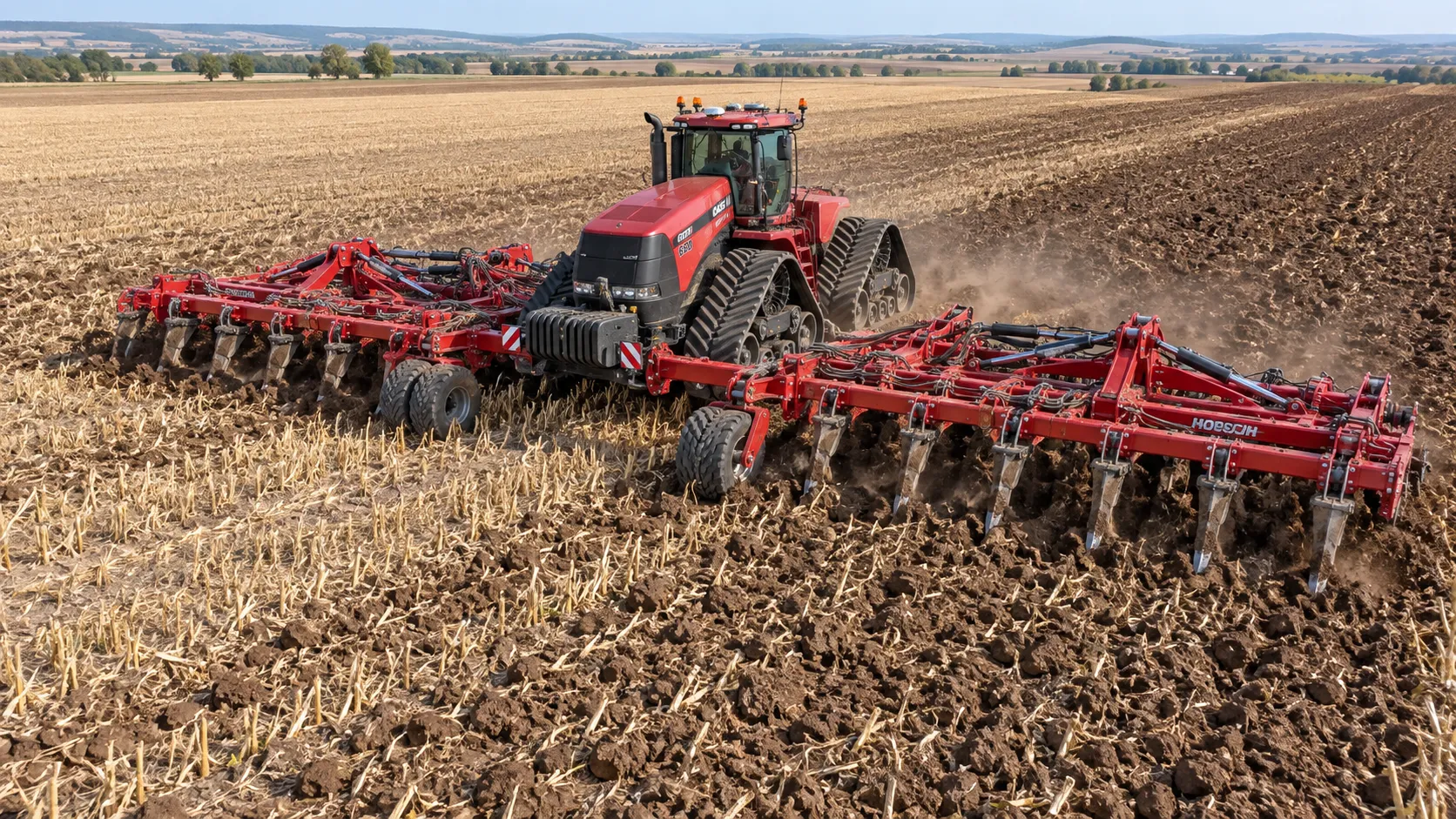
How to Select Heavy-Duty Farm Implements for High-Acreage, High-Horsepower Operations
Heavy duty farm implements: learn how to match draft, hydraulics, hitch capacity, frame strength, and field conditions for reliable high-acreage performance.
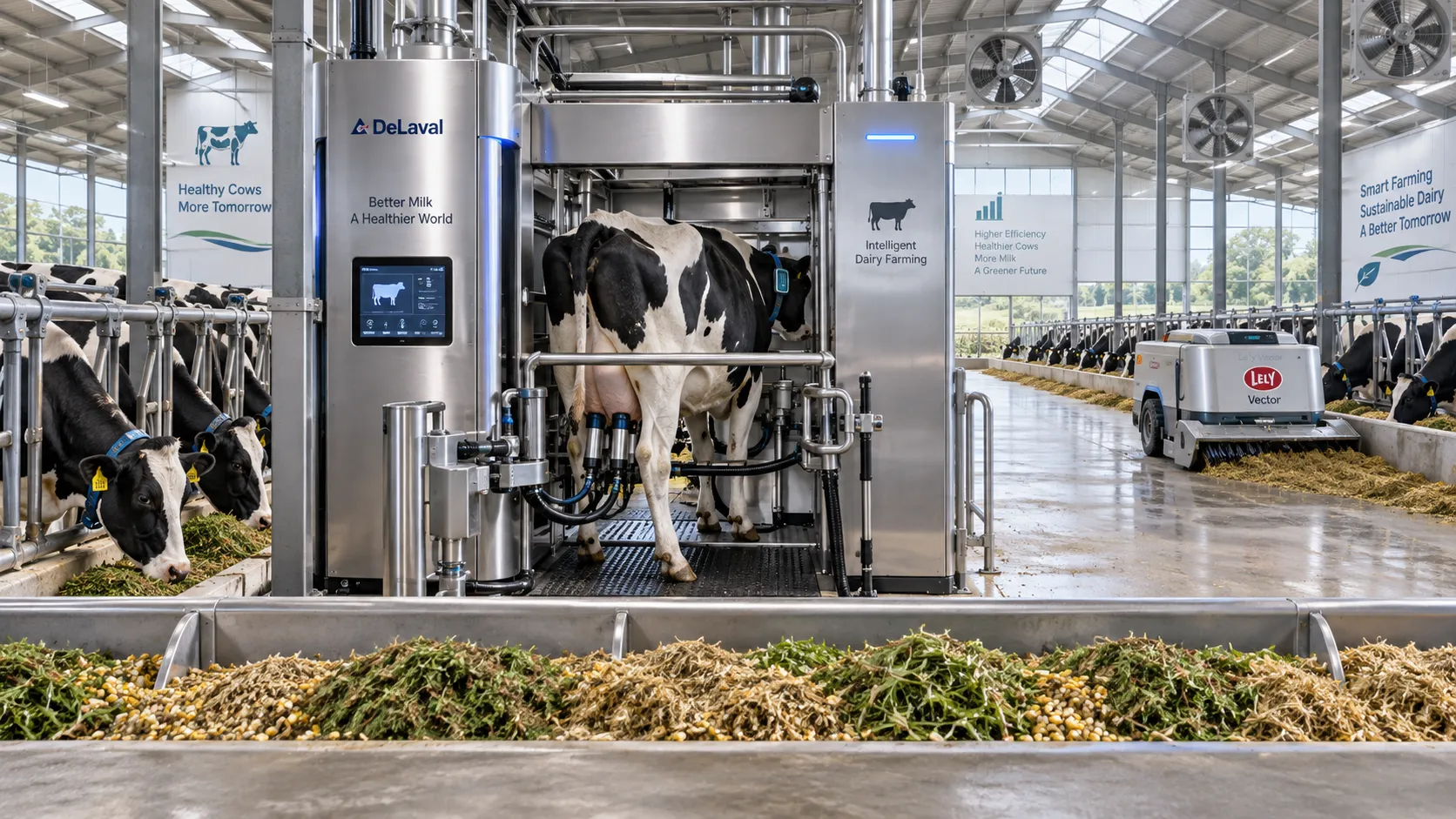
Smart Farming Technology for Dairy Farms: Where Automation Delivers Measurable ROI
Smart farming technology for dairy farms delivers measurable ROI through automation, precision feeding, health monitoring, and data-driven cost control.
Related News
- 00
0000-00
When Does Agricultural Machinery Leasing Cost Less Than Owning Equipment? - 00
0000-00
Selecting Grain Farm Equipment by Acreage, Crop Mix, and Harvest Window - 00
0000-00
Poultry Equipment Selection: Evaluating Durability, Cleaning, and Compatibility - 00
0000-00
How to Select Heavy-Duty Farm Implements for High-Acreage, High-Horsepower Operations - 00
0000-00
Smart Farming Technology for Dairy Farms: Where Automation Delivers Measurable ROI
Popular Tags
Ms. Elena Rodriguez
Weekly Insights
Stay ahead with our curated technology reports delivered every Monday.