
Heavy-Duty Agricultural Machinery: Repair Cost Traps to Know
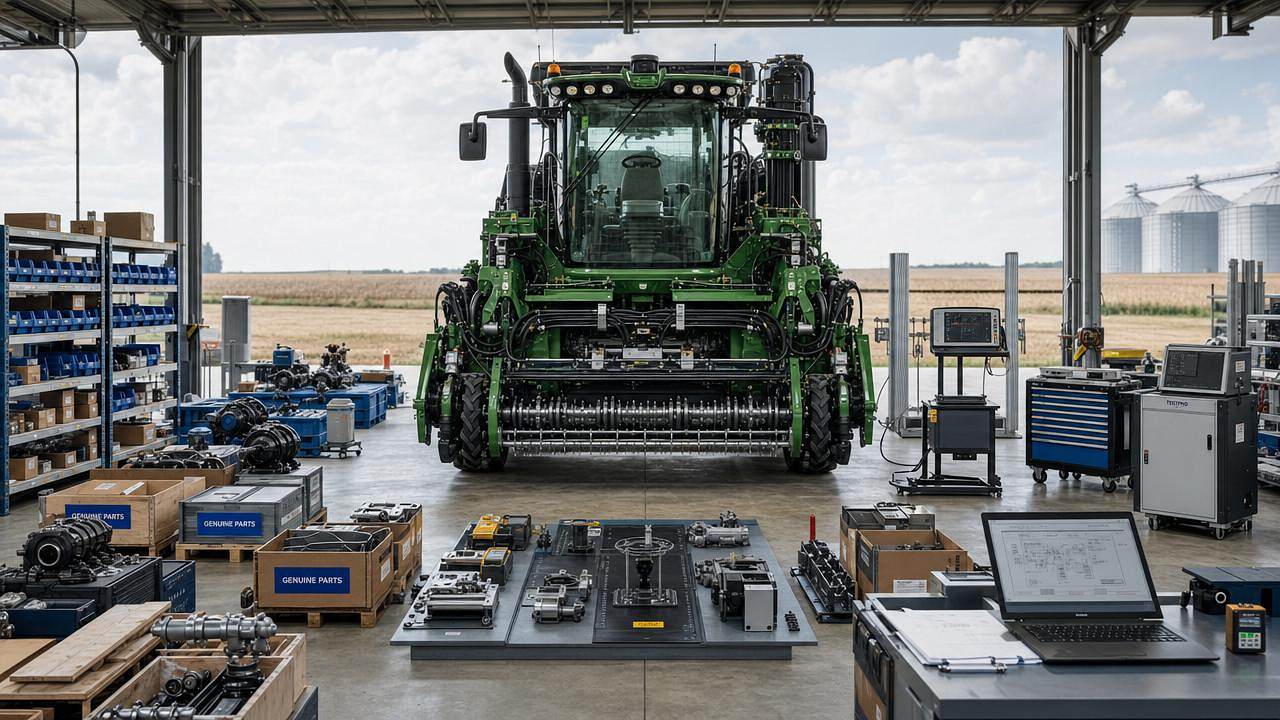




For procurement teams, buying heavy-duty agricultural machinery is only half the financial equation—the real risk often appears later in hidden repair bills, parts delays, and service-related downtime.
This guide explains the most common repair cost traps in heavy-duty agricultural machinery and shows how to judge lifecycle value before contract signing.
In today’s equipment market, repair exposure is rising because machines are more digital, more powerful, and more dependent on global supply chains.
That means the cheapest acquisition price may create the highest operating cost over five to eight seasons.
Why heavy-duty agricultural machinery repair costs are becoming harder to predict
The repair profile of heavy-duty agricultural machinery has changed sharply during the Agriculture 4.0 transition.
Mechanical failures still matter, but software faults, sensor calibration, hydraulic contamination, and emissions-related diagnostics now add new layers of expense.
At the same time, field windows are shorter and weather volatility increases the cost of every hour of downtime.
For heavy-duty agricultural machinery, a delayed repair often becomes a yield loss event, not just a workshop invoice.
Trend signals visible across the market
- Higher electronics density in tractors, combines, and smart implements
- Longer lead times for specialized parts and control modules
- More bundled service agreements with limited repair transparency
- Greater dependence on authorized diagnostic tools
- Rising labor rates for field technicians with software skills
The biggest repair cost traps hidden inside heavy-duty agricultural machinery deals
Most repair overruns come from details buried in service structures, not from one dramatic breakdown.
Trap 1: Low purchase price, high wear-part pricing
Some heavy-duty agricultural machinery looks cost-competitive until filters, belts, bearings, knives, hydraulic hoses, and sensor assemblies require replacement.
A discounted machine can become expensive if proprietary wear parts carry premium pricing or limited aftermarket alternatives.
Trap 2: Proprietary diagnostics and locked software access
Modern heavy-duty agricultural machinery often needs brand-specific software to identify faults, reset controllers, or validate component replacement.
Without access, even simple repairs may require a dealer visit, service travel, and waiting time during peak season.
Trap 3: Weak local parts support
A machine’s global reputation does not guarantee local parts availability.
For heavy-duty agricultural machinery, logistics delays can multiply costs through idle labor, postponed harvesting, and emergency rental substitutions.
Trap 4: Warranty exclusions that remove real protection
Many warranties exclude wear items, contamination damage, operator-related issues, calibration procedures, and transport costs.
Those exclusions often cover the exact events that drive repair bills in heavy-duty agricultural machinery operations.
Trap 5: Complex hydraulic and emissions systems
Hydraulic failures rarely stay isolated.
Contamination can spread across pumps, valves, cylinders, and control blocks, creating system-wide cleanup and replacement costs.
Emissions systems add another layer with sensors, regeneration routines, and aftertreatment modules that require specialized support.
What is driving these repair cost traps in heavy-duty agricultural machinery
Several structural forces are pushing repair risk upward across the sector.
How repair cost exposure affects different business links
Repair volatility in heavy-duty agricultural machinery does not stay inside the workshop.
It influences budgeting, fleet availability, contract planning, crop timing, and even market delivery commitments.
Operational impact
- Unexpected downtime reduces machine utilization during narrow field windows
- Emergency repairs disrupt seasonal labor scheduling
- Delayed harvesting can increase grain loss and moisture-related quality risk
Financial impact
- Service travel charges expand total repair invoices
- High-value parts tie up working capital
- Rental backups or outsourced harvesting add hidden replacement costs
This is why heavy-duty agricultural machinery should be assessed as a service ecosystem, not only as a hardware purchase.
The most important checks before choosing heavy-duty agricultural machinery
The strongest cost control starts before signing.
A disciplined review can reveal whether heavy-duty agricultural machinery will remain supportable across its working life.
Core points to verify
- Average lead time for top twenty replacement parts
- Dealer technician coverage during planting and harvesting peaks
- Access rules for diagnostic software and electronic service tools
- Published pricing for common wear parts and service kits
- Warranty exclusions for contamination, calibration, and hydraulic failures
- Compatibility with third-party parts or remanufactured components
- Training availability for in-house preventive maintenance teams
A practical decision framework for avoiding repair bill surprises
Comparing heavy-duty agricultural machinery by sticker price alone creates blind spots.
A better framework weighs support depth, repair frequency, and downtime severity together.
What the next market phase suggests for heavy-duty agricultural machinery buyers
The next phase of heavy-duty agricultural machinery competition will likely shift from horsepower claims toward uptime credibility.
Brands with transparent parts pipelines, modular design, and faster diagnostic support may gain long-term trust.
This aligns with the broader intelligence-driven direction seen across AP-Strategy’s coverage of tractors, combines, and smart irrigation systems.
As equipment becomes more connected, the best heavy-duty agricultural machinery decisions will depend on data about maintenance exposure, not marketing language.
Take the next step with a lifecycle-focused review
Before final selection, build a simple comparison sheet for heavy-duty agricultural machinery covering parts cost, software access, warranty scope, and downtime response.
Request service records, seasonal support commitments, and component lead-time evidence from every shortlisted supplier.
A lifecycle-focused review reduces repair cost surprises and helps convert equipment investment into stable field performance.
For deeper market intelligence on mechanization trends, combine harvesting systems, tractor chassis technology, and intelligent irrigation, AP-Strategy provides a broader strategic lens.
Related News
When Does Agricultural Machinery Leasing Cost Less Than Owning Equipment?
Agricultural machinery leasing can lower farm costs when use is seasonal or uncertain. Compare utilization, maintenance, cash flow, and risk to make a smarter equipment decision.
How to Evaluate Precision Fertilization System Suppliers for Farm-Scale Deployment
Precision fertilization systems suppliers: learn how to compare accuracy, integration, uptime, service, and total cost for confident farm-scale deployment.
ISOBUS for Smart Agriculture: How It Connects Tractors, Implements, and Farm Data
ISOBUS for smart agriculture connects tractors, implements, terminals, and farm data—helping growers improve precision, documentation, and smarter field decisions.
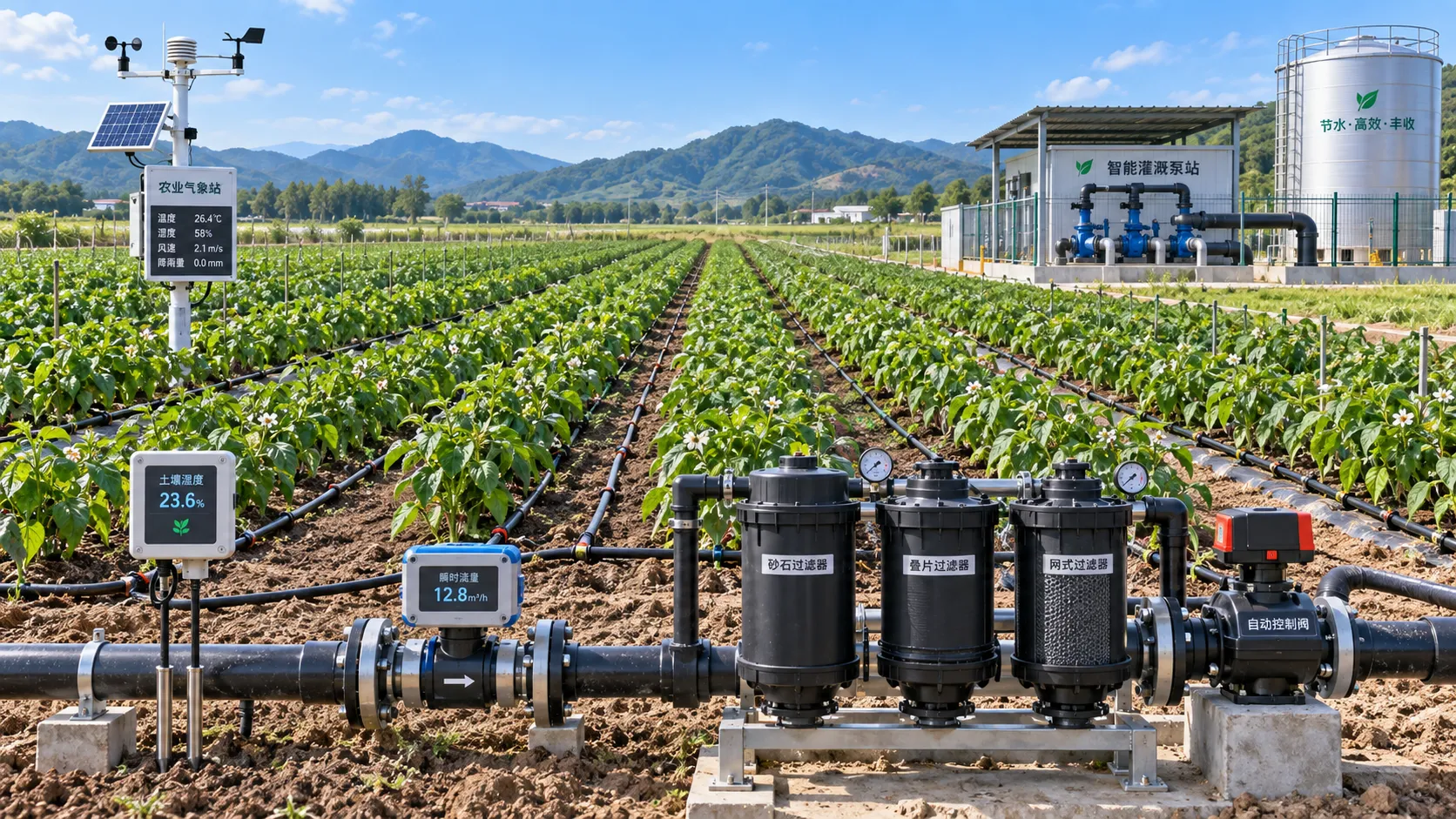
Automated Water-Saving Irrigation: How to Cut Water Use Without Reducing Crop Yields
Automated water-saving irrigation helps farms cut water use, protect crop yields, improve scheduling, and gain reliable control with sensors, flow monitoring, and smart zones.
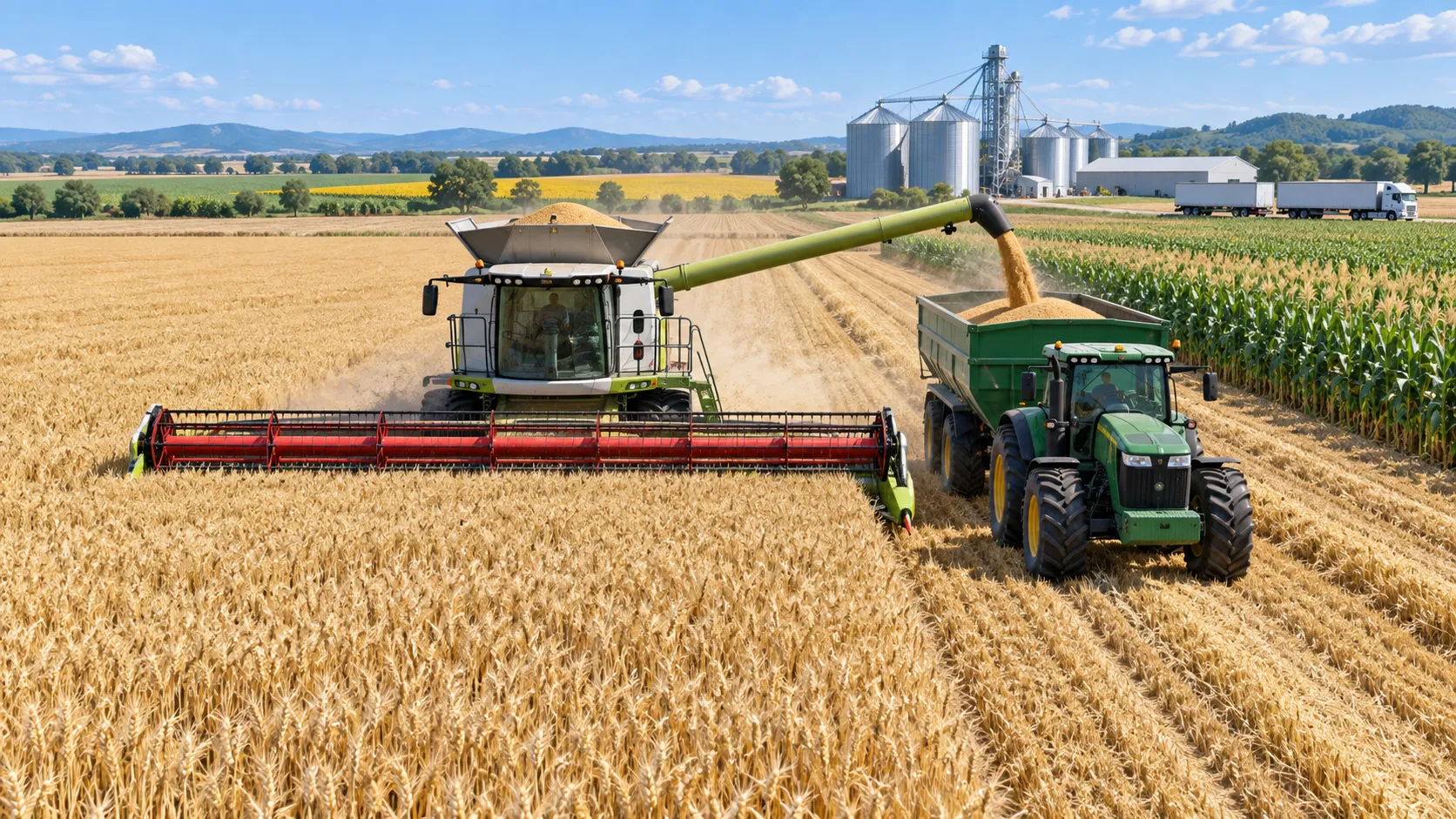
Selecting Grain Farm Equipment by Acreage, Crop Mix, and Harvest Window
Agricultural equipment selection for grain farming: match machinery to acreage, crop mix, and harvest windows to improve uptime, efficiency, and returns.
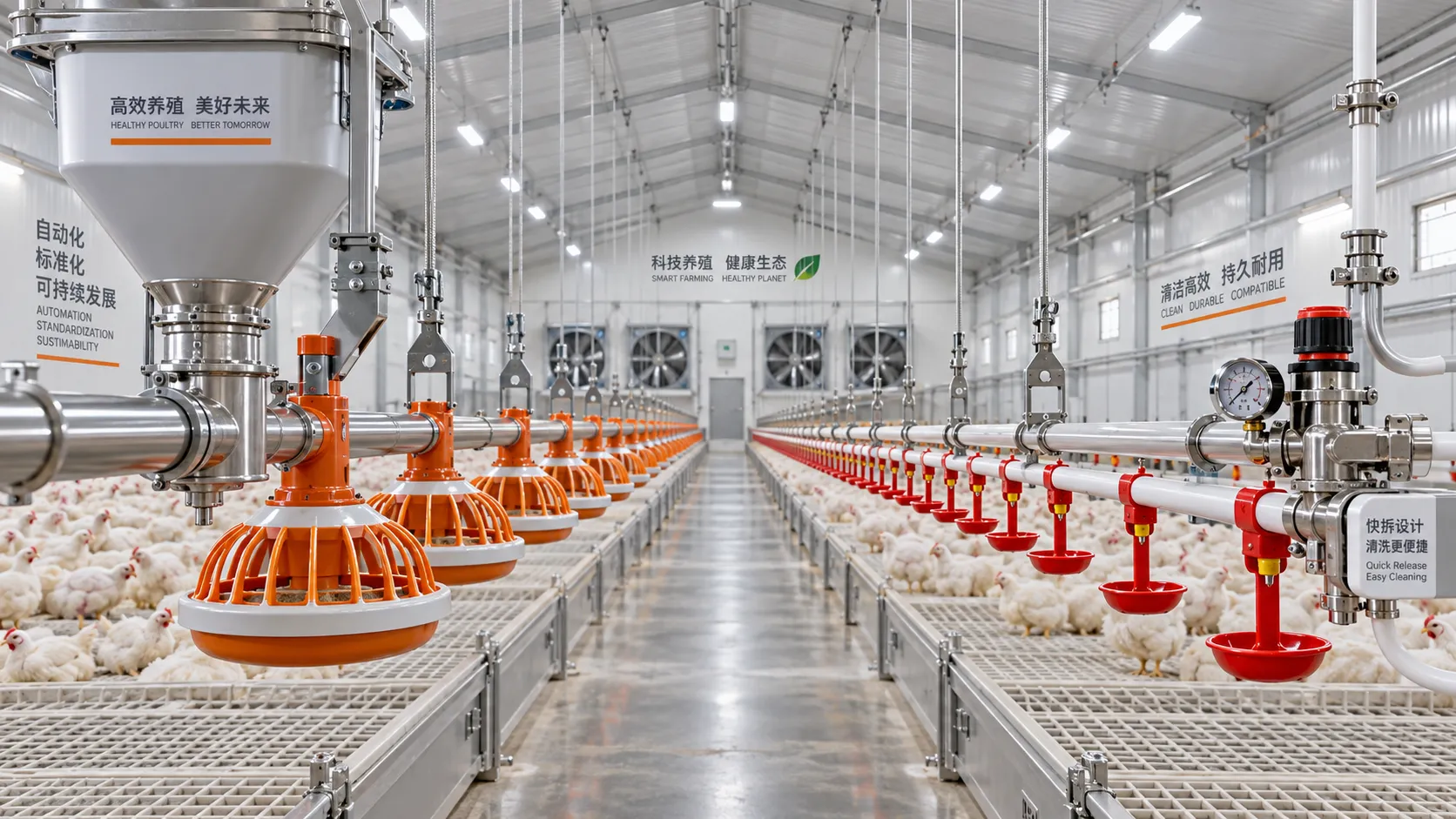
Poultry Equipment Selection: Evaluating Durability, Cleaning, and Compatibility
Poultry equipments selection guide: evaluate durability, cleaning access, and system compatibility to improve hygiene, reduce downtime, and support efficient flock management.
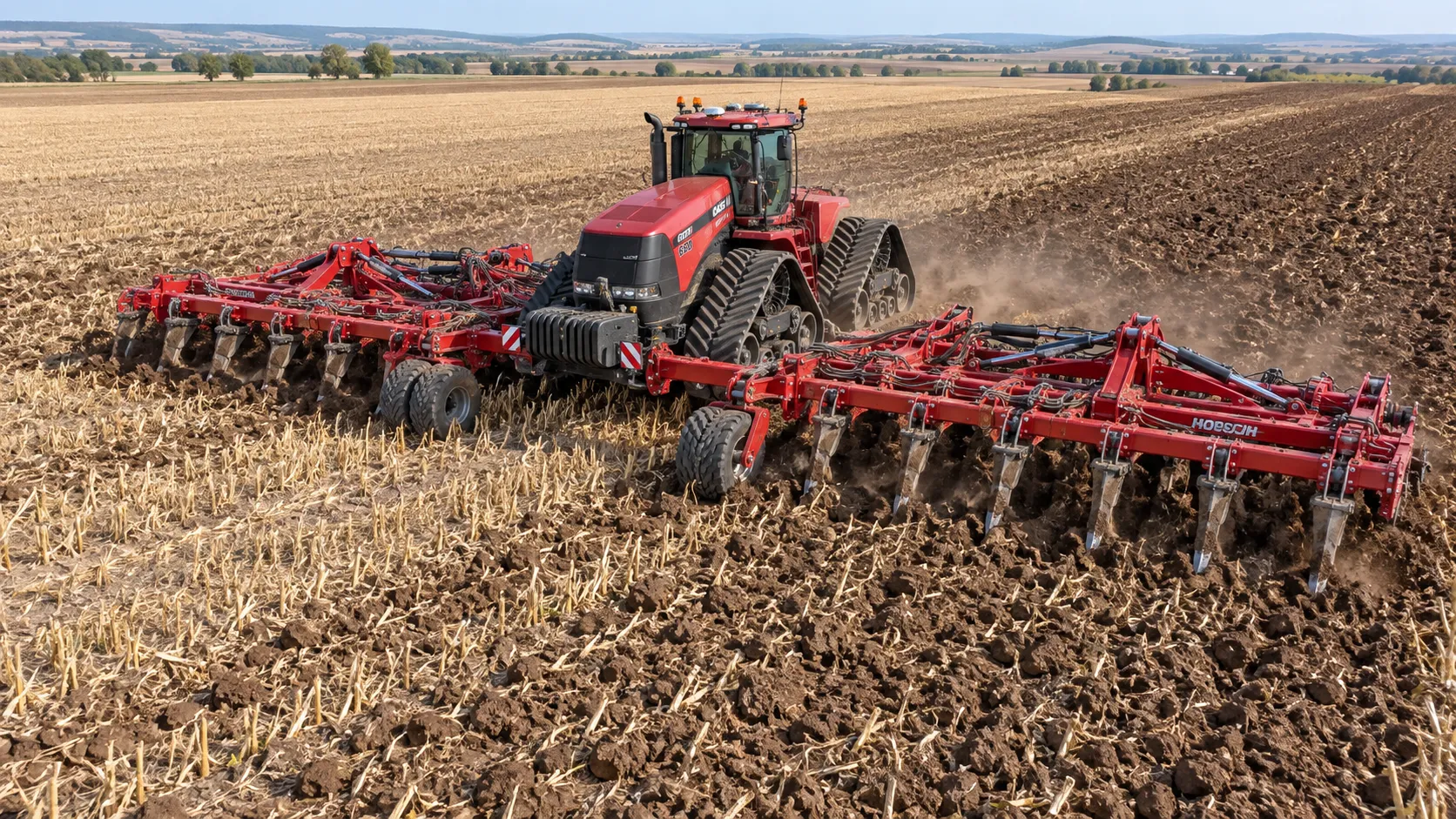
How to Select Heavy-Duty Farm Implements for High-Acreage, High-Horsepower Operations
Heavy duty farm implements: learn how to match draft, hydraulics, hitch capacity, frame strength, and field conditions for reliable high-acreage performance.
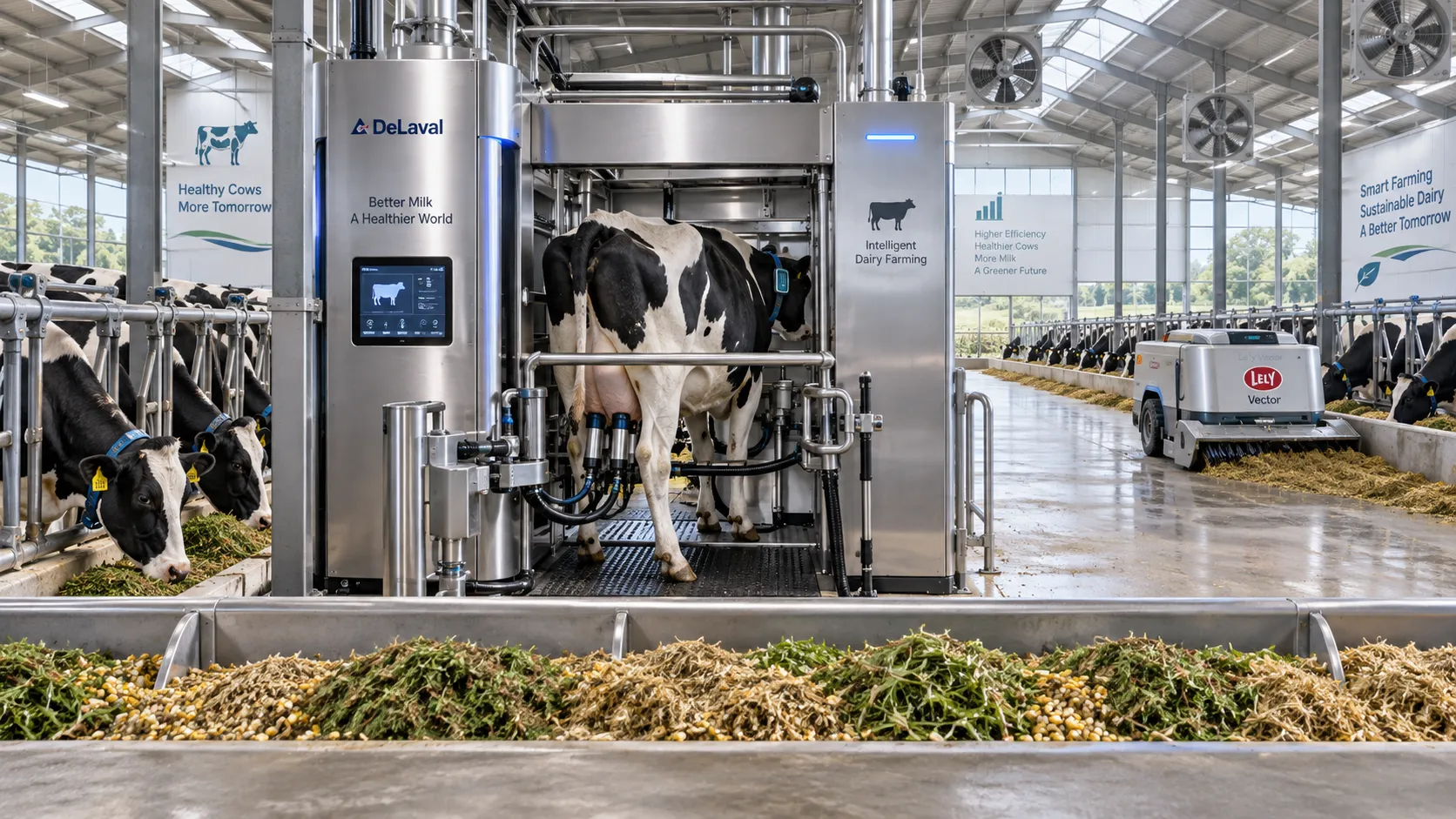
Smart Farming Technology for Dairy Farms: Where Automation Delivers Measurable ROI
Smart farming technology for dairy farms delivers measurable ROI through automation, precision feeding, health monitoring, and data-driven cost control.
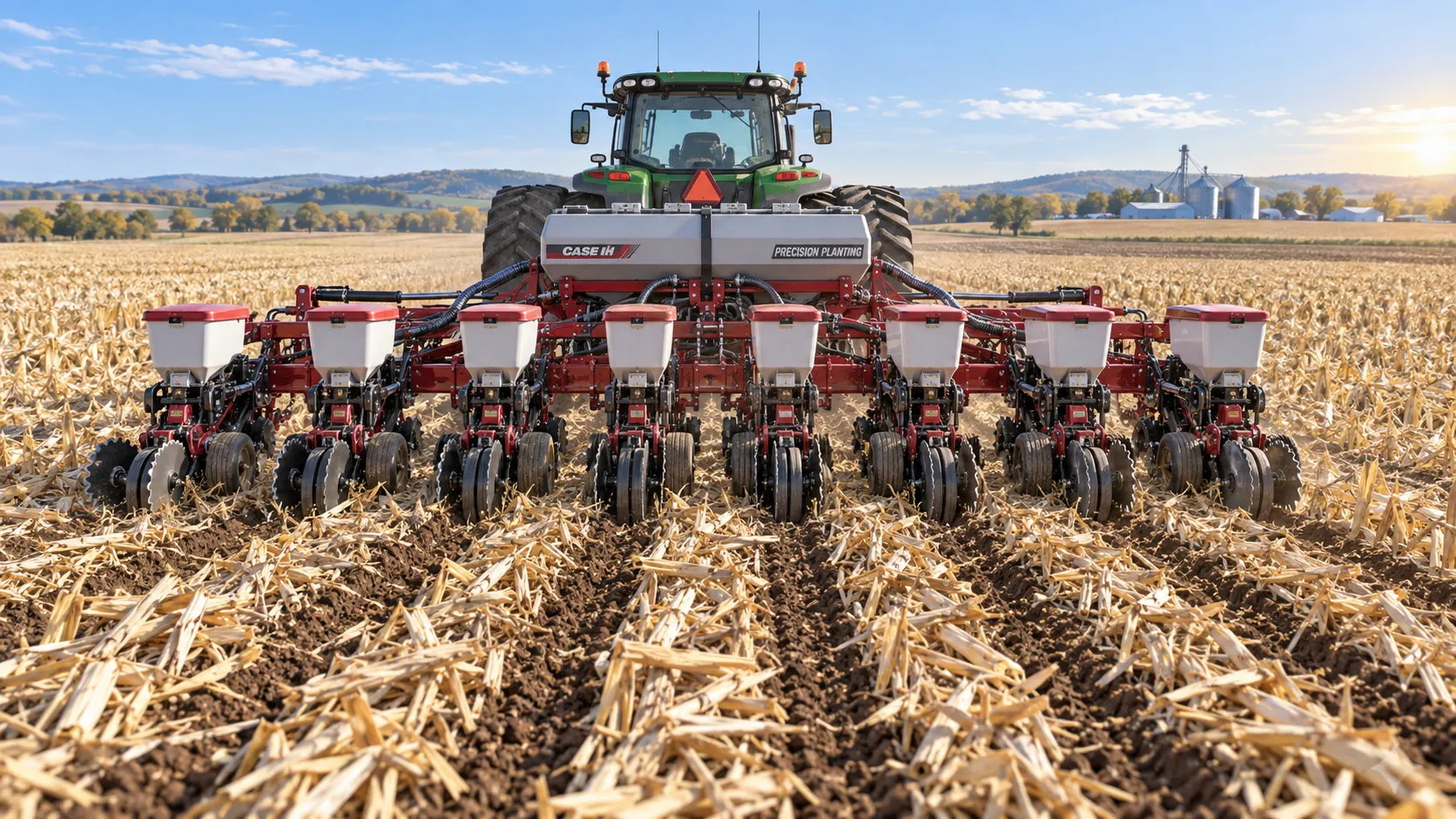
How to Select a Heavy-Duty Seeder for Large Acreage and High-Residue Fields
Heavy duty seeders for large acreage: compare residue handling, depth control, downforce, metering accuracy, and precision features to select the right model.
Related News
- 00
0000-00
When Does Agricultural Machinery Leasing Cost Less Than Owning Equipment? - 00
0000-00
Selecting Grain Farm Equipment by Acreage, Crop Mix, and Harvest Window - 00
0000-00
Poultry Equipment Selection: Evaluating Durability, Cleaning, and Compatibility - 00
0000-00
How to Select Heavy-Duty Farm Implements for High-Acreage, High-Horsepower Operations - 00
0000-00
Smart Farming Technology for Dairy Farms: Where Automation Delivers Measurable ROI
Popular Tags
Ms. Elena Rodriguez
Weekly Insights
Stay ahead with our curated technology reports delivered every Monday.