
What Causes Downtime in Agricultural Machinery Intelligence?
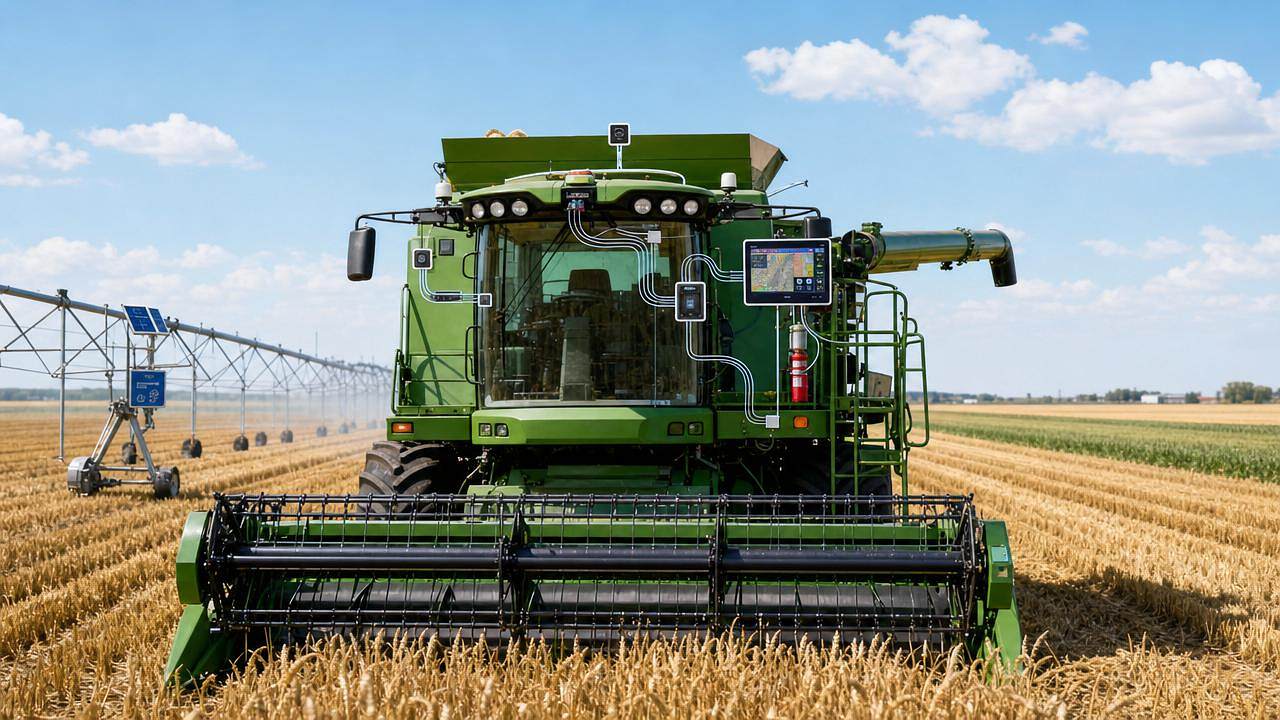




Downtime in modern farming rarely comes from one failed component. In agricultural machinery intelligence, it usually develops through linked weaknesses across sensors, software, hydraulics, connectivity, and maintenance behavior.
When a combine pauses, an irrigation controller misfires, or a guidance system drifts, field losses can rise quickly. Understanding what causes these interruptions helps reduce repair time and improve machine availability.
For the wider agri-equipment ecosystem, agricultural machinery intelligence is now central to uptime strategy. It connects mechanical performance with real-time data, diagnostics, and operating discipline.
Operational Meaning of Agricultural Machinery Intelligence
Agricultural machinery intelligence refers to embedded decision systems inside tractors, harvesters, irrigation platforms, and precision tools. These systems convert field signals into control actions, alerts, and performance adjustments.
Typical layers include positioning modules, crop or soil sensors, telematics units, hydraulic controllers, user interfaces, and cloud-linked software. Downtime appears when any layer fails alone or fails in coordination.
Unlike purely mechanical stoppages, intelligent equipment failures can be invisible at first. A machine may still run, yet perform poorly because data quality, timing, or calibration has degraded.
That is why agricultural machinery intelligence must be evaluated as a system. Reliable uptime depends on component health, data trust, software logic, and operator response working together.
Current Industry Signals Behind Intelligent Equipment Downtime
Across large-scale farming, downtime pressure is increasing because equipment is more connected, more automated, and more dependent on synchronized functions. Several signals stand out across the sector.
These pressures explain why agricultural machinery intelligence has become both a productivity driver and a risk point. As systems gain sophistication, diagnosis must become more disciplined and data-based.
Primary Technical Causes of Downtime
Sensor contamination and calibration drift
Sensors are the first input layer of agricultural machinery intelligence. If readings become inaccurate, every downstream decision becomes weaker, even when the machine appears mechanically healthy.
Dust on optical crop sensors, mud on radar surfaces, blocked flow meters, and temperature-sensitive pressure sensors often create false feedback. This can trigger yield mapping errors, steering deviations, or irrigation imbalance.
Software logic faults and firmware mismatch
Modern machines rely on control logic to translate conditions into action. If firmware versions conflict across controllers, the system may freeze, misread attachments, or reject valid commands.
Agricultural machinery intelligence often spans engine control, header control, guidance, and telematics. A small software inconsistency can interrupt machine startup, harvesting automation, or variable-rate applications.
Hydraulic-electronic coordination failures
Intelligent machinery does not act through software alone. It depends on physical response through valves, pumps, actuators, and transmission systems.
When command timing and hydraulic response fall out of sync, equipment may hesitate, overshoot, or enter safety mode. Common examples include header lift lag, unstable boom control, and delayed steering correction.
Power quality and wiring degradation
Many downtime cases are electrical before they are digital. Loose connectors, corroded terminals, weak grounding, and unstable voltage disturb communication between modules.
In agricultural machinery intelligence, poor power quality can imitate software failure. Screens reboot, control units drop offline, and diagnostic codes appear inconsistent or misleading.
Connectivity gaps and delayed data exchange
Telematics and cloud synchronization support predictive maintenance and remote support. However, weak network coverage or unstable gateways can block data uploads and delay corrective action.
This matters most when remote diagnostics are expected during short harvest windows. Without stable communication, service teams lose visibility into the actual source of the stoppage.
Human and Process Factors That Intensify Downtime
Technical faults rarely act alone. Operational routines often decide whether agricultural machinery intelligence recovers quickly or remains unavailable for longer than necessary.
- Skipped calibration before seasonal startup
- Incomplete cleaning around sensor and connector areas
- Incorrect attachment configuration in control displays
- Delayed installation of validated software patches
- Overreliance on fault codes without physical inspection
- Poor documentation of repeated intermittent failures
These process gaps are costly because intelligent machines generate complex symptoms. A blocked sensor may be mistaken for a controller failure. A hydraulic issue may be logged as a communication fault.
Well-structured maintenance routines remain essential. Agricultural machinery intelligence performs best when digital diagnostics are paired with disciplined inspection, cleaning, testing, and recordkeeping.
Typical Downtime Patterns by Equipment Category
Different machine classes experience downtime differently. The failure path depends on operating environment, task complexity, and the balance between mechanical load and digital control.
This category view helps narrow root cause analysis. It also shows why agricultural machinery intelligence should be supported by machine-specific service logic, not only generic diagnostics.
Business Value of Reducing Intelligent Equipment Downtime
Reducing downtime protects more than service budgets. It improves harvest timing, fuel efficiency, water use, labor planning, and confidence in digital farming systems.
For the broader industry, stronger agricultural machinery intelligence also supports sustainability goals. Better uptime means fewer repeated passes, lower waste, and more accurate resource application across fields.
It also strengthens long-cycle asset performance. Machines that receive accurate diagnostics and preventive attention generally maintain higher value and steadier output over time.
Practical Measures to Prevent Repeated Failures
- Build pre-season calibration checklists for all sensor-driven functions.
- Standardize firmware validation before installing updates fleet-wide.
- Inspect connectors, harnesses, and grounds during routine service intervals.
- Compare digital fault codes with hydraulic and mechanical test results.
- Record intermittent symptoms with timestamps, weather, and task conditions.
- Use remote diagnostics as support, not as a replacement for field verification.
- Review machine data after each peak operation period to detect patterns.
These steps improve the reliability of agricultural machinery intelligence without overcomplicating maintenance. The goal is early detection, cleaner diagnosis, and fewer cascading failures during critical field windows.
Next-Step Focus for More Reliable Agricultural Machinery Intelligence
The most effective response to downtime is a structured one. Start by mapping failures across sensors, software, hydraulics, power supply, and operator routines rather than treating each stoppage as isolated.
Then prioritize the highest-risk equipment, especially combines, tractor chassis controls, intelligent implements, and smart irrigation nodes. These assets often carry the heaviest timing and productivity pressure.
As digital farming expands, agricultural machinery intelligence will remain a decisive factor in uptime. Stronger diagnostics, cleaner maintenance habits, and better system integration are the most reliable path to fewer interruptions.
AP-Strategy continues to track these intelligence patterns across global agri-equipment, helping turn field complexity into clearer operational decisions and more dependable machine performance.
Related News
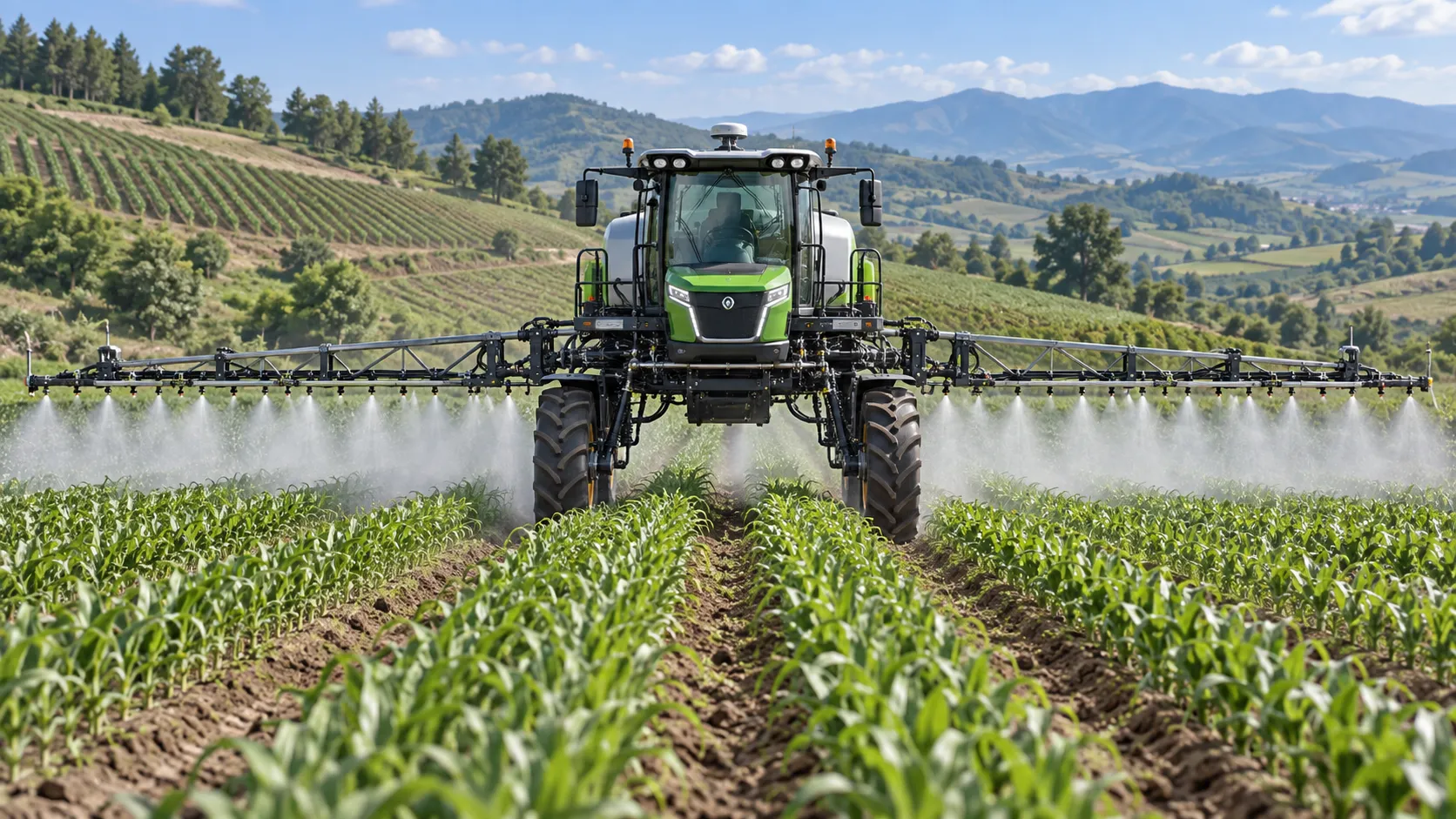
How to Select Precision Crop Protection Equipment for Variable Field Conditions
Precision crop protection equipment selection made simple: compare terrain, canopy, weather, control accuracy, and data workflows for reliable applications.

When Does Agricultural Machinery Leasing Cost Less Than Owning Equipment?
Agricultural machinery leasing can lower farm costs when use is seasonal or uncertain. Compare utilization, maintenance, cash flow, and risk to make a smarter equipment decision.
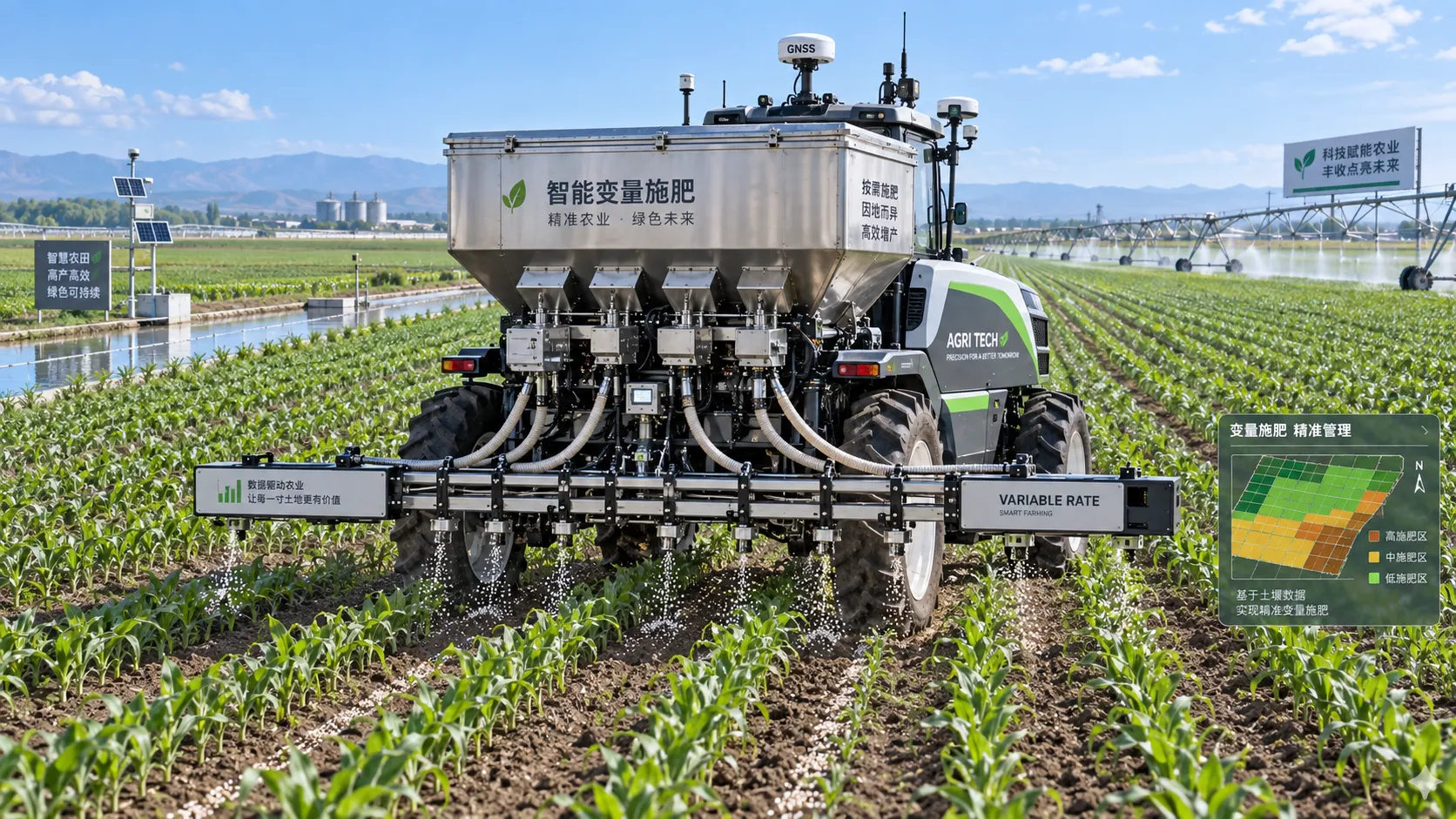
How to Evaluate Precision Fertilization System Suppliers for Farm-Scale Deployment
Precision fertilization systems suppliers: learn how to compare accuracy, integration, uptime, service, and total cost for confident farm-scale deployment.
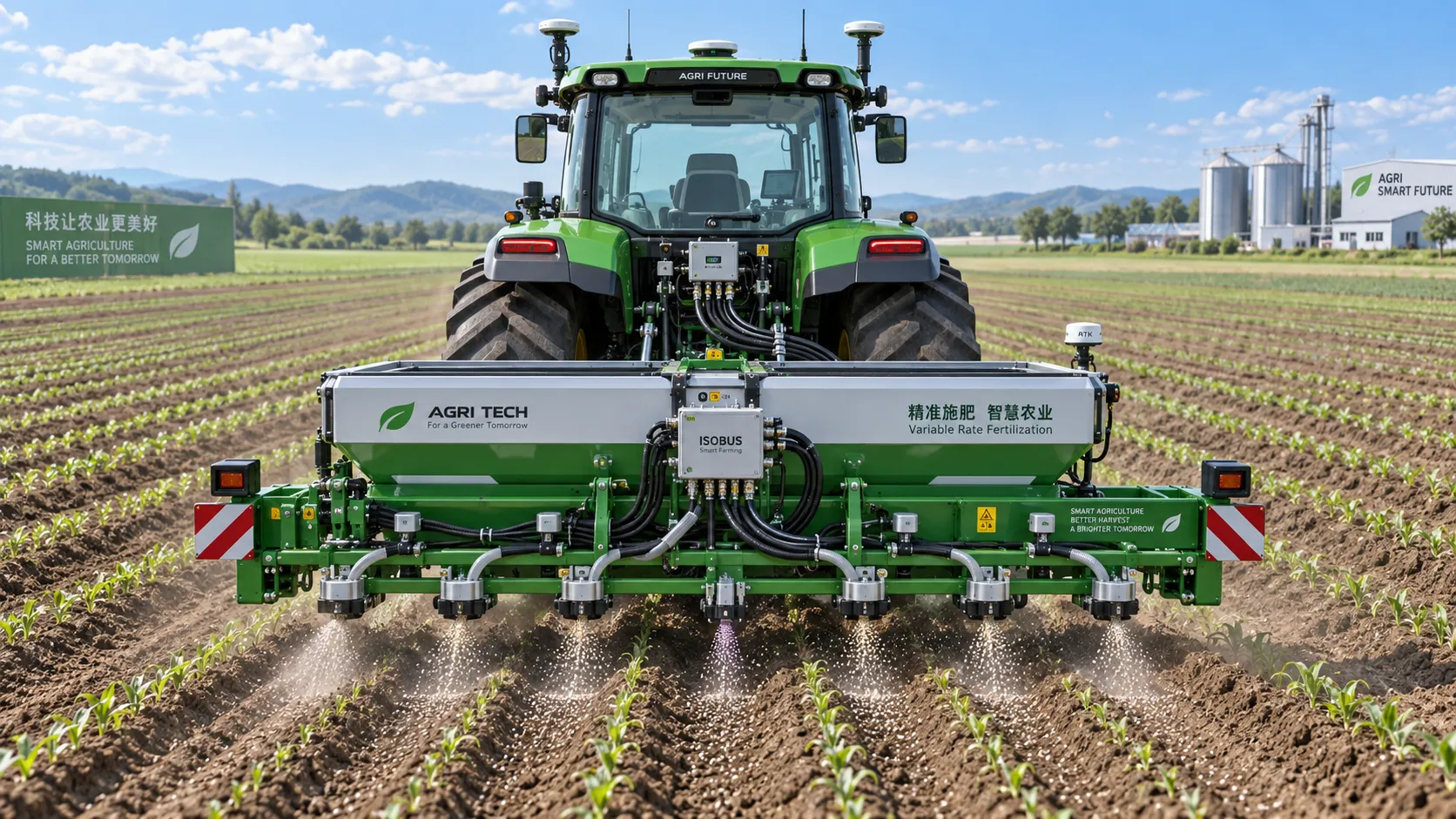
ISOBUS for Smart Agriculture: How It Connects Tractors, Implements, and Farm Data
ISOBUS for smart agriculture connects tractors, implements, terminals, and farm data—helping growers improve precision, documentation, and smarter field decisions.
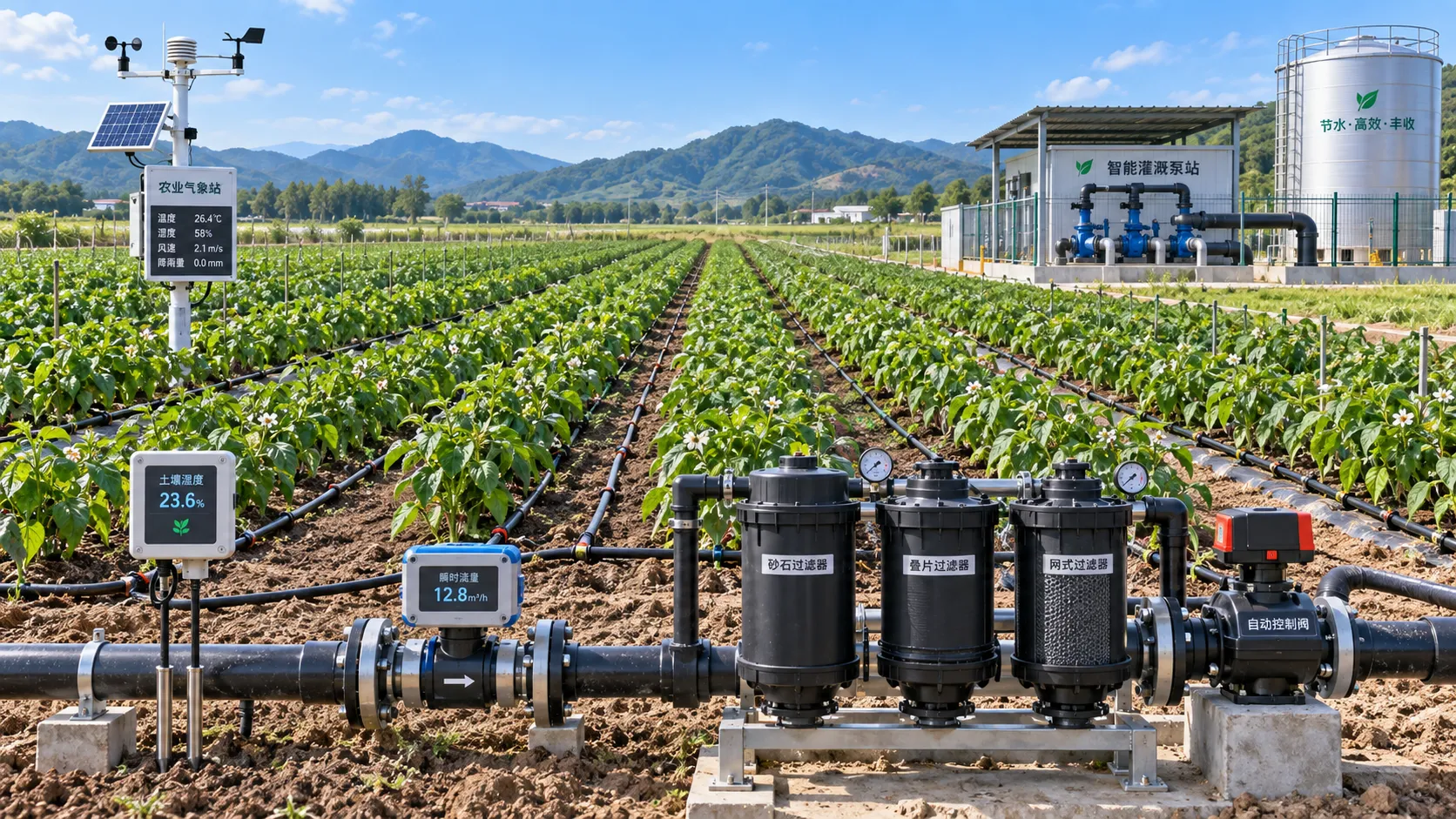
Automated Water-Saving Irrigation: How to Cut Water Use Without Reducing Crop Yields
Automated water-saving irrigation helps farms cut water use, protect crop yields, improve scheduling, and gain reliable control with sensors, flow monitoring, and smart zones.
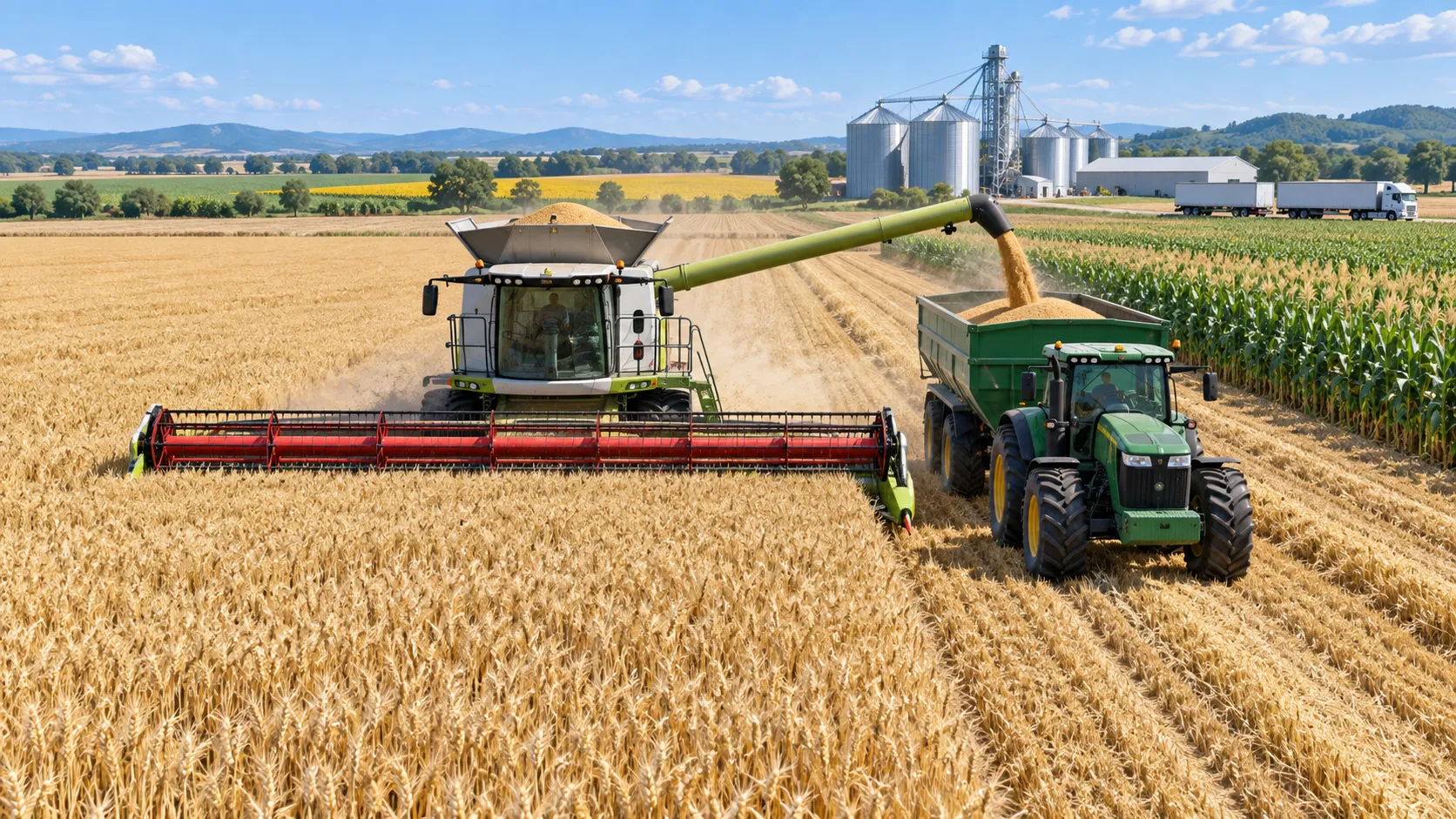
Selecting Grain Farm Equipment by Acreage, Crop Mix, and Harvest Window
Agricultural equipment selection for grain farming: match machinery to acreage, crop mix, and harvest windows to improve uptime, efficiency, and returns.
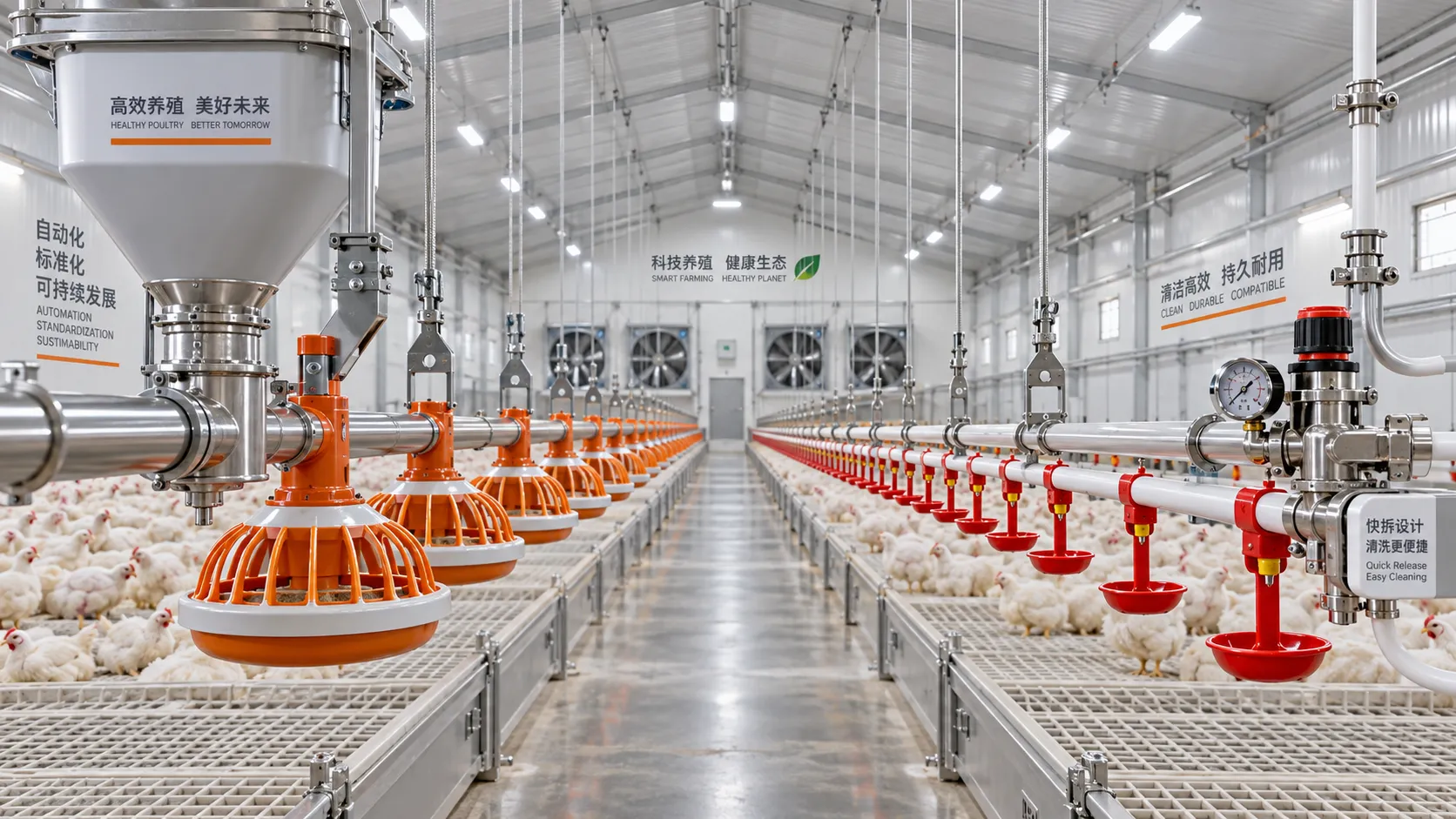
Poultry Equipment Selection: Evaluating Durability, Cleaning, and Compatibility
Poultry equipments selection guide: evaluate durability, cleaning access, and system compatibility to improve hygiene, reduce downtime, and support efficient flock management.
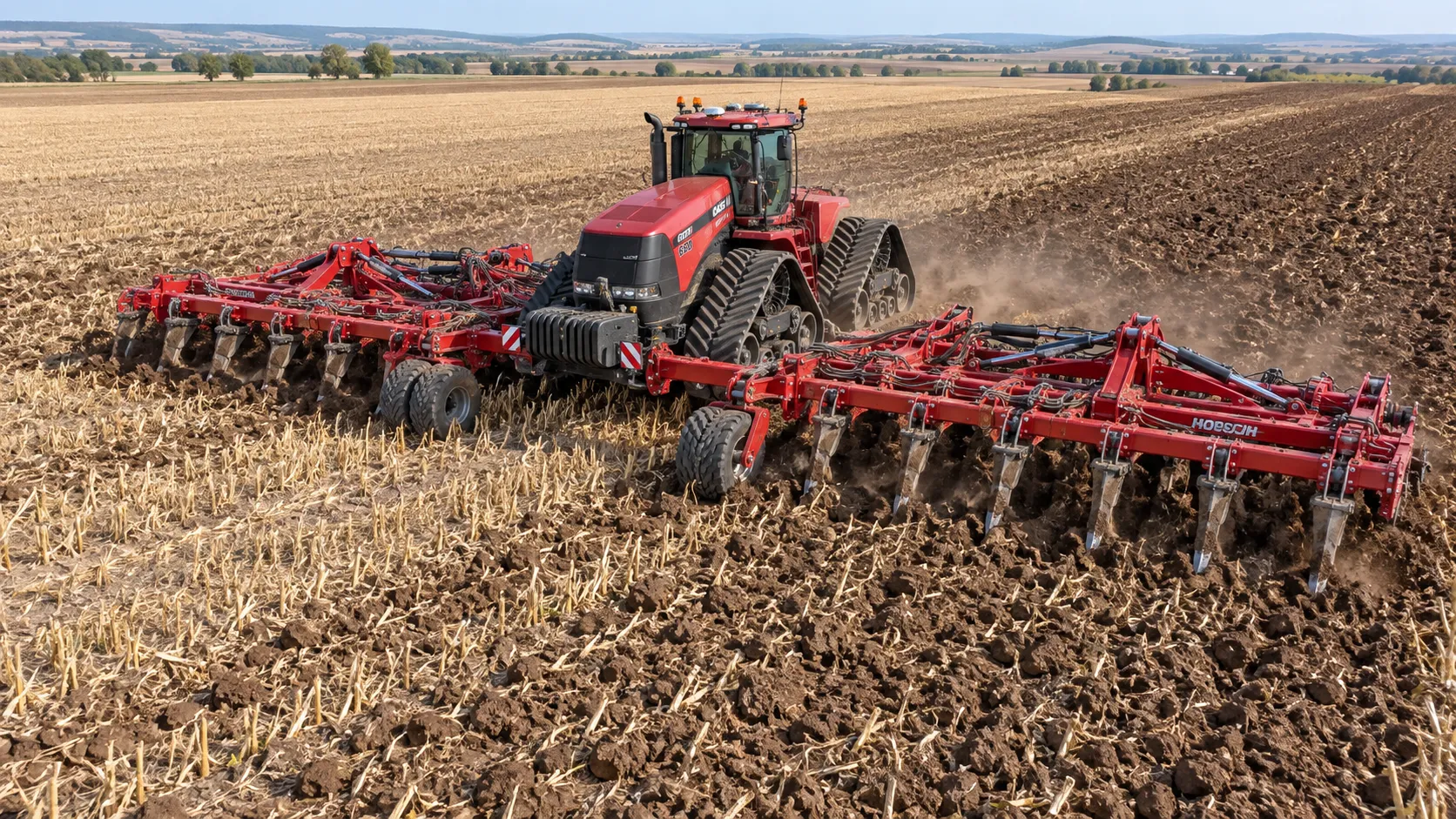
How to Select Heavy-Duty Farm Implements for High-Acreage, High-Horsepower Operations
Heavy duty farm implements: learn how to match draft, hydraulics, hitch capacity, frame strength, and field conditions for reliable high-acreage performance.
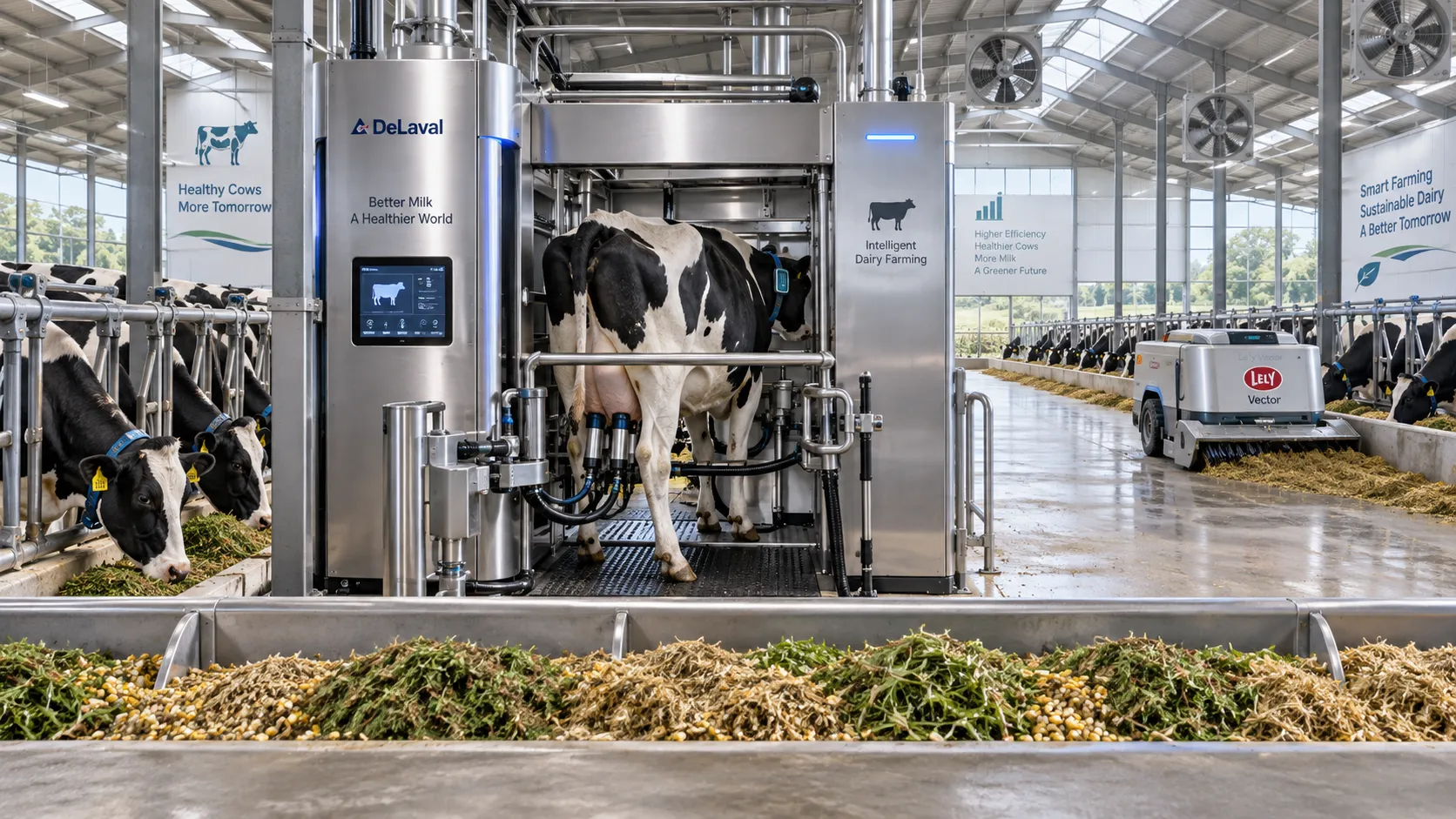
Smart Farming Technology for Dairy Farms: Where Automation Delivers Measurable ROI
Smart farming technology for dairy farms delivers measurable ROI through automation, precision feeding, health monitoring, and data-driven cost control.
Related News
- 00
0000-00
When Does Agricultural Machinery Leasing Cost Less Than Owning Equipment? - 00
0000-00
Selecting Grain Farm Equipment by Acreage, Crop Mix, and Harvest Window - 00
0000-00
Poultry Equipment Selection: Evaluating Durability, Cleaning, and Compatibility - 00
0000-00
How to Select Heavy-Duty Farm Implements for High-Acreage, High-Horsepower Operations - 00
0000-00
Smart Farming Technology for Dairy Farms: Where Automation Delivers Measurable ROI
Popular Tags
Ms. Elena Rodriguez
Weekly Insights
Stay ahead with our curated technology reports delivered every Monday.