
Smart Farming Technology Trends That Actually Affect Yield
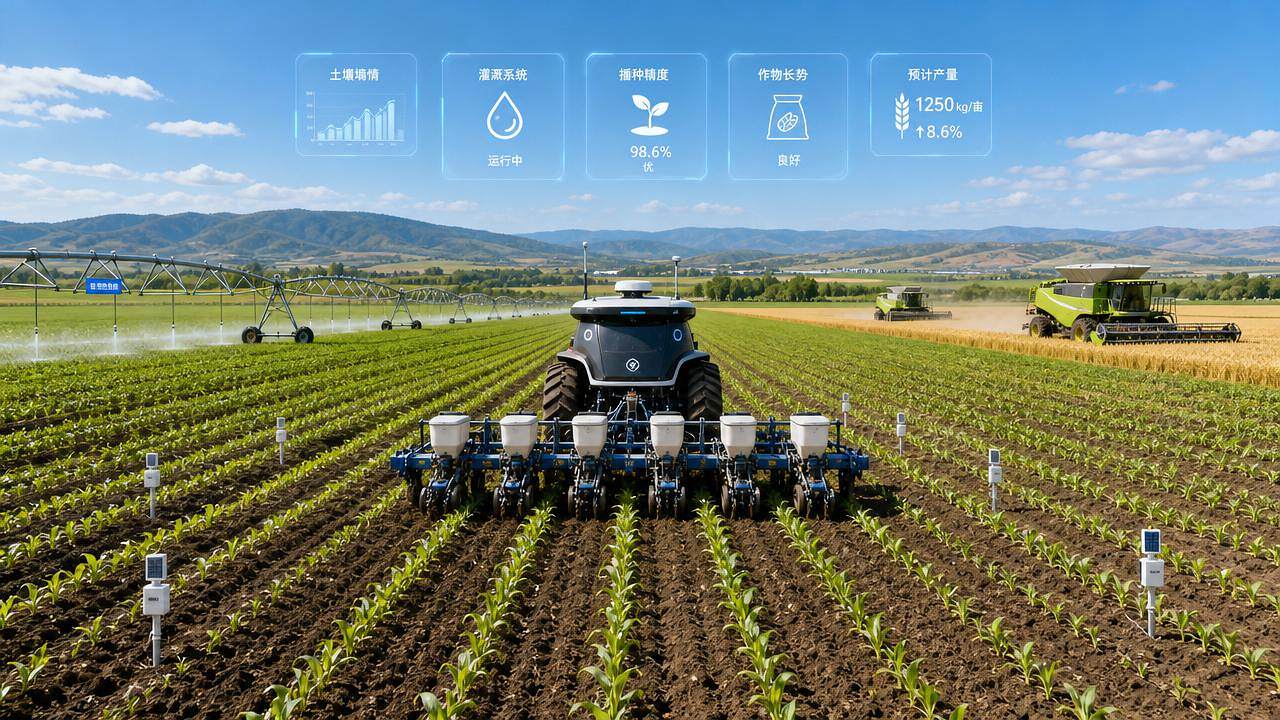




Smart Farming Technology Trends That Actually Affect Yield
Smart farming technology is no longer a distant promise. It is now a practical yield driver across field preparation, seeding, crop care, harvesting, and irrigation management.
For Agriculture 4.0 observers, the key challenge is not finding innovation. It is identifying which systems consistently improve output, reduce loss, and strengthen resilience.
At AP-Strategy, this question matters because yield is shaped by connected decisions. Machine performance, field data, water control, and harvesting precision now influence one another.
This article reviews the smart farming technology trends that have measurable impact. The focus stays on operational value rather than market hype.
What Smart Farming Technology Means in Practical Terms
Smart farming technology refers to digital, mechanical, and sensor-based systems used to improve agricultural decisions and field execution.
It combines machinery, software, satellite positioning, remote sensing, automation, and predictive models into one operating framework.
The concept matters because yield does not depend on a single machine. It depends on timing, uniformity, input accuracy, moisture balance, and harvest efficiency.
In modern operations, smart farming technology usually appears in five linked areas:
- Guidance and autosteering for precise passes
- Variable-rate input application based on field conditions
- Sensor-based crop and soil monitoring
- Intelligent irrigation scheduling and control
- Harvest analytics for reducing grain loss and downtime
When these systems work together, they support better stand establishment, more stable plant health, and cleaner harvesting outcomes.
Current Industry Signals Behind Yield-Focused Adoption
The strongest interest in smart farming technology is coming from farms facing pressure on cost, labor, water, and climate variability.
Yield is no longer viewed only as a genetics issue. It is also an execution issue across every field operation.
These signals explain why smart farming technology is moving from optional innovation to core production infrastructure.
Technology Trends With the Clearest Yield Impact
Precision guidance and controlled traffic
Autosteering reduces overlap, skips, and operator fatigue. That sounds simple, but spacing accuracy directly affects emergence, spraying uniformity, and compaction patterns.
Controlled traffic systems also protect root zones by limiting unnecessary wheel passes. Better soil structure often supports stronger water infiltration and root development.
Variable-rate seeding and fertilization
Not every field zone has the same yield potential. Smart farming technology uses soil maps, elevation data, and historical performance to adjust seeding and nutrient rates.
This matters because overpopulation in weak zones can reduce plant performance. Underfeeding strong zones can also leave yield unrealized.
Sensor-based crop monitoring
Field sensors, canopy imaging, and remote monitoring help identify stress before visible damage becomes severe.
Early detection improves the timing of irrigation, nutrient correction, and plant protection. Faster response often prevents yield loss from spreading.
Smart irrigation networks
Irrigation has become one of the most important yield-sensitive applications of smart farming technology.
Connected valves, moisture probes, weather data, and evapotranspiration models help apply water when crops actually need it.
This improves water productivity and stabilizes plant growth during sensitive development stages.
Combine harvester intelligence
Yield is not only created in the field. It is also protected at harvest.
Modern combine systems use dynamic settings, grain loss sensors, cleaning adjustment, and throughput monitoring to reduce waste in changing crop conditions.
In difficult harvest windows, this smart farming technology can make a clear difference between theoretical yield and delivered grain volume.
Operational Value Across the Agricultural System
The biggest value of smart farming technology comes from system coordination, not isolated devices.
A stronger tractor chassis improves stability and hydraulic responsiveness. Better implement control improves placement accuracy. Better placement supports crop uniformity. Uniformity supports harvest efficiency.
This chain effect is especially important in large-scale agriculture, where small execution errors multiply across wide acreage.
- Less overlap reduces seed, fertilizer, and chemical waste
- Better irrigation timing lowers stress during key growth periods
- Real-time alerts reduce delayed responses to disease or moisture issues
- Harvest tuning preserves grain quality and marketable yield
- Field records improve future planning and benchmarking
For intelligence-led platforms such as AP-Strategy, the lesson is clear. Performance data must connect machinery capability with agronomic outcomes.
Typical Application Scenarios for Smart Farming Technology
Different crops and operating environments use smart farming technology in different ways. Yet the most common yield-oriented scenarios are easy to identify.
These scenarios show why smart farming technology should be matched to operational bottlenecks, not adopted only for digital visibility.
Implementation Considerations That Influence Results
Technology alone does not guarantee yield improvement. Configuration, compatibility, and field discipline matter just as much.
Start with the highest-loss point
In some systems, that is irrigation timing. In others, it is harvest loss, poor pass-to-pass accuracy, or uneven nutrient placement.
Prioritize data that changes decisions
More dashboards do not always create better outcomes. Useful smart farming technology produces actionable signals, not just digital records.
Verify machine-to-field integration
A guidance system, implement controller, and sensor platform must communicate accurately. Weak integration can erase the value of advanced hardware.
Use seasonal benchmarking
Compare treated zones, water use, grain loss, and field timing against prior seasons. That is how smart farming technology becomes a management tool.
- Track yield by zone, not only by field average
- Measure harvest loss before and after machine optimization
- Relate irrigation schedules to crop stage and heat events
- Review compaction patterns where heavy machinery operates repeatedly
A Practical Direction for the Next Stage
The most effective smart farming technology trends share one trait. They improve execution during critical moments that determine yield.
That includes precise seeding, balanced input delivery, responsive irrigation, and low-loss harvesting supported by reliable mechanical platforms.
For those following global mechanization and Agriculture 4.0, the next step is straightforward. Evaluate technology by measurable field effect, not by feature count.
AP-Strategy’s intelligence approach reflects this principle. Yield-oriented insight should connect large-scale machinery, combine performance, precision tools, and water-saving systems into one decision framework.
In practice, the best starting point is a focused review of one production constraint. Then align the right smart farming technology with that specific yield risk.
This method supports stronger returns, more resilient cropping systems, and better long-term productivity in a rapidly changing agricultural landscape.
Related News
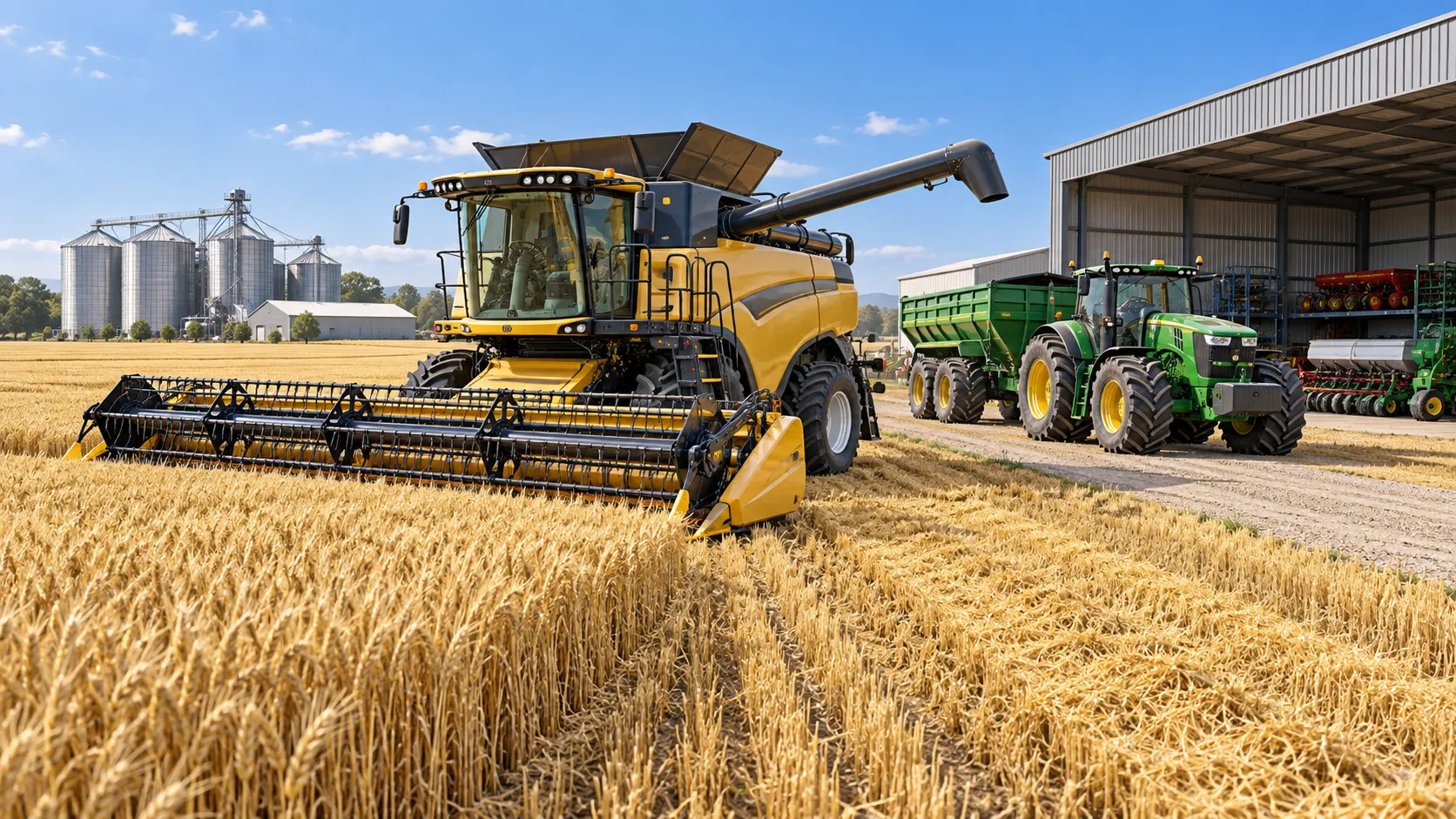
When Does Agricultural Machinery Leasing Cost Less Than Owning Equipment?
Agricultural machinery leasing can lower farm costs when use is seasonal or uncertain. Compare utilization, maintenance, cash flow, and risk to make a smarter equipment decision.
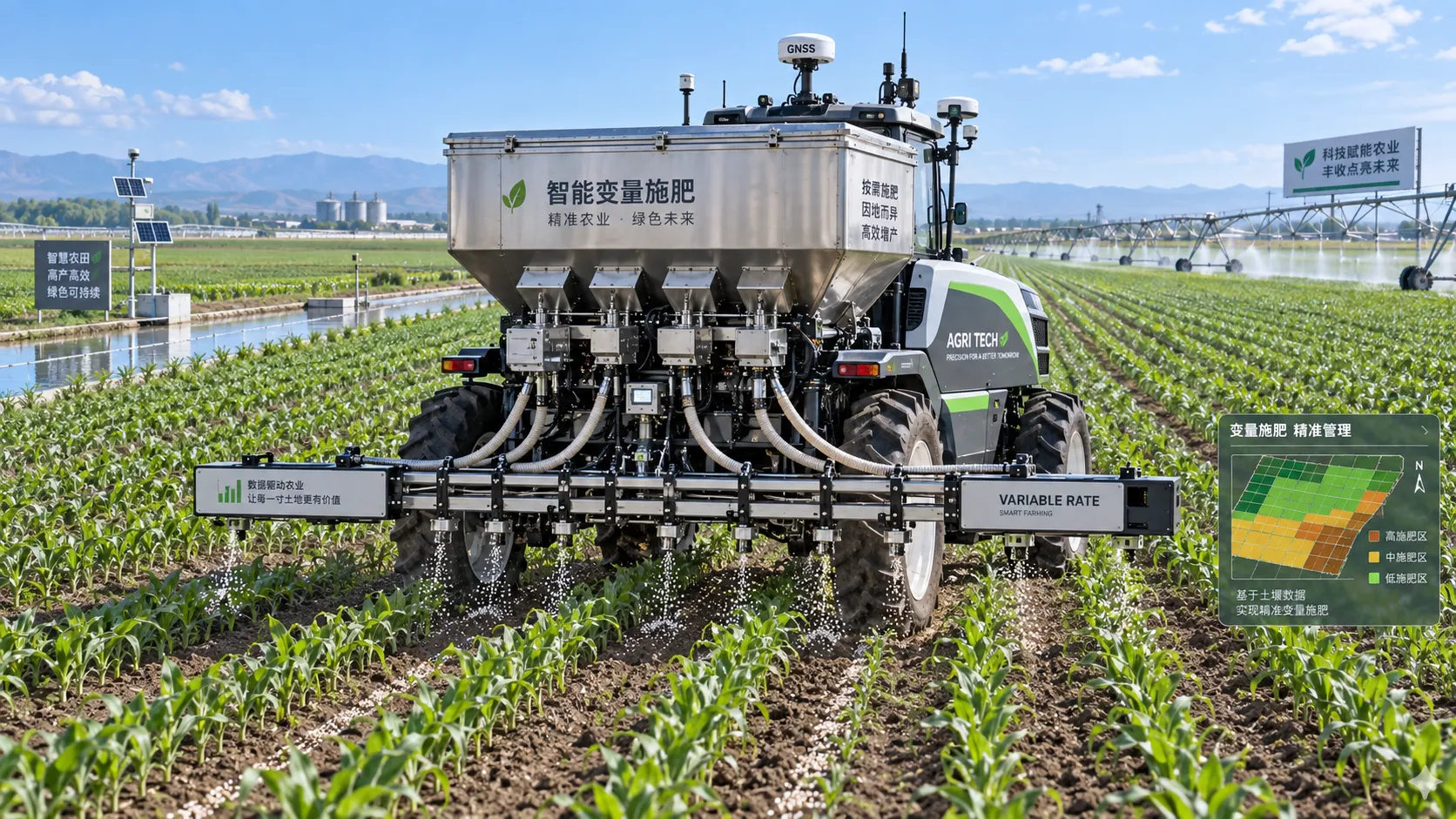
How to Evaluate Precision Fertilization System Suppliers for Farm-Scale Deployment
Precision fertilization systems suppliers: learn how to compare accuracy, integration, uptime, service, and total cost for confident farm-scale deployment.
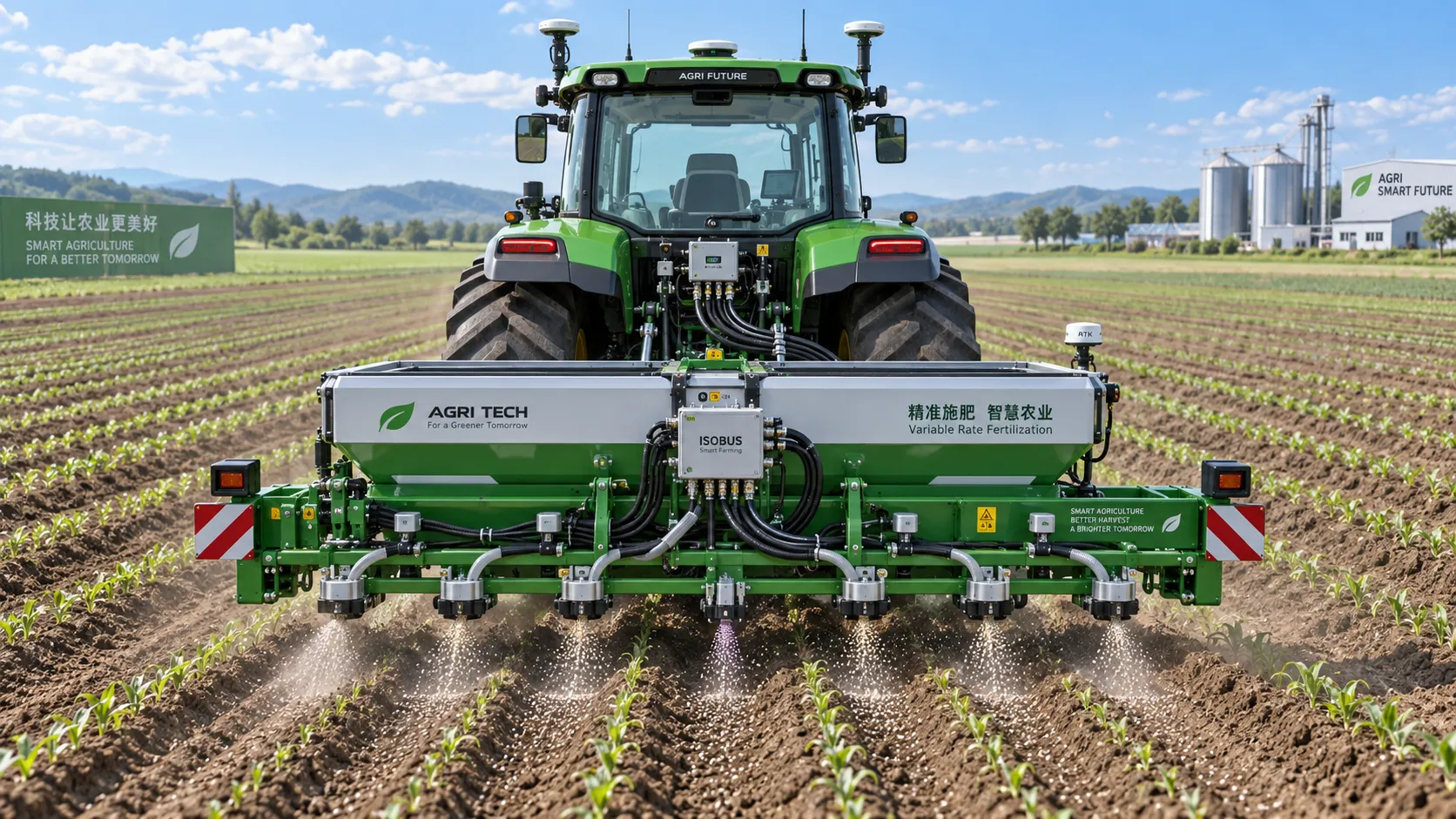
ISOBUS for Smart Agriculture: How It Connects Tractors, Implements, and Farm Data
ISOBUS for smart agriculture connects tractors, implements, terminals, and farm data—helping growers improve precision, documentation, and smarter field decisions.
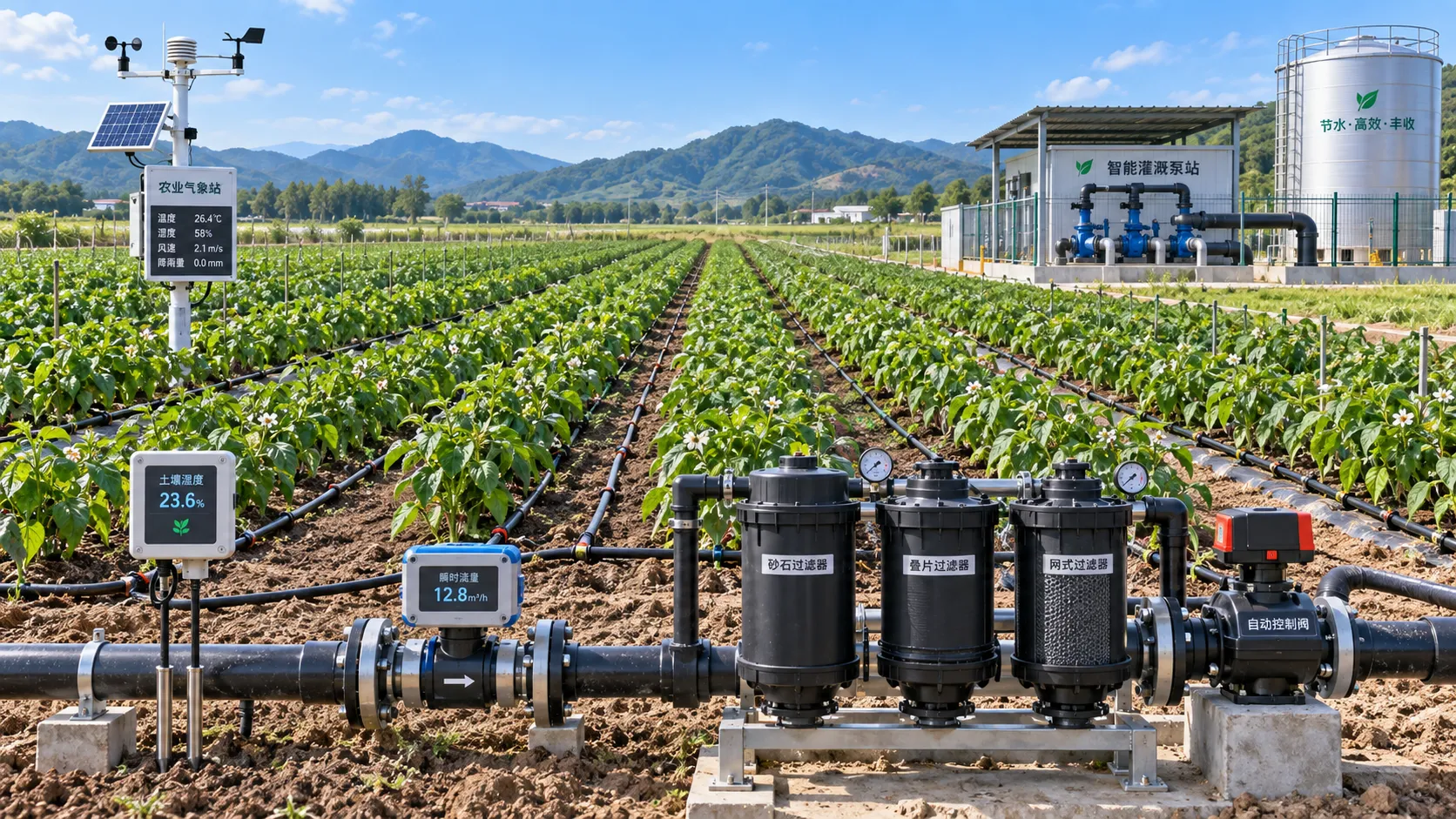
Automated Water-Saving Irrigation: How to Cut Water Use Without Reducing Crop Yields
Automated water-saving irrigation helps farms cut water use, protect crop yields, improve scheduling, and gain reliable control with sensors, flow monitoring, and smart zones.
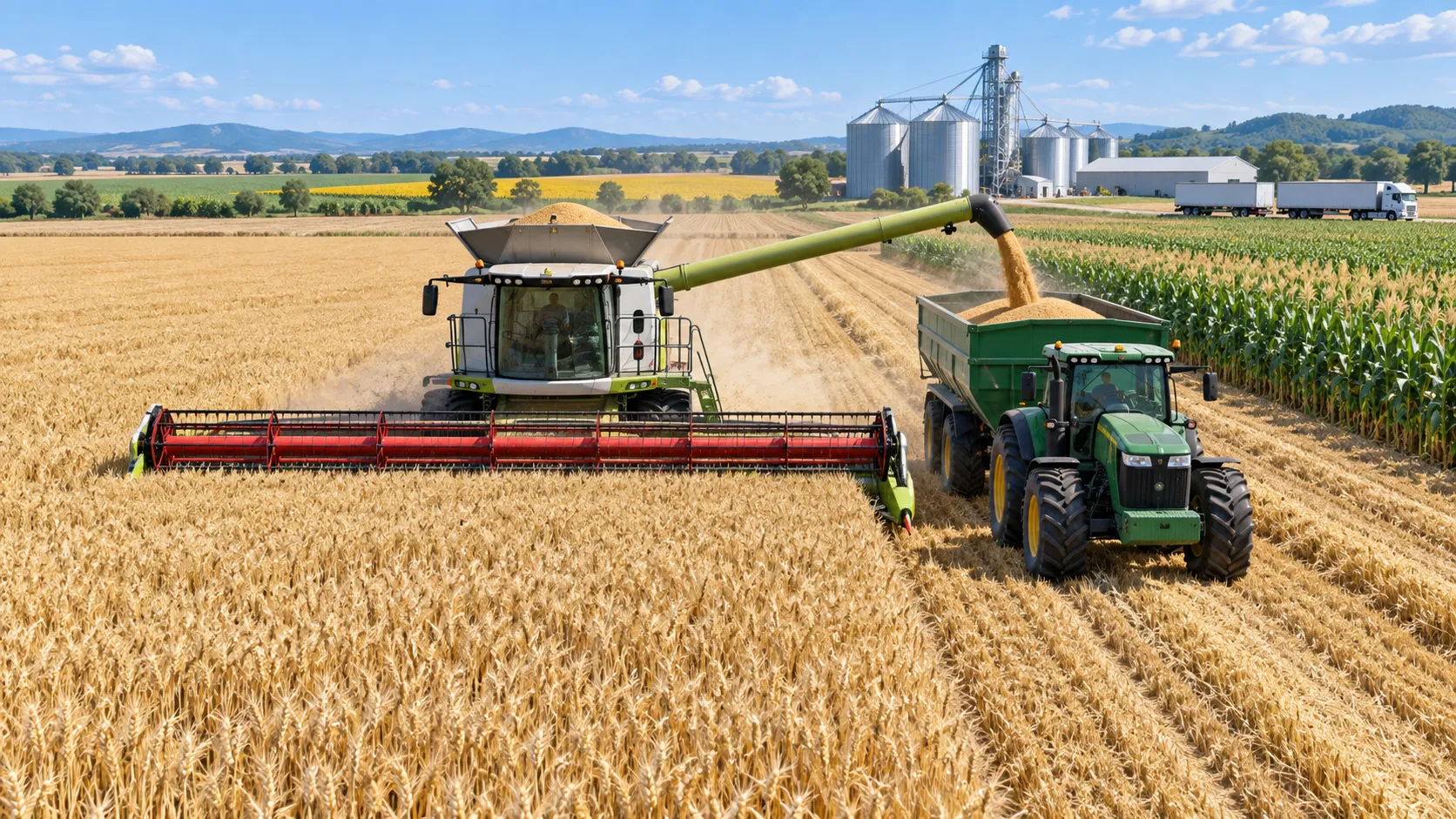
Selecting Grain Farm Equipment by Acreage, Crop Mix, and Harvest Window
Agricultural equipment selection for grain farming: match machinery to acreage, crop mix, and harvest windows to improve uptime, efficiency, and returns.
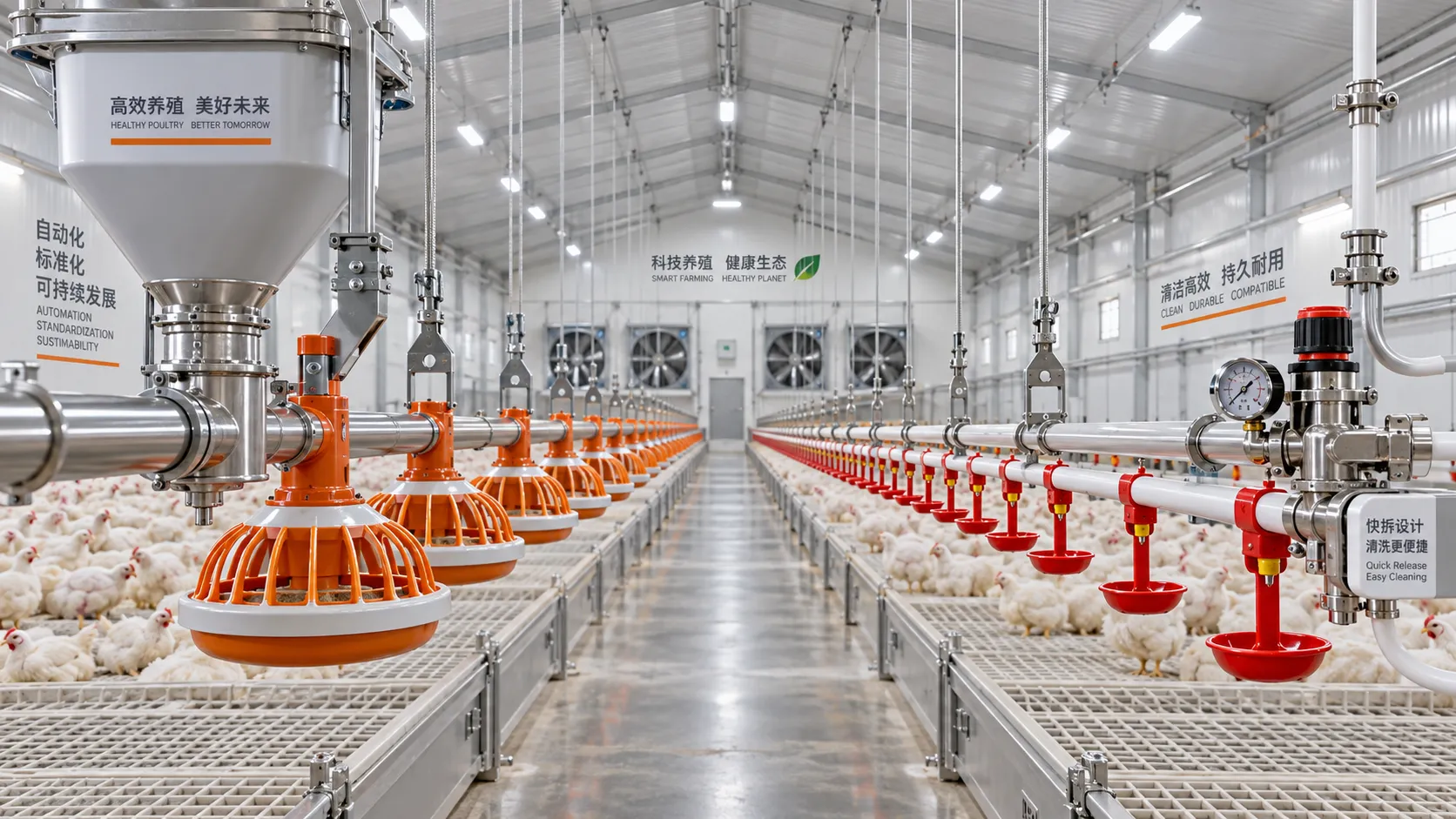
Poultry Equipment Selection: Evaluating Durability, Cleaning, and Compatibility
Poultry equipments selection guide: evaluate durability, cleaning access, and system compatibility to improve hygiene, reduce downtime, and support efficient flock management.
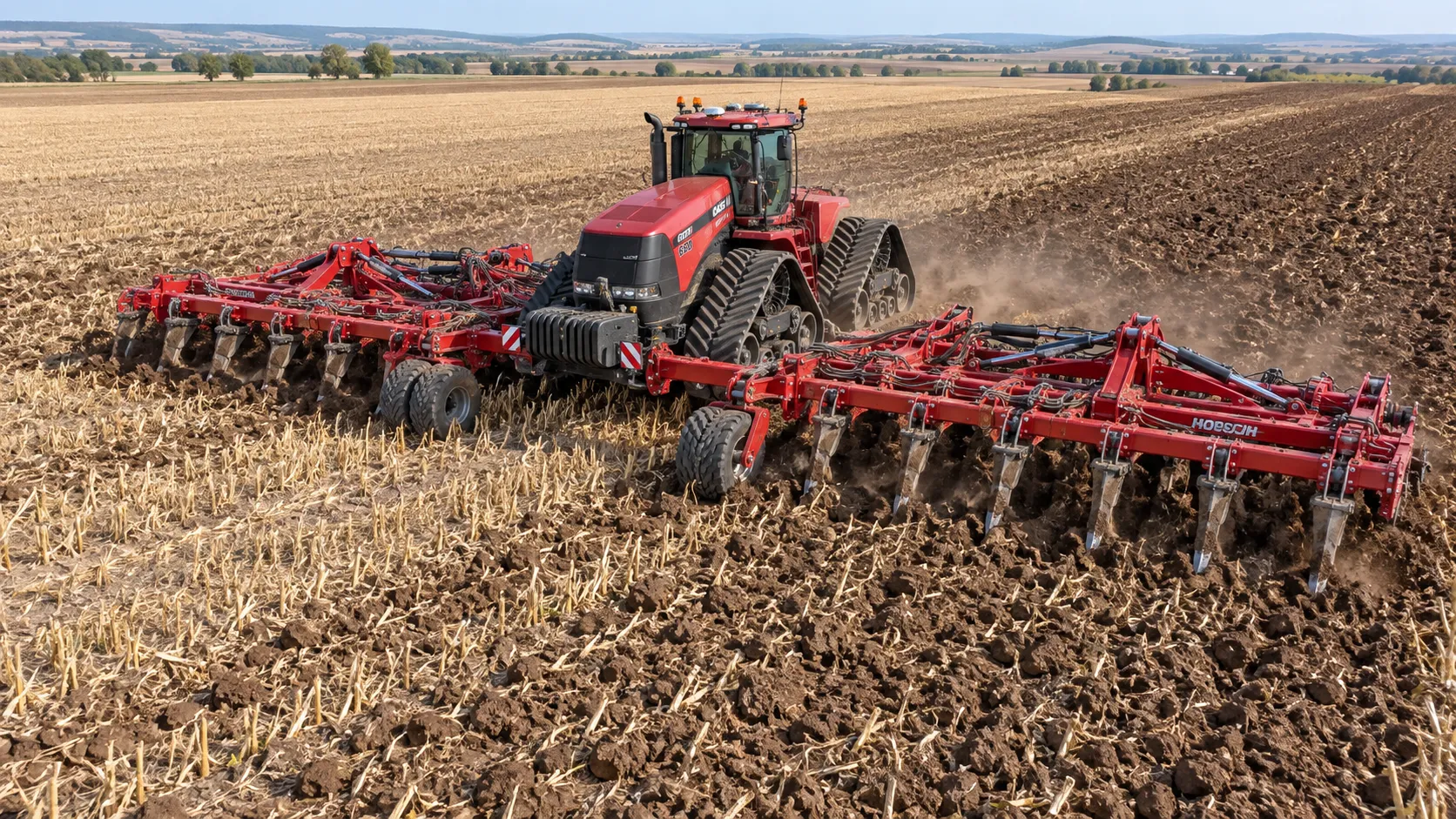
How to Select Heavy-Duty Farm Implements for High-Acreage, High-Horsepower Operations
Heavy duty farm implements: learn how to match draft, hydraulics, hitch capacity, frame strength, and field conditions for reliable high-acreage performance.
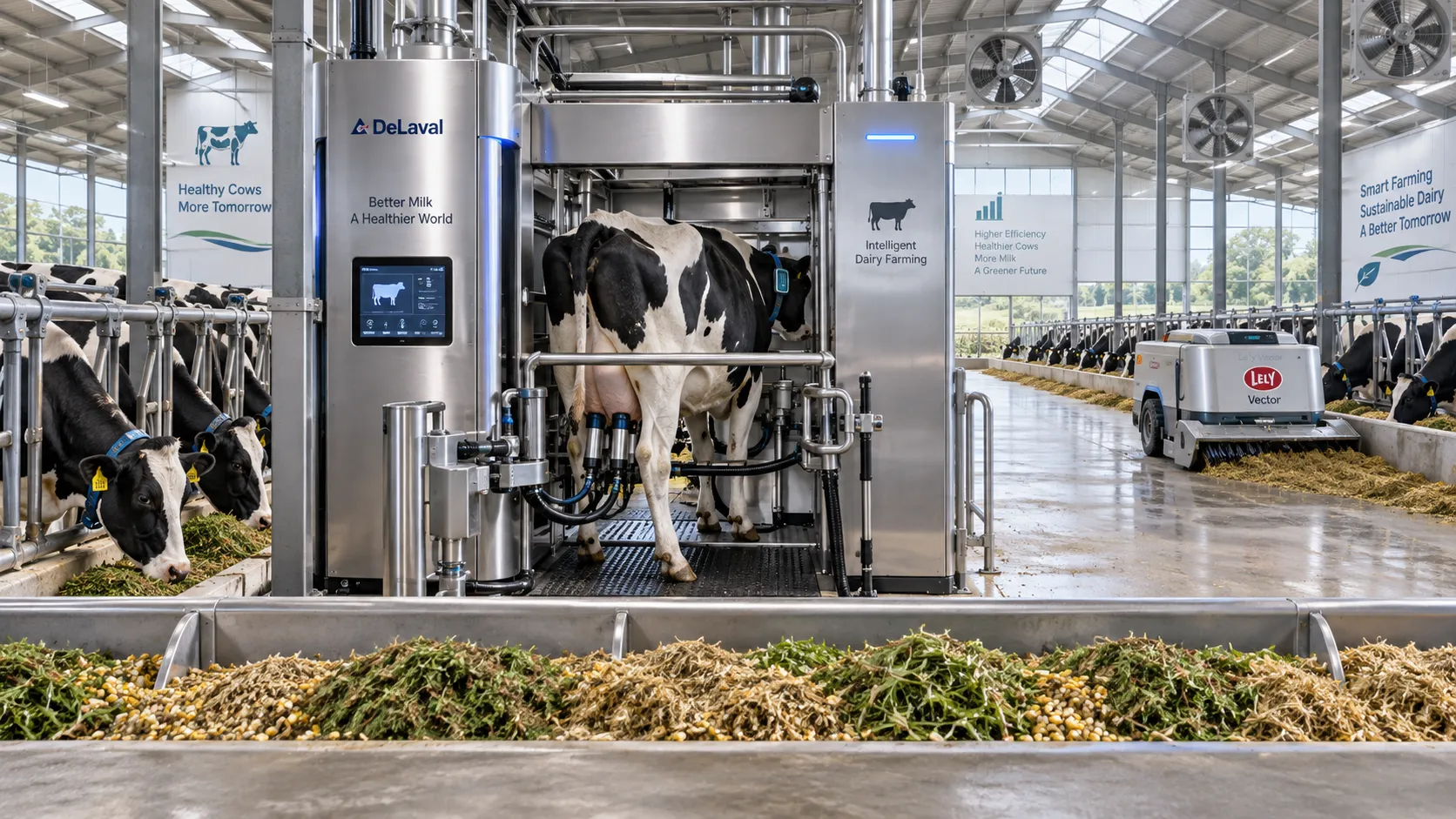
Smart Farming Technology for Dairy Farms: Where Automation Delivers Measurable ROI
Smart farming technology for dairy farms delivers measurable ROI through automation, precision feeding, health monitoring, and data-driven cost control.
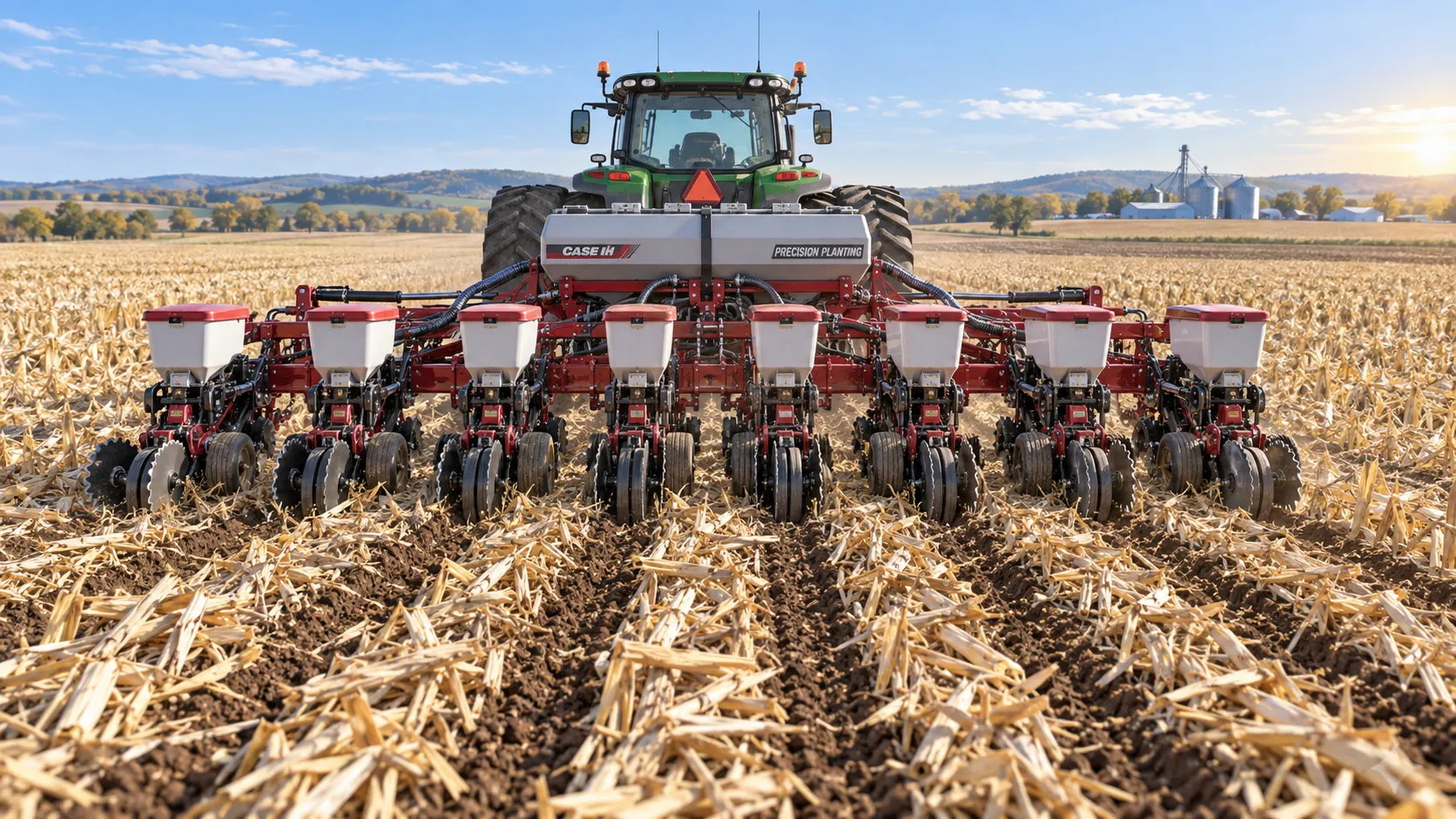
How to Select a Heavy-Duty Seeder for Large Acreage and High-Residue Fields
Heavy duty seeders for large acreage: compare residue handling, depth control, downforce, metering accuracy, and precision features to select the right model.
Related News
- 00
0000-00
How Does Farm Mechanization Affect Food Security in Developing Regions? - 00
0000-00
Agricultural Technology Insights by Region: Where Adoption Is Growing Fastest - 00
0000-00
How Climate-Smart Agriculture Technology Improves Yield, Soil Health, and Risk Resilience - 00
0000-00
Smart Farming Solutions in Latin America: Which Technologies Fit Large Farms Best? - 00
0000-00
Long-Cycle Agri-Trade Price Trends: How to Read Supply, Freight, and Currency Signals
Popular Tags
Prof. Marcus Chen
Weekly Insights
Stay ahead with our curated technology reports delivered every Monday.