
What Makes Digital Farming Solutions Pay Off on Large Farms?
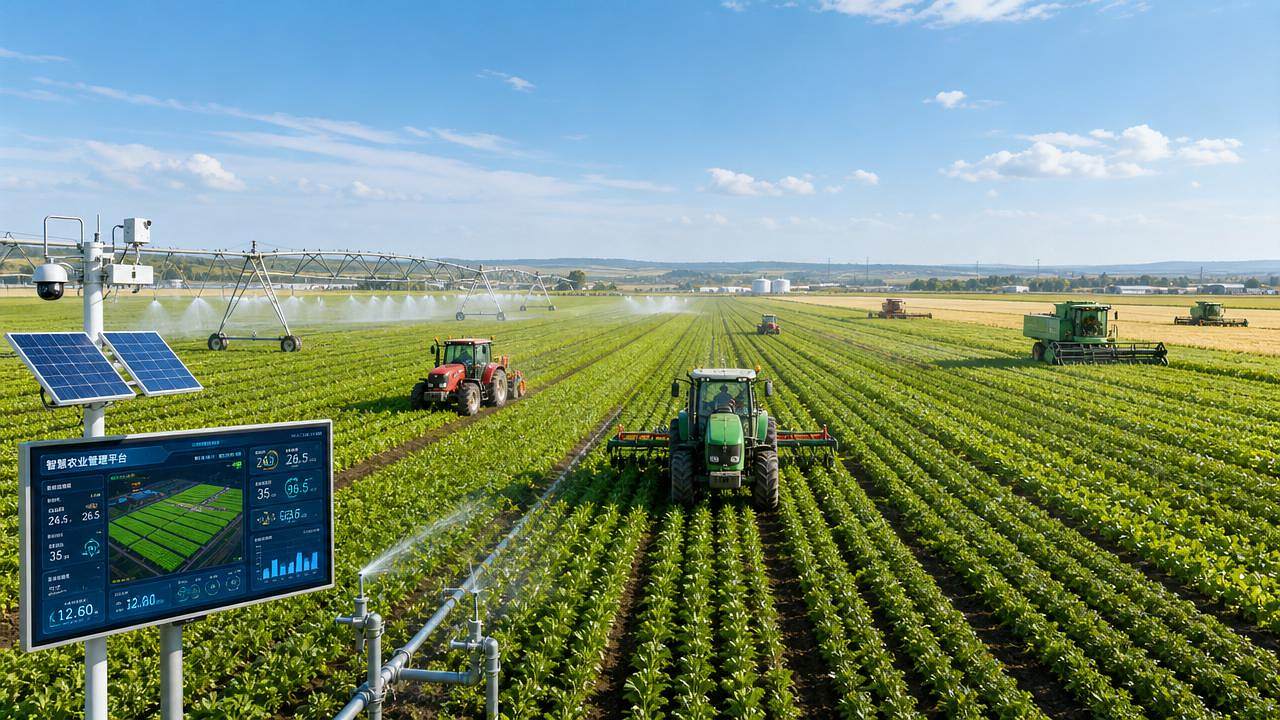




For large farms, digital farming solutions only pay off when they turn data into measurable gains in yield, input efficiency, labor productivity, and risk control. From precision irrigation to machine performance analytics, the real value lies in connecting field operations with smarter decisions. This article explores what drives ROI, where hidden costs emerge, and how enterprise-scale farms can invest with confidence.
For enterprise decision-makers managing thousands of hectares, the question is not whether agriculture is becoming digital. The question is which digital farming solutions create operational leverage across machinery, irrigation, agronomy, and reporting within 12 to 36 months.
That distinction matters because large farms operate under different economics than small or mid-sized growers. A 2% improvement in fuel efficiency, a 5% drop in harvest loss, or a 10% reduction in irrigation waste can translate into meaningful annual savings when applied across multiple fields, crews, and machine fleets.
For organizations following Agriculture 4.0 trends through intelligence platforms such as AP-Strategy, the most valuable perspective is practical: how digital systems improve machine utilization, field timing, water productivity, and management visibility without creating unmanageable implementation complexity.
Why ROI from digital farming solutions looks different on large farms
Large-scale operations usually run multiple cost centers at once: land preparation, seeding, fertilization, crop protection, harvest logistics, irrigation scheduling, equipment maintenance, and compliance reporting. Digital farming solutions pay off when they reduce friction across at least 3 of these areas rather than optimizing only one dashboard.
On a 5,000-hectare operation, even small inefficiencies compound quickly. Delaying irrigation by 48 hours during a high-stress growth stage, running combines with poorly calibrated loss settings, or dispatching tractors without route coordination can create losses far beyond the software subscription itself.
Scale creates both advantage and complexity
Large farms benefit from scale because fixed digital costs are spread over more hectares, more machines, and more production cycles. A platform fee that looks expensive on 300 hectares may look efficient on 8,000 hectares if it improves labor planning, machine uptime, and water allocation simultaneously.
At the same time, scale increases integration risk. A farm using 20 to 80 connected assets may face data inconsistency between telematics systems, irrigation controllers, GIS layers, and agronomic records. The real return comes from interoperability, not from adding more disconnected tools.
The four return drivers executives should track
- Yield protection: reducing timing errors, harvest losses, and underperforming zones.
- Input efficiency: lowering over-application of water, fertilizer, fuel, and chemicals.
- Labor productivity: enabling fewer manual checks and better crew coordination.
- Risk control: improving response to weather volatility, machine breakdowns, and compliance demands.
In practice, many enterprise farms target a payback window of 18 to 30 months. Projects with a horizon beyond 36 months are not necessarily poor investments, but they require stronger strategic justification, such as water licensing pressure, carbon reporting requirements, or a transition to autonomous operations.
Where value often appears first
The earliest returns usually come from use cases tied to measurable waste. Examples include irrigation scheduling that cuts overwatering by 8% to 20%, telematics that lowers idle engine time by 10% to 15%, and machine diagnostics that reduce in-season downtime by several hours per unit each month.
Which digital farming solutions usually produce the strongest enterprise-level impact
Not every category delivers equal value at scale. Decision-makers should prioritize digital farming solutions that influence high-cost operations or narrow timing windows. On most large farms, the best starting points are precision irrigation, fleet and implement analytics, field mapping, variable-rate execution, and harvest performance monitoring.
High-impact application areas
The table below shows where returns often emerge first and what operational signals leadership teams should monitor during the first 6 to 12 months of deployment.
A clear pattern emerges: the strongest returns come from systems that influence recurring costs every day or protect output during critical seasonal windows. This is why irrigation intelligence and machine analytics often outperform standalone reporting tools in early-stage ROI.
Why machinery and irrigation data matter most
Large farms depend heavily on capital-intensive equipment. Tractor chassis performance, hydraulic stability, combine cleaning efficiency, and implement accuracy all affect operating cost per hectare. When digital farming solutions connect machine behavior with field outcomes, managers can identify why one unit consumes 12% more fuel or why one crew consistently produces higher harvest losses.
The same logic applies to water-saving irrigation systems. Smart scheduling based on sensor feedback, evapotranspiration models, and zone-specific application rules can help avoid both crop stress and energy waste. In areas facing water restrictions, digital irrigation control can shift from a cost saver to a business continuity tool.
What hidden costs can weaken the business case
Many projects underperform not because the technology is weak, but because cost planning is incomplete. When evaluating digital farming solutions, executives should look beyond license fees and hardware prices. Integration labor, training time, data cleanup, connectivity upgrades, and workflow redesign can add 15% to 40% to first-year project cost.
The most common cost traps
- Buying multiple tools that duplicate mapping, telemetry, or reporting functions.
- Underestimating the time needed to standardize field names, equipment records, and operator data.
- Failing to budget for cellular coverage, gateway devices, or sensor maintenance.
- Assigning no internal owner for adoption, training, and KPI review.
On large farms, implementation friction can be expensive. If 30 machine operators each require 4 to 6 training hours, and if supervisors must verify data quality weekly for the first 8 weeks, the internal labor commitment becomes material. That cost is justified only if the workflows become simpler after rollout.
A practical view of cost categories
The table below helps procurement and operations teams separate visible spending from the less obvious costs that often determine whether digital farming solutions truly pay off.
The key lesson is simple: cost visibility must extend beyond procurement. A platform that is 20% cheaper upfront may become more expensive over 2 seasons if it lacks integration support, machine compatibility, or clear field-level reporting.
How enterprise farms should evaluate digital farming solutions before buying
A disciplined evaluation process reduces both financial risk and organizational fatigue. For large farms, technology selection should involve at least 4 stakeholder groups: ownership or finance, operations, agronomy, and equipment or irrigation management. A tool that satisfies only one department rarely scales well.
Five decision criteria that matter most
1. Data interoperability
Can the platform connect with existing tractors, harvesters, irrigation controls, and mapping systems? If data must be exported manually every week, executives should assume lower adoption and slower ROI.
2. Operational fit
The best digital farming solutions fit the actual work rhythm of the farm. A sophisticated interface has limited value if operators cannot use it during a 14-hour harvest day or if irrigation teams cannot act on alerts within the same shift.
3. KPI clarity
Before purchase, define 3 to 5 measurable outcomes such as liters of water saved per hectare, harvest loss reduction, hours of downtime avoided, or reduction in overlap during application passes. Without agreed KPIs, ROI becomes subjective.
4. Service and implementation depth
Enterprise deployment often requires field mapping, sensor positioning, controller setup, machine onboarding, and user training over 4 to 12 weeks. Strong service support matters as much as software features, especially during the first season.
5. Scalability over multiple seasons
A system should support phased expansion. Many farms start with irrigation blocks, one machine fleet, or one crop segment, then scale after one season of validated results. Flexibility lowers risk and improves internal buy-in.
A simple enterprise evaluation workflow
- Step 1: Identify one cost-heavy process with measurable waste.
- Step 2: Benchmark current performance for 30 to 90 days.
- Step 3: Run a pilot on a limited acreage or machine set.
- Step 4: Compare actual field outcomes with target KPIs.
- Step 5: Expand only after SOPs and reporting lines are stable.
This staged method is especially useful for farms evaluating combine performance analytics, intelligent farm tools, or smart irrigation systems. It keeps the focus on measurable operational value rather than on feature lists.
How to make digital adoption stick after purchase
Even well-chosen digital farming solutions fail if daily teams do not trust the data or change their routines. Adoption is not a one-time training event. On large farms, it is a management process that usually takes 1 full season to stabilize and 2 to 3 seasons to mature.
Build around workflows, not dashboards
Operators, irrigation supervisors, and machinery managers do not need more screens. They need clear actions. For example, a moisture alert should trigger a zone-level irrigation decision within a defined time window. A combine loss alert should trigger a calibration check after a specified number of hectares or at the next field transition.
Assign ownership at three levels
Effective projects usually have 3 owners: an executive sponsor for budget and priorities, an operational lead for implementation, and a field-level user group for daily execution. Without this structure, data quality often falls within 60 to 90 days.
Review performance on a fixed schedule
Monthly reviews work well for machine utilization, irrigation energy use, and downtime patterns. Seasonal reviews are better for yield impact, input efficiency, and field-zone performance. Consistent review cycles turn digital farming solutions into management systems rather than reporting archives.
What large-farm leaders should ask vendors before committing
Strong vendor questions can reveal implementation risk early. This is particularly important in capital-intensive segments such as large-scale agri-machinery, tractor chassis systems, combine harvesting technology, and water-saving irrigation networks.
Core questions for procurement and operations teams
- Which equipment brands, controllers, or telematics formats are supported today?
- What can be deployed in 30 days, 60 days, and 120 days?
- Which KPIs are available out of the box, and which require custom setup?
- How often do sensors require calibration, battery replacement, or physical inspection?
- What level of field support is available during planting, irrigation peaks, or harvest windows?
- How is data ownership handled if the farm changes vendor after 2 or 3 seasons?
The best digital farming solutions are not just technically capable. They are commercially transparent, operationally realistic, and designed for long-cycle farm management. That is why decision intelligence matters alongside product features.
For large farms, digital investment pays off when it is tied to measurable field outcomes, disciplined rollout, and cross-functional execution. The strongest results usually come from connecting machinery analytics, precision irrigation, and operational planning into one decision framework rather than buying isolated tools.
AP-Strategy supports enterprise buyers and agri-equipment stakeholders with sector intelligence across combine harvesting technology, tractor chassis trends, intelligent farm tools, and smart irrigation systems. If you are evaluating digital farming solutions for large-scale operations, contact us to discuss your decision criteria, compare solution paths, and obtain a more tailored investment perspective.
Related News
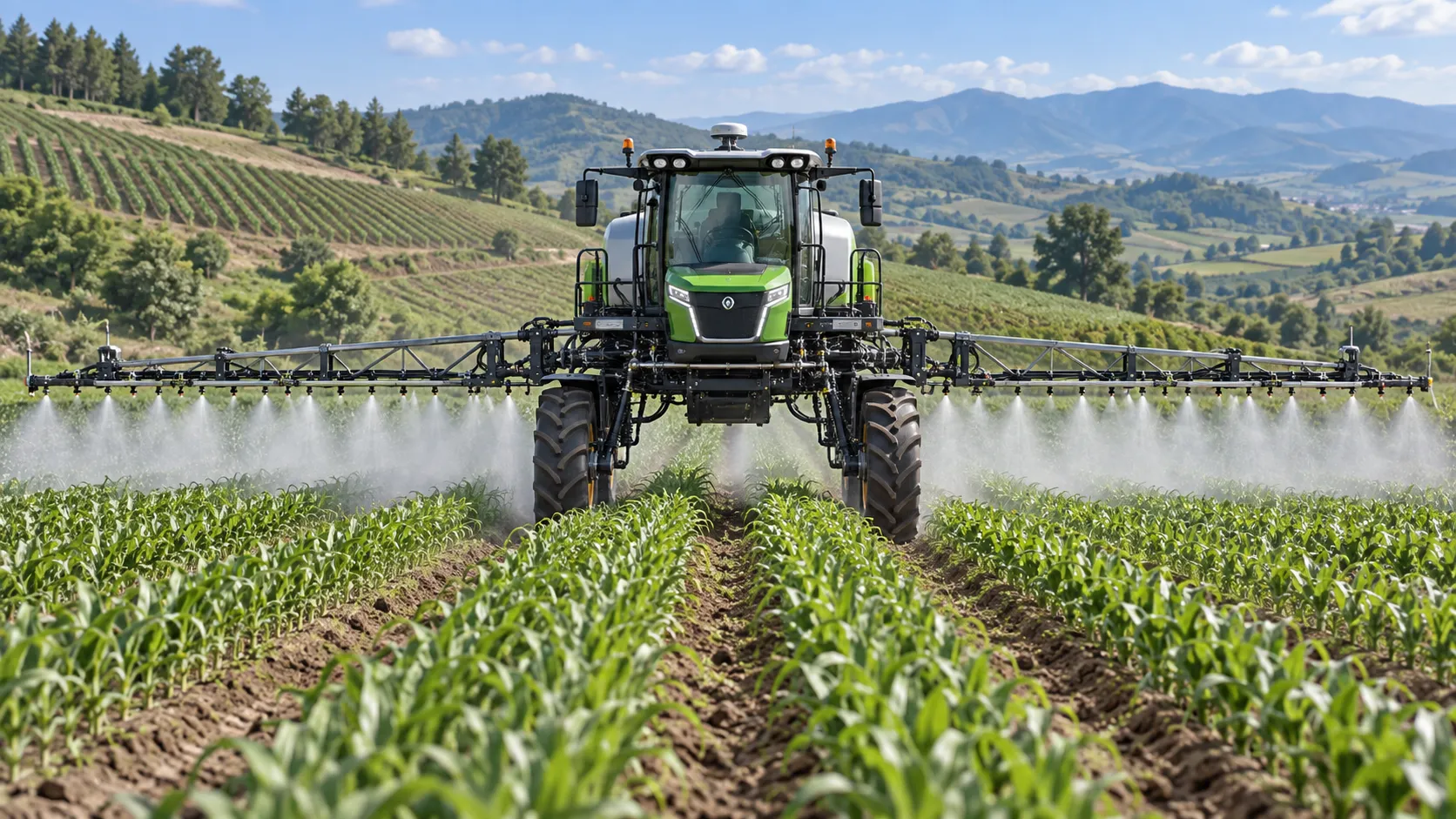
How to Select Precision Crop Protection Equipment for Variable Field Conditions
Precision crop protection equipment selection made simple: compare terrain, canopy, weather, control accuracy, and data workflows for reliable applications.

When Does Agricultural Machinery Leasing Cost Less Than Owning Equipment?
Agricultural machinery leasing can lower farm costs when use is seasonal or uncertain. Compare utilization, maintenance, cash flow, and risk to make a smarter equipment decision.

How to Evaluate Precision Fertilization System Suppliers for Farm-Scale Deployment
Precision fertilization systems suppliers: learn how to compare accuracy, integration, uptime, service, and total cost for confident farm-scale deployment.
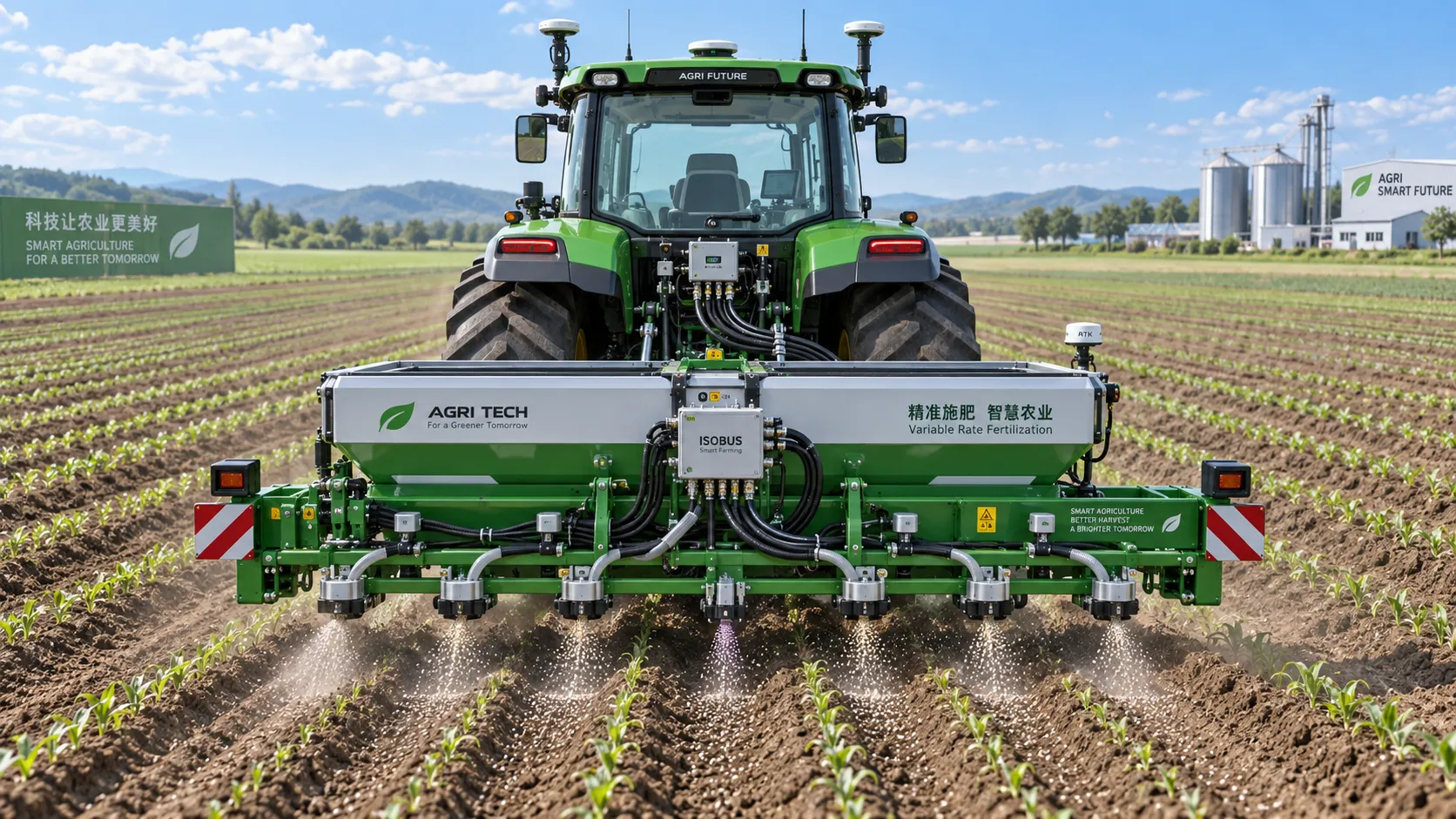
ISOBUS for Smart Agriculture: How It Connects Tractors, Implements, and Farm Data
ISOBUS for smart agriculture connects tractors, implements, terminals, and farm data—helping growers improve precision, documentation, and smarter field decisions.
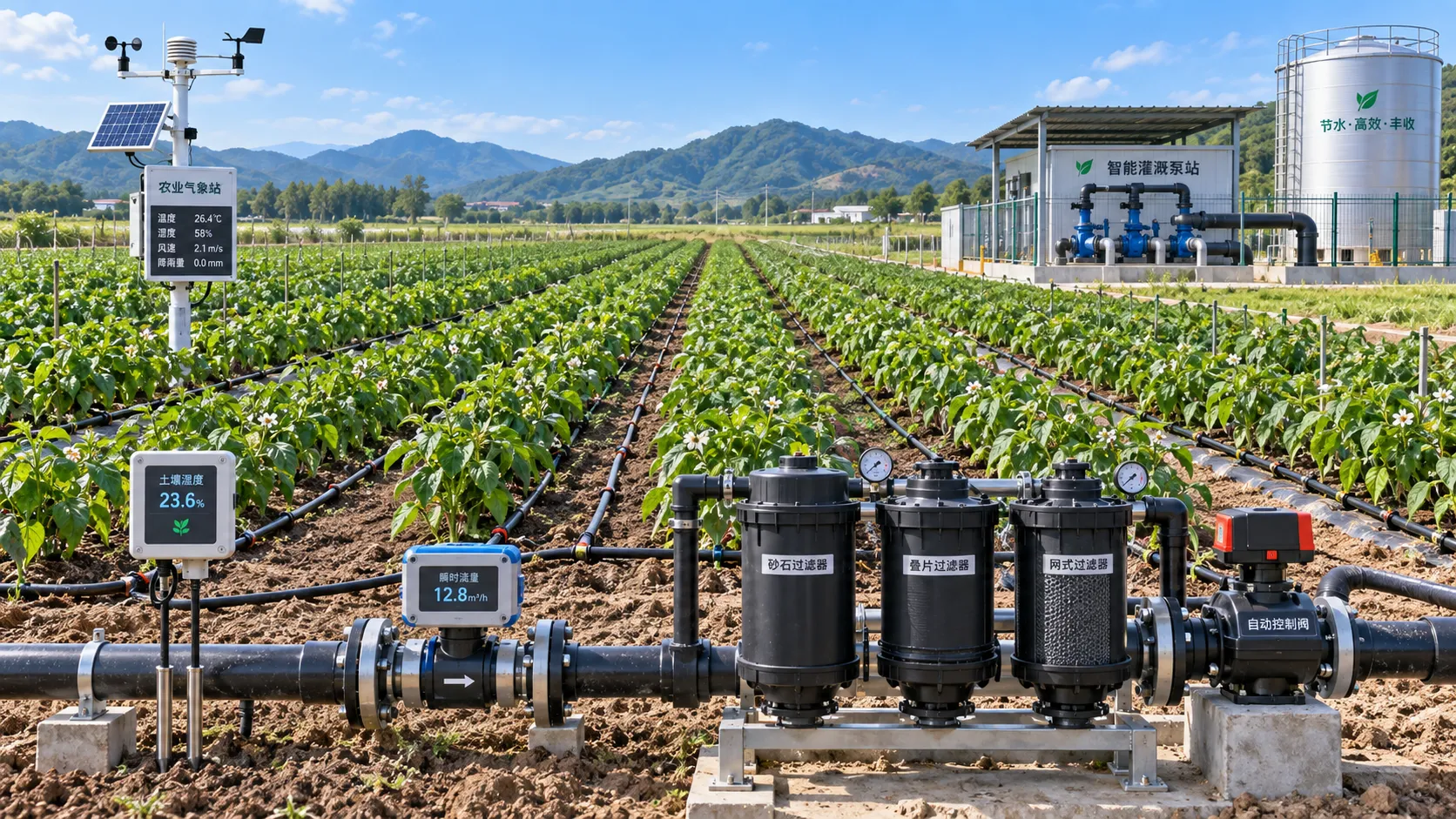
Automated Water-Saving Irrigation: How to Cut Water Use Without Reducing Crop Yields
Automated water-saving irrigation helps farms cut water use, protect crop yields, improve scheduling, and gain reliable control with sensors, flow monitoring, and smart zones.
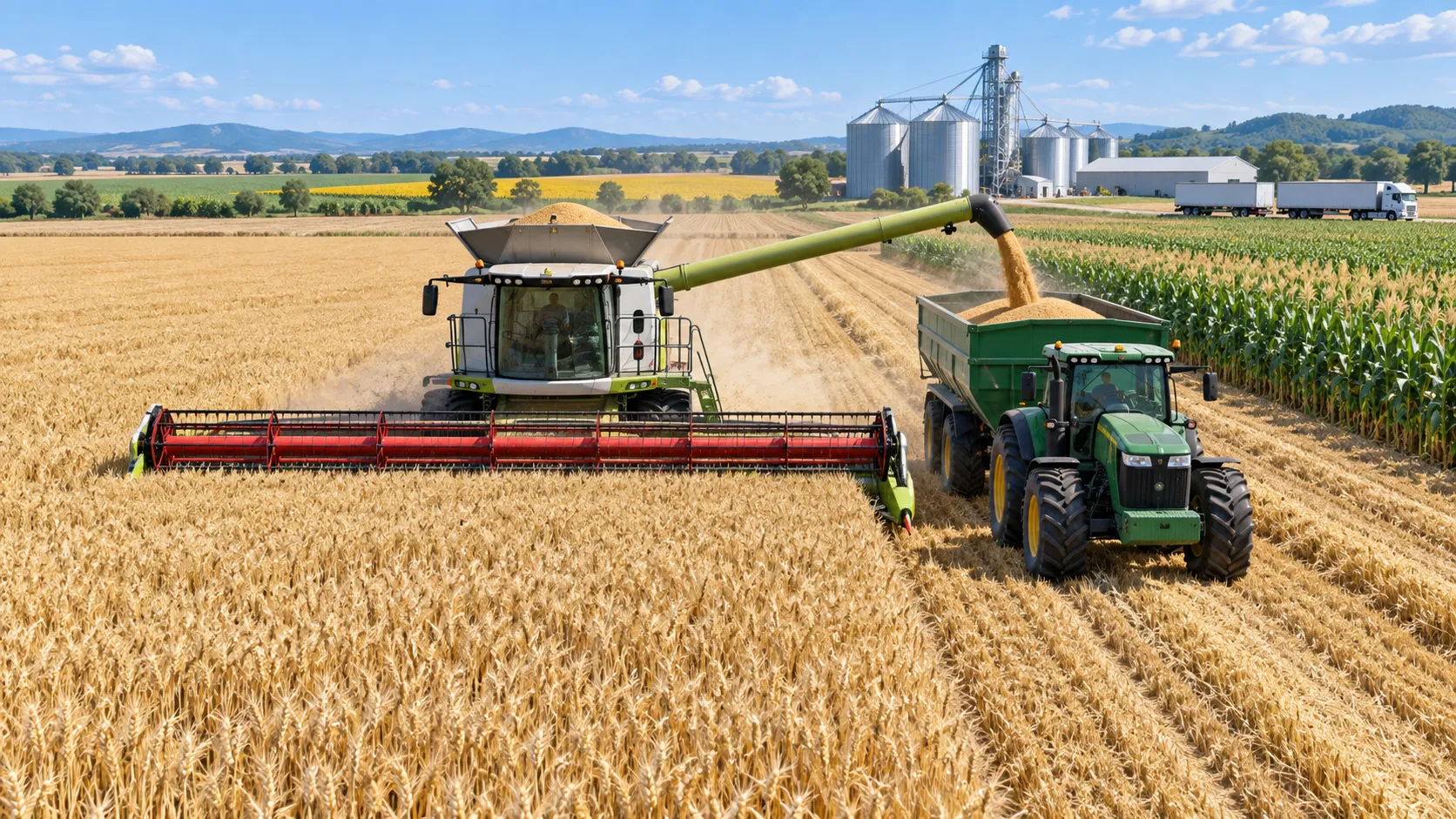
Selecting Grain Farm Equipment by Acreage, Crop Mix, and Harvest Window
Agricultural equipment selection for grain farming: match machinery to acreage, crop mix, and harvest windows to improve uptime, efficiency, and returns.
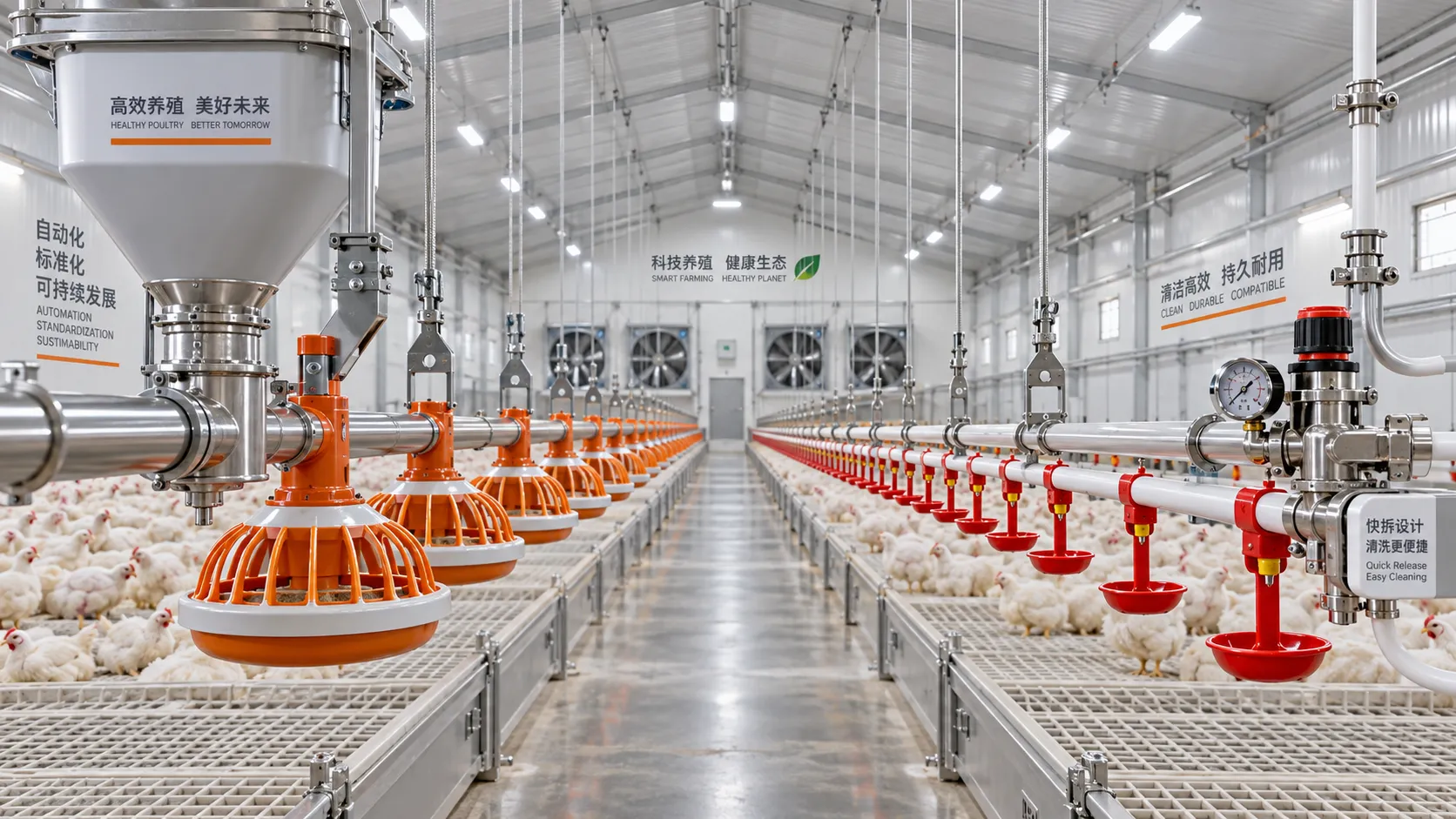
Poultry Equipment Selection: Evaluating Durability, Cleaning, and Compatibility
Poultry equipments selection guide: evaluate durability, cleaning access, and system compatibility to improve hygiene, reduce downtime, and support efficient flock management.
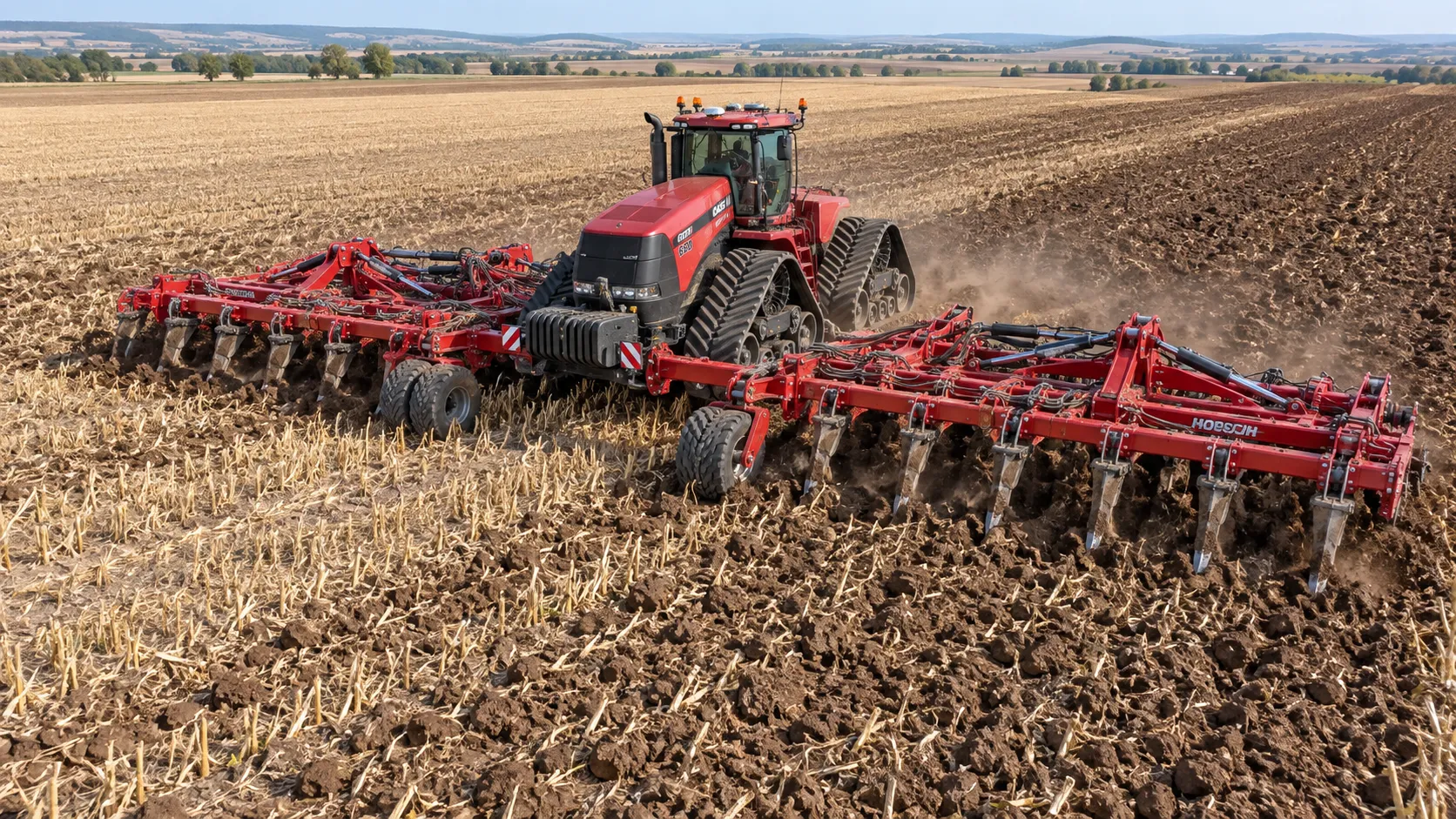
How to Select Heavy-Duty Farm Implements for High-Acreage, High-Horsepower Operations
Heavy duty farm implements: learn how to match draft, hydraulics, hitch capacity, frame strength, and field conditions for reliable high-acreage performance.
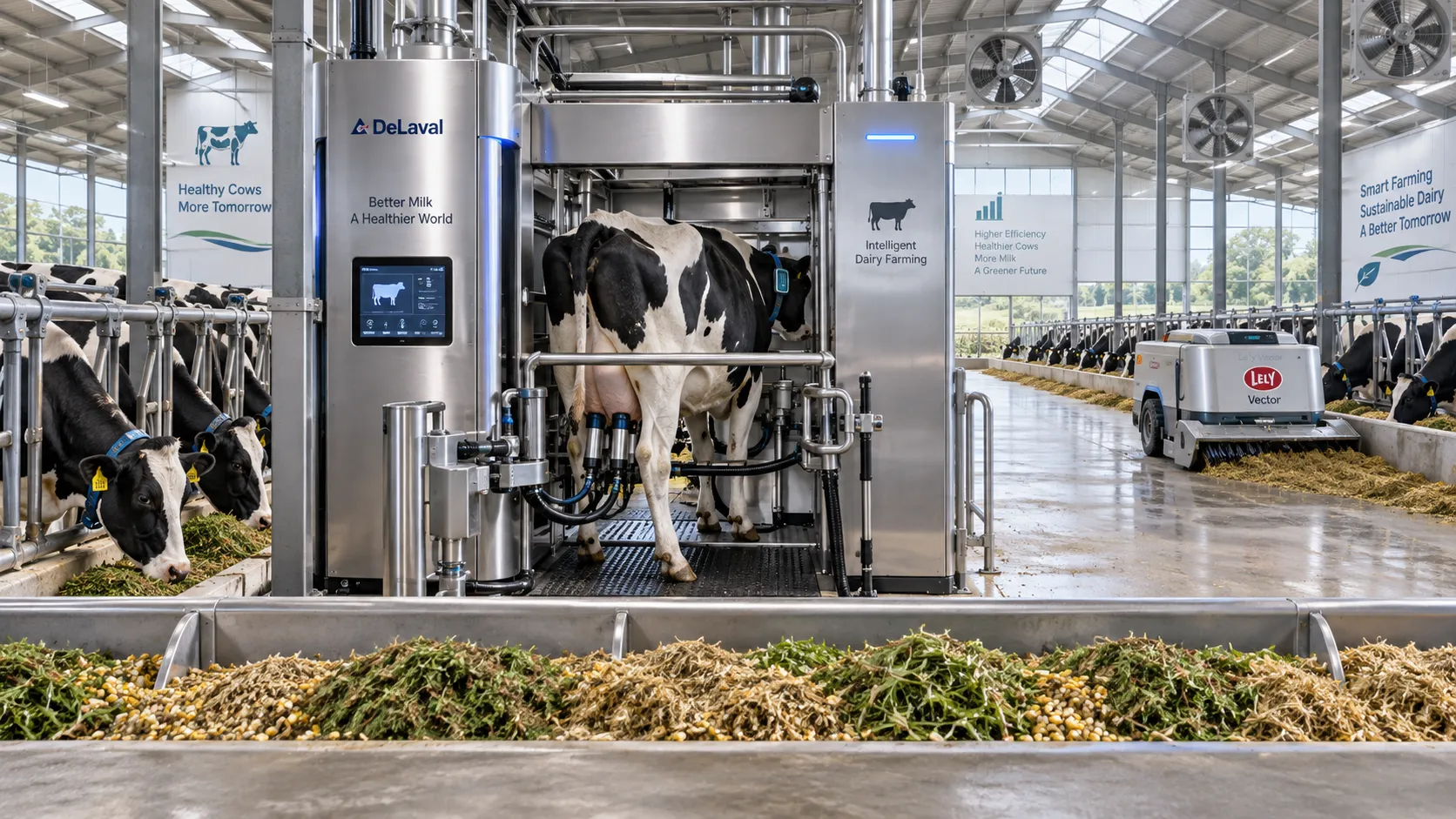
Smart Farming Technology for Dairy Farms: Where Automation Delivers Measurable ROI
Smart farming technology for dairy farms delivers measurable ROI through automation, precision feeding, health monitoring, and data-driven cost control.
Related News
- 00
0000-00
When Does Agricultural Machinery Leasing Cost Less Than Owning Equipment? - 00
0000-00
Selecting Grain Farm Equipment by Acreage, Crop Mix, and Harvest Window - 00
0000-00
Poultry Equipment Selection: Evaluating Durability, Cleaning, and Compatibility - 00
0000-00
How to Select Heavy-Duty Farm Implements for High-Acreage, High-Horsepower Operations - 00
0000-00
Smart Farming Technology for Dairy Farms: Where Automation Delivers Measurable ROI
Popular Tags
Ms. Elena Rodriguez
Weekly Insights
Stay ahead with our curated technology reports delivered every Monday.