
Are Food Security Solutions for Sustainable Farming Scalable?
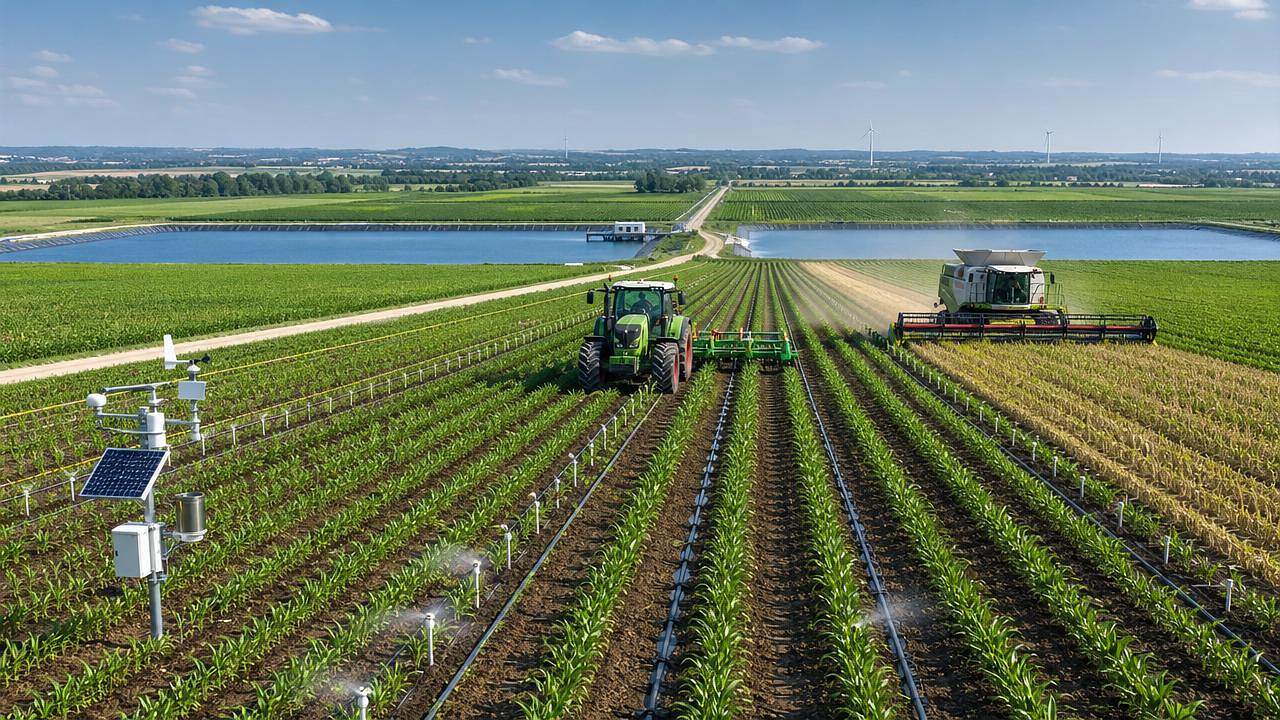




Can food security solutions for sustainable farming truly scale from pilot plots to region-wide deployment? For project managers and engineering leads, the challenge goes beyond yield—it demands reliable machinery, precision irrigation, data-driven control, and investment-ready planning. This article explores how scalable agricultural systems can align operational efficiency with resilience, helping decision-makers turn sustainability goals into measurable field performance.
The core search intent behind “food security solutions for sustainable farming” is practical, not theoretical. Readers want to know whether sustainable systems can work at commercial scale, under real budget, labor, climate, and infrastructure constraints.
For project managers and engineering leaders, the short answer is yes—but only when scalability is designed into the operating model from the beginning. Technologies alone do not scale. Integrated systems, disciplined execution, and measurable economics do.
What project leaders are really asking when they assess scalable food security solutions
Most decision-makers are not asking whether sustainable farming is desirable. They are asking whether it can deliver stable output, manageable costs, and lower operational risk across large and diverse farming environments.
That means the real evaluation criteria are straightforward: Can the solution maintain yield consistency? Can it reduce water, fuel, and input waste? Can it function across variable field conditions? Can teams operate it reliably?
In large agricultural programs, food security is inseparable from execution quality. A promising pilot can fail at scale if machinery uptime falls, irrigation networks drift out of calibration, or data systems do not support field-level decisions.
This is why scalable food security solutions for sustainable farming must be judged as delivery systems rather than standalone products. The question is not whether one tool performs well. The question is whether the full chain performs well together.
Why pilot success often fails to translate into regional deployment
Pilot projects usually benefit from concentrated attention, technical supervision, and controlled conditions. Regional programs do not. Once a project expands, variability in soils, water access, labor skills, and maintenance capacity becomes the defining challenge.
Another common problem is that pilots optimize for proof of concept, while scale demands proof of operations. A demonstration plot can tolerate manual adjustments and expert oversight. A multi-site farming system cannot depend on exceptional intervention.
Procurement also changes at scale. Small trials may use premium components, specialized service teams, or temporary subsidies. But project leaders need equipment availability, spare parts logistics, standard operating procedures, and predictable lifecycle costs.
Data fragmentation is another hidden barrier. Farms may collect weather, machine, irrigation, and crop performance data, yet fail to connect them into usable operational intelligence. Without integrated analysis, sustainability remains a reporting exercise, not a control system.
Scalability therefore depends on whether the solution is robust under imperfect conditions. If it only works when the best technicians, best fields, and best funding are present, it is not truly scalable.
Which building blocks make food security solutions for sustainable farming scalable
Scalability starts with mechanization that matches field reality. Large-scale agriculture cannot depend on systems that are too fragile, too complex to maintain, or too narrowly adapted to ideal conditions. Reliability matters as much as technical sophistication.
For that reason, large-scale agri-machinery and tractor chassis design play a foundational role. Power transmission, hydraulic consistency, terrain adaptability, and fuel efficiency directly affect whether field operations can remain timely during peak windows.
Harvesting is equally critical. Combine harvesters are not just output machines; they are food security assets. High grain losses, poor cleaning efficiency, and downtime during narrow harvest periods can erase the gains made by sustainable cultivation practices.
Intelligent farm tools strengthen scalability when they convert data into repeatable action. Variable-rate application, sensor-guided operations, and satellite positioning help reduce fertilizer, chemical, and fuel waste while improving field-level consistency.
Water-saving irrigation systems are another core pillar. In climate-stressed regions, food security solutions for sustainable farming cannot scale without irrigation networks that support precise delivery, leakage control, and responsive scheduling based on crop need.
Finally, a strategic intelligence layer is essential. Scalable systems need decision support that connects machinery performance, agronomic conditions, weather risk, water availability, and commercial planning into one operating framework.
How to evaluate scalability from an engineering and project management perspective
Project leaders should begin with throughput analysis, not marketing claims. Ask how many hectares can realistically be prepared, planted, irrigated, protected, and harvested within critical seasonal windows using the available fleet and labor structure.
Next, assess system resilience. What happens when a pump fails, a harvester goes down, or GPS correction signals are interrupted? Scalable programs require fallback procedures, modular redundancy, and service models that prevent localized issues from becoming regional disruptions.
Then evaluate interoperability. Can irrigation controllers, machine telematics, field sensors, and farm management software exchange usable data? If not, teams will operate in silos, and managers will struggle to coordinate resources or identify underperformance quickly.
Maintenance intensity deserves equal attention. Sustainable farming systems often promise efficiency gains, but those gains disappear if components require excessive calibration, imported parts, or technician skills that are scarce in the target geography.
It is also important to examine adoption friction. A technically advanced system may still fail if operators cannot be trained quickly, field supervisors cannot interpret dashboards, or local distributors cannot support commissioning and repairs.
For engineering leads, a scalable solution is one that maintains performance under workforce turnover, field variability, and supply chain delays. In other words, scale readiness must be proven operationally, not assumed strategically.
The business case: where sustainable farming creates measurable returns
For management stakeholders, sustainability becomes scalable when it improves economics alongside resilience. The most convincing food security solutions for sustainable farming usually generate value in five areas: yield stability, input efficiency, labor productivity, asset utilization, and risk reduction.
Yield stability matters more than one-season yield peaks. Regional food security depends on reducing output volatility under weather pressure, water stress, and pest variability. Stable production supports contracts, processing capacity planning, and market credibility.
Input efficiency often provides the fastest visible return. Precision fertilization, controlled irrigation, and better machine guidance can reduce waste in fuel, water, nutrients, and crop protection products. These gains compound significantly at large scale.
Labor productivity is another major factor. Mechanized and intelligent systems allow smaller teams to manage larger areas with more consistency. In regions facing labor shortages or rising labor costs, this becomes a strategic advantage.
Better asset utilization also improves capital efficiency. A well-matched fleet with coordinated scheduling can increase machine use during peak periods, reduce idle time, and lower the effective cost per hectare across the operating season.
Risk reduction is often undervalued in early project reviews. Yet for project managers, fewer emergency interventions, fewer irrigation failures, lower harvest loss, and better visibility into field performance can justify investment even before headline yield gains appear.
Why water management often determines whether scaling succeeds
Many agricultural expansion programs underestimate water as an engineering constraint. Sustainable farming cannot scale if water delivery remains uneven, inefficient, or disconnected from crop growth stages and local climate variability.
Smart irrigation systems improve scalability because they shift water management from routine scheduling to responsive control. Soil moisture sensing, evapotranspiration modeling, pressure monitoring, and automated valves allow teams to manage larger networks with better precision.
For project leaders, the real advantage is not only water saving. It is predictability. When irrigation performance becomes visible and controllable, crop planning, energy demand, labor allocation, and maintenance schedules all become easier to manage.
Water infrastructure must also be evaluated for serviceability. Filters, pumps, emitters, and pipelines need maintenance strategies suited to field conditions. If irrigation efficiency depends on constant manual correction, scale will be difficult to sustain.
In water-stressed markets, irrigation intelligence can also strengthen investment logic. It links environmental compliance, resource stewardship, and production reliability—three priorities that increasingly shape financing, insurance, and procurement decisions.
How data and intelligence turn sustainability from a concept into a controllable system
Data becomes valuable when it improves timing and resource allocation. In scalable agriculture, intelligence should help managers answer practical questions: Which fields need intervention first? Which machines are underperforming? Where are losses accumulating?
This is where a strategic intelligence approach creates value. By combining market conditions, equipment behavior, agronomic signals, and environmental risk data, project teams can make better operational and capital decisions across the season.
For example, combine harvester loss data can influence harvest routing and machine settings. Irrigation telemetry can reveal blocked zones or pressure instability before crop stress becomes visible. Tractor performance data can support maintenance planning and fuel optimization.
Data also helps standardize execution across multiple sites. Instead of relying entirely on local judgment, managers can compare performance benchmarks, identify deviations early, and replicate successful operating practices more efficiently.
However, more data is not always better. Project leaders should prioritize decision-relevant indicators: uptime, field efficiency, irrigation uniformity, application accuracy, harvest loss, energy use, and cost per hectare. These metrics support action, not just reporting.
A practical framework for deciding whether a solution is ready to scale
A useful test is to evaluate the solution across six dimensions: technical reliability, agronomic fit, water performance, data usability, service support, and economic durability. Weakness in any one area can limit successful expansion.
Start with technical reliability. Can machinery and irrigation systems perform across dust, heat, terrain variation, and long working hours? Then test agronomic fit. Does the system work across the crop types, planting patterns, and soil conditions involved?
Next, review water performance. Is delivery precise, measurable, and maintainable? After that, assess data usability. Can managers convert data into scheduling, maintenance, and input decisions without excessive complexity or specialist dependence?
Service support should include local spare parts access, technician coverage, and training pathways. Economic durability should include capital cost, operating cost, replacement cycles, financing feasibility, and expected return under conservative yield assumptions.
If a solution performs well only in three or four of these dimensions, it may still be valuable for targeted use cases. But it is not yet a strong candidate for broad regional deployment.
What scalable implementation should look like in practice
The most effective path is phased scale, not sudden expansion. Start by standardizing equipment, irrigation logic, data flows, and operating procedures across a cluster of representative sites rather than one ideal demonstration farm.
Use that cluster to validate throughput, training requirements, maintenance loads, and seasonal responsiveness. Then expand only after teams can hit operational benchmarks with less direct expert intervention.
Cross-functional governance is also important. Engineering, agronomy, operations, finance, and procurement must work from shared performance targets. Food security solutions for sustainable farming become scalable when accountability is aligned across the delivery chain.
Vendor selection should prioritize long-term support capacity as much as feature depth. The right partner is not always the one with the most advanced brochure. It is the one that can sustain performance through commissioning, optimization, and after-sales service.
Finally, define success in measurable terms: lower water use per unit output, reduced harvest loss, improved machine uptime, lower input waste, more stable yields, and better cost predictability. These indicators create confidence for further investment.
Conclusion: scalable sustainability is possible, but only when designed as an operating system
So, are food security solutions for sustainable farming scalable? Yes—but only when project leaders treat scalability as a system design challenge, not a technology purchasing decision.
For project managers and engineering leads, the strongest solutions combine durable mechanization, efficient harvesting, intelligent tools, precise irrigation, and actionable data within a serviceable and economically realistic framework.
In practice, scale comes from repeatability. If a solution can perform across variable fields, limited labor, changing weather, and real maintenance constraints, it can support both sustainability and food security at meaningful scale.
The organizations that succeed will be those that connect machine performance, water intelligence, and field decision systems into one disciplined model. In the Agriculture 4.0 era, that is how sustainability moves from ambition to dependable production.
Related News

When Does Agricultural Machinery Leasing Cost Less Than Owning Equipment?
Agricultural machinery leasing can lower farm costs when use is seasonal or uncertain. Compare utilization, maintenance, cash flow, and risk to make a smarter equipment decision.
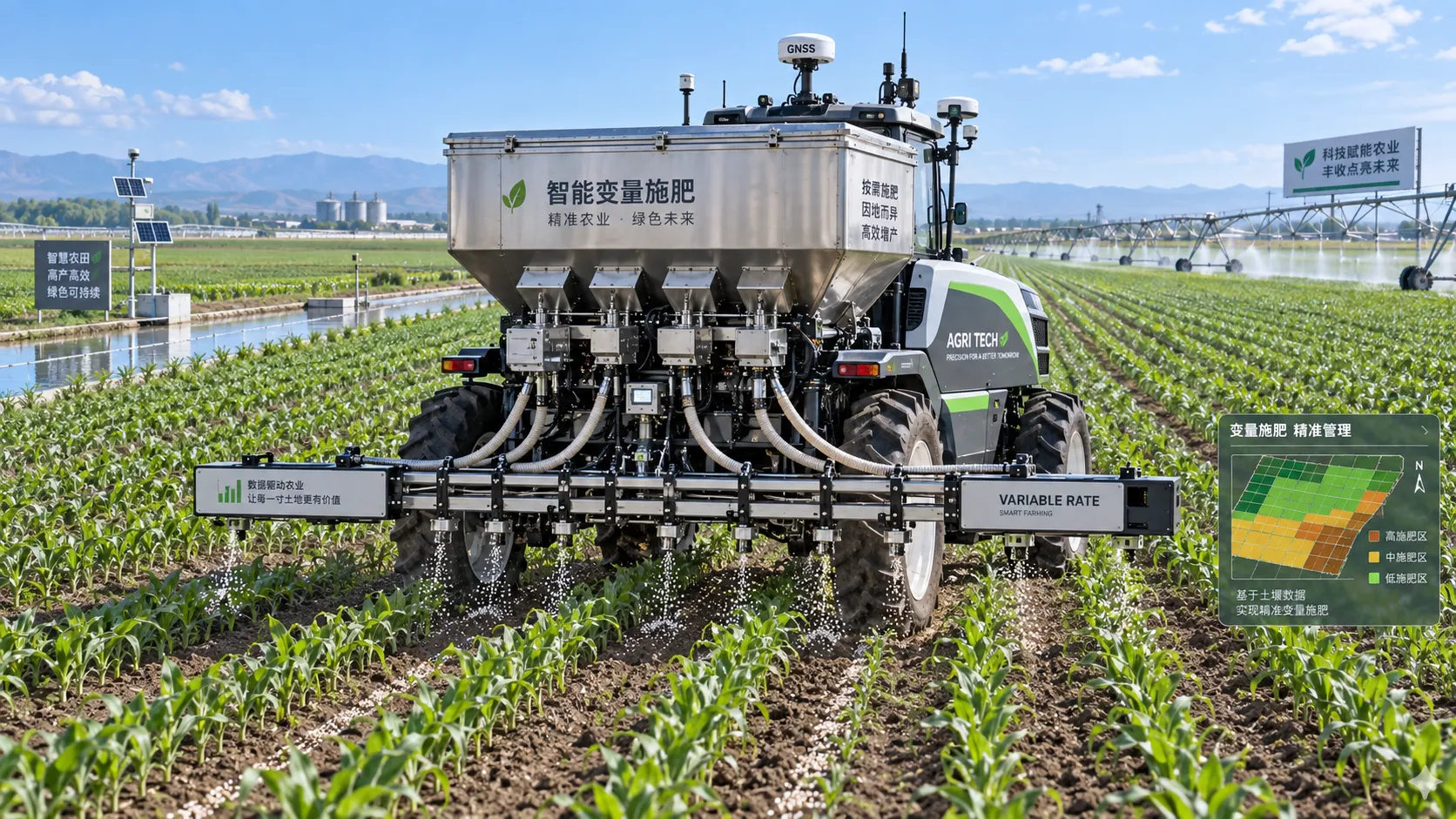
How to Evaluate Precision Fertilization System Suppliers for Farm-Scale Deployment
Precision fertilization systems suppliers: learn how to compare accuracy, integration, uptime, service, and total cost for confident farm-scale deployment.
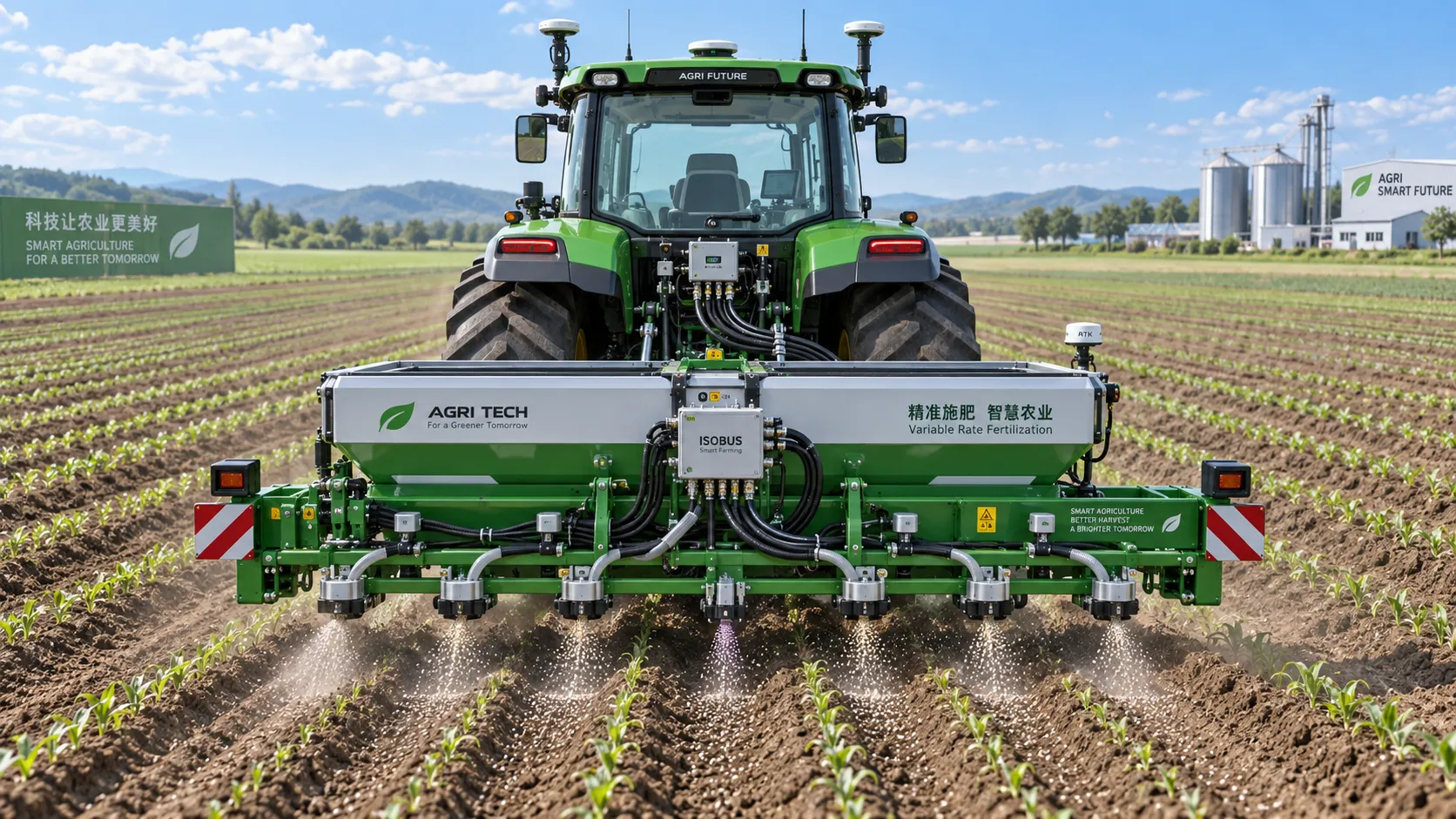
ISOBUS for Smart Agriculture: How It Connects Tractors, Implements, and Farm Data
ISOBUS for smart agriculture connects tractors, implements, terminals, and farm data—helping growers improve precision, documentation, and smarter field decisions.
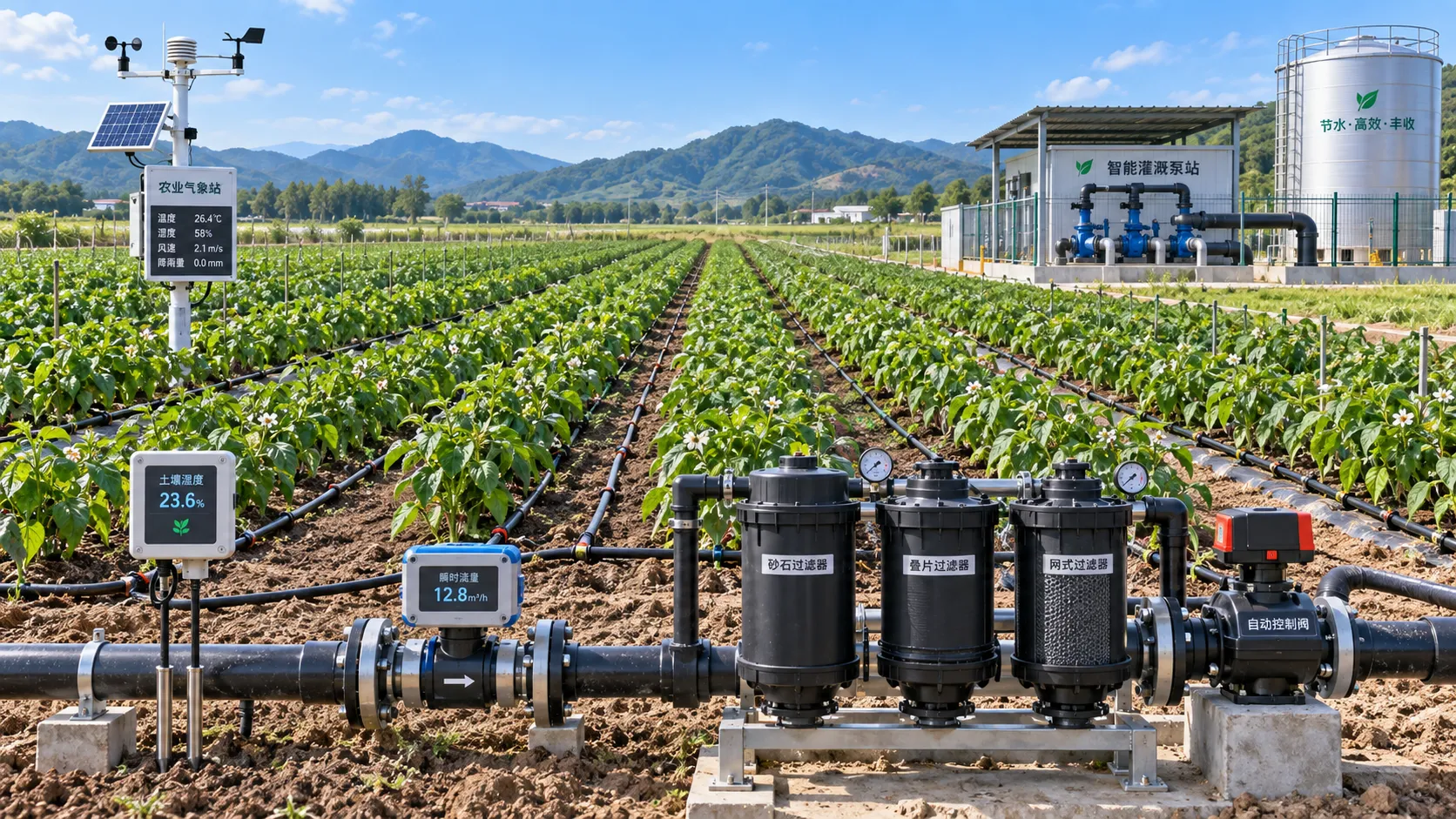
Automated Water-Saving Irrigation: How to Cut Water Use Without Reducing Crop Yields
Automated water-saving irrigation helps farms cut water use, protect crop yields, improve scheduling, and gain reliable control with sensors, flow monitoring, and smart zones.
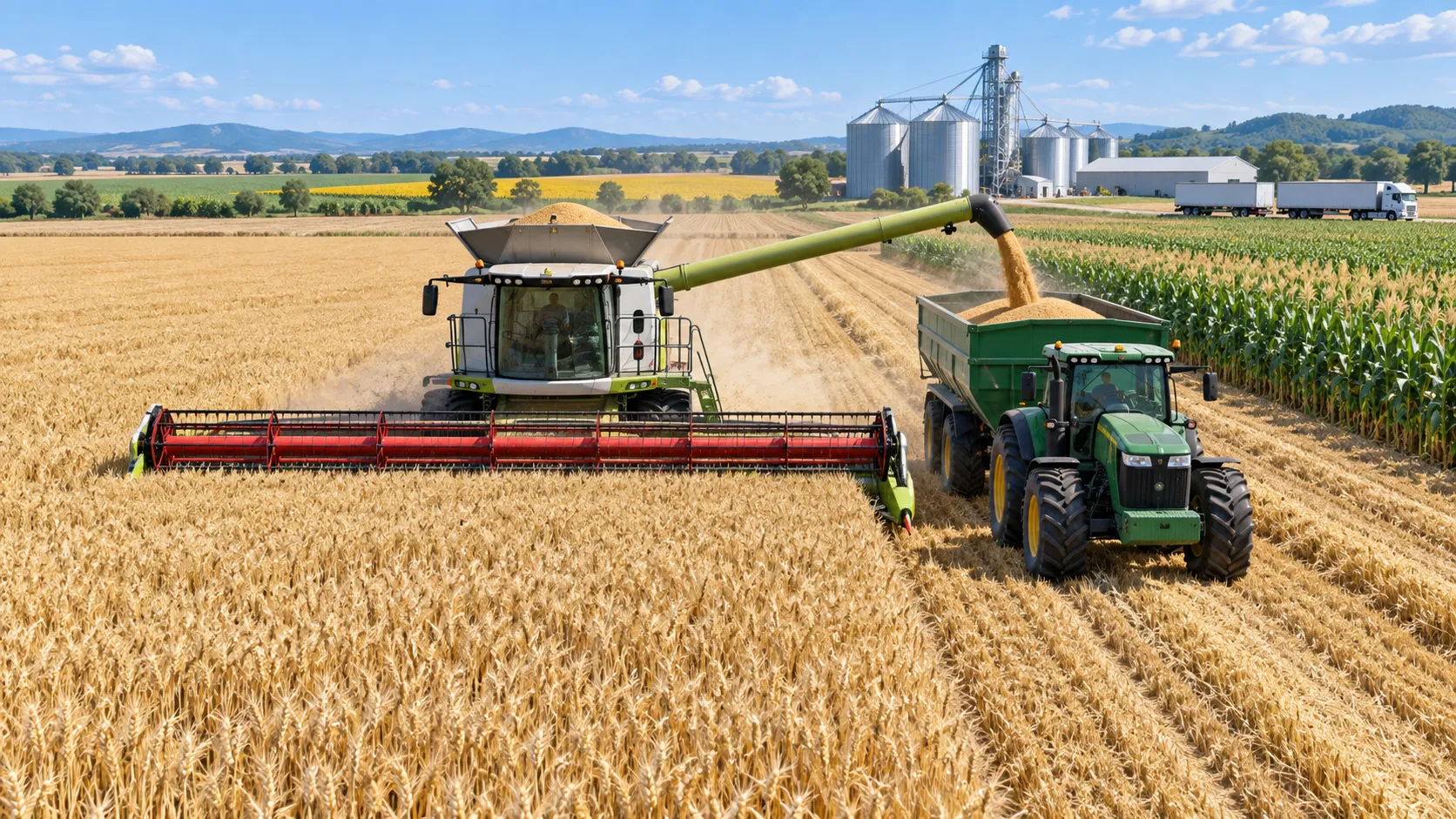
Selecting Grain Farm Equipment by Acreage, Crop Mix, and Harvest Window
Agricultural equipment selection for grain farming: match machinery to acreage, crop mix, and harvest windows to improve uptime, efficiency, and returns.
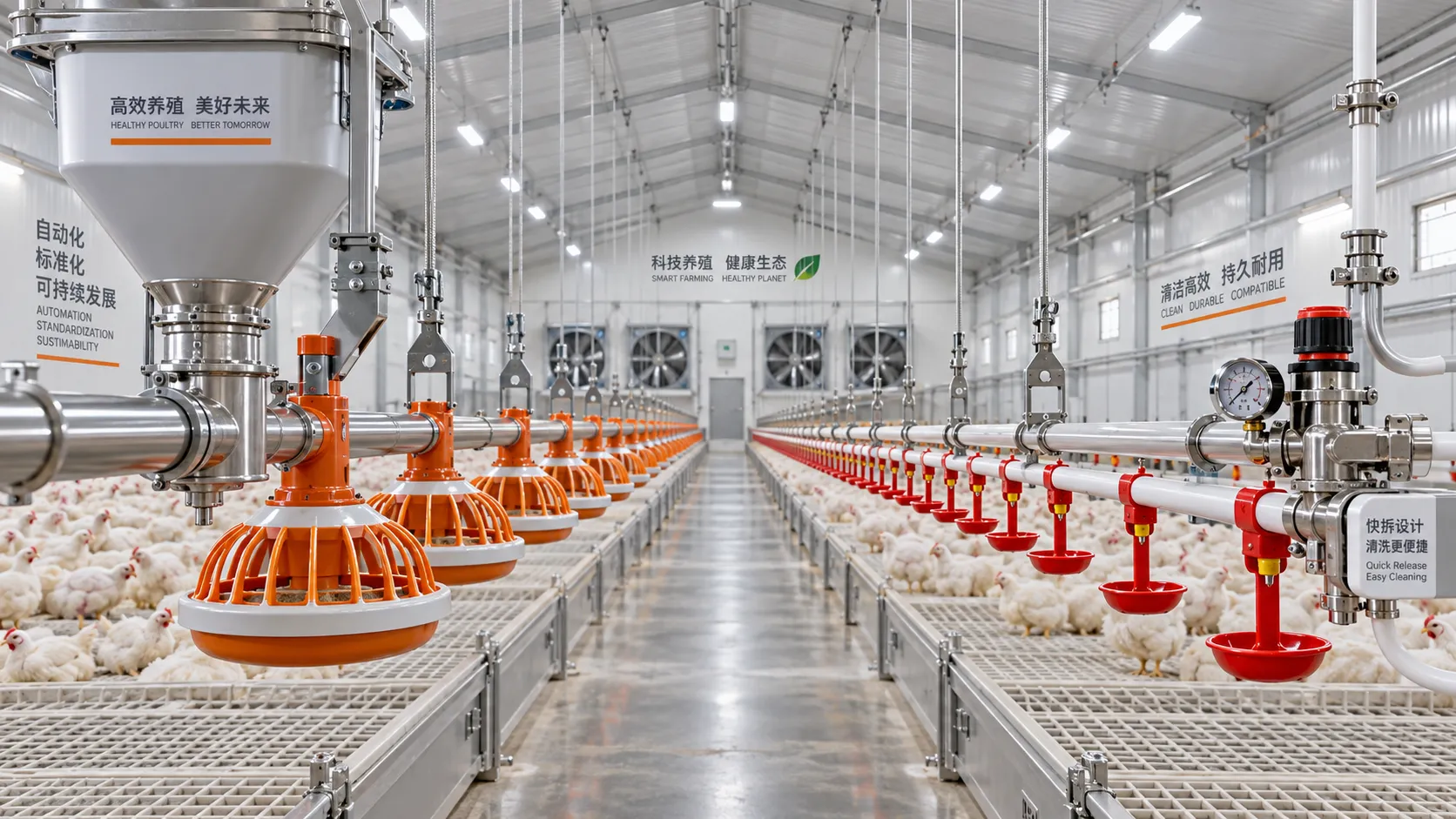
Poultry Equipment Selection: Evaluating Durability, Cleaning, and Compatibility
Poultry equipments selection guide: evaluate durability, cleaning access, and system compatibility to improve hygiene, reduce downtime, and support efficient flock management.
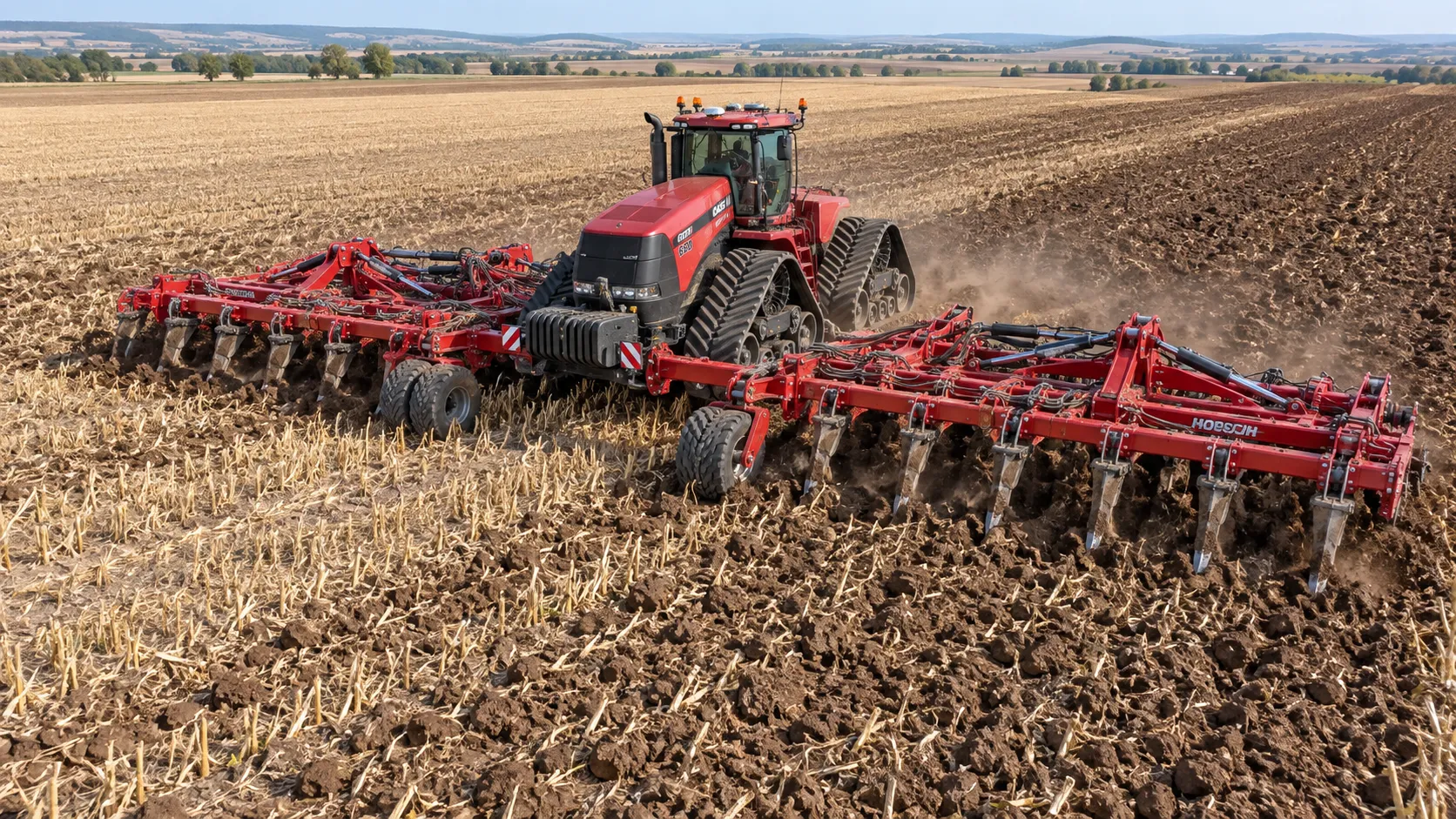
How to Select Heavy-Duty Farm Implements for High-Acreage, High-Horsepower Operations
Heavy duty farm implements: learn how to match draft, hydraulics, hitch capacity, frame strength, and field conditions for reliable high-acreage performance.
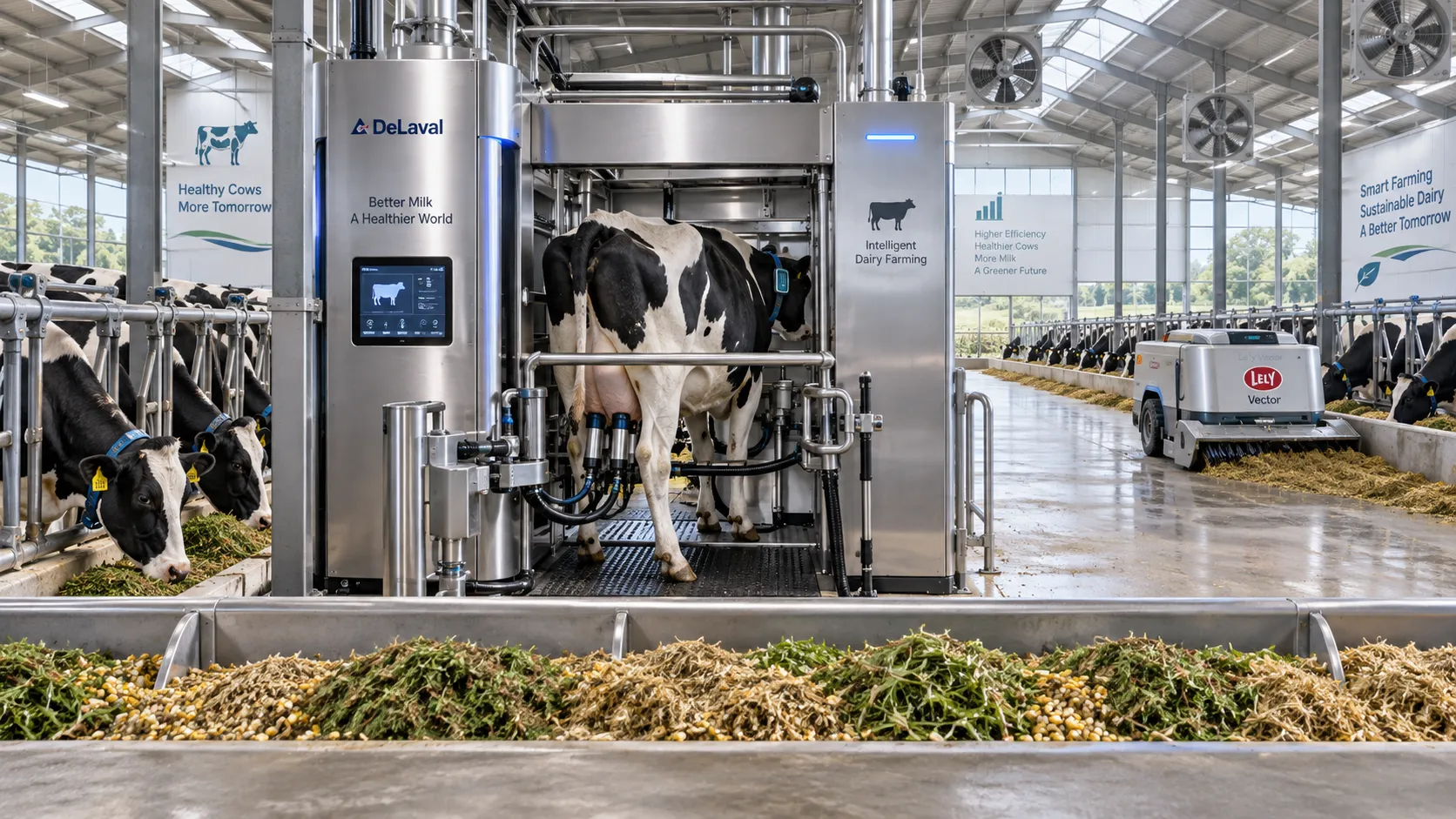
Smart Farming Technology for Dairy Farms: Where Automation Delivers Measurable ROI
Smart farming technology for dairy farms delivers measurable ROI through automation, precision feeding, health monitoring, and data-driven cost control.
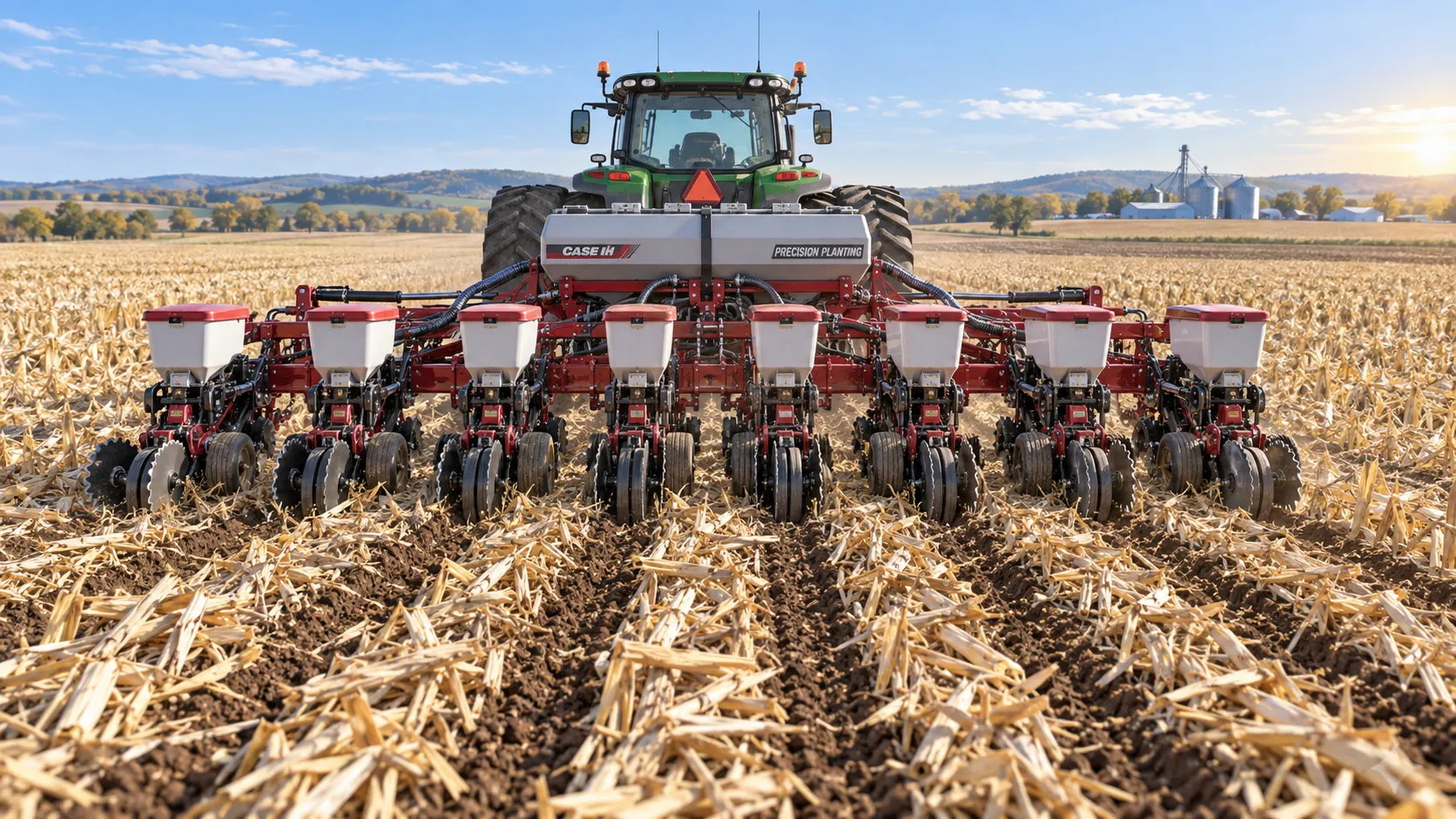
How to Select a Heavy-Duty Seeder for Large Acreage and High-Residue Fields
Heavy duty seeders for large acreage: compare residue handling, depth control, downforce, metering accuracy, and precision features to select the right model.
Related News
- 00
0000-00
When Does Agricultural Machinery Leasing Cost Less Than Owning Equipment? - 00
0000-00
Selecting Grain Farm Equipment by Acreage, Crop Mix, and Harvest Window - 00
0000-00
Poultry Equipment Selection: Evaluating Durability, Cleaning, and Compatibility - 00
0000-00
How to Select Heavy-Duty Farm Implements for High-Acreage, High-Horsepower Operations - 00
0000-00
Smart Farming Technology for Dairy Farms: Where Automation Delivers Measurable ROI
Popular Tags
Ms. Elena Rodriguez
Weekly Insights
Stay ahead with our curated technology reports delivered every Monday.