
Farm Equipment Intelligence Gaps That Slow Field Work
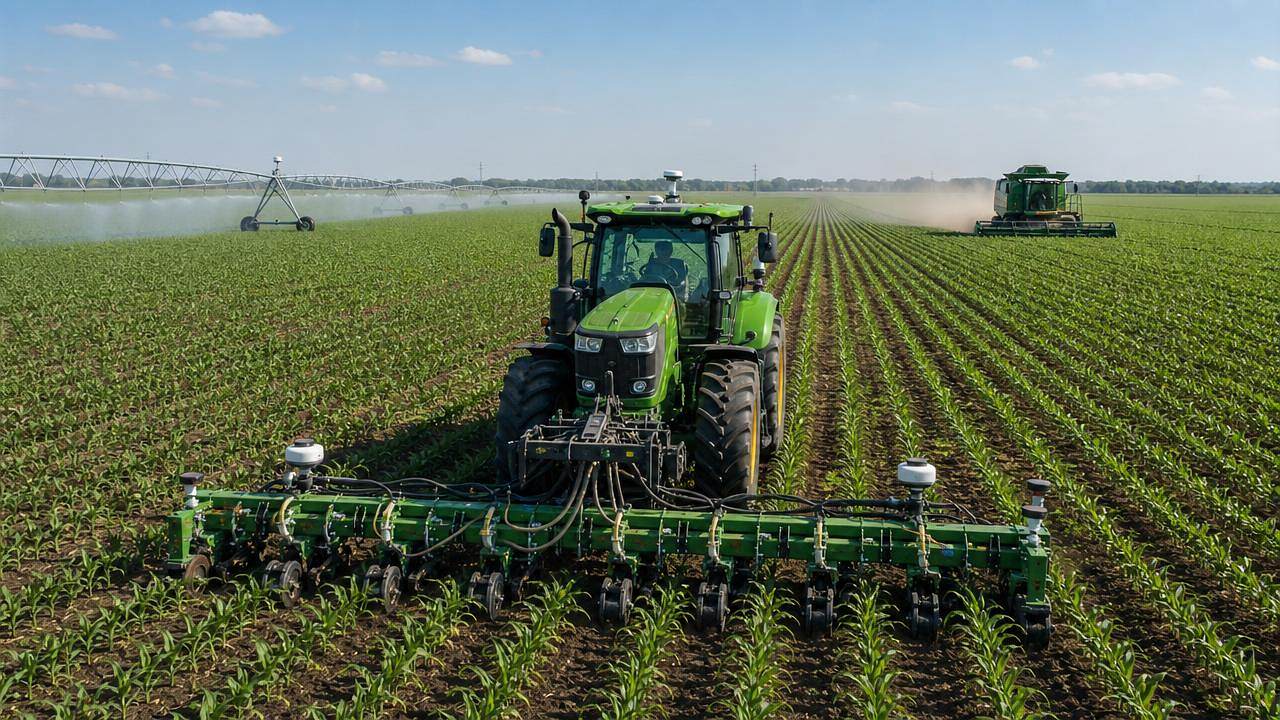




When crews lose time in the field, the cause is often deeper than engine output or machine size.
Many delays come from farm equipment intelligence gaps that weaken timing, visibility, and coordination across machines, tools, operators, and water systems.
In modern agriculture, faster field work depends on better decisions as much as stronger hardware.
That is why farm equipment intelligence now matters across tractors, combines, implements, and intelligent irrigation networks.
For platforms such as AP-Strategy, the central question is practical: where do information blind spots slow execution, and how can those gaps be reduced?
What Farm Equipment Intelligence Means in Daily Field Operations
Farm equipment intelligence combines machine data, operator feedback, field conditions, and timing rules into usable action.
It is not limited to autonomy or advanced software.
It also includes basic visibility, such as fuel status, slip rates, moisture variation, tool settings, route planning, and irrigation response.
When farm equipment intelligence is complete, machines work with fewer stops, fewer passes, and lower losses.
When intelligence is fragmented, crews react late and field work slows.
These gaps often appear between equipment brands, across disconnected sensors, or between field observations and machine settings.
The result is hidden inefficiency, even when the fleet looks mechanically capable.
Core elements behind useful intelligence
- Reliable machine telematics and sensor data
- Clear interpretation of field variability
- Timely alerts that support action, not noise
- Compatibility between tractors, tools, harvesters, and irrigation systems
- Decision workflows that match real operating speed
Where Intelligence Gaps Commonly Slow Field Work
Most field delays come from a small group of recurring information failures.
They affect seeding, spraying, harvesting, transport, and irrigation scheduling alike.
These failures rarely look dramatic at first.
Yet small timing losses accumulate across long working days and large acreages.
Why the gap persists
Many fleets were built over time, not designed as one digital system.
Older tractors may lack rich telematics.
Newer combines may generate useful data that never reaches daily operating decisions.
Sensor outputs may exist, but interfaces remain too complex during fast field work.
Current Industry Signals Shaping Farm Equipment Intelligence
Across the broader agriculture equipment sector, three pressures are pushing farm equipment intelligence from optional to essential.
- Narrower labor availability requires clearer machine guidance and simpler workflows.
- Higher input costs demand precision in seeding, fertilization, water use, and harvesting efficiency.
- Climate variability increases the value of rapid, data-based adjustment in the field.
This is especially visible in large-scale machinery, combine harvesting technology, and intelligent irrigation systems.
AP-Strategy follows these signals because they connect mechanical performance with practical decision quality.
A powerful tractor chassis matters, but transmission strength alone cannot solve route confusion, tool mismatch, or delayed diagnostics.
Likewise, a high-capacity harvester needs clean loss feedback and better coordination with grain transport.
Water-saving irrigation systems also depend on intelligence beyond hardware.
Without accurate evapotranspiration estimation, soil signals, and timing logic, even efficient emitters cannot deliver full value.
Operational Value of Closing Intelligence Gaps
Better farm equipment intelligence improves speed by reducing hesitation and guesswork.
It also improves consistency across shifts, fields, and seasons.
The business value appears in several practical ways.
1. Faster response to changing field conditions
Live machine and field intelligence helps crews react sooner to wet zones, compaction, crop density, or grain moisture shifts.
Earlier adjustment means less downtime and fewer corrective passes.
2. Lower performance losses across machines
A combine can only perform well if feeder settings, rotor load, cleaning feedback, and unloading support stay aligned.
Farm equipment intelligence helps connect these moving parts into one working rhythm.
3. Better resource efficiency
Smarter passes reduce overlap, idle running, water waste, and excessive fuel burn.
That supports both cost control and sustainability goals.
4. Stronger planning confidence
Historical machine intelligence helps estimate true work rates, service intervals, and peak risk periods.
Planning improves because future decisions use evidence rather than assumptions.
Typical Scenarios Where Farm Equipment Intelligence Matters Most
Not every operation needs the same data depth.
However, some scenarios show especially high returns from stronger farm equipment intelligence.
Practical Steps to Reduce Farm Equipment Intelligence Gaps
Closing the gap does not always require a complete technology replacement.
It often starts with clearer priorities and cleaner data flow.
Focus on the slowest decisions first
Identify where crews repeatedly stop, wait, or rework.
That may be combine unloading, implement calibration, route planning, or irrigation timing.
Standardize a short list of critical signals
Too much data can slow action.
Use a small operational dashboard built around field speed, losses, fuel, moisture, application rate, and machine availability.
Improve cross-system compatibility
Farm equipment intelligence works best when tractors, tools, harvesters, and irrigation controls share usable data formats.
Integration gaps often cost more than missing sensors.
Review intelligence after each campaign
Post-season review turns raw data into operational learning.
It reveals which alerts mattered, which settings drifted, and where future upgrades should focus.
A Clear Next Step for Smarter Field Execution
Farm equipment intelligence is no longer a side topic in modern agriculture.
It directly affects work speed, harvesting quality, water efficiency, and machine coordination.
The most costly intelligence gaps are usually not invisible forever.
They show up as repeated pauses, uneven results, and low confidence during narrow field windows.
A practical next move is to map one field workflow from start to finish and identify every missing or delayed decision signal.
With that approach, farm equipment intelligence becomes a measurable driver of faster, safer, and more resilient field work.
For intelligence-led agriculture platforms like AP-Strategy, that is where mechanical capability and strategic visibility finally meet.
Related News
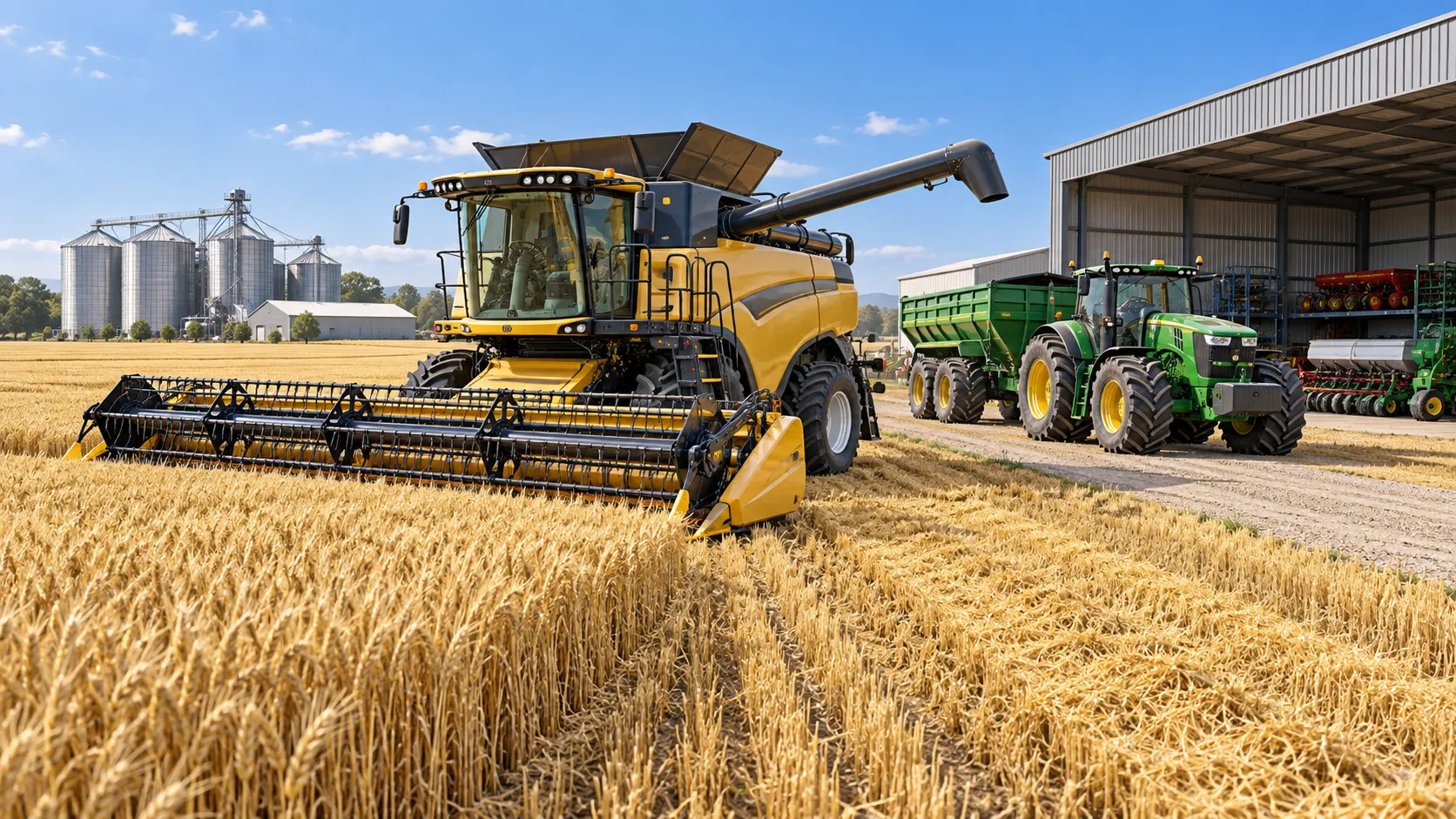
When Does Agricultural Machinery Leasing Cost Less Than Owning Equipment?
Agricultural machinery leasing can lower farm costs when use is seasonal or uncertain. Compare utilization, maintenance, cash flow, and risk to make a smarter equipment decision.
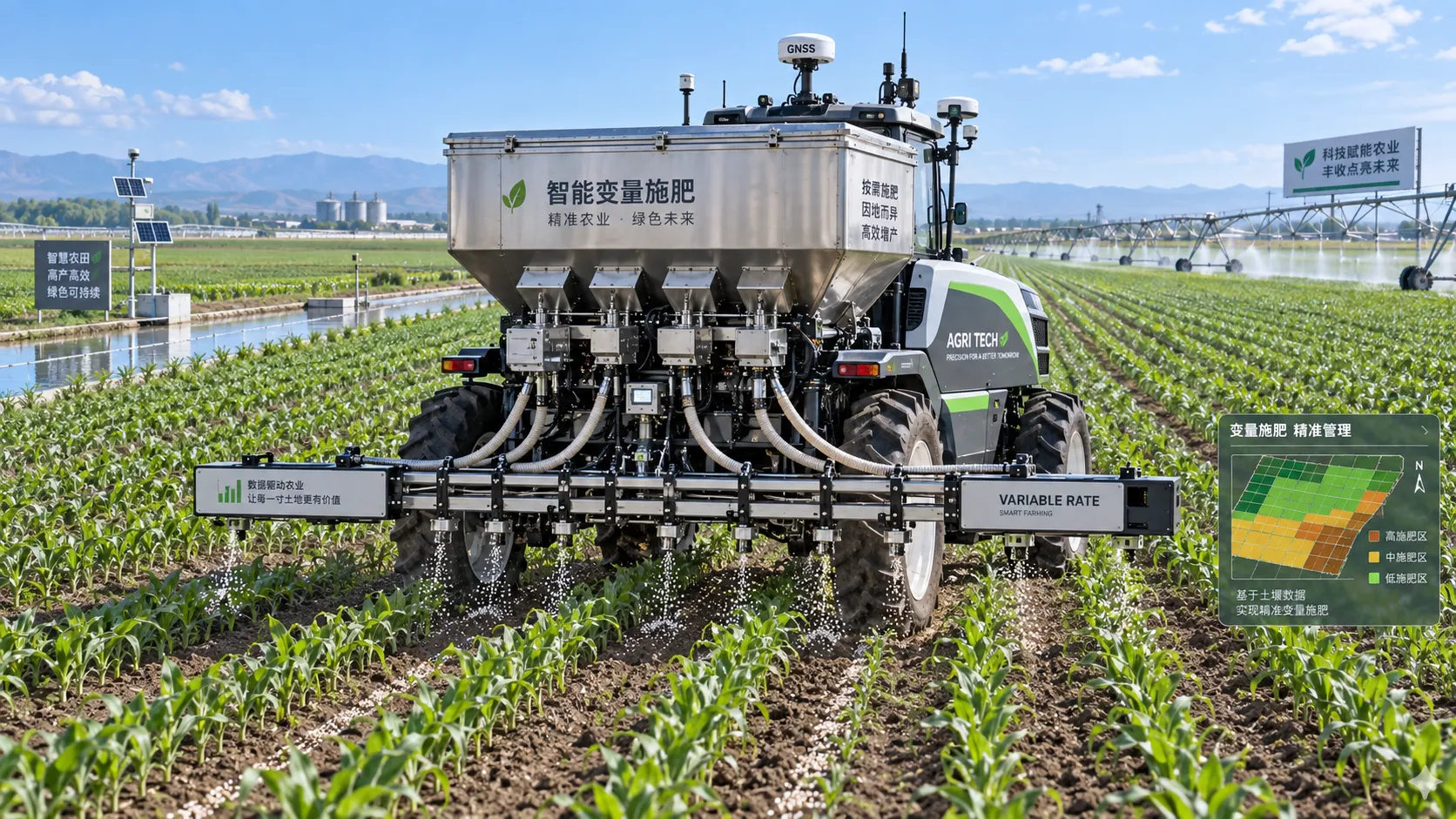
How to Evaluate Precision Fertilization System Suppliers for Farm-Scale Deployment
Precision fertilization systems suppliers: learn how to compare accuracy, integration, uptime, service, and total cost for confident farm-scale deployment.
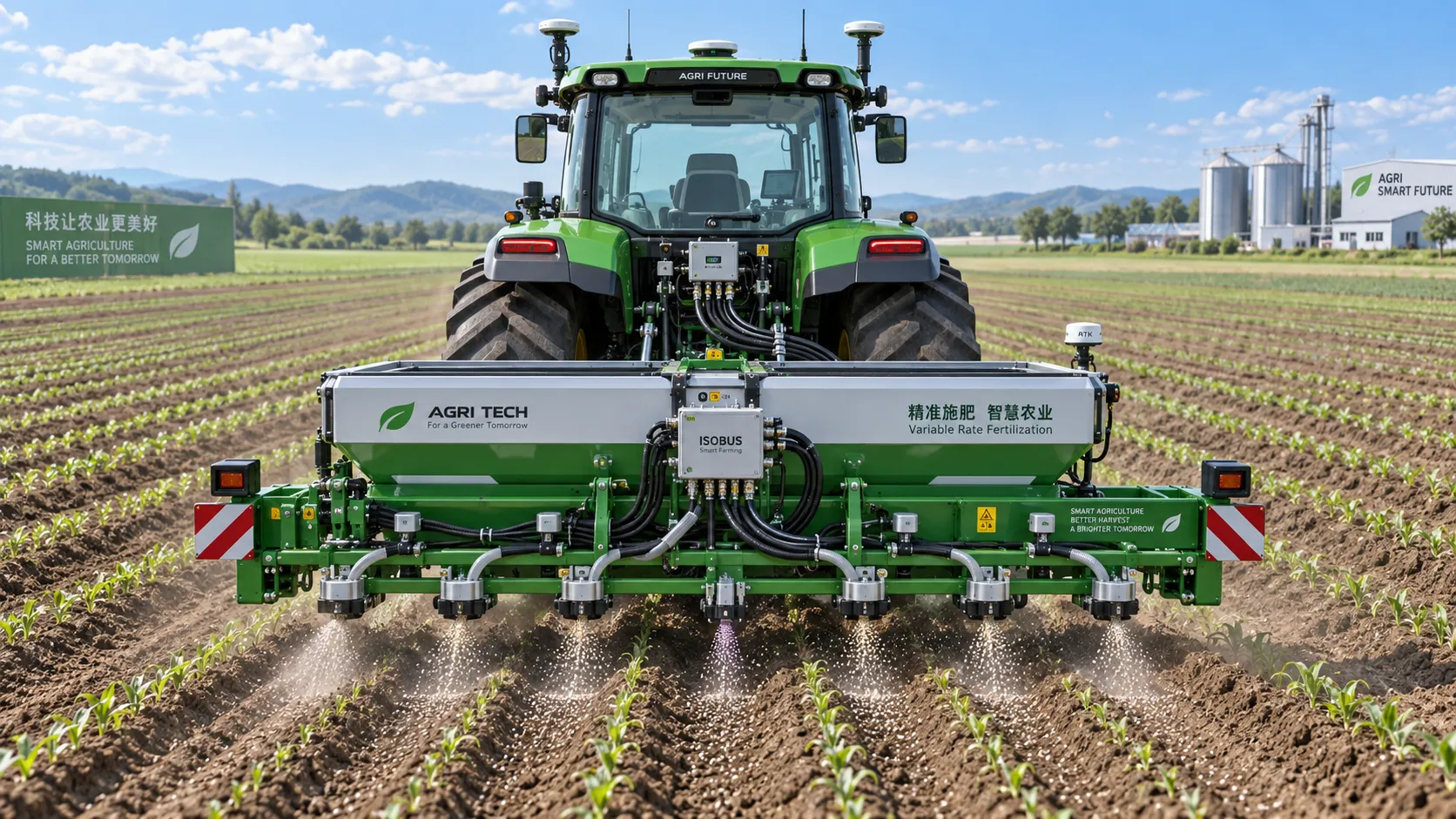
ISOBUS for Smart Agriculture: How It Connects Tractors, Implements, and Farm Data
ISOBUS for smart agriculture connects tractors, implements, terminals, and farm data—helping growers improve precision, documentation, and smarter field decisions.
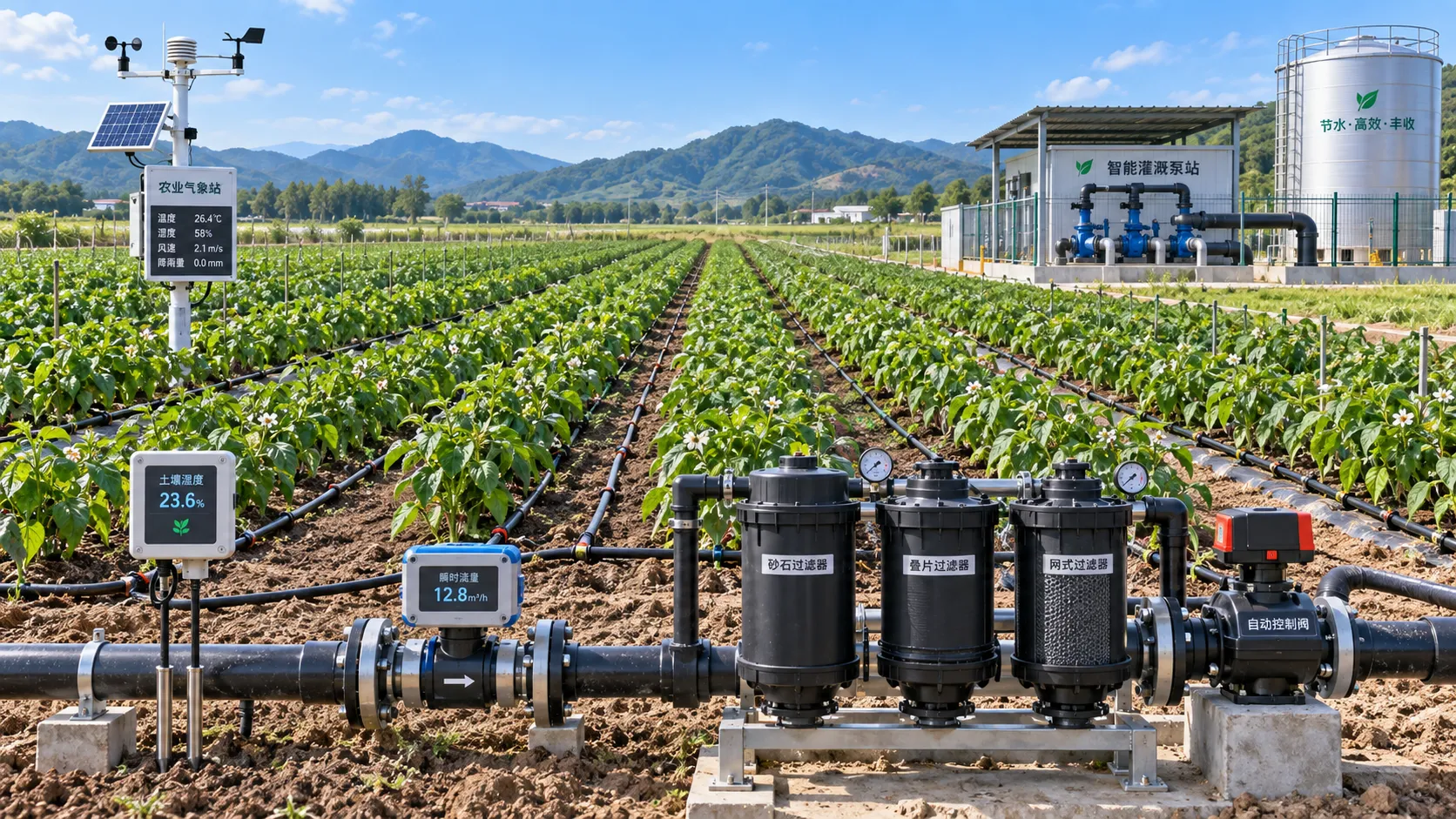
Automated Water-Saving Irrigation: How to Cut Water Use Without Reducing Crop Yields
Automated water-saving irrigation helps farms cut water use, protect crop yields, improve scheduling, and gain reliable control with sensors, flow monitoring, and smart zones.
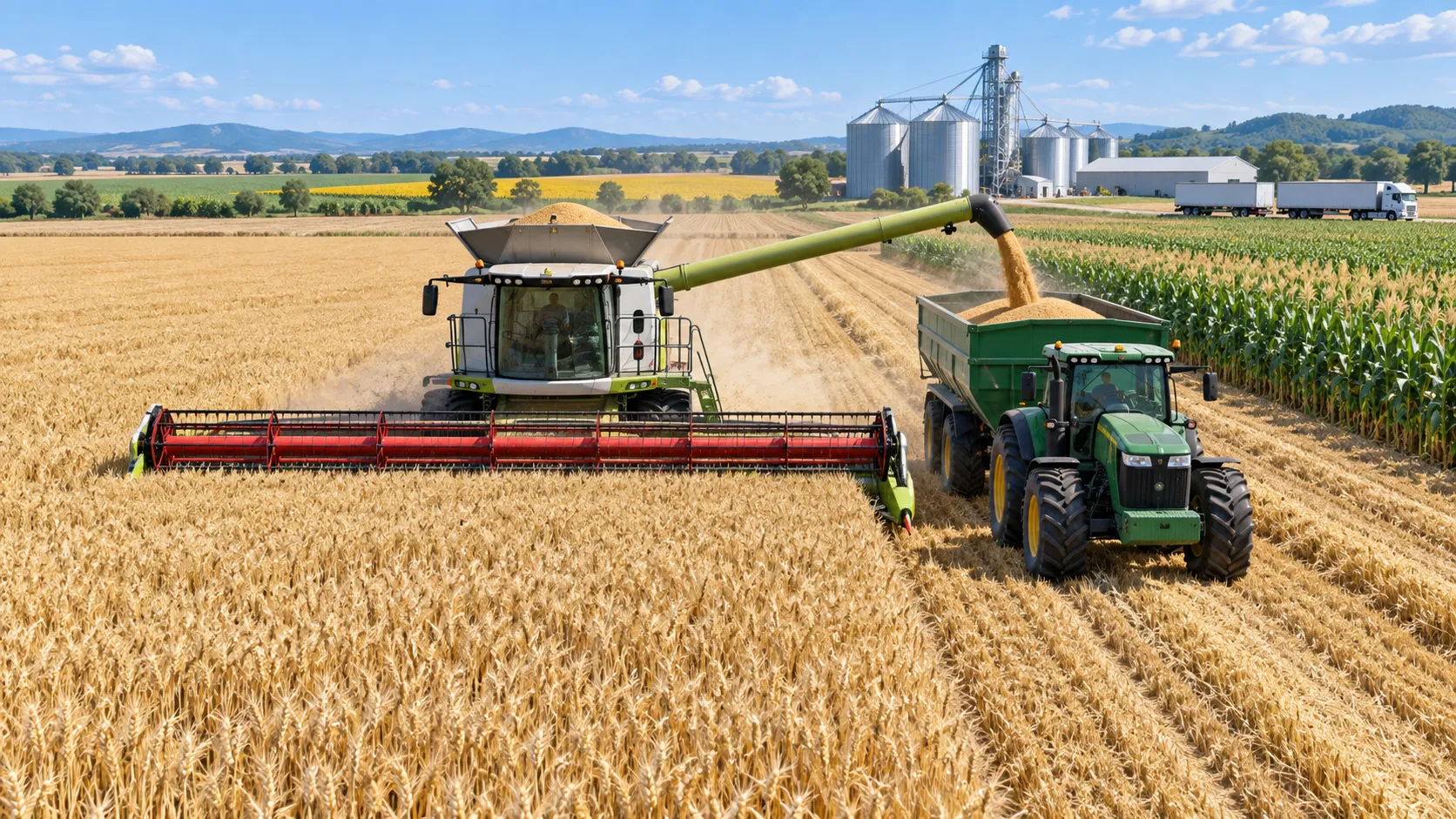
Selecting Grain Farm Equipment by Acreage, Crop Mix, and Harvest Window
Agricultural equipment selection for grain farming: match machinery to acreage, crop mix, and harvest windows to improve uptime, efficiency, and returns.
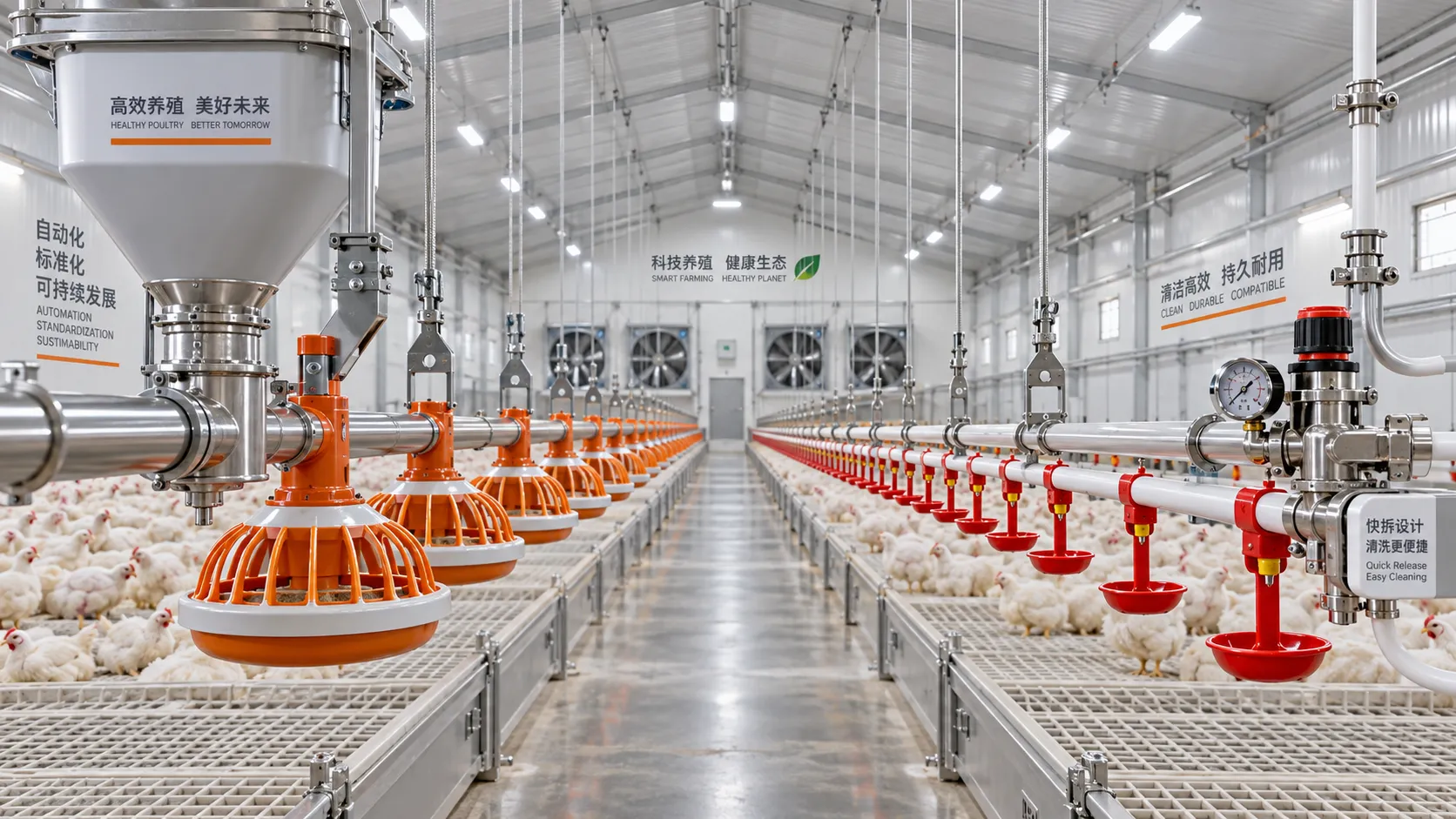
Poultry Equipment Selection: Evaluating Durability, Cleaning, and Compatibility
Poultry equipments selection guide: evaluate durability, cleaning access, and system compatibility to improve hygiene, reduce downtime, and support efficient flock management.
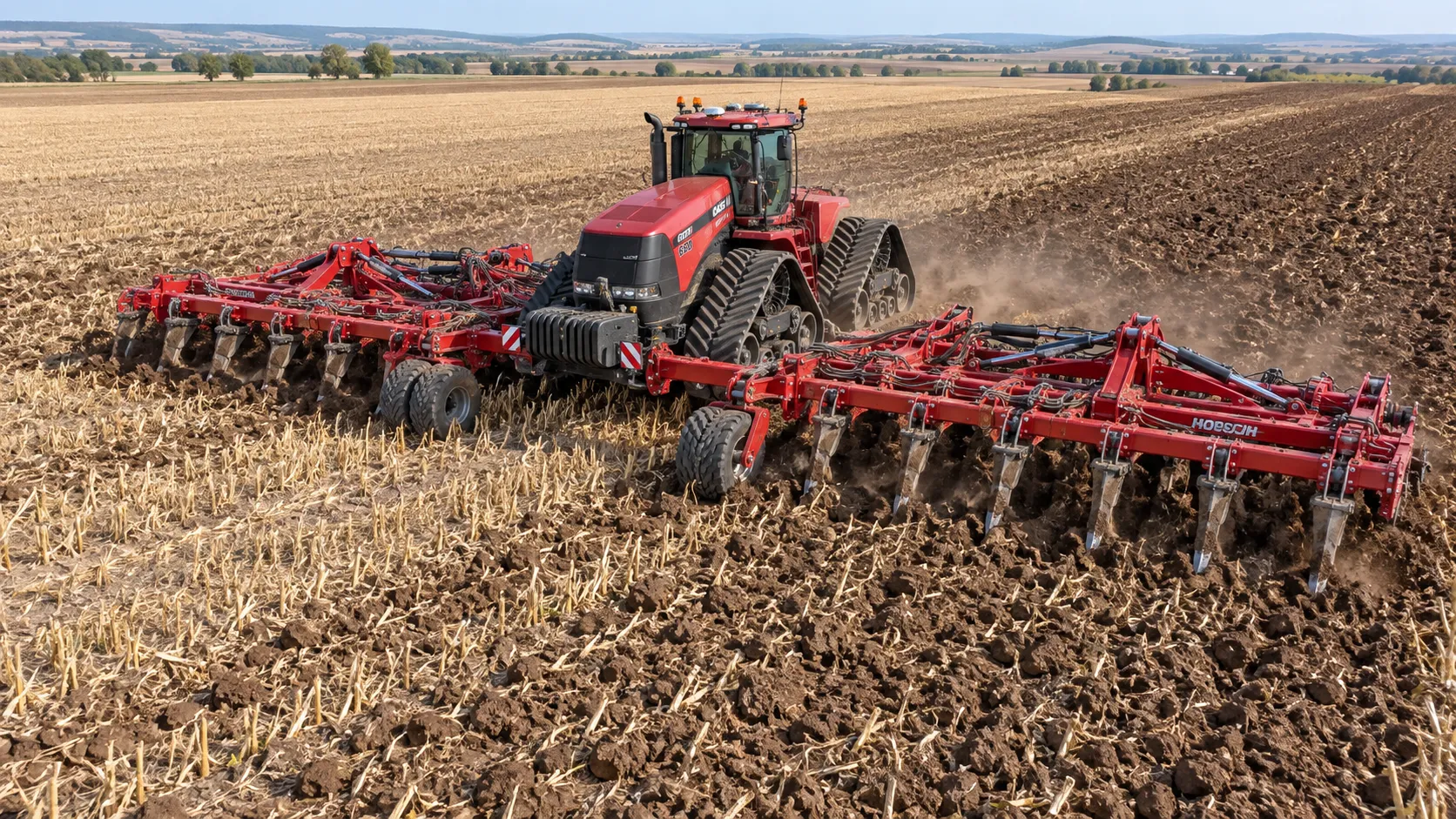
How to Select Heavy-Duty Farm Implements for High-Acreage, High-Horsepower Operations
Heavy duty farm implements: learn how to match draft, hydraulics, hitch capacity, frame strength, and field conditions for reliable high-acreage performance.
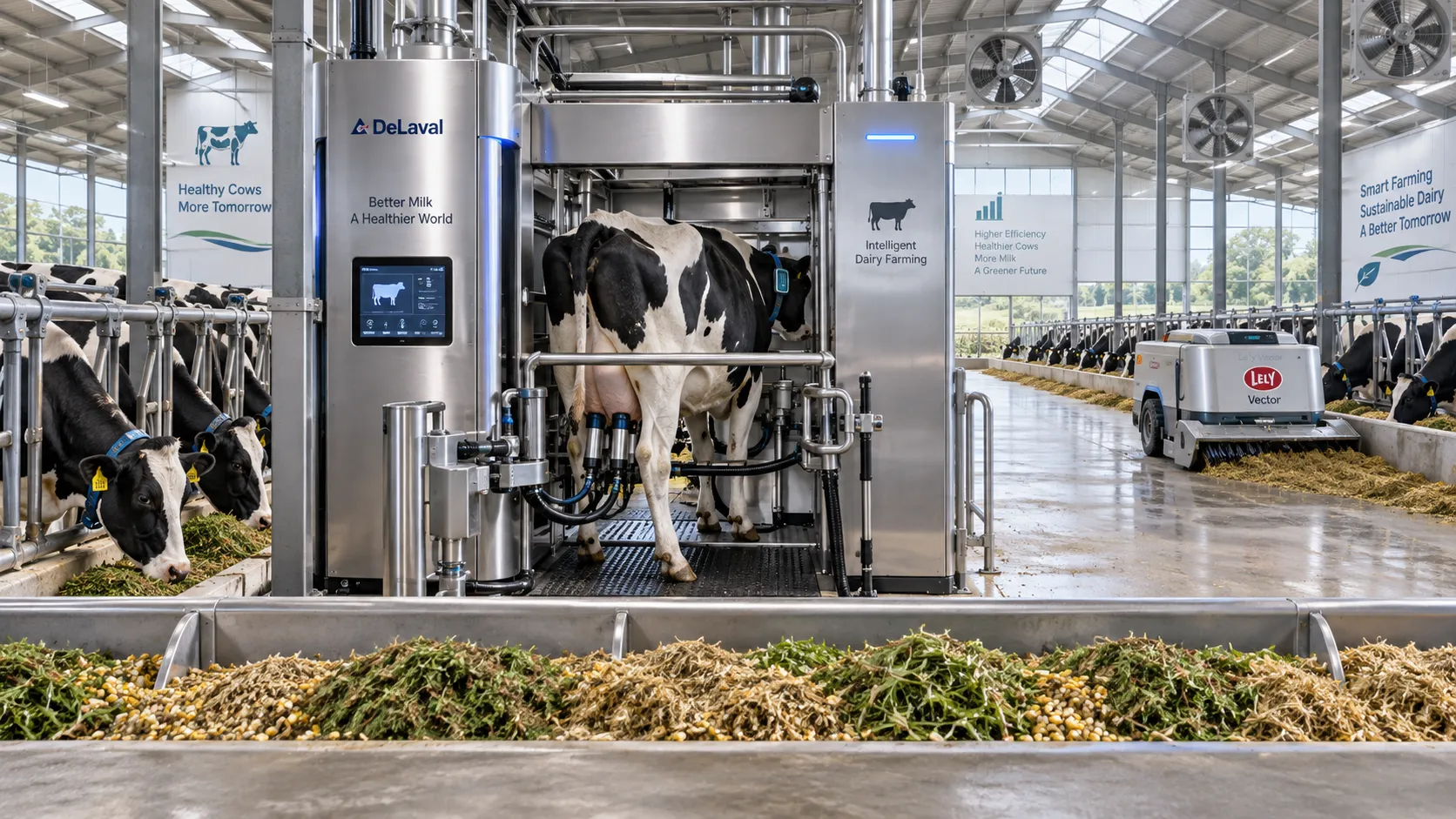
Smart Farming Technology for Dairy Farms: Where Automation Delivers Measurable ROI
Smart farming technology for dairy farms delivers measurable ROI through automation, precision feeding, health monitoring, and data-driven cost control.
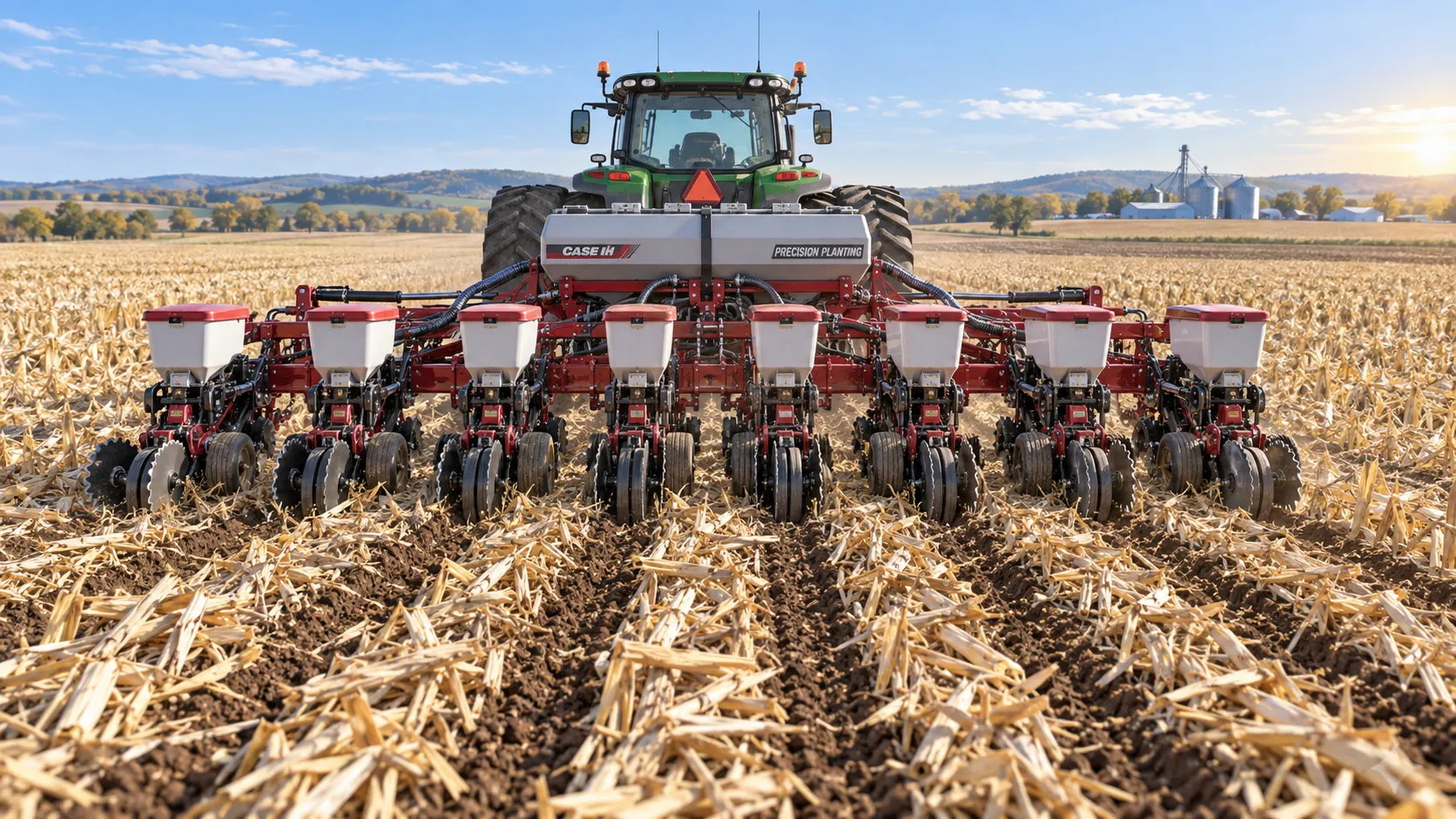
How to Select a Heavy-Duty Seeder for Large Acreage and High-Residue Fields
Heavy duty seeders for large acreage: compare residue handling, depth control, downforce, metering accuracy, and precision features to select the right model.
Related News
- 00
0000-00
How Does Farm Mechanization Affect Food Security in Developing Regions? - 00
0000-00
Agricultural Technology Insights by Region: Where Adoption Is Growing Fastest - 00
0000-00
How Climate-Smart Agriculture Technology Improves Yield, Soil Health, and Risk Resilience - 00
0000-00
Smart Farming Solutions in Latin America: Which Technologies Fit Large Farms Best? - 00
0000-00
Long-Cycle Agri-Trade Price Trends: How to Read Supply, Freight, and Currency Signals
Popular Tags
Prof. Marcus Chen
Weekly Insights
Stay ahead with our curated technology reports delivered every Monday.