
When Do Agricultural Automation Systems Pay Off on Farms?
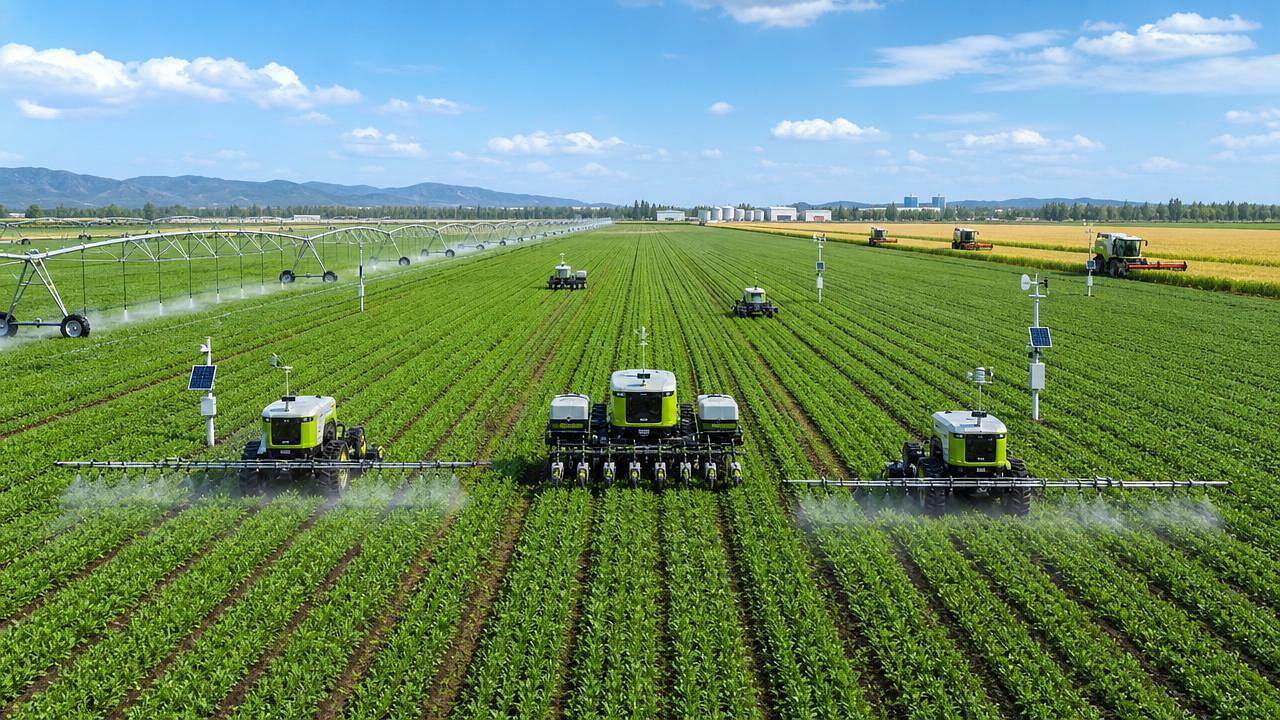




For finance decision-makers, timing matters more than novelty. Agricultural automation systems create value only when capital cost, field conditions, and operational discipline align with measurable gains.
On modern farms, returns usually come from four levers. These include labor reduction, fuel savings, yield protection, and tighter control of water, fertilizer, and machine hours.
Yet payback is rarely uniform. A guidance package on broadacre grain land behaves differently from robotic irrigation control in orchards or sensor-led spraying in mixed farming systems.
This article explains when agricultural automation systems begin to pay off, which signals matter most, and how investment timelines shift across farm scale and crop complexity.
Understanding agricultural automation systems and return drivers
Agricultural automation systems combine hardware, software, sensors, and machine control. Common examples include auto-steering, section control, variable-rate application, telematics, irrigation automation, and harvest monitoring.
Some systems automate a single task. Others connect tractors, combine harvesters, irrigation assets, and farm data into one coordinated operating layer.
The financial return depends on more than equipment price. It also depends on uptime, training quality, field layout, crop value, and how often the system is used through the season.
In practice, agricultural automation systems usually pay off faster when they remove recurring inefficiencies. One-time productivity gains look attractive, but repeated seasonal savings build stronger economics.
- Lower overlap during planting, spraying, and fertilizing
- Reduced operator fatigue and more stable machine performance
- Better use of fuel, seed, chemicals, and irrigation water
- Less harvest loss through improved timing and monitoring
- Higher asset visibility across tractors, harvesters, and implements
This is why the strongest business case often appears in operations with repeated passes, large acre counts, expensive inputs, or high penalties for timing errors.
Market conditions shaping the payback timeline
The current farm environment is pushing automation from optional upgrade to strategic control tool. Labor scarcity, weather volatility, and tighter sustainability targets are accelerating adoption.
At the same time, investment discipline is becoming stricter. High interest rates and machinery costs force farms to evaluate agricultural automation systems through total operating impact, not feature lists.
These pressures favor technologies with clear annual savings. Agricultural automation systems linked to field execution usually show faster returns than systems valued mainly for reporting convenience.
Where agricultural automation systems generate the strongest business value
The fastest payback often starts with machine guidance and application control. These systems are easier to deploy and affect large portions of the annual workload.
Field operations and input control
Auto-steering reduces overlap, shortens operator stress, and improves consistency at night or during long planting windows. Section control prevents double application and protects margin on costly inputs.
Variable-rate tools pay off when zone differences are real and mapped accurately. Without reliable agronomic data, the technology may underperform despite technical sophistication.
Harvest operations
For combine harvesters, automation supports feed rate control, cleaning efficiency, and lower grain loss. Returns improve where harvest windows are tight and yield loss from delay is expensive.
Telemetry also helps schedule service before breakdowns. Avoiding a few critical hours of harvest downtime can materially change annual profitability.
Irrigation and water management
Intelligent irrigation often delivers strong returns in water-stressed regions. Savings come from lower pumping costs, reduced overwatering, and better crop stability during heat stress periods.
Here, agricultural automation systems may create both direct and indirect value. Direct value appears in utility savings. Indirect value appears in crop quality and more predictable output.
Typical payback patterns by farm type and operating model
Not all farms reach the same return threshold. Payback timing depends on acreage, crop value, machine utilization, and field complexity.
These are broad ranges, not guarantees. Agricultural automation systems pay faster when they are used across multiple machines or many hectares, rather than isolated on one task.
A smaller farm can still achieve strong returns if crops are high value, labor is constrained, or irrigation costs are substantial. Scale helps, but intensity also matters.
Financial signals that show automation is starting to pay off
Good investment decisions rely on observed operating data. The earliest proof that agricultural automation systems are working usually appears in a small set of repeatable indicators.
- Lower input cost per acre or per ton produced
- Reduced fuel consumption per field pass
- Fewer overtime hours during peak season
- Improved machine uptime and fewer emergency repairs
- Lower harvest loss and more stable yield outcomes
- Reduced water use without sacrificing crop performance
If these metrics do not improve within one or two cycles, the issue is often implementation. Causes may include poor calibration, weak operator adoption, or limited integration with existing workflows.
This is a critical point. Agricultural automation systems fail financially more often from management gaps than from hardware limitations.
Risks, hidden costs, and implementation discipline
Capital cost is only the visible part of the investment. Subscription fees, data services, retrofitting, training time, and compatibility issues can extend the payback period.
Another hidden cost is underutilization. A high-capability system installed on one machine, but rarely used at full function, will struggle to justify itself.
Common barriers to return
- Inconsistent field data or poor boundary mapping
- Limited staff training and weak operational routines
- Low equipment interoperability across brands
- No baseline cost tracking before deployment
- Expecting yield gains where savings drive most value
The practical solution is phased adoption. Start with agricultural automation systems that solve one expensive recurring problem, then expand after measured validation.
Practical framework for deciding when to invest
A disciplined decision framework reduces buying errors. The best timing is usually before a known bottleneck becomes more expensive than the technology itself.
- Measure current losses from overlap, labor, downtime, and water use.
- Rank opportunities by annual financial leakage, not technical appeal.
- Choose systems with clear compatibility across tractors, tools, or irrigation assets.
- Pilot on a defined area or machine group for one season.
- Review results against baseline metrics before wider rollout.
For many operations, the first investment should be the least complex system with the broadest usage. Guidance, telematics, or irrigation control often fit this rule well.
More advanced agricultural automation systems become attractive after data discipline is established. Without that foundation, higher-level analytics rarely convert into reliable field profit.
The payback question is therefore not only about years. It is about readiness, repeatability, and whether the farm can turn digital control into daily operating behavior.
In the current Agriculture 4.0 landscape, agricultural automation systems pay off when they reduce recurring waste, protect timing, and connect machines with measurable management decisions.
The next practical step is to audit one season of costs, isolate one high-friction process, and test the automation option with the clearest operational benchmark.
That approach turns automation from a technology purchase into a controlled capital strategy, aligned with productivity, resilience, and long-term field performance.
Related News
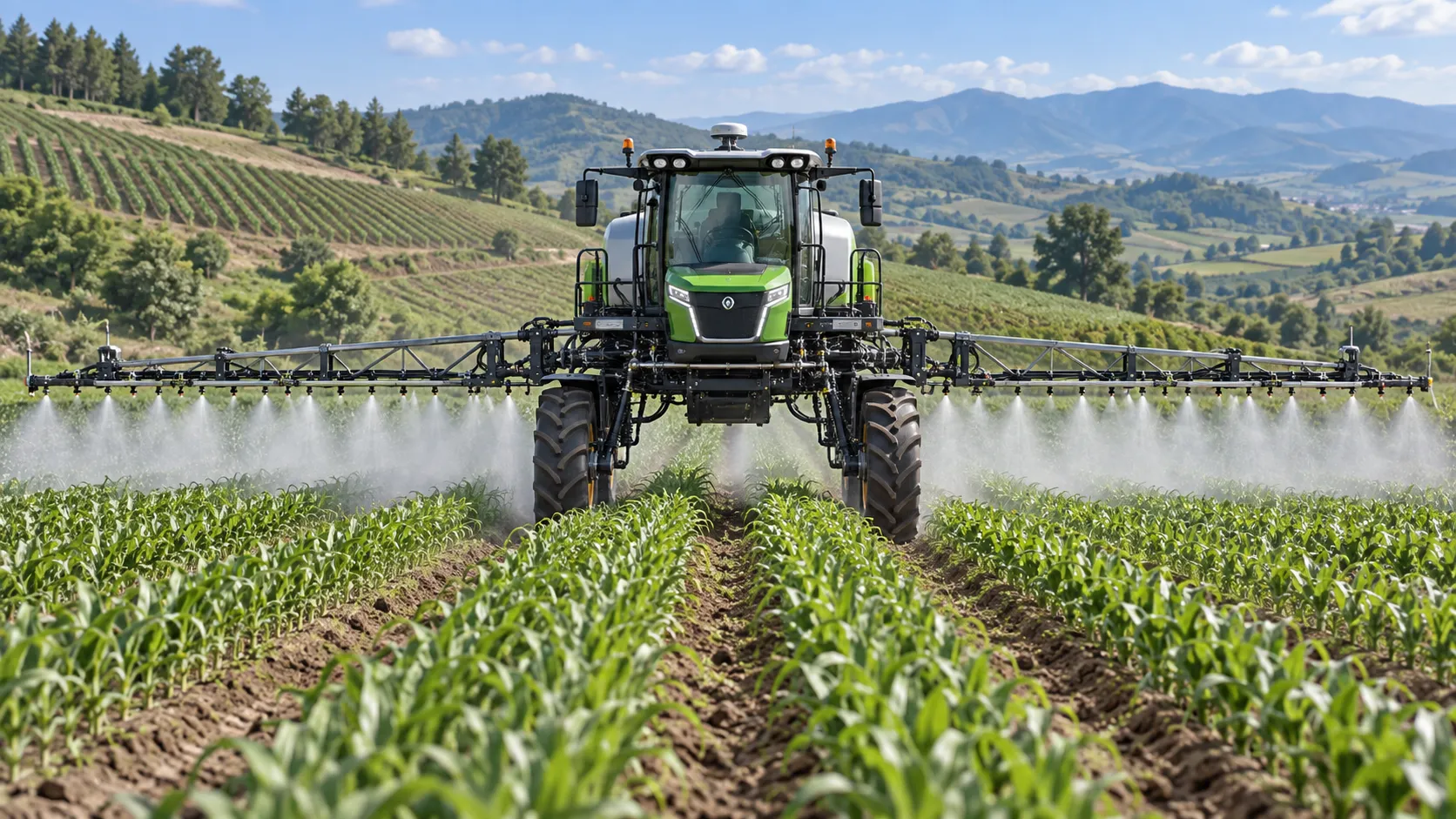
How to Select Precision Crop Protection Equipment for Variable Field Conditions
Precision crop protection equipment selection made simple: compare terrain, canopy, weather, control accuracy, and data workflows for reliable applications.

When Does Agricultural Machinery Leasing Cost Less Than Owning Equipment?
Agricultural machinery leasing can lower farm costs when use is seasonal or uncertain. Compare utilization, maintenance, cash flow, and risk to make a smarter equipment decision.

How to Evaluate Precision Fertilization System Suppliers for Farm-Scale Deployment
Precision fertilization systems suppliers: learn how to compare accuracy, integration, uptime, service, and total cost for confident farm-scale deployment.
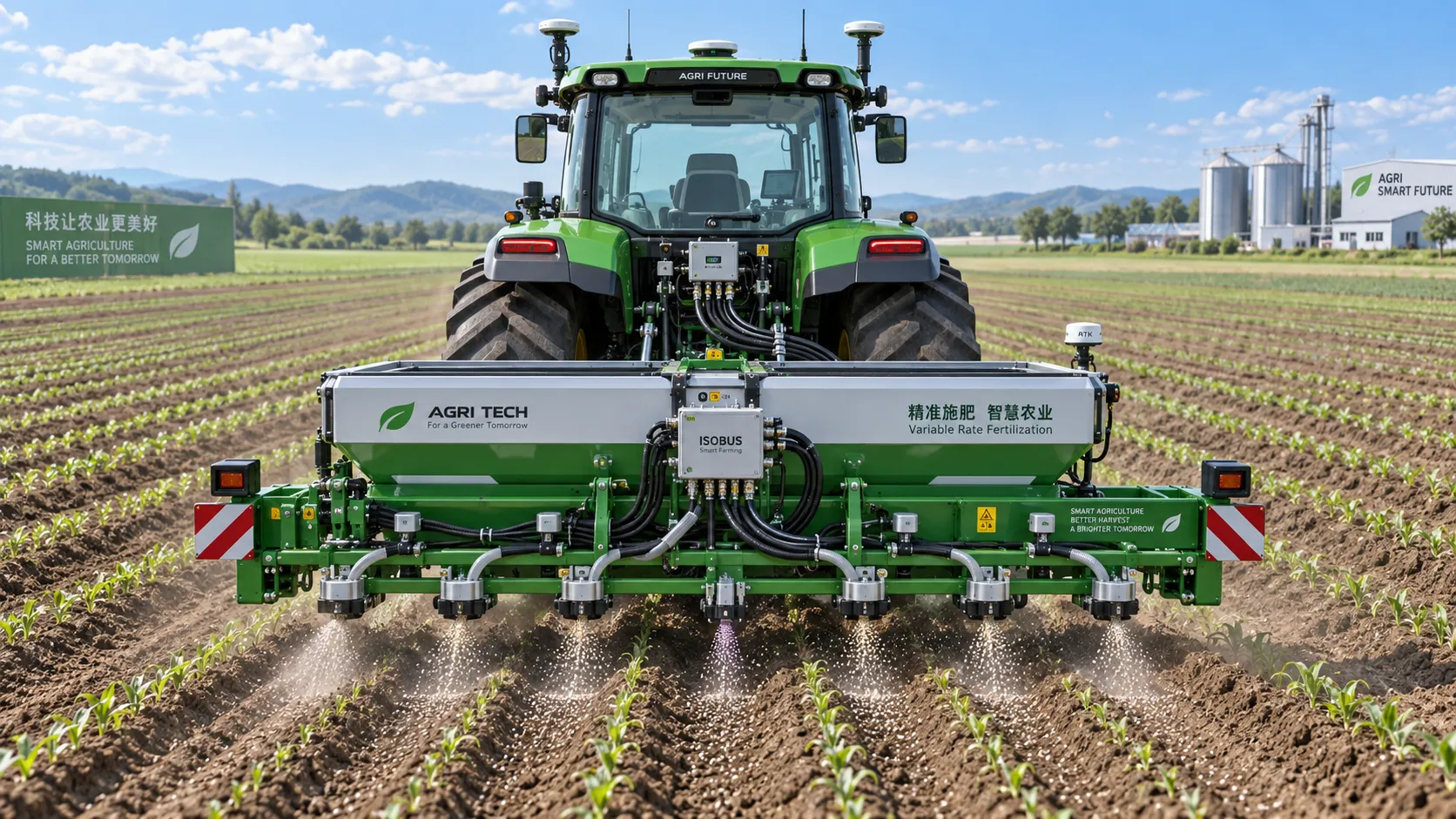
ISOBUS for Smart Agriculture: How It Connects Tractors, Implements, and Farm Data
ISOBUS for smart agriculture connects tractors, implements, terminals, and farm data—helping growers improve precision, documentation, and smarter field decisions.
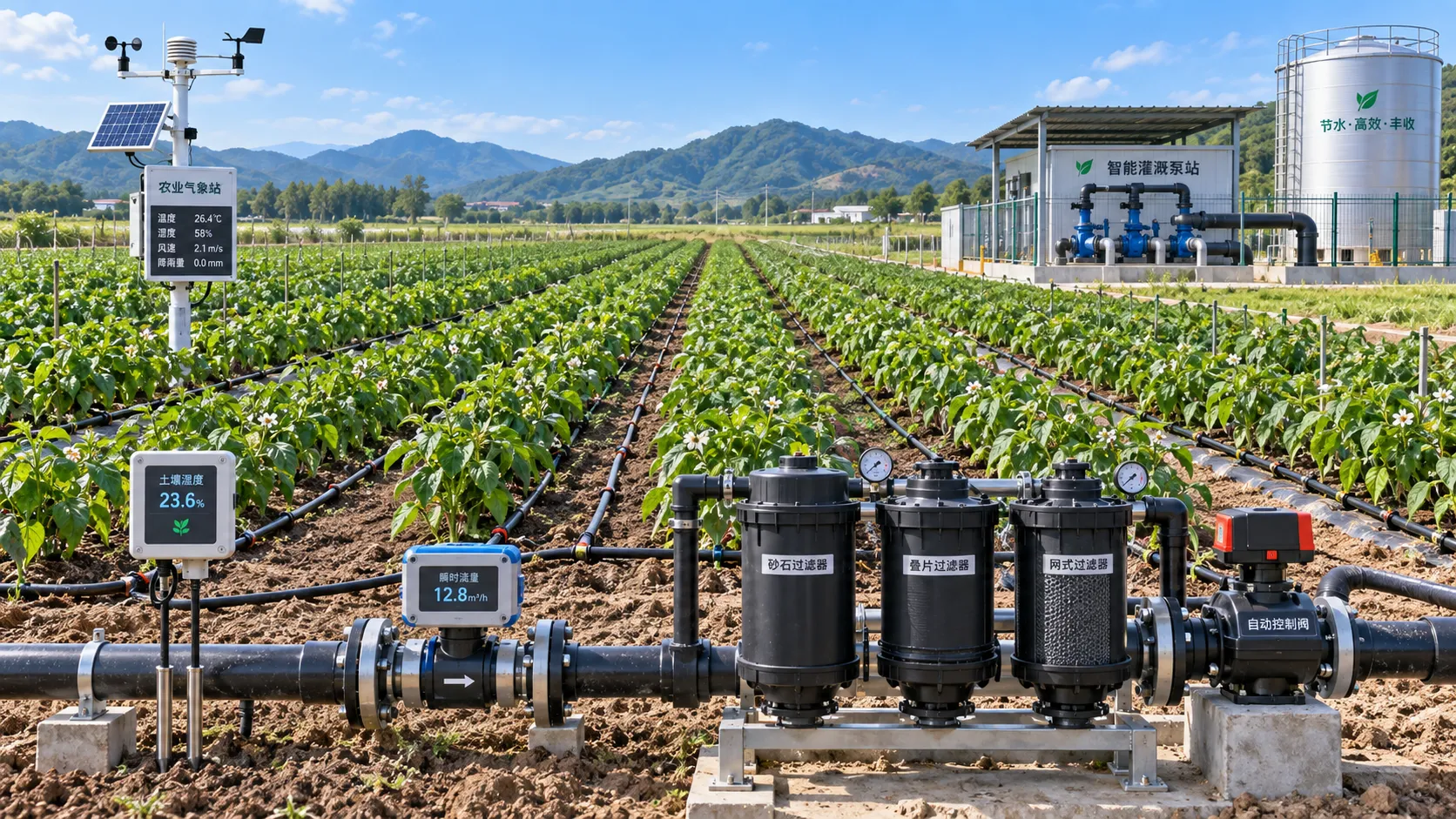
Automated Water-Saving Irrigation: How to Cut Water Use Without Reducing Crop Yields
Automated water-saving irrigation helps farms cut water use, protect crop yields, improve scheduling, and gain reliable control with sensors, flow monitoring, and smart zones.
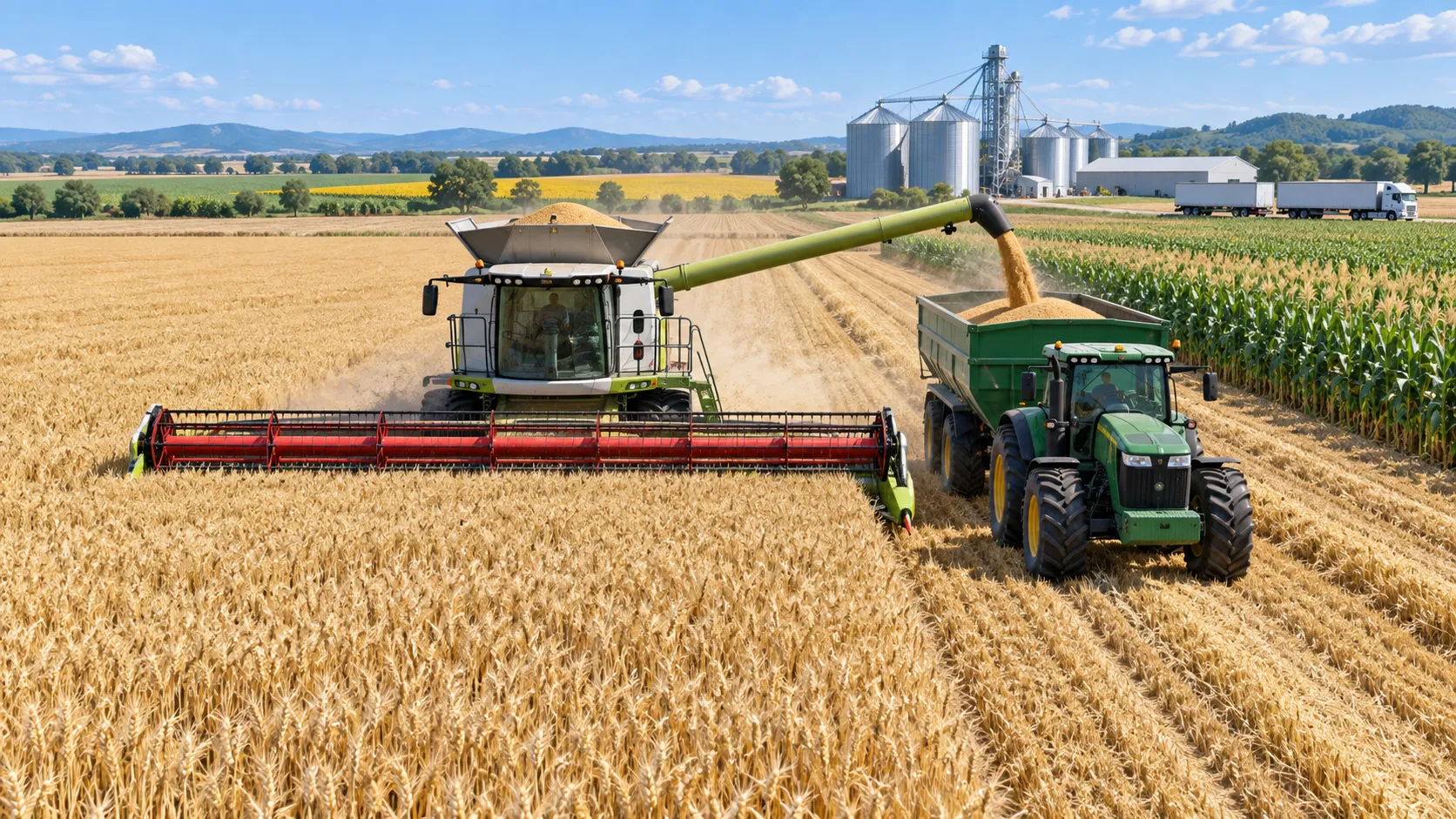
Selecting Grain Farm Equipment by Acreage, Crop Mix, and Harvest Window
Agricultural equipment selection for grain farming: match machinery to acreage, crop mix, and harvest windows to improve uptime, efficiency, and returns.
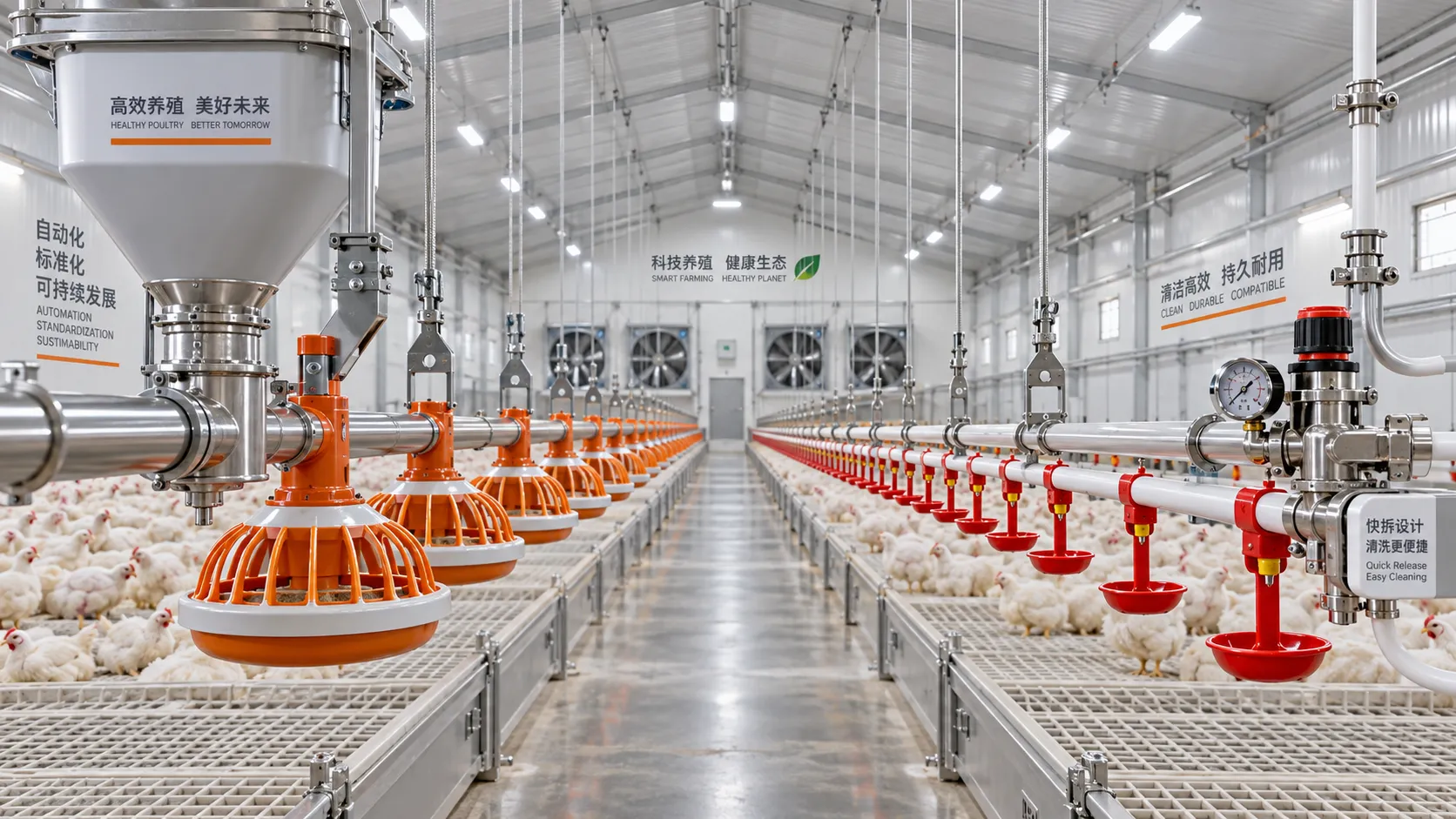
Poultry Equipment Selection: Evaluating Durability, Cleaning, and Compatibility
Poultry equipments selection guide: evaluate durability, cleaning access, and system compatibility to improve hygiene, reduce downtime, and support efficient flock management.
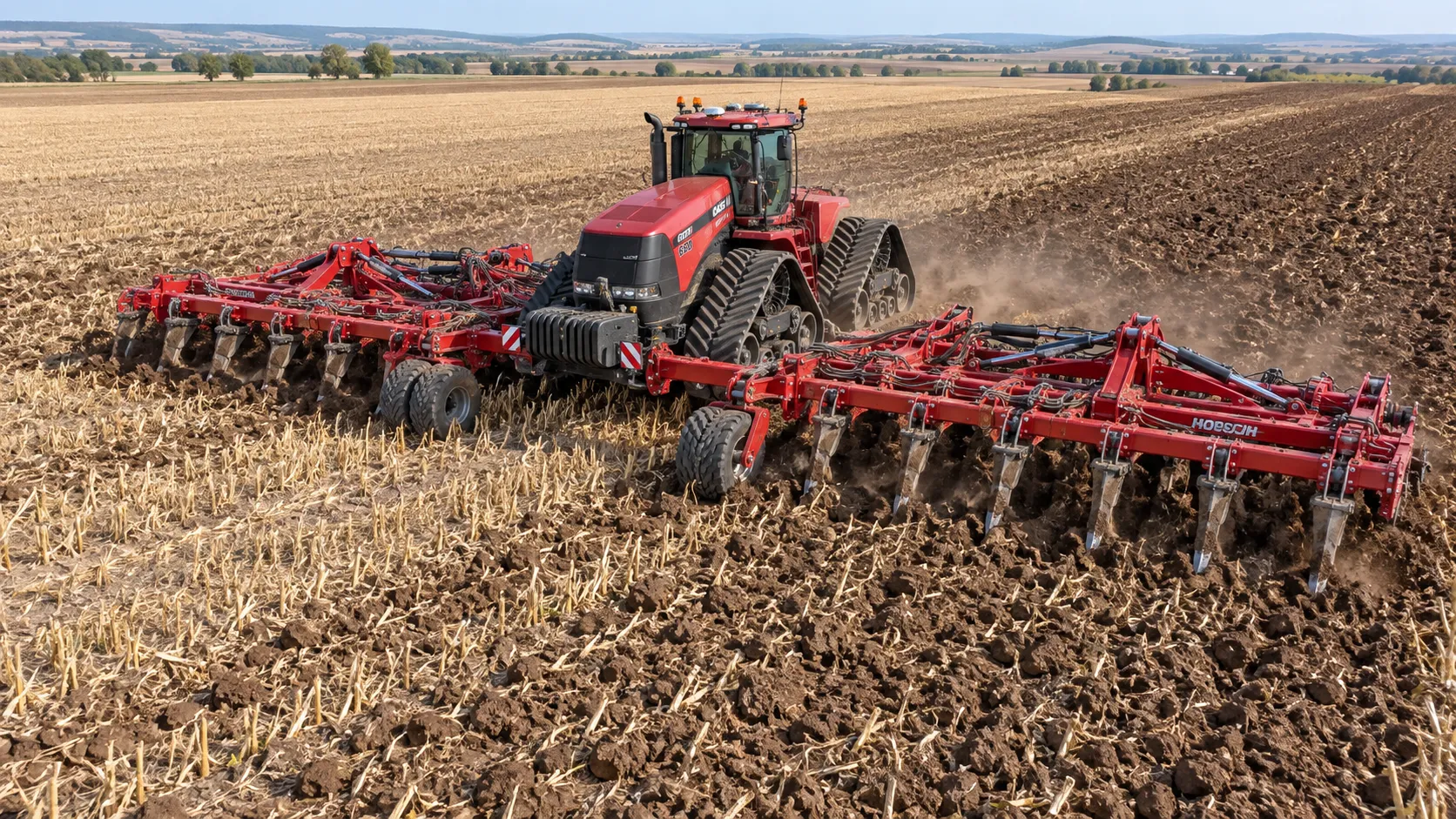
How to Select Heavy-Duty Farm Implements for High-Acreage, High-Horsepower Operations
Heavy duty farm implements: learn how to match draft, hydraulics, hitch capacity, frame strength, and field conditions for reliable high-acreage performance.
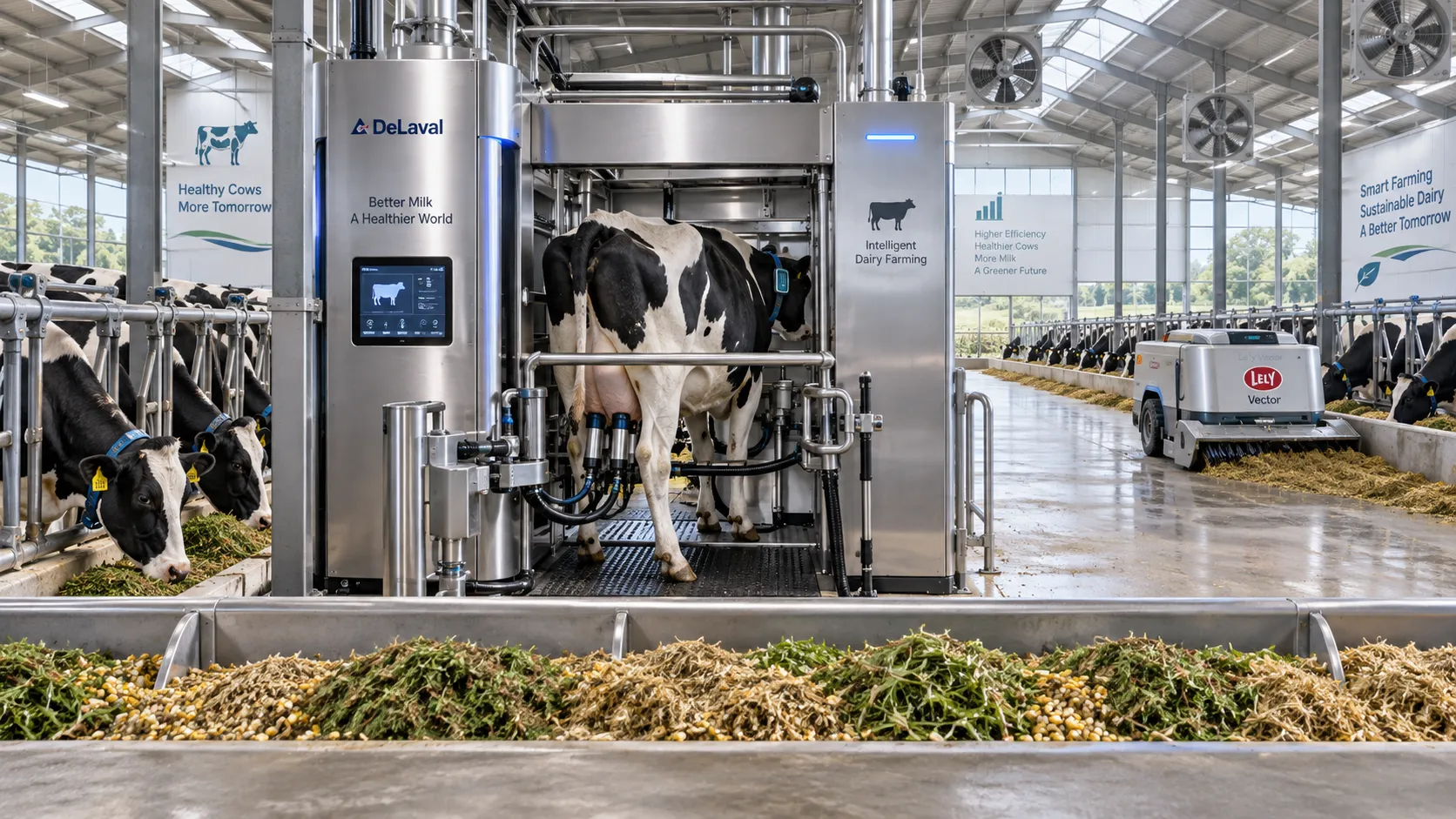
Smart Farming Technology for Dairy Farms: Where Automation Delivers Measurable ROI
Smart farming technology for dairy farms delivers measurable ROI through automation, precision feeding, health monitoring, and data-driven cost control.
Related News
- 00
0000-00
When Does Agricultural Machinery Leasing Cost Less Than Owning Equipment? - 00
0000-00
Selecting Grain Farm Equipment by Acreage, Crop Mix, and Harvest Window - 00
0000-00
Poultry Equipment Selection: Evaluating Durability, Cleaning, and Compatibility - 00
0000-00
How to Select Heavy-Duty Farm Implements for High-Acreage, High-Horsepower Operations - 00
0000-00
Smart Farming Technology for Dairy Farms: Where Automation Delivers Measurable ROI
Popular Tags
Ms. Elena Rodriguez
Weekly Insights
Stay ahead with our curated technology reports delivered every Monday.