
Digital Farming Platforms Compared by Data Gaps, Not Dashboards
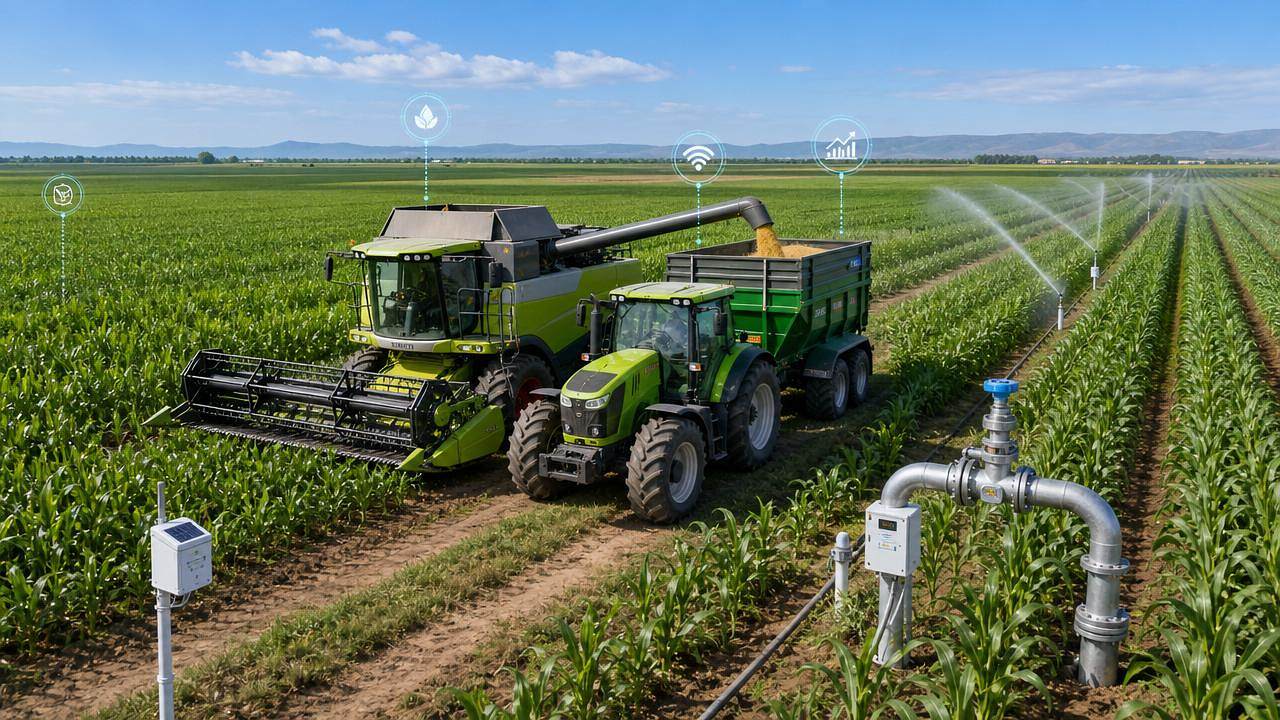




For technical evaluators, comparing digital farming platforms by interface polish alone misses the real issue: data gaps that distort field decisions. From machine telemetry and irrigation feedback to harvest-loss modeling and prescription workflows, platform value depends on data continuity, accuracy, and interoperability. This article examines where digital farming platforms truly differ—and how those differences affect operational efficiency, equipment intelligence, and scalable Agriculture 4.0 deployment.
In large-scale farming, a clean dashboard may hide weak ingestion logic, missing sensor timestamps, or incomplete machine-event mapping. For evaluators responsible for equipment integration, agronomic accuracy, and deployment risk, the practical question is not how the platform looks in a demo. It is whether the system can preserve decision-grade data across 3 critical layers: field operations, machine behavior, and water-resource response.
That distinction matters even more for organizations managing combines, tractor chassis, intelligent implements, and water-saving irrigation systems at scale. A platform that loses 5% of machine telemetry or delays irrigation alerts by 20–30 minutes may still appear usable, but it can undermine prescription accuracy, service planning, and seasonal benchmarking. When digital farming platforms are evaluated by data gaps instead of dashboards, procurement decisions become more defensible and long-term system value becomes easier to predict.
Why Data Gaps Matter More Than Interface Design
In Agriculture 4.0 environments, platform quality is determined by how consistently data travels from source to action. The source may be a combine harvester, a tractor CAN bus, a soil moisture probe, a pump controller, or a GNSS-enabled implement. The action may be a variable-rate prescription, a harvest-loss adjustment, a maintenance trigger, or an irrigation schedule. If data is missing at any point in that chain, the platform may generate a confident but wrong recommendation.
Technical evaluators usually see data gaps in 4 forms: missing records, delayed synchronization, poor normalization, and weak interoperability. Missing records reduce completeness. Delayed synchronization weakens timeliness. Poor normalization breaks comparisons across fleets. Weak interoperability traps data in a vendor silo. Each gap affects a different operational layer, so platforms that look similar on the surface can perform very differently under real field pressure.
The Hidden Cost of Incomplete Operational Records
A harvesting platform may show total hectares completed, but if it cannot link header loss estimates, cleaning-fan behavior, moisture readings, and unloading events in the same time sequence, post-harvest analysis becomes shallow. A 1.5% loss delta across 2,000 hectares is not a small reporting issue. It can mean substantial grain value leakage, along with poor operator feedback and weak machine-setting optimization for the next season.
The same applies to irrigation. A dashboard can display pump status and field moisture, yet still fail to correlate valve timing, pressure variation, and evapotranspiration estimates. If the platform samples every 60 minutes when field conditions require 10–15 minute intervals, the result is delayed response, overwatering risk, and reduced confidence in the recommendation engine.
Four Core Data-Gap Dimensions to Test
- Completeness: Can the platform retain more than 95% of expected field and machine records during peak operations?
- Latency: Are telemetry and irrigation events available in near real time, typically within 1–5 minutes for operational alerts?
- Context integrity: Does each data point preserve location, timestamp, machine state, and task linkage?
- Interoperability: Can data move between OEM systems, farm management tools, irrigation controllers, and analytics environments without manual reformatting?
These 4 dimensions are more useful than visual scoring when comparing digital farming platforms. They convert an abstract software discussion into measurable evaluation criteria tied to uptime, agronomic reliability, and field execution quality.
The table below summarizes how common data gaps translate into field-level consequences for large-scale mechanized farming and smart irrigation operations.
For evaluators, the key takeaway is simple: a platform’s visual layer may be replaced or improved in 6–12 months, but foundational data gaps can remain embedded for years. That is why digital farming platforms should first be compared by data retention, response speed, and systems compatibility before user-interface preference enters the discussion.
Where Digital Farming Platforms Truly Differ
Most digital farming platforms now claim support for telematics, prescriptions, irrigation insights, and reporting. The real differences emerge in the underlying architecture and how well it handles mixed fleets, uneven connectivity, and multi-source agronomic logic. For AP-Strategy’s focus areas—large-scale agri-machinery, combine harvesting technology, tractor chassis intelligence, and water-saving irrigation—the evaluation must go deeper than feature lists.
Machine Telemetry Depth
Not all platforms ingest machine data at the same level of granularity. Some capture only engine hours, fuel level, and location every 15 minutes. Others can map PTO activity, hydraulic states, implement engagement, unloading cycles, and fault-code history in event-based streams. For heavy-duty operations, that difference affects 3 practical outcomes: maintenance timing, productivity analytics, and correlation between machine setup and field result.
What to verify
- Polling interval or event push frequency for core telemetry
- Support for mixed OEM fleets and older machine generations
- Offline caching duration, such as 24–72 hours during low-connectivity operations
- Fault-code visibility and whether service events can be linked to field tasks
Agronomic and Harvest-Loss Modeling
In combine operations, a platform should not simply report harvested area and average moisture. It should support loss interpretation under changing crop density, travel speed, sieve settings, and cleaning-air behavior. If the system cannot maintain synchronized timestamps across those variables, the resulting analysis may look precise but still be operationally weak. A difference of 2–4 seconds in event alignment can be enough to distort cause-and-effect analysis in fast-moving harvest conditions.
For prescription workflows, the same principle applies. A recommendation map is only useful if the platform can confirm the version sent to the machine, the execution path followed in the field, and the final applied rate. That closed loop is what separates a reporting tool from a decision system.
Irrigation Intelligence and Water Feedback Loops
Many digital farming platforms include irrigation modules, but their sophistication varies sharply. Some stop at on/off monitoring and daily summaries. More capable systems combine soil moisture depth layers, weather forecasts, pump energy status, valve response, and evapotranspiration models into recommendation windows. For water-scarce regions, even a 5%–8% improvement in application timing can matter more than a broad dashboard redesign.
Evaluators should test whether the platform supports sensor exceptions, pressure anomalies, and delayed actuation alerts. If an irrigation command is issued at 08:00 but field confirmation arrives at 08:25, the system should not treat those as equivalent states. Temporal accuracy is essential in smart water management.
The comparison below highlights practical differentiation points technical teams should use when shortlisting digital farming platforms for enterprise-scale deployment.
For technical evaluators, this comparison clarifies why two digital farming platforms with similar sales presentations can create very different outcomes in the field. The more advanced pattern is not defined by more charts. It is defined by fewer blind spots between machine action, agronomic logic, and operational feedback.
A Practical Evaluation Framework for Technical Teams
To compare digital farming platforms rigorously, technical teams need a repeatable framework. In most enterprise reviews, a 4-stage process works well: source audit, workflow validation, field stress test, and integration scoring. This approach can usually be completed in 2–6 weeks depending on fleet size, number of irrigation zones, and API availability.
Stage 1: Source Audit
List every data source that matters to the farm or distribution network: machine telemetry, implement control data, yield monitors, moisture sensors, pump controllers, weather stations, and field boundaries. The point is not to count interfaces alone. It is to identify which sources are mission-critical and what minimum acceptable data quality looks like. For example, a combine fleet may need sub-5-minute telemetry, while irrigation alerts may need less than 10-minute response to remain actionable.
Stage 2: Workflow Validation
Choose 3–5 workflows that directly affect cost, yield protection, or service performance. Good test cases include variable-rate application, harvest-loss review, machine maintenance escalation, and irrigation scheduling by zone. Then check whether the platform preserves data continuity from trigger to action to outcome. If one workflow requires 4 manual exports and 2 spreadsheet corrections, the platform may not scale well even if individual modules look strong.
Stage 3: Field Stress Test
A realistic test should include at least 2 operational stress conditions: unstable connectivity and simultaneous machine activity. During harvest or irrigation peaks, data volume can rise sharply. Evaluators should monitor packet loss, duplicate records, delayed refresh, and conflict handling. A platform that performs well with 1 machine and 1 sensor cluster may degrade when 20 machines and 50 field devices report in parallel.
Recommended scoring dimensions
- Data completeness under load
- Synchronization latency by data type
- Cross-system mapping effort
- User intervention required per workflow
- Traceability from recommendation to field execution
Stage 4: Integration and Lifecycle Review
A platform should also be evaluated for what happens after deployment. Can a new tractor series, a different combine sensor package, or an upgraded irrigation controller be onboarded without a major rebuild? Can historical records be retained in the same structure across 3 or more seasons? Lifecycle flexibility matters because data architecture decisions often outlast procurement cycles.
This is where AP-Strategy’s intelligence perspective becomes useful. For organizations working across mechanization, combine optimization, and smart irrigation, the strongest digital farming platforms are usually the ones that preserve a common operational language across equipment categories. That reduces fragmentation and improves benchmark consistency over time.
Common Selection Mistakes and How to Avoid Them
Even experienced teams make avoidable mistakes when selecting digital farming platforms. The most common error is to reward interface smoothness over data resilience. Another is to assume that API availability automatically means practical interoperability. In reality, an API may expose only summary data while excluding machine-event details, fault context, or execution logs.
Mistake 1: Overvaluing Dashboard Uniformity
A uniform dashboard can help adoption, but it should not outweigh core technical questions. If two platforms differ by 10% in visual usability but one delivers 30% better traceability across machine and irrigation workflows, the latter is usually the stronger enterprise choice. Field decisions depend on trustworthy records, not design consistency alone.
Mistake 2: Ignoring Legacy Fleet Complexity
Many large operations run mixed-age fleets for 5–12 years. A platform that works well only with the newest connected machines may create fragmented reporting and force manual reconciliation. Evaluators should test at least 1 older tractor or combine data path during pilot review, not only the latest connected assets.
Mistake 3: Treating Irrigation as a Side Module
In water-sensitive regions, irrigation is not a secondary feature. It is a core operating system for productivity and resource efficiency. If the platform cannot align machine schedules, field conditions, and water application logic, the business may end up with disconnected decisions across agronomy and infrastructure teams.
Mistake 4: Skipping Pilot Metrics
A pilot without metrics often turns into a subjective demonstration. Before testing, define acceptable thresholds such as more than 95% data completeness, less than 5-minute telemetry delay for active machines, or less than 10-minute confirmation lag for irrigation events. These thresholds make vendor comparison more objective and reduce procurement ambiguity.
For technical evaluators, the most reliable path is to compare digital farming platforms by operational truthfulness: how much data arrives, how fast it becomes usable, how accurately it keeps context, and how well it supports cross-system action. Dashboards can assist adoption, but data continuity determines whether Agriculture 4.0 initiatives actually scale across combines, tractor systems, intelligent implements, and water-saving irrigation networks.
If your team is assessing platform fit for large-scale agri-machinery, precision harvesting, or intelligent irrigation deployment, AP-Strategy can help frame the technical review around measurable field intelligence rather than surface-level software claims. Contact us to discuss your evaluation priorities, request a tailored comparison framework, or explore more solutions for resilient, data-driven cultivation.
Related News
How to Select Precision Crop Protection Equipment for Variable Field Conditions
Precision crop protection equipment selection made simple: compare terrain, canopy, weather, control accuracy, and data workflows for reliable applications.

When Does Agricultural Machinery Leasing Cost Less Than Owning Equipment?
Agricultural machinery leasing can lower farm costs when use is seasonal or uncertain. Compare utilization, maintenance, cash flow, and risk to make a smarter equipment decision.

How to Evaluate Precision Fertilization System Suppliers for Farm-Scale Deployment
Precision fertilization systems suppliers: learn how to compare accuracy, integration, uptime, service, and total cost for confident farm-scale deployment.

ISOBUS for Smart Agriculture: How It Connects Tractors, Implements, and Farm Data
ISOBUS for smart agriculture connects tractors, implements, terminals, and farm data—helping growers improve precision, documentation, and smarter field decisions.
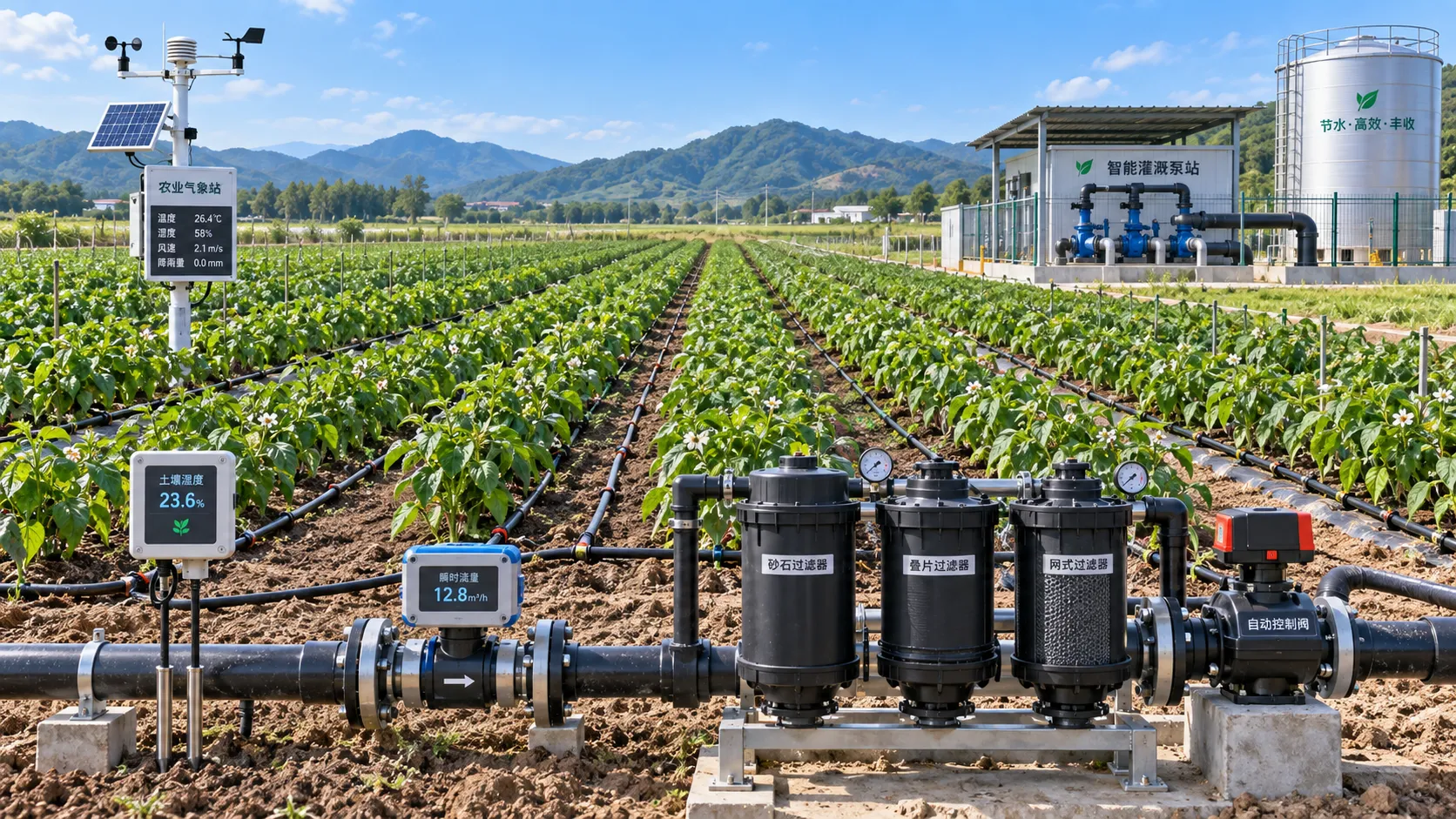
Automated Water-Saving Irrigation: How to Cut Water Use Without Reducing Crop Yields
Automated water-saving irrigation helps farms cut water use, protect crop yields, improve scheduling, and gain reliable control with sensors, flow monitoring, and smart zones.
Selecting Grain Farm Equipment by Acreage, Crop Mix, and Harvest Window
Agricultural equipment selection for grain farming: match machinery to acreage, crop mix, and harvest windows to improve uptime, efficiency, and returns.
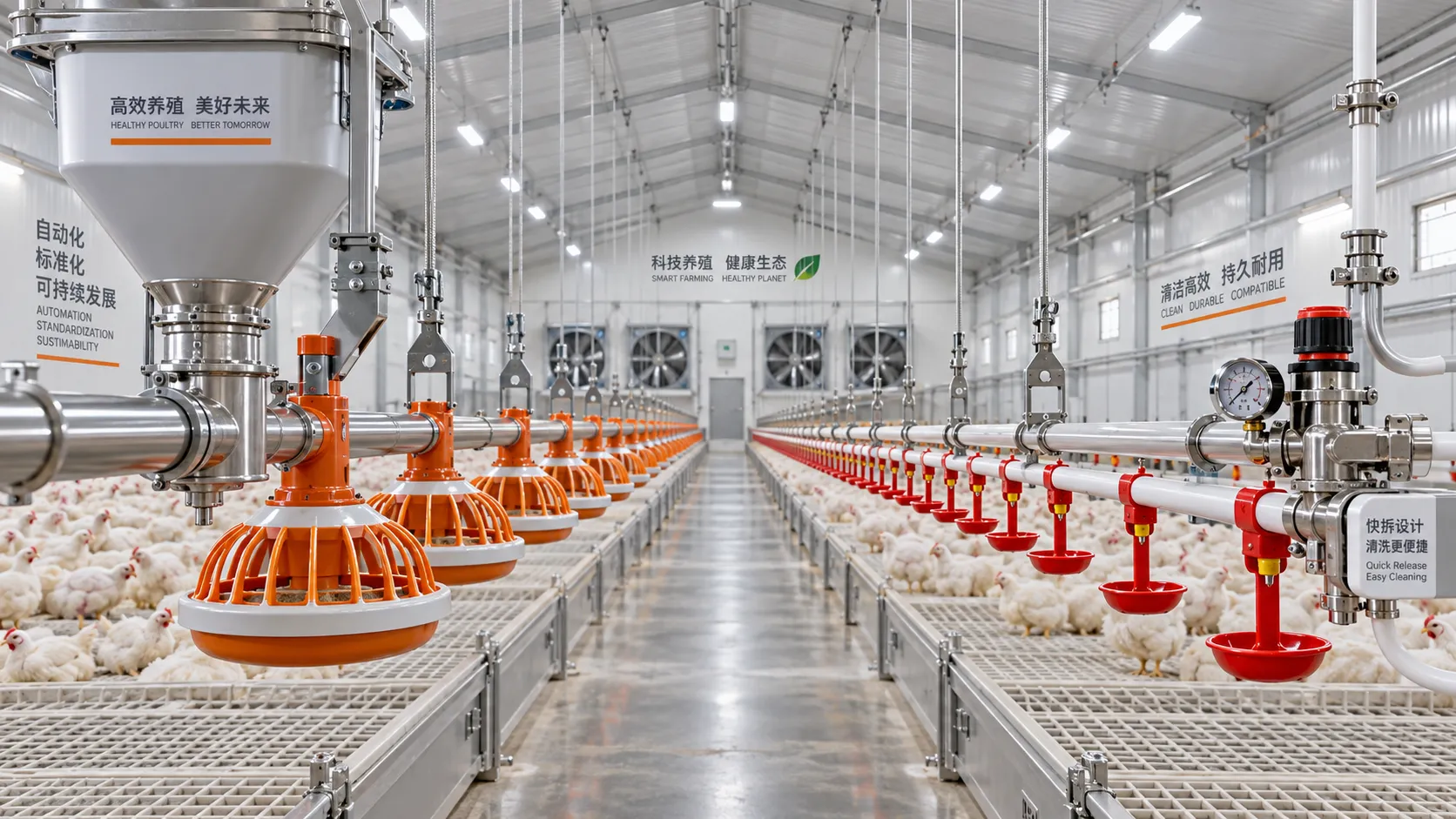
Poultry Equipment Selection: Evaluating Durability, Cleaning, and Compatibility
Poultry equipments selection guide: evaluate durability, cleaning access, and system compatibility to improve hygiene, reduce downtime, and support efficient flock management.
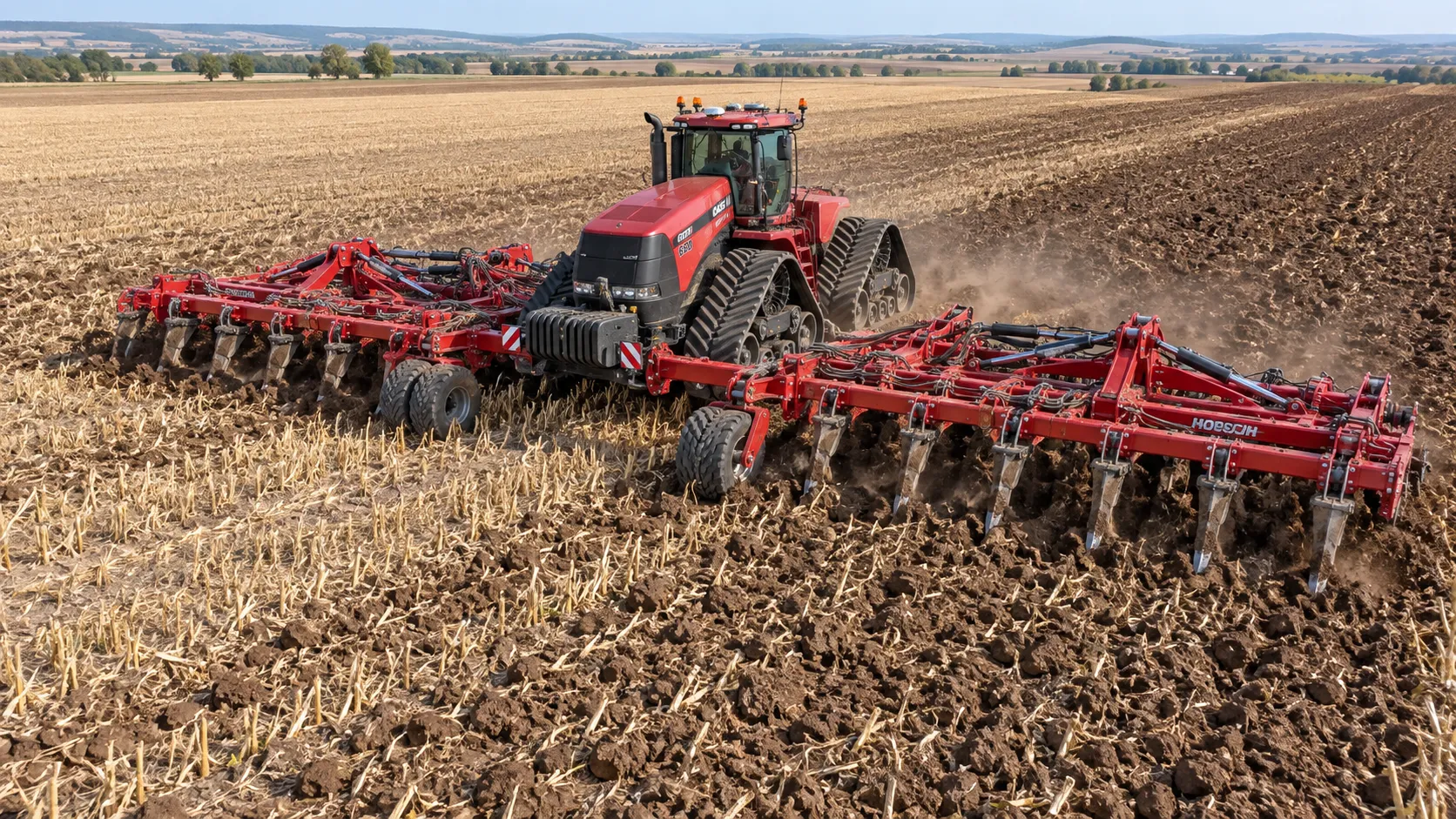
How to Select Heavy-Duty Farm Implements for High-Acreage, High-Horsepower Operations
Heavy duty farm implements: learn how to match draft, hydraulics, hitch capacity, frame strength, and field conditions for reliable high-acreage performance.
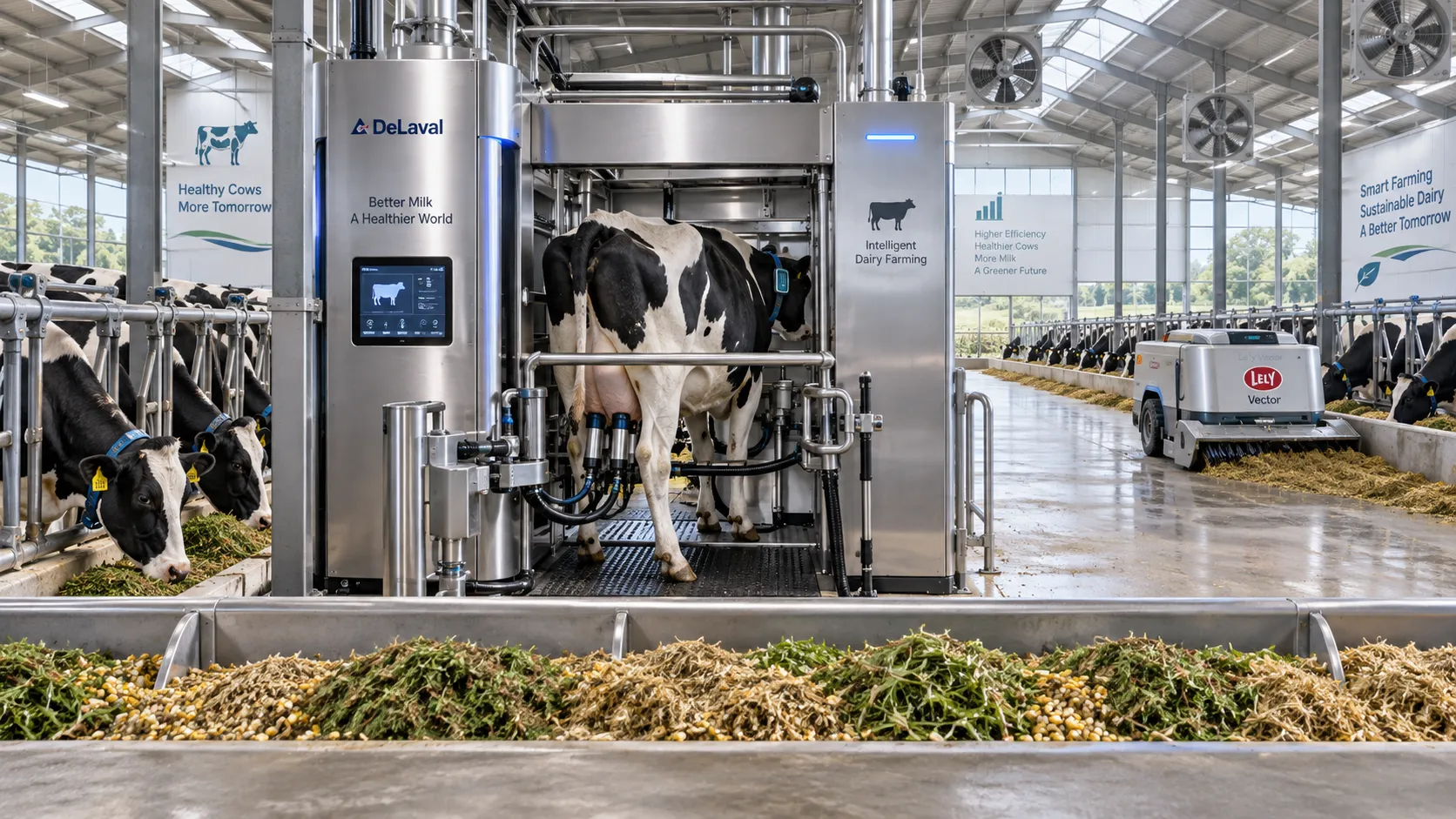
Smart Farming Technology for Dairy Farms: Where Automation Delivers Measurable ROI
Smart farming technology for dairy farms delivers measurable ROI through automation, precision feeding, health monitoring, and data-driven cost control.
Related News
- 00
0000-00
When Does Agricultural Machinery Leasing Cost Less Than Owning Equipment? - 00
0000-00
Selecting Grain Farm Equipment by Acreage, Crop Mix, and Harvest Window - 00
0000-00
Poultry Equipment Selection: Evaluating Durability, Cleaning, and Compatibility - 00
0000-00
How to Select Heavy-Duty Farm Implements for High-Acreage, High-Horsepower Operations - 00
0000-00
Smart Farming Technology for Dairy Farms: Where Automation Delivers Measurable ROI
Popular Tags
Ms. Elena Rodriguez
Weekly Insights
Stay ahead with our curated technology reports delivered every Monday.