
What Sustainable Agriculture Equipment Often Misses in Daily Use
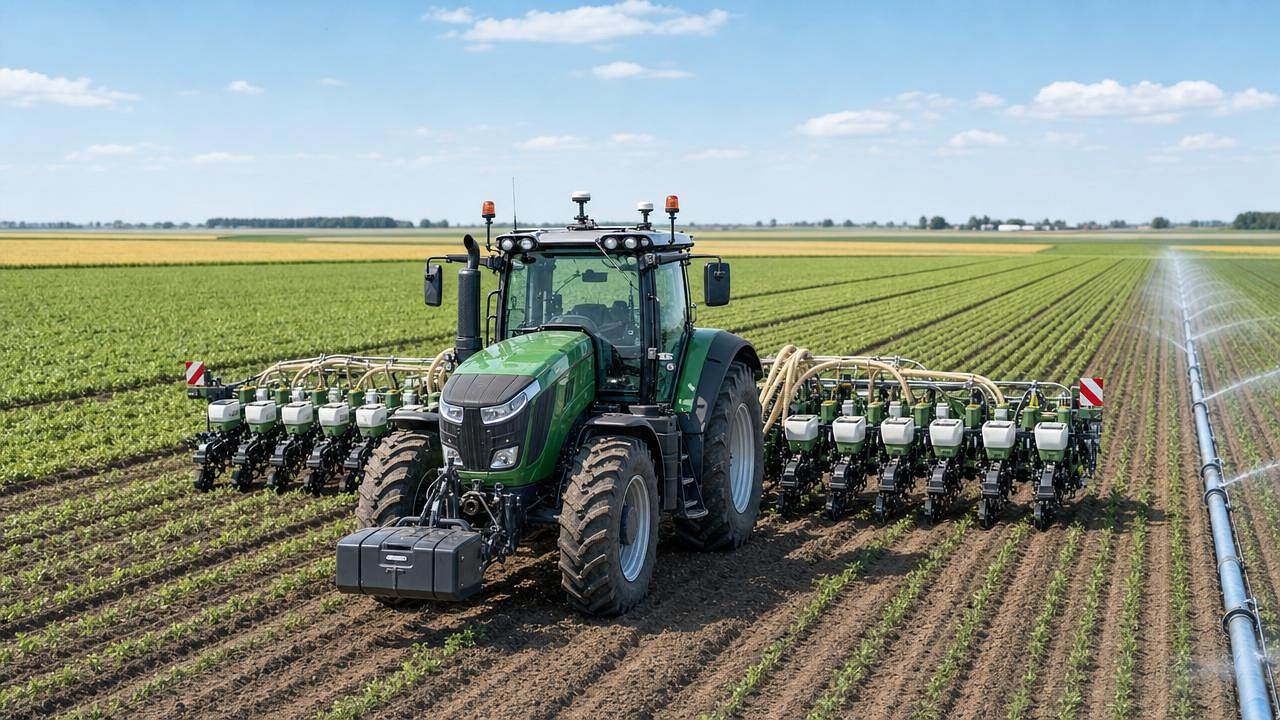




Sustainable agriculture equipment is often evaluated through brochure metrics: lower fuel use, reduced chemical input, precision guidance, smarter irrigation, and cleaner harvesting performance. In real field conditions, however, daily use tells a more demanding story. Dust, vibration, changing moisture, operator habits, delayed maintenance, unstable connectivity, and inconsistent calibration can quietly erode the value these systems promise. For teams responsible for quality control, operational reliability, and field safety, the gap between design intent and daily performance is where the biggest risks usually appear.
This is especially true for sustainable agriculture equipment used across large-scale mechanized farming, combine harvesting, intelligent farm tools, tractor chassis systems, and water-saving irrigation networks. A machine may meet environmental goals on paper while still creating preventable downtime, unsafe work conditions, inaccurate application rates, or hidden component stress in practice. Understanding what gets missed in ordinary use is essential for protecting output, compliance, and long-term asset value.
The practical solution is not more marketing language or more isolated specifications. It is a structured way to observe how sustainable agriculture equipment behaves under real workloads. The following guide focuses on the daily-use factors that deserve consistent attention, especially when equipment performance, operator safety, and sustainability targets must all work together.
Why Daily-Use Checks Matter More Than Spec Sheets
Spec sheets are useful, but they cannot fully represent field variability. Soil conditions shift by zone, crop residue affects moving parts, irrigation water quality changes over time, and operator routines differ between shifts. As a result, sustainable agriculture equipment may perform well in controlled demonstrations but lose accuracy or durability during ordinary daily cycles.
A checklist-based approach brings discipline to that variability. It helps identify whether a precision seeding tool is drifting, whether a combine sensor is reading cleanly, whether a tractor chassis is carrying uneven stress, or whether a water-saving irrigation system is delivering the intended volume. Instead of waiting for a breakdown or a compliance issue, teams can detect small failures while they are still manageable.
Key Points to Check in Sustainable Agriculture Equipment During Daily Use
The most effective review process is simple enough to use every day and detailed enough to catch meaningful issues. These are the field-level points that sustainable agriculture equipment often misses when attention stays focused only on output and efficiency claims.
- Inspect hidden wear areas around joints, hoses, bearings, seals, and vibration points before visible failure affects safety, application accuracy, or fuel efficiency.
- Verify sensor feedback against real field conditions, because dust, crop residue, heat, and moisture can distort readings without triggering obvious alarms.
- Confirm calibration of dosing, spacing, depth, pressure, and flow settings after field changes, transport movement, or software updates.
- Review operator access, visibility, emergency stop reach, and fatigue-related controls to reduce avoidable risk during long working hours.
- Track hydraulic response consistency, especially under load, since delayed or unstable response often signals deeper system inefficiency.
- Check electrical connectors, wiring protection, and battery health where vibration, mud, or humidity can cause intermittent faults.
- Measure actual water, seed, nutrient, or chemical output rather than relying only on screen values or nominal settings.
- Watch for cleaning gaps in combines and intake systems, because residue buildup can reduce precision, cooling, and harvest quality.
- Review tire pressure, traction balance, and chassis loading to protect soil structure and improve the sustainability value of each pass.
- Document near-miss events, unusual sounds, repeated overrides, and short-term fixes that often point to recurring design or maintenance weaknesses.
What Daily Use Reveals Across Common Field Applications
Large-Scale Field Preparation and Tractor Operations
In large-scale tillage, transport, and power-intensive operations, sustainable agriculture equipment is often judged by engine power, fuel economy, and automation support. Yet daily use usually reveals issues in chassis stress, hydraulic lag, traction imbalance, and operator fatigue. These problems may not stop work immediately, but they reduce efficiency and increase long-term damage risk.
A practical review should focus on drawbar alignment, tire inflation consistency, steering responsiveness, hydraulic temperature behavior, and cab visibility during repeated maneuvers. Even advanced tractor systems lose sustainability value if compaction increases, fuel use rises under hidden resistance, or maintenance intervals are stretched beyond realistic field conditions.
Combine Harvesting in Variable Crop Conditions
Combine harvesters are central to modern sustainable agriculture equipment because harvesting efficiency directly affects grain loss, fuel consumption, and crop quality. However, daily use often exposes inconsistent sensor response in dusty environments, cleaning shoe imbalance, residue accumulation, and delayed adjustment to changing crop moisture.
Key checks include grain loss verification against actual field samples, inspection of sieves and belts for uneven wear, confirmation of fan and rotor settings after crop transitions, and review of feeder area buildup. Small inaccuracies during harvest scale quickly across large acreage, turning a sustainable machine into a source of hidden waste.
Intelligent Farm Tools and Precision Application
Precision sprayers, seeders, and sensor-based implements are among the most visible examples of sustainable agriculture equipment. Their value depends on correct prescription execution, timing, and placement. In daily use, however, GPS drift, blocked nozzles, inconsistent section control, delayed software sync, and sensor contamination can weaken the promise of precision.
The essential field review here is straightforward: compare digital records with physical output. Check overlap patterns, seed depth uniformity, droplet distribution, nozzle pressure stability, and section response timing. If the equipment reports precision but leaves uneven results in the field, sustainability claims become difficult to defend.
Water-Saving Irrigation Systems
Water efficiency is a defining goal for sustainable agriculture equipment, especially as climate pressure and water regulation intensify. Yet drip systems, smart valves, pumps, and moisture-driven controllers often miss the daily-use challenges of sediment buildup, pressure variation, emitter inconsistency, and inaccurate evapotranspiration assumptions.
Field checks should include pressure readings at multiple points, emitter uniformity tests, filter cleanliness, leak inspection, and verification that soil moisture data reflects actual root-zone conditions. A smart irrigation platform that is poorly maintained can waste both water and energy while still appearing efficient on a dashboard.
Commonly Overlooked Risks That Undermine Sustainable Agriculture Equipment
Calibration Drift After Small Changes
Many failures begin after minor adjustments that seem harmless: a software patch, tire replacement, implement swap, field slope change, or product formulation shift. Sustainable agriculture equipment can continue running while quietly delivering inaccurate rates or measurements. Daily recalibration discipline is often the difference between real precision and assumed precision.
Operator Workarounds Becoming Routine
When operators repeatedly bypass alerts, disable automatic functions, or use manual corrections to keep work moving, the issue is no longer individual behavior alone. It signals that the sustainable agriculture equipment may be difficult to use in actual field conditions. Those workarounds should be treated as data, not ignored as habit.
Maintenance Plans Based on Ideal Conditions
Manufacturer intervals often assume cleaner, steadier, or less variable operating environments than those found in practice. Dust-heavy harvests, water quality issues, and long-hour field windows accelerate wear. A sustainable agriculture equipment program that uses only ideal-service schedules may look efficient administratively while failing operationally.
Data Trust Without Ground Verification
Digital agriculture tools make sustainable agriculture equipment more intelligent, but not automatically more accurate. Sensor dashboards, remote alerts, and performance summaries are useful only when they are regularly tested against physical observations. Without ground truth, errors can become systematic and expensive.
Safety Attention Focused Only on Major Hazards
Large machines naturally draw attention to rollover, entanglement, and high-pressure hazards. Yet daily-use safety problems often emerge from smaller issues: slippery steps, poor lighting, obstructed sightlines, awkward service access, and repetitive strain. These factors affect whether sustainable agriculture equipment remains safe across full-season use.
Practical Steps for Better Daily Execution
A strong daily-use process does not need to be complicated. It needs to be repeatable, observable, and tied to both performance and sustainability outcomes. Start with a short pre-operation review, a mid-shift verification of critical readings, and a post-operation record of irregular behavior. This rhythm helps catch changes before they become failures.
It is also useful to divide checks into three categories: mechanical condition, digital accuracy, and operator safety. Sustainable agriculture equipment performs best when all three areas are reviewed together. A machine can be mechanically sound but digitally inaccurate, or highly automated but unsafe to service quickly in the field.
Documentation matters as much as inspection. Record repeated alarms, replacement frequency, cleaning intervals, water pressure variability, fuel use shifts, and calibration corrections. Over time, these observations reveal patterns that improve maintenance planning, reduce compliance risk, and support more realistic equipment decisions.
FAQ About Sustainable Agriculture Equipment in Daily Operations
Why does sustainable agriculture equipment underperform even when it is technically advanced?
Because advanced systems still depend on calibration, environment, maintenance quality, and human interaction. Dust, vibration, moisture, and workflow pressure can reduce the real-world performance of sustainable agriculture equipment faster than expected.
How often should sensor-based agricultural equipment be checked?
Critical functions should be checked daily during active use, especially for harvesting, irrigation, and precision application. Sustainable agriculture equipment that relies on sensors should also be verified after environmental changes, cleaning events, and software updates.
What is the most overlooked factor in water-saving systems?
Uniformity. Many systems appear efficient overall but deliver uneven results across zones. In sustainable agriculture equipment, poor distribution undermines crop health, wastes energy, and weakens the environmental benefit the system is supposed to provide.
Final Takeaway and Next Actions
The biggest weaknesses in sustainable agriculture equipment rarely come from headline failures alone. They come from small daily-use misses: hidden wear, weak calibration habits, overlooked operator strain, sensor drift, and maintenance assumptions that do not match real conditions. When these details are ignored, sustainability goals, safety performance, and equipment value all suffer together.
A practical next step is to standardize a daily review across machinery, harvesting systems, precision tools, and irrigation assets. Focus on measurable field output, sensor reliability, service access, and repeat problem patterns. In the Agriculture 4.0 environment observed by AP-Strategy, the real advantage does not come from owning sustainable agriculture equipment alone. It comes from understanding how that equipment behaves every day, under pressure, in the field where results actually matter.
Related News

When Does Agricultural Machinery Leasing Cost Less Than Owning Equipment?
Agricultural machinery leasing can lower farm costs when use is seasonal or uncertain. Compare utilization, maintenance, cash flow, and risk to make a smarter equipment decision.

How to Evaluate Precision Fertilization System Suppliers for Farm-Scale Deployment
Precision fertilization systems suppliers: learn how to compare accuracy, integration, uptime, service, and total cost for confident farm-scale deployment.
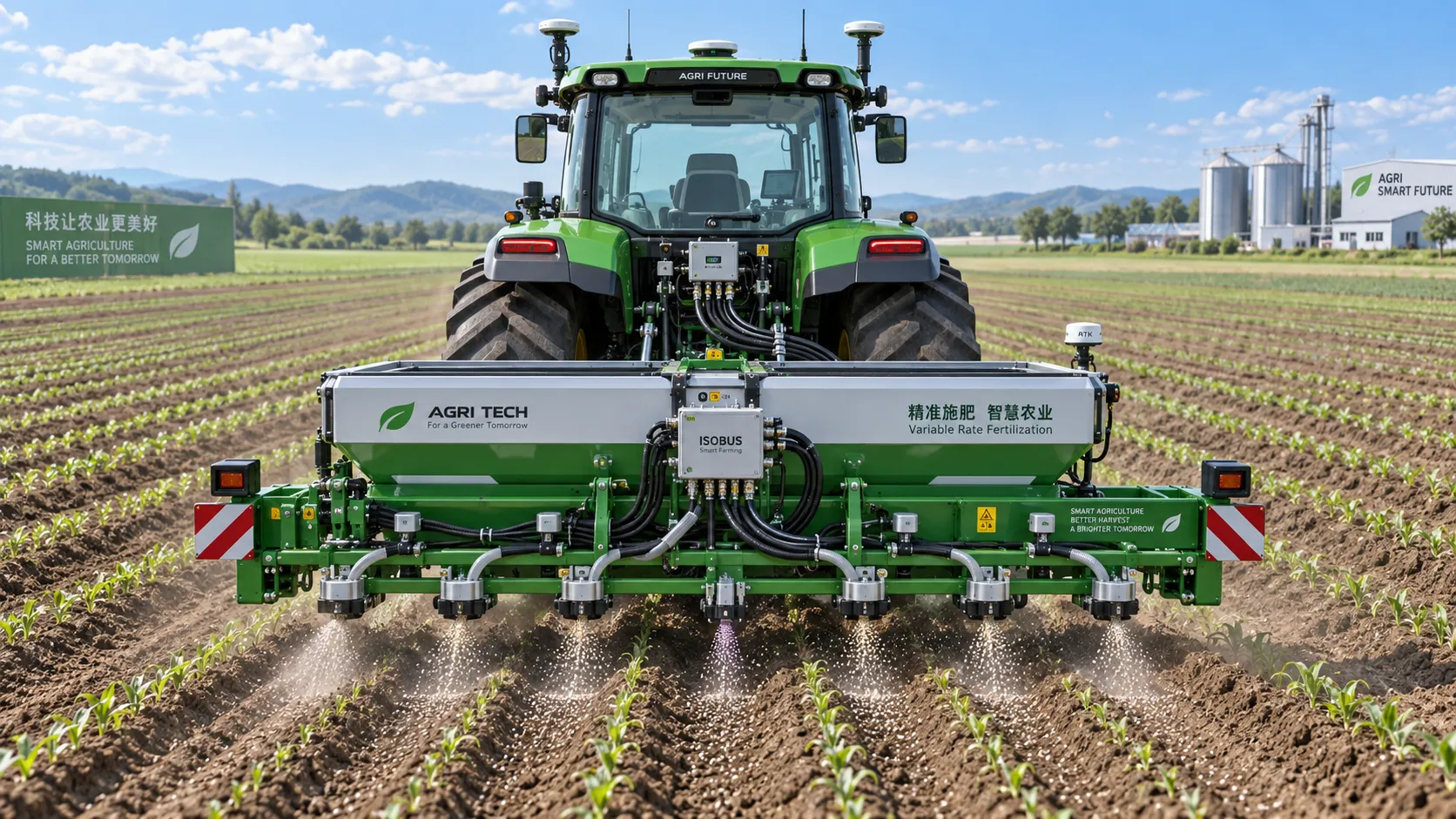
ISOBUS for Smart Agriculture: How It Connects Tractors, Implements, and Farm Data
ISOBUS for smart agriculture connects tractors, implements, terminals, and farm data—helping growers improve precision, documentation, and smarter field decisions.
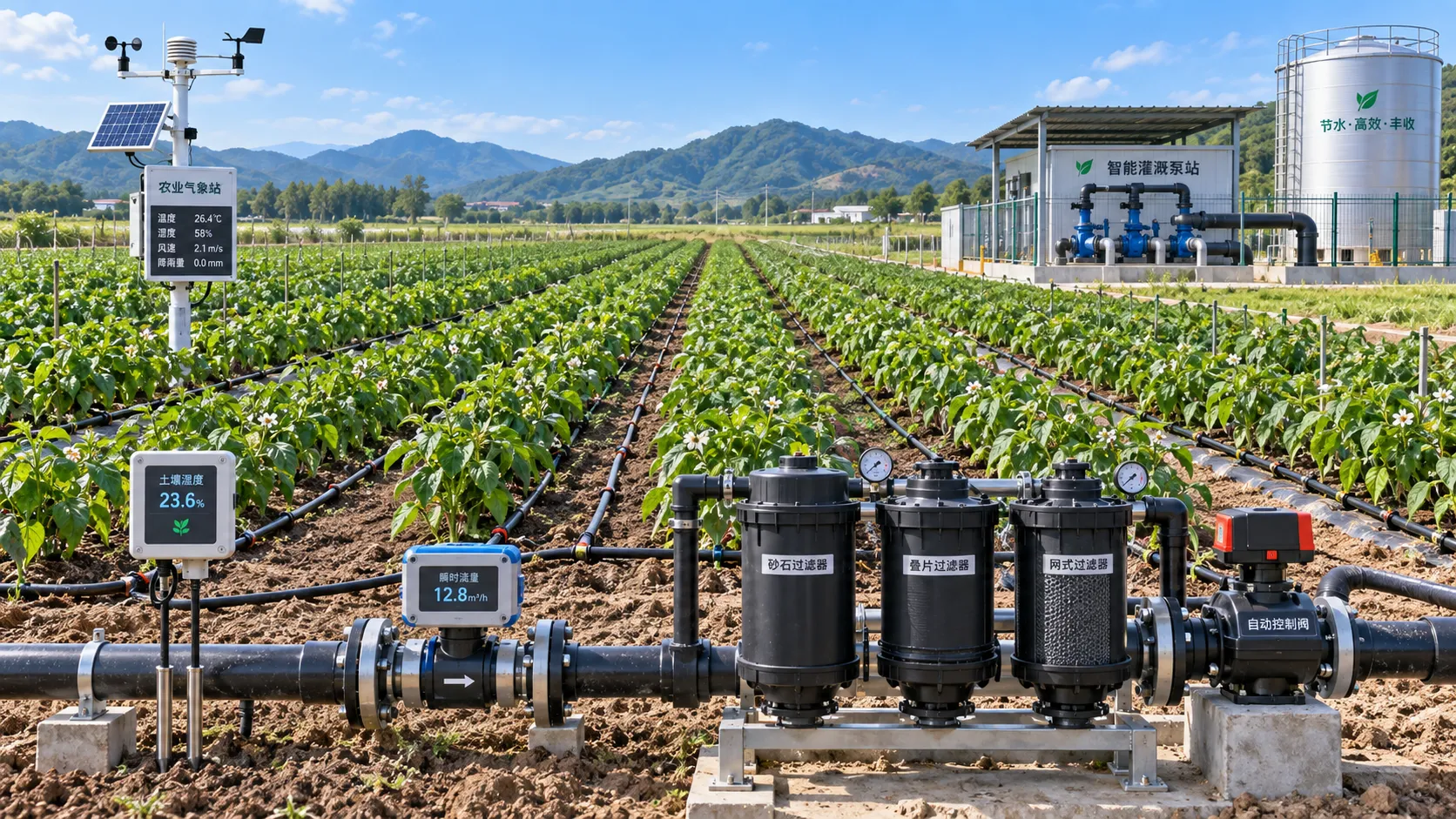
Automated Water-Saving Irrigation: How to Cut Water Use Without Reducing Crop Yields
Automated water-saving irrigation helps farms cut water use, protect crop yields, improve scheduling, and gain reliable control with sensors, flow monitoring, and smart zones.
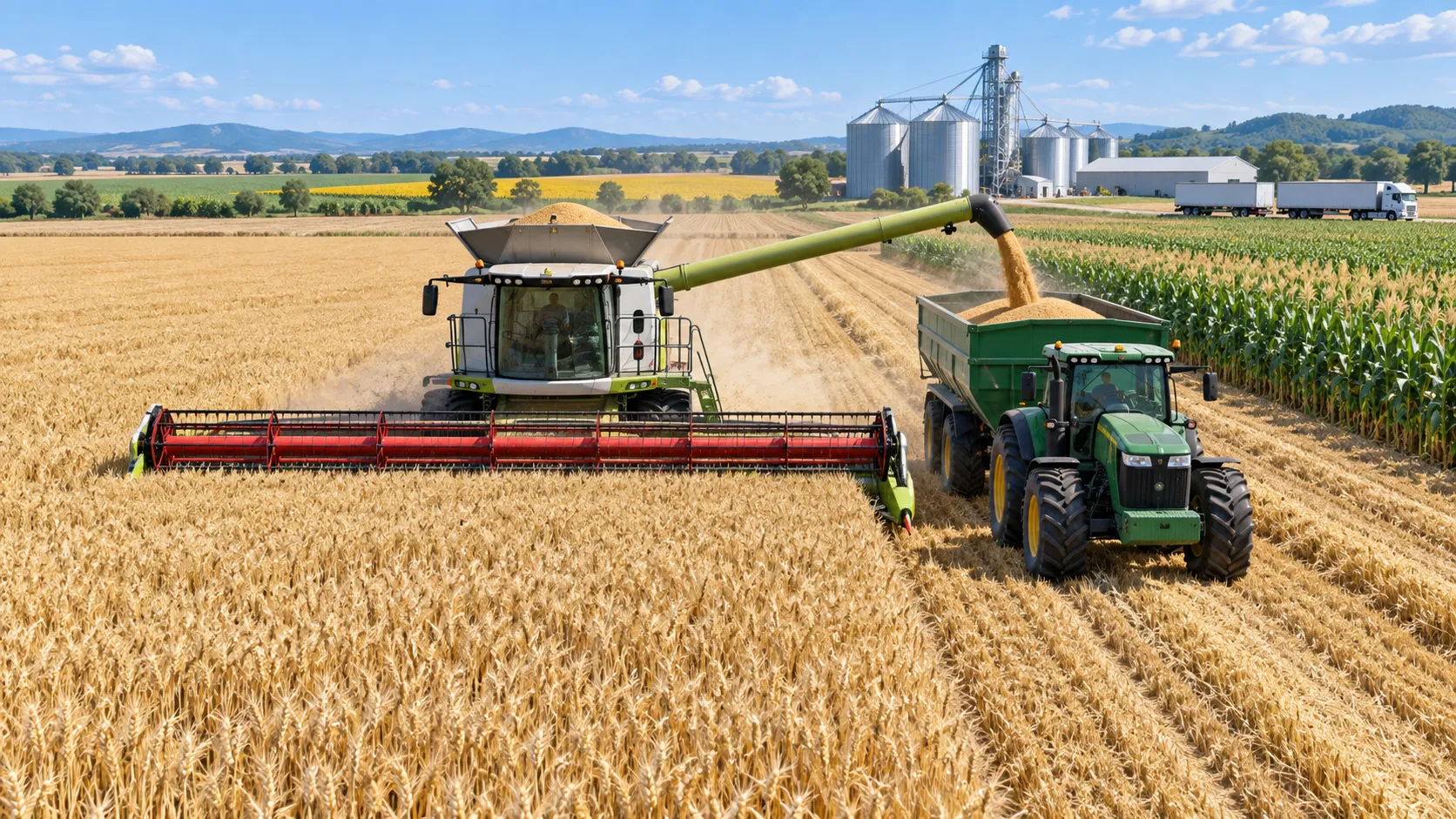
Selecting Grain Farm Equipment by Acreage, Crop Mix, and Harvest Window
Agricultural equipment selection for grain farming: match machinery to acreage, crop mix, and harvest windows to improve uptime, efficiency, and returns.
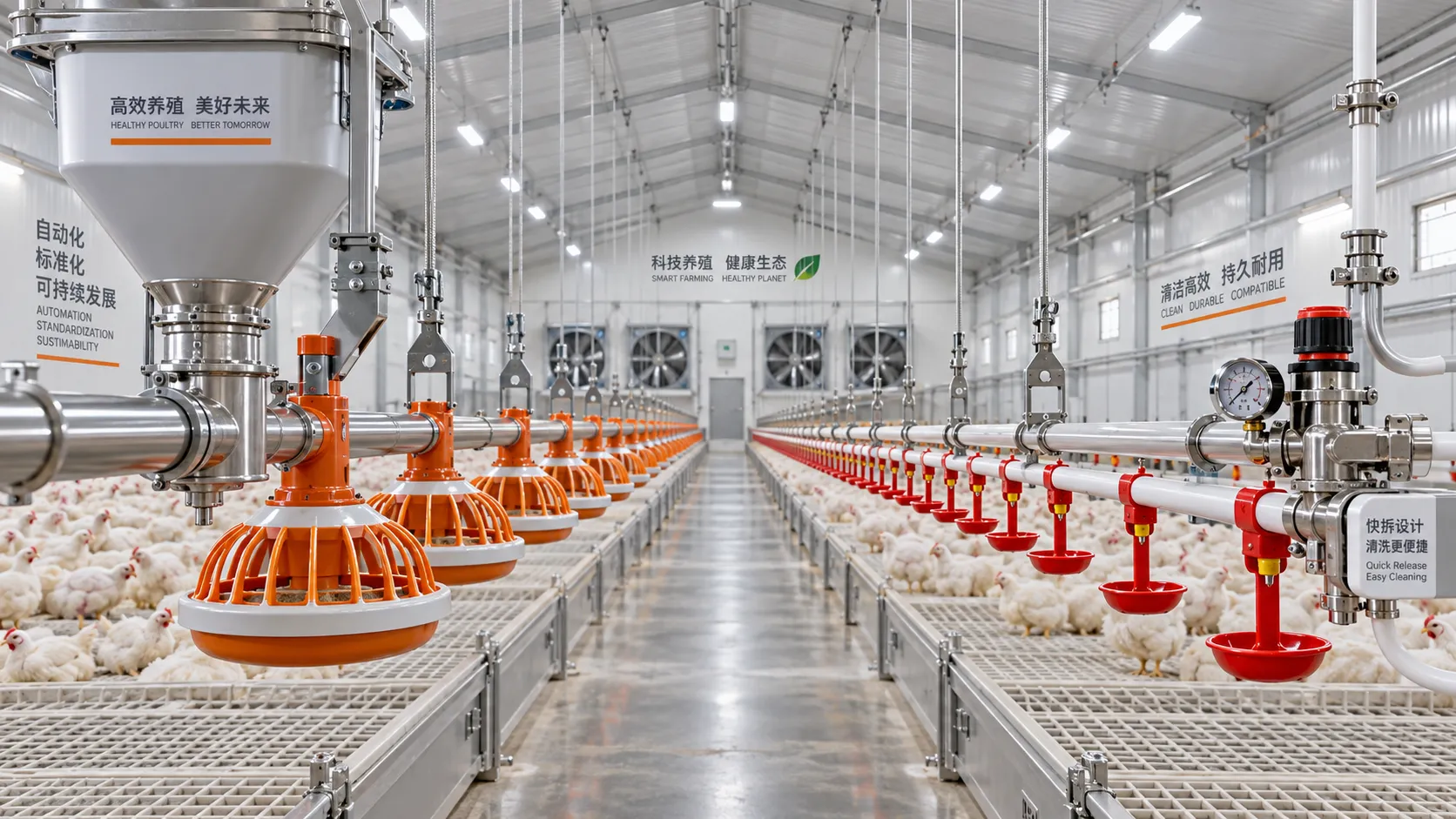
Poultry Equipment Selection: Evaluating Durability, Cleaning, and Compatibility
Poultry equipments selection guide: evaluate durability, cleaning access, and system compatibility to improve hygiene, reduce downtime, and support efficient flock management.
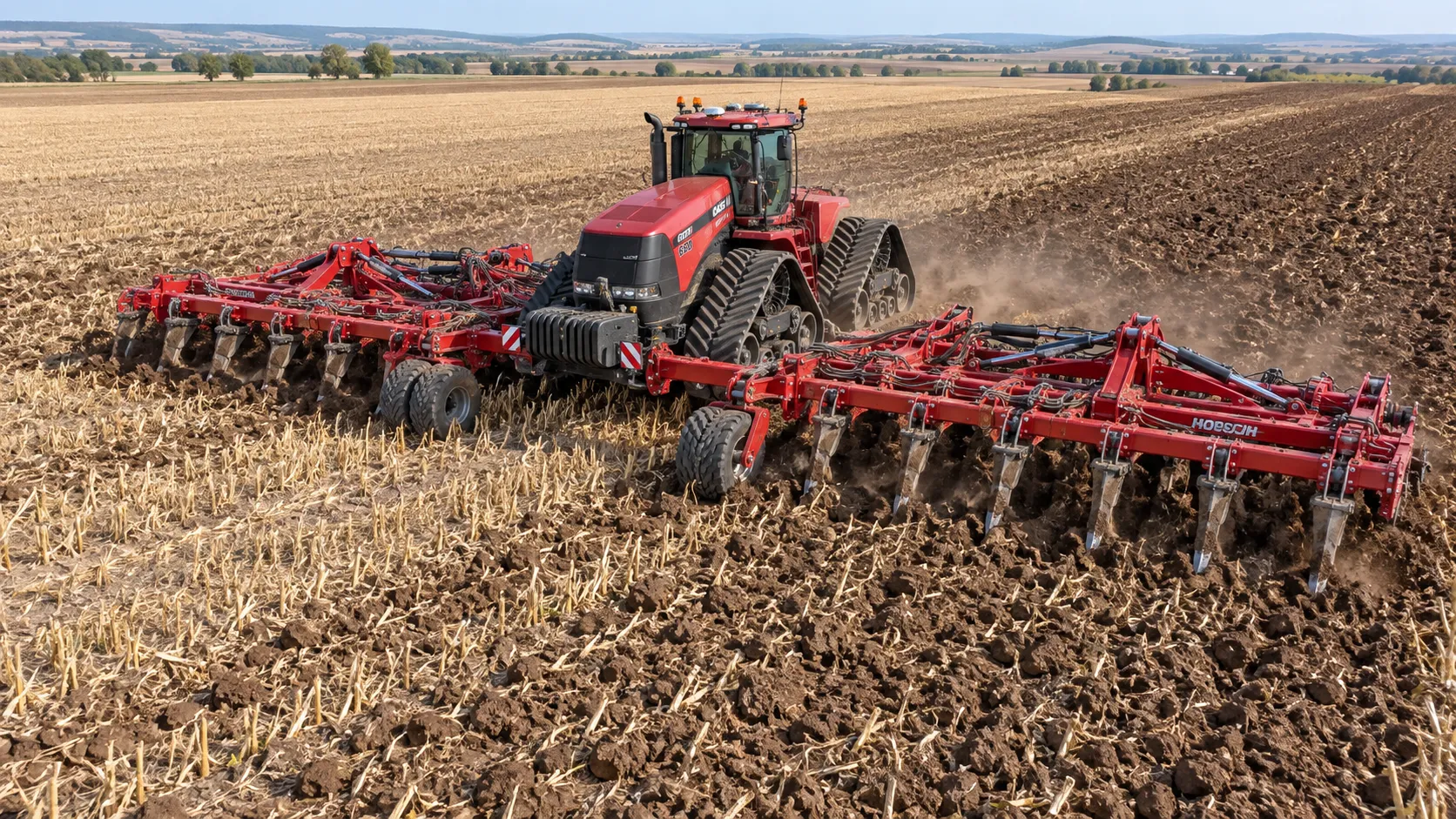
How to Select Heavy-Duty Farm Implements for High-Acreage, High-Horsepower Operations
Heavy duty farm implements: learn how to match draft, hydraulics, hitch capacity, frame strength, and field conditions for reliable high-acreage performance.
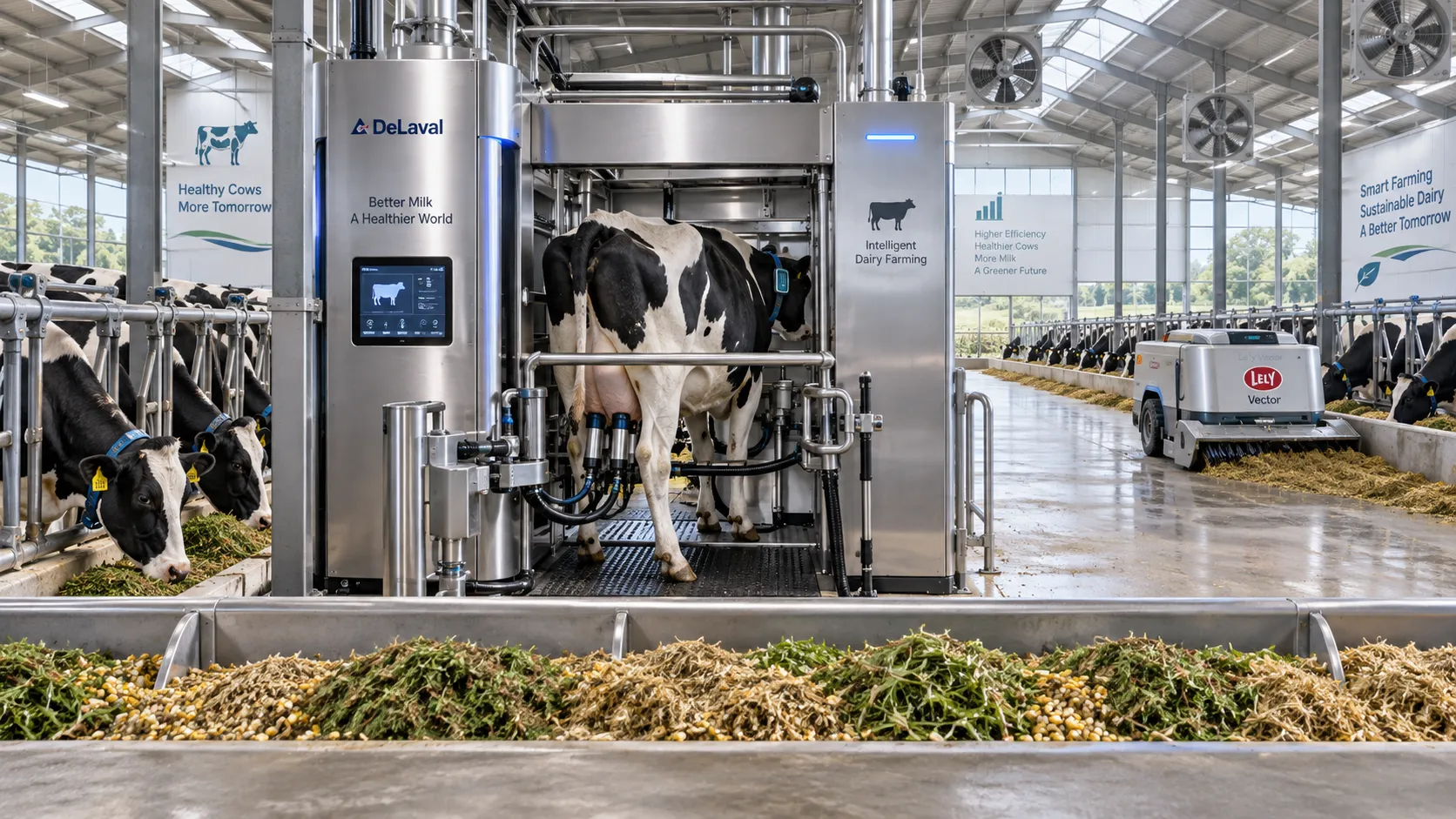
Smart Farming Technology for Dairy Farms: Where Automation Delivers Measurable ROI
Smart farming technology for dairy farms delivers measurable ROI through automation, precision feeding, health monitoring, and data-driven cost control.
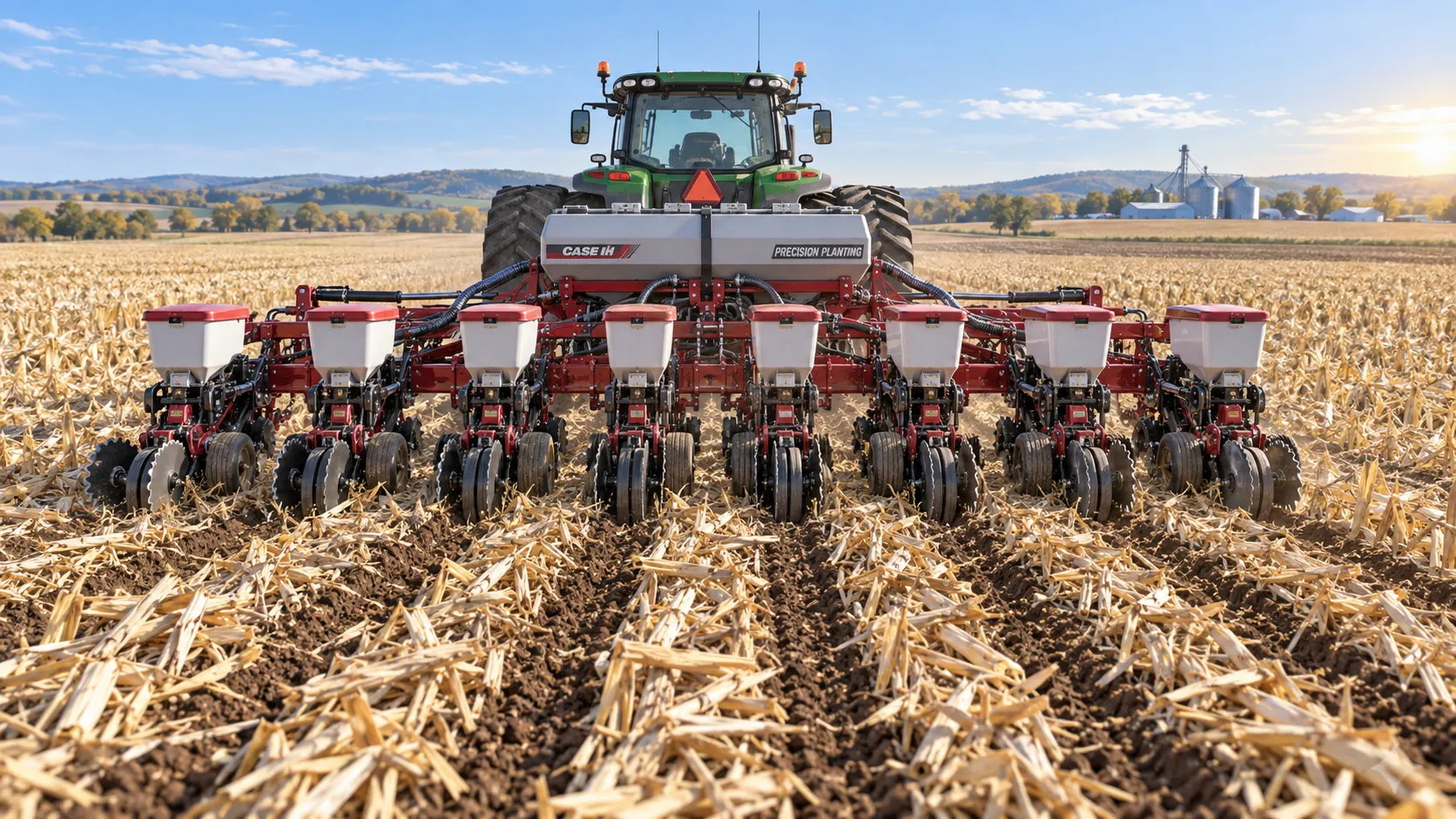
How to Select a Heavy-Duty Seeder for Large Acreage and High-Residue Fields
Heavy duty seeders for large acreage: compare residue handling, depth control, downforce, metering accuracy, and precision features to select the right model.
Related News
- 00
0000-00
When Does Agricultural Machinery Leasing Cost Less Than Owning Equipment? - 00
0000-00
Selecting Grain Farm Equipment by Acreage, Crop Mix, and Harvest Window - 00
0000-00
Poultry Equipment Selection: Evaluating Durability, Cleaning, and Compatibility - 00
0000-00
How to Select Heavy-Duty Farm Implements for High-Acreage, High-Horsepower Operations - 00
0000-00
Smart Farming Technology for Dairy Farms: Where Automation Delivers Measurable ROI
Popular Tags
Ms. Elena Rodriguez
Weekly Insights
Stay ahead with our curated technology reports delivered every Monday.