
Is Climate-Smart Agriculture Worth It in Unstable Rainfall Years?
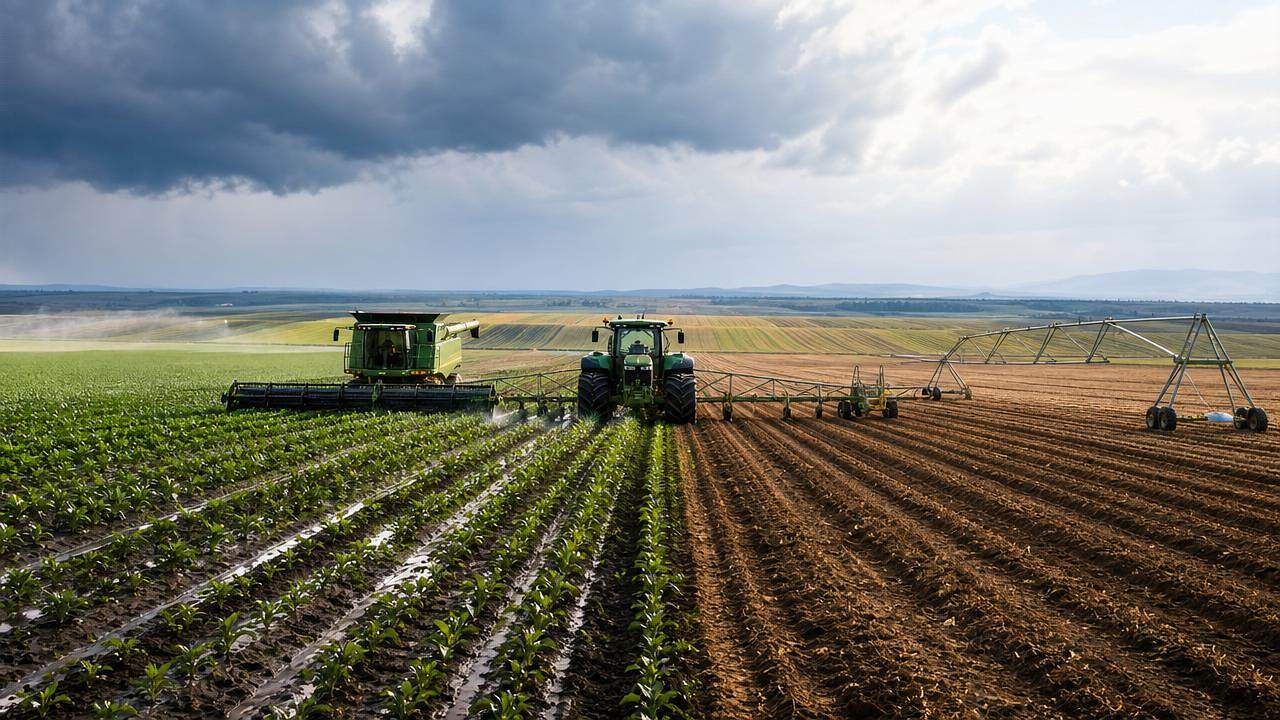




With rainfall patterns growing harder to predict, financial decision-makers are under pressure to justify every investment. But is climate-smart agriculture truly worth the capital in unstable rainfall years? For buyers and budget approvers across modern farming operations, the answer depends on measurable returns: lower water risk, stronger yield stability, and smarter equipment utilization. This article explores whether climate-smart agriculture delivers real financial resilience, not just sustainability promises.
Why climate-smart agriculture is now a finance question, not just an agronomy question
In unstable rainfall years, the real issue is not whether farms need adaptation. The issue is which investments can reduce earnings volatility without locking too much capital into slow-payback assets. That is why climate-smart agriculture has moved from a technical discussion to a boardroom discussion. For financial approvers, the focus is cash flow protection, operating margin stability, and asset productivity under uncertain weather.
Climate-smart agriculture usually combines water-saving irrigation, precision field operations, data-guided input control, and more resilient machinery deployment. In practice, it is not one product. It is a decision framework that aims to improve output per unit of water, fuel, labor, and land while reducing losses from drought stress, delayed harvest, and inefficient field passes.
For a platform such as AP-Strategy, this matters because rainfall instability affects all five pillars of modern farm productivity: large-scale machinery, combine harvesters, tractor chassis performance, intelligent tools, and irrigation networks. A bad rainfall year does not only reduce crop potential. It can also leave expensive assets underused, misused, or deployed too late.
- Variable rainfall shifts field access windows, which changes machinery utilization rates and fuel efficiency.
- Water shortages increase the financial value of smart irrigation scheduling and leak control.
- Irregular crop maturity raises the risk of harvest loss, making combine setup and timing more important.
- Input prices remain volatile, so precision application has a stronger payback case than in normal years.
What makes climate-smart agriculture financially attractive in unstable rainfall years?
The core value is risk-adjusted return
A traditional capital review often asks a simple question: will this investment increase yield or lower cost? In volatile rainfall conditions, that test is too narrow. Climate-smart agriculture should be evaluated through risk-adjusted return. A solution that slightly improves average yield but sharply reduces downside risk may be more valuable than a cheaper alternative with higher weather exposure.
This is especially true for large farming businesses, distributors, and integrated operators managing expensive fleets. One missed irrigation cycle, one delayed harvest window, or one poorly timed field operation can trigger a cascade of financial effects: lower output, reduced quality, overtime labor, extra fuel, and underutilized machinery.
The table below shows how finance teams can compare conventional spending logic with climate-smart agriculture logic when rainfall becomes unpredictable.
The shift is subtle but important. Climate-smart agriculture is worth more when weather uncertainty is high because it lowers the cost of being wrong. That is a powerful finance argument, especially for organizations exposed to thin margins and long machinery replacement cycles.
Which climate-smart agriculture investments usually deserve priority?
Start with assets that defend water, timing, and field efficiency
Not every climate-smart agriculture investment should be approved at once. In unstable rainfall years, priority should go to assets and systems that influence the largest operational bottlenecks. AP-Strategy’s sector focus is useful here because the biggest financial benefits often come from linking machinery intelligence with water management rather than treating them as separate budgets.
- Smart irrigation controls that improve scheduling, pressure consistency, and water distribution visibility.
- Sensor-assisted or satellite-informed precision tools that cut unnecessary fertilizer and chemical passes.
- Combine harvester optimization features that reduce loss in uneven maturity or stressed crop stands.
- Tractor chassis and hydraulic systems sized for changing soil conditions, traction needs, and narrow operational windows.
- Field-level monitoring that supports faster decisions instead of post-season analysis only.
The next table can support capital ranking by showing where financial approvers typically see the strongest value in climate-smart agriculture programs.
This ranking does not mean every operation needs all four at once. It means climate-smart agriculture becomes financially stronger when each approved item solves a measurable bottleneck tied to rainfall risk.
How should finance teams evaluate ROI beyond simple payback?
Use a wider approval lens
Simple payback is helpful, but it often undervalues resilience-oriented investments. A smart irrigation retrofit may not always show the fastest direct payback on paper. Yet if it prevents crop stress in two critical growth stages, reduces emergency pumping, and improves labor planning, its total value may exceed a lower-cost conventional upgrade.
A stronger climate-smart agriculture approval framework should include both direct and indirect value drivers.
- Estimate avoided revenue loss from drought episodes, delayed field access, or harvest inefficiency.
- Quantify changes in water, fuel, labor, and input use by field operation type.
- Measure impact on asset utilization, including whether machinery can complete more work in tighter weather windows.
- Assign value to better planning visibility if sensor or platform data improves procurement and scheduling decisions.
- Stress-test ROI under dry, normal, and mixed rainfall scenarios rather than one average-year scenario.
This approach aligns well with AP-Strategy’s intelligence model. The portal’s strength is not only in describing technologies, but in connecting machine performance, hydrological pressure, precision agriculture logic, and market conditions into one decision view. That is exactly what CFOs, procurement leads, and investment committees need when capex must survive uncertainty.
Where climate-smart agriculture can disappoint: common approval mistakes
The problem is often poor integration, not the concept itself
Climate-smart agriculture is not automatically worth it if an operation buys technology in isolated pieces. Financial disappointment usually comes from one of three issues: wrong scale, weak implementation discipline, or disconnected data and equipment systems.
- Buying smart irrigation hardware without reliable monitoring and scheduling rules.
- Adding precision tools to tractors or implements without operator training or agronomic maps.
- Upgrading harvest capacity while ignoring water stress that reduced crop uniformity in the first place.
- Treating resilience spending as a public-relations exercise instead of a production economics decision.
Finance teams should also challenge vague supplier claims. When rainfall risk is the core problem, ask for scenario-based logic. How does the solution perform in a late rainfall year? What happens to water distribution if pressure fluctuates? Can the machine or tool still operate efficiently in compressed work windows? These questions separate operational value from sales language.
Procurement guide: what financial approvers should verify before signing off
A practical climate-smart agriculture checklist
Approval quality improves when procurement teams use a structured review instead of reacting to weather anxiety. The table below can serve as a pre-approval screen for climate-smart agriculture projects involving irrigation, precision tools, harvesting systems, or heavy machinery integration.
This checklist is particularly useful for organizations that manage multi-season machinery budgets. A climate-smart agriculture project should not only look efficient on a specification sheet. It should fit the farm’s timing, water constraints, service environment, and operational discipline.
What standards and compliance factors should be considered?
For financial approvers, compliance is part of risk management. Depending on region and crop system, irrigation upgrades, control systems, telematics components, and machinery modifications may require attention to electrical safety, water-use reporting, emissions considerations, or regional farm equipment regulations. The exact standard set varies, but the approval principle remains consistent: verify operational legality before counting projected return.
- Check whether irrigation system components align with local water abstraction, discharge, or measurement rules.
- Review machine and control interfaces for compatibility with local electrical and equipment safety expectations.
- Confirm documentation needed for insurance, financing, or public incentive programs.
- Assess data ownership and platform access when digital monitoring tools are involved.
This is another area where AP-Strategy adds value. A decision backed by market intelligence, policy awareness, and technical interpretation is stronger than one based on vendor brochures alone. In cross-border agri-equipment trade, that distinction can protect both delivery schedules and investment confidence.
FAQ: what financial decision-makers ask about climate-smart agriculture
Is climate-smart agriculture only for very large farms?
No. The best-fit scale depends on the bottleneck being solved. Large farms often gain faster from climate-smart agriculture because they can spread fixed technology costs across more acres. However, mid-sized operators can also benefit when water risk, input waste, or harvest timing problems are severe enough to justify targeted upgrades.
What is the first investment to assess in unstable rainfall years?
Usually, start with the weakest point in water control or field timing. In many operations, that means irrigation scheduling, pressure consistency, or field-level moisture visibility. In others, it may mean precision application or harvest efficiency. The right answer is operational, not fashionable.
How long does payback usually take?
There is no universal payback period because climate-smart agriculture includes very different technologies. Faster returns often come from input efficiency and operational timing gains. Longer returns may apply to major infrastructure upgrades. Finance teams should model several rainfall scenarios instead of relying on a single expected season.
Can climate-smart agriculture reduce machinery risk as well as crop risk?
Yes. Better timing data and water planning can improve field access, reduce emergency operations, and increase productive use of tractors, implements, and harvesters. In other words, climate-smart agriculture can protect crop output and improve the economics of existing equipment fleets.
Why many buyers turn to AP-Strategy before approving climate-smart agriculture budgets
When rainfall risk disrupts production, decision-makers need more than general sustainability language. They need a way to connect field realities with capex discipline. AP-Strategy is built for that intersection. Its intelligence coverage spans large-scale agri-machinery, combine harvesting technology, tractor chassis evolution, intelligent farm tools, and water-saving irrigation systems, allowing buyers to judge not only what to buy, but when and why.
Because AP-Strategy combines mechanization insight, precision agriculture logic, and hydrological strategy, financial approvers can use it to test investment assumptions from multiple angles. That is especially valuable in long-cycle agri-trade, where one poor machinery or irrigation decision can affect several seasons of performance.
- Compare climate-smart agriculture pathways for water efficiency, harvesting resilience, and equipment productivity.
- Review procurement options based on real operating constraints, not generic product positioning.
- Understand how global grain dynamics, policy shifts, and technology evolution may affect investment timing.
- Align distributor, buyer, and farm-level planning around measurable resilience and utilization targets.
Why choose us for your next climate-smart agriculture decision
If you are evaluating whether climate-smart agriculture is worth the capital in unstable rainfall years, AP-Strategy can help you move beyond broad claims and into decision-grade analysis. Our focus is practical: how irrigation intelligence, harvesting efficiency, tractor performance, and precision tools translate into stronger financial outcomes across variable seasons.
You can contact us to discuss specific approval questions such as parameter confirmation for irrigation and machinery systems, product selection logic for different rainfall scenarios, delivery lead-time considerations, integration with existing fleets, certification and compliance checkpoints, and quotation planning for phased investment strategies.
For buyers, distributors, and finance teams, the goal is not to buy more technology. The goal is to approve the right climate-smart agriculture investments with clearer evidence, better timing, and stronger operational fit. That is where AP-Strategy’s intelligence-led approach can support your next move.
Related News
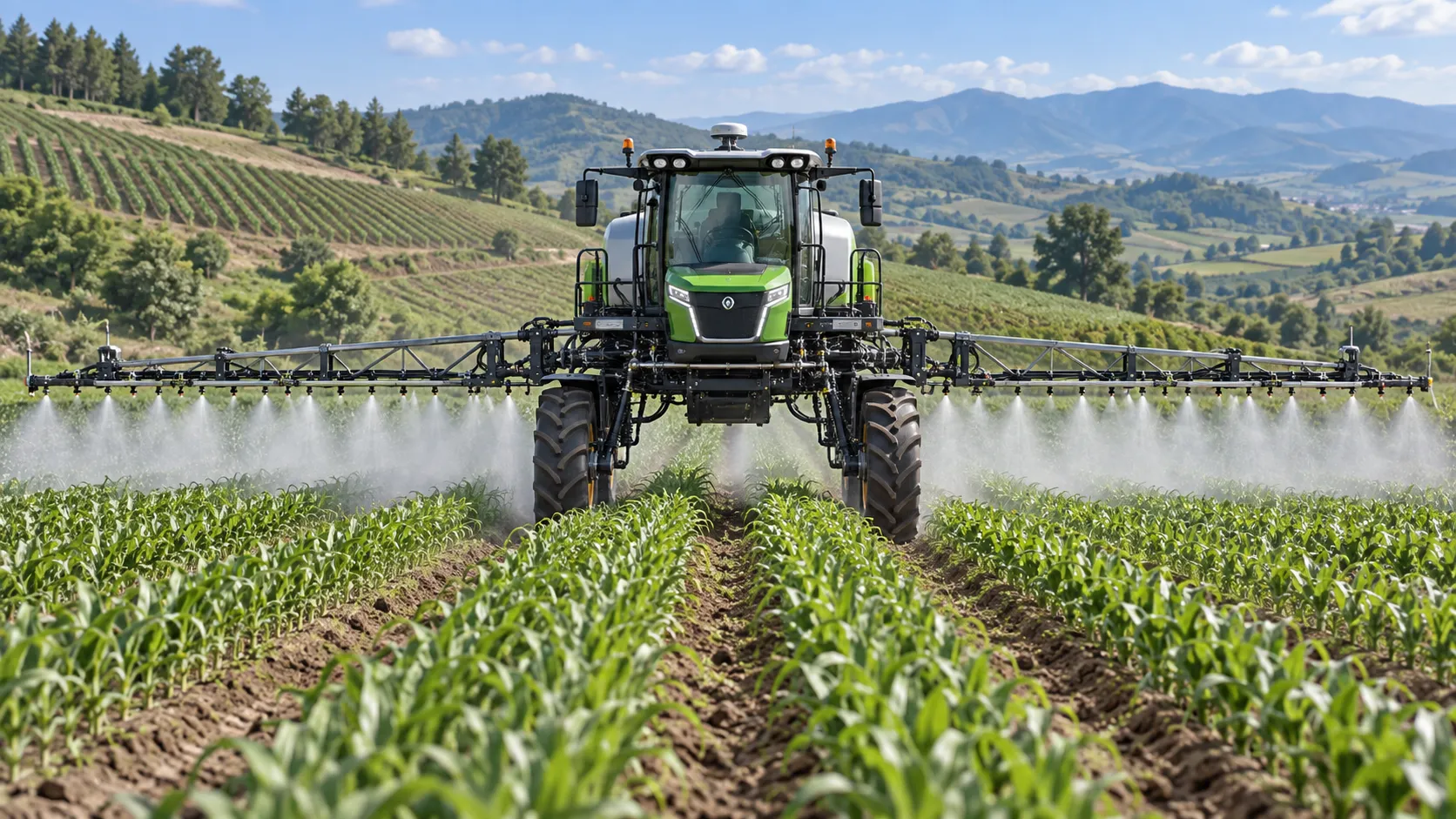
How to Select Precision Crop Protection Equipment for Variable Field Conditions
Precision crop protection equipment selection made simple: compare terrain, canopy, weather, control accuracy, and data workflows for reliable applications.
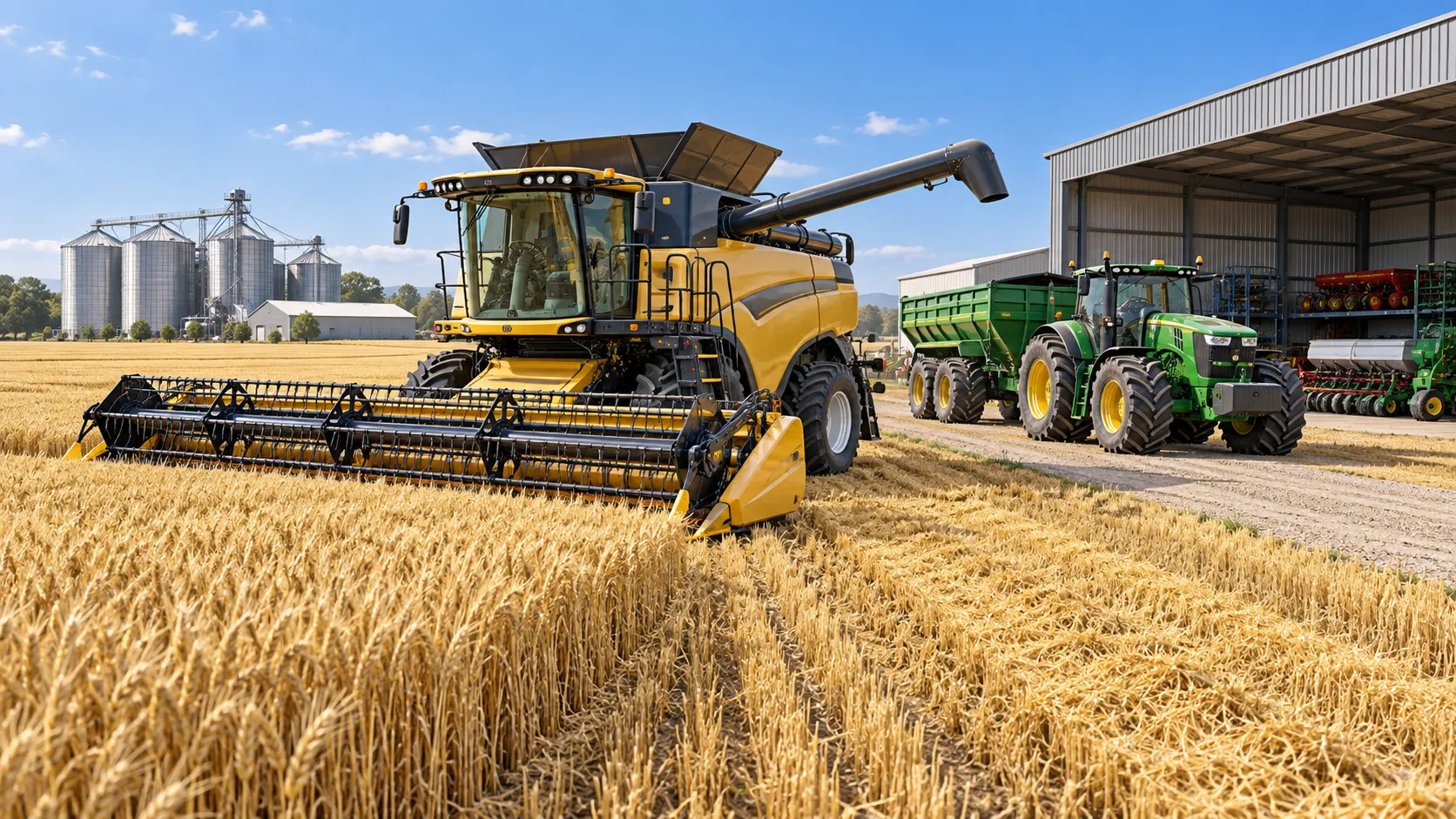
When Does Agricultural Machinery Leasing Cost Less Than Owning Equipment?
Agricultural machinery leasing can lower farm costs when use is seasonal or uncertain. Compare utilization, maintenance, cash flow, and risk to make a smarter equipment decision.
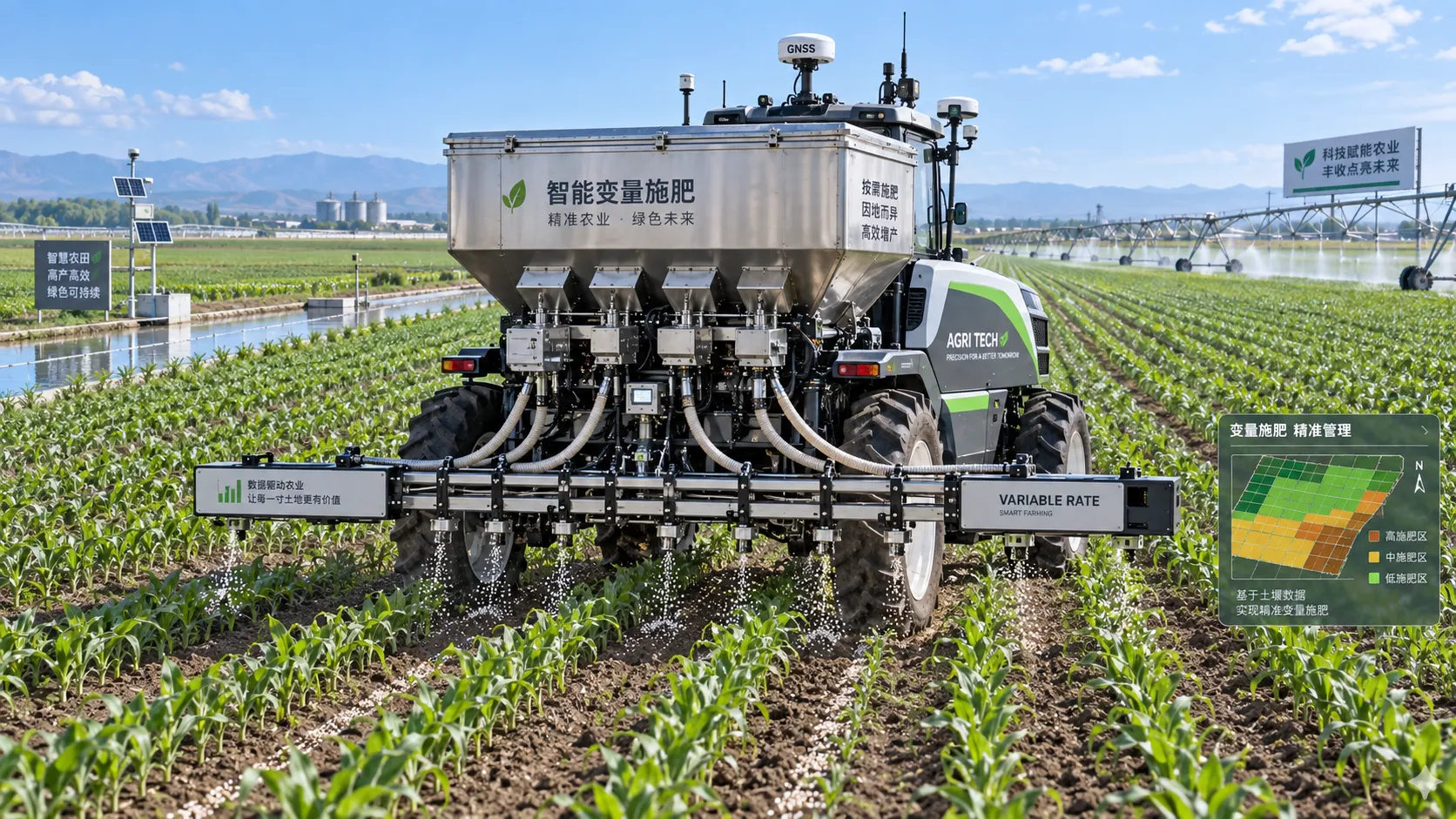
How to Evaluate Precision Fertilization System Suppliers for Farm-Scale Deployment
Precision fertilization systems suppliers: learn how to compare accuracy, integration, uptime, service, and total cost for confident farm-scale deployment.
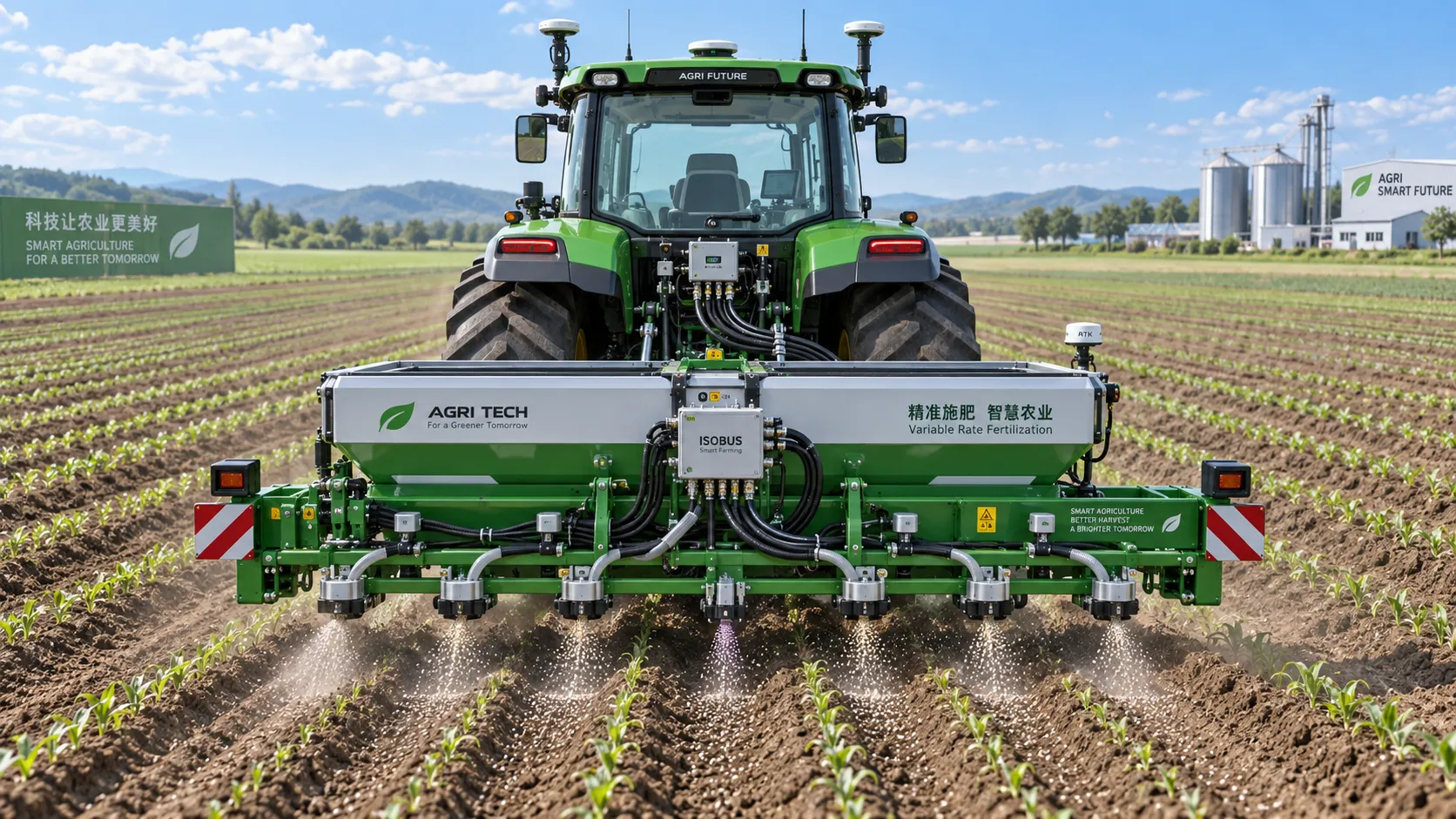
ISOBUS for Smart Agriculture: How It Connects Tractors, Implements, and Farm Data
ISOBUS for smart agriculture connects tractors, implements, terminals, and farm data—helping growers improve precision, documentation, and smarter field decisions.
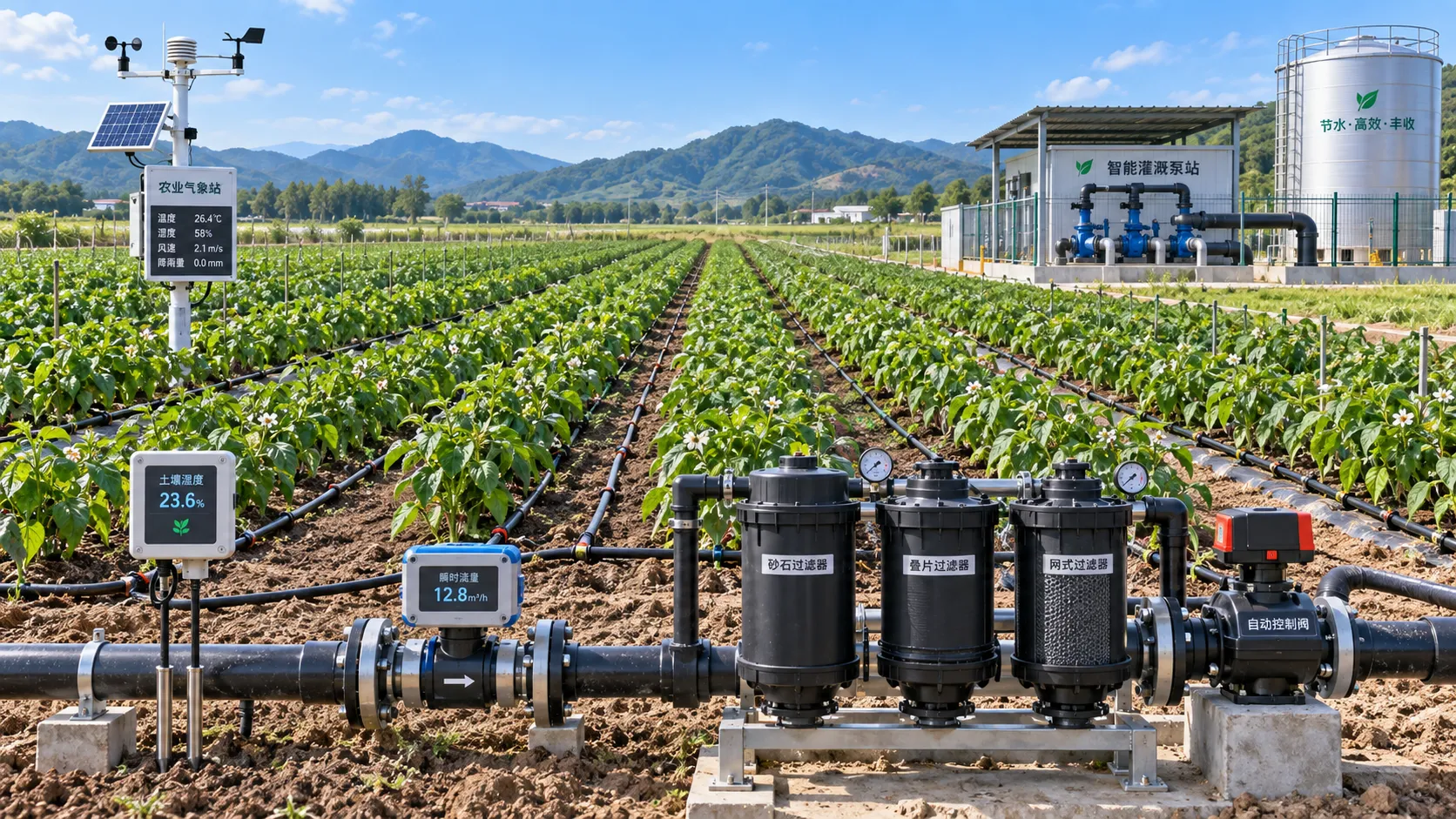
Automated Water-Saving Irrigation: How to Cut Water Use Without Reducing Crop Yields
Automated water-saving irrigation helps farms cut water use, protect crop yields, improve scheduling, and gain reliable control with sensors, flow monitoring, and smart zones.
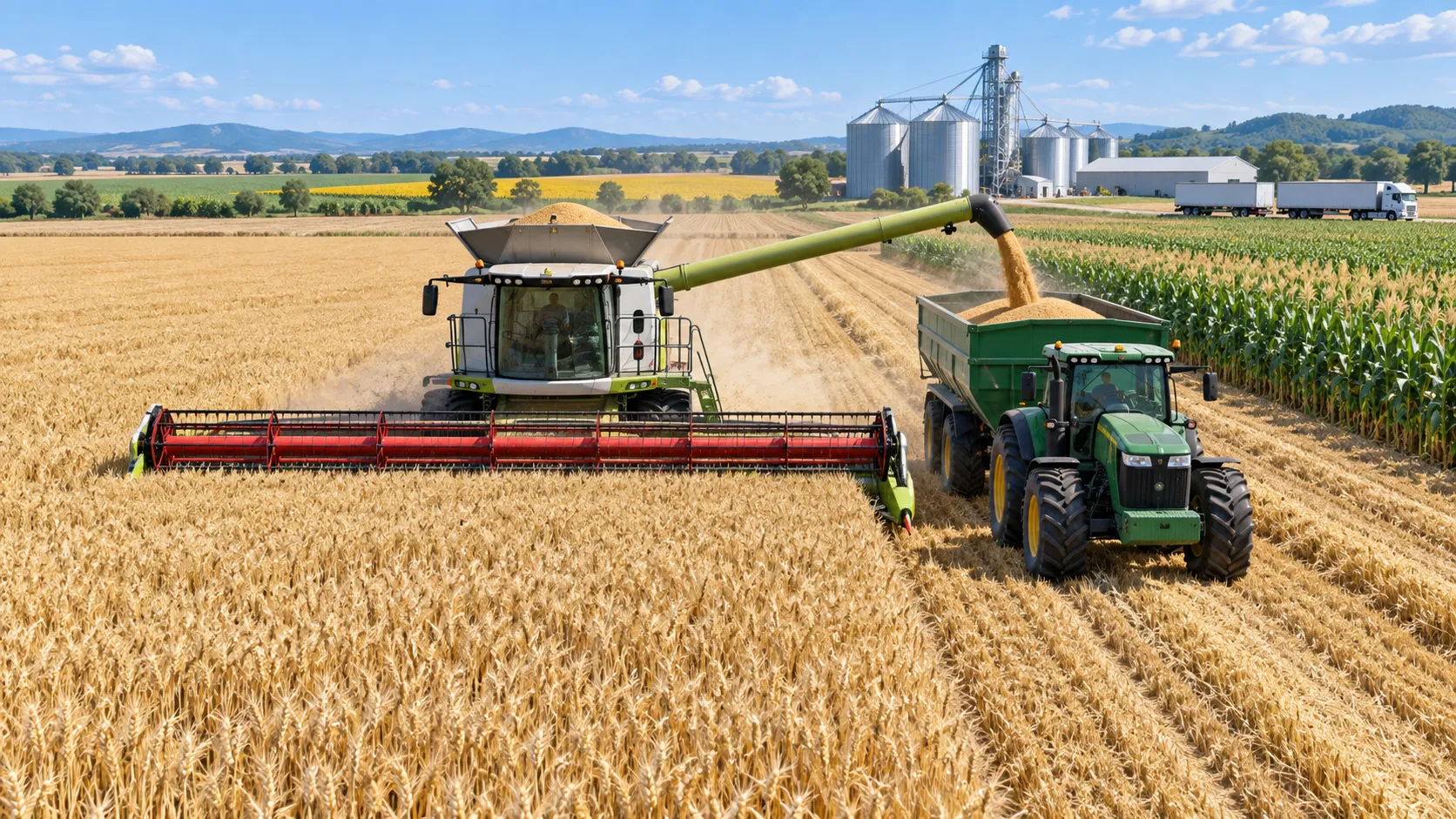
Selecting Grain Farm Equipment by Acreage, Crop Mix, and Harvest Window
Agricultural equipment selection for grain farming: match machinery to acreage, crop mix, and harvest windows to improve uptime, efficiency, and returns.
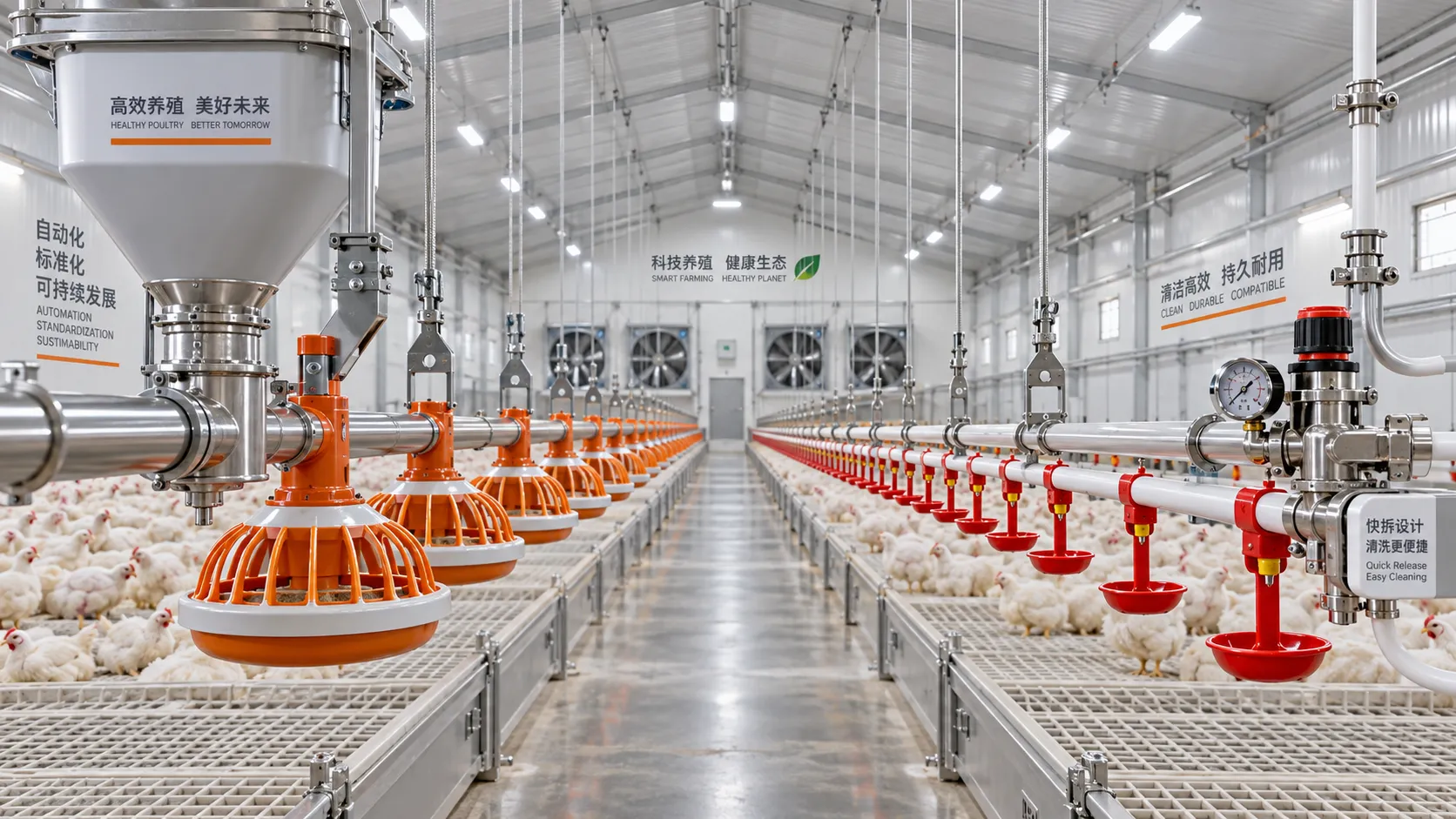
Poultry Equipment Selection: Evaluating Durability, Cleaning, and Compatibility
Poultry equipments selection guide: evaluate durability, cleaning access, and system compatibility to improve hygiene, reduce downtime, and support efficient flock management.
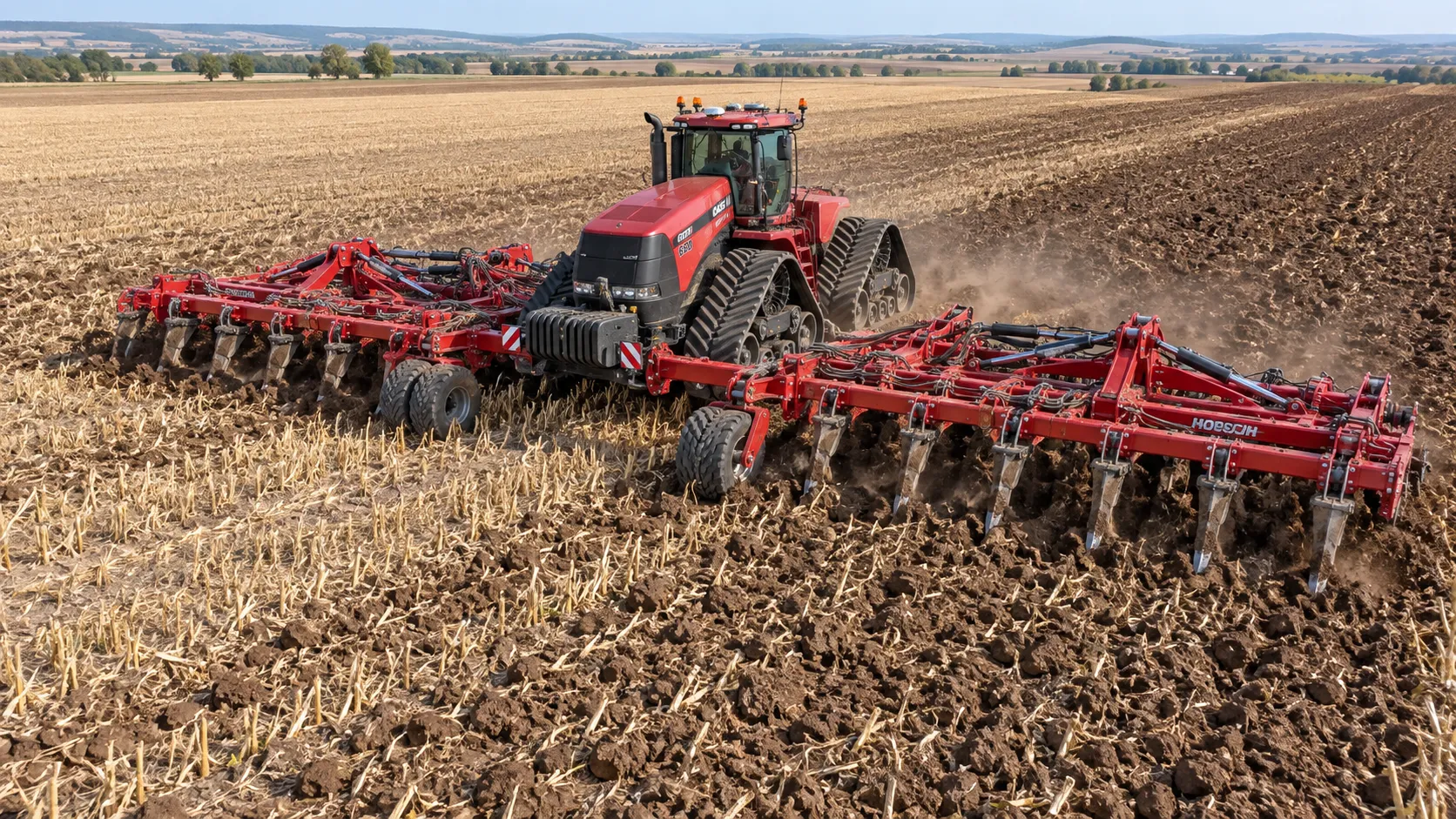
How to Select Heavy-Duty Farm Implements for High-Acreage, High-Horsepower Operations
Heavy duty farm implements: learn how to match draft, hydraulics, hitch capacity, frame strength, and field conditions for reliable high-acreage performance.
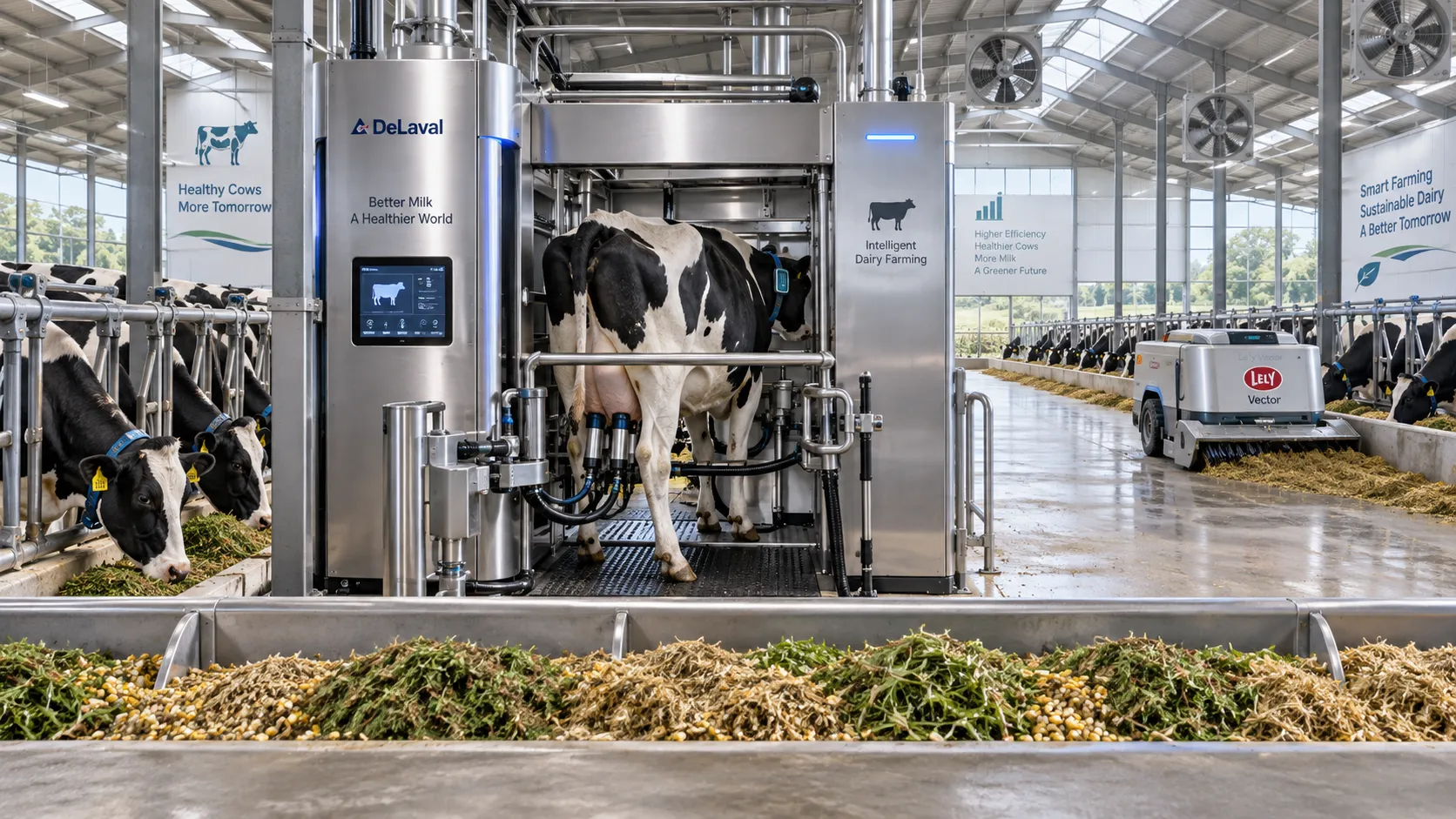
Smart Farming Technology for Dairy Farms: Where Automation Delivers Measurable ROI
Smart farming technology for dairy farms delivers measurable ROI through automation, precision feeding, health monitoring, and data-driven cost control.
Related News
- 00
0000-00
When Does Agricultural Machinery Leasing Cost Less Than Owning Equipment? - 00
0000-00
Selecting Grain Farm Equipment by Acreage, Crop Mix, and Harvest Window - 00
0000-00
Poultry Equipment Selection: Evaluating Durability, Cleaning, and Compatibility - 00
0000-00
How to Select Heavy-Duty Farm Implements for High-Acreage, High-Horsepower Operations - 00
0000-00
Smart Farming Technology for Dairy Farms: Where Automation Delivers Measurable ROI
Popular Tags
Ms. Elena Rodriguez
Weekly Insights
Stay ahead with our curated technology reports delivered every Monday.