
When Smart Farming Solutions Lower Yields Instead of Costs
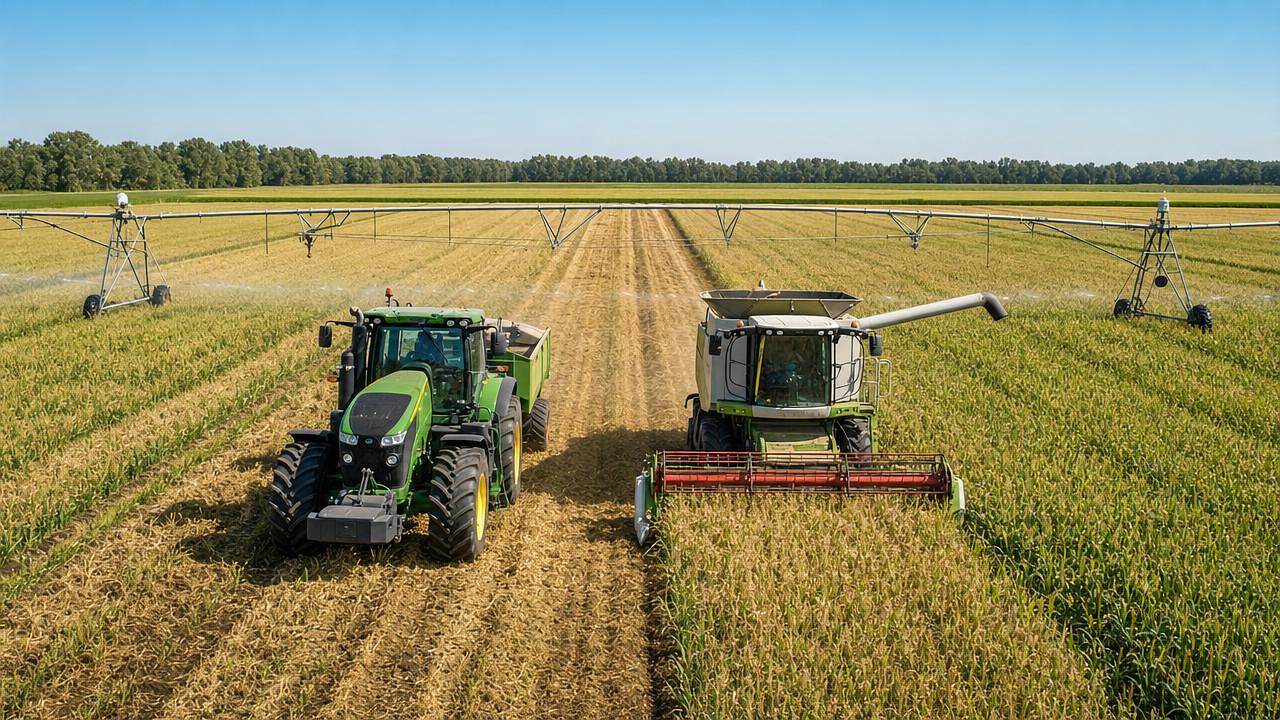




For enterprise decision-makers, smart farming solutions promise lower input costs, tighter control, and scalable efficiency. Yet when technology is deployed without matching field conditions, machine compatibility, or data accuracy, yields can decline instead of margins improving. Across mechanized cultivation, combine harvesting, tractor power systems, and intelligent irrigation, the gap between expected savings and actual field performance is becoming a defining issue. Understanding why smart farming solutions fail in some operations is now essential for building resilient, productive, and financially sound agricultural strategies.
Why the promise of smart farming solutions is facing a reality check
The market has moved quickly from basic mechanization toward connected platforms, precision application tools, sensor-guided irrigation, machine telematics, and data-driven harvest optimization. In theory, these upgrades should reduce waste and improve consistency. In practice, many operations discover that smart farming solutions do not automatically convert into higher output. The problem is rarely the idea of digital agriculture itself. The real issue is that systems are often layered onto fields, machinery fleets, and workflows that were never prepared to support them.
This shift is especially visible in large-scale operations where a single error in prescription maps, soil assumptions, cleaning-loss calibration, or irrigation scheduling can affect hundreds or thousands of hectares. As farms integrate autonomous guidance, variable-rate tools, and combine data systems, the cost of poor alignment rises. Instead of lowering total production cost, poorly implemented smart farming solutions can increase downtime, input inefficiency, and crop stress.
The strongest trend signal: more technology, but not always better field outcomes
A clear trend is emerging across Agriculture 4.0 projects: digital capability is growing faster than operational readiness. Equipment can now collect more data than ever, but collection does not equal accuracy, and accuracy does not guarantee useful decisions. Farms may own advanced tractor chassis with guidance integration, combines with yield sensors, and irrigation networks with remote control, yet still struggle with inconsistent agronomic results.
Another signal is that performance variance between similar operations is widening. One farm uses the same category of smart farming solutions to reduce water use and improve harvesting precision, while another sees higher maintenance costs and weaker crop uniformity. The difference often lies in calibration discipline, local agronomic fit, system interoperability, and whether field decisions remain grounded in real crop behavior rather than dashboard assumptions.
What drives underperformance when smart farming solutions are introduced
Several forces explain why advanced systems may lower yields instead of costs. These factors are not isolated technical mistakes; they are structural implementation risks that affect the full production chain.
Where smart farming solutions most often reduce yields
Irrigation automation without crop-stage context
One of the most common failures appears in water-saving systems. Intelligent irrigation can be highly effective, but if moisture thresholds are too generic or weather integration is unreliable, crops may be under-irrigated during critical growth stages. In this case, smart farming solutions save water on paper while sacrificing biomass development, grain filling, or quality consistency. Water efficiency must be measured against productive water use, not only lower application volume.
Precision application based on unstable field zones
Variable-rate seeding, fertilization, and crop protection depend on robust field zoning. If management zones are created from limited historical data or outdated imagery, input rates may be misallocated. This can depress stand establishment in one area while overspending in another. Here, smart farming solutions amplify old assumptions rather than refine them.
Harvest intelligence that misses machine-loss realities
Combine harvesting technology can protect margin only when cleaning, separation, and header losses are monitored accurately. If operators trust yield displays without verifying loss points under changing crop moisture or residue load, harvest losses remain hidden. This is particularly damaging because the system appears advanced while actual recovered output falls. Smart combine functions must be tied to continuous mechanical validation.
The business impact reaches far beyond one bad season
When smart farming solutions underperform, the effect spreads across multiple business layers. Input planning becomes less reliable, machinery utilization rates decline, and confidence in future digital investment weakens. More importantly, management may make capital decisions based on distorted ROI assumptions, expanding systems that have not yet proved agronomic value under local conditions.
There is also a strategic risk for operations managing large fleets and multi-site land blocks. If one location uses tractor guidance, harvesting analytics, and irrigation automation effectively while another does not, benchmarking becomes misleading. Reported efficiency gains may hide yield drag in specific geographies. In a volatile food security environment, this weakens operational resilience and planning accuracy.
- Higher hidden cost per ton due to reduced harvested output
- Lower trust in digital systems across field teams
- Increased maintenance and service dependency
- Weaker comparability between regions, crops, and machine platforms
- Delayed adoption of genuinely effective smart farming solutions
What deserves closer attention before scaling smart farming solutions
A better approach is not to reject digital agriculture, but to assess fit before scale. The most effective smart farming solutions are usually introduced through disciplined validation rather than full-area enthusiasm.
- Field variability: Confirm whether soil texture, elevation, drainage, and crop history justify precision management.
- Data credibility: Verify sensor calibration, satellite layer freshness, and machine-record consistency before using outputs for prescriptions.
- Fleet interoperability: Check whether tractors, implements, combines, and irrigation controls can exchange data without manual rework.
- Mechanical readiness: Ensure chassis performance, hydraulic response, and implement accuracy are stable enough to support digital commands.
- Agronomic timing: Test whether recommendations match crop stages, local climate patterns, and operational windows.
- Loss measurement: Track not only input savings, but stand quality, harvest loss, water productivity, and final marketable yield.
A practical framework for judging whether smart farming solutions are helping or hurting
The next move is disciplined adoption, not blind acceleration
The future of smart farming solutions remains strong, especially as food security pressure, climate variability, and labor constraints intensify. But the winning pattern is changing. The most valuable systems will be those that combine mechanical reliability, precise calibration, agronomic realism, and interpretable data. Technology should support field truth, not replace it.
A practical next step is to audit one production cycle from soil preparation to harvest and irrigation closure. Identify where digital instructions depend on weak data, where machinery fails to execute recommendations consistently, and where cost savings were recorded without yield protection. That review creates a stronger basis for choosing, refining, or delaying smart farming solutions until they deliver measurable performance rather than attractive assumptions.
For organizations tracking large-scale agri-machinery, combine performance, tractor chassis integration, intelligent farm tools, and water-saving irrigation systems, the key is not how much technology is installed. The key is whether each layer contributes to stable, verified output. In that sense, the smartest strategy is not more digital agriculture at any cost, but better-aligned smart farming solutions that protect yield while improving efficiency.
Related News

When Does Agricultural Machinery Leasing Cost Less Than Owning Equipment?
Agricultural machinery leasing can lower farm costs when use is seasonal or uncertain. Compare utilization, maintenance, cash flow, and risk to make a smarter equipment decision.
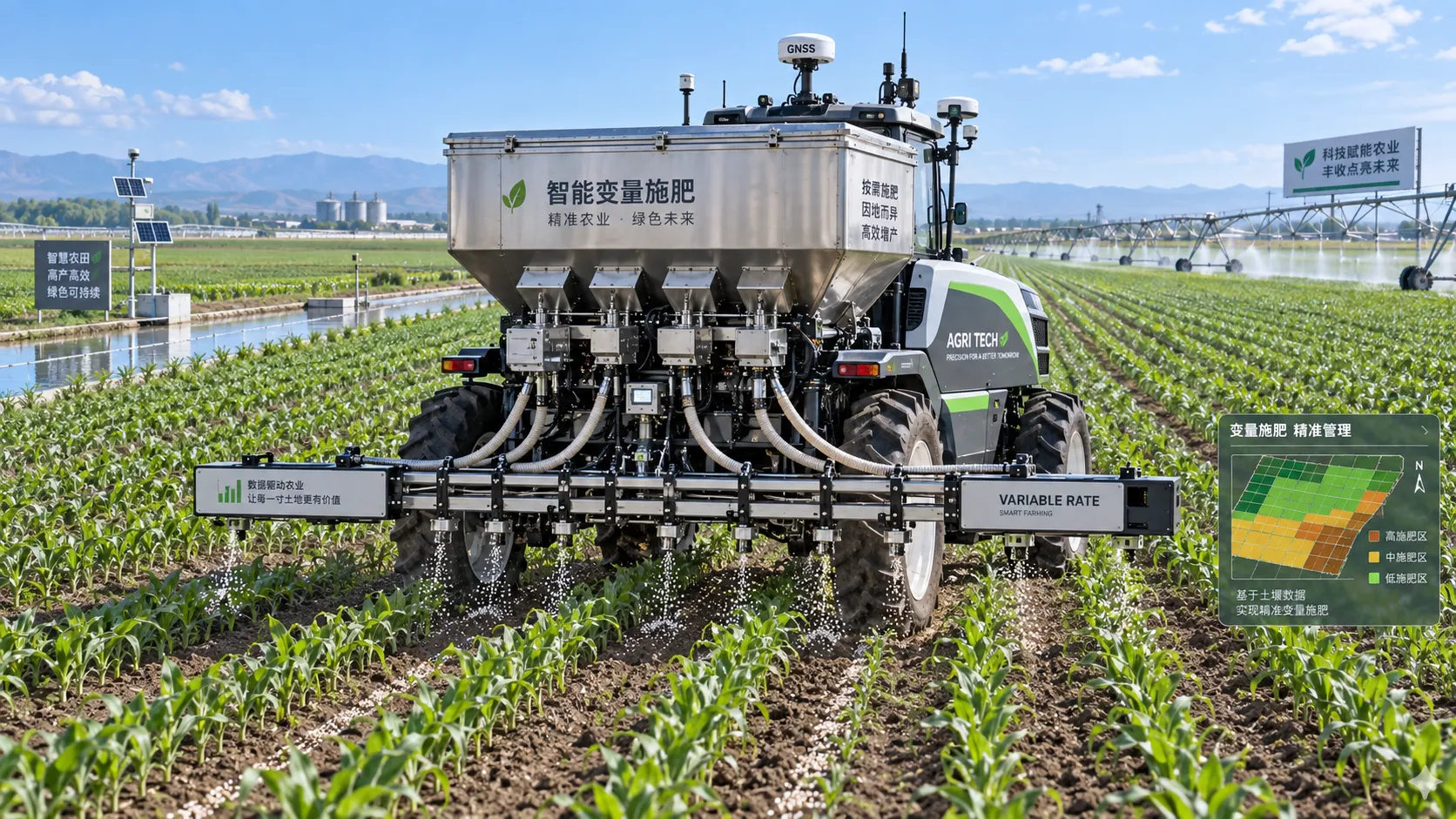
How to Evaluate Precision Fertilization System Suppliers for Farm-Scale Deployment
Precision fertilization systems suppliers: learn how to compare accuracy, integration, uptime, service, and total cost for confident farm-scale deployment.
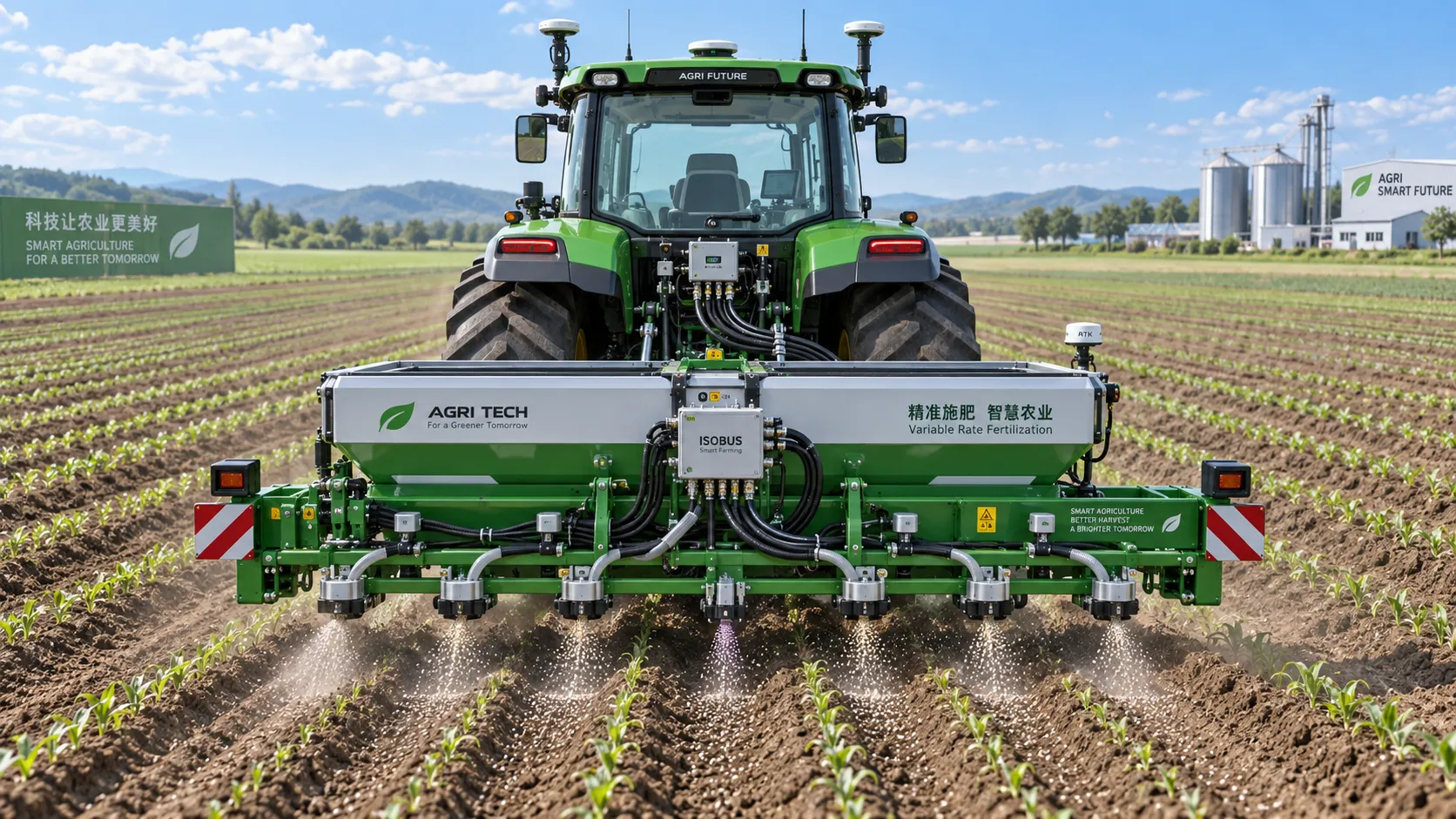
ISOBUS for Smart Agriculture: How It Connects Tractors, Implements, and Farm Data
ISOBUS for smart agriculture connects tractors, implements, terminals, and farm data—helping growers improve precision, documentation, and smarter field decisions.
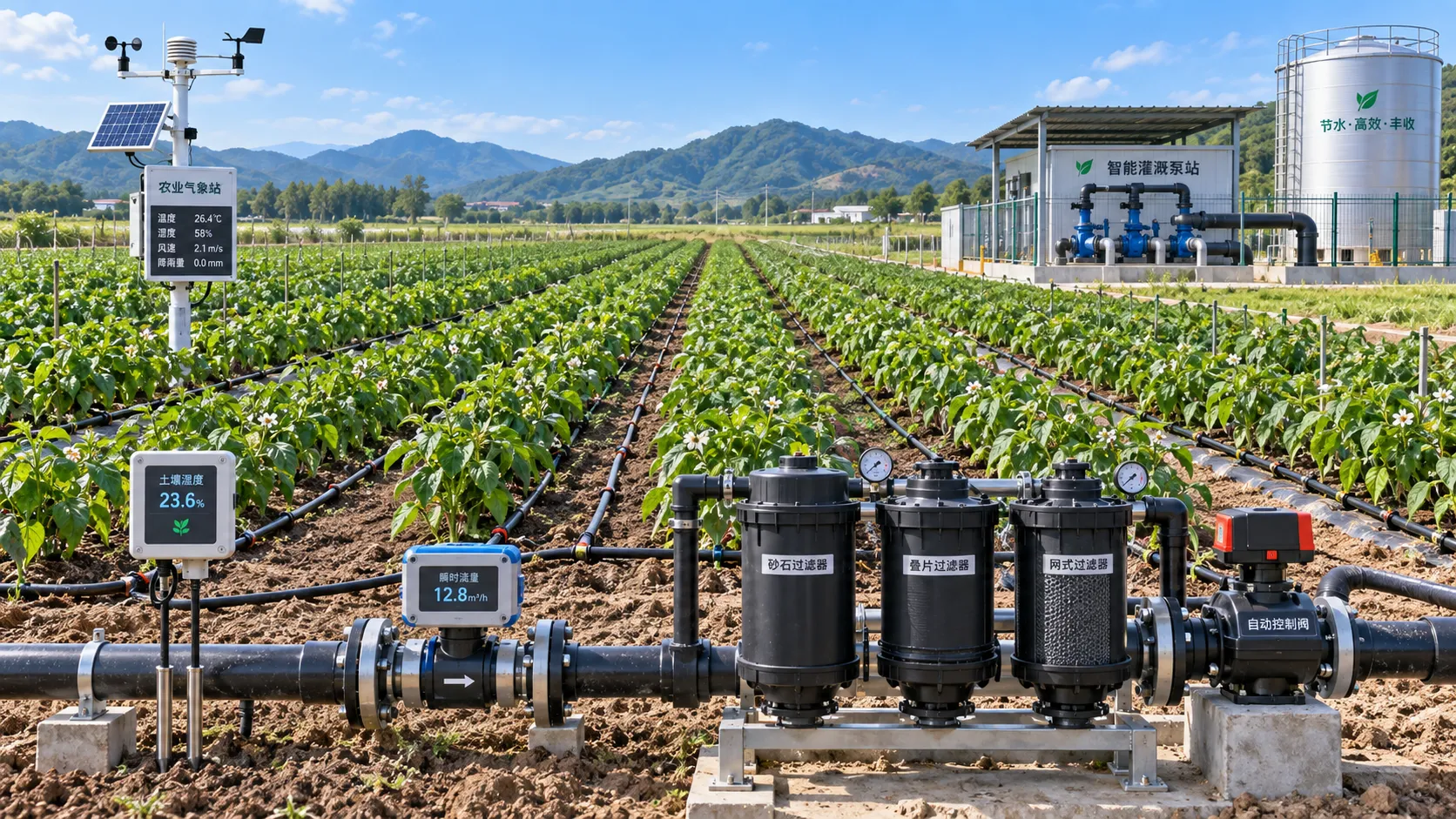
Automated Water-Saving Irrigation: How to Cut Water Use Without Reducing Crop Yields
Automated water-saving irrigation helps farms cut water use, protect crop yields, improve scheduling, and gain reliable control with sensors, flow monitoring, and smart zones.
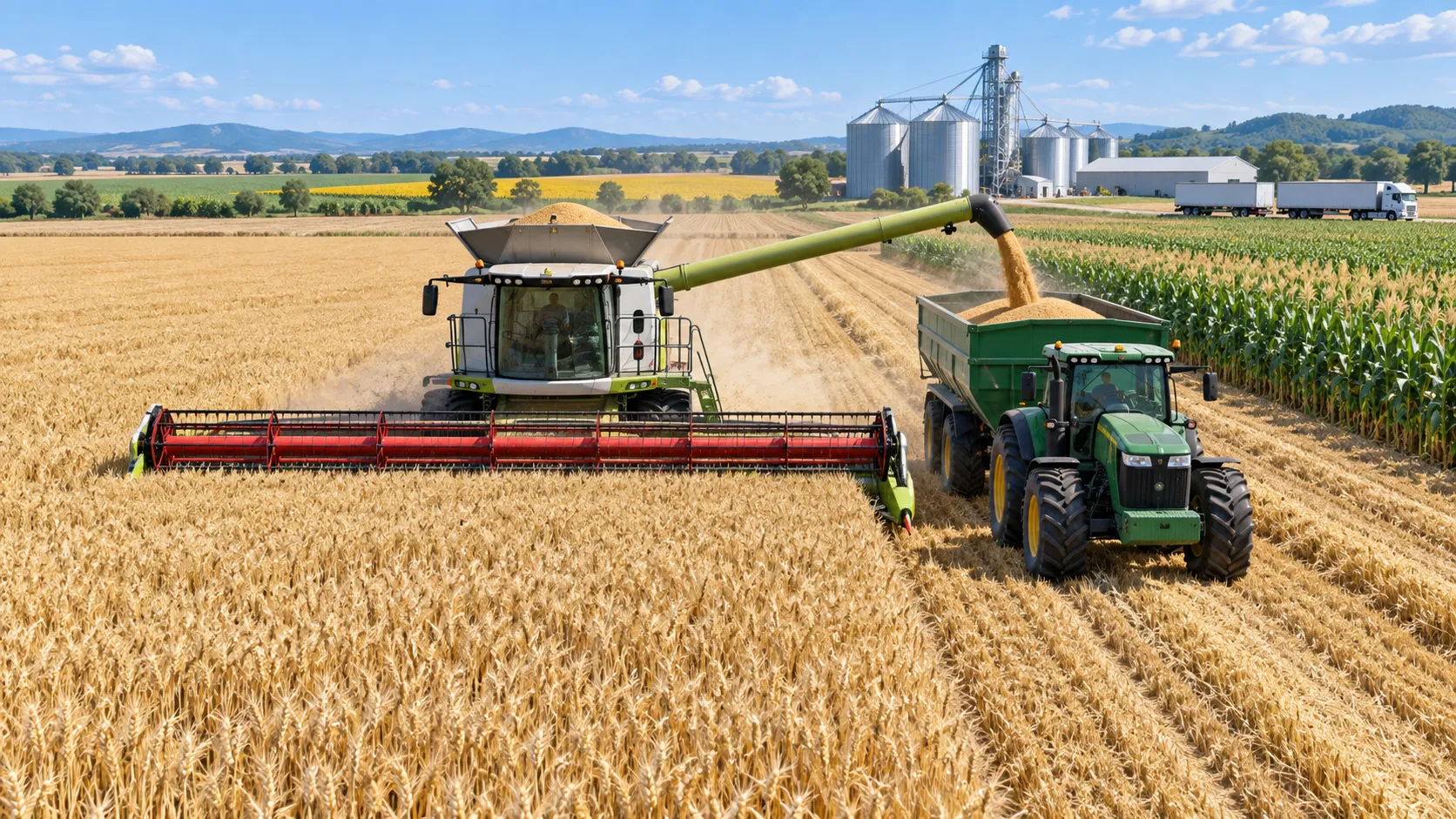
Selecting Grain Farm Equipment by Acreage, Crop Mix, and Harvest Window
Agricultural equipment selection for grain farming: match machinery to acreage, crop mix, and harvest windows to improve uptime, efficiency, and returns.
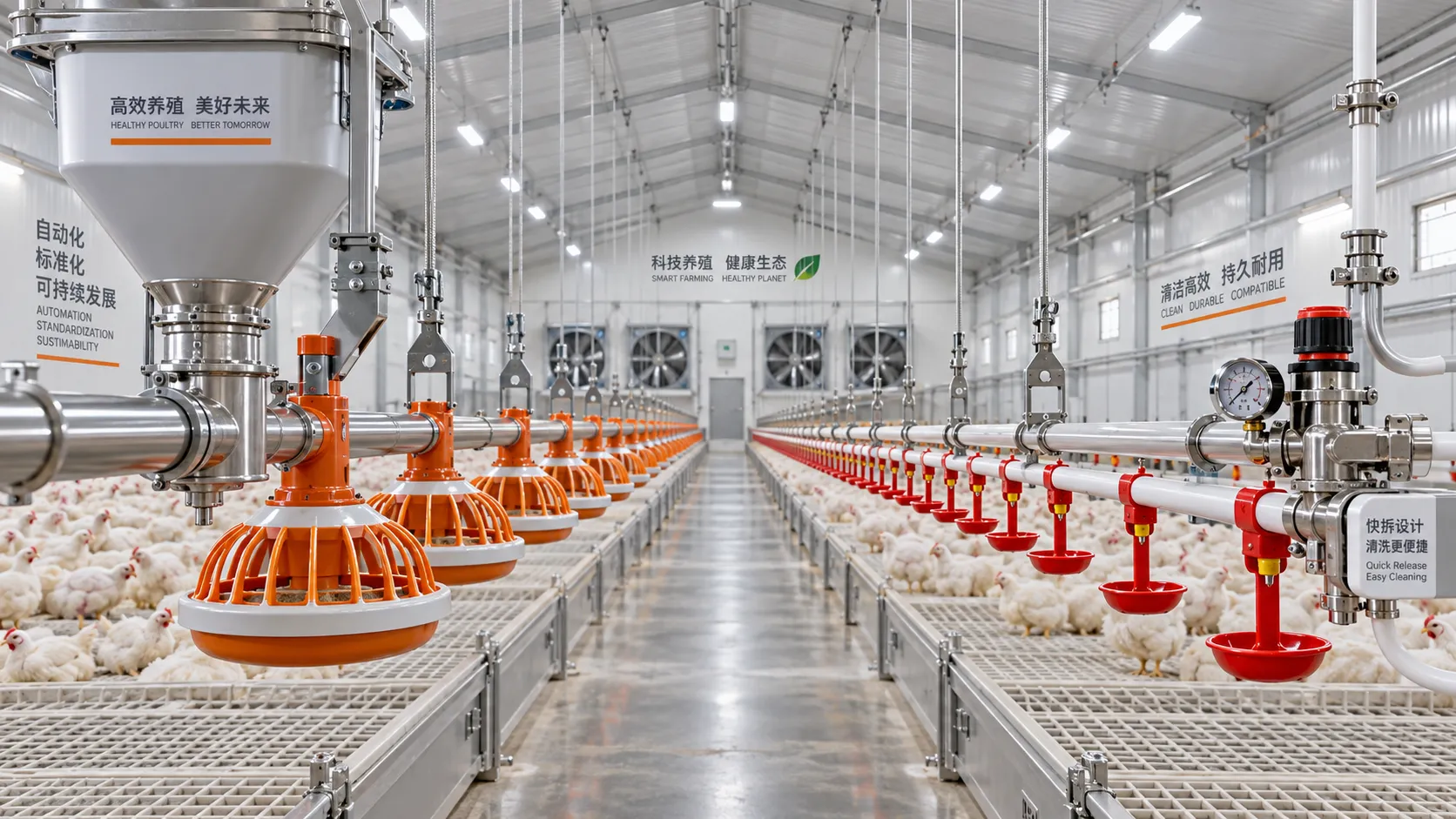
Poultry Equipment Selection: Evaluating Durability, Cleaning, and Compatibility
Poultry equipments selection guide: evaluate durability, cleaning access, and system compatibility to improve hygiene, reduce downtime, and support efficient flock management.
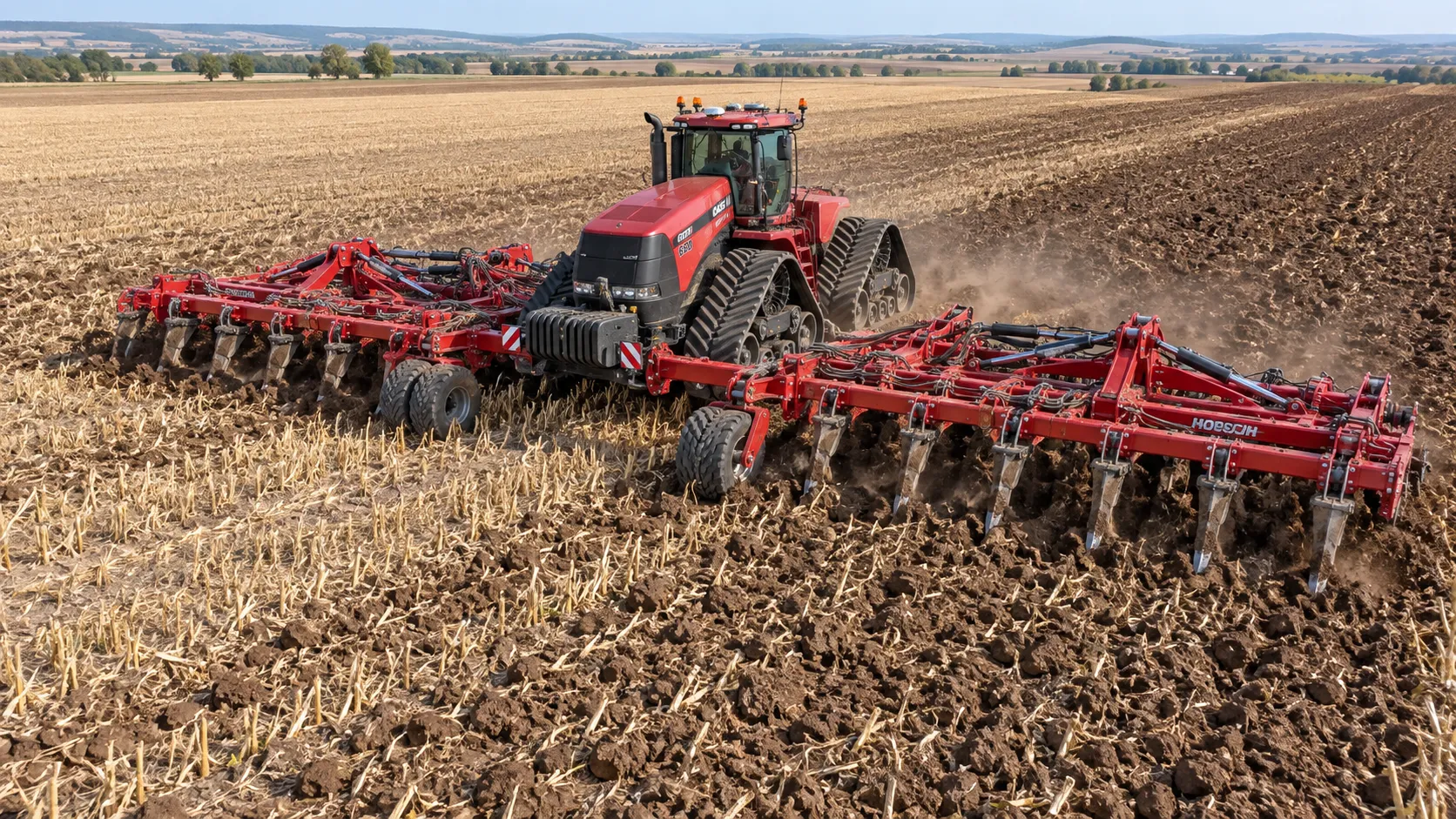
How to Select Heavy-Duty Farm Implements for High-Acreage, High-Horsepower Operations
Heavy duty farm implements: learn how to match draft, hydraulics, hitch capacity, frame strength, and field conditions for reliable high-acreage performance.
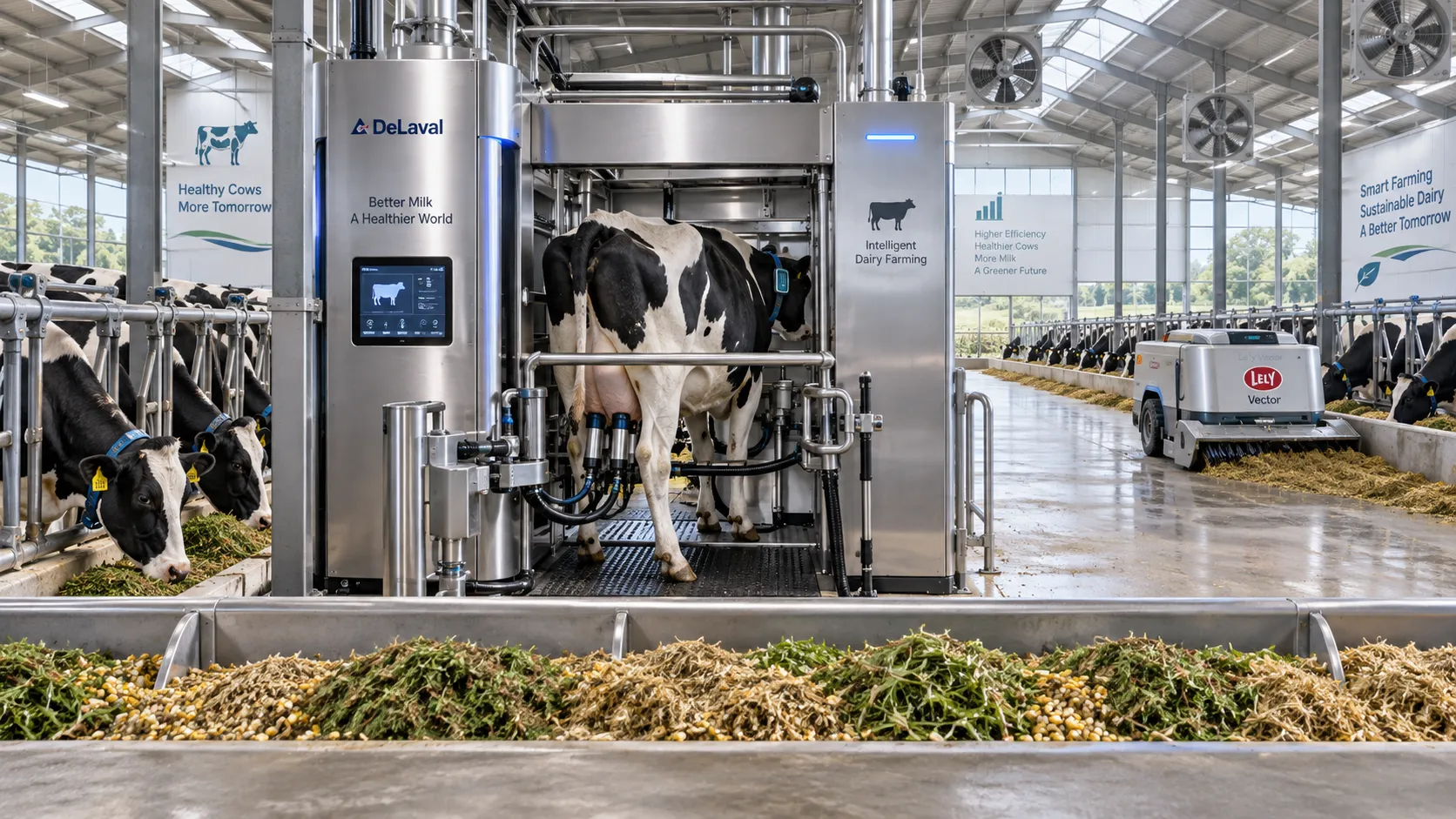
Smart Farming Technology for Dairy Farms: Where Automation Delivers Measurable ROI
Smart farming technology for dairy farms delivers measurable ROI through automation, precision feeding, health monitoring, and data-driven cost control.
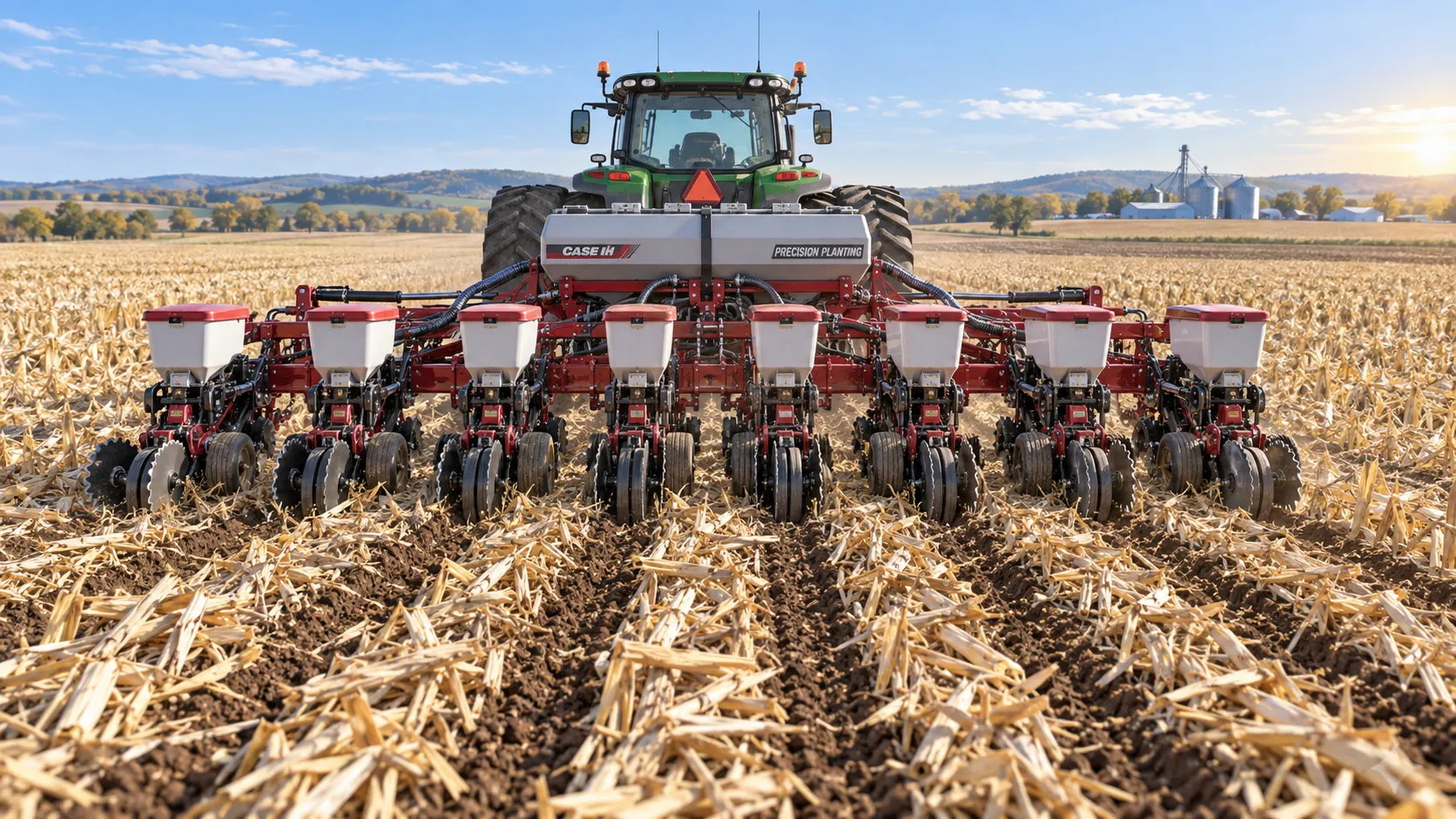
How to Select a Heavy-Duty Seeder for Large Acreage and High-Residue Fields
Heavy duty seeders for large acreage: compare residue handling, depth control, downforce, metering accuracy, and precision features to select the right model.
Related News
- 00
0000-00
When Does Agricultural Machinery Leasing Cost Less Than Owning Equipment? - 00
0000-00
Selecting Grain Farm Equipment by Acreage, Crop Mix, and Harvest Window - 00
0000-00
Poultry Equipment Selection: Evaluating Durability, Cleaning, and Compatibility - 00
0000-00
How to Select Heavy-Duty Farm Implements for High-Acreage, High-Horsepower Operations - 00
0000-00
Smart Farming Technology for Dairy Farms: Where Automation Delivers Measurable ROI
Popular Tags
Ms. Elena Rodriguez
Weekly Insights
Stay ahead with our curated technology reports delivered every Monday.