
Long-Cycle Agri-Trade Deals Are Changing Inventory Planning
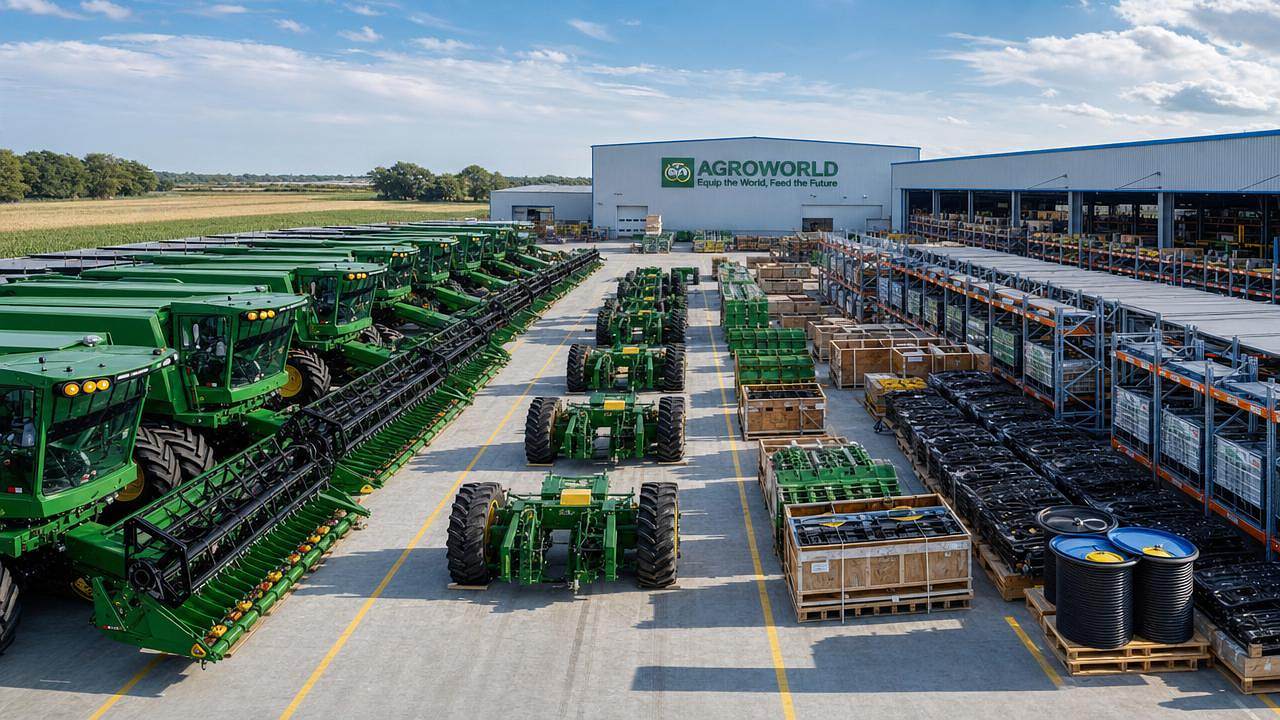




Long-cycle agri-trade is reshaping how distributors, dealers, and agents manage inventory, cash flow, and delivery risk across global agricultural equipment markets. As procurement cycles lengthen and demand shifts across combines, tractor chassis, intelligent tools, and irrigation systems, smarter planning becomes essential. This article explores how market intelligence can help channel partners reduce stock pressure, improve allocation, and stay competitive in Agriculture 4.0.
The market signal is clear: inventory planning is no longer a short-cycle task
Across the agricultural equipment business, a visible change is taking shape. Orders are being discussed earlier, confirmed later, shipped under tighter constraints, and delivered into more volatile operating environments. For distributors and agents, this means long-cycle agri-trade is no longer a background condition; it is becoming a core planning reality that affects purchasing rhythm, stock depth, financing pressure, and after-sales readiness.
The old model depended on relatively predictable seasonality. Dealers could estimate pre-harvest demand for combines, prepare tractor chassis inventories around regional fieldwork windows, and replenish selected irrigation components with moderate confidence. That model is weakening. Today, procurement cycles are stretched by policy reviews, freight uncertainty, compliance checks, multi-country sourcing, and customer hesitation around capital spending. At the same time, end users are becoming more selective. They are not just buying machines; they are evaluating uptime, fuel efficiency, automation potential, sensor compatibility, and lifecycle support.
For channel partners in large-scale machinery, this trend changes the meaning of inventory. Stock is no longer simply a buffer against lead times. It becomes a strategic asset that must be segmented by urgency, region, crop pattern, serviceability, and replacement risk. In long-cycle agri-trade, excess inventory can tie up capital for too long, but insufficient inventory can cost a season, a customer relationship, and future service revenue.
Why long-cycle agri-trade is expanding across agri-equipment channels
Several drivers are pushing the industry toward longer and more complex trade cycles. None of them works in isolation, which is why many dealers feel pressure even when local farm demand appears healthy. The issue is not only demand quantity. It is demand timing, demand structure, and supply responsiveness.
In practical terms, long-cycle agri-trade expands when every transaction involves more variables. A combine sale may depend on financing approval, pre-season crop expectations, operator training, parts availability, and compatibility with precision yield monitoring. An irrigation project may require water regulation review, phased installation, and climate-related redesign. A tractor chassis order may be delayed by drivetrain configuration, hydraulic customization, or transmission sourcing. As complexity increases, the gap between forecast and final delivery widens.
The biggest change is not volume, but mix, timing, and risk concentration
Many distributors still evaluate their inventory exposure mainly through sales volume expectations. That is increasingly insufficient. In long-cycle agri-trade, the more important questions are: which categories are becoming slower to move, which configurations are more exposed to disruption, and which products create the highest service dependency after installation?
For example, basic mechanical stock may still move through traditional channels, but intelligent farm tools often require a better-matched customer profile, stronger pre-sales support, and confidence in field integration. Water-saving irrigation systems may not generate the fastest turnover, yet they may deliver stronger long-term value in climate-sensitive regions where customers need durable, efficiency-led solutions. Combines remain season-critical, but the risk of holding the wrong header, cleaning system configuration, or engine specification can be much higher than before.
This creates a risk concentration effect. Fewer inventory mistakes are tolerated because each mistake absorbs more capital and takes longer to correct. When trade cycles stretch, obsolete stock does not just sit in a warehouse. It crowds out working capital, reduces flexibility for higher-priority models, and weakens responsiveness when real demand finally appears.
Who feels the pressure first in long-cycle agri-trade?
The impact is uneven. Some channel roles are exposed earlier because they sit closer to order commitment, logistics timing, or local market conversion.
For multi-brand distributors, the challenge is usually allocation discipline. They must decide whether to hold broader stock coverage or concentrate on fewer high-probability lines. For local dealers, the challenge is timing. A late inventory decision can miss the season, but an early wrong decision can create months of slow-moving stock. Agents often face the hardest forecasting environment because customer intent may look strong while budget approval remains uncertain.
Agriculture 4.0 is making planning more intelligent, but also less forgiving
The rise of Agriculture 4.0 adds both opportunity and discipline to long-cycle agri-trade. Data-rich machines promise more efficient operations, better water use, lower harvest loss, and stronger field-level decision support. Yet these advantages also raise the planning standard for channel partners. Selling an intelligent sprayer, a guidance-linked implement, or a smart irrigation system is not the same as moving a stand-alone mechanical product.
Inventory planning now has to consider ecosystem fit. Does the machine align with regional connectivity conditions? Are customers ready for sensor-based workflows? Is the parts inventory aligned with installed digital components? Can the service team solve calibration and software interface problems quickly? In this environment, the value of market intelligence grows. Intelligence is not just about knowing which products are popular. It is about identifying which solutions are becoming operationally viable in each market and which are still ahead of customer readiness.
AP-Strategy’s focus areas reflect this shift well. Large-scale machinery still matters, but buyers increasingly compare mechanization with precision outcomes. Combine harvesting technology is judged not only by throughput but also by low-loss performance in complex crop conditions. Tractor chassis decisions now connect to transmission efficiency, hydraulic stability, and compatibility with heavier or smarter implements. Water-saving irrigation systems are increasingly tied to climate adaptation and resource management, not just equipment replacement.
What smarter inventory planning looks like under longer trade cycles
The response to long-cycle agri-trade is not simply “carry less inventory.” That can be as dangerous as carrying too much. The better response is to redesign inventory logic around probability, criticality, and flexibility.
First, distributors should separate strategic stock from speculative stock. Strategic stock includes models, parts, and attachments that support reliable seasonal demand or protect service continuity. Speculative stock includes configurations purchased mainly on optimistic assumptions about future conversion. In a longer cycle environment, the second category deserves much tighter control.
Second, planning should move from annual estimates to rolling review cycles. A quarterly or even monthly reassessment of pipeline quality, delivery risk, policy timing, and regional crop conditions helps reduce blind spots. Long-cycle agri-trade punishes static planning because the conditions behind the original forecast may change before the product arrives.
Third, dealers should strengthen configuration discipline. It is easier to recover from a delayed order than from a poorly matched machine sitting unsold through a season. The more specialized the equipment, the more important it is to validate agronomic fit, field size, power matching, operator capability, and service expectations before committing stock.
Fourth, after-sales and inventory should be planned together. A machine with longer lead time but strong installed-base support can still be commercially attractive. By contrast, a fast-selling machine without parts readiness can create reputational damage. In long-cycle agri-trade, service inventory often matters as much as finished equipment inventory.
Signals worth monitoring over the next planning cycle
Not every market signal deserves the same weight. For distributors, dealers, and agents, the most useful indicators are the ones that change decision timing or product mix before they show up in final sales figures.
- Changes in subsidy windows or equipment qualification standards
- Regional shifts toward water-efficiency investment or precision field operations
- Longer quotation-to-order conversion periods for large-capex equipment
- Rising customer requests for bundled service, training, or digital compatibility
- Increased parts lead-time variability for critical drivetrain, hydraulic, or sensor-linked components
These signals help answer a practical question: is the market slowing, shifting, or upgrading? Each outcome requires a different inventory response. A slowing market calls for tighter exposure control. A shifting market requires product-mix adjustment. An upgrading market may justify selective investment in higher-value, data-enabled solutions even when turnover appears slower at first.
How channel partners can respond without freezing growth
One common mistake in long-cycle agri-trade is becoming too defensive. Fear of excess stock can lead distributors to understock high-opportunity categories, especially in smart implements, advanced harvest systems, and irrigation networks linked to sustainability needs. The better strategy is selective flexibility.
That means building tiered inventory decisions. Keep high-confidence core products available. Use pre-commitment or milestone-based ordering for specialized configurations. Expand visibility into supplier risk for critical components. Build substitute pathways where possible. Most importantly, connect commercial intelligence with operational planning instead of treating them as separate functions.
For businesses serving international or cross-regional markets, intelligence-led planning becomes a competitive advantage. Knowing where autonomous demand is emerging, where irrigation investment is policy-supported, or where harvester replacement is being delayed can improve not just inventory turnover, but overall asset allocation. In that sense, long-cycle agri-trade rewards organizations that read the field early and act with discipline rather than speed alone.
Final judgment: the winners will plan inventory as a strategic signal system
Long-cycle agri-trade is changing inventory planning because the market itself is becoming more interconnected, more selective, and more timing-sensitive. For distributors, dealers, and agents, the real shift is from reactive stocking to intelligence-based positioning. The question is no longer just how much to buy. It is when to commit, what to prioritize, which risks to absorb, and where service capability must support the sale.
If your business wants to judge how this trend affects current operations, focus on a few critical questions: Which inventory lines are most exposed to delayed conversion? Which product groups are gaining value because of precision farming or water-saving demand? Where are policy and compliance timelines affecting order confidence? Which categories require stronger parts and technical support before stock is expanded? The businesses that answer these questions early will be better positioned to reduce pressure, improve allocation, and compete more effectively in the next phase of Agriculture 4.0.
Related News
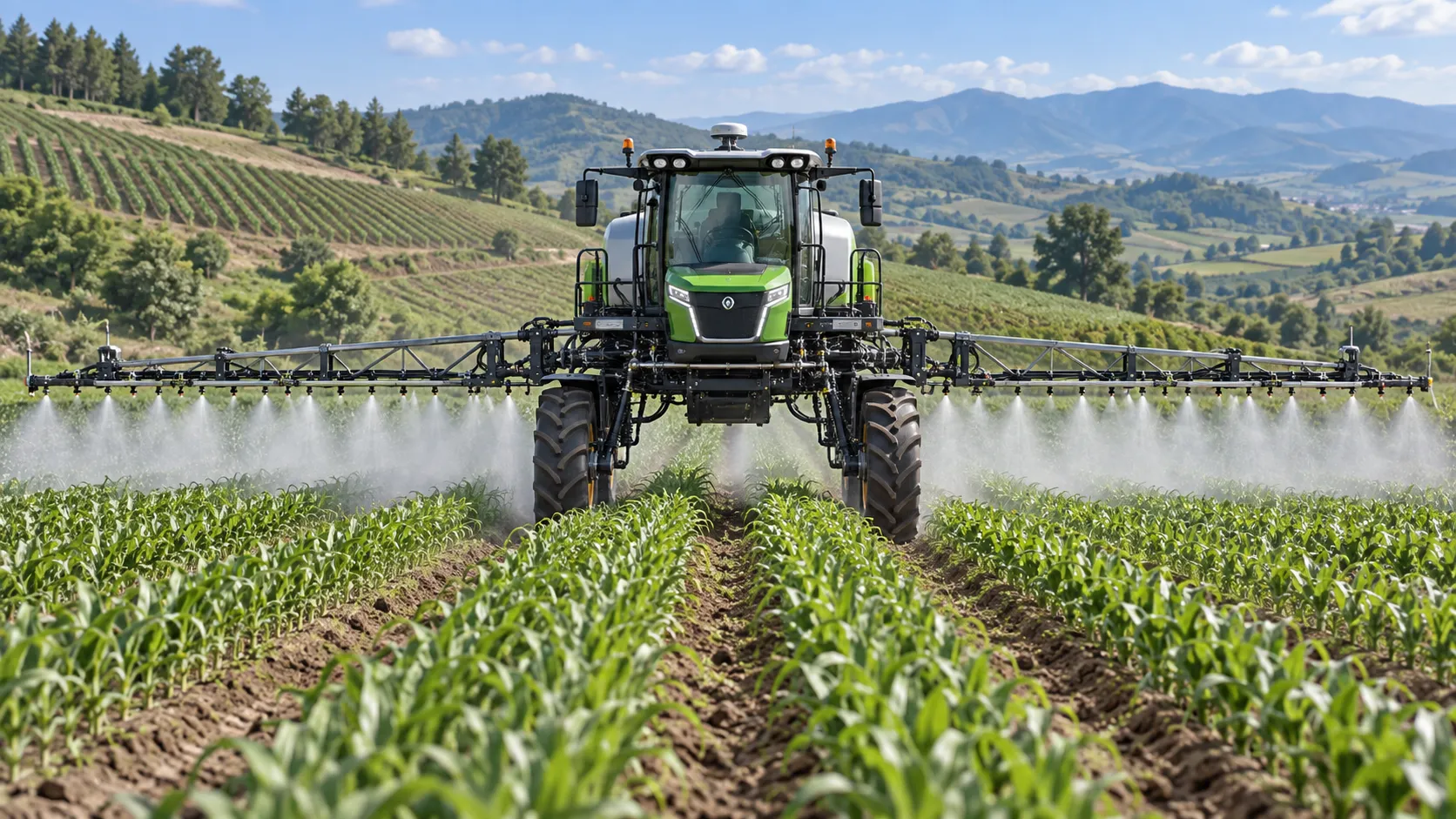
How to Select Precision Crop Protection Equipment for Variable Field Conditions
Precision crop protection equipment selection made simple: compare terrain, canopy, weather, control accuracy, and data workflows for reliable applications.
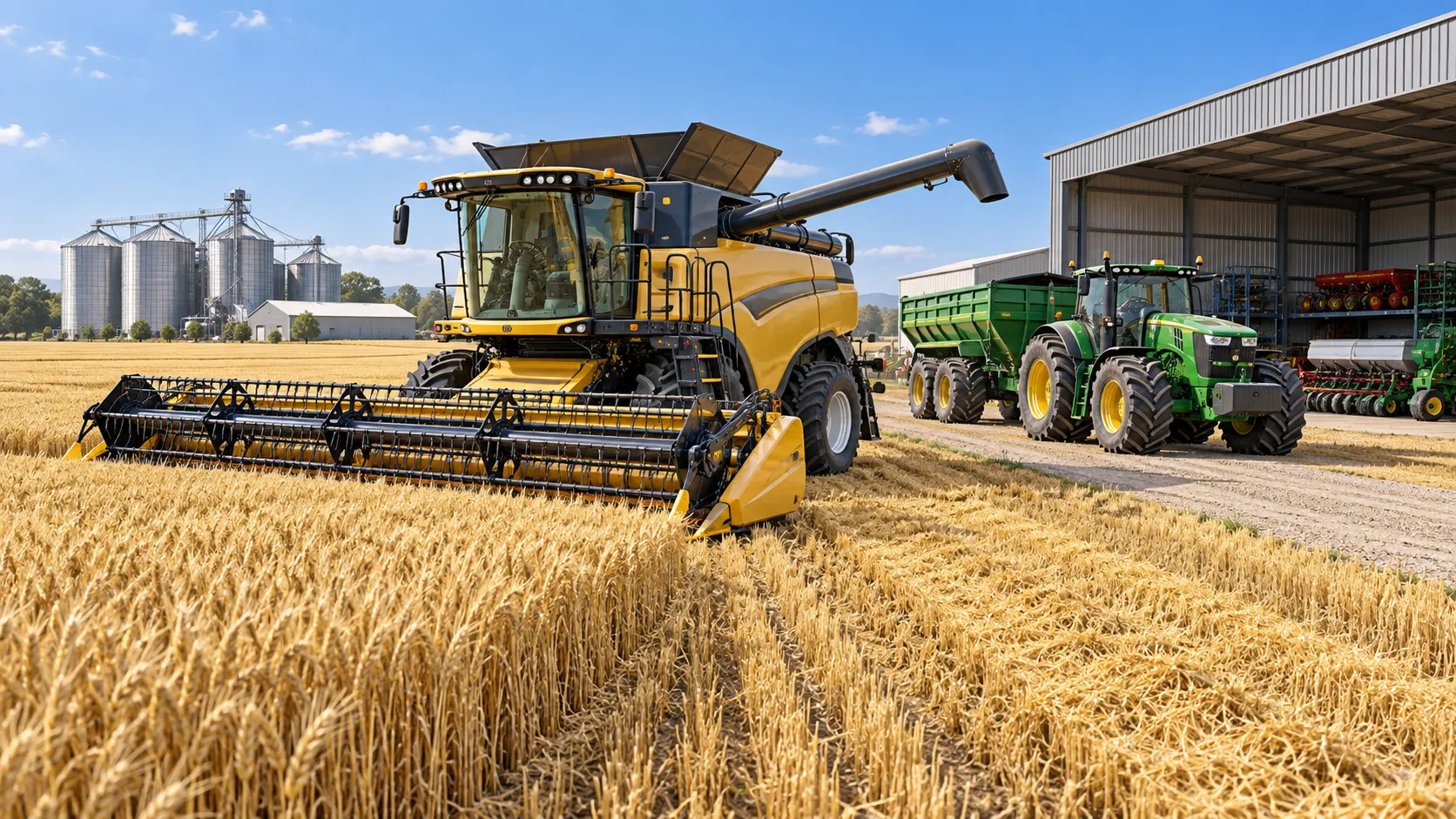
When Does Agricultural Machinery Leasing Cost Less Than Owning Equipment?
Agricultural machinery leasing can lower farm costs when use is seasonal or uncertain. Compare utilization, maintenance, cash flow, and risk to make a smarter equipment decision.
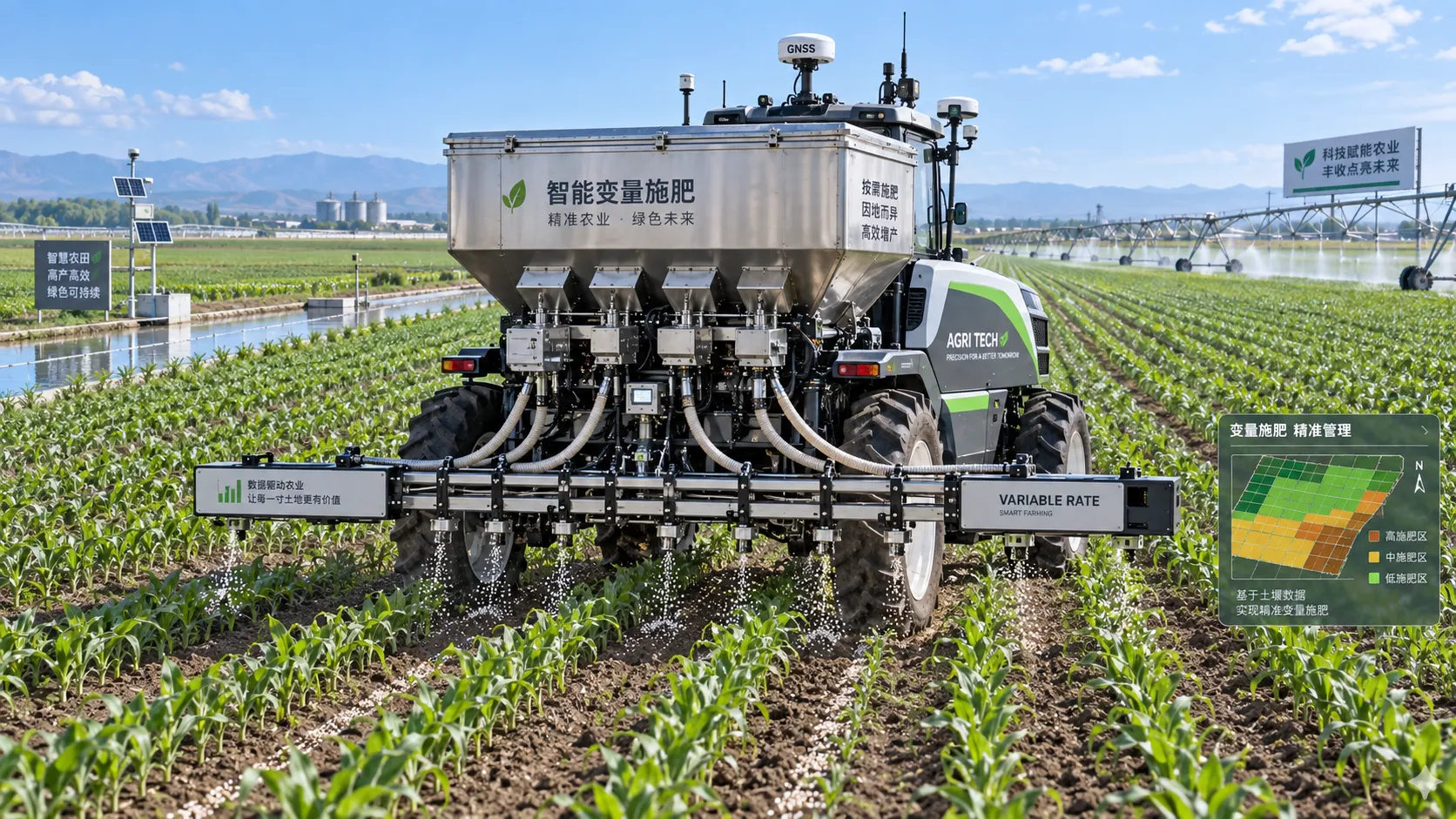
How to Evaluate Precision Fertilization System Suppliers for Farm-Scale Deployment
Precision fertilization systems suppliers: learn how to compare accuracy, integration, uptime, service, and total cost for confident farm-scale deployment.
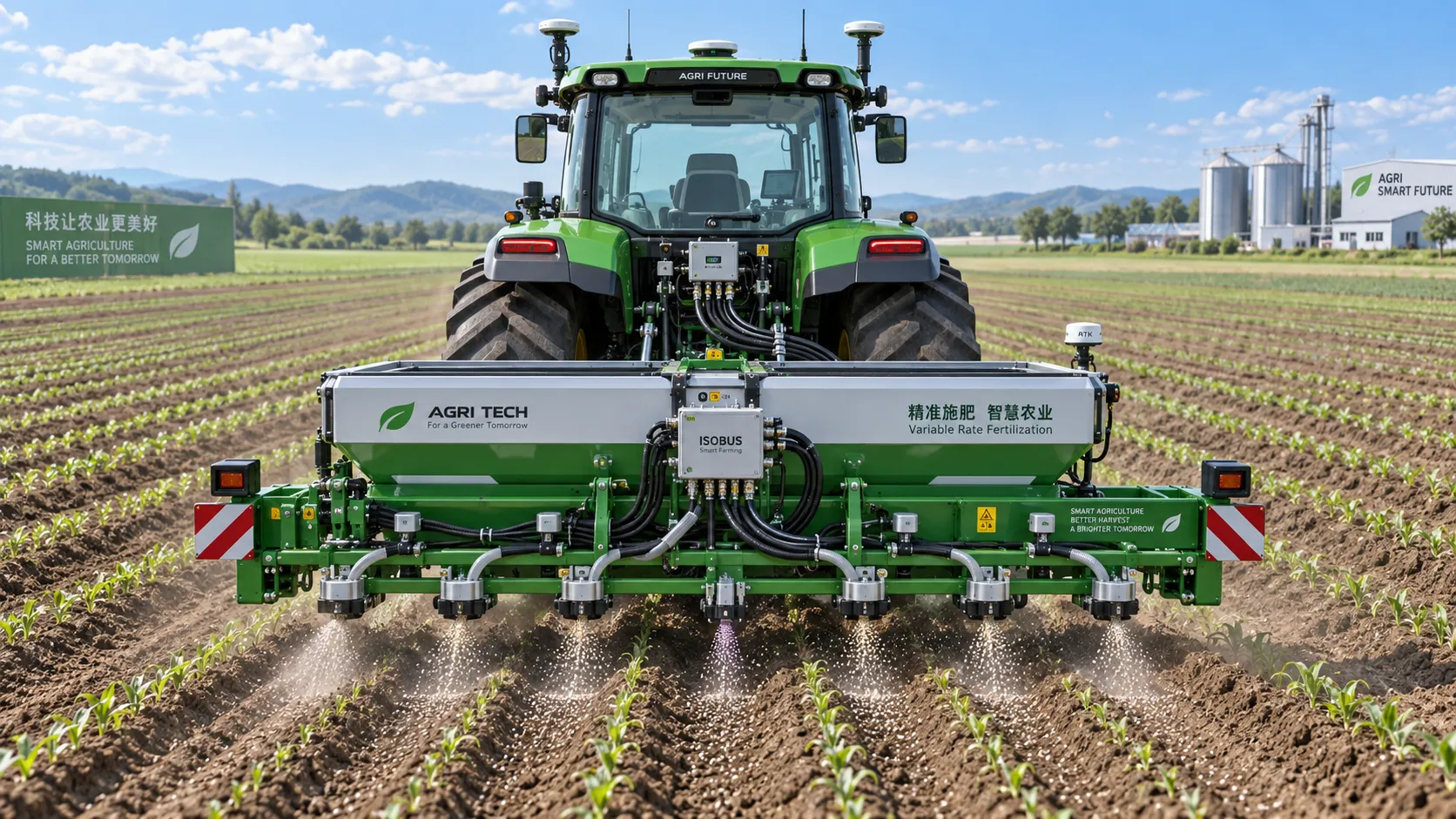
ISOBUS for Smart Agriculture: How It Connects Tractors, Implements, and Farm Data
ISOBUS for smart agriculture connects tractors, implements, terminals, and farm data—helping growers improve precision, documentation, and smarter field decisions.
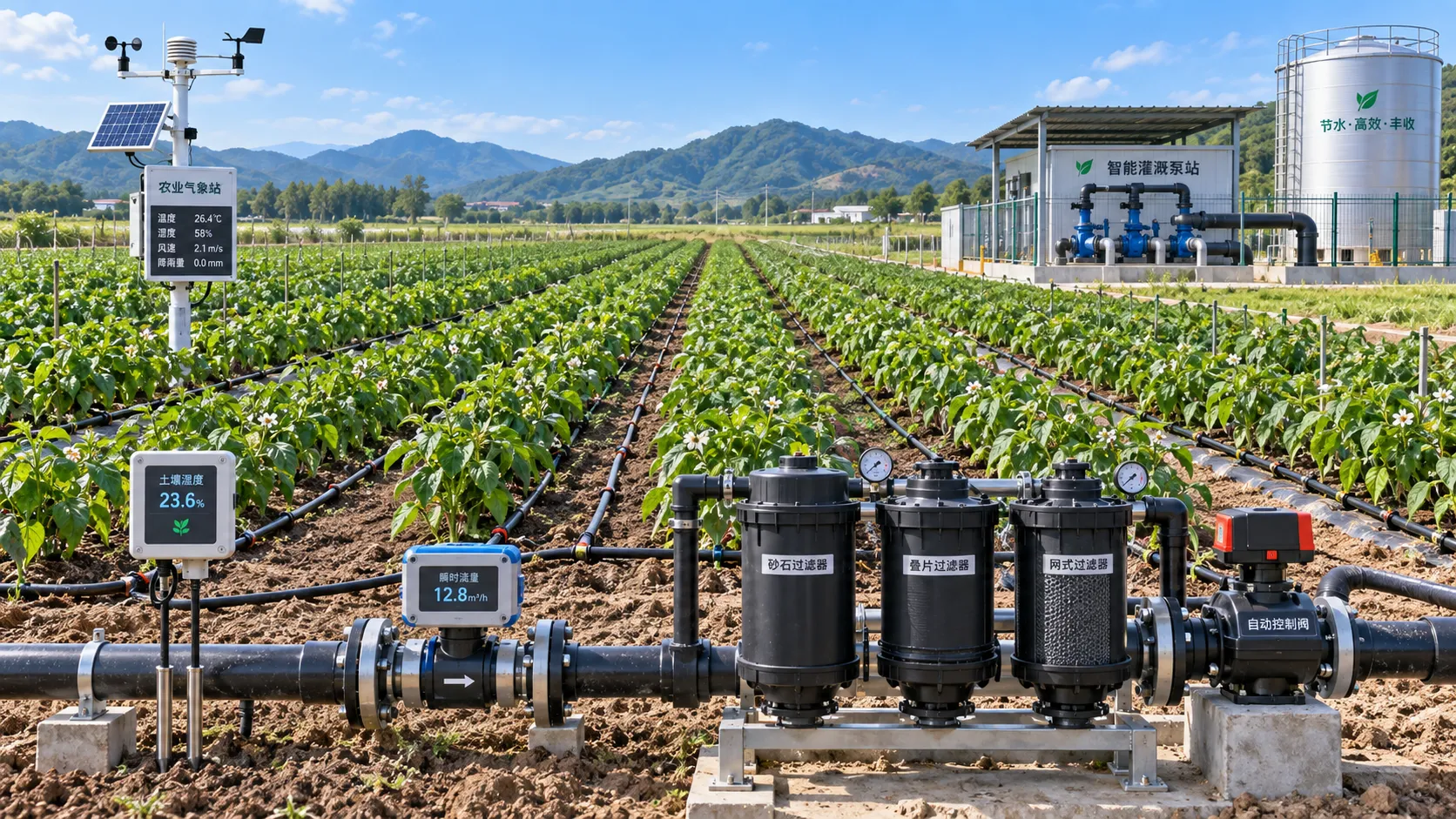
Automated Water-Saving Irrigation: How to Cut Water Use Without Reducing Crop Yields
Automated water-saving irrigation helps farms cut water use, protect crop yields, improve scheduling, and gain reliable control with sensors, flow monitoring, and smart zones.
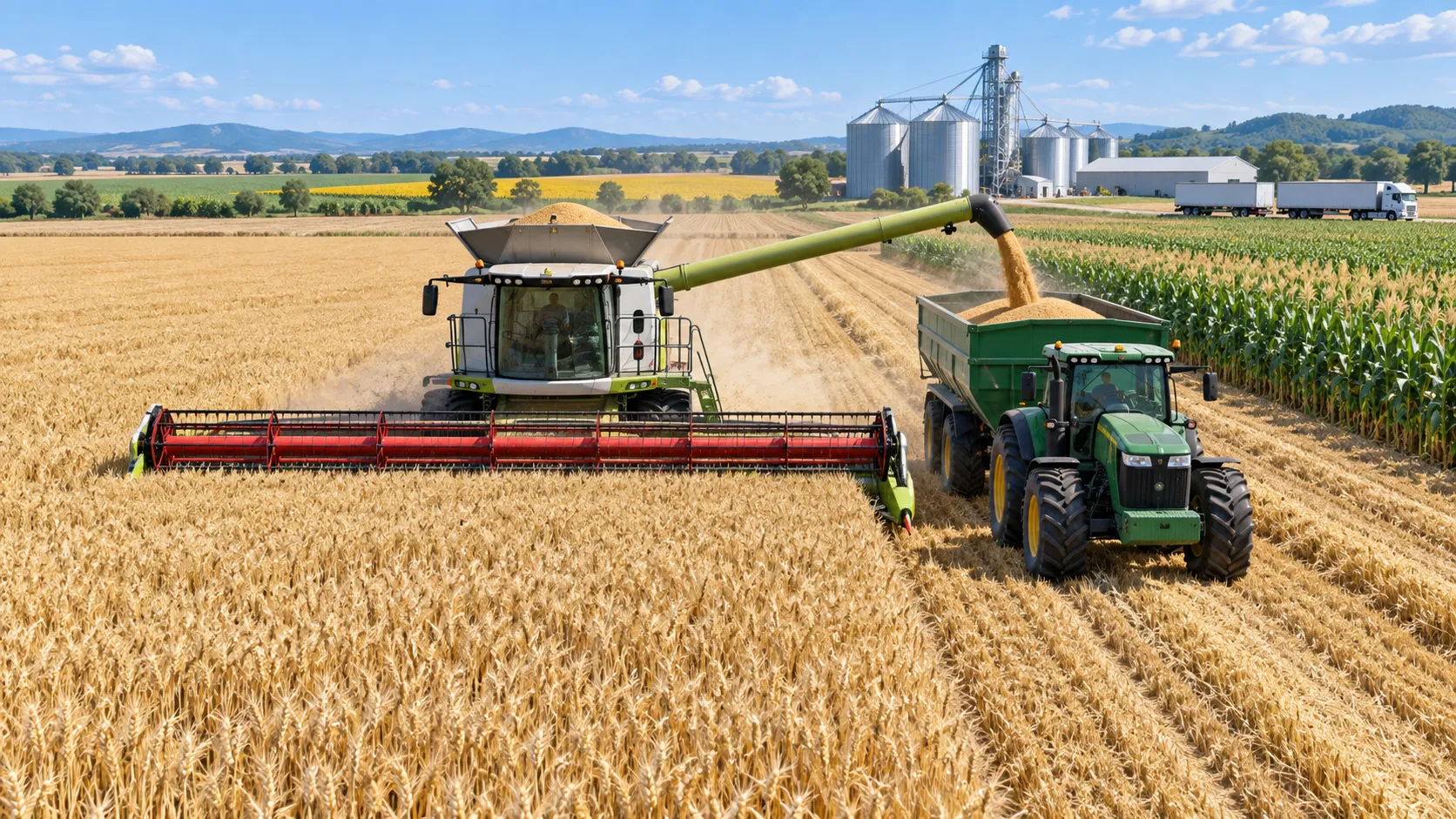
Selecting Grain Farm Equipment by Acreage, Crop Mix, and Harvest Window
Agricultural equipment selection for grain farming: match machinery to acreage, crop mix, and harvest windows to improve uptime, efficiency, and returns.
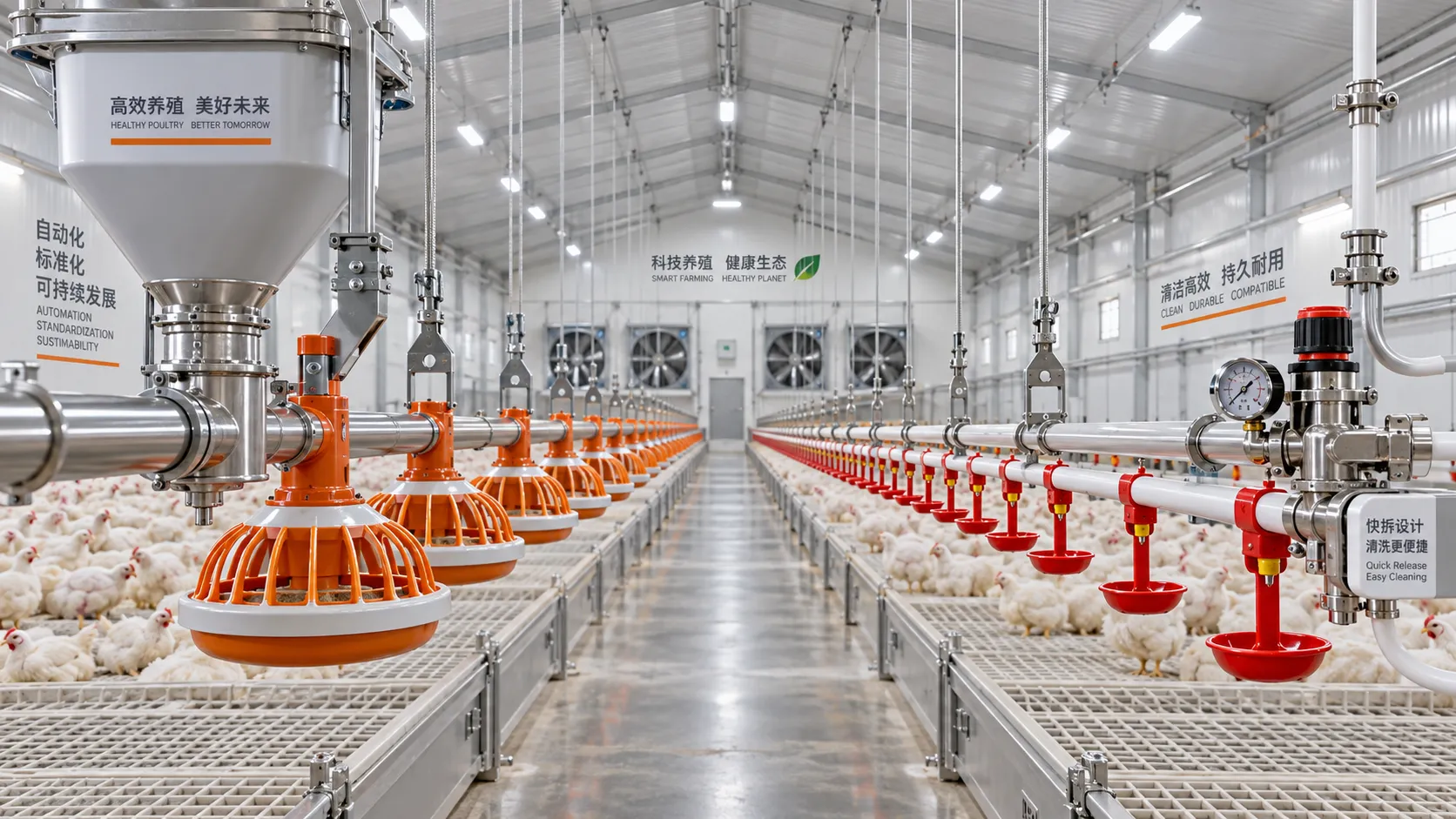
Poultry Equipment Selection: Evaluating Durability, Cleaning, and Compatibility
Poultry equipments selection guide: evaluate durability, cleaning access, and system compatibility to improve hygiene, reduce downtime, and support efficient flock management.
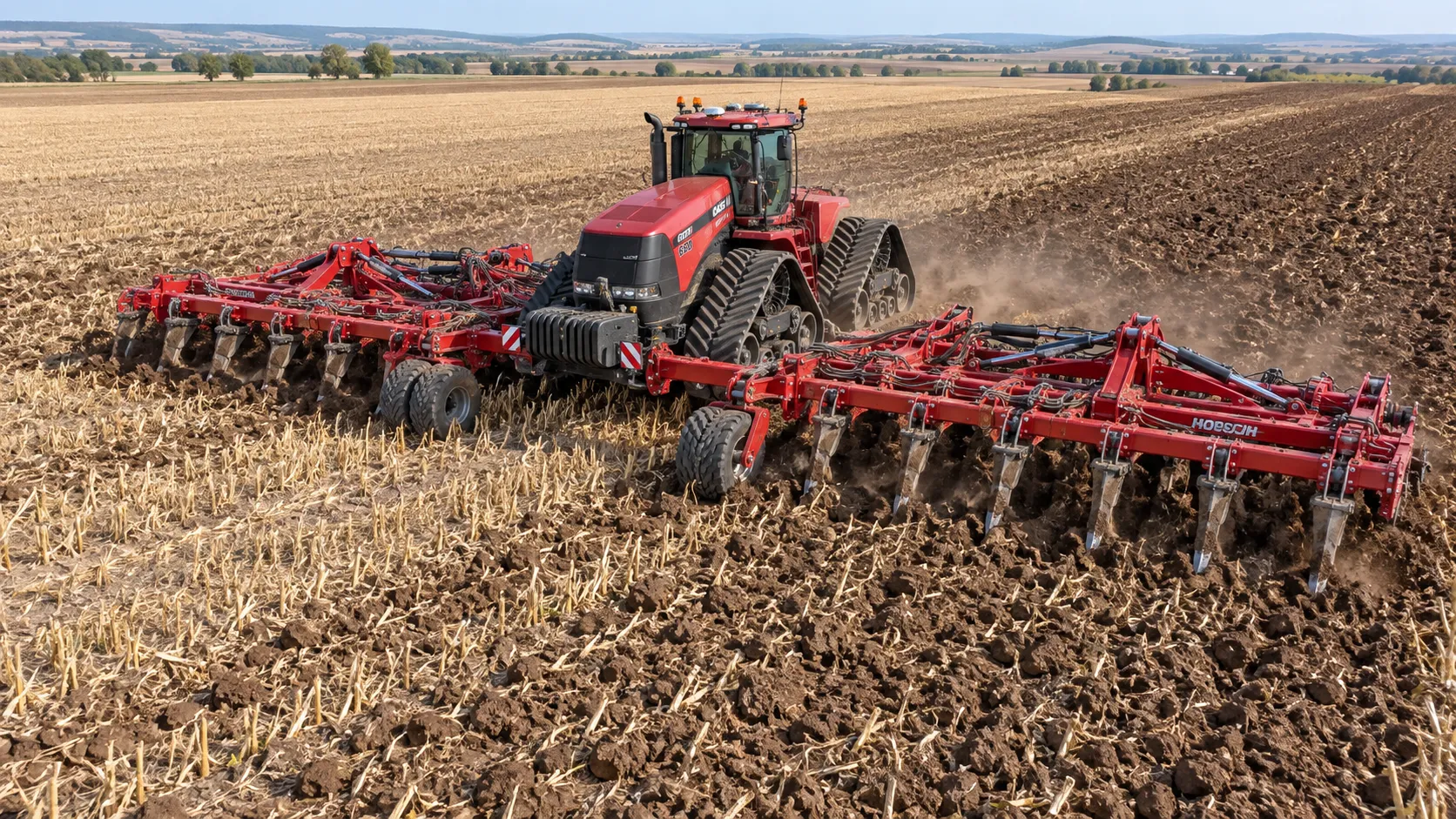
How to Select Heavy-Duty Farm Implements for High-Acreage, High-Horsepower Operations
Heavy duty farm implements: learn how to match draft, hydraulics, hitch capacity, frame strength, and field conditions for reliable high-acreage performance.
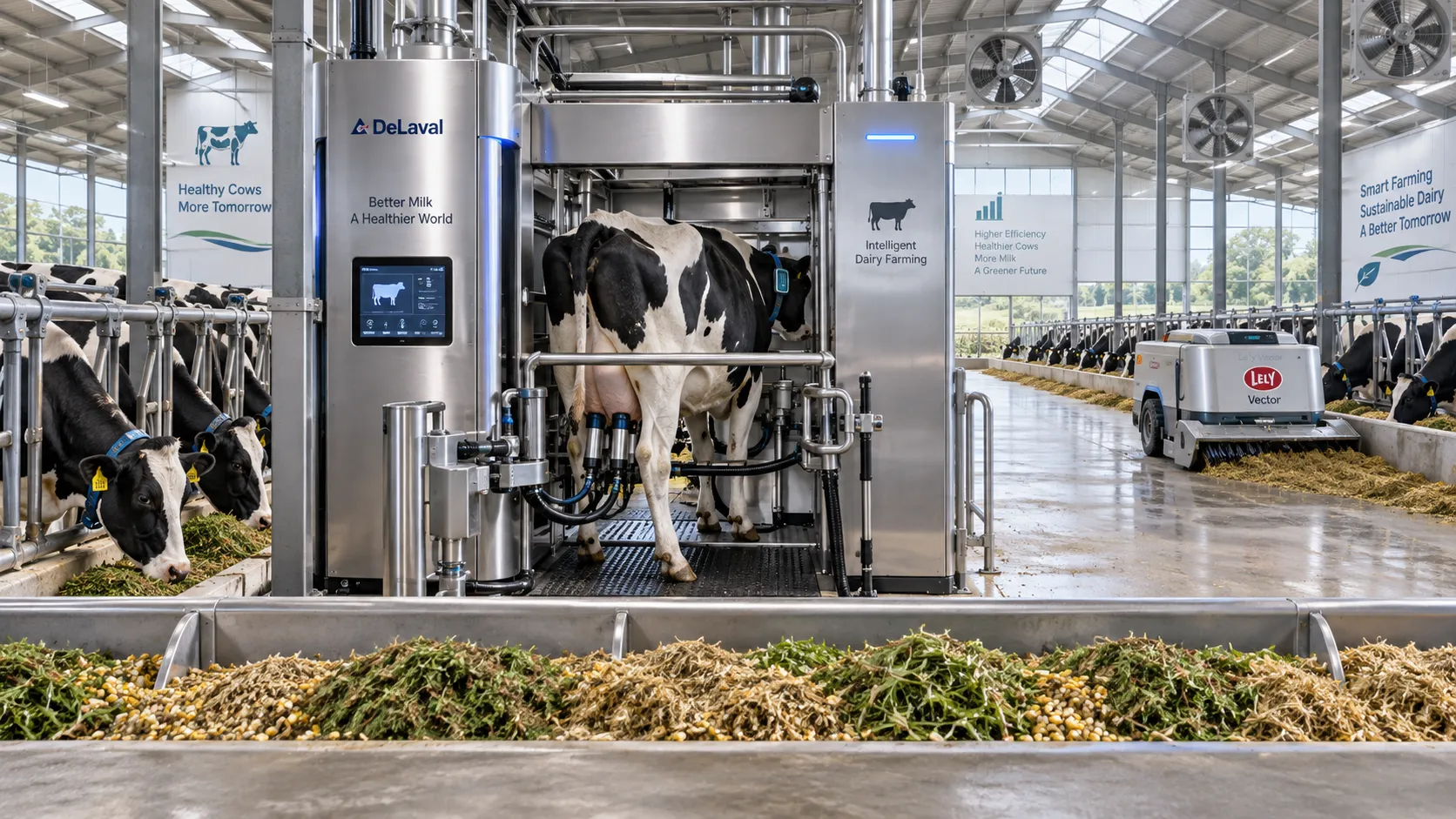
Smart Farming Technology for Dairy Farms: Where Automation Delivers Measurable ROI
Smart farming technology for dairy farms delivers measurable ROI through automation, precision feeding, health monitoring, and data-driven cost control.
Related News
- 00
0000-00
When Does Agricultural Machinery Leasing Cost Less Than Owning Equipment? - 00
0000-00
Selecting Grain Farm Equipment by Acreage, Crop Mix, and Harvest Window - 00
0000-00
Poultry Equipment Selection: Evaluating Durability, Cleaning, and Compatibility - 00
0000-00
How to Select Heavy-Duty Farm Implements for High-Acreage, High-Horsepower Operations - 00
0000-00
Smart Farming Technology for Dairy Farms: Where Automation Delivers Measurable ROI
Popular Tags
Ms. Elena Rodriguez
Weekly Insights
Stay ahead with our curated technology reports delivered every Monday.