
When Large-Scale Farm Equipment Lowers Costs and When It Doesn't
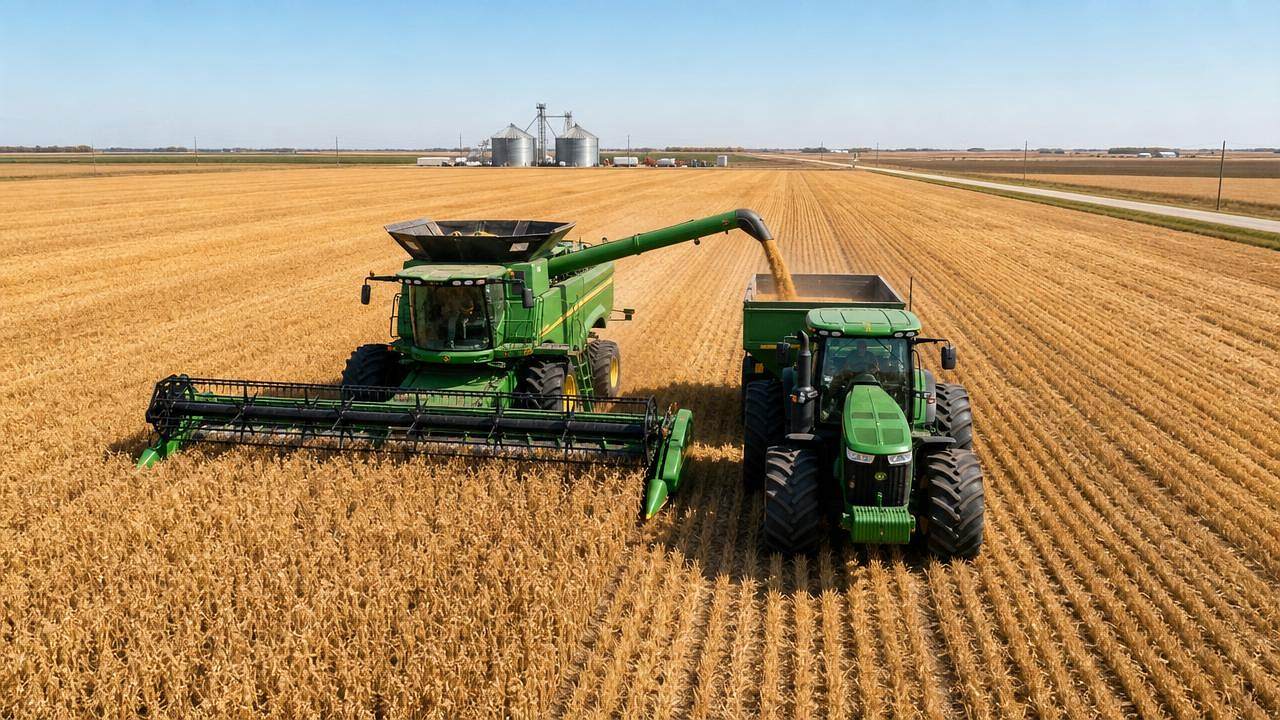




For finance approvers, investing in large-scale farm equipment is not simply a question of capacity—it is a test of payback, utilization, and risk control. In some operations, bigger machines sharply reduce labor, fuel, and harvest-loss costs; in others, they create underused assets and longer return cycles. This article examines when scale truly improves margins and when it weakens capital efficiency.
Why the cost equation around large-scale farm equipment is changing
The economics of large-scale farm equipment are no longer driven by horsepower alone. Across global agriculture, the decision to upsize now sits at the intersection of labor scarcity, field fragmentation, fuel volatility, interest rates, precision agriculture, and sustainability pressure. For years, the basic assumption was simple: larger machines spread fixed costs over more acres. That logic still holds in the right setting, but current market signals show that utilization quality matters more than machine size by itself.
This shift is especially relevant to finance teams. A large combine, high-capacity seeder, or heavy tractor may look efficient on a per-hour basis, yet still underperform on a per-season basis if downtime, transport delays, weather compression, or acreage inconsistency reduce actual operating days. In other words, large-scale farm equipment lowers costs when capacity matches agronomic timing and operating scale. It fails when procurement runs ahead of field logistics and revenue certainty.
The broader trend in Agriculture 4.0 reinforces this distinction. Smart guidance, telematics, and variable-rate tools can improve output from large platforms, but they also expose weak asset discipline. A connected machine that reports low seasonal utilization does not become more profitable because it is digital. It simply makes the inefficiency easier to measure.
The strongest trend signal: scale pays where time windows are tightening
One of the clearest market changes is the growing value of timeliness. Weather variability, shorter planting windows, and tighter harvest labor conditions have raised the cost of delay. In these cases, large-scale farm equipment can create savings that do not appear immediately in purchase-price comparisons. Faster field completion may reduce crop loss, preserve grain quality, avoid overtime labor, and lower the cost of multiple machine passes.
This is why large equipment often performs best in broadacre grain systems, custom harvesting networks, and enterprises managing geographically concentrated acreage. If the machine protects revenue by finishing critical operations on time, its economic value extends beyond direct operating expense. Finance approvers should therefore examine avoided losses, not only visible costs such as labor and fuel.
Trend comparison: where the economics are moving
When large-scale farm equipment clearly lowers costs
The best-performing cases share a few practical traits. First, acreage is large enough and organized enough to keep the machine working close to intended throughput. Second, the operation faces high penalty costs from delay. Third, support systems such as transport, maintenance, fuel supply, and trained operators are ready. Under these conditions, large-scale farm equipment often produces measurable financial advantages.
- High annual utilization: fixed ownership costs are diluted across more productive hours or acres.
- Reduced labor intensity: one operator can cover more land in less time.
- Lower crop risk: timely planting and harvesting reduce quality loss and field exposure.
- Fewer machine passes: larger working widths can reduce overlap, compaction events, and fuel waste.
- Better fit for precision systems: auto-steer, sensors, and section control often create stronger returns at scale.
A finance approver should pay special attention to operations where logistics have already matured. If grain handling, road access, storage flow, and field routing are well planned, a larger machine does not sit idle waiting for supporting assets. In such environments, large-scale farm equipment behaves like a productivity multiplier rather than a capital burden.
When bigger machines stop lowering costs
The opposite pattern appears when machine capacity exceeds operational reality. This happens frequently in mixed farm structures, fragmented field maps, or businesses that buy for image, future ambition, or supplier pressure rather than current workload. In these cases, large-scale farm equipment may lower unit cost in theory while raising total cost in practice.
Several warning signs matter. Small or irregular fields reduce effective field speed. Long transport distances between parcels create nonproductive time. Wet soils or weaker roads can restrict machine access. If local service support is limited, downtime costs rise. And when financing costs are high, even a short period of underuse can materially weaken return on invested capital.
Another common failure point is mismatched system scaling. Buying a larger harvester without sufficient grain carts, trucks, unloading capacity, or storage handling often shifts the bottleneck rather than removing it. The machine itself may be efficient, but the operation remains constrained. For a finance decision-maker, this is critical: cost reduction only occurs when the whole workflow scales together.
Typical conditions where scale weakens capital efficiency
The hidden drivers finance approvers should evaluate now
Current procurement decisions are being reshaped by more than farm size. Financing teams should evaluate at least five drivers before approving large-scale farm equipment. The first is annual utilization realism. Use actual field calendars, not optimistic assumptions. The second is system compatibility: can transport, storage, irrigation timing, and labor planning absorb the machine’s capacity? The third is operating flexibility: can the equipment serve multiple crops, seasons, or service revenue streams?
The fourth driver is data visibility. Telematics, machine health monitoring, and route analytics now make it easier to confirm whether a larger machine is truly reducing cost per acre. The fifth is residual value resilience. In uncertain markets, exit value matters. Large-scale farm equipment with strong dealer support, parts access, and broad buyer demand can reduce long-term balance sheet risk compared with specialized assets that are harder to resell.
This is also where AP-Strategy’s intelligence lens becomes useful. In the Agriculture 4.0 environment, mechanical scale and digital scale are merging. A machine should not be assessed only as iron in the field, but as a node in a broader operating system that includes precision guidance, harvest-loss control, and resource-efficiency targets.
Who feels the impact most strongly
Not every stakeholder experiences the same risk or reward from large-scale farm equipment. The impact varies by role and business model, which is why approvals should involve more than procurement alone.
What to watch next: the market is rewarding flexible scale
A notable direction in the market is the move from simple upsizing to flexible scaling. Farms and agribusinesses increasingly prefer equipment strategies that preserve optionality: lease structures, mixed fleets, shared ownership, custom hire partnerships, and modular precision upgrades. This reflects a more disciplined response to uncertainty in commodity prices, rainfall, labor availability, and borrowing conditions.
That does not mean large-scale farm equipment is losing relevance. It means approvals are becoming more conditional. The winning decision model is less about owning the biggest machine and more about securing the right throughput at the right risk level. Enterprises that can combine large-platform efficiency with strong scheduling, machine data, and regional service support are likely to outperform those that pursue size without operational proof.
Practical judgment framework before approval
Before approving large-scale farm equipment, finance teams should request evidence in five areas. First, a utilization case based on actual acres, field shapes, and crop calendars. Second, a workflow map showing whether transport, irrigation, storage, and maintenance can keep pace. Third, a downside scenario for weak seasons or lower acreage. Fourth, a comparison between ownership, leasing, and outsourced service models. Fifth, a measurable post-purchase review plan using operating data.
These checks improve decision quality because they convert scale from a sales narrative into a testable business case. They also align with the broader trend in agricultural investment: asset decisions are being evaluated not only for productivity, but for resilience, resource efficiency, and capital discipline.
Final judgment: cost reduction comes from fit, not size alone
The strongest conclusion is clear. Large-scale farm equipment lowers costs when it is matched to concentrated acreage, compressed time windows, reliable support systems, and data-led operations. It does not lower costs when it is oversized for the field network, isolated from workflow constraints, or financed without enough room for seasonal volatility.
If your business wants to judge whether current industry changes favor a larger equipment strategy, focus on three questions: where is delay now destroying value, how consistently can the asset be utilized, and which surrounding bottlenecks would still remain after purchase? For finance approvers, those answers matter more than the machine’s peak capacity. In today’s market, better margins come from operational fit, not from scale alone.
Related News
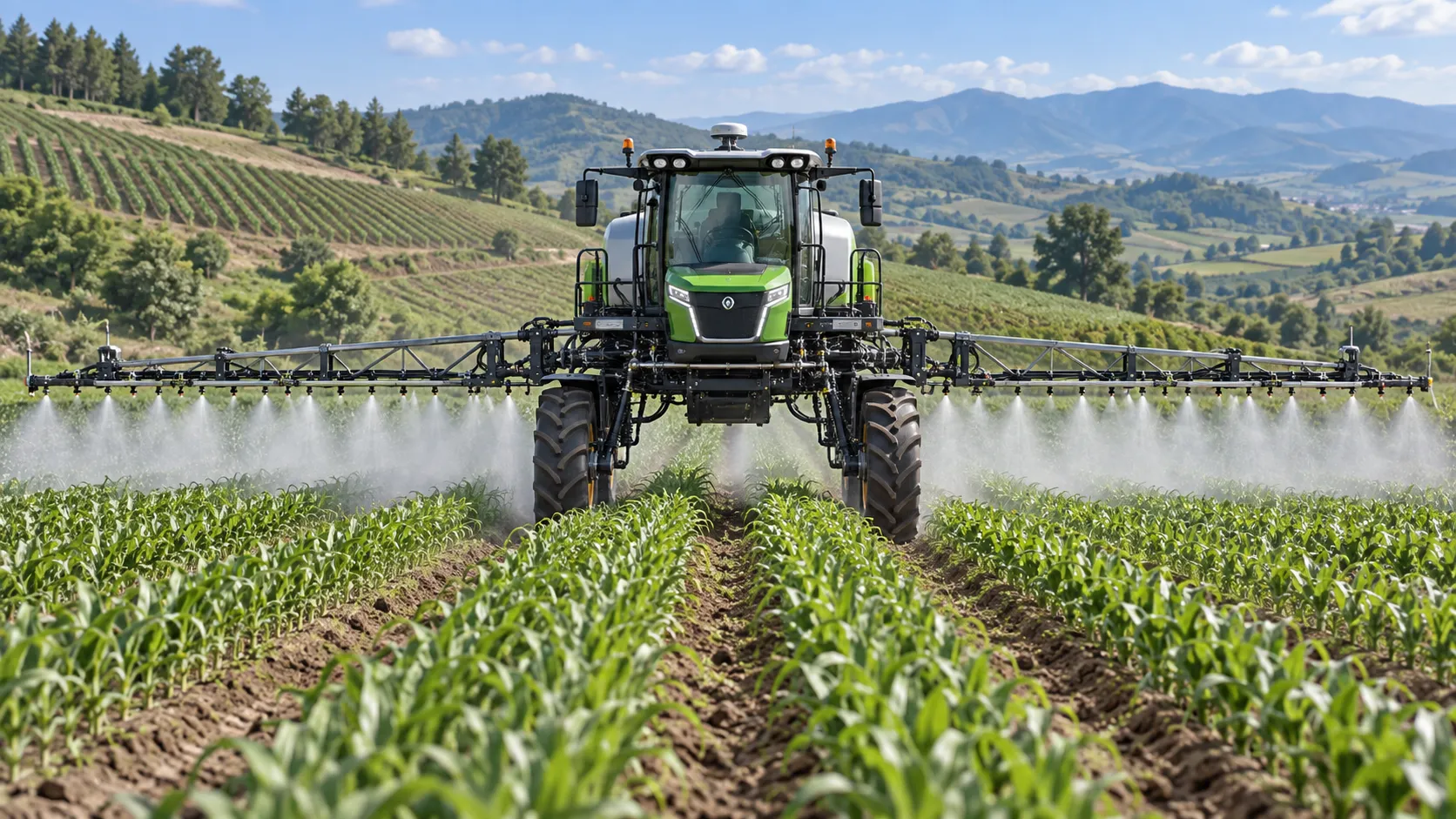
How to Select Precision Crop Protection Equipment for Variable Field Conditions
Precision crop protection equipment selection made simple: compare terrain, canopy, weather, control accuracy, and data workflows for reliable applications.
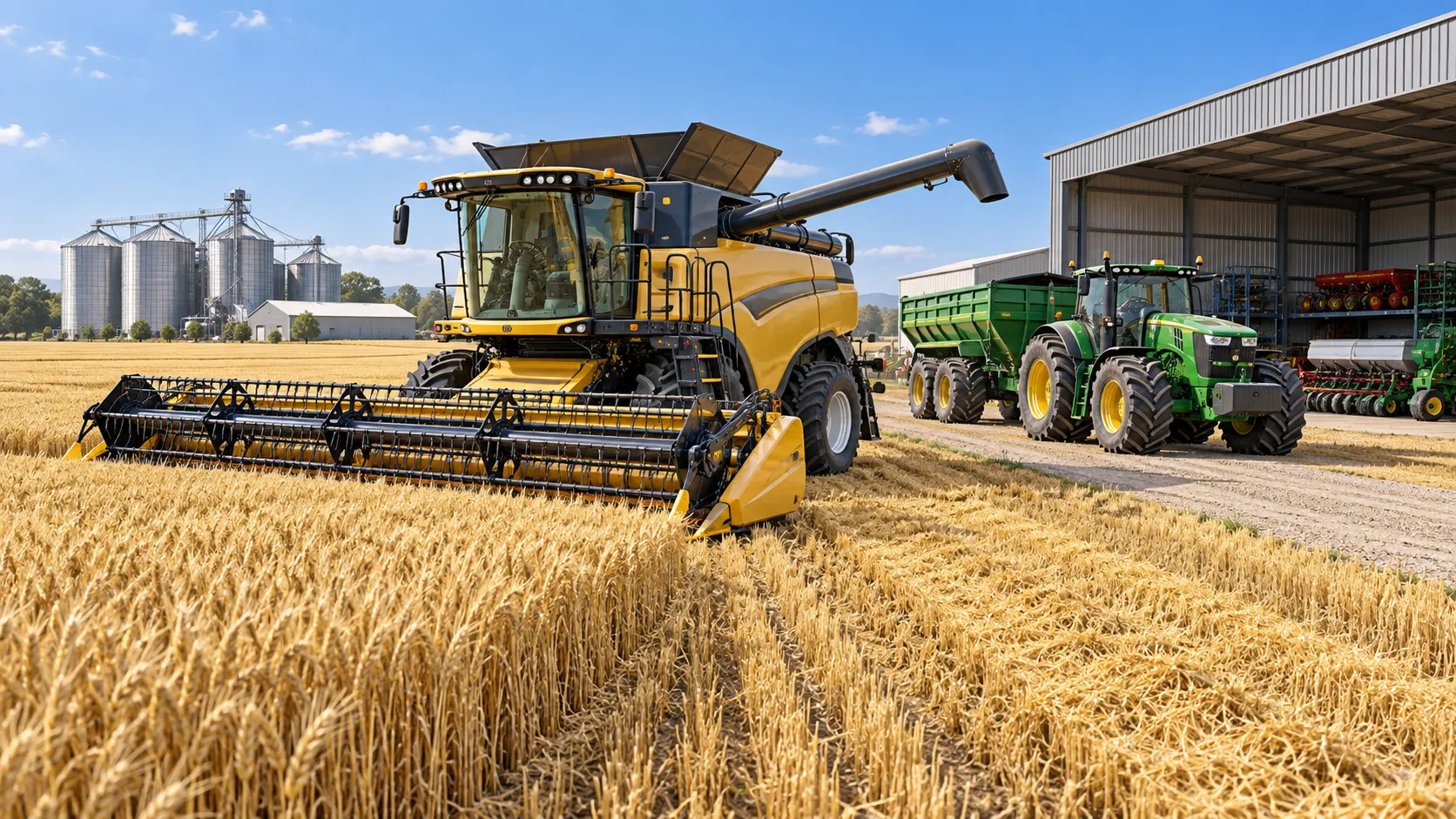
When Does Agricultural Machinery Leasing Cost Less Than Owning Equipment?
Agricultural machinery leasing can lower farm costs when use is seasonal or uncertain. Compare utilization, maintenance, cash flow, and risk to make a smarter equipment decision.
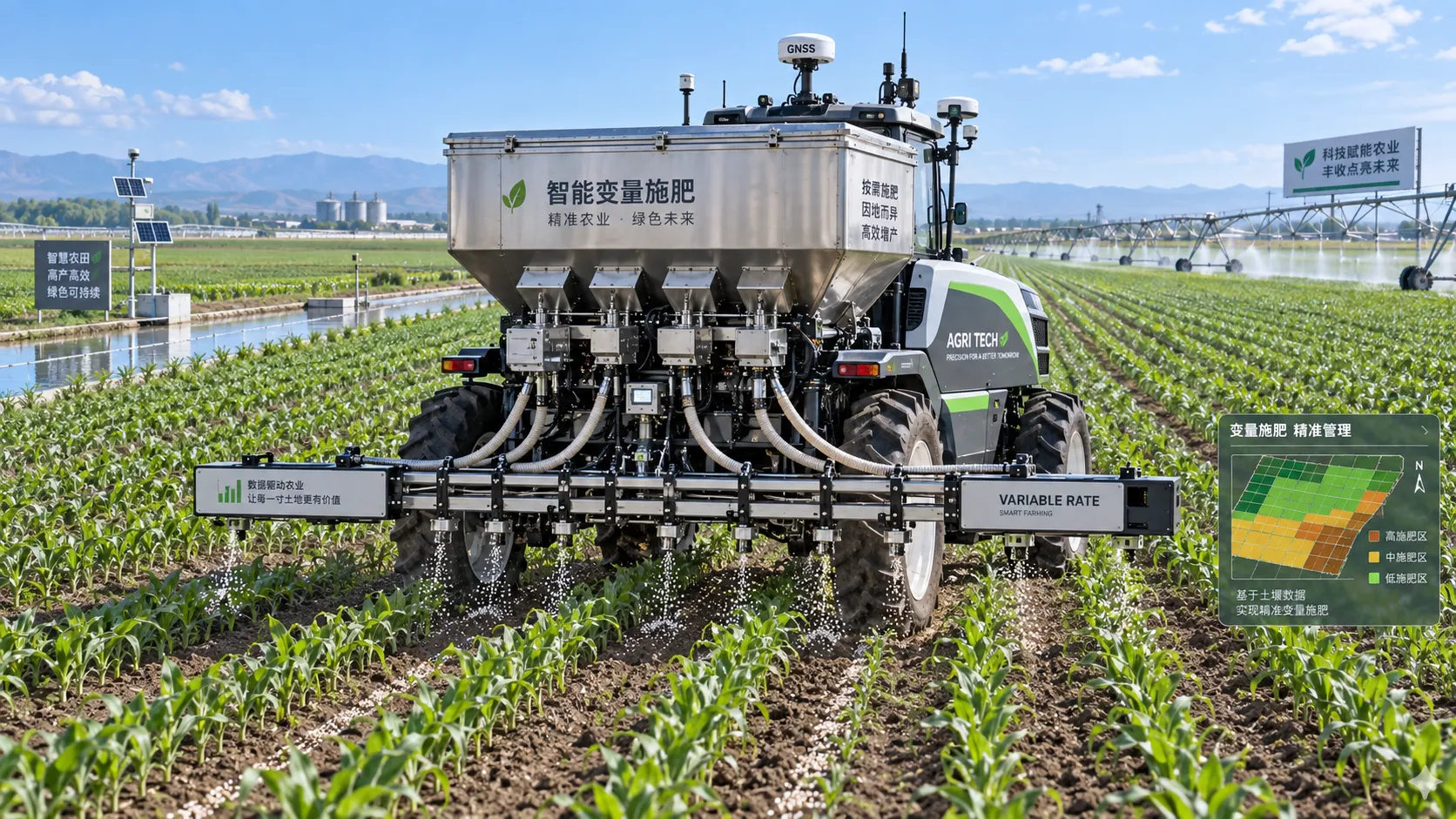
How to Evaluate Precision Fertilization System Suppliers for Farm-Scale Deployment
Precision fertilization systems suppliers: learn how to compare accuracy, integration, uptime, service, and total cost for confident farm-scale deployment.
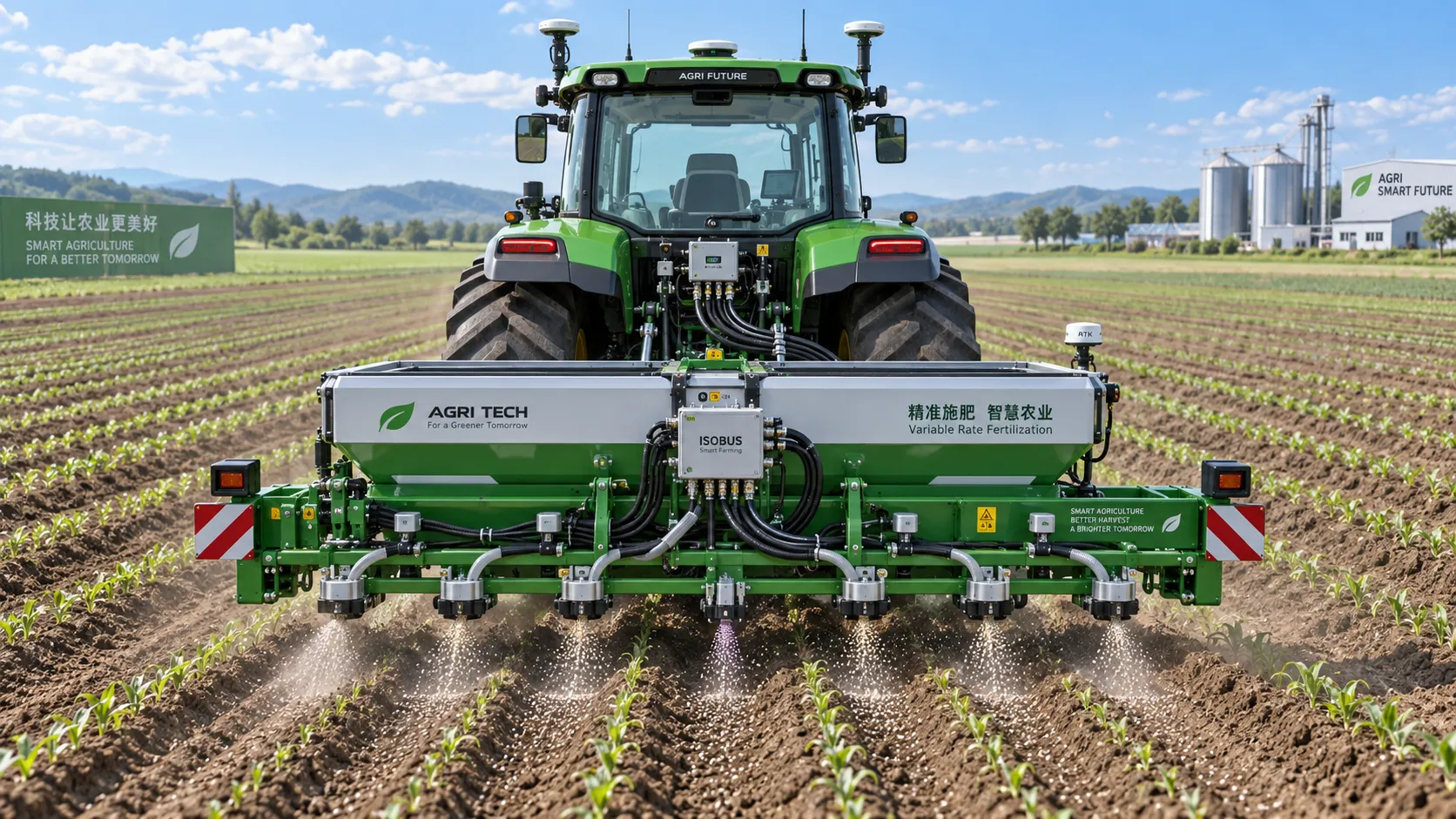
ISOBUS for Smart Agriculture: How It Connects Tractors, Implements, and Farm Data
ISOBUS for smart agriculture connects tractors, implements, terminals, and farm data—helping growers improve precision, documentation, and smarter field decisions.
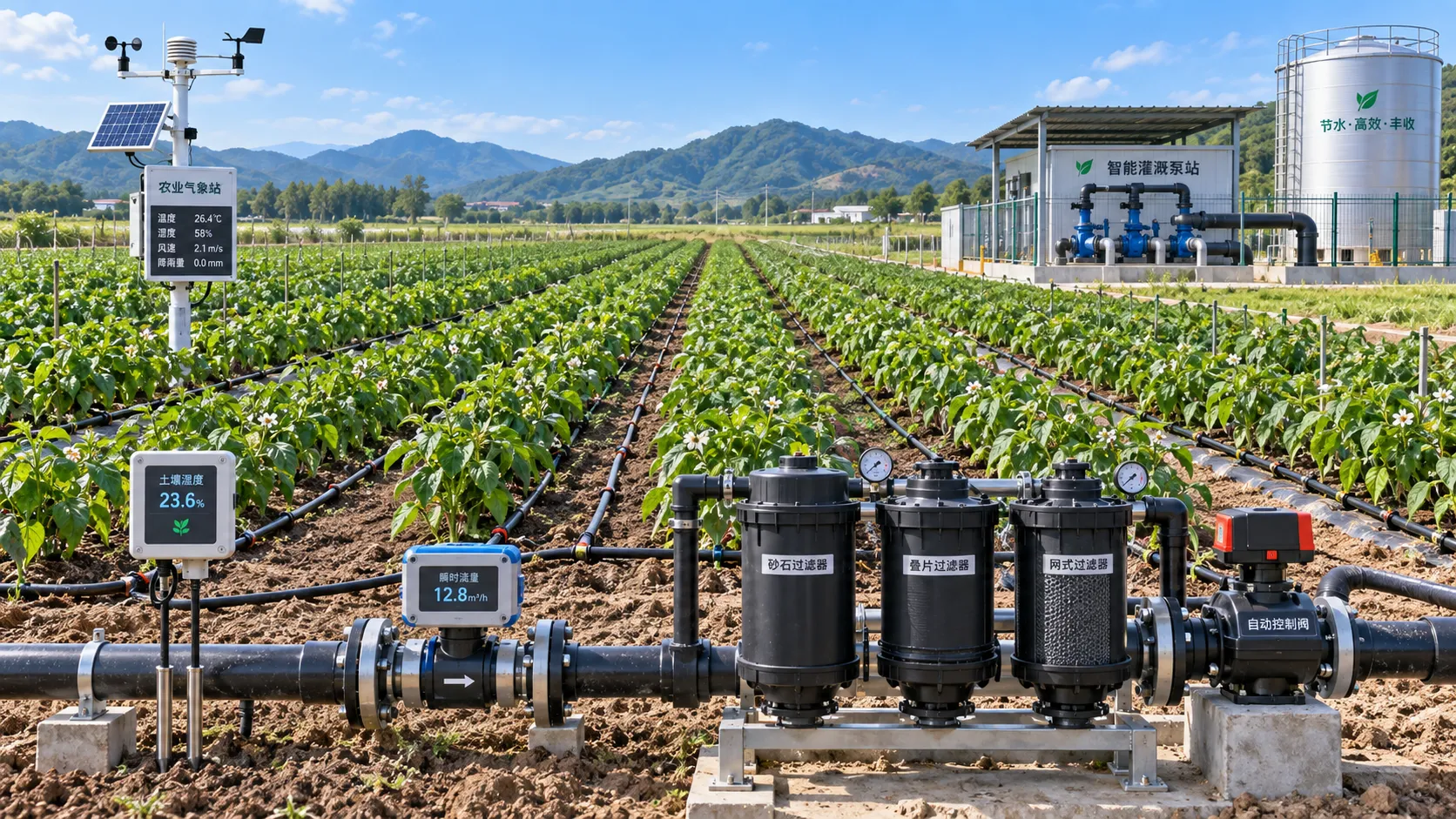
Automated Water-Saving Irrigation: How to Cut Water Use Without Reducing Crop Yields
Automated water-saving irrigation helps farms cut water use, protect crop yields, improve scheduling, and gain reliable control with sensors, flow monitoring, and smart zones.
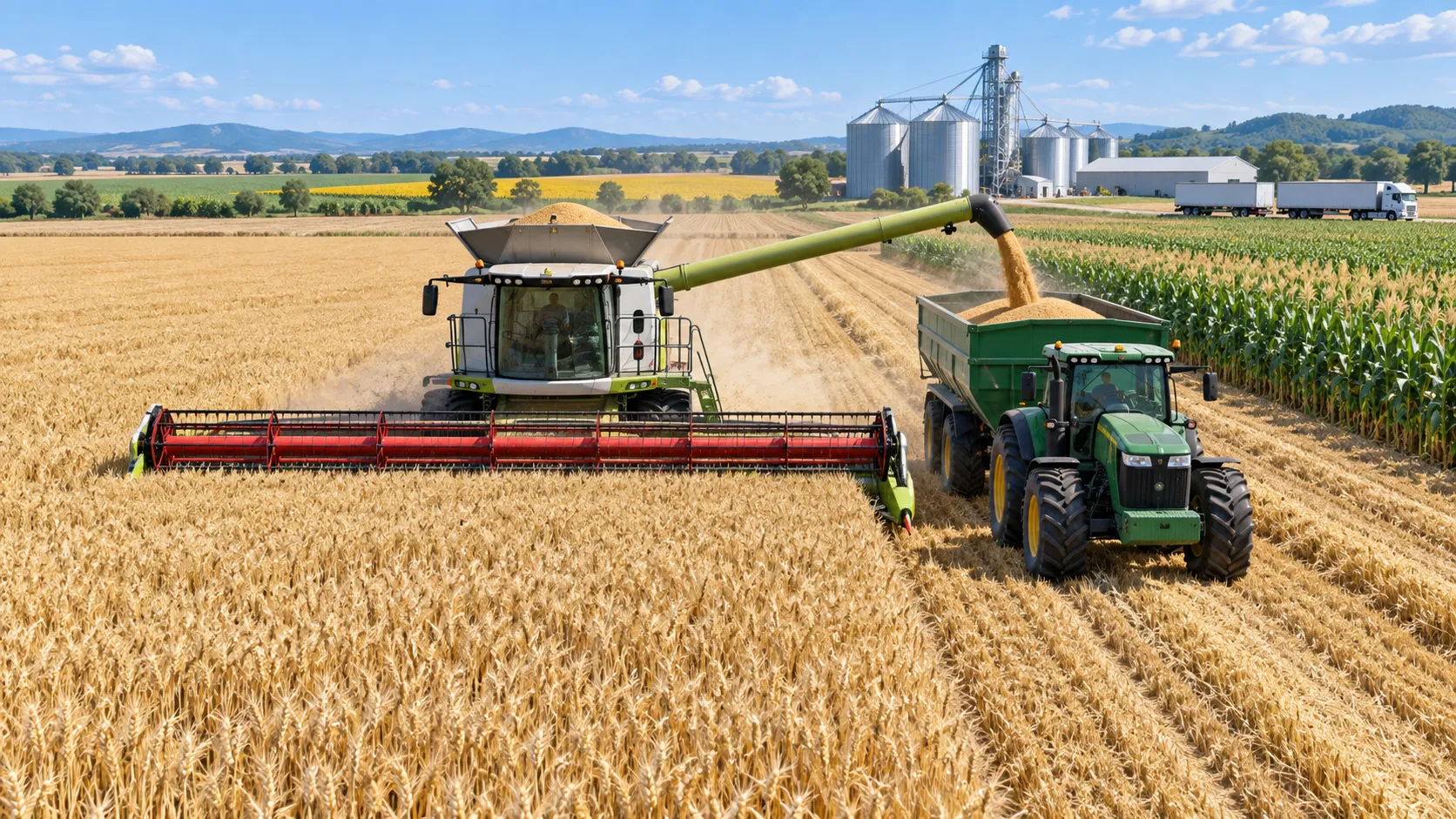
Selecting Grain Farm Equipment by Acreage, Crop Mix, and Harvest Window
Agricultural equipment selection for grain farming: match machinery to acreage, crop mix, and harvest windows to improve uptime, efficiency, and returns.
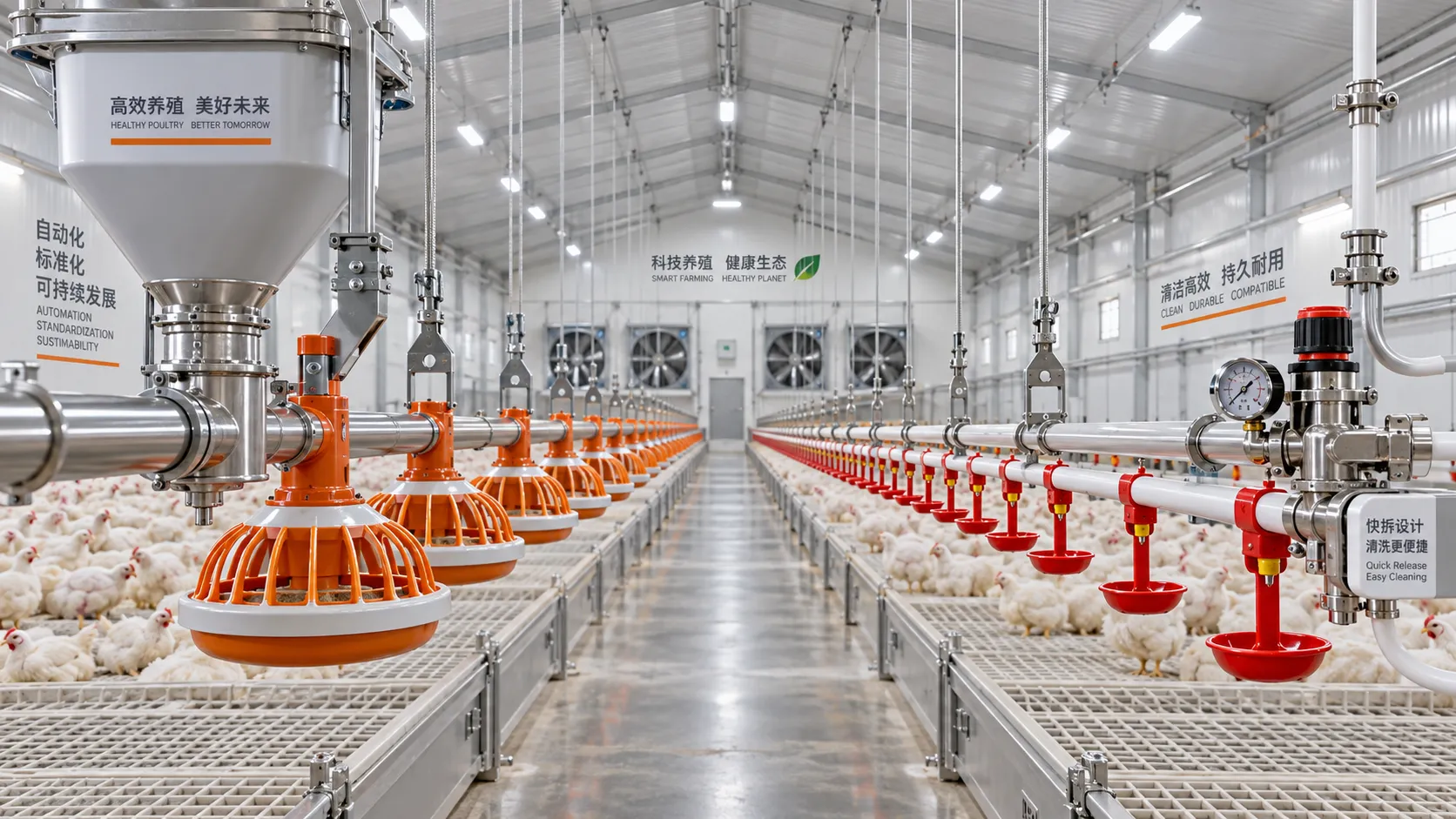
Poultry Equipment Selection: Evaluating Durability, Cleaning, and Compatibility
Poultry equipments selection guide: evaluate durability, cleaning access, and system compatibility to improve hygiene, reduce downtime, and support efficient flock management.
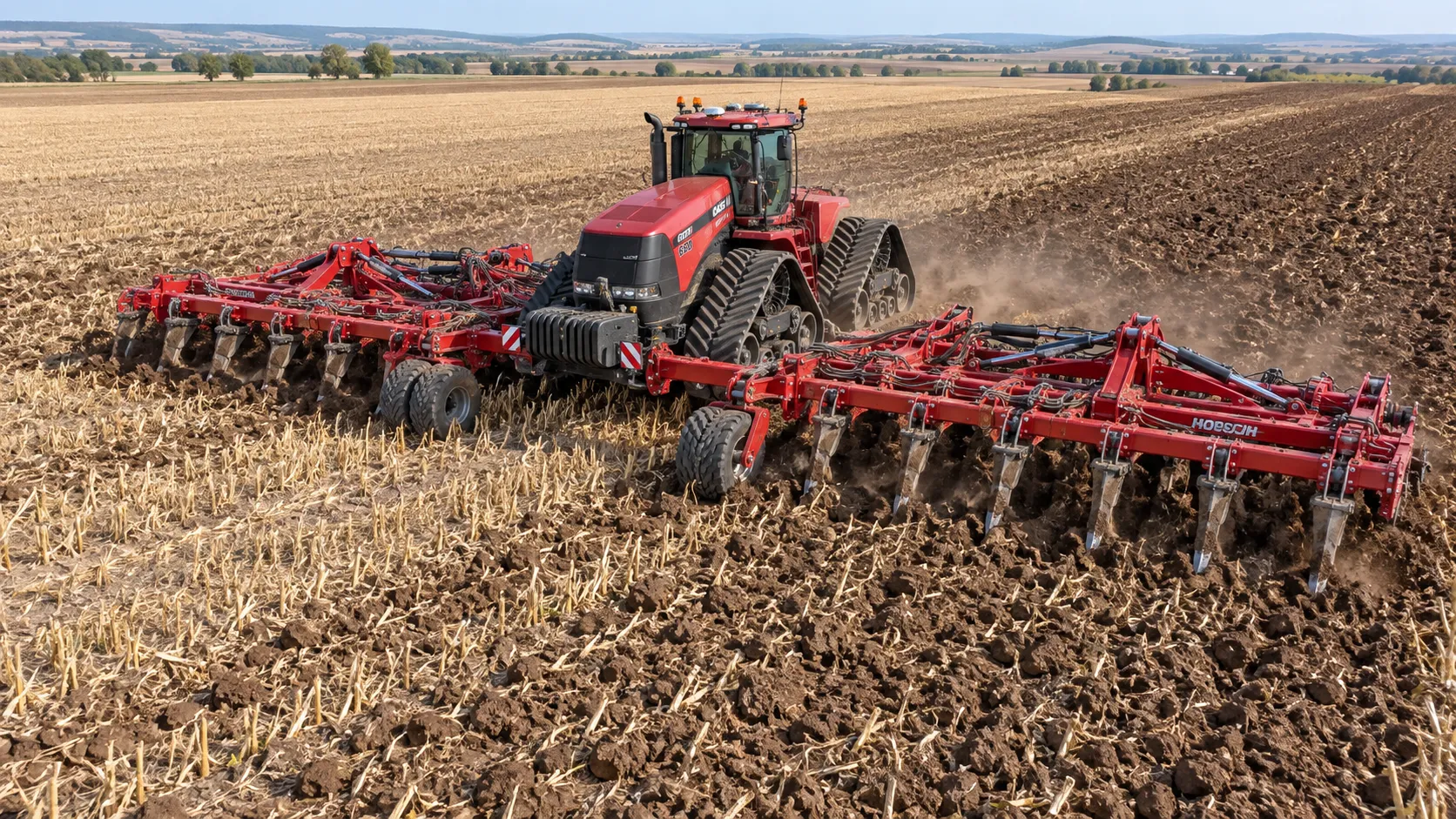
How to Select Heavy-Duty Farm Implements for High-Acreage, High-Horsepower Operations
Heavy duty farm implements: learn how to match draft, hydraulics, hitch capacity, frame strength, and field conditions for reliable high-acreage performance.
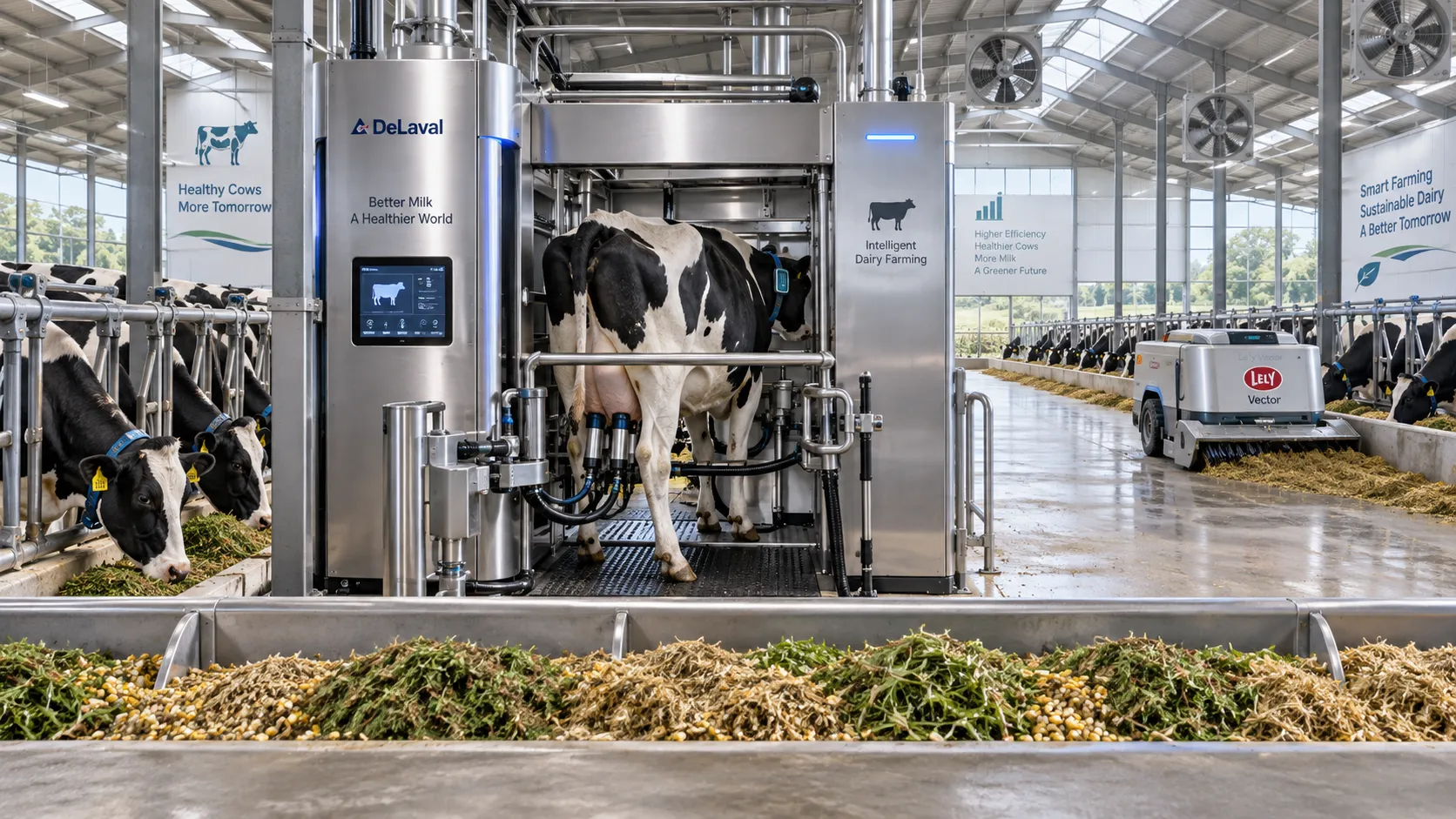
Smart Farming Technology for Dairy Farms: Where Automation Delivers Measurable ROI
Smart farming technology for dairy farms delivers measurable ROI through automation, precision feeding, health monitoring, and data-driven cost control.
Related News
- 00
0000-00
When Does Agricultural Machinery Leasing Cost Less Than Owning Equipment? - 00
0000-00
Selecting Grain Farm Equipment by Acreage, Crop Mix, and Harvest Window - 00
0000-00
Poultry Equipment Selection: Evaluating Durability, Cleaning, and Compatibility - 00
0000-00
How to Select Heavy-Duty Farm Implements for High-Acreage, High-Horsepower Operations - 00
0000-00
Smart Farming Technology for Dairy Farms: Where Automation Delivers Measurable ROI
Popular Tags
Ms. Elena Rodriguez
Weekly Insights
Stay ahead with our curated technology reports delivered every Monday.