
China's April 2026 Manufacturing PMI at 50.3%: Implications for Agricultural Machinery Export Capacity





On April 30, 2026, China’s National Bureau of Statistics reported a manufacturing Purchasing Managers’ Index (PMI) of 50.3%, marking the second consecutive month in expansion territory. This indicator is especially relevant for international buyers of large-scale agricultural machinery—including self-propelled sprayers, intelligent seeders, and combine harvester chassis—as it reflects current production capacity, component supply stability, and order fulfillment reliability from Chinese manufacturers.
Event Overview
According to official data released by China’s National Bureau of Statistics on April 30, 2026, the country’s manufacturing PMI stood at 50.3%. The figure remains above the 50-point threshold separating expansion from contraction, indicating continued growth in industrial output and supply chain resilience. No further breakdowns or revisions were provided in the initial release.
Industries Affected
Direct Trading Enterprises
Importers and distributors of Chinese-made agricultural machinery rely on PMI as a leading indicator of production pacing and delivery predictability. A sustained expansion-level reading suggests reduced risk of shipment delays for Q2 2026 orders—particularly for high-value, engineered equipment requiring integrated assembly and calibration.
Raw Material Procurement Firms
Suppliers of structural steel, hydraulic components, and precision electronics used in agricultural machinery manufacturing may observe steadier demand signals. While the PMI does not specify input procurement volumes, its consistency over two months supports assumptions of stable upstream ordering patterns from OEMs.
Contract Manufacturing & Assembly Providers
Firms engaged in sub-assembly or final integration of imported subsystems (e.g., GPS-guided control units, variable-rate application modules) benefit from improved visibility into host OEM production schedules. Stable PMI readings correlate with fewer last-minute line stoppages or engineering change requests affecting build timelines.
Supply Chain & Logistics Service Providers
Cargo forwarders, customs brokers, and inland haulage operators serving agricultural machinery exporters can use the PMI trend to calibrate capacity planning for container availability, port congestion forecasting, and documentation turnaround windows—especially for time-sensitive seasonal shipments ahead of Northern Hemisphere planting windows.
What Relevant Enterprises or Practitioners Should Monitor and Do
Track follow-up official commentary and sector-specific sub-indexes
The headline PMI aggregates multiple components. Enterprises should monitor upcoming releases of sub-indices—particularly new export orders, supplier deliveries, and employment—to assess whether expansion is broad-based or concentrated in domestic-facing segments.
Focus on lead times and inventory positioning for key product categories
Given the explicit mention of self-propelled sprayers, intelligent seeders, and combine harvester chassis in the official summary, importers should prioritize lead-time verification for these models—not just overall factory output—and adjust safety stock levels accordingly ahead of peak demand periods.
Distinguish between policy signaling and operational execution
A stable PMI reflects current conditions—not future commitments. Buyers should treat this as confirmation of near-term delivery capability, not as assurance of price stability, tariff treatment, or regulatory compliance readiness for destination markets.
Prepare documentation and logistics coordination in advance
With Q2 import scheduling now underway, firms should finalize letters of credit, pre-clearance filings, and inland transport bookings earlier than usual—leveraging the PMI’s implication of predictable output timing to avoid bottlenecks during mid-year shipping surges.
Editorial Perspective / Industry Observation
Observably, the April 2026 PMI reading functions primarily as a confidence signal—not yet a structural shift. Analysis shows it confirms continuity in manufacturing execution rather than signaling acceleration or diversification. From an industry perspective, it is more meaningfully interpreted as validation of existing export capacity than as evidence of new market penetration or technological upgrade velocity. Continued monitoring is warranted because two months of expansion, while encouraging, remain insufficient to confirm resilience against external demand fluctuations or input cost volatility later in the year.
This update holds practical significance for stakeholders managing cross-border agricultural equipment supply chains. It offers measurable grounding for short-term operational decisions—particularly around order timing, inventory buffers, and logistics sequencing—but does not alter medium-term strategic assumptions about trade policy, regional competition, or technology adoption curves. Currently, it is better understood as a stabilizing reference point within ongoing supply chain planning cycles—not as a catalyst for major recalibration.
Source: National Bureau of Statistics of China (released April 30, 2026). Note: Sub-index data (e.g., new export orders, supplier delivery times) are scheduled for separate release and remain pending observation.
Related News
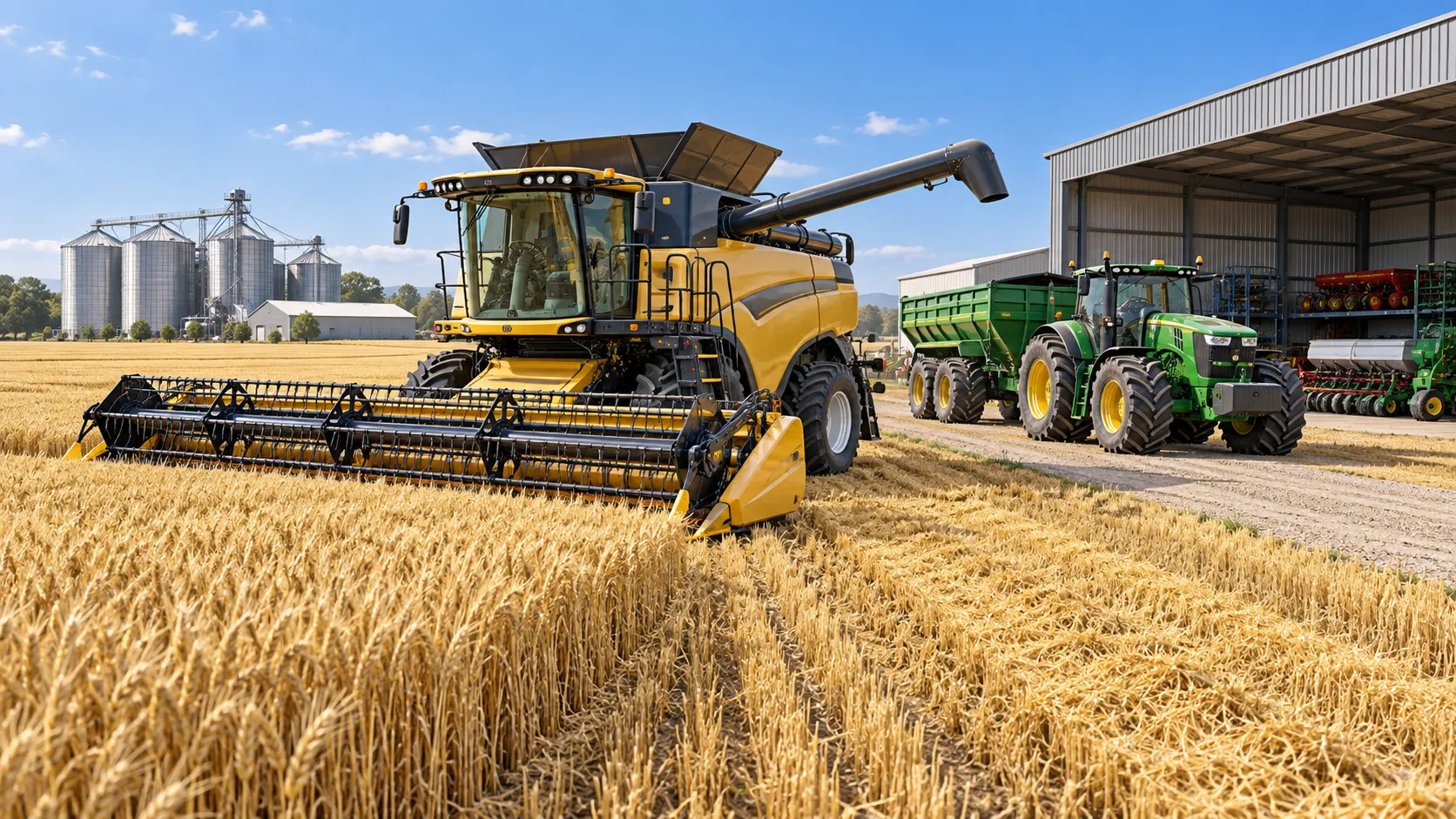
When Does Agricultural Machinery Leasing Cost Less Than Owning Equipment?
Agricultural machinery leasing can lower farm costs when use is seasonal or uncertain. Compare utilization, maintenance, cash flow, and risk to make a smarter equipment decision.
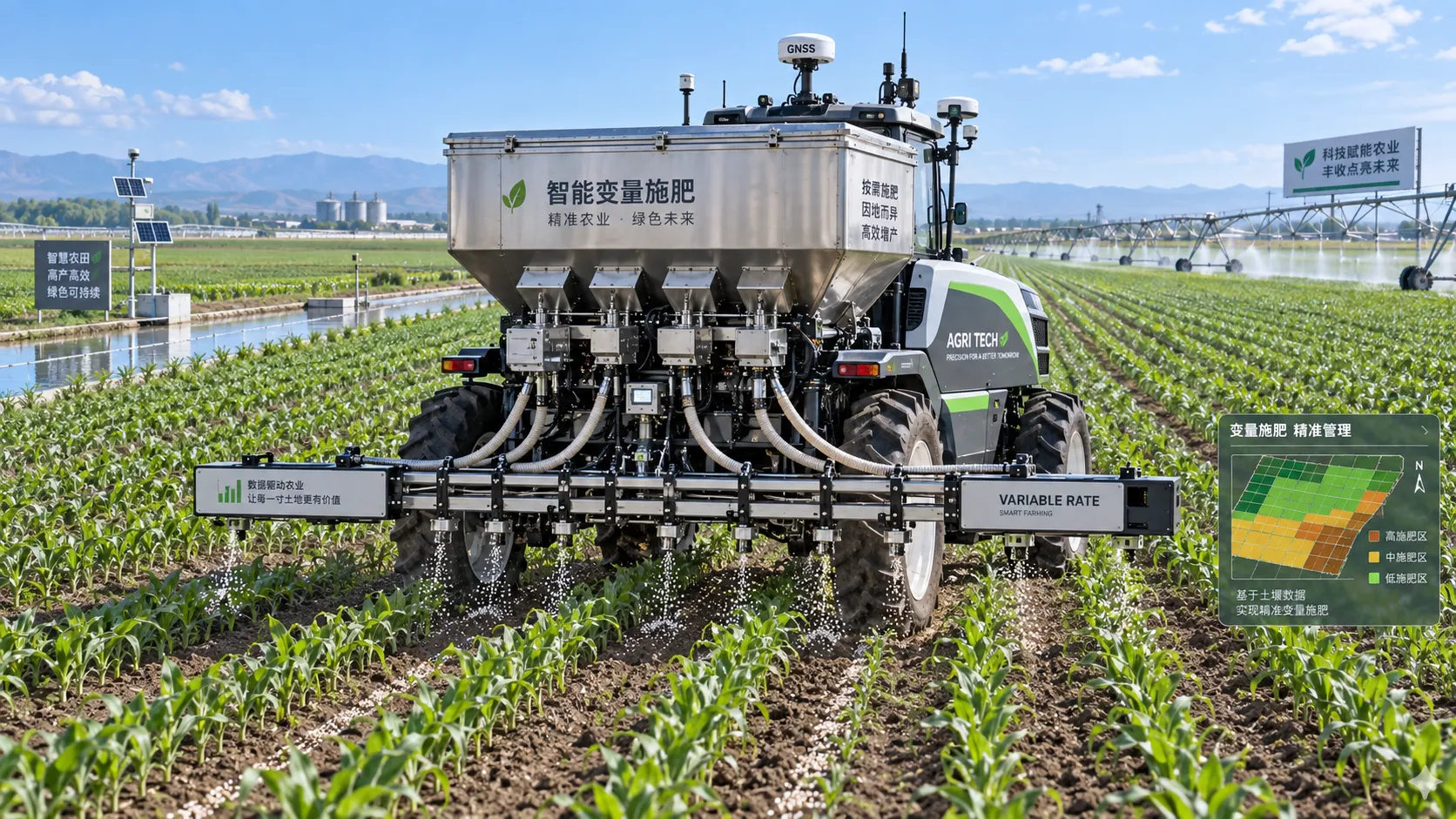
How to Evaluate Precision Fertilization System Suppliers for Farm-Scale Deployment
Precision fertilization systems suppliers: learn how to compare accuracy, integration, uptime, service, and total cost for confident farm-scale deployment.
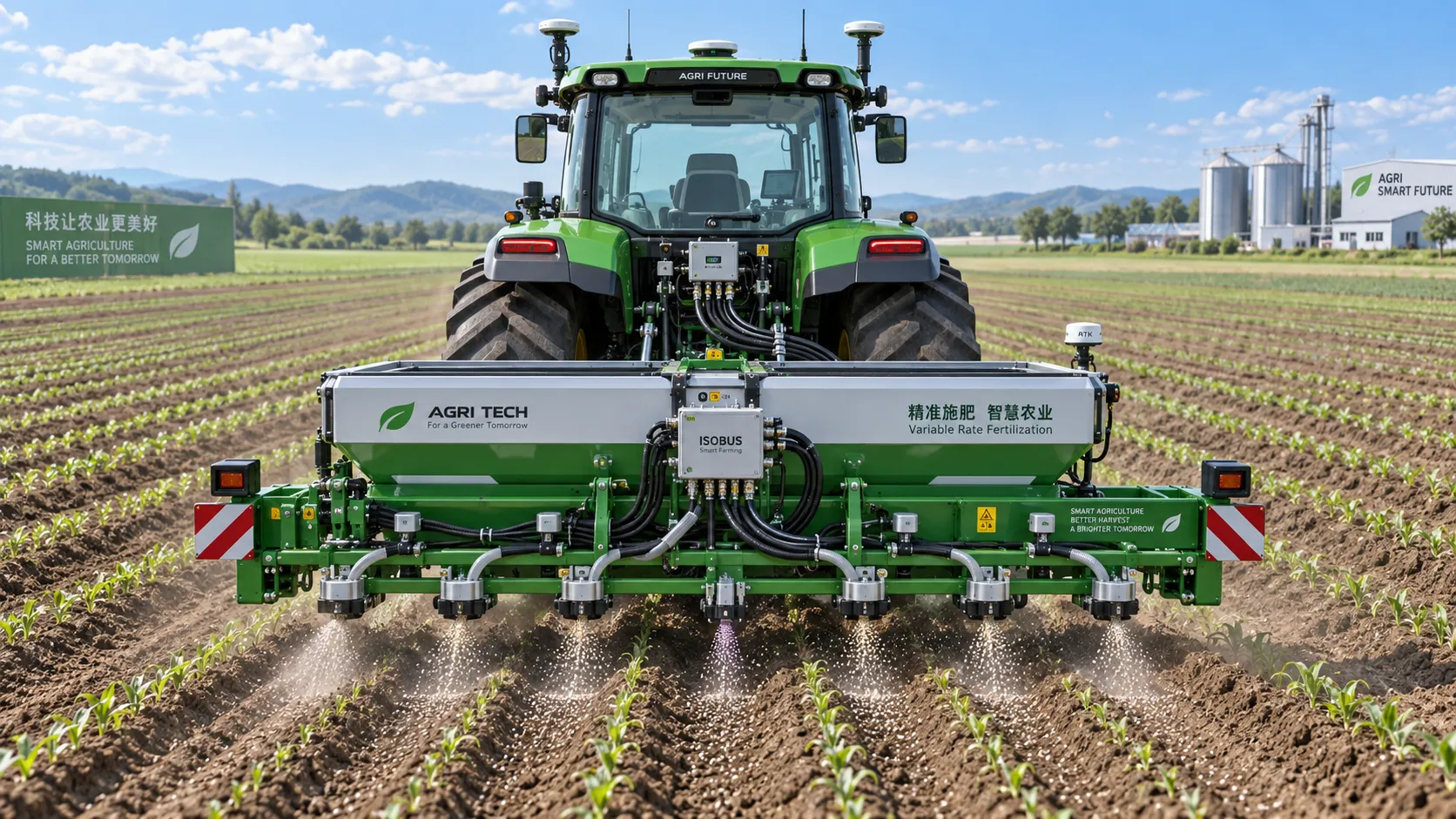
ISOBUS for Smart Agriculture: How It Connects Tractors, Implements, and Farm Data
ISOBUS for smart agriculture connects tractors, implements, terminals, and farm data—helping growers improve precision, documentation, and smarter field decisions.
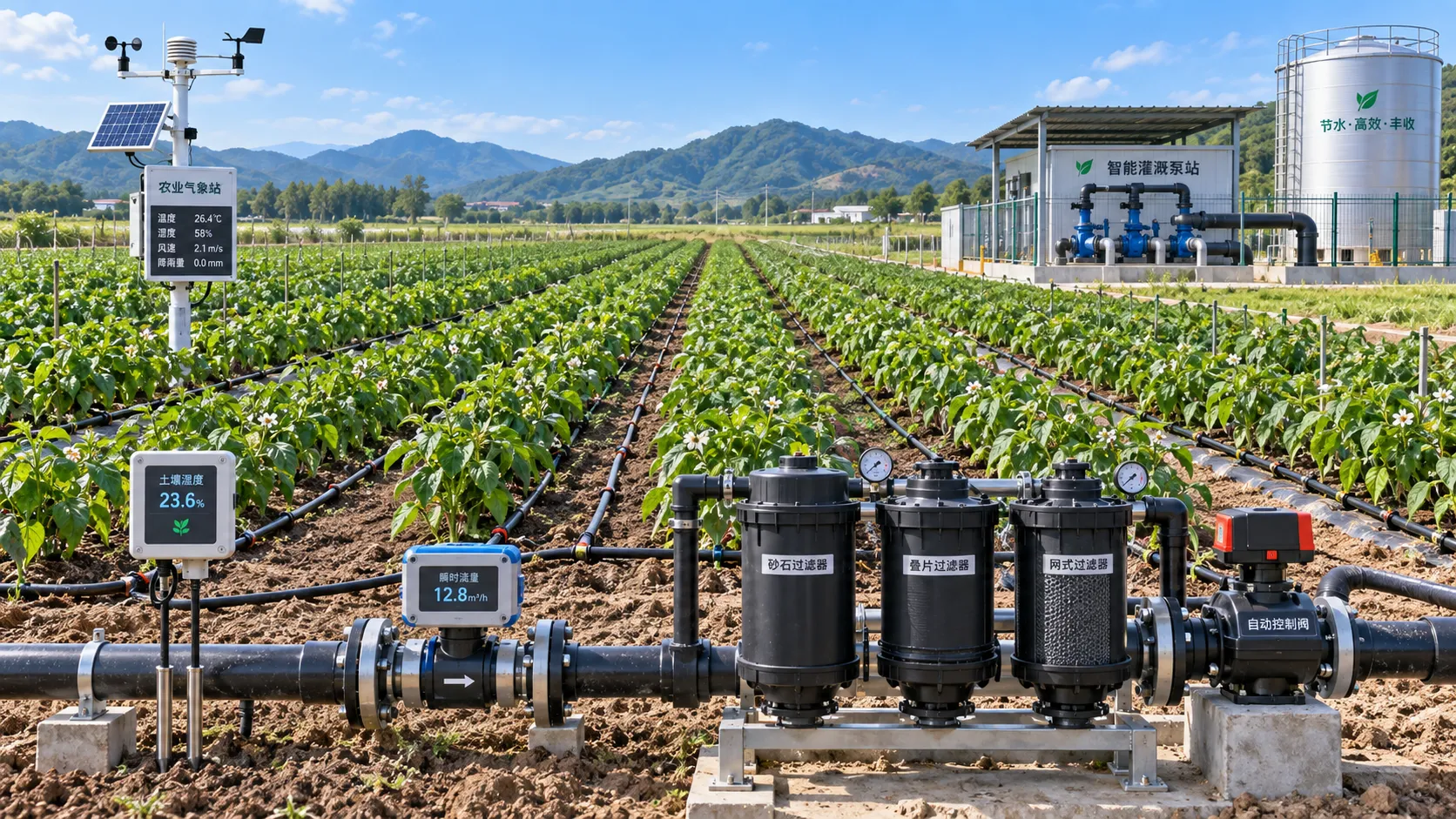
Automated Water-Saving Irrigation: How to Cut Water Use Without Reducing Crop Yields
Automated water-saving irrigation helps farms cut water use, protect crop yields, improve scheduling, and gain reliable control with sensors, flow monitoring, and smart zones.
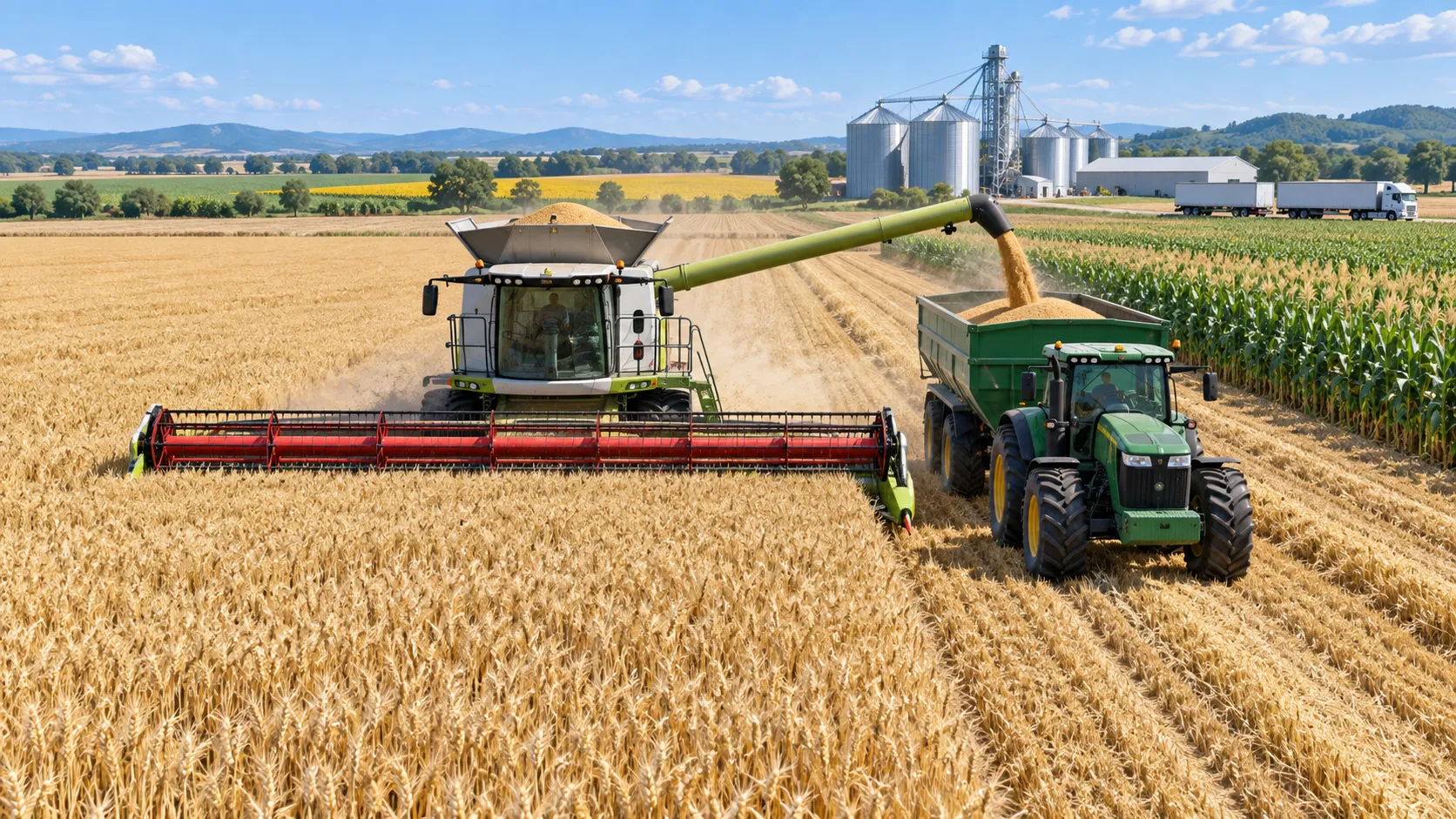
Selecting Grain Farm Equipment by Acreage, Crop Mix, and Harvest Window
Agricultural equipment selection for grain farming: match machinery to acreage, crop mix, and harvest windows to improve uptime, efficiency, and returns.
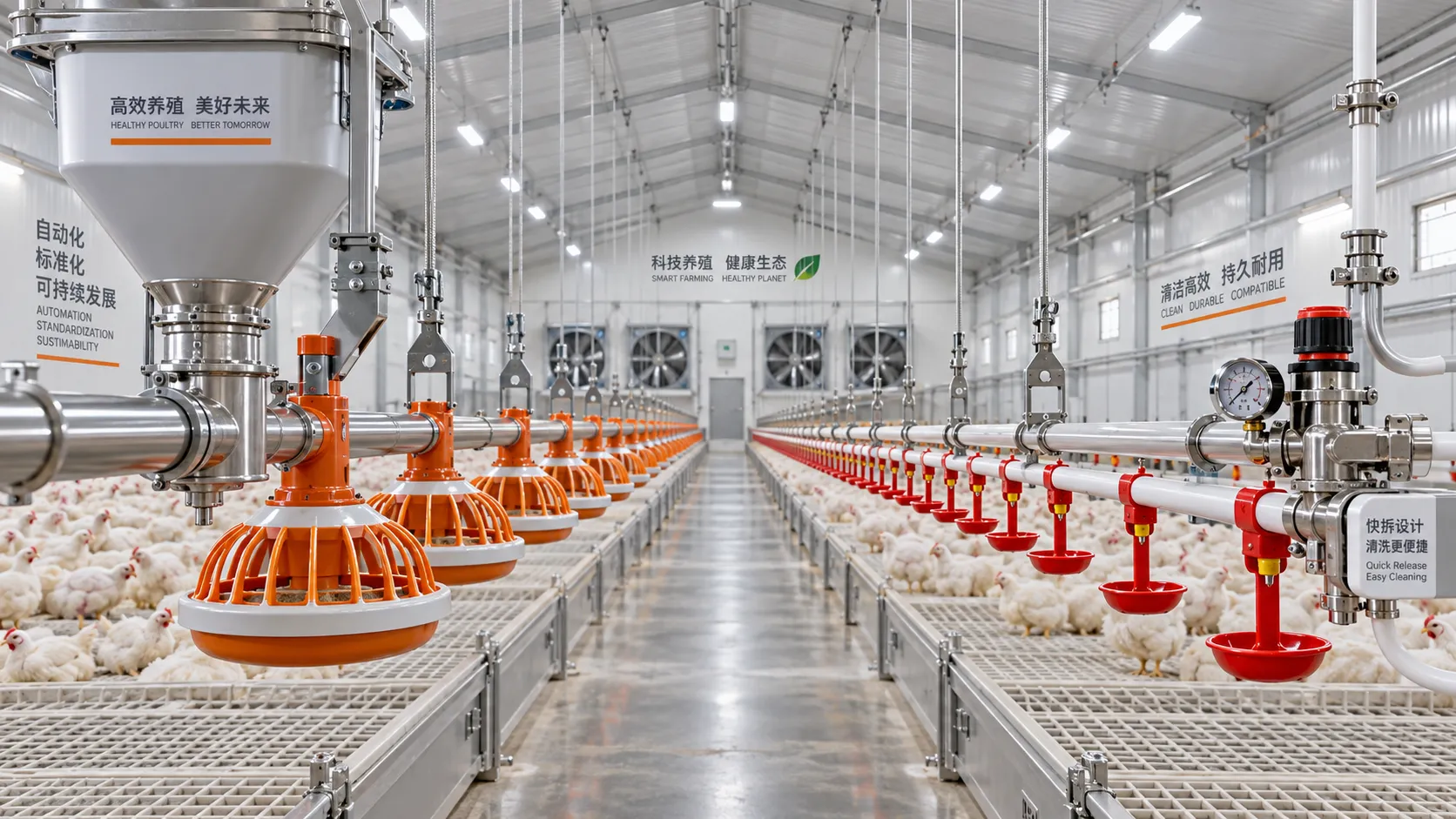
Poultry Equipment Selection: Evaluating Durability, Cleaning, and Compatibility
Poultry equipments selection guide: evaluate durability, cleaning access, and system compatibility to improve hygiene, reduce downtime, and support efficient flock management.
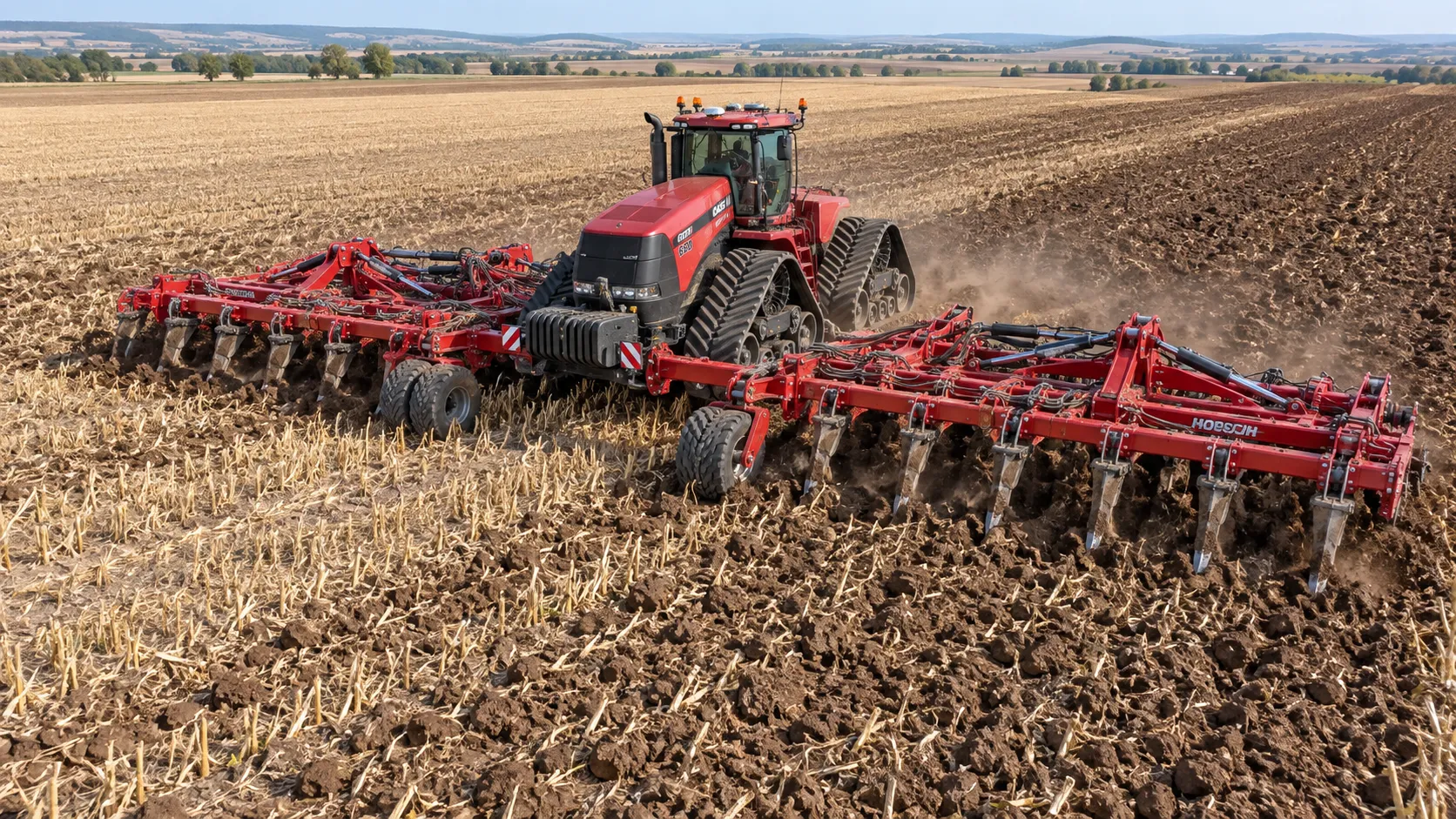
How to Select Heavy-Duty Farm Implements for High-Acreage, High-Horsepower Operations
Heavy duty farm implements: learn how to match draft, hydraulics, hitch capacity, frame strength, and field conditions for reliable high-acreage performance.
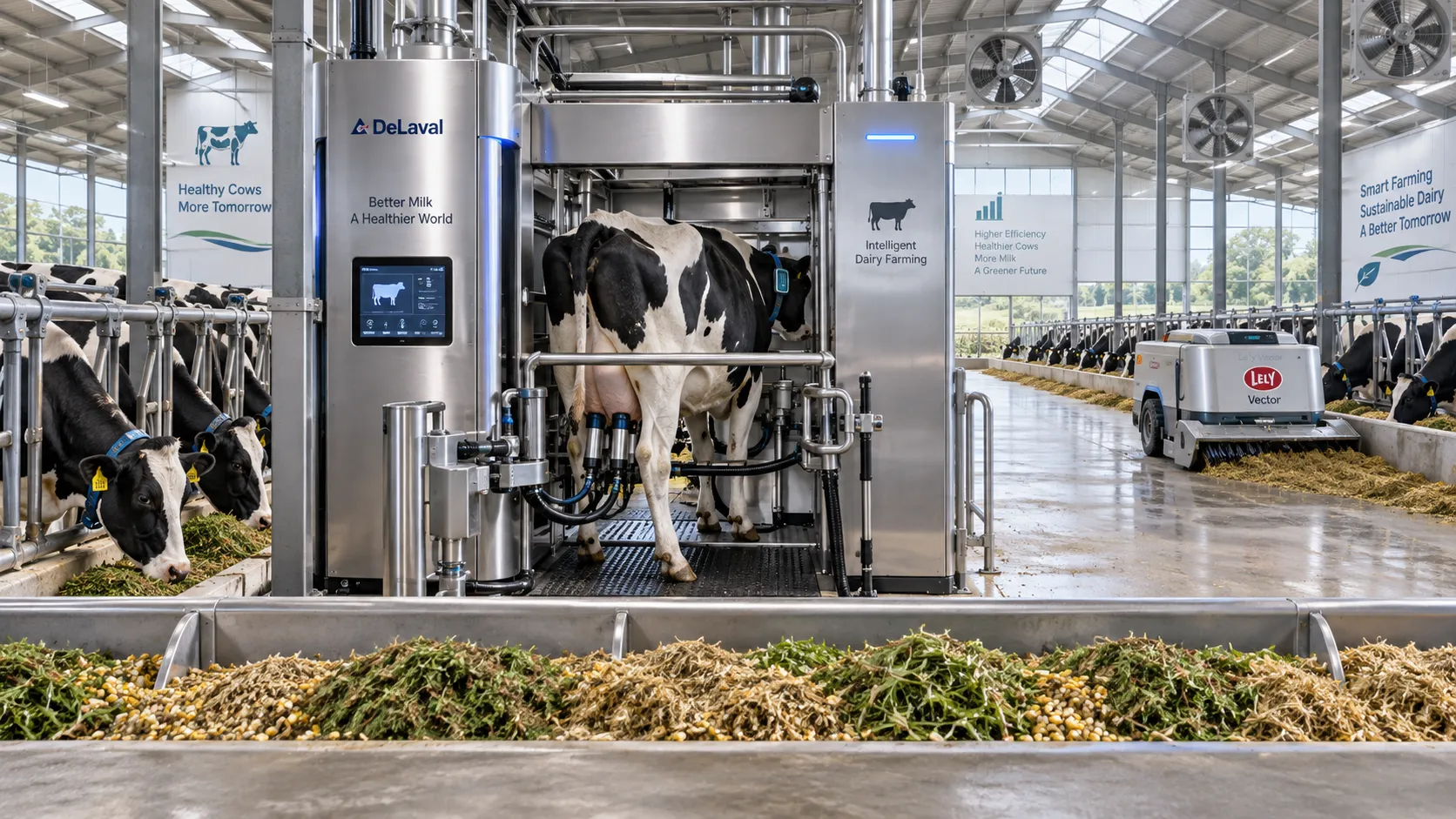
Smart Farming Technology for Dairy Farms: Where Automation Delivers Measurable ROI
Smart farming technology for dairy farms delivers measurable ROI through automation, precision feeding, health monitoring, and data-driven cost control.
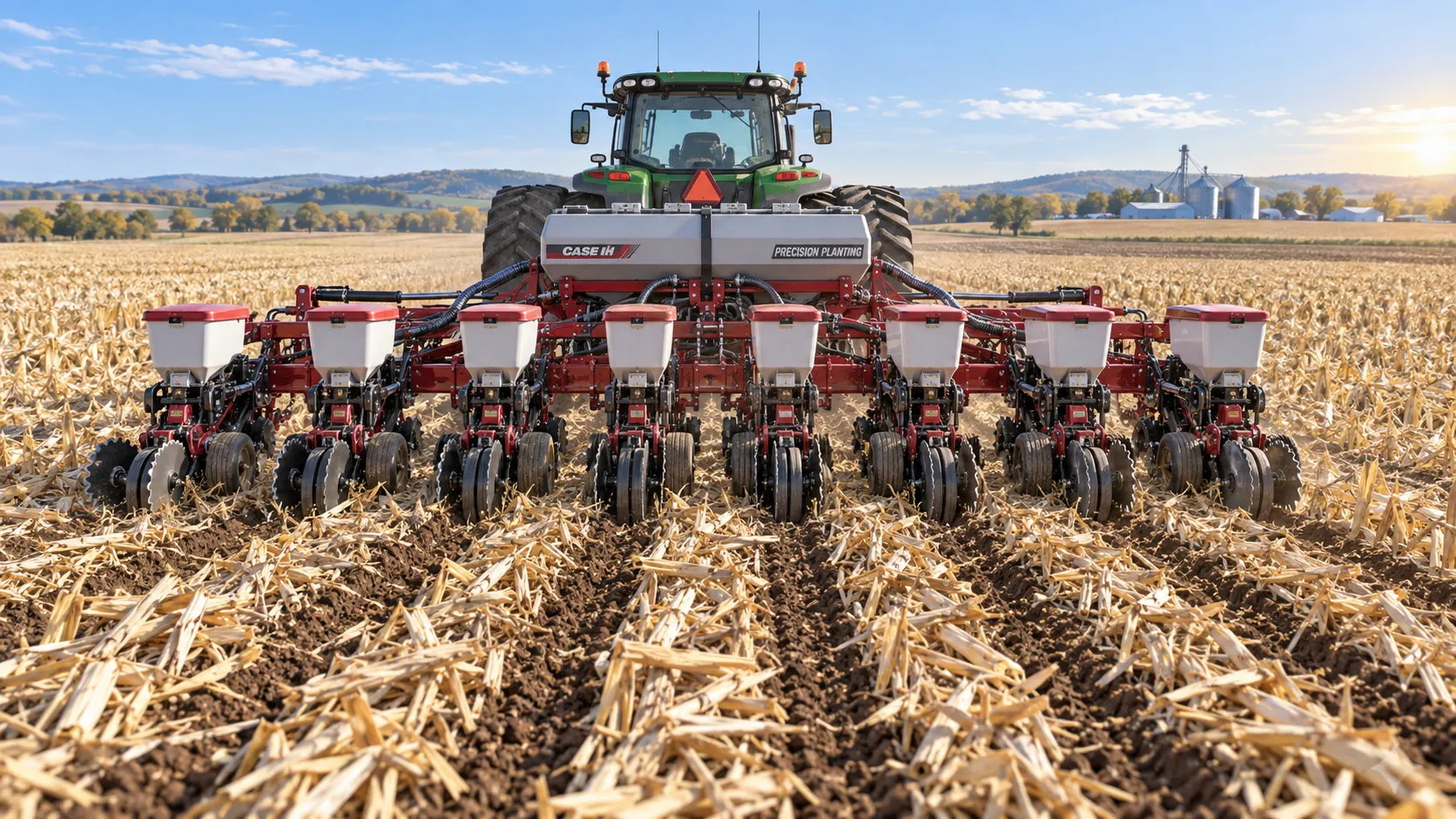
How to Select a Heavy-Duty Seeder for Large Acreage and High-Residue Fields
Heavy duty seeders for large acreage: compare residue handling, depth control, downforce, metering accuracy, and precision features to select the right model.
Related News
- 00
0000-00
When Does Agricultural Machinery Leasing Cost Less Than Owning Equipment? - 00
0000-00
Selecting Grain Farm Equipment by Acreage, Crop Mix, and Harvest Window - 00
0000-00
Poultry Equipment Selection: Evaluating Durability, Cleaning, and Compatibility - 00
0000-00
How to Select Heavy-Duty Farm Implements for High-Acreage, High-Horsepower Operations - 00
0000-00
Smart Farming Technology for Dairy Farms: Where Automation Delivers Measurable ROI
Popular Tags
Ms. Elena Rodriguez
Weekly Insights
Stay ahead with our curated technology reports delivered every Monday.