
Global grain market signals that can shift pricing faster than expected
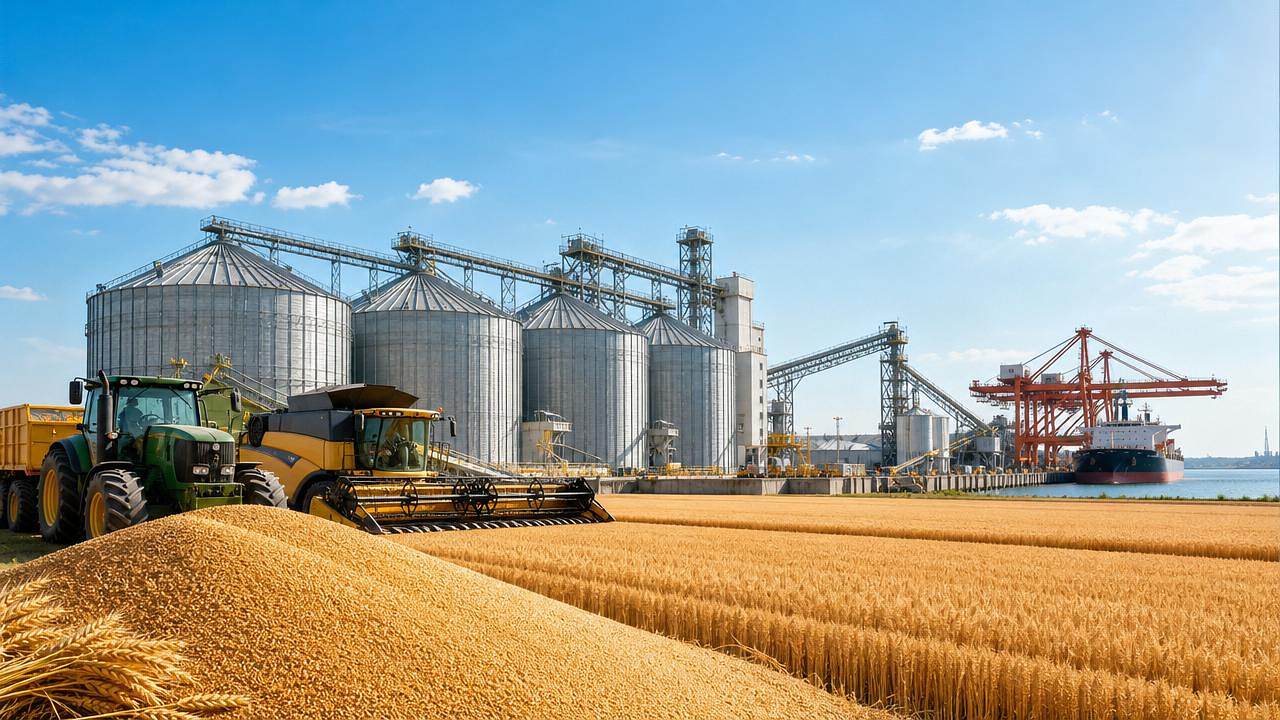




In today’s volatile global grain market, pricing can shift far faster than conventional forecasts suggest, directly affecting equipment investment timing, procurement budgets, and long-cycle capital planning. For financial approvers, understanding the signals behind sudden market moves is essential to reducing risk and improving allocation decisions. This article highlights the key forces that can rapidly reshape grain pricing and the strategic implications for agriculture-related investment.
Why the global grain market is moving faster than many approval models assume
The most important change in the global grain market is not simply higher volatility; it is the speed at which separate risks now connect. Weather disruption in one exporting region, a port restriction in another, a currency swing, and a sudden policy signal can combine within days rather than quarters. For financial approvers, this matters because grain pricing no longer behaves like a slow agricultural cycle alone. It increasingly reflects a hybrid of commodity trading, geopolitics, logistics stress, energy cost transmission, and technology-led productivity expectations.
This acceleration affects more than crop traders. It shapes dealer inventory plans, irrigation investment payback, combine harvester replacement timing, fleet financing, and working capital assumptions across the broader agricultural value chain. A grain price move can quickly alter farmer cash flow confidence, which then changes demand for large-scale agri-machinery, precision tools, and water-saving systems. In that sense, the global grain market has become a leading signal for capital discipline, not just a headline for commodity desks.
The strongest signals that can shift pricing faster than expected
Several signals now deserve closer and earlier review in any investment or procurement approval process. None acts alone every time, but together they explain why the global grain market can reprice so quickly.
Weather is no longer a seasonal variable alone
In the global grain market, weather used to be assessed mainly around planting, pollination, and harvest windows. That is still true, but climate variability has made the market far more reactive to early indicators such as soil moisture deficits, heat stress during crop development, and water allocation policies. The effect is stronger because digital monitoring, satellite imagery, and near-real-time field intelligence spread expectations faster across the market.
For AP-Strategy’s audience, this weather sensitivity has a direct business connection. Drought risk can raise interest in intelligent irrigation systems even if overall farmer spending is cautious. Excess rainfall can delay harvest and increase demand for efficient combine harvesting technology able to reduce field losses in narrow operating windows. Financial approvers should therefore avoid viewing weather only as a commodity issue. It is also a trigger for demand redirection across mechanization categories.
Policy and trade signals can override traditional supply logic
One of the fastest-moving forces in the global grain market is government action. Export quotas, sanitary controls, transport subsidies, biofuel mandates, water-use restrictions, and strategic reserve releases can all reset price expectations quickly. Even when physical crop size has not changed, market participants reprice grain because access, timing, and destination economics suddenly look different.
This matters especially for companies linked to long-cycle capital goods. When grain producers see policy risk rising, they may delay discretionary purchases and prioritize reliability, maintenance, retrofit solutions, and technologies with faster payback. That changes the quality of demand. Instead of broad expansion, buyers may shift toward tractor chassis upgrades, precision attachments, or water-efficiency systems that protect operational continuity under uncertain policy conditions.
Logistics friction now carries pricing power of its own
The global grain market no longer responds only to what is grown; it responds to what can actually move. Congestion at export terminals, low river levels, container imbalance, conflict-related shipping detours, and rail bottlenecks can all increase the delivered cost of grain and shift trade flows. In some cases, the logistical premium becomes as influential as the farmgate production story.
For financial approval teams, logistics stress creates a double exposure. First, it changes customer income expectations in agricultural regions dependent on export realization. Second, it can affect the company’s own inbound components, replacement parts availability, and service responsiveness. A business may appear exposed to grain prices only indirectly, but logistical shocks reveal how closely asset utilization and revenue timing depend on global grain market fluidity.
Input costs and farm profitability are transmitting signals faster
Another major trend is the tighter link between grain prices and input inflation. Fertilizer, diesel, electricity, crop protection, labor, and financing costs all influence how farmers react to price changes. A nominally strong grain market does not always create strong machinery demand if margins are being compressed elsewhere. Conversely, a moderate grain price environment can still support investment if cost discipline and yield stability improve.
That is why the global grain market should be interpreted through margin quality, not price direction alone. Financial approvers evaluating dealer credit, channel expansion, or equipment inventory should ask whether farmer customers are experiencing true earnings support or only volatile revenue headlines. This distinction is critical when assessing demand for premium combine harvesters, autonomous guidance tools, or smart irrigation platforms that require confidence in medium-term return on investment.
Who feels these changes first across the agricultural value chain
Not every participant is affected in the same way or at the same time. The value of tracking the global grain market is partly in knowing where pressure will emerge first.
What signals deserve continuous monitoring now
For decision-makers, the challenge is not tracking every market headline. It is identifying the signals that materially change investment logic. In the global grain market, five areas are especially useful. First, monitor crop-condition shifts in major exporting regions, because they often move expectations before official balance sheets catch up. Second, track trade policy language, not just enacted policy, because the market reacts to intent quickly. Third, watch freight and energy costs together since both affect delivered grain pricing and operating economics. Fourth, review currency movements against key producer and importer countries. Fifth, compare grain price momentum with farm input inflation to understand whether farmer profitability is improving or deteriorating.
This monitoring discipline supports better timing decisions. For example, a short-lived grain rally caused mainly by speculative positioning may not justify aggressive equipment inventory buildup. By contrast, a rally supported by persistent weather stress, trade friction, and improved local farm margins may justify selective channel investment, especially in technologies that strengthen efficiency under operational pressure.
How financial approvers can respond without overreacting
The right response to a fast-moving global grain market is not to freeze decisions. It is to improve decision architecture. Financial approvers should build approval frameworks that distinguish between temporary price noise and structural shifts affecting customer behavior. This can be done through trigger-based capital allocation, regional demand scoring, and payback sensitivity tests for each major equipment or technology segment.
A useful approach is to separate investments into three buckets: essential continuity spending, efficiency-enhancing upgrades, and expansion-oriented commitments. Essential continuity items such as service support, critical parts, and reliability-focused assets usually remain justified even in uncertain grain conditions. Efficiency upgrades, including precision farming tools and water-saving systems, can often be approved if they reduce operating volatility. Expansion commitments require the strongest evidence that current global grain market strength is supported by durable margin improvement rather than short-term price excitement.
Practical judgment framework for the next approval cycle
What this means for strategic planning in Agriculture 4.0
The global grain market is sending a broader message to the Agriculture 4.0 ecosystem: resilience, precision, and resource efficiency are becoming more finance-relevant than ever. When price signals move faster, the value of data-rich machinery, adaptive harvesting systems, intelligent farm tools, and predictive irrigation rises. These technologies help operators respond to uncertain conditions with less waste, better timing, and more stable output.
For organizations like AP-Strategy and its audience, the winning posture is not simply to predict grain prices better. It is to connect market volatility with practical asset decisions. That means using market intelligence to decide where combine performance matters most, where tractor chassis durability protects uptime, where precision application tools reduce cost pressure, and where water-saving irrigation becomes an economic necessity rather than a sustainability preference.
Conclusion: focus on signal quality, not noise
The global grain market can shift pricing faster than expected because the old boundaries between weather, policy, logistics, energy, and finance have weakened. For financial approvers, the key implication is clear: better approvals depend on better signal interpretation. Instead of reacting to every price move, evaluate whether the change is physical, policy-driven, logistics-driven, margin-supportive, and relevant to customer investment behavior.
If your business needs to judge how the global grain market may affect equipment demand, budget risk, or capital timing, the most useful next step is to confirm a few practical questions: Which regions in your portfolio are most sensitive to grain margin swings? Which products support resilience rather than optional expansion? Which policy or logistics signals could alter your assumptions within weeks, not quarters? The companies that answer those questions early will allocate capital more confidently and navigate market volatility with greater precision.
Related News
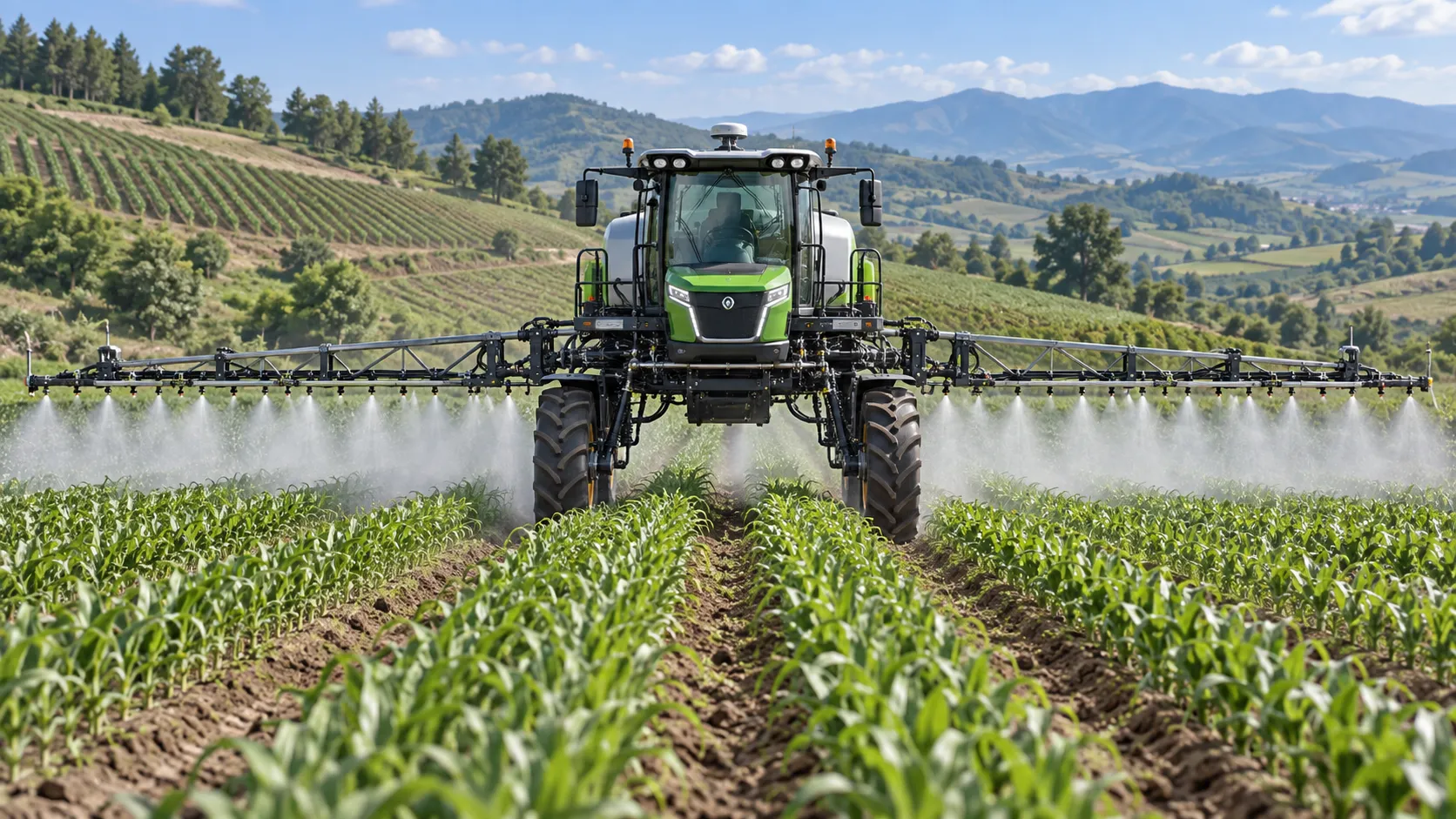
How to Select Precision Crop Protection Equipment for Variable Field Conditions
Precision crop protection equipment selection made simple: compare terrain, canopy, weather, control accuracy, and data workflows for reliable applications.
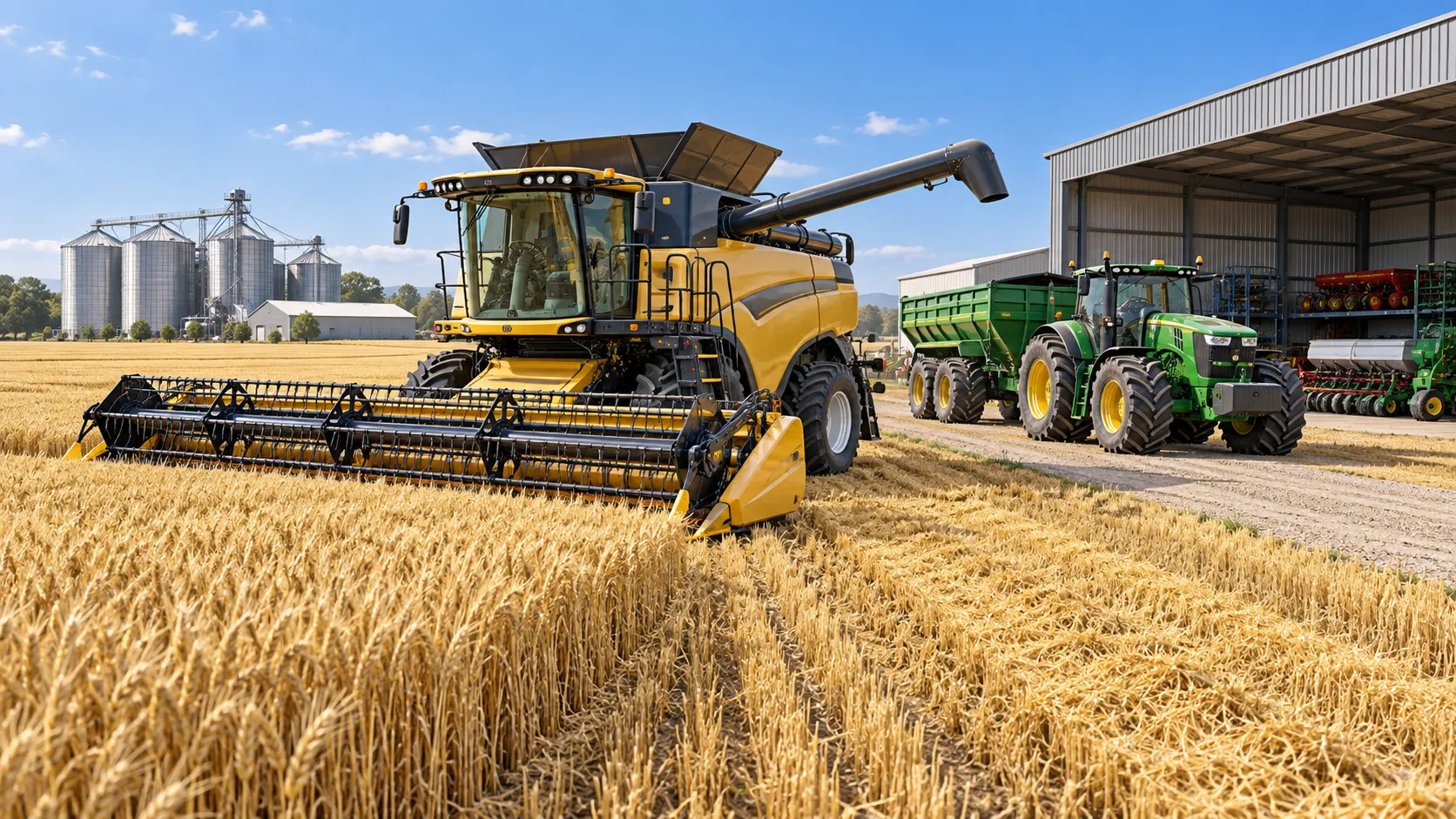
When Does Agricultural Machinery Leasing Cost Less Than Owning Equipment?
Agricultural machinery leasing can lower farm costs when use is seasonal or uncertain. Compare utilization, maintenance, cash flow, and risk to make a smarter equipment decision.
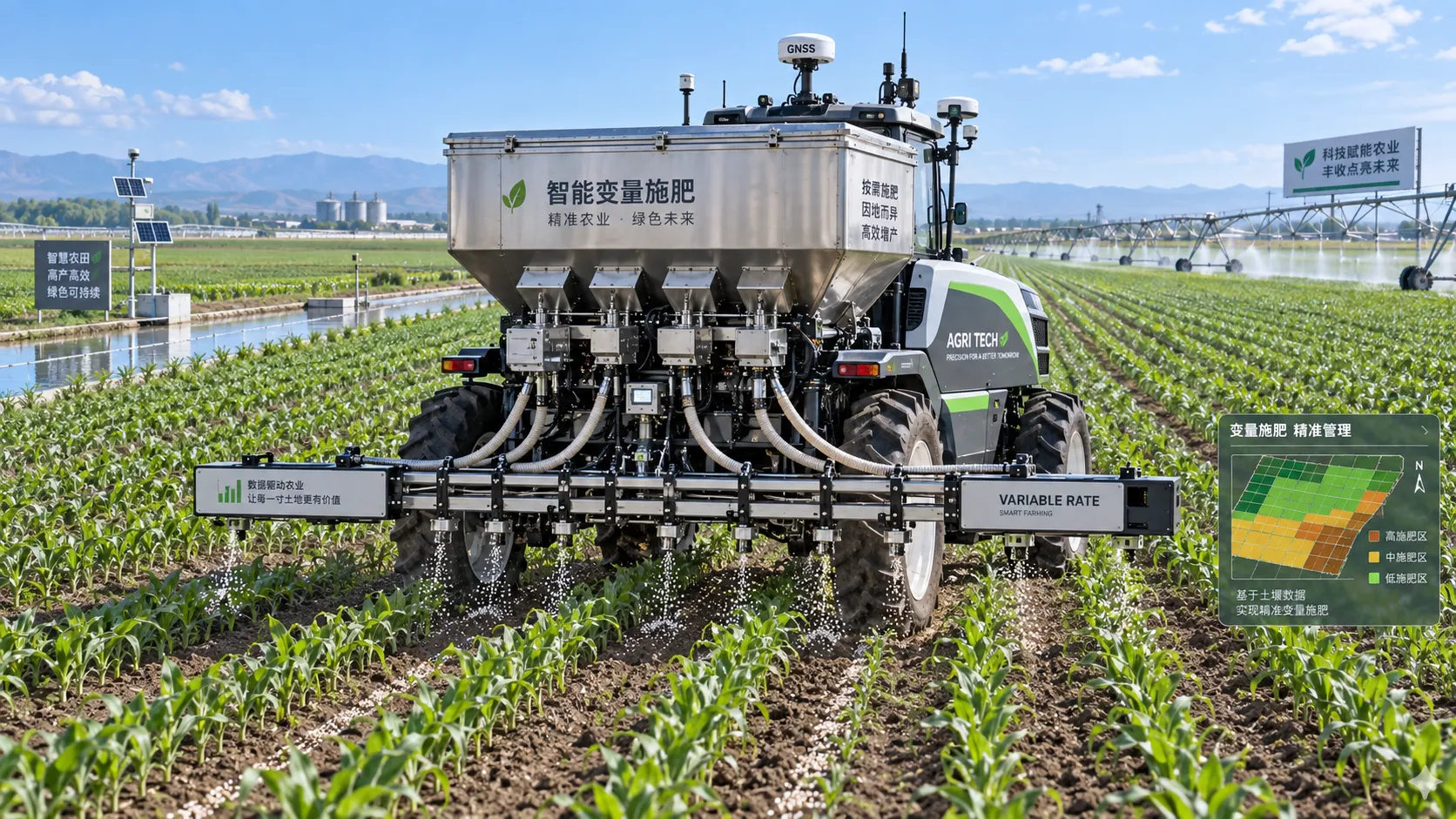
How to Evaluate Precision Fertilization System Suppliers for Farm-Scale Deployment
Precision fertilization systems suppliers: learn how to compare accuracy, integration, uptime, service, and total cost for confident farm-scale deployment.
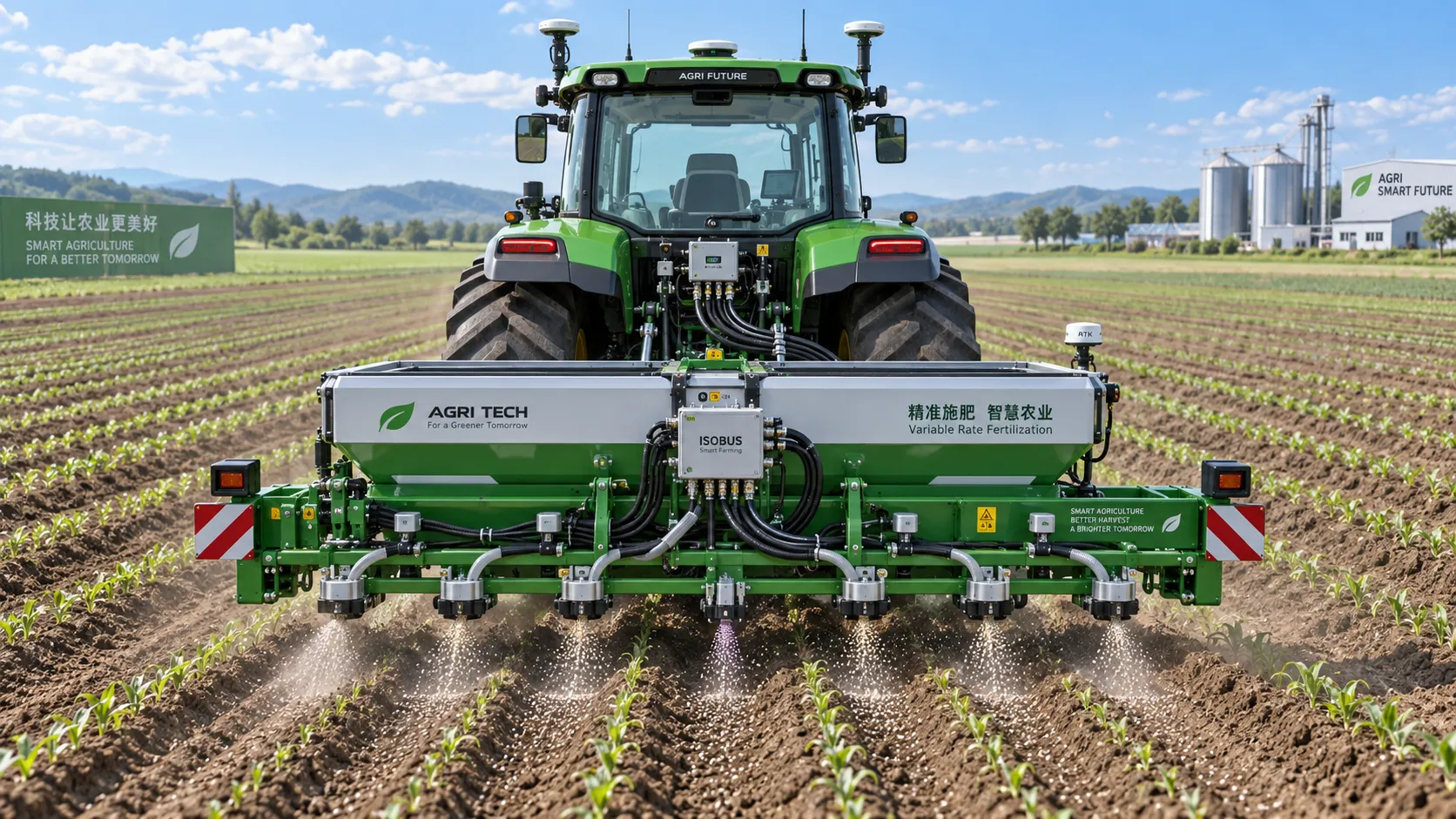
ISOBUS for Smart Agriculture: How It Connects Tractors, Implements, and Farm Data
ISOBUS for smart agriculture connects tractors, implements, terminals, and farm data—helping growers improve precision, documentation, and smarter field decisions.
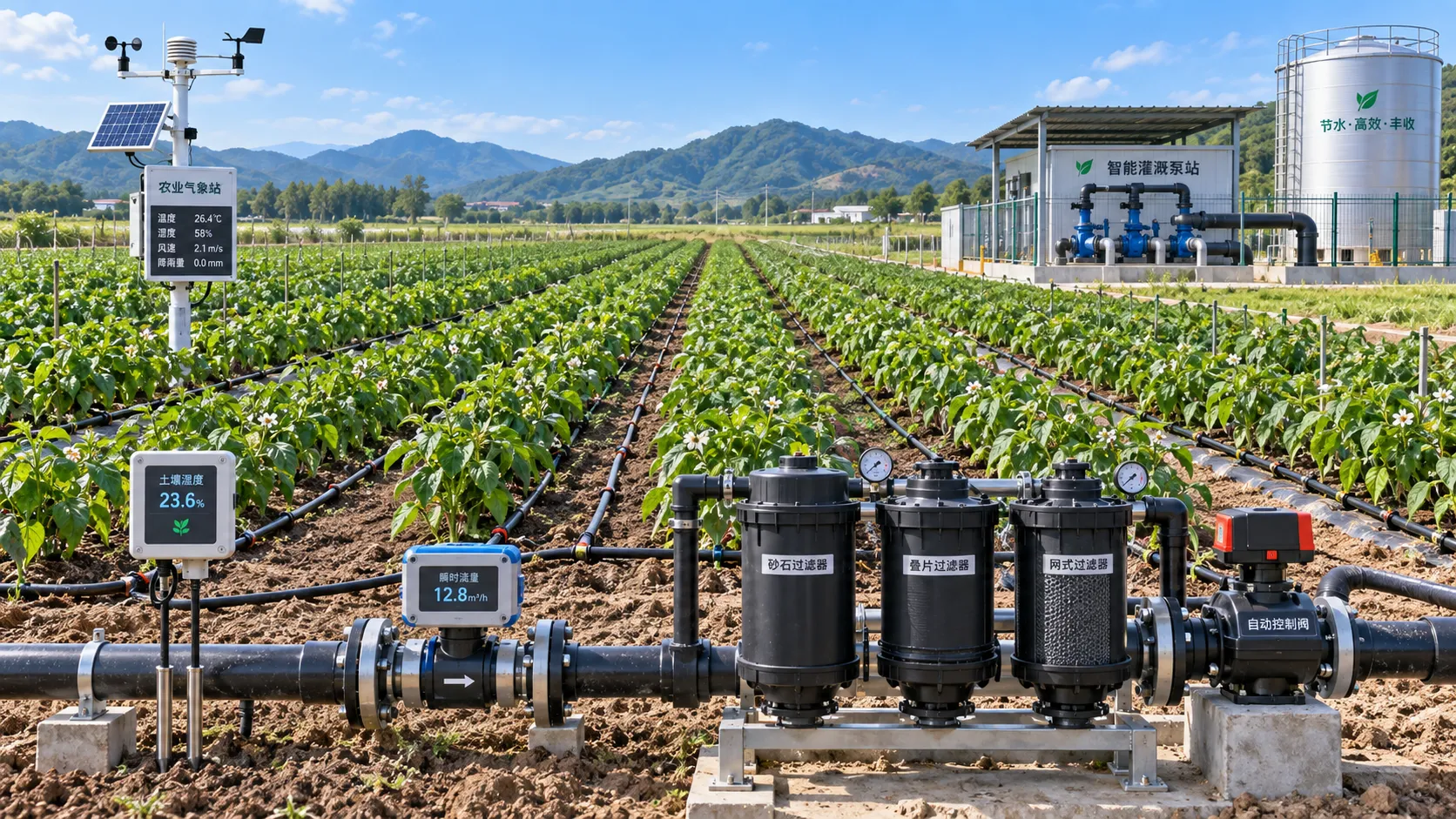
Automated Water-Saving Irrigation: How to Cut Water Use Without Reducing Crop Yields
Automated water-saving irrigation helps farms cut water use, protect crop yields, improve scheduling, and gain reliable control with sensors, flow monitoring, and smart zones.
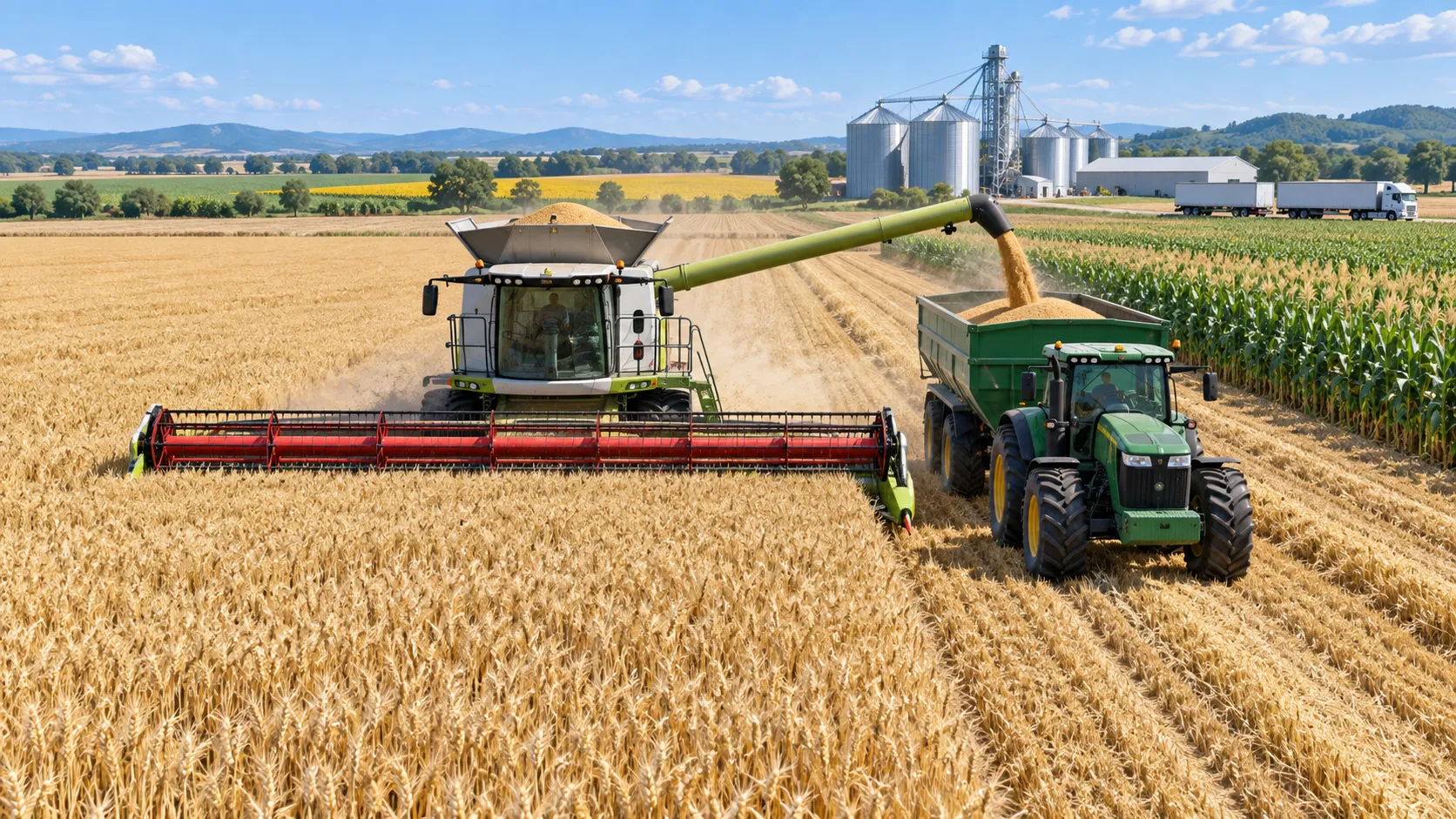
Selecting Grain Farm Equipment by Acreage, Crop Mix, and Harvest Window
Agricultural equipment selection for grain farming: match machinery to acreage, crop mix, and harvest windows to improve uptime, efficiency, and returns.
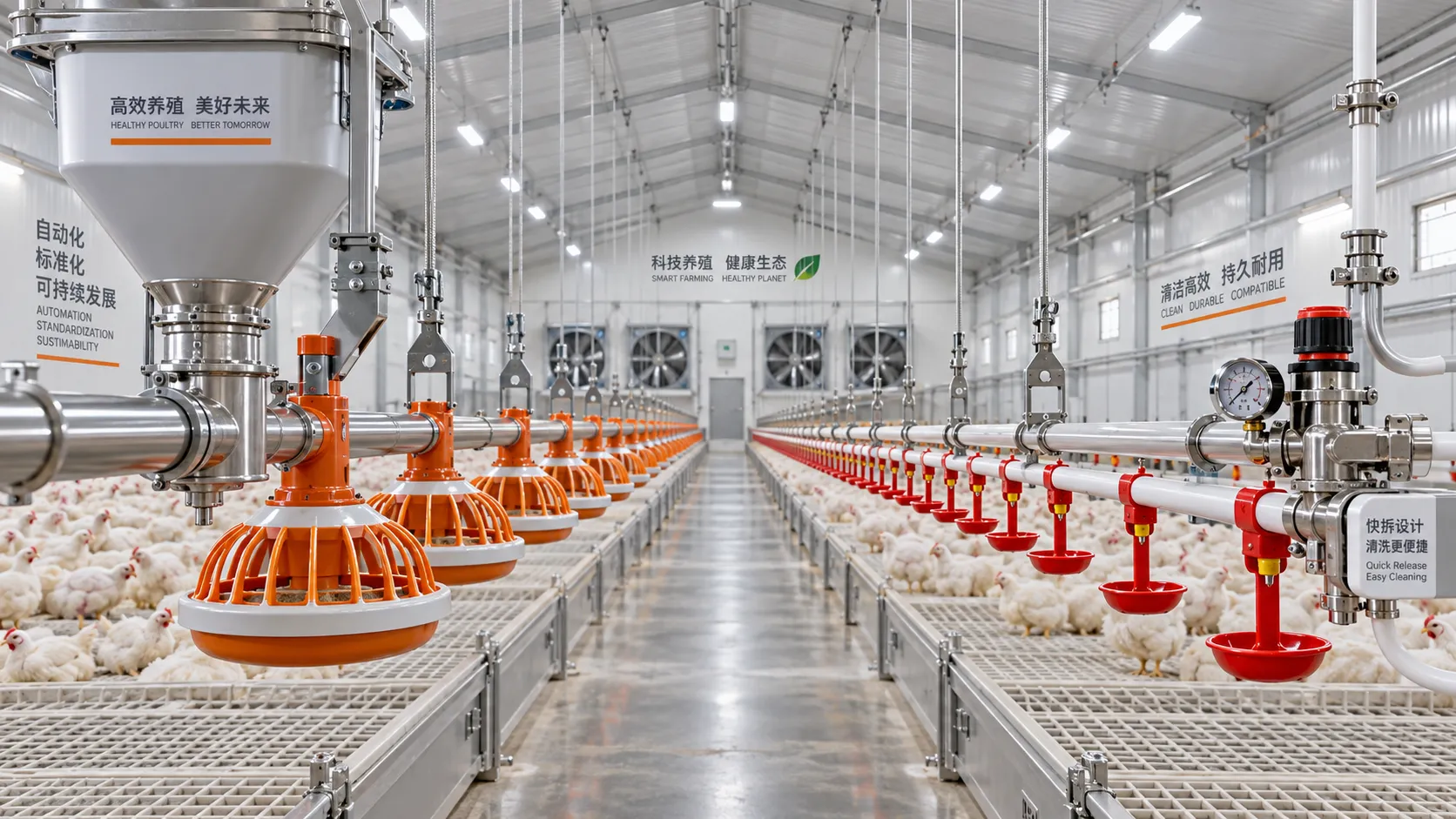
Poultry Equipment Selection: Evaluating Durability, Cleaning, and Compatibility
Poultry equipments selection guide: evaluate durability, cleaning access, and system compatibility to improve hygiene, reduce downtime, and support efficient flock management.
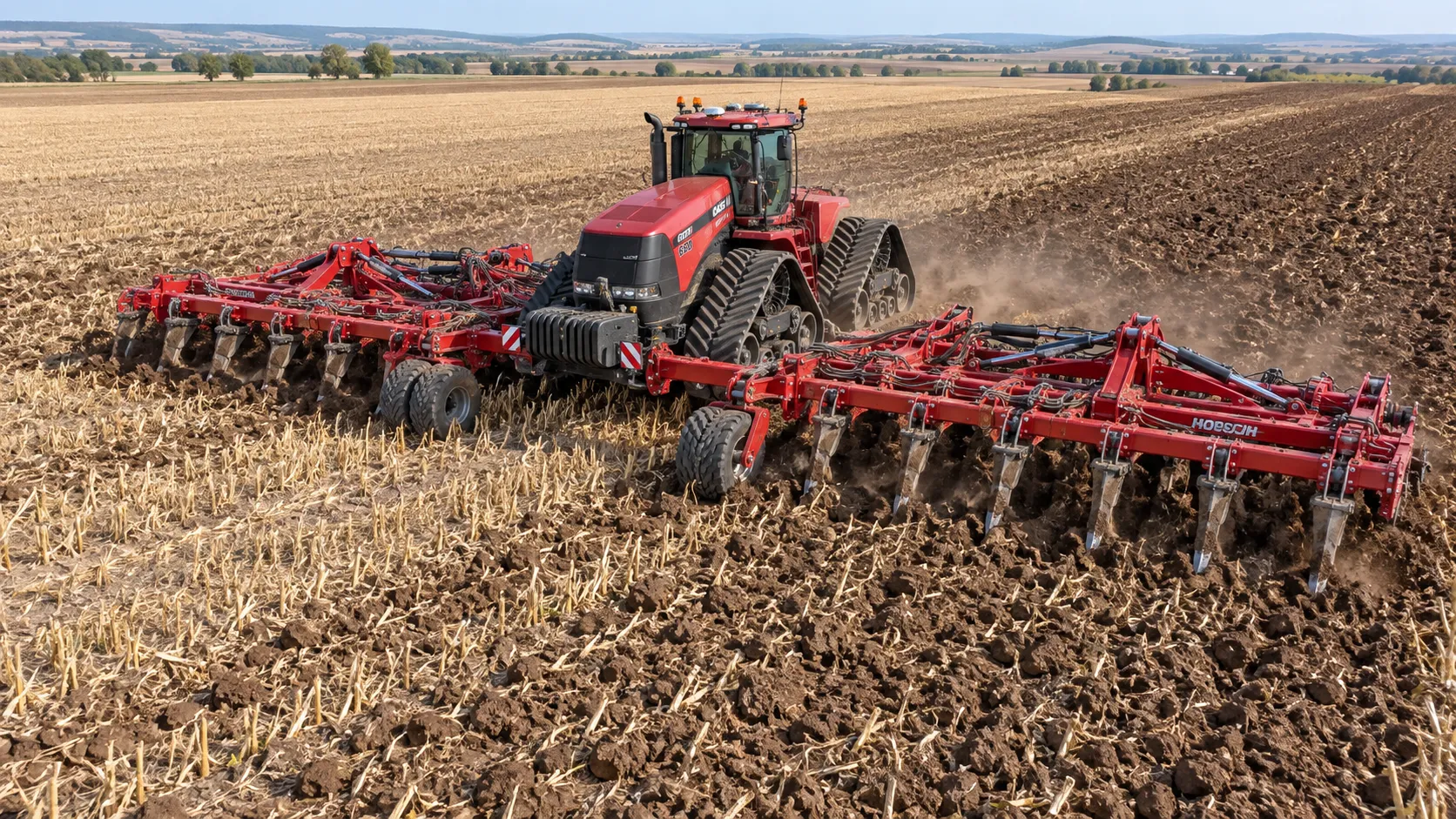
How to Select Heavy-Duty Farm Implements for High-Acreage, High-Horsepower Operations
Heavy duty farm implements: learn how to match draft, hydraulics, hitch capacity, frame strength, and field conditions for reliable high-acreage performance.
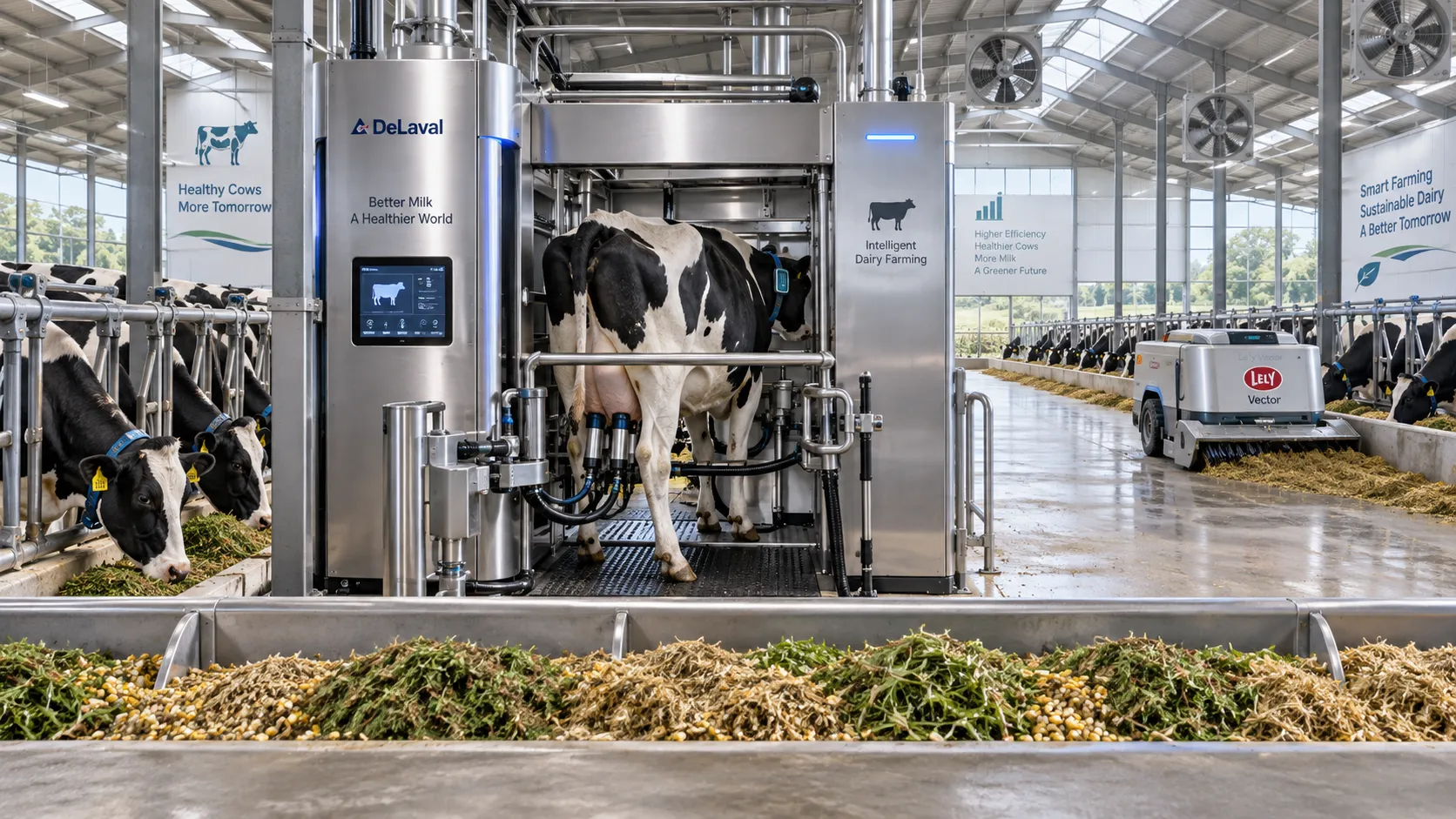
Smart Farming Technology for Dairy Farms: Where Automation Delivers Measurable ROI
Smart farming technology for dairy farms delivers measurable ROI through automation, precision feeding, health monitoring, and data-driven cost control.
Related News
- 00
0000-00
When Does Agricultural Machinery Leasing Cost Less Than Owning Equipment? - 00
0000-00
Selecting Grain Farm Equipment by Acreage, Crop Mix, and Harvest Window - 00
0000-00
Poultry Equipment Selection: Evaluating Durability, Cleaning, and Compatibility - 00
0000-00
How to Select Heavy-Duty Farm Implements for High-Acreage, High-Horsepower Operations - 00
0000-00
Smart Farming Technology for Dairy Farms: Where Automation Delivers Measurable ROI
Popular Tags
Ms. Elena Rodriguez
Weekly Insights
Stay ahead with our curated technology reports delivered every Monday.