
Electric agri-equipment: where charging delays hurt uptime most
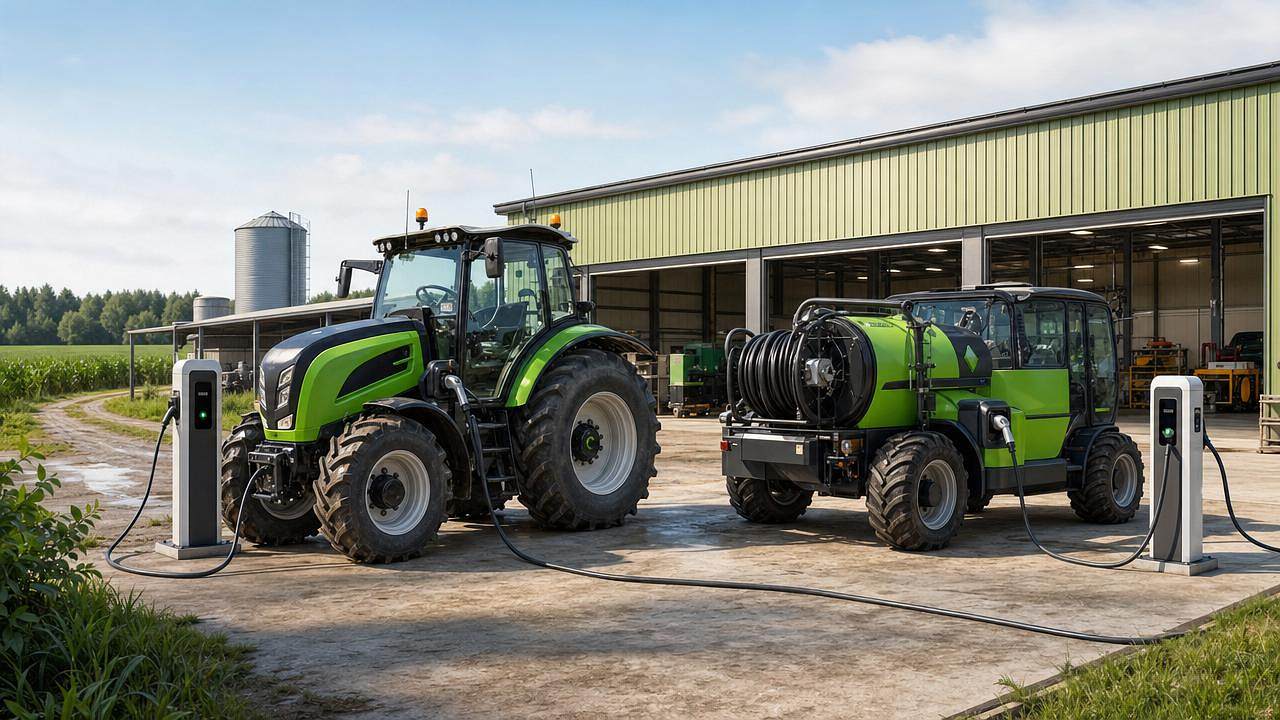




For aftersales maintenance teams, electric agri-equipment promises cleaner power and smarter diagnostics—but charging delays can quickly erode field uptime when service windows are tight. From high-load tractors to irrigation support units, understanding where battery recovery, charger access, and power scheduling fail most is essential to keeping fleets productive. This article examines the bottlenecks that matter most and how maintenance teams can reduce avoidable downtime.
Why aftersales teams should assess charging delays with a checklist first
In electric agri-equipment, uptime loss rarely comes from one dramatic failure. More often, it comes from small delays that compound: a slow charger at the wrong bay, a battery arriving too warm to accept peak current, a field unit returning later than planned, or a technician discovering that grid power is already allocated elsewhere. For aftersales maintenance personnel, a checklist-based approach is more useful than a broad technology overview because service decisions must be made quickly, often under harvest or irrigation deadlines.
The key question is not simply whether a machine can be charged. The better question is where charging friction hurts operational continuity most. In mixed fleets, the answer differs by load profile, duty cycle, season, and site power constraints. A combine support vehicle may tolerate a night charge. An electric tractor assigned to repeated transport loops may not. A pump-assist or irrigation service unit may appear low risk until weather shifts force around-the-clock deployment. That is why maintenance teams need a practical framework for identifying high-risk charging points before they become expensive downtime.
First-priority checklist: the places where electric agri-equipment loses uptime fastest
Use the following checklist when reviewing electric agri-equipment in service networks, dealer yards, farm workshops, or seasonal field camps. These are the areas where charging delays usually have the greatest impact on uptime.
- High-load traction equipment between shifts: Electric tractors, haul units, and heavy-duty tool carriers often return with low state of charge after peak torque work. If the interval before the next assignment is short, even a healthy battery may not recover enough energy in time.
- Harvest support equipment during compressed seasonal windows: When harvest activity runs long hours, any electric agri-equipment that supports grain transfer, logistics, or field service becomes time-critical. Delayed charging during harvest creates knock-on losses across the workflow.
- Machines sharing limited chargers: One underpowered charger serving multiple units is a common uptime trap. Scheduling conflicts are often more harmful than charger failure itself.
- Remote irrigation and utility units: These machines may have modest energy use, but poor charger access, unstable local power, or long cable runs can make recovery slower than expected.
- Battery packs exposed to heat, dust, or repeated partial charging: Environmental stress reduces charge acceptance and lengthens service turnaround, even before a formal fault code appears.
- Sites with unmanaged power demand: If workshop tools, cold storage, pumps, and chargers draw power at the same time, charging speed may drop below planned levels without obvious warning to the operator.
Core judgment standards: what to verify before blaming the charger
Aftersales teams often hear that the charger is “too slow,” but the real cause may sit elsewhere. Before replacing hardware or escalating a warranty claim, verify these judgment points in order.
1. Compare energy demand with actual turnaround time
Start with the machine’s real working profile, not the brochure cycle. Review how much energy was consumed per task, how much time existed between assignments, and whether the charger’s effective output under field conditions could realistically restore the required range. Many electric agri-equipment uptime complaints are actually planning mismatches: the machine is being asked to perform a duty cycle that exceeds the available charging window.
2. Check battery temperature and charge acceptance behavior
Batteries do not charge at peak speed under all conditions. If equipment comes in hot after heavy tillage, transport, or PTO-related work, charge rate may taper early. In cold weather, preconditioning delays can be just as damaging. Maintenance teams should review battery thermal logs, cooldown intervals, and BMS behavior before concluding that the infrastructure is undersized.
3. Verify connector health, cable condition, and contact resistance
In agricultural environments, mud, vibration, chemical exposure, and repeated connection cycles accelerate wear. Dirty contacts, slight pin deformation, or cable damage can limit current delivery or trigger intermittent charging pauses. This is a frequent hidden cause of poor uptime in electric agri-equipment fleets.
4. Confirm site power availability during the actual charging window
A charger’s nameplate rating is not the same as consistent field output. If the site experiences demand peaks, low voltage, transformer limitations, or generator instability, charging performance may degrade significantly. For aftersales teams, this is a critical distinction because the machine may be healthy while the service site is the bottleneck.
5. Review software settings and charging logic
Fleet managers sometimes cap charge levels to preserve battery life, restrict charging hours to reduce electricity costs, or apply staggered start logic. These policies are reasonable, but they can unintentionally reduce uptime if maintenance teams do not align service planning with them. Always check whether “slow charging” is actually a deliberate system rule.
Where charging delays hurt uptime most by equipment scenario
Not all electric agri-equipment suffers equally from a charging delay. The following scenario view helps aftersales teams set repair and scheduling priorities.
Commonly missed risks that extend downtime in electric agri-equipment
Aftersales maintenance teams can reduce repeat incidents by looking beyond obvious charger faults. The most overlooked risks are often procedural or environmental.
- Assuming state of charge equals usable readiness: A battery may show an acceptable percentage but still lack enough reserve for the next heavy-load task.
- Ignoring charger queue discipline: Machines returned to the yard without a priority sequence can create avoidable waiting time, especially during harvest.
- Skipping thermal cooldown planning: Immediate plug-in after hard work does not always mean immediate high-rate charging.
- Underestimating contamination: Dust, fertilizer residue, moisture, and vibration can reduce charging reliability long before complete connector failure appears.
- Failing to align field dispatch with power availability: If multiple machines return at once, the site may not support all expected charge rates simultaneously.
- Treating all electric agri-equipment the same: Different machine classes have different urgency, energy curves, and acceptable delay thresholds.
Practical execution guide for aftersales maintenance teams
The best way to improve uptime is to standardize how charging-related service issues are diagnosed and escalated. A clear field process reduces guesswork and protects both fleet productivity and warranty accuracy.
Build a three-level triage routine
- Level 1: Fast visual and operational check. Inspect connector cleanliness, lock engagement, cable damage, active alarms, and whether the machine is charging at all.
- Level 2: Data-based verification. Review charge start time, delivered energy, battery temperature, taper point, site voltage behavior, and BMS restrictions.
- Level 3: Root-cause and scheduling correction. Decide whether the problem is battery health, charger performance, site power limitation, or dispatch mismatch, then assign corrective action.
Set uptime-oriented service priorities
When resources are limited, maintenance teams should prioritize electric agri-equipment that creates the highest cascade risk. A support vehicle linked to harvesting, spraying, or irrigation continuity may deserve priority over a unit with more flexible duty timing. This shift from “first reported, first repaired” to “highest uptime impact first” is especially valuable during seasonal peaks.
Track the right service metrics
Useful metrics include average time from plug-in to operational readiness, charger occupancy rate, repeated charge interruption frequency, connector replacement interval, battery temperature at charge start, and the number of jobs delayed due to charging unavailability. These indicators help identify whether the real issue is hardware reliability, maintenance discipline, or infrastructure planning.
How to reduce avoidable charging downtime before the next busy season
For most organizations, reducing delays in electric agri-equipment does not start with buying the largest charger. It starts with better preparation. Maintenance teams should map each machine’s duty cycle, classify charger access by priority, define normal and peak-season charging windows, and document site power conflicts. They should also create simple operator rules for plug-in timing, connector care, and reporting abnormal charge behavior.
If budget is available, the most effective investments are often targeted ones: additional charging points at bottleneck locations, protected connector storage, better load management software, thermal monitoring, and backup charging plans for remote service points. In many cases, modest infrastructure and process upgrades can recover more uptime than a full fleet redesign.
FAQ for teams maintaining electric agri-equipment
What is the first sign that charging delay is becoming an uptime problem?
The earliest sign is usually schedule compression: machines begin leaving with less reserve than planned, or technicians repeatedly reprioritize charger access. Once this pattern appears, downtime risk is already rising.
Should aftersales teams focus more on battery health or charger capacity?
They should evaluate both together. In electric agri-equipment, poor uptime often comes from the interaction between battery temperature, charge acceptance, charger sharing, and site power constraints rather than a single failed component.
Which machines deserve charging priority during peak operations?
Prioritize the units whose absence halts or slows multiple workflows, such as harvest support vehicles, high-use tractors, and irrigation-related service assets during weather-sensitive periods.
Action points to discuss before expanding or servicing an electric agri-equipment fleet
If your organization needs to improve uptime for electric agri-equipment, the most productive next step is to gather practical operating data before discussing upgrades or service contracts. Prepare duty-cycle records, average turnaround windows, charger count and output, site power limitations, seasonal peak patterns, battery temperature history, and the list of machines that create the greatest downtime impact when delayed.
For teams working with AP-Strategy or similar industry intelligence resources, the priority questions should be clear: Which equipment classes face the highest charging bottlenecks? Which maintenance indicators best predict service interruption? What infrastructure changes deliver the fastest uptime gains? And how should fleets balance battery care, field responsiveness, budget, and operational continuity? Answering those questions with a disciplined checklist will help aftersales teams keep electric agri-equipment productive when timing matters most.
Related News
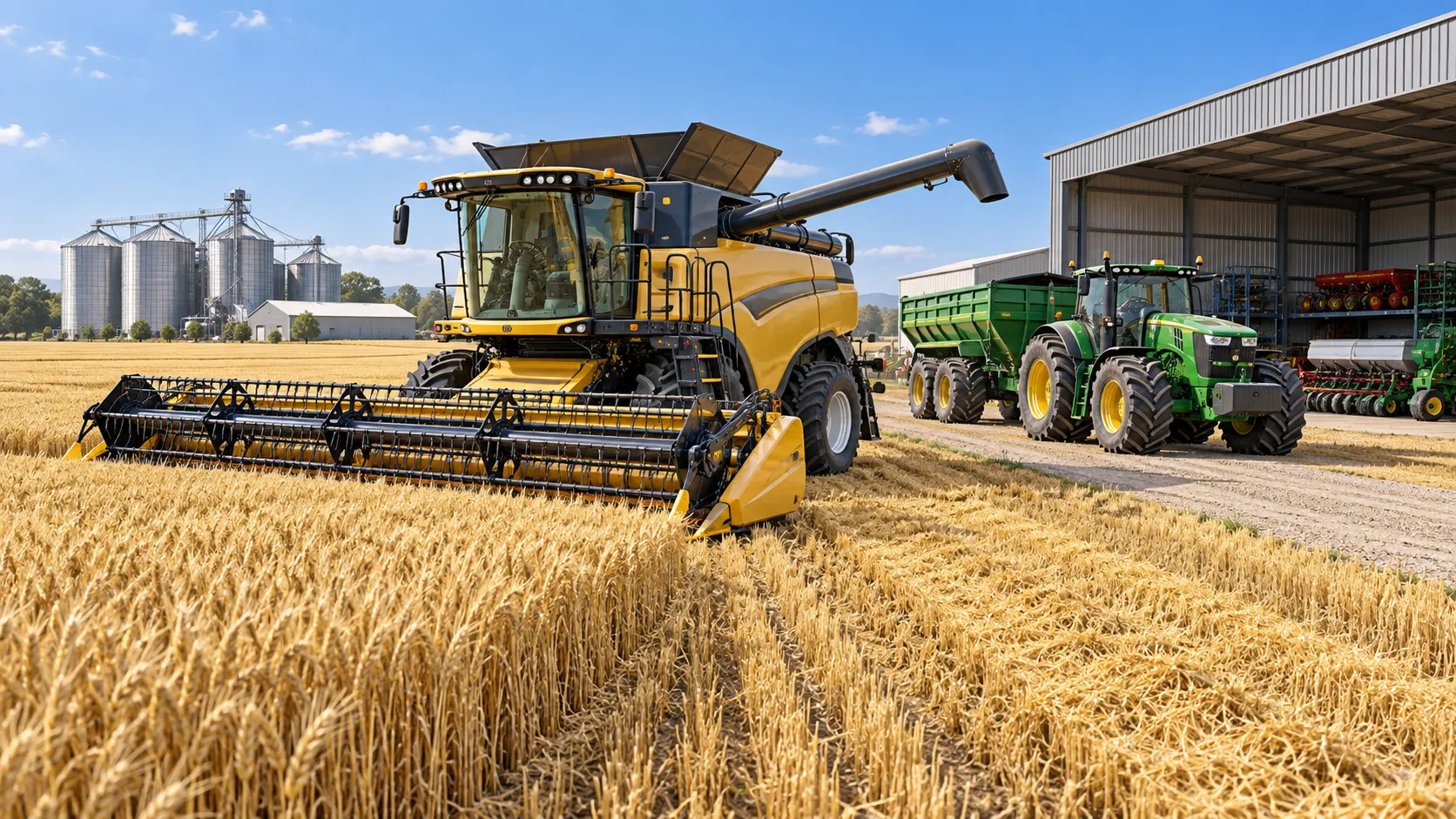
When Does Agricultural Machinery Leasing Cost Less Than Owning Equipment?
Agricultural machinery leasing can lower farm costs when use is seasonal or uncertain. Compare utilization, maintenance, cash flow, and risk to make a smarter equipment decision.
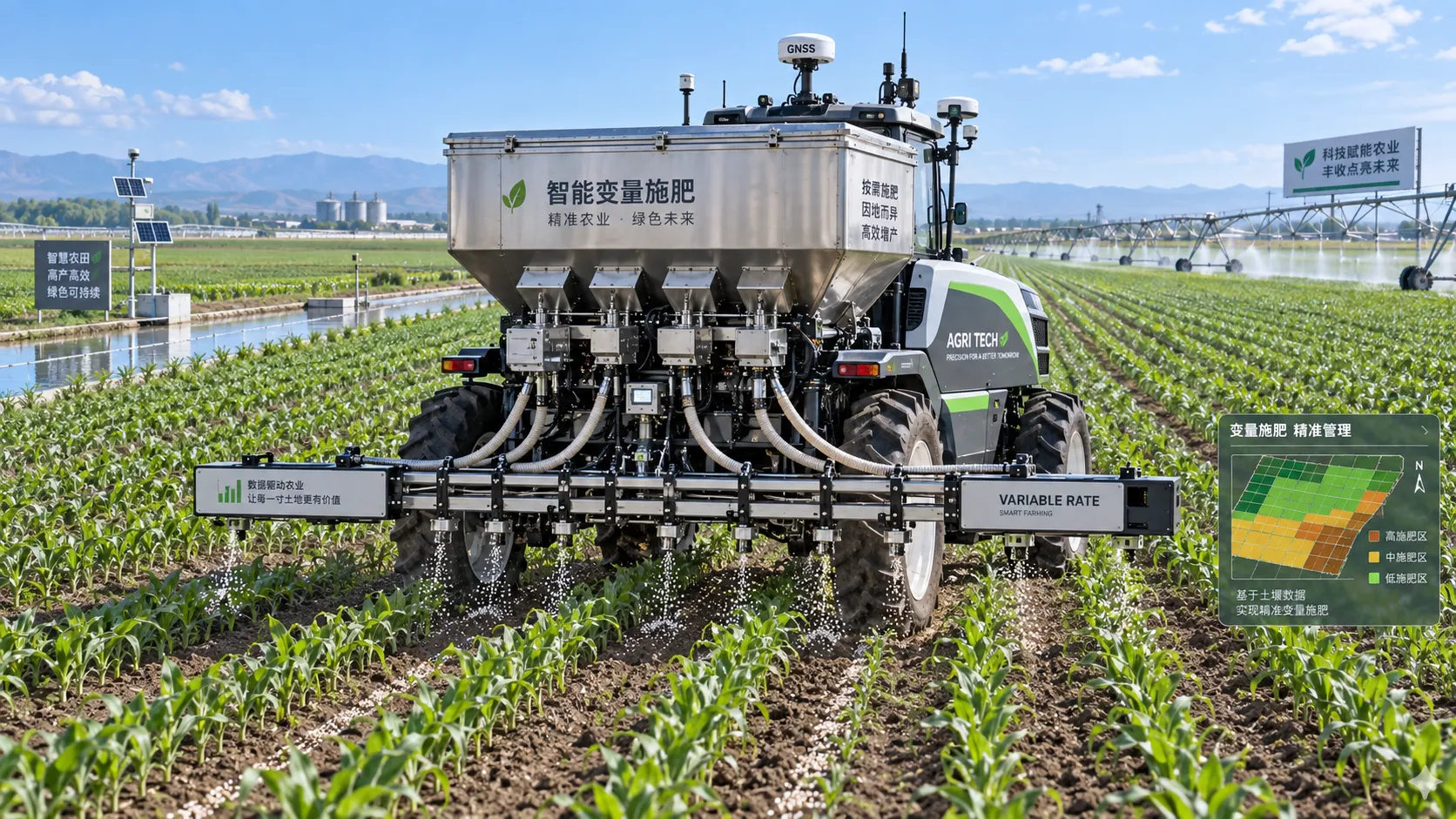
How to Evaluate Precision Fertilization System Suppliers for Farm-Scale Deployment
Precision fertilization systems suppliers: learn how to compare accuracy, integration, uptime, service, and total cost for confident farm-scale deployment.
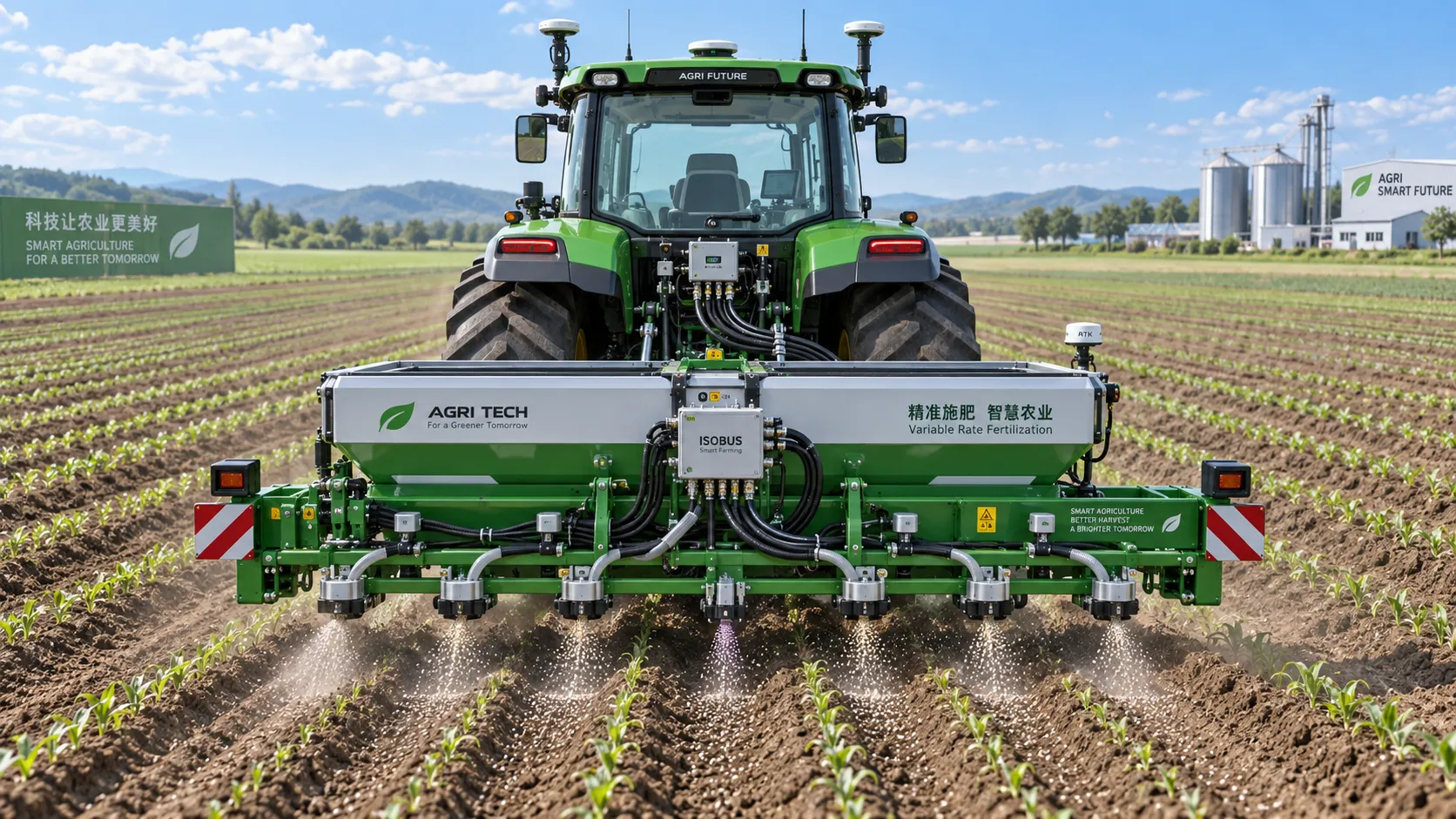
ISOBUS for Smart Agriculture: How It Connects Tractors, Implements, and Farm Data
ISOBUS for smart agriculture connects tractors, implements, terminals, and farm data—helping growers improve precision, documentation, and smarter field decisions.
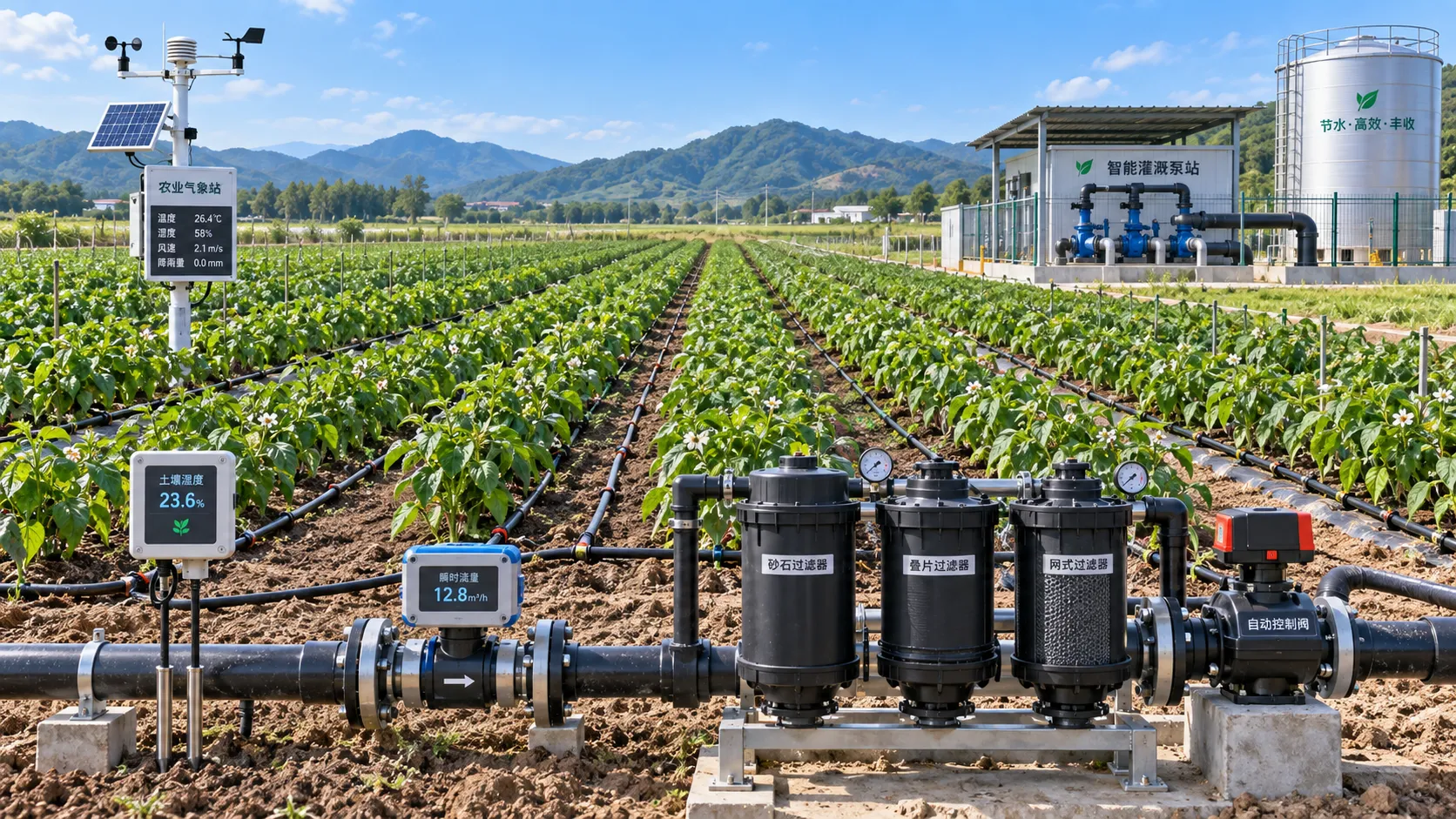
Automated Water-Saving Irrigation: How to Cut Water Use Without Reducing Crop Yields
Automated water-saving irrigation helps farms cut water use, protect crop yields, improve scheduling, and gain reliable control with sensors, flow monitoring, and smart zones.
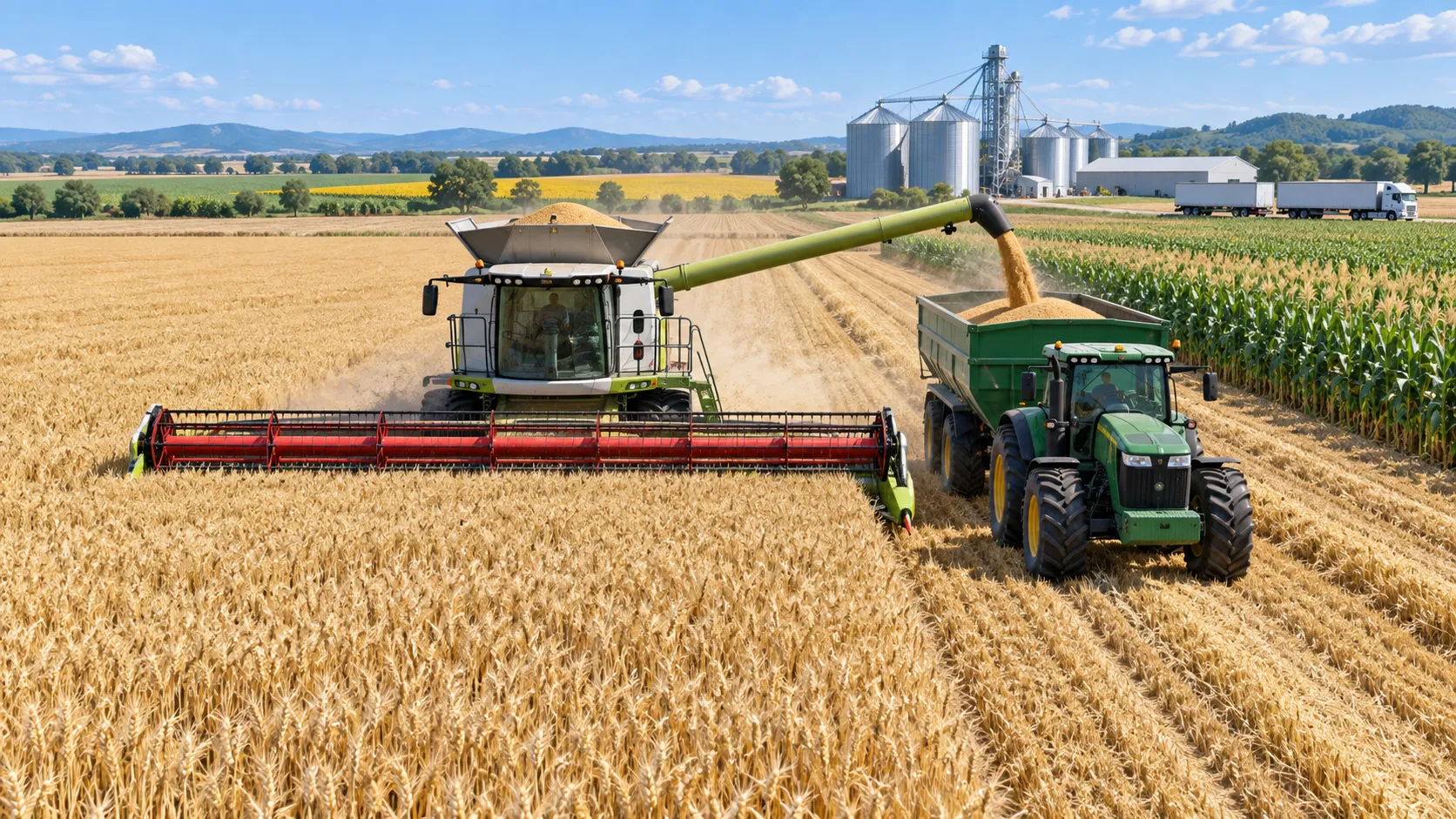
Selecting Grain Farm Equipment by Acreage, Crop Mix, and Harvest Window
Agricultural equipment selection for grain farming: match machinery to acreage, crop mix, and harvest windows to improve uptime, efficiency, and returns.
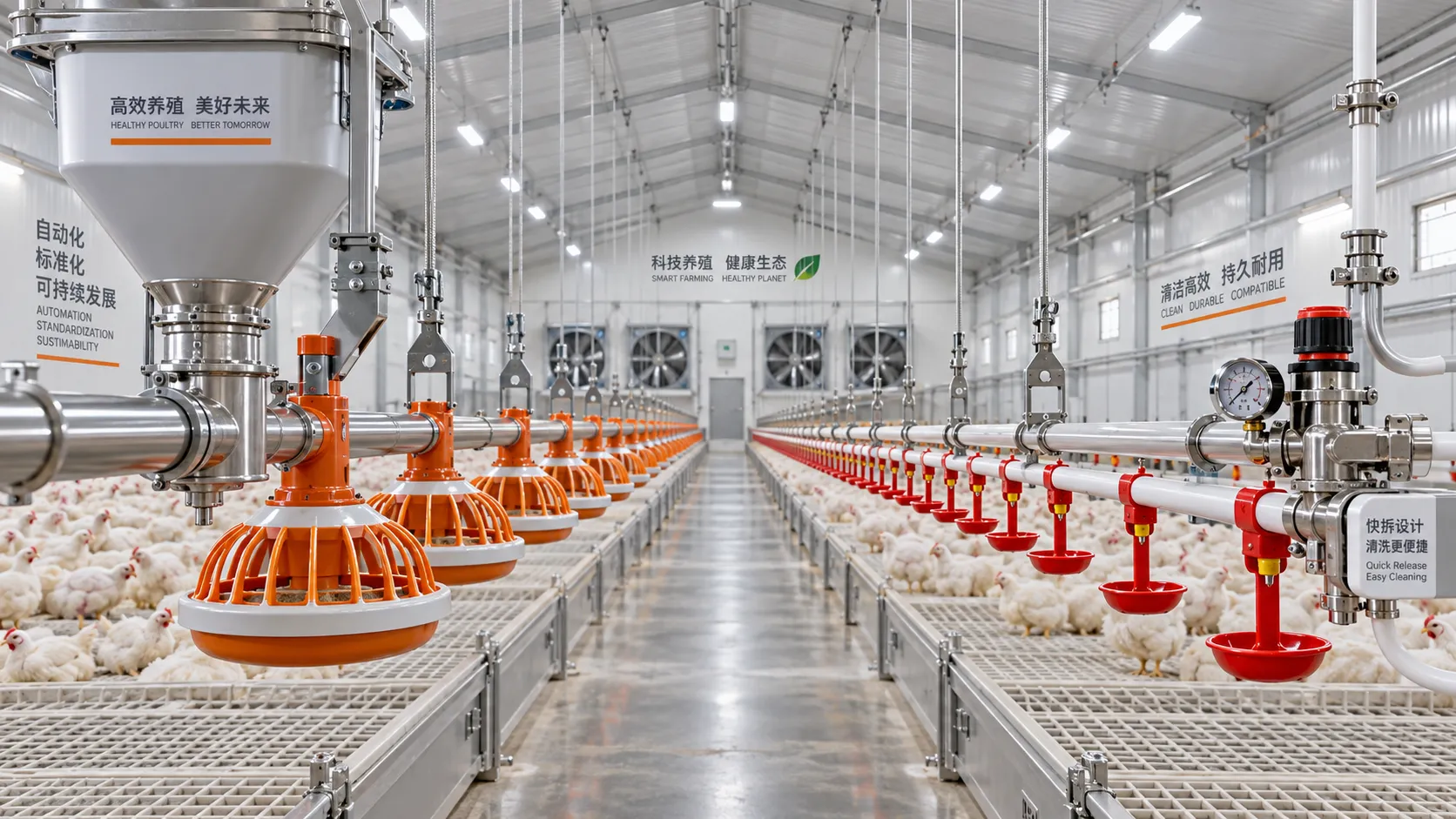
Poultry Equipment Selection: Evaluating Durability, Cleaning, and Compatibility
Poultry equipments selection guide: evaluate durability, cleaning access, and system compatibility to improve hygiene, reduce downtime, and support efficient flock management.
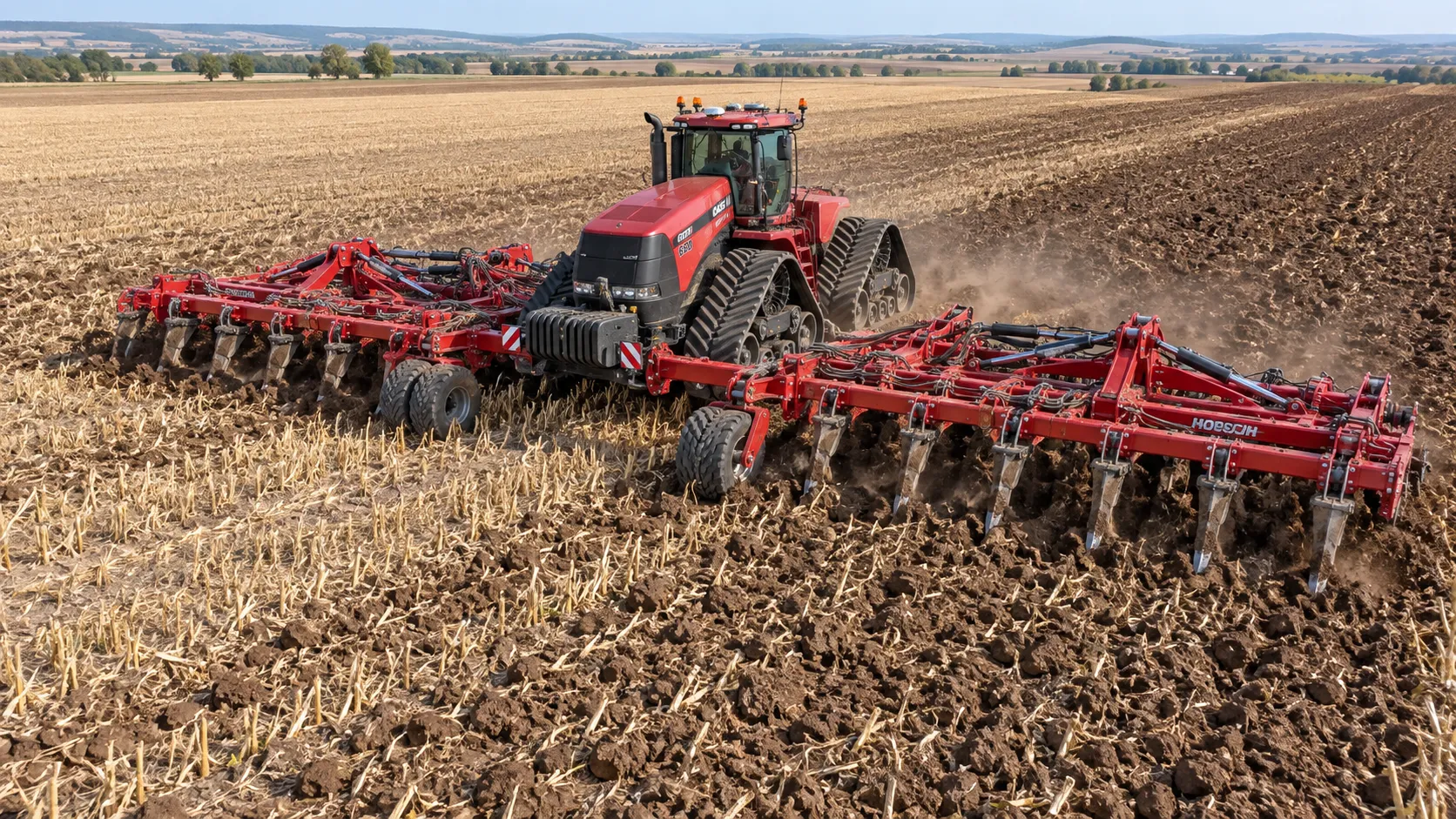
How to Select Heavy-Duty Farm Implements for High-Acreage, High-Horsepower Operations
Heavy duty farm implements: learn how to match draft, hydraulics, hitch capacity, frame strength, and field conditions for reliable high-acreage performance.
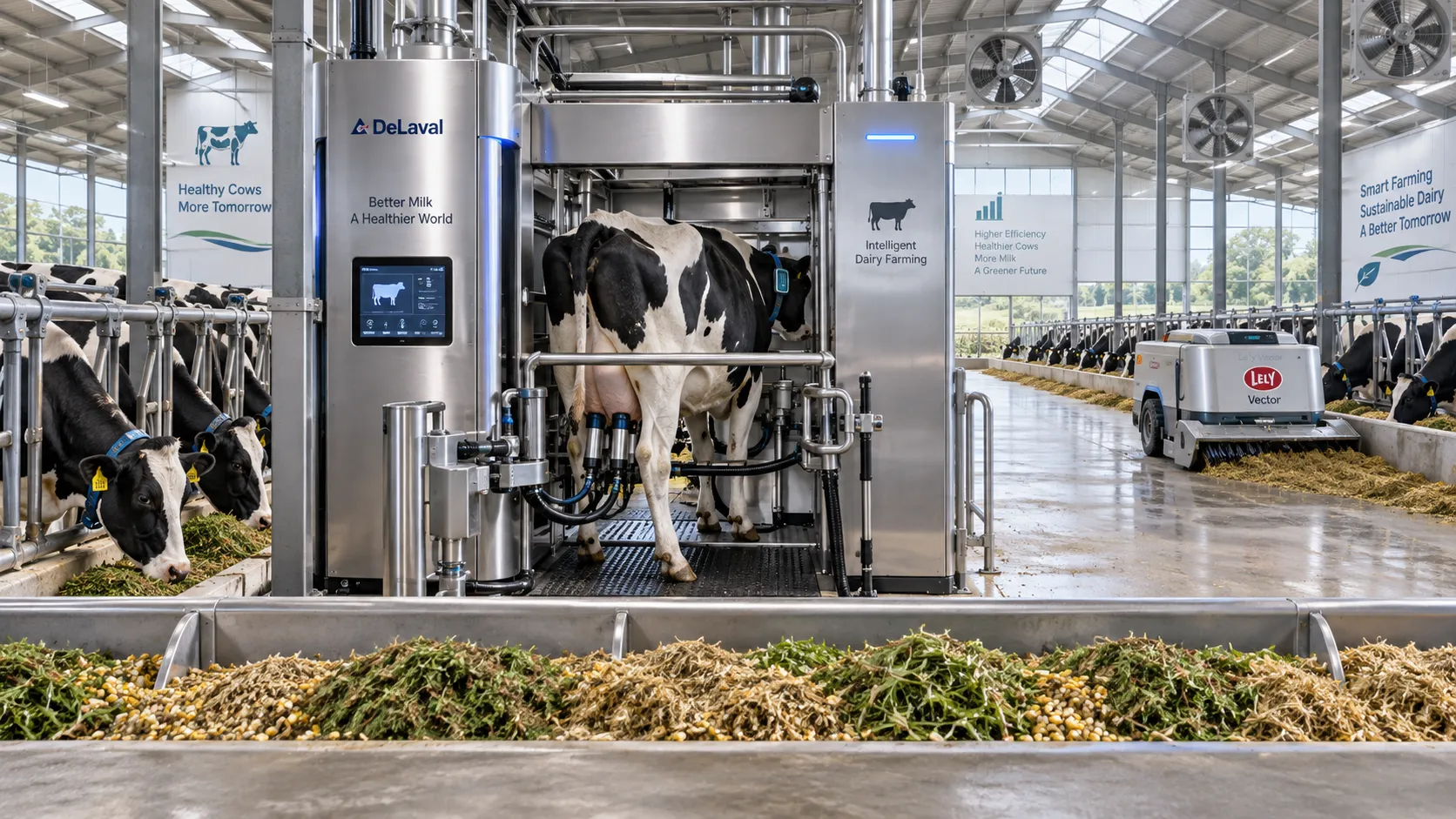
Smart Farming Technology for Dairy Farms: Where Automation Delivers Measurable ROI
Smart farming technology for dairy farms delivers measurable ROI through automation, precision feeding, health monitoring, and data-driven cost control.
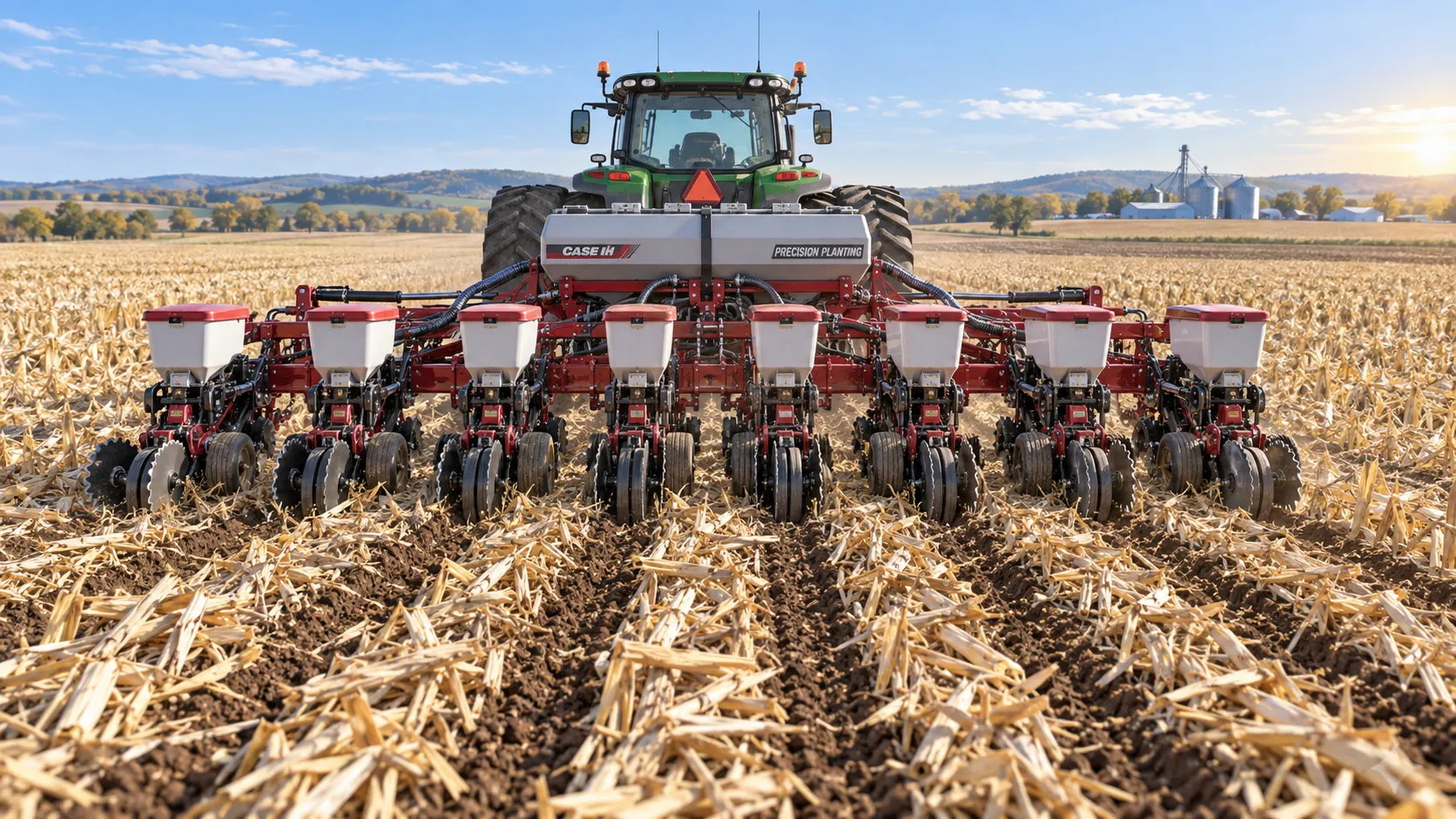
How to Select a Heavy-Duty Seeder for Large Acreage and High-Residue Fields
Heavy duty seeders for large acreage: compare residue handling, depth control, downforce, metering accuracy, and precision features to select the right model.
Related News
- 00
0000-00
When Does Agricultural Machinery Leasing Cost Less Than Owning Equipment? - 00
0000-00
Selecting Grain Farm Equipment by Acreage, Crop Mix, and Harvest Window - 00
0000-00
Poultry Equipment Selection: Evaluating Durability, Cleaning, and Compatibility - 00
0000-00
How to Select Heavy-Duty Farm Implements for High-Acreage, High-Horsepower Operations - 00
0000-00
Smart Farming Technology for Dairy Farms: Where Automation Delivers Measurable ROI
Popular Tags
Ms. Elena Rodriguez
Weekly Insights
Stay ahead with our curated technology reports delivered every Monday.