
Which climate-resilient agriculture techniques work best in dry years?
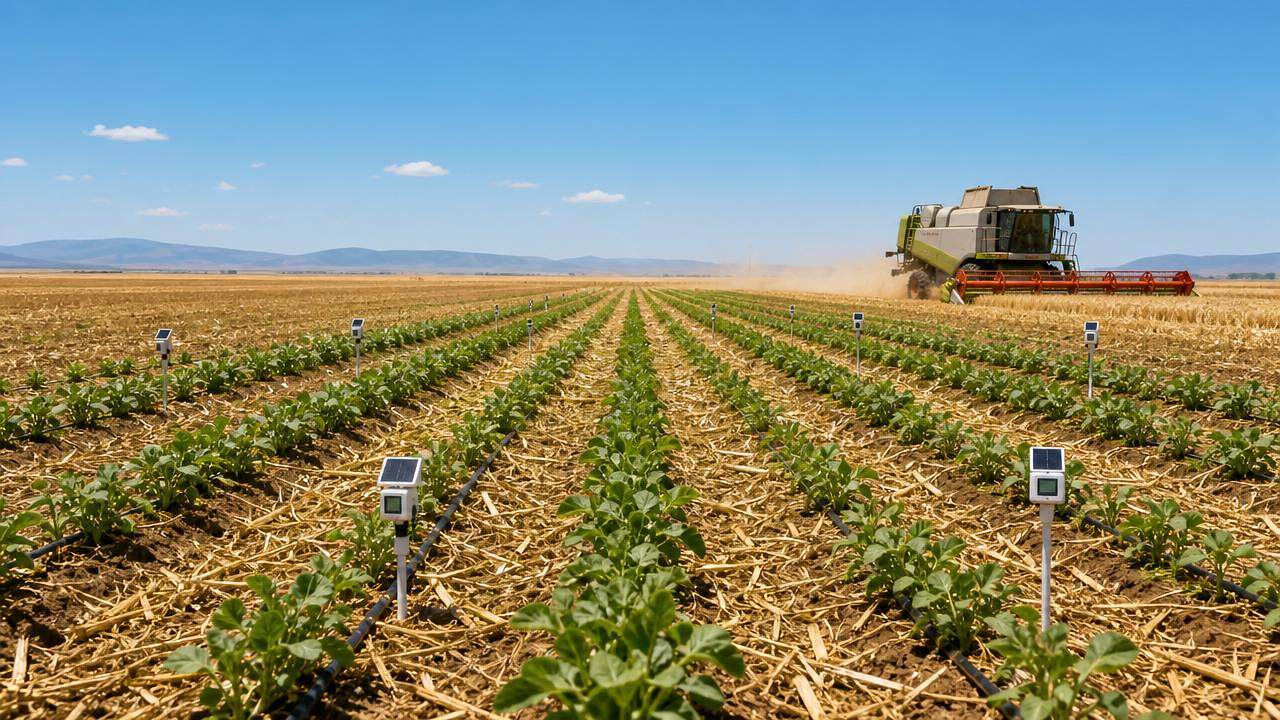




In dry years, choosing the right climate-resilient agriculture techniques for food security can determine whether farms maintain output or face serious losses. From precision irrigation and drought-tolerant cropping systems to sensor-guided field operations and efficient harvesting strategies, the best solutions balance water savings, yield stability, and operational efficiency. This article explores which methods deliver the strongest results and why they matter in modern large-scale agriculture.
Understanding climate-resilient agriculture in dry-year conditions
Climate-resilient agriculture refers to farming systems designed to maintain productivity under weather stress, especially drought, heat, and rainfall variability. In practical terms, climate-resilient agriculture techniques for food security are not a single tool or product. They are a coordinated set of decisions involving crop genetics, irrigation strategy, machinery timing, soil management, field monitoring, and harvest efficiency. In dry years, success depends less on one dramatic intervention and more on whether the whole production system can reduce water loss, protect plant growth, and respond quickly to field signals.
This topic matters because dry-year risk is becoming more frequent across many grain, oilseed, forage, and specialty crop regions. Water scarcity no longer affects only traditionally arid areas. Many high-output farming zones now face shorter planting windows, uneven emergence, lower biomass accumulation, and greater competition for irrigation resources. For information researchers, agribusiness strategists, and farm operators, the main question is not whether resilience matters, but which techniques provide the best return under real operational constraints.
Why the sector is focusing on dry-year resilience
Large-scale agriculture is under pressure from three directions at once: unstable climate patterns, tighter water availability, and the need to preserve output for food security. This is why climate-resilient agriculture techniques for food security now sit at the center of machinery planning, irrigation investment, and field intelligence systems. A dry year affects not only yields but also machinery utilization, labor scheduling, fertilizer efficiency, and harvest quality.
For a platform such as AP-Strategy, the issue is especially important because drought resilience is closely linked to mechanization and precision control. Intelligent irrigation systems help farms apply water where it produces the greatest physiological benefit. Large-scale machinery and tractor chassis influence whether operations can be completed in narrow moisture windows. Combine harvesting technology determines how much stressed crop can be recovered with minimal field loss. In the Agriculture 4.0 context, resilience is increasingly a systems-engineering problem rather than only an agronomy problem.
Which techniques work best in dry years
The most effective climate-resilient agriculture techniques for food security in dry years usually share three characteristics: they protect available soil moisture, improve each unit of water applied, and support timely intervention through data and equipment. Among the many options promoted in the market, a smaller group consistently delivers strong field results.
1. Precision irrigation and deficit irrigation scheduling
Precision irrigation is often the highest-impact strategy where supplemental water is available. Instead of applying fixed volumes on a calendar basis, farms use soil moisture sensors, evapotranspiration models, satellite imagery, and crop growth-stage data to determine when and where water is most valuable. In dry years, this approach can outperform traditional irrigation because it reduces nonproductive water use and prioritizes critical crop stages such as flowering, grain fill, or fruit set.
Deficit irrigation can also be effective when total water supply is limited. The idea is not to maximize irrigation frequency, but to strategically allow mild stress during less sensitive growth periods while protecting the most yield-critical stages. This requires strong monitoring and reliable irrigation infrastructure, but when executed well, it is one of the most practical climate-resilient agriculture techniques for food security.
2. Drought-tolerant crop varieties and diversified cropping systems
Seed choice matters more in dry years than many operations expect. Drought-tolerant hybrids and varieties do not eliminate yield loss, but they often improve stand establishment, maintain stomatal regulation under heat stress, and stabilize output under uneven rainfall. The best results come when genetics are matched with local soil type, planting date, and irrigation capacity.
Diversification also improves resilience. Rotations that include deep-rooted crops, legumes, or lower-water-demand species can reduce pressure on a single moisture profile and support better soil structure. For large farms, diversified systems spread risk across crop windows and help maintain food security when one crop faces severe drought stress.
3. Soil moisture conservation through reduced tillage and residue management
In many dry-year environments, conserving water already in the soil is as important as adding new water. Reduced tillage, strip-till, or no-till systems often improve moisture retention by limiting evaporation and preserving surface residue. Crop residue acts as a protective layer, moderating soil temperature and slowing direct moisture loss after rainfall or irrigation events.
These approaches can take time to optimize, especially where compaction, weed pressure, or residue flow challenges affect equipment performance. Still, over multiple seasons, they are among the most dependable climate-resilient agriculture techniques for food security because they improve the water balance at field scale.
4. Sensor-guided field operations and precision input placement
Dry years punish inefficiency. Variable-rate application, in-season crop sensing, and georeferenced field mapping help farms avoid wasting fertilizer, seed, or crop protection inputs in low-potential zones. Precision placement is especially useful because crops under drought stress often respond poorly to uniform input rates. By adjusting population, nutrition, or treatment intensity by management zone, farms can align investment with realistic yield potential.
This is where intelligent farm tools and AP-Strategy’s emphasis on precision farming algorithms become highly relevant. Drought resilience improves when machinery, positioning systems, and field data are integrated rather than managed separately.
5. Timely harvesting and low-loss combine optimization
Dry-year discussions often focus on planting and irrigation, but harvesting is also critical. Drought-stressed crops may mature unevenly, produce brittle grain or pods, and increase header or threshing losses if machine settings are not adjusted. High-efficiency combine harvesting technology protects final recoverable yield, which directly supports food security.
Settings for rotor speed, concave clearance, cleaning airflow, and ground speed should be adapted to stressed crop conditions. In large-scale operations, the difference between average and optimized harvest settings can translate into major tonnage preservation, especially when drought reduces total available output.
Industry overview table: relative value of key techniques in dry years
The table below summarizes how leading climate-resilient agriculture techniques for food security perform across the priorities most often evaluated by researchers and farm decision-makers.
Where these techniques create the most value
Not every technique performs equally across every farm type. The strongest climate-resilient agriculture techniques for food security depend on crop value, water access, machinery scale, and data maturity.
Large irrigated operations
These farms usually gain the most from irrigation intelligence, pressure control, emitter performance monitoring, and water allocation modeling. If water rights or reservoir levels tighten, deficit irrigation and zone-based prioritization become essential.
Rainfed grain systems
For rainfed acreage, soil cover, reduced tillage, hybrid selection, and planting-timing discipline often offer the best resilience gains. The objective is to capture and preserve every rainfall event while avoiding unnecessary soil disturbance.
Mechanized high-throughput farms
Where labor windows are tight, machine readiness becomes a resilience factor. Reliable tractor chassis performance, accurate guidance, and rapid harvest response help preserve crop value under compressed dry-year schedules.
Practical evaluation points before adoption
Before investing in new systems, organizations should assess resilience techniques through a practical lens. First, identify the dominant drought risk: lack of seasonal rainfall, poor infiltration, limited irrigation capacity, or operational delays. Second, map field variability because uniform strategies often underperform in dry years. Third, evaluate whether the farm has the digital and mechanical capability to act on insights. Sensor data has limited value if irrigation hardware cannot respond or if machinery cannot operate within the needed window.
It is also important to compare resilience gains at system level rather than tool level. For example, a drought-tolerant hybrid may show modest value alone, but strong value when combined with residue retention, variable-rate seeding, and timely irrigation. In other words, the best climate-resilient agriculture techniques for food security often work as bundles rather than stand-alone measures.
Common implementation mistakes
A frequent mistake is focusing only on emergency drought response instead of building long-term resilience. Another is treating technology as a substitute for agronomic fit. Installing advanced irrigation controls without checking soil infiltration rates, root-zone depth, or crop stage priorities can lead to disappointing results. Farms also sometimes underinvest in combine setup and post-maturity timing, losing grain that earlier interventions worked hard to protect.
Finally, some operations collect large amounts of data but do not convert it into decisions. Climate resilience improves when information leads to action: adjusting water timing, changing input rates, reordering harvest sequence, or selecting more suitable genetics for the next season.
Strategic direction for stronger food security
The best answer to dry-year risk is not a single universal method. The most reliable climate-resilient agriculture techniques for food security combine water-saving irrigation, drought-adapted genetics, soil moisture conservation, precision field operations, and low-loss harvesting. Together, these measures improve yield stability, protect resource efficiency, and support more dependable agricultural output under climate pressure.
For researchers and decision-makers tracking Agriculture 4.0, the key takeaway is clear: resilience is strongest when agronomy, machinery, and intelligence systems are connected. Organizations that evaluate dry-year strategy through this integrated lens are better positioned to maintain output, protect assets, and contribute to long-term food security. For businesses exploring irrigation modernization, precision equipment, or harvesting optimization, now is the right time to build a field strategy based on measurable resilience rather than seasonal reaction.
Related News
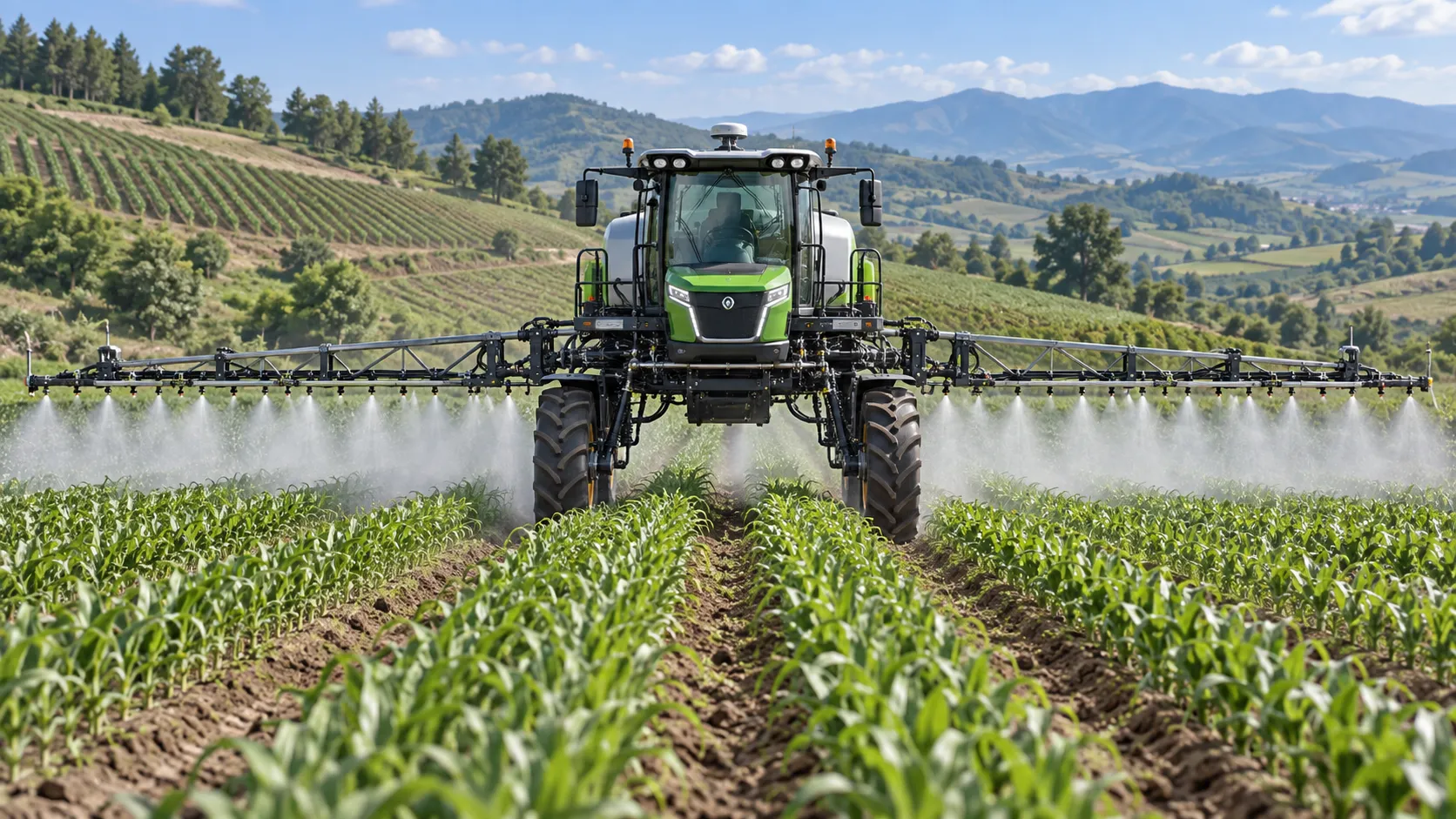
How to Select Precision Crop Protection Equipment for Variable Field Conditions
Precision crop protection equipment selection made simple: compare terrain, canopy, weather, control accuracy, and data workflows for reliable applications.
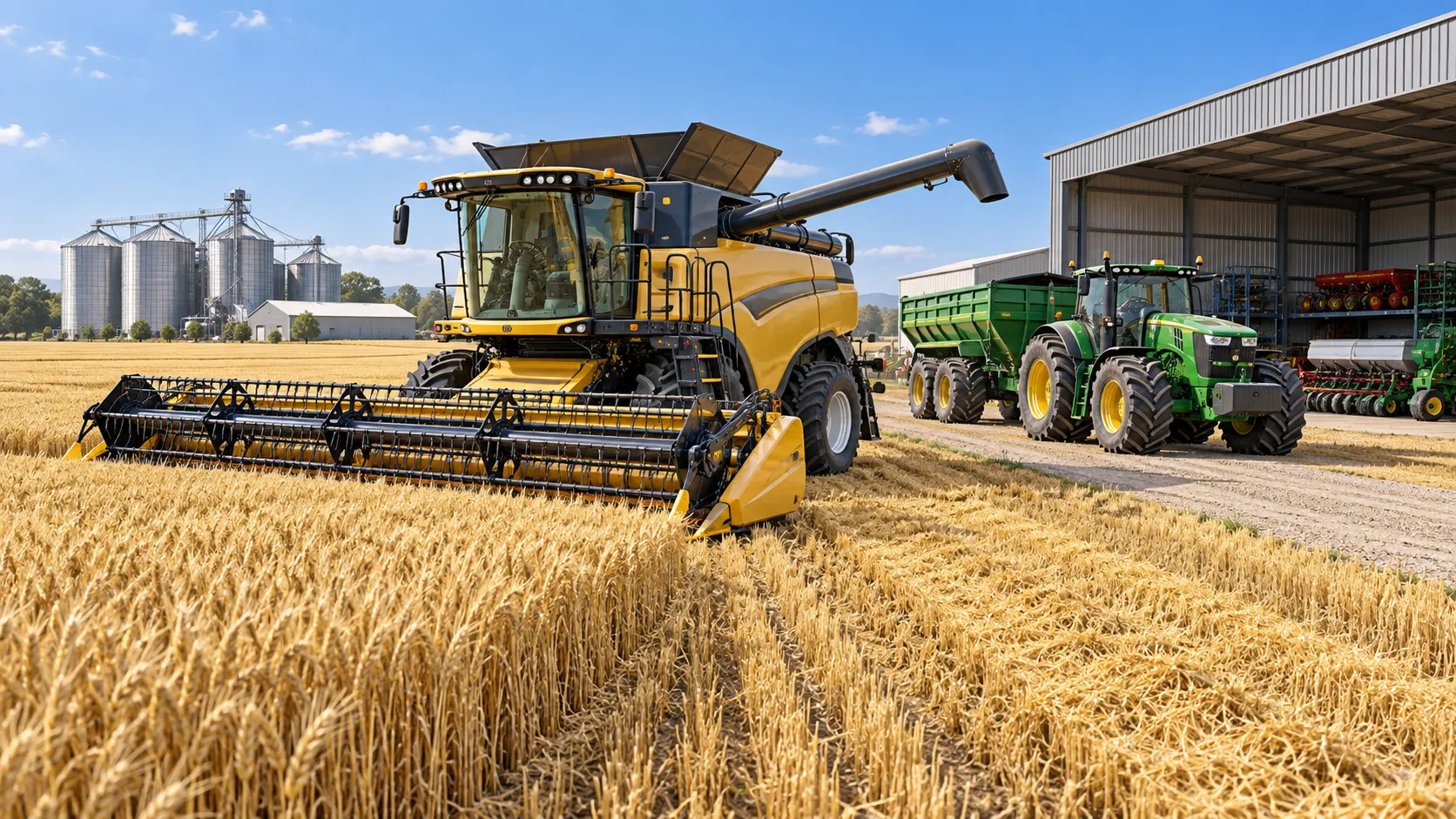
When Does Agricultural Machinery Leasing Cost Less Than Owning Equipment?
Agricultural machinery leasing can lower farm costs when use is seasonal or uncertain. Compare utilization, maintenance, cash flow, and risk to make a smarter equipment decision.
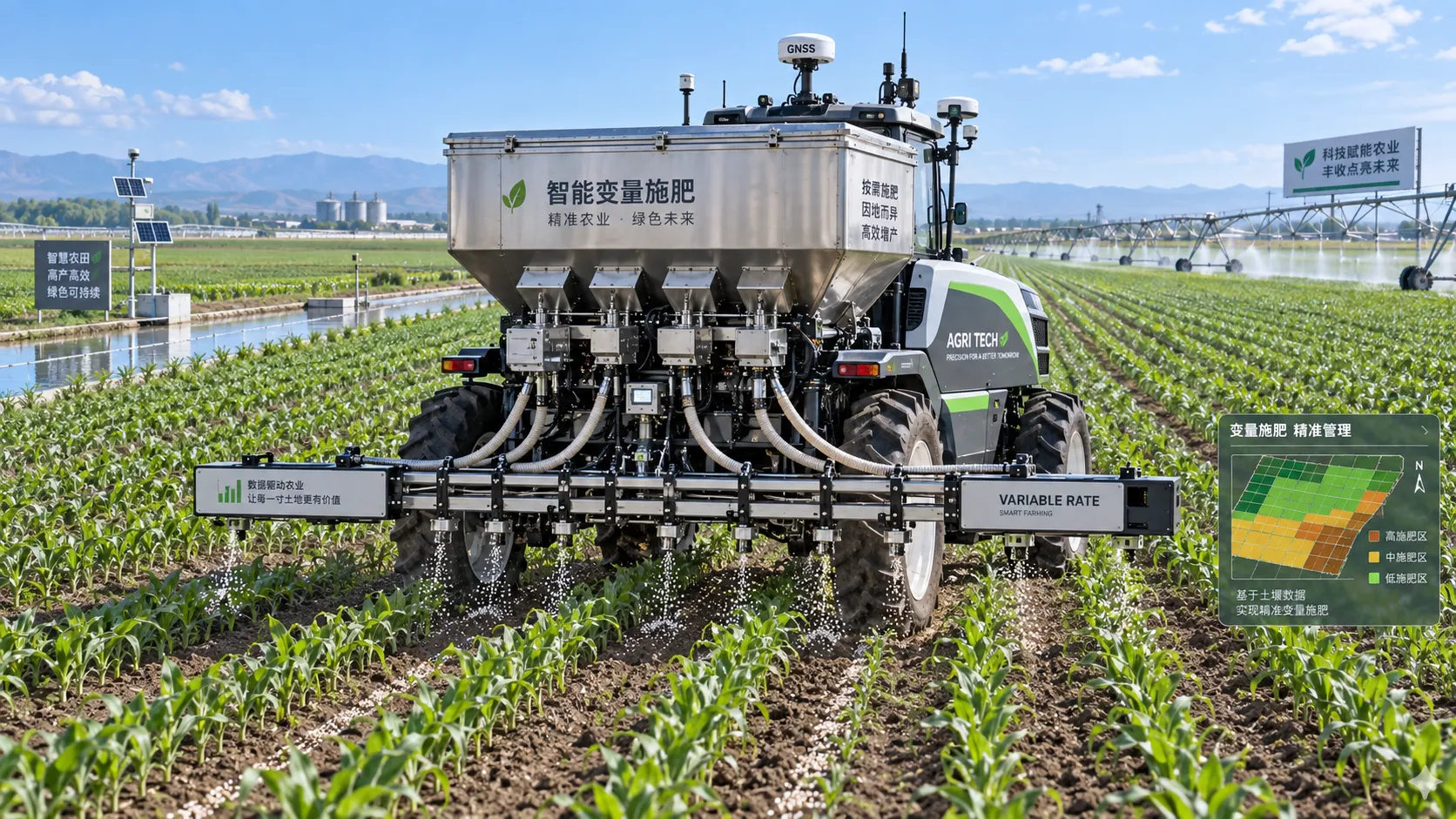
How to Evaluate Precision Fertilization System Suppliers for Farm-Scale Deployment
Precision fertilization systems suppliers: learn how to compare accuracy, integration, uptime, service, and total cost for confident farm-scale deployment.
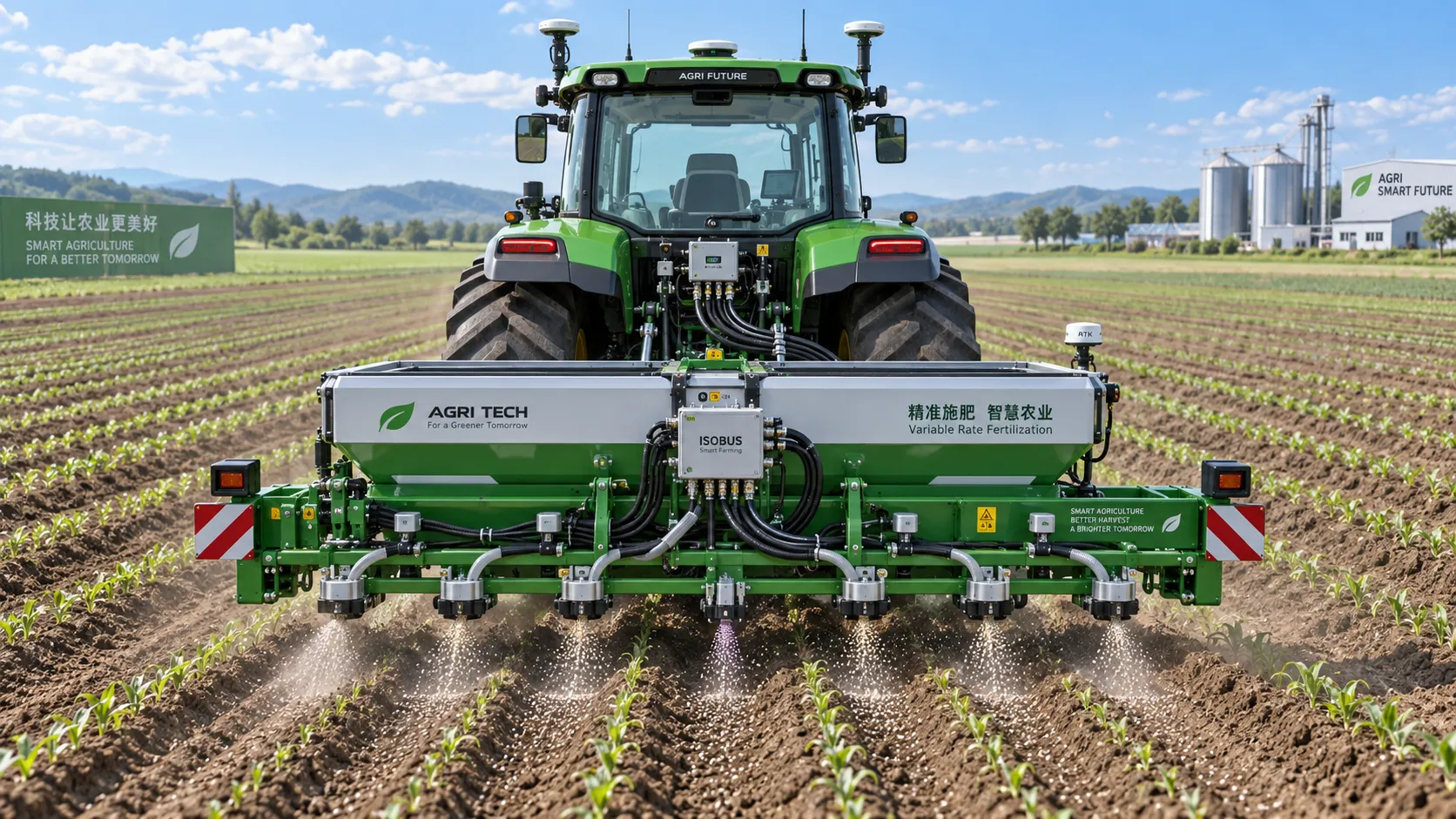
ISOBUS for Smart Agriculture: How It Connects Tractors, Implements, and Farm Data
ISOBUS for smart agriculture connects tractors, implements, terminals, and farm data—helping growers improve precision, documentation, and smarter field decisions.
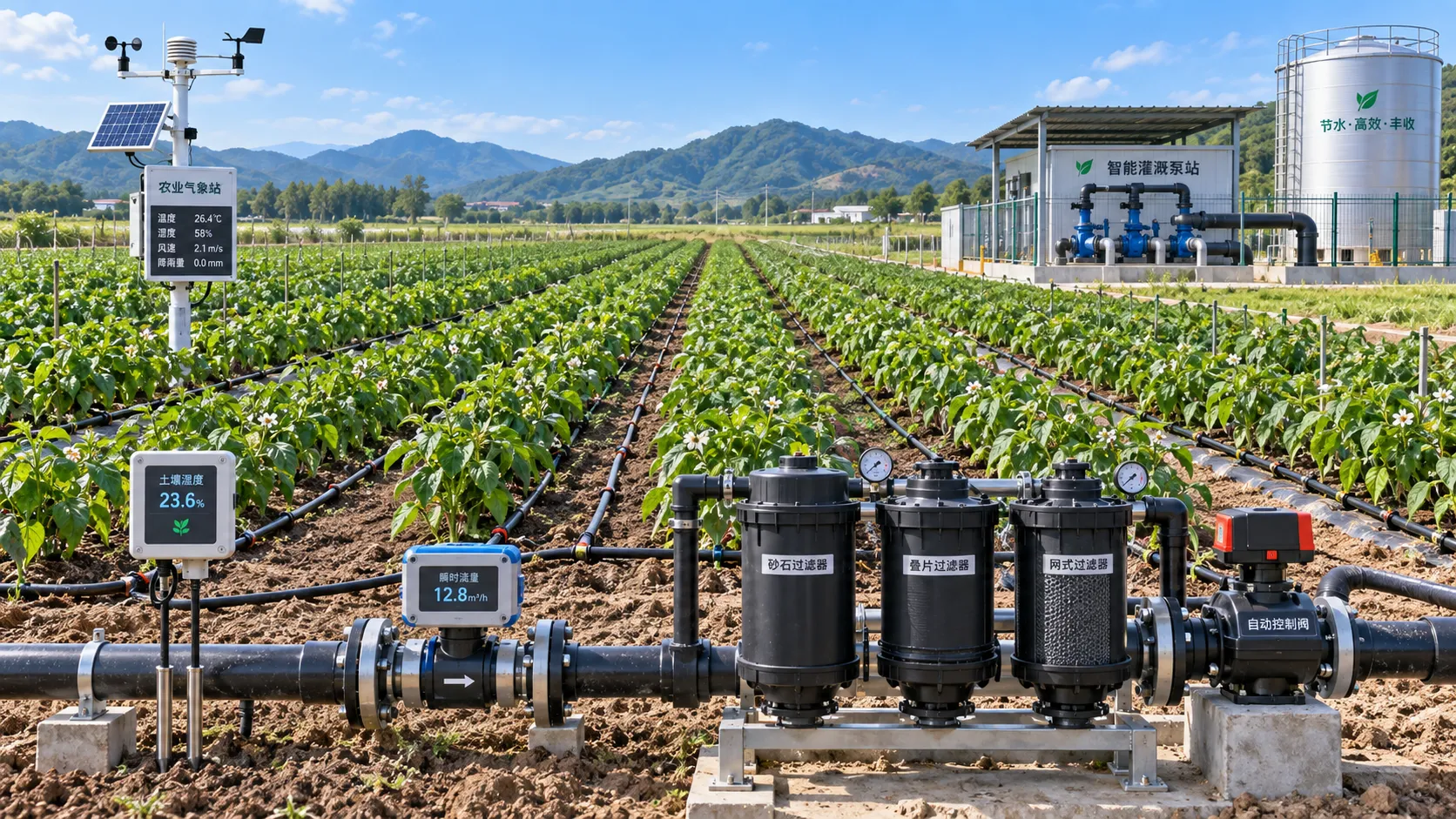
Automated Water-Saving Irrigation: How to Cut Water Use Without Reducing Crop Yields
Automated water-saving irrigation helps farms cut water use, protect crop yields, improve scheduling, and gain reliable control with sensors, flow monitoring, and smart zones.
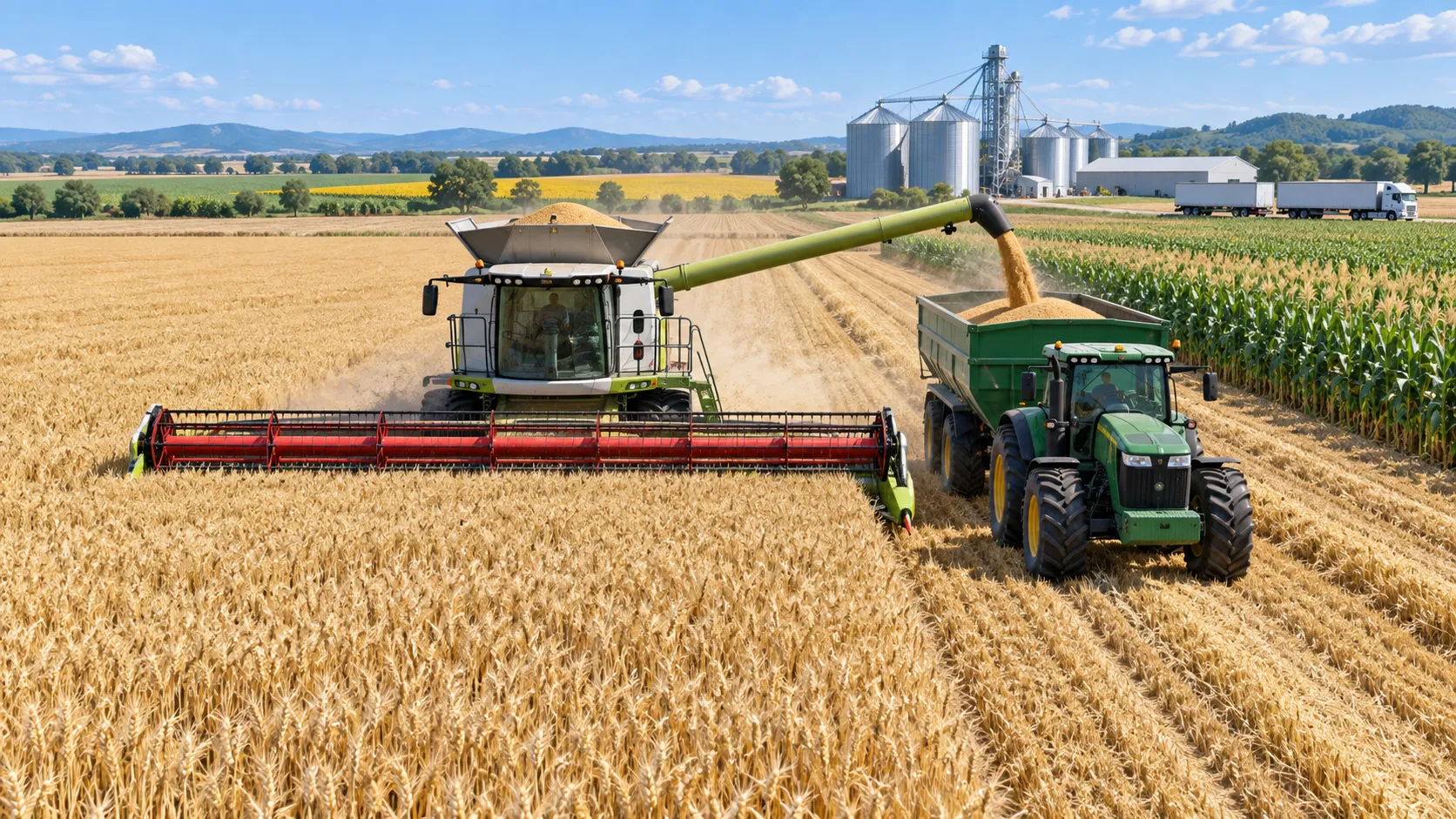
Selecting Grain Farm Equipment by Acreage, Crop Mix, and Harvest Window
Agricultural equipment selection for grain farming: match machinery to acreage, crop mix, and harvest windows to improve uptime, efficiency, and returns.
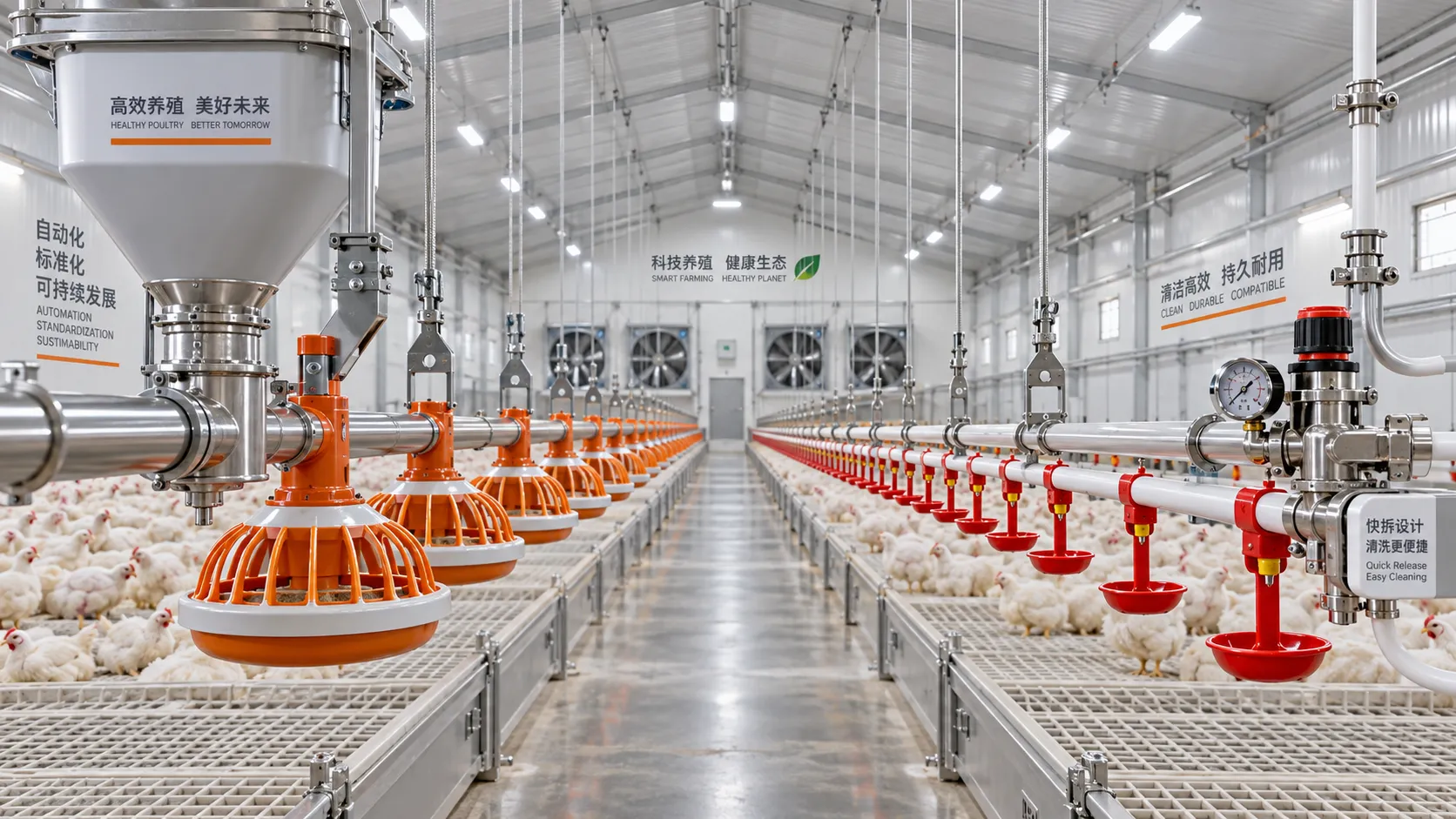
Poultry Equipment Selection: Evaluating Durability, Cleaning, and Compatibility
Poultry equipments selection guide: evaluate durability, cleaning access, and system compatibility to improve hygiene, reduce downtime, and support efficient flock management.
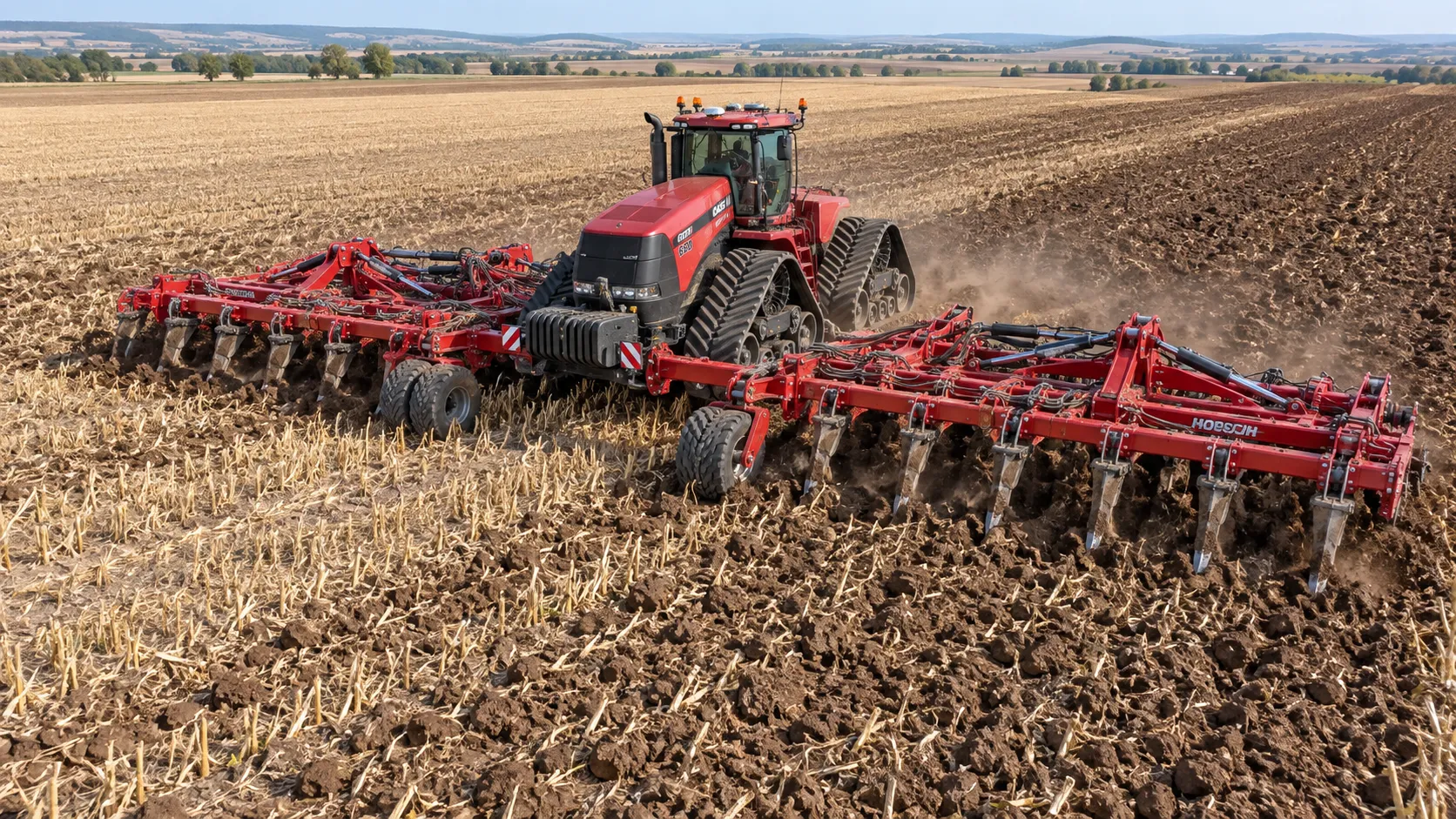
How to Select Heavy-Duty Farm Implements for High-Acreage, High-Horsepower Operations
Heavy duty farm implements: learn how to match draft, hydraulics, hitch capacity, frame strength, and field conditions for reliable high-acreage performance.
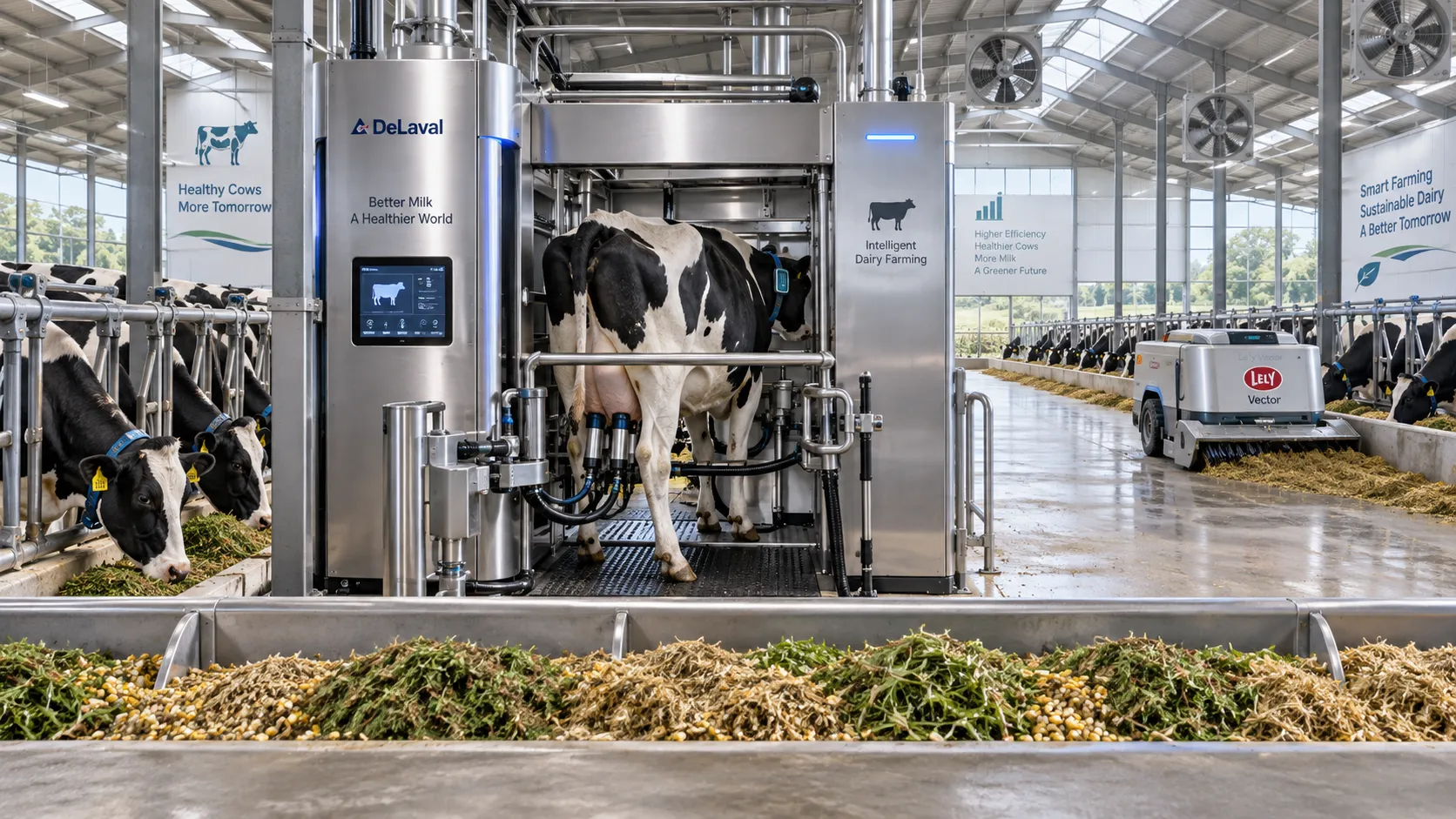
Smart Farming Technology for Dairy Farms: Where Automation Delivers Measurable ROI
Smart farming technology for dairy farms delivers measurable ROI through automation, precision feeding, health monitoring, and data-driven cost control.
Related News
- 00
0000-00
When Does Agricultural Machinery Leasing Cost Less Than Owning Equipment? - 00
0000-00
Selecting Grain Farm Equipment by Acreage, Crop Mix, and Harvest Window - 00
0000-00
Poultry Equipment Selection: Evaluating Durability, Cleaning, and Compatibility - 00
0000-00
How to Select Heavy-Duty Farm Implements for High-Acreage, High-Horsepower Operations - 00
0000-00
Smart Farming Technology for Dairy Farms: Where Automation Delivers Measurable ROI
Popular Tags
Ms. Elena Rodriguez
Weekly Insights
Stay ahead with our curated technology reports delivered every Monday.