
Food Security Pressure Is Changing Equipment Priorities
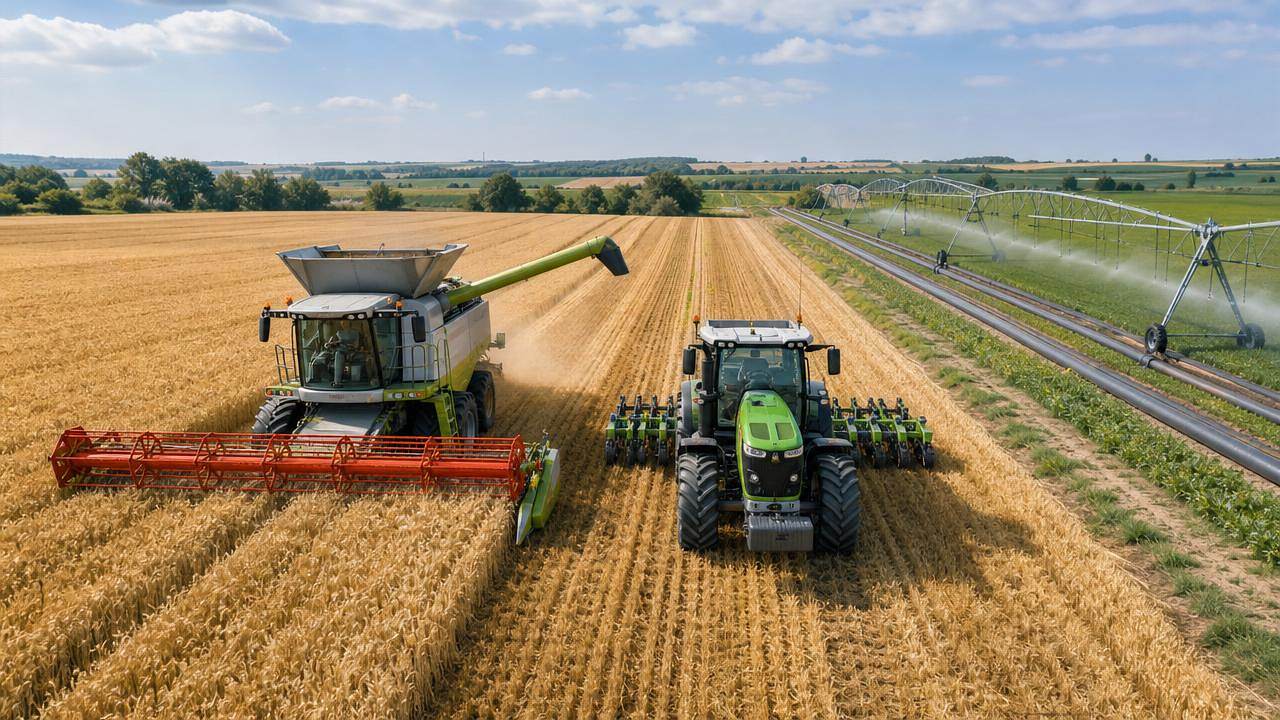




As food security moves to the center of global agricultural strategy, equipment investment priorities are shifting from simple capacity expansion to precision, resilience, and resource efficiency. For project managers and engineering leaders, this means rethinking how combines, tractor chassis, smart implements, and irrigation systems support long-term performance, risk control, and sustainable output in an increasingly volatile operating environment.
Food security is reshaping what counts as “critical” equipment
A clear change is unfolding across the agricultural equipment landscape: decisions are no longer driven mainly by peak horsepower, field speed, or annual output targets in isolation. Under rising food security pressure, buyers and project teams are asking a different set of questions. Can the machine operate reliably under climate variability? Can it reduce harvest loss when labor is unstable? Can the irrigation system maintain yields when water access tightens? Can the platform generate usable data for planning, maintenance, and compliance?
This shift matters because food security is no longer treated as a distant policy theme. It now influences procurement logic, infrastructure design, financing priorities, and operating standards. For engineering project leaders, the implication is practical: equipment selection must support continuity, not just capacity. A combine that harvests quickly but performs poorly in variable crop conditions may create more food security risk than value. A tractor chassis optimized for one task but difficult to integrate with precision tools may limit future adaptability. A low-cost irrigation network that wastes water may become a stranded asset as regulation and climate pressure intensify.
The strongest market signals point to a change in investment logic
Across global farming systems, several signals indicate that equipment priorities are changing under food security expectations. These are not isolated product trends; they reflect a broader shift in how operators protect yield, stabilize output, and manage uncertainty.
For project managers, these signals should be read as a warning against narrow procurement frameworks. The cheapest machine or the fastest delivery option may not support food security goals if operational risk, field adaptability, and future integration are weak.
Why food security pressure is accelerating this transition
The drivers behind this shift are structural. Climate volatility is making production windows less predictable, which raises the value of equipment that can respond quickly and accurately. Water constraints are pushing irrigation systems toward higher control precision and lower waste. Input costs remain sensitive, increasing the return on smart implements that reduce overlap, optimize application rates, and improve field consistency. At the same time, labor instability in many markets is encouraging greater automation, simplified controls, and more intelligent machine feedback.
Policy pressure also matters. Governments and major agribusiness buyers increasingly connect food security with resource efficiency, emissions, traceability, and resilience planning. That means equipment projects may be judged not only by installed capacity but by their contribution to stable yields, water stewardship, and risk mitigation. In this environment, food security becomes both a production issue and a governance issue.
Another important factor is the digital maturation of Agriculture 4.0. Precision farming tools, telematics, sensor feedback, and predictive maintenance are no longer experimental add-ons in many operations. They are becoming part of the basic toolkit for protecting output. When food security is under pressure, decision-makers need earlier warnings, more accurate field visibility, and tighter operational coordination. Equipment that cannot participate in this data layer becomes harder to justify.
Equipment priorities are shifting differently across major asset categories
Although the overall direction is clear, the impact of food security pressure is not identical across all equipment classes. Each category is being asked to solve a different operational risk.
Combine harvesters: lower loss and higher adaptability now outrank simple throughput
In harvesting, food security pressure raises the cost of grain loss, delayed field clearance, and poor performance in inconsistent crop conditions. As a result, project teams are paying closer attention to cleaning efficiency, grain loss monitoring, operator assistance, and adaptability across moisture variation and uneven field conditions. A high-capacity combine still matters, but it matters more when paired with stable loss control and better operating intelligence.
Tractor chassis: flexibility and hydraulic intelligence are becoming core value points
For tractor platforms, food security concerns are shifting value toward transmission stability, implement compatibility, hydraulic responsiveness, and durability under heavy multi-season workloads. The chassis is no longer judged only as a power source. It is increasingly treated as a platform that must support precise seeding, nutrient placement, tillage optimization, and transport reliability across changing field demands.
Smart implements: precision is moving from optional upgrade to operational requirement
Food security depends not only on doing work, but on doing the right work at the right place and time. That is why intelligent farm tools are gaining importance. Section control, variable-rate application, positioning accuracy, and real-time sensor feedback help reduce waste and improve consistency. For project leaders, the key question is whether precision tools can be reliably integrated into field workflows without creating complexity that operators cannot sustain.
Water-saving irrigation: efficiency is now inseparable from resilience
Water systems are one of the most direct intersections between climate pressure and food security. Investment is shifting toward smarter networks that can monitor flow, adjust delivery, detect leaks, and support crop-stage-based irrigation decisions. Engineering teams are also under pressure to design systems with stronger lifecycle economics, because water inefficiency can undermine both production stability and regulatory compliance.
Who feels the impact most, and where decision pressure is rising
Not every stakeholder experiences this transition in the same way. The pressure is strongest where equipment decisions influence continuity, cost exposure, and multi-year output planning.
This is where AP-Strategy’s intelligence lens becomes useful. In a market shaped by large-scale agri-machinery, combine harvesting technology, tractor chassis evolution, intelligent farm tools, and smart irrigation, the winning projects are often those that connect equipment choice with long-cycle operational realities rather than one-time purchase logic.
What project leaders should change in their evaluation framework
If food security is influencing equipment priorities, then project governance should evolve as well. A stronger evaluation framework usually includes five shifts.
First, move from unit-level comparison to mission-level comparison. Instead of asking which machine is better on paper, ask which configuration better protects harvest windows, irrigation continuity, and agronomic precision in local conditions.
Second, evaluate operational resilience as a measurable requirement. This includes maintenance intervals, remote diagnostics capability, availability of local technical support, and performance stability in difficult crop or climate conditions.
Third, treat interoperability as a strategic criterion. Food security objectives increasingly depend on how machines exchange data, support smart implements, and connect with planning systems. Closed systems may create hidden long-term constraints.
Fourth, include resource efficiency in capital planning. Water use, fuel consumption, overlap reduction, and input optimization should be analyzed not as sustainability extras, but as direct contributors to secure output.
Fifth, design for phased upgrading. In uncertain markets, projects that allow staged automation, sensor integration, or irrigation intelligence often manage risk better than all-at-once transformations.
The next phase of food security investment will reward practical intelligence
The next stage is unlikely to be defined by a single breakthrough machine. More likely, it will be shaped by practical intelligence applied across the equipment chain: better feedback from combines, smarter hydraulic control in tractors, more reliable prescription execution by implements, and more adaptive irrigation management. Food security will reward systems that reduce uncertainty step by step.
That means decision-makers should watch for a few continuing signals: whether vendors can support integrated workflows, whether equipment can be upgraded without major redesign, whether data outputs are usable for field decisions, and whether service models are strong enough to sustain uptime during critical windows. These are not secondary details. Under food security pressure, they become part of core asset value.
Action guidance for organizations reviewing equipment strategy now
Organizations do not need to replace every asset immediately to respond to this shift. But they do need a sharper decision process. Start by identifying where production risk is most concentrated: harvesting loss, delayed field operations, irrigation inefficiency, weak machine coordination, or poor maintenance visibility. Then align equipment planning to those bottlenecks.
For many teams, the most effective next step is a structured review of whether current equipment supports food security through resilience, precision, and efficient resource use. If the answer is unclear, focus on three questions. Which asset failures would most threaten stable output? Which upgrades would produce the largest reduction in waste or downtime? Which systems are limiting future integration with smart cultivation tools?
Food security is changing equipment priorities because the operating environment itself has changed. For project managers and engineering leaders, the opportunity is not simply to buy newer machines, but to build a more reliable, adaptive, and intelligence-driven production system. Enterprises that want to judge the impact on their own business should now confirm where their equipment strategy stands on uptime, precision, water efficiency, interoperability, and upgrade readiness. Those answers will shape the next generation of competitive agricultural infrastructure.
Related News
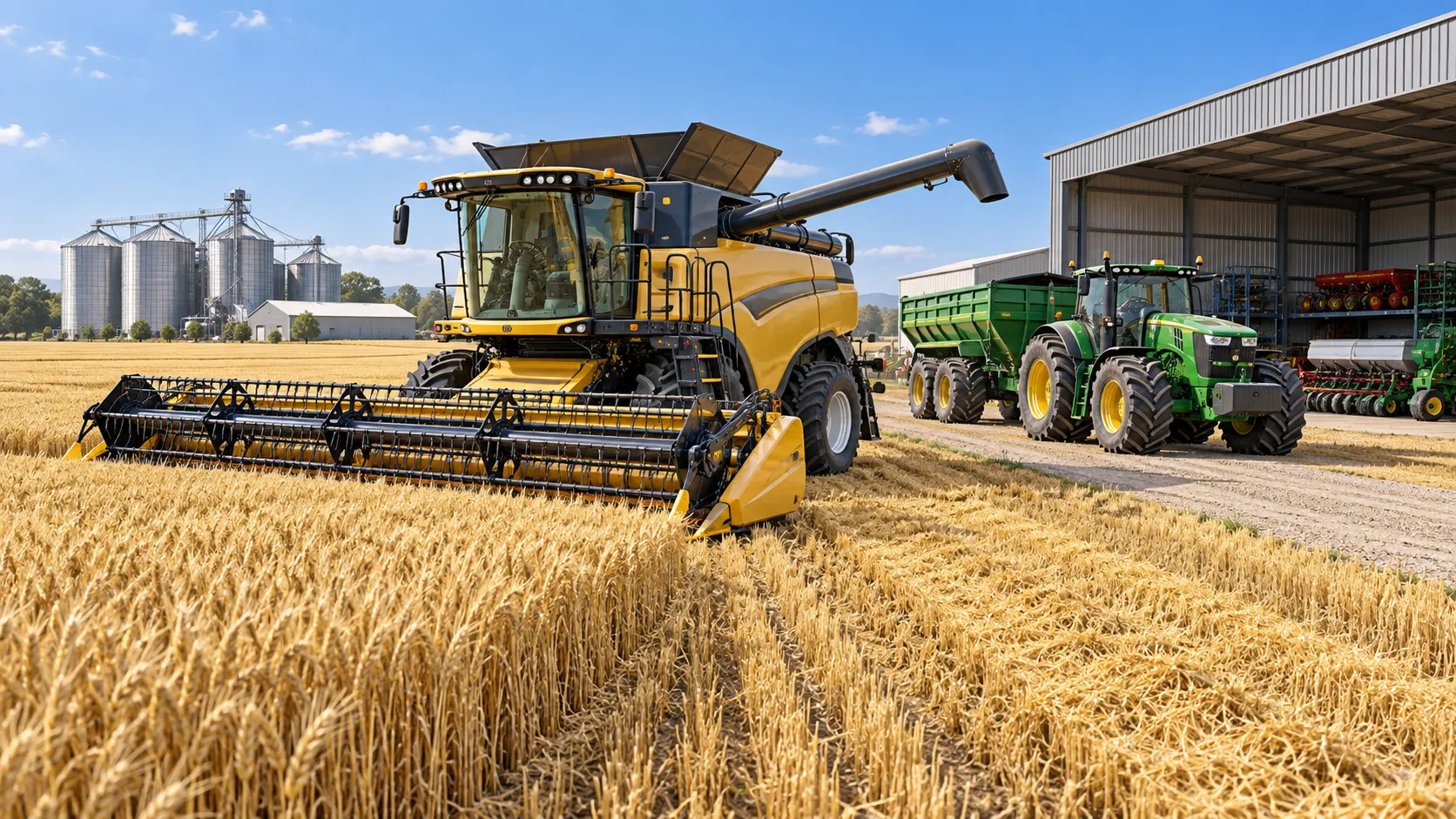
When Does Agricultural Machinery Leasing Cost Less Than Owning Equipment?
Agricultural machinery leasing can lower farm costs when use is seasonal or uncertain. Compare utilization, maintenance, cash flow, and risk to make a smarter equipment decision.
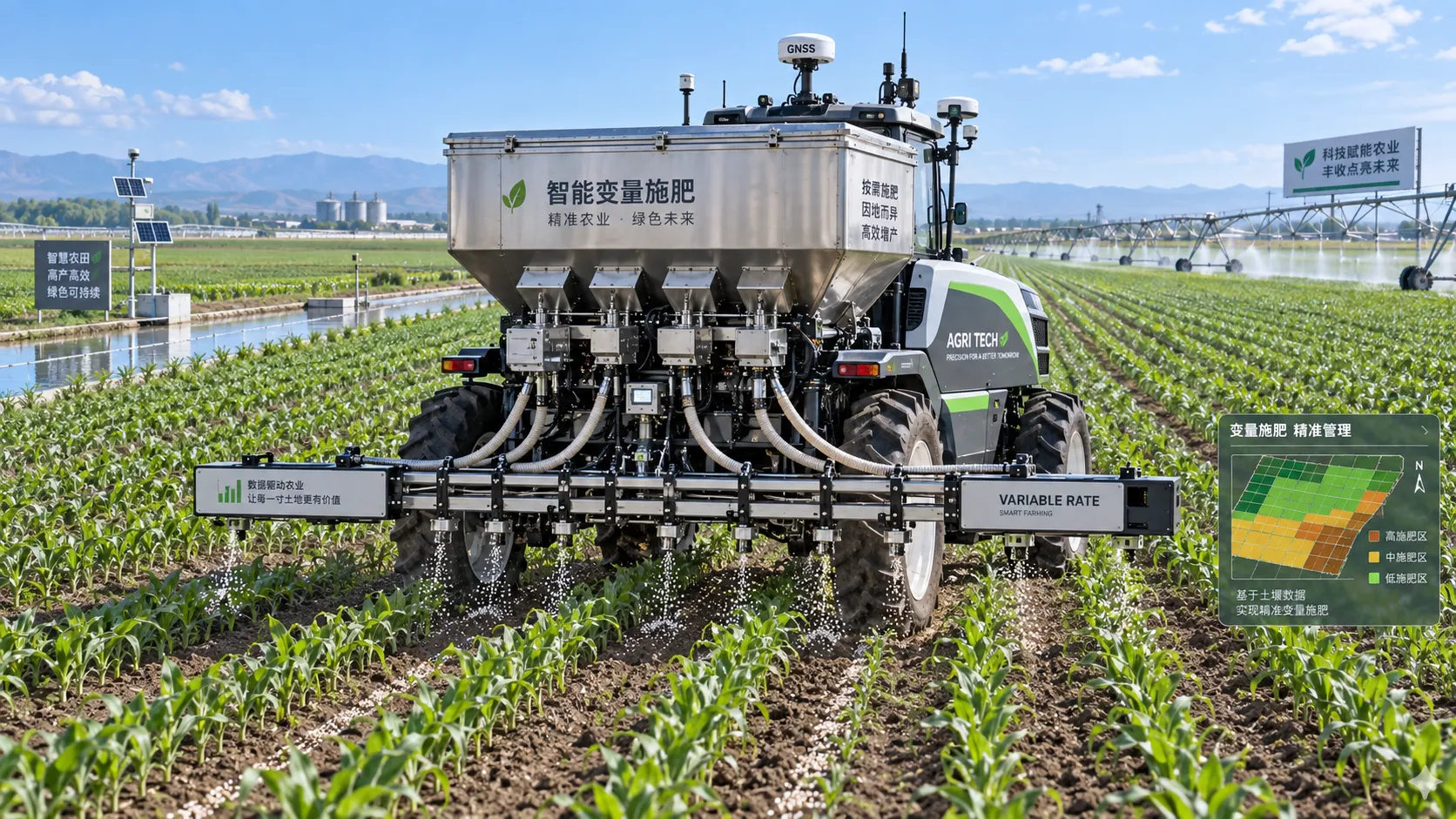
How to Evaluate Precision Fertilization System Suppliers for Farm-Scale Deployment
Precision fertilization systems suppliers: learn how to compare accuracy, integration, uptime, service, and total cost for confident farm-scale deployment.
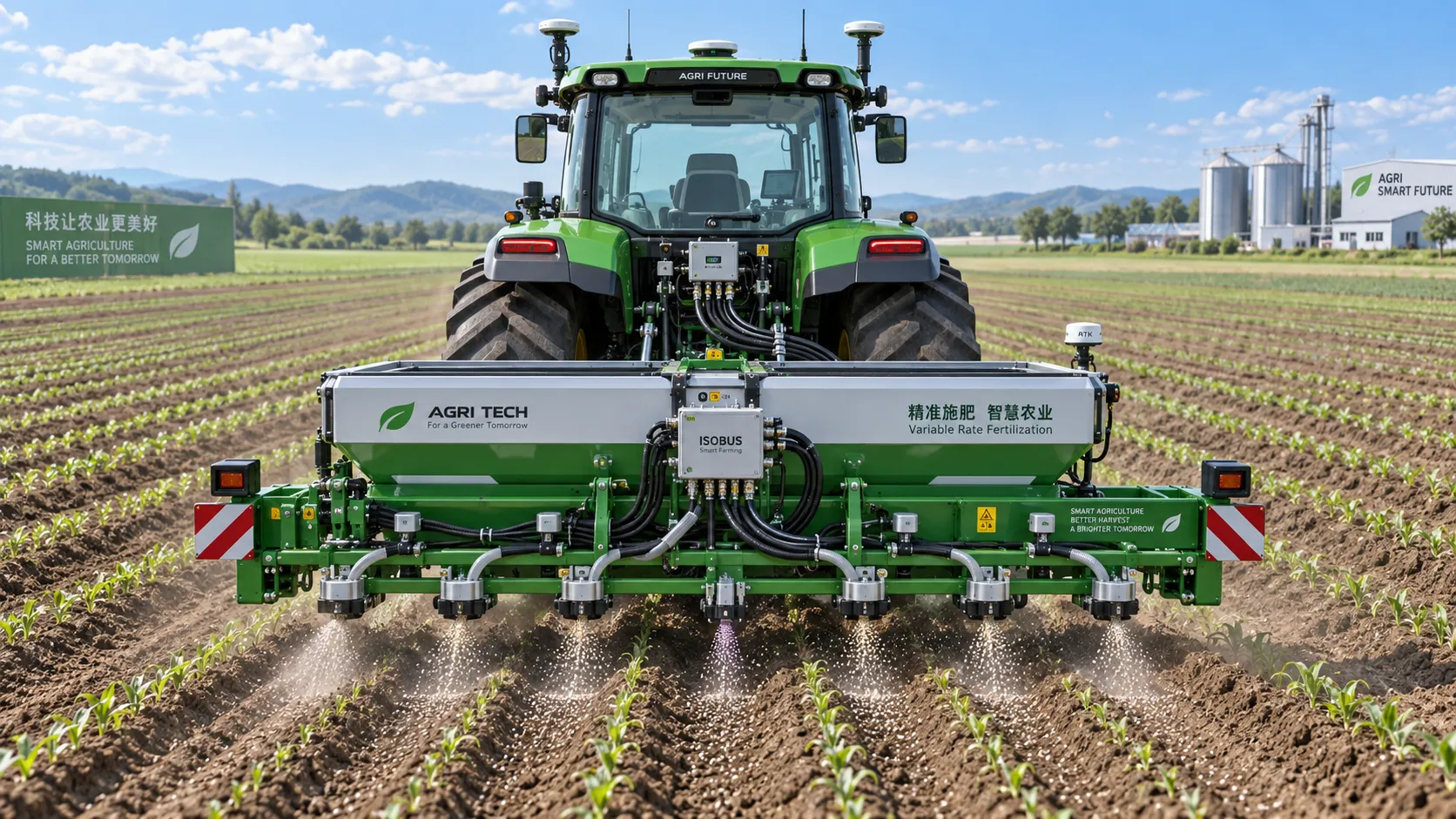
ISOBUS for Smart Agriculture: How It Connects Tractors, Implements, and Farm Data
ISOBUS for smart agriculture connects tractors, implements, terminals, and farm data—helping growers improve precision, documentation, and smarter field decisions.
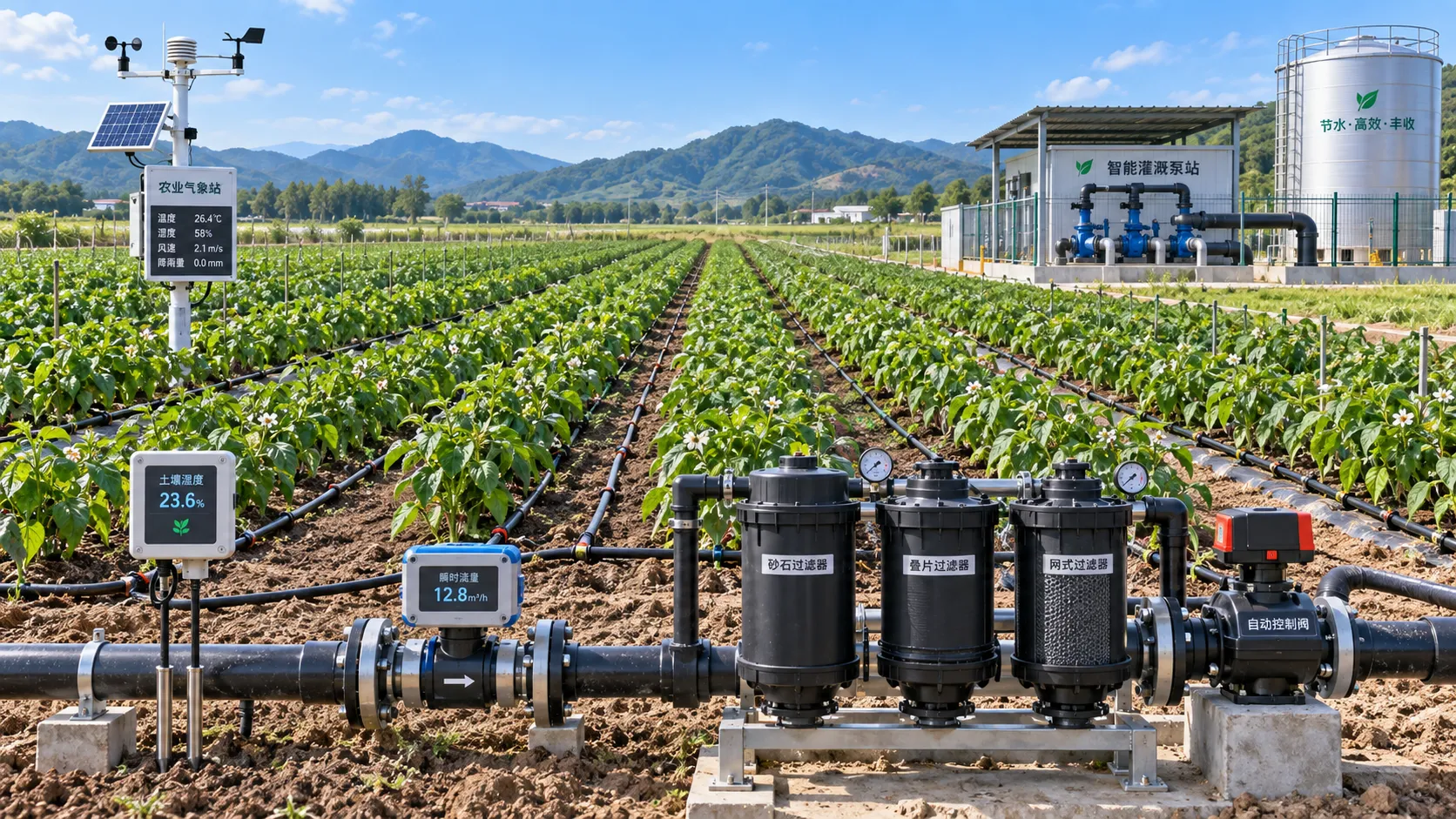
Automated Water-Saving Irrigation: How to Cut Water Use Without Reducing Crop Yields
Automated water-saving irrigation helps farms cut water use, protect crop yields, improve scheduling, and gain reliable control with sensors, flow monitoring, and smart zones.
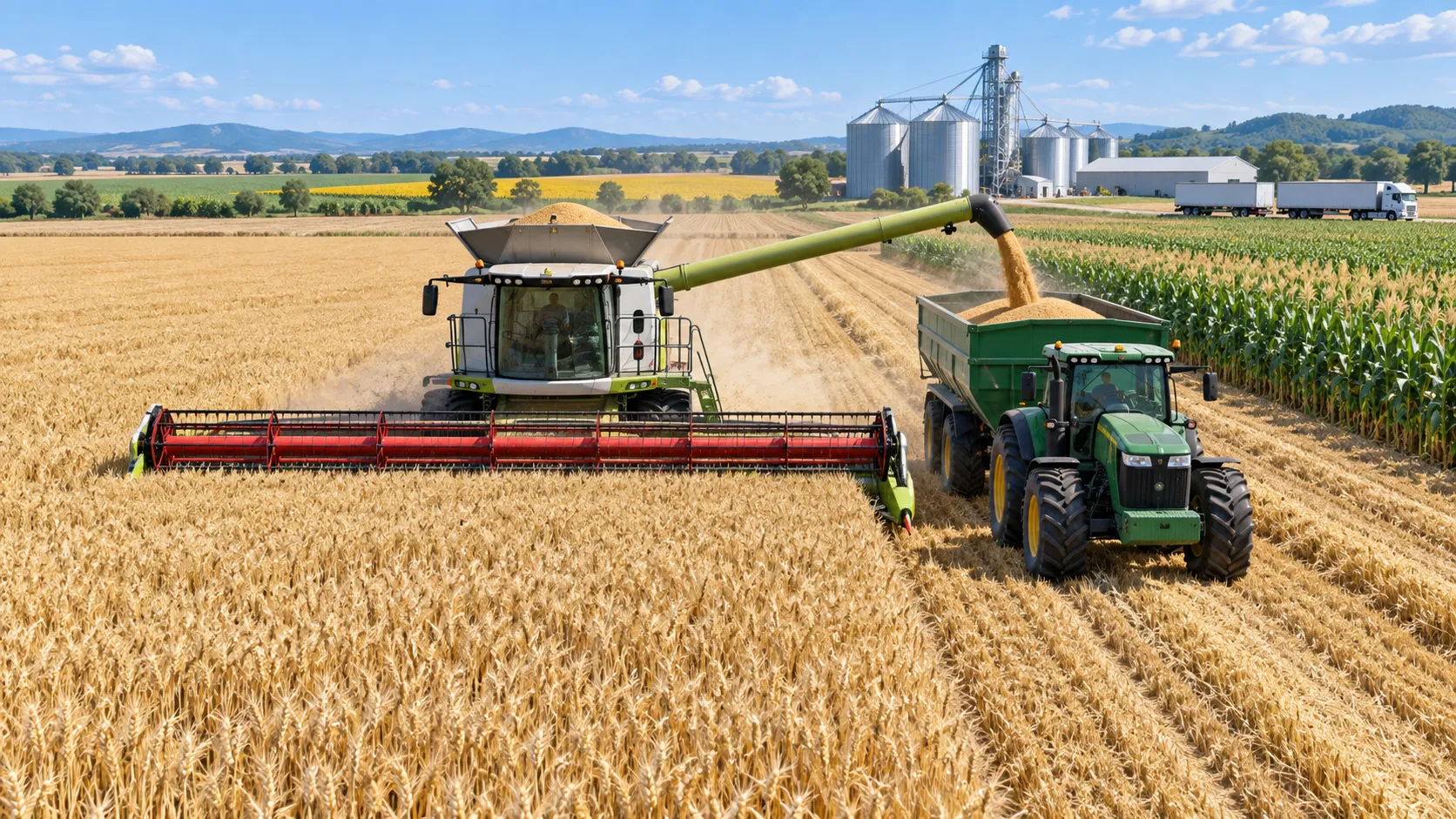
Selecting Grain Farm Equipment by Acreage, Crop Mix, and Harvest Window
Agricultural equipment selection for grain farming: match machinery to acreage, crop mix, and harvest windows to improve uptime, efficiency, and returns.
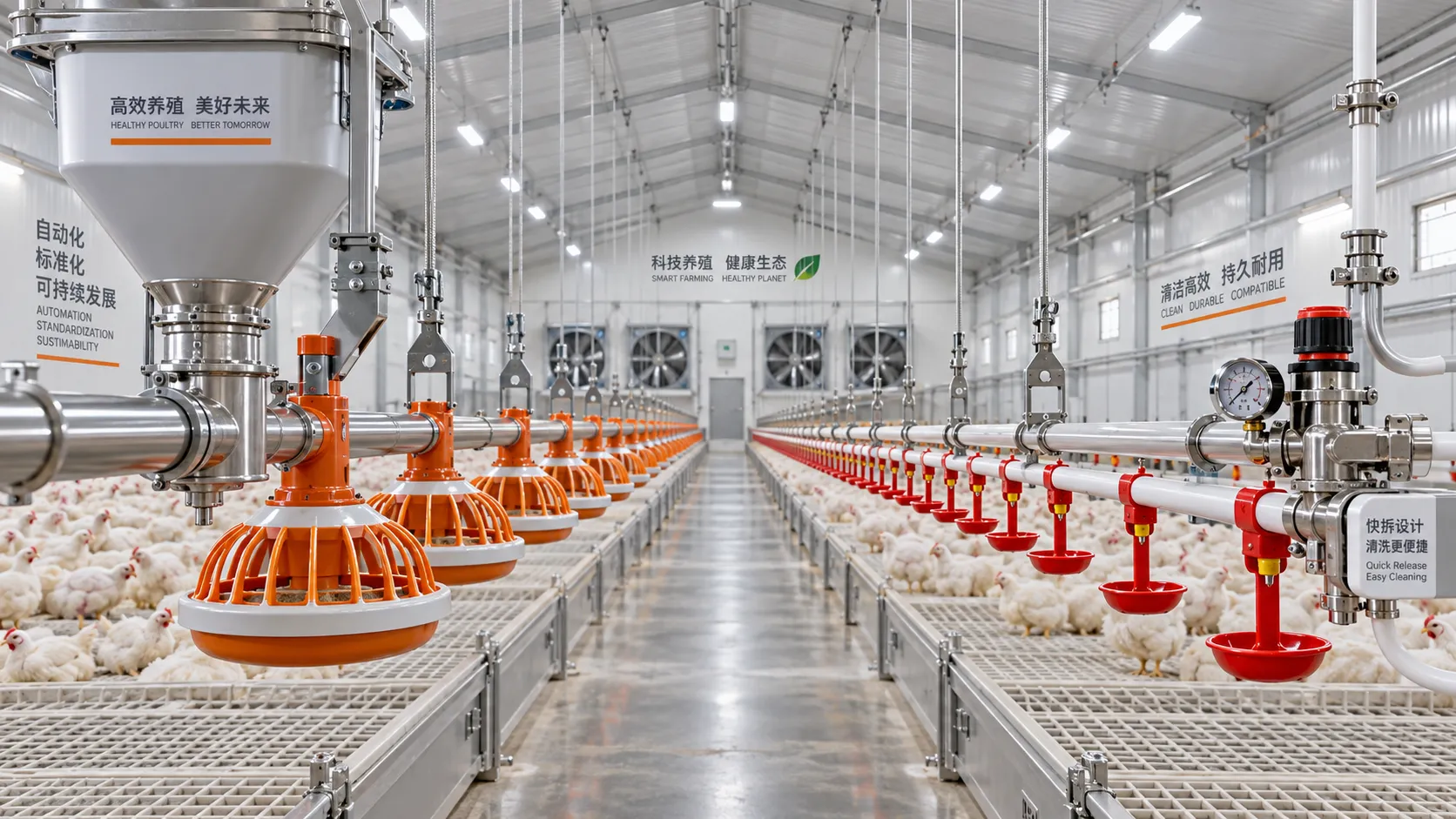
Poultry Equipment Selection: Evaluating Durability, Cleaning, and Compatibility
Poultry equipments selection guide: evaluate durability, cleaning access, and system compatibility to improve hygiene, reduce downtime, and support efficient flock management.
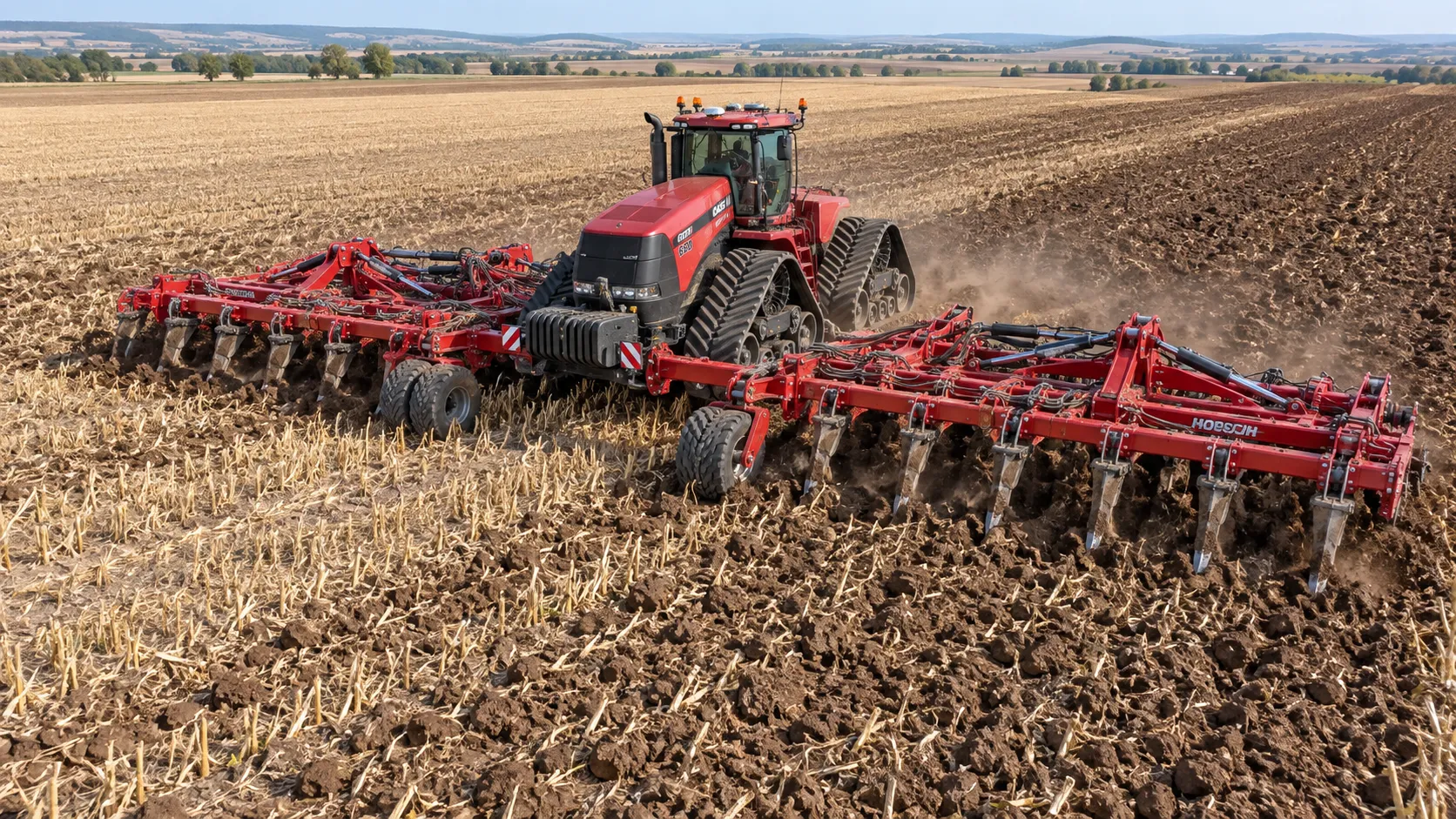
How to Select Heavy-Duty Farm Implements for High-Acreage, High-Horsepower Operations
Heavy duty farm implements: learn how to match draft, hydraulics, hitch capacity, frame strength, and field conditions for reliable high-acreage performance.
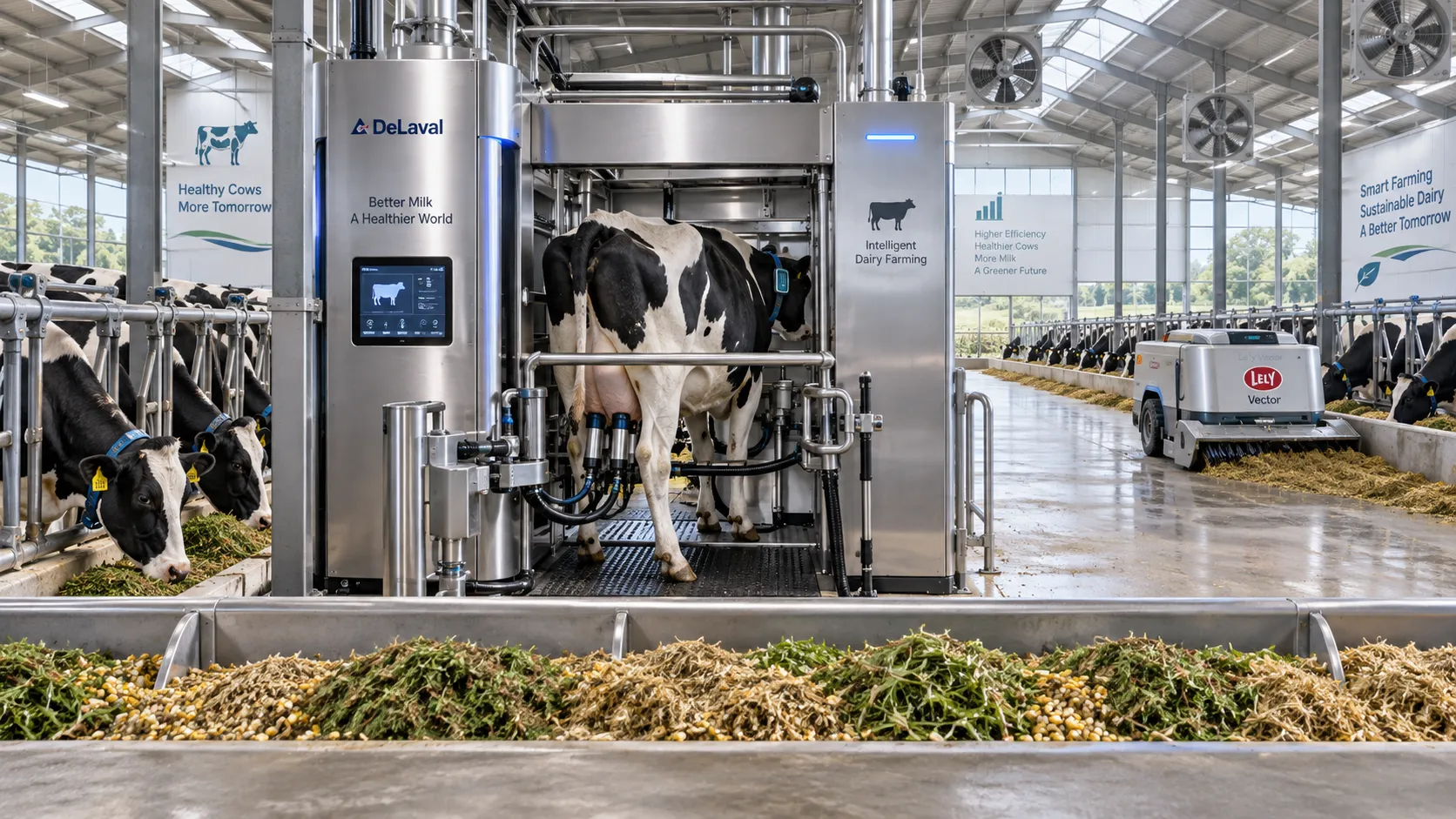
Smart Farming Technology for Dairy Farms: Where Automation Delivers Measurable ROI
Smart farming technology for dairy farms delivers measurable ROI through automation, precision feeding, health monitoring, and data-driven cost control.
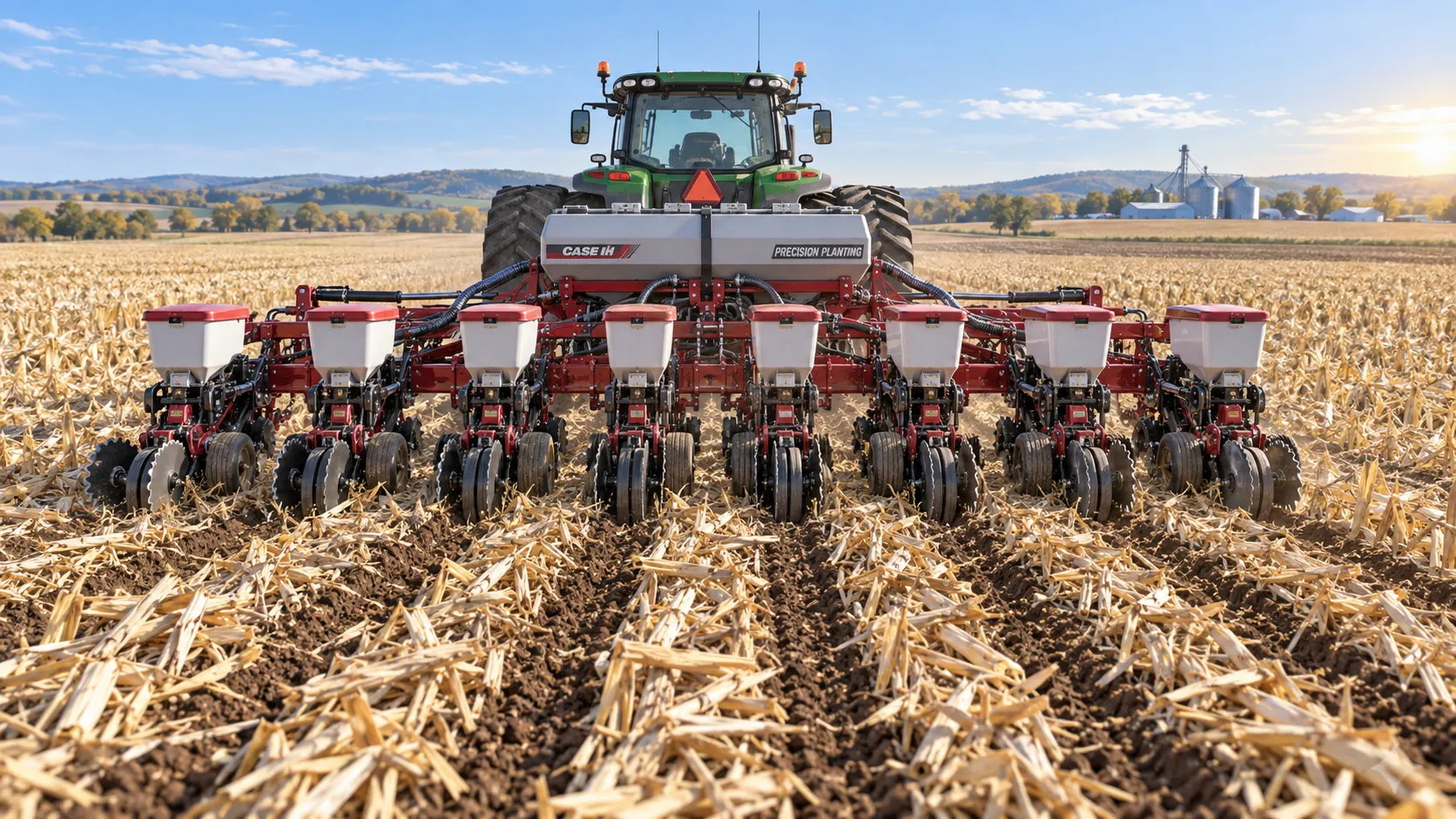
How to Select a Heavy-Duty Seeder for Large Acreage and High-Residue Fields
Heavy duty seeders for large acreage: compare residue handling, depth control, downforce, metering accuracy, and precision features to select the right model.
Related News
- 00
0000-00
When Does Agricultural Machinery Leasing Cost Less Than Owning Equipment? - 00
0000-00
Selecting Grain Farm Equipment by Acreage, Crop Mix, and Harvest Window - 00
0000-00
Poultry Equipment Selection: Evaluating Durability, Cleaning, and Compatibility - 00
0000-00
How to Select Heavy-Duty Farm Implements for High-Acreage, High-Horsepower Operations - 00
0000-00
Smart Farming Technology for Dairy Farms: Where Automation Delivers Measurable ROI
Popular Tags
Ms. Elena Rodriguez
Weekly Insights
Stay ahead with our curated technology reports delivered every Monday.