
When Does Large-Scale Farm Equipment Lower Costs?
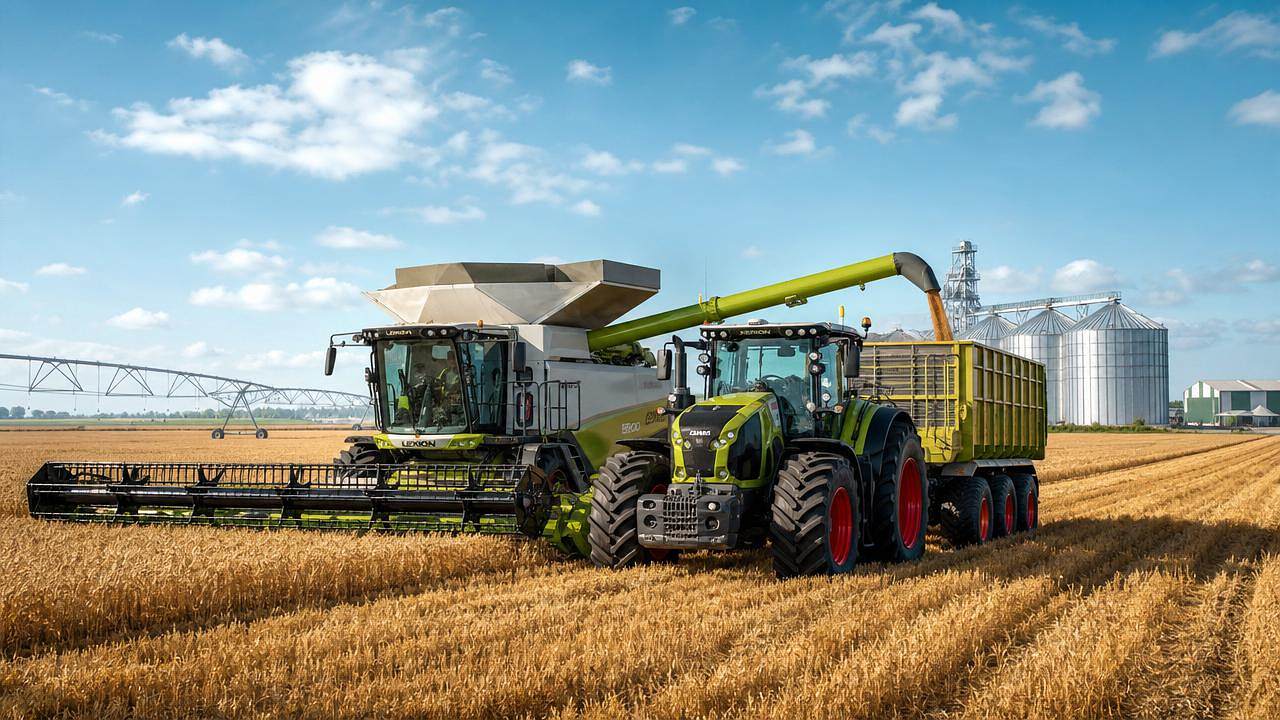




For financial decision-makers, the real question is not whether large-scale farm equipment is advanced, but when it delivers measurable cost reductions. From labor efficiency and fuel savings to lower harvest losses and stronger asset utilization, understanding the break-even point is essential. This article explores how scale, technology, and operating conditions determine whether large-scale farm equipment truly improves the bottom line.
The Cost Equation Is Changing Faster Than Many Budgets Assume
Across the agricultural sector, the economics of mechanization are shifting. Labor scarcity is no longer a temporary disruption in many regions. Fuel volatility continues to reshape operating budgets. At the same time, farms are under greater pressure to harvest within narrower weather windows, manage water more precisely, and protect margins in a market where input prices can move quickly. In this environment, large-scale farm equipment is no longer judged only by horsepower or acreage capacity. It is increasingly judged by how reliably it lowers unit costs per acre, per ton, or per labor hour.
This is why the timing of investment matters. A machine that looks expensive on a purchase order may be cheaper over a full operating cycle if it reduces rework, prevents harvest loss, shortens field time, and improves throughput across planting, spraying, harvesting, or irrigation-linked operations. For finance teams, the key trend is clear: cost reduction now depends less on headline machine price and more on utilization quality, seasonal fit, and data-enabled operational discipline.
The Strongest Signal: Scale Alone No Longer Guarantees Savings
A decade ago, many buyers assumed that larger machines automatically meant lower costs because more acres could be covered in less time. That logic still has value, but it is no longer sufficient. Large-scale farm equipment lowers costs only when scale is matched with field conditions, labor capability, maintenance readiness, and annual workload density. Oversized fleets can create idle capital, underused attachments, and storage burdens that erode expected savings.
The more important shift is from simple capacity expansion to precision deployment. In other words, equipment scale must align with the actual timing of work peaks, crop mix, terrain complexity, transport distances, and the farm’s ability to keep machines productive during critical days. For financial approvers, this changes the approval question from “Can this machine do more?” to “Will this machine be used enough, at the right moments, to lower total cost?”
Trend Comparison: What Now Determines Real Savings
What Is Driving the New Break-Even Point?
Several forces are moving the break-even threshold for large-scale farm equipment. First, labor has become both more expensive and less predictable in many agricultural regions. If a larger tractor, combine, or intelligent implement allows one skilled operator to replace multiple labor-intensive steps, the labor-saving effect is meaningful. But this only translates into lower cost when the machine is available during peak demand and supported by trained operators.
Second, crop loss prevention has become financially more visible. In harvesting, delayed operations can reduce both quantity and quality. For cereals, oilseeds, and many specialty crops, a narrow harvest window means that a higher-capacity combine can protect revenue by reducing field losses and weather exposure. That is not merely an operational advantage; it is a margin defense mechanism that finance teams should value alongside direct expense savings.
Third, technology integration is changing cost structures. Guidance systems, sensor feedback, yield mapping, telematics, and variable-rate application tools are making large-scale farm equipment more productive per pass. The result is fewer overlaps, lower input waste, and more predictable service intervals. In irrigation-linked systems, smarter pumping schedules and application control can also reduce energy and water costs, creating savings beyond the machine itself.
Finally, financing conditions and asset strategy matter more than before. Even when equipment can reduce operating costs, the timing of those savings may not match debt service schedules, lease terms, or depreciation assumptions. This is especially important for financial approvers balancing liquidity, seasonal cash flow, and risk exposure.
Where Large-Scale Farm Equipment Usually Starts Lowering Costs
There is no universal acreage threshold that applies to every farm, but there are recurring operating patterns that signal when large-scale farm equipment begins to produce measurable savings. One is high annual utilization. If a machine is used intensively across multiple seasons, crop cycles, or contract operations, fixed ownership costs are spread more efficiently. Another is time-sensitive fieldwork. In regions where delayed planting, spraying, or harvest leads directly to yield or quality penalties, higher-capacity equipment often pays back faster than expected.
A third pattern is fragmented labor availability. If managers struggle to recruit, train, or retain enough operators for seasonal peaks, larger and smarter machines can simplify workforce structure. A fourth is operational consolidation. As farms expand, merge, or centralize procurement, they often gain better conditions for equipment scheduling, maintenance planning, and bulk parts support. That improves utilization, which is one of the strongest predictors of cost reduction.
Typical Conditions That Improve the Payback Outlook
The Biggest Financial Mistake: Measuring Savings Too Narrowly
Many investment cases fail because they measure large-scale farm equipment only against old labor costs or basic fuel consumption. That view misses several savings channels. Reduced overlap in spraying or fertilization lowers input waste. Stronger tractor chassis and hydraulic performance can maintain field speed under demanding conditions, reducing bottlenecks. Advanced combine systems can lower grain loss and improve cleaning efficiency, which influences delivered crop value. Intelligent irrigation support tools can reduce water and power use while improving crop consistency.
In other words, the value of large-scale farm equipment increasingly lies in system effects. One machine can improve the performance of operators, schedules, logistics, agronomic timing, and post-harvest outcomes. For finance leaders, a modern approval model should include direct cost savings, loss avoidance, throughput gains, maintenance predictability, and residual value risk.
Who Feels the Impact Most Strongly?
The move toward larger and more intelligent equipment does not affect every organization equally. Some buyers gain immediate cost advantages, while others need operational changes before savings appear. This is why procurement timing should be tied to business model maturity, not just equipment availability.
Why Technology Upgrades Matter More Than Raw Machine Size
One of the clearest industry changes is that technology layers are now central to cost reduction. Guidance accuracy, implement control, telematics diagnostics, and condition-based maintenance can produce savings even before a machine reaches its maximum field capacity. This shifts the investment logic for large-scale farm equipment from “buy more iron” to “buy more controllable productivity.”
That distinction matters because a slightly smaller but more intelligent machine may outperform a larger conventional one on total cost. Reduced overlap, improved route planning, early fault detection, and better operator consistency often deliver more stable savings than size alone. For budget approval, this means software-enabled performance should be evaluated as part of capital efficiency, not treated as an optional add-on.
Policy, Sustainability, and Risk Pressures Are Also Reshaping the Decision
Another important trend is the growing influence of compliance and sustainability expectations. Water-use restrictions, emissions standards, soil protection concerns, and traceability demands are gradually affecting farm operations and investment choices. Large-scale farm equipment that supports controlled traffic, lower passes, efficient irrigation, or more precise application may create indirect financial benefits by reducing compliance risk and supporting future market access.
For financial approvers, the implication is practical: the true cost of delaying an equipment upgrade may include hidden exposure. Older fleets may consume more fuel, require more repairs, create uneven field performance, or make it harder to document efficient resource use. These issues do not always appear immediately in a standard cost spreadsheet, but they increasingly influence long-term competitiveness.
How to Judge the Timing More Accurately
A better decision process starts with a simple question set. First, how many productive hours or acres will the machine realistically cover each year? Second, what losses or delays occur under the current setup during peak operations? Third, can the organization support uptime through parts, service, and operator training? Fourth, will the equipment integrate with precision tools or irrigation systems already in place? And fifth, is the financing structure aligned with the pace at which savings will materialize?
This kind of analysis helps separate real opportunity from procurement pressure. It also reflects a broader market direction: the winners in agricultural mechanization are not simply those who own the biggest assets, but those who match equipment decisions to operating rhythm, data capability, and financial discipline.
A Practical Judgment Framework
The Next Direction: From Equipment Ownership to Cost-Performance Intelligence
Looking ahead, the market is moving toward more evidence-based fleet decisions. Buyers want clearer benchmarks on operating cost, downtime risk, field efficiency, and agronomic impact. This supports a wider industry trend visible across tractors, combines, intelligent farm tools, and water-saving systems: machines are becoming decision platforms, not just mechanical assets.
For organizations tracking the future of large-scale farm equipment, the most valuable signal is not simply rising machine size. It is the convergence of mechanization, precision control, and resource efficiency. The cost advantage increasingly goes to farms and agribusinesses that can turn that convergence into repeatable operating discipline.
What Financial Decision-Makers Should Confirm Before Approving the Next Investment
If your business is evaluating large-scale farm equipment, focus on the practical break-even signals rather than broad assumptions. Confirm whether the asset will run enough hours, whether it protects revenue during critical windows, whether precision features will actually be used, and whether service support can sustain uptime. Also confirm whether lower labor demand, lower input waste, lower harvest loss, and better irrigation or field coordination will show up clearly in reporting.
When these conditions are present, large-scale farm equipment is far more likely to lower costs in a measurable way. When they are missing, bigger assets may only shift expenses from operations to capital. The best next step is to test the investment against real utilization, timing pressure, and controllable efficiency gains. That is where confident approvals begin, and where true cost reduction becomes visible.
Related News
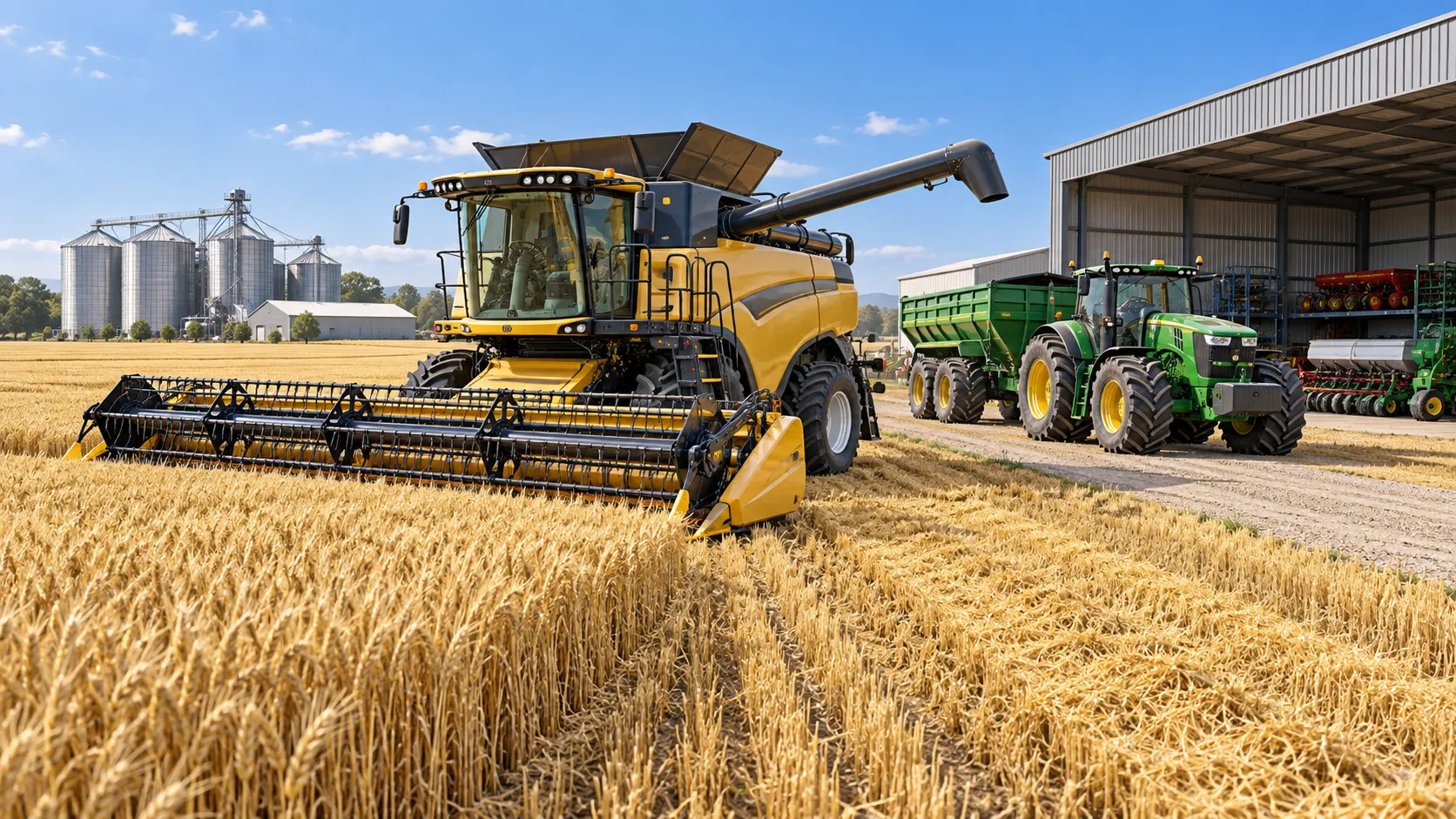
When Does Agricultural Machinery Leasing Cost Less Than Owning Equipment?
Agricultural machinery leasing can lower farm costs when use is seasonal or uncertain. Compare utilization, maintenance, cash flow, and risk to make a smarter equipment decision.
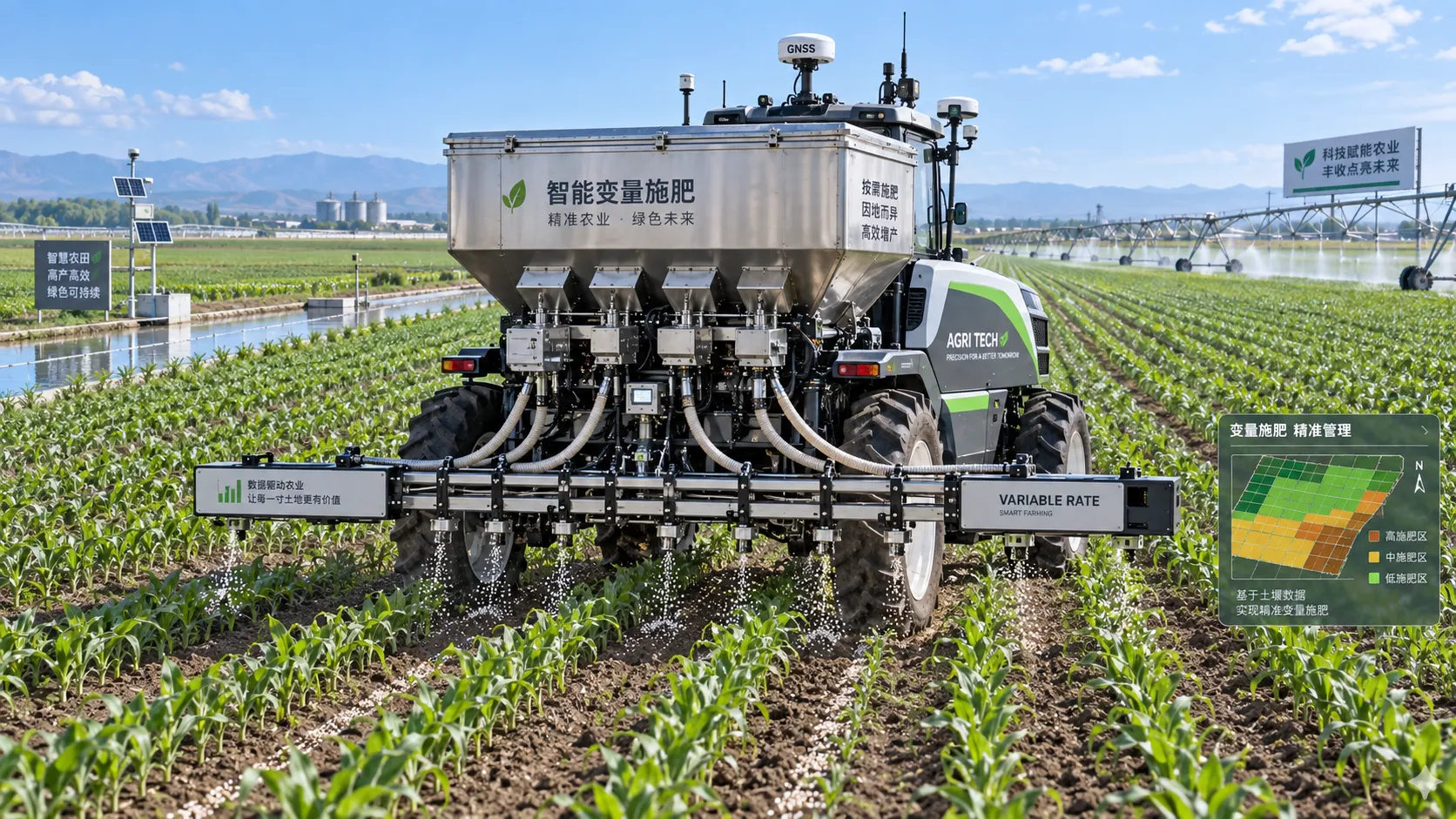
How to Evaluate Precision Fertilization System Suppliers for Farm-Scale Deployment
Precision fertilization systems suppliers: learn how to compare accuracy, integration, uptime, service, and total cost for confident farm-scale deployment.
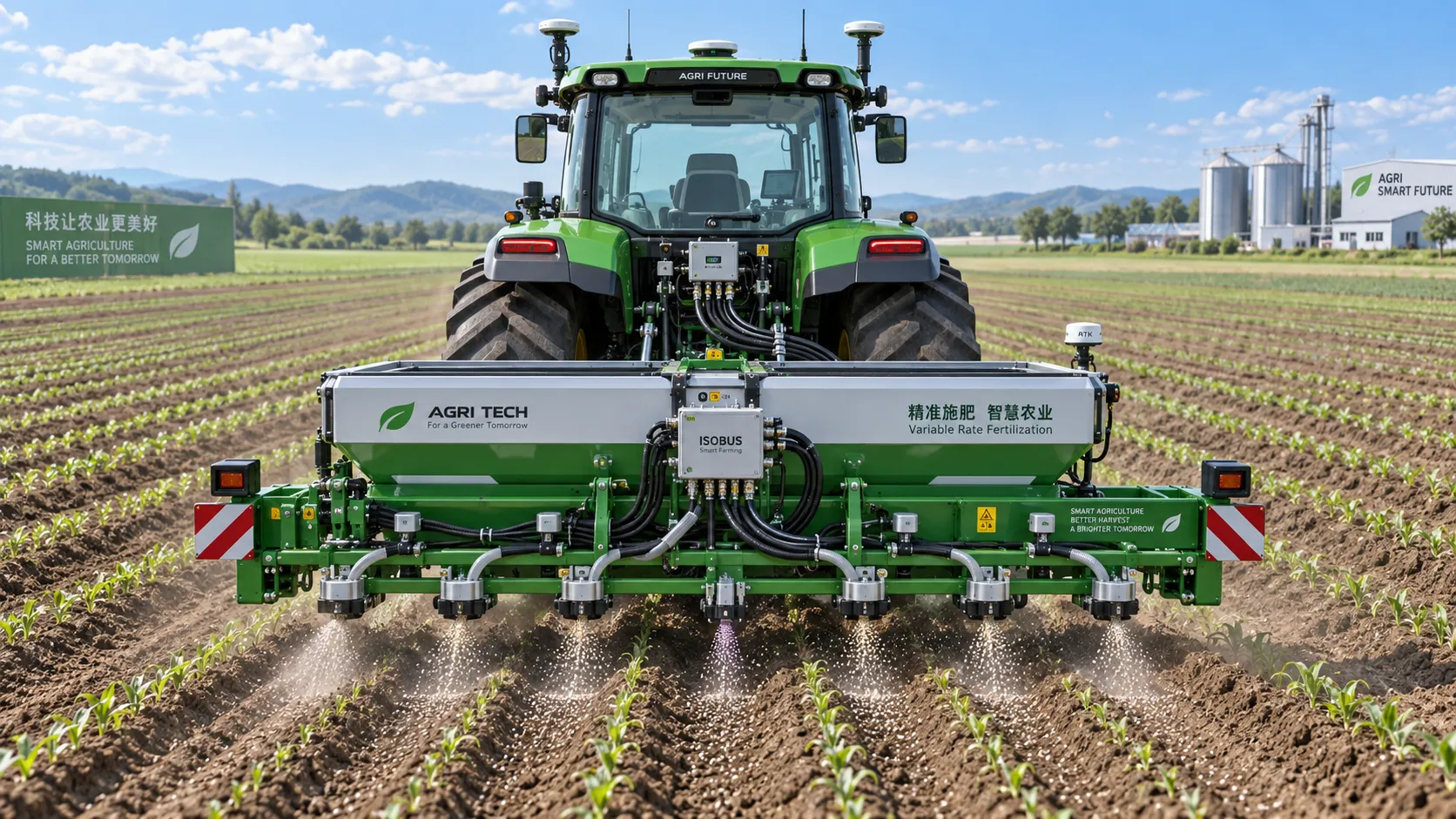
ISOBUS for Smart Agriculture: How It Connects Tractors, Implements, and Farm Data
ISOBUS for smart agriculture connects tractors, implements, terminals, and farm data—helping growers improve precision, documentation, and smarter field decisions.
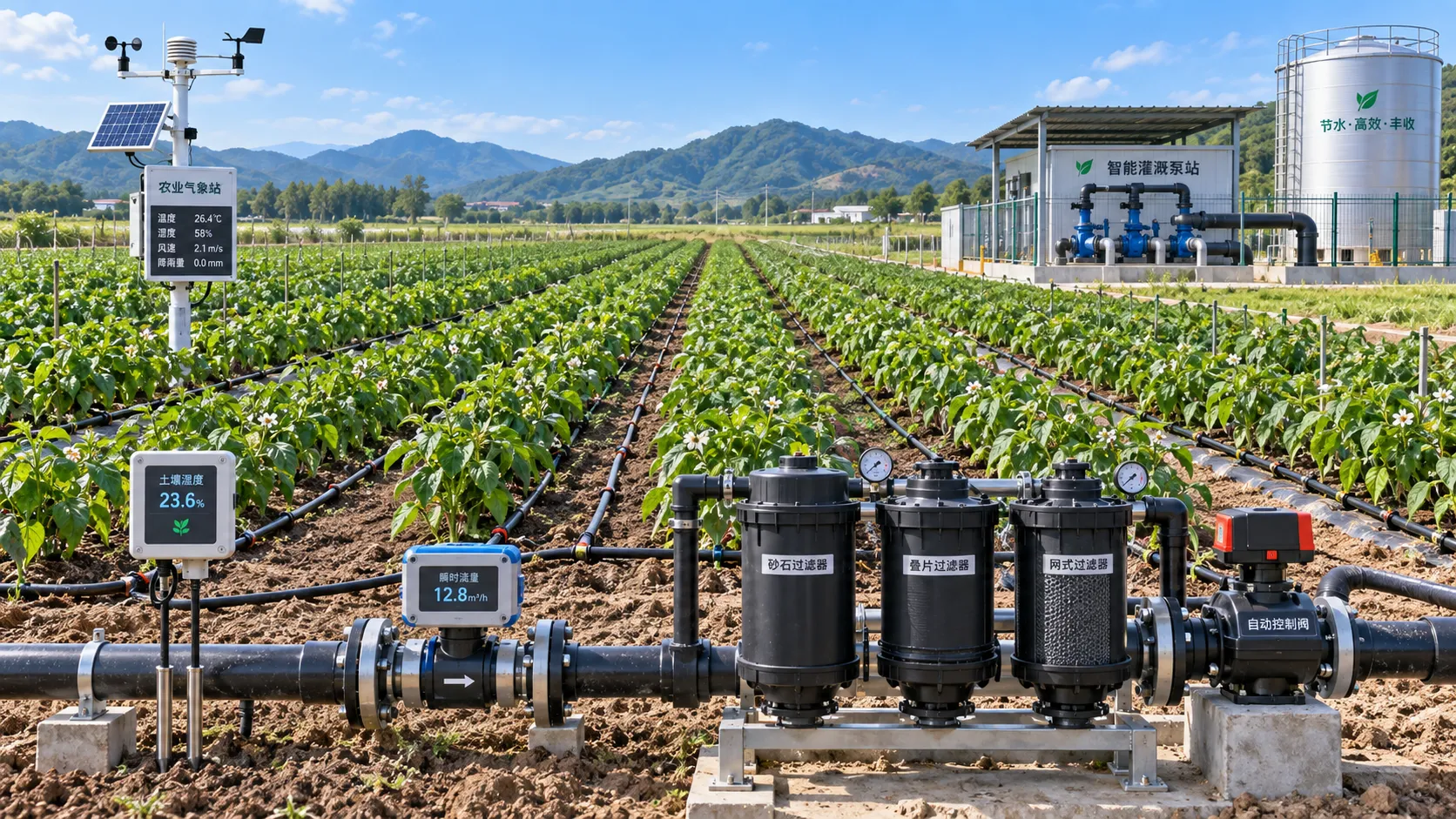
Automated Water-Saving Irrigation: How to Cut Water Use Without Reducing Crop Yields
Automated water-saving irrigation helps farms cut water use, protect crop yields, improve scheduling, and gain reliable control with sensors, flow monitoring, and smart zones.
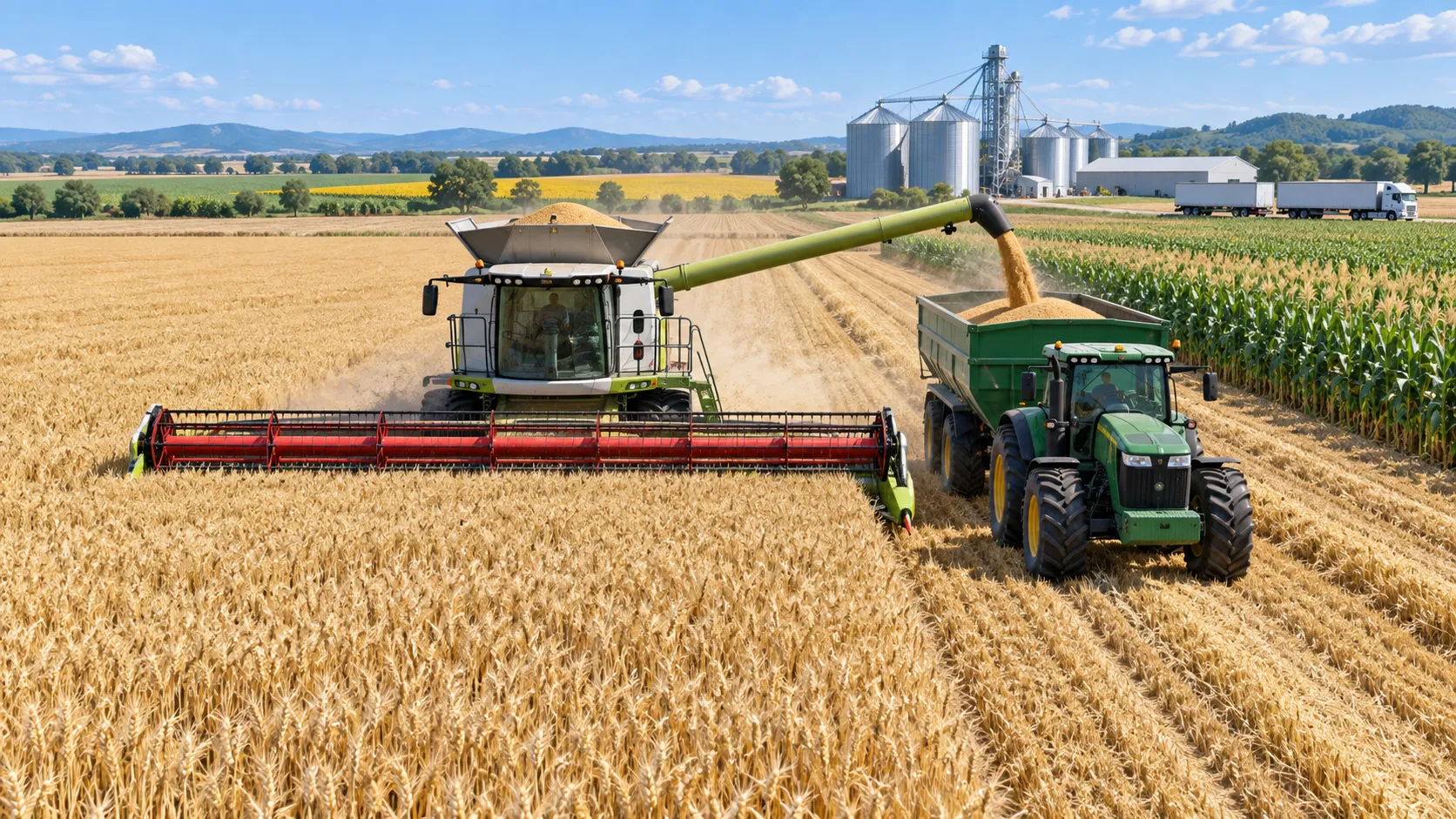
Selecting Grain Farm Equipment by Acreage, Crop Mix, and Harvest Window
Agricultural equipment selection for grain farming: match machinery to acreage, crop mix, and harvest windows to improve uptime, efficiency, and returns.
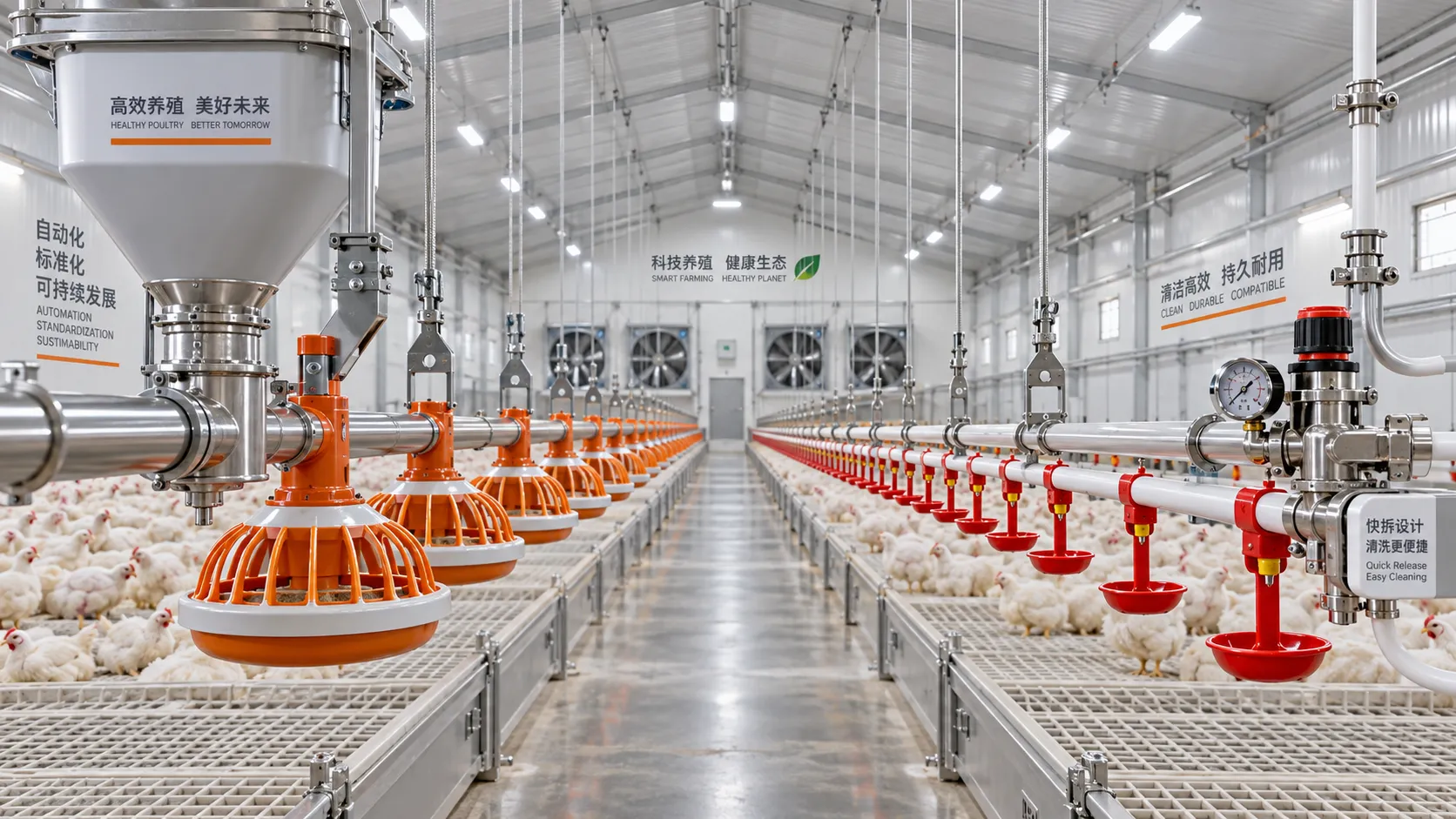
Poultry Equipment Selection: Evaluating Durability, Cleaning, and Compatibility
Poultry equipments selection guide: evaluate durability, cleaning access, and system compatibility to improve hygiene, reduce downtime, and support efficient flock management.
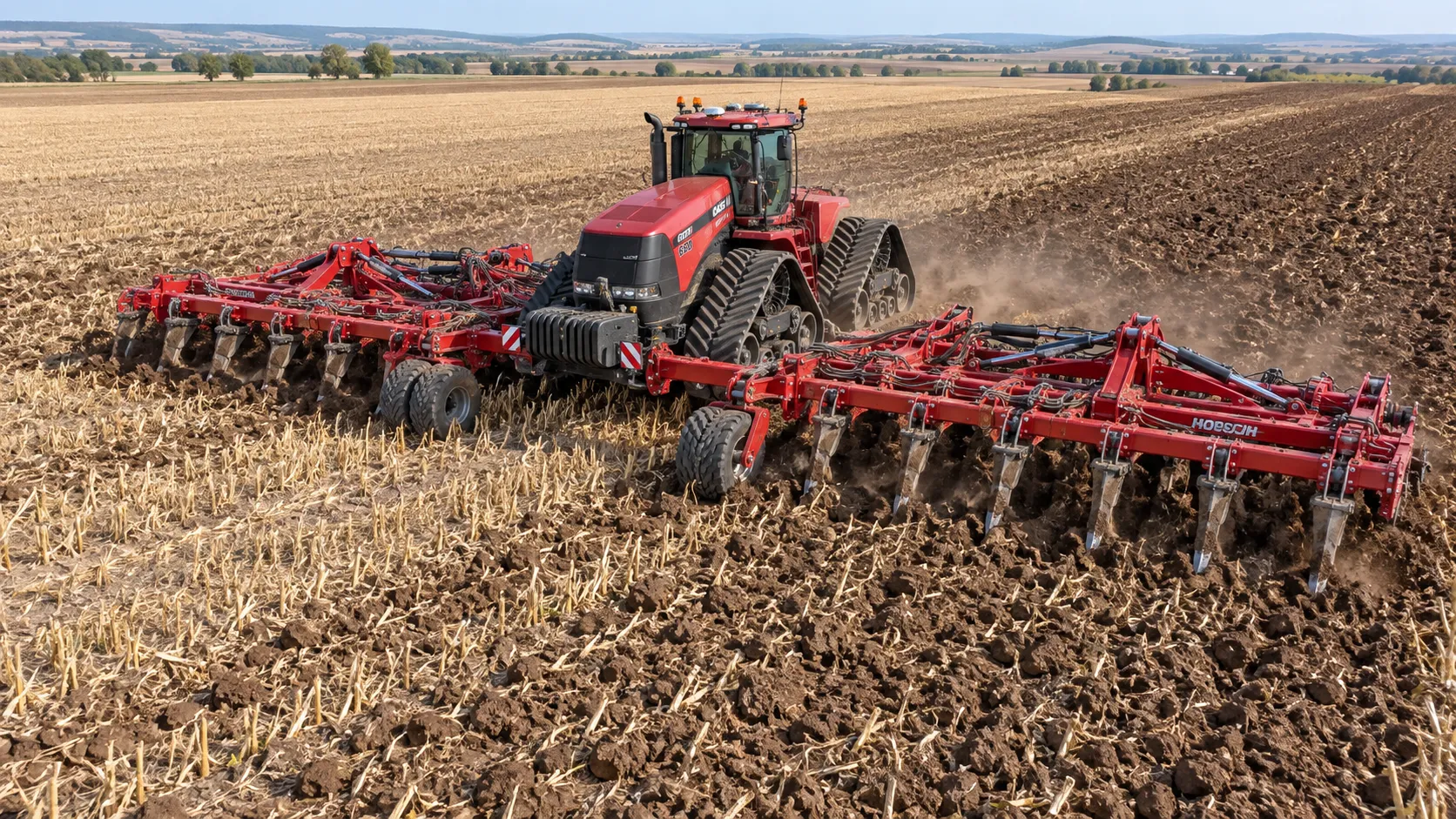
How to Select Heavy-Duty Farm Implements for High-Acreage, High-Horsepower Operations
Heavy duty farm implements: learn how to match draft, hydraulics, hitch capacity, frame strength, and field conditions for reliable high-acreage performance.
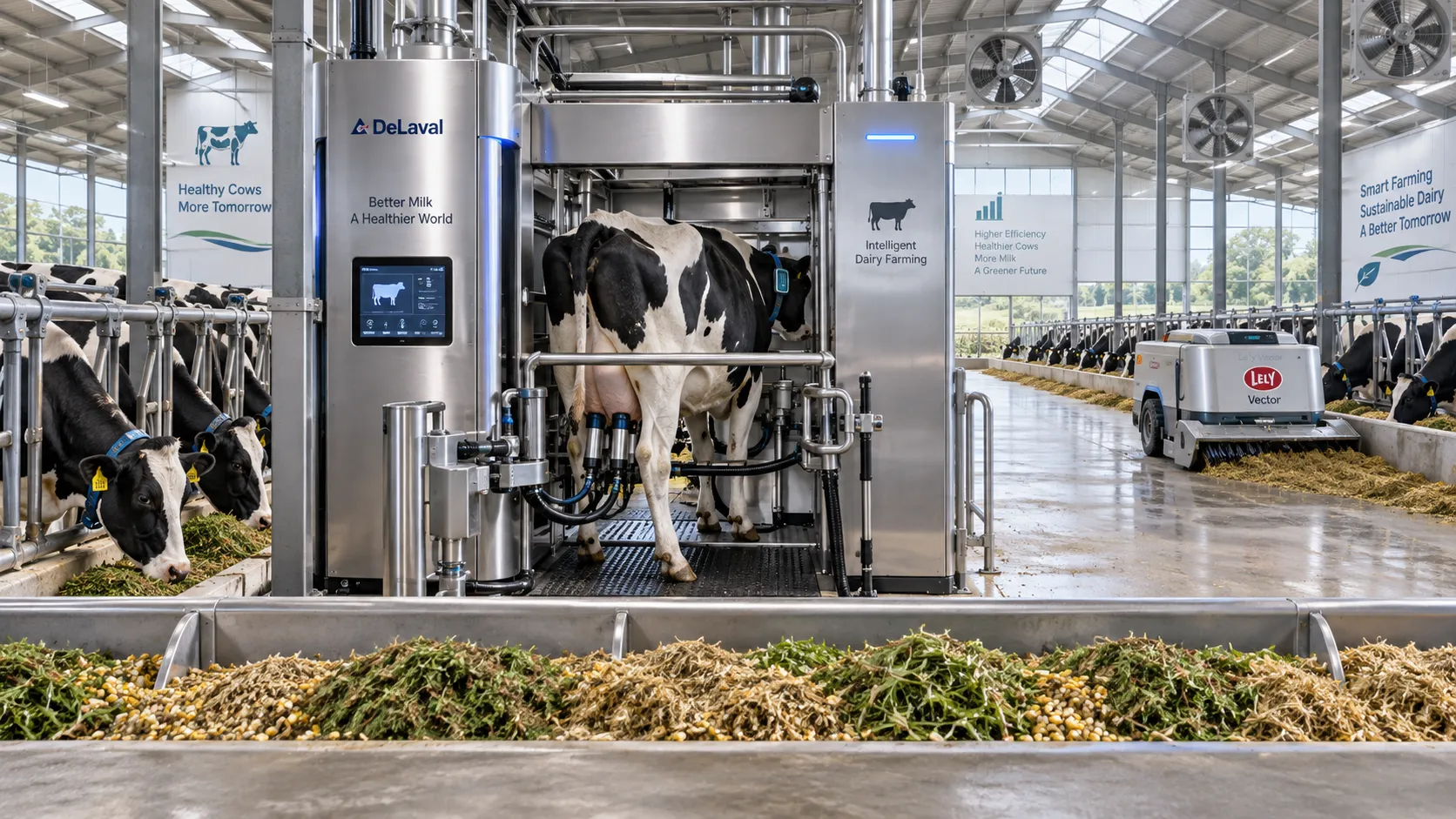
Smart Farming Technology for Dairy Farms: Where Automation Delivers Measurable ROI
Smart farming technology for dairy farms delivers measurable ROI through automation, precision feeding, health monitoring, and data-driven cost control.
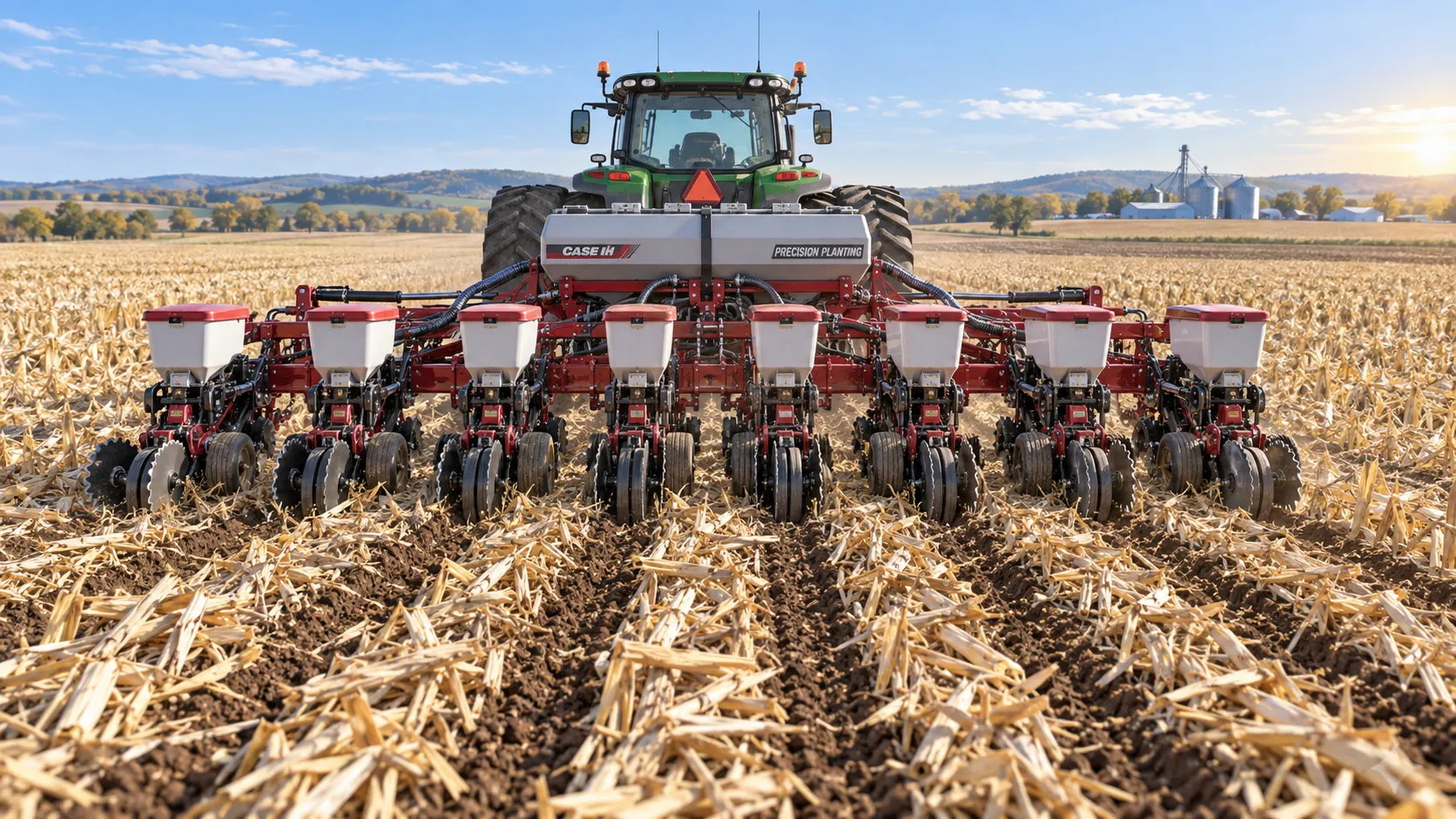
How to Select a Heavy-Duty Seeder for Large Acreage and High-Residue Fields
Heavy duty seeders for large acreage: compare residue handling, depth control, downforce, metering accuracy, and precision features to select the right model.
Related News
- 00
0000-00
When Does Agricultural Machinery Leasing Cost Less Than Owning Equipment? - 00
0000-00
Selecting Grain Farm Equipment by Acreage, Crop Mix, and Harvest Window - 00
0000-00
Poultry Equipment Selection: Evaluating Durability, Cleaning, and Compatibility - 00
0000-00
How to Select Heavy-Duty Farm Implements for High-Acreage, High-Horsepower Operations - 00
0000-00
Smart Farming Technology for Dairy Farms: Where Automation Delivers Measurable ROI
Popular Tags
Ms. Elena Rodriguez
Weekly Insights
Stay ahead with our curated technology reports delivered every Monday.